Category: Organic Food

  • How Far Apart Should Lettuce Be Planted?

    How Far Apart Should Lettuce Be Planted?

    The crispy, green, and lush lettuce is one of the most loved and widely grown salads vegetables grown in the United States. Spacing your lettuce the right way is crucial for you to enjoy a great crop yield. So, how far apart should our lettuce be planted?

    Lettuce is a cool-weathered crop that grows easily in the right conditions. It is one of most growers’ favorite garden greens that has a great taste and offers great Vitamin content (especially Vitamin A).

    We will be looking at how far apart your lettuce should be planted. We will also be giving you great guidelines for growing lettuce in your garden so you can enjoy these great-tasting greens.

    Growing Lettuce

    Lettuce is an amazing vegetable to add to your vegetable home garden. You can always enjoy your salad bowl full of this crispy, green, and tasty lettuce available right in the comfort of your home.

    Lettuce is an easy-to-grow plant that will keep producing for a long time. You can start to enjoy baby green lettuce harvest around a month from seedling then full head in about two months or even less.

    The plant isn’t so demanding so far you keep it watered appropriately. Lettuce will grow optimally in containers as well as raised beds. Therefore, this makes lettuce perfect for a small spaced garden.

    Growing Lettuce

    Ideally, lettuce is best grown in spring and fall. It should be planted two weeks before frost. Then in fall, you should begin seed sowing again six weeks to eight weeks before your region’s fall frost.

    How Far Apart Should Lettuce Be Planted?

    How far apart your lettuce should be planted will mainly depend on the lettuce variety you’re growing.

    For instance, the loose-leaf lettuce variety can be grown closely or tightly. Heading lettuce on the other hand requires some space.

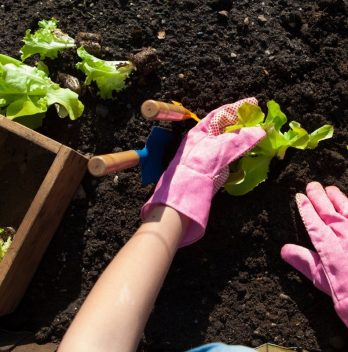
    When you start by transplanting lettuce from indoor, it makes it easier to space them. Then planting outdoors from seeds is easier to sprinkle the seeds and thin them later.

    So, let’s look at the spacing requirements for butter lettuce, loose-leaf lettuce, and crisphead lettuce. We will also look at how far apart lettuce should be planted container gardening and hydroponics garden.

    How To Plant Lettuce: Spacing Requirements Tips

    Here are some spacing requirement tips for growing some lettuce varieties as well as container and hydroponics garden:

    1.    Loose-leaf Lettuce

    For transplanting, how far apart your loose-leaf lettuce should be planted should be 2 to 4 inches. If you’re planting in rows, you can plant them 1 inch apart and the rows should be 8 to 10 inches intervals. A general guideline for planting lettuce in a row is 10 plants per foot.

    Loose-leaf Lettuce

    Most times, growers prefer not to thin loose-lettuce. They are usually picked or harvested while they’re young. They are also harvested several times in one season and this limits their chance of fungus or mold infestation.

    2.    Butter Lettuce

    If you give butter lettuce variety adequate space, they will tend to give rise to a semi-firm head. Butter lettuce can as well be tightly packed just like loose-leaf lettuce. Or you can simply space them out to give them a good chance to grow a semi-firm head and to grow larger.

    If you wish to achieve a bigger head, space them 6 to 8 inches apart. Row planting should be thinned out into 6 inches then space these rows at 10 to 18 intervals.

    3.    Crisphead Lettuce

    The crisphead lettuce variety accommodates more space and they may be the most difficult variety to grow. This lettuce variety requires more care so they can produce that firm and mild-tasting heads you see on grocery store shelves.

    Crisphead lettuce variety should be spaced 12 to 18 inches apart. However, the Romaine variety that tends to grow tall heads can be spaced as close as 6 inches apart. Row planting should be spaced 6 to 12 inches apart in rows at 18 inches intervals.

    AeroGarden Black Harvest Indoor Hydroponic Garden

    81DPs6WZXjL. AC SL1500

    4.    Container Gardening Space Requirement

    A lot of growers that grow lettuce in containers have grown them very closely and overlooked spacing suggestions with success.

    The ability to closely pack lettuce makes it even more ideal to be grown in containers. When you harvest the outer leaves of butter lettuce and loose-leaf lettuce varieties in your containers, the plant tends to continually produce more leaves from the central crown.

    Therefore, this attribute or feature permits us to continue harvesting all season long. Also, doing this allows you to create more room for new leaves to grow.

    5.    Hydroponics Garden Lettuce Space Requirement

    Some lettuce varieties cultivated in various hydroponic systems have been spaced closer to each other. In hydroponic lettuce, their root does not require nutrient competition compared to growing them traditionally. Hence, they don’t need the same amount of space as growing lettuce traditionally outdoors.

    The crisphead varieties can be grown as close as 4 inches apart in a hydroponic garden.

    Guidelines On Planting Lettuce

    Follow these guidelines to plant your lettuce:

    • To plant lettuce from seeds, sow them ¼ to ½ inch deep. Seeds aren’t sown too deep because they require light to grow. The ideal temperature for seeds germination is around 40 F. However, the ideal growing temperatures are between 60 to 65 degrees Fahrenheit. Once the leaves have 3 to 4 true leaves, they can be thinned.

    • If you’re transplanting, the transplant should have 4 to 6 mature leaves. The root system should also be developed before transplanting.
    • Ensure you water thoroughly after planting. Make sure you always water lettuce sparingly and frequently. Your aim is to maintain moist soil. Always avoid too much watering because overwatering can lead to root rot, diseases, and stunted growth.
    • Once it’s 3 weeks of transplanting, you should supply fertilizer to your plant soil. Lettuce soil thrives well in high organic components. Use adequate compost and a steady supply of nitrogen so it can grow well.

    FAQ’s

    Can lettuce be grown in containers?

    Yes, it can. There are many different varieties of lettuce that can be grown indoors. Check out some of the many varieties of lettuce that are available online. If you are growing indoors, I would recommend choosing a variety of lettuce that is harvested when its head is still small (4-5 inches). This will allow the plant to continue to grow and produce leaves, but not so much that they get too big and unappealing.

    Does lettuce need a lot of water?

    Lettuce is a very easy crop to grow. It doesn’t need a lot of water, and you can grow it in almost any soil, including sand. It grows fast and reaches maturity within about 60 days. The lettuce that I grow in my garden are loose-leaf varieties. These lettuces do not form heads, so they will continue to grow and produce leaves even when the main head is harvested.

    What’s the best time to plant lettuce?

    Lettuce should be planted in cool weather. This will give it a good chance of survival. It will do well with temperatures around 45 degrees F. I recommend planting it in mid-spring, and in mid-fall.

    What type of soil does lettuce need?

    Lettuce is a cool-season crop and thrives in soils with good drainage. It can be grown in sandy, clay, loam, or peaty soils as long as they are not compacted. Lettuce requires good air circulation around the roots, but it will tolerate light shade. To keep the roots moist, water regularly.

    How long does it take for lettuce to germinate?

    According to the University of California, you should expect to see lettuce sprouting around 5-7 days after the seed is planted.

    How Far Apart Should Lettuce Be Planted: Conclusion

    Lettuce is great-tasting veg that is pretty easy to grow. Ensure you follow our tips on how far apart your lettuce should be planted so you can enjoy some crispy great tasting lettuce.

  • Growing Crooked Neck Squash

    Growing Crooked Neck Squash

    Crooked neck squash is a type of summer squash that would be a great addition to your garden. It’s so easy growing crooked neck squash and you can enjoy some nice flavorful squash dishes from it. They can be used for both raw and cooking applications.

    This squash is a warm-season vegetable that grows so easily and fast. It is also a very prolific summer squash plant.

    In this article, we are going to be looking at growing crooked neck squash. We will as well look into commencing crooked squash from seeds or seedlings, the right time to plant this squash, and many more. So let’s begin.

    Crookneck Squash

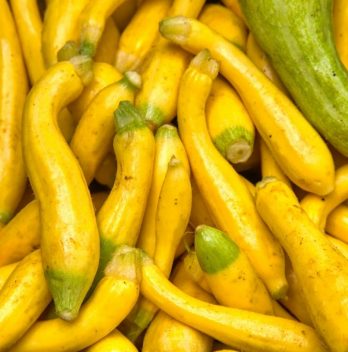
    Crooked neck squash is also known as yellow squash because of its yellow-skinned nature. It is botanically a member of Cucurbita pepo. From the name ‘crooked’ we can see the shape of the neck is bent or curved. The shape can somehow be compared to a bottle shape. The flesh of this summer squash may be smooth or bumpy.

    Crookneck squash is mostly found in North America. Up until the arrival of zucchini squash, the crookneck squash was majorly the dominant summer squash grown.

    Crookneck Squash

    This squash can be harvested when it’s still immature as a baby yellow crooked squash. It can as well be harvested when it’s fully matured in its full size. It can also be left on the vine to mature fully to a hardened gourd stage. Crooked neck squash is one of the very few summer squash that can be dried to a gourd-like stage.

    This tasty squash is packed with great nutrients such as carotenoid, lutein, beta-carotene, alpha-carotene, fiber, folate, and bioavailable copper.

    Crookneck Yellow Squash Plant

    Crooked neck squash plants love to be grown in a warm environment. Hence, growing crooked neck squash plants should be in the warm season. Unlike other winter squashes and pumpkins, they don’t grow on long vines, so they are easier to be grown in a container and small spaces.

    Let’s dive in further and see how to grow this flavorful summer squash.

    Growing Crooked Neck Yellow Squash Plants

    Growing crooked neck squash is pretty easy and it’s a great choice for beginner gardeners. Starting this squash from their seeds is pretty straightforward and they will grow optimally especially when seeded directly into the soil garden.

    This squash can b grown in most types of soil and the soil should be very fertile. For optimal results, we recommend you work or mix about 2 to 4 inches of compost or other garden soil amendments as required.

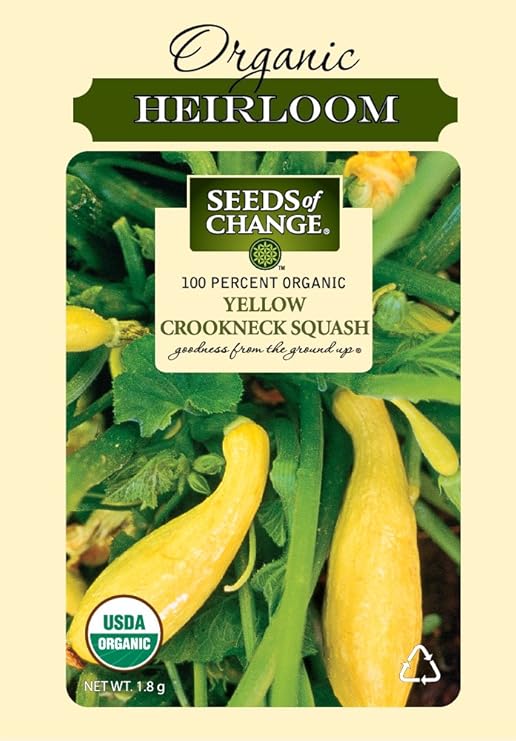
    Seeds of Change 1068 Certified Organic Yellow Crookneck Summer Squash

    712U4R1YyYL. AC SY741

    Growing Crooked Neck Squash From Seeds

    As we mentioned, crooked neck squash requires rich soil to thrive well because they are heavy feeders.

    After working the soil with appropriate compost or soil amendments, proceed to seed planting. Plan to sow your seeds around 2 weeks after the last frost or when the soil outside is 65 degrees Fahrenheit or higher.

    Plant your seed by pressing it into the soil to about 1 inch deep. Then cover the seed with some soil or compost and water adequately.

    Give the crooked squash seed spacing of about 2 to 3 feet apart. The majority of summer squash doesn’t usually grow in a vine manner. They tend to grow several feet wide. Therefore, it’s crucial you don’t crowd this squash so they don’t get invaded by squash bugs and powdery mildew if they end up getting any infestation.

    You should begin to see germination within 3 to 10 days of seed sowing. The first fruit production should be within 60 days of planting. The crooked neck squash plant can keep producing fruit until frost or diseases end their growth.

    Growing Crooked Neck Squash From Seedlings

    You can as well start your seeds indoors and transplant the germinated young seedlings outdoors. You can also purchase the seedlings from your local garden stores.

    It is essential you harden off your seedlings two weeks before transplanting. Do this by leaving them outside or exposing them to outdoor conditions so they can adjust to outdoor conditions.

    Growing Crooked Neck Squash From Seedlings

    Once it’s time for transplanting your seedlings outdoors, prepare the soil just like you would do for seeds by working in some compost before planting. Carefully remove the plant’s root ball from its container. Make a hole in the same depth of the container and plant your seedlings.

    Plant spacing should be at least 2 feet apart. Ensure you water the seedlings appropriately.

    Growing Recommendations For Growing Crooked Neck Squash

    Here are some growing requirements for crooked neck squash:

    • Sunlight: As a warmth-loving plant, crooked neck squash requires a sunny spot. Ensure the soil temperature outdoors is at least 65 degrees Fahrenheit before planting.

    • Soil and Soil pH: The soil for this squash must be well-draining. The soil should also be worked in by compost or other soil amendments. Crooked neck squash thrives well in a pH range of 6.0 to 6.8.

    • Watering: This squash plant should be watered optimally. Water deep at least once a week. The soil needs to be moist so aim to water to a depth of 4 inches. It’s better to feed your plant one long drink of water than watering several times at different periods. You can tell your plants require watering by looking at their appearance. During the day when the weather is hot, the leaves tend to wilt. However, when night comes, the leaves tend to spring back. But if you notice the leaves don’t spring back pr they’re still wilted the next morning, it’s important you water your squash immediately.

    • Mulch: When you’re done planting, ensue you mulch around your seedlings to prevent weeds and maintain warm and moist soil.

    • Fertilize: Crooked neck squash are heavy feeders so it’s important you fertilize your soil. You can side-dress your plants with a 5-10-10 fertilizer. The nitrogen level of the fertilizer should be kept low so your squash plant can produce more squash rather than more leaves.

    FAQ’s

    What does the name crookneck squash refer to?

    The name of the plant comes from the shape of its flower. Crookneck squash does not grow straight up, but twists around to make a sort of hook. The flower is white with a yellow center.

    Can beginning gardeners grow crookneck squash?

    Crooknecks are one of the most versatile vegetables in your garden. They are easy to grow and very tasty. There are many varieties of this squash, such as the buttercup, goldrush, and yellow crookneck.

    When should I plant them?

    This squash is also known as a winter melon because it is ready to harvest in the fall when the weather gets cold.

    It is important that you plant your seeds a few weeks before the last frost date. When your soil temperature reaches 55 degrees Fahrenheit, you can plant them.

    What are good ways to grow crooked squash?

    To start with, you should get seeds from your local nursery. Seeds should be planted in small pots or in a warm area of your garden. You will need to keep an eye on them to make sure they are growing well.

    Make sure you have a place where you can keep your plants warm. You can use a heating mat or put them inside a greenhouse. You should water your plants every day for one week after planting.

    Then, you should water them at least twice a week until the plants begin to flower. Make sure that you fertilize your plants. This will help your crookneck squash grow better. You can either apply fertilizer directly to the plants, or you can feed the plants with a foliar spray.

    A foliar spray is applied to the leaves of the plants. You should cut off any dead leaves from your plants before they start flowering. Dead leaves and stems can prevent the flowers from growing and blooming. When you cut them off, you will be able to enjoy the fruit that grows out of the flowers.

    How far do crookneck squash need to be spaced apart?

    I think you should space them around of 3 ft apart, and 2 at the closest. Squash love to grow close together. The larger the plant the farther apart it will go.

    How tall does crookneck squash grow?

    Crookneck squash grows to be about 5 feet tall, but it can reach heights of up to 7 feet. It has a light green color and produces fruits that are 1 to 3 inches long.

    How do you fertilize crookneck squash?

    Squash fertilization is similar to that of other crops. The first step is to apply a balanced fertilizer. The general rule is one-third nitrogen, one-third phosphorus, and one-third potassium. If your squash plants are small, you may want to apply liquid fertilizer at the beginning of the growing season.

    Final Say

    Growing crooked neck squash is really easy and you can always enjoy the result of your squash plant once they’re ready for harvest.

    Your crooked neck squash should be ready for picking from 45 to 65 days after planting depending on the variety grown. If you want better tasting squash, harvest them when they reach about 6 inches in length.

  • When Are Acorn Squash Ready To Pick?

    When Are Acorn Squash Ready To Pick?

    Now that planting season is over and done with. It’s now time for harvesting our tasty veg. Acorn squash is another amazing kind of veg to grow in your garden but do you know when they are ready to pick? Let’s find out.

    Acorn squash is from the family of winter squash that is grown and harvested just like other kinds of winter squash variety. When it comes to harvesting, winter squash is quite different from summer squash.

    Getting to know when acorn squash is ready to pick isn’t so difficult and we will let you know in this post. So, let’s begin.

    Acorn Squash

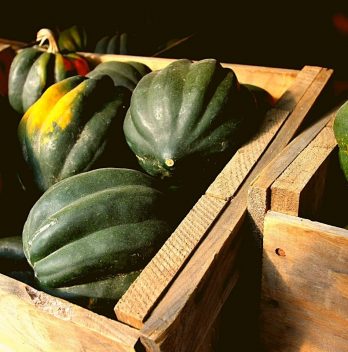
    Acorn squash is a type of winter squash fruit that is from the family Cucurbita pepo and they are great in culinary dishes. Their outer skin is smooth with a hard skin and dry flesh. Acorn squash often has a dark green with a yellow or orange marking. It may also have orange or white variegated color.

    The inner flesh has a golden (yellow-orange) color with a firm grip and buttery nutty taste. The texture is somewhat stringy and it has this sweet flavor.

    Acorn Squash

    With their sweet flavor, this acorn squash fruit can pair well with a wide variety of seasonings both savory and sweet.

    One acorn squash, which is about 2 pounds, can make a meal for two when you stuff them with filling ingredients. Then baked and served right in their shell.

    When Is Acorn Squash Ready To Pick

    Getting to know when to pick acorn squash is very important so you don’t pick them at the wrong time. The confusing thing is that this squash can always turns green before they mature and they even stay green long after they are matured.

    Gardeners would want to avoid harvesting an unripe acorn squash because an unripe acorn is totally boring in taste.

    But generally, most varieties of acorn squash are often ready to be picked 75 to 100 days after seed planting. This will majorly depend on the right conditions you give them and one important factor is sunlight. Acorn squash should be supplied at least 6 hours of sun per day.

    So how exactly do you know when acorn squash is ready to pick? Let’s find out.

    When To Harvest Acorn Squash

    Here are some ways you can tell when acorn squash is ready to pick.

    1.    Color

    One easy way to tell if your acorn squash is ready to be picked is from its color. A matured or ripe acorn will turn green then the portion of acorn squash that has been in contact with the ground would have a visible yellow patch.

    When To Harvest Acorn Squash - Color

    Acorn squash which is still immature will have a shiny skin look compared to the ripen squash that will have a more dull look.

    2.    Stem

    Once your acorn fruit is ripe, a couple of inches which is connected to the stem will become withered and brown.

    3.    Skin Texture

    The skin texture of the acorn squash is another way to tell if they are ready to pick. A ripe acorn skin texture tends to be hard. On the other hand, an unripe acorn skin texture will be soft.

    One good way of testing the maturity of the acorn fruit is by pressing your fingernail on the skin and try to make a mark on it. If you were successful in marking the fruit and the mark is noticeable, then it isn’t ripe yet. However, if you find it hard to make a noticeable mark on the tough skin, then it’s ripe.

    4.    Time

    As we mentioned, acorn squash will take about 75 to 100 days to become mature. But this should be after the seedling transplanting stage has passed. However, if you wish to calculate from the seed stage, you can add 2 weeks to the harvest time.

    So, if every other tip fails, simply set a reminder and calculate 75 to 100 days or roughly 3 months after seed plating.

    Organic Acorn Squash

    71sNYjhvUgL. SL1500

    How To Harvest Acorn Squash

    Once the acorn squash is ready to pick, use a sharp knife or a sharp tool to harvest your fruit. Aim at cutting the fruits 5 cm or 2 inches away from the stem. Avoid cutting the fruit too close to the stem. Cutting the acorn squash too close to the stem can predispose the plant to bacterial infection which can cause the plant to spoil.

    We recommend you only harvest the ones you are ready to use. Leave the rest on the vine and allow it to harden some more so they can ripe fully. So far the weather is warm enough, the squash is safe and it will continue to mature. However, you should harvest them if they are prone to frost.

    Storing Acorn Squash

    Once you’ve harvested your acorn squash, storing them appropriately is important. This is so they can last longer and maintains their quality as you store them. Below are some important tips to storing your acorn squash appropriately:

    • Temperature: Store your harvested acorn squash at a temperature between 50 to 55 degrees Fahrenheit. Also, store them in a cool dark place such as a pantry, basement, or warmer area of a root cellar.
    • Humidity: The appropriate relative humidity to store your acorn squash is around 50 to 70%. Also, make sure your harvested acorn squash has adequate ventilation or airflow to encourage longer storage.

    Generally, store acorn squash in a cool dry location. Refrain from piling up your harvested acorn fruits. You should rather create space between these fruits and spread them out in single rows.  This will help make air circulation easier and it will also avoid bruising of the fruits. You can as well freeze your acorn squash to store them for long.

    FAQ’s

    What are the factors that are considered when a squash is to be harvested?

    Squash can be harvested at various stages of maturity, depending on the variety. The main factors are: The amount of sunlight that the plant has been receiving. Whether the plant is male or female. The size and shape of the squash. The color of the skin. The stage of ripeness, from green to fully ripe. The type of squash.

    Squash at the supermarket is usually picked ripe. If you buy it unripe, you’ll have to wait for it to ripen before eating it. 

    How do you know when an acorn squash is ready to pick?

    I think they look a little like a pumpkin. The acorn squash is a variety of butternut squash and they look like a big butternut squash. The skin will be very dark green and the flesh will be yellow.

    Squash are ready to pick when the stem is soft and easy to pull off.

    If you need a visual guide, look for the following characteristics: The squash should be heavy for its size and feel firm to the touch. The stem should be soft and flexible with no dry or crunchy areas. If the squash is heavy, it is probably fully mature and has the best flavor.

    Can you eat under ripe acorn squash?

    If they are a little soft, then it’s fine to cut them in half. But if they are very soft (like mush), then you should wait until they’re completely tender.

    If you want to eat them right away, then I’d suggest steaming them. Cut the squash in half, scoop out the seeds and steam it for about 15 minutes.

    What color should acorn squash be inside?

    I would suggest that you look at the color of the squash when it is ripe, and use that as a guide. I usually eat my acorn squash when it is yellow. If you look at your local farmers market, you will be able to find acorn squash that is close to being ripe, and you can decide from there.

    Can you eat acorn squash when it turns orange?

    The orange color of acorn squash comes from a chemical called beta-carotene, which is a nutrient found in a wide variety of fruits and vegetables. When eaten regularly, beta-carotene may help protect against certain cancers and eye diseases.

    The color of a squash can change depending on the variety and growing conditions. And just like with many fruits and vegetables, the answer to that question is not black and white but a bit of gray. It’s a matter of how the vegetable was grown, the color it will be when cut and the color it will develop once it’s cooked.

    Final Thoughts On When Are Acorn Squash Ready To Pick

    As we can see, harvesting acorn squash is not so difficult if you have the right knowledge on how to go about it.

    So we hope you’ve learned some good things you need to know about when acorn squash is ready to pick.

  • Green Bean Inoculant

    Green Bean Inoculant

    You may have heard a lot about green bean inoculant and you may be wondering how important this is to the growth of your green bean plant. But what exactly is inoculant? What role does it play and why should we consider using one for our green beans or peas?

    Green beans, black beans, peas, and so on are all members of the legume (Fabaceae) family. These legumes are well known for their aid in fixing nitrogen into the soil.

    This article will go over what you need to know about green bean inoculant and other related info. So, read on to gain some knowledge.

    What Is An Inoculant?

    An inoculant is a type of bacteria or fungus that is often applied or added to the soil through the process of coating bean seed or pea seed. Known as beans or peas boosters.

    Usually, the inoculants often come in powder but you may also come across liquid inoculants.

    What Is An Inoculant

    Inoculants & Nitrogen Fixing Bacteria

    Plants require nitrogen to make amino acids which is a building block for protein and other plant components. Ideally, we have 78% of nitrogen gas in the atmosphere. But the problem is that nitrogen is in the gas form and plants can’t use or assimilate this.

    The bacteria such as Rhizobium will work with the root system of peas and beans by creating nodes along with their roots. These nodes are responsible for fixing nitrogen gas and will change the nitrogen gas into a usable form for plant use.

    Normally, the roots nodules of legumes such as beans and peas already contain Rhizobium bacteria. Hence, they already have the ability to fix nitrogen from the atmosphere. So you may wonder if you really need to inoculate your green bean seed.

    It may not be necessary to inoculate your green beans seeds. However, when you apply inoculants to their seeds, it makes sure the correct type of bacteria that is specific to that legume is available to the plant when they germinate.

    Another important note you should always remember is that once you’ve been growing and producing beans in your garden, you really don’t need inoculants. This is because these bacteria are already living and thriving in your soil even after you’ve planted and harvested.

    Mycorrhizal Inoculant by DYNOMYCO – High Performing Strains – Concentrated Formula

    71WReKcyYmL. AC SX522

    Seed Inoculants

    Inoculating seeds involves coating or covering the seed surface with nitrogen-fixing bacteria such as Rhizobium or Bradyrhizobium. Inoculating seeds with nitrogen-fixing bacteria is always done prior to planting.

    Inoculant For Green Bean And Peas

    There are many bacteria used in inoculation. The bacteria often used for inoculating legumes like beans are Rhizobium bacteria. Rhizobium is also a pea inoculant. Therefore, the Rhizobium bacteria will only work for peas and beans and can’t be used for any other types of plants.

    Another kind of nitrogen-fixing bacteria is Acetobacter, and this is isolated from sugarcane stem and root.  Another type is Bradyrhizobium japonicum and this is used in inoculating soybean for fixing nitrogen.

    How To Use Inoculant On Green Bean & Pea

    It’s pretty easy inoculating your green bean and pea seeds. Simply purchase your legume inoculant from your local nursery store or online. But take note that some legume seeds may have already been coated with an inoculant. So ensure you know the type of legume seed you have.

    Always make sure you have the correct inoculant specific to the type of legume you will be planting. There are different inoculants specific to different plants. So, whenever you purchase inoculants, ensure you read the package to know the type of plant it will be treating.

    Also look at the expiry date to ascertain the inoculant is still viable. Inoculants often come in fine, black powder sealed in a plastic bag. However, you may come across some liquid inoculants.

    So, to inoculate seeds, plant your green bean or pea into the planting hole. Then put a good amount of inoculant into the hole with the legume seed. Done inoculating your legume seeds, cover the seed hole with soil.

    Importance Of Inoculation

    Here are the benefits you stand to gain when you use inoculants on your green beans or peas:

    1. Normally, Rhizobium bacteria are present in many soils. But inoculating your legume seeds will ensure the correct or specific strain of bacteria required by that legume is present in the soil.
    2. Seed inoculation will offer your legume plant stronger and bigger yields. It will also give you a healthy plant.
    3. Inoculants make nitrogen more readily available for plants use.
    4. Once, you’ve inoculated and planted a legume crop on a particular soil, there will be sufficient availability of the specific bacteria you’ve inoculated. This is because the bacteria will live and thrive in the soil so far they have an adequate supply of food. This means you should constantly till your soil and incorporate compost and green matter back into the soil.
    Importance Of Inoculation

    What does inoculate mean when it comes to green beans?

    If you are a gardener, you may be wondering whether you should inoculate your green beans. It is possible that you have never heard of this term, and if so, here’s what you need to know.

    If you are not familiar with the term, “inoculating” means introducing beneficial microorganisms into a plant. This can be done in two ways: by planting seeds that have been treated with beneficial microbes, or by spraying the seeds with a solution that contains these microbes. You may already have seen sprout bags with seeds that have been treated with beneficial microbes. These seeds can be purchased online and at some garden centers. However, if you are just starting to grow your own green beans, you will need to purchase untreated seeds.

    How do you Inoculate Green Beans?

    There are many ways to inoculate your green beans. Some of the simplest include sprinkling a solution of beneficial microbes on the seed before planting it in the soil. However, you may want to consider using an alternative method if you are planning to plant several types of seeds at the same time.

    If you are growing several different varieties of seeds, you might want to inoculate each variety separately. A few alternatives to sprinkling the seed with a solution of beneficial microbes include soaking the seeds in a solution of beneficial microbes, spraying the seed with a solution of beneficial microbes, or soaking the seed in a solution of beneficial microbes and then drying it.

    Sprinkling a Solution of Beneficial Microbes on Seeds

    Sprinkling seeds with a solution of beneficial microbes is probably the simplest way to inoculate seeds for your green beans. Sprinkle the seeds on the soil surface before planting them. You can use a bottle or other container to hold the beneficial microbes. The easiest type of beneficial microbes to use for this application are those that are sold as “seed inoculants”. These are simply solutions that contain beneficial microbes that are meant to be applied to seeds. However, if you have difficulty finding these types of beneficial microbes, you may be able to find another solution.

    Some people use liquid kelp extract, a product called “Kelp Green Bean Starter”, or a product called “Green Bean Booster”. There are also many companies that sell products that contain beneficial microbes. Some of these include the following: BioGro Organic Gardening Supply Company (OGSC)

    Soil Food Store Earthworms

    Bio-Gro Mycorrhizae

    Microbe Inoculant Solutions

    What are beneficial microbes for spraying seeds?

    You can spray seeds with a solution of beneficial microbes by using an atomizer. If you do not have an atomizer, you can buy one online. You can use a spray bottle, but you will need to shake it well before you use it. You can use a spray bottle without shaking, but you will need to shake it well to ensure that the solution is mixed evenly throughout the bottle. How to Inoculate Your Green Beans with Liquid Kelp Extract You can soak seeds in a solution of beneficial microbes by using kelp extract. You can purchase liquid kelp extract online and at some garden centers.

    Additional Note On Green Bean Inoculant

    Nitrogen is required by plants to make amino acid that is used to as a building block for proteins. Required for other essential components. Green bean and pea inoculant is an excellent way of supplying usable nitrogen into your soil.

    However, not using inoculants on your legumes will not stop them from producing good yields. Matter of fact, many gardeners have grown legumes successfully without inoculating their seeds. This is because the bacteria for inoculating most plants are usually present in the soil.

    Also, the garden that leguminous plants such as beans and pea have already been planted on may already have a good supply of Rhizobium in the soil. So it won’t be necessary to inoculate the soil.

    Inoculants are simply boosters. Their work is to give you stronger and bigger yields. Therefore, if you want a larger and greater yield from your peas and beans, then you can use this inoculant. Also, if you have never grown leguminous crops such as beans and pea in your garden, inoculating the soil may be pretty beneficial.

  • Vining Cucumber Varieties

    Vining Cucumber Varieties

    Cucumber grows in two forms and they are vining and bushy manner. For the purpose of this article, we will be focusing more on vining cucumber. Vining cucumber varieties can grow up to 6 to 8 feet long or even more. Hence, they usually require support such as a trellis.

    Growing vining cucumbers will require more space because they tend to grow larger. The good thing is that they will produce more fruits compared to bush varieties.

    In this post, we will be discussing what you need to know about vining cucumber varieties. We will also be looking at some additional information on this. So, let’s begin.

    Types Of Cucumbers

    As we mentioned earlier, there are two types or two ways cucumber grows. They include bush and vining cucumber.

    • Bush Cucumber: Bushy cucumber variety grows in a bushy or compact manner. They normally grow about 2 to 3 feet long and don’t need a trellis. They also don’t require too much space and you get abundant yield all the same.
    • Vining Cucumber: Vining cucumber grows in a climbing manner. They can grow as tall as 4 to 6 feet in length or even taller. Their produce is always in abundance and their structure usually requires trellis for support.
    Types Of Cucumbers

    Cucumbers can as well be grown for 3 different reasons and they are for slicing, pickling, or seedless cucumber.

    Slicing cucumbers are grown for their juicy taste. They are grown for immediate consumption. They are thick in shape and dark green and they are longer than pickling cucumbers.

    Pickling cucumbers are shorter and stouter in shape. They have more spines and their flesh is dry. They are meat for pickles.

    Then we have the seedless cucumber also known as burpless cucumbers.

    Climbing Cucumbers

    Vining cucumber plants do climb as they grow. Climbing cucumbers or vining cucumbers usually spread and climb up in a vertical manner. Therefore, support such as stake or trellis is always required.

    Vining Cucumber Varieties

    These vining cucumber varieties tend to grow on strong and vigorous vines and these vines are shaded by large leaves. Vining cucumber growth is very rapid and they will produce plentiful harvest so far you care for them properly. The best way to grow vining cucumber varieties is to train them up with trellis.

    Vining Cucumber Varieties

    Growing Cucumbers On A Fence

    To get a more successful result and less stressful work, we recommend you grow vining cucumbers on a fence. You grow them on a fence by training them using a trellis. Naturally, cucumbers tend to climb, but if we don’t provide them with any support to climb, they end up spreading on the ground.

    Growing cucumbers in a climbing way will give a cleaner growth and result in more prolific yield and it saves more space. Also, it will be easier to pick them when you grow them this way.

    Growing Fenced Cucumber

    Here is how you can grow cucumbers on a fence using trellis:

      • To begin your climbing cucumber, you can make use of an existing fence in your garden. This fence should be a wire type of fence. For example, use a chain link or chicken wire. This way, the tendrils on the cucumber vines can have a support to hold on to.

      • However, if there is no existing fence in your garden, then you should make one. Do this by driving two stakes into the ground at each end of the row where you will be growing your cucumber. Then stretch a part or section of chicken wire between these two posts. Then staple the chicken wire to the posts.

      • Once you are done building the fence, you can begin planting your vining cucumber. Plant the cucumber at bottom of the fence 12 inches or 31 cm apart.

    POYEE Garden Netting – 7 x 65 FT Heavy Duty Garden Net for Vegetables and Fruit Trees

    71pM+4vyr8L. AC SX522
      • When the cucumbers begin to grow, train them to grow up the fence you’ve built. Do this by gently positioning the growing vines on the fence. When you notice the cucumber vines have begun to wrap their tendrils around the wire, you can stop assisting them. They will keep on growing and climbing on the fence on their own.

      • As the fruit begins to appear and develop, the vines o the fence are more than capable of supporting the weight of the fruits. So, you don’t need to do anything else. However, when you begin to pick your cucumbers, ensure you cut the fruit off with a sharp garden tool. Avoid pulling or twisting the fruits off the vine to prevent hurting or damaging the vine.

    Benefits Of Growing Cucumbers In A Fenced & climbing Manner

    Growing vining cucumber varieties with the help of trellis on a fence offers great benefits. Here are some of these benefits:

      • Growing cucumber in a fenced and climbing manner saves more space.

      • It’s much easier to harvest your cucumber fruits once they are ready on the vine.

      • You also enjoy abundant harvest while utilizing lesser space.

      • Cucumbers are heat-loving plants and they require at least 6 hours of sunlight per day. So, growing them on a fence with trellis will provide your cucumbers adequate access to sunlight which can enhance fruit production.

      • Pest and diseases can be easily monitored or controlled when your cucumber plant is fenced or trellis.

      • Foliage wetting is drastically reduced on the trellis. Too much water splashing can spread disease. Even if the leaves do get wet when it rains, they tend to dry faster compared to when they are overcrowded and grown on the ground.

    FAQ’s

    What are the uses of climbing cucumbers?

    Climbing cucumbers have a very wide variety of uses. Some are grown simply for their leaves and flowers, but many have edible fruit. The leaves can be used to make tea, and the flowers can be used to make jam. The fruit can be eaten raw, cooked, or juiced. In addition, climbing cucumbers can be used as support for climbing plants, as they help them to grow into trees. There are three main types of climbing cucumbers: those that climb by means of tendrils, those that climb by means of suckers, and those that climb by means of roots. Each of these climbing mechanisms has different advantages and disadvantages. A tendril is a flexible stem that grows out from the base of a plant.

    When it reaches the ground, the stem will bend back towards the plant, thereby lifting the plant up. Tendrils are usually found on vines that are trying to get as close as possible to a source of water. A sucker is a piece of root that can grow out from the base of a plant. Suckers are usually used to support climbing plants. Root climbers are plants that have a main stem that grows up to a height of several feet, but whose roots grow down into the soil.

    Do all cucumber plants climb?

    No, but There are many varieties of climbing cucumbers. Some, such as the common climbing cucumber (Cucumis melo var. agrestis), grow on vines and climb up trellises and walls; others, like the Japanese climbing cucumber (Lagenaria siceraria) or the Chinese longan (Euphorbia lathyris), grow in a bushy clump, with the stems growing along the ground.

    Why do many people like to grow cucumbers?

    Cucumbers are one of the most versatile vegetables, capable of being grown for their edible fruit, as well as to provide a climbing plant that produces long vines. They grow easily from seed and can be raised from seed in pots or started from transplants. There are many varieties available, from standard pickling types to ornamental climbers.

    How tall should cucumber trellis be?

    It should be somewhere between 5 and 5 feet tall. Remember that they do grow rapidly, so although you may feel that this is too tall, just give ti time and let them grow around your tall trellis.

    How far apart do you plant cucumbers on a trellis?

    It’s best to keep them somewhere around 7 inches apart so that they have enough room to grow properly.

    Vining Cucumber Varieties: Conclusion

    There are two main types of cucumber and they are bush and vine cucumber. Bush cucumber spreads and grows in a bushy manner. Vine cucumbers on the other hand grow in a vertical manner especially when they are supported with trellis.

    The vining cucumber varieties are a great type of cucumber to grow in your vegetable garden. They will produce abundant yield and you will always enjoy fresh cucumbers in the comfort of your home.

  • What Are White Carrots Called?

    What Are White Carrots Called?

    Did you know apart from the regular orange carrots we know, there are also white carrots? Exactly! White carrot vegetable is a thing. But what are white carrots called?

    Growing up, what we are most familiar with is the orange carrot. However, weigh before orange carrots became established around the 15th century, white carrots were grown in Europe. The white carrots were mostly fed to cattle back then. But humans can as well consume these white carrots.

    We will be discussing what white carrots vegetable is called. We will also be discussing some other amazing facts about these white carrots. So continue reading to gain some knowledge on this.

    What Are White Carrots Called?

    The white carrot vegetables are known to be Daucus carota subsp. Sativus. Arracacha is also a white carrot name.

    About Carrot & White Carrot

    About Carrot & White Carrot

    White carrot is a type of root vegetable that belongs to the Apiaceae or carrot family and their veg is also used as herbs.

    Initially, carrots were grown in different colors such as red, yellow, green, black, purple, and white, as well as orange. There is a narrative or theory that during the 17th century, orange carrots were bred in the Netherlands in honor of the Duke of Orange.

    He led the struggle for Dutch independence. This orange carrot become popular even around the world and became the carrot standard color. So since then, the orange color got stuck and was normalized.

    Iran and Afghanistan are where carrots have been known to originate. They contain more genes than humans which are around 32,000 genes. In Afghanistan, carrots were initially white before they were crossed breed to give rise to orange color.

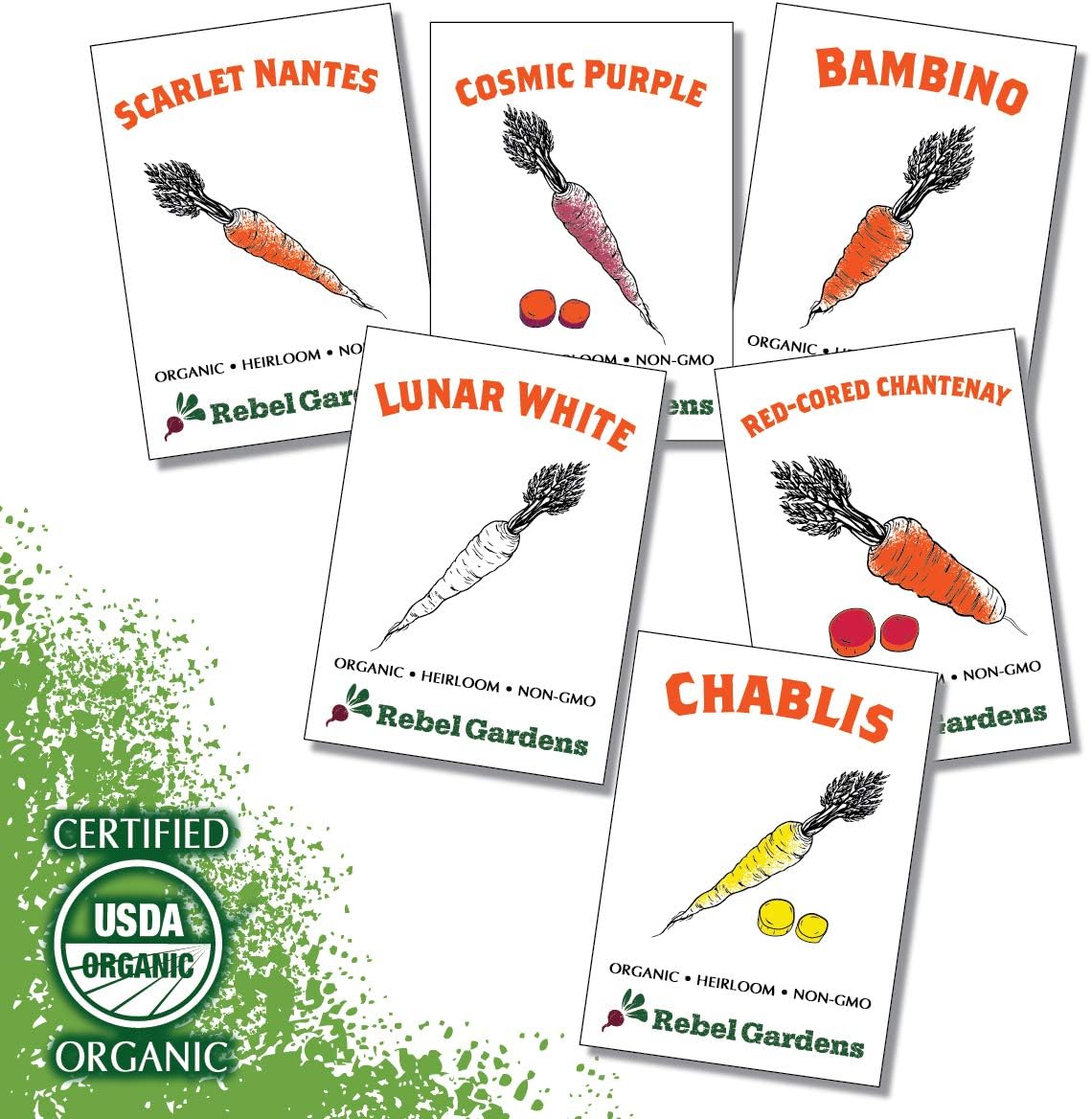
    The white carrot doesn’t have any pigmentation and this makes them white.  Their flavor tends to be smoother compared to orange carrots. Cultivars of white carrots include snow white, lunar white, and white satin.

    Generally, arracacha or white carrots don’t get as big or fat as the traditional orange carrot does. A white carrot usually grows thin and can be roughly an inch wide. They also tend to grow longer. Arracacha is enriched with vitamins and nutrients such as iron, calcium, and vitamin A.

    About Carrot & White Carrot

    Importance Of White Carrot

    Although white carrots may be regarded as having lesser health benefits because of their lack of pigment: these carrots are still as nutritional as their counterparts.

    Here are some nutritional benefits of white carrots:

    • Arracacha or white carrots contain naturally occurring substances called phytochemicals that enhance general health.
    • White carrot is rich in antioxidants.
    • The phytochemicals and antioxidants that white carrot contains can also assist in blood sugar regulation. It can as well help in delaying the effect of aging, and enhance immune function.
    • They also contain a natural bioactive compound found in plant foods that collaborates with nutrients and dietary fiber. And this defends against most diseases.
    • These carrots are majorly used in baby foods to prevent them from coming up with orange skin.
    • Arracacha or white carrot can lower the risk of colon cancer, lung cancer, and breast cancer. They are also great for digestion.
    • White carrot can as well help in blood sugar regulations.
    • This white carrot is low in calories and is also a great source of starch. They have high starch content that ranges from around 10% to 25% and their tiny starch granules are very similar to that of cassava.

    Heirloom Carrot Seeds – 6 Varieties of Organic Non-GMO Carrots for Planting

    71Yq92Y81ML. AC SL1200
    • White carrot is also rich in folate, fiber, vitamin K, potassium, magnesium, phosphorous, zinc, and vitamin E.
    • Another great benefit of white carrots is in terms of dental health. They have been known to kill bad germs in the mouth and prevent tooth decay.
    • Diets that are rich in beta-carotene such as white carrots may contribute to protecting against prostate cancer.
    • White carrots may also play a role in protection against heart diseases and stroke.

    Eating carrots raw are great food. However, some research has shown that cooking these carrots may help enhance their nutritional value.

    White Carrots & Parsnips: Differences

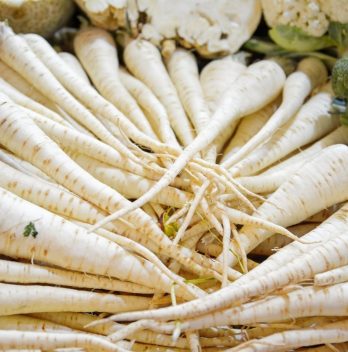
    Take note not to confuse the white carrots with parsnip. Parsnips may be in the carrots family, but they are different species. White carrots may look like parsnips but they are different and don’t even taste the same. White carrot has a mildly sweet flavor and they always taste like carrots.

    Parsnips also tend to have a more golden color or ivory color and a more nutty flavor. Parsnip also tends to be larger compared to the white carrot.

    The most obvious difference between parsnip and white carrots is in their flavor. Parsnip has this almost spiced-tasting flavor. Parsnip also has a reminiscent of nutmeg and cinnamon, the white carrot on the other hand has a sweet taste that is closer to winter squash.

    White Carrots & Parsnip: Differences

    Both white carrot and parsnip can be mixed and eaten together. However, if you want to get the best out of their flavor, you should attempt recipes that will highlight the uniqueness of each vegetable.

    Can Pregnant Women Eat White Carrots?

    Pregnant women can eat white carrots. It’s a healthy and nutritious food that provides essential vitamins and minerals to both mom and her unborn baby. 

    White carrots contain high amounts of folate and iron. Like other carrots, they’re also a great source of beta-carotene. This is converted into Vitamin A in the body. Vitamin A is important for developing healthy eyesight. White carrots also contain other essential nutrients. Pregnant women will get a healthy dose of fiber, potassium, and Vitamin C when they consume this root veggie. These nutrients will support a healthy pregnancy. 

    Pregnant women must eat a balanced diet that includes fruits, vegetables, whole grains, lean proteins, and healthy fats. White carrots are a tasty and nutritious addition to this diet. Pregnant women can enjoy it cooked or raw in a variety of dishes. 

    If unsure, consult your healthcare provider or a registered dietitian for personal dietary advice. 

    How To Cook Arracacha?

    Arracacha is commonly used in South American cuisine. It has a slightly sweet, nutty flavor. You can cook it in various ways to add nutrition to your dishes. Here are the basic steps to cooking arracacha:

    1. Peel the arracacha with a vegetable peeler or a sharp knife. Rinse it under cold water to remove any remaining dirt or debris.
    2. Cut the arracacha into small, bite-sized pieces, and place them in a pot of boiling water.
    3. Cook the arracacha for 10-15 minutes or until it is tender. You should be able to pierce it easily with a fork.
    4. Drain the arracacha and transfer it to a bowl.
    5. Season the arracacha with salt, herbs, and spices, like cumin, garlic, or chili powder, to taste.
    6. Serve the arracacha as a side dish, or add it to soups, stews, or other dishes for flavor and nutrition.

    You can also roast, mash, or fry arracacha for a unique flavor. I suggest experimenting with different cooking methods and seasoning to find the way you enjoy this delicious and versatile veggie best!

    Conclusion

    What carrots are called or known as arracacha? Generations of people have grown up believing that all carrots have always been orange. But we actually have white carrots. White carrot is a great alternative to vegetable carrots you can grow compared to the traditional orange carrot known.

    Arracacha or white carrot also offers great benefits such as improving general health. They are rich in folate, fiber, vitamin K, potassium, magnesium, phosphorous, zinc, and vitamin E.

    FAQ’s

    What makes white carrots white?

    A white carrot is the result of crossbreeding white carrots with red carrots. White carrots are not naturally occurring, and have been created through selective breeding. The first white carrot was bred by John Scurlock in 1884. John Scurlock created the first white carrot through crossing a red carrot with a yellow carrot.

    What are the nutritional benefits of white carrots?

    They are very high in beta-carotene. In fact, carrots grown specifically for their beta-carotene content can contain as much as 8,000 IU per 100 grams. Carrots are a great source of vitamin A, vitamin C, fiber, and potassium. White carrots are especially high in beta-carotene, which is an important antioxidant.

    What is the white carrot called?

    The first white carrot was named “Coulter’s White.” The name “Coulter’s” was used for this variety because it was developed by Dr. Coulter at the University of Wisconsin. Dr. Coulter was also responsible for creating the first red carrot. White Carrots are very popular in North America because they are very sweet and are easy to grow.

    What are vegetables that look like a white carrot?

    The white radish, also known as the chayote. It’s a tropical root vegetable and one of the easiest to grow at home. The chayote is an excellent source of vitamins A and C, calcium and phosphorus. It is also used in soups, stews, salads and stir-fry dishes. In this article, we will discuss:

    Carrots and parsnips are related in the same family, Carrotaceae, so they are similar in many ways. The main difference is that the parsnip has a thicker skin than the carrot.

    Parsnips are an orange root vegetable (or taproot). They’re a cross between the carrot and parsley family. They’re very similar to carrots in size, shape and color but can be more fibrous. Parsnips do have a distinctive flavor, which is sweeter than carrots.

    Are daikons and white carrots similar?

    Yes, the two are very similar. Daikon is a milder version of a regular radish.

    It has a thinner and crunchier texture and a sweeter taste than regular radishes. It is sometimes used in stir-fries and salads. White carrots are the small round kind, sometimes called “baby” carrots, that you often find in the produce section of the grocery store. They have a milder flavor than the red kind. The white ones are often used as a garnish or added to salads.

  • Kabocha Vs Buttercup Squash

    Kabocha Vs Buttercup Squash

    Let’s talk about kabocha vs. buttercup squash. Kabocha squash and buttercup squash may look similar in appearance but they aren’t the same. However, they are both from the family of gourds.

    Kabocha and buttercup squash may look weird and unattractive but trust me, their taste is simply unique. These two squash are used among chefs, home cooks, gardeners, and professional growers because of their excellent culinary features and small size.

    If you’ve ever wondered about the differences between kabocha and buttercup squash, we will be discussing that in this post and more. So continue reading to gain some info on kabocha vs. buttercup squash.

    What Is Kabocha Squash

    Kabocha squash is a Japanese type of winter squash that is gaining popularity these days for good reasons. Kabocha is a universal term for winter squash and pumpkin in Japan. Then in the United States, the term kabocha is regarded as a kind of Cucurbita maxima squash that was bred in Japan.

    They are round in shape and they look kind of like a pumpkin and they have a belly button. Their outer layer is very hard and knobby with a rich green color.

    Kabocha squash skin is absolutely edible. Then the inner flesh has this lovely orange-yellow color. This squash has a sweet and a bit of a nutty taste. Some even swear it has a cross-taste between a pumpkin and a sweet potato.

    So, because the kabocha squash is a winter squash, they are mostly seen in the market starting from early October up until March.

    They are filled with rich beta-carotene, iron, fiber, vitamin C, and other great nutrients. They are low in calories and carbs. One cup of kabocha squash is just 40 calories and 7 grams of carbohydrates. Therefore, kabocha squash is simply a delicious awesome plus to any kind of nutritious diet.

    When you go shopping for kabocha squash, look for the ones that are heavy for their size and don’t have any soft spots. These are the ones that aren’t dried out and it’s still fresh and has enough moisture.

    When you harvest your squash or you just shopped for one, just keep them in a cool dry place. You can simply leave them on your kitchen counter and they can last up to a month.

    Read more about How To Tell If Zucchini Is Ripe

    What Is Buttercup Squash

    Buttercup squash is also a type of winter squash. It is one of the tastiest varieties of winter squash. They are squatty and round and they also look like a pumpkin with a belly button. Their rind or outer surface is green and the inner flesh is orange-yellow.

    Their flesh is edible and simply juicy. Just like the juicy flesh, its seeds are as well an awesome snack food. The seeds are also great for roasting.

    Burpee Buttercup Burgess Strain Winter Squash Seeds 30 seeds

    61e5RDnyPHL. AC SX522

    You can find this juicy sweet flavor winter squash all through fall and winter at your local grocery store or farmers’ market.

    Buttercup squash is also packed with great nutrients such as vitamins A and C, beta-carotene, and fiber. When you have the flesh color more intense, the more vitamin A it has.

    Buttercup Squash Vs Kabocha

    Some people may think buttercup squash and kabocha squash are the same because of their similar appearance. But this isn’t so. It’s pretty easy to confuse these two squash so this is why we will be looking at their differences. So let’s look into kabocha vs buttercup squash.

    Click here to Know: Can You Plant Zucchini In A Pot?

    Kabocha Squash Vs Buttercup Squash

    Kabocha squash and buttercup squash may appear similar but don’t confuse them together because they are not the same. Here are some points to differentiate these two squash:

    • Size, Shape & Moisture: Buttercup squash is a bit bigger than kabocha and buttercup also have a bit of moisture than kabocha. The shape of buttercup squash is blockier than kabocha squash. Buttercup squash also has a boxier shape compared to kabocha which has a rounder shape.
    • Base: The base of kabocha squash usually appears button-like. Buttercup on the other hand has a distinctive round ridge on its base.
    Kabocha Squash Vs Buttercup Squash
    • Exterior Part: the exterior part of buttercup squash is smoother compared to kabocha. The exterior of the kabocha is dark green and has some light stripes.
    • Flesh: Kabocha however has a denser flesh. The flesh of buttercup squash is sweet and dry but not as dry as the flesh of kabocha squash. Buttercup flesh is also liable to have brighter yellow compared to the hues of kabocha.
    • Seed Core: The seeds in the inner part of buttercups are packed much closer to their base. The seeds packaging for kabocha on the other hand is more centered.

    Check Out Best Way to Germinate Seeds in Hydroponics

    Buttercup Squash Kabocha Similarities

    As we said, people confuse kabocha and buttercup squash because they are pretty similar. Here are some similar features you can find when it comes to kabocha vs buttercup squash:

    • Both kabocha and buttercup are shaped like pumpkins and these two squash have thick skin. They are both round with dark green color.
    • Both have a belly button.
    • Their inner flesh is both orange-yellow.
    • Both kabocha squash and buttercup squash are winter squash.
    • Both kabocha squash and buttercup squash are great for culinary use.
    Buttercup Squash Kabocha Similarities

    How Long Does it Take for Buttercup Squash to Mature? 

    Buttercup squash can take up to 110 days to mature. Most early harvests are reported at 90 days. 

    Seeds take between 7 and 14 days to germinate. By day 50, you’ll start seeing fruits. These take a few more weeks before they’re ready for harvest. Buttercup squash fruits aren’t particularly big. To determine if your squash is ready, feel its cap. If the cap is firm, the squash is ready for harvest. 

    How Long Does Buttercup Squash Last? 

    You can store your buttercup squash for about 13 weeks. Under ideal storage circumstances, it’ll stay fresh. I suggest using a dark cabinet, drawer, shelf, or pantry. The average temperature should not exceed 50°F. 

    Before using your stored buttercup squash, you can test it for freshness. If the squash feels firm, it’s still good to use. Soft, mushy areas indicate that it’s past its time. 

    When is a Kabocha Squash Ripe? 

    Kabocha squash takes about 55 days to mature. After this, they’re ripe and ready to harvest. Depending on which type you grow, you can look at the skin color to determine ripeness. Most varieties will be green, orange, or gray. Here are more ways to test for ripeness:

    1. Knock on the squash a few times. If it sounds hollow inside, it’s ripe.
    2. A ripe kabocha squash will have a shriveled stem.
    3. The stripes on a kabocha squash will start fading as it ripens. 
    4. The skin of your kabocha squash should feel firm if you press your fingernail on it. 

    Keeping track of when you sow your seeds is a great way to know when the fruit will be ready. You can log the germination period and when the flowers start budding too. 

    When Do You Harvest Kabocha Squash? 

    You can harvest your kabocha squash when it’s ripe or even before. It will continue to ripen off the vine. If you fear frost, I suggest getting your squash off the vine before it hits. You can also use frost cloth if you’re confident this will help. Typically, kabocha squash is ready to harvest in late summer and early fall. 

    The longer you leave kabocha squash on the vine, the better it will taste. However, you can harvest it as soon as it reaches its mature size. This can range from 1.5 to 5.3 pounds, so it might be tricky to figure out if your squash is ready on this indicator alone. 

    Is Kabocha Squash Acidic or Alkaline?

    Kabocha squash contains a ton of goodness. It’s buttery and easy to digest! If your gut isn’t a fan of acidic foods, you’ll be happy to know that kabocha squash is alkaline. You can turn this winter squash into a favorite comfort food. There are many ways to prepare it, and its pH is neutral once cooked and digested.  

    This squash also contains vitamins A, B6, and C. It’s packed with potassium, manganese, folate, riboflavin, and copped. You’ll also get dietary fiber when enjoying it. 

    Kabocha vs Buttercup Squash: Additional Say

    With kabocha and buttercup similarities, it’s no surprise these two squash are often confused or mislabeled. Even with their differences, both kabocha and buttercup squash are regarded as a single type in breeding and marketing. The terms are sometimes used interchangeably.

    So there you have it differentiating kabocha vs buttercup squash. So if you’re puzzled about these two squash, simply look through our guide to point out the differences.

    Learn more about Can You Eat Kabocha Squash Skin?

    FAQ’s

    What is another name for kabocha squash?

    I have seen this squash called a “Japanese Pumpkin”. This is one of the best tasting varieties of winter squash, it’s sweeter than most and has a nice texture. The skin is smooth, but if you want to remove the skin then just cook it for about 30 minutes until tender and let it cool a little before peeling off the skin.

    What does kabocha taste like?

    Kabocha is often described as “winter squash” because it tastes like winter. You can eat kabocha any way you want, from baking or roasting to frying or steaming. But for the best taste and texture, we recommend roasting.

    Kabocha has a sweet, nutty flavor that complements many other vegetables. Kabocha squash is a good source of vitamin A, vitamin C and iron.

    What does a buttercup squash taste like?

    Buttercup squash is great for making soup, especially when it’s in season. The flavor is light, sweet, and not too dense. It tastes like a cross between a zucchini and a potato. It’s got a lot of flavor. It can be used interchangeably with pumpkin. If you’re making a soup, I recommend using a variety of squash, like butternut, acorn, and hubbard.

    Is buttercup squash the same as butternut squash?

    Yes, they are both forms of the same squash and are both delicious. Butternut is the most common in the US, and buttercup squash is more common in Europe. If you’re shopping for a butternut squash, you’re probably looking for a heavy-duty cooking type, but if you’re shopping for an “average” buttercup squash, you can get away with a little less.

    Buttercup squash has a light orange color with a yellowish interior. It’s also much smaller than butternut squash, usually around 10-12 inches long. Butternut squash is usually larger, around 15-16 inches long, and it has a white interior with a very dark orange exterior. You can use both types of squash interchangeably in recipes. But for the best flavor, I recommend using butternut squash. Buttercup squash is great for stuffing, but its texture isn’t as nice.

    How do you pick a good kabocha squash?

    Well, for starters, it should be firm and free of blemishes. If the stem is soft or you see any signs of decay, then that’s a pretty good sign of bad luck for this squash. It shouldn’t have any green spots on it. This means it’s probably a very young squash. Squashes with green spots are typically older than those without.

    It should also feel heavy for its size. A good test is to hold it in your hand and if it feels heavy, then it’s probably a good one. If you can find it at the farmer’s market, it will likely be smaller and more tender. The smaller it is, the more delicate it will be. This is not a squash that you want to pick up and use like a football, but rather like a small melon or cucumber. If you can get your hands on a mature squash, that would be even better.