Category: Organic Food

  • What Is Eating My Broccoli Leaves?

    What Is Eating My Broccoli Leaves?

    Would you advise what is eating my broccoli leaves as I have noticed big holes on the leaves but cannot see what insect is eating them?

    Broccoli is one of the most beautiful plants to grow. Every gardener experiences a good feeling when you head out to your garden in the morning and see big broccoli heads growing. It gets even better when these heads are ready for harvest, and you finally get to enjoy the fruits of your labor.

    However, one thing can make you lose all this beauty. You might notice holes in broccoli leaves that are caused by an insect. But what kind of insect? Don’t worry about it; we will talk about the list of insects and how you can protect your broccoli from these devastating pests.

    So What Is Eating My Broccoli Leaves?

    If you notice something is eating your broccoli leaves or heads, please note that you have an insect problem.

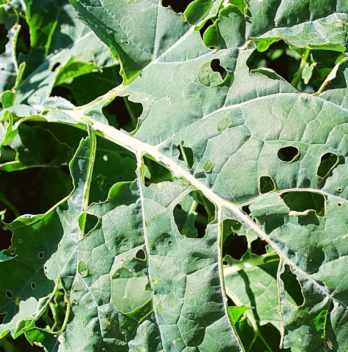
    Cabbage moths are one of the most common broccoli pests that make big holes in the leaves. There are also other insects like flea beetles, diamondback moths, etc., that feast on your broccoli leaves.

    So What Is Eating My Broccoli Leaves

    Common Pests Eating Your Broccoli Leaves

    There are a few pests that love to munch on your broccoli leaves that we will look at. Not only do they eat broccoli leaves that they also eat other crops like cabbage, Brussel sprouts, etc. These veggies are best grown in raised beds or gardens, making them highly susceptible to certain pests.

    The most common pests that love to eat your broccoli leaves include:

    Flea Beetles

    Flea beetles look like a cross between a flea and a small black beetle. Flea beetles are easy to identify because they leave behind many small holes on the broccoli leaves that look like they were caused by buckshot. They also jump like fleas making the traditional pick and squish method highly effective in destroying them.

    You cannot control flea beetles. However, if left unchecked, they infest in large numbers on a young plant and can cause premature death of your plant. Severe damage from these beatles causes your plants to get stunted growth and cannot flower or fruit.

    Prevention Methods

      • Clean your Garden after a Crop. Flea beetles can overwinter in the ground in the rotting plant debris. It is essential to clean your garden well when the growing season is over.

      • Use Sterilized Soil. Plant your seeds or seedlings in sterilized soil for extra protection when growing your broccoli.

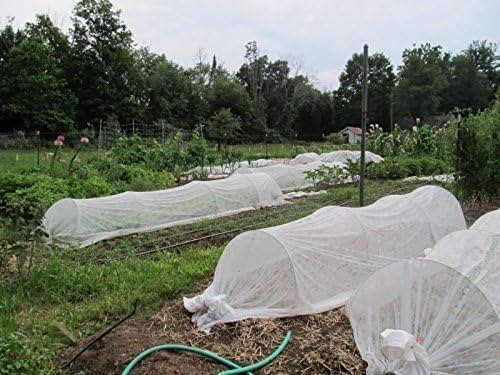
      • Use Floating Row Covers. Try using floating row covers as a barrier to protect your young broccoli plants because they are more vulnerable.

    Agribon AG-19 Floating Row Crop Cover

    51iF+1EHz9L. AC
      • Use Trap Crops. Trap crops act as a sacrificial offering that flea beetles eat, preventing your actual crop from damage. To protect your broccoli leaves, you can use other plants like marigolds.

      • Use a Thick Mulch. Covering the ground with thick mulch prevents the flea beetles from reaching the surface.

      • Use Organic Insecticides. You can use neem oil or diatomaceous to prevent infestations. Other insecticides will also work but will need frequent reapplication.

    Learn more about A Guide On Planting Carrots In The Fall

    Cabbage Moths

    Cabbage moths are a significant enemy of the broccoli plant. Have you seen giant white moths flying around the leaves of your broccoli? Maybe you love them because they look pretty, thinking they are some beneficial pollinators. In an actual sense, these are not moths, neither are they beneficial pollinators. They are butterflies fluttering around your broccoli and laying legs underneath the leaves, about 300 to 400 eggs, to be exact.

    These eggs are tiny but will eventually hatch into green caterpillars that grow big and fat, courtesy of your nutritious broccoli leaves. These caterpillars feed ravenously on your broccoli plant’s inner and outer leaves, the actual florets, and broccoli head.

    Preventing Cabbage Moths

      • Use the Traditional Method of Hand-picking. The gruesome pick and squish technique is the conventional way of dealing with this insect infestation. Hand-pick all the caterpillars you can see and squish them or throw them in a bucket full of soapy water. This method is helpful if you only have a few plants.

      • Use an nsecticide. If you have a large garden, it will be better to use an insecticide. Choose an effective and organic insecticide that has naturally occurring bacteria effectively killing cabbage moth caterpillars.

      • Use Row Covers. If you don’t want to spend time squishing bugs or spraying insecticides, try using row covers. This method requires covering your rows, preventing them from moths flying over them and laying eggs. It requires the least effort and still works to keep off the caterpillars.

    Check Out How Often Should I Flood My Ebb And Flow

    Diamondback Moths

    Freshly hatched diamondback moth larvae eat your broccoli leaf in both upper and lower parts. When the lover matures, it leaves large red holes with irregular edges on the lower sides of the leaf.

    When young, the larvae can be green and turn brown once they mature. When disturbed, the mature larvae drop from the leaf on a silken line like a spider’s web.

    Prevention

      • Apply organic insecticide. Use organic insecticide early morning or late afternoon to avoid the sun’s UV rays breaking down the bacteria.

      • Use parasitic stingless wasps. These will use the diamondback moth larva as a host; as a result, killing them. It’s a great way to prevent infestation without the use of an insecticide.

    Diamondback Moths

    FAQs

    How do I keep bugs off my broccoli?

    If you are able to get your hands on a commercial product called “Stinger,” which is a mixture of several insecticides and fungicides, it will most likely kill the insects.

    In our area, we use a combination of neem oil and “Stinger” spray to keep the black flies from infesting our broccoli. We also put out water-filled milk jugs around the garden, which attract the adult black flies. We usually put one in each corner of the garden and they also help to control the number of aphids on the broccoli plants.

    How do you protect broccoli?

    When it comes to protecting your broccoli, there are two main types of protection: physical and biological. These two types of protection are used to control a wide variety of pests and diseases. Physical protection involves things like sprays, netting, and traps. Biological control involves using natural predators and parasites to control pest populations. So, the best way to protect your broccoli is to use both types of protection. The main problem with broccoli is that it’s a biennial plant. This means it has to flower and set seed before it can produce more broccoli. In other words, broccoli has to go through two growing seasons before it produces broccoli.

    Broccoli is very susceptible to cold weather. I would recommend that you try and protect it by tying it up in a large, clean garbage bag.

    What do you spray on broccoli plants?

    Broccoli is very sensitive to insects. The best way to keep it bug free is to cover the plants with a floating row cover as soon as they are planted. Once they are about 6 inches tall, pull off the cover and plant in a permanent location. You can also use neem oil (also known as “oil of lemon” or “oil of citronella”) as a general pest deterrent.

    What is eating my broccoli heads?

    The broccoli can be eaten by birds. Birds will eat the stems of plants to help them get their own food. They will also eat the flowers of plants. If the broccoli heads are growing in a vegetable garden where there is competition for nutrients from other plants, you may be seeing what looks like the birds have been eating your broccoli. You may want to look for a bird feeder that is specifically made for the area you live in, so that you can prevent your bird problems from getting worse. Broccoli is also susceptible to pests and diseases. It can be attacked by aphids, which are tiny insects that suck the juice out of the plant’s leaves.

    They are often found on the underside of the leaves. They can cause damage to broccoli leaves, stems and buds, and they can make the plants appear sick. There is a natural pesticide that can be sprayed on broccoli plants that is safe for the environment, but you would need to apply it yourself. You can also use insecticidal soap. Broccoli is susceptible to fungal diseases as well, such as downy mildew. Downy mildew starts as a white or grey mold, and it will spread quickly through the leaves. You can treat the problem with fungicides, but you need to be careful not to kill your plants, as they are good for you. The best thing you can do is take care of your plants by watering them, making sure that they get enough light, and keeping the soil around them free of weeds and other competing plants.

    Conclusion

    I could tell something was eating my broccoli leaves, and with the above information, I now know what is eating them and how to protect my plants.

    If you are growing broccoli, make it a habit to keep an eye on their leaves early to get rid of these pests immediately they strike quickly.  The earlier you notice them, the easier it becomes to eliminate them before they destroy most of your crop.

    Broccoli carries a ton of nutritional benefits with plenty of fiber, plus potassium and even some protein.  It is an excellent source of Vitamin K and Calcium, two vital nutrients for maintaining strong, healthy bones. It also contains a good amount of phosphorus, zinc, and Vitamins A and C necessary for healthy bones as well.

    Learn more about When To Harvest Broccoli Rabe

  • How To Grow Butternut Squash In A Container

    How To Grow Butternut Squash In A Container

    Butternut squash is one of the most popular varieties of squash. Typically, it is grown in gardens as it is rather large in size. However, with the right steps, you can grow butternut squash in a container.

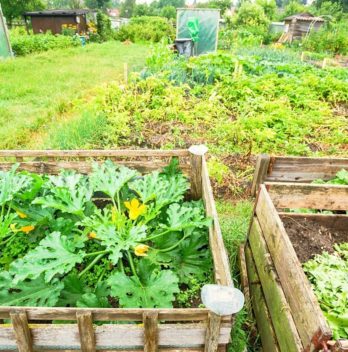
    With the use of bush cultivators, butternut squash can be planted in raised garden beds or large containers. Though it does take some work, it can be a great option if you are limited in the space you have to grow plants.

    About Butternut Squash

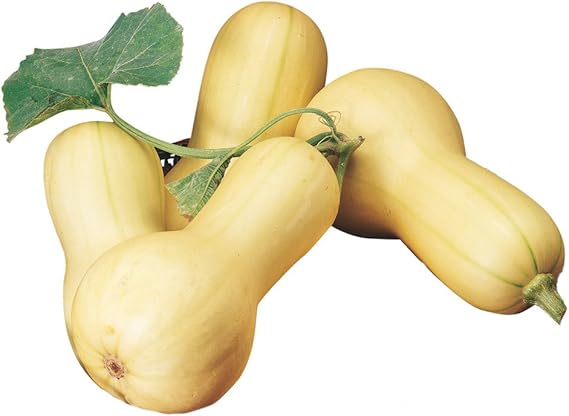
    Butternut squash is a variety of winter squash that is grown on vines. It has an oblong shape with hard skin that, unlike summer squash, is not edible. Its skin is tan-yellow to light orange in color, with bright orange flesh.

    When it is ripe, butternut squash turns increasingly deep orange, in addition to becoming sweeter and richer. It is a good source of fiber, vitamin C, vitamin A, magnesium, and potassium. Though botanically it is a fruit, culinarily it is a vegetable. 

    About Butternut Squash

    Butternut squash has many uses in the culinary world. It is popular to use for soups, casseroles, bread, pies, and muffins. In addition, it is also great for roasting, stuffing, sauteing, and grilling. 

    Due to its hardy skin, butternut squash will last for about two to three months after harvesting. It is best to store winter squash of all varieties in a cool, dry environment. It has a sweet taste that is slightly nutty as well. 

    Check Out If Can You Grow Squash In A Pot?

    How To Grow Butternut Squash In Small Space

    Generally, butternut squash is not grown in containers, as it tends to require a lot of space. However, with the right steps, you can successfully grow it in small spaces, such as pots and raised garden beds. This is particularly ideal for those who have small yards or live in an apartment. 

    Growing In Large Containers

    Butternut squash can be grown in large containers, but they should be at least 24 inches in diameter and at least 12 inches deep. In some cases, they may even outgrow a container of this size. 

    When choosing a container, you will want one that has good drainage. Oftentimes, you will want to drill large holes in the bottom of the pot to ensure it will have a proper drainage system. It is often a good idea to cover the bottom of the pot with a few inches of small gravel and then cover it with mesh.

    You should use soil that is well-drained and rich. Ideally, it should be sandy loamy soil which is slightly acidic, anywhere from 5.8 to 6.5 Ph. To help make your soil richer, you can add compost, organic mulch, and coffee grounds. 

    Check the soil around two to three times a week and water when the soil is dry a couple of inches down. On average, it will need around two to three inches of water a week. Be sure that your butternut squash is getting at least six to seven hours of sunlight a day. 

    Read more about Growing With Household LED Bulbs

    Best Varieties Of Butternut Squash To Grow in Pots

    When trying to decide what all to grow in your small garden, look for smaller bush varieties. Bush varieties are not only more compact, but they also produce more fruit in a shorter amount of time when compared to vining varieties. These are the butternut squash varieties you want to look out for when planting in a pot.

    Burpee’s Butterbush

    Burpee’s Butterbush squash grows vines that are around three to four feet long and produces fruit that is about 1.5 pounds in weight. They have pale, creamy-colored skin and flesh that is sweet, rich, and coppery red in color. 

    Each Butterbush plant will produce around three to six fruits. They are known to be a particularly tasty variety of butternut squash. It is great for making pie, as well as roasting, grilling, and sauteing.

    Burpee Butterbush Winter Squash Seeds 40 seeds

    61yUI4UXFkL. AC SX569

    Ponca

    The Ponca variety of butternut squash produces a personal-sized fruit. They are only around six to eight inches in length with beige-colored skin and light orange flesh. They have a small seed cavity, which is ideal for using as much flesh as possible. 

    Ponca has a pronounced sweet nutty flavor. It is particularly great for roasting and making soups too. 

    Learn more about What Size Net Pots To Use

    Butternut Squash Growing Stages

    Most butternut squashes take around one to seven days to germinate. After that, it takes around 90-110 days for bush varieties of butternut squash to reach maturity.

    You can plant your seeds direct into the large pot or plant them in a small pot and then transplant them. They will be ready to transplant when they are around two to three inches tall. When you go to transplant them, be sure to dig a hole that is at least two to three inches deep in your large container. 

    Wait to plant your butternut squash until the soil is at least 70 degrees Fahrenheit. You can plant them in spring or early summer, being sure to do your best to wait till after the final frost. 

    Butternut Squash Growing Stages

    FAQ’s

    How much room does butternut squash need to grow?

    It needs a lot of room. If you look at the root structure, you’ll see that it’s a huge mass of tangled roots and stems with only one or two leaves. They are very deep rooted, so they have to be well-watered to survive. The soil should be loose and sandy, so the roots can spread out. You want lots of air space between the plants for the roots to spread out.
    You can plant them in large containers, but they won’t grow as big. If you have a large garden or container, you can plant them in pairs and they will grow very quickly. They will also spread out more than in a pot, so they can fill in a larger area.

    Can squash plants be grown in containers?

    In general, I’d say it’s certainly possible. I’ve grown several Squashes successfully in a large plastic trash can for years, and they do fine. I have also had success with small containers as well. When you’re ready to plant, use potting soil. Add some compost if you have it. And then plant the Squash seeds into the pot.
    Water them well, and keep them moist but not wet. Once they start sprouting, give them a little bit of light. As long as you water well and keep the soil moist, it’s possible.

    Do butternut squash need a trellis?

    It depends on how big the squash are. If they are quite small and not very heavy, you can plant them in the ground. In this case, they won’t need any support. But if they are large, they may need to be supported so that they don’t grow too big and fall over. You can grow this vegetable in a container, and the trellis you can use to support your plants is any old length of string or twine.
    If you want to make your own trellis, just pick up a few 2x4s and attach them together with wire. You can also do the same thing with some stakes and twine. The key is to make sure they are wide enough to allow the vines to get their full length, but not so wide that they won’t be able to bend around the stakes. You’ll have to decide how high you want it to grow. I’ve seen people who have plants up to 6′ tall. It’s a great way to use your yard. Just don’t let it outgrow your trellis.

    Are butternut squash easy to grow?

    They are easy to grow from seeds. Butternut squash are a member of the gourd family. They have large seeds, and can be stored for quite a while after being harvested. Butternut squash are native to North America. They are a heavy feeder, meaning they require more fertilizer than other crops. They also need more space to grow.

    Knowing How To Grow Butternut Squash In A Container

    Whether you live in an apartment or simply just have a small yard, you can grow butternut squash in containers. It produces a delicious fruit that goes well in many different dishes. 

     Be certain that your container is at least 24 inches in diameter and at least 12 inches deep. In some cases, you may need to get a big container for your squash plant. You also want to make sure the pot has good drainage, the soil is rich and well-drained as well, along with the squash getting at least six hours of sunlight.

    When growing a butternut squash in a pot, you want to stick with bush varieties. Bush varieties are not only more compact, but they are also able to produce more fruit in a shorter amount of time. Some of the best bush varieties to plant in a container include Burpee’s Butterbush and Ponca.

    Do you have any questions regarding how to grow butternut squash in a container? If so, please ask any questions regarding how to grow butternut squash in containers and the best varieties to do so in the comment section below.

  • Can You Grow Squash In A Pot?

    Can You Grow Squash In A Pot?

    There are several great varieties of squash you can grow in your home garden. They are great plants to grow for gardeners of any experience level, whether you decide to grow butternut squash or zucchini. However, if you don’t have a lot of space, you may wonder, can you grow squash in a pot?

    Typically, most varieties of squash take up a lot of room in the garden. They often grow in abundance, which is normally great but can be problematic if you are tight on space. Fortunately, with the right tools and care, you can grow certain varieties of squash in a pot.

    Varieties Of Squash You Can Grow In A Pot

    If you have a small garden or live in an apartment, you simply don’t have the room to grow certain types of squash. Fortunately, there are some delicious varieties that are great for growing in pots. With the right size pot and proper care, these squash can thrive in a pot. 

    Growing squash in a pot gives you the opportunity to make the most of your space. With the right steps, you can get a bountiful harvest that will be delicious. Here are some of the best squash varieties for growing in a pot, whether you live in an apartment with a balcony or a house with a small yard.

    Varieties Of Squash You Can Grow In A Pot

    Bush Acorn

    Bush acorn squash is a variety of winter squash that grows to be 36 inches per diameter. It produces around three to eight fruits per plant. The fruits are acorn-shaped and are deeply ribbed.

    They are dark green in color with flesh that is orange. The flesh of the Bush Acorn is delicious for stuffing and roasting.

    Black Magic Zucchini 

    Black Magic Zucchini is a summer squash that grows to be one to two feet tall and three to three and a half feet wide. It has semi-spineless vines and the fruit grows between six to eight inches long. It is famous for producing high yields of fruit, but it does not take up a lot of space.

    The zucchini is dark green in color with a glossy appearance and a small seed cavity. The flesh is white and creamy, perfect for sauteing, baking, grilling, roasting, and making noodles.

    Bush Crookneck

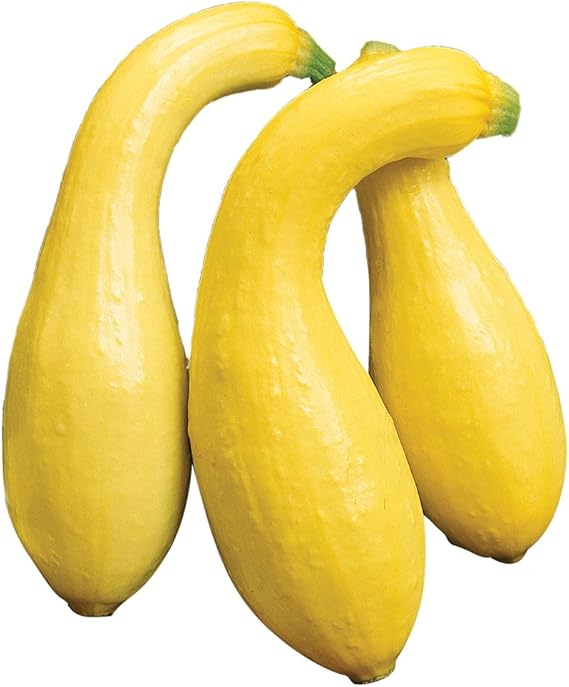
    Crookneck squash is a type of summer squash with a unique long shape with a slightly bent neck. It is light yellow in color and can grow up to three feet wide and two feet tall. It is fast-growing and tends to produce an abundance of fruit. 

    Crookneck squash has creamy flesh that has a mild, sweet flavor. It is great for sauteing, roasting, and stir-frying.

    Burpee Early Summer Crookneck (Heirloom) Summer Squash Seeds 50 seeds

    61P2f+o7mFL. AC SX569

    Sunburst Scallop Summer Squash

    Sunburst Scallop Summer Squash is a unique type of summer squash. It has a scallop-like shape and is bright yellow in color. The plant of the Sunburst Scallop has a compact, open habit bush.

    The squash has a crunchy texture and buttery flavor, which makes them great for stuffing, roasting, and grilling. The fruit is small in size when harvested, only around three inches, but the flesh is white and tender. They are similar to Patty-Pan squash.

    Astia Container Zucchini

    Astia Container Zucchini is a French-bred bush squash developed particularly to be grown in pots. A type of summer squash, they have beautiful silvery-green leaves that are deeply indented. They produce an abundance of tender-flesh zucchini while needing only a small area to grow.

    Astia Container Zucchini grows to be around five inches long and has a glossy, green appearance. The tender, mild flesh is great for roasting, steaming, and sauteing. 

    Honeybear Acorn Squash

    Honeybear Acorn Squash is a type of winter squash that is compact in size with a high yield. The fruit has an acorn shape, with a dark green exterior and orange flesh. Each plant produces around three to five fruits per bush.

    When cooked, the squash has a sweet flavor, making it great for roasting and stuffing. They have a great flavoring and are great for single servings when halved.

    Honeybear Acorn Squash

    Max’s Gold Summer Squash

    Max’s Gold Summer Squash has compact vines and is highly productive. This variety of summer squash has long, straight fruits with a small seed cavity. It is known for its signature bright yellow-golden color.

    The fruit on Max’s Gold Summer Squash is flavorful and has a lovely texture. This makes it great for grilling, roasting, salads and they are even great for snacking.

    How To Grow Squash In A Pot

    When growing squash in a pot, it is important to have a large enough container with proper drainage. The very minimum size you need is a container that is 24 inches in diameter. However, some squash may outgrow a container this size, so it may be best to invest in a larger size. 

    When planting squash in containers, it is best to place some fine gravel in the bottom covered by a piece of wire mesh to help with draining. Be sure to drill several large holes in the bottom of the container to help with the draining process. For soil, it is best to use soil that is loose and well-drained, with lots of organic matter.

    Place your pot somewhere where the squash will receive at least seven hours of sunlight a day. It is best to place a trellis or stake to help support the weight of the plant as it grows. Water your squash when the soil is dry a couple of inches down.

    FAQs

    Can I grow a squash plant in a container?

    Yes, you can. Squash is very forgiving and will grow just fine in a pot. If you are growing it for the winter months you might want to consider some type of a cold frame to protect it from frosts. If you are growing it for summer then you won’t need that. The thing to watch out for is watering it. It is easy to overwater and over-saturate your plants.

    The only thing you need to do is make sure that it has enough light and space for the plant to develop roots. You can even get a seedling from a local garden center if you don’t want to purchase one. You just need to be patient. Squash take quite a bit of time to mature and are not always as prolific as some other vegetables.

    How big of a pot do I need to grow squash?

    Squash is easy to grow, but there are several things you need to be careful of. First, squash doesn’t like to be crowded. They need lots of room to grow and plenty of sun to thrive.

    Squash plants are generally quite large, and will require a substantial container. However, there is some room for compromise if you can find a large enough pot (not one that’s too deep).

    The usual recommendation is to plant a large squash plant in a 5 gallon pot. This will give you a lot of space for your roots, and they will also be well-supported by the sides of the pot. However, the depth of the pot will limit how much you can grow your squash plant. If you want to grow your squash plant in a pot with a diameter larger than a standard 5 gallon pot, you’ll have to consider whether or not the extra depth will be worth the cost of the larger container. 

    You need room for your root system, and to provide a good amount of support for your plant.

    Can you grow squash indoors?

    If you have a greenhouse and are willing to pay the $$$ for it, then you could grow them inside.

    The best way to get a start is to buy a couple of seeds from the seed catalogue and plant them in a pot. The first year you plant them they will not produce anything, but next year they will produce. If you plant a large number of seeds they will produce at the same time. If you buy plants at the garden centre then you can plant them in a large container and put them outside in the summer. Squash seeds are very cheap, about $0.50 per dozen. You can also buy them in bulk from most garden centres, as they are usually in the bulk section. I grow my squash in pots in my greenhouse, and also in a big pot on my deck. They like a sunny spot with a lot of heat, so I’m usually outside in the summer. In winter, I bring them inside. They do well in containers because they get plenty of water.

    Growing Squash In Containers At Your House Or Apartment

    There are several great varieties of squash that you can grow in a pot. With a container that is at least 24 inches in diameter with good drainage and soil, your squash plant can thrive, producing delicious fruit. This is a great option if you are limited in space in your garden but love squash.

    Do you have any questions regarding can you grow squash in a pot? If so, please ask any questions regarding growing squash in containers in the comment section down below.

  • Climbing Zucchini Varieties

    Climbing Zucchini Varieties

    Zucchini has become one of the most popular plants to grow in gardens. No matter your gardening skill level, it is a great plant to grow, as it often grows in abundance and is relatively easy to care for. For those wanting to utilize small spaces, there are climbing zucchini varieties that are great for growing on a fence or trellis.

    Though zucchini may not be traditionally grown as a climbing plant, there are some varieties that are great for it. It may take some practice and experience to grow zucchini as a climbing plant, but it can be very successful when done right. It is a great way to grow them if you are limited on space in your garden.

    Climbing Zucchini Varieties

    Most types of zucchini plants require a lot of room to grow in gardens. This is due to the fact that they have tall spreading stems and overly large leaves, that often tend to take up a lot of garden space. Though this is normally fine if you have a large garden, for those with small gardens, this can be problematic.

    For those who live in apartments or houses with small yards, there isn’t always enough room to grow zucchini, especially if you are wanting to grow other plants as well. Fortunately, there are some varieties of zucchini plants that do great as climbing plants.

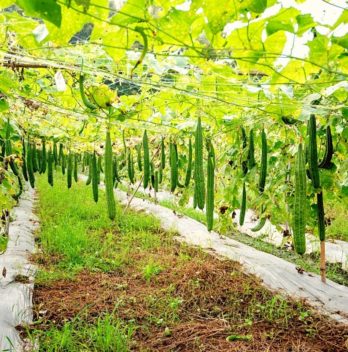
    By growing your zucchini plant on a fence or trellis, you can help save space in your garden. This space can then be used to grow other fruits and vegetables. The zucchini plant will grow up the trellis or fence, using it as a support system as it grows.

    Many varieties of climbing zucchini display good tolerance against diseases. By planting your climbing zucchini seeds at the base of the support system you are using and tying them up the system as they grow, you will make them into climbing plants with no problem.

    Though not every variety of zucchini is a good choice for growing as a climbing plant, there are some that work well for it. These varieties are particularly good to grow in small spaces. The best varieties to grow on a fence or trellis include Zucchino Rampicante, Black Forest, Raven, or Graybeard.

    Zucchino Rampicante

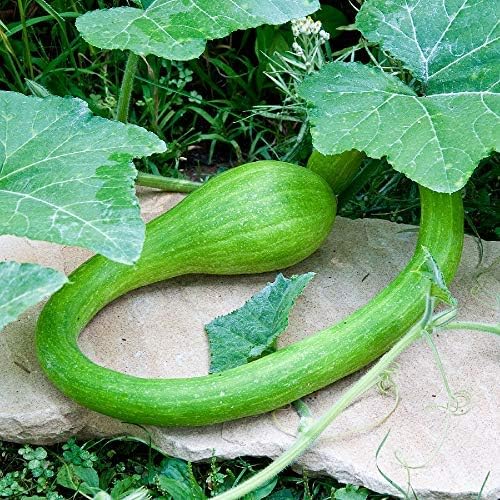
    Zucchino Rampicante also known as Zucchetta Tromboncino is a unique variety of squash that is considered both summer and winter. It has a unique, long slender form that makes it ideal for growing on vines, trellises, and fences.

    The bulbous ends contain the seeds, while the necks are smooth, long, and slender. It is left on its own, they are capable of growing up to four feet long and have large, attractive leaves with silvery veins. The fruit is light green while the flesh is sweet and tender, making it great for grilling.

    David’s Garden Seeds Squash Summer Tromboncino 1399 (Green) 25 Non-GMO, Heirloom Seeds

    610HsVDzl3L. AC

    While it is still young, the Zucchino Rampicante will have bright green skin that is striated. You can harvest it while it is still young as summer squash. The skin will be soft and the flesh will be sweet and slightly nutty.

    You can also let it still grow until its skin becomes beige and tough. At this point, you can harvest it as winter squash. It is similar to butternut squash and you can store it for much longer compared to when you harvest it as summer squash.

    Black Forest

    Black Forest zucchini is great for growing in small spaces as it is wonderful for growing as a climbing plant. It has the ability to grow up to an incredible seven feet tall, so it will need good support when growing. The fruit is dark green with a long, slender cylinder shape and grows to be about six to nine inches long.

    The Black Forest variety tends to have a very mild taste, making it a great option to use while baking. It is particularly popular to grow on patios in a large pot with trellis due to its ability to grow upward and since it doesn’t bush out at the base. In fact, it often tends to better in containers with very rich, well-drained soil than it does in a garden.

    Raven

    Raven zucchini is dark green with smooth, glossy skin. It is particularly tender fleshed and has a lovely flavor that is great for baking and cooking. It holds its quality, particularly while when it is large. Due to their ability to adapt easily, they can grow on trellis or fences.

    The Raven variety is great for steaming, grilling, and baking. It is a hardy variety that will not get tough or woody with age. They can be picked as babies with the blossoms on or at larger sizes.

    Raven zucchini

    Greybeard

    Greybeard zucchini has a light green/gray speckled color. They are compact and very productive, making them great for harvesting. They are a hybrid variety that is great for growing in gardens or on fences or trellis.

    Greybeard zucchini has a pleasant mild taste which makes it great for both baking and cooking. It generally tends to be less watery than most types of zucchini.

    FAQs

    Can zucchini be grown vertically?

    There are a number of ways to do this. You could grow a couple of plants in pots, then transplant them into the garden when they are ready. Or you could use a large container and plant the seedlings directly into it. You can also grow them in the ground, but you need a large space for them to grow.

    Does zucchini need a cage or trellis?

    Zucchini plants like to grow in a trellis. A good trellis can be made of wood, bamboo, etc. They are a large plant so they will need something to climb on; otherwise they just end up with their stems on the ground.

    Is zucchini a climbing vine?

    No, not really. But it can climb a trellis or a post and grow into a long, bushy plant that provides lots of squashy vegetables. 
    It’s easy and can be enjoyed right away. Zucchini is in the squash family, along with yellow crookneck, pattypan, and summer squash. It’s easy to grow, but a bit finicky about soil conditions. You’ll need well-drained soil with plenty of compost. The plants are heavy feeders. The soil should have a pH between 2.5 and 3. If it’s too acidic, the plants will produce lots of fruit but very little leaves; if it’s too alkaline, the plants will produce lots of leaves but not much fruit. Keep your soil moist but not wet. Water deeply when the top inch of soil is dry. Zucchini grows quickly and can be harvested as soon as the first flowers appear. But wait until the flowers have turned into fruits to pick the fruit. Zucchini plants don’t ripen their fruit all at once; it takes a couple of weeks after the fruit is formed to let the seeds develop enough to mature into squash. The fruit should be harvested while still green and firm. You can cut the stem at any time, but the plant will continue to produce fruit for several weeks. If you grow zucchini in containers, give them plenty of room.

    Can you use tomato cages for zucchini?

    Yes, it’s pretty easy. You can put the tomatoes up a tomato cage (they’re in 2’x2′ boxes) and then put the zucchini up in a tomato cage as well. The only thing you have to be careful of is that the zucchini don’t get too close to the tomatoes. If they are very crowded together, they will both grow into each other. But, that doesn’t happen very often because you can’t put too many zucchini in a single box. You might also want to look into growing your tomatoes up a trellis. This will keep them off the ground and give them some air circulation.

    Growing Your Own Climbing Zucchini

    Zucchini is a great plant to grow as it is easy to maintain, grows in abundance, and is versatile in many different dishes, both sweet and savory. Gardners anywhere from beginner to advance enjoy growing them as they are tasty and healthy. However, it oftentimes takes up a lot of space in the garden which can be problematic if you are limited on space.

    Fortunately, there are some varieties of zucchini that do particularly great as a climbing plant. This makes them ideal for growing if you live in an apartment or have a yard with only limited space. Once you get the hang of it, it can be relatively easy to grow them up a fence or trellis.

    Do you have any questions regarding climbing zucchini varieties? If so, please ask any questions regarding zucchinis and growing climbing plants in the comment section down below.

  • Rare Types Of Squash

    Rare Types Of Squash

    Many gardeners enjoy squash as there are so many different varieties to choose from and they come with many health benefits. They are also very versatile and there are many different ways you can enjoy eating them. Though many people know about butternut squash or zucchinis, there are some rare types of squash that are also great for growing in your garden as well.

    Though some of these varieties of squash are not as well known, they are still delicious and make a great addition to your garden. They come in all sorts of shapes and sizes, making them particularly fun to grow. No matter your experience level of gardening, you can try your hand at some of these unique and unusual squash.

    What Is A Squash?

    Squash is a family of plants that comes in many varieties. The varieties can be broken down into winter or summer squash. Though culinarily it is considered to be a vegetable, botanically it is technically a fruit since it contains fruit.

    Squash is generally mild tasting and is great for use in both savory and sweet recipes. They come with many great health benefits, making them a great addition to your diet. Though there are several varieties, they are all fleshy with a rine for protection.

    What Is A Squash

    Winter vs Summer

    The major difference between summer squash and winter squash is their skins. Winter squash has tough skins that are not edible whereas summer squash has thin skins that you can eat. In addition, summer varieties tend to have more tender flesh that is quite moist.

    Winter squash is often harvested from late summer to early winter. It is not commonly eaten raw but is popular for sauteing, roasting, grilling, and baking. Popular winter squash includes butternut and spaghetti.

    Summer squash is harvested all throughout the summertime. It can be eaten raw, but it is also great for baking, grilling, sauteing, steaming, and roasting. Popular varieties of summer squash include zucchini, yellow squash, and pattypan.

    Summer squash will often only last a few days after picking. However, winter varieties can last much longer, but they must be picked at maturity as they will not ripen any more after you harvest them.

    Types Of Rare Squash

    There are many different varieties of squash available today. Though you will often come across zucchini, pattypan, yellow squash, butternut squash, and spaghetti squash, these varieties are much less common. However, though they might not be as popular as other varieties, they are still great to grow and eat.

    Though squash can come in summer or winter types, there tend to be more unusual winter squash varieties. They come in all sorts of shapes and varieties and make for a fun addition to your garden.

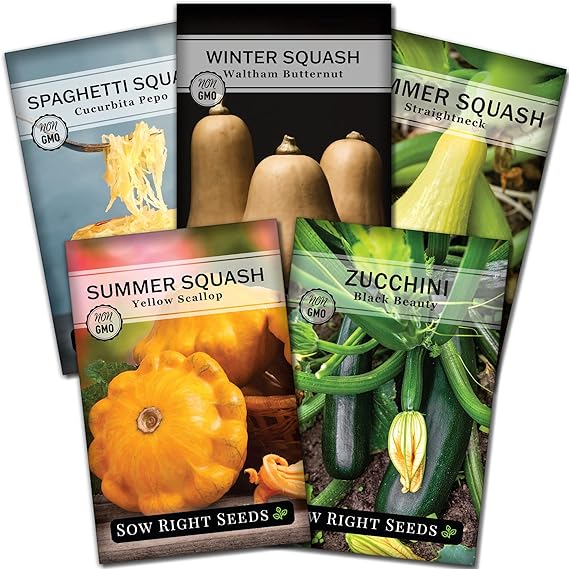
    Sow Right Seeds – Squash Seed Collection for Planting – Non-GMO Heirloom Seeds

    81fDzjSIGfS. AC SX569

    Carnival

    Carnival squash is a relatively new variety that is a cross between acorn squash and sweet dumpling squash. It is generally small to medium in size with ridged edges, coming in golden to creamy pale yellow with flecks of green. The flesh is tender and creamy while being a touch sweet.

    You can find Carnival squash at specialty markets in North America, South America, Europe, Australia, and Asia. It is great for soups and roasting.

    Turban

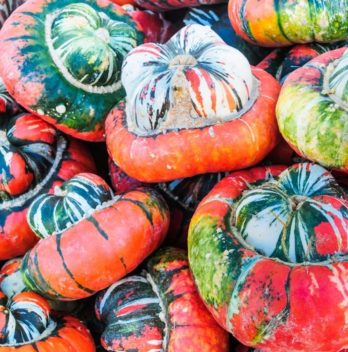
    Turban squash or  Turk’s Turban or French Turban first gained recognition in 1818 in France. It is a unique squash that looks like a mushroom. Oftentimes it is a combination of orange, green, and creamy white in color.

    Turban squash makes a beautiful decorative centerpiece and is also great for eating as well. It is good for making stews and soups as well as roasting. It is sold across America, Europe, Asia, and Australia.

    Delicata

    Delicata squash, also known as bohemian squash, peanut squash, and sweet potato squash, grows in an oblong shape. It is generally bright yellow in color with green stripes and has a mild yet sweet flavor along with a tender rind. It is great for use in baked goods such as muffins, bread, and cakes, along with soups.

    Lakota

    Lakota squash is pear-shaped in appearance with orange and green stripes. Not only does it make a beautiful fall decoration, but it is also great for eating as well, particularly as a soup. It has a rich history as it took over a century to create.

    Buttercup

    With a squatty round shape and dark green skin, buttercup squash has a unique appearance. Though they are often decorative, they have sweet, creamy flesh. They can be great for using in baked goods, pasta, and soups.

    Kabocha

    Kabocha makes up a small family of squashes, such as Sunshine Kabocha, which is often referred to as Japanese pumpkins. They have dark green skin with green or white stripes and are the sweetest of all the winter varieties. They have many uses including soup, pies, and baked goods, as they taste similar to sweet potatoes.

    Blue Hubbard

    Blue Hubbard is a large variety of squash that range in weight from 12 to 20 pounds.  They have a light blue coloring with a taste similar to sweet potatoes. Dense and starchy, they are great for roasting, soups, and pies.

    Honeynut

    Honeynut squash comes from butternut and buttercup squash. They look like mini butternut squash but they have a richer orange coloring and sweeter flavor. They are great for many recipes including roasting, soups, and sauteing.

    Honeynut Squash

    Red Kuri

    Red Kuri squash has a distinctive teardrop shape with bright orange skin. They originate from Japan and have flesh that is delicate with a nutty flavor. It is a great variety for making soups, roasting, and grilling.

    FAQs

    How many types of squash exist?

    Squash is a large, summer and winter-growing fruit with the general shape of a pumpkin, but more spherical than cylindrical. There are hundreds of varieties of squash, ranging in size from less than an inch to more than two feet. The name “squash” is also used to describe other fruits with similar shape and texture, such as pumpkins, zucchini, crookneck, and pattypan.

    Summer squash varieties include pattypan, acorn, crookneck, and butternut. Winter squash varieties include pumpkin, Hubbard, delicata, and spaghetti.

    Which type of squash is the sweetest?

    I know that butternut squash is pretty sweet.
    I would add that acorn squash is pretty mild, too. They have a lot of natural sugars in them, which caramelizes during roasting, making them sweeter. If you like to bake, then try baking them at 350°F for 45 minutes (they will still be firm) and then finish baking at 450°F for 15-20 minutes, until tender.
     Squash are a member of the gourd family and are in the same botanical family as cucumbers, melons, pumpkins, and watermelons. They have a smooth skin with a hard rind, and they are generally yellow, orange, or green in color.

    What is the most popular squash?

    Butternut. It’s true. According to the USDA, more than 50% of all squash consumed in the United States is butternut.It requires no special equipment and grows quickly. For many families, butternut squash becomes a staple at Thanksgiving.
    It’s high in vitamin A and B vitamins, contains lots of fiber, and it has a good amount of protein. Butternut squash is also easy to prepare. You can steam it, bake it, or roast it.

    Can squash be eaten raw?

    Yes, you can eat squash raw if it’s cut up, but there are a few things to consider. You should make sure that the squash is fully ripe. Ripe squash is bright orange and soft. Avoid buying squash that looks green or has brown spots. You should try to buy organic squash. You don’t need to use pesticides on your squash, but you do want to be careful about fertilizers and other chemicals that might be used in your garden.
    You should avoid eating squash when they’re still hard or unripe.
    You can eat squash raw because it’s high in vitamin A, which is important for your eyesight and immune system. Squash also contains a lot of fiber, which helps lower your risk of heart disease and diabetes. Squash is low in calories, so it’s a great food for those who are trying to lose weight.

    Unique And Unusual Squash Varieties

    These weird-looking squash may seem unusual, but they are actually great to use in many different recipes. They are great for growing in your own garden and are awesome for cooking and baking within your kitchen. In addition, they come with many great health benefits that squash is famous for.

    Do you have any questions regarding rare types of squash? If so, please ask any squash-related questions on these unique varieties in the comment section down below.

  • What Does Butter Lettuce Look Like?

    What Does Butter Lettuce Look Like?

    Do you know what butter lettuce is? Have you ever wondered what does butter lettuce look like? Butter lettuce is also a type of green lettuce. It is also referred to as Bibb lettuce or butterhead lettuce and this lettuce is also closely related to Boston lettuce.

    Butter lettuce is one kind of lettuce common in the United States along with iceberg lettuce and romaine lettuce. But when it comes to identifying or differentiating butter lettuce from other similar types of lettuce, do you find yourself getting confused?

    Let’s look into what does butter lettuce actually looks like so we can have a clear picture of this lettuce variety. We will also be looking into what the butter lettuce taste like and more details about them. So, let’s look into this.

    What Is Butter Lettuce: What Does Butter Lettuce Look Like

    So, talking about butter lettuce, this lettuce is one popular lettuce type out there. Butter lettuce is a common lettuce variety known in the United States alongside iceberg lettuce and romaine lettuce. It is a kind of green lettuce variety that is healthy and offers great nutritional benefits.

    You may have heard of butter lettuce or you may be familiar with butter lettuce as Bibb lettuce or Boston lettuce. These two lettuces (Bibb and Boston lettuce) fall under the butter lettuce classification.

    What Is Butter Lettuce: What Does Butter Lettuce Look Like

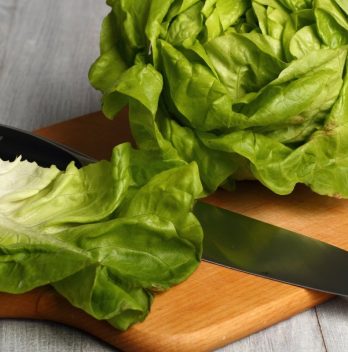
    Butter lettuce looks like a silky bright green (leaves). The leaves are large and they feel tender and soft. The leaves are also cupped-shape. So, this makes them a great option for salad makings with some creamy dressings.

    Butter lettuce will offer you that refreshing and nutritious tasty feel to your salad dish or sandwich. It can be used as a bed for various ingredients.

    What Does Butter Lettuce Taste Like?

    The taste of butter lettuce feels silky and soft and it tends to have a melting feel to the mouth. This lettuce will also offer that mild hint of floral sweetness.

    Butter lettuce pairs well with sharp flavors such as strong cheese, meat, and citrus. It is also one of the most loved salads, especially with creamy dressing. You can as well make use of butter lettuce as a wrap or simply incorporate them into a mild crunch salad.

    Does Butter Lettuce Taste Like Butter?

    This lettuce variety having a butter name to it may have you wondering if it actually tastes like butter. The truth is that’s not the case. Butter lettuce is simply a name for the lettuce variety. It only has that smooth and creamy feel just like butter.

    It is also popularly called butter lettuce because of that rich and smooth texture that tends to melt in your mouth.

    The Book of Greens: A Cook’s Compendium of 40 Varieties, from Arugula to Watercress

    A1e3szn21NL

    Butter Lettuces And Iceberg: Are They Different

    Butter lettuce and iceberg lettuce may look pretty similar, but they aren’t the same. They are two different lettuce varieties.

    These two lettuce varieties can be easily differentiated by simply looking at their leaves tend to grow.

    The iceberg lettuce for instance looks like cabbage in its closed leaves pattern and rounded shape. Then butter lettuce tends to have a more open appearance.

    Another difference between these two lettuces is that the iceberg isn’t as soft as butter lettuce. Iceberg tends to be crunchy and watery. Also, iceberg usually comes at a more affordable price.

    Butter Lettuce Leaf Vs Other Lettuce Types

    Apart from butter lettuce, let’s look into other lettuce varieties and see how they differ from butter lettuce. This is just so we can have an idea of other types of common lettuce and compare them:

    • Crisp-head Lettuce: crisp-head lettuce is another lettuce variety that is also referred to as iceberg lettuce. This lettuce is often mistaken as a cabbage because of its round shape and pale green color. If you want that refreshing salad, then you should go for this juicy, crispy, and watery crisp-head lettuce.

    • Romaine Lettuce: Romaine lettuce is very unique because of its elongated leafy green shape. This lettuce is one main ingredient used for people’s favorite caesar salad. The leaves are pretty crispy and the stems are as well crunchy. It also gives a semi-butter flavor.

    Butter Lettuce Leaf Vs Other Lettuce Types
    • Stem Lettuce: the stem of this lettuce is pretty long and thick and the edible stem tends to give a mild flavor. If you wish to go for the best choice for pickled dishes and stir fry, then stem lettuce should be one of your lettuce choices.

    • Leaf Lettuce: the leaf lettuce can come in a green to deep red color at its edges with riffled ends. It also comes with a loose joint at its stem. This lettuce variety isn’t too tender or too crispy. It simply possesses the appropriate buttery texture. Depending on the color of the lettuce, the taste can differ from mild to sweet.

    Butter Lettuce Applications

    Butter lettuce can be applied in our various culinary preparations. They are mostly used in salad dishes and can be made more pleasing with creamy dressing. Butter lettuce can as well be integrated into a mild crunchy salad.

    Additionally, butter lettuce is used in sandwiches. They are as well used as wraps for foods. These butter lettuce wraps have low fats, carbs, low in calories. They are also low in sodium content so this makes them a very healthy vegetable.

    You also don’t need to cook this lettuce as it can be enjoyed raw. You can pair butter lettuce with veggies, fruits, meat, and so on. So, butter lettuce is simply a versatile green that can be paired appropriately with different ingredients you can think of.

    Nutritional Health Benefits Of Butter Lettuce

    There are so many nutritional benefits to gain from butter lettuce. Some include:

      • Butter lettuce is a great source of Vitamin A, K, and C.

      • They are rich in iron and calcium that assist in building stronger bones.

      • This lettuce is a great source of carotenoid antioxidants such as beta carotene, lutein, and zeaxanthin.

      • They help enhance healthy skin, muscles, as well as teeth.

    FAQ’s

    How do you identify butter lettuce?

    Butter lettuce, also called cos lettuce or romaine lettuce, has a crisp, crunchy texture and light green leaves that are very popular in salads. Butter lettuce can be eaten raw or cooked as a leafy green vegetable. It’s available year round and has a mild flavor.

    Store butter lettuce in a plastic bag with a moist paper towel. Rinse and dry the leaves before using.

    Growing butter lettuce is easy. Start seeds indoors 6 to 8 weeks before the last frost date. Seeds can be started in flats or plug trays. Butter lettuce does well in warm weather but doesn’t like temperatures below 60 degrees F. Sow seeds 4 to 6 inches apart in rows 18 to 24 inches apart. Thin seedlings when they reach about 12 inches tall. Where can I buy it? You can find butter lettuce at farmers markets and grocery stores throughout the year.

    What is similar to butter lettuce?

    Butter lettuce has a milder flavor than romaine and has a slightly more bitter taste. The name comes from the fact that it resembles a butter-like substance when it is cut.

    The leaves of butter lettuce (R. sativus) are similar to those of cos lettuce (Lactuca sativa), but they don’t have as many small crinkly or serrated leaves, so they may not be as good for making a salad mix. They do have a slightly sweeter taste though.

    Is butter lettuce better than romaine?

    Butter lettuce is much more tender and less bitter than romaine, It has crisp texture with a mild flavor and is very high in vitamin A, calcium and iron. The best part about this lettuce is that you can grow it yourself in a home garden or even in a window box!

    How do you eat butter lettuce?

    Butter lettuce is perfect for sandwiches and salads. This is a recipe that you´ll love! This recipe is a great way to prepare the lettuce and you will be amazed at how easy it is! Ingredients 1 head of Butter Lettuce 1 teaspoon Dijon Mustard 2 Tablespoons Olive Oil Salt & Pepper Directions Slice the lettuce into ribbons and place into a bowl. Add mustard, olive oil and salt and pepper.

    Toss together until all of the pieces are coated in the mixture. What kind of bread is used for this salad?  It is a French baguette and I like to use a rustic baguette because it has a nice chewiness to it. I also like to cut it in half lengthwise so that it will fit in my lunch box. What is the best way to store this salad?  The salad should be stored in the refrigerator in an airtight container for 3-4 days. It will keep for longer if you wrap the container with plastic wrap first and then seal the top with a piece of aluminum foil.

    Conclusion

    So, we have discussed what butter lettuce does look like so you can have an idea of its appearance. We also looked at other related things such as what they taste like, how they differ from some other lettuce, their applications, and so on.

  • Where Are Artichokes Grown – Get To Know Their Origin

    Where Are Artichokes Grown – Get To Know Their Origin

    Ever wondered where artichokes are grown? Do you know where they originate from? Let’s find out. Artichoke which is a food-giving plant is a variety of thistle.

    We have up to 50 recorded varieties of artichokes all over the world. However, what we are familiar with in America is the Italian green globe variety.

    Now there have been different debates on the particular origin artichokes came from. But what we would like to know is where are artichokes grown? So let’s dive in and find out more about where artichokes are derived from.

    A Little About Artichoke And Their Origin

    Artichokes are one of the oldest cultivated vegetables that have been enjoyed for centuries. It’s been agreed generally by historians that artichoke is a native of the Mediterranean perennial plant. However, there have been other speculations that it came from Sicily or the Italian region while others have hinted it came from Northern Africa.

    Artichokes are actually the better version of Cardoon which tends to be smaller and prickly.

    They first gained their popularity in the 1905’s with an increased interest majorly because of their gourmet flavor and fascinating look.

    A Little About Artichoke And Their Origin

    Where Do Artichokes Grow?

    So, where does artichoke grow? As of today, the majority of artichokes have grown all over the world. And cultivated from Southern European countries such as Italy, France, and Spain. Then California produces almost 100 percent of the United States crop.

    Also, some countries in South America grow artichoke as well as North Africa. But Italy is one of the biggest producers of artichokes in the world.

    Hundred percent of the artichokes grown commercially in the United States are grown from Monterey county California. This plant is a perennial plant. Sustained in the field for about 5 to 10 years.

    The journey of artichoke in California started on the East coast where French allied soldiers during the Revolutionary war introduced these plants to America. In the 1720s, the globe artichoke varieties started showing up in Virginia.

    Back then, California did not see the artichoke plant as a favorable cash crop until the 1890s. This was when the Italian farmers in Half Moon Bay planted them. Around 1904, boxcars were been filled up with artichokes and they were sent to the East coast. Then around 1922, Italian farmers relocated artichokes to California’s Salinas Valle. Grown here ever since then.

    There are, as well baby artichokes which are simply the smaller version of the bigger artichokes.

    The California Artichoke Cookbook: From the California Artichoke Advisory Board

    51YqACTCwOL

    Growing Zone For Artichokes

    Artichoke will flourish and grow well in mild winter, cool summers, and lots of moisture. Because artichokes are perennial plants, they tend to do well in hardiness zone 7 to 11.

    Gardeners that wish to grow artichokes in colder regions can grow artichokes to be an annual vegetable. Or you can simply over-winter the variety of artichokes that is perennial in a sheltered spot.

    Artichoke Growing Tips

    Grown for their tender edible flower bud is the popular globe artichokes varieties. Here are some useful tips to guide you on how to grow artichokes:

      • When growing artichokes, you can aim towards the long term if artichokes are perennial to your region. They will grow in that particular spot for about 5 years.

      • Artichoke plants are sun-loving plants. So, because they tend to grow large, ensure you space them adequately so each plant does not overshadow each other or shade other plants partially. The ideal plant spacing for artichoke is 4 feet apart in a location with full sun.

      • Provide artichoke plants with soil that is rich in nutrients and use loamy soil preferably.

      • Once you’ve planted, make sure to water them. Also, provide constant moisture all through the growing season of the artichoke plant. Aim to water the upper inch of the soil whenever they turn dry.

      • Ensure you eliminate any weed. Then you should further encourage soil moisture retention by mixing a 4-inch layer of mulch. You can get the mulch from materials like dry grass clippings, straws, or aged manure. This will further prevent weeds.

      • When you begin to notice bud formation, take away the mulch and add a 4-inch layer of compost.

      • Then when it’s time to harvest, you should harvest your artichokes when they have attained a diameter of about 3 inches. Pack the artichokes should also be tightly

    Growing Artichoke In Container

    You can as well grow artichokes in big containers. Simply select a pot or half whiskey barrel of 24 inches in diameter. Then fill the container with potting soil mix. Grow artichoke in an ideal environment.

    Artichoke Preparations

    Artichoke can be prepared in different manners such as boiling, steaming, grilling, as well as frying. Even though globe artichokes are a bit awkward to cut through and prepare, once you’ve been able to master the act of preparations, then you can enjoy this great-tasting vegetable.

    Artichoke Preparations

    Prepare artichokes the following way:

      • Trim the stem roughly into 5 cm.
      • Detach the outer leaves until you can see the pale center leaves.
      • Then take away any leftover hard outer leaves with the help of a peeler.
      • Further cut across the top of the artichoke heart unfold or reveal the choke (i.e. the hairy part in the center of the choke).
      • With the help of a spoon, scoop out the choke and dispose of it.
      • Then you can proceed to cook your artichoke. Make sure you cook it as soon as possible to prevent discoloration and oxidization.

    Where Are Artichokes Grown: Conclusion

    Artichokes being a food-giving plant is one of the oldest foods eaten by humans. They are one of the oldest vegetable grown and consumed for centuries. Used in culinary applications and it offers great health benefits.

    Grown from Southern European countries such as Italy, France, and Spain are the majority of artichokes. In the United States, California is one of the major producers of artichokes. However, Italy is the major producer of artichokes in the world.

    So, we do hope you’ve learned some things about where artichokes are grown from.