Category: Organic Food

  • What Is The Botanical Name Of Carrot?

    What Is The Botanical Name Of Carrot?

    What is the botanical name of carrot, and what class of vegetable, scientific family, or category does it fall under?

    Carrots are herbaceous root vegetables belonging to the parsley family, including the parsnip. The cultivated carrot is a cultivar of the wild carrot, also known as Queen Anne’s lace. The wild carrot is native to the temperate parts of Europe and southwest Asia.

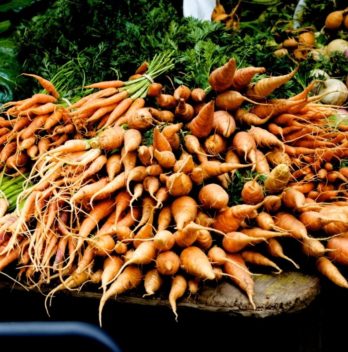
    The wild carrot applies to the long edible tapering taproot of the cultivated type. The taproots are orange in color, and they also have a variety of colors depending on the cultivar you growing.  They include pink, white, yellow, or purple and have a crisp texture when freshly harvested.

    The wild carrots play a valuable role in sustaining the ecosystem. The leaves and roots are a source of food for animals; carrot flowers provide nectar for bees that pollinate the plants.

    The cultivated carrot provides nutritious food for humans, and it has a distinct flavor texture and color. Humans have learned how to cultivate this root vegetable and produce a variety of cultivars. These cultivars can either be eaten raw or cooked in a stew soup or baked into a carrot cake.

    The Botanical Name Of Carrot And Its Background

    The scientific name of a carrot, also known as the botanical name, is Daucus carota. It is a member of the Apiaceae or Umbelliferae family. This family consists of aromatic plants with hollow stems, including parsley, cumin, carrot, dill, parsnip, caraway fennel, and other relatives.

    The Apiaceae family is large, with about 300 genera and 3,000 species. The term Umbelliferae comes from the arrangement of flowers on a stem in the form of a compound umbel. Each umbel consists of small, symmetrical flowers with 5 small petals, 5 sepals, and 5 stamens.

    The Wild Carrot

    The wild carrot is also known as Queen Anne’s lace or bishops lace. It is a flowering plant in the family of Apiaceae that is native to temperate regions of Southwest Asia and Europe.

    Daucus carota subsp. sativus is the cultivated form of the wild carrot. Its greatly enlarged and palatable textured edible taproot has been grown, but it is still of the same species.

    The wild carrot is a biennial plant that grows up to 1 m and flowers from June to August. Its umbels are pale pink and claret-colored before they open to bright white and rounded into tiny blossoms of full bloom.

    The umbels are three to 7 cm wide with narrow bracts beneath; as these flowers turn to seed, the umbels contract and become concave like a bird’s nest.

    The wild carrot was introduced in North America, commonly known as the Queen Anne’s lace. It is also called so because the flower resembles the Lace and the red flower in the center represents a blood droplet where Queen Anne pricked herself with a needle when she was making the Lace. The function of the tiny red flower is to attract insects.

    The edible part of the cultivated carrot is the taproot. It grows the leaves in the spring and summer while building the taproot with stores large amounts of sugars for the plant to help flower.

    Dara Queen Anne’s Lace Seeds – Pack of 200, Certified Organic, Non-GMO

    The Family Genus And Species Of Cultivated Carrots

    The cultivated carrot is a member of the Apiaceae family, and some widely cultivated plants like deal parsley parsnip, fennel, and celery.

    The genus Daucus carota carries a number of 20 species. The cultivated carrot is one of the subspecies of the character species scientifically known as daucus carota subsp. Sativus.

    Based on the root and leaves morphology, the botanical varieties of carrots have 2 large groups, the western and eastern carrots.

    Learn more about Why Are My Cucumbers Prickly?

    The Western Group

    The Western group includes carrot plants whose roots do not branch out and their leaves have deeper lobes with blooming taking place in the second year. The root color is yellow, red, orange, violet, and white.

    The western carrots originate from the East as a result of the selection of the wild Mediterranean subspecies white and yellow with these two owing to the natural mutations of purple and violet carrots.

    The modern carrots originate from their common ancestor developed by the Dutch growers in the 16th and 17th centuries. Since then, the carrots are now more orange than any other color.

    Family Genus And Species Of Cultivated Carrots - Western Group

    The Eastern Group

    The Eastern group includes carrots whose roots branch out, and their leaves do not have the lobes, and blooming occurs within the first year.

    The root color of this group varies and could be yellow or a combination of black, red-violet, and yellow. Despite the presence of current yellow populations – anthocyanin in carrots have the presence of purple and violet-colored carrots.

    The Eastern group carrots are from India, Afghanistan, Iran, and Russia with the carrots of the Western group progressively replacing them up.

    Check Out This Guide and Tips on How to Compost in a Bucket

    The Cultivated Carrots

    The cultivated carrot is a cool-season biennial vegetable that grows as an annual for its edible fleshy root. The first year the leaves grow reaching a height of about 50 cm and the second year the plant flowers with the final height of about 1.20 to 1.50 m.

    Sometimes the stem forms in the first year and this occurs when the root has a diameter of about 1/2 cm. It may also develop at least eight leaves prematurely especially when exposed to about 2 months of low winter temperatures.

    Cultivated Carrots

    Vernalization is the process of exposing carrots to low temperatures. This process is directly related to the cultivation zone that requires exposure at low temperatures from 0 to 10 degrees in temperate regions for about 2 months and 15 degrees in tropical and subtropical areas.   Modern carrot varieties take about 62 and 30 days to reach full maturity.

    FAQs

    What is the botanical name of a carrot?

    The botanical name of a carrot is Daucus carota. The name “carrot” comes from the Latin carota, meaning “nut” or “chestnut”. The name “carrot” was given to this plant because of its shape, which resembles a nut or chestnut. The origin of the name “carrot” is unknown. There are two types of carrots: the round and the flat. The round carrot (Daucus carota) has a long, thin taproot. The length of this root can reach up to 6-8 inches. The taproot has a diameter of 1/2 inch and a weight of 50-100 grams. Its color varies from yellow to orange. The size of the carrot is determined by the length of its taproot. The flat carrot (Daucus carota subsp. sativus) has a short, thick taproot.

    Where does it come from?

    Carrots are one of the most popular vegetables in the world. The carrot was domesticated in Asia, where it was cultivated from at least the 3rd millennium BCE. It was also cultivated in the Mediterranean region. By the end of the 2nd millennium BCE, the carrot was being grown in Europe and Egypt.

    In the 1st century CE, it reached England. The Romans introduced the carrot to Europe during the first century CE.

    What family does the carrot belong to?

    The carrot belongs to the gourd family, which includes cucumbers, melons, pumpkins, watermelons and squash. Carrots are native to India and China, but have been cultivated in Europe since at least 400 BC. Today they are grown around the world, and they are used in salads, cooked as a vegetable and added to soups, stews and casseroles. They are also used for pickling, and are often dried and used as a spice.

    What is the Wild Carrot?

    It’s a root vegetable that has been growing in the wild for over 2,000 years. It’s also called the Queen of Root Vegetables and the King of Root Vegetables. Wild Carrot Facts: It’s a perennial, meaning it grows back every year. Wild Carrots are found in the Northern Hemisphere, from Canada to Russia and as far south as South Africa.

    They grow in moist soils and are usually found in woodlands. The roots can be harvested year round but are best in fall and winter. Wild Carrots are one of the most common wild foods in the world. Their popularity stems from their sweet taste and long shelf life. They have a mild flavor and can be eaten raw or cooked. They also contain high amounts of vitamin C, potassium, and dietary fiber.

    They are easy to harvest. Just pick them from the ground. You’ll find them at the top of the root. The leaves can be used as a garnish.

    Conclusion

    Whether you’re looking for a carrot Latin name or a carrot scientific name what’s the botanical name of carrot Daucus carota is the name to go with. A little history and background of both the cultivated and wild carrot provide us with some historical facts about this vegetable that we all love.

  • Why Are My Tomato Seedlings Falling Over?

    Why Are My Tomato Seedlings Falling Over?

    Are you worried about your tomato seedlings falling over or bending, a condition common to both young and older tomato plants? If yes, you are not alone. This is a common problem that most gardeners experience when growing tomatoes seedlings.

    It would be nice to know why your tomato plant seedlings are falling over so you can sort the problem and get them back to growing correctly.

    In this article, we will take a closer look at things that make your tomato plants fall over. We will also discuss how to solve this problem.

    Why Are My Tomato Seedlings Falling Over?

    There are several reasons why your tomato plants could be falling over.  This depends on the age of the plant and the environment it is growing in.

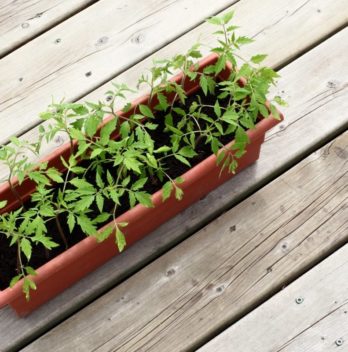
    Tomato Seedlings Falling Over

    Tomato seedlings – Damping-Off

    The most likely cause of young seedlings falling over is the lack of light or damping-off caused by a fungus attack.

    Damping-off is a plant disease known to weaken or kill seedlings. It is caused by a fungus commonly found in wet and cool soil.

    To tell if your tomatoes are damping off, look out for these symptoms

    • Spotted leaves
    • Rotten roots
    • Thin, tough, and wiry stems
    • Grey mould on stems or leaves

    How To Prevent Damping-Off Of Tomato Seedlings

    Here are some steps to follow to prevent damping off

    • Keep your Soil Warm and Moist. Damping-off happens in cold soil. Cold and dry soil also delays your seedlings’ germination while slowing down their growth. The faster your tomato plants grow, the sooner they get strong enough to resist damping off. So to avoid this fungal infection, keep your soil warm and moist that encourages faster germination.
    • Sterilize your Soil before Planting. Don’t reuse garden soil or potting mix because they may carry soil-borne diseases from previous use. Instead, buy a clean, fresh potting mix or sterilize your garden soil to start your tomato seeds.
    • Quarantine your Plants. If you notice any seedling starting to look sick, pull it out and separate it from the other seedlings. This will control the spread of this disease between your plants.

    Organic Plant Magic – COMPRESSED POTTING SOIL: 100% Organic, Expands Up to 4x With Water

    91eVZT83oVL. AC SX569

    Tomato Seedlings – Lack Of Enough Light Effects

    Your seedlings might not show any signs of damping-off but still suffer from falling over.  In this case, lack of enough light could be the reason why they are falling over.

    If the light reaching your seedling is in one direction, your seedlings are bound to lean over in an attempt to get the light. This can give them a bent-over appearance, making them like the seedlings are falling over.

    If you grow your seedlings in an area where they don’t receive enough light, they will start getting tall thin, and spindly in search of enough light. Even if you are growing them under a glowing light that is too far above them, they will still grow thin and leggy.

    To prevent this from happening to your seedlings, ensure that you provide enough sunlight or use glow lights instead of fluorescent or LED bulbs.

    Read more about  Grow Light Height Above Plants

    For Young Tomato Plants

    Small tomato plants ready for transplanting into the garden are most likely to fall over due to transplanting shock or lack of hardening off.

    Transplanting shock is expected if you do not take the proper precautions when handling your plants. The severe shock causes your plants to fall over.

    For Young Tomato Plants

    What Causes Transplant Shock To Your Plants?

    • Root damage. Root damage often happens during transplanting if seedlings grow too close together and their roots get tangled up. It can also occur if you leave your transplant out in the sun with their roots exposed while waiting to be planted.
    • Lack of hardening off. If you did not harden off your tomato plants before transplanting, they are likely to go into shock when they are outside. The change of temperature, moisture, and wind can be overwhelming for them to handle all at once.

    Check Out Do Tomatoes Like Acidic Soil?

    Preventing Transplanting Shock

    To prevent transplant shockers will need to be a little more careful transplanting your seedlings outdoors.

    When planting tomato seeds, leave them enough space so that their roots do not get entangled. Or use a seed tray with individual cells holding each seed in one cell. Leaving enough space between seeds prevents the roots from getting damaged during the transplant. It also reduces the chances of any disease spreading between your plants.

    Harden off your seedlings before introducing them to your outdoors. Start by giving them more exposure to wind, sunlight, and outdoor conditions over time. A greenhouse or a cold frame is one way to give your plants a more straightforward transition outdoors.

    Finally, keep your plant’s roots out of the sun when transplanting. Keep them safe in their containers until the very moment you plant them.

    Mature Tomato Plants

    Tall tomato plants with flowers and fruits are most likely to fall over for lack of support.

    • Lack of Support for Tomato Plants.  If you notice your mature tomato plants are falling over, it is probably due to a lack of support. When tomato plants grow taller, they get heavy because they produce more vines, leaves, and fruit.  Eventually, this extra weight will cause the plant to fall in one direction. Without support, the tomato plant will bend over and grow along the ground.  This can infect your plant with soil-borne diseases. To avoid this, get support for your tomato plants as early as possible and possibly prune them.

    Click here to Learn About Other Names For Zucchini From All Over The World

    How To Keep Your Tomatoes From Falling Over

    To keep your tomato plants from falling over, you will need to provide some support. This depends on the variety you grow. Here are ways to support your tomato plants.

    Prune your Tomato Vines.  As your tomato plants grow they produce many suckers, which develop into large branches with leaves. These branches also produce flowers and fruit, adding extra weight to the plant, making it challenging to manage the plant, harvest the fruit, or support the vine. To avoid this problem, prune your tomato plant in good time.  Generally, prune the indeterminate tomato variety and leave the determinate ones alone. You can tell which type of tomatoes you are growing by checking the seed catalog or packet.

    Support your Tomatoes.  Your tomato plants require support when they grow taller, whether you prune them or not. You can use stake, trellises, or cages to support your plants. There are plenty of ways to support your tomato plants, and the method you use depends on the type you grow.

    How To Keep Your Tomatoes From Falling Over

    FAQs

    Why are my tomato seedlings laying down?

    They are most likely being affected by a combination of factors. The main one is probably light intensity.

    You should make sure that your plants are not receiving too much light at any time of day. This can be due to: The plant’s position. It may be close to a window or other source of direct light, which could be damaging the foliage. The amount of light that is reaching the plant through the soil. The height of the plant. The angle of the sun. The size of the pot. A larger pot may block more light than a smaller one. You could also be experiencing an issue with the nutrient levels in your soil. If this is the case, you should add some fertilizer. As you mentioned, your plants have been in direct sunlight for two weeks now. There are two potential problems with this: They need more light. You should move them to a shadier spot. They need less light. You should move them to a brighter spot.

    It’s also possible that your plants are suffering from a lack of nutrients. Plants can only absorb so much nutrients from their environment. This is why they need to be watered and fed. You could also give them a quick feed of fertilizer.

    How do you fix tomato leggy seedlings?

    If you have enough space, you can transplant the seedlings to a larger pot, and/or grow them on the ground. If you don’t have enough space for them to spread out, they may not grow as tall. Some tomato varieties can grow quite large, but other varieties won’t. It’s best to experiment to find what works for your variety of tomato. If you don’t know much about tomatoes, you may want to look into that first.

    What do overwatered tomato seedlings look like?

    The most common symptoms of overwatering are: leaves are dry, wilted or yellowed; stems are brown or blackened; and the plant has a weak, floppy appearance. If you notice these symptoms, you should reduce the amount of water your plants receive.

    Can tomato seedlings recover from overwatering?

    Most tomato plants will not recover from overwatering, though some varieties are more tolerant than others. You may be able to save a plant by draining the soil and leaving it in a shady area. Tomatoes are sensitive to cold, so if the soil gets cold it is possible that the plant will die. If you are concerned about this, then you could place the pot under a blanket to keep the soil warm.

    Conclusion

    Now you have a better idea of your tomato feeling falling over.  You also know the steps to use in fixing the problem or preventing it in the future. This makes your gardening journey easy.

  • Do You Know What Do Broccoli Seeds Look Like?

    Do You Know What Do Broccoli Seeds Look Like?

    If you want to know what do broccoli seeds look like, you can try it in your garden next time you plant broccoli and see the results.

    Broccoli is one of the most commonly grown plants by many gardeners across America. But did you know that the broccoli flowers we consume carry thousands of tiny, unopened blooms?

    If you allow your broccoli plant to mature past the time of harvesting its head, the blooms will open and potentially be pollinated, resulting in seed production. Collect, store these seeds to plant them over several growing seasons in the future. Saving seeds from your garden is a wise choice that has many advantages.

    Why Save Broccoli Seeds From The Garden

    Whether you are a first-time gardener or an experienced veteran, saving broccoli seeds from your garden is the best thing you will ever do. When growing broccoli, plan your garden space to include a few extra plants of different varieties that you can plan to collect seeds from.

    Broccoli plants produce a large number of seeds that can provide you with crops for years to come without needing to spend any money on buying more seeds.

    Why Save Broccoli Seeds From The Garden


    Source your seeds from the best seed sellers to give you the best original seed. Look for seeds that yield large compact heads and are disease resistant.

    Seed saving is particularly attractive if you choose to grow organic plants without the use of pesticides and harmful chemicals. Therefore, you can guarantee that your seeds were not treated or exposed to any substances when growing.

    Saving your seed from your home garden results in future healthier plants suitable for your kind of environment. Purchased seeds may come from plants grown in a different growing zone, leading to increasing challenges once propagated.

    You can choose to trade your seeds with other locals to increase your variety and productivity with little to no cost.

    Learn more about Where Are Artichokes Grown – Get To Know Their Origin

    What Do Broccoli Seeds Look Like?

    Broccoli seeds are smaller than most seeds. Most gardeners are shocked that such a large plant produces very tiny seeds.

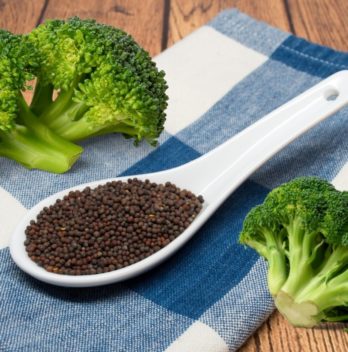
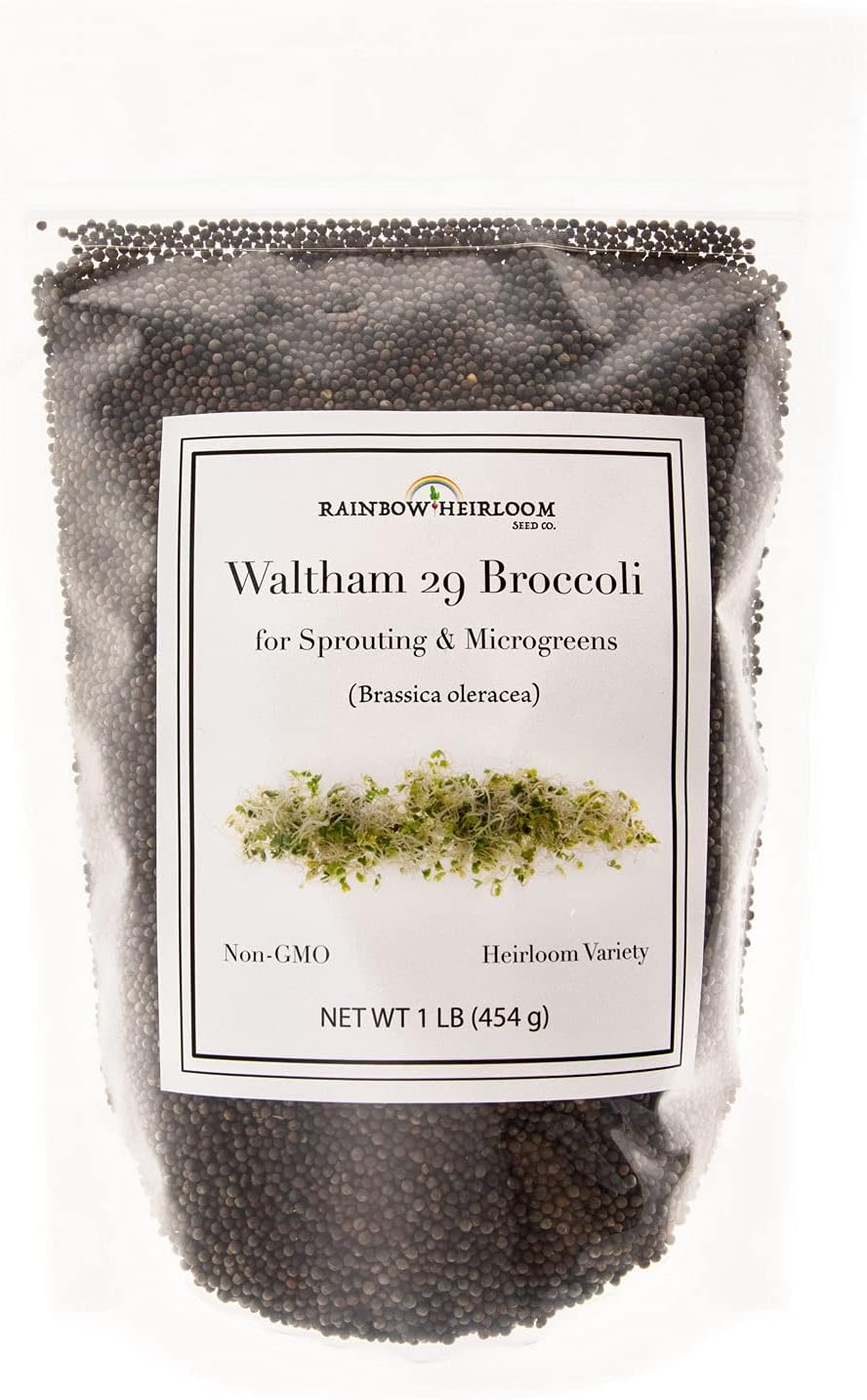
    Broccoli seeds are black or brown in color. They are round in shape, with some a little more oval-shaped than others. They have a small white spot on one side where the seedling comes out.

    Broccoli Seeds for Sprouting & Microgreens | Waltham 29 Variety | Non GMO & Heirloom Seeds

    711V5DCH7bL. AC SL1500

    Where Do Broccoli Seeds Form?

    What does broccoli look like when it goes to seed?  Broccoli seeds are found at the pod that forms after the yellow blooms grow from your broccoli heads. Generally, if you allow your broccoli to bolt or flower, the next step is the formation of seed pods.

    These seedpods are not quite ready for harvest yet; you will have to allow them to develop before harvesting fully.

    This process can take months but are worth the wait, knowing you will achieve your broccoli seeds sustainably.

    Click here to Know more about:

    Harvesting Your Broccoli Seeds

    To harvest your broccoli plant seeds pull the entire plant from the soil and allow the pods to dry on the stalk. You will need to be extra careful to get them out of the pod without destroying them. Broccoli seeds are very small; in fact, some people do not recognize them when they see them for the first time. Most people mistake them for tiny bits of dirt.

    Your first task in harvesting your seeds is to save the pods. Allow your pods to dry, then pound them open to get the seeds out. Gently pound them, so you don’t crash the seeds. Besides pounding, you can twist open the pods and remove the seeds putting them on a clean sheet of paper. Though this process may take longer than pounding, it ensures that your seeds do not get damaged or broken.

    To be able to see these seeds as they fall from the pods, you can lay them out on white paper or a white sheet to differentiate them from dirt.

    Once you have your seeds out of the pot, dry them for several days, ensuring that the wind does not suit them away or the birds does not eat them. You now have ready seeds for your next planting season. How cool is that?

    Storing Your Harvested Seeds

    Once you have harvested your seeds, it is extremely important to preserve their viability by taking proper care.

    How long do broccoli seeds last?  Broccoli seeds are best preserved by storing them in a cool, dry place where they should remain viable for up to 2 years. Seeds that are older than 2 years may not be viable; however, before throwing them out, you can test to see if they float in water, meaning they will not germinate. Seeds that sink are most likely viable and can do well when planted.

    If you are not able to use all the seeds you harvest, you can share them with friends and family for planting the next season.

    Store your seeds in paper packets to protect them from moisture or pest damage that can ruin them. Store the packets in a glass or plastic container, tightly sealing them with a lid to keep them safe until the next planting season.

    Mark your pockets with a cultivar name and harvesting date before storing so that you know which ones to use first.

    Storing Your Harvested Seeds

    FAQs

    How do broccoli seeds look like?

    Broccoli is a biennial plant and the seeds that grow on the second year are called cotyledons. They have a small head (or more precisely, a cluster of tiny heads) of seeds that form when they first flower. These are called broccoli florets. The seeds themselves look like miniature broccoli florets.

    Broccoli seeds are small, about the size of a grain of rice. They are only about 2-3 mm long, but they can grow into plants. They have a bright yellow color and a round shape. They contain the same nutritional value as the entire plant.

    What part of broccoli has seeds?

    Broccoli has both male and female flowers. The male flowers produce the tiny broccoli seeds. The flower head is actually a type of cabbage. It has no seeds.

    The broccoli seeds are on the bottom of the stem. You can see them if you pull the stem apart.

    How long does it take broccoli to produce seeds?

    Broccoli is a biennial vegetable plant. It takes two years to produce seeds, but the seeds are very small and very hard to grow in the garden.

    How do you get broccoli seeds?

    You can buy broccoli seeds at garden centers and online. The seeds are sold in packs of 20 or more, and the packets are labeled with instructions on how to grow the broccoli, as well as the harvest period and when to expect the flowers to appear. You can plant the seeds directly in the ground after they have been germinated, or you can plant them in a small pot that is placed inside a greenhouse.

    How should I save broccoli seeds¿

    I’ve always grown broccoli, so I know what it is like to grow a vegetable from seed. But I had never thought to save seeds from my own garden. Now that I have, I’m glad I did. Growing broccoli from seed is not hard, but it does require a little planning and a bit of patience.

    If you’re looking for the best broccoli seeds to grow, it may be time to think about saving them from the garden. You can do this by saving some of the flowers and then allowing the seeds to mature before harvesting them. Saving seeds from the garden is a good idea if you want to make sure that you have broccoli seeds to plant next year.

    Start with a small quantity of seeds. If you have an old broccoli plant that has produced lots of seeds, harvest those seeds and store them in a cool, dry place. If you have several broccoli plants, you might want to save some of their seeds. But if you only have one plant, it might be better to buy broccoli seeds from a reputable seed company.

    You can sow seeds directly into your garden, but if you want to save seeds, it’s best to start them indoors.

    When should I plant broccoli seeds?

    In general, you can sow broccoli seeds outdoors when the soil is warm. They do not need to be started indoors and can be planted directly into your garden or directly into the ground in early spring. The plants are very hardy and can tolerate a wide range of temperatures. Broccoli is a cool-season crop that will thrive in temperatures between 45°F and 60°F.

    Conclusion

    Next time you notice bolted broccoli plants before harvesting bear in mind that this is part of the plant’s natural life cycle. What may seem inconvenient to you can save you money and help you create sustainable gardening by harvesting your seeds.

    Learning to grow your own broccoli is one giant step and learning how to mature your plants for seed production is another huge milestone.  Every gardener should strive to learn the basics of seed production as a sustenance tip that will save you money next time you want to grow your broccoli.

    Have you had the privilege of growing your broccoli and harvesting its seeds? What did your broccoli seeds look like? Let us know in the comments below, and feel free to share your gardening journey with us.  Have a successful gardening journey, won’t you?

  • Do You Know What Family Is Spinach In?

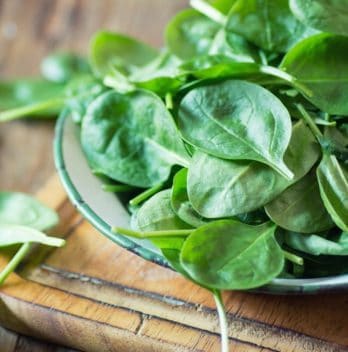
    Do You Know What Family Is Spinach In?

    Do you know what family spinach belongs to, or do you know it as an annual plant cultivated as a leaf vegetable and loved by many home cooks?

    Spinacia oleracea—the spinach botanical name or spinach Latin name—is a much-loved dark leafy vegetable. It has been grown for a long time due to its valued nutritional benefits, which include vitamins A, C, E, and K, fibre, folate, magnesium, and other vital anti-oxidants.

    Other species of plants commonly called spinach in different parts of the country include New Zealand spinach, the Tetrogonia expanse in the Aizoaceae family, and mountain spinach Atriplex Hortense in the Amaranthaceae family.

    What Family Is Spinach In?

    Spinach belongs to the amaranth family – the Amaranthaceae, a flowering plant family with about 160 genera and 2400 species.

    The spinach plant family has dark green leaves that are opposite, simple, or alternate, with coarsely toothed margins without stipules. The flowers are aggregated or solitary in cymes, panicles, or spikes and are typically perfect.

    The flowers are regular with 4 to 5 petals and are often joined together. They have about 1 to 5 stamens, and their hypogynous ovaries have 3 to 5 joined sepals.

    What Family Is Spinach In

    Spinach is an annual plant that grows up to a height of 30 cm. Its leaves are simple, alternate, and ovate to triangular and either curled or flat. The leaves are variable in size, from about 2 to 30 cm long and 1 to 15 cm wide. They have larger leaves at the base of the plant and smaller leaves higher on the flowering stem. The stems are yellow-green, measuring at least 3 to 4 mm in diameter and maturing into a hard, dry, lumpy fruit class stuff about 5 to 10 mm and can contain several seeds.

    Spinach requires cool weather for maximum growth and may survive mild winters in temperate regions. It is native to southwestern and central Asia. In the 8th century, the Spaniards cultivated spinach in Spain and brought it to the United States.

    Production Marketing And Storage Of The Spinach Family

    Spinach is sold in loose bunches, packed in bags, frozen or canned. When stored longer than a few days, fresh spinach loses most of its nutritional value.

    Refrigeration may slow this effect to about eight days; however, such will lose most of its folate and carotenoid content. If you want to store it longer, freeze it or preserve it. Keeping it in the freezer can last up to 8 months.

    Types Of Spinach Family

    There’s a clear distinction between the older varieties of spinach and the more modern varieties currently grown. All the black keys tend to bolt too early in warm conditions, while the newer varieties grow more rapidly with less inclination to seed.

    The older varieties have narrower leaves and tend to have a stronger and more bitter taste than the new types with broader leaves and round seeds.

    Organic Spinach Seeds
    $6.49

    (Bloomsdale Long Standing) – Approx 300 Seeds – USDA Organic, Non-GMO, Open Pollinated, Heirloom,…

    We earn a commission if you make a purchase, at no additional cost to you.
    12/03/2025 01:03 am GMT

    There Are Three Basic Types Of Spinach

    • Flat or Smooth Leaf Spinach. This variety has broad, smooth leaves that are easier to clean than the Savoy variety. It is best for canning, frozen spinach, baby foods, soups, and processed foods.
    • Savoy. This variety has dark green, curly, and wavy leaves. This is the type of spinach sold in fresh bunches in most supermarkets. Due to its curly and crinkly leaves, cleaning all the soil out is hard and requires special care. Bloomsdale, one of the varieties of Savoy, withstands bolting.
    • Semi-savoy. This hybrid variety has slightly crinkled leaves and the same texture as Savoy. It cleans easily and grows for both fresh market and processing. One of its varieties, ‘five-stars,’ is widely grown because it has good resistance to seeding.

    Other Species Called Spinach

    The name spinach applies to many leafy vegetables, both related and unrelated to the original spinach.

    • Chard – Beta Vulgaris, Amaranthaceae, is also known as spinach beet or perpetual spinach.
    • Good King Henry – chenopodium bonus-Henricus, Amaranthaceae, and other chenopodium species, also called Lincolnshire spinach.
    • Orache – Atriplex species Amaranthaceae, also called French or mountain spinach.
    • Bayam – In Indonesia, the word bayam applies to a particular species of amaranth commonly eaten as leafy vegetables and two spinach available except in certain supermarkets.
    • Sissoo Spinach, also known as Brazilian spinach—alternanthera sissoo—is in the same family as true spinach and is cooked the same way.
    • Mountain Spinach, Atriplex Hortensis, is similar to lamb’s quarters and is cultivated as a port hub for its young leaves.
    Other Species Called Spinach - Brazilian spinach

    Unrelated Species With Similar Use

    Many other species are unrelated to true spinach but similar in flavor and use.

    • Longevity Spinach is a vining plant native to the parts of Africa and Asia
    • Okinawan Spinach is a large shrub native to East Asia and a member of the Asteraceae.
    • Malabar, or Indian Spinach, is a vining plant that can be eaten raw or cooked.
    • New Zealand Spinach is a member of the family Aizoaceae. You must blanch it before eating it. It grows as an ornamental plant in most gardens.
    • Water Spinach is a member of the Convolvulaceae family and is grown for its tender shoots. It is an invasive species in some wet areas outside its native region.
    • Komatsuna, or Japanese mustard spinach, is a hardy-leaf vegetable of the Brassicaceae family.
    • Chaya, also known as tree spinach, is native to Central America and belongs to the family of Euphorbiaceae. Its leaves contain dangerous cardiac glycosides, which must be cooked for at least 15 minutes for them to be safe to eat.

    Click here to learn about:

    Nutritional Information Of Spinach

    Spinach has a significant nutritional value, especially when freshly picked from the garden, steamed or quickly boiled.

    Spinach is a rich source of vitamins A, C, E, and K, folate, fiber, magnesium, and other vital anti-oxidants. Recent studies have also shown that spinach contains opioid peptides known as rubiscolins.

    To benefit from spinach’s folate, it is best to steam it instead of boiling it. Boiling spinach for 4 minutes can decrease the level of folate by half.

    Is Spinach High in Fiber?

    Spinach is an excellent source of dietary fiber, making it a great addition to a healthy diet. A cup of cooked spinach contains about 4 grams of fiber, which helps regulate digestion and promotes gut health. Fiber in spinach also supports heart health by lowering cholesterol levels and helps maintain stable blood sugar levels. Including fiber-rich foods like spinach can aid in weight management by promoting a feeling of fullness and reducing overeating. Spinach is an easy way to boost your daily fiber intake!

    Is Raw Spinach Better Than Cooked?

    Both raw and cooked spinach have unique benefits. Raw spinach retains more water-soluble nutrients, such as vitamin C and folate, which can be reduced during cooking. However, cooking spinach enhances the absorption of some nutrients, like iron and calcium, by breaking down oxalates, compounds that block nutrient absorption. Cooking also reduces the volume of spinach, allowing you to consume more nutrients in one serving.

    The choice depends on which nutrients you prioritize and your personal preference.

    How to Store Spinach

    To keep spinach fresh, store it properly in the refrigerator. First, wash and dry the leaves thoroughly. Excess moisture can cause it to wilt, so use a salad spinner or paper towels to remove water. Place the spinach in a breathable container like a plastic bag or container lined with paper towels. Seal it loosely to allow airflow and place it in the crisper drawer of your fridge. Properly stored, spinach can last up to 5-7 days.

    For longer storage, consider freezing spinach after blanching.

    Conclusion

    With an understanding of what family spinach is in and the nutrients it carries along, you can confidently continue drawing whatever variety of spinach you love to provide you with all the above nutrients.

    As you have learned above, the best time to consume spinach is fresh from the garden. That’s why we encourage gardeners to keep growing their fresh produce every day for better nutrition.

    FAQ: What Family Is Spinach In?

    1. What family does spinach belong to?
    Spinach is part of the Amaranthaceae family, specifically the subfamily Chenopodioideae.

    2. Is spinach related to other leafy greens?
    Yes, spinach is related to other greens like beets and Swiss chard, which also belong to the Amaranthaceae family.

    3. Are there different types of spinach?
    Yes, there are three main types: savoy, semi-savoy, and flat-leaf spinach.

    4. Does spinach share characteristics with other plants in its family?
    Yes, like beets and quinoa, spinach thrives in cool climates.

    5. Can spinach cross-pollinate with other plants in its family?
    No, spinach is only cross-pollinated with other spinach plants.

  • Why Are My Cucumbers Prickly?

    Why Are My Cucumbers Prickly?

    Why are my cucumbers prickly and hurting my hands during harvesting instead of their skin being as smooth as those from the grocery store?

    Are you growing cucumbers only to notice that your vines are loaded with prickly skinned fruits? Most gardeners get confused especially if they have never seen this type of cucumbers before.

    Prickly cucumbers mean there are spikes on cucumbers and are as common as thorny cactus but less dangerous. To learn why there is prickly cucumber, keep reading this article.

    Why Are My Cucumbers Prickly?

    Cucumbers are members of the cucurbit family, together with pumpkins, squash, and melons. They are divided into 2 groups pickling and slicing varieties.

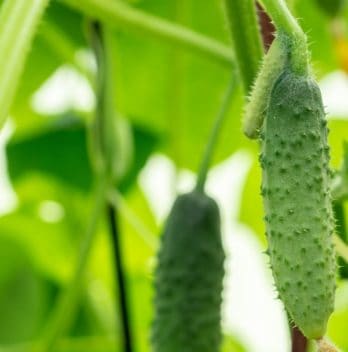
    Both varieties may have different degrees of their spikiness. This means that prickly cucumbers are quite normal to find among gardeners. Some cucumbers have tiny little hairs, while others are genuinely spiky cucumbers.

    The slicing varieties are usually less prickly, and the pickling has more spines. So if you have noticed your cucumbers are more prickly than usual, rest assured that they are suitable for consumption as they are just naturally like that.

    Prickly cucumber

    Can You Eat Prickly Cucumbers?

    Spikes on cucumbers are not deadly; however, they are terribly uncomfortable to eat. The good news is that you can feel your cucumber if they have too many pickles on them before consumption.

    You will find that most prickly cucumber fruits are covered with minor spikes that quickly come off, given a good washing. If they won’t come off right away, use a veggie brush to brush them off while cleaning them.

    A soft brush that does not bruise the cucumbers should be enough to remove the prickly skin. Today most varieties grown have been bred to be spineless; the more reason the cucumbers sold in the supermarkets have no spines.

    Why Are My Cucumbers Prickly An Inherited Trait

    All cucumbers have different features, including the size of prickles. The same way they inherit shape, size, color, and flavor, every cucumber variety inherits its prickles as well. This is mother nature’s way of protecting these plants from insects or animals that would destroy them.

    Many modern cucumbers are grown for pickling with almost no spikes. However, most pickling cucumbers are naturally covered with white or black spikes.

    How To Handle Prickly Cucumbers

    If your cucumbers are prickly, ensure that you handle them carefully to avoid getting your hands hurt. Use a pair of gardening gloves that stays on until you have safely transported your cucumbers to the kitchen.

    Wear your plastic kitchen gloves when washing them to avoid getting hurt in the process.  If your cucumbers are normal prickly like the kiwi fruit, you can handle them with bare hands.

    COOLJOB Gardening Gloves for Women, 6 Pairs Breathable Rubber Coated Garden Gloves

    91540g7gvcL. AC SX679

    Scrapping Prickly Cucumbers

    Scrapping the prickles from cucumbers under running water requires that you wear your plastic cleaning gloves to protect your bare hands from getting pricked. Use a soft brush to gently clean their skin and remove the spikes that could be a bit stubborn.

    You can also wrap them in a kitchen towel and rub vigorously to remove the spikes. Remember to empty the towels’ content directly into your disposal or trash can to keep them away from your household.

    Sometimes even the store-bought cucumbers all go through this method to remove the spikes followed by a wax job before displaying them on the shelves looking pretty.

    Check Out What Is Eating My Broccoli Leaves?

    How To Harvest Prickly Cucumbers

    Suppose you are harvesting your cucumbers that are prickly harvest them when they are about 2 inches long. If you plan to make dill pickles, you can harvest them when they are at least 3 or 4 inches long.

    For slicing cucumbers, harvest them when they are at least 7 to 9 inches long and have a darker green color. If they grow larger than this, there will be more bitter and have an unpleasant texture.

    When you harvest your cucumbers, leave at least one section of stem attached to the cucumber. This prevents the stem from rotting when storing them, especially if you are not using your cucumbers right away. The easiest way to do this is to cut the cucumber off the vine using a sharp knife or a pair of scissors. If you twist or pull the cucumber off the vine, you will damage your plant.

    Be sure to wear gloves when harvesting prickly cucumbers. If your cucumbers have a lot of spines, remove them by rubbing a cloth or a soft vegetable brush along the length of the fruit.

    How To Harvest Prickly Cucumbers

    The smooth varieties of cucumbers are susceptible to bruising during harvesting.  Ensure that you lay them gently in a container as you harvest them to avoid bruising of the skin.

    Learn more about How Deep Do Cucumber Roots Grow?

    Smooth-skinned Cucumbers

    If you would prefer to grow smooth-skinned cucumbers instead of those with numerous pricks on them, you can choose to grow the following cultivars.

    • Tsuyataro. This is a mildew-resistant cultivar that is a best seller in Japan. Start harvesting your backless cucumbers when they’re 8 inches for slicing. From seed to maturity, they take about 57 days.
    • La diva. This variety is a 6-foot vine that yields loads of cigar-sized cucumbers. The produce is reading from mid-summer into mid-fall. This variety has juicy, crisp, and great cucumbers for pickling or slicing.
    • Amiga. This flavorful deep green cucumber is ready for picking in 55 days from planting. This variety is resistant to cucumber mosaic virus, papaya ringspot virus, and powdery mildew.

    Growing Conditions For Cucumber

    Cucumbers thrive in full sun and well-drained soil. It requires the amendment of organic compost manure.

    Start your seeds indoors or wait until the temperatures outdoors have warmed to at least 60 degrees Fahrenheit to plant them directly in the soil. Ensure that the danger of frost has passed before planting them outdoors.

    Cucumbers prefer warmer temperatures of about 70 degrees Fahrenheit during the day and 60° Fahrenheit at night.

    If you start your seeds indoors, do so at least two to three weeks before the last frost date in your area. Use the soilless potting mix to give you good germination results. Before transplanting your seedlings outside, be sure to harden them off to minimize transplanting shock.

    When planting in your garden space, your slicing cucumbers are at least 12 24 inches apart in rows 5 to 6 feet apart. Space them at least 8 to 12 inches apart in rows of 3 to 6 ft apart for pickling cucumbers.

    If you choose to directly so your seeds outdoors, place at least two to three seeds per hill and thin out the weakest once they germinate.

    Water your cucumber plants deeply and regularly and fertilize them if possible. If you have added your compost manure when planting, you will not need to fertilize them as they will have plenty of nutrients.

    If you are growing a vining variety, be sure to provide some support before it produces fruits.

    FAQs

    How do you get rid of cucumber spikes?

    Cucumbers, like many other vegetables, have a tendency to develop “spikes” that appear in the middle of the vegetable.
    You can use your fingers to remove the spikes. I also used to use a plastic spatula. It’s better to do this when they are young and small though.

    What causes pointy cucumbers?

    Cucumbers are a part of the nightshade family, and they belong to the gourd family. They are an annual plant that can grow up to five feet tall and produces white flowers. Cucumbers are an easy plant to grow, but there are a few things that you need to know about them before you purchase your seeds or plants.

    It turns out that cucumbers with this shape can be caused by a number of different factors, from being left out in the sun too long to simply being in the wrong spot when they were planted.

    Can you pick a cucumber too early?

    The answer is yes, but it depends on the variety. Cucumbers are easy to grow, and you can start them indoors in pots or seed trays for transplanting outdoors in late spring or early summer. They’re a great addition to any garden because they have a long season of production. Most varieties have a short shelf life, however, and will only last a few days after picking.

    How often should I water my cucumbers?

    Cucumbers have a high water content, so they should be watered regularly. Cucumber plants need to be watered at least once a week to grow well and produce large fruit.

    Why are my cucumber skins tough?

    Cucumbers are notorious for having rough and tough skin, especially during the first few weeks of growth. The skin toughens as the fruit ripens and the fruit develops a seed coat. However, there is no way to know how much of the skin is due to the ripening process and how much is due to a rough-skinned seedling.
    Sometimes, itt’s the soil.

    Can you overwater a cucumber plant?

    Yes, you can. If you’re worried about them drying out, you can cover the soil around the plants with plastic wrap and/or place them in a warm spot. It is possible that you can grow them indoors without any problems, but they will not produce as well.

    Conclusion

    Most gardeners are enthusiasts of growing cucumber. Almost everyone can plant either the prickly or smooth-skinned cucumber.

    Now that you know why your cucumbers are prickly, the main thing to know is simply the basic requirements of growing this crop whether prickly or smooth the main reason for their skin formation is to protect them from predators.

  • How Deep Do Cucumber Roots Grow?

    How Deep Do Cucumber Roots Grow?

    For many different reasons, people do wonder how deep do cucumber roots really grow into the soil. The dept of a plant’s root in the soil goes a long way to affect the manner of soil bed preparation, the fertilizer application style, etc.

    You may want to know the depth of the cucumber root to determine the best plant variety to buy. Or you may need to know where and how to plant your cucumbers.

    This is a guide on how to grow cucumbers, bearing in mind how deep the root gets into the soil. This guide will help answer the question of how deep do the cucumber roots really grow when they are planted.

    All you need to know about a full-grown cucumber plant, the depth of the cucumber roots, how to nurture and grow the plant, the nutritional benefits of the plant among others will be treated in this guide. Now, let’s delve into it.

    The Full Grown Cucumber Plant

    How does the full-grown cucumber plant really look like? While the cucumber is greatly cherished by people from different parts of the world for its taste and nutritional value, very few people know its root depth.

    The cucumber is one of the most widely cultivated creeping vine plants that bear fruit usually used as vegetables. A matured cucumber is a long thin vegetable with hardy green skin and a supple-wet transparent inner flesh.

    The cucumber plant usually has about 4 to 5 stems. The leaves of the cucumber plant are usually arranged alternately on the vines, having about 3-7 pointed hairy lobes.

    The cucumber plant usually has green leaves and yellow flowers which are about 1.6 inches in diameter. While the fruit usually varies in shape, it is mostly curved cylinder-shaped, rounded at both ends reaching about 60cm in length and 10cm in diameter.

    What You Should Know About The Cucumber Root Depth

    You may be wondering how deep are cucumber roots tend to grow. Cucumber plants usually have a single taproot that grows as deep as 3 to 4 feet into the soil.

    The other roots however only extend about 2 feet into the soil. Their root is deep so they can have access to sufficient water and soil nutrients deep in the soil.

    As a result of how deep the root of the cucumber plant goes, it is best to plant in a loose sandy loam soil or any well-drained soil. It is also for the depth of the root that deep watering is advised for this plant.

    Growing The Cucumber Plant

    Growing a cucumber plant is not difficult at all. The basic requirements you should note before cultivating this plant are as follows:

    Weather Condition

    The plant usually requires warm weather conditions during the day and even at night where possible. The best temperature is therefore around 30 degrees Celsius. Cucumbers are very sensitive to cold and as such, must be planted in full sun.

    Learn more about Over Watering Cucumbers

    Fertilization

    For the best possible result to be attained, the plant must be planted on highly nutritious soil, and fertilizers applied from time to time. Your yield will be greatly improved if grown in fertile soil, rich in organic matters and with a pH level between 6.5-7.5.

    Plant Food

    71SAdzWypbL. AC SL1500


    Select The Best-suited Variety

    When selecting the seeds to be planted, care must be taken to ensure that the best-suited is picked. One of the most important factors to be considered when choosing a variety of this plant is whether or not it requires pollinating.

    The new varieties of cucumbers are now gyneocious, which means that they do not require the male plants to produce fruit. They also do not require the presence of birds and insects to take care of the cross-pollination, and as such, can be planted indoors.

    Sowing Method

    When sowing a cucumber seed, the direct method of sowing is the most suitable. Cucumbers usually do not do very well with a transplant. Also, when sowing, the seeds should be placed about 1.3-2.5 cm deep, with a spacing of no less than 30cm to allow for the spreading of leaves.

    Full grown cucumber plant

    Germination Period

    The seeds after planting usually take about 4-13 days to germinate depending on the soil temperature. The closer the soil temperature is to the specified temperature, the faster the germination of the seeds.

    Water Supply

    To ensure the plant blossoms very well, it must be watered sufficiently. The plant usually requires deep watering at least once a week. Where the plant is continuously watered poorly or less frequently, the yield becomes greatly affected.

    Harvesting

    The timing here is very essential. For the best possible result, the plant should be harvested when it is still immature and green in color.

    It is best for full maturity to be attained after harvesting. The matured fruit is usually yellowish with tougher seeds. The fruit is usually harvested by being hand-picked.

    Size Of Fruit

    The size of the fruit to be obtained after harvesting usually depends on the variety planted. The length may vary from 6 -15 inches depending on the variety.

    Can The Cucumber Plant Grow In A Plant Pot

    Considering how deep we have learned the cucumber roots can grow, you may be wondering if they can still be grown in a pot plant. The answer is in the affirmative.

    However, for this to work, the post must be relatively big and with the ability to take in a lot of soil. A container that holds no less than 2 gallons of soil is recommended.

    Also, the right kind of soil must be used with water retaining ability. Again, when selecting the variety of seeds to plant, you must look out for the compact variety that can thrive in small spaces.

    Read more about Can I Grow Cucumbers In A Pot? – Step-By-Step Guide


    FAQ’s

    How deep does the soil need to be for cucumbers?

    When you are growing cucumbers, you should plant them about 1-2 inches deep. This will ensure that the roots have enough room to grow and spread out. You should also use a fertilizer that contains a lot of nitrogen. This will help give your cucumbers a good start.

    Cucumbers are great for container gardening, but they can also be grown in the ground. The most popular method is to sow seeds directly into a trench about two feet deep and three feet wide. After the seeds sprout, they’re thinned to leave only the strongest plants. This method is great for a small garden, but it’s not ideal for a large garden.
    There are other ways to grow cucumbers, such as starting seeds indoors and transplanting them once they’ve matured. If you do plan on planting cucumbers in the ground, make sure that your soil is well drained and fertile.

    Can you grow cucumbers in pots?

    Growing cucumbers in pots is a great way to save space, but it’s important that you get the right mix of potting soil and compost for your plants. You can buy some at garden centres or even make your own using materials you already have around the house. Potting soil is usually made from peat moss and compost. Peat moss is made from decomposed plant material such as leaves and stems and has a low nutrient content.

    There are several advantages to growing your own cucumbers in pots. First of all, you will be able to control how much sunlight they get. Cucumbers like full sun. If you grow them outdoors, you will not have any problems with them getting too much sunlight. However, when you grow them indoors, you will have more control over their light exposure. You can also control the temperature of your plants. When you grow them outdoors, you won’t have a chance to control the temperature. If it gets too cold, you will need to bring the plants inside. Cucumbers are very sensitive to cold weather.

    How much space do cucumbers need?

    The short answer is: they need room to grow.
    If you live in a small apartment or condo, it may be difficult to grow cucumbers successfully. But if you have a large garden with plenty of space, then you can easily grow your own cucumbers. If you are growing cucumbers indoors, you should keep in mind that they will need a lot of light. This means that you need to plant your cucumbers in pots with enough room for them to grow and expand. You will also want to make sure that your cucumbers have enough space to spread out and grow.
    Cucumbers like a lot of sunshine and need a long growing season, so don’t plant them in the winter months or in areas with a short growing season. Cucumbers also require a lot of water. A good rule of thumb is to water them for 10 minutes per gallon of water applied

    How Deep Do Cucumber Roots Grow: Conclusion

    From the above, you must have discovered that the cucumber plant root can grow really deep into the soil. It has a vine root that grows up to four feet into the soil.

    For this reason, special care must be taken in growing and nurturing the plant. Also, the plant can be grown in a plant pot or container, with great attention being given to the plant.

  • When To Harvest Broccoli Rabe

    When To Harvest Broccoli Rabe

    People often wonder as to when the best time is to harvest Broccoli rabe. Harvesting at the perfect time is necessary for some reason. Knowing how to harvest broccoli rabe at the perfect time is also of utmost importance to persons who grow the plant.

    This is a short guide that should be followed if you plant Broccoli rabe to ensure that it is harvested at the right time. So, if you are interested in planting this very nutritious vegetable, this is the perfect guide on how to plant, nurture and harvest the plant.

    There are some benefits that you will definitely get from growing and harvesting this plant at the most appropriate time.

    What Is Broccoli Rabe?

    Before we get into learning all there is to know about harvesting this highly nutritious vegetable, let’s deal briefly with what Broccoli rabe really is. Now let’s get into it.

    If you are interested in eating very green cruciferous and highly nutritious vegetables or including some in your meal schedule, then there’s no better option than the Broccoli rabe. It is a green vegetable with very edible broad leaves, buds, and stems.

    The plant is one that will continue to grow even after it has been pruned. You don’t need to worry about having just one harvest.

    All that is required is that you don’t prone the vegetable to the root. After pruning from the stem, the plant will in no distant time begin to grow small shoot again.

    The vegetable is very rich in iron, potassium, vitamins, magnesium, energy, and dietary fiber. So, for this reason, it is generally considered to be of huge nutritional benefits.

    It also has huge economic benefits as virtually every part of the plant can be sold for money from the stalks to leaves and blossoms.

    How To Grow Broccoli Rabe

    Before we get into the harvesting stage for Broccoli rabe, it is very important to discuss how to grow this plant. Generally, the plant performs best in cool weather conditions.

    Although the plant will grow in hot temperatures, the flavor is hugely affected under such conditions.

    harvesting broccoli rabe

    To achieve the best possible result, make sure to do the following when growing this vegetable:

    Prepare the soil bed

    Before you begin planting Broccoli rabe, you must take out time to prepare the soil where it is to be planted. The soil should be loamy, and one that holds water reasonably. There is no need for huge fertilization application as the plant can blossom with little fertilization addition. The soil should be also properly exposed to sunlight during the day for better taste and improved nutritional value.

    Read more about The Step By Step Process Of Growing Broccoli From Seed

    Sow the seeds properly

    It is very important you sow the seeds properly if you wish to attain the best possible result.  Research has shown that the seeds of Broccoli rabe should not be planted too deep or too shallow. One-quarter of an inch deep should be just perfect.

    Also, to ensure that there is no risk of over-crowding in the future, the vegetable should be planted in rows of about eight inches apart. 

    Continuous application of water

    This plant requires continuous application of water for it to blossom properly at the right time. It is therefore imperative to have and observe a strict watering routine to help keep the soil moist.

    Watering is most important immediately after planting, before germination to help the seed break dormancy.

    Expandable Flexible Watering Retractable Lightweight

    71o0dzd3GvL. AC SL1500

    Thinning and Pruning

    Thinning is a process by which sufficient space is maintained between the seedlings after it has begun to sprout. Once the seedlings are about two inches high, you should use shears to thin the seedlings out. This is so that the seedlings become about four inches apart.

    Pruning on the other hand is essential to reduce the presence of weeds that compete with the vegetable for available nutrients. You must do all within your power to reduce the presence of weeds from around the vegetable to get the best possible result with the vegetable.

    Reduce the presence of pesticides

    Broccoli rabe can very easily be a target for garden pests and insects. These can very easily harm the vegetable and affect the quality of its growth. Pests such as cabbage worms, aphids, cutworms should therefore be watched out for.

    The use of pesticides, whether natural or artificial can help sort out this problem.

    Harvesting Broccoli Rabe

    Now you understand how much benefit you are likely to get from this vegetable and how to grow it, let’s delve into when is the best time to harvest the Broccoli Rabe plant.

    Harvesting at the right time is a huge determining factor in how the vegetable turns out. Look out for these tips:

    • Height: The best time to harvest the Broccoli rabe plant is when the plant is about 1 to 2 feet (about 31-61cm) tall. Once the flower has attained this height, be sure to know that the harvesting period is nearby.
    • Flower: When the broccoli rabe flowers begin to sprout on the vegetable, this is another sign that they are mature for harvesting. The flowers need not blossom before harvesting. Once they begin to appear, that is the sign that the vegetable is ripe for harvesting.

    How to Harvest Broccoli Rabe

    Harvesting Broccoli rabe is relatively easy. All you need to do is confirm that the vegetable is matured enough for harvesting as explained above.

    For harvesting, use a pair of clean and sharp garden shears, cut the stem 5 inches (13cm) below the bud.

    When trimming the broccoli rabe, make sure not to trim it down to the ground so as to encourage fresh sprouting. You should also know that when the first shoot is removed, the plant will grow other smaller shoots that are also edible.

    Learn more about When To Harvest Broccoli – How To Know When It’s Ready

    FAQ’s

    How do you know when broccoli rabe is ready to pick?

    The trick is to look for the greens on the stalks and not the leaves. They are smaller than the leaves, and if they’re ready to pick, the whole stalk will wilt.
    But you should still pull the leaves off. If they’re ready, the leaves will turn a bright green.
    In short, broccoli rabe is ready to eat when the stems are crisp. That doesn’t mean that you can’t enjoy this leafy green in the early stages of development, but if you want the most tender bite out of it, you’ll have to wait.

    What’s the difference between broccoli rabe and broccoli?
    Broccoli rabe has more bite than broccoli. It’s also called rapini or broccoli raab. It’s a member of the brassica family. Broccoli is a member of the cabbage family. It’s also an excellent source of vitamin C. Broccoli rabe is often found in Italian cuisine and can be used in stir-fries, soups and pasta sauces.

    Does broccoli rabe grow back?

    Broccoli rabe grows back, but you’ll have to wait at least two months before you can harvest the new growth.

    Are broccoli rabe leaves edible?

    You can eat them if you’re willing to cut off the very tip of the stem. They have a strong taste and some people say they’re inedible.

    But most people just toss them. I’ve been eating broccoli rabe for years now, and I love it! It’s so much better than any other type of broccoli that I know of, and I think it’s safe to eat. I like to boil it, but if you’re new at cooking, just steam it until tender.

    Is broccolini the same as broccoli rabe?

    Broccoli rabe has more bite than broccoli. It’s also called rapini or broccoli raab. It’s a member of the brassica family. Broccoli is a member of the cabbage family. It’s also an excellent source of vitamin C. Broccoli rabe is often found in Italian cuisine and can be used in stir-fries, soups and pasta sauces.

    Broccoli rabe is one of the most popular vegetables in the world and is widely used as a substitute for broccoli. However, broccoli rabe is actually the immature form of broccoli and should be cooked like broccoli (blanched and steamed) or tossed in pasta.

    Do you cut the stems off broccoli rabe?

    No, we just trim them.We just boil it until it gets soft. It takes about 20 minutes.

    We use olive oil.We put it on our salad and make it into pasta sauce or soup. We also put it on pizza. You know if it’s done by the color. It goes from a dark green to a bright green. You can freeze it for about three months.

    Broccoli rabe is a very hardy, nutritious vegetable that can be harvested throughout the growing season. When harvesting broccoli rabe, you want to choose young plants with small, tender leaves. Harvest when the outer leaves are still thin and tender and the inside leaves are becoming thick and tough. The stems of broccoli rabe are generally too tough to eat.

    Conclusion On When To Harvest Broccoli Rabe

    Now you have learned about the nutritional value of Broccoli rabe, and how the vegetable can be grown. It is very imperative to know when is the best time to harvest the vegetable. This has also been covered in this article.

    Do well to put to practice the above when you are harvesting this highly nutritious vegetable.