Category: Organic Food

  • When Is Cilantro Ready To Harvest?

    When Is Cilantro Ready To Harvest?

    When is cilantro ready for harvest, and what signs should you look out for to know it’s time to harvest this herb?

    Cilantro herb leaf and coriander seeds grow on the same plant, also known as Chinese parsley.

    It is a warm-weather annual plant popularly used in many cultures and cuisines throughout the world, especially in Indian, Asian, Middle Eastern, Mexican, Indian, Chinese, Mediterranean, and many more.

    Cilantro is easy to grow without requiring any special care or attention.

    When Is Cilantro Ready To Harvest?

    It is possible to harvest your cilantro 4 weeks after starting your seeds. Your cilantro plants will be at least 6 inches tall by this time and ready for pinching off the outer larger leaves or cutting them with a pair of scissors.  If you choose to cut them, use a pair of scissors or your hands to snip the stem about an inch off the soil‘s surface.

    Depending on how much cilantro you need for your cooking, pinch a few leaves individually or harvest them in larger quantities.  Harvest about ¼ to 1/3 of the leaves to allow new growth and development for continuous production!

    Cilantro Ready To Harvest

    This is important if you are growing only a few cilantro plants, and you need to make sure they grow back new leaves for a few more harvests.

    It takes around 120 days or 4 months from starting the seeds for the cilantro plant to begin flowering and set seed.

    In this period, you can get several harvests extending throughout the spring and into the early days of summer before it gets too hot. The heat causes the plant to bolt.

    Will Cilantro Grow Back After Cutting?

    Cilantro grows back when you harvest it, but it does not grow back after cutting at the end of the growing season.

    This annual herb reseeds itself well if you allow your plants to flower and go to seed.

    In mild climates, the cilantro plant can give you 2 to 3 cycles of cilantro harvesting in one season.

    How do you trim cilantro, so it keeps growing? You have two ways to do this.

    Harvesting

    Harvest your cilantro from the 4th week by pinching at least ¼ to 1/3 of the leaves.  You will allow new growth and development for continuous production!  If you are growing only a few plants, this method is best to keep your cilantro supply coming.

    This method is known as the cut and come again method.  It allows for multiple harvests, provided you don’t harvest too much off the plant, which may kill it.

    Before the plant goes into flowering and seeding in about 120 days, you can harvest several times.  You can get multiple harvests that extend throughout the spring and into the early summer before it gets too hot and the plant bolts.

    Reseeding

    If you allow your cilantro plant to flower and seed during its growing season, the seeds will fall off and start new seeds that will grow into fresh herbs if provided with the right growing conditions.

    Should You Let Cilantro Flower After It’s Ready To Harvest?

    Cilantro has a concise life cycle.  It flowers in the summer after a few harvests.  Once it blooms, it’s on its way to seeding and then ends the growing process.

    When cilantro starts to flower, the leaves and stems become a little tough though most people still use them in their cooking.

    It is fine to allow a few cilantro plants to flower to give pollinators a place in your garden.  The flowers will produce cilantro seeds that can be used as a potent spice in the kitchen or be planted in the coming season.

    Harvesting Coriander Seeds From Cilantro

    Harvesting coriander seeds is easy and provides you with a good quality of seeds to use in your cuisines.  To harvest coriander seeds, allow your cilantro plant to flower and produce green fruit, which is the seeds.  Allow the seeds to turn brown and mature before harvesting them.

    As the plant turns brown, cut off the seed heads and place them in a brown envelope bag. As they dry, they will fall off into the paper bag.

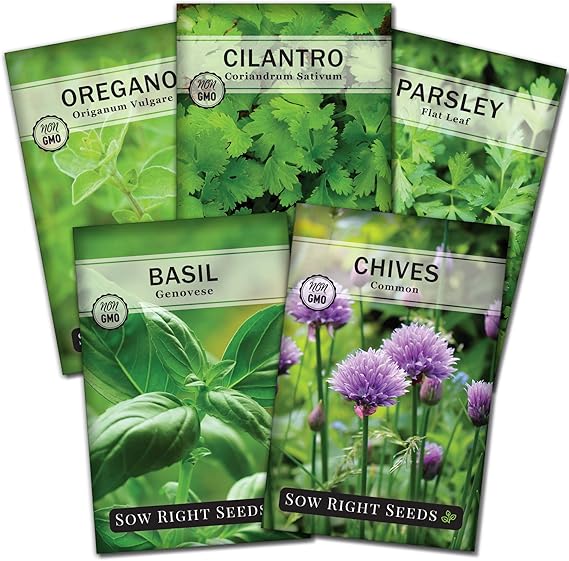
    Sow Right Seeds – 5 Herb Seed Collection

    81xn47N QfL. AC SX569

    Pack the ready coriander seeds in your pantry away from direct sunlight.  Use them in curries, pickles, relishes, or to start your next season’s cilantro plants!

    Why Is My Cilantro Plant Falling Over?

    The cilantro plant falls over primarily due to

    • Underwatering.  Lack of water causes your cilantro plants to wilt and fall over.  The stem loses rigidity and strength in stem cells due to a lack of moisture.  Under-watering causes your plants to bolt when they are still young messing up the flavor.
    • Overwatering.  Too much water causes problems with cilantro plants by removing the air pockets from the soil.  The plants cannot breathe without air pockets that carry water to the stem and leaves. Too much water in the roots leads to root rot.  You will notice plants falling over and wilting if you overwater them.
    • Exposure to Extreme Temperatures. Too much sunlight causes the cilantro to fall over and wilt.  Though this plant needs about 6 hours of sunlight, too much sun causes it to wilt.  Ensure your plant gets some shade during the hot summer; otherwise, it will bolt early or fall over.
    • Nutrient Deficient or Grown in Poor Soils.  Lack of nutrients mostly leads to plants falling off and eventually death.  Feed your cilantro with low nitrogen fertilizer or organic fertilizer for proper growth.
    • Diseases and Pests.  Cilantro is susceptible to bacterial diseases and pests that cause the plants to fall over.  Diseases like powdery mildew and damping off seriously affect these plants. Use natural pest controls to protect your plants from pests like aphids, cutworms, or leafhoppers, infestation.
    Why Is My Cilantro Plant Falling Over

    How Tall Should Cilantro Be Before Harvesting?

    In about 4 weeks after planting, cilantro will be at least 6 inches tall.  Not all the plants are the same to have different heights.

    When harvesting, start by identifying the largest outer leaves and harvest those as you wait for the younger ones to grow larger.

    FAQs

    How do I know when to harvest cilantro?

    Harvesting cilantro at the right time can help ensure your harvest has the best flavor and texture.

    Here are some tips for harvesting cilantro:

    1. Pick the leaves off the stem. The stems of cilantro are thin and hollow and will break easily if picked too early. Cilantro has a strong smell when it’s fresh. You can use this to your advantage by picking cilantro leaves while it’s still growing and before the smell has fully developed.

    2. Pick the cilantro leaves off the stem with your fingers. If you’re not sure how to pick cilantro leaves off the stem, here are some tips to help: Gently pull the leaf off the stem, then twist the stem toward you and remove the leaf from the stem. Use your fingers to gently pull the leaf off the stem. If you’re picking cilantro from a bunch, use the back of your hand to rub the leaves against each other, separating them from the stem.

    3. You want to wait until it’s a bit past the time it would start to wilt and go limp. It will last in the fridge for about a week if picked at this point. If you’ve got a bunch and don’t know what to do with it, you can leave it on the counter and give it a good sniff to see when it smells like it’s ready.

    Where does it grow naturally?

    Cilantro (also known as coriander) is an annual herb that grows in moist areas. It’s a member of the parsley family, and you can find it growing wild in tropical and subtropical regions throughout the world.

    Will cilantro grow back after cutting?

    Cilantro is very forgiving. It can be pruned back severely and still come back with plenty of leaves. I usually just take the main stem off at a point just below the flower head. You can leave the lower branches if they look healthy and green. The only time I really worry about pruning back cilantro is when it’s flowering. The flowers can be quite large and if you don’t cut them back soon enough, they’ll drop their flower heads before you get a chance to harvest the whole plant.

    I have been growing cilantro for the past 2 years and it’s starting to look like a weed! I started from seed. I planted it in small pots in my garden. I fertilize it with fish emulsion and water it frequently. It grows really fast! I would say it takes 3-4 weeks to get big enough to harvest. I have cut it many times and have not had any problems with it dying or anything like that.

    Final Words

    Cilantro is an excellent plant for your outdoor and indoor garden.  When cilantro is ready to harvest, you will be ready to prepare those mouthwatering dishes using this flavorful herb.

  • The Best Fertilizer For Squash and Cucumbers

    The Best Fertilizer For Squash and Cucumbers

    The best fertilizer for squash and cucumbers is the one that provides these crops with the right nutrients throughout their growing season.

    Squash is a tasty and traditional addition to any garden bringing in a festive feel. Besides, they are more versatile in the kitchen – they can be turned into soups, grilled, or baked.

    They grow on gardens, containers either flat on the ground or supported on a trellis, and other strong supports. They are super cool both when cultivating and cooking.

    Squash is loved and popular among many people, but it can turn out bitter if grown under the wrong conditions.  Excessive drought, watering, or insufficient nutrients can cause the squash to turn bitter.

    To provide your squash with the right nutrients, you will need to fertilize your plants. Fertilizing your squash with the proper nutrients ensures the growth of a healthy and tasty crop.

    A high-quality fertilizer guarantees you bigger harvests and stronger roots. The nutrients in the fertilizers directly relate to the taste of your squash.  So let’s learn about the best fertilizers to use for squash and cucumbers.

    What Type Of Fertilizer For Squash And Cucumbers?

    Fertilizers for squash and cucumbers come in various types – liquid, granular, etc.  Let’s look at these types and learn their differences.

    Granular Fertilizer

    Granular is a dry fertilizer applied using a spreader.  It has many benefits, but one that outweighs the rest is that you get to see the actual fertilizer as you apply it. You can easily tell where you have applied and where you have not.

    Granular fertilizer is a slow-release fertilizer that feeds your squash and cucumber plants for a longer period.  You may only use this fertilizer once or twice a year.

    Unlike the slow-release fertilizers, the quick-release ones release nitrogen into the soil almost immediately after application.  The quick-release fertilizer is best used when you want to fix your soil immediately.

    Read more about:

    Liquid Fertilizer

    This fertilizer is in its concentrated form and needs to be diluted before application. It is easy to apply and is quickly absorbed into the soil. You can apply these fertilizers using a watering can, hose, or canister.

    A huge disadvantage of this type of fertilizer is that it gets washed away when applied during the rainy season.  Be sure to use it when there is no expected rain.

    Spikes

    This type of fertilizer comes in the shape of sticks.  It is a slow-release fertilizer; once applied, it will be released over time.  You apply it directly to the ground, and it is easy to use.  This fertilizer is best for gardening beginners, as they can easily use it.

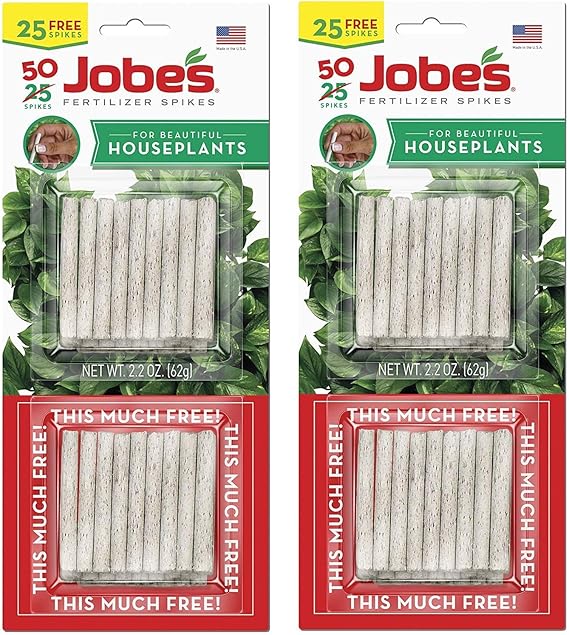
    Jobe’s 5001T Houseplant Indoor Fertilizer Food Spikes, 50 Pack(2)

    81eCWO0N+6L. AC SX569

    Squash Fertilizer Requirements

    Now that you have the types in mind let’s see what all these fertilizer types best for squash and cucumber contain.  But before we even do so, it is essential first to understand the nutrient requirements for squash.

    Here is a list of nutrients that your squash plants require for strong growth:

    • Nitrogen.  This is the most critical and lacking nutrient in most garden soil. It is the one nutrient that helps plants grow the fastest.
    • Potassium.  This nutrient assists the plants by building a more disease and drought-resistant factor.
    • Phosphorous.  It helps stimulate root growth.
    • Magnesium.  This nutrient helps plants process sunlight better.
    • Hydrogen.  It is mostly found in water and is needed for the strong growth of your plants.
    • Sulfur. This nutrient provides protein to the plants making it the building block of life.
    • Other nutrients required for plant growth are iron, zinc, boron, copper, chlorine, and manganese.

    Having an understanding of the nutrients required and how they help the plant, it’s now time to buy the right fertilize for squash and cucumbers.

    The best fertilizer consists of Nitrogen, Phosphorous, and Potassium. Usually, a fertilizer will have 3 digits, such as 1-1-1.  The first digit represents Nitrogen, the second Phosphorous, and the third Potassium.

    Here is a list of fertilizer mixes that can help you, depending on your soil needs.

    • 1-1-1 It is an all-purpose fertilizer
    • 1-2-1 This fertilizer promotes root formation and strengthening.
    • 1-2-2 It promotes flowering and fruit growth.
    • 3-1-1 It promotes leaf growth
    Squash Fertilizer Requirements

    What Is The Best Fertilizer For Squash And Cucumbers?

    It is not easy to choose the best fertilizer just by looking at it.  However, there are a few qualities you should check out that include:

    Fertilizer Composition

    Generally, a deeper understanding of fertilizer composition is critical for productive gardening, especially fruits and vegetables.  The nutrients in the fertilizer you chose directly relate to the taste of your squash.

    A good fertilizer has 3 main ingredients – nitrogen, phosphorus, and potassium. Any fertilizer you buy must have 3 numbers representing these 3 ingredients.

    A good fertilizer for your squash needs to have a higher phosphorus content—for example, 4-6-4, with phosphorous being more than the other 2 ingredients. Phosphorus helps promote fruiting precisely what you want when growing squash.

    Organic Versus Inorganic

    Organic fertilizer is always better than inorganic, regardless of the plant you are growing. You can buy organic fertilizers from the nearest organic center.

    Organic fertilizers are all-natural and non-toxic to animals, but that doesn’t mean you allow your dogs or cats to ingest them. These fertilizers do not burn your crops or form a crust on your soil like the inorganic ones.

    Inorganic fertilizers are synthetic and contain a high percentage of chemicals.  When used correctly, they work well, nourishing your plants properly, but they harm the environment when misused.

    What Is The Best Homemade Fertilizer For Cucumbers

    What Is The Best Homemade Fertilizer For Cucumbers?

    Most gardeners recommend homemade fertilizer for cucumbers and other vegetables as it does not burn the plant’s roots. Among the many homemade fertilizers, we share this recipe with you. You can make yours from lime, bone meal, seed meal, and kelp meal.  You can source all of these ingredients from the nearest garden centers.

    Recipe For A Homemade Fertilizer

    Ingredients

    • 4 parts seed meal
    • ¼ part agricultural lime
    • 1 part bone meal, bat guano, rock phosphate
    • ¼ part gypsum
    • ½ or 1 part kelp meal
    • ¼ part dolomitic lime

    Mix all the above contents in a large container or bucket and fertilize your cucumbers.  Save any remaining mixture in a tightly closed container throughout the growing season.

    FAQ’s

    Is Epsom salt good for cucumber and squash plants?

    Yes, it’s fine to use Epsom salt when you want to give either of these two types of plants a real boost.

    When you apply it, make sure you don’t get any on the leaves, otherwise they’ll have a hard time absorbing nutrients from it. The reason why we use Epsom salt is that it’s a good soil conditioner. It helps the soil hold moisture longer and also holds in more nutrients (nitrogen).

    Epsom salt is a natural mineral-rich salt. It can be used to help keep cucumbers and other vegetables fresh. To keep cucumbers fresh, sprinkle them with salt and place them in a plastic bag or container with holes punched in the top. The salt will draw moisture from the cucumbers’ leaves, and prevent them from wilting.

    What is a good fertilizer for squash?

    Squash are sensitive to nitrogen, phosphorus and potassium fertilizers. To start with, most squash require a nitrogen-rich fertilizer such as urea or ammonium nitrate. If you don’t have any of these in your garden, then consider buying them from a local garden center. Most squash also need phosphorus and potassium (P/K), but only in small amounts. You can easily buy these at the same garden center that sells nitrogen.

    What is the best fertilizer for growing cucumbers?

    Cucumber plants are very sensitive and will benefit from a good fertilizer. The best fertilizer for growing cucumbers is compost. You can make your own with the following: 2 parts peat moss 1 part bark 1 part composted manure Mix and store in a plastic bag. You can also buy composted manure at your local farm supply store.

    There are two ways to fertilize your cucumber plants.

    Feed the plants regularly with a fertilizer that contains Nitrogen, Phosphorous and Potassium. This will help in the growth of the plant. It is recommended to use an organic fertilizer which will not harm the environment.

    Fertilize the soil before planting the seeds. A good way to do this is by adding compost.

    What should a homemade cucumber fertilizer include?

    A homemade cucumber fertilizer is a blend of compost, manure, and other organic materials. These materials are combined to create an excellent nutrient-rich soil amendment that will improve the growth of your cucumbers. You can make this cucumber fertilizer using a variety of different ingredients. This type of fertilizer is a great option if you don’t have access to a local organic farmer. The best type of fertilizer for growing cucumbers is made from cow manure and compost.

    What should a homemade squash fertilizer include?

    It depends on your goal. If you are looking for a fast growing, high yielding plant, then you will want to use a very high nitrogen fertilizer.

    If you are looking for a plant that will produce for many years, then use a more balanced fertilizer. The most common method for preparing compost for use as a fertilizer is to mix it with wood ash or sawdust.

    Final Thoughts

    The best fertilizer for squash and cucumbers will give you great rewards for your gardening.  You will have a great harvest that you are truly proud of because you have provided proper growing conditions for your squash.

  • Jalapeno Plant Spacing

    Jalapeno Plant Spacing

    If you plan on planting these spicy peppers in your garden, you will want to know the proper jalapeno plant spacing. Many people enjoy using jalapenos when cooking, as they add a nice kick to food. They can be a great plant to grow in your garden, as they are the most popular chili pepper in North America.

    Jalapenos are great for growing in garden beds or in containers, as they don’t take up much space. Gardners of all experience levels can enjoy growing this pepper plant. They are smaller than other peppers, such as green bells, so they don’t normally need quite as much space, but it is still important to know how far apart to plant jalapenos.

    How Far Apart Do You Plant Jalapeno Peppers?

    Just like any plant in your garden, jalapeno peppers need space in your garden to grow. When spacing jalapeno peppers in your garden, they will need at least 12-18 inches of space. Ideally, you will want to give them 18 inches of space if that is possible.

    Though jalapenos do not need as much space as other peppers, it is still important to give them at least 12-18 inches in your garden bed when planting them. Ideally, the rows should be spaced 24-36 inches apart.

    When the jalapenos reach a height of 12-24 inches, you will want to provide a stake for them. This will help support the plant as it grows in your garden. Jalapenos tend to be more compact as they grow.

    Be sure to regularly weed your garden so that the peppers don’t have to compete with resources with the weeds. Using mulch can be beneficial in your garden, as it can help protect the plants and prevent weeds from growing up. In addition, the mulch can also help the soil retain moisture, which can be beneficial to the growth of your plant.

    How Big Of A Container Do Jalapeno Peppers Need?

    In addition to growing jalapenos in a garden bed, you can also plant them in containers. You will need a pot that is at least 8-10 inches big in order to accommodate the size of the plant. This option is particularly ideal if you live in an apartment or have limited space in your yard for growing plants.

    You may also plant them in large containers as well. Half barrels or even beverage tubs will work well as planters.

    If using one of these, plant the jalapeno seedlings 12 inches apart. Be sure there are at least six inches between the plants on the edge and the corner of the container. Proper jalapeno plant spacing is important when using containers too.

    jalapeno spacing

    How Often Should You Water Jalapeno Peppers?

    Jalapeno pepper plants should receive regular watering throughout the week, at least two inches per week. When watering them, be sure to water the plant deeply so that the roots receive plenty of water.

    Wait to water again until one to two inches of the soil are dry, as you want to avoid overwatering. When the weather gets hot and dry, you may need to water your plant more often. Calcium deficiency can occur due to uneven watering or when the nitrogen levels are too high in the soil.

    Jalapeno peppers should have well-drained soil that is slightly acidic to neutral. The plants tend to prefer soil that is a fine sandy loam.

    It should be rich in organic matter and before planting your seedlings, you should add aged compost to the soil to help boost its nutrients and structure. Before you plant the seedlings, also be sure that the soil is moistened.

    How Much Sun Do They Need?

    You should be growing your jalapeno peppers in a place where they will receive plenty of sun. Ideally, they should be in full sun where they receive six to eight hours of sunlight a day.

    In some cases, extremely hot sun can cause the plant to drop its flowers and lead to sunscald on the pepper. If this happens, provide your plants with a sun shade, or if you are growing them in containers, move the containers to a cooler location.

    How Do You Know When It Is Harvest Time?

    When picking your jalapeno peppers, they should be at least three inches long and dark green in color. As the peppers age, the color will turn reddish and they will also become spicier. The peppers should also be firm when they are ready to be picked.

    You may notice that some of the peppers might have small white lines on them. This is a sign that they are mature and are ready to be eaten, it is not from disease or insects.

    After picking the peppers, cut the stem so it is short, as they will last longer this way. Store the peppers in a loosely closed plastic bag in the fridge to help keep them fresh. Before eating them, be sure to thoroughly wash them off.

    Jalapeno Peppers Plant Seeds for Home Garden Vegetables

    71D88 POp7L. AC SL1001

    Making Sure You Have the Right Jalapeno Plant Spacing

    Making sure you have the right jalapeno spacing is important to ensure your plants will grow healthy and produce an abundance of peppers. Too crowded and your plants will have to fight for resources, which is not an ideal situation. Though jalapenos may be compact and not need as much room as other pepper plants, it is still important that they have enough space in your garden.

    If you are wondering, how far apart to planting jalapenos? While, when planting your jalapenos in your garden bed, you will generally want at least 12-18 inches between the plants. The rows should then be spaced 24-36 inches apart, and then they grow to be 12-24 inches tall, you will want to provide a stake for support.

    If growing a jalapeno plant in a pot, you will want to use one that is at least 8-10 inches big. You can also use half barrels or even beverage tubs as planters, spacing your plants 12 inches apart. Be sure to give them at least two inches of water a week and plant them in full sun.

    Do you have any questions regarding jalapeno plant spacing? If so, please ask any questions regarding growing jalapenos and how to properly space them in the comment section below.

    FAQs

    How Far Apart Do You Plant Jalapeno Peppers? 

    Just like any plant in your garden, jalapeno peppers need space in your garden to grow. When spacing jalapeno peppers in your garden, they will need at least 12-18 inches of space. Ideally, you will want to give them 18 inches of space if that is possible.

    How far apart to plant jalapenos?

    When planting your jalapenos in your garden bed, you will generally want at least 12-18 inches between the plants. The rows should then be spaced 24-36 inches apart and then they grow to be 12-24 inches tall, you will want to provide a stake for support. 

  • Growing Artichokes In Zone 5

    Growing Artichokes In Zone 5

    Growing artichokes in zone 5 is truly a beautiful experience as it can withstand mild winters, or you can overwinter for the next season.

    A mature artichoke plant reaches up to 5 feet tall and ­equally as wide. This stunning, half-hardy perennial vegetable has masses of 3-foot-long, silvery, deeply serrated leaves, and towering flower stalks. These flower stalks are topped with edible flower buds known as artichokes.

    A happy, healthy artichoke plant produces dozens of chokes during its lifetime, mainly if grown in the right conditions.

    Nearly 100% of all the United States’ commercial artichoke crop grows in California, where the weather is ideal for proper growth. Artichokes require a long growing season with warm days and cool nights; however, these conditions shouldn’t stop you from growing this expensive vegetable in your part of the country.

    Growing Artichokes Hardiness Zone 5

    Zone 5 likely receives mild winters meaning you can grow your artichokes as perennial. However, should winters become too cold, you can overwinter your artichokes to plant them in the coming season. In areas where they withstand the winter, they can last up to 5 years.

    Plant artichokes at least 4 feet apart in an area with full sun to partial shade and nutrient-rich, loamy soil. Add compost manure or other rich organic matter to improve the nutrition and texture of the native soil.

    Water your artichokes right after planting and provide consistent soil moisture throughout its growing season by watering when you notice your top inch of soil is dry.

    Growing Artichokes Hardiness Zone 5 - Watering

    Keep weeds from growing and retain the soil moisture by adding a 4-inch layer of mulch from organic material like straw, dry grass clippings, or aged manure to prevent weeds. When the buds begin to form, remove the mulch and add a 4-inch layer of compost.

    Harvest artichoke buds when they are about 3 inches in diameter. At this time, they should be tightly packed and firm. For fantastic results, during harvest time, mix a continuous-release plant food into the soil during planting and reapply according to the instructions on the label.

    If growing artichokes in containers, choose a pot that is 24 inches in diameter and fill it with an organic planting mix that provides potted plants’ roots with the ideal growing environment. Plant your artichoke seedlings on top of the amended soil, spacing plants at least 4 feet apart.

    In zones 6 and other colder zones, you can plant artichokes more closely, at least 2 to 3 feet apart, because frost will prevent the plant from reaching its fully mature, established size.

    What Zones Will Artichokes Grow In?

    Artichokes are generally cultivated commercially in beautiful sunny California. With proper artichoke winter care, this perennial is hardy to USDA zone 6 and occasionally zone 5 if receiving mild winters.

    Artichokes can grow and produce for up to 7 years in the above areas, making it beneficial to protect artichokes during winter.

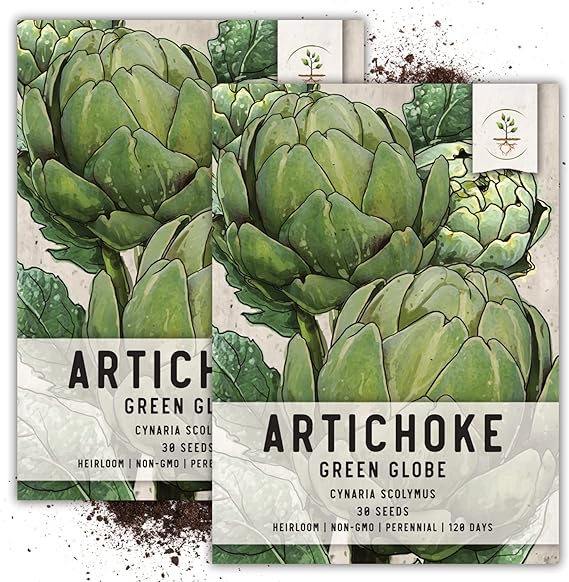
    Seed Needs, Green Globe Artichoke (Cynaria scolymus) Twin Pack of 30 Seeds Each Non-GMO

    81V0XXMZAbL. AC SX569

     What Time Of Year Do You Plant Artichokes In Zone 5 And More?

    Artichoke thrives best where mild winters and cool, foggy summers prevail. In such weather conditions, they grow as perennials, yielding harvests for up to 5 years.

    In zones 8 and 9, where winters are only a few frosty nights, the artichoke plants will sometimes overwinter when mulched and pruned.

    You will need to treat artichokes as annuals planting them in spring in colder regions.

    In zones 10 and 11, artichokes are best planted in fall in the humid, subtropical, frost-free areas.

    How Cold Hardy Are Artichokes?

    Artichokes are native to the Mediterranean! This makes one think they cannot tolerate the chill of winter very well. Surprisingly, provided with proper care, overwintering artichoke plants is possible.

    The edible part of the plant is the flower head, and when allowed to bloom, this neon purple is quite stunning in its own right. Artichokes do not set flower buds until the second year of growth. Therefore, protecting artichokes in winter is highly essential.

    How To Care For Artichokes In The Winter?

    Once you have grown the artichokes for a season and winter is approaching, it’s time to provide artichoke with the proper winter care. Choose a variety that has a shorter growing season, like the Green Globe or Imperial Star. These varieties are hardier than other varieties.

    There are three methods for overwintering artichoke plants.

    Mulching

    If you are growing your plant in the ground, insulate the roots with a deep layer of mulch. Surround the entire plant with chicken wire that is about 12 inches and rises above the plant. Use landscape pins to secure the cage to the ground. Fill this cage with a mix of shredded leaves and straw. Leave this mulched cage in place throughout the winter season. When spring arrives and the danger of frost has passed in your region, slowly remove a little of the mulch, gradually exposing the plant for 2 to 3 weeks.

    Container Growing

    Another method for overwintering artichokes is to grow them in containers. Grow your artichokes in containers throughout the growing season, or dig up plants grown in the garden when temperatures get cool and pot them. Potted artichokes need rich potting soil mixed with compost. Instead of heavily mulching the plants, you can move them into a sheltered area like a garage or cool cellar with a temperature between 35-50°F. (2-10°C.).

    You don’t need glow lights for the plants. Before overwintering artichoke in containers, cut the plants down to the crown when frost is pending. Next, move them to the area of your choice and water them every 4-6 weeks until spring.

    Artichokes - Container Growing

    Dig up The Artichokes And Store

    The final method of artichoke winter care is the easiest. Cut the plants all the way down to the ground before frost arrives. Dig the crowns and root system, gently shaking as much soil as possible from the roots. Store the bare-root clumps in a box of peat moss in a refrigerator or cold garage. Don’t let this box get wet or be exposed to freezing temperatures. Keep an eye on the bare roots and destroy any that become mushy or soft. Once spring arrives and all danger of frost passes, replant the bare roots.

    Conclusion

    Can you grow artichokes in Zone 5? With proper winter care, this plant can grow in zone 5 and overwinter in any above ways.

    Overwintering artichoke isn’t difficult; it takes a little knowledge and planning. These plants can grow and produce for up to 7 years, making them highly beneficial to the gardener.

  • How Can Super Sweet 100 Tomatoes Grow In Pots

    How Can Super Sweet 100 Tomatoes Grow In Pots

    Yes, super sweet 100 tomatoes grow in pots and are easy to care for, you just need to provide them with the required conditions for a bounty harvest.

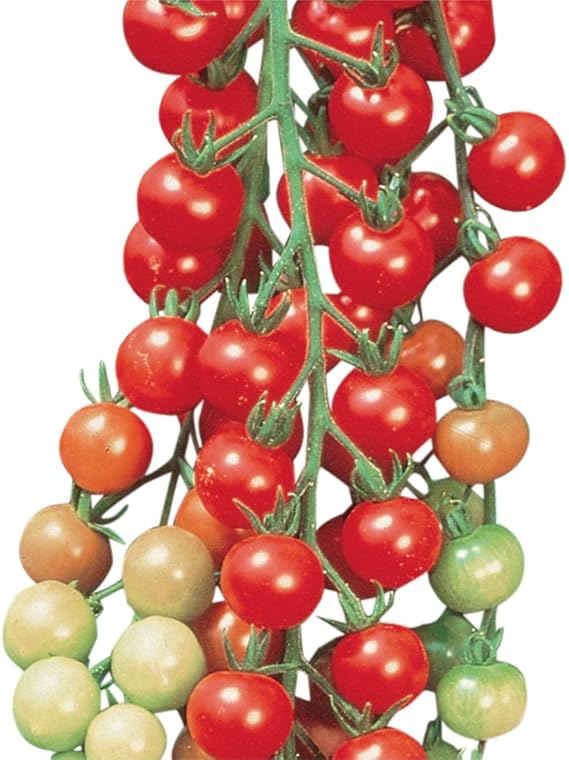
    Sweet 100 tomato is a hybrid cherry variety producing tasty fruit. Some gardeners love the test of the suite 100 tomato and call it vine candy while eating cherries straight off the plant.

    They are best used for snacking and salads and are suitable for freezing, cooking, and even pickling. If you are looking for a tomato variety that produces enough fruits to last you all season, look no further than sweet 100 tomatoes.

    Long clusters of this variety produce up to 100 tomatoes on one stalk alone. Suite 100 has become a staple in most home gardens because its fruit is testing, and it produces large quantities that last you throughout the season.

    The super sweet 100 does well in various climates, especially in hot areas; it is drought and heat tolerant. This variety is an improved version of sweet 100.

    How Many Gallons Pot For Tomato Plant?

    When it comes to growing tomatoes, the bigger the pot, the better. Determinate varieties require a minimum of at least 10-gallon containers, while indeterminate varieties require at the very least 20-gallon containers to thrive. Any smaller-sized containers than this may not be as productive as they should be.

    Super sweet 100 is the class of indeterminate vines. When harvested at the peak of ripeness, it grows over the top of the pot and backs down again. It continues bearing fruit until frost arrives.

    Select your favorite type of containers, for example, the standard modern fabric pots that are non-degradable or biodegradable. Remember to use ports that have proper drainage, so they don’t hold water in that releases the extra out.

    How Do You Grow Super Sweet 100 Tomatoes In Pots?

    Growing super sweet 100 cherry tomatoes is easy and fun. Let’s learn how to do it below.

    Location – Super Sweet 100 Tomatoes Grow In Pots

    The super sweet 100 cherry tomatoes thrive in full sun. Choose a location that receives at least 6 hours of direct sunlight each day. An area with too much shade will not provide your tomato plants with the right growing conditions, especially when flowering. Plant your super sweet 100 tomatoes 3 to 4 inches away from other plants providing enough room for them to grow.

    Pot And Soil

    Choose a container or hanging basket that is at least 18 inches wide. This is a big enough container to hold all the products from this plant.

    Super sweet 100 tomatoes thrive in moist soils. Keep your soil consistently moist and fertilize it twice throughout the growing season.

    Starting Seeds

    These tomatoes are damaged by frost, so you will need to wait until your last frost date to plant your seedlings outside. Start your seeds indoors 6 to 8 weeks before the expected last frost date. Plant your tomato seedlings deep, a few inches above the ground when transplanting. Plant your siblings in a compost-enriched mulched garden bed that gets full sun.

    Burpee Super Sweet 100′ Hybrid Cherry Tomato, 50 Seeds

    Super Sweet 100 Tomatoes Grow In Pots

    Pruning

    No pruning is necessary for this variety unless you’re growing it on stakes. If growing them on a stake, prune back one or two main stems and continue to prune back any additional stems or suckers.

    Spacing – Super Sweet 100 Tomatoes Grow In Pots

    Plant your super sweet 100 tomatoes at 3 feet between plants. It is very tempting to put them closer and planting time, but if you plant them too close, you lose the chance of a good harvest and only increase the likelihood of disease. Dig a hole about 2 times as wide as your pot and plant your transplant deep into the soil.

    Watering

    Water your plants immediately after planting to settle the soil and add muscle as required to the level of your pot.

    How Much Sun Do Sweet 100 Tomatoes Growing In Pots Need?

    The super sweet 100 tomato plants require at least 6 hours of direct sunlight each day. Like typical tomato plants, they also require a minimum of an inch of water each week to maintain the proper moisture.

    Always remember the amount of sun and moisture go hand-in-hand. If you give your plant 6 hours of direct sunlight, you will need to water it adequately to avoid killing it.

    How Much Sun Do Sweet 100 Tomatoes Growing In Pots Need

    Do Sweet 100 Tomatoes Need A Cage?

    Sweet 100 tomatoes are not different from most tomato plants. Like the other tomato plants, this variety becomes so laden with fruit requiring stakes, trellis, fence, or tomato cages to support plants and keep the fruit off the ground where it might rot.

    When growing any tomato varieties, strive to keep the fruits off the ground to keep them from rotting and protect them from diseases.

    Click Here to Learn About:

    How Long Do Sweet 100 Tomatoes Take to Grow?

    The super sweet 100 tomato variety takes 70 days to grow from germination to mature fruit. The harvest date can change depending on environmental factors like too much moisture or sunlight. Harvest these tomatoes when they begin to show color as they will continue working on the counter. Vine ripe tomatoes have a better flavor than those harvested before ripening.

    At this stage, birds usually love to eat ripe fruit. They love to pick holes and destroy a good amount of the harvest. Some gardeners claim that placing water plants in your garden will protect your tomatoes from bird damage. You can also cover your plants with bird netting to protect your fruits.

    How Long Do Sweet 100 Tomatoes Take to Grow

    FAQs

    Can Sweet 100 tomatoes be grown in pots?

    Yes, you can grow tomatoes in pots and pots are ideal for growing tomatoes.
    You can plant your tomato seeds in containers right away and your tomato plants will grow well in pots. There are several advantages to growing your tomato plants in pots and containers over growing them in the ground. One of the main advantages is that your tomato plants can be easily moved from one location to another. If you’re a gardener who has a small space or doesn’t have room to grow your tomato plants in the ground, you can grow your tomato plants in containers. Growing tomatoes in containers is a great way to avoid getting a disease called verticillium wilt. Verticillium wilt is caused by a fungus that is found in the soil and can cause your tomatoes to rot and die. It’s possible to get this disease even if you’ve grown tomatoes in the ground in the past but it’s much more common to get this disease when your tomato plants are growing in pots. If you do get verticillium wilt, it’s important to treat the plant with a fungicide to keep the disease from spreading.
    You can use a soaker hose to water your tomato plants and avoid having to use a watering can.

    How do you grow 100 tomatoes?

    This variety produces a lot of sweet fruit, perfect for canning. It’s also easy to grow and very productive. There are many ways to grow Super Sweet 100 tomato plants, from seed to container grown plants.

     If you’ve ever grown tomatoes from seed, you know that it takes a long time to get them off to a good start. They require plenty of fertilizer, but not too much because they have weak roots at the beginning. Tomatoes grow best in warm temperatures, so you need to take care of your seedlings while you’re growing them indoors or in a greenhouse. You’ll want to provide some shade from direct sunlight. The temperature should be between 75 and 85 degrees Fahrenheit (24 and 29 degrees Celsius) and humidity should be high. We recommend using a plant soil mix that is rich in organic matter, but not too rich, since tomato plants have weak roots at the beginning. You can use a regular garden soil mix, or you can mix some peat moss with it. Water your seedlings once a week until they’ve reached about six inches (15 cm) tall.

    Do Sweet 100 tomatoes need a cage?

    A cage is absolutely necessary to grow sweet 100 tomatoes. They are very sensitive to cold weather. They will not tolerate temperatures below 20 degrees F. They need heat all day long. They also need high humidity levels, which can be provided by a cage. When it’s warm out, they are fine without a cage. If the temperature drops, they begin to shrivel up and die. The cold air coming in through the top of the cage will actually freeze the soil inside the cage and kill the plants. They are also very slow growers, so it’s best to give them room to grow. If you want to grow them in a small garden, the cage is necessary to keep them warm.
    Tomatoes are a delicate plant and they can be damaged by cold weather. Tomatoes require high temperatures to develop their best flavor and color. They don’t do well below 50 degrees F or above 85 degrees F.

    Conclusion – Super Sweet 100 Tomatoes Grow In Pots

    The super sweet 100 tomato growing in pots is the easiest way to grow your tomatoes. You can place them right by the steps of your back porch, where you can trim the vines to grow up the step and porch railings to create a beautiful view and a bountiful harvest.

    You can also easily how best you are ripe fruit for a quick refreshing salad or snack. The only complaint this to make it sweet is a habit of cracking, especially after heavy rains. To prevent cracking, do not let the fruits over-ripen on the vine. Pick them as soon as they begin to ripen.

    What better way to grow tomatoes for the whole season than grow this variety that produces enough fruit to last you the entire season.

  • The Correct Spacing Between Pepper Plants

    The Correct Spacing Between Pepper Plants

    Exercise proper spacing between pepper plants to get a high yield from any type of pepper plant that you intend to grow.

    Generally, peppers can be hot, sweet, tiny, long, or come in various colors from yellow, green, red, orange, brown, or purple.

    Hot peppers include chili, jalapeno, habanero, ancho, Serrano, and hot banana. Sweet peppers include cherry, banana, bell, and pimiento types. All these peppers are loved for their diverse tastes and heat levels.

    Correctly planting your peppers and providing them with the proper growing condition assures you of a bounty harvest. Every plant has its own spacing needs that, if respected, will give you a good return.

    The Right Spacing Between Pepper Plants

    Spacing between pepper plants varies from one variety to another. Therefore, we have rounded up some of the most popular paper types and discussed their spacing.

    In general, the larger the paper, the larger its plants and the wider your spacing should be. Generally, peppers should be spaced at least 12 to 18 inches between plants. You will need to add more space for larger varieties to provide easy access while harvesting.

    The Right Spacing Between Pepper Plants

    General Pepper Plant Spacing

    Different pepper varieties have different growth patterns; some grow bushy and wide while others grow slender and tall. Then leave sizes also vary from one type to another.

    If you grow peppers from seed, they are likely to grow no taller than 3 feet during a single season. Most varieties will stay much smaller, while others may grow slightly larger.

    For most pepper varieties, space them at least 12 to 18 inches apart between plants. Provide larger varieties with slightly more space at least 18 to 20 inches between plants. This spacing prevents the plants from competing for space below and above the ground.

    If you space your pepper plants closer, they will compete for light and root space. Tight spacing between pepper plants also restricts airflow causing slow growth or stunted growth to your plants.

    Peppers are self-pollinated there, for you can space them as far away from one another as you like. The spacing guidelines are only meant to maximize your garden space.

    Spacing Between Tabasco Pepper Plants

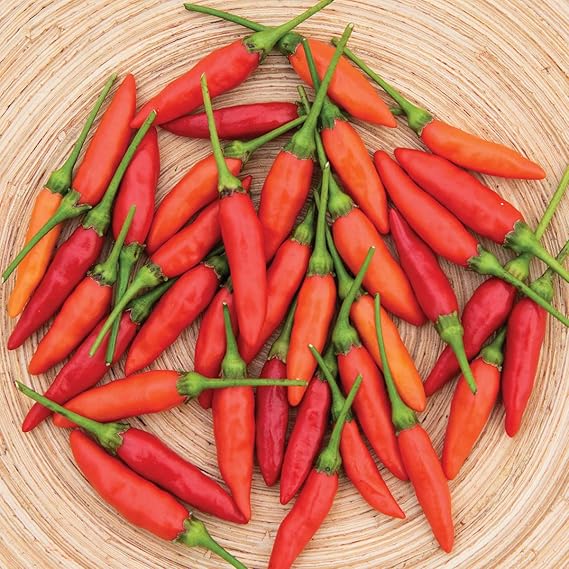
    Tabasco peppers mature from green to yellow and can be harvested 55 days after transplanting. They are native to the Mexican state of Tabasco and are commonly used to infuse vinegar as the central seasoning in the hot sauce with the same name. The tabasco plant grows up to about 60 inches tall and develops into upward-oriented fruits later in its growing season.

    Burpee Tabasco Hot Pepper Seeds 30 seeds

    71lKfZh0RKL. AC SX569

    Plant the tabasco pepper plants at least 12 to 24 inches between plants. Space them at least 24 to 36 inches apart in rows or at least 14 to 16 inches apart in raised beds.

    Choose a location that receives plenty of sunlight and has not been used to grow potatoes, tomatoes, or other members of this family for several years. Provide them with fertile, lightweight, and slightly acidic soil that drains well.

    Click here to Learn about:

    Spacing Between Green Pepper Plants

    Green pepper plants require plenty of air circulation, meaning enough space is needed for optimal fruit development. It will be easier to harvest your peppers that grow on the plants’ sides if you allow enough room to move around plants with ease.

    Planting peppers too closely together can reduce your yield as they compete for oxygen, nutrients, and sunlight. Insufficient space between plants also makes it easy for diseases to spread.

    Allow at least 36 inches between rows as this encourages the plants to develop the maximum number of branches and fruits. In each row space, your green pepper plants are at least 18 to 24 inches apart. The plants tend to reach about 18 inches wide at maturity, so providing them with minimum spacing gives the stems room to grow.

    Spacing Between Green Pepper Plants

    Spacing Between Bell Pepper Plants

    Bell peppers are among the largest pepper varieties commonly grown. The plant’s leaves are broad and grow pretty tall, at least up to 3 feet in one season. However, they tend to be slender than other varieties, so they do not take up as much space as you might expect.

    That said, allow your bell peppers plenty of space to help them produce well. Space them at least 18 inches between plants; even though the plants have a slim root system, they can be extensive, requiring a bit of extra space.

    How Many Peppers Can You Put In A 5-Gallon Bucket?

    It is critical to plant peppers in containers at least 3 to 5 gallons in size. A 5-gallon bucket can only hold one plant to provide enough nutrients for its growth. Larger varieties like the hatch Chile varieties, poblano’s, and bell peppers use large pots with 5 gallons or more. For better yields of the larger varieties, find larger-sized pots at least 12 to 14 inches.

    Growing peppers in containers give you the advantage of bringing them in during the cold season. Pepper plants are sensitive to cold weather, but bringing them indoors can keep them growing.

    What Can You Not Plant With Peppers?

    It would be best if you never grew these plants close to peppers – Beans, peas, broccoli, cauliflower, Brussell sprouts, cabbage, kohlrabi, kale, fennel, and apricots.

    These plants are harmful to peppers in many ways. Some compete with pepper for the same nutrients, while others attract pests and diseases that may affect the peppers.

    What Can You Not Plant With Peppers

    So What Plants Can You Grow Near Peppers?

    Just as important is pepper plant spacing are plants you can grow near peppers. Here are several options you can choose from:

    Basil, chives, rosemary, and garlic – These plants are good companions working together instead of against each other.

    Can I Plant Two Pepper Plants Together?

    If by together you mean in one hole, then it is impossible to plant two pepper plants together. The closest you can grow pepper plants is 18 to 24 inches for either beds or rows.

    Providing your pepper plants with this kind of spacing assures you of a bounty harvest because they will have enough room to produce their fruit.

    Can I Plant Tomatoes And Peppers Next To Each Other?

    This question is a debate by gardeners that has always gone round. It is critical not to plant your pepper plants in the same garden you harvested tomatoes the season before. You can grow tomato plants alongside peppers but not plant your pepper in the same garden where you had planted tomatoes.

    FAQ’s

    Can you plant 2 pepper plants together?

    Yes, you can plant 2 peppers in the same pot. But be aware that if you water both at the same time, you will have two different amounts of water in the pot.

    So if one of the peppers is a lot bigger than the other one, the one that is bigger will get more water than the smaller one. And if you water them at different times, then you will water the small one more often than the big one. But this shouldn’t be an issue as long as you only water the small one during the day and the big one at night. If you water them at different times, then you may want to separate them by at least 1/2 inch (1 cm) because they will then have less chance of competing for water.

    What happens if you plant pepper plants too close together?

    The result will be a hot, crowded garden. You can avoid this problem by planting pepper plants in groups of two or three, and allowing each group to grow to maturity before planting the next.
    Spacing them too close together would cause the plants to compete for light and nutrients, which could lead to stunted growth. You could try to stagger the rows or stagger the planting time so they don’t compete for light at the same time. Planting them in staggered rows can also help the plants to mature more evenly.

    Do you plant peppers deep like tomatoes?

    Yes, if you plant them deep enough they will be fine in the ground.
    The soil needs to be at least 6″ or 8″ deep. This allows for roots to grow down into the deeper soil to find water and nutrients. If you don’t have the space for this, I recommend containers for peppers. They are very easy to plant and grow in pots.

    What can you plant next to peppers?

    You can plant two different varieties of peppers, some hot ones and some sweet ones, then a few more types of tomatoes and a variety of onions.

    Peppers and tomatoes mix well. If they’re planted at different heights in the same bed, they’ll both grow fine. Tomatoes are a bit more finicky about soil pH than peppers, so it’s best to keep them on their own side of the bed.

    How tall do pepper plants get?

    As with many plants, there are a number of factors that will determine how tall a pepper plant gets. In terms of the shape, they can be tall and spindly, or shorter and stocky. There are also a wide variety of varieties, some of which can grow up to 25 feet tall!

    Conclusion

    The correct spacing between pepper plants should be 18 to 24 inches, no matter the variety. Properly spacing your plants assures you of a good harvest because the plants are not competing for nutrients or growing space. If you don’t have enough room in your garden, you can grow some crops like the peppers in pots. This will provide you with a better harvest even during the cold season, as you can bring in your pots to protect them from the cold.

  • When To Fertilize Tomatoes Plants?

    When To Fertilize Tomatoes Plants?

    Tomatoes are one of the most popular plants for gardeners of all experience levels to grow. They are generally easy to maintain and often produce an abundance of fruit. However, before growing, you will want to know when to fertilize tomatoes plants.

    As for many plants, fertilizing tomatoes can help them to grow strong and plentiful. It can help ensure that your plant will produce plenty of fruit that is delicious. Fertilizing is something gardeners of all experience levels can do.

    Tips For Growing Tomato Plants

    When planting your tomato plant, wait for the temperature of the soil to be at least 60 to 65 degrees Fahrenheit. Plant them in an area where they will receive lots of sun, as tomato plants love the sun and will grow more fruit if grown in a sunny area. They can grow in a garden bed or in a medium to a large pot.

    Most tomato plants need about an inch of water a week in order to grow healthy. The best time to water your plants is in the morning, as they are more receptive to moisture at this time. They can also benefit greatly from a layer of mulch.

    Tips For Growing Tomato Plants

    The Best Time For Fertilizing Tomato Plants

    Another important part of growing tomatoes is fertilizing them. Tomato plants should be first fertilized when you first plant them in the garden. This will give them the boost they need to grow successfully.

    After fertilizing them upon planting them, you can wait to fertilize them until they begin to produce fruit. Once they start to grow fruit, add fertilizer every one to two weeks for as long as your tomato plant is still growing and producing fruit.

    Though seedlings will need fertilizer right away, it is often best to wait a bit for transplants. If you are transplanting tomato plants, it is ideal to let them grow a couple of weeks before fertilizing to allow them to adjust.

    Tomato plants need lots of nutrients in order to grow into healthy, producing plants. In most cases, soil on its own does not have enough nutrients to provide tomatoes with everything they need. This is why it is important to provide fertilizer for your plants.

    Click here to Learn About:

    What’s The Best Fertilizer To Put Around Tomato Plants?

    It is important to choose the right type of fertilizer for your tomato plants. Fortunately, there are a few different types of fertilizers you can use to help your plants grow. However, it is best to stay away from high nitrogen fertilizers, as they will cause abundant foliage growth but little to no fruit.

    Jobe’s 09026NA Plant Food Vegetables & Tomato, 4lbs

    When To Fertilize Tomatoes Plants

    There are three main types of fertilizer you can use: granule, liquid, and water-soluble. Though all three can work for tomato plants, the most common you will see are granule and liquid. Some people prefer liquid fertilizer for tomato plants as they can absorb it through their leaves and roots.

    If you have soil that is correctly balanced or has a higher amount of nitrogen, look for a mixed fertilizer that is 5-10-5 or a 5-10-10. This will contain higher levels of phosphorous and lower levels of nitrogen and potassium. When shopping, it is best to look for fertilizers specifically made for tomato plants.

    Organic fertilizer is another great option for your garden, as it is kid and pet safe. Though you can buy organic fertilizer, you can also make your own. Coffee grounds, eggshells, compost, manure, and fish emulsion all work as natural fertilizers for your garden.

    How Much Fertilizer Do Tomato Plants Need?

    When preparing your garden for planting, it is recommended to mix around three pounds of fertilizer into your soil. Then, till the soil to around a depth of 12 inches for the best growing results.

    While your tomato plant is growing, add approximately one to three tablespoons of fertilizer upon planting and then every couple of weeks as it is producing fruit. It is also a good idea to refer to the label on the bag to see how much they recommend per application.

    How Do You Apply Fertilizer To Tomatoes?

    To fertilize your tomato plant, push the mulch to the side if using. Then, sprinkle the fertilizer along the drip line of the plant, but not the plant itself.

    With a garden hand tool, gently work the fertilizer into the soil, but be careful not to penetrate the soil too deeply. Then water your tomato plant before covering it back up with mulch.

    When Should I Stop Fertilizing Tomatoes?

    In general, most people will continue to fertilize their tomato plant through the entirety of its growing cycle. Once it is producing fruit, it is a good idea to fertilize it every one to two weeks to help keep the plant healthy and produce fruit.

    Once the first frost hits, you can stop fertilizing your tomato plant, as it will not be producing fruit for much longer, if it will at all. When the first frost comes will depend on where you live, as in some places it will come much earlier than others.

    When Should I Stop Fertilizing Tomatoes

    FAQs

    How do you know when tomatoes need fertilizer?

    Tomatoes are easy to grow. They require lots of sun, a little water and a little TLC. But they need a lot of nutrients. Tomato plants are fairly easy to tell how much fertilizer they need.

    The problem with most tomato varieties is that they produce so much fruit, that the plant starts to struggle to keep up. This is exacerbated by heavy winds and/or watering. If you want to see if your plants need fertilizer, you can dig a hole, put a bucket in it, and add fertilizer. If there is no change, your plants don’t need any. You can also make a spray bottle with water, and spray it into the holes. This will help keep the plants healthy, but will not necessarily increase their size.

    How often should you fertilize tomatoes?

    You can fertilize tomatoes weekly, bi-weekly or monthly.

    What is the best way to fertilize a tomato plant?

    The short answer: use fish emulsion. Longer answer: Tomatoes are fairly simple plants, and the most important things you can do to grow them successfully is to make sure they have good soil and adequate light. They also like some fertilizer and compost, but it’s not as important as the other two. The main thing is that you feed them something that isn’t too high in nitrogen.

    There are many ways to fertilize a tomato plant. If you use the liquid fertilizer, dilute it with water before adding to your pot. Add it in small amounts. The goal is to keep the soil moist but not soggy. You can add it every few days until you get the desired results. Be sure to keep the plant watered.

    What is the best fertilizer to use so that you don’t have to apply so often?

    Most gardeners use a fertilizer with a phosphorus content of 6-8 percent. If you see yellow leaves, it means your plants are getting too much phosphorus. If you see green leaves, it means your plants are getting too little phosphorus. The best way to fix this problem is to increase the amount of phosphorus in the soil. You can do this by adding some phosphorus-rich compost or manure. Another way to correct the problem is to fertilize with a nitrogen-containing fertilizer. A lot of gardeners use 20-10-20. This fertilizer contains both nitrogen and phosphorus. Some gardeners even add a little potassium to the mix. Potassium is an important element for tomatoes. Potassium helps prevent blossom end rot and also promotes good fruit set. If your tomato plants are in need of a little more nitrogen, you can use a 10-10-10 fertilizer.

    When is the best time to apply fertilizer to tomato plants?

    The best time to fertilize your tomato plants is right after flowering.

    Growing A Healthy Plant With Fertilizer

    Fertilizer is an important part of growing a healthy tomato plant, so it is important to know when to fertilize tomatoes plants. Since most soil does not have rich enough nutrients for tomato plants, it is important to use fertilizer to provide all the proper nutrients. It is best to add it when first planting your seedling and then every one to two weeks while your plant is producing fruit.

    You can use granule, liquid, or water-soluble fertilizer in your garden. Just be sure to not use one that is too high in nitrogen, as you generally want to stick with an option of an NPK ratio of 5-10-5 or a 5-10-10, or something similar. Organic fertilizers are also a great option, as its safer and cheaper, as you can use such things as coffee grounds, eggshells, compost, manure, and fish emulsion.

    Do you have any questions regarding when to fertilize tomatoes plants? If so, please ask any questions regarding the process of fertilizing your tomato plants in the comment section down below.