If you are limited on garden space, herbs with shallow roots are a great option to grow. They are great for use in some of your favorite dishes, as you can’t beat the taste of fresh herbs. No matter your gardening experience level, they can be great to grow.
There are many different varieties of herbs you can grow in your home garden, many of which due great in shallow pots. You can grow them whether you live in a house with a small yard or in an apartment. Herbs are versatile and you can use them fresh or dry them out.
How Deep Do Herb Roots Grow?
The root depth of herbs will vary based on the variety, however, most will grow to be three to 12 inches long, with some growing up to 18 inches. Due to this, most varieties will do well in shallow pots, allowing you to easily grow different varieties of herbs. This makes herbs great for growing indoors on window shelves or in small gardens.
The great thing about herbs is that they are adaptable and do great in a variety of conditions. As long as they receive a reliable source of warmth, sunshine, water, and nutrients they will do just fine in shallow pots.
Best Herbs For Shallow Pots
If you are wanting to grow herbs but are limited on space, do not worry, as you are in luck. There are many herbs you can grow in shallow pots that will thrive. They are also generally easy to maintain, making them a great option for gardeners of all levels.
Chives – Herbs With Shallow Roots
Chives are one of the shortest herbs, as their roots grow to be only three inches long. This makes them particularly great for growing in the windowsill of a garden. They thrive in full sun and well-drained soil and you can easily grow them indoors in a bright, sunny location.
Chives make a great topping on many dishes including potatoes, fish, sandwiches, quiche, and much more. During their first year, you can harvest them three to four times. After that, you will want to cut plants back monthly.
Oregano
Oregano is a popular and versatile herb that can strive in six inches of soil. There are several different varieties of oregano you can grow, with Greek and Syrian being among the most popular.
Oregano does best in full sun and prefers well-drained soil. It pairs great with dishes that contain tomatoes, such as pizza and pasta, as well as being great for marinades and vinaigrettes.
Parsley
Parsley is a versatile herb that grows well in garden beds and pots. Their roots grow up to six inches long, making them another great contender for growing in shallow pots.
Parsley does best in full sun with well-drained soil that is packed full of nutrients. It is great for adding to pasta, soups, chicken, and potatoes.
Basil – Herbs With Shallow Roots
Basil is one of the most popular herbs to grow that smells and tastes great. Their roots generally grow to be six to eight inches long and you can easily grow them in garden beds or pots indoors.
Basil, which comes in many varieties, thrives in well-drained soil and should get at least six hours of sun a day. It tastes great on pizza, pasta, chicken, salads, and even lemonade.
Cilantro
Cilantro is another great herb to grow, as it does well with at least eight inches of soil. Though many people grow in garden beds, it is also great for growing in pots as well.
Cilantro does best in full sun, with rich, organic soil that is well-drained. It is great for using in salsa, guacamole, and tacos.
Thyme is low maintenance, making it particularly great for growing in containers. The roots of thyme generally grow to be six inches long.
Thyme does best in full sun with soil that is well-drained and loamy. It is great for cooking with lamb, beef, pork, chicken, and vegetables. There are several varieties you can grow including Lemon and English.
Mint – Herbs With Shallow Roots
Mint is a versatile herb that smells amazing and tastes great. They are generally easy to maintain, whether you plant them in your garden or pot and they often grow in abundance. Their roots generally grow to be around six inches.
Mint does well in full or partial sun and does best in soil that is light with good drainage. There are several different varieties of mint including peppermint, strawberry, and spearmint. As a versatile herb, you can use it in drinks, cooking, and baking.
Rosemary
Rosemary is another popular herb to grow. Though the roots can grow up to 12 inches long, it is a relatively low-maintenance herb that does well indoors.
Rosemary does best in well-drained sandy soil with at least six to eight hours of sunlight a day. It goes great with chicken, beef, steak, potatoes, and vegetables.
Tips For Growing Herbs In Shallow Pots
Herbs grown in shallow pots need to be watered more often than ones grown in garden beds. If growing them on a windowsill, be sure to choose one that gets plenty of sun, around five to six hours at least. South-facing windows are often a good choice for herbs.
Make sure to use good soil that is full of organic matter, rich in nutrients, and well-drained. Try to keep the soil slightly moist to the touch, but avoid making it soggy.
Popular Herbs With Shallow Roots
If you are limited on growing space, there are many great herbs you can grow in shallow pots. They are great for growing on your windowsill and taste especially delicious when freshly picked. They will elevate your homemade meals to the next level.
Some of the most popular shallow herbs include chives, parsley, oregano, basil, mint, thyme, cilantro, parsley, and rosemary. No matter your experience level in gardening, they are great to grow and are generally low maintenance.
Do you have any questions regarding herbs with shallow roots? If so, please ask any questions regarding growing shallow root herbs in the comment section.
FAQs
How Deep Do Herb Roots Grow?
The root depth of herbs will vary based on the variety, however, most will grow to be three to 12 inches long, with some growing up to 18 inches. Due to this, most varieties will do well in shallow pots, allowing you to easily grow different varieties of herbs. This makes herbs great for growing indoors on window shelves or in small gardens.
Are you looking for the cherry tomato varieties chart to help you determine what type to grow and for what purpose? We have prepared a list of the top cherry tomatoes varieties you can grow.
Cherry tomatoes are easy to grow and are highly resistant to disease. All cherry tomato varieties have good qualities, but some stand out more than others! Many different cherry tomato varieties are on the market or many types to grow.
However, the task of sifting through all these different types of cherry tomatoes can be time-consuming and difficult. We have gathered together a list of some of the best cherry tomatoes on the market. Let’s look at the top 5 best cherry tomatoes to grow on the cherry tomato varieties chart.
The Top 5 Cherry Tomato Varieties Chart You Can Grow
So what is the tastiest cherry tomato you can grow?
Sweet Cluster cherry tomatoes are extremely sweet and juicy. This cherry tomato variety has a delicious taste, and the fruits are easy to pick since they stay tight together on the stem, making them easier to harvest. This cherry tomato variety grows well in containers, but it needs space to grow as it is indeterminate (produces fruit continually until stopped by frost or disease).
The plant needs support with stakes or cages because it produces long vines that need support to stand upright. As far as diseases go, this cherry tomato is highly resistant to the most common types of mints, mildews, and wilts from the soil. In addition, it is also resistant to common cherry tomato diseases such as spot and speck.
2. Sun Sugar Cherry Tomato
Sun Sugar cherry tomatoes taste amazing and have a sweet flavor in dishes. They are very high in sugar and low in acid, making them fantastic for eating fresh in salads or sandwiches. You can add them to many dishes and recipes that call for cherry tomatoes.
This cherry tomato variety grows well when planted directly into the ground with full sun, so it does best when placed where they can get lots of sunlight during the day. It is also essential to provide proper staking because this cherry tomato variety produces long vines. As far as diseases go, this cherry tomato is highly resistant to most common cherry tomato diseases such as spot and speck.
3. Pink Berkeley Tie Dye Cherry Tomato
Pink Berkeley Tie-Dye cherry tomatoes have a sweet flavor that makes them perfect for eating fresh in salads or sandwiches, also great for use in a variety of dishes and recipes. The fruits produced on this cherry tomato plant are bright pink with distinctive green “ties” about their sides. It has a very high yield which makes it suitable for home gardening.
This cherry tomato plant grows large vines that require proper staking because the fruit tends to hang from long stems rather than cluster along with the stem-like other cherry tomatoes varieties. As far as diseases go, this cherry tomato is highly resistant to most common cherry tomato diseases such as spot and speck.
4. Jaune Flamme Cherry Tomato
Jaune Flamme cherry tomatoes have a great taste; they are less acidic than most cherry tomatoes but still sweet and flavorful. The fruit of this cherry tomato plant is fiery yellow with an orange-red blush on the blossom end when it is fully ripe, and the fruits tend to cluster along the stem in groups of 2 or 3, making them easier to pick. This cherry tomato variety grows well when planted directly into the ground with full sun, so they do best when placed to get lots of sunlight during the day. It is crucial to provide proper staking for this variety not to damage your fruits.
5. Sun-gold Cherry Tomatoes
The sun-gold cherry tomato is a sure-fire hit amongst gardeners thanks to its lovely sweet taste and the fact that it produces an abundance of fruit throughout summer, autumn, and even into winter! This variety matures early and has a good disease resistance for those not blessed with perfect growing conditions. The fruity nature means this variety is excellent eaten fresh or canned or frozen for later use if you have excess fruit.
FAQs
How Many Types Of Cherry Tomatoes Are There?
Many different cherry tomato varieties are available to choose from, including the cherry tomato varieties chart shown above.
The cherry tomato that tastes the best to you may very well be different from someone else, so it’s hard to say what cherry tomatoes are “the tastiest.” However, many people enjoy using the Sun Sugar cherry tomatoes in salads or sandwiches, Jaune Flamme cherry tomatoes in various dishes and recipes, or Sun-Gold cherry tomatoes for eating fresh.
How Long Do Cherry Tomato Vines Grow?
Cherry tomato vines vary in length depending on what type of cherry tomato plant you have. A good rule of thumb is to expect cherry tomato vines to grow about 6 feet tall with proper staking.
Which Is The Best Cherry Tomato To Grow?
The best cherry tomato for you to grow may be different from someone else, so it’s hard to say. Many cherry tomato varieties are great additions to a home garden with various flavors and sizes, including the cherry tomato varieties chart shown above.
Are Cherry Tomatoes A Different Variety?
Cherry tomatoes are a variety of tomato fruit, so they belong to the same family as regular tomatoes.
Conclusion
Many cherry tomato varieties are available to choose from, including the cherry tomato varieties chart shown in the article. The cherry tomato that tastes best to you may be different from someone else, so it’s hard to say what cherry tomatoes are “the tastiest.” Cherry tomato varieties are great additions to a home garden with various flavors and sizes.
Cherry tomatoes make delicious snacks, colorful salads, or tasty dishes when used alone or combined with other types of veggies! However, there are several different kinds of cherry tomatoes available, which can be challenging to choose when adding them to your garden.
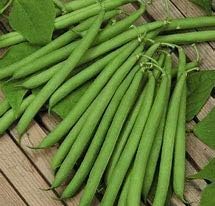
The best string-less green beans to grow in your garden are the ones you like the most and the ones you enjoy, whether cooked or raw.
What are string-less green beans? String-less green beans are beans that don’t have strings, literally. String-less beans also tend to be smaller than other types of green bean pods. Sometimes, the whole pod is eaten instead of just the seeds inside. You can eat them raw or cooked.
Green beans are a trendy vegetable across America that most people love to enjoy fresh. Best of all, they’re easy to grow at home on a balcony, patio, or garden! Start growing green beans from seed or seedlings. You can use green bean seeds as starter plants too.
Why Eat Green Beans?
In addition to being delicious and string-less, green beans provide lots of nutrients and contain disease-fighting antioxidants that help reduce the risk for chronic diseases such as heart disease and cancer.
String-less green beans reduce prep time. If you’ve ever harvested a garden full of beans and then spent the next hour or two de-stringing them before cooking, you know what we’re talking about! You also don’t have to worry about eating the strings; they are edible and not tough at all.
What Are The Best String-Less Green Beans To Grow In Your Garden?
You can experiment with different variations of string-less green beans and see which ones you like the most! Here are some names of the string-less green beans that you can grow – Blue Lake, Contender, Jackpot II, and Kentucky Wonder, along with many more names! Green Beanscan be eaten cooked or raw, depending on your preferences. Best of all, every part of the plant is edible – pods, seeds, and even flowers. If you let them bloom, they will provide lots of nectar for bees!
Best tasting green beans to grow should be an easy choice – eat the ones you like the most! Best tasting green beans to grow means that you will be able to eat the most delicious string-less beans. You can also grow many different beans in containers on your patio or porch.
String-less green beans are versatile and can be enjoyed raw, steamed, sautéed or stir-fried. Best string-less green beans may vary by preference and region because different regions favor certain varieties of string-less green bean plants over others. Best tasting green beans to grow will also depend on whether you like them raw or cooked.
What Is The Most Flavorful Green Beans?
So how do I know this is the best tasting green beans to grow? If you want to give your family something nutritious that they’ll eat right off their plates at dinner time, try growing some of the best string-less green beans to grow. Some of our favorites include Blue Lake, Jackpot II, Contender, Kentucky Wonder, and many more.
Best tasting green beans are all about preference! You may have to experiment with multiple best string-less bean types until you find one that’s the perfect match for your taste buds.
Best string-less green beans to grow can also depend on where you live. Each region has different types of varietals that are well suited for growing in that area.
Best tasting green bean plants will also vary by if they’re eaten raw or cooked. The best green bean plants should be tasty when enjoyed, whether raw or cooked. Some people prefer green beans that stay green, while others love them when they turn yellow or purple during cooking.
The best string-less bean plants can be grown in containers on your patio or in flowerpots, but they will need at least 6 hours of sun each day. Let’s learn what is crucial in growing your string-less beans.
Start your Seeds Indoors. You can start green bean seeds indoors in peat pots before planting outdoors when temperatures reach 45 degrees Fahrenheit during the day and 40 degrees Fahrenheit at night.
Spacing. Your string-less bean plants should be spaced about 18 inches apart within rows that are 36 inches apart for maximum production. You can thin your seedlings or transplant them to their ideal growing location once they reach a height of about 3 inches.
Soil. String-less beans will do well in fertile well-draining, moist soil conditions. Organic manure is an excellent choice to fertilize your soil and make it more productive.
Watering. Water your string-less beans at least 1-inch of soil. Do not overwater them to avoid fungal root diseases.
Support your Plants. You can support your string-less green beans with stakes if needed, so they don’t fall over during high winds or heavy rainstorms.
Conclusion
The best string-less green beans to grow are all about preference. The best-tasting green bean plants should be tasty when enjoyed raw or cooked.
Some people prefer green beans that stay green, while others love it all colorful – yellow or purple during cooking. And what’s more wonderful is you can grow your string-less beans in your patio, garden or a few containers.
FAQ’S
What are the best string-less runner beans to grow?
The best string-less runner beans to grow to include, Blue Lake String-less, Kentucky Wonder, Mr Big and many more. Best string-less runner beans are the top well-known varieties that are easy to grow and produce delicious string-less tasting beans.
What’s the difference between green beans and runner beans?
Green beans and string-less green beans are both varieties of the common bean (Phaseolus vulgaris). String-less green beans grow on climbing plants known as “pole beans” while traditional green vegetable bean plants grow on bushes.
Does zucchini grow on a vine? Summer squash like zucchini is a common garden vegetable, and it belongs to the family known as cucurbits.
It is so because it can be easily grown and doesn’t take long to harvest. The maturity time for the zucchini plant is usually between 45 to 60 days.
The best time to start planting zucchini is during spring. By spring, the temperature of the soil is usually between 70-80 degrees Fahrenheit. The zucchini plant will grow and blossom well in even high temperatures.
Now, this article will give a clear answer to the question of if zucchini does grow on a vine. So let’s go further.
Does Zucchini Grow On Vines?
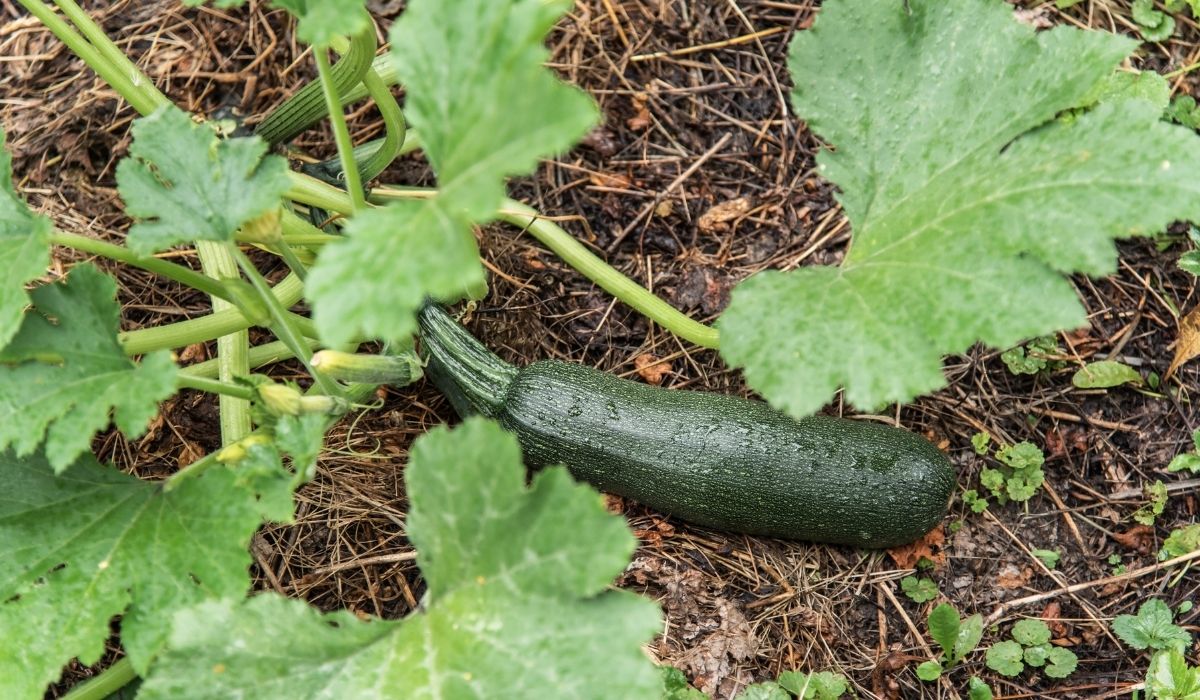
Zucchini is a member of the warm-season vegetable family known as cucurbits. Other fruits that also belong to the cucurbits family are melons and cucumbers. Zucchini does grow on a vine, and they grow on vine-like stems that are usually several feet long.
Some varieties usually stretch far on the ground and take up a whole lot of space. That is why it is important to use supports such as stakes and trellises to support the vine-like stems.
Zucchini comes in different varieties of cultivars that have various sizes and shapes of fruits. They are dark and normal green in color, and they can also come in light green.
Zucchini plants can be referred to as plants that have vines, but there’s a clause regarding this fact. This is because there are some new or modern cultivars that grow in a bushy way.
This is unlike the growth system of other vegetables that grow on vines. This is why it is quite confusing when trying to know if zucchini does grow on a vine.
The vining tendrils that usually grow along the stems of zucchini plants are not strong enough. Hence, stakes and trellises should be used as forms of support. Vine-like stems and tendrils usually develop on time in early zucchini varieties.
These early varieties also mature and produce fruits as early as 50 days after planting.
Zucchini Vines
Usually, under the best planting conditions, the long vines and tendrils will start developing between 30 and 45 days after germination.
It is ideal to start zucchini plants directly in the garden. Planting shouldn’t be started indoors to be transplanted in the garden after germination. This is because zucchini may not be able to withstand transplanting.
Zucchini On Vine: Things That Can Hinder Zucchini From Growing Effectively On The Vine
Just like every other crop, the zucchini plant can also be infected by pests and diseases. They hinder zucchini plants from growing to their full potential.
Pests like squash-borers, whiteflies, aphids, cucumber beetles are known for their notorious rampaging on zucchini plants. Furthermore, damp soil makes it easy for powdery mildew to affect the plant.
Other problems that can affect the plant are viruses. Stick to the best methods for planting and growing your crops.
If you need to control these pests and diseases, then use methods that are not so toxic.
The Process Of Growing Zucchini
The zucchini plant is a type of plant that grows fast and produces abundant crops. It takes about two months for the zucchini plant to grow to maturity and harvest.
There is always enough time to plant and harvest more than once during a growing season. A zucchini plant growth rate per day is from one to two inches. It can produce as much as ten pounds of zucchini.
Prepare A Spot In Your Garden For Your Zucchini
Create a portion in your garden that has direct sunlight and very good loamy soil. For soil enrichment and quick growth of your soil, add and mix compost in it.
Suitable Temperature
Planting zucchini should start once the temperature outside is high. The temperature should be up to 75 degrees Fahrenheit, and the soil temperature is 65 degrees.
Planting Of Zucchini Seeds
Dig holes that are an inch deep. Space the holes by two to three feet apart. Endeavor not to drop many seeds in each hole.
A zucchini plant each produces an abundance of crops. Hence, it’s advisable to plant little by little. Give trellises space of two feet apart if you’re growing a zucchini plant on a trellis.
Then sow zucchini seeds right in front of each trellis.
Consistent watering
Be consistent in watering your zucchini seedlings and plants.
Useful Tips On Growing Zucchini
Getting a bountiful harvest at the end of a growing season depends on how much work and commitment are put into the journey.
Let’s take a look at a few tips on how to grow zucchini successfully:
· Use Good Soil only
For vegetable gardens, the best soil should be a combination of 40% sand, 40% silt, and 20% clay. The soil in this kind of condition will improve drainage and aeration.
It is also known to be rich in loam. Adding compost or mulch will help improve vegetable health.
· Water Zucchini Plants Well
Watering all squash vegetables, including zucchini, is very important. They need to be watered well to grow.
When the weather is cooler during early spring, make sure to water the zucchini plants only once a week. Water an inch deep of water. Increase watering to two or three times a week as air temperature increases.
These components include bacteria, fungi, minerals, and many others. These organic materials help to improve the structure of the soil. Making everything the soil needs for the overall well-being of the vegetables available.
Mixing fertilizer in the soil will hasten the growth of vines and stems. Endeavor to add the needed quantity in order to avoid blossom end rot as well as other diseases.
· Best Pesticide To Use Is The Noninvasive Or Organic Type
Zucchini is also susceptible to pests. And these are pests like cucumber beetles, squash bugs, or squash vine borers. Use noninvasive or organic pesticides for bugs.
Prevent animals or critters from feasting on zucchini on vines in your garden by building a fence around your garden. A net can be put up in place of a fence.
So, we hope this article has been helpful so far to clear your doubts about whether zucchini does grow on a vine.
FAQ’s
Does Zucchini Grow On Vines?
Zucchini is a member of the warm-season vegetable family known as cucurbits. Other fruits that also belong to the cucurbits family are melons and cucumbers. Zucchini does grow on a vine and they grow on vine-like stems that are usually several feet long.
Some varieties usually stretch far on the ground and take up a whole lot of space. That is why it is important to use supports such as stakes and trellises to support the vine-like stems.
Zucchini comes in different varieties of cultivars that have various sizes and shapes of fruits. They are dark and normal green in color and they can also come in light green.
Zucchini plants can be referred to as plants that have vines but there’s a clause regarding this fact. This is because there are some new or modern cultivars that grow in a bushy way.
This is unlike the growth system of other vegetables that grow on vines. This is why it is quite confusing when trying to know if zucchini does grow on a vine.
The vining tendrils that usually grow along the stems of zucchini plants are not strong enough. Hence, stakes and trellises should be used as forms of support. Vine-like stems and tendrils usually develop on time in early zucchini varieties.
These early varieties also mature and produce fruits as early as 50 days after planting.
Do you know what does a plum tomato look like, or the many types of tomatoes are confusing you, and you can barely tell them apart?
Plum tomatoes are adored for their rich flavor that blends in with Italian food. They are an excellent variety to grow, and gardeners across America love to grow these tomatoes. Growing your tomatoes provides you with a bounty harvest of fresh produce that you can enjoy all through the season and store for future use. There is such pride in growing your vegetables, and most gardeners can attest to that.
Let’s go over some essential facts and tips and learn what does a plum tomato look like to know them better.
What are plum tomatoes?
Plum tomatoes are long, plum-shaped tomatoes explicitly grown for making tomato sauce. These tomatoes have been bred for a long time – hundreds of years to produce the best tomatoes for making tomato sauce.
The plum or oblong shape allows for only 2 seed compartments, called locules, to grow inside the plum tomato. Fewer seed compartments mean more yummy tomato pulp! It also means less work while removing the seed pockets as part of tomato processing.
Plum tomatoes are dense tomatoes that are meaty, meaning they are mainly full of pulp with few seeds. Most of these plum tomatoes are red with brightly colored skin, and they are more firm when ripe than other varieties. They are also grown for market handling and packing and have a longer shelf life than other tomatoes.
What does a plum tomato look like?
Plum tomatoes look pear or egg-shaped. This oblong tomato can easily fit in the palm of your hand. It has a firm texture and robust flavor that blend well with Italian cuisines and hearty sauces.
What is considered a plum tomato?
Having identified what does a plum tomato look like, let’s look at the following known well-known types of plum tomatoes.
Small Plum Tomatoes
Also known as grape tomatoes because of their small size, these tomatoes are more oval than round in shape. They are of the South East Asian origin and grow in the climate closely related to that region. They have a vibrant red color and are slightly oval, making them distinct from cherry tomatoes. The small plum tomatoes are best used for stir-fry recipes, certain types of salads, sautéed vegetable mix. Their taste is just as sweet as the much-loved cherry tomatoes.
Italian Style Plum Tomatoes
Italian plum tomatoes are best for cooking and can be added to sauces, jams, pickles, purees, gravies, and soups. These are the most commonly grown plum tomatoes, with most gardeners assuming it is the only type of plum tomato. These tomatoes are a larger and more vibrant, bright red color with a firm structure. If you are cooking some meat – Italian plum tomatoes are the ones you should opt for.
San Marzano Plum Tomatoes
The one significant difference between San Marzano plum tomatoes and the other plum tomatoes is this variety’s long and pointed shape. These tomatoes are cylindrical and come with an extended tip. They are named after the San Marzano town in Italy, where they were first grown. They thrive in a warmer climate for better growth.
Roma VF Plum Tomatoes
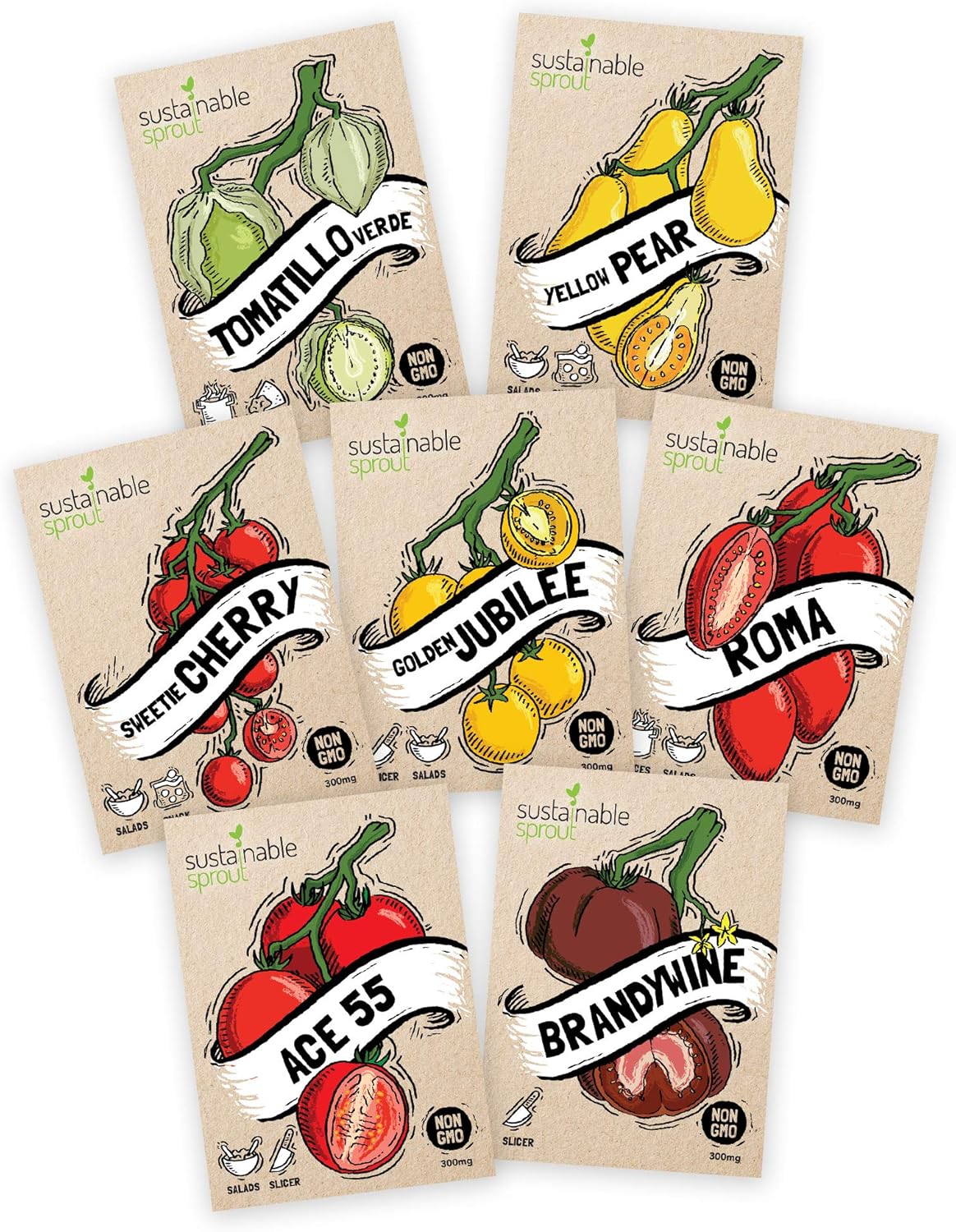
The Roma VF plum tomatoes are a unique variety of plum tomato grown through an openly pollinated variety of plants instead of a hybrid. This variety is the one commonly produced commercially. It is pear-shaped, and its vibrant color is attractive. This variety boils faster and is easily canned.
Here is a list of some harder to find plum tomato cultivar types
Supremo
Speckled Roman
Rio Grande
Black Plum
Gladiator
Lucky Tiger
Banana Legs
SuperSauce
Orange Icicle
Black Icicle
Chocolate Pear
Jersey Devil
Howard’s German
Striped Roman
Martino’s Roma
Opalka
Rocky
San Remo
What tomatoes are similar to plum tomatoes?
If you don’t have plum tomatoes, you can use other tomatoes that are similar to them. They include
Grape tomatoes
Grape tomatoes look like small plum tomatoes. They are bigger than cherry tomatoes and are not too sweet, making them a better option when replacing plum tomatoes in a recipe.
Grape tomatoes add texture to your recipes, and those craving the right consistency are closely related to the plum tomato. They are perfect for snacking, salads and can be locally grown. You will not have to compromise on either flavor or texture.
Here are some varieties of grape tomatoes:
Tiger Stripes
Datterino
Italian Winter Grape
Little Mama
Yellow Pear
Brad’s Atomic Grape
Beefsteak tomatoes
Beefsteak tomatoes
Beefsteak tomatoes are an excellent replacement for plum tomatoes as crushed tomatoes for cooking sauces.
Like plum varieties, the beefsteak tomato has lower water content and fewer seeds. The main difference is the taste; beefsteaks have a milder flavor and are an excellent substitute in sauces where you’ll be adding extra ingredients.
Campari tomatoes
These are medium-sized tomatoes known for their sweetness and juicy. They have more water contents than plum tomatoes, but to eliminate it, you can cook them longer than you would other tomatoes to allow more liquid to be released and reduced. You can also crush them during the cooking process to give them excellent consistency.
Their flavor is not like regular tomatoes; thus, they make an excellent substitute for plum tomatoes. Their consistency and texture are the same.
Which is the best plum tomato?
Roma VF plum tomatoes are some of the finest varieties of plum tomato. This variety was developed by the USDA in the 1950s. They are the most common commercially grown plum tomatoes in America. Roma tomatoes are grown from Roma VF tomato seeds and are a determinate type. It is perfect for making Italian-style tomato sauce and tomato paste.
Final thoughts on what does a plum tomato look like
You not only know what does a plum tomato look like, but you also know what other types can be used in the place of this exquisite tomato.
Who knew tomatoes got class? Yeah, they are also classified according to their flavor, and the plum tomatoes have always flown that flag very high. All the other tomatoes are not suitable replacements for plum tomatoes as they carry too much water that could cause an imbalance in your dish.
Will a pumpkin ripen off the vine if you harvest it before it completely matures, or will it go bad when you store it?
Growing pumpkins is a fun summer adventure and even better as you harvest those bigger fruits. Pumpkins are excellent vegetables that you can easily grow in your garden or containers. As you grow them, it is crucial to know when to harvest them and also know will a pumpkin ripen off the vine.
As long as there is no frost, your pumpkin is fine and better off left in the vine until it matures. It will continue to grow as long as the leaves and vine are healthy. If the vine and leaves are healthy, your pumpkin will grow well until harvesting.
There are enough signs that show your pumpkin is ready for harvest that even a new gardener will know. We will look at all these signs and how to harvest and store your pumpkins.
Will A Pumpkin Ripen Off The Vine?
If you have been wondering will pumpkin ripen after being picked, wonder no more. Yes, your pumpkins will ripen! But there are three critical things you need to do to ensure this process is successful and attain lovely orange pumpkins like those used for Halloween.
How To Ripen Pumpkins – Will A Pumpkin Ripen Off The Vine?
Will a pumpkin ripen off the vine if you harvest it before it’s fully ripe? This is a question that most gardeners ask, and we will look at the details herein. The ripening process is slow for a pumpkin on colder days than when the sun is hot.
If you harvest your pumpkin before it ripens off, place your pumpkins in an open area facing the sun. Let them face the south to expose them to direct sunlight. The amount of sun they receive will help them ripen faster.
You can speed up ripening by ensuring nothing blocks the sun’s rays. Wipe the pumpkin surface using a rag or towel to remove dirt or anything else blocking the sun’s rays. Also, remove any objects like pots, furniture, or garden implements.
Make sure nothing is blocking the sun’s rays. Wipe clean the surface of the pumpkins occasionally with a rag or towel. This removes dirt, grease, and any film on the surface, blocking the sun’s rays. Also, remove any objects, such as pots, yard equipment, furniture, or garden equipment casting a shadow on the pumpkins.
Rotate your pumpkins each day when setting them under the sunlight. This ensures different sides get plenty of sun. If one side takes longer to ripen, turn it upward to face the sun directly. If your front porch gets more sunlight than the back porch, set your pumpkins there to give them plenty of sun.
What Can I Do With Unripe Pumpkin?
Pumpkins are a fruit botanically, but we use them as vegetables. If you harvest immature pumpkins, don’t give up or feel troubled, they will continue to ripen after picking, just like fruits.
Harvest unripe pumpkins in the same way you do for the ripe ones – cut them off from the vine leaving at least an inch of stem on the fruit. Be gentle with the squash as you harvest, knowing the skin is not fully cured yet.
Wash off the dirt and any bugs that could be holding on with a damp cloth to allow the sun to penetrate without anything blocking it.
How Do I Know If A Pumpkin Is Ripe?
If you are a new gardener growing pumpkins, you might be wondering how to tell if your pumpkin is ripe. It will come as a relief to discover that there are many ways to know if your pumpkins are ready for harvesting.
As long as you know what signs to look out for, you will enjoy growing and using these for your soups, pie, or Halloween. Here are several things to look out for
The Color
All immature pumpkins are green, so it’s right to assume that a pumpkin is not ripe until it turns orange, right? Or the color it’s meant to be at maturity? Well maybe. So what color is a ripe pumpkin supposed to be? Most people say orange, but pumpkins come in different shades, even grey, blue, stripy, or white.
However, generally, the common color is orange, and it’s a good indicator of ripe pumpkins. If you are growing some other colored pumpkins, hold on to the seed pack until you know the color to expect at maturity.
Generally, color is a good indicator that your pumpkin is ready for picking. Even if your pumpkin does not turn orange, it will turn to the color it’s supposed to be when mature.
Classic Pumpkin Seed Collection for Planting – Small Sugar, Connecticut Field & Big Max
$8.99
Non-GMO Heirloom Packets with Instructions to Plant Home Vegetable Garden – Fall Harvest
We earn a commission if you make a purchase, at no additional cost to you.
02/03/2026 02:05 am GMT
The Rind
If your pumpkin’s skin is hard, it means it’s ripe. To test its maturity, try to pierce the skin with your fingernail. It should resist puncture! The pumpkin is ready for picking if the skin dents but does not puncture. The squash shell must be hard and firm if you plan to keep this pumpkin for several months. The shell protects your pumpkin from pests and diseases; that’s why it’s a bit tough to break.
The Sound
A ripe pumpkin produces a hollow sound when you tap or knock at it. Your pumpkin must already show signs of maturity before you begin tapping on it. You don’t want to start tapping too early, or you won’t even know the sound you are looking for.
The Stem
When the stem above the pumpkin begins to turn brown and becomes tough, this is another indicator that your pumpkin is ripe. The pumpkin stem feels tough to the touch and does not detach easily. This means your plant is mature and can be harvested. Remember, this stem will come in handy after harvesting as it will help cure and prolong the shelf life of your pumpkin. The vine will also begin to dry and taper down the amount of nutrients it gives to the fruit.
How Long Does It Take For a Pumpkin To Ripen?
Most pumpkin varieties produce ripe fruit within 120 days. Depending on which type you plant, your earliest harvest can be 90 days after you sow the seeds. If your pumpkins start developing their mature color, they will ripen off the vine. You can cut the fruit off its stem, leaving several inches of stem attached.
It’s best to allow your pumpkins to ripen on the vine. But frost can force you to harvest early.
What Time of the Year Are Pumpkins Ready?
You can start harvesting your pumpkins by mid-fall. When this is will depend on where you live. A good rule of thumb is to get them off the vine before the frost comes. They don’t do well in cold weather, and frost will damage them.
Here are a few signs to help you know if your pumpkins are ready:
Ready-to-harvest pumpkins are fully colored.
A ripe pumpkin’s rind is firm.
If your fingernail can easily pierce through the pumpkin skin, it’s not ripe.
Ripe pumpkins sound hollow.
What Does a Ripe Pumpkin Look Like Inside?
The flesh of a ripe pumpkin can be yellow, orange, or even white. There are many varieties, and the color of their inside differs. One universal thing is that they have seeds in their hallow center. The seeds are entangled with flesh called guts.
You can roast and eat the seeds as a delicious snack! The guts make an excellent base for a broth. Everything inside a pumpkin is edible, so nothing has to go to waste.
Pumpkin flesh is thick and nutrient-dense. However, its seeds are packed with antioxidants, magnesium, zinc, and iron, making it the best part to eat.
Why Are My Pumpkins Ripening Early?
Pumpkins grown in ideal conditions are likely to ripen earlier than expected. If your average temperatures are between 85-90 degrees Fahrenheit, your pumpkins might ripen earlier. The humidity level that should accompany these temperatures is 80-85%. If nighttime temperatures don’t drop below 60 degrees, your pumpkins will also thrive.
Pumpkins left on the vine also ripen early. Once a pumpkin changes color, you can leave it on the vine for quick ripening or take it off to prolong this stage.
The more sunlight pumpkins get, the faster they ripen. Always keep this in mind when choosing a planting spot or somewhere to store your pumpkins after you’ve harvested them.
What to do if pumpkins ripen too early?
If your pumpkins ripen too early, making them last long enough might be your biggest concern. With the right storage techniques, you won’t have to worry. You can leave your ripe pumpkins on the vine until the stem is dry and cracked. Then, leave them in the sun to cure for ten days.
You can also pick your pumpkins earlier if you notice they start ripening. Store them in a dark, cool area to prolong their shelf life.
Are Pumpkins Green Waste?
Pumpkins are green waste. The rind, flesh, and seeds will break down in a compost heap. You can cut big pieces smaller to ensure they decompose quicker. Don’t throw your leftover pumpkin in the landfill. It will break down much slower and release methane.
Conclusion
Now that we have settled the argument, will a pumpkin ripen off the vine, lets’s see what you plan on doing with your great ready pumpkins.
Pumpkins recipes are so many you cannot even make all of them. So what do you plan on making with your newly harvested or cured pumpkin? A pie, soup, roasting it, dessert, or you want to add it on to other foods?
You can make all the ultimate comfort foods you ever wanted. Share with us and let us know want is your favorite thing to do with your homegrown pumpkins.
Yes, they will. Pumpkins are picked at various stages of maturity, depending on the variety, size and storage conditions. Pumpkins can be stored in a refrigerator for several weeks. The best way to tell if a pumpkin is ripe is to pick it up by the stem and shake it. If it’s firm, it’s ripe. If it feels soft and spongy, it’s not. Some pumpkins are picked before they’re fully mature (usually to get them to market faster), but this doesn’t seem to affect their quality much.
Will pumpkins turn orange if picked green?
Generally, they won´t. It depends on what variety you are growing. Some are ready to harvest when they have a very small yellowish orange color and some take a couple weeks longer. If they are still white at the end of the season, you can wait until they start turning orange.
What happens if you pick a pumpkin too early?
You might get a pumpkin that is not fully ripe, which means it will be hard to carve. If you decide to harvest the pumpkin too early, you might lose a good amount of its flesh to rot. Picking a pumpkin at the wrong time also leaves you with an empty seed cavity. And, if you do try to harvest a pumpkin too early, you will not be able to dry it properly.
How can you tell when a pumpkin is ready to be harvested?
The stem of a pumpkin will start to wither after the first frost in your area. If you are in a warmer climate, you might not have to wait until the first frost, but you should still pick your pumpkin before it starts to rot. You can tell whether your pumpkin is ready to be harvested by looking at the stem. It should look dried up and brittle, rather than green and pliable. You may need to take a close look to see if it has started to shrivel.
How do you get pumpkins to ripen?
If you want your pumpkin to ripen faster, then you have to put it in a warm room. If you live in the South, your pumpkin may ripen faster if you put the pumpkin in a greenhouse or porch. Pumpkins are ready when the stem is soft and the color of the flesh is beginning to turn from green to orange. To test, take a small piece of pumpkin and press it between your fingers. It should feel soft but not mushy. When it’s ripe, it’ll be firm enough to stand up on its own.
Can you leave pumpkins on the vine too long?
Yes, you can leave them on the vine for a few more days, but you need to keep an eye on them and make sure they don’t dry out. I usually just cut them down and pick them up when I’m ready to use them, but I’ve also left them on the vines for several weeks with no ill effects.
Tomatoes and peppers are among some of the most popular plants to grow in gardens. They are both generally easy to maintain and produce an abundance of fruit. If you are wanting to grow some in your garden, you will want to know the best mulch for tomatoes and peppers.
Mulch can help provide your garden with the beneficial nutrients your plants need to grow. It can be a great addition to your garden to help your plants flourish. However, there are several varieties of mulch to choose from that it can be hard to know which is the right option for your garden.
Benefits Of Mulch In Your Garden
There are many benefits of having mulch in your garden. It is simple any material that covers the top of the soil and it can be organic or synthetic and inorganic materials. In addition to helping out your garden, mulch can also be good as well.
Increase Nutrients
The right mulch can increase the nutrients in your soil. As the mulch decomposes, it can improve the soil structure and provide beneficial nutrients to your plants. While improving the soil‘s structure, it can also improve the drainage of it as well.
Reduces Weeds
Weeds can be problematic for any garden, as they can take away water, light, and nutrients from the plants you are growing. By mulching your garden, you can help prevent weeds from popping up among your plants. In addition, weeds can be a sight sore in your garden as well.
Helps Maintain Optimum Soil Temperature
By adding a layer of mulch to the top of your soil, you can help maintain the optimum soil temperature. It can help create a barrier from the cold in winter and a barrier from the heat in summer. In addition, it can also protect roots from freeze damage and frost-heave as well.
Reduce Soil Erosion
Mulch helps reduce soil erosion as well as soil compaction. It can also improve the moisture level of soil, which can help plants from drying out too quickly.
Can Help Prevent Diseases
Using mulch can help prevent diseases such as Blight. Blight is a soil-born disease that can be detrimental to tomato plants.
Best Mulch For Tomatoes And Peppers: What Is the Best Mulch For Tomato Plants And Peppers
Like many plants, both tomatoes and peppers can benefit from having mulch. Using mulch can help them grow healthy and strong, allowing for your plants to thrive and produce an abundance of fruit. Fortunately, there are several different types of mulches, both organic and synthetic, that your tomatoes and peppers can benefit from.
Wood Mulch
Wood mulch is one of the most popular types of mulch and can be a great option for both tomatoes and peppers. Bark chips or any fine wood mulch is a great option for your garden.
Not only does it look nice, but it can be great for preventing weeds from growing and can help improve the soil structure to improve drainage. However, over time it can change the pH level of soil, so be sure to check it once every growing season.
Compost
Compost can be a great way to recycle organic matter while benefiting your garden. As one of the best mulch for peppers, it can provide a diverse healthy micro-life that can help improve the soil and provide beneficial nutrients.
Black tea compost is one of the best options for peppers as well as tomatoes. It is rich in water-absorbing organic matter, while not being high in salt, which can help seeds germinate. Compost with coffee grounds can be a great option for tomato plants.
If you use organic fertilizer on your lawn, grass clippings can be a great option for your tomatoes and peppers. Let your grass clippings dry out and then sprinkle them atop of your soil. The clippings will mat together to protect plants and help the soil retain heat when it is cold.
Straw
Straw is one of the best mulch options to use for tomato plants. It can easily spread atop the soil and will help prevent weeds while enhancing drainage and keeping the soil at an optimum temperature.
Leaves
Leaves make great mulch, particularly during the winter months. They provide great weed protection while also increasing soil retention. In addition, when they break down they provide beneficial nutrients to help the plants in your garden grow.
Peat Moss
Throughout the growing season, peat moss slowly decomposes, adding beneficial nutrients to your soil. However, be sure to water extra when first adding peat moss as it can retain a lot of soil.
Plastic Mulch
Black plastic mulch is commonly used among commercial tomato farmers. It helps retain heat and increases the production of the tomato plant. It must be put down in the spring and then later removed in the fall.
Red plastic mulch is also another popular choice as it retains heat in the soil and increases the yield. In addition, it prevents soil erosion while retaining soil moisture, improving the growth of tomato and pepper plants.
FAQs
What is the best mulch for tomato plants?
It depends on your situation. You have a number of factors to consider: How long do you expect the plant to live? How much time do you want to spend weeding? What are the temperatures likely to be? Are there other plants nearby that might be affected by weeds?
Tomatoes are a warm-weather crop and should be mulched during the summer months. They don’t require a cold period like some other crops, so you don’t need to mulch them with straw or hay.
Here’s what I’d recommend: Black plastic mulch is an excellent choice for tomatoes because it keeps weeds down while protecting the roots. It’s also biodegradable, which means it won’t harm the environment.
The downside is that it’s not easy to dig through when you’re planting. So if you have a lot of space and want to save time and effort, then black plastic mulch is the way to go. It’s not the best option if you want to save money, though, because it can be expensive. Plastic mulch is made from polyethylene and can cost anywhere from $1 to $4 per square yard.
You can use straw or hay to mulch your tomatoes. These options are inexpensive and work well. But they do take up space and require you to weed more often. You can buy hay or straw by the bale or in bulk at some gardening centers. Straw is usually cheaper than hay.
If you don’t have a lot of space, then you can mulch with wood chips. Wood chips are a good choice because they are inexpensive, they don’t take up a lot of space, and they also make your garden look great. They can also help keep weeds down because they decompose quickly. However, wood chips can get dirty and need to be cleaned regularly. Wood chips also make your soil compact, which can affect plant growth.
Is cedar mulch good for tomato plants?
It might work with your tomato plants. It will help with weed suppression. You can put it down around the base of the plant when you transplant, or you can wait until the plants are larger and more established.
Also, it will protect your plants from drought, especially if you are in a dry area. And it will keep your soil cool.
How should I mulch my tomato plants?
There are a few ways to mulch your tomatoes. The easiest way is to cover the tops of your plants with leaves, grass clippings, or straw. This method will keep the soil moist and will prevent weeds from growing. It’s also easy to harvest the fruits, and if you’re growing them in containers, it makes for a nice display. You can also lay down sheets of plastic or newspaper in a crisscross pattern around the plants.
No More Wondering What Is A Good Mulch For Tomatoes And Peppers
Mulch can be very beneficial for tomato and pepper plants. It can help prevent soil erosion and weeds from growing while also improving the structure of the soil, providing important nutrients, and helping maintain the optimal temperature of the soil. By adding it to the surface of your soil you can improve the health and yield of the plants in your garden.
Some of the best mulches to use for tomatoes and pepper include grass, wood mulch, straw, compost, leaves, peat moss, and plastic mulch. Each of these can help improve the soil, allowing your plants to thrive and increasing the yield of fruit. Both organic and non-organic/synthetic mulches can be a great option for your garden.
Do you have any questions regarding the best mulch for tomatoes and peppers? If so, please ask any questions regarding mulch and growing peppers and tomatoes in the comment section down below.