Tomatos or tomatoes? What should more than one tomato be called? You may sometimes find it not so easy to remember how to spell some words because pluralization in English can at times be complicated. But you can still find an easy way to remember how to spell most of these words.
Tomatoes are one delicious fruit that contains a good amount of essential nutrients for human development. It is often believed that tomato is a type of vegetable. But technically speaking, it is a fruit that is derived from the tomato plant.
Most people often get the spelling of the delicious red food that goes by the name tomato wrong, especially when it comes to the plural spellings. When it comes to the spelling of some words in English, there are different rules to be followed, especially when it has to do with the construction of plural words.
In this post, we will compare tomatos and tomatoes and find out which is the correct spelling. So, let’s delve into this.
Some Info About Tomato – Tomatos or Tomatoes
The big, round, pulpy, tomato berry is from the genus Solanum of the nightshade family. There are more than ten thousand tomato varieties you can find.
The tomato is mostly red. However, some varieties can be yellow, orange, pink, black, green, or purple. But what we mostly see is usually red tomatoes.
If you wish to see or find a multiple-color variety of tomato, you can just head to your local farm shop or greengrocer.
As we mentioned earlier, tomato is a type of fruit but sometimes it can be regarded as a type of vegetable. So, it is an edible fruit that can be eaten raw and integrated into foods like salads, or you can cook them in different meals.
This tomato fruit is loaded with many great nutritional benefits. This includes being a great source of vitamin C, folate, potassium, and vitamin K. They are also rich in antioxidants that can help get rid of toxins.
This great-tasting fruit is also rich in lycopene which is available to us naturally. This lycopene is a very strong antioxidant that is crucial for the health of the prostate gland that is found in men. Also, some reports have claimed that lycopene can minimize and protect against certain types of cancer.
Tomatos or Tomatoes: Which is the Correct Plural Form?
It’s general knowledge to always add –s to noun words when you’re referring to the word in the plural. However, this may not be the case for some words.
Generally, when it comes to spelling nouns in English words that end with –o, the plural form of the word often ends with –s added to the words. For example, we have words like -zoos, patios, radios, studios, embryos, avocados, tacos, videos, and so on that end with –s. However, this is not the case for words like a tomato that ends with –s.
Some people usually make the mistake of adding –s to tomato when it comes to using tomato in the plural. But this is wrong. This is mostly because the singular word for ‘tomato’ doesn’t contain –e at the end of the word. So, it can be understandable when some people get the plural spelling wrong by just adding –s to the end of the word.
However, the ideal or correct way of spelling tomato in the plural form is to add –es. Hence, the correct spelling for the plural of tomato is tomatoes.
Other words ending with –o, just like a tomato, also fall into this same category of adding –es to form plural words. Below is a list of other words apart from tomato that also ends with –o that needs –us to be added to the end of their words to form the plural word:
Potatoes
Heroes
Torpedoes
Mosquitoes
Echoes
Vetoes
Buffaloes
Tomato or Tomatoe: Which is the Correct Singular Form?
It’s understandable if some people get the spelling of tomato confused. This is why we need to know what the right spelling is.
The correct singular spelling is “tomato.” The singular form or spelling of tomato doesn’t require the addition of ‘e’ to it.
Tomatoes are wonderful food that can offer us great nutritional benefits that can aid in proper body functioning. Some of these benefits include:
Tomatoes are a wonderful source of vitamin C and vitamin K. It is also rich in potassium and folate (or vitamin B9).
Tomato can be beneficial to your blood pressure control and it can serve as a protection against heart disease. So, regular consumption of tomatoes can help reduce or protect against heart disease; which includes heart attacks and strokes.
They are a great source of fiber that can provide around 1.5 grams per average-sized tomato.
These fruits are great antioxidants that can help flush out toxic radicals from your system.
The lycopene found in tomatoes can help reduce the risk of cancer as well as give some protection against cancer.
Your skin can also benefit from tomato use. For instance, food that is based on tomatoes is rich in lycopene as well as other plant compounds that may protect against sunburn. Some studies have even shown that individuals that consume 1.3 ounces (i.e. 40 grams) of tomato paste get about 16 grams of lycopene. Now, when this is combined with olive oil every day for 10 weeks, it can cause 40% fewer sunburns.
Nutritional Value of Tomatoes
You may be wondering what the nutritional value is when it comes to tomatoes. Let’s take a closer look. Every 100g of tomatoes contains the following:
calories: 18
fat: less than 1g
cholesterol: 0mg
sodium: 5mg
carbohydrates: 3.9g
fiber: 1.2g
protein: less than 1g
Popular Varieties of Tomatoes
There are hundreds of varieties of tomatoes; big and small, ranging in color and flavor. But some varieties are more popular than others. Let’s take a closer look.
Roma Tomatoes. You may know Roma tomatoes better than plum tomatoes. These types of tomatoes are usually somewhere between small and medium in size. They’re usually sweet, plump, and flavorful. Perfect for soups and salads.
Cherry Tomatoes. They’re small tomatoes that tend to explode with flavor as you eat them. I find that these tomatoes work well as a snack, or in sauces.
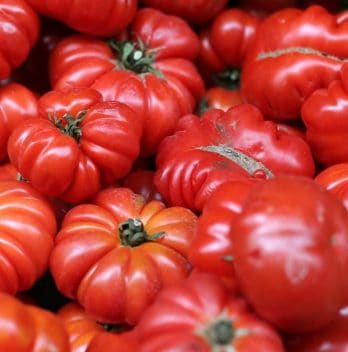
Beefsteak Tomatoes. These are large and plump in size. These work great for when you’re looking for tomato slices to add to your burgers. They’re often mild in flavor, but very juicy.
Heirloom Tomatoes. These tomatoes aren’t typically uniform, coming in a selection of sizes and colors. These tomatoes are usually sweet and rich in flavor. These tomatoes work well in any dish and are known as the “purest” tomatoes.
Vine Tomatoes. As the name suggests, they grow on the vine and are then sold that way. This means that they’ll be as fresh as possible when you pick them off the vine. They’re versatile and can be used in many dishes.
Green Tomatoes. Green tomatoes can either be ripened or unripened; depending on the variety. Green tomatoes are surprisingly common in the US. They have a different taste from usual tomatoes and they can even be quite sour. They’re typically firm, but not as juicy as other varieties.
Grape Tomatoes. These are the smallest cherries. They aren’t particularly juicy, but because of their size, you may not want to use them in cooking and they may be best suited as a snack.
Tomatoes Tomatos Saying
You may have weird the expression, “tomato, tomahto”, or, “potayto, potahto”; both of which are used interchangeably. It simply means that you have differences, but you’ll have to agree to disagree.
As well as this, it was also made famous in a popular song by Ella Fitzgerald and Louis Armstrong, called Let’s Call the Whole Thing Off. The lyrics are, “you like potayto, I like potahto, you like tomayto, and I like tomahto, potayto, potahto, tomayto, tomahto, let’s call the whole thing off”. This is essentially saying that we have our differences, but let’s settle this now and stop.
It is also a cultural difference. British people tend to see “tomahto”, whereas Americans tend to say “tomayto”. Either way is correct!
Do You Say: Some Tomato or Some Tomatoes?
If you have more than one tomato, you should say some tomatoes, rather than some tomato. Some tomato does not make grammatical sense and should not be used when you have more than one tomato.
Tomato Plural Dictionary – What Does the Dictionary Say?
If you take a look at dictionary.com, tomato is described as a noun, and the plural for a tomato is to·ma·toes.
Final Say – Tomatos or Tomatoes
Even though there may be different ways of tomato pronunciations, the right spelling must be followed. So, when it comes to spelling tomato, there is only one way to spell this word. The word tomato is often misspelled and this is common when it comes to their plural spellings. But ‘tomato’ is the correct singular spelling, while ‘tomatoes’ is the correct plural spelling.
Do you know of any other words that end in -o, that are then added with an -es plural? If so, please feel free to let us know in the comments below. And remember, sharing is caring!
FAQs
Which is correct tomatos or tomatoes?
People often misuse or misspell the word ‘tomato particularly when it has to do with the plural spelling. Even though most words that ends with -o usually have s added to their back when it comes to their plural spelling, this isn’t the case for tomato. So,’Tomatoes is the correct spelling for the plural of the word tomato.
How to spell tomatoes or tomatos?
The singular spelling for tomato is ‘tomato’ then the plural is spelled ‘tomatoes.’ So, take note not to get these confused.
Do you say tomatoes or tomatos?
Often times words that ends with -o have -s added to them when we want to spell them in their plural form. For example, videos, radios, tacos, and so on. But for the case of tomato that also ends with -o, the plural form is totally different. The correct plural word is tomatoes.
Why is tomatoes spelled with an E?
Tomatoes is spelled with E because this is the way the plural of tomato is spelled. Instead of adding -s to the back of the ‘tomato’ word, -es is added to form the plural word for tomato.
Ever wondered: are beefsteak tomatoes determinate or indeterminate? Let’s look into this. The bulky meaty beefsteak tomato fruit is one loved tomato variety that can be a great addition to your home garden.
One common classification you may come across on the label of a tomato plant or a tomato seed packet is indeterminate or determinate. What these two terms are majorly talking about is the growing style of the tomato plant.
So, regarding the beefsteak tomato, most people would like to know if this tomato variety is determinate or indeterminate so they can select the appropriate tomato for their garden. Not to worry because we will be enlightening you by looking more into this.
About Beefsteak Tomato Plant
Beefsteak tomatoes are huge, bulky, meaty, and juicy tomato variety and it is botanically named Solanum Lycopersicum.
They are one of the largest types of tomato in terms of weight. They can weigh up to a pound or even more. Their color ranges from vibrant red to pink, and then orange. The majority of beefsteak tomatoes have a smooth shape but we can also have ribbed varieties such as Coustralee and Red Ponderosa.
Beefsteak has this classic tomato flavor and with their different varieties, they can offer a different sweet taste.
This tomato plant tends to grow up to 6 feet tall and their late-maturing plant will yield an abundant harvest around 85 days after planting. The size of the beefsteak tomato variety makes it a perfect choice for summer sandwiches or sliced snacks with a sprinkle of sea salt.
Are Beefsteak Tomatoes Determinate or Indeterminate?
So the question we would like to know is: are beefsteak tomatoes determinate or indeterminate? The answer is beefsteak tomato variety is primarily indeterminate.
But let’s further look into what determinate and indeterminate tomatoes are to understand their characteristics.
Determinate tomato
Determinate tomato growth is mostly fixed. They will grow and mature to a fixed size and their growth will cease once and they will produce their fruits all at once. But they are still highly productive.
Therefore, they have a limited growth pattern. This makes them perfect for container gardening or for planting in areas with limited growing space.
The majority of determinate tomato varieties tend to grow about 4 to 5 feet long. They are also regarded as a bush-type variety because of their small and compact size. Hence, they usually do not require support or staking, or a cage.
Indeterminate tomato: Is beefsteak tomato determinate or indeterminate?
Beefsteak tomatoes are indeterminate. Indeterminate tomatoes on the other hand tend to grow in a vining manner. They will continue to grow and yield fruits throughout their growing season. So their growth won’t cease until frost kills them.
This tomato plant variety can also grow in a bulky shrub manner. Therefore, indeterminate tomatoes usually need staking or caging.
They really don’t have a particular growing length. But we can roughly say they can grow up to 3 feet long in a place that has a short growing season. They can also grow more than 6 feet long in an area with a long growing season.
The majority of beefsteak tomato variety often takes up to 85 days to attain maturity and harvest. This is usually unachievable in most parts of the United States. Therefore, we recommend you begin your seedlings indoors.
Seedlings should be commenced indoors about 6 to 8 weeks before your region’s first frost of spring. They should be ready for transplanting by this time. Around March is usually the best time to plant beefsteak tomatoes indoors.
Seeds should be sown in flats and you should continue to care for them until they attain a height of at least 8 inches. Make sure you harden off the seedlings before you transplant them.
Once it’s time to transplant, select a sunny spot and a properly draining garden bed. Supply beefsteak tomato plants with direct sunlight of at least 8 hours or even more daily. Also, ensure no shadows are cast from any nearby trees or buildings.
Remember before planting, you should work in compost or other organic amendments into the soil. You should also integrate a starter fertilizer just to get your little plants off to a good start.
There should be adequate spacing to encourage good air circulation. Spacing should be around 19 to 36 inches apart. Beefsteak tomato usually requires lots of spacing as well as training and support.
Caring For Beefsteak Tomato
One major part of caring for beefsteak tomatoes as they grow is staking. Staking is important to train your plant the right way or else they will begin to bend towards the ground.
Ensure you minimize weed growth by removing unwanted weeds and mulch between the rows. You will also be conserving moisture by doing this.
Apply fertilizer every 3 weeks.
Water is about 1 to 2 inches deep per week.
You should know that all beefsteak tomato varieties are susceptible to pests and diseases. Therefore, we encourage you to always monitor your plant so you can identify and solve the problems as soon as you notice them.
Prune your plants appropriately once they begin to grow. Ensure you trim off any sucker, leaves, as well as stems just below the first branch that has fruits or clusters. This will keep leaves off the ground and doing this can reduce the chances of disease and pests. This should be done weekly all through their growing season and make sure the plant doesn’t grow more than one or two main stems. Doing this will make the plant grow easier with a trellis and will encourage better branching.
Why Are My Beefsteak Tomatoes Small?
Unfortunately, beefsteak tomatoes growing on the small side is one of the most common problems that occur when growing them. This can happen for a range of reasons, including lack of water, pests, disease – and so much more! These reasons can then cause stunted growth. Let’s take a closer look.
Wrong variety. It may be that you’ve done nothing wrong at all and that you have simply purchased the wrong seeds. If this is the case, they’ll definitely be on the smaller side if they’re not beefsteak tomatoes!
Lack of water. Tomatoes are very thirsty plants and they need plenty of water to keep them moist and juicy. So much so, that the top 4-6 inches of water need to be kept moist at all times. It’s also best to water in the morning.
Root problems. When transplanting your tomatoes to a garden, root problems can occur if you do not do this gently enough. The roots of beefsteak tomatoes are very prone to breaking, so as long as you’re careful, this shouldn’t happen.
Not enough sunlight. Tomatoes need lots of direct sunlight, to thrive. If you plant them in shade, or somewhere that doesn’t receive much light, this is sure to stunt the growth and end with smaller tomatoes.
Too much fertilizer. While small amounts of fertilizer will help your tomatoes to thrive, too much can have the complete opposite effect. Not only can it stunt growth, but it can also change the flavor too! Using a low-nitrogen fertilizer is ideal.
Suckers. Too many suckers can cause the growth of your tomatoes to slow down rapidly. This is why it’s best to remove as many as you can from your tomato plant to encourage plump tomatoes.
Heat. The temperature of your environment is very important when it comes to beefsteak tomatoes. The hotter it is, the less likely they are to survive. If it is particularly hot, just ensure your tomatoes are kept watered and offer them adequate shade.
Beefsteak Tomato Sprouts – How Long Does It Take?
You may be wondering how long it will take for your beefsteak tomatoes to sprout from a seedling. If cared for correctly, you’ll notice signs of sprouting from around 5-10 days after planting.
Beefsteak Tomato Plant Flowering – How Long Does It Take?
You may be wondering how long it will take for your beefsteak tomatoes to flower. The truth is, it all comes down to the variety that you’re growing. However, it can be anywhere from 20-60 days. The general rule of thumb is that the larger the variety, the longer they’ll take to flower.
Beefsteak Tomato Varieties
There are over 50 different varieties of beefsteak tomatoes. Ranging from orange in color, to pink, to deep red. However, some are tastier than others. Let’s take a look at my top 6.
Orange Wellington Hybrid. This type of beefsteak tomato is medium in size and doesn’t have many seeds at all. They’re bright in color but have a sweet flavor profile. What I love about this type is that they can last all season, in all types of weather; when cared for correctly.
Delicious. Bursting with flavor, but it has quite a traditional taste. It’s not too sweet and it’s not too acidic. Perfect for slicing and it should go without saying – absolutely delicious!
Cherokee Purple. The perfect combination of sweet, yet smoky. As the name suggests, this tomato is extremely dark in color. They are large and extremely tasty.
Big Pink Hybrid. This type of tomato is medium in size and as the name suggests, is a blush pink color. It’s slightly sweet in flavor.
Darkstar Hybrid. These can come in a range of colors but are on the smaller side of beefsteak tomatoes. It’s a rich tomato flavor but doesn’t have much acidity.
Brandywine Pink. If you’re a fan of sweet tomatoes, this is the variety for you. This is known as one of the sweetest, if not the sweetest, beefsteak tomatoes.
Conclusion: Are Beefsteak Tomatoes Determinate or Indeterminate?
So, we have concluded that the beefsteak tomato is an indeterminate plant variety and not a determinate variety. Indeterminate tomato variety tends to grow in a vining manner and they will keep growing and yielding fruits all through their growing season.
Do you have any other useful facts about beefsteak tomatoes? If so, please feel free to let us know in the comments below. And remember, sharing is caring!
FAQs
How do I know if I have determinate or indeterminate tomatoes?
Tomatoes are an easy-to-grow plant that can be grown indoors or out. Some varieties are determinate, which means they grow to a certain size, while others are indeterminate, which means they continue growing until the plants are harvested.
A determinate tomato is a small, round tomato. Indeterminate tomatoes are larger, and they keep growing for many years. Indeterminate tomatoes tend to be more popular in warm climates. They are also more prone to fungal diseases than determinate tomatoes. Determinate tomatoes need to be transplanted at least twice a year. Determinate tomatoes are generally considered to have fewer diseases than indeterminate tomatoes.
Determinate tomatoes are usually less expensive than indeterminate tomatoes.
Can you tell which kind a tomato is by looking at it?
You can’t tell by looking at a tomato plant if it is determinate or indeterminate. It is determined by the number of nodes on the stem. Indeterminate means that the plant will keep growing, producing more leaves, until it reaches a certain size. Determinate means that the plant will stop growing once it reaches a certain size. The main difference between the two types of tomatoes is the time to maturity. Indeterminate tomatoes will take longer to mature than determinate ones, so they are more productive over the long run. Beefsteaks are determinate, so they don’t keep growing. Indeterminate tomatoes will produce for several weeks and then stop producing. Determinate tomatoes will only produce for a few days.
Are beefsteak tomatoes determinate or indeterminate?
The answer is that they are indeterminate, and there are many reasons for this. First of all, the tomato plant does not have a single determinate fruit in the usual sense of the word. Instead, it produces a variable number of fruit, which can be anywhere from 1 to about 20 or 30 depending on the variety.
Are beefsteak tomatoes easy to grow?
Beefsteak tomatoes are easy to grow and can be harvested at the end of summer. They are a good choice for beginners because they are hardy, long-lasting and have a compact growing season. In addition, they are easy to grow and maintain, and they are available at most grocery stores.
Beefsteak tomatoes are the largest tomato that can be grown in the home garden, and they have a compact growing season. Their fruits are usually harvested when they are ripe and red, and they do not require much care to produce large amounts of fruit. They are a good choice for beginning gardeners because they are relatively easy to grow, and they are available at most grocery stores.
In general, you can plant beefsteak tomatoes in late spring or early fall. You can also plant them in the fall if your soil is still cool enough. If your soil is too warm, you may get more heat stress.
Cilantro is a popular ingredient in many savory dishes. In addition, it is also great to grow if you have your own garden, as it is best picked fresh. However, if you cook with it you will want to know how to tell if cilantro is bad.
Whether in tacos, salsa, or salad, cilantro brings a wonderful flavor addition. It is a versatile herb that pairs nicely in many different dishes. However, it is perishable, so it is important that you properly store your cilantro to keep it fresh for as long as possible.
What is Cilantro?
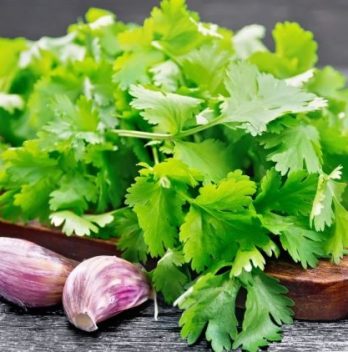
Cilantro, also known as coriander, Chinese parsley, or dhania, is an annual herb that is part of the family Apiaceae. Though all parts of the plant are edible, the leaves and seeds, which are dried up to make spice, are the most commonly used parts.
To many, cilantro has a tart, lemon/lime type of taste. However, for about 25% of people, it will taste like dish soap. This is because some people have a variation in a group of olfactory-receptor genes, which leads them to experience the soapy-flavored aldehydes in cilantro leaves.
Cilantro is commonly used for chutneys, salads, salsa, and guacamole. In addition, it is a popular garnish for soup, fish, and meat.
The seeds are also used as both whole dried and ground. By heating the seeds, the aroma, and flavor heighten. As a spice, it is used in garam masala and Indian curries, German sausages, beer, and pickling as well.
Cilantro also has many health benefits as well. It can help with your digestive health and is even beneficial for your skin. This unique herb can also help with pain, inflammation, and anti-fungal properties.
How Long Does Cilantro Last?
Fresh, raw cilantro will last for about seven to 10 days in the fridge. Since it is highly perishable, it will only last for a few hours at room temperature after you pick it up. You will want to know how to tell if cilantro is bad to know how long it lasts.
If it is too warm for too long, it will begin to wilt and dry up, making it undesirable to eat.
How to Properly Store it
Since cilantro is sensitive, you want to properly store it to ensure that it will stay fresh for as long as possible. Once you bring your cilantro home from the store, remove the rubber band that holds them together.
The best way to store your cilantro is to fill a glass with an inch of water. Then, place your cilantro in the glass of water and lightly cover it with a plastic bag to maintain freshness.
The best place to store it is in the crisper drawer or on the middle shelf of your fridge. You want to keep it in one of the coolest areas of your fridge to maintain freshness. You can also store it in a produce bag as well in your fridge.
Though washing your cilantro before using it is important, you want to wait to wash it until you are ready to use it. Excess moisture can cause it to go bad quickly and will lead it to become inedible.
How to Tell if the Cilantro in Your Fridge Has Gone Bad
If you cook regularly, it is important to know how to tell if cilantro is bad. If your cilantro is soft and becomes discolored, it is no longer good.
In addition, if you notice an off-smell or taste, it is best to just disregard it. If you notice any mold or it feels slimy, throw it out right away, bad cilantro is not safe to eat.
Can you freeze it?
You can freeze cilantro, which is a great way to prevent throwing out any extra before it goes bad. To freeze, start by washing it, then trim and chop it. After that, make sure to thoroughly dry it to remove any moisture.
Once dry, you can place the leaves in a Ziploc bag, removing as much air as possible. Then, place the bag in your freezer and use it as needed. Your cilantro will last for around three to four months in the fridge.
In addition, you can also freeze your cilantro in cubes as well. To do this, add the cilantro to your blender with water and olive oil to create a thick paste. Then, place the paste in ice cube trays and freeze them.
Once they are frozen, add your cubes to a plastic bag and return them to the freezer for up to six months. Then, you can use them for curries, soups, and other dishes as well.
How to Grow Cilantro
The best time to plant cilantro is in cool weather, such as early spring. It does best in loose soil, with good drainage where it has full sun. You can grow it in your garden or a planter, just be sure not to plant it too close to taller plants that will take away its sunlight.
Plant the seeds one to two inches apart and about 1/4 to 1/2 an inch deep for best results. Keep the soil moist, but not soggy; about one inch of water a week. Cilantro will do best in temperatures between 60-70 degrees.
Knowing How Long is Cilantro Good For
Once you pick it, cilantro will not last long at room temperature. Fresh, raw cilantro will only last for a few hours at room temperature. In the fridge, you can keep it for up to seven to 10 days, or in the freezer for up to four to six months.
The best way to keep your cilantro is in a jar with about an inch of water. Then cover the top loosely with a plastic bag to help keep them crisp and excess moisture out. You can also keep it in a produce bag in the crisper drawer of your fridge.
To freeze it, keep it in a Ziploc bag or blend it with olive oil or water to make a paste. Both of these options will keep well in the freezer and are easy to use.
Signs to Look Out for When Cilantro Has Gone Bad
You may be wondering what the key signs to look out for are when you’re trying to see if your fresh cilantro is still safe to eat. There are a few ways you can test this. Let’s take a closer look.
Appearance. One of the easiest ways is to look at your cilantro simply. Your cilantro should be green in color when it’s at its freshest. However, if you notice that your cilantro has a yellow tinge or even a slightly brown tinge, it means it’s on its way to going bad or is already bad. As well as this, if you notice any black spots, or spots of mold, they should be discarded immediately. Your cilantro may also become floppy, and limp when it’s starting to go bad.
Smell. Another good way of checking is to simply smell your cilantro. It should smell leafy and earthy; but mild. However, if it has a sour smell, it’s likely it’s already gone bad and you should discard it.
Taste. If it’s passed the first two tests and you’re still unsure, try a small amount of cilantro. If it doesn’t have much flavor, then discard it, just to be safe. Cilantro loses flavor over time, so the more flavorful it is, the fresher it is.
What Do Black Spots on Cilantro Mean?
If you notice black spots on your cilantro, then you should discard it right away. This usually means that your cilantro has a bacterial leaf infection. You could become quite ill if you decide to eat cilantro with black or brown spots.
What Happens if You Eat Bad Cilantro?
If you eat bad cilantro, you’ll likely be ill; depending on how much you eat. You may experience gastrointestinal symptoms such as sickness and abdominal pain. The following bacteria can be found on herbs like cilantro: E. coli, listeria, and salmonella. All of these can be very dangerous, so it’s best to avoid bad cilantro, when possible.
What to Do With Cilantro Before It Goes Bad?
If you notice that your cilantro has past its peak freshness, you may be wondering what to do with it. With any leftover cilantro, why not try using it in one of the following:
as seasoning or flavoring
in breakfasts, such as eggs
salsa topping
taco topping
salad dressing
in smoothies
on top of rice
Does Dried Cilantro Go Bad?
Dried cilantro lasts significantly longer than fresh cilantro. However, it does still deteriorate. Depending on your storage method, it can last anywhere from 1-3 years.
How to Dry Cilantro
You may be wondering how to dry your cilantro. I’ve found that the easiest way to do this is in the oven. To do this at home, all you’ll need to do is:
Preheat oven to 300F and wash and completely dry your cilantro, in preparation.
Grab a baking sheet and spray lightly with nonstick cooking spray. Add the leaves to your prepared baking sheet, and spread them apart.
Place in the center of your preheated oven and dehydrate for around 20-30 minutes. The leaves should be completely crisp and dry.
Leave to cool and then crush your leaves and add them to an airtight jar. Keep in a cool, dry place and use within a year.
Conclusion
I hope this post has helped to answer the question: of how to tell if cilantro has gone bad, and given you the warning signs to look out for. Do you have any tips or tricks for knowing if cilantro is bad? If so, let us know. And remember, sharing is caring!
Do you have any questions regarding how to tell if cilantro is bad? If so, please ask any questions about how to store this herb in the comment section below.
FAQs
How can you tell if cilantro has gone bad?
The best way to figure it out is by taste.
If it tastes good, then it’s good. If it tastes bad, then it’s bad. A few weeks ago, I got a call from a friend who wanted some good quality cilantro for her salad. She wanted to make sure she had some good cilantro, because she knew that some of the cilantro she was getting was a little on the stale side. So she called me and asked me what she should do. I told her that the best thing to do is to eat it. So she did. And her salad was delicious. So in this case, she found out that it wasn’t the cilantro that was bad, it was the salad. And that’s the way you find out if your herbs are bad or not.
What do I do if my cilantro tuns black when I chop it?
I’ve seen this before. It’s usually caused by too much heat or a too long drying time.
In either case, it’s better to just throw out the bunch and buy a new one.
It’s called oxidation, and can happen when you cut the cilantro in the sun or on a hot surface. You can minimize the amount of this happening if you put the bunch in the fridge for a few hours after you’ve cut it.
Should I buy organic cilantro?
Yes, cilantro is an herb that you want to buy organically. It is known to have antibiotic resistance so it is best to buy organic.
How does bad cilantro smell?
When it’s not a pleasant one. The smell is so strong and pungent, that you can almost imagine it being used as an insect repellent. And it’s not just the smell that makes bad cilantro bad; it’s also the taste.
Can I eat cilantro with brown spots?
The answer to your question is: it depends.
The brown spots are actually dead leaves that have fallen onto the cilantro plant.
Can I eat limp cilantro?
Yes, but it’s not the same as fresh. Use fresh, and it’ll taste better.
It’s considered “very low risk” for food poisoning because it has a high water content.
How long does cilantro last in the fridge?
The general rule is that it will keep for a week or two if you remove the stems and leave the leaves. You can freeze it and it should be ok for about 6 months. If you store it in the refrigerator, it will go bad faster than if you store it in the freezer.
Why do I have green spaghetti squash inside, is it supposed to be this color when ripe, and is it safe to eat?
Spaghetti squash is one of the most popularly grown vegetables that most people love to eat. It’s like pasta but it’s not pasta.
Sometimes people notice that the spaghetti squash is green inside instead of its usual yellow or golden color. “Why do I have green spaghetti squash”, this question is typed all over the internet meaning so many people want to find out the answer.
To demystify this question, let us look at all the information about spaghetti squash.
Why Do I Have Green Spaghetti Squash Inside?
When you are at the store buying a spaghetti squash, look for those that have a nice lemon yellow color. If you notice a squash is green inside, it means it isn’t ripe and will have to stay longer before you can use it.
If a spaghetti squash is green and soft, it is more likely to rot than ripen when off the vine. If it has hints of yellow and the squash appears to be full-sized and sounds solid when tapped, it could be mature and ready for eating.
If you are growing spaghetti squash in your garden, look for those that have smooth skin and feel heavier than others. Those are signs of a perfectly ripe spaghetti squash ready to be harvested off the vine.
However, if the fruit is too mature it may already be rotting inside, so it’s hard to tell what stage it is at by just looking at it. Go ahead and try to cut into the fruit by gently prying open the rind just enough to see inside then softly pressing back together. If you notice any green spots or dark discoloration on the seeds, that is an indication that it has begun to rot.
How Do You Know if Spaghetti Squash is Bad Inside?
There are several signs to tell if your spaghetti squash is bad inside. They include:
Check to See if it is Green Inside. The first rule of thumb is to not eat or cook spaghetti squash if it is green or almost completely green. The easiest way to know if it’s ready for eating is by looking at its color. A fully ripe one should have a bright yellowish-orange tone.
Check the Rind for Any Discoloration. Any discoloration on the rind means the spaghetti could be rotten on the inside. If the rind appears to be saggy or has a dark spot, do not cook it.
Check for Any Soft Spots on the Exterior of the Fruit. Any small soft spot can turn into a large dark patch very quickly so if you notice anything with discoloration toss them immediately.
Are the Seeds Brown? When you are cooking spaghetti squash at home, do not eat those that have already begun to turn brown on the seeds as this may indicate the presence of harmful molds that can cause foodborne illnesses.
Our Pick
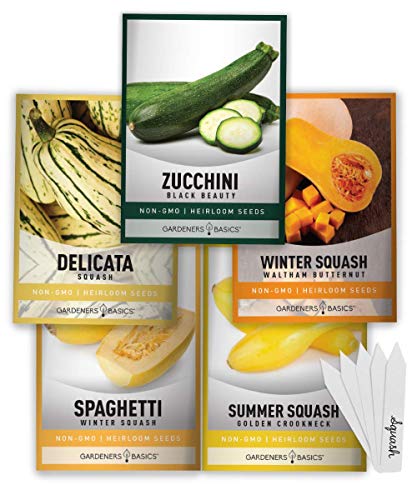
Squash Seeds for Planting 5 Individual Packets – Zucchini, Delicata, Butternut, Spaghetti and Golden Crookneck
$9.95
Gardeners Basics Squash Seeds for Your Non-GMO Heirloom Vegetable Garden
Store it in a cool dry place, away from any direct sunlight for about ten to twelve weeks. Simply put, store spaghetti squash as if you store bananas because they both ripen faster when kept at room temperature instead of cold storage area.
Keep it on top of your counter. Ripen spaghetti squash at home by keeping it on top of your counter or kitchen table to allow the fruit to breathe well and avoid overly moist conditions.
You can also ripen this winter gourd off the vine but make sure to leave 1/2 inch space between each other so there is enough air circulation around them.
To know if your spaghetti squash is ripe, check the bottom for any indentations. Mature spaghetti squash will have roots on the bottom while immature ones do not.
How long does spaghetti squash stay outside after picking? Spaghetti squash has a short storage life and should be kept indoors at room temperature for no longer than ten days, so it’s best to use them as soon as possible after harvesting or purchasing from the grocery store!
Leaving winter squashes out can cause faster deterioration due to moisture loss and rotting because of a quicker oxidation process happening inside the fruit.
What Color Spaghetti Squash Should I Pick?
The skin of your spaghetti squash should be a yellowish-golden hue. It will start as creamy and then transition to bright. If the squash has an even yellow color, it’s ready for harvest. If you notice green-yellow spots, leave it to grow a little more. But be careful. Once your spaghetti squash reaches an orange hue, you will only be able to preserve it for a short time.
You can use other methods besides color to determine if your spaghetti squash is ready for harvesting. Just relying on the color can leave you unsure. Here are two other ways to determine ripeness:
Check the Skin: Ripe spaghetti squash will have almost flawless skin. There won’t be any bruising or indentations. If these are present, your squash is damaged or overripe.
The Fingernail Method: You can try pushing your fingernail into the squash skin. Mature fruit will be tough and challenging to penetrate. If you can puncture the squash skin, it needs more time to grow.
Spaghetti squash starts as a small fruit with white or green skin. It takes up to 110 days for it to mature. You can use this timeline as another indicator for ripeness if you’re unsure about the color of your squash.
Can You Plant Spaghetti Squash in August?
Spaghetti squash can be grown for a summer or fall harvest. If you’d like a fall harvest, you can plant your spaghetti squash in August.
You should choose a spot that gets full sun for at least 8 hours daily. Starting your seedlings indoors can help you yield healthier plants. They’ll be ready to transplant outdoors in August if you start them in June or July. Dig a hole that’s a little bit larger than the plant root. Carefully place the plant inside and fill it with organic soil.
If you want to sow your seeds directly outside, ensure they’re 1 inch deep. You should leave approximately 12 inches between each seed, so your plants have enough space to grow. Spaghetti squash needs watering directly after you’ve planted them.
You’ll start seeing fruit form about 8 weeks after you’ve sowed your seeds. The squash will be ready to harvest in another 7 or 8 weeks, ensuring that you have fall squash.
When to Harvest Spaghetti Squash?
The best time is just before the first winter frost has made its way. This is usually around early fall time. One of the easiest ways to tell when your spaghetti squash is ready to harvest is to make a note of when your spaghetti squash has bloomed. Then anywhere from 40-50 days after that, your spaghetti squash is likely to be ripe and ready to harvest.
When is Spaghetti Squash Ripe?
As soon as the spaghetti squash turns yellow, either golden or dark yellow; this usually means it’s ripe and ready to pick! This can happen anytime from around 40-50 days after your spaghetti squash has bloomed. Your ripe spaghetti squash should be firm, not soft, or brown.
How to Tell if Spaghetti Squash is Ripe
If you’re wondering what the best way is to tell whether your spaghetti squash is ripe, there are actually a few easy methods to ensure you pick your spaghetti squash at just the right time. Let’s take a closer look.
Color. If you have green spaghetti squash, it is simply not ready to be picked and it should be left longer. And if you have light orange spaghetti squash, you’ve likely waited too long and it’s now over-ripe. The ideal color for ripened spaghetti squash is golden yellow.
Clear Skin. If your spaghetti squash shows any markings, bruising, or indentations, it’s likely too late to save your spaghetti squash. It should have clear skin.
Use Your Finger. Gently press your finger onto the spaghetti squash skin. When you press down, it should be firm and not go straight through. However, if it does, then you should discard the spaghetti squash, as it’s now too ripe.
Use Your Fingernail. You can also try this with your fingernail. Gently press your fingernail into the spaghetti squash skin. If your fingernail doesn’t go through, it’s a sure sign your spaghetti squash is firm enough to harvest, and enjoy.
Spaghetti Squash When to Pick: The Ideal Time
You may wonder when the ideal harvesting time is for your spaghetti squash. The best time to harvest is either in late summer or early fall, before the first winter frost hits. You’ll know when they’re ready because the squash will have turned a golden yellow or a dark yellowish color.
Nutrition of Spaghetti Squash
Many people choose spaghetti squash over carbohydrates such as pasta. So, you may be curious as to what the nutrition is when it comes to spaghetti squash. Each cup of spaghetti squash contains the following:
calories: 31
fat: 0.6g
saturated fat: 0.1g
carbohydrates: 7g
dietary fiber: 1.5g
sugar: 2.8g
protein: 0.6g
cholesterol: 0g
sodium: 17.2mg
potassium: 109mg
As you can probably tell from the nutrition, spaghetti squash is much healthier than traditional pasta, so it’s a great substitute if you’re on a low-carb diet, or simply trying to be healthier.
Conclusion: Green Spaghetti Squash
Spaghetti squash, also known as vegetable noodles, has a delicious taste and texture. The flesh of the spaghetti squash has a very mild flavor which makes it a good choice for pairing with almost any sauce or side dish.
Slice your spaghetti squash thin and use it in place of regular pasta; just be sure to cook it first before you serve. If you’re not planning on using your spaghetti squash right away after cooking you can freeze the remaining half and then thaw it out for later use.
To freeze cooked spaghetti squash, just cool the leftovers of your spaghetti squash to room temperature then transfer them to an airtight container and place the container in the freezer.
Why do I have green spaghetti squash? Hopefully, after reading this post you are wiser and can enjoy your spaghetti squash before it goes bad. How about you try new recipes as accompaniments for your spaghetti squash to consume it more often without getting bored?
Do you have any tips or tricks when it comes to green spaghetti squash? If so, please feel free to let us know in the comments below. And remember, sharing is caring!
FAQs
Is it safe to eat green spaghetti squash?
Yes, but do not eat them if they are too mature. Spaghetti squash turns green on the inside when it becomes overripe.
Why is spaghetti squash turning yellow before its time to be harvested?
Spaghetti squash starts turning yellowish orange or dark greenish color once reaching optimal maturation stage of harvest.
How do you know if spaghetti squash is bad inside?
There are several signs to tell if your spaghetti squash is bad inside, they include rind discoloration, green flesh, or soft spots on the exterior of the fruit.
It is critical to offer the ideal carrots pH level to help build a good carrot soil profile that will necessitate an excellent harvest.
Carrots are among the most universally grown vegetables loved by many gardeners. Because of their radiant colors, diverse shapes, and sizes, the nutritional value demand for carrots is always high.
Mastering the right carrot culture is well worth the effort as a grower. You will grow more carrots for your consumption and the market at large.
Best Soil pH For Carrots
Among other root crops, carrots are best planted directly into the garden in a prepared seedbed. To prepare the seedbed, ensure that your soil is soft enough to work by tilling and adding organic compost amendments.
They thrive in soil that is moderate, neither too acidic, nor too alkaline, with a pH level of between 5.8 and 6.5. This atmosphere provides the best soil for growing carrots.
Carrots require adequately moist soil that eliminates the growth of tiny hairy roots that destroy the texture of the overall carrot.
The best soil for carrots should have temperatures ranging between 60 and 65 degrees Fahrenheit. It should be loose, free of debris, and either sandy or loamy.
How to Fix Your Soil pH: Carrots pH Level
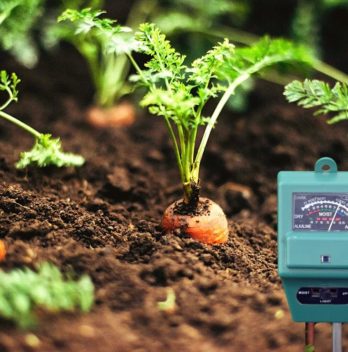
To build a good profile for your soil, it is essential to carry out a soil test to test the carrot’s pH level. Carrots do not do well when the soil is acidic; if you need to amend your soil in any way do so the year before growing carrots.
Use garden lime to change the carrot pH level to a more alkaline level. Use a garden fork or a tiller to loosen the soil to a depth of at least 8 inches. Remove any rock debris and break up any large pieces of the soil, ensuring it is soft and uniform.
While working your soil, add at least 2 to 4 inches of compost manure to help loosen the soil and add the proper nutrients. Add 2 to 4 cups of all-purpose fertilizer per 100 feet and work all that down into the bottom of the bed. Rake out the bed smoothly after removing all the large chunks of soil.
Why is Carrots’ pH Level Important?
The pH level affects how carrot plants receive nutrients from the soil. The pH level also impacts how much nutrients are made available in the soil by the bacteria that break down organic matter.
The ideal pH level suitable for carrots is between 6 to 6.8. However, carrots can do well in pH levels ranging between 5.5 to 7.0 allowing faster nutrient uptake and healthy growth.
A pH level below 5.5 is too acidic, and anything over 7.0 is too alkaline for carrots to grow. We encourage you to test the pH of your soil with a pH meter before adjusting or sowing your carrot seeds.
If your soil is too acidic below 5.5, you can add wood ashes or dolomitic lime. If your soil is too alkaline above 7.0, organic matter such as compost peat moss or elemental sulfur can be added.
After adjusting your soil‘s pH level, it’s time to plant your carrot seeds.
Space your seeds at least 2 to 4 inches apart, planting them under a quarter to half an inch deep. Carrot seeds are very tiny, and this kind of spacing can be achieved by using a seed injector or thinning them after germinating.
Keep the soil surface moist after sowing your seeds so that it does not dry and crack. Carrot seeds have difficulty germinating if the soil is dry and crusty.
Side dress the rows using ammonium nitrate fertilizer at the rate of 1 pound per 100 ft of row once your plants are 4 inches tall. Your soft, loose soil for carrots is also favorable to weeds so that they will grow as fast as your carrot seedlings. Pull out as many weeds as you can but avoid deep cultivation near your carrot plants as you can easily damage the roots.
Harvest your carrots for at least 65 to 75 days from the day of planting or when they reach your desired size.
Soil Management Tasks to Ensure You Get the Best Carrots
Preparing the seedbed
Depending on the variety of carrots you’re growing, dig down at least 7 to 8 inches deep into the soil. For straight uniform roots, a deeper seedbed is required. Carrots thrive in loose soil and tilt to a depth of about 10 to 12 inches. Remember to remove any rocks or debris from the soil.
Fertilizer soil with phosphorus
Like most root crops, carrots require a good amount of phosphorus to perform their best. Because they have a single thick taproot rather than many fibrous roots, the area they absorb phosphorus is relatively small. Unlike other nutrients, phosphorus is not absorbed by a plant through water absorption.
Instead, it is fascinated by a process called diffusion, naturally moving from a high concentration area in the soil to a lower concentration inside the root. The soil area from which phosphorus is absorbed is a very small area around the root itself. If your soil test indicates a need for adding more phosphorus, you can go ahead and add organic phosphorus fertilizer, like rock phosphate or bone meal to the planting area a few weeks before sowing the seeds.
Balance the soil pH
Use a soil tester to determine the pH of your garden soil before sowing your seeds. Just like many other vegetables, the carrot soil pH should be between 6 and 6.8. Keep in mind that a pH test should be performed every 2 to 3 years. The effects of sulfur or lime eventually dwindle and the soil returns to its native range.
Water your carrots properly
Keep your soil well-watered throughout the growing season but don’t overdo it. Once your carrots are up and going, they will require an ample amount of water to reach their full potential. Carrots are not drought-tolerant plants, and if not provided with enough water, they will gnarl, fork, or turn pithy.
However, if the soil gets too wet in the later stages of carrot development, it will split open and show signs of rot. Irrigate at ground level to avoid causing fungal diseases like crown rot, powdery mildew, and leaf blight when watering.
Keep the carrots covered with soil
As the carrots grow, the top part next to the leaves may get exposed. If this happens, mound the soil or mulch the exposed places. Exposure to sunlight can cause the exposed parts to turn green and bitter.
What is the Ideal pH of Carrots?
You may be wondering what the ideal pH of carrots should be. For the best results when it comes to growing carrots, the soil pH should be around 6-7. This means that the soil should only be slightly acidic, or almost neutral. You should also ensure the soil is well drained; loamy soil is best for growing carrots. You may notice your carrot plants sprouting weeds, but it’s important to not use a weed killer. This is because it may cause damage to the carrot plants themselves.
Are Carrots Acidic or Alkaline?
So we know the soil needs to be slightly acidic, but what does this mean for the carrots themselves? Are they acidic or alkaline? The truth is carrot pH levels usually sit between 5.9-6.5. This means that they’re typically slightly acidic. However, it’s very close to being neutral! Anything under 7.0 on the pH scale is considered acidic, so it only just cuts!
However, carrot pH levels can differ depending on the type of carrots you’re eating. For example, chopped carrots range from 5.3-5.5 on the pH scale, whereas cooked carrots range from 5.6-6 on the pH scale. And canned carrots can range from 5.18-5.22 on the pH scale, whereas pureed carrots range from 4.5-5.2 on the pH scale. One thing is for sure, whichever form they come in, carrots are acidic.
Best Potting Soil For Carrots
You may be curious as to what the best potting soil is when it comes to carrots. The main factors are that it should be well-drained and loose. As well as this, it should be packed full of micronutrients. A loamy soil often works best. And the pH level should be between 6-6.5.
Best Compost For Carrots
You also may be curious as to what the best compost is when it comes to carrots. As we know, carrots like an environment of 6-6.5 on the pH scale. Using compost that’s full of organic matter and is rich in micronutrients is ideal for your carrots to thrive.
How to Make a pH Indicator With Carrot
There are two ways to make a pH indicator with carrots, and this will also work with other fruits and vegetables too, such as eggplant, blueberry, cherry, oranges, etc. To see the color change, your carrots simply need to be made more alkaline or more acidic.
For the first method, just place your carrot into a blender, then push through a strainer until you have liquid remaining. Pour the liquid into a container and add a small amount of water, if desired (this shouldn’t change the color). Now simply add your acid or alkaline! If you want your carrot neutralized in color, just add a sprinkle of baking soda.
Another method is simply boiling some water and then pouring it into a bowl. Add grated pieces of carrot to your bowl and leave for around five minutes, stirring often throughout. Leave to cool and your pH indicator from a carrot is ready!
Conclusion: Carrots’ pH Level
Knowing the right carrots’ pH level is the first step in growing a healthy crop. Gardening is a beautiful experience; especially the joy of putting one seed in the ground and harvesting a large crop of healthy vegetables. Enjoy your gardening journey!
Do you have any tips or tricks when it comes to growing and harvesting carrots? If so, please feel free to let me know in the comments below. And remember, sharing is caring!
FAQs
Do carrots like acidic or alkaline?
I have read that carrots prefer an acidic soil, and that this is why they are so good at removing iron from your body. I have a carrot patch in my garden, and I don’t fertilize it with anything. The soil is clayey, but also has a lot of sand mixed in.
The pH of the soil has some effect on how many carrots a plant will produce. Carrots prefer a pH that’s somewhere between 6 and 7.
However, it is also true that carrots are very sensitive to changes in soil pH.
What is the best soil mix for carrots?
Perhaps the best is organic compost. This is a mixture of organic material (composted manure, grass clippings, etc.) mixed with an equal amount of peat moss. This is usually mixed into the top 6 to 8 inches of the soil, and it should be added at least once every three years. Potting soil — This is usually a mix of sand and peat moss. It is used for growing vegetables in small containers, such as pots or trays.
I have read that the soil mix should be well-drained and loose.
This is what I use:
1/2 to 1 cup of composted manure 1 cup of vermiculite 1 cup of peat moss 4 cups of sand This is a pretty good mix, but if you don’t have access to these materials, try making your own. I start my seeds indoors in a seed starting mix (usually a peat moss potting mix). I start them in a dark place and make sure they get at least 12 hours of light a day. After 3 weeks, I transplant them to my garden and let them grow for about 2 months before harvesting.
How do you determine your soil’s pH?
You can easily test your carrot’s soil with a simple pH test kit. These kits are inexpensive and easy to use. You should test at least three different spots in your carrot bed and average them out. If you do not have the proper pH test kit, you can purchase one online or at your local garden store. Using the pH test kit, you will take a small amount of soil and water it into a cup. Using the provided water, mix the soil thoroughly until it forms a paste.
Now add an equal amount of water to the cup. This will let you know.
Where is the best place to plant carrots?
The best place to plant carrots is in a spot with a deep, fertile, and well-drained soil. This includes areas that have a lot of compost, manure, or mulch. If you do not have these materials, it is better to add them to the soil before planting. For example, if you have a lot of manure, mix it in with your soil. This will help the soil to retain moisture and nutrients. You can also mix in some compost, which will also improve the soil. Carrots also like to be planted in a spot with a lot of sun. Sunlight will help the roots to grow long and strong. Carrots also prefer a location with plenty of water, but they can also survive without water for a while.
One thing about nitrogen is that it plays a key role in biological development. Nitrogen-rich foods are what we will be looking into.
You should know that nitrogen can come in different forms and this can be confusing. Let’s take nitrates and nitrites as an example. They are used to preserve consumable foods, keeping them from getting spoilt by harmful bacteria.
Nitrates and nitrites are also added to processed meat, little wonder they say this type of meat is one of the causes of cancer. Another one is about nitrogen being an important building block for amino acids. Hence, it’s common to find nitrogen present in foods high in protein.
But all nitrates are not bad. There are good ones that provide some benefits with no negative side effects. So let’s find out more.
What Foods Are Rich in Nitrogen: Nitrogen-Rich Foods
Nitrogen is responsible for the production of antibodies in the body system of humans. The regular consumption of foods rich in nitrogen is very important. Furthermore, nitrogen-rich foods are a great recommendation for people that want to keep fit.
This is because when this food gets into the system, rather than for it to be transformed into fat, it is being transformed into carbs. But when we talk about the amount of protein in food, it is referring to the amount of nitrogen in total that is present in that particular food or food group.
If you’re thinking of reducing your appetite, consider having foods that contain protein in every one of your meals.
Also, have it in mind that if you’re trying to keep fit by staying on a protein foods diet and exercising, you will be enjoying benefits like the build-up of new and old muscle material in your body.
The reason for the different ways the different types of nitrates and nitrites react, either in a beneficial or harmful way, is because of the compounds they produce.
Toxic compounds can be formed as a result of the acidity of the stomach and cooking with high heat. Processed meat is a very good example that poses a great threat to the body due to how the compounds in it react. It contains the type of compounds that are found in nitrogen-rich foods that turn out to be harmful.
But in this article, the focus will be on healthy nitrogen foods. Also bear in mind that the best healthy nitrogen sources are plant-based protein foods. This is because the protein in them is low. Hence, they won’t get to react much.
Animal-based protein foods are beneficial too. However, most nitrogen is received from plants.
Nitrogen-Rich Foods: Foods High in Nitrogen
1. Soybeans as Well as Soy Products
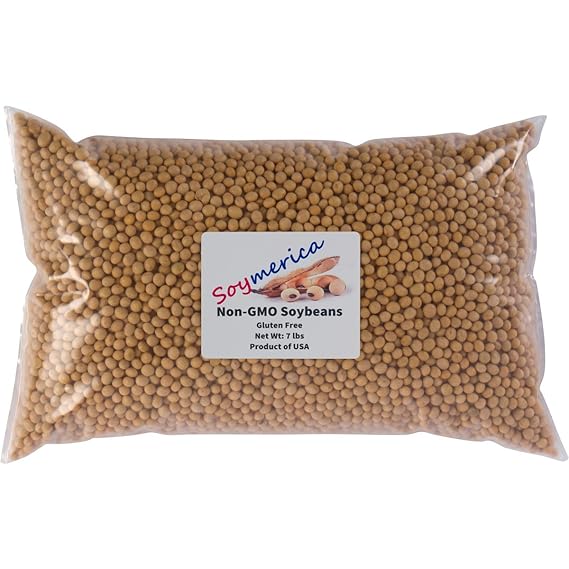
Soybean is rich in protein and it is the reason why they are the best choice for a plant-based source of protein. Any product that is made with soybeans, as well as beans, will contain a high level of nitrogen. Soybeans have a high rate of nutrients in them.
This is why it is advisable to always have them incorporated into your diet. However, they pose to have a series of controversial theories about several types of food. These issues, amongst others, are that they contain antinutrient factors and compounds that act like estrogen.
It has also been said that soybeans are genetically modified. This is why a lot of people don’t take soy products.
However, you can’t be too sure about these theories being 100 percent true because there is yet to be any substantial scientific evidence backing them.
But if you’re worried that the number of nutrients you absorb will be reduced by antinutrients, the number of vitamins and minerals you will be getting from soybeans at the end will still be much. Hence, there’s no need to avoid soybeans totally.
Beans are members of the legume family that are great sources of protein and nitrogen also. Well, beans are popularly known to be a high source of protein, affordable, and don’t usually rot quickly. Beans come in varieties, including different types of colors and sizes. Beans also come in varieties of flavors and textures that can determine your choice of a particular meal.
It is good to not only focus on the type of beans you like alone but other types too. This is because every type of bean has different nutrient composition. You can get the best of your beans by soaking them before using them. You get to extract the nutrients easily from the more beneficial beans.
3. Poultry
Poultry is well known as one of the types of foods high in nitrogen with chicken as the commonly consumed choice. This is because chicken is a lean source of protein which is considered healthy and affordable. Another type of poultry that contains lots of protein and nitrogen is turkey.
4. Meat – NNitrogen-RichFoods
It is no news that meat is a high source of protein and nitrogen food. Any type of meat can give you lots of protein as well as nitrogen. But bear in mind that all meats are not of the same type, especially when it comes to how healthy one type of meat is than the other.
It is ideal to focus more on consuming lean meat than red meat. It is important to avoid burning and cooking your meat on high heat as this may cause the formation of carcinogens. However, a lot of people still don’t feel part of the variety of meat can pose any threat to their health.
This is common amongst people on a low cab or keto diet. They feel red meat can be highly beneficial to their health as it is high in nutrients.
But as for processed meat, the fact that it poses a great threat to human health can’t be overemphasized. Processed meat, say bacon, increases the risk of cancer. The fact that they may have been preserved with nitrates and nitrites makes it best to avoid them.
How to Give Your Plants Nitrogen
Nitrogen is important for many plants to thrive, so you’ll need to know how to give nitrogen to your plants effectively. Let’s take a look at some of the methods you can use.
Use Manure. Chicken and horse manure are bursting full of nitrogen. So much so, that you’ll need to compost it first. Simply add the manure to your garden waste and leave it for a few months. Other types of manure you can use include cow, rabbit, and even goat! While it can take a while for your manure to compost, it’s the most effective method of giving your plants the nitrogen they need.
Use Nitrogen Rich Plants. Some plants will make their nitrogen and add it to the soil when they grow. The most common types of plants that do this are legumes.
Add Ground Coffee. The best thing about this option is that it can be added directly to your soil. However, you can choose to add to your garden waste and make compost too. If you’re looking for a natural quick fix to ensure your plants have enough nitrogen, ground coffee is a great option.
Fish Emulsion. As well as being high in nitrogen, it also is filled with many other micronutrients to help your plants too, such as calcium. You can usually buy this from a garden center, or you can even use your own fish tank water, if you have one!
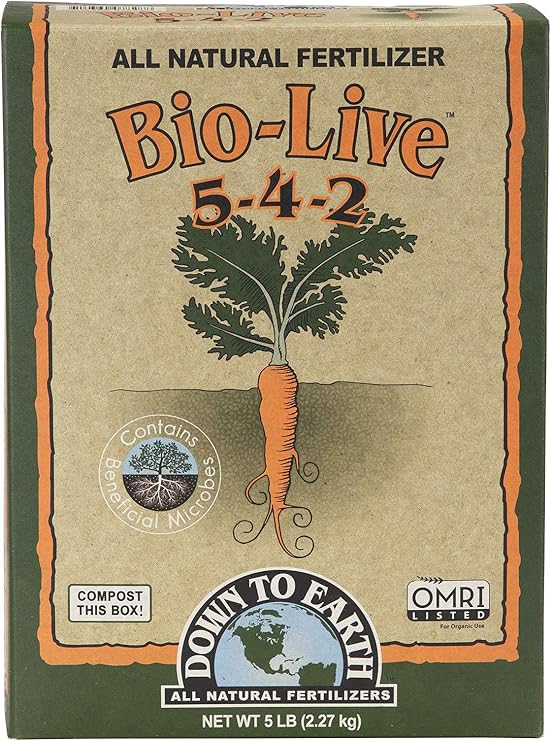
Use Plant Fertilizer. This is the most obvious way to add nitrogen to your plants. Whether you choose to use an organic fertilizer or a synthetic fertilizer, it’s easy to find fertilizers that contain nitrogen. The first number on the NPK ratio will usually be the nitrogen level, so the higher the number, the higher in nitrogen it will be.
Best Fertilizers With Nitrogen
If you’re wondering what fertilizers are the best that contain high levels of nitrogen, then look no further. Typically, you should look out for fertilizers that contain the following ingredients: urea and ammonium sulfate. Or simply choose one of the following:
Miracle-Gro AAll-PurposePlant Food
While this fertilizer is expensive, it’s worth the extra money, as it’s a well-trusted brand, easy to use, and gets fast results – which is probably everything you’re looking for in a fertilizer. It also comes with a no-scorch guarantee, which means your plants won’t be burned by this fertilizer.
Jobes Houseplant Fertilizer 13-4-5
If you’re looking for a high-nitrogen fertilizer to use inside, then the houseplant fertilizer from Jobes is ideal. It’s odorless, which is ideal for indoor use, easy and useful, and perfect for houseplant care.
Best Organic Nitrogen Sources
If you’re looking for the best organic nitrogen source, then we’re here to help. Here are some of my favorites and why.
Chicken Manure – easy to obtain, inexpensive , and works well
Horse Manure – much like chicken manure in that it’s easy to obtain, cheap, works well, and is one of the best
Blood Meal – comes as a red powder and is very effective. However, it can attract unwanted wildlife because of the smell
Compost Tea – all you need to do is water your plants with this. You can use manure or compost. Just add compost to the stocking (for example) and submerge it in water. Mix daily and leave for a week or so. Your compost tea is ready!
Why Don’t Legumes Need Nitrogen-Containing Fertilizers?
When it comes to legumes, it’s important not to use nitrogen-rich fertilizers. This is because they make their own nitrogen as they grow.
Conclusion: NNitrogen-RichFoods
Foods high in nitrogen can be pretty beneficial. We have listed some sources that are nitrogen-rich foods to enlighten you. Do you know of any other nitrogen rich foods? If so, please feel free to let me know in the comments below. And remember, sharing is caring!
FAQ’s
Which vegetables are high in nitrogen?
The vegetables that are high in nitrogen are cabbage, spinach, Swiss chard, beets, cauliflower, leek, potato, Asian greens, broccoli, and Brussels sprouts. Generally, most leafy greens are a rich source of nitrogen.
Which fruit contains nitrogen?
There are some good numbers of fruits rich in nitrogen. Some of these fruits include citrus fruit, pomegranate, apple, cherry, walnut, and grape.
What foods are high in nitrogen?
Some examples of foods that are high in nitrogen include meat, leafy greens, citrus fruits, garlic, beets, dark chocolate, nuts and seeds, and so on.
What natural foods are high in nitrogen?
Examples of natural foods that are high in nitrogen are beans, almonds, walnuts, lentils, soy-based proteins, seeds, coffee grounds, and so on.
Knowing when to harvest broccolini is important so you can ensure it will have the most flavor and nutrients. The best time to harvest is once the heads have matured but before they can flower otherwise you will lose the beauty of your vegetables.
Broccolini, cauliflower, and kale are all cruciferous vegetables. They all share a similar nutritional profile with many vitamins and minerals.
The most important difference between these vegetables is that broccoli has a high level of indole-3-carbinol (I3C). I3C is an anti-cancer compound that can prevent cancer from developing in the first place. Broccoli also contains sulforaphane, another potent anti-cancer compound.
Broccolini is a member of the brassica family which includes broccoli, cauliflower, kale, kohlrabi, and cabbage. Created by crossbreeding broccoli and Chinese broccoli. It is very similar to broccoli, however, it has longer, thinner stalks and smaller florets.
Broccolini is very similar to cauliflower as they both have the same size, shape, and taste. The key difference between them is that broccolini is more tender than cauliflower. Broccolini is a cool-weather crop and it is grown in the northern hemisphere.
In some areas, you can plant them in the late summer for a fall harvest. Broccolini is an annual vegetable but it can be grown in cooler climates where broccoli would not grow. In warmer climates, it is grown as a biennial vegetable.
How to Harvest Broccolini
Now that you know when to harvest broccolini, it’s also important to know how to do it. Broccolini can be harvested in many different ways.
The easiest way to harvest broccolini is to just pick it off. Cutting the stalks with scissors will remove the leaves from the stalk and leave the broccolini intact.
Alternatively, you can cut the stalks at the base with a sharp knife or scissors. This will leave the broccolini intact but cut off the top part of the stalk.
Broccolini is usually sold in bunches of three, so when harvesting, cut off three bunches and use the scissors to cut the stalks in half. You may have to do this process a few times before the stems are cut in half.
Once you have cut off the heads of broccolini, you should store them in the refrigerator. Store the broccolini in an airtight container with the stems facing down.
If you are cutting the broccolini into individual pieces, you will need to separate each piece from the rest. Use your hands or a spoon to gently pull the individual pieces out from the bunch. Once you have picked the broccolini, rinse it under cold water and pat dry.
How to Cook Broccolini – When to Harvest Broccolini
You can cook the broccolini by boiling it or sauteing it. To boil the broccolini, add a large amount of water to a pot, bring the water to a boil, and then add the broccolini. Let the broccolini simmer in the water for 5-10 minutes, until the broccolini is cooked through.
To sautee broccolini, heat one tablespoon of oil in a skillet over medium heat. Add the broccolini and cook for 5-7 minutes, until the broccolini is cooked through.
Broccolini is used as a vegetable in several dishes. It is also a popular side dish as it can be cooked in a variety of ways. It is often stir-fried, steamed, or sauteed and can even be used as a pizza topping.
Broccolini can be used to make soup and salads, and it’s sometimes used to make pasta dishes.
The Benefits of Broccolini – When to Harvest Broccolini
Broccolini is a nutritious vegetable that is low in calories. It has a low-fat content. The nutritional value of broccolini is comparable to other cruciferous vegetables such as cauliflower and cabbage.
Broccolini is rich in many vitamins and minerals. It is rich in vitamins A, B6, C, E, K, and folate. It is also rich in manganese, phosphorus, potassium, magnesium, iron, zinc, copper, beta-carotene, and fiber.
Broccolini is an excellent source of vitamin K and vitamin C. Broccolini is best harvested when the heads are mature. It can be harvested from the end of June through the end of August.
Broccolini is a good source of dietary fiber.
It is also a good source of omega-3 fatty acids and essential amino acids. It is an excellent source of lysine and methionine.
Broccolini Plant Stages
When it comes to the broccolini plant, it goes through many stages before it becomes the delicious vegetable we enjoy with our lunches and dinners. It’s considered a tricky plant to grow, but it certainly doesn’t have to be – just as long as you have the right knowledge.
Before you plant, you should add a few inches of compost to your soil and then add a layer of mulch on top to ensure the best environment for your broccolini to thrive.
Once your seeds are planted, you should ensure that you’re watering your broccolini often. They’re thirsty plants and need around 1-2 inches of water per week. If the soil looks dry at any point, be sure to add more water.
If you notice any discoloration of the leaves, you may want to apply liquid feed. You can also add fertilizer to ensure the best results.
Your plants should now be thriving and when they reach around 8 inches in height, you can add more soil around the stems. This will encourage the broccolini itself to grow; which is, of course, the part that you harvest.
Broccolini Yellow Flowers – What Are They?
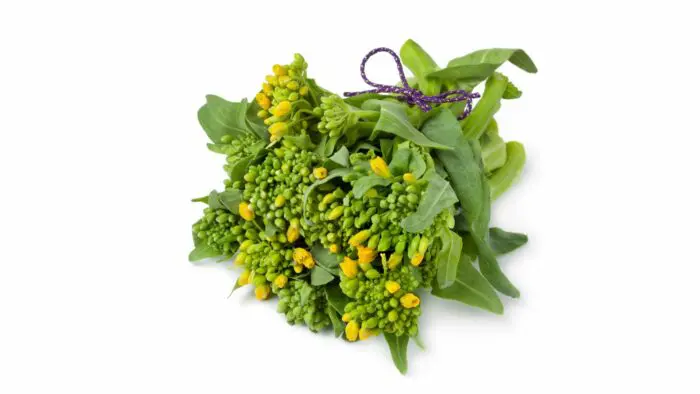
You may have noticed that your broccolini has yellow flowers. If this has occurred, there’s no need for concern as this part of the plant is completely edible. It simply means the plant is bolting. This tends to happen in hotter climates. If yellow flowers have appeared on your broccolini, it’s likely to taste slightly different. This part of the vegetable has a peppery taste, which I, personally, love.
Are Broccolini Flowers Edible?
Absolutely! When it comes to broccolini, the whole vegetable can be consumed safely. Whether you enjoy the stem or the yellow flowers, you can eat them all. And did you know that you can also eat broccolini raw too? Just be sure your broccolini has been rinsed first!
Where to Buy Broccolini Seeds
Broccolini seeds are surprisingly accessible. You buy them from many places online, as well as gardening centers and stores. Even online stores such as Amazon and Etsy have broccolini seeds available, and they’re often very reasonably priced too. I usually opt for Park Seed, which comes in packets of 20, and can be bought easily on Amazon.
Do You Need to Wash Broccolini Once Harvested?
So you’ve harvested your broccolini and you may now be wondering what you need to do with it. You must wash your broccolini before consuming it, as there may be both dirt and insects on the plant.
All you need to do is add your broccolini to a colander or sieve and run under cool water to remove any residue of dirt or insects. Be sure to rinse the entire broccolini. It’s important not to use hot water for this as it can make your broccolini limp and soggy.
You can leave it in a bowl of cool water for around 5 minutes to ensure your broccolini is completely clean. However, you don’t need to do this. I just do this as a precaution.
In Conclusion – When to Harvest Broccolini
The perfect time when to harvest broccolini is when it’s a bit bigger and has more flavourful stems and leaves than it does when it’s just a baby, tender leaf. Broccolini should be harvested in the morning before the sun gets too strong. Keep the leaves and stalks separate and place the leaves in an open plastic bag with a little lemon juice.
FAQs
Can you harvest broccoli too early?
Yes, it is possible to harvest broccoli in the spring. The only thing you need to be careful about is not overwatering. If you water your plants too much, the plant will grow too fast and not produce a big head of broccoli. You can also try to keep your broccoli from getting too hot. Try to keep the soil at an appropriate temperature, so that the plant can grow properly. When the weather starts getting hot, you might want to harvest some of your broccoli.
How and when to harvest broccolini?
Broccolini can be harvested at any time. You don’t have to wait until it is fully mature. It will be ready when the buds start to turn yellow. If you do harvest it, cut off the top leaves before you begin harvesting the broccoli. These are the leaves that get all the sun and will make your broccoli turn bitter.
What does broccolini look like when ready to harvest?
The broccolini head will be firm with a deep green color. If you notice it turning to yellowish color, is it about to flower so it’s best to harvest it immediately.
Does broccoli grow back every year?
Yes, the broccoli plant will not come back. You will have to plant fresh seeds each season. If you let the broccoli head go to seed, the seeds will be planted and will germinate in the next growing season.
Brown spots on green beans may be something you might have experienced as a gardener. But do you know for sure what the reasons are for your beans to start changing color? This is what we are about to find out in this post.
Green bean is a type of common bean that comes from different cultivars. Green beans have different common names they go by and some of these names include snap beans, string beans, and French beans.
You can add green beans to any type of healthy diet, or almost any eating plan and this is thanks to their low-calorie and fat contents.
Green beans are also fairly easy to grow and they grow in either a bushy manner or a climbing manner. But some situations may arise that causes your green beans to turn brown and this can have you wondering what the cause is.
Let’s look into some of the reasons why your green beans may be turning brown and see if they are safe to eat.
Brown Spots on Green Beans: Why?
Looking at some of the major reasons why green beans turn brown, may be because the beans are not in their best state any longer.
When you begin to notice some brown spots on green beans, it usually means they are already getting old and stale. These green beans usually become mushy and they do not snap easily when broken into half. Therefore, this type of bean won’t be so fresh when you consume them.
However, this doesn’t mean they aren’t safe to eat. You can still eat them but you just won’t get that fresh taste. You can simply compare them to products or foods that are not spoiled but are simply past their peak of freshness.
If by any chance you come across this type of brown beans, you can simply make use of them in dishes that have bold flavors.
Note that both cooked green beans and raw green beans have the same shelf life and they can last up to a week in the fridge.
Here are a few ways you can tell your green beans have gone bad:
Color: As we have pointed out above, the color of the beans should be able to give the state of the green beans. Once you notice the green beans have begun fading in color and they turn very dark green or they turn brown, then it’s a sign they have started turning bad.
Smell: Once you perceive an unpleasant odor from your green beans, the beans may already have some bacterial growth. Hence, it is best to discard them.
SILIVO Lettuce Keeper for Fridge(3 Pack)- 4.5L Vegetable Storage Containers for Refrigerator with Drain Tray Keep Fresh for Veggies and Salad
$19.98
Keep Produce Fresh Longer: Produce saver containers for refrigerator helps prevent spoilage, keep fruits and vegetables crisp and stay longer.
We earn a commission if you make a purchase, at no additional cost to you.
03/13/2026 03:05 pm GMT
Texture: Another way to tell if your green beans have started to go bad is to feel the texture. The texture of the green beans needs to be firm. Then when you snap or break the green bean, it should snap easily. Once you’ve started noticing that mushy, bendy, or limp look, the beans are probably getting old. It may not necessarily mean they are spoiled, but you just won’t enjoy that fresh taste of green beans.
Mold: You need to check for mold on your green beans to know if they are still in good condition to be eaten. When your green beans become moldy or slimy, it’s a sign that they are no longer fresh. So, you should throw them away.
Lasting Duration of Green Beans Outside the Fridge
Leaving your green beans on the counter outside for 2 days is fine because they can last up to 2 days outside the fridge.
All you need do is to keep these beans away from direct sources of sunlight like close to a window, or an area on the counter that receives direct sun.
Lasting Duration of Green Beans in the Fridge
If you store your green beans properly in the fridge, they should be able to last you up to a week and this is for both raw and cooked beans.
Just ensure you store them properly in the fridge. Use a container to put the green beans inside the fridge. Avoid tossing the green beans in the fridge so they don’t get wet or else they can go bad faster.
However, you should look out for any signs that the beans are turning bad such as brown spots or a mushy look.
Lasting Duration of Green Beans in the Freezer
You can store green beans for longer in the freezer. They can last up to 6 months when frozen. It will be easy for you to defrost them when you’re ready to use them. When you freeze green beans, you take pleasure in knowing that they will still taste as good as when you bought them.
So, if you want that longer storage duration for your green beans, you can store them in the freezer. However, if you just want to use your green beans for about a week, storing them in the fridge will be much easier.
How Can I Keep My Green Beans, Fresher, for Longer?
When you properly store your green beans, it will further help in prolonging their shelf life. For instance, it is recommended you don’t wash your green beans until you’re ready to use them. Once water touches the green beans, it can further speed up the spoiling process. Hence, the shelf life will be reduced.
Again, your unwashed green beans need to be stored in a plastic bag or container and stored in a vegetable drawer in the fridge.
Is It OK to Eat Green Beans With Brown Spots?
When it comes to deciding whether to eat green beans with brown spots, it all depends on how many brown spots there are. If the spots are few and far between, then it’s safe to say you can eat them without any problems. The only issue may be it may not taste as good! However, if the discoloration is significant and there are many spots, then it’s probably best to discard it to avoid any potential problems.
What Do Rotten Green Beans Look Like?
The easiest way to tell if green beans are rotten is by their appearance. Brown spots and discoloration is the easiest sign to see that your green beans are going, or have already gone rotten. Other signs may include limpness, sliminess, and misshapen.
When you’re looking at fresh green beans that have yet to be washed, they should look vibrant and bright. As well as this, they should be able to snap with ease. Instead, they may feel rubbery in texture, or even slimy.
If you’ve boiled your green beans and then place them back in the fridge, they’re likely to last longer, at around 5-7 days. However, if they start exhibiting any of the signs above before then, it may be best to discard them.
The same goes for frozen green beans. While freezing does massively increase the shelf life to around 6-8 months; they can still go bad. It may be easier to tell once they are defrosted. Keeping your green beans frozen is a great way to ensure they keep their snap.
As for canned green beans, they can last anywhere from an amazing three to five years. No matter what the best-by date is on the packaging, it’ll safely last well beyond that date. The only deterioration that may happen is mold, and an odor may eventually appear. If either of these things happens, it’s best to throw the can of green beans away.
My Green Beans Are Slimy – Why?
If your green beans are slimy, likely, they are already past the point of no return. You want your green beans to be crisp and snap easily; not limp and slimy. If you notice that only the ends are like this, simply slice them off and wash them under water. When cooking them, you should allow an extra 5-10 minutes to ensure the delicious texture you’re looking for.
How to Prevent Brown Spots on Green Beans When Growing?
Brown spots don’t just appear on green beans when harvested. They can occur while the green beans are growing, and this can be for a variety of reasons. But first, you need to determine why this is happening. Is your soil not wet enough, or too wet? Are there any insects around your green beans? Is your soil fertilized enough? These are questions you must ask before you can solve the issue.
To prevent brown spots, keep your green beans in ample sunlight, with the right amount of fertilizer. You should also ensure you’re watering your green beans daily and checking for any insects, such as aphids. As long as you’re following these guidelines, it’s unlikely your growing green beans will have brown spots.
Final Words: Brown Spots on Green Beans
Brown spots on green beans can be a sign of your beans turning bad. It usually implies that the beans have started deteriorating. But there are things you can do to prevent your beans from turning brown and losing their taste and we have listed them in this post. Do you have any tips or tricks when it comes to brown spots on green beans? If so, please feel free to let us know in the comments below. And remember, sharing is caring!
FAQs
Is Brown on green beans bad?
Usually, when you notice a brown color on your green beans, it often means that the beans have started losing their fresh taste. But they may still be safe to be consumed. Just make sure there is no mold and they are no slimy appearance on the beans.
How do you know if green beans are bad?
You can detect if your beans are bad once they are growing mold or looking slimy. If you perceive any unpleasant smell from your green beans then they may be bad. Also, once you snap the beans and they don’t break easily, it may be a sign they are bad.
Why are my green beans turning brown?
Green beans are inclined to turn brown when they are not properly stored. Once you leave them outside on the counter for instance for more than two days, they can turn brown.
How to prevent green beans from turning brown?
You can prevent green beans from turning brown by storing them properly. For instance, you can store them in the fridge for about a week. Your green beans can also be stored in the freezer for about 6 months.
🌱 Keep Your Green Beans Healthy
Prevent brown spots and grow healthy green beans with these products:
Bluegill will do well with a pH range of 6.5 to 8.5.
Sunlight
Although bluegill enjoys heat, note that they won’t be happy with direct sun exposure. So, keep them away from direct sun exposure.
Feeding Requirements
Feed your bluegill twice daily or more if you notice to improve their growth and if you notice they are hungry. Don’t pour all the food at once. Feed them every 10 seconds till they stop eating and scoop out the leftover food to avoid waste buildup in your fish tank.
What bluegill eat, are omnivores and they have a regular diet of a combination of aquatic plants, insects, insect larvae, algae, and plant seeds. They will also feed on fish meal pellets.
The newly hatched bluegill fish will feed on zooplankton. Note that juvenile bluegill fish will require more frequent feeding than adults so they can grow well.
Preferably feed them in the morning or evening. Avoid feeding them during hot days as they might not eat well during this time.
Water Filter & Cleaning
Bluegill usually produces a lot of waste, so ensure you make use of a good filtering system. Also, if you notice any increase in the growth of algae, ensure you clean your tank.
Is Bluegill Good to Eat?
The answer to this question is an absolute yes! Bluegills are one of the most preferred panfish because they are cooked in a frying pan on an open fire or on the stovetop. These fish can make the perfect campfire meal.
Bluegill has amazing nutritional benefits. It is high in protein, and low in carbohydrates and cholesterol. Because they are such an excellent source of lean protein, they are considered a healthier option for poultry or red meat.
The taste of bluegill fish is very mild, so even if you are not a lover of fish or seafood in general, you may enjoy this one without the overwhelming fishy taste.
Raising Bluegill in a Stock Tank
Is it possible to raise bluegill in a stock tank? As long as you have a stock tank deep enough for fish to swim away from predators such as cats or raccoons, you can safely raise bluegill in a stock tank.
Raising Bluegill in a Pond
Bluegill can also be stocked and raised in ponds. This is commonly practiced in the south, where they are raised to be forage fish for largemouth bass.
In a pond, bluegill can easily overpopulate and take over. This is especially true in ponds that are less than 1 acre in size, and this will result in stunted growth of the population.
Small bluegill that is about an inch will not do well in ponds, especially where they are grown together with bass, so it is better to stock larger ones that are at least 2 inches. This will help to reduce predation. If you wish to stock more, limit to fish that are between 3 to 6 inches long. The ideal stocking rate for bluegill to largemouth bass should be 10:1.
Bluegill can also be raised in catfish ponds. This option is popular in ponds that are less than 1 acre in size.
What to Feed Bluegill in Aquaponics
Bluegill are omnivorous. In the wild, their diet comprises a mix of zooplankton, small insects, snails, small crayfish, other small fish, fish eggs, and worms. These fish will eat anything you throw at them, including food scraps from your kitchen, crackers, bread, corn, lettuce, peas boiled eggs, and insects.
If you would like to use a formulated diet, commercial koi food might work. One commonly used one is the Purina aquamax. Make sure you get the right size for your fish.
FAQs
What do Bluegill eat the most?
Bluegill are a delicious, meaty fish with a very mild flavor. The flesh of the bluegill is white and firm and has an excellent texture when cooked. They have a hard, bony covering that covers their back, which can be easily removed to expose the bright yellow flesh underneath. Bluegills are usually caught in ponds or lakes, and they are usually found in the shallows.
Bluegills will usually eat many types of foods including: brine shrimp, bloodworms, meat, fish, and vegetables. They can be fed frozen or live food. You should feed them small amounts of live food every day to help prevent disease.
They are omnivorous, meaning they can eat both plant material and animal material, such as insects. The bluegill is one of the most common freshwater fish in the United States. It is considered a “wetland species”, and it is believed that it has been around for thousands of years.
Bluegill are known to feed on crayfish and crabs, and they can be found on or near shorelines.
How hard is it to raise bluegill?
Bluegills are quite easy to keep in tanks. You can find a number of good suppliers on the internet. They are inexpensive and not too difficult to keep. They are actually quite hardy. In fact, they are probably one of the most popular fish kept as pets in the world.
Their numbers have increased over the years due to their popularity and ease of care. The biggest problem with bluegills is that they are prone to diseases such as Ich, which can cause problems if not treated correctly. In fact, bluegills are a common source of Ich outbreaks, especially in ponds. You can buy bluegills from almost any pet store or fish supplier. Most pet stores carry a wide variety of bluegill species. You can also get them at the local bait shop. Bluegills are a favorite fish for many people because they are quite hardy.
What can I put in my bluegill tank?
They are a very coldwater fish, but will do fine in warmer temperatures. They need a large tank, at least 30 gallons, and can be kept in a community tank with other fish. They will eat small amounts of live food, such as daphnia or brine shrimp, as well as flakes, frozen bloodworms, and small pieces of shrimp.
Daphnia – these are small crustaceans that will eat algae and other nasty stuff in the tank.
They can be fed in the morning and evening. Bluegills are also good for beginners because they don’t require much space, they are not aggressive, and they will eat just about anything you put in their tank. They don’t require much care, either. They are best kept in a community tank with other fish, but they are hardy and can be kept alone.
You can put any of your usual foods into a 50 gal tank. If you use live foods, you will need to check the water parameters regularly, as the pH and ammonia levels can get pretty high if you add live food. I would recommend that you start with a little gravel, and then add a layer of sand, with an inch or so of gravel in the middle. Add some plants, and then start adding live food. When you start adding live foods, it is important to test the water quality before adding more food.
Final Say On Bluegill Aquaponics
Bluegill is one of the best and hardy fish species to raise in aquaponics. Its adaptability and tolerance to a wide range of environmental conditions make it a suitable option, and a popular and excellent alternative to tilapia.
Raising these healthy fish in aquaponics will help contribute to food security by producing both protein and vegetables from the system. Another advantage of bluegill aquaponics is that they can be grown together with other fish such as catfish and largemouth bass. They can be grown in ponds and tanks, giving you a variety of systems to work with.
If you are interested in aquaponics, go ahead and try bluegill aquaponics. Follow the guidelines provided in this article, and you will not go wrong.
Bluegill will do well with a pH range of 6.5 to 8.5.
Sunlight
Although bluegill enjoys heat, note that they won’t be happy with direct sun exposure. So, keep them away from direct sun exposure.
Feeding Requirements
Feed your bluegill twice daily or more if you notice to improve their growth and if you notice they are hungry. Don’t pour all the food at once. Feed them every 10 seconds till they stop eating and scoop out the leftover food to avoid waste buildup in your fish tank.
What bluegill eat, are omnivores and they have a regular diet of a combination of aquatic plants, insects, insect larvae, algae, and plant seeds. They will also feed on fish meal pellets.
The newly hatched bluegill fish will feed on zooplankton. Note that juvenile bluegill fish will require more frequent feeding than adults so they can grow well.
Preferably feed them in the morning or evening. Avoid feeding them during hot days as they might not eat well during this time.
Water Filter & Cleaning
Bluegill usually produces a lot of waste, so ensure you make use of a good filtering system. Also, if you notice any increase in the growth of algae, ensure you clean your tank.
Is Bluegill Good to Eat?
The answer to this question is an absolute yes! Bluegills are one of the most preferred panfish because they are cooked in a frying pan on an open fire or on the stovetop. These fish can make the perfect campfire meal.
Bluegill has amazing nutritional benefits. It is high in protein, and low in carbohydrates and cholesterol. Because they are such an excellent source of lean protein, they are considered a healthier option for poultry or red meat.
The taste of bluegill fish is very mild, so even if you are not a lover of fish or seafood in general, you may enjoy this one without the overwhelming fishy taste.
Raising Bluegill in a Stock Tank
Is it possible to raise bluegill in a stock tank? As long as you have a stock tank deep enough for fish to swim away from predators such as cats or raccoons, you can safely raise bluegill in a stock tank.
Raising Bluegill in a Pond
Bluegill can also be stocked and raised in ponds. This is commonly practiced in the south, where they are raised to be forage fish for largemouth bass.
In a pond, bluegill can easily overpopulate and take over. This is especially true in ponds that are less than 1 acre in size, and this will result in stunted growth of the population.
Small bluegill that is about an inch will not do well in ponds, especially where they are grown together with bass, so it is better to stock larger ones that are at least 2 inches. This will help to reduce predation. If you wish to stock more, limit to fish that are between 3 to 6 inches long. The ideal stocking rate for bluegill to largemouth bass should be 10:1.
Bluegill can also be raised in catfish ponds. This option is popular in ponds that are less than 1 acre in size.
What to Feed Bluegill in Aquaponics
Bluegill are omnivorous. In the wild, their diet comprises a mix of zooplankton, small insects, snails, small crayfish, other small fish, fish eggs, and worms. These fish will eat anything you throw at them, including food scraps from your kitchen, crackers, bread, corn, lettuce, peas boiled eggs, and insects.
If you would like to use a formulated diet, commercial koi food might work. One commonly used one is the Purina aquamax. Make sure you get the right size for your fish.
FAQs
What do Bluegill eat the most?
Bluegill are a delicious, meaty fish with a very mild flavor. The flesh of the bluegill is white and firm and has an excellent texture when cooked. They have a hard, bony covering that covers their back, which can be easily removed to expose the bright yellow flesh underneath. Bluegills are usually caught in ponds or lakes, and they are usually found in the shallows.
Bluegills will usually eat many types of foods including: brine shrimp, bloodworms, meat, fish, and vegetables. They can be fed frozen or live food. You should feed them small amounts of live food every day to help prevent disease.
They are omnivorous, meaning they can eat both plant material and animal material, such as insects. The bluegill is one of the most common freshwater fish in the United States. It is considered a “wetland species”, and it is believed that it has been around for thousands of years.
Bluegill are known to feed on crayfish and crabs, and they can be found on or near shorelines.
How hard is it to raise bluegill?
Bluegills are quite easy to keep in tanks. You can find a number of good suppliers on the internet. They are inexpensive and not too difficult to keep. They are actually quite hardy. In fact, they are probably one of the most popular fish kept as pets in the world.
Their numbers have increased over the years due to their popularity and ease of care. The biggest problem with bluegills is that they are prone to diseases such as Ich, which can cause problems if not treated correctly. In fact, bluegills are a common source of Ich outbreaks, especially in ponds. You can buy bluegills from almost any pet store or fish supplier. Most pet stores carry a wide variety of bluegill species. You can also get them at the local bait shop. Bluegills are a favorite fish for many people because they are quite hardy.
What can I put in my bluegill tank?
They are a very coldwater fish, but will do fine in warmer temperatures. They need a large tank, at least 30 gallons, and can be kept in a community tank with other fish. They will eat small amounts of live food, such as daphnia or brine shrimp, as well as flakes, frozen bloodworms, and small pieces of shrimp.
Daphnia – these are small crustaceans that will eat algae and other nasty stuff in the tank.
They can be fed in the morning and evening. Bluegills are also good for beginners because they don’t require much space, they are not aggressive, and they will eat just about anything you put in their tank. They don’t require much care, either. They are best kept in a community tank with other fish, but they are hardy and can be kept alone.
You can put any of your usual foods into a 50 gal tank. If you use live foods, you will need to check the water parameters regularly, as the pH and ammonia levels can get pretty high if you add live food. I would recommend that you start with a little gravel, and then add a layer of sand, with an inch or so of gravel in the middle. Add some plants, and then start adding live food. When you start adding live foods, it is important to test the water quality before adding more food.
Final Say On Bluegill Aquaponics
Bluegill is one of the best and hardy fish species to raise in aquaponics. Its adaptability and tolerance to a wide range of environmental conditions make it a suitable option, and a popular and excellent alternative to tilapia.
Raising these healthy fish in aquaponics will help contribute to food security by producing both protein and vegetables from the system. Another advantage of bluegill aquaponics is that they can be grown together with other fish such as catfish and largemouth bass. They can be grown in ponds and tanks, giving you a variety of systems to work with.
If you are interested in aquaponics, go ahead and try bluegill aquaponics. Follow the guidelines provided in this article, and you will not go wrong.
Tank Size For Raising Bluegill
This goes without saying, the bigger the tank that you should get. Get a tank that will have the capacity to give your fish about 10-15 gallons of water per pound of fish. The slightly higher allowance is to accommodate your fish as they grow.
Ideal Plants For Bluegill Aquaponics
Due to the hardiness and low maintenance of bluegill, several crops can be paired with for aquaponics, these include;
any leafy lettuce.
pak choi.
kale.
Swiss chard.
arugula.
basil.
mint.
watercress.
raspberries.
grapes.
Bluegill Oxygen Requirements
The recommended oxygen concentration for bluegill is 5mg/L. It’s fine if you go a little higher than that.
Water Temperature
We admire the fact that bluegill fish can adapt to varying temperatures. However, the best temperature that suits them is between 65 degrees to 80 degrees Fahrenheit. Notwithstanding, bluegill will thrive outside this range. Also, avoid keeping them in too hot conditions that can make their water very hot.
Bluegill will do well with a pH range of 6.5 to 8.5.
Sunlight
Although bluegill enjoys heat, note that they won’t be happy with direct sun exposure. So, keep them away from direct sun exposure.
Feeding Requirements
Feed your bluegill twice daily or more if you notice to improve their growth and if you notice they are hungry. Don’t pour all the food at once. Feed them every 10 seconds till they stop eating and scoop out the leftover food to avoid waste buildup in your fish tank.
What bluegill eat, are omnivores and they have a regular diet of a combination of aquatic plants, insects, insect larvae, algae, and plant seeds. They will also feed on fish meal pellets.
The newly hatched bluegill fish will feed on zooplankton. Note that juvenile bluegill fish will require more frequent feeding than adults so they can grow well.
Preferably feed them in the morning or evening. Avoid feeding them during hot days as they might not eat well during this time.
Water Filter & Cleaning
Bluegill usually produces a lot of waste, so ensure you make use of a good filtering system. Also, if you notice any increase in the growth of algae, ensure you clean your tank.
Is Bluegill Good to Eat?
The answer to this question is an absolute yes! Bluegills are one of the most preferred panfish because they are cooked in a frying pan on an open fire or on the stovetop. These fish can make the perfect campfire meal.
Bluegill has amazing nutritional benefits. It is high in protein, and low in carbohydrates and cholesterol. Because they are such an excellent source of lean protein, they are considered a healthier option for poultry or red meat.
The taste of bluegill fish is very mild, so even if you are not a lover of fish or seafood in general, you may enjoy this one without the overwhelming fishy taste.
Raising Bluegill in a Stock Tank
Is it possible to raise bluegill in a stock tank? As long as you have a stock tank deep enough for fish to swim away from predators such as cats or raccoons, you can safely raise bluegill in a stock tank.
Raising Bluegill in a Pond
Bluegill can also be stocked and raised in ponds. This is commonly practiced in the south, where they are raised to be forage fish for largemouth bass.
In a pond, bluegill can easily overpopulate and take over. This is especially true in ponds that are less than 1 acre in size, and this will result in stunted growth of the population.
Small bluegill that is about an inch will not do well in ponds, especially where they are grown together with bass, so it is better to stock larger ones that are at least 2 inches. This will help to reduce predation. If you wish to stock more, limit to fish that are between 3 to 6 inches long. The ideal stocking rate for bluegill to largemouth bass should be 10:1.
Bluegill can also be raised in catfish ponds. This option is popular in ponds that are less than 1 acre in size.
What to Feed Bluegill in Aquaponics
Bluegill are omnivorous. In the wild, their diet comprises a mix of zooplankton, small insects, snails, small crayfish, other small fish, fish eggs, and worms. These fish will eat anything you throw at them, including food scraps from your kitchen, crackers, bread, corn, lettuce, peas boiled eggs, and insects.
If you would like to use a formulated diet, commercial koi food might work. One commonly used one is the Purina aquamax. Make sure you get the right size for your fish.
FAQs
What do Bluegill eat the most?
Bluegill are a delicious, meaty fish with a very mild flavor. The flesh of the bluegill is white and firm and has an excellent texture when cooked. They have a hard, bony covering that covers their back, which can be easily removed to expose the bright yellow flesh underneath. Bluegills are usually caught in ponds or lakes, and they are usually found in the shallows.
Bluegills will usually eat many types of foods including: brine shrimp, bloodworms, meat, fish, and vegetables. They can be fed frozen or live food. You should feed them small amounts of live food every day to help prevent disease.
They are omnivorous, meaning they can eat both plant material and animal material, such as insects. The bluegill is one of the most common freshwater fish in the United States. It is considered a “wetland species”, and it is believed that it has been around for thousands of years.
Bluegill are known to feed on crayfish and crabs, and they can be found on or near shorelines.
How hard is it to raise bluegill?
Bluegills are quite easy to keep in tanks. You can find a number of good suppliers on the internet. They are inexpensive and not too difficult to keep. They are actually quite hardy. In fact, they are probably one of the most popular fish kept as pets in the world.
Their numbers have increased over the years due to their popularity and ease of care. The biggest problem with bluegills is that they are prone to diseases such as Ich, which can cause problems if not treated correctly. In fact, bluegills are a common source of Ich outbreaks, especially in ponds. You can buy bluegills from almost any pet store or fish supplier. Most pet stores carry a wide variety of bluegill species. You can also get them at the local bait shop. Bluegills are a favorite fish for many people because they are quite hardy.
What can I put in my bluegill tank?
They are a very coldwater fish, but will do fine in warmer temperatures. They need a large tank, at least 30 gallons, and can be kept in a community tank with other fish. They will eat small amounts of live food, such as daphnia or brine shrimp, as well as flakes, frozen bloodworms, and small pieces of shrimp.
Daphnia – these are small crustaceans that will eat algae and other nasty stuff in the tank.
They can be fed in the morning and evening. Bluegills are also good for beginners because they don’t require much space, they are not aggressive, and they will eat just about anything you put in their tank. They don’t require much care, either. They are best kept in a community tank with other fish, but they are hardy and can be kept alone.
You can put any of your usual foods into a 50 gal tank. If you use live foods, you will need to check the water parameters regularly, as the pH and ammonia levels can get pretty high if you add live food. I would recommend that you start with a little gravel, and then add a layer of sand, with an inch or so of gravel in the middle. Add some plants, and then start adding live food. When you start adding live foods, it is important to test the water quality before adding more food.
Final Say On Bluegill Aquaponics
Bluegill is one of the best and hardy fish species to raise in aquaponics. Its adaptability and tolerance to a wide range of environmental conditions make it a suitable option, and a popular and excellent alternative to tilapia.
Raising these healthy fish in aquaponics will help contribute to food security by producing both protein and vegetables from the system. Another advantage of bluegill aquaponics is that they can be grown together with other fish such as catfish and largemouth bass. They can be grown in ponds and tanks, giving you a variety of systems to work with.
If you are interested in aquaponics, go ahead and try bluegill aquaponics. Follow the guidelines provided in this article, and you will not go wrong.
Bluegill will do well with a pH range of 6.5 to 8.5.
Sunlight
Although bluegill enjoys heat, note that they won’t be happy with direct sun exposure. So, keep them away from direct sun exposure.
Feeding Requirements
Feed your bluegill twice daily or more if you notice to improve their growth and if you notice they are hungry. Don’t pour all the food at once. Feed them every 10 seconds till they stop eating and scoop out the leftover food to avoid waste buildup in your fish tank.
What bluegill eat, are omnivores and they have a regular diet of a combination of aquatic plants, insects, insect larvae, algae, and plant seeds. They will also feed on fish meal pellets.
The newly hatched bluegill fish will feed on zooplankton. Note that juvenile bluegill fish will require more frequent feeding than adults so they can grow well.
Preferably feed them in the morning or evening. Avoid feeding them during hot days as they might not eat well during this time.
Water Filter & Cleaning
Bluegill usually produces a lot of waste, so ensure you make use of a good filtering system. Also, if you notice any increase in the growth of algae, ensure you clean your tank.
Is Bluegill Good to Eat?
The answer to this question is an absolute yes! Bluegills are one of the most preferred panfish because they are cooked in a frying pan on an open fire or on the stovetop. These fish can make the perfect campfire meal.
Bluegill has amazing nutritional benefits. It is high in protein, and low in carbohydrates and cholesterol. Because they are such an excellent source of lean protein, they are considered a healthier option for poultry or red meat.
The taste of bluegill fish is very mild, so even if you are not a lover of fish or seafood in general, you may enjoy this one without the overwhelming fishy taste.
Raising Bluegill in a Stock Tank
Is it possible to raise bluegill in a stock tank? As long as you have a stock tank deep enough for fish to swim away from predators such as cats or raccoons, you can safely raise bluegill in a stock tank.
Raising Bluegill in a Pond
Bluegill can also be stocked and raised in ponds. This is commonly practiced in the south, where they are raised to be forage fish for largemouth bass.
In a pond, bluegill can easily overpopulate and take over. This is especially true in ponds that are less than 1 acre in size, and this will result in stunted growth of the population.
Small bluegill that is about an inch will not do well in ponds, especially where they are grown together with bass, so it is better to stock larger ones that are at least 2 inches. This will help to reduce predation. If you wish to stock more, limit to fish that are between 3 to 6 inches long. The ideal stocking rate for bluegill to largemouth bass should be 10:1.
Bluegill can also be raised in catfish ponds. This option is popular in ponds that are less than 1 acre in size.
What to Feed Bluegill in Aquaponics
Bluegill are omnivorous. In the wild, their diet comprises a mix of zooplankton, small insects, snails, small crayfish, other small fish, fish eggs, and worms. These fish will eat anything you throw at them, including food scraps from your kitchen, crackers, bread, corn, lettuce, peas boiled eggs, and insects.
If you would like to use a formulated diet, commercial koi food might work. One commonly used one is the Purina aquamax. Make sure you get the right size for your fish.
FAQs
What do Bluegill eat the most?
Bluegill are a delicious, meaty fish with a very mild flavor. The flesh of the bluegill is white and firm and has an excellent texture when cooked. They have a hard, bony covering that covers their back, which can be easily removed to expose the bright yellow flesh underneath. Bluegills are usually caught in ponds or lakes, and they are usually found in the shallows.
Bluegills will usually eat many types of foods including: brine shrimp, bloodworms, meat, fish, and vegetables. They can be fed frozen or live food. You should feed them small amounts of live food every day to help prevent disease.
They are omnivorous, meaning they can eat both plant material and animal material, such as insects. The bluegill is one of the most common freshwater fish in the United States. It is considered a “wetland species”, and it is believed that it has been around for thousands of years.
Bluegill are known to feed on crayfish and crabs, and they can be found on or near shorelines.
How hard is it to raise bluegill?
Bluegills are quite easy to keep in tanks. You can find a number of good suppliers on the internet. They are inexpensive and not too difficult to keep. They are actually quite hardy. In fact, they are probably one of the most popular fish kept as pets in the world.
Their numbers have increased over the years due to their popularity and ease of care. The biggest problem with bluegills is that they are prone to diseases such as Ich, which can cause problems if not treated correctly. In fact, bluegills are a common source of Ich outbreaks, especially in ponds. You can buy bluegills from almost any pet store or fish supplier. Most pet stores carry a wide variety of bluegill species. You can also get them at the local bait shop. Bluegills are a favorite fish for many people because they are quite hardy.
What can I put in my bluegill tank?
They are a very coldwater fish, but will do fine in warmer temperatures. They need a large tank, at least 30 gallons, and can be kept in a community tank with other fish. They will eat small amounts of live food, such as daphnia or brine shrimp, as well as flakes, frozen bloodworms, and small pieces of shrimp.
Daphnia – these are small crustaceans that will eat algae and other nasty stuff in the tank.
They can be fed in the morning and evening. Bluegills are also good for beginners because they don’t require much space, they are not aggressive, and they will eat just about anything you put in their tank. They don’t require much care, either. They are best kept in a community tank with other fish, but they are hardy and can be kept alone.
You can put any of your usual foods into a 50 gal tank. If you use live foods, you will need to check the water parameters regularly, as the pH and ammonia levels can get pretty high if you add live food. I would recommend that you start with a little gravel, and then add a layer of sand, with an inch or so of gravel in the middle. Add some plants, and then start adding live food. When you start adding live foods, it is important to test the water quality before adding more food.
Final Say On Bluegill Aquaponics
Bluegill is one of the best and hardy fish species to raise in aquaponics. Its adaptability and tolerance to a wide range of environmental conditions make it a suitable option, and a popular and excellent alternative to tilapia.
Raising these healthy fish in aquaponics will help contribute to food security by producing both protein and vegetables from the system. Another advantage of bluegill aquaponics is that they can be grown together with other fish such as catfish and largemouth bass. They can be grown in ponds and tanks, giving you a variety of systems to work with.
If you are interested in aquaponics, go ahead and try bluegill aquaponics. Follow the guidelines provided in this article, and you will not go wrong.
Tank Size For Raising Bluegill
This goes without saying, the bigger the tank that you should get. Get a tank that will have the capacity to give your fish about 10-15 gallons of water per pound of fish. The slightly higher allowance is to accommodate your fish as they grow.
Ideal Plants For Bluegill Aquaponics
Due to the hardiness and low maintenance of bluegill, several crops can be paired with for aquaponics, these include;
any leafy lettuce.
pak choi.
kale.
Swiss chard.
arugula.
basil.
mint.
watercress.
raspberries.
grapes.
Bluegill Oxygen Requirements
The recommended oxygen concentration for bluegill is 5mg/L. It’s fine if you go a little higher than that.
Water Temperature
We admire the fact that bluegill fish can adapt to varying temperatures. However, the best temperature that suits them is between 65 degrees to 80 degrees Fahrenheit. Notwithstanding, bluegill will thrive outside this range. Also, avoid keeping them in too hot conditions that can make their water very hot.
Bluegill will do well with a pH range of 6.5 to 8.5.
Sunlight
Although bluegill enjoys heat, note that they won’t be happy with direct sun exposure. So, keep them away from direct sun exposure.
Feeding Requirements
Feed your bluegill twice daily or more if you notice to improve their growth and if you notice they are hungry. Don’t pour all the food at once. Feed them every 10 seconds till they stop eating and scoop out the leftover food to avoid waste buildup in your fish tank.
What bluegill eat, are omnivores and they have a regular diet of a combination of aquatic plants, insects, insect larvae, algae, and plant seeds. They will also feed on fish meal pellets.
The newly hatched bluegill fish will feed on zooplankton. Note that juvenile bluegill fish will require more frequent feeding than adults so they can grow well.
Preferably feed them in the morning or evening. Avoid feeding them during hot days as they might not eat well during this time.
Water Filter & Cleaning
Bluegill usually produces a lot of waste, so ensure you make use of a good filtering system. Also, if you notice any increase in the growth of algae, ensure you clean your tank.
Is Bluegill Good to Eat?
The answer to this question is an absolute yes! Bluegills are one of the most preferred panfish because they are cooked in a frying pan on an open fire or on the stovetop. These fish can make the perfect campfire meal.
Bluegill has amazing nutritional benefits. It is high in protein, and low in carbohydrates and cholesterol. Because they are such an excellent source of lean protein, they are considered a healthier option for poultry or red meat.
The taste of bluegill fish is very mild, so even if you are not a lover of fish or seafood in general, you may enjoy this one without the overwhelming fishy taste.
Raising Bluegill in a Stock Tank
Is it possible to raise bluegill in a stock tank? As long as you have a stock tank deep enough for fish to swim away from predators such as cats or raccoons, you can safely raise bluegill in a stock tank.
Raising Bluegill in a Pond
Bluegill can also be stocked and raised in ponds. This is commonly practiced in the south, where they are raised to be forage fish for largemouth bass.
In a pond, bluegill can easily overpopulate and take over. This is especially true in ponds that are less than 1 acre in size, and this will result in stunted growth of the population.
Small bluegill that is about an inch will not do well in ponds, especially where they are grown together with bass, so it is better to stock larger ones that are at least 2 inches. This will help to reduce predation. If you wish to stock more, limit to fish that are between 3 to 6 inches long. The ideal stocking rate for bluegill to largemouth bass should be 10:1.
Bluegill can also be raised in catfish ponds. This option is popular in ponds that are less than 1 acre in size.
What to Feed Bluegill in Aquaponics
Bluegill are omnivorous. In the wild, their diet comprises a mix of zooplankton, small insects, snails, small crayfish, other small fish, fish eggs, and worms. These fish will eat anything you throw at them, including food scraps from your kitchen, crackers, bread, corn, lettuce, peas boiled eggs, and insects.
If you would like to use a formulated diet, commercial koi food might work. One commonly used one is the Purina aquamax. Make sure you get the right size for your fish.
FAQs
What do Bluegill eat the most?
Bluegill are a delicious, meaty fish with a very mild flavor. The flesh of the bluegill is white and firm and has an excellent texture when cooked. They have a hard, bony covering that covers their back, which can be easily removed to expose the bright yellow flesh underneath. Bluegills are usually caught in ponds or lakes, and they are usually found in the shallows.
Bluegills will usually eat many types of foods including: brine shrimp, bloodworms, meat, fish, and vegetables. They can be fed frozen or live food. You should feed them small amounts of live food every day to help prevent disease.
They are omnivorous, meaning they can eat both plant material and animal material, such as insects. The bluegill is one of the most common freshwater fish in the United States. It is considered a “wetland species”, and it is believed that it has been around for thousands of years.
Bluegill are known to feed on crayfish and crabs, and they can be found on or near shorelines.
How hard is it to raise bluegill?
Bluegills are quite easy to keep in tanks. You can find a number of good suppliers on the internet. They are inexpensive and not too difficult to keep. They are actually quite hardy. In fact, they are probably one of the most popular fish kept as pets in the world.
Their numbers have increased over the years due to their popularity and ease of care. The biggest problem with bluegills is that they are prone to diseases such as Ich, which can cause problems if not treated correctly. In fact, bluegills are a common source of Ich outbreaks, especially in ponds. You can buy bluegills from almost any pet store or fish supplier. Most pet stores carry a wide variety of bluegill species. You can also get them at the local bait shop. Bluegills are a favorite fish for many people because they are quite hardy.
What can I put in my bluegill tank?
They are a very coldwater fish, but will do fine in warmer temperatures. They need a large tank, at least 30 gallons, and can be kept in a community tank with other fish. They will eat small amounts of live food, such as daphnia or brine shrimp, as well as flakes, frozen bloodworms, and small pieces of shrimp.
Daphnia – these are small crustaceans that will eat algae and other nasty stuff in the tank.
They can be fed in the morning and evening. Bluegills are also good for beginners because they don’t require much space, they are not aggressive, and they will eat just about anything you put in their tank. They don’t require much care, either. They are best kept in a community tank with other fish, but they are hardy and can be kept alone.
You can put any of your usual foods into a 50 gal tank. If you use live foods, you will need to check the water parameters regularly, as the pH and ammonia levels can get pretty high if you add live food. I would recommend that you start with a little gravel, and then add a layer of sand, with an inch or so of gravel in the middle. Add some plants, and then start adding live food. When you start adding live foods, it is important to test the water quality before adding more food.
Final Say On Bluegill Aquaponics
Bluegill is one of the best and hardy fish species to raise in aquaponics. Its adaptability and tolerance to a wide range of environmental conditions make it a suitable option, and a popular and excellent alternative to tilapia.
Raising these healthy fish in aquaponics will help contribute to food security by producing both protein and vegetables from the system. Another advantage of bluegill aquaponics is that they can be grown together with other fish such as catfish and largemouth bass. They can be grown in ponds and tanks, giving you a variety of systems to work with.
If you are interested in aquaponics, go ahead and try bluegill aquaponics. Follow the guidelines provided in this article, and you will not go wrong.
Bluegill will do well with a pH range of 6.5 to 8.5.
Sunlight
Although bluegill enjoys heat, note that they won’t be happy with direct sun exposure. So, keep them away from direct sun exposure.
Feeding Requirements
Feed your bluegill twice daily or more if you notice to improve their growth and if you notice they are hungry. Don’t pour all the food at once. Feed them every 10 seconds till they stop eating and scoop out the leftover food to avoid waste buildup in your fish tank.
What bluegill eat, are omnivores and they have a regular diet of a combination of aquatic plants, insects, insect larvae, algae, and plant seeds. They will also feed on fish meal pellets.
The newly hatched bluegill fish will feed on zooplankton. Note that juvenile bluegill fish will require more frequent feeding than adults so they can grow well.
Preferably feed them in the morning or evening. Avoid feeding them during hot days as they might not eat well during this time.
Water Filter & Cleaning
Bluegill usually produces a lot of waste, so ensure you make use of a good filtering system. Also, if you notice any increase in the growth of algae, ensure you clean your tank.
Is Bluegill Good to Eat?
The answer to this question is an absolute yes! Bluegills are one of the most preferred panfish because they are cooked in a frying pan on an open fire or on the stovetop. These fish can make the perfect campfire meal.
Bluegill has amazing nutritional benefits. It is high in protein, and low in carbohydrates and cholesterol. Because they are such an excellent source of lean protein, they are considered a healthier option for poultry or red meat.
The taste of bluegill fish is very mild, so even if you are not a lover of fish or seafood in general, you may enjoy this one without the overwhelming fishy taste.
Raising Bluegill in a Stock Tank
Is it possible to raise bluegill in a stock tank? As long as you have a stock tank deep enough for fish to swim away from predators such as cats or raccoons, you can safely raise bluegill in a stock tank.
Raising Bluegill in a Pond
Bluegill can also be stocked and raised in ponds. This is commonly practiced in the south, where they are raised to be forage fish for largemouth bass.
In a pond, bluegill can easily overpopulate and take over. This is especially true in ponds that are less than 1 acre in size, and this will result in stunted growth of the population.
Small bluegill that is about an inch will not do well in ponds, especially where they are grown together with bass, so it is better to stock larger ones that are at least 2 inches. This will help to reduce predation. If you wish to stock more, limit to fish that are between 3 to 6 inches long. The ideal stocking rate for bluegill to largemouth bass should be 10:1.
Bluegill can also be raised in catfish ponds. This option is popular in ponds that are less than 1 acre in size.
What to Feed Bluegill in Aquaponics
Bluegill are omnivorous. In the wild, their diet comprises a mix of zooplankton, small insects, snails, small crayfish, other small fish, fish eggs, and worms. These fish will eat anything you throw at them, including food scraps from your kitchen, crackers, bread, corn, lettuce, peas boiled eggs, and insects.
If you would like to use a formulated diet, commercial koi food might work. One commonly used one is the Purina aquamax. Make sure you get the right size for your fish.
FAQs
What do Bluegill eat the most?
Bluegill are a delicious, meaty fish with a very mild flavor. The flesh of the bluegill is white and firm and has an excellent texture when cooked. They have a hard, bony covering that covers their back, which can be easily removed to expose the bright yellow flesh underneath. Bluegills are usually caught in ponds or lakes, and they are usually found in the shallows.
Bluegills will usually eat many types of foods including: brine shrimp, bloodworms, meat, fish, and vegetables. They can be fed frozen or live food. You should feed them small amounts of live food every day to help prevent disease.
They are omnivorous, meaning they can eat both plant material and animal material, such as insects. The bluegill is one of the most common freshwater fish in the United States. It is considered a “wetland species”, and it is believed that it has been around for thousands of years.
Bluegill are known to feed on crayfish and crabs, and they can be found on or near shorelines.
How hard is it to raise bluegill?
Bluegills are quite easy to keep in tanks. You can find a number of good suppliers on the internet. They are inexpensive and not too difficult to keep. They are actually quite hardy. In fact, they are probably one of the most popular fish kept as pets in the world.
Their numbers have increased over the years due to their popularity and ease of care. The biggest problem with bluegills is that they are prone to diseases such as Ich, which can cause problems if not treated correctly. In fact, bluegills are a common source of Ich outbreaks, especially in ponds. You can buy bluegills from almost any pet store or fish supplier. Most pet stores carry a wide variety of bluegill species. You can also get them at the local bait shop. Bluegills are a favorite fish for many people because they are quite hardy.
What can I put in my bluegill tank?
They are a very coldwater fish, but will do fine in warmer temperatures. They need a large tank, at least 30 gallons, and can be kept in a community tank with other fish. They will eat small amounts of live food, such as daphnia or brine shrimp, as well as flakes, frozen bloodworms, and small pieces of shrimp.
Daphnia – these are small crustaceans that will eat algae and other nasty stuff in the tank.
They can be fed in the morning and evening. Bluegills are also good for beginners because they don’t require much space, they are not aggressive, and they will eat just about anything you put in their tank. They don’t require much care, either. They are best kept in a community tank with other fish, but they are hardy and can be kept alone.
You can put any of your usual foods into a 50 gal tank. If you use live foods, you will need to check the water parameters regularly, as the pH and ammonia levels can get pretty high if you add live food. I would recommend that you start with a little gravel, and then add a layer of sand, with an inch or so of gravel in the middle. Add some plants, and then start adding live food. When you start adding live foods, it is important to test the water quality before adding more food.
Final Say On Bluegill Aquaponics
Bluegill is one of the best and hardy fish species to raise in aquaponics. Its adaptability and tolerance to a wide range of environmental conditions make it a suitable option, and a popular and excellent alternative to tilapia.
Raising these healthy fish in aquaponics will help contribute to food security by producing both protein and vegetables from the system. Another advantage of bluegill aquaponics is that they can be grown together with other fish such as catfish and largemouth bass. They can be grown in ponds and tanks, giving you a variety of systems to work with.
If you are interested in aquaponics, go ahead and try bluegill aquaponics. Follow the guidelines provided in this article, and you will not go wrong.
Tank Size For Raising Bluegill
This goes without saying, the bigger the tank that you should get. Get a tank that will have the capacity to give your fish about 10-15 gallons of water per pound of fish. The slightly higher allowance is to accommodate your fish as they grow.
Ideal Plants For Bluegill Aquaponics
Due to the hardiness and low maintenance of bluegill, several crops can be paired with for aquaponics, these include;
any leafy lettuce.
pak choi.
kale.
Swiss chard.
arugula.
basil.
mint.
watercress.
raspberries.
grapes.
Bluegill Oxygen Requirements
The recommended oxygen concentration for bluegill is 5mg/L. It’s fine if you go a little higher than that.
Water Temperature
We admire the fact that bluegill fish can adapt to varying temperatures. However, the best temperature that suits them is between 65 degrees to 80 degrees Fahrenheit. Notwithstanding, bluegill will thrive outside this range. Also, avoid keeping them in too hot conditions that can make their water very hot.
Bluegill will do well with a pH range of 6.5 to 8.5.
Sunlight
Although bluegill enjoys heat, note that they won’t be happy with direct sun exposure. So, keep them away from direct sun exposure.
Feeding Requirements
Feed your bluegill twice daily or more if you notice to improve their growth and if you notice they are hungry. Don’t pour all the food at once. Feed them every 10 seconds till they stop eating and scoop out the leftover food to avoid waste buildup in your fish tank.
What bluegill eat, are omnivores and they have a regular diet of a combination of aquatic plants, insects, insect larvae, algae, and plant seeds. They will also feed on fish meal pellets.
The newly hatched bluegill fish will feed on zooplankton. Note that juvenile bluegill fish will require more frequent feeding than adults so they can grow well.
Preferably feed them in the morning or evening. Avoid feeding them during hot days as they might not eat well during this time.
Water Filter & Cleaning
Bluegill usually produces a lot of waste, so ensure you make use of a good filtering system. Also, if you notice any increase in the growth of algae, ensure you clean your tank.
Is Bluegill Good to Eat?
The answer to this question is an absolute yes! Bluegills are one of the most preferred panfish because they are cooked in a frying pan on an open fire or on the stovetop. These fish can make the perfect campfire meal.
Bluegill has amazing nutritional benefits. It is high in protein, and low in carbohydrates and cholesterol. Because they are such an excellent source of lean protein, they are considered a healthier option for poultry or red meat.
The taste of bluegill fish is very mild, so even if you are not a lover of fish or seafood in general, you may enjoy this one without the overwhelming fishy taste.
Raising Bluegill in a Stock Tank
Is it possible to raise bluegill in a stock tank? As long as you have a stock tank deep enough for fish to swim away from predators such as cats or raccoons, you can safely raise bluegill in a stock tank.
Raising Bluegill in a Pond
Bluegill can also be stocked and raised in ponds. This is commonly practiced in the south, where they are raised to be forage fish for largemouth bass.
In a pond, bluegill can easily overpopulate and take over. This is especially true in ponds that are less than 1 acre in size, and this will result in stunted growth of the population.
Small bluegill that is about an inch will not do well in ponds, especially where they are grown together with bass, so it is better to stock larger ones that are at least 2 inches. This will help to reduce predation. If you wish to stock more, limit to fish that are between 3 to 6 inches long. The ideal stocking rate for bluegill to largemouth bass should be 10:1.
Bluegill can also be raised in catfish ponds. This option is popular in ponds that are less than 1 acre in size.
What to Feed Bluegill in Aquaponics
Bluegill are omnivorous. In the wild, their diet comprises a mix of zooplankton, small insects, snails, small crayfish, other small fish, fish eggs, and worms. These fish will eat anything you throw at them, including food scraps from your kitchen, crackers, bread, corn, lettuce, peas boiled eggs, and insects.
If you would like to use a formulated diet, commercial koi food might work. One commonly used one is the Purina aquamax. Make sure you get the right size for your fish.
FAQs
What do Bluegill eat the most?
Bluegill are a delicious, meaty fish with a very mild flavor. The flesh of the bluegill is white and firm and has an excellent texture when cooked. They have a hard, bony covering that covers their back, which can be easily removed to expose the bright yellow flesh underneath. Bluegills are usually caught in ponds or lakes, and they are usually found in the shallows.
Bluegills will usually eat many types of foods including: brine shrimp, bloodworms, meat, fish, and vegetables. They can be fed frozen or live food. You should feed them small amounts of live food every day to help prevent disease.
They are omnivorous, meaning they can eat both plant material and animal material, such as insects. The bluegill is one of the most common freshwater fish in the United States. It is considered a “wetland species”, and it is believed that it has been around for thousands of years.
Bluegill are known to feed on crayfish and crabs, and they can be found on or near shorelines.
How hard is it to raise bluegill?
Bluegills are quite easy to keep in tanks. You can find a number of good suppliers on the internet. They are inexpensive and not too difficult to keep. They are actually quite hardy. In fact, they are probably one of the most popular fish kept as pets in the world.
Their numbers have increased over the years due to their popularity and ease of care. The biggest problem with bluegills is that they are prone to diseases such as Ich, which can cause problems if not treated correctly. In fact, bluegills are a common source of Ich outbreaks, especially in ponds. You can buy bluegills from almost any pet store or fish supplier. Most pet stores carry a wide variety of bluegill species. You can also get them at the local bait shop. Bluegills are a favorite fish for many people because they are quite hardy.
What can I put in my bluegill tank?
They are a very coldwater fish, but will do fine in warmer temperatures. They need a large tank, at least 30 gallons, and can be kept in a community tank with other fish. They will eat small amounts of live food, such as daphnia or brine shrimp, as well as flakes, frozen bloodworms, and small pieces of shrimp.
Daphnia – these are small crustaceans that will eat algae and other nasty stuff in the tank.
They can be fed in the morning and evening. Bluegills are also good for beginners because they don’t require much space, they are not aggressive, and they will eat just about anything you put in their tank. They don’t require much care, either. They are best kept in a community tank with other fish, but they are hardy and can be kept alone.
You can put any of your usual foods into a 50 gal tank. If you use live foods, you will need to check the water parameters regularly, as the pH and ammonia levels can get pretty high if you add live food. I would recommend that you start with a little gravel, and then add a layer of sand, with an inch or so of gravel in the middle. Add some plants, and then start adding live food. When you start adding live foods, it is important to test the water quality before adding more food.
Final Say On Bluegill Aquaponics
Bluegill is one of the best and hardy fish species to raise in aquaponics. Its adaptability and tolerance to a wide range of environmental conditions make it a suitable option, and a popular and excellent alternative to tilapia.
Raising these healthy fish in aquaponics will help contribute to food security by producing both protein and vegetables from the system. Another advantage of bluegill aquaponics is that they can be grown together with other fish such as catfish and largemouth bass. They can be grown in ponds and tanks, giving you a variety of systems to work with.
If you are interested in aquaponics, go ahead and try bluegill aquaponics. Follow the guidelines provided in this article, and you will not go wrong.
Bluegill will do well with a pH range of 6.5 to 8.5.
Sunlight
Although bluegill enjoys heat, note that they won’t be happy with direct sun exposure. So, keep them away from direct sun exposure.
Feeding Requirements
Feed your bluegill twice daily or more if you notice to improve their growth and if you notice they are hungry. Don’t pour all the food at once. Feed them every 10 seconds till they stop eating and scoop out the leftover food to avoid waste buildup in your fish tank.
What bluegill eat, are omnivores and they have a regular diet of a combination of aquatic plants, insects, insect larvae, algae, and plant seeds. They will also feed on fish meal pellets.
The newly hatched bluegill fish will feed on zooplankton. Note that juvenile bluegill fish will require more frequent feeding than adults so they can grow well.
Preferably feed them in the morning or evening. Avoid feeding them during hot days as they might not eat well during this time.
Water Filter & Cleaning
Bluegill usually produces a lot of waste, so ensure you make use of a good filtering system. Also, if you notice any increase in the growth of algae, ensure you clean your tank.
Is Bluegill Good to Eat?
The answer to this question is an absolute yes! Bluegills are one of the most preferred panfish because they are cooked in a frying pan on an open fire or on the stovetop. These fish can make the perfect campfire meal.
Bluegill has amazing nutritional benefits. It is high in protein, and low in carbohydrates and cholesterol. Because they are such an excellent source of lean protein, they are considered a healthier option for poultry or red meat.
The taste of bluegill fish is very mild, so even if you are not a lover of fish or seafood in general, you may enjoy this one without the overwhelming fishy taste.
Raising Bluegill in a Stock Tank
Is it possible to raise bluegill in a stock tank? As long as you have a stock tank deep enough for fish to swim away from predators such as cats or raccoons, you can safely raise bluegill in a stock tank.
Raising Bluegill in a Pond
Bluegill can also be stocked and raised in ponds. This is commonly practiced in the south, where they are raised to be forage fish for largemouth bass.
In a pond, bluegill can easily overpopulate and take over. This is especially true in ponds that are less than 1 acre in size, and this will result in stunted growth of the population.
Small bluegill that is about an inch will not do well in ponds, especially where they are grown together with bass, so it is better to stock larger ones that are at least 2 inches. This will help to reduce predation. If you wish to stock more, limit to fish that are between 3 to 6 inches long. The ideal stocking rate for bluegill to largemouth bass should be 10:1.
Bluegill can also be raised in catfish ponds. This option is popular in ponds that are less than 1 acre in size.
What to Feed Bluegill in Aquaponics
Bluegill are omnivorous. In the wild, their diet comprises a mix of zooplankton, small insects, snails, small crayfish, other small fish, fish eggs, and worms. These fish will eat anything you throw at them, including food scraps from your kitchen, crackers, bread, corn, lettuce, peas boiled eggs, and insects.
If you would like to use a formulated diet, commercial koi food might work. One commonly used one is the Purina aquamax. Make sure you get the right size for your fish.
FAQs
What do Bluegill eat the most?
Bluegill are a delicious, meaty fish with a very mild flavor. The flesh of the bluegill is white and firm and has an excellent texture when cooked. They have a hard, bony covering that covers their back, which can be easily removed to expose the bright yellow flesh underneath. Bluegills are usually caught in ponds or lakes, and they are usually found in the shallows.
Bluegills will usually eat many types of foods including: brine shrimp, bloodworms, meat, fish, and vegetables. They can be fed frozen or live food. You should feed them small amounts of live food every day to help prevent disease.
They are omnivorous, meaning they can eat both plant material and animal material, such as insects. The bluegill is one of the most common freshwater fish in the United States. It is considered a “wetland species”, and it is believed that it has been around for thousands of years.
Bluegill are known to feed on crayfish and crabs, and they can be found on or near shorelines.
How hard is it to raise bluegill?
Bluegills are quite easy to keep in tanks. You can find a number of good suppliers on the internet. They are inexpensive and not too difficult to keep. They are actually quite hardy. In fact, they are probably one of the most popular fish kept as pets in the world.
Their numbers have increased over the years due to their popularity and ease of care. The biggest problem with bluegills is that they are prone to diseases such as Ich, which can cause problems if not treated correctly. In fact, bluegills are a common source of Ich outbreaks, especially in ponds. You can buy bluegills from almost any pet store or fish supplier. Most pet stores carry a wide variety of bluegill species. You can also get them at the local bait shop. Bluegills are a favorite fish for many people because they are quite hardy.
What can I put in my bluegill tank?
They are a very coldwater fish, but will do fine in warmer temperatures. They need a large tank, at least 30 gallons, and can be kept in a community tank with other fish. They will eat small amounts of live food, such as daphnia or brine shrimp, as well as flakes, frozen bloodworms, and small pieces of shrimp.
Daphnia – these are small crustaceans that will eat algae and other nasty stuff in the tank.
They can be fed in the morning and evening. Bluegills are also good for beginners because they don’t require much space, they are not aggressive, and they will eat just about anything you put in their tank. They don’t require much care, either. They are best kept in a community tank with other fish, but they are hardy and can be kept alone.
You can put any of your usual foods into a 50 gal tank. If you use live foods, you will need to check the water parameters regularly, as the pH and ammonia levels can get pretty high if you add live food. I would recommend that you start with a little gravel, and then add a layer of sand, with an inch or so of gravel in the middle. Add some plants, and then start adding live food. When you start adding live foods, it is important to test the water quality before adding more food.
Final Say On Bluegill Aquaponics
Bluegill is one of the best and hardy fish species to raise in aquaponics. Its adaptability and tolerance to a wide range of environmental conditions make it a suitable option, and a popular and excellent alternative to tilapia.
Raising these healthy fish in aquaponics will help contribute to food security by producing both protein and vegetables from the system. Another advantage of bluegill aquaponics is that they can be grown together with other fish such as catfish and largemouth bass. They can be grown in ponds and tanks, giving you a variety of systems to work with.
If you are interested in aquaponics, go ahead and try bluegill aquaponics. Follow the guidelines provided in this article, and you will not go wrong.
Tank Size For Raising Bluegill
This goes without saying, the bigger the tank that you should get. Get a tank that will have the capacity to give your fish about 10-15 gallons of water per pound of fish. The slightly higher allowance is to accommodate your fish as they grow.
Ideal Plants For Bluegill Aquaponics
Due to the hardiness and low maintenance of bluegill, several crops can be paired with for aquaponics, these include;
any leafy lettuce.
pak choi.
kale.
Swiss chard.
arugula.
basil.
mint.
watercress.
raspberries.
grapes.
Bluegill Oxygen Requirements
The recommended oxygen concentration for bluegill is 5mg/L. It’s fine if you go a little higher than that.
Water Temperature
We admire the fact that bluegill fish can adapt to varying temperatures. However, the best temperature that suits them is between 65 degrees to 80 degrees Fahrenheit. Notwithstanding, bluegill will thrive outside this range. Also, avoid keeping them in too hot conditions that can make their water very hot.
Bluegill will do well with a pH range of 6.5 to 8.5.
Sunlight
Although bluegill enjoys heat, note that they won’t be happy with direct sun exposure. So, keep them away from direct sun exposure.
Feeding Requirements
Feed your bluegill twice daily or more if you notice to improve their growth and if you notice they are hungry. Don’t pour all the food at once. Feed them every 10 seconds till they stop eating and scoop out the leftover food to avoid waste buildup in your fish tank.
What bluegill eat, are omnivores and they have a regular diet of a combination of aquatic plants, insects, insect larvae, algae, and plant seeds. They will also feed on fish meal pellets.
The newly hatched bluegill fish will feed on zooplankton. Note that juvenile bluegill fish will require more frequent feeding than adults so they can grow well.
Preferably feed them in the morning or evening. Avoid feeding them during hot days as they might not eat well during this time.
Water Filter & Cleaning
Bluegill usually produces a lot of waste, so ensure you make use of a good filtering system. Also, if you notice any increase in the growth of algae, ensure you clean your tank.
Is Bluegill Good to Eat?
The answer to this question is an absolute yes! Bluegills are one of the most preferred panfish because they are cooked in a frying pan on an open fire or on the stovetop. These fish can make the perfect campfire meal.
Bluegill has amazing nutritional benefits. It is high in protein, and low in carbohydrates and cholesterol. Because they are such an excellent source of lean protein, they are considered a healthier option for poultry or red meat.
The taste of bluegill fish is very mild, so even if you are not a lover of fish or seafood in general, you may enjoy this one without the overwhelming fishy taste.
Raising Bluegill in a Stock Tank
Is it possible to raise bluegill in a stock tank? As long as you have a stock tank deep enough for fish to swim away from predators such as cats or raccoons, you can safely raise bluegill in a stock tank.
Raising Bluegill in a Pond
Bluegill can also be stocked and raised in ponds. This is commonly practiced in the south, where they are raised to be forage fish for largemouth bass.
In a pond, bluegill can easily overpopulate and take over. This is especially true in ponds that are less than 1 acre in size, and this will result in stunted growth of the population.
Small bluegill that is about an inch will not do well in ponds, especially where they are grown together with bass, so it is better to stock larger ones that are at least 2 inches. This will help to reduce predation. If you wish to stock more, limit to fish that are between 3 to 6 inches long. The ideal stocking rate for bluegill to largemouth bass should be 10:1.
Bluegill can also be raised in catfish ponds. This option is popular in ponds that are less than 1 acre in size.
What to Feed Bluegill in Aquaponics
Bluegill are omnivorous. In the wild, their diet comprises a mix of zooplankton, small insects, snails, small crayfish, other small fish, fish eggs, and worms. These fish will eat anything you throw at them, including food scraps from your kitchen, crackers, bread, corn, lettuce, peas boiled eggs, and insects.
If you would like to use a formulated diet, commercial koi food might work. One commonly used one is the Purina aquamax. Make sure you get the right size for your fish.
FAQs
What do Bluegill eat the most?
Bluegill are a delicious, meaty fish with a very mild flavor. The flesh of the bluegill is white and firm and has an excellent texture when cooked. They have a hard, bony covering that covers their back, which can be easily removed to expose the bright yellow flesh underneath. Bluegills are usually caught in ponds or lakes, and they are usually found in the shallows.
Bluegills will usually eat many types of foods including: brine shrimp, bloodworms, meat, fish, and vegetables. They can be fed frozen or live food. You should feed them small amounts of live food every day to help prevent disease.
They are omnivorous, meaning they can eat both plant material and animal material, such as insects. The bluegill is one of the most common freshwater fish in the United States. It is considered a “wetland species”, and it is believed that it has been around for thousands of years.
Bluegill are known to feed on crayfish and crabs, and they can be found on or near shorelines.
How hard is it to raise bluegill?
Bluegills are quite easy to keep in tanks. You can find a number of good suppliers on the internet. They are inexpensive and not too difficult to keep. They are actually quite hardy. In fact, they are probably one of the most popular fish kept as pets in the world.
Their numbers have increased over the years due to their popularity and ease of care. The biggest problem with bluegills is that they are prone to diseases such as Ich, which can cause problems if not treated correctly. In fact, bluegills are a common source of Ich outbreaks, especially in ponds. You can buy bluegills from almost any pet store or fish supplier. Most pet stores carry a wide variety of bluegill species. You can also get them at the local bait shop. Bluegills are a favorite fish for many people because they are quite hardy.
What can I put in my bluegill tank?
They are a very coldwater fish, but will do fine in warmer temperatures. They need a large tank, at least 30 gallons, and can be kept in a community tank with other fish. They will eat small amounts of live food, such as daphnia or brine shrimp, as well as flakes, frozen bloodworms, and small pieces of shrimp.
Daphnia – these are small crustaceans that will eat algae and other nasty stuff in the tank.
They can be fed in the morning and evening. Bluegills are also good for beginners because they don’t require much space, they are not aggressive, and they will eat just about anything you put in their tank. They don’t require much care, either. They are best kept in a community tank with other fish, but they are hardy and can be kept alone.
You can put any of your usual foods into a 50 gal tank. If you use live foods, you will need to check the water parameters regularly, as the pH and ammonia levels can get pretty high if you add live food. I would recommend that you start with a little gravel, and then add a layer of sand, with an inch or so of gravel in the middle. Add some plants, and then start adding live food. When you start adding live foods, it is important to test the water quality before adding more food.
Final Say On Bluegill Aquaponics
Bluegill is one of the best and hardy fish species to raise in aquaponics. Its adaptability and tolerance to a wide range of environmental conditions make it a suitable option, and a popular and excellent alternative to tilapia.
Raising these healthy fish in aquaponics will help contribute to food security by producing both protein and vegetables from the system. Another advantage of bluegill aquaponics is that they can be grown together with other fish such as catfish and largemouth bass. They can be grown in ponds and tanks, giving you a variety of systems to work with.
If you are interested in aquaponics, go ahead and try bluegill aquaponics. Follow the guidelines provided in this article, and you will not go wrong.
Bluegill will do well with a pH range of 6.5 to 8.5.
Sunlight
Although bluegill enjoys heat, note that they won’t be happy with direct sun exposure. So, keep them away from direct sun exposure.
Feeding Requirements
Feed your bluegill twice daily or more if you notice to improve their growth and if you notice they are hungry. Don’t pour all the food at once. Feed them every 10 seconds till they stop eating and scoop out the leftover food to avoid waste buildup in your fish tank.
What bluegill eat, are omnivores and they have a regular diet of a combination of aquatic plants, insects, insect larvae, algae, and plant seeds. They will also feed on fish meal pellets.
The newly hatched bluegill fish will feed on zooplankton. Note that juvenile bluegill fish will require more frequent feeding than adults so they can grow well.
Preferably feed them in the morning or evening. Avoid feeding them during hot days as they might not eat well during this time.
Water Filter & Cleaning
Bluegill usually produces a lot of waste, so ensure you make use of a good filtering system. Also, if you notice any increase in the growth of algae, ensure you clean your tank.
Is Bluegill Good to Eat?
The answer to this question is an absolute yes! Bluegills are one of the most preferred panfish because they are cooked in a frying pan on an open fire or on the stovetop. These fish can make the perfect campfire meal.
Bluegill has amazing nutritional benefits. It is high in protein, and low in carbohydrates and cholesterol. Because they are such an excellent source of lean protein, they are considered a healthier option for poultry or red meat.
The taste of bluegill fish is very mild, so even if you are not a lover of fish or seafood in general, you may enjoy this one without the overwhelming fishy taste.
Raising Bluegill in a Stock Tank
Is it possible to raise bluegill in a stock tank? As long as you have a stock tank deep enough for fish to swim away from predators such as cats or raccoons, you can safely raise bluegill in a stock tank.
Raising Bluegill in a Pond
Bluegill can also be stocked and raised in ponds. This is commonly practiced in the south, where they are raised to be forage fish for largemouth bass.
In a pond, bluegill can easily overpopulate and take over. This is especially true in ponds that are less than 1 acre in size, and this will result in stunted growth of the population.
Small bluegill that is about an inch will not do well in ponds, especially where they are grown together with bass, so it is better to stock larger ones that are at least 2 inches. This will help to reduce predation. If you wish to stock more, limit to fish that are between 3 to 6 inches long. The ideal stocking rate for bluegill to largemouth bass should be 10:1.
Bluegill can also be raised in catfish ponds. This option is popular in ponds that are less than 1 acre in size.
What to Feed Bluegill in Aquaponics
Bluegill are omnivorous. In the wild, their diet comprises a mix of zooplankton, small insects, snails, small crayfish, other small fish, fish eggs, and worms. These fish will eat anything you throw at them, including food scraps from your kitchen, crackers, bread, corn, lettuce, peas boiled eggs, and insects.
If you would like to use a formulated diet, commercial koi food might work. One commonly used one is the Purina aquamax. Make sure you get the right size for your fish.
FAQs
What do Bluegill eat the most?
Bluegill are a delicious, meaty fish with a very mild flavor. The flesh of the bluegill is white and firm and has an excellent texture when cooked. They have a hard, bony covering that covers their back, which can be easily removed to expose the bright yellow flesh underneath. Bluegills are usually caught in ponds or lakes, and they are usually found in the shallows.
Bluegills will usually eat many types of foods including: brine shrimp, bloodworms, meat, fish, and vegetables. They can be fed frozen or live food. You should feed them small amounts of live food every day to help prevent disease.
They are omnivorous, meaning they can eat both plant material and animal material, such as insects. The bluegill is one of the most common freshwater fish in the United States. It is considered a “wetland species”, and it is believed that it has been around for thousands of years.
Bluegill are known to feed on crayfish and crabs, and they can be found on or near shorelines.
How hard is it to raise bluegill?
Bluegills are quite easy to keep in tanks. You can find a number of good suppliers on the internet. They are inexpensive and not too difficult to keep. They are actually quite hardy. In fact, they are probably one of the most popular fish kept as pets in the world.
Their numbers have increased over the years due to their popularity and ease of care. The biggest problem with bluegills is that they are prone to diseases such as Ich, which can cause problems if not treated correctly. In fact, bluegills are a common source of Ich outbreaks, especially in ponds. You can buy bluegills from almost any pet store or fish supplier. Most pet stores carry a wide variety of bluegill species. You can also get them at the local bait shop. Bluegills are a favorite fish for many people because they are quite hardy.
What can I put in my bluegill tank?
They are a very coldwater fish, but will do fine in warmer temperatures. They need a large tank, at least 30 gallons, and can be kept in a community tank with other fish. They will eat small amounts of live food, such as daphnia or brine shrimp, as well as flakes, frozen bloodworms, and small pieces of shrimp.
Daphnia – these are small crustaceans that will eat algae and other nasty stuff in the tank.
They can be fed in the morning and evening. Bluegills are also good for beginners because they don’t require much space, they are not aggressive, and they will eat just about anything you put in their tank. They don’t require much care, either. They are best kept in a community tank with other fish, but they are hardy and can be kept alone.
You can put any of your usual foods into a 50 gal tank. If you use live foods, you will need to check the water parameters regularly, as the pH and ammonia levels can get pretty high if you add live food. I would recommend that you start with a little gravel, and then add a layer of sand, with an inch or so of gravel in the middle. Add some plants, and then start adding live food. When you start adding live foods, it is important to test the water quality before adding more food.
Final Say On Bluegill Aquaponics
Bluegill is one of the best and hardy fish species to raise in aquaponics. Its adaptability and tolerance to a wide range of environmental conditions make it a suitable option, and a popular and excellent alternative to tilapia.
Raising these healthy fish in aquaponics will help contribute to food security by producing both protein and vegetables from the system. Another advantage of bluegill aquaponics is that they can be grown together with other fish such as catfish and largemouth bass. They can be grown in ponds and tanks, giving you a variety of systems to work with.
If you are interested in aquaponics, go ahead and try bluegill aquaponics. Follow the guidelines provided in this article, and you will not go wrong.
Bluegill will do well with a pH range of 6.5 to 8.5.
Sunlight
Although bluegill enjoys heat, note that they won’t be happy with direct sun exposure. So, keep them away from direct sun exposure.
Feeding Requirements
Feed your bluegill twice daily or more if you notice to improve their growth and if you notice they are hungry. Don’t pour all the food at once. Feed them every 10 seconds till they stop eating and scoop out the leftover food to avoid waste buildup in your fish tank.
What bluegill eat, are omnivores and they have a regular diet of a combination of aquatic plants, insects, insect larvae, algae, and plant seeds. They will also feed on fish meal pellets.
The newly hatched bluegill fish will feed on zooplankton. Note that juvenile bluegill fish will require more frequent feeding than adults so they can grow well.
Preferably feed them in the morning or evening. Avoid feeding them during hot days as they might not eat well during this time.
Water Filter & Cleaning
Bluegill usually produces a lot of waste, so ensure you make use of a good filtering system. Also, if you notice any increase in the growth of algae, ensure you clean your tank.
Is Bluegill Good to Eat?
The answer to this question is an absolute yes! Bluegills are one of the most preferred panfish because they are cooked in a frying pan on an open fire or on the stovetop. These fish can make the perfect campfire meal.
Bluegill has amazing nutritional benefits. It is high in protein, and low in carbohydrates and cholesterol. Because they are such an excellent source of lean protein, they are considered a healthier option for poultry or red meat.
The taste of bluegill fish is very mild, so even if you are not a lover of fish or seafood in general, you may enjoy this one without the overwhelming fishy taste.
Raising Bluegill in a Stock Tank
Is it possible to raise bluegill in a stock tank? As long as you have a stock tank deep enough for fish to swim away from predators such as cats or raccoons, you can safely raise bluegill in a stock tank.
Raising Bluegill in a Pond
Bluegill can also be stocked and raised in ponds. This is commonly practiced in the south, where they are raised to be forage fish for largemouth bass.
In a pond, bluegill can easily overpopulate and take over. This is especially true in ponds that are less than 1 acre in size, and this will result in stunted growth of the population.
Small bluegill that is about an inch will not do well in ponds, especially where they are grown together with bass, so it is better to stock larger ones that are at least 2 inches. This will help to reduce predation. If you wish to stock more, limit to fish that are between 3 to 6 inches long. The ideal stocking rate for bluegill to largemouth bass should be 10:1.
Bluegill can also be raised in catfish ponds. This option is popular in ponds that are less than 1 acre in size.
What to Feed Bluegill in Aquaponics
Bluegill are omnivorous. In the wild, their diet comprises a mix of zooplankton, small insects, snails, small crayfish, other small fish, fish eggs, and worms. These fish will eat anything you throw at them, including food scraps from your kitchen, crackers, bread, corn, lettuce, peas boiled eggs, and insects.
If you would like to use a formulated diet, commercial koi food might work. One commonly used one is the Purina aquamax. Make sure you get the right size for your fish.
FAQs
What do Bluegill eat the most?
Bluegill are a delicious, meaty fish with a very mild flavor. The flesh of the bluegill is white and firm and has an excellent texture when cooked. They have a hard, bony covering that covers their back, which can be easily removed to expose the bright yellow flesh underneath. Bluegills are usually caught in ponds or lakes, and they are usually found in the shallows.
Bluegills will usually eat many types of foods including: brine shrimp, bloodworms, meat, fish, and vegetables. They can be fed frozen or live food. You should feed them small amounts of live food every day to help prevent disease.
They are omnivorous, meaning they can eat both plant material and animal material, such as insects. The bluegill is one of the most common freshwater fish in the United States. It is considered a “wetland species”, and it is believed that it has been around for thousands of years.
Bluegill are known to feed on crayfish and crabs, and they can be found on or near shorelines.
How hard is it to raise bluegill?
Bluegills are quite easy to keep in tanks. You can find a number of good suppliers on the internet. They are inexpensive and not too difficult to keep. They are actually quite hardy. In fact, they are probably one of the most popular fish kept as pets in the world.
Their numbers have increased over the years due to their popularity and ease of care. The biggest problem with bluegills is that they are prone to diseases such as Ich, which can cause problems if not treated correctly. In fact, bluegills are a common source of Ich outbreaks, especially in ponds. You can buy bluegills from almost any pet store or fish supplier. Most pet stores carry a wide variety of bluegill species. You can also get them at the local bait shop. Bluegills are a favorite fish for many people because they are quite hardy.
What can I put in my bluegill tank?
They are a very coldwater fish, but will do fine in warmer temperatures. They need a large tank, at least 30 gallons, and can be kept in a community tank with other fish. They will eat small amounts of live food, such as daphnia or brine shrimp, as well as flakes, frozen bloodworms, and small pieces of shrimp.
Daphnia – these are small crustaceans that will eat algae and other nasty stuff in the tank.
They can be fed in the morning and evening. Bluegills are also good for beginners because they don’t require much space, they are not aggressive, and they will eat just about anything you put in their tank. They don’t require much care, either. They are best kept in a community tank with other fish, but they are hardy and can be kept alone.
You can put any of your usual foods into a 50 gal tank. If you use live foods, you will need to check the water parameters regularly, as the pH and ammonia levels can get pretty high if you add live food. I would recommend that you start with a little gravel, and then add a layer of sand, with an inch or so of gravel in the middle. Add some plants, and then start adding live food. When you start adding live foods, it is important to test the water quality before adding more food.
Final Say On Bluegill Aquaponics
Bluegill is one of the best and hardy fish species to raise in aquaponics. Its adaptability and tolerance to a wide range of environmental conditions make it a suitable option, and a popular and excellent alternative to tilapia.
Raising these healthy fish in aquaponics will help contribute to food security by producing both protein and vegetables from the system. Another advantage of bluegill aquaponics is that they can be grown together with other fish such as catfish and largemouth bass. They can be grown in ponds and tanks, giving you a variety of systems to work with.
If you are interested in aquaponics, go ahead and try bluegill aquaponics. Follow the guidelines provided in this article, and you will not go wrong.
Tank Size For Raising Bluegill
This goes without saying, the bigger the tank that you should get. Get a tank that will have the capacity to give your fish about 10-15 gallons of water per pound of fish. The slightly higher allowance is to accommodate your fish as they grow.
Ideal Plants For Bluegill Aquaponics
Due to the hardiness and low maintenance of bluegill, several crops can be paired with for aquaponics, these include;
any leafy lettuce.
pak choi.
kale.
Swiss chard.
arugula.
basil.
mint.
watercress.
raspberries.
grapes.
Bluegill Oxygen Requirements
The recommended oxygen concentration for bluegill is 5mg/L. It’s fine if you go a little higher than that.
Water Temperature
We admire the fact that bluegill fish can adapt to varying temperatures. However, the best temperature that suits them is between 65 degrees to 80 degrees Fahrenheit. Notwithstanding, bluegill will thrive outside this range. Also, avoid keeping them in too hot conditions that can make their water very hot.
Bluegill will do well with a pH range of 6.5 to 8.5.
Sunlight
Although bluegill enjoys heat, note that they won’t be happy with direct sun exposure. So, keep them away from direct sun exposure.
Feeding Requirements
Feed your bluegill twice daily or more if you notice to improve their growth and if you notice they are hungry. Don’t pour all the food at once. Feed them every 10 seconds till they stop eating and scoop out the leftover food to avoid waste buildup in your fish tank.
What bluegill eat, are omnivores and they have a regular diet of a combination of aquatic plants, insects, insect larvae, algae, and plant seeds. They will also feed on fish meal pellets.
The newly hatched bluegill fish will feed on zooplankton. Note that juvenile bluegill fish will require more frequent feeding than adults so they can grow well.
Preferably feed them in the morning or evening. Avoid feeding them during hot days as they might not eat well during this time.
Water Filter & Cleaning
Bluegill usually produces a lot of waste, so ensure you make use of a good filtering system. Also, if you notice any increase in the growth of algae, ensure you clean your tank.
Is Bluegill Good to Eat?
The answer to this question is an absolute yes! Bluegills are one of the most preferred panfish because they are cooked in a frying pan on an open fire or on the stovetop. These fish can make the perfect campfire meal.
Bluegill has amazing nutritional benefits. It is high in protein, and low in carbohydrates and cholesterol. Because they are such an excellent source of lean protein, they are considered a healthier option for poultry or red meat.
The taste of bluegill fish is very mild, so even if you are not a lover of fish or seafood in general, you may enjoy this one without the overwhelming fishy taste.
Raising Bluegill in a Stock Tank
Is it possible to raise bluegill in a stock tank? As long as you have a stock tank deep enough for fish to swim away from predators such as cats or raccoons, you can safely raise bluegill in a stock tank.
Raising Bluegill in a Pond
Bluegill can also be stocked and raised in ponds. This is commonly practiced in the south, where they are raised to be forage fish for largemouth bass.
In a pond, bluegill can easily overpopulate and take over. This is especially true in ponds that are less than 1 acre in size, and this will result in stunted growth of the population.
Small bluegill that is about an inch will not do well in ponds, especially where they are grown together with bass, so it is better to stock larger ones that are at least 2 inches. This will help to reduce predation. If you wish to stock more, limit to fish that are between 3 to 6 inches long. The ideal stocking rate for bluegill to largemouth bass should be 10:1.
Bluegill can also be raised in catfish ponds. This option is popular in ponds that are less than 1 acre in size.
What to Feed Bluegill in Aquaponics
Bluegill are omnivorous. In the wild, their diet comprises a mix of zooplankton, small insects, snails, small crayfish, other small fish, fish eggs, and worms. These fish will eat anything you throw at them, including food scraps from your kitchen, crackers, bread, corn, lettuce, peas boiled eggs, and insects.
If you would like to use a formulated diet, commercial koi food might work. One commonly used one is the Purina aquamax. Make sure you get the right size for your fish.
FAQs
What do Bluegill eat the most?
Bluegill are a delicious, meaty fish with a very mild flavor. The flesh of the bluegill is white and firm and has an excellent texture when cooked. They have a hard, bony covering that covers their back, which can be easily removed to expose the bright yellow flesh underneath. Bluegills are usually caught in ponds or lakes, and they are usually found in the shallows.
Bluegills will usually eat many types of foods including: brine shrimp, bloodworms, meat, fish, and vegetables. They can be fed frozen or live food. You should feed them small amounts of live food every day to help prevent disease.
They are omnivorous, meaning they can eat both plant material and animal material, such as insects. The bluegill is one of the most common freshwater fish in the United States. It is considered a “wetland species”, and it is believed that it has been around for thousands of years.
Bluegill are known to feed on crayfish and crabs, and they can be found on or near shorelines.
How hard is it to raise bluegill?
Bluegills are quite easy to keep in tanks. You can find a number of good suppliers on the internet. They are inexpensive and not too difficult to keep. They are actually quite hardy. In fact, they are probably one of the most popular fish kept as pets in the world.
Their numbers have increased over the years due to their popularity and ease of care. The biggest problem with bluegills is that they are prone to diseases such as Ich, which can cause problems if not treated correctly. In fact, bluegills are a common source of Ich outbreaks, especially in ponds. You can buy bluegills from almost any pet store or fish supplier. Most pet stores carry a wide variety of bluegill species. You can also get them at the local bait shop. Bluegills are a favorite fish for many people because they are quite hardy.
What can I put in my bluegill tank?
They are a very coldwater fish, but will do fine in warmer temperatures. They need a large tank, at least 30 gallons, and can be kept in a community tank with other fish. They will eat small amounts of live food, such as daphnia or brine shrimp, as well as flakes, frozen bloodworms, and small pieces of shrimp.
Daphnia – these are small crustaceans that will eat algae and other nasty stuff in the tank.
They can be fed in the morning and evening. Bluegills are also good for beginners because they don’t require much space, they are not aggressive, and they will eat just about anything you put in their tank. They don’t require much care, either. They are best kept in a community tank with other fish, but they are hardy and can be kept alone.
You can put any of your usual foods into a 50 gal tank. If you use live foods, you will need to check the water parameters regularly, as the pH and ammonia levels can get pretty high if you add live food. I would recommend that you start with a little gravel, and then add a layer of sand, with an inch or so of gravel in the middle. Add some plants, and then start adding live food. When you start adding live foods, it is important to test the water quality before adding more food.
Final Say On Bluegill Aquaponics
Bluegill is one of the best and hardy fish species to raise in aquaponics. Its adaptability and tolerance to a wide range of environmental conditions make it a suitable option, and a popular and excellent alternative to tilapia.
Raising these healthy fish in aquaponics will help contribute to food security by producing both protein and vegetables from the system. Another advantage of bluegill aquaponics is that they can be grown together with other fish such as catfish and largemouth bass. They can be grown in ponds and tanks, giving you a variety of systems to work with.
If you are interested in aquaponics, go ahead and try bluegill aquaponics. Follow the guidelines provided in this article, and you will not go wrong.
Bluegill will do well with a pH range of 6.5 to 8.5.
Sunlight
Although bluegill enjoys heat, note that they won’t be happy with direct sun exposure. So, keep them away from direct sun exposure.
Feeding Requirements
Feed your bluegill twice daily or more if you notice to improve their growth and if you notice they are hungry. Don’t pour all the food at once. Feed them every 10 seconds till they stop eating and scoop out the leftover food to avoid waste buildup in your fish tank.
What bluegill eat, are omnivores and they have a regular diet of a combination of aquatic plants, insects, insect larvae, algae, and plant seeds. They will also feed on fish meal pellets.
The newly hatched bluegill fish will feed on zooplankton. Note that juvenile bluegill fish will require more frequent feeding than adults so they can grow well.
Preferably feed them in the morning or evening. Avoid feeding them during hot days as they might not eat well during this time.
Water Filter & Cleaning
Bluegill usually produces a lot of waste, so ensure you make use of a good filtering system. Also, if you notice any increase in the growth of algae, ensure you clean your tank.
Is Bluegill Good to Eat?
The answer to this question is an absolute yes! Bluegills are one of the most preferred panfish because they are cooked in a frying pan on an open fire or on the stovetop. These fish can make the perfect campfire meal.
Bluegill has amazing nutritional benefits. It is high in protein, and low in carbohydrates and cholesterol. Because they are such an excellent source of lean protein, they are considered a healthier option for poultry or red meat.
The taste of bluegill fish is very mild, so even if you are not a lover of fish or seafood in general, you may enjoy this one without the overwhelming fishy taste.
Raising Bluegill in a Stock Tank
Is it possible to raise bluegill in a stock tank? As long as you have a stock tank deep enough for fish to swim away from predators such as cats or raccoons, you can safely raise bluegill in a stock tank.
Raising Bluegill in a Pond
Bluegill can also be stocked and raised in ponds. This is commonly practiced in the south, where they are raised to be forage fish for largemouth bass.
In a pond, bluegill can easily overpopulate and take over. This is especially true in ponds that are less than 1 acre in size, and this will result in stunted growth of the population.
Small bluegill that is about an inch will not do well in ponds, especially where they are grown together with bass, so it is better to stock larger ones that are at least 2 inches. This will help to reduce predation. If you wish to stock more, limit to fish that are between 3 to 6 inches long. The ideal stocking rate for bluegill to largemouth bass should be 10:1.
Bluegill can also be raised in catfish ponds. This option is popular in ponds that are less than 1 acre in size.
What to Feed Bluegill in Aquaponics
Bluegill are omnivorous. In the wild, their diet comprises a mix of zooplankton, small insects, snails, small crayfish, other small fish, fish eggs, and worms. These fish will eat anything you throw at them, including food scraps from your kitchen, crackers, bread, corn, lettuce, peas boiled eggs, and insects.
If you would like to use a formulated diet, commercial koi food might work. One commonly used one is the Purina aquamax. Make sure you get the right size for your fish.
FAQs
What do Bluegill eat the most?
Bluegill are a delicious, meaty fish with a very mild flavor. The flesh of the bluegill is white and firm and has an excellent texture when cooked. They have a hard, bony covering that covers their back, which can be easily removed to expose the bright yellow flesh underneath. Bluegills are usually caught in ponds or lakes, and they are usually found in the shallows.
Bluegills will usually eat many types of foods including: brine shrimp, bloodworms, meat, fish, and vegetables. They can be fed frozen or live food. You should feed them small amounts of live food every day to help prevent disease.
They are omnivorous, meaning they can eat both plant material and animal material, such as insects. The bluegill is one of the most common freshwater fish in the United States. It is considered a “wetland species”, and it is believed that it has been around for thousands of years.
Bluegill are known to feed on crayfish and crabs, and they can be found on or near shorelines.
How hard is it to raise bluegill?
Bluegills are quite easy to keep in tanks. You can find a number of good suppliers on the internet. They are inexpensive and not too difficult to keep. They are actually quite hardy. In fact, they are probably one of the most popular fish kept as pets in the world.
Their numbers have increased over the years due to their popularity and ease of care. The biggest problem with bluegills is that they are prone to diseases such as Ich, which can cause problems if not treated correctly. In fact, bluegills are a common source of Ich outbreaks, especially in ponds. You can buy bluegills from almost any pet store or fish supplier. Most pet stores carry a wide variety of bluegill species. You can also get them at the local bait shop. Bluegills are a favorite fish for many people because they are quite hardy.
What can I put in my bluegill tank?
They are a very coldwater fish, but will do fine in warmer temperatures. They need a large tank, at least 30 gallons, and can be kept in a community tank with other fish. They will eat small amounts of live food, such as daphnia or brine shrimp, as well as flakes, frozen bloodworms, and small pieces of shrimp.
Daphnia – these are small crustaceans that will eat algae and other nasty stuff in the tank.
They can be fed in the morning and evening. Bluegills are also good for beginners because they don’t require much space, they are not aggressive, and they will eat just about anything you put in their tank. They don’t require much care, either. They are best kept in a community tank with other fish, but they are hardy and can be kept alone.
You can put any of your usual foods into a 50 gal tank. If you use live foods, you will need to check the water parameters regularly, as the pH and ammonia levels can get pretty high if you add live food. I would recommend that you start with a little gravel, and then add a layer of sand, with an inch or so of gravel in the middle. Add some plants, and then start adding live food. When you start adding live foods, it is important to test the water quality before adding more food.
Final Say On Bluegill Aquaponics
Bluegill is one of the best and hardy fish species to raise in aquaponics. Its adaptability and tolerance to a wide range of environmental conditions make it a suitable option, and a popular and excellent alternative to tilapia.
Raising these healthy fish in aquaponics will help contribute to food security by producing both protein and vegetables from the system. Another advantage of bluegill aquaponics is that they can be grown together with other fish such as catfish and largemouth bass. They can be grown in ponds and tanks, giving you a variety of systems to work with.
If you are interested in aquaponics, go ahead and try bluegill aquaponics. Follow the guidelines provided in this article, and you will not go wrong.
Bluegill will do well with a pH range of 6.5 to 8.5.
Sunlight
Although bluegill enjoys heat, note that they won’t be happy with direct sun exposure. So, keep them away from direct sun exposure.
Feeding Requirements
Feed your bluegill twice daily or more if you notice to improve their growth and if you notice they are hungry. Don’t pour all the food at once. Feed them every 10 seconds till they stop eating and scoop out the leftover food to avoid waste buildup in your fish tank.
What bluegill eat, are omnivores and they have a regular diet of a combination of aquatic plants, insects, insect larvae, algae, and plant seeds. They will also feed on fish meal pellets.
The newly hatched bluegill fish will feed on zooplankton. Note that juvenile bluegill fish will require more frequent feeding than adults so they can grow well.
Preferably feed them in the morning or evening. Avoid feeding them during hot days as they might not eat well during this time.
Water Filter & Cleaning
Bluegill usually produces a lot of waste, so ensure you make use of a good filtering system. Also, if you notice any increase in the growth of algae, ensure you clean your tank.
Is Bluegill Good to Eat?
The answer to this question is an absolute yes! Bluegills are one of the most preferred panfish because they are cooked in a frying pan on an open fire or on the stovetop. These fish can make the perfect campfire meal.
Bluegill has amazing nutritional benefits. It is high in protein, and low in carbohydrates and cholesterol. Because they are such an excellent source of lean protein, they are considered a healthier option for poultry or red meat.
The taste of bluegill fish is very mild, so even if you are not a lover of fish or seafood in general, you may enjoy this one without the overwhelming fishy taste.
Raising Bluegill in a Stock Tank
Is it possible to raise bluegill in a stock tank? As long as you have a stock tank deep enough for fish to swim away from predators such as cats or raccoons, you can safely raise bluegill in a stock tank.
Raising Bluegill in a Pond
Bluegill can also be stocked and raised in ponds. This is commonly practiced in the south, where they are raised to be forage fish for largemouth bass.
In a pond, bluegill can easily overpopulate and take over. This is especially true in ponds that are less than 1 acre in size, and this will result in stunted growth of the population.
Small bluegill that is about an inch will not do well in ponds, especially where they are grown together with bass, so it is better to stock larger ones that are at least 2 inches. This will help to reduce predation. If you wish to stock more, limit to fish that are between 3 to 6 inches long. The ideal stocking rate for bluegill to largemouth bass should be 10:1.
Bluegill can also be raised in catfish ponds. This option is popular in ponds that are less than 1 acre in size.
What to Feed Bluegill in Aquaponics
Bluegill are omnivorous. In the wild, their diet comprises a mix of zooplankton, small insects, snails, small crayfish, other small fish, fish eggs, and worms. These fish will eat anything you throw at them, including food scraps from your kitchen, crackers, bread, corn, lettuce, peas boiled eggs, and insects.
If you would like to use a formulated diet, commercial koi food might work. One commonly used one is the Purina aquamax. Make sure you get the right size for your fish.
FAQs
What do Bluegill eat the most?
Bluegill are a delicious, meaty fish with a very mild flavor. The flesh of the bluegill is white and firm and has an excellent texture when cooked. They have a hard, bony covering that covers their back, which can be easily removed to expose the bright yellow flesh underneath. Bluegills are usually caught in ponds or lakes, and they are usually found in the shallows.
Bluegills will usually eat many types of foods including: brine shrimp, bloodworms, meat, fish, and vegetables. They can be fed frozen or live food. You should feed them small amounts of live food every day to help prevent disease.
They are omnivorous, meaning they can eat both plant material and animal material, such as insects. The bluegill is one of the most common freshwater fish in the United States. It is considered a “wetland species”, and it is believed that it has been around for thousands of years.
Bluegill are known to feed on crayfish and crabs, and they can be found on or near shorelines.
How hard is it to raise bluegill?
Bluegills are quite easy to keep in tanks. You can find a number of good suppliers on the internet. They are inexpensive and not too difficult to keep. They are actually quite hardy. In fact, they are probably one of the most popular fish kept as pets in the world.
Their numbers have increased over the years due to their popularity and ease of care. The biggest problem with bluegills is that they are prone to diseases such as Ich, which can cause problems if not treated correctly. In fact, bluegills are a common source of Ich outbreaks, especially in ponds. You can buy bluegills from almost any pet store or fish supplier. Most pet stores carry a wide variety of bluegill species. You can also get them at the local bait shop. Bluegills are a favorite fish for many people because they are quite hardy.
What can I put in my bluegill tank?
They are a very coldwater fish, but will do fine in warmer temperatures. They need a large tank, at least 30 gallons, and can be kept in a community tank with other fish. They will eat small amounts of live food, such as daphnia or brine shrimp, as well as flakes, frozen bloodworms, and small pieces of shrimp.
Daphnia – these are small crustaceans that will eat algae and other nasty stuff in the tank.
They can be fed in the morning and evening. Bluegills are also good for beginners because they don’t require much space, they are not aggressive, and they will eat just about anything you put in their tank. They don’t require much care, either. They are best kept in a community tank with other fish, but they are hardy and can be kept alone.
You can put any of your usual foods into a 50 gal tank. If you use live foods, you will need to check the water parameters regularly, as the pH and ammonia levels can get pretty high if you add live food. I would recommend that you start with a little gravel, and then add a layer of sand, with an inch or so of gravel in the middle. Add some plants, and then start adding live food. When you start adding live foods, it is important to test the water quality before adding more food.
Final Say On Bluegill Aquaponics
Bluegill is one of the best and hardy fish species to raise in aquaponics. Its adaptability and tolerance to a wide range of environmental conditions make it a suitable option, and a popular and excellent alternative to tilapia.
Raising these healthy fish in aquaponics will help contribute to food security by producing both protein and vegetables from the system. Another advantage of bluegill aquaponics is that they can be grown together with other fish such as catfish and largemouth bass. They can be grown in ponds and tanks, giving you a variety of systems to work with.
If you are interested in aquaponics, go ahead and try bluegill aquaponics. Follow the guidelines provided in this article, and you will not go wrong.
Tank Size For Raising Bluegill
This goes without saying, the bigger the tank that you should get. Get a tank that will have the capacity to give your fish about 10-15 gallons of water per pound of fish. The slightly higher allowance is to accommodate your fish as they grow.
Ideal Plants For Bluegill Aquaponics
Due to the hardiness and low maintenance of bluegill, several crops can be paired with for aquaponics, these include;
any leafy lettuce.
pak choi.
kale.
Swiss chard.
arugula.
basil.
mint.
watercress.
raspberries.
grapes.
Bluegill Oxygen Requirements
The recommended oxygen concentration for bluegill is 5mg/L. It’s fine if you go a little higher than that.
Water Temperature
We admire the fact that bluegill fish can adapt to varying temperatures. However, the best temperature that suits them is between 65 degrees to 80 degrees Fahrenheit. Notwithstanding, bluegill will thrive outside this range. Also, avoid keeping them in too hot conditions that can make their water very hot.
Bluegill will do well with a pH range of 6.5 to 8.5.
Sunlight
Although bluegill enjoys heat, note that they won’t be happy with direct sun exposure. So, keep them away from direct sun exposure.
Feeding Requirements
Feed your bluegill twice daily or more if you notice to improve their growth and if you notice they are hungry. Don’t pour all the food at once. Feed them every 10 seconds till they stop eating and scoop out the leftover food to avoid waste buildup in your fish tank.
What bluegill eat, are omnivores and they have a regular diet of a combination of aquatic plants, insects, insect larvae, algae, and plant seeds. They will also feed on fish meal pellets.
The newly hatched bluegill fish will feed on zooplankton. Note that juvenile bluegill fish will require more frequent feeding than adults so they can grow well.
Preferably feed them in the morning or evening. Avoid feeding them during hot days as they might not eat well during this time.
Water Filter & Cleaning
Bluegill usually produces a lot of waste, so ensure you make use of a good filtering system. Also, if you notice any increase in the growth of algae, ensure you clean your tank.
Is Bluegill Good to Eat?
The answer to this question is an absolute yes! Bluegills are one of the most preferred panfish because they are cooked in a frying pan on an open fire or on the stovetop. These fish can make the perfect campfire meal.
Bluegill has amazing nutritional benefits. It is high in protein, and low in carbohydrates and cholesterol. Because they are such an excellent source of lean protein, they are considered a healthier option for poultry or red meat.
The taste of bluegill fish is very mild, so even if you are not a lover of fish or seafood in general, you may enjoy this one without the overwhelming fishy taste.
Raising Bluegill in a Stock Tank
Is it possible to raise bluegill in a stock tank? As long as you have a stock tank deep enough for fish to swim away from predators such as cats or raccoons, you can safely raise bluegill in a stock tank.
Raising Bluegill in a Pond
Bluegill can also be stocked and raised in ponds. This is commonly practiced in the south, where they are raised to be forage fish for largemouth bass.
In a pond, bluegill can easily overpopulate and take over. This is especially true in ponds that are less than 1 acre in size, and this will result in stunted growth of the population.
Small bluegill that is about an inch will not do well in ponds, especially where they are grown together with bass, so it is better to stock larger ones that are at least 2 inches. This will help to reduce predation. If you wish to stock more, limit to fish that are between 3 to 6 inches long. The ideal stocking rate for bluegill to largemouth bass should be 10:1.
Bluegill can also be raised in catfish ponds. This option is popular in ponds that are less than 1 acre in size.
What to Feed Bluegill in Aquaponics
Bluegill are omnivorous. In the wild, their diet comprises a mix of zooplankton, small insects, snails, small crayfish, other small fish, fish eggs, and worms. These fish will eat anything you throw at them, including food scraps from your kitchen, crackers, bread, corn, lettuce, peas boiled eggs, and insects.
If you would like to use a formulated diet, commercial koi food might work. One commonly used one is the Purina aquamax. Make sure you get the right size for your fish.
FAQs
What do Bluegill eat the most?
Bluegill are a delicious, meaty fish with a very mild flavor. The flesh of the bluegill is white and firm and has an excellent texture when cooked. They have a hard, bony covering that covers their back, which can be easily removed to expose the bright yellow flesh underneath. Bluegills are usually caught in ponds or lakes, and they are usually found in the shallows.
Bluegills will usually eat many types of foods including: brine shrimp, bloodworms, meat, fish, and vegetables. They can be fed frozen or live food. You should feed them small amounts of live food every day to help prevent disease.
They are omnivorous, meaning they can eat both plant material and animal material, such as insects. The bluegill is one of the most common freshwater fish in the United States. It is considered a “wetland species”, and it is believed that it has been around for thousands of years.
Bluegill are known to feed on crayfish and crabs, and they can be found on or near shorelines.
How hard is it to raise bluegill?
Bluegills are quite easy to keep in tanks. You can find a number of good suppliers on the internet. They are inexpensive and not too difficult to keep. They are actually quite hardy. In fact, they are probably one of the most popular fish kept as pets in the world.
Their numbers have increased over the years due to their popularity and ease of care. The biggest problem with bluegills is that they are prone to diseases such as Ich, which can cause problems if not treated correctly. In fact, bluegills are a common source of Ich outbreaks, especially in ponds. You can buy bluegills from almost any pet store or fish supplier. Most pet stores carry a wide variety of bluegill species. You can also get them at the local bait shop. Bluegills are a favorite fish for many people because they are quite hardy.
What can I put in my bluegill tank?
They are a very coldwater fish, but will do fine in warmer temperatures. They need a large tank, at least 30 gallons, and can be kept in a community tank with other fish. They will eat small amounts of live food, such as daphnia or brine shrimp, as well as flakes, frozen bloodworms, and small pieces of shrimp.
Daphnia – these are small crustaceans that will eat algae and other nasty stuff in the tank.
They can be fed in the morning and evening. Bluegills are also good for beginners because they don’t require much space, they are not aggressive, and they will eat just about anything you put in their tank. They don’t require much care, either. They are best kept in a community tank with other fish, but they are hardy and can be kept alone.
You can put any of your usual foods into a 50 gal tank. If you use live foods, you will need to check the water parameters regularly, as the pH and ammonia levels can get pretty high if you add live food. I would recommend that you start with a little gravel, and then add a layer of sand, with an inch or so of gravel in the middle. Add some plants, and then start adding live food. When you start adding live foods, it is important to test the water quality before adding more food.
Final Say On Bluegill Aquaponics
Bluegill is one of the best and hardy fish species to raise in aquaponics. Its adaptability and tolerance to a wide range of environmental conditions make it a suitable option, and a popular and excellent alternative to tilapia.
Raising these healthy fish in aquaponics will help contribute to food security by producing both protein and vegetables from the system. Another advantage of bluegill aquaponics is that they can be grown together with other fish such as catfish and largemouth bass. They can be grown in ponds and tanks, giving you a variety of systems to work with.
If you are interested in aquaponics, go ahead and try bluegill aquaponics. Follow the guidelines provided in this article, and you will not go wrong.
Bluegill will do well with a pH range of 6.5 to 8.5.
Sunlight
Although bluegill enjoys heat, note that they won’t be happy with direct sun exposure. So, keep them away from direct sun exposure.
Feeding Requirements
Feed your bluegill twice daily or more if you notice to improve their growth and if you notice they are hungry. Don’t pour all the food at once. Feed them every 10 seconds till they stop eating and scoop out the leftover food to avoid waste buildup in your fish tank.
What bluegill eat, are omnivores and they have a regular diet of a combination of aquatic plants, insects, insect larvae, algae, and plant seeds. They will also feed on fish meal pellets.
The newly hatched bluegill fish will feed on zooplankton. Note that juvenile bluegill fish will require more frequent feeding than adults so they can grow well.
Preferably feed them in the morning or evening. Avoid feeding them during hot days as they might not eat well during this time.
Water Filter & Cleaning
Bluegill usually produces a lot of waste, so ensure you make use of a good filtering system. Also, if you notice any increase in the growth of algae, ensure you clean your tank.
Is Bluegill Good to Eat?
The answer to this question is an absolute yes! Bluegills are one of the most preferred panfish because they are cooked in a frying pan on an open fire or on the stovetop. These fish can make the perfect campfire meal.
Bluegill has amazing nutritional benefits. It is high in protein, and low in carbohydrates and cholesterol. Because they are such an excellent source of lean protein, they are considered a healthier option for poultry or red meat.
The taste of bluegill fish is very mild, so even if you are not a lover of fish or seafood in general, you may enjoy this one without the overwhelming fishy taste.
Raising Bluegill in a Stock Tank
Is it possible to raise bluegill in a stock tank? As long as you have a stock tank deep enough for fish to swim away from predators such as cats or raccoons, you can safely raise bluegill in a stock tank.
Raising Bluegill in a Pond
Bluegill can also be stocked and raised in ponds. This is commonly practiced in the south, where they are raised to be forage fish for largemouth bass.
In a pond, bluegill can easily overpopulate and take over. This is especially true in ponds that are less than 1 acre in size, and this will result in stunted growth of the population.
Small bluegill that is about an inch will not do well in ponds, especially where they are grown together with bass, so it is better to stock larger ones that are at least 2 inches. This will help to reduce predation. If you wish to stock more, limit to fish that are between 3 to 6 inches long. The ideal stocking rate for bluegill to largemouth bass should be 10:1.
Bluegill can also be raised in catfish ponds. This option is popular in ponds that are less than 1 acre in size.
What to Feed Bluegill in Aquaponics
Bluegill are omnivorous. In the wild, their diet comprises a mix of zooplankton, small insects, snails, small crayfish, other small fish, fish eggs, and worms. These fish will eat anything you throw at them, including food scraps from your kitchen, crackers, bread, corn, lettuce, peas boiled eggs, and insects.
If you would like to use a formulated diet, commercial koi food might work. One commonly used one is the Purina aquamax. Make sure you get the right size for your fish.
FAQs
What do Bluegill eat the most?
Bluegill are a delicious, meaty fish with a very mild flavor. The flesh of the bluegill is white and firm and has an excellent texture when cooked. They have a hard, bony covering that covers their back, which can be easily removed to expose the bright yellow flesh underneath. Bluegills are usually caught in ponds or lakes, and they are usually found in the shallows.
Bluegills will usually eat many types of foods including: brine shrimp, bloodworms, meat, fish, and vegetables. They can be fed frozen or live food. You should feed them small amounts of live food every day to help prevent disease.
They are omnivorous, meaning they can eat both plant material and animal material, such as insects. The bluegill is one of the most common freshwater fish in the United States. It is considered a “wetland species”, and it is believed that it has been around for thousands of years.
Bluegill are known to feed on crayfish and crabs, and they can be found on or near shorelines.
How hard is it to raise bluegill?
Bluegills are quite easy to keep in tanks. You can find a number of good suppliers on the internet. They are inexpensive and not too difficult to keep. They are actually quite hardy. In fact, they are probably one of the most popular fish kept as pets in the world.
Their numbers have increased over the years due to their popularity and ease of care. The biggest problem with bluegills is that they are prone to diseases such as Ich, which can cause problems if not treated correctly. In fact, bluegills are a common source of Ich outbreaks, especially in ponds. You can buy bluegills from almost any pet store or fish supplier. Most pet stores carry a wide variety of bluegill species. You can also get them at the local bait shop. Bluegills are a favorite fish for many people because they are quite hardy.
What can I put in my bluegill tank?
They are a very coldwater fish, but will do fine in warmer temperatures. They need a large tank, at least 30 gallons, and can be kept in a community tank with other fish. They will eat small amounts of live food, such as daphnia or brine shrimp, as well as flakes, frozen bloodworms, and small pieces of shrimp.
Daphnia – these are small crustaceans that will eat algae and other nasty stuff in the tank.
They can be fed in the morning and evening. Bluegills are also good for beginners because they don’t require much space, they are not aggressive, and they will eat just about anything you put in their tank. They don’t require much care, either. They are best kept in a community tank with other fish, but they are hardy and can be kept alone.
You can put any of your usual foods into a 50 gal tank. If you use live foods, you will need to check the water parameters regularly, as the pH and ammonia levels can get pretty high if you add live food. I would recommend that you start with a little gravel, and then add a layer of sand, with an inch or so of gravel in the middle. Add some plants, and then start adding live food. When you start adding live foods, it is important to test the water quality before adding more food.
Final Say On Bluegill Aquaponics
Bluegill is one of the best and hardy fish species to raise in aquaponics. Its adaptability and tolerance to a wide range of environmental conditions make it a suitable option, and a popular and excellent alternative to tilapia.
Raising these healthy fish in aquaponics will help contribute to food security by producing both protein and vegetables from the system. Another advantage of bluegill aquaponics is that they can be grown together with other fish such as catfish and largemouth bass. They can be grown in ponds and tanks, giving you a variety of systems to work with.
If you are interested in aquaponics, go ahead and try bluegill aquaponics. Follow the guidelines provided in this article, and you will not go wrong.
Bluegill will do well with a pH range of 6.5 to 8.5.
Sunlight
Although bluegill enjoys heat, note that they won’t be happy with direct sun exposure. So, keep them away from direct sun exposure.
Feeding Requirements
Feed your bluegill twice daily or more if you notice to improve their growth and if you notice they are hungry. Don’t pour all the food at once. Feed them every 10 seconds till they stop eating and scoop out the leftover food to avoid waste buildup in your fish tank.
What bluegill eat, are omnivores and they have a regular diet of a combination of aquatic plants, insects, insect larvae, algae, and plant seeds. They will also feed on fish meal pellets.
The newly hatched bluegill fish will feed on zooplankton. Note that juvenile bluegill fish will require more frequent feeding than adults so they can grow well.
Preferably feed them in the morning or evening. Avoid feeding them during hot days as they might not eat well during this time.
Water Filter & Cleaning
Bluegill usually produces a lot of waste, so ensure you make use of a good filtering system. Also, if you notice any increase in the growth of algae, ensure you clean your tank.
Is Bluegill Good to Eat?
The answer to this question is an absolute yes! Bluegills are one of the most preferred panfish because they are cooked in a frying pan on an open fire or on the stovetop. These fish can make the perfect campfire meal.
Bluegill has amazing nutritional benefits. It is high in protein, and low in carbohydrates and cholesterol. Because they are such an excellent source of lean protein, they are considered a healthier option for poultry or red meat.
The taste of bluegill fish is very mild, so even if you are not a lover of fish or seafood in general, you may enjoy this one without the overwhelming fishy taste.
Raising Bluegill in a Stock Tank
Is it possible to raise bluegill in a stock tank? As long as you have a stock tank deep enough for fish to swim away from predators such as cats or raccoons, you can safely raise bluegill in a stock tank.
Raising Bluegill in a Pond
Bluegill can also be stocked and raised in ponds. This is commonly practiced in the south, where they are raised to be forage fish for largemouth bass.
In a pond, bluegill can easily overpopulate and take over. This is especially true in ponds that are less than 1 acre in size, and this will result in stunted growth of the population.
Small bluegill that is about an inch will not do well in ponds, especially where they are grown together with bass, so it is better to stock larger ones that are at least 2 inches. This will help to reduce predation. If you wish to stock more, limit to fish that are between 3 to 6 inches long. The ideal stocking rate for bluegill to largemouth bass should be 10:1.
Bluegill can also be raised in catfish ponds. This option is popular in ponds that are less than 1 acre in size.
What to Feed Bluegill in Aquaponics
Bluegill are omnivorous. In the wild, their diet comprises a mix of zooplankton, small insects, snails, small crayfish, other small fish, fish eggs, and worms. These fish will eat anything you throw at them, including food scraps from your kitchen, crackers, bread, corn, lettuce, peas boiled eggs, and insects.
If you would like to use a formulated diet, commercial koi food might work. One commonly used one is the Purina aquamax. Make sure you get the right size for your fish.
FAQs
What do Bluegill eat the most?
Bluegill are a delicious, meaty fish with a very mild flavor. The flesh of the bluegill is white and firm and has an excellent texture when cooked. They have a hard, bony covering that covers their back, which can be easily removed to expose the bright yellow flesh underneath. Bluegills are usually caught in ponds or lakes, and they are usually found in the shallows.
Bluegills will usually eat many types of foods including: brine shrimp, bloodworms, meat, fish, and vegetables. They can be fed frozen or live food. You should feed them small amounts of live food every day to help prevent disease.
They are omnivorous, meaning they can eat both plant material and animal material, such as insects. The bluegill is one of the most common freshwater fish in the United States. It is considered a “wetland species”, and it is believed that it has been around for thousands of years.
Bluegill are known to feed on crayfish and crabs, and they can be found on or near shorelines.
How hard is it to raise bluegill?
Bluegills are quite easy to keep in tanks. You can find a number of good suppliers on the internet. They are inexpensive and not too difficult to keep. They are actually quite hardy. In fact, they are probably one of the most popular fish kept as pets in the world.
Their numbers have increased over the years due to their popularity and ease of care. The biggest problem with bluegills is that they are prone to diseases such as Ich, which can cause problems if not treated correctly. In fact, bluegills are a common source of Ich outbreaks, especially in ponds. You can buy bluegills from almost any pet store or fish supplier. Most pet stores carry a wide variety of bluegill species. You can also get them at the local bait shop. Bluegills are a favorite fish for many people because they are quite hardy.
What can I put in my bluegill tank?
They are a very coldwater fish, but will do fine in warmer temperatures. They need a large tank, at least 30 gallons, and can be kept in a community tank with other fish. They will eat small amounts of live food, such as daphnia or brine shrimp, as well as flakes, frozen bloodworms, and small pieces of shrimp.
Daphnia – these are small crustaceans that will eat algae and other nasty stuff in the tank.
They can be fed in the morning and evening. Bluegills are also good for beginners because they don’t require much space, they are not aggressive, and they will eat just about anything you put in their tank. They don’t require much care, either. They are best kept in a community tank with other fish, but they are hardy and can be kept alone.
You can put any of your usual foods into a 50 gal tank. If you use live foods, you will need to check the water parameters regularly, as the pH and ammonia levels can get pretty high if you add live food. I would recommend that you start with a little gravel, and then add a layer of sand, with an inch or so of gravel in the middle. Add some plants, and then start adding live food. When you start adding live foods, it is important to test the water quality before adding more food.
Final Say On Bluegill Aquaponics
Bluegill is one of the best and hardy fish species to raise in aquaponics. Its adaptability and tolerance to a wide range of environmental conditions make it a suitable option, and a popular and excellent alternative to tilapia.
Raising these healthy fish in aquaponics will help contribute to food security by producing both protein and vegetables from the system. Another advantage of bluegill aquaponics is that they can be grown together with other fish such as catfish and largemouth bass. They can be grown in ponds and tanks, giving you a variety of systems to work with.
If you are interested in aquaponics, go ahead and try bluegill aquaponics. Follow the guidelines provided in this article, and you will not go wrong.
Bluegill will do well with a pH range of 6.5 to 8.5.
Sunlight
Although bluegill enjoys heat, note that they won’t be happy with direct sun exposure. So, keep them away from direct sun exposure.
Feeding Requirements
Feed your bluegill twice daily or more if you notice to improve their growth and if you notice they are hungry. Don’t pour all the food at once. Feed them every 10 seconds till they stop eating and scoop out the leftover food to avoid waste buildup in your fish tank.
What bluegill eat, are omnivores and they have a regular diet of a combination of aquatic plants, insects, insect larvae, algae, and plant seeds. They will also feed on fish meal pellets.
The newly hatched bluegill fish will feed on zooplankton. Note that juvenile bluegill fish will require more frequent feeding than adults so they can grow well.
Preferably feed them in the morning or evening. Avoid feeding them during hot days as they might not eat well during this time.
Water Filter & Cleaning
Bluegill usually produces a lot of waste, so ensure you make use of a good filtering system. Also, if you notice any increase in the growth of algae, ensure you clean your tank.
Is Bluegill Good to Eat?
The answer to this question is an absolute yes! Bluegills are one of the most preferred panfish because they are cooked in a frying pan on an open fire or on the stovetop. These fish can make the perfect campfire meal.
Bluegill has amazing nutritional benefits. It is high in protein, and low in carbohydrates and cholesterol. Because they are such an excellent source of lean protein, they are considered a healthier option for poultry or red meat.
The taste of bluegill fish is very mild, so even if you are not a lover of fish or seafood in general, you may enjoy this one without the overwhelming fishy taste.
Raising Bluegill in a Stock Tank
Is it possible to raise bluegill in a stock tank? As long as you have a stock tank deep enough for fish to swim away from predators such as cats or raccoons, you can safely raise bluegill in a stock tank.
Raising Bluegill in a Pond
Bluegill can also be stocked and raised in ponds. This is commonly practiced in the south, where they are raised to be forage fish for largemouth bass.
In a pond, bluegill can easily overpopulate and take over. This is especially true in ponds that are less than 1 acre in size, and this will result in stunted growth of the population.
Small bluegill that is about an inch will not do well in ponds, especially where they are grown together with bass, so it is better to stock larger ones that are at least 2 inches. This will help to reduce predation. If you wish to stock more, limit to fish that are between 3 to 6 inches long. The ideal stocking rate for bluegill to largemouth bass should be 10:1.
Bluegill can also be raised in catfish ponds. This option is popular in ponds that are less than 1 acre in size.
What to Feed Bluegill in Aquaponics
Bluegill are omnivorous. In the wild, their diet comprises a mix of zooplankton, small insects, snails, small crayfish, other small fish, fish eggs, and worms. These fish will eat anything you throw at them, including food scraps from your kitchen, crackers, bread, corn, lettuce, peas boiled eggs, and insects.
If you would like to use a formulated diet, commercial koi food might work. One commonly used one is the Purina aquamax. Make sure you get the right size for your fish.
FAQs
What do Bluegill eat the most?
Bluegill are a delicious, meaty fish with a very mild flavor. The flesh of the bluegill is white and firm and has an excellent texture when cooked. They have a hard, bony covering that covers their back, which can be easily removed to expose the bright yellow flesh underneath. Bluegills are usually caught in ponds or lakes, and they are usually found in the shallows.
Bluegills will usually eat many types of foods including: brine shrimp, bloodworms, meat, fish, and vegetables. They can be fed frozen or live food. You should feed them small amounts of live food every day to help prevent disease.
They are omnivorous, meaning they can eat both plant material and animal material, such as insects. The bluegill is one of the most common freshwater fish in the United States. It is considered a “wetland species”, and it is believed that it has been around for thousands of years.
Bluegill are known to feed on crayfish and crabs, and they can be found on or near shorelines.
How hard is it to raise bluegill?
Bluegills are quite easy to keep in tanks. You can find a number of good suppliers on the internet. They are inexpensive and not too difficult to keep. They are actually quite hardy. In fact, they are probably one of the most popular fish kept as pets in the world.
Their numbers have increased over the years due to their popularity and ease of care. The biggest problem with bluegills is that they are prone to diseases such as Ich, which can cause problems if not treated correctly. In fact, bluegills are a common source of Ich outbreaks, especially in ponds. You can buy bluegills from almost any pet store or fish supplier. Most pet stores carry a wide variety of bluegill species. You can also get them at the local bait shop. Bluegills are a favorite fish for many people because they are quite hardy.
What can I put in my bluegill tank?
They are a very coldwater fish, but will do fine in warmer temperatures. They need a large tank, at least 30 gallons, and can be kept in a community tank with other fish. They will eat small amounts of live food, such as daphnia or brine shrimp, as well as flakes, frozen bloodworms, and small pieces of shrimp.
Daphnia – these are small crustaceans that will eat algae and other nasty stuff in the tank.
They can be fed in the morning and evening. Bluegills are also good for beginners because they don’t require much space, they are not aggressive, and they will eat just about anything you put in their tank. They don’t require much care, either. They are best kept in a community tank with other fish, but they are hardy and can be kept alone.
You can put any of your usual foods into a 50 gal tank. If you use live foods, you will need to check the water parameters regularly, as the pH and ammonia levels can get pretty high if you add live food. I would recommend that you start with a little gravel, and then add a layer of sand, with an inch or so of gravel in the middle. Add some plants, and then start adding live food. When you start adding live foods, it is important to test the water quality before adding more food.
Final Say On Bluegill Aquaponics
Bluegill is one of the best and hardy fish species to raise in aquaponics. Its adaptability and tolerance to a wide range of environmental conditions make it a suitable option, and a popular and excellent alternative to tilapia.
Raising these healthy fish in aquaponics will help contribute to food security by producing both protein and vegetables from the system. Another advantage of bluegill aquaponics is that they can be grown together with other fish such as catfish and largemouth bass. They can be grown in ponds and tanks, giving you a variety of systems to work with.
If you are interested in aquaponics, go ahead and try bluegill aquaponics. Follow the guidelines provided in this article, and you will not go wrong.
Tank Size For Raising Bluegill
This goes without saying, the bigger the tank that you should get. Get a tank that will have the capacity to give your fish about 10-15 gallons of water per pound of fish. The slightly higher allowance is to accommodate your fish as they grow.
Ideal Plants For Bluegill Aquaponics
Due to the hardiness and low maintenance of bluegill, several crops can be paired with for aquaponics, these include;
any leafy lettuce.
pak choi.
kale.
Swiss chard.
arugula.
basil.
mint.
watercress.
raspberries.
grapes.
Bluegill Oxygen Requirements
The recommended oxygen concentration for bluegill is 5mg/L. It’s fine if you go a little higher than that.
Water Temperature
We admire the fact that bluegill fish can adapt to varying temperatures. However, the best temperature that suits them is between 65 degrees to 80 degrees Fahrenheit. Notwithstanding, bluegill will thrive outside this range. Also, avoid keeping them in too hot conditions that can make their water very hot.
Bluegill will do well with a pH range of 6.5 to 8.5.
Sunlight
Although bluegill enjoys heat, note that they won’t be happy with direct sun exposure. So, keep them away from direct sun exposure.
Feeding Requirements
Feed your bluegill twice daily or more if you notice to improve their growth and if you notice they are hungry. Don’t pour all the food at once. Feed them every 10 seconds till they stop eating and scoop out the leftover food to avoid waste buildup in your fish tank.
What bluegill eat, are omnivores and they have a regular diet of a combination of aquatic plants, insects, insect larvae, algae, and plant seeds. They will also feed on fish meal pellets.
The newly hatched bluegill fish will feed on zooplankton. Note that juvenile bluegill fish will require more frequent feeding than adults so they can grow well.
Preferably feed them in the morning or evening. Avoid feeding them during hot days as they might not eat well during this time.
Water Filter & Cleaning
Bluegill usually produces a lot of waste, so ensure you make use of a good filtering system. Also, if you notice any increase in the growth of algae, ensure you clean your tank.
Is Bluegill Good to Eat?
The answer to this question is an absolute yes! Bluegills are one of the most preferred panfish because they are cooked in a frying pan on an open fire or on the stovetop. These fish can make the perfect campfire meal.
Bluegill has amazing nutritional benefits. It is high in protein, and low in carbohydrates and cholesterol. Because they are such an excellent source of lean protein, they are considered a healthier option for poultry or red meat.
The taste of bluegill fish is very mild, so even if you are not a lover of fish or seafood in general, you may enjoy this one without the overwhelming fishy taste.
Raising Bluegill in a Stock Tank
Is it possible to raise bluegill in a stock tank? As long as you have a stock tank deep enough for fish to swim away from predators such as cats or raccoons, you can safely raise bluegill in a stock tank.
Raising Bluegill in a Pond
Bluegill can also be stocked and raised in ponds. This is commonly practiced in the south, where they are raised to be forage fish for largemouth bass.
In a pond, bluegill can easily overpopulate and take over. This is especially true in ponds that are less than 1 acre in size, and this will result in stunted growth of the population.
Small bluegill that is about an inch will not do well in ponds, especially where they are grown together with bass, so it is better to stock larger ones that are at least 2 inches. This will help to reduce predation. If you wish to stock more, limit to fish that are between 3 to 6 inches long. The ideal stocking rate for bluegill to largemouth bass should be 10:1.
Bluegill can also be raised in catfish ponds. This option is popular in ponds that are less than 1 acre in size.
What to Feed Bluegill in Aquaponics
Bluegill are omnivorous. In the wild, their diet comprises a mix of zooplankton, small insects, snails, small crayfish, other small fish, fish eggs, and worms. These fish will eat anything you throw at them, including food scraps from your kitchen, crackers, bread, corn, lettuce, peas boiled eggs, and insects.
If you would like to use a formulated diet, commercial koi food might work. One commonly used one is the Purina aquamax. Make sure you get the right size for your fish.
FAQs
What do Bluegill eat the most?
Bluegill are a delicious, meaty fish with a very mild flavor. The flesh of the bluegill is white and firm and has an excellent texture when cooked. They have a hard, bony covering that covers their back, which can be easily removed to expose the bright yellow flesh underneath. Bluegills are usually caught in ponds or lakes, and they are usually found in the shallows.
Bluegills will usually eat many types of foods including: brine shrimp, bloodworms, meat, fish, and vegetables. They can be fed frozen or live food. You should feed them small amounts of live food every day to help prevent disease.
They are omnivorous, meaning they can eat both plant material and animal material, such as insects. The bluegill is one of the most common freshwater fish in the United States. It is considered a “wetland species”, and it is believed that it has been around for thousands of years.
Bluegill are known to feed on crayfish and crabs, and they can be found on or near shorelines.
How hard is it to raise bluegill?
Bluegills are quite easy to keep in tanks. You can find a number of good suppliers on the internet. They are inexpensive and not too difficult to keep. They are actually quite hardy. In fact, they are probably one of the most popular fish kept as pets in the world.
Their numbers have increased over the years due to their popularity and ease of care. The biggest problem with bluegills is that they are prone to diseases such as Ich, which can cause problems if not treated correctly. In fact, bluegills are a common source of Ich outbreaks, especially in ponds. You can buy bluegills from almost any pet store or fish supplier. Most pet stores carry a wide variety of bluegill species. You can also get them at the local bait shop. Bluegills are a favorite fish for many people because they are quite hardy.
What can I put in my bluegill tank?
They are a very coldwater fish, but will do fine in warmer temperatures. They need a large tank, at least 30 gallons, and can be kept in a community tank with other fish. They will eat small amounts of live food, such as daphnia or brine shrimp, as well as flakes, frozen bloodworms, and small pieces of shrimp.
Daphnia – these are small crustaceans that will eat algae and other nasty stuff in the tank.
They can be fed in the morning and evening. Bluegills are also good for beginners because they don’t require much space, they are not aggressive, and they will eat just about anything you put in their tank. They don’t require much care, either. They are best kept in a community tank with other fish, but they are hardy and can be kept alone.
You can put any of your usual foods into a 50 gal tank. If you use live foods, you will need to check the water parameters regularly, as the pH and ammonia levels can get pretty high if you add live food. I would recommend that you start with a little gravel, and then add a layer of sand, with an inch or so of gravel in the middle. Add some plants, and then start adding live food. When you start adding live foods, it is important to test the water quality before adding more food.
Final Say On Bluegill Aquaponics
Bluegill is one of the best and hardy fish species to raise in aquaponics. Its adaptability and tolerance to a wide range of environmental conditions make it a suitable option, and a popular and excellent alternative to tilapia.
Raising these healthy fish in aquaponics will help contribute to food security by producing both protein and vegetables from the system. Another advantage of bluegill aquaponics is that they can be grown together with other fish such as catfish and largemouth bass. They can be grown in ponds and tanks, giving you a variety of systems to work with.
If you are interested in aquaponics, go ahead and try bluegill aquaponics. Follow the guidelines provided in this article, and you will not go wrong.
If you’re into aquaponics or planning to start, why don’t you venture into bluegill aquaponics? Bluegill is a familiar favorite among aquaponics enthusiasts. They can also easily grow alongside other fish species with no trouble.
Bluegill fish are known for their meaty taste and are one of the American anglers’ favorite fish choices. These fish are easy to raise, especially for newbies, and they are pretty robust, making them suitable for aquaponics.
A Little About Bluegill Fish
The bluegill (Lepomis macrochirus), also referred to as bream, brim, sunny, or copper nose, and is common in places such as Texas. This fish is a native species of North American freshwater fish. It is commonly found in streams, rivers, lakes, ponds, and wetlands on the east side of the Rocky Mountains.
The colors of bluegill can vary between populations. They typically have very distinct coloring, often with deep blue and purple colors on the face and gill cover, dark olive bands running down the sides, and fiery orange to yellow on the belly region.
The average bluegill measures anywhere between 5 and 10 inches. They can however grow up to 12 inches and weigh more than a pound. Bluegill may be native to North America, but they can be found almost everywhere on the continent. They have also been introduced to Europe, South Africa, Zimbabwe,Asia, South America, and Oceania. Bluegills have also been found in the Chesapeake Bay, in an area with 1.8% salinity, showing that they can tolerate this salinity level.
Bluegills are omnivorous fish and will eat anything that will fit in their mouth. They mostly feed on small aquatic insects and baitfish in the wild.
Three subspecies of bluegill are recognized, there are the northern bluegill, copper nose, and a southwest subspecies. The northern bluegill is the most common and can be found in many freshwater bodies in North America.
Bluegill will do well with a pH range of 6.5 to 8.5.
Sunlight
Although bluegill enjoys heat, note that they won’t be happy with direct sun exposure. So, keep them away from direct sun exposure.
Feeding Requirements
Feed your bluegill twice daily or more if you notice to improve their growth and if you notice they are hungry. Don’t pour all the food at once. Feed them every 10 seconds till they stop eating and scoop out the leftover food to avoid waste buildup in your fish tank.
What bluegill eat, are omnivores and they have a regular diet of a combination of aquatic plants, insects, insect larvae, algae, and plant seeds. They will also feed on fish meal pellets.
The newly hatched bluegill fish will feed on zooplankton. Note that juvenile bluegill fish will require more frequent feeding than adults so they can grow well.
Preferably feed them in the morning or evening. Avoid feeding them during hot days as they might not eat well during this time.
Water Filter & Cleaning
Bluegill usually produces a lot of waste, so ensure you make use of a good filtering system. Also, if you notice any increase in the growth of algae, ensure you clean your tank.
Is Bluegill Good to Eat?
The answer to this question is an absolute yes! Bluegills are one of the most preferred panfish because they are cooked in a frying pan on an open fire or on the stovetop. These fish can make the perfect campfire meal.
Bluegill has amazing nutritional benefits. It is high in protein, and low in carbohydrates and cholesterol. Because they are such an excellent source of lean protein, they are considered a healthier option for poultry or red meat.
The taste of bluegill fish is very mild, so even if you are not a lover of fish or seafood in general, you may enjoy this one without the overwhelming fishy taste.
Raising Bluegill in a Stock Tank
Is it possible to raise bluegill in a stock tank? As long as you have a stock tank deep enough for fish to swim away from predators such as cats or raccoons, you can safely raise bluegill in a stock tank.
Raising Bluegill in a Pond
Bluegill can also be stocked and raised in ponds. This is commonly practiced in the south, where they are raised to be forage fish for largemouth bass.
In a pond, bluegill can easily overpopulate and take over. This is especially true in ponds that are less than 1 acre in size, and this will result in stunted growth of the population.
Small bluegill that is about an inch will not do well in ponds, especially where they are grown together with bass, so it is better to stock larger ones that are at least 2 inches. This will help to reduce predation. If you wish to stock more, limit to fish that are between 3 to 6 inches long. The ideal stocking rate for bluegill to largemouth bass should be 10:1.
Bluegill can also be raised in catfish ponds. This option is popular in ponds that are less than 1 acre in size.
What to Feed Bluegill in Aquaponics
Bluegill are omnivorous. In the wild, their diet comprises a mix of zooplankton, small insects, snails, small crayfish, other small fish, fish eggs, and worms. These fish will eat anything you throw at them, including food scraps from your kitchen, crackers, bread, corn, lettuce, peas boiled eggs, and insects.
If you would like to use a formulated diet, commercial koi food might work. One commonly used one is the Purina aquamax. Make sure you get the right size for your fish.
FAQs
What do Bluegill eat the most?
Bluegill are a delicious, meaty fish with a very mild flavor. The flesh of the bluegill is white and firm and has an excellent texture when cooked. They have a hard, bony covering that covers their back, which can be easily removed to expose the bright yellow flesh underneath. Bluegills are usually caught in ponds or lakes, and they are usually found in the shallows.
Bluegills will usually eat many types of foods including: brine shrimp, bloodworms, meat, fish, and vegetables. They can be fed frozen or live food. You should feed them small amounts of live food every day to help prevent disease.
They are omnivorous, meaning they can eat both plant material and animal material, such as insects. The bluegill is one of the most common freshwater fish in the United States. It is considered a “wetland species”, and it is believed that it has been around for thousands of years.
Bluegill are known to feed on crayfish and crabs, and they can be found on or near shorelines.
How hard is it to raise bluegill?
Bluegills are quite easy to keep in tanks. You can find a number of good suppliers on the internet. They are inexpensive and not too difficult to keep. They are actually quite hardy. In fact, they are probably one of the most popular fish kept as pets in the world.
Their numbers have increased over the years due to their popularity and ease of care. The biggest problem with bluegills is that they are prone to diseases such as Ich, which can cause problems if not treated correctly. In fact, bluegills are a common source of Ich outbreaks, especially in ponds. You can buy bluegills from almost any pet store or fish supplier. Most pet stores carry a wide variety of bluegill species. You can also get them at the local bait shop. Bluegills are a favorite fish for many people because they are quite hardy.
What can I put in my bluegill tank?
They are a very coldwater fish, but will do fine in warmer temperatures. They need a large tank, at least 30 gallons, and can be kept in a community tank with other fish. They will eat small amounts of live food, such as daphnia or brine shrimp, as well as flakes, frozen bloodworms, and small pieces of shrimp.
Daphnia – these are small crustaceans that will eat algae and other nasty stuff in the tank.
They can be fed in the morning and evening. Bluegills are also good for beginners because they don’t require much space, they are not aggressive, and they will eat just about anything you put in their tank. They don’t require much care, either. They are best kept in a community tank with other fish, but they are hardy and can be kept alone.
You can put any of your usual foods into a 50 gal tank. If you use live foods, you will need to check the water parameters regularly, as the pH and ammonia levels can get pretty high if you add live food. I would recommend that you start with a little gravel, and then add a layer of sand, with an inch or so of gravel in the middle. Add some plants, and then start adding live food. When you start adding live foods, it is important to test the water quality before adding more food.
Final Say On Bluegill Aquaponics
Bluegill is one of the best and hardy fish species to raise in aquaponics. Its adaptability and tolerance to a wide range of environmental conditions make it a suitable option, and a popular and excellent alternative to tilapia.
Raising these healthy fish in aquaponics will help contribute to food security by producing both protein and vegetables from the system. Another advantage of bluegill aquaponics is that they can be grown together with other fish such as catfish and largemouth bass. They can be grown in ponds and tanks, giving you a variety of systems to work with.
If you are interested in aquaponics, go ahead and try bluegill aquaponics. Follow the guidelines provided in this article, and you will not go wrong.
Bluegill will do well with a pH range of 6.5 to 8.5.
Sunlight
Although bluegill enjoys heat, note that they won’t be happy with direct sun exposure. So, keep them away from direct sun exposure.
Feeding Requirements
Feed your bluegill twice daily or more if you notice to improve their growth and if you notice they are hungry. Don’t pour all the food at once. Feed them every 10 seconds till they stop eating and scoop out the leftover food to avoid waste buildup in your fish tank.
What bluegill eat, are omnivores and they have a regular diet of a combination of aquatic plants, insects, insect larvae, algae, and plant seeds. They will also feed on fish meal pellets.
The newly hatched bluegill fish will feed on zooplankton. Note that juvenile bluegill fish will require more frequent feeding than adults so they can grow well.
Preferably feed them in the morning or evening. Avoid feeding them during hot days as they might not eat well during this time.
Water Filter & Cleaning
Bluegill usually produces a lot of waste, so ensure you make use of a good filtering system. Also, if you notice any increase in the growth of algae, ensure you clean your tank.
Is Bluegill Good to Eat?
The answer to this question is an absolute yes! Bluegills are one of the most preferred panfish because they are cooked in a frying pan on an open fire or on the stovetop. These fish can make the perfect campfire meal.
Bluegill has amazing nutritional benefits. It is high in protein, and low in carbohydrates and cholesterol. Because they are such an excellent source of lean protein, they are considered a healthier option for poultry or red meat.
The taste of bluegill fish is very mild, so even if you are not a lover of fish or seafood in general, you may enjoy this one without the overwhelming fishy taste.
Raising Bluegill in a Stock Tank
Is it possible to raise bluegill in a stock tank? As long as you have a stock tank deep enough for fish to swim away from predators such as cats or raccoons, you can safely raise bluegill in a stock tank.
Raising Bluegill in a Pond
Bluegill can also be stocked and raised in ponds. This is commonly practiced in the south, where they are raised to be forage fish for largemouth bass.
In a pond, bluegill can easily overpopulate and take over. This is especially true in ponds that are less than 1 acre in size, and this will result in stunted growth of the population.
Small bluegill that is about an inch will not do well in ponds, especially where they are grown together with bass, so it is better to stock larger ones that are at least 2 inches. This will help to reduce predation. If you wish to stock more, limit to fish that are between 3 to 6 inches long. The ideal stocking rate for bluegill to largemouth bass should be 10:1.
Bluegill can also be raised in catfish ponds. This option is popular in ponds that are less than 1 acre in size.
What to Feed Bluegill in Aquaponics
Bluegill are omnivorous. In the wild, their diet comprises a mix of zooplankton, small insects, snails, small crayfish, other small fish, fish eggs, and worms. These fish will eat anything you throw at them, including food scraps from your kitchen, crackers, bread, corn, lettuce, peas boiled eggs, and insects.
If you would like to use a formulated diet, commercial koi food might work. One commonly used one is the Purina aquamax. Make sure you get the right size for your fish.
FAQs
What do Bluegill eat the most?
Bluegill are a delicious, meaty fish with a very mild flavor. The flesh of the bluegill is white and firm and has an excellent texture when cooked. They have a hard, bony covering that covers their back, which can be easily removed to expose the bright yellow flesh underneath. Bluegills are usually caught in ponds or lakes, and they are usually found in the shallows.
Bluegills will usually eat many types of foods including: brine shrimp, bloodworms, meat, fish, and vegetables. They can be fed frozen or live food. You should feed them small amounts of live food every day to help prevent disease.
They are omnivorous, meaning they can eat both plant material and animal material, such as insects. The bluegill is one of the most common freshwater fish in the United States. It is considered a “wetland species”, and it is believed that it has been around for thousands of years.
Bluegill are known to feed on crayfish and crabs, and they can be found on or near shorelines.
How hard is it to raise bluegill?
Bluegills are quite easy to keep in tanks. You can find a number of good suppliers on the internet. They are inexpensive and not too difficult to keep. They are actually quite hardy. In fact, they are probably one of the most popular fish kept as pets in the world.
Their numbers have increased over the years due to their popularity and ease of care. The biggest problem with bluegills is that they are prone to diseases such as Ich, which can cause problems if not treated correctly. In fact, bluegills are a common source of Ich outbreaks, especially in ponds. You can buy bluegills from almost any pet store or fish supplier. Most pet stores carry a wide variety of bluegill species. You can also get them at the local bait shop. Bluegills are a favorite fish for many people because they are quite hardy.
What can I put in my bluegill tank?
They are a very coldwater fish, but will do fine in warmer temperatures. They need a large tank, at least 30 gallons, and can be kept in a community tank with other fish. They will eat small amounts of live food, such as daphnia or brine shrimp, as well as flakes, frozen bloodworms, and small pieces of shrimp.
Daphnia – these are small crustaceans that will eat algae and other nasty stuff in the tank.
They can be fed in the morning and evening. Bluegills are also good for beginners because they don’t require much space, they are not aggressive, and they will eat just about anything you put in their tank. They don’t require much care, either. They are best kept in a community tank with other fish, but they are hardy and can be kept alone.
You can put any of your usual foods into a 50 gal tank. If you use live foods, you will need to check the water parameters regularly, as the pH and ammonia levels can get pretty high if you add live food. I would recommend that you start with a little gravel, and then add a layer of sand, with an inch or so of gravel in the middle. Add some plants, and then start adding live food. When you start adding live foods, it is important to test the water quality before adding more food.
Final Say On Bluegill Aquaponics
Bluegill is one of the best and hardy fish species to raise in aquaponics. Its adaptability and tolerance to a wide range of environmental conditions make it a suitable option, and a popular and excellent alternative to tilapia.
Raising these healthy fish in aquaponics will help contribute to food security by producing both protein and vegetables from the system. Another advantage of bluegill aquaponics is that they can be grown together with other fish such as catfish and largemouth bass. They can be grown in ponds and tanks, giving you a variety of systems to work with.
If you are interested in aquaponics, go ahead and try bluegill aquaponics. Follow the guidelines provided in this article, and you will not go wrong.
Bluegill will do well with a pH range of 6.5 to 8.5.
Sunlight
Although bluegill enjoys heat, note that they won’t be happy with direct sun exposure. So, keep them away from direct sun exposure.
Feeding Requirements
Feed your bluegill twice daily or more if you notice to improve their growth and if you notice they are hungry. Don’t pour all the food at once. Feed them every 10 seconds till they stop eating and scoop out the leftover food to avoid waste buildup in your fish tank.
What bluegill eat, are omnivores and they have a regular diet of a combination of aquatic plants, insects, insect larvae, algae, and plant seeds. They will also feed on fish meal pellets.
The newly hatched bluegill fish will feed on zooplankton. Note that juvenile bluegill fish will require more frequent feeding than adults so they can grow well.
Preferably feed them in the morning or evening. Avoid feeding them during hot days as they might not eat well during this time.
Water Filter & Cleaning
Bluegill usually produces a lot of waste, so ensure you make use of a good filtering system. Also, if you notice any increase in the growth of algae, ensure you clean your tank.
Is Bluegill Good to Eat?
The answer to this question is an absolute yes! Bluegills are one of the most preferred panfish because they are cooked in a frying pan on an open fire or on the stovetop. These fish can make the perfect campfire meal.
Bluegill has amazing nutritional benefits. It is high in protein, and low in carbohydrates and cholesterol. Because they are such an excellent source of lean protein, they are considered a healthier option for poultry or red meat.
The taste of bluegill fish is very mild, so even if you are not a lover of fish or seafood in general, you may enjoy this one without the overwhelming fishy taste.
Raising Bluegill in a Stock Tank
Is it possible to raise bluegill in a stock tank? As long as you have a stock tank deep enough for fish to swim away from predators such as cats or raccoons, you can safely raise bluegill in a stock tank.
Raising Bluegill in a Pond
Bluegill can also be stocked and raised in ponds. This is commonly practiced in the south, where they are raised to be forage fish for largemouth bass.
In a pond, bluegill can easily overpopulate and take over. This is especially true in ponds that are less than 1 acre in size, and this will result in stunted growth of the population.
Small bluegill that is about an inch will not do well in ponds, especially where they are grown together with bass, so it is better to stock larger ones that are at least 2 inches. This will help to reduce predation. If you wish to stock more, limit to fish that are between 3 to 6 inches long. The ideal stocking rate for bluegill to largemouth bass should be 10:1.
Bluegill can also be raised in catfish ponds. This option is popular in ponds that are less than 1 acre in size.
What to Feed Bluegill in Aquaponics
Bluegill are omnivorous. In the wild, their diet comprises a mix of zooplankton, small insects, snails, small crayfish, other small fish, fish eggs, and worms. These fish will eat anything you throw at them, including food scraps from your kitchen, crackers, bread, corn, lettuce, peas boiled eggs, and insects.
If you would like to use a formulated diet, commercial koi food might work. One commonly used one is the Purina aquamax. Make sure you get the right size for your fish.
FAQs
What do Bluegill eat the most?
Bluegill are a delicious, meaty fish with a very mild flavor. The flesh of the bluegill is white and firm and has an excellent texture when cooked. They have a hard, bony covering that covers their back, which can be easily removed to expose the bright yellow flesh underneath. Bluegills are usually caught in ponds or lakes, and they are usually found in the shallows.
Bluegills will usually eat many types of foods including: brine shrimp, bloodworms, meat, fish, and vegetables. They can be fed frozen or live food. You should feed them small amounts of live food every day to help prevent disease.
They are omnivorous, meaning they can eat both plant material and animal material, such as insects. The bluegill is one of the most common freshwater fish in the United States. It is considered a “wetland species”, and it is believed that it has been around for thousands of years.
Bluegill are known to feed on crayfish and crabs, and they can be found on or near shorelines.
How hard is it to raise bluegill?
Bluegills are quite easy to keep in tanks. You can find a number of good suppliers on the internet. They are inexpensive and not too difficult to keep. They are actually quite hardy. In fact, they are probably one of the most popular fish kept as pets in the world.
Their numbers have increased over the years due to their popularity and ease of care. The biggest problem with bluegills is that they are prone to diseases such as Ich, which can cause problems if not treated correctly. In fact, bluegills are a common source of Ich outbreaks, especially in ponds. You can buy bluegills from almost any pet store or fish supplier. Most pet stores carry a wide variety of bluegill species. You can also get them at the local bait shop. Bluegills are a favorite fish for many people because they are quite hardy.
What can I put in my bluegill tank?
They are a very coldwater fish, but will do fine in warmer temperatures. They need a large tank, at least 30 gallons, and can be kept in a community tank with other fish. They will eat small amounts of live food, such as daphnia or brine shrimp, as well as flakes, frozen bloodworms, and small pieces of shrimp.
Daphnia – these are small crustaceans that will eat algae and other nasty stuff in the tank.
They can be fed in the morning and evening. Bluegills are also good for beginners because they don’t require much space, they are not aggressive, and they will eat just about anything you put in their tank. They don’t require much care, either. They are best kept in a community tank with other fish, but they are hardy and can be kept alone.
You can put any of your usual foods into a 50 gal tank. If you use live foods, you will need to check the water parameters regularly, as the pH and ammonia levels can get pretty high if you add live food. I would recommend that you start with a little gravel, and then add a layer of sand, with an inch or so of gravel in the middle. Add some plants, and then start adding live food. When you start adding live foods, it is important to test the water quality before adding more food.
Final Say On Bluegill Aquaponics
Bluegill is one of the best and hardy fish species to raise in aquaponics. Its adaptability and tolerance to a wide range of environmental conditions make it a suitable option, and a popular and excellent alternative to tilapia.
Raising these healthy fish in aquaponics will help contribute to food security by producing both protein and vegetables from the system. Another advantage of bluegill aquaponics is that they can be grown together with other fish such as catfish and largemouth bass. They can be grown in ponds and tanks, giving you a variety of systems to work with.
If you are interested in aquaponics, go ahead and try bluegill aquaponics. Follow the guidelines provided in this article, and you will not go wrong.
Tank Size For Raising Bluegill
This goes without saying, the bigger the tank that you should get. Get a tank that will have the capacity to give your fish about 10-15 gallons of water per pound of fish. The slightly higher allowance is to accommodate your fish as they grow.
Ideal Plants For Bluegill Aquaponics
Due to the hardiness and low maintenance of bluegill, several crops can be paired with for aquaponics, these include;
any leafy lettuce.
pak choi.
kale.
Swiss chard.
arugula.
basil.
mint.
watercress.
raspberries.
grapes.
Bluegill Oxygen Requirements
The recommended oxygen concentration for bluegill is 5mg/L. It’s fine if you go a little higher than that.
Water Temperature
We admire the fact that bluegill fish can adapt to varying temperatures. However, the best temperature that suits them is between 65 degrees to 80 degrees Fahrenheit. Notwithstanding, bluegill will thrive outside this range. Also, avoid keeping them in too hot conditions that can make their water very hot.
Bluegill will do well with a pH range of 6.5 to 8.5.
Sunlight
Although bluegill enjoys heat, note that they won’t be happy with direct sun exposure. So, keep them away from direct sun exposure.
Feeding Requirements
Feed your bluegill twice daily or more if you notice to improve their growth and if you notice they are hungry. Don’t pour all the food at once. Feed them every 10 seconds till they stop eating and scoop out the leftover food to avoid waste buildup in your fish tank.
What bluegill eat, are omnivores and they have a regular diet of a combination of aquatic plants, insects, insect larvae, algae, and plant seeds. They will also feed on fish meal pellets.
The newly hatched bluegill fish will feed on zooplankton. Note that juvenile bluegill fish will require more frequent feeding than adults so they can grow well.
Preferably feed them in the morning or evening. Avoid feeding them during hot days as they might not eat well during this time.
Water Filter & Cleaning
Bluegill usually produces a lot of waste, so ensure you make use of a good filtering system. Also, if you notice any increase in the growth of algae, ensure you clean your tank.
Is Bluegill Good to Eat?
The answer to this question is an absolute yes! Bluegills are one of the most preferred panfish because they are cooked in a frying pan on an open fire or on the stovetop. These fish can make the perfect campfire meal.
Bluegill has amazing nutritional benefits. It is high in protein, and low in carbohydrates and cholesterol. Because they are such an excellent source of lean protein, they are considered a healthier option for poultry or red meat.
The taste of bluegill fish is very mild, so even if you are not a lover of fish or seafood in general, you may enjoy this one without the overwhelming fishy taste.
Raising Bluegill in a Stock Tank
Is it possible to raise bluegill in a stock tank? As long as you have a stock tank deep enough for fish to swim away from predators such as cats or raccoons, you can safely raise bluegill in a stock tank.
Raising Bluegill in a Pond
Bluegill can also be stocked and raised in ponds. This is commonly practiced in the south, where they are raised to be forage fish for largemouth bass.
In a pond, bluegill can easily overpopulate and take over. This is especially true in ponds that are less than 1 acre in size, and this will result in stunted growth of the population.
Small bluegill that is about an inch will not do well in ponds, especially where they are grown together with bass, so it is better to stock larger ones that are at least 2 inches. This will help to reduce predation. If you wish to stock more, limit to fish that are between 3 to 6 inches long. The ideal stocking rate for bluegill to largemouth bass should be 10:1.
Bluegill can also be raised in catfish ponds. This option is popular in ponds that are less than 1 acre in size.
What to Feed Bluegill in Aquaponics
Bluegill are omnivorous. In the wild, their diet comprises a mix of zooplankton, small insects, snails, small crayfish, other small fish, fish eggs, and worms. These fish will eat anything you throw at them, including food scraps from your kitchen, crackers, bread, corn, lettuce, peas boiled eggs, and insects.
If you would like to use a formulated diet, commercial koi food might work. One commonly used one is the Purina aquamax. Make sure you get the right size for your fish.
FAQs
What do Bluegill eat the most?
Bluegill are a delicious, meaty fish with a very mild flavor. The flesh of the bluegill is white and firm and has an excellent texture when cooked. They have a hard, bony covering that covers their back, which can be easily removed to expose the bright yellow flesh underneath. Bluegills are usually caught in ponds or lakes, and they are usually found in the shallows.
Bluegills will usually eat many types of foods including: brine shrimp, bloodworms, meat, fish, and vegetables. They can be fed frozen or live food. You should feed them small amounts of live food every day to help prevent disease.
They are omnivorous, meaning they can eat both plant material and animal material, such as insects. The bluegill is one of the most common freshwater fish in the United States. It is considered a “wetland species”, and it is believed that it has been around for thousands of years.
Bluegill are known to feed on crayfish and crabs, and they can be found on or near shorelines.
How hard is it to raise bluegill?
Bluegills are quite easy to keep in tanks. You can find a number of good suppliers on the internet. They are inexpensive and not too difficult to keep. They are actually quite hardy. In fact, they are probably one of the most popular fish kept as pets in the world.
Their numbers have increased over the years due to their popularity and ease of care. The biggest problem with bluegills is that they are prone to diseases such as Ich, which can cause problems if not treated correctly. In fact, bluegills are a common source of Ich outbreaks, especially in ponds. You can buy bluegills from almost any pet store or fish supplier. Most pet stores carry a wide variety of bluegill species. You can also get them at the local bait shop. Bluegills are a favorite fish for many people because they are quite hardy.
What can I put in my bluegill tank?
They are a very coldwater fish, but will do fine in warmer temperatures. They need a large tank, at least 30 gallons, and can be kept in a community tank with other fish. They will eat small amounts of live food, such as daphnia or brine shrimp, as well as flakes, frozen bloodworms, and small pieces of shrimp.
Daphnia – these are small crustaceans that will eat algae and other nasty stuff in the tank.
They can be fed in the morning and evening. Bluegills are also good for beginners because they don’t require much space, they are not aggressive, and they will eat just about anything you put in their tank. They don’t require much care, either. They are best kept in a community tank with other fish, but they are hardy and can be kept alone.
You can put any of your usual foods into a 50 gal tank. If you use live foods, you will need to check the water parameters regularly, as the pH and ammonia levels can get pretty high if you add live food. I would recommend that you start with a little gravel, and then add a layer of sand, with an inch or so of gravel in the middle. Add some plants, and then start adding live food. When you start adding live foods, it is important to test the water quality before adding more food.
Final Say On Bluegill Aquaponics
Bluegill is one of the best and hardy fish species to raise in aquaponics. Its adaptability and tolerance to a wide range of environmental conditions make it a suitable option, and a popular and excellent alternative to tilapia.
Raising these healthy fish in aquaponics will help contribute to food security by producing both protein and vegetables from the system. Another advantage of bluegill aquaponics is that they can be grown together with other fish such as catfish and largemouth bass. They can be grown in ponds and tanks, giving you a variety of systems to work with.
If you are interested in aquaponics, go ahead and try bluegill aquaponics. Follow the guidelines provided in this article, and you will not go wrong.
Having good control over your indoor grow space allows you to create the perfect growing environment for your hydroponic garden. Space is one factor in hydroponics, and not everyone has a lot of it to put all the materials and equipment that they need, such as grow tents. However, with the availability of the smallest grow tents, growers can manage space and indulge in some amazing cultivation.
Space management can be achieved with portable grow tents and we will be looking at some options of the best, smallest grow tents available on the market today.
What is a Mini Grow Tent?
A grow tent is a compact tent used to arrange hydroponic equipment, and they are made of reflective interior walls. They are capable of fitting into most closets, so it allows you to raise your plants in a closed space. The interior space is utilized by hanging some hydroponics equipment such as grow lights, fans, etc.
Why Use The Smallest Grow Tents?
When it comes to hydroponic indoor grow space, growers who wish to maximize their use of small spaces can do so using the smallest grow tents available.
With these small tents, you get an almost pest anddisease-freee environment because of their little space use and they are usually isolated, which makes them easy to manage. All you need to do is to make sure there is sufficient aeration to prevent the development of fungi and the formation of mold.
However, these small grow tents are only ideal for small-scale farming and are not suitable for industrial or commercial purposes. They are best used for small plants as well.
Also, because they are small, you may not get a good return on your investment if you plan to use the tents for business purposes. However, in some cases, you still get high yields but just in a managed space depending on the plants that you are growing.
You can find these small grow tents in sizes of about 3 to 4 feet (12 to 48 inches) tall. Note that if the size exceeds about 6 to 7 feet (72 to 84 inches), it’s no longer considered a small or portable tent. So, be sure of the size you are purchasing.
If you follow this guide, you can be guaranteed to get only the best smallest grow tents that you can find.
Smallest Grow Tents For Indoor Hydroponics
We have narrowed down the smallest grow tents you can find for your indoor hydroponics. So read on to learn more about our 5 best picks
In number 1, we have the GreenHouser reflective grow tent. It is great for the indoor planting of various plants such as flowers, veggies, and fruits. It is one of the best smallest growing tents you can go for. It is a portable grow tent with a size of 24x24x48 inches.
This grow tent is made of 96% reflective interior walls so you can be assured your plants will get adequate grow light effects. It is also made of lightproof and waterproof materials. Thus, there’s no stress of little light sneaking or reflective outer light bothering your eyes when the tent is closed.
The durable and sturdy material used to make this grow tent makes it pretty easy to assemble. It also has convenient zippers that zip up and down easily as you open and close your tent. So you can get easy access to your little hydroponic garden.
We appreciate the multiple ports and vents for optimal air circulation. It as well features a afloor-growingg tray of size 2 x 2 feet.
The one downside of this grow tent is that it has no window for observation. However, the thezip-upp and the down feature can serve this purpose.
Pros
Features nicezip-upp and down for easy access.
Easy to assemble.
Made of reflective walls and waterproof materials.
This VIVOSUN grow tent is another great choice amongst the smallest grow tents you can find. No installation hassles and it’s made of sturdy, durable, and tear-proof materials. The size of this small tent is 24x24x36 inches.
It is made of 98% highly reflective inner materials for your plants’ growing benefits. All light reflections are sealed so no external light will disturb your eyes. It can fit your LED or any portable grow light you have, and it will also fit in one or two fans. There are also vents for air circulation and vents for fan space.
Another advantage we admire is the accessibility to window observation. You can simply take a peek at your hydroponic garden without interrupting your setup. It is great for vegetative plants, flowering plants, as well as fruiting plants. It is made of eco-friendly materials that are safe for your plants.
The only drawback we noticed is you have to be gentle with the delicate zipper to enjoy long-lasting zipping.
All in all, you will get your money’s worth with all these great features that are great for hydroponic plant hobbyists.
This OPULENT grow tent features a removable floor tray and a pocket for keeping tool bags in an orderly fashion. It is made of superior and durable material that will last you a long time. It offers 98% reflective interior walls for optimal light for your plant’s growing needs. The size is 24x24x48 inches.
The design is double stitched to prevent tear and it offers light blocking to the exterior. It is easy to assemble with user-friendly instructions. This grow tent is also waterproof so it eliminates the worry of water mess wherever you decide to place this tent in your home.
Another great advantage of this grow tent is the observable window view for monitoring your hydroponics garden from the window without the stress of disturbing your setup. The window is also quite easy to clean.
Pros
Features tool pockets for keeping tools.
Removable floor tray.
Observation window available.
Tear-proof material.
Cons
Not suitable for growing bigger plants due to its size.
In number 4 we have the Quictent. This is another great option for small growth tents. It is easy to assemble and comes with easy-to-read instructions. The size is 24x24x55 (in inches).
This grow tent is made of water-proof designs, and the inner materials are highly reflective. There are no light leaks as the exterior is made of a light-blocking design.
This portable grow tent is made of eco-friendly materials that are safe for your plants. It is a sturdy grow tent that is capable of holding your grow light, fans, and other equipment.
The grow tent is lined with non-toxic materials, thus safe for your plants’ health. It is also made of water-resistant materials to prevent any water splash or leak mess. There’s the feature of an observable window for brief viewing. There’s also access to holes and vents for ventilation. The zipper door is easy to zip in and out.
TopoLite is another brand of the smallest grow tent you can find for your indoor hydroponic garden. The installation is easy as it comes with an assembling manual. The size is 20 inches in length, 20 inches in width, and 48 inches in height.
This grow tent is made of quality reflective interior materials and it is also waterproof. It also has zippers for easy accesstor opening and closing the tent.
It features some vents for fans for optimum air circulation. This grow tent is ideal for growing veggies, fruits, herbs, and flowers. It also comes with a removable waterproof floor tray to collect any dripping water that drips so your hydroponics tent remains clean and less messy.
It’s made of durable materials so be assured of long-lasting usability. It is also sturdy. However, it does not have an observation window and there might be a few light leaks.
Overall, this TopoLite grows tent is a great choice for raising small plants in a portable space.
Using indoor greenhouses is an ideal and inexpensive sustainable way of growing plants in your home all year round. This means that regardless of season, you can still enjoy fresh, homegrown fruits, vegetables, herbs,s and flowers from your indoor garden.
Indoor greenhouses come in different sizes and a variety of price ranges. A good indoor greenhouse should fulfill the following requirements:
compact and portable
improved air quality
plant protection
The best indoor greenhouse would be one that fulfills this requirement and fits your budget.
How to Set Up a Grow Tent
Wondering how to set up your grow tent? This should not be a monumental task, provided you have all the tools required. The most important ones you should have are:
Here are the basic steps to assembling a grow tent:
Step 1: Assembling or putting together the frame.
Step 2: Put the cloth over the frame.
These are the two major steps of putting together a grow tent. If you carefully follow the instructions as outlined in the package, you will have the entire structure of your growth tent. The next steps you need to take care to put together the small bits and pieces to get it functional. These include;
setting up the grow lights
setting up ventilation as well as air filtration
checking the balance of all parameters inside the grow tent. These include humidity, temperature, airflow, and carbon dioxide. Ensuring that these factors are ideal will ensure that you get optimal productivity out of your tent.
Grow Tent Setup Diagram
If you are a visual person who works better with pictures than word explanations, a diagram may be more appropriate for you to figure out how to set up your grow tent. Here is a diagram to help you visualize how it should look when it is complete:
Additional Say On Micro Grow Tents
As a hobbyist, you can venture into indoor hydroponics with style by creating the ideal environment with the use of a grow tent. And if you’re bothered about space, going for the smallest grow tent will allow you to arrange your hydroponic garden in a managed space. Some simplicities and conveniences comee from making use of portable grow tents. There is also the guarantee of better yield and little or no pest issues with these tents. Getting good or high germination rates from your seeds is another added benefit. Because you can control so many of the conditions in there, you can almost guarantee great success.
You get so much control when making use of grow tent. You can closely control the light intensity, humidity, temperature, and water which will enhance optimal plant growth. Enjoying allyear-roundd produce is another plus. This means you would never have to miss any of your favorite vegetables or fresh salads because you can produce them all year round.
We have made finding the smallest grow tents for your hydroponic garden easy with these great options. We hope the information provided here will help you a great deal in selecting the best one for you. So, any of our picks can be a nice place to start your search when it comes to choosing the smallest hydroponics to grow tents. Happy growing folks!
FAQs
Are smaller grow tents worthwhile?
Smaller grow tents are becoming more and more popular, particularly within the cannabis industry. They’re cheaper than their bigger counterparts, yet still offer a nice amount of growing space. You may have seen smaller grow tents at your local dispensary, or maybe you’ve even had one for yourself.
Well, growing plants inside your home is not only an easy way to save space but also provide you with a beautiful environment. The best part is that you can grow plants inside your house without spending much money.
You can even use a 1 gallon (3.8 liters) pot with a dome top. I have 2 of them, one for my indoor plants, the other for my outdoor plants. When I bring them outside, I just remove the dome, and they’re ready to go.
What Is a small grow tent?
A small grow tent is basically a smaller version of the larger grow tent. The main difference between the two is the size, which means the size of the area they can grow in. For example, the average small grow tent is around 5×5 feet (2.52m), whereas the average large grow tent is usually around 10×10 feet (3m×3m). Small grow tents are great for indoor growers because they provide a decent amount of growing space for the budget-conscious consumer. They also give you a lot more options when it comes to lighting, ventilation, and other things that affect the growth rate of your plants. Small grow tents come in all different sizes, but they generally fall into two categories: mini and micro. We’ll go over both of these in this article, and we’ll also explain why you might want one over the other.
Is smaller better?
Smaller is not always better. You need to take into account what you’re going to use it for.
If you’re going to grow in a garage or some other location where space is limited, then maybe a smaller grow tent is best. On the other hand, if you’re growing outdoors, or in a more spacious location, then you may want to consider a larger grow tent.
There is no hard and fast size limit on these tents. The size of the tent will depend upon how much space you want to dedicate to growing and what style of grow you want to do.
What’s the best small cannabis grow tent for a beginner?
AeroGarden is one of the best brands for growing cannabis indoors. The company has a wide variety of products that you can use to grow weed at home.
They offer both hydroponic and soil-based systems. They’re known for being very durable and sturdy. If you’re new to growing, then the G2 is the perfect starter kit. It’s easy to set up and use. You’ll get everything you need to get started in just a few minutes. This is the best small grow tent for cannabis because of its durability.
AeroGarden Mini G2 Mini The G2 Mini is the perfect size for a beginner grower. You’ll be able to get your hands on everything you need to get started with indoor growing. It comes with everything you need to get started with a grow room. It’s easy to setup and operate. It has a lightweight design that makes it easy to transport.
AeroGarden Nano G2 Nano The Nano G2 is a very small. It’s perfect for beginners who want to start their cannabis grow at home. It’s very affordable. You’ll get all the equipment you need to get started. It’s easy to set up and use. It comes with everything you need to grow weed at home.
When it comes to gardening, there are so many plants to choose from to grow that it can be overwhelming. A great option to grow in your garden is bush beans. This post will share a bush bean varieties list to help you find the right one for your garden.
Bush beans are a great option for home gardens and are particularly ideal for beginner gardeners. They are one of the most popular plants to grow thanks to being easy to maintain and producing an abundance of vegetables. Since they don’t take up a lot of room, they are great for growing in small gardens.
What Are Bush Beans?
Bush beans are a variety of green beans that grows in a bush form. There is another variety of green beans, pole beans, that grow tall on climbing vines. Bush beans grow on a short, bushy plant that grows only up to two feet tall and two feet wide.
Unlike pole beans, they do not need a trellis or any other form of support to thrive. In addition, they also mature faster, as they are ready to harvest 40 to 60 days after planting. They generally produce all of their beans within a span of one to two weeks.
Types Of Bush Beans
As the most popular type of vegetable to grow in home gardens behind tomatoes, there is a large variety of bush beans. Each type produces delicious beans that are great for serving with your favorite home-cooked meal. They are generally easy to grow and have a bountiful harvest.
Bush beans can also be broken down into three varieties: snap beans, green shelling beans, and dry beans. Snap beans have pods that are eaten, green shelling beans are where the beans are eaten green and dry beans are dried and then rehydrated before eating.
Heirloom bush beans have been around since before 1900 or have recently been developed from one of the old varieties. They are often very easy to grow, though they are not always as resistant to diseases as more modern varieties. However, what they lack in disease and pest resistance they make up in flavor, making them some of the best bush beans to grow.
Top Crop
Top-crop beans produce a vigorous, heavy crop. The beans are straight, stringless, and grow to be around six inches in length. These flavorful beans are particularly great for canning and also freezing.
Top Crop beans are native to Central America and South America and do best in growing zones 3-11. They do best in full sun and grow to be 18-24 inches tall.
Tendercrop – Bush Bean Varieties List
Tendercrop beans are medium-green in color and grow to be five to six inches long. As one of the first snap beans, they are easy to grow and are resistant to most diseases.
Native to Central America and South America, they grow to be 16-20 inches tall and do best in growing zones 3-11. They are ideal for canning, freezing, and also eating fresh out of the garden.
Nickel Bush
A favorite among chefs, nickel bush beans are high-quality French filet beans. They are stringless and have a delicious flavor that makes them great for cooking.
This hardy variety’s pods grow to be three to four inches long. They are native to Central America and South America, grow to be 18-24 inches tall, and do best in growing zones 3-11.
The Kentucky Wonder Bush is cousin to the Kentucky Wonder Pole bean. It has a delicious flavor with tender meaty pods that are crisp. The pods grow to be up to eight inches long and they are considered to be one of the tastiest varieties.
They are native to Central America and South America and do best growing in zones 3-12. The plant grows to be between 12-24 inches tall.
Dragon Tongue – Bush Bean Varieties List
Dragon Tongue beans have a striking purple and creamy white color. They have a superb flavor and the pods can grow to be up to seven inches long, with the plant growing up to 18-24 inches tall. They were first cultivated in the Netherlands and do best in growing zones 3-11.
Blue Lake 274
Blue Lake 274 has tender, plump pods that grow to be five to six inches and are great for cooking. They grow to be 15-20 inches in height and are native to Central America and South America. They do best when grown in zones 3-11.
Bountiful
Bountiful beans are extremely productive and produce stringless pods that grow to be six to seven inches long. They were named in Ontario, Canada, and were originally known as New Green. They grow to be 18-24 inches tall and do best in growing zones 3-11.
Burpee’s Stringless
Meaty, juicy, and flavorful, Burpee’s Stringless is a stringless variety in which the pods grow to be five inches long. They are native to Central America and South America, grow to be 12-18 inches tall, and do best in zones 3-11.
Cherokee Wax
Dependable and productive, Cherokee Wax has light yellow pods that grow to be six inches long. They have a lovely flavor and are great fresh, frozen, or canned. They are native to Central America and South America, grow to be 16-18 inches tall, and do best in zones 3-11.
Borlotto – Bush Bean Varieties List
Borlotto beans are dry beans that are great for stews, soups, and casseroles. The pods are red and white in color and the plant grows to be 12-14 inches tall. They are native to Southern South America and thrive in zones 3-11.
Calima
Calima beans are dark green, straight, and have a delicious flavor. The pods grow to be four to inches in length and the plant grows to be 16-22 inches tall. They are native to Central America and South America and grow best in zones 3-11.
Royalty Purple Pod
Royalty Purple Pods have a beautiful purple color and are also stringless, making them great for snacking and soups. The pods grow to be five to six inches long, the plant grows to be 18-24 inches long. They were first grown at Bred at the University of New Hampshire and do best in zones 3-11.
Provider
Provider beans are highly productive and resistant to many diseases. They are straight, stringless beans and the pods grow to be five inches long. They are native to Central America and South America, grow to be 15-18 inches tall, and grow best in zones 3-11.
Landreth Stringless – Bush Bean Varieties List
Landreth Stringless has juicy, flavorful pods that grow to be five inches long. They are native to Central America and South America, grow in zones 3-11, and grow to be 18-24 inches tall.
Contender
Contender is one of the most popular bush bean varieties that are hardy and flavorful. The pods grow to be five to six inches long and the plant grows to be 12-20 inches tall. They grow best in zones 3-11 and are native to Central America and South America.
Informative Bush Bean Varieties List
There are several tasty and productive bush bean varieties you can grow. They are particularly great for beginners and make bountiful vegetables in even small gardens.
Do you have any questions regarding this bush bean varieties list? If so, please ask any questions regarding bush bean varieties in the comment section.
Most farmers in their early days of farming find it tricky to know when to pick a broccoli or at what stage it is while growing.
Growing and harvesting broccoli is a rewarding experience that most farmers enjoy. When you grow your broccoli and see the heads forming, you start wondering when to harvest. And what signs you should watch for.
Growing broccoli and obtaining a good harvest of large heads that are ripe takes patience and practice. So if you fail on your first and second attempts, don’t get discouraged, rather keep practicing.
How Do You Know When to Pick Broccoli?
To get the best and most nutritious broccoli, you must be familiar with how to know when to harvest broccoli. It can be quite tricky to know when broccoli is ready to harvest. One of the reasons that the head of a broccoli plant develops slowly over time and remains on the plant for a long time without any obvious or noticeable changes except for the change in size.
So how do you know that it is time to harvest broccoli? The answer to this question lies at your fingertips. You can know when to harvest your broccoli by touching the head and squeezing it gently. If the head is firm and tightly packed, it’s ready for harvest. If the head is soft and has spaces between the florets with flowers opening, it is past harvest time.
It is best to let your broccoli heads grow to a point where they reach their maximum diameter and then harvest them. All broccoli farmers should avoid letting these edible flowers go past their harvest date, and wasting this great cruciferous vegetable. As soon as you notice the flower heads starting to go yellow, harvest the broccoli immediately to avoid them going bitter.
Certain environmental conditions such as high heat for consecutive days can cause premature or quick flowering in broccoli. The moment you notice the flowering heads starting to develop, it is a good idea to check on them regularly. Did you know that broccoli gives you an extra treat as you wait for the main head to get ready for harvest? You can harvest the outer young leaves when they are about 4 to 6 inches long before the heads are ready. These young leaves have the same tasty flavor as the heads, very delicious when sautéed in oil or butter.
You can start harvesting these young leaves when the main head is still small. This is before it protrudes above the leaves. These small young leaves are best eaten at that time. When the head begins to grow fuller and protrude, the leaves become tougher and lose their flavor.
Remember to pick only a few leaves at a time so as not to harm the plant. Keep harvesting new leaves throughout the season until the heads are ready for picking.
Signs that Show Your Broccoli Is Ready For Harvest
It can be tricky for new farmers to tell if their broccoli is ready or not, so here are a few signs to look out for:
The broccoli has a head. This is the most obvious sign to check out for. The ready-to-harvest broccoli must have a firm and tight head.
Broccoli head size. A ready broccoli head should measure between 4 to 7 inches in width. Size alone is not an indicator that it is ready; remember the rule of thumb to check if it’s firm enough.
Individual floret size. The size of the individual flower buds is the most reliable indicator. Check the florets on the outside edge of the head; they must be the size of the match stick head. This tells you they are ready for picking.
Florets color. Ready-to-harvest florets are deep green. Any hint of yellow color means the florets are starting to bloom because they are overgrown. Harvest them immediately if you notice either of the colors. Remember however that broccoli can come in colors such as purple, so remember to check the variety of seeds or seedlings that you plant so that you can know what colors to look out for.
Broccoli has different growing stages throughout its life cycle that it can complete in a single growing season. Knowing what it should look like at the various stages of growth will also help you know when it is time to harvest. Here are the different growth stages of a broccoli plant and how they look:
Germination
This is the first stage where the seed breaks and lets out shoots. Most of this process obviously happens under the soil and so we cannot see what is happening. However, it ends up with a few leaves shooting out of the ground.
Seedling stage
At this stage, the broccoli seedling starts to grow a few adult leaves. Over weeks, the seedling will grow a stalk and get more shoots around it. At this stage, it also has a root system.
Vegetative growth stage
This is the stage where the broccoli plant grows the most. It can attain a height of 2-3 inches and a width of 2-3 inches. The plant may remain small at this stage. This is because it needs to ensure that it produces enough leaves to provide enough energy for the head when it develops in the later stages. This stage is also energy intensive.
Maturation stage
This is the stage where the broccoli focuses its energy on producing the flower or head of the plant. The broccoli head starts small and grows gradually over time. It is at this stage that the broccoli gets ready for harvest. When the head of the broccoli is at the center of the main stalk of the plant, then it is ready to harvest.
When Is It Too Late To pick Broccoli?
If you wait too long to harvest your broccoli, it will bolt or go to flower. You will see this happen by when the green buds start to bloom and produce yellow flowers. When this happens, your broccoli is no longer edible. You should let it go to the flower and collect seeds for the following season.
Conclusion
The best way to know when to pick broccoli is to consult your seed packet for 2 important things. The expected day of maturity and the expected size of the broccoli head. Each variety grows to a different size in about 100 days from the date of planting.
Always mark your calendar when you plant your broccoli to give you an estimated date of harvest. Also observe your broccoli over this time to see when it is ready to pick, using the guidelines provided in this article. That’s the easiest way for any farmer to know when the broccoli is ready for harvest.
FAQs
What are the signs that broccoli is ready to be picked?
Broccoli is a cool season vegetable that is best harvested in the fall. The plants are very tough and will bolt to flower if not harvested. To know when broccoli should be harvested, you need to know when it is at its prime and ready to be picked. In order to know when to harvest broccoli, you must have a good idea of the growth stages of this plant.
Here is a basic description of how broccoli grows.
Broccoli is ready to harvest once it has reached its full maturity. This can be determined by looking for the following signs:
Broccoli Heads – When broccoli heads are formed, they are ready to harvest. The heads are the same size and shape as mature broccoli florets.
Broccoli Leaves – You can tell when broccoli is ready to harvest by looking for leaves that are beginning to yellow. Once broccoli has reached its maturity stage, the yellowing of the leaves should begin.
Broccoli Stems – You can harvest broccoli when the stems are at least 10 inches long. The stem should be straight and firm. If you are picking broccoli in the summer, the stems should be less than 10 inches long.
Broccoli Heads – You can tell when broccoli heads are ready to harvest by looking for the heads that are the same size and shape as mature broccoli florets.
How many times can you harvest broccoli?
You can harvest broccoli up to three times every three months, which is good news if you like the idea of growing your own food and saving money on your grocery bills.
Where can yo grow broccoli?
Broccoli is a cool-season crop, meaning it will start growing in the spring and fall. It can be grown from seed, transplanted, or started indoors. If you are starting from seed, it takes about four weeks to germinate. Transplants can be planted in early spring as soon as the ground thaws. To get your plants started indoors, purchase bare root plants, or start seedlings in flats in a propagator.
How big does broccoli need to be in order to harvest it?
It’s an easy-to-grow crop. Broccoli will grow in the spring and fall. It can be harvested as a young crop once the plant is about 3 inches tall. When the plant is ready to harvest, cut off the head. The stalk will begin to grow again, so you may want to wait a few weeks before harvesting again. The plant can be left in the ground for another harvest.
How do you harvest broccoli so it keeps growing?
You can either cut the stem off or just leave the head of broccoli alone. You won’t be able to harvest broccoli for a long time after you cut the stem. But if you leave it alone, it will keep growing and producing more heads.
If you want to know How to Harvest Fresh Mint, then the information in this blog post would be advantageous to you. Mint is a perennial herb with tiny purple, pink, or white blooms and extremely aromatic leaves. The leaves can often be shiny or fuzzy, smooth or crinkled, or bright green and variegated. However, plants from the mint family can always be identified by their square stems.
Mint essentially grows on its own. In addition to giving meals and drink a pleasant, aromatic flavor, it also has medicinal benefits that include easing headaches and promoting digestion. When growing them, the best way to prevent this perennial plant from spreading throughout your yard is to keep them contained in a container or small area.
This article has information and advice about mint planting, maintenance, and growth. Mint is also utilized as herb remedies, air fresheners, ground coverings, and landscape embellishments in addition to being a cooking companion. They are both aesthetically pleasing and useful, easy to grow, and thrive in both sun and shade in North American regions. Have a look at the information below to learn more about this beneficial herb.
Does Mint Regrow After Cutting?
Yes, mint does regrow after cutting. In general, it is advisable to cut the plant by no more than a third, as pruning mint frequently will promote fresh foliage development and keep you in good supply. To promote new stems, prune mint above a leaf node. Mint plants in pots can live for a long time since they grow back every year.
This plant should survive for more than five years, barring extremely poor potting soil. Every two to three years, mint should be replanted in new soil to increase its flavor and perfume. Keep in mind that if you’re planting from seed, you would have to wait roughly 90 days for it to reach maturity. This timespan indicates that it will reach its full height, which is typically 1 to 2 feet, and be ready for harvest.
However, it is essential to know how to harvest fresh mint so that you do not flaw your plant. To begin with, it can be harvested when it is about one inch above the earth. After about a month and a half, it will regrow to harvesting height once again. Regularly pinch off the top two pairs of leaves for mint to grow bushier and healthier. Cutting leggy mint plants to the ground will produce fresh, leafy shoots that are scented. To learn more about how to care for and plant mint, here’s a great video.
Do You Pick Mint Leaves from the Top or Bottom?
It is essential to know how to harvest fresh mint, especially if you have a bunch of them growing in your garden. By pinching off stems, mint leaves of any size can be harvested. When the flavor is at its peak, just before the plant blooms, harvest a considerable quantity by cutting the entire plant just above the first or second set of leaves. By doing this, you will encourage bushier growth and get rid of the bottom yellowing leaves.
Listed below are a few things that you should consider when growing and picking mint leaves:
It is ideal to gather mint leaves early in the day because the essential oils that give the herb its flavor are concentrated at their peak in the morning.
Snipping mint sprigs right above the leaf nodes, where fresh leaves sprout from the stem, or plucking leaves straight off the stems from the top to the bottom is recommended.
When buds start to form, you can pinch them or prune the plants to encourage a larger yield.
You can also prune the plants back twice or three times in the second year of growth.
In order to avoid pests and diseases like anthracnose that would otherwise overwinter in the plants, mint must be cut down to the ground before winter.
Trim the ends of each stem by roughly one-third using a pair of shears.
Mint is a fast-growing, somewhat hardy herb, so don’t be scared to cut them as your plant will regrow.
Should I Let Mint Flower?
The natural life cycle of plants includes flowering. Plants bloom when they are ready to procreate and use their flowers as reproductive organs. Like most other plants, mint also flowers when they want to reproduce. So, the answer is yes, it is okay to let mint flower. Usually, the blooms are seen when the plant is subjected to hotter conditions or other factors that promote bolting.
Seeing that this plant is considered a perennial, it still thrives after blossoming. It is a hardy perennial that thrives in favorable conditions. You can grow these plants from seeds or by re-rooting a clipping.
You’ll also note that the mint plant’s leaf production begins to decline as summer fades into fall. This is entirely typical so you should not be alarmed. Above its lush foliage, you’ll find tiny white and purplish mint blooms during this time. The stem will also appear less bushy and woodier as its nutrient resources are used for growing blooms.
However, keep in mind that although mint blooms don’t need to be taken out as they don’t impact the leaf quality, it may be beneficial to remove the blossoms before the seeds develop. This is an act that will prevent it from self-seeding and multiplying into numerous new plants which may prove beneficial if you don’t want it to take over your garden. If it does take over your garden, knowing how to harvest fresh mint and store it will be beneficial.
How Do You Cut Mint Leaves?
Mint cutting is crucial for both practical and aesthetic reasons. The more you cut them, the more they produce. By trimming them during the growing season they will develop new leaves and stay bushy. Hard pruning after the flowering season is also recommended. You should also have a fair knowledge of how to harvest fresh mint and how to use the leaves for culinary and medicinal purposes.
Here are a few tips that you can use when cutting mint leaves:
1. Regular mint leaf cutting enhances root growth and plant health while defending the plant against insects and illnesses.
2. Midway through the growing season, just before the flowers start to bloom, is the ideal time to collect mint leaves.
3. However, as soon as the plants are at least 4 inches tall, you can begin gathering individual leaves.
4. Pick the plant’s green leaves as needed for fresh use. You should be able to harvest your mint plant three to four times during the growth season.
5. Thereafter, within two to three weeks, the plant will often begin to produce new foliage. For a speedy recovery, keep the soil around your plant moist.
Conclusion
Mint is one of the most widely used plants in the world because it has a cool flavor, is fragrant, and energizing. It can be used in a variety of dishes, from delectable sauces to desserts, cocktails, curries, and tea amongst others. It is also a typical component of beauty cosmetics and can also be found in chewing gum, mouthwash, toothpaste, and other products.
There are currently more than 30 different varieties of mints that are endemic to every continent but Antarctica. Spearmint and peppermint, two of the most popular types, are also well-known in the culinary world. Fresh, dry, powdered, or frozen mint is often eaten throughout the world.
If you enjoy the cold, revitalizing flavor of this flavorful plant, you may go one step further and cultivate it in your garden as it can be easily grown. It is crucial to note that the mint plant has the potential to spread, which is why gardeners frequently grow them in containers. Make sure you don’t have runners extending to neighboring soil when you grow them in a pot, and that you take heed of our tips on how to harvest fresh mint! Here is some great information about these beneficial plants from the Utah State University Yard and Garden Extension.
Zucchini is one of the most delicious and versatile squashes out there. Once you try it, you will want more. You will want to grow it yourself asking questions such as; Does zucchini have seeds?, How do I propagate my zucchini?, How long will it take before I can enjoy my zucchini squash after planting? Let us discuss this topic in detail.
Zucchini, also referred to as courgette or baby marrow is a summer squash that is usually harvested while it is still immature, while its seeds and skin are still soft. They come in different colors such as the regular green, and the more unusual golden yellow and orange varieties. All of these are equally delicious if you ask me. Zucchini squashes can get up to about three feet in length. They are however harvested when they are about 6-10 inches long. Originally from America, these squashes are now grown worldwide and are used in many different dishes.
Does Zucchini Have Seeds?
Zucchini is propagated by seeds that are collected from larger squashes. Because zucchini for eating are harvested when they are still small and immature, the seeds appear very small and may seem insignificant. But if you want to grow more from your own crop, you will need to let some of your zucchini squash mature and then collect the seeds for the next growing season. You will then plant these in the soil to grow another crop, and keep this cycle going.
Types of zucchini
There are three different main types of zucchini;
The black beauty – is the most common type of zucchini squash that is found in most grocery stores and most commonly grown, that is the long green one,
The gourmet gold – is similar in taste, shape, and texture to the black beauty, except it has a golden yellow color, and finally
The globe zucchini – This one has a different overall appearance from the other two. It has a globe shape and grow up to eight inches in width. This ball shapes zucchini squash is usually prepared by stuffing it, and then cooking it with the stuffing. Simply scoop the seeds out and stuff them with whatever you may like. The seeds are also perfectly edible if you would like to eat them as well.
What Do Zucchini Seeds Look Like?
Zucchini seeds are small, usually yellow in color and have a flat appearance. They look very similar to pumpkin and the seeds of other squashes. You should therefore carefully label them if you have seeds of other squashes as well because they may get mixed up and it will be difficult for you to tell them apart.
Harvesting Zucchini Seeds – Step By Step
Knowing how to harvest zucchini seeds is important if you are going to keep and grow them. Here is how you do it. Step 1: Cut the zucchini open Because the skin of a mature zucchini squash may be hard, you will need a sharp knife to cut it open, and cut through it to open it up. Step 2: Scoop the seeds out Use a spoon to scoop the seeds out and separate them from the stringy flesh that surrounds them. Step 3: Ferment the seeds Put your seeds in a clean container, and put a bit of water to keep them moist. Close the container tightly and let the seeds sit in there for a few days. This process will help to clean them. Step 4: Clean the seeds After the fermentation process has completed, take your seeds out and rinse them so clean them. The flat, empty seeds will float to the top. These ones are not viable for planting, only keep the heavy ones that settle at the bottom. These are the ones that you will keep for planting. Step 5:Dry the seeds After cleaning, dry the seeds by spreading them in a single layer and placing them in a sunny spot to dry. You may need to turn them every now and then to make sure that they dry evenly. If there are any wet spots, your seeds might get moldy. Step 6: Store the seeds After the seeds have dried, carefully store the seeds in a container or envelope and label them so you do not lose them. Store them in a cool dry place until you need to use them.
How To Save Squash Seeds To Plant Next Year?
To save your squash seeds to plant for the next year, follow the step by step above to harvest, clean, and store them in a place where they will not be exposed to moisture which may rot them, or where they will not get pests attacking them. This will help save your squash until you can plant them the next growing season.
How to Start Zucchini Seeds
To start your zucchini seeds before planting, soak them in water at least 24 hours before planting. Soaking them in water will rehydrate them, which will help to speed up the germination process. The next day, plant your seeds in your prepared soil and water them. If you take good care of your seeds they will sprout into new zucchini seedlings that will grow and grow squashes that you will enjoy.
Conclusion – Does zucchini have seeds?
As you will have gathered from this article, yes zucchini squash have seeds that are used in propagating this lovely and nutritious vegetable. If you are unsure at first, of whether you will be able to identify the seeds, you can purchase seedlings to plant at first, and from your first harvest, you will start keeping your own seed by following the steps carefully outlined above to do so.
You will definitely not regret growing your own zucchini when you start enjoying the fruits of your labor. You can enjoy this healthy vegetable and can even share it with your pet dogs if you have any. Happy gardening! If you enjoyed reading this article and found it useful, please see free to share it with your family and friends.
Knowing how to grow artichokes from crowns is quite simply a rewarding experience. Although a lot of people are not fans of this amazing thistle. It can be fun to grow for those who are fans of it. Here we will talk about how to grow artichokes from crowns
The Artichoke
Cynara cardunculus, commonly known as the artichoke is a perennial plant. It is endemic to parts of Africa, and Italy.
This plant grows best in soils that are loamy, clay, sandy and well-draining, meaning it is highly adaptable to a wide range of soil types. It prefers soils that are slightly acidic to neutral, with pH ranges of 6.0-7.5.
Like most plants, it blooms in the spring and summer months.
Artichoke plants can get up to 5 feet in being, and have a maximum width of between 6 and 8 feet.
In the first year of growth, artichokes require regular watering to establish well. After the plant has been established, the watering frequency should be reduced because its water requirements reduce.
Artichokes require a high amount of a balanced fertilizer of 5-5-5 NPK, such as this one.
Amazon Choice
Sow Right Seeds – Artichoke Green Globe Seeds for Planting
$4.94
Non-GMO Heirloom Packet with Instructions to Plant and Grow an Outdoor Home Vegetable Garden…
We earn a commission if you make a purchase, at no additional cost to you.
03/13/2026 03:02 pm GMT
Artichoke Crown
The crown of the artichoke is the part that looks like a tuft of the leaves at the base of the stem, a bit above where it attaches to the ground. It is where the offshoots or the buds will stem out of.
The crown is usually at the same level as the soil and can be seen when you dig the soil around the stem of the plant. The crown is a very sensitive part of the artichoke and is susceptible to rot. You need to be very careful not to destroy it when you are removing it. Be careful not to poke it unless you have to. You can use pruners to carefully separate the pups from the crown.
The artichoke crown is the easiest part of the plant to use to propagate it. That is why most people start with the crowns. The roots sprout easily out of it, and the lovers of this thistle know they are well on their way to enjoying its juicy, bitter fruit.
Step By Step On How To Grow Artichokes From Crowns
Step 1: Find artichoke root crowns
Artichoke crowns can be found on the plant if you already have it. If you do not, you can easily purchase them as they are available at many garden stores and nurseries.
Amazon Choice
Sow Right Seeds – Artichoke Green Globe Seeds for Planting
$4.94
Non-GMO Heirloom Packet with Instructions to Plant and Grow an Outdoor Home Vegetable Garden…
We earn a commission if you make a purchase, at no additional cost to you.
03/13/2026 03:02 pm GMT
Step 2: Prepare the soil in the garden spot to plant
You will need to add potassium-rich fertilizer to the soil before planting the root crowns. Water the soil so that it is wet on the surface.
Pot your root crowns in moist potting soil that is rich in organic matter like compost. Cover the crown only halfway above the root ball so you can leave room for the roots.
Step 3. Plant the artichoke root crowns
Knowing how to plant an artichoke is important. You can either plant the crown in the garden soil that you have prepared or first transplant it into pots filled with nutrient-rich potting soil. Then cover the root crowns with about 6-8 inches of soil.
Step 4: Water well after planting
Water the garden well after planting. This will help to dissolve the nutrients and make the nutrients quickly available to the roots.
Step 5: Mulch the bed
Mulch the bed or area where your artichokes are planted. This will help provide additional nutrients to the plant and prevent the growth of weeds. It will also help retain soil moisture, preventing the soil around the plant from running dry.
Keep watering well until the plant is established which may take up to a few weeks. If your artichokes are grown in pots, you can repot them at least once every three years, but if they are in the soil they can stay for at least two more years.
The Best Artichoke Growing Conditions
Grow your artichokes in full sun to get the best growth out of them. They grow best in the USDA plant hardiness zones of Zone eight and higher.
Important Considerations For Growing Artichokes From
If you harvest large amounts of foliage from your artichokes, you can expect to harvest smaller artichokes, so keep in in mind when harvesting. Do not over harvest, give your plants room to grow
Never let the soil completely dry out because it may interfere with photosynthesis, which produces oxygen and food from CO2, sun and chlorophyll.
After harvesting your artichokes, cut down the leaves and pull down any remaining flower buds to keep the plant producing new leaves throughout the winter months.
Beware of the common pest that affects artichokes, such as aphids, thrips, leafminers, gastropods, plume moths, caterpillars, beetles, and weevils. As well as diseases such as root rot, powdery mildew, drawf virus, damping off, and Botrytis. Do your research on these so you know how to notice them or recognize their symptoms before they do too much damage to your plants
Where Can You Grow Artichokes?
You can grow artichokes in any area that has full sun in moderately warm climates and partial sun in hot climates are best for this plant’s growth. They grow best in temperatures of 60-70 degrees F. They can be grown directly in the ground or in pots.
Can You Grow An Artichoke Plant From An Artichoke?
You can plant a Jerusalem artichoke from an artichoke. You cannot do it with traditional artichokes.
Conclusion – How To Grow Artichokes From Crowns
Here you have the best step-by-step method on how to grow artichokes from crowns. We hope you will be able to use it to grow the best artichokes to use for culinary purposes, decor and any other reasons.
Even though artichokes require a bit more care than other plants, do not despair because they are self-sustainable once they get going. And once your start enjoying the fruits of your labor, it will be the most rewarding experience.
We hope you found this article interesting and useful, please share it with your family and friends.
Do you ever sit and wonder how to grow large garlic bulbs? Garlic is one of the most rewarding, and easiest vegetables to grow. But it can sometimes bring disappointment of producing very small heads. In this article, we will reveal all the secrets you didn’t know you needed on how to grow large garlic bulbs
Garlic is a popular ingredient in many savory foods that we cook at home. It has the ability to just take a dish to a whole other level. Because of this, we are motivated to grow it at home.
After growing your garlic for nearly a year, lovingly caring, diligently watering, weeding and fertilizing these plants, of course you will have to harvest large, beautiful bulbs that you will use for all of your favorite recipes.
There is no real magic involved in making this happen. It all comes down to choosing the right variety, good timing, good soil fertility and sufficient spacing between the plants when you plant them.
The Best Time To Grow Garlic
The ideal time to successfully plant garlic is in the fall season. Get the plants in the ground at least two weeks before the first frost of the season. This will give your garlic the best possible chance of surviving the harsh winter conditions by giving it abundant time to establish.
Tips On How To Grow Large Garlic Bulbs
Here are some tips on growing large garlic bulbs;
1. Select the best variety for your region
Garlic requires sufficiently cold temperatures in the winter to develop nice large heads in the spring. There are some varieties however that can tolerate warmer weather. Select a variety of seed garlic that is adapted to the area where you live. For example, do not buy seed that is great for cold areas if you live in a warm area. This will just be setting yourself up for disaster, and we do not want that.
2. Prepare the soil for planting
Garlic is tolerant of a wide range of soil types. But if you want to grow garlic with giant heads, prepare your garden soil with soil that is optimum for the plant.
Plant garlic in soil that is loose, loamy and has a high content of organic matter. This type of soil is important for good drainage in order to allow the roots to develop well.
If you would like to put fertilizer in your soil, you can do so at the time of planting, and in late spring. However, you must be careful with of over-fertilizing with nitrogen-rich fertilizers because this could lead to the plant directing its energy and nutrients towards top growth and not much energy towards growing the bulb.
3. Plant the biggest cloves
The reason for this is simple, the biggest garlic heads will produce the largest garlic cloves. Large garlic heads have enough energy stored in them that they will get your garlic off to a good growing start. They also tend to be more resistant to frost damage.
If you get your seed garlic from your own previous harvest, although the larger cloves may look more appetizing resist the urge of eating them all and save some for planting later. In the future, you will get even larger heads to grow.
4. Give them room to grow
When you plant your garlic make sure you give them enough room to grow. Planting garlic about 6 inches apart is best, and will keep them from competing for nutrients and water, resulting in larger garlic heads. This spacing is also just enough for them to provide each other with some shade which will help keep them cool.
5. Keep growing garlic cool
Keeping your garlic cool will help ensure that they grow large heads. Some of the biggest garlic is that which goes through a long, cool period of winter and early spring. This period allows it to establish its root system and prepares for head development.
Keep the soil around the garlic as cool as possible, for as long as possible to get the best chance of growing the largest heads.
Selecting a planting spot that is shaded during the hottest part of the day may also help keep the soil cool.
Watering your garlic deeply will help it to grow a large head size. This is because the roots will be encouraged to grow deeper to find water instead of only staying in the top layer of the soil which may also be warmer.
7. Constant weeding
Constantly weed the area where your garlic is planted. This will help to ensure that the weeds do not provide unnecessary competition for nutrients and water with your garlic.
8. Remove scapes as soon as they appear
Scapes are the flower stalks that garlic produces in spring or early summer. Regularly check your garlic for these, and remove them at leaf level as soon as they appear. You can eat scapes so do not throw them out. They should just not be allowed to grow on the garlic because they take energy away which would otherwise be directed towards head growth.
9. Harvest at the right time
Make sure that you give your garlic sufficient time to grow before you harvest it.
How Long Does Giant Garlic Take To Grow?
Hardneck garlic require 12 weeks to grow too full size, if exposed to temperatures of between 40 and 50 degrees F. Other varieties such as Softneck garlic like California Early White and California Late White are a good good for warmer climates.