Category: Organic Food

  • Simple Steps On How To Cut Broccoli Like a Pro

    Simple Steps On How To Cut Broccoli Like a Pro

    Let’s learn how to cut broccoli the right way to avoid wasting too much good stuff from these precious vegetables.

    Broccoli is a member of the Brassicaceae family, also known as the mustard family or cabbage family, and is related to cauliflower, kale, collard greens, kohlrabi, and bok choy.  If you are looking to add more greens to your diet, you should try broccoli. It’s a very nutritious vegetable and full of vitamins A, C, K, and Folic Acid.

    The leaves of broccoli can be eaten raw as a salad or added to stir-fries. They also make a great addition to soups, especially when combined with other veggies like carrots.

    If you want to try adding broccoli to your diet, start with a small amount. Start with a few cups of chopped broccoli and see how it goes. You may find that you enjoy it and can eat it regularly.

    Broccoli is a delicious and nutritious vegetable that needs to be prepared with care. It can be very hard to cut or chop if you do not know the correct method. The most important thing is that we do not waste anything.

    Why is it Important To Cut Broccoli Properly?

    It’s easy to eat raw broccoli, but you can get a lot of vitamins and nutrients from it if you cook it. However, broccoli is one of the vegetables that are very easy to overcook.

    Broccoli is a cruciferous vegetable. It belongs to the family Brassicaceae, which also includes kale, cabbage, and cauliflower. We love broccoli. In fact, we love it so much that we can eat it raw with no problem at all.  There are times, though, when we want to make a salad out of our broccoli and we find it hard to decide what to do with it once we’ve prepared it.

    Why Is It Important To Cut Broccoli Properly

    Is it better to chop it up and put it in a salad bowl? Or is it better to leave it whole and put it on a plate? Cooking broccoli is an easy way to get a lot of nutrients from this vegetable.

    The best thing to do with raw broccoli is to eat it raw in salads or by itself. But for cooking, there are several ways you can go about it.

    You can either cut the broccoli into small pieces and cook them separately or you can chop the broccoli into smaller pieces and cook the broccoli as one piece. The choice is yours.

    Broccoli is easy to overcook. That’s why we usually choose to cut the broccoli into smaller pieces before cooking it.

    How To Cut Broccoli Like a Pro

    Step #1: Wash off your broccoli plant.

    Step #2: Take a sharp chef’s knife and slice off the broccoli floret right where it meets the larger stalk. If you cut off the florets right where they each attach, you will end up with stubby-looking florets. 

    Step #3: Cut the large broccoli florets in half.

    Step #4: Start by cutting the base of the stem of any large floret in half, pulling it apart using your fingers. Try to cut them in similar sizes making them perfect and beautiful even when cooked.

    Step #5: Cut the stalks if you wish to, slicing them into 1/4-inch-sized pieces.

    Step #6: The stalks are edible too, so you don’t have to throw them away.  Slice them up and use them as you would the florets.

    And that is how to cut broccoli florets ready for cooking.

    Please note:  You can cut your broccoli into tiny bits if you would like to use them for broccoli soup, or if you like to just have them in smaller bits.

    How To Cut Broccoli From Your Garden

    Once your broccoli heads are ready for harvest, you can go ahead and cut them off the plants.  But how exactly do you do that? Well, it’s actually quite easy to cut broccoli from your garden.

    What you will need to cut broccoli (and store it)

    • A sharp knife or scissors
    • A container or basket to carry your broccoli home

    Step #1: Cut the broccoli off by slicing it at the stem. You’ll notice that there are leaves attached to the bottom of the stem. Leave 2-3 inches of the main stem on the broccoli plant when you harvest it. Cut with sharp scissors or a knife to avoid damaging the stem of the plant.

    Step #2: Place the cut broccoli in a large bowl or basket for easier storage and transportation.

    Step #3: Store your broccoli in the fridge for up to two days.

    Do not wash your broccoli before storage as it attracts mold due to high levels of moisture trapped inside it. This mold leads to rotting even when refrigerated.

    Garden Guru Hori Hori Gardening Knife for Weeding, Digging, Pruning, and Cultivating

    How To Cut Broccoli

    Summary Of How To Cut Broccoli

    Cutting vegetables, such as broccoli and cabbage, is a skill that all cooks need to master. This skill comes in handy when you want to cook broccoli or cabbage in a way that the vegetable retains its bright green color and fresh flavor.

    Broccoli and cabbage have a tendency to turn brown when cooked. The browning of broccoli and cabbage is caused by the Maillard reaction, which occurs when amino acids are heated with sugars.  To avoid this, ensure that you cook them lightly so you don’t destroy the vitamins in these foods.

    FAQ

    How to cut broccoli florets?

    In a nutshell, you need to cut the stems first. Then cut the florets in half lengthwise, and then cut each half into smaller pieces.

    How to cut broccoli from plants?

    Cut your broccoli using a sharp knife that will cut the broccoli head from the stem at the level where the head joins the stem.

    How to cut broccoli from the garden?

    Cutting broccoli from the garden is simple. Check to see that broccoli is ready for harvesting before you cut it off. Once you ensure it’s ready, cut the broccoli head off from its stem, leaving two to three inches of the stem, using a sharp knife or scissors.

    How to clean and cut broccoli?

    Broccoli should be washed with water before cutting. It is also recommended to use a sharp knife when cutting so you get a clean cut.

  • A Guide On Planting Carrot Seeds – Important Soil Requirements

    A Guide On Planting Carrot Seeds – Important Soil Requirements

    Planting carrot seeds requires tons of patience as they take a long time to germinate which could make one think they died.

    Carrots are biennial plants that need at least two seasons to produce any vegetable. Carrots are usually planted after the last frost date of spring. They should be sown in well-prepared seedbeds or holes.

    Planting Carrot Seeds

    Sowing Method

    Carrot seeds can be planted in either direct or indirect planting methods.  Direct planting means that the seeds are planted directly into the soil, without a growing medium.  Indirect planting means that the seeds are first grown in a growing medium such as vermiculite or peat moss, then planted into the soil.

    If carrots are to be planted in direct soil, it is best to sow in a shallow container and transplant them into the soil later. Sow carrot seeds in rows, 10” apart and 2-3″ deep.  The seedlings will grow about 3-4 inches tall before they are transplanted. 

    If starting seeds indoors, use a germination tray to cover the seeds. The seeds should be sown after the last frost date of spring, which is usually in mid-May.  Thin your seedlings to at least 3-4 inches apart to allow air to circulate.

    Germination

    Carrots seeds take a long time to germinate, 14-21 days. During the germination time, the soil should be kept moist.

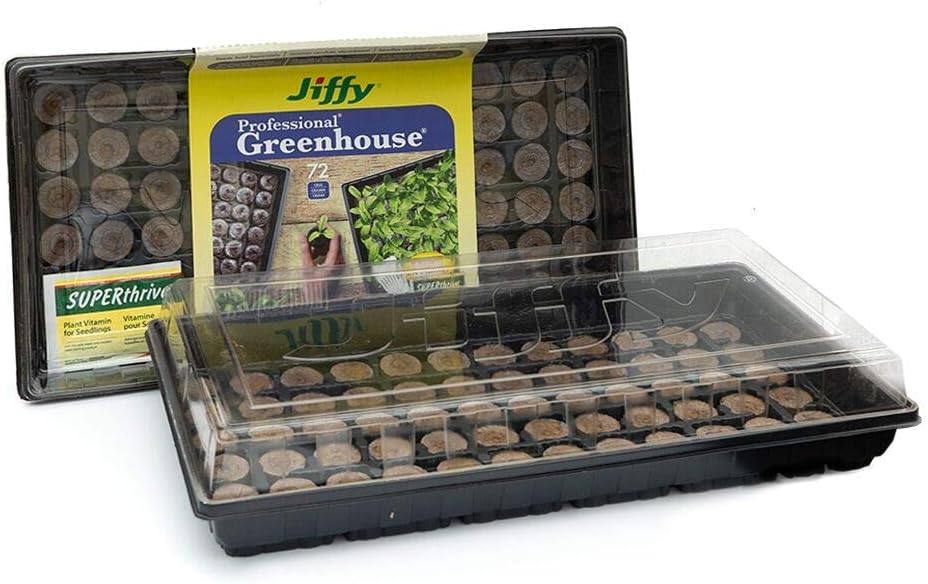
    Jiffy Seed Starting Greenhouse with 72 36mm Peat Pellets

    Planting Carrot Seeds

    Thin The Seedlings Once They Germinate

    It is advisable to thin the seedlings to about 4-6 inches apart.  The seedlings need to be thinned every two weeks until the plants have reached a length of 8-10”, after which time it is not necessary to thin anymore. A few weeks before planting, thin the seedlings so that only the strongest plants remain.

    Keep The Plants Moist

    Irrigate with water whenever the soil dries out.  Carrot is a cool-season crop and requires cool weather for optimum production.

    The plants can be harvested from late fall through early spring. Carrots are very popular vegetables and there are many different varieties available.

    Read more about Low Nitrogen Fertilizer

    Seedling Care

    Seeds are best planted in a sunny location with well-drained soil.  The soil should be kept moist until the seedlings have emerged from the ground.  

    Once the seedlings emerge, they should be watered every day until they are large enough to be transplanted into their permanent home.  The plants should be transplanted into a well-drained, but not too dry, soil as soon as possible after they reach two inches in height.

    Carrots should receive at least one inch of water a week during the growing season. When grown in dry soil, carrots may become misshapen, or develop a bitter taste.

    Carrot Seedling Care

    Carrot Varieties

    Some of the popular varieties commonly grown are:

    • Cortland – This variety has long taproots and high yield potential.
    • Early Burpee – Early maturing and high yielding variety.
    • Excel – This variety is hardy and productive and is best grown in cooler climates.
    • Giant Winter – The largest carrot variety available.

    Requirements For Planting Carrot Seeds

    Carrots need to have a frost-free period of at least six weeks to produce good-quality roots.

    • Soil Temperature.  Soil should be kept warm enough so that the soil is moist when the seeds are planted, and that the temperature does not drop below freezing. Ideal soil temperatures for germination are between 60 to 70 degrees, with little or no germination happening below 40 degrees.
    • Soil Moisture. The soil should be kept moist but not soggy.  Watering can be done by overhead sprinkler or by hand.
    • Sunlight.  Carrot seeds need light to germinate and to help them grow.
    • Spacing.  Carrots seedlings need 6-8 inches of space to grow and should be thinned out once they are large enough to handle.
    • Soil Fertility.   When planting carrots, it is important to provide a good balance of nitrogen, phosphorus, and potassium.  Carrots need an abundance of nitrogen to produce a strong root system and healthy plants.  Phosphorus and potassium are also important for healthy growth.
    Requirements For Planting Carrot Seeds

    Summary For Planting Carrot Seeds

    Planting carrot seeds requires enough preparation before putting those seeds on the soil or germinating trays. You must also provide them with proper nutrients to ensure they grow healthy and strong.

    FAQ’s

    How to germinate carrot seeds before planting?

    Carrot seeds are the most popular seed type, but they are often difficult to start. It is not necessary to soak your seeds for a long time.

    What month do you plant carrot seeds?

    Carrot seeds can be planted from late March to early April. When the temperature reaches 10°C (50°F) the soil should be moist, and then you need to water the seeds.

    Should I soak carrot seeds before planting?

    Seeds should be soaked in water for a few hours to soften and make them easier to handle. If you soak the seeds for too long they will begin to rot. After soaking, drain the seeds and then place them on a clean surface to dry out. After 2-3 days the seeds should be ready to plant.

    How long does it take to grow carrots from seed?

    Carrots can be grown from seed in about two months, though it is not necessary to start seeds indoors. The time from planting seeds to eating fresh-picked carrots will vary depending on the season and the variety of carrots.

  • Purple Green Beans

    Purple Green Beans

    Purple Green Beans are a particularly unique species of green beans. Just like the name indicates, these beans are purple as opposed to the common green colored green beans. Surprisingly, although they are purple when fresh, their color turns red when they are cooked.

    This article is a brief guide into how to grow purple green beans, the steps to follow when preparing the soil and harvesting. This article also briefly discusses how these unique beans can be utilized after harvesting.

    Purple green beans are also commonly known as the Royal Burgundy.

    Health Benefits Of Purple Green Beans

    Now, before we delve into planting purple green beans, let’s consider some of their nutritional and health benefits.

    If you were not previously knowledgeable about purple green beans, you may be in wonder as to their nutritional benefits. Let us briefly consider some of its nutritional benefits:

    • Healthy Weight: Green beans contain very low calories and virtually no fat and a very low amount of sugar. This means that if you are interested in watching your weight, you are very likely to benefit from green beans.

    • Support Heart Health: Another key benefit of consuming green beans is that it provides huge support for your heart health. Green beans contain fiber which may help lower blood pressure and reduce the occurrence of heart inflammation. The low sodium content of purple green beans makes it even more ideal for heart support.

    Health Benefits Of Purple Green Beans
    • High Protein Content: Green beans are renowned for containing very high protein. Protein generally helps to maintain healthy bones, hair, organs, and muscles in the body. A balanced protein intake is also essential to a healthy immune system.

    • Vitamins and Minerals: In addition to the above, this plant is a great source of vitamins and minerals. Essential vitamins such as vitamin A, vitamin C, vitamin K, and Vitamin E are all contained in green beans. Similarly, minerals like calcium, iron, zinc, potassium are contained in green beans.

    • Other Benefits: There is a wide variety of other benefits to be derived from consuming purple green beans. These include cancer prevention; improved chances of pregnancy and fertility, healthy bones, amongst other benefits are attained.

    Check Out Popular Types Of Basil

    Growing Purple Green Beans

    You should make sure to observe the following tips when growing purple green beans so as to achieve the best possible result:

    • Warm Sunny Location: Very importantly, purple green beans like other varieties of green beans require a warm sunny location. The soil temperature should be between 60 and 80 degrees Fahrenheit.

    • Best Type of Soil: The best type of soil for growing purple green beans is organically rich loamy soil. The soil should be one with good water drainage. Ensure you prepare the soil by providing required nutrients, removing weeds, and moisturizing before planting your beans.

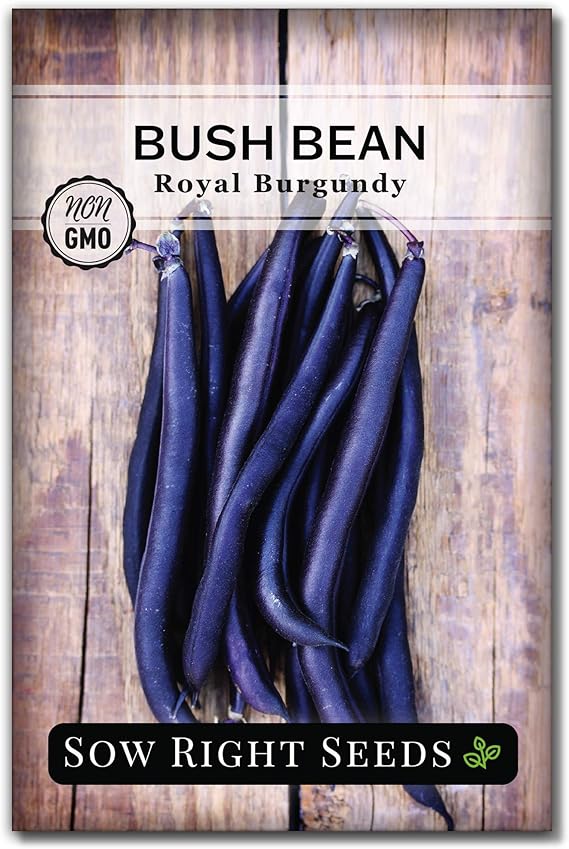
    Sow Right Seeds – Royal Burgundy Bean Seed for Planting – Non-GMO Heirloom

    81eZvNiXa0L. AC SX569
    • Preparing the Beans for Planting: Purple green beans must be prepared adequately before planting takes place. This is done by soaking the beans overnight in a bucket of cool or slightly warm water. Make sure to stir sufficient inoculant into beans before planting.

    • Fertilizer Application: Since purple green beans are legumes, they usually fix the nitrogen content in the soil. As such, you should avoid nitrogen-rich fertilizers. It is best to use a 10-20-10 fertilizer when growing purple green beans.

    • Time for Planting: The best time to plant purple green beans is usually any time after the last spring frost date. At this time, the temperature of the soil has improved significantly.

    Read more about How Long Does It Take Lantana Seeds To Germinate?

    Planting Purple Green Beans

    When planting purple green beans, make sure to do the following:

    • Prepare Seed Beds: You should dig rows of about 18 to 36 inches apart on which the seeds will be planted.

    • Dig Trench Down the Middle of Each Row: After making the rows upon which the seeds are to be planted, you should dig a trench right in the middle of each row. The prepared bean seeds should be placed 2 inches apart in the trench and thereafter the seeds covered with soil.

    • Succession Planting: If you wish your harvest to be sustained for the duration of a long period of time, you should adopt succession planting. This means that all available rows should not be planted at the same time. You should spread your planting may be over a month.

    • Water Consistently: Green beans require some moisture if it is to flourish. You should therefore water consistently, keeping the soil moist but not soaking wet. A total water supply of about 1 inch is required weekly by green beans for the duration of the growing season.

    Click Here to Learn about The Types Of HID Grow Lights

    Harvesting Purple Green Beans

    Royal Burgundy beans also known as Purple green beans are usually ready for harvesting between 50 to 69 days. Knowing when to harvest and how to go about the harvesting process is key to getting the best possible nutrition from the beans.

    You can harvest the tender young beans when they have grown to about 3 to 4 inches in length. At this time, they usually give out the best possible flavor.

    The harvesting period usually takes between two to three weeks, thereafter, the plant stops producing the beans. There is no need to wait after time for more harvest. This is because continued care of the plant will only benefit the leaves, but will not yield any other harvest.

    Harvesting Purple Green Beans

    How To Store/Preserve Purple Green Beans

    Eating Purple green beans after it is freshly harvested is no doubt the best way to enjoy most of the nutritional value.

    To preserve the beans, you may decide to cook. This however is very likely to cause a reduction in nutrients like vitamin C. You may also decide to store purple green beans in a refrigerator after putting them in a plastic bag. You can preserve green beans this way for up to a week after harvesting.

    Purple Green Beans: Final Say

    So, what we have seen above are purple green beans which are one of the varieties of green beans. Although it has a purple color when fresh, it turns green when cooked. It has a lot of nutritional benefits when consumed also.

    FAQ’s

    Why do purple beans turn green when cooked?

    You will notice a change of coloration as you cook your purple green beans. This is because the cells begin to rupture and lose water. When this happens, the acid around the anthocyanins is diluted allowing the green chlorophyll to show.

    Do all purple beans turn green when cooked?

    As a result of the heat involved in cooking, all purple green beans turn green when being cooked. This is because the heat causes the anthocyanins to deteriorate.

    What do purple green beans taste like?

    The flavor of purple green beans can be likened to a French green bean with grassy notes and a sweet finish.

    How To Cook Purple Hull Green Beans?

    You can cook your purple hull green beans by following the following steps:
    • Wash your beans and cut off the end of the beans. Heat your water and oil and add the green beans when the oil is hot. Stir to coat and allow to boil for 5 minutes. Uncover the pot and check if they are done. You should note that the longer they are cooked, the less crispy they become. Sprinkle with salt and pepper. Serve warm and enjoy.

  • Popular Types Of Basil

    Popular Types Of Basil

    Whether you grow it in your garden or in a pot in your kitchen, basil makes a great plant to grow. There are many different types of basil, each that can be great for your cooking needs. They will smell just as good as they taste, while also being easy to grow, making them perfect for your garden.

    Basil is a member of the mint family and is native to India, though it is now grown all over the world. It is a popular herb to use in Italian, Thai, and Vietnamese dishes. Though sweet basil is perhaps the most popular type, there are several other great varieties that you can grow at home.

    Types Of Basil And Their Uses

    Basil is one of the most popular herbs used in the culinary world. It is great for growing at home, in your garden or kitchen, as it is a relatively plant to maintain.

    There are many different varieties of basil that you can grow, all of which have delicious flavors great for cooking. They can range anywhere in height from eight inches tall to up to four feet tall, depending on the variety.

    Types Of Basil And Their Uses

    Sweet Basil

    Sweet basil is the most popular type of basil that has rounded cup-shaped leaves that are medium green in color. It is ideal for using in marinades, pesto and salads. In addition, it is great for using on pizzas, pasta and in other Italian dishes.

    Sweet basil is also be known to work as a mosquito repellent. It is a great go-to basil for all your cooking needs as it has a great flavor.

    Thai Sweet Basil

    Thai basil has dark pointed leaves and dark purple flowers heads and stems that contrast with the dark green leaves. It is known for having a spicy, licorice flavor, making it great for Asian dishes such as Sesame Noodles or Thai Basil Chicken. The distinct flavor sets it apart from other types of basils,

    Genovese Basil

    Genovese basil is another popular type of basil. It is the classic Italian basil that has extra-large dark green leaves. Though similar to sweet basil, it is flatter and pointier while also being more aromatic.

    Genovese is great for using in traditional Italian dishes including pesto, pasta and pizza. It can oftentimes be used interchangeably with sweet basil.

    Purple Basil

    Purple basil has a beautiful, striking purple color. Though not as sweet as other varieties, it is highly aromatic and has a stronger clove taste. It is great for adding to vinegar to add a beautiful color and flavor to dishes.

    Purple Basil

    Lemon Basil

    Lemon basil is growing in popularity thanks to its lovely lemon scent. It has light green leaves and a lovely sweet flavor. It is great for marinades, salads, chicken, fish, lemonade and even dessert.

    Holy Basil

    Holy basil has a sweet but spicy scent and is best eaten raw, as it can be slightly bitter. It is deeply respected within the religion of Hindu. This variety is popular in Indian cuisine, particularly in meat curries.

    Lime Basil

    Sweet with a mild citrus flavor, lime basil has bright green leaves. It is great for chicken, sauces, marinades and desserts. Lime basil also pairs great when used with lemon basil.

    Lettuce Basil

    Lettuce basil has large floppy leaves that are slightly wrinkly. The leaves have a slightly sweet mild flavor. Lettuce basil is great for salads and to garnish dishes as well.

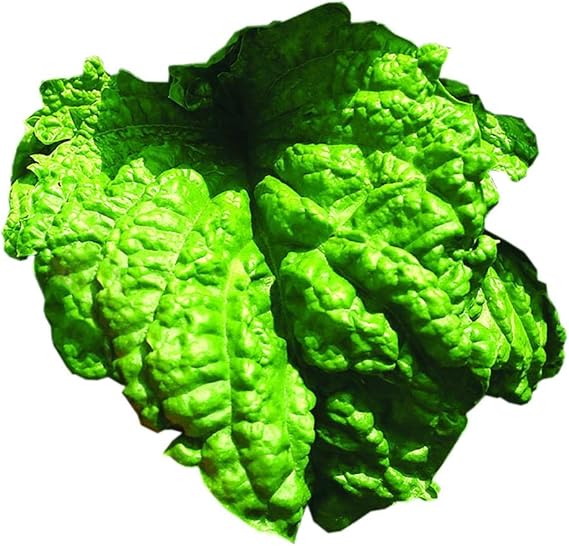
    Park Seed Lettuce Leaf Basil Seeds, Includes 100 Seeds in a Pack

    61FD9d7k jL. AC SX569

    Cinnamon Basil

    Cinnamon basil is spicy, fragrant and vibrant in color. The flowers are pink at maturity and the stems are a reddish, purple color. It is great for using in marinades, fried rice, pasta dishes and with roasted vegetables.

    Greek Basil

    Greek basil is one of the smallest varieties of basil, with small pointed leaves, growing to be around only eight inches tall. It is a great option to use in soups, salads and meat dishes. In addition, it also makes a great garnish with your favorite meals.

    Napoletano Basil

    Napoletano basil is a sweet variety of basil, but it is slightly spicier than sweet basil. It has medium green leaves and is very similar in appearance to sweet basil. It is particularly great for pesto and other popular Italian dishes.

    Christmas Basil

    Christmas basil has a lovely fruit flavor to it. Christmas basil has medium green leaves with dark purple flowers. It is great for using with salads as well as drinks.

    Italian Large Leaf Basil

    Italian large leaf basil has large, green leaves. It is similar to Genovese, but it is even sweeter in flavor. It is great to use in traditional Italian dishes, drinks, and desserts

    The Many Different Delicious Types Of Basil

    Basil is a great herb you can grow in your kitchen or garden that is great for gardeners of all experience levels. It tastes great in a variety of dishes and is particularly popular in Italian and Asian dishes. Each type has its own flavor profile and is great for particular dishes.

    Though sweet basil is the most popular type of basil, there are many great other types that make for a wonderful addition to your kitchen. Most varieties will grow well in different locations.

    Do you have any questions regarding the types of basil? If so, please ask any questions about growing and using basil in the comment section below.

    FAQ’s

    How Many Types of Basil are There?

    There are between an estimated 50-150 different types of basil. Most of the different types of culinary basils are cultivars of O. basilicum, which is also known as sweet basil.

    What are the Different Types of Basil?

    The different types of basils can be broken down into Ocimum basilicum cultivars, Ocimum americanum and Ocimum ×citriodorum cultivars. However, there are a few types that fall into the other species and hybrids category.

    What is the Most Common Type of Basil?

    The most common type of basil you will find is sweet basil. It is a versatile type with a slightly sweet flavor that is great in many different things including marinades, pesto, pasta, pizza, chicken and more.

  • Is Zucchini A Fruit?

    Is Zucchini A Fruit?

    People often refer to zucchini as a vegetable, but is zucchini a fruit? Zucchini is a summertime favorite among many people and is packed full of many nutrients. It often grows in abundance and is relatively low maintenance, making it a great plant to grow in your home garden.

    Zucchini is versatile and can be used in many dishes, both sweet and savory. It is a type of summer squash that you can readily find at farmer’s markets and at grocery stores. It is essential in most baker’s kitchens during the summer season.

    What Is Zucchini? 

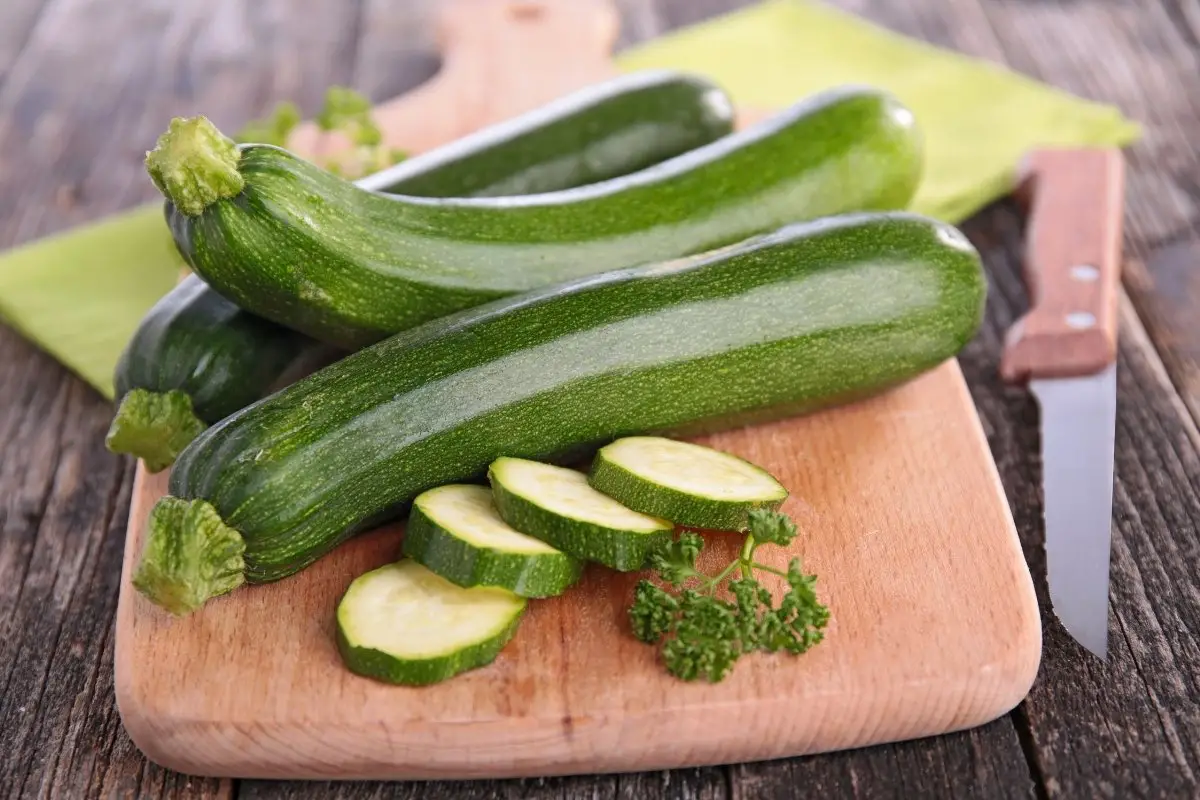
    Zucchini is a popular variety of summer squash that is a member of the gourd family. It is around 6-10 inches long and has dark green skin. The skin is soft and the flesh is tender, with small seeds.

    Zucchini is a versatile plant, as it is enjoyed in both sweet and savory dishes. It can be enjoyed both cooked and uncooked. There are many different varieties of zucchini and though most are dark green at maturity, some may be stripped, golden, deep yellow or orange in color.

    What Is Zucchini

    Though zucchini descends from squashes from Mesoamerica over 7,000 years ago, they were first grown in Milan in the late 19th century. They first came to America in the 1920s, as they were brought over by Italian immigrants. Depending on where you live, they may be called courgettes.

    Zucchinis are capable of growing in many different areas. They do particularly well in temperate climates. Oftentimes, they tend to grow in abundance, so you can get several zucchinis each year from your garden.

    Zucchinis tend to have a mild flavor that is slightly earthy while also being just slightly sweet and sometimes slightly bitter. This gives them great versatility in the cooking world. They are tender to the bite and often have a smooth consistency.

    Read more about The Types Of HID Grow Lights

    Is Zucchini A Fruit Or Vegetable?

    Technically, zucchinis are a type of fruit. Fruits are classified as the ripened ovary from a flower that contains the seeds for that plant. In fact, zucchinis are considered to be a variety of berries since they are fleshy fruit without a stone that is produced from a single flower from an ovary.

    Though zucchinis are by botanic definition a fruit, in the culinary world they are generally considered a vegetable. This is due to the fact that they are primarily used in savory dishes.

    Though it may seem odd that zucchinis are considered a berry, it is because they grow from a flower and have soft, fleshy skin while also featuring a hardened epicarp. Though they may not look like other berries, they meet the botanical definition of them.

    Uses For Zucchini

    Zucchini comes with many uses in the kitchen, which makes them a great fruit to grow. Though most of their uses are in savory dishes, they are also used in sweet dishes as well. They are perhaps the most popular type of squash to cook with.

    Zucchinis taste great when they are roasted, grilled, sauteed, baked, fried, and seared. They also taste great in ratatouille, pasta dishes, fritters, salads, soups, gratin, and even quesadillas.

    One of the most popular zucchini dishes is zucchini bread. Zucchini bread is a type of quick bread that combines different spices with shredded zucchini. The zucchini does not affect the flavor of the bread but provides delicious moisture and texture in the bread.

    Zucchini can also be used in cakes, muffins, brownies waffles, and pancakes. It adds wonderful consistency and moisture to dishes without affecting the main flavor of the dish.

    Check Out 5 of the Best Urban Compost Tumblers

    Health Benefits – Is Zucchini A Fruit?

    There are many health benefits that come along with eating zucchini. They contain beneficial vitamins, minerals, and antioxidants. In addition, they have a high fiber level while being low in calories.

    Survival Garden Seeds Zucchini & Squash Collection Seed Vault – Non-GMO Heirloom Seeds

    Is Zucchini A Fruit?

    Zucchinis can also help contribute to healthy digestion. They may also help reduce blood sugar levels and improve heart health. They can even help with your eye health and also help with weight loss.

    How To Grow – Is Zucchini A Fruit?

    To grow your own zucchini, plant them in an area with full sun, where they will get six to eight hours of sunlight a day. They should have soil that is moist and rich in organic matter. In general, they will need one to two inches of water a week.

    Plant the zucchini seeds one inch deep, two to three inches apart. Place your rows three to six feet apart to allow adequate growing space. When the first bloom appears, you can use a balanced fertilizer to benefit the growth of your plant.

    Click here to Learn about Outdoor Outlet Timer

    The Many Uses Of The Zucchini

    Though oftentimes people will refer to zucchinis as vegetables, they are in fact fruit. To be specific, they are actually a type of berry, though they don’t look like most other berries. They grow tender, fleshy fruit from a single flower without a stone.

    Do you have any questions regarding is zucchini a fruit? If so, please ask any questions regarding what a zucchini is and how to grow it in the comment section below.

    The Many Uses Of The Zucchini

    FAQ’s

    What is a Zucchini, Fruit or Vegetable?

    Though oftentimes referred to as a vegetable, zucchini is in fact a fruit. This is due to the fact that the ripened ovary from its flower contains the seeds for that plant.

    Does Zucchini Count as a Vegetable?

    In the culinary world, zucchinis are often referred to as vegetables because they are used in many savory dishes. However, they are still a fruit and do not technically count as a vegetable.

    Is a Zucchini a Squash?

    Yes, zucchini is a type of summer squash. Summer squash has tender, edible rinds, unlike winter squash. They are harvested when immature and upon being harvested, they only have a few days to be used while they are at their best.

    What is a Zucchini Classified As?

    Zucchini is classified as a type of berry. To be more technical, they are a pepo, which is a specialized term used for fruits of the gourd family. This is because they have a hard outer rind, but they are not internally divided by septae.

  • A Guideline On How To Harvest Spinach

    A Guideline On How To Harvest Spinach

    Knowing how to harvest spinach goes a long way to impact the growth of the plant after harvest. Spinach is a really fast-growing plant, as such, it has the ability to yield quite a lot of leaves in a short time.

    Growing spinach must be done with tact and with careful attention paid to the plant. The trick with growing spinach lies in making the plant last as long as possible, even after harvesting. This article gives you a guide on how to harvest spinach so as to keep the plant alive for a long period.

    Before we delve into how to harvest spinach, let’s briefly consider how to grow the plant.

    Guide On Growing Spinach

    When growing spinach, ensure to take note and observe the following tips:

    • The best time to plant spinach is during the cool weather- very early spring, late summer or early fall, and late fall through mid-winter.
    • Ensure to space spinach plants about 12 inches apart in well-drained soil with a pH of 6.5 to 7.0. The plant should be prepared with the appropriate soil nutrient.
    • You should check the soil moisture from time to time and ensure to keep it consistent.
    • If you want to attain tender and very rapid leaf production, you should feed on a regular basis with water-soluble plant food.
    • You should begin to harvest once leaves are large enough to be eaten, starting with the outermost leaves.
    Guide On Growing Spinach

    Harvesting Spinach – How To Harvest Spinach

    Knowing how to harvest your spinach goes a long way to affect the lifespan of the plant. A convenient way to harvest spinach is to do so with scissors by cutting the leaves at the stem. This should be done by first focusing on the outer and older leaves first, and then gradually harvesting to the center.

    Another method that may be adopted when harvesting spinach is to cut the whole plant off at the base instead of the stem. This method allows the plant to re-sprout and give you another partial harvest. You should ensure to decide when you intend to use the plant before harvesting.

    If you want the plant to continue to flourish and last for long, you must take further precautions when harvesting. One of these is to ensure not to take more than 25-30% of a single plant at any point in time. This gives the plant room to continue to grow and blossom.

    When harvesting baby spinach leaves, you should cut off individual outer leaves, but also ensure to leave the crown of the plant. Leaving this intact will allow the plant to regrow for a future harvest. You should halt after two harvests, and carry on the third only after the baby leaves are fully mature.

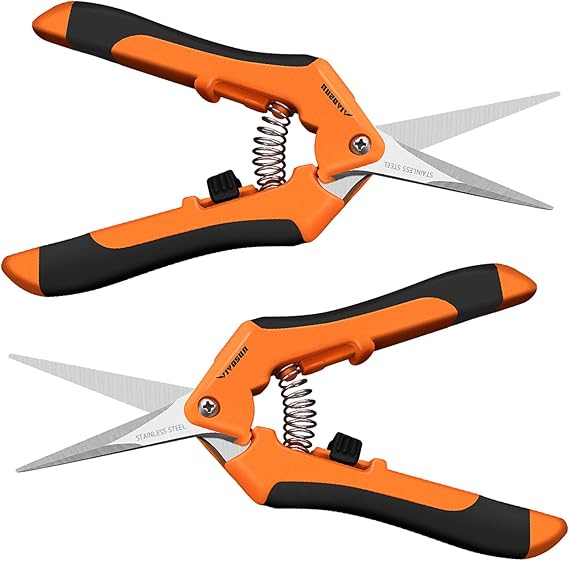
    VIVOSUN 2-Pack Gardening Hand Pruner Pruning Shear with Straight Stailess Steel Blades

    How To Harvest Spinach

    When To Harvest Spinach

    Knowing the best time to harvest your spinach also goes a long way to impact harvest and yield. Generally, the best timing for your harvest is dependent primarily on the type of green you are growing.

    When you planted is baby spinach, they are usually ready to be harvested between 20 to 30 days after the seeds were sown. During this timeline, baby spinach leaves are still round in shape and very tender.

    Where on the other hand, you are growing mature spinach, you may need to wait longer. The leaves will have to get thick, broad and in some varieties crinkled. These mature spinaches are usually ready to harvest between 38 and 50 days after planting.

    Can You Plant Spinach In Succession To Aid Harvest Yield?

    You may have wondered if Spinach is one of those vegetables that can be planted in succession, say for instance every week instead of planting at once. This is referred to as succession planting.

    Succession planting of spinach seeds has been discovered to be the best way to maximize your harvest. When adopting this planting style, spread the sowing of the seeds out over several weeks. By doing so, you ultimately spread your harvest over a long period of time.

    Planting And Growing Spinach For Best Harvest

    You should do the following when planting and growing spinach so as to attain the best possible harvest:

    • The seeds should be sown about 0.5 inches deep every 2 inches. You should plant in rows of about 12 to 18 inches apart.
    • You should adopt succession planting if you wish to get the best possible result.
    • Thinning should be done when seedlings sprout about 2 inches apart. The ideal spacing should be about 3-4 inches apart.
    • Spinach does well with water, so water regularly and mulch so as to retain as much water in the soil as possible.
    • The nutrient application should be done even as plants continue to grow. It is appropriate to add nitrogen fertilizer when the plant begins to grow so that the leaves can retain their green color.
    • Spinach may get affected by pests and diseases such as leaf miners, bolting, leaf spot, Cercospora among others. You should therefore be very observant with your spinach and apply the appropriate pesticide when needed.

    Preserving Spinach

    It is very important to note that harvesting spinach requires some effort because of the nature of the plant. It is, therefore, best to harvest the amount of spinach that you will be needing immediately. By so doing, you don’t need to bother with preserving or storing the vegetable.

    Preserving Spinach

    Where, however, you have a bumper harvest that cannot be consumed immediately, you can preserve the extra by freezing it in a sealed container or bags. By doing this, you may retain the nutritious and delicious taste of the harvested spinach for some time.

    Check Out These Helpful Tips To Growing Yellow Squash

    Conclusion on How To Harvest Spinach

    From the above, you would notice that growing and harvesting spinach is not an entirely difficult task to do. You must however pay very close attention when harvesting the plant. Harvesting the proper way may help elongate the lifespan of the plant long after harvest.

    Harvesting may be done in different ways depending on the result you wish to attain. Planting, caring for and harvesting spinach is not difficult if these simple tips are followed.

    FAQ’s

    How to harvest spinach without killing the plant?

    If you wish to harvest spinach without killing the plant, you should be careful enough to cut only the leaves from the stem and not cut the stem. Also, ensure that you do not harvest more than one-third (1/3) of the leaves on a plant.

    How to harvest spinach seeds?

    The spinach seeds are usually attached to the stem of the female spinach plant. The seeds begin to appear when the spinach plant begins to mature. You should pick up the seeds as they fall or remove them from the plant just before they fall from the stem.

    How to harvest spinach so it keeps growing?

    If you wish to harvest spinach so it keeps growing, you must exercise some caution when harvesting. You should be careful enough to cut only the leaves from the stem and not cut the stem. Also, ensure that you do not harvest more than one-third (1/3) of the leaves on a plant. As much as possible, try to harvest from the outside down to the inside. For baby spinach, you should be careful not to cut off the crown when harvesting.

    How long to harvest spinach?

    Baby spinach should be harvested between 20 to 30 days after being planted. However, for mature spinach, you should wait longer. It should be harvested between 38 to 50 days.

  • Helpful Tips To Growing Yellow Squash

    Helpful Tips To Growing Yellow Squash

    Growing yellow squash is an option for a healthy garden. Yellow squash is a rich versatile vegetable and one of the species of summer squash. It is a vegetable that grows fast, rich in vitamins, and can be used to make cheesy casseroles, a healthy pasta substitute, and even baked parmesan bites.

    Growing yellow squash may be a little tricky to grow as the plant require a varying amount of nutrients and may be easily affected by pests and diseases. It is therefore important that you take note of a few vital points when planting and growing yellow squash so as to attain the best result.

    This article gives you a guide on the things you should note when planting and growing yellow squash. The best time to plant in the year and the likely time to expect harvest are all covered here. A few practices to adopt so as to prevent pests and diseases from attacking the plants are here also.

    Now let’s begin with things you should note when planting and growing yellow squash.

    Tips On Planting Yellow Squash

    The following are some important planting conditions you should take note of when planting yellow squash:

    Yellow Squash Grows Better In The Summer

    This plant is highly susceptible to cold and as such does not do well in cold soil or frost. It is, therefore, best to plant in the middle or towards the end of spring when the temperature is about 65 degrees Fahrenheit. From mid-March to April is the best time for early harvest, while from late July through August is the best time for fall harvest.

    It Requires A Lot Of Sunlight

    This vegetable requires a lot of sunshine for the best possible result to be attained. Planting Yellow squash in a shady place or under an umbrella tree or plant will not yield the best result. Ensure the plant receives about eight hours of sunlight daily.

    Click Here to Learn:

    Pick A Location That Drains Water Well

    Yellow squash does not do well in a place where water is accumulated. This is bad for the root and may lead to root rot which may ultimately kill the plant. Avoid low grounds and water accumulated sites when planting.

    pH Soil Levels

    For yellow squash to do well, the pH level of the soil should be between 6.0 and 6.5. Where this level is not the case for your garden, take steps to augment it accordingly. You should take steps to check your soil pH level from time to time.

    Luster Leaf 1601 Rapitest Test Kit for Soil pH, Nitrogen, Phosphorous, and Potash

    Growing Yellow Squash

    Support Your Soil With More Nutrients

    Squash is considered to be a heavy feeder, and this implies that it requires a lot of nutrients to thrive. As such, improve your soil with organic compost and natural, slow-release fertilizer before and after planting. You should however be careful not to use fertilizers with lots of nitrogen as this encourages leaf growth which may be good for a young plant, but not at the fruit-giving stage.

    Check Out A Guide On Saving And Growing Persian Cucumber Seeds

    How To Plant Yellow Squash – Growing Yellow Squash

    You can do the following when planting yellow squash:

    • Prepare the Soil: You do this by confirming the soil pH level, ensuring water drains well from the soil, and adding the relevant nutrients to boost the soil.
    • Sow Seeds: Two or three seeds should be sown every nine to twelve inches. The depth of the seed should be between 1 and 1.5 inches into the soil. When planting seeds, ensure the temperature is about 65 to 70 degrees Fahrenheit since the plant is frost-sensitive.
    • Cover the Seeds: After planting, you should cover them slightly with a mulch. This could be straw, wood chips, or dried leaves. This helps to keep the weeds down and maintain the soil moisture pending when the plant begins to grow leaves.
    • Keep Soil Moist: During the germination period, keep the soil moist and water regularly. Ensure to be careful when watering so as to prevent leaf diseases. It’s best to water at ground level and not directly on leaves.
    How To Plant Yellow Squash
    • Thinning: Yellow squash usually spread and cover available space easily. As such, you should thin to the strongest single seedling of the 2 or 3 you planted in each group.
    • Harvesting: It all depends on the desired result. “Scallop” yellow squashes are best picked when they are between 3 to 5 inches across, while “Crookneck” and “Straightneck” are best left until they are about 4 to 7 inches. If you delay harvesting early enough, the skin may become thick and tough, with dense interior seed pockets.

    Common Pests And Diseases That Affect Yellow Squash

    Yellow squash is often affected by a wide array of pests and diseases. As such, extra care must be taken when growing the plant. They are plagued by squash bugs, cucumber beetles, squash vine borers, slugs, and snails. In addition to these, sap-sucking whiteflies and aphids are pests to the plant.

    Yellow squash is also affected by diseases like mosaic viruses, squash blossom blight, and cucumber bacterial wilt. It is therefore imperative that you regularly check the plant to ensure that they are not disturbed by any of these diseases or pests. Treat swiftly once you notice any of the above.

    Different ways are adopted when dealing with these pests and diseases. For example, squash bugs usually become active and lay their eggs in early spring. Squash visible eggs laid on the stem of the plant and use pesticides to eliminate those that are laying eggs or have hatched.

    Common Pests And Diseases That Affect Yellow Squash

    In the case of cucumber beetles, mulching the ground with stray, hay or any other item is a good way to deter the beetles from laying eggs. Also, by planting cucurbits later in the season, you are sure to scare the beetles away.

    Growing Yellow Squash: Final Say

    Growing yellow squash is a bit intricate as you have seen from above. You must therefore be willing to give the requisite attention when growing yellow squash. Ensure to plant at the right time and in well-prepared soil. These are factors that will likely improve the result obtained.

    This plant like some other plants is susceptible to pests and diseases. Therefore, this means that you must put into consideration some necessary precautions to deal with these diseases.

    FAQ’s

    Why is my yellow squash growing deformed?

    There are different reasons why your yellow squash may be growing deformed. Some of these reasons include pest infection, boring insects, excess calcium in the soil, or the result of a disease, more likely a mosaic virus.

    Why are my yellow squash growing small?

    If you are having problems with the size of your yellow squash, and the plant does produce ample flowers, then you are dealing with a pollination issue. So, you need pollination or a physical transfer of pollen from male flowers to female flowers, usually by bees. If this is not happening, then you will have issues with the size of your fruit.

    When to start growing yellow squash from seed?

    From mid-March to April is the best time to plant from seed for early harvest, while from late July through August is the best time to plant from seed for fall harvest.

    How long does it take to grow yellow squash?

    It usually takes between 45 to 60 days from planting to harvest for most varieties of yellow squash.