Category: Organic Food

  • How Long Do Carrots Take To Grow?

    How Long Do Carrots Take To Grow?

    How long do carrots take to grow? Let’s find out. Carrot is one of those vegetables which is considered to be highly nutritious and beneficial for your health.

    This article gives an insight into how long it generally takes for carrots to grow from planting to harvest. The different tips to note about growing carrots and how best to care for the plant are also discussed in this article.

    To achieve the best possible result, this article also discusses the best time to plant carrots and when to possibly expect to harvest. How to go about the harvesting stage and a few tips on how to store carrots when they are not being consumed immediately are also discussed here.

    How Long Do Carrots Take To Grow?

    When carrots are planted outside in the garden or yard, with moderate exposure to the sun, good soil nutrients and proper watering harvesting become very easy. Carrots would in such conditions be ready for harvest between 70 and 80 days after planting.

    Where there is a change in the above conditions, the timeline may be altered slightly. Where they are planted indoors and exposed to the ideal temperature, light, and water conditions, carrots should be ready for harvesting between 60 and 80 days.

    Carrots Take To Grow

    You may not even need to wait for the above timelines if you have a preference for baby carrots. Your baby carrots should be ready for harvest in about 50 to 60 days after sprouting.

    Tips On Growing Carrots – How Long Do Carrots Take To Grow?

    If you are desirous of achieving the best possible results, you should take note of the following when growing carrots:

    • Soil Preparation: you may decide to plant your carrots just about anywhere. You may decide to plant them in the ground without making beds, or in raised beds, or even on the patio in tubs. The soil should however be stone-free and well-dug, with exposure to sunlight.
    • Planting Carrots: after preparing the soil, the carrot seeds can then be planted. The carrot seeds should be soaked for several hours or throughout the night in warm water. This aids the germination process. The seeds should be sown ¼ to ½ inch deep and 1 inch apart in rows spaced between 12 to 24 inches apart.
    • Watering the Plant: carrots require a good amount of water to grow even at a very early stage. As such, water should be provided regularly to the plant. It is for this reason that it is necessary for the soil to be well-drained.
    • Care for Carrots: When the seedlings reach about 2 inches tall, they should be spaced about two inches apart. When weeds begin to appear, ensure to pull them out early enough so they don’t disturb the carrots. Apply low nitrogen-rich fertilizers about 6 weeks after planting.

    • Sowing Carrots: Carrot seeds can be sown from very early spring right through August. The vegetable can be harvested about all year round. Most varieties get sown between April and July, while early cultivars may be sown as early as February.
    • Carrot Disease Prevention: Carrot flies are notorious for damaging the roots of carrots. To prevent this insect from wreaking havoc, cover the ground with garden fleece or with a row cover.
    • Harvesting Carrots: When it is about time to harvest the carrots, you would know from the size of the top of the root poking out of the soil. When it appears matured, you can harvest the vegetable. The smaller ones are easy to pull out directly from the soil, while chunkier ones will require some digging from the ground.
    • Storing: Where the carrots are not being consumed immediately, they should be stored in cold temperatures a little above zero degrees. You can also store in sand or sawdust, or simply by leaving the harvested carrots under heaped soil in the garden.

    Recommended Varieties Of Carrots

    Carrots have a wide array of varieties from which you can pick if you are interested in growing the plant. These different varieties come in different sizes, shapes, and colors. Some of the recommended varieties are:

    • Danvers: This is a classic heirloom variety, usually about 6 to 8 inches long. It usually tapers at the end and has a rich, dark orange color. It has the ability to thrive in heavy soil.
    • Bolero: This variety is usually about 7 to 8 inches long and slightly tapered. It has the ability to resist most leaf pests and blights.

    10 Carrot Seeds Variety Pack Non-GMO Heirloom Carrots Garden Growing Seeds

    How Long Do Carrots Take To Grow?
    • Little Finger: Just like the name suggests, this is a small Nantes type of carrot which is only about 4 inches long and about 1 inch thick. It is a good variety to plant in pots or containers.
    • Nantes: This is an exceptionally sweet variety, of about 6 to 7 inches long. It has a crisp texture and is easily recognized.

    Nutritional Benefits Of Consuming Carrots

    The nutritional benefits of consuming carrots are numerous. Carrot contains water, protein, calories, carbs, sugar, fiber, and little traces of fat. Below are some of the major nutritional benefits:

    • Lowers the Risk of Cancer: antioxidants that carrot contains help a great deal to fight harmful free radicals in your body. These radicals can easily make you less likely to have cancer. Carotenoids and Anthocyanins are the two main types of antioxidants in carrots.
    • Heart Health: just the way the antioxidants in carrots help reduce the risk of cancer, they are also very beneficial to the heart. Carrot also contains potassium which helps keep your blood pressure in check, while the fiber content helps with weight and lowers risks of diseases.
    • Boost Your Immune System: carrots contain a substantial quantity of Vitamin C, and this helps your body build antibodies. This ultimately helps to defend your immune system. Vitamin C also helps your body to take in and use iron, which helps prevent infections.
    • Help Control Diabetes: people who have been diagnosed with diabetes are advised to consume more starchy vegetables such as carrots. The fiber in carrots helps to keep blood sugar levels under control and the Vitamin A and beta-carotene it contains helps with diabetes.
    Nutritional Benefits Of Consuming Carrots

    Conclusion – How Long Do Carrots Take To Grow?

    As you have seen from the above, carrots are one of the vegetables that anyone can recommend for you. Its benefits are huge and as such, it is highly desirable.

    This article gives you a guide to planting, growing, and caring for carrots. It also gives you an idea of how long it will take to grow carrots and when you are likely to harvest after planting.

    FAQ’s

    How long do carrots take to grow indoors?

    In a situation where carrots are planted indoors and exposed to the ideal temperature, light, and water conditions, they should be ready for harvesting between 60 and 80 days.

    How long do baby carrots take to grow?

    If you are a lover of baby carrots, the wait time is usually less. Your baby carrots should be ready for harvest in about 50 to 60 days after sprouting.

    How long do carrots take to grow from seed?

    In the right conditions, carrots usually take between 70 and 80 days to grow before they can be harvested when planted as seeds. This timeline may be briefly altered depending on the exact conditions the seeds and plants are exposed to.

    How long do carrots take to grow from containers?

    When carrots are grown in containers, the timeline before harvest usually depends largely on the variety. Most varieties will however be ready for harvest about 75 days after germination.

  • Head Of Broccoli

    Head Of Broccoli

    Broccoli is a type of vegetable that is under the cabbage family. Head of broccoli is pretty edible. So, its flowering head, stalk, and up to the leaves make up for that edible vegetable.
    Under the cabbage family, there are others like cabbage, kale, bok choy, Romanesco, cauliflower, Brussels sprouts, arugula, and kohlrabi. The big flower portion which is at the extreme of a broccoli stalk is called the head of broccoli.

    Cutting the head into smaller bits and removing the thick stock gives you what is called broccoli florets. The broccoli floret most times is used as part of mouth-watering recipes.

    In an actual sense, the part of the broccoli with the best taste is the stalk. It is the best part of broccoli because it is rich in vitamins than the flower itself.

    That is why you shouldn’t throw away the stalks. But the stalk has tough skin and gets tougher after cooking it. To know how to get the best of the head and stalk of broccoli, keep reading.

    Broccoli Vegetable – Head Of Broccoli

    Like it’s been said earlier on, broccoli is a vegetable under the cabbage family. Broccoli and the rest of the members of the cabbage family are all vegetables that have their origins traced down to a wild mustard plant.
    This particular plant has been bred for the sole aim of producing different traits. They all are from Brassica oleracea species. The reason for breeding the plant called broccoli is to bring about a plant with bigger stems flowers.

    Broccoli Vegetable

    While the reason for breeding other cultivars is for more and bigger leaf buds, this is in the case of cabbage and Brussels sprouts, then for more leaves in the case of kale.

    The flowering part of a plant that must be harvested before the flower buds begin to bloom is known as broccoli. When the head of the plant turns yellow and begins to produce seed, then it can be planted instead to grow more seeds.

    Check Out How To Make Potash – A Step By Step Guide

    The Number Of Cups Of Broccoli Florets In A Head

    3 ½ cups of broccoli floret can be gotten from an average size of a broccoli stem. You can also get up to 2 cups of stalks that have been cut into pieces and still cook everything together with your broccoli floret to get more quantity.

    Knowing What Broccoli Look And Taste Like

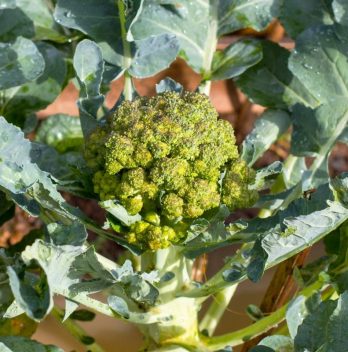
    Broccoli takes the form of a small tree which is green and has a thick stem. Looking at typical broccoli closely, you will notice the head of broccoli has lots of flower buds that are tightly clustered together but have not started to bloom.

    Fresh broccoli should be dark green, especially the flower potion. It must be heavy and the buds must be tightly held together. If the broccoli is older, the color will be pale green or sometimes yellow. The body mass will be light too. Don’t eat it if it has turned slimy which means it’s old.

    365 by Whole Foods Market, Broccoli Florets, 32 Ounce

    Head Of Broccoli

    As for the taste of broccoli, it should be earthy and even a bit bitter too. This is because the vegetable contains glucosinolate compounds. For some people, it’s really bitter, while some others can’t taste it at all due to the type of gene that they have.

    Read More About What Are T5 LED Grow Lights All About?

    Knowing Broccoli Cuts From Florets

    It is possible to mistake broccoli cuts as broccoli florets if you’re not so familiar with how they come when they’ve been packaged to be sold.

    You see, broccoli cuts comprise broccoli florets and as well as broccoli stalks that have been cut into pieces. Hence, you might not even know you’re buying broccoli cuts at the supermarket because the package comes as a lot of cut-up stalks but few florets.

    Endeavor to use only broccoli florets, instead of cut broccoli, as a side dish. But you can use the cut if you will take your time to prepare it correctly. You can as well purée the broccoli cuts as a soup instead or you can as well prepare them in a casserole, they will turn out good and taste great.

    This is because eating the cuts without being prepared can turn out bad. They are usually very tough and chewy if they are not been peeled and prepared.

    Knowing Broccoli Cuts From Florets

    How To Cut Broccoli

    Cutting all the parts of broccoli, especially the stalks, doesn’t take much time. It is also worth it because you get to use up all the broccoli stalk parts which is very economical.

    • Cut Off The Floret Stems

    A great idea of getting lovely florets is to leave the stems long. With the help of a chef’s knife, slice off the floret of the broccoli at the point where both its stem and the main stalk meets. Don’t cut the florets to the point where they are attached to each other.

    This is because the broccoli loses its lovely shape that way, making the floret look stubby. But there can always be an exception in a situation whereby you want to make a broccoli soup or you don’t need much stem in a veggie tray. Then the stem can be cut shorter.

    • For Large Broccoli Florets, Cut Them In Half

    For florets that are large in size, cut them into two at the bottom of the stem and then separate the florets. The florets should be equal in size if possible but not necessarily perfect.

    • You Can Cut The Stalk Too But It’s Optional

    The stalk is rich tastier and rich in vitamins than the flowers, you just have to know the right way to bring out its flavor.

    The irregular outer skin that is on the stalk should be sliced off, thereby making them into four sided rectangular sticks. The stalls can be used in stir-fries just like the florets.

    Head Of Broccoli: Conclusion

    So that’s it. The broccoli peelings can also be used for making vegetable broth. After all, the whole part of the broccoli can be very useful and not just the head of broccoli.

    FAQ’s

    What is a head of broccoli?

    The head of broccoli is very unique and it is the clusters of flowers that. So, it is also referred to as the cluster of flowers.

    How many calories in a head of broccoli?

    Broccoli tends to offer very low calories. The calories of broccoli are around 31. So, if you are concerned about your calorie intake, you can be sure that broccoli offers you low calories.

    How much protein in a head of broccoli?

    The head of broccoli comprises of about 2.6 grams of protein. However, when it comes to the calorie content of one cup of chopped broccoli which is the same as 88 grams, it has 2.5 grams of protein. Then 100 grams of broccoli comprise 2.8 grams of protein.

    How many carbs in a head of broccoli?

    The quantity of carbs present in the head of broccoli is about 6 grams. However, when it comes to the carb content of 1 cup of broccoli florets, we have about 3.6 grams.

  • Growing English Cucumber Seeds

    Growing English Cucumber Seeds

    Cucumbers are one of the most popular plants people grow in their gardens. Growing English cucumber seeds makes a great addition to your garden. They taste delicious and can be enjoyed in many different dishes.

    If you are a lover of cucumbers then English cucumbers are a great variety to try. They are flavorful and are relatively easy to grow, which makes them great no matter your experience level as a gardener. They make a great addition to any garden and will be a new favorite.

    English Cucumbers Vs Common Cucumbers

    There are nearly 100 types of cucumbers, however, the most common varieties are slicing, pickling and English. These types vary by size, texture, appearance, and taste, with English being a favorite among many.

    English cucumbers were created to be a more desirable version of the common cucumber. They have smoother skin, smaller seeds, and a less bitter taste.

    English Cucumbers Vs Common Cucumbers

    English cucumbers also go by other names including seedless cucumber, burpless cucumber, hothouse cucumber, and European cucumber. They are long, thin, and straight in appearance with dark green skin. They can be twice as long as slicing cucumbers as they can grow to be 14 inches.

    Unlike pickling cucumbers, they do not have bumps on their skin. They typically have a sweeter taste than common cucumbers and due to their thinner skins, they do not need to be peeled.

    Growing English Cucumber Seeds

    English cucumbers are a great variety to grow in your garden. You can grow them in pots or in your garden, depending on how much space you have. Growing them from seed can be a rewarding process, as you will be able to enjoy all the work you put into them.

    Before you get planting your cucumbers, you will want to aerate the soil. Cucumbers do best in soil with a pH level between 6-7 that is rich in organic matter. You will also want to choose a location where they will receive full sun.

    Plant your cucumber seeds in late March or early April, once temperatures reach at least 55-60 degrees Farenheit. Place your seeds six inches apart in rows that are 12-18 inches apart. Create small mounds of soil and place six to eight seeds in each mound.

    Burpee Sweet Success Slicing Cucumber Seeds 20 seeds

    71s JYasnJL. AC SX569

    You can also opt to grow them in a pot instead. Ideally, you will want a pot that has a depth of about one foot.

    Moisten the soil after planting the seeds but do not soak it. Keep the soil moist for seven to 10 days after planting your seeds. Remove any weeds that sprout up where your seeds are planted.

    Once your cucumbers begin to sprout, mulch your garden to help it maintain moisture. After around three to four weeks, the plants will begin to sprout their first set of leaves. Continue keeping the soil constantly moist until the leaves become fully developed and open up.

    Check Out The 24000 BTU Air Conditioner

    Proper Care – English Cucumber Seeds

    After around eight weeks of planting your seeds, the plant will likely begin to bloom. As the cucumbers begin to grow, you can use a stake, wire cage, or fence to prevent the cucumbers from being on the ground. This will help keep them away from excess moisture and insects.

    As your cucumber plants begin to grow, you will only need to water them around once a week. Be sure to water them deeply and if the weather is hot you can water them more regularly.

    If too many flowers appear, you can cut them off with scissors. This process is called thinning and will help the plant produce better quality cucumbers.

    When your English cucumbers are around 12-14 inches long and medium green in color, they are ready to be harvested. At this point is when they will taste their best.

    Click Here to Learn About:

    What Are Burpless Cucumbers?

    Burpless cucumbers are types of cucumbers that contain little to no cucurbitacin. Cucurbitacin is the compound in cucumbers that gives them a bitter taste and can cause indigestion. English cucumbers are also commonly known as burpless cucumbers.

    English Cucumber Seeds Burpee

    If you are looking for a good variety of English cucumber seeds, you can find them through the brand Burpee. The Burpee brand even has its own exclusive English cucumber called the Early Pride. They produce delicious cucumbers that are thick, crisp, and flavorful.

    What Are Burpless Cucumbers

    Growing Your Own English Cucumbers

    English cucumbers are a great variety of cucumbers that you can grow in your own garden from seeds. You can grow them in a garden bed or a pot, depending on if you have a yard or live in an apartment. They will result in a slightly sweet, crunchy cucumber that is long and smooth.

    Be sure to plant your English cucumbers somewhere where they will have full sun and soil rich in organic matter. They can benefit from having mulch and a stake, wire cage, or fence to help them grow and to keep moisture and bugs away.

    Do you have any questions regarding growing English cucumber seeds? If so, please ask any questions regarding planting and growing English cucumbers in the comment section below.

    FAQ’s

    Can You Grow English Cucumbers from Seeds?

    You can grow English cucumbers from seeds in a garden or in a pot. Plant them in late March or early April in area where they will get full sun.

    The soil should be full of organic matter with a pH level of six to seven. For the first few weeks the soil will need to be moist. Once mature, cucumbers will only need to be watered approximately once a week.

    What’s the Difference Between English Cucumbers and Regular Cucumbers?

    English cucumbers are longer and smoother than regular cucumbers. They have a slightly sweeter taste along with smaller seeds and a crisp bite. Many people prefer them to regular cucumbers as they are less bitter.

    What are English Cucumbers Good For?

    English cucumbers are a versatile cucumber and are great for salads, sandwiches, soups and dips. They are also great for snacking on raw or even adding to your favorite side dishes.

  • Basil Companion Plants

    Basil Companion Plants

    A companion plant basically refers to those plants that can be planted closely together successfully. In determining whether plants are companions, factors like pollination, nutrient requirements, amongst others are considered. Basil companion plants are what we will be looking into.

    Basil is one of the herbs that can be easily grown alongside other plants in a garden. Basil plant is known for helping neighboring plants in areas like protection from pests, attracting pollinators, and even insects prevention.

    Now, let’s delve into basil companion plants.

    Basil Companion Planting Herbs

    Here is some of the list of plants that can do well with basil plants being planted closely together:

    1.    Basil And Tomatoes

    These pair do very well when planted together. Some gardeners even argue that the flavor of both plants gets greatly improved when they are grown together. Both plants also require very similar nutrients to flourish, making them even more compatible.

    Basil And Tomatoes

    2.    Peppers – Basil Companion Plants

    These are another two highly compatible plants to grow together. They are both very good pest repellents, providing dense ground cover. Furthermore, pepper plants do very well in humidity, while basil can very easily get heat and moisture from the atmosphere. Indeed, great companions to pair.

    You must however monitor watering both plants carefully so as to keep the balance. This is because too much watering may suffocate the root of the pepper but in some cases, it is good for basil.

    3.    Basil And Root Vegetables

    Another great companion of Basil in the garden is root vegetables. Basil can easily flourish with radishes, carrots, beets, parsnips, and turnips.

    The great scent that basil gives off helps to deter pests from coming around root vegetables. The absence of a plant-like Basil exposes the planted root vegetables to root-infesting pests.

    4.    Basil And Chillies

    Planting Basil and Chillies together is another great pairing that you can do in your garden. Basil can readily repel a large host of insect pests that usually interfere with the growth of chilies.

    Basil And Chillies

    Chilies also thrive in very similar conditions as Basil, especially during summer. Plants like eggplants and capsicums, which bear very similar attributes to chilies also pair well with Basil. Planting these plants alongside Basil will to a large extent improve their individual performance.

    5.    Basil And Parsley Or Chives

    These plants do very well when planted together primarily because of their environmental preferences. These plants all like full sun and have very similar water and soil requirements.

    Planting them together will therefore save you any extra effort that would have been expended in tendering them. You just need to care for them as you should care for your Basil plant and they will come out fine.

    6.    Asparagus – Basil Companion Plants

    Asparagus is a perennial crop that thrives well in sunny conditions. It usually takes between 2 to years to reach full maturity. Basil and Asparagus are good companions to plant together.

    This companion will attract ladybugs to your garden. The advantage of this is that ladybugs help to weed out notorious cabbage aphids. In addition, basil also repels the asparagus beetle which is a pest that disturbs asparagus growth.

    Home Grown 15 Culinary Herb Seed Vault – 4900+ Heirloom Non-GMO Herb Seeds

    818wfV4WHYL. AC SX569

    7.    Parsley And Basil Companion Plant

    These two plants also do very well when planted together. The reason for this is that they basically require almost exact water and sunlight for growth. Planting them together would therefore result in a splendid yield of both plants.

    8.    Potatoes – Basil Companion Plants

    Planting basil and potatoes do not only improve their individual taste but also brings some beautiful order to your garden. You must however be careful when applying fertilizer to the plants. While potatoes need lots of phosphorus and potassium, basil needs more nitrogen.

    Both plants are however sunlight and water-loving plants. Whereas many other plants will affect the growth of potatoes if planted as a companion, the reverse is the case with basil.

    Plants That Do Not Complement Basil

    As we have seen that there are different plants that complement basil well, there are also plants that don’t do well with basil. These plants should not be planted close to basil as this will affect the growth of both basil and the plant.

    Some of these plants that should be taken far away from basil are common rue, thyme, sage, and cucumbers. The reason why these plants do not complement basil varies widely. The reasons range from differences in the nutrient requirement to differences in sunlight and water requirement.

    Plants That Do Not Complement Basil

    Benefits Of Companion Planting

    Companion planting which is also referred to as inter-cropping comes with varying advantages. Some of these specific benefits of adopting the practice of companion planting are:

    • Repel Insect Pests: the adoption of this practice has a major advantage of detrimental pests being repelled. Some plants naturally secrete toxins or scents that have the ability to repel these detrimental pests. Some of these pests cannot be killed by pesticides.
    • Attract Beneficial Insects: just the way this practice will lead to the repelling of detrimental insects, it also attracts beneficial insects. Some beneficial insects such as bees, butterflies, and birds can be lured into your garden by planting the right companion like a marigolds lure.
    • Improvement of Soil Nutrients: some plants have the ability to add specific nutrients to the soil. Planting such a plant in your garden relieves you of the daunting task of getting that nutrient and applying same in your garden. Nitrogen for instance can be added by Legumes.
    • Provide Cover for the Ground: where some of the soil in your garden is open and not covered by any plant, the room is given to weeds to grow. Planting companion plants that spread on a low level across the ground like oregano will therefore help with this greatly.
    • Provide Shade: where you wish to plant a crop that does not require direct sunlight, you may decide to plant as a companion another plant to give shade. For instance, planting a crop that grows tall and leafy like the zucchini and asparagus may be a good solution to this.
    • Serve as Markers: where you wish to demarcate your farm or garden, you may decide to plant fast-growing plants that will rise and provide the necessary demarcations as quickly as possible.

    |

    Conclusion On Basil Companion Plants

    As you have seen above, companion planting comes with a lot of advantages. Basil is one of those plants that can complement other plants in the garden. Some of the plants that are well complemented by basil are discussed above.

    This should be a good guide to you if you are planning to begin companion planting using basil. Ensure not to plant alongside basil those plants that don’t do well with basil mentioned above.

    FAQ’s

    What are companion vegetable plants to basil?

    Some companion vegetable plants to basil include radishes, carrots, beets, parsnips, and turnips.

    Basil and spinach companion plant?

    Basil is a great companion plant to spinach. They can both thrive in the same garden. They both have very similar water and sunlight requirements.

  • Bell Pepper Sprouts

    Bell Pepper Sprouts

    They are from the Grossum cultivar group of species Capsicum annumm and they are known as bell peppers. Bell pepper sprouts are what we will be looking at in this post.

    Peppers generally are great ingredients to add to all kinds of dishes, either raw or cooked. You can enjoy the delightful taste of bell peppers in your different cooking experiences.

    When it comes to growing bell peppers, it’s not a difficult thing to do. Just have the right knowledge and you are good to go.

    Growing bell pepper from seeds especially is an important thing to look at and once we’ve planted our seeds, we definitely would want some god germination or sprouting.

    So, let’s delve in and get some details about the sprouting of bell peppers.

    About Bell Pepper 

    Bell peppers are characterized by their smooth outer skin that shields the inner crunchy flesh. This pepper is hollow with numerous seeds that tend to cluster in the center and cling to their white inner membrane along their walls.

    Bell pepper is a type of fruit that their cultivars can give rise to different colors that include red, orange, yellow, green, white, and purple. The scientific name of this bell pepper is Capsicum annuum Group and they are sometimes grouped with the less pungent chili variety as sweet peppers.

    Although bell peppers are majorly or botanically classified as fruits, they are commonly used as a vegetable ingredient or side dish.

    About Bell Peppers

    So, in tropical regions, bell peppers are grown as perennial crops.  In colder climates, on the other hand, they are grown as annuals. Their tolerance to cold isn’t so great.

    The growing season of bell peppers tends to be a bit long. Their growing seasons can last up to 90 to even 100 days. Therefore, this implies that once you notice you have a short summer, it is crucial you begin your seeds indoors once things are warming up outdoors.

    Check Out When To Plant Peppers

    Bell Pepper Sprouts: Tips To Seed Germination

    Although growing bell pepper is an easy thing to do, you have still to put some factors into consideration to achieve that successful outcome. This is particularly important when it comes to seed sowing and germination.

    Here are some tips to take note of when it comes to bell pepper sprouting and growing successfully:

    • Peppers love hot environments, especially in their germination stage. Therefore, you would have to allow the outdoor environment especially tour soil to warm up before planting. However, we recommend you begin sowing your seeds indoors to have a better chance.
    • Also, begin your seeding early especially if you have a short summer in your region. But ideally, you should begin your seed indoors early enough.
    • You can either save seeds from organic store-bought bell peppers or you can just purchase the bell pepper seeds.

    • Seeds from red pepper plants are recommended to be used. This is because they are more mature compared to the green ones so you should have a better chance of a good outcome.
    • Then seeds should be set out to dry for a couple of days. After this, you can now sow these seeds or store them in a paper envelope then put them in a dry spot.
    • We generally recommend seeding to be commenced 6 to 8 weeks before the last average frost date in spring. But you can still sow these seeds earlier if you can maintain a healthy and thriving plant.

    Read more about Planting Lettuce Seeds

    Starting Bell Pepper Seeds To Ensure Seed Sprouting

    You can commence seed sowing with the help of a seed starting mix and position them in a warm sunny area. Using cell packs or covering flats with plastics can help speed up germination or sprouting of seeds.

    Additionally, when you provide a constant source of heat such as a seedling heating mat or pad can also be of great help. This is because the soil needs to be around 80 degrees Fahrenheit for the bell pepper seed to sprout. If your soil is warm enough, you should notice some sprouting within ten days.

    SEEDRA 3 Bell Peppers – 150 Seeds of California Wonder, Golden Cal Wonder, Big Red Bell Pepper for Planting

    So, when your seeds have sprouted and grown about two to three leaves, you can go ahead and put them in a bigger container. This container should be filled with moist potting soil to minimize settling.

    Organic fertilizer should also be added just to encourage strong and healthy growth. Then always water when needed and maintain a constantly damp soil.

    Harvesting – Bell Pepper Sprouts

    Determining when your bell peppers are ready to be harvested is an easy and straightforward thing. You can start harvesting your peppers once they have attained a length of around 3 to 4 inches. The bell pepper fruit must also be firm and green, red, or other colors, depending on the variety you planted.

    However, if you notice they are somehow thin, then they are not ready for harvest yet. If they have this soggy feel, this implies that they’ve been left for too long.

    Once the first batch of crops has been harvested, you can go ahead and fertilize the plants. this can supply them with extra energy for them to yield another crop.

    Harvesting Bell Peppers

    Closing Remark – Bell Pepper Sprouts

    Bell peppers are warm-loving crops that tend to do well in warm weather so summer is usually the best period to sow seeds or plant these crops.

    So, one of the secrets to successfully sprouting and growing your bell pepper is to grow them in a temperate spot. Peppers generally thrive in warm surroundings. The seeds of bell peppers will require warmth to grow. So, it is recommended you sow your seeds indoors so you can get that ideal sprouting temperature for your bell pepper to germinate.

    Once your bell pepper seeds have sprouted, you can go ahead and transplant outdoors and plant them in a sunny spot. But ensure the temperature outdoors is warm enough to encourage good growth.

    Therefore, it is important you ensure the frost in your area is completely gone as frost can destroy your pepper plant or slow down its growth.

    FAQ’s

    What do bell pepper sprouts look like?

    The sprouts of bell pepper will have about 2 to 3 leaves spouts that tend to be narrow and pointy.

    How many days does red bell pepper start to sprouts?

    Red bell pepper begins to sprout within 10 days.

    How to plant bell pepper sprouts?

    If you want to achieve more successful sprouting, your bell peppers should be planted indoors where you can supply the seeds at the ideal temperature. Then once your seeds have sprouted, you can transplant them outdoors in a sunny spot.

    What do you do after bell pepper seeds sprout?

    Once your bell pepper seeds have germinated, you can go ahead and transplant them outdoors that is if your seeds were sown indoors.

  • Planting Lettuce Seeds

    Planting Lettuce Seeds

    Planting lettuce seeds can be easy for you if you’ve got the right knowledge. Lettuce is a great addition to one’s stock of vegetable garden at home because of its health benefits.

    Hence there comes the importance of attaching them to having them in your kitchen. It’s a crop that likes the cool weather, hence it’s better to plant your lettuce seeds during spring and fall.

    Growing lettuce from seeds to becoming a full crop is known to be one of the easiest. Lettuce seeds grow very fast, in fact, you can start harvesting the baby greens within a month of planting.

    But on average, they take up to 40 to 50 days to mature. The types that are larger or that produce head needs more time to get to maturity. This should be between 60 to 80 days.

    Growing lettuce is beneficial. That is why having them in your garden will provide you with fresh homegrown organic greens for months. So let’s take a look at the process of planting lettuce seeds.

    Different Types Of Lettuce Seeds To Plant

    The lettuce seeds come in varieties that you can choose from. You can find them on seed racks and catalogs, just choose the one that is suits your preference and your regional climate.

    The leaf lettuce still remains the best because of how fast it grows. It also gives you the privilege of having a steady supply of luscious greens for weeks. Let’s look further into the various types of lettuce seeds.

    • Oakleaf: The oakleaf lettuce can be grown as leaf lettuce and can be continuously harvested while growing. It is better to start harvesting it because the plants will produce full-sized heads when they are left to mature. Depending on the variety the leaves can be either red or green and also take the form of oak leaves.
    • Looseleaf: The looseleaf is one of the types of lettuce that can be grown easily. It also grows very fast as it only takes between 5 to 6 weeks to produce large loose heads.
    Different Types Of Lettuce Seeds To Plant - Looseleaf
    • Butterhead: Also called Boston or Bibb, produces beautiful heads with loose soft crisp leaves. The butterhead has varieties that can be grown in regions with high temperatures, suitably during summer. It also has varieties that can be grown in cold regions, suitable for winter.
    • Iceberg: Also known as crisphead lettuce is not an easy variety to grow but you can be lucky with it.
    • Romaine: The romaine lettuce produces tightly closed heads. This variety is known to be an important ingredient in making Caesar salad.
    • Summer Crisp: The summer crisp type is also known as Batavia lettuces. This type looks so much like the loose-leaf type while growing. They begin to produce lovely rounded heads as they grow to maturity. The summer crisp has varieties that can be grown in regions with high temperatures, preferably during summer.

    Planting Lettuce Seeds

    Lettuce is a type of crop that thrives in cool weather. Hence, the best time to grow lettuce is during spring and fall. In temperatures as low as 40 F, your lettuce seeds will germinate.

    But the best temperature for growing and germination is from 60 F and 65 F. To get a successful outcome at growing lettuce, start by choosing a location that gets up to six to eight hours of sunlight. You can also grow your lettuce in a shady spot but must get three to four hours of sun.

    AeroGarden Mixed Romaine Lettuce Seed Pod Kit

    Planting Lettuce Seeds

    But if there’s not enough sunlight, it will be advisable to plant looseleaf varieties. This is because they grow more quickly than the varieties that produce heads. The next thing should be to mix in one or two inches of compost in your garden bed. You may also mix in organic fertilizer with slow release.

    Growing lettuce in containers is also a great idea. This is because the plant has a shallow root system. Lettuce can be grown in pots, baskets, window boxes, or fabric planters. Using any type of container that is four to six inches deep with holes for drainage is also fine.

    In order to be able to harvest your crop early, get plastic or fabric-covered mini tunnels to cover your garden beds. This way, you can trap in solar energy. It can also help to protect your plants from low temperatures and frost during early spring or fall.

    Methods For Planting Lettuce Seeds

    Lettuce seeds can be planted in two ways. They are:

    • Direct Sowing Lettuce Seeds

    This involves directly planting lettuce seeds in garden beds or containers. For direct planting of varieties of seeds of lettuce that produce heads in rows, give the seeds space of two inches apart. This should depend on the varieties you’re planting though.

    Endeavor not to plant the seeds deep down in the soil, remember they need the sunlight to sprout. Go ahead and pour a little amount of soil on your seeds. You can begin thinning when your seedlings are growing well.

    • Transplanting Lettuce Seedlings

    This on the other hand entails transplanting lettuce seedlings that were started indoors or bought from a garden center. You can start by transplanting your seedlings into your garden beds or containers in a grid form. Endeavor to give space of at least ten inches between each seedling.

    If you’re transplanting multicolored varieties, you can bring creativity to play by arranging the colors to form a checkerboard pattern.

    Remember to take note of the specific spacing instructions on the packet of the seeds you bought. Hence, if you’re transplanting in rows, depending on how mature in size of each variety is, give your seedlings space of ten to twelve inches each. And then space the rows by twelve to eighteen inches.

    Check Out The High Phosphorous Fertilizer – King Of Gardening

    Spacing Your Lettuce Plants

    Start thinning your lettuce seedlings once they begin to grow well. Doing this will allow the plants enough space for them to produce good-sized heads when they mature. The ideal spacing should be ten to twelve inches but you can still check the seed packet for specific spacing instructions for each variety.

    If you’re growing baby lettuce, make the spacing between each plant a bit closer at about six to eight inches because of the formation of heads. Romaine lettuce can be grown successfully with this method as this type of lettuce produces tight heads.

    Spacing Your Lettuce Plants

    Conclusion On Planting Lettuce Seeds

    Now that you know a lot about planting lettuce seeds, you can go ahead and enjoy several weeks of luscious, tender, and mild-tasting lettuce from your garden.

    FAQ’s

    How long from planting seeds to picking lettuce?

    Lettuce seeds grow very fast and you can start harvesting your crops as early as possible, depending on the variety you have. The baby can be harvested within a month of planting but for them to mature they take up to 40 to 50 days. But the types that produce heads need more time to get to full maturity which is between 60 to 80 days.

    When to start planting lettuce seeds?

    You can start planting lettuce seeds in spring and fall. Lettuce seeds will definitely germinate in temperatures as low as 40 F. But the best temperatures for planting and growing lettuce seeds are between 60 F and 65 F.

    How many planting seeds yield one lettuce?

    For seed sown directly into the soil, you should have about 10 seeds per foot.

    Can lettuce seeds be planted directly in the ground?

    Sowing lettuce seed directly on the ground is ideal. Sometimes, transplanting lettuce seedlings might not be easy because the seedlings are quite fragile.

  • How To Grow Tomatoes From Seeds

    How To Grow Tomatoes From Seeds

    Tomatoes are one of the best plants to grow in your garden, no matter your experience level. Knowing how to grow tomatoes from seeds is beneficial to know when starting your garden. Though some people may buy mature tomato plants, tomato seeds are also a great option for many gardeners.

    Tomatoes are generally easy to grow and produce an abundance of fruit. Fortunately, there are many great dishes you can use fresh tomatoes or you can make them into sauces as well. They can be great to grow whether you have a yard with a garden or grow them in a container on your balcony.

    How To Grow Tomatoes From Seeds

    Tomatoes are a great plant to grow in your garden as they grow well in most warmer climates. Though you can buy mature plants to plant right into your garden or a container, you can also grow them straight from seeds.

    Though growing tomatoes from seeds can seem intimidating if you have never done it before, it is quite straightforward with the right knowledge. Growing from seeds also gives you more variety in the type of tomato you grow.

    Decide On Your Seeds – How To Grow Tomatoes From Seeds

    Before you get planting, you want to decide on your seeds. Some varieties of tomatoes are more ideal for certain recipes than others are.

    Also, be sure you have the right room for the variety you want to grow. Determinate tomatoes grow to around three feet tall, making them the best choice for containers. On the other hand, indeterminate tomatoes grow to be very large, up to six feet tall, making them a better choice for garden beds.

    Plant Your Seeds In Small Containers

    Once you have selected your type of tomato, you will want to plant it indoors in small containers. You can use yogurt cups or egg cartons, as long as they have holes for drainage poked in them.

    Use a seed-starting mix as soil to encourage root growth. Fill your containers up with the mix and use a spray bottle to water the soil until it is moist.

    Plant your seeds around 1/8-inch deep in your soil, placing two to three seeds per container. Gently firm over the seeds with soil to ensure sufficient contact with the soil. You can then cover the containers loosely with plastic wrap to keep the moisture in.

    VIVOSUN 100pcs 4 Inch Planter Nursery Pots, Plastic Pots for Flower Seedling

    How To Grow Tomatoes From Seeds

    Keep your seeds in a warm location, which is around 70-80 degrees Farenheit. You can place your containers on a heat mat to help keep them warm enough. At this point, you do not need to worry about having your plants in sunlight.

    The seeds will generally start to sprout within 1-2 weeks. Once your tomato plants begin to sprout, you can move them to an area with sunlight or use artificial light. You can also remove the plastic wrap at this point.

    When leaves begin to appear, you will want to transfer them to a larger pot that is around 16 ounces. You will want to make sure to keep the soil moist.

    Transplant Your Plants – How To Grow Tomatoes From Seeds

    As your tomatoes continue to grow, you can begin to introduce them to the outdoors. Place them outside for a few hours and bring them inside whenever temperatures fall below 50 degrees Farenheit. Repeat this process for around 10-14 degrees Fahrenheit.

    Around two weeks after the last frost or when soil temperatures are at least 60 degrees Fahrenheit, you can transplant your tomatoes into your garden. Plant them in an area where they will get at least six to eight hours of sun a day. Allow around two to three of space between tomato plants to give them plenty of room.

    Transplant Your Plants

    Tomato Care

    Before planting your tomatoes, mix compost into the soil. The soil should be loose and well-draining. Around five weeks after transplanting your tomato plants, add mulch to help the soil retain moisture.

    Use organic fertilizer or tomato fertilizer every two weeks to ensure your tomatoes are getting enough nutrients. Avoid using fast-release fertilizers and avoid high-nitrogen fertilizers on your tomatoes.

    Water your tomato plants in the morning so they have plenty of moisture throughout the day when it gets hot. Water generously the first few days after transplanting your tomatoes. Your tomato plants will need around two inches of water a week.

    Taller varieties can benefit from stakes or cages. This will help prevent fruit from developing on the ground and help the plant stay upright.

    How To Grow Tomatoes From Seeds – Harvesting

    Tomatoes are ready to harvest when they are firm and bright red in color or the color they are supposed to be, depending on the variety. Leave them on the vine for as long as possible for the best results.

    Harvesting Tomatoes

    Growing Your Own Tomatoes

    Growing your own tomatoes from seeds is easier than you may think. In addition, growing them from seeds gives you more options of varieties to grow.

    Do you have any questions regarding how to grow tomatoes from seeds? If so, please ask any questions regarding growing tomato plants in the comment section.

    FAQ’s

    How to Grow Tomatoes From Seeds From Fresh Tomatoes?

    To plant seeds from a fresh tomato, soak the seeds in water for 14 hours. Then, dry your fresh seeds with a paper towel and plant them within seven days of soaking.

    How to Grow Cherry Tomatoes From Seeds?

    Plant your cherry tomato seeds in a small container with drainage and moisten the soil well. Keep the containers in a warm spot indoors for around six to eight weeks before the last frost. When the temperature of the soil is at least 60 degrees, you can then plant your cherry tomatoes outside.

    How to Grow Tomatoes in Pots from Seeds?

    Start your tomato seeds out in small containers such as yogurt cups or egg cartons. Keep the soil moist and the plants warm. Once leaves begin to appear and the temperature outside is at least 60 degrees Farenheit, you can transfer your plants to a pot.

    How Long Does it Take for Tomatoes to Grow from Seeds?

    In general, it will take around 6-8 weeks for seeds to become seedlings. Once they become seedlings, it will take around 50-100 days for tomatoes to fully mature to harvest.