Category: Organic Food

  • What Is The Right Zucchini Plant Size?

    What Is The Right Zucchini Plant Size?

    Zucchini plant size is affected by the growing conditions turning out as tall or as short as the conditions you provided. Zucchini plants can grow to be quite big, so you want to make sure you have plenty of room in your garden. Most gardeners do not pay attention to the plant size but to others, it is a concern.

    So What is The Ideal Zucchini Plant Size?

    Well, it all depends on the type of zucchini that you grow and the space you have. If you want the best zucchini size, you should give this question some thought and try to figure out what works best for your environment.  This will help you make the right decision for your zucchini plants.

    How To Grow Taller Zucchini Plant Size

    Zucchini plants can generally grow to be around two to three and a half feet tall and four feet wide. To get taller zucchini plants, you need to provide more nutrients to the plant and make sure you provide adequate space for your plants.  You should also keep the fertilizer amount constant in order to keep the plant healthy. 

    The other thing is to not apply fertilizers too early or too late.  You should fertilize the plants during their growth stages so that they can grow and be healthy. Fertilize your zucchinis when planting and when they first bloom.

    Fertilizers such as fish emulsion, compost tea, and organic fertilizer are all good choices.  You also need to make sure that you don’t overwater the plants because this will stunt the growth of the plant. 

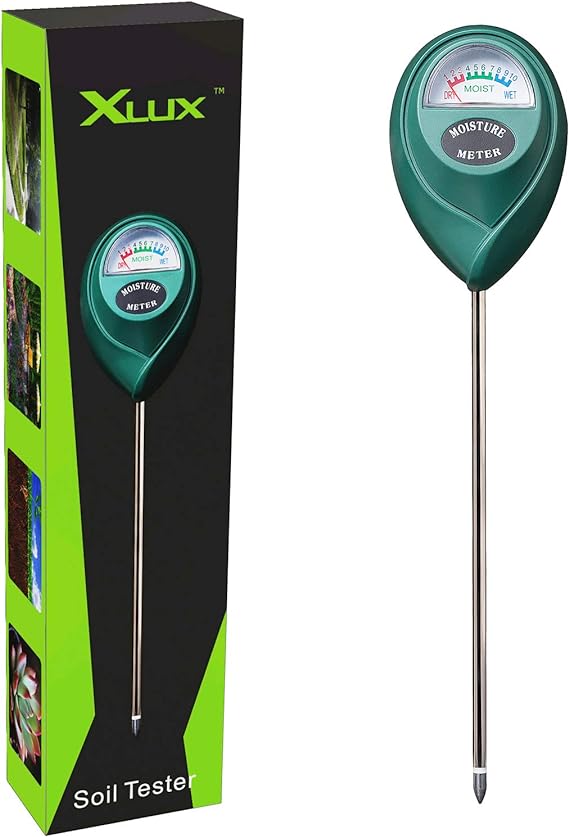
    You should give your zucchini plants about one inch of water a week, keeping the soil moist but not soggy. This will prevent the plants from becoming over-watered.

    Growing Zucchini – Zucchini Plant Size

    Growing zucchini plants is the easiest way to get a steady supply of fresh zucchini for summer meals. Grow a few of these plants and you’ll have fresh zucchini all summer long.

    Starting seeds

    Start seedlings indoors two to four weeks before the last frost date.  Zucchini seeds germinate quickly, so you don’t need much space or time to grow them.

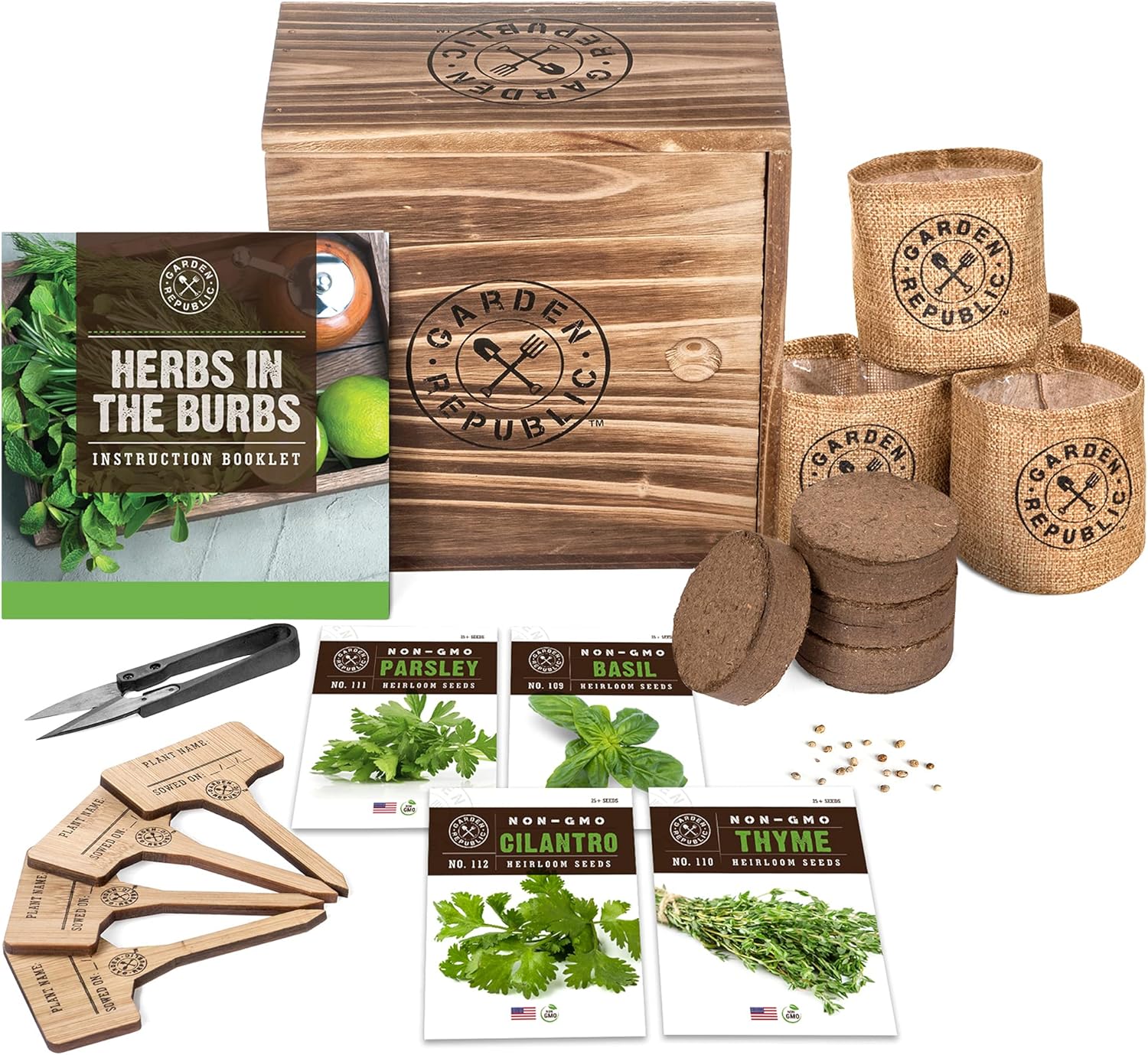
    Sow Right Seeds – Non-GMO Heirloom Packet

    81zRDfzKlDL. AC SX679

    Transplanting

    Then transplant them outside as soon as the soil can be worked in spring. Plant them in rows between two to three feet apart. 

    Spacing

    Zucchini plants grow quickly, so give them enough room. The right spacing for Zucchini is six to eight inches between plants. You may need to experiment with the spacing to find what works best for your situation.

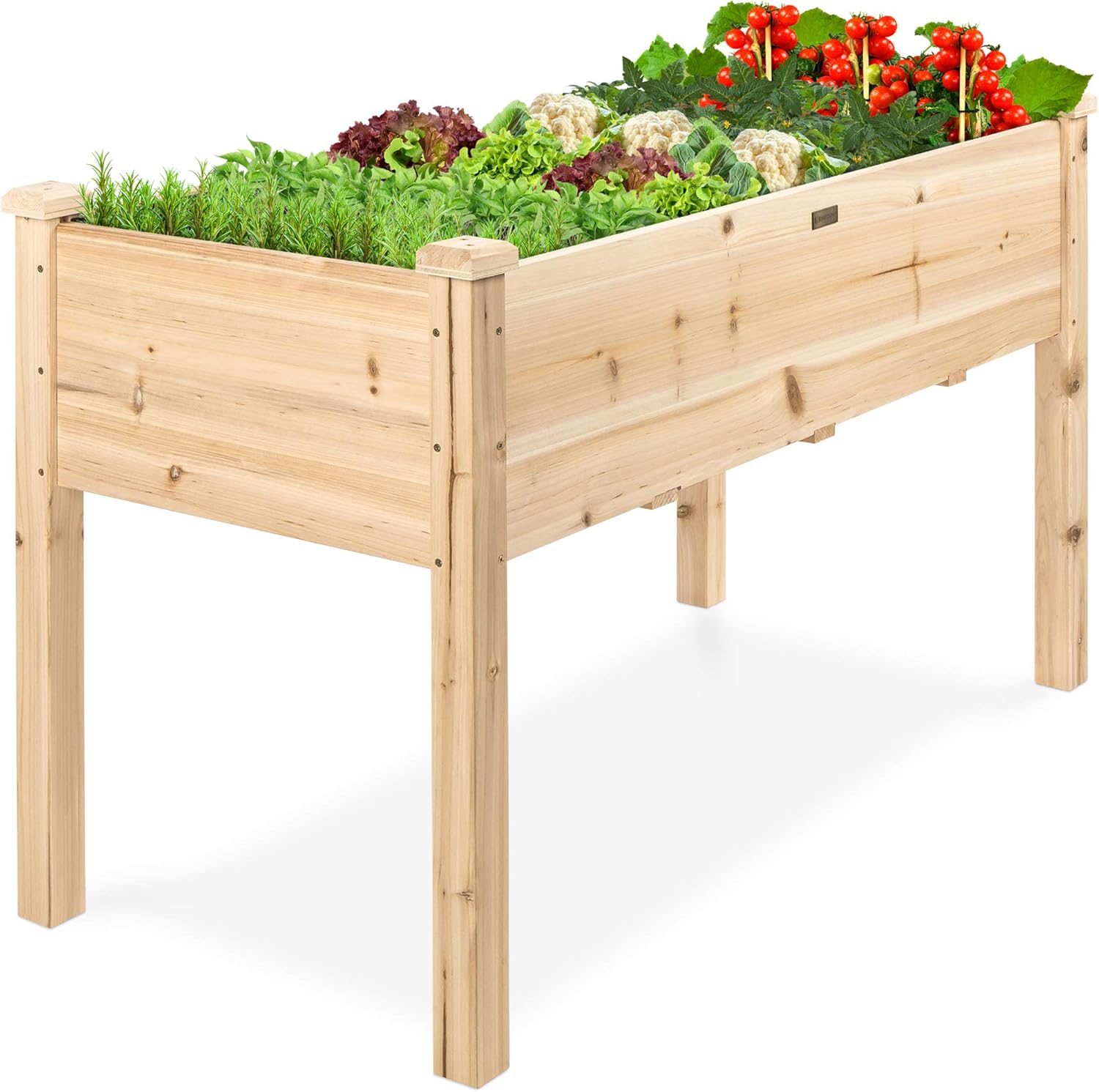
    You will also need to space out the pots that you have planted with Zucchini. The pot for your zucchini plant should be at least 12 inches deep and 24 inches wide. You should also not plant more than one Zucchini plant per small pot.

    Water

    For best growth, provide one inch of water a week.  Watering your zucchini often will keep them consistently growing at the right pace. Plant your zucchinis in a location where they will get full sun.

    Watering daily is not as important as you might think.  Zucchini need a lot of light and air so daily watering will not cause them any harm.

    Fertilize

    Fertilize when planting your zucchini outside and again when the flowers begin to bloom with a high-nitrogen fertilizer.

    Companion plants

    To keep pests away from zucchini, plant marigolds around the perimeter of the garden. Or use organic insecticide to deal with any kind of pests.

    How To Harvest – Zucchini Plant Size

    Wait until the fruit is six to eight inches long, then pick it. Pick the fruit before it’s too big, as it has the best flavor at six to eight inches long. They will be ready for harvest when the flowers have turned brown and dried up.

    When they are ready for harvest, cut them from the main stem using a sharp knife or scissors.  Avoid pulling them from the plants to prevent damage.

    How To Harvest Zucchini

    Final Thoughts On Zucchini Plant Size

    The zucchini plant size is an indication that the plant is either well fed or not. Be sure to use fertilizer and give your zucchini adequate space to grow. If your zucchini plants are bigger than average, this could be due to a defect or a disease.

    On the other hand, zucchinis should not be left to grow too big as they will not be as flavorful.  Start harvesting them when they are at least six inches long.

    Zucchini plants are usually harvested before they get very large as this will ensure that they continue to produce zucchini fruit for a longer time. There are many ways of growing zucchinis and choosing the right method can be very important.

    As mentioned before, it is best if you choose to grow them in containers as it can help to ensure that you have a good yield of zucchini fruits. You should also choose a variety that is suitable for your area because different areas have different environmental conditions and this will affect how the plants grow.

    FAQs

    How much space does zucchini need in the garden?

    Zucchinis can be grown on a large scale with a lot of space. Plant them in two to three feet apart spaced six to eight inches. They require sunlight for the best growth and can be grown in containers or raised beds.

    How many zucchinis do you get per plant?

    Zucchinis are easy to grow and produce lots of fruit per plant. Some varieties of zucchinis produce more fruit than others. On average, a zucchini plant will produce three to ten pounds of fruit per season.

    Do zucchini plants need support?

    Support is not required for most varieties of zucchini plants. However, some varieties of zucchini plants are so large that they may require support to keep them from toppling over. 

    What size grows bag for the zucchini plant?

    You will need a very large grow bag (at least 5 gallons) for your zucchini plant. You can get one from Amazon or any other gardening store.  Zucchini plants are best planted in late April and May. However, some people prefer to start their seeds indoors in March so they have a head start on the summer heat. In general, most varieties of zucchini plants are started in late April and May.

  • Are Green Chilies Hot? – An Overview

    Are Green Chilies Hot? – An Overview

    So are green chilies hot, or are they mild and gentle on your mouth? Can you enjoy them raw or cooked without tearing up?

    The history of green chilies goes back thousands of years. Green chilies have been used as a vegetable in Southeast Asia for more than 5,000 years. During the first millennium A.D., chili peppers were introduced to Europe.

    In the 15th century, Portuguese explorers introduced chili peppers to the rest of the world. During the second half of the 20th century, there was a huge increase in the cultivation of chili peppers. Chili peppers are now cultivated worldwide.

    Chilies Health Benefits

    Green chilies are grown due to their many health benefits that include:

    • Prevention of heart disease
    • Blood pressure reduction
    • Lowering cholesterol
    • Fighting cancer and preventing infections.

    So, Are Green Chillies Hot?

    The word “hot” is a bit of a misnomer when talking about chillies because it implies a certain level of heat that you can feel. But the real meaning of the term is much more about flavor than anything else. 

    There are many different types of chillies, but most fall into one of two categories – hot or mild.

    • Hot Chillies (aka “Spicy”). Hot chillies come from the Capsicum family, and most are in the bell pepper sub-family and include the jalapeño, poblano, and serrano. All these are available fresh or dried, and they have a very different taste to mild chillies. The amount of heat in a particular chili also varies quite much, so it’s essential to try out different peppers to find your favorite.
    • Mild Chillies (aka “Sweet”). Mild chillies belong to the C. chinense sub-family, including the cayenne, paprika, caribe, and pasilla. All are relatively mild in flavor with a hint of sweetness.

    The two categories don’t have much to do with temperature, so they aren’t suitable for comparing their heat levels. For example, the habanero is hotter than the poblano, but both are mild.

    You can also find hotter chillies than the habanero and those that are hotter than the poblano. But even then, the level of heat is not a reliable guide to how spicy they are.

    Green chillies include all green peppers that are hot, including Anaheim, jalapeno, poblano, and cayenne. While Anaheim chilies rate 500 to 2,500 units on the Scoville heat scale, jalapeno peppers rank between 2,500 and 5,000 Scoville units.

    Pepper Seeds for Planting 8 Varieties Pack, Seeds for Planting in Garden Non-GMO

    Are Green Chillies Hot

    Click Here to Learn:

    What’s The Difference Between Red and Green Chillies?

    Green chilies are unripe (or “green”) versions of the same type of chili as red ones. They are used mainly in salsas and stews.

    Green chillies are usually milder than red ones and have a distinctive taste and texture. Green chili peppers are available fresh, although they can be dried. The amount of heat in a particular chili also varies quite a lot, so it’s essential to try out different peppers to find your favorite.

    If you don’t know how hot a chili is, it’s always best to start with the smallest quantity, so you can easily adjust it to your liking. If you’re a beginner, it’s also important to buy fresh chillies rather than dried ones since dried ones can be extremely spicy.

    What’s The Difference Between Red And Green Chillies

    Red chillies are often used fresh, but they can also be stored for several months in the refrigerator. Once you’ve found a recipe that uses red chilies, make sure you try them out at different times of the year to find out how long they last.

    They don’t keep well for very long when they’re too hot, so it’s best to buy the hottest ones and leave them until you need them. The longer they’re left in storage, the hotter they will become, so it’s essential to use them as soon as possible.

    In Conclusion – Are Green Chilies Hot?

    To answer the question “are green chilies hot?”, it is vital to know the differences between green and red peppers as we have explained above. Green peppers are milder than red ones. Both red and green peppers can add excellent flavors to your favorite savory dishes. 

    Green chilies are used to make relishes, sauces and salsas. They are used in many dishes like Mexican food, Thai food, Italian food and Indian food.

    FAQ’s

    How hot are green chilies?

    Green chilies are not as hot as red peppers.  These are mild peppers with a milder version of a habanero (called a Scotch bonnet), they come in a range of heat from ‘very mild’ to ‘very hot’. A ‘Scotch bonnet’ is a mild green chili and can be used in curries or other dishes. Milder versions are used in sambals, dips, and sauces.

    Are green chilies hot or mild?

    They are generally considered to be mild but this depends on which variety you buy. Some are milder than others. They are usually used for dipping sauces, but some people like them as an ingredient in their food.

    Are green chilies hotter than jalapenos?

    Green chilies are not hotter than jalapenos as they are mild in taste.  Jalapenos are spicy and hot red peppers that you will find in supermarkets.  They can be added to any dish, although they are most commonly found in dishes that contain tomato sauce.

    What are green chilies?

    Green chilies are unripe mild peppers that come in a wide variety of shapes and sizes and have a wide range of flavors. Most commonly they’re used as a spice for dishes like salsa, but they’re also used fresh in salsas, curries, stews, and other dishes.

  • What Are The Bell Pepper Plant Problems?

    What Are The Bell Pepper Plant Problems?

    Bell peppers are nightshade family fruits that are also related to tomatoes, chili peppers, and breadfruit. As easy as the bell pepper plant is to grow, there are still some common problems it faces. Bell pepper plant problems are what we will be discussing.

    Bell peppers are pretty easy to grow so they can be a great addition to your vegetable garden. They are all native to Central America and South America. You get to enjoy pepper in your various cooking recipes as well as salads.

    However, there are some bell pepper plant problems you may face and pepper diseases are common issues associated with them.  You may also factor in some other pepper problems apart from pepper diseases. So, let’s delve into some common issues associated with growing bell peppers.

    Brief On Bell Pepper

    Bell pepper also referred to as sweet pepper is a type of fruit that belongs to the nightshade family. This sweet pepper can be eaten raw or cooked.

    Unlike other peppers that tend to produce capsaicin (a chemical responsible for that strong burning sensation when it comes in contact with our tongue): bell peppers are the only member of the pepper plant that does not produce this capsaicin chemical.

    Brief On Bell Pepper

    Capsaicin which is absent in bell pepper is due to the fact that there is a recessive gene that eliminates capsaicin. For this reason, bell peppers are usually referred to as sweet peppers.

    Bell Pepper Plants Not Growing: What Are The Reasons?

    Different issues may arise and cause your bell pepper to diminish in growth or even stop growing. Some of the reasons include:

    • Over-watering.
    • Under-watering.
    • Growing pepper with an undersized container.
    • Dry soil.

    Growing Peppers Problems

    We will be looking at the common bell pepper problems and this will be in two categories. The first part will be issues associated with pepper diseases and pests. The other bell pepper issues will be related to non-diseases. So, read below to get some knowledge on them.

    Check Out Reasons For Wilting Tomato Plants In Pots

    A.   Bell Pepper Plant Diseases

    So, below are some of the bell pepper disease and pest problems you may face:

    1.    Mosaic Virus

    This is a type of bell pepper disease characterized by yellow spots, wrinkly leaves, stunted growth, and poor or less fruit quality.

    This disease is transmitted by aphids that transfer this virus. It is common during the periods aphids are mostly active and this is when the temperatures are around 70 to 85 degrees Fahrenheit.

    Bell Pepper Plant Problems - Mosaic Virus

    To adequately deal with this bell pepper problem, uproot or remove the infected plants and burn or throw them away. The virus has been said to live up to a year. Therefore, avoid composting uprooted plants but burn or discard them.
    2.    Bacterial Leaf Spot

    Bacterial leaf spot is quite common in pepper plants generally. This disease is characterized by yellowish spots on the leave of your pepper plant. These yellowish spots may end up turning brown and it causes leaf drop.

    3.    Powdery Mildew

    Powdery mildew is related to warm and humid conditions. It usually shows up on the undersides of the pepper plant leaves.

    4.    Aphids

    This is a tiny bug that sucks and feeds on pepper plants. They can eat a good portion of your pepper plant overnight.

    If you notice or suspect aphid infestation in your pepper plant, you can make use of soapy water and wash them off. Or you can use a strong force of water (e.g. hose) to displace them from your plant. the use of neem oil can also prove effective.

    5.    Hornworms

    Hornworms are another type of pest that can cause problems to your pepper plant. These worms are so large that it’s easy to just pluck or pick them off from your plant.

    Monterey LG6332 Bacillus Thuringiensis (B.t.) Worm & Caterpillar Killer Insecticide/Pesticide Treatment Concentrate, 16 oz

    71PlWNkUm4L. AC SX679

    6.    Flea Beetles – Bell Pepper Plant Problems

    Flea beetles may look small in size but they can cause serious harm or problems to your bell pepper plant when you have a severe infestation. Their symptoms of an infested flea beetle pepper plant tend to show some distinct holes in the leaves of your plant.

    You can solve the problem of flea beetles by dusting your pepper plants with talcum powder as this can help repel flea beetles.

    • So, we have looked into some pests and diseases that may affect your bell pepper plants. Now here are the bell peppers that are non-diseases related:

    B.   Non-diseases Related Bell Pepper Problems

    1.    Under-watering

    This issue is common during hot seasons. So if you don’t supply the plant with adequate water during this period, you may begin to notice some issues with the growth of your bell pepper plant.

    Normally, pepper plants love full sun and require adequate watering. So, when you slack with the watering needs of bell peppers, they will not flourish appropriately so problems set in.

    To reduce the chances of facing this issue, you should endeavor to water your bell pepper plant early morning and evening. The best time to water is once the sun has gone down.

    2.    Over-watering

    Even though pepper plants generally like to be watered adequately, you should however avoid overwatering. Over-watering your pepper plant can cause problems. This is common with potted pepper plants that don’t have adequate drainage holes.

    So, if you find yourself overwatering your potted pepper plant, simply cease watering and allow the soil to dry out. It is crucial you fix this problem on time to improve the chance of the pepper plant recovering.

    3.    Sun Scalding – Bell Pepper Plant Problems

    Although pepper plants are sun-loving plants, they still need time to adjust before they can finally be moved outdoors. This is especially common with potted pepper plants. But this shouldn’t be an issue with peppers seed sown outdoors from the start.

    The seedlings of pepper started indoors need a transition to outdoor conditions are the ones usually prone to sun scalding.

    This is why it is crucial you harden off the seedlings started from indoors by gradually introducing them to outdoor conditions such as direct sunlight, wind, as well as changing temperatures. So, avoid the abrupt transition to full sunlight.

    Bell Pepper Plant Problems - Sun Scalding

    Bell Pepper Plant Problems: Final Say

    Bell pepper plant problems can arise in different ways. The problems associated with bell peppers can be in form of pests, diseases, or even other environmental factors.

    We have listed some of these issues that may arise when growing bell peppers and how to mitigate them. So, we do hope this article can be of great use to you regarding bell pepper plant problems.

    FAQ’s

    How do you revive a bell pepper plant?

    Bell pepper can be revived if the cause isn’t too serious. For instance, if you have droopy leave which is usually caused by over-watering or under-watering, it’s possible to revive your pepper plant. For over-watering, simply cease watering for some days and allow the soil to dry out before you water again, and ensure there are enough draining holes of you’re using pot. For under-watering, ensure you water adequately especially when the temperature is hot.

  • When To Pick Artichokes

    When To Pick Artichokes

    Artichokes are known for their elegant and distinctive leaves, which are veritably endearing to the eyes and aesthetic to the terrain. Artichokes are a wonder to the eyes. When to pick artichokes is what we will be discussing here.

    Picking artichokes comes with relative ease as you are only required to pay attention to a few things and follow the due process. Planting and caring for the artichokes can be considered to be the hard part. Once you finish that part, picking or harvesting is relatively easy.

    To pick your artichoke plant, you must be able to tell when the plant is ready for harvest. Once you can tell this, you can go ahead with the harvesting part of the task. Growing artichokes is an overall easy process that you can master if you wish to.

    This article gives insight into how and things to note when planting and growing artichokes, as well as how you can pick the artichokes. Before we delve into how to pick artichokes, let’s consider a few facts about the plant to give us a background understanding.

    About Artichoke Plant – When To Pick Artichokes

    It is important to have background knowledge and understanding of the artichoke plant as this will give you insight into how it should be picked. The buds of the plant are picked when the plant is mature enough for harvesting.

    Picking the plant at the right time is very important as a delay may allow the plant to flower. If this is allowed, the plant becomes thistle-like and turns purple.

    About Artichoke Plant

    Artichokes are mostly edible, and they should be picked when the flower bud is still not mature and very green. The plant can grow as high as three to five feet when placed in the right conditions.

    When To Pick Artichokes

    Artichokes usually stay green and alive for about five years. Production by the plant, however, begins about a year after planting. During the season, you will notice that about 10 or more stalks are produced by the mature plant.

    The best time to pick or harvest artichokes is when the flower buds begin to form on the stalks. This usually happens in the spring. You should inspect the plant daily so that you can cut the buds before they open. When you allow the buds to open, it becomes fibrous and unpalatable.

    When artichokes begin to produce, you will notice that the top bud in the stalk will ripen first, and then the buds in the lower part will follow. The bud atop is usually the biggest of the artichokes on the stalk. Now you understand when it’s the right time to pick artichokes, let’s consider how to.

    How To Pick Artichokes – When To Pick Artichokes

    You must note that picking artichokes is relatively the same as harvesting the plant. The following steps should be followed when you wish to pick your artichokes:

    • Cut the artichoke bud from the stalk using a knife, garden pruner, or lopper. Leave about 1 to 3 inches below the bud base when cutting. Leaving some stem behind makes it easy for you to handle the thorny bud. Buds must be handled very carefully to avoid bruising.
    • Repeat the above for all the buds ready for picking.
    • When you pick all the buds on a particular stalk, cut the entire plant down just slightly above soil level. You should thereafter reduce irrigation. In no distant time, you will notice that new stalks bearing new buds will begin to develop.

    Planting Artichokes: Tips For Growing Artichokes

    The following are a few tips you should adopt when growing artichokes for the best possible result to be attained;

    • Pick the Right Location: The location you choose will greatly affect your artichoke plant. Ensure you pick an area with good drainage and plenty of direct sunlight. Planting artichokes in soggy soil goes a long way to affect the plant negatively. The soil must be nutritious.
    • Prepare the Soil Adequately: after you have mapped out a perfect location to grow your artichoke plant, you must prepare the soil. While artichokes can grow in moist soil, such soil must have adequate organic matter if you wish to have a bountiful harvest.
    Amazon’s Choice
    FoxFarm Ocean Forest Potting Soil
    $33.99

    FoxFarm Ocean Forest Potting Soil is a nutrient-rich blend of aged forest products, bat guano, and earthworm castings, perfect for indoor and outdoor plants. Its pH-balanced formula promotes healthy growth, making it ideal for seedlings, transplants, and mature plants.

    Check Amazon Price
    We earn a commission if you make a purchase, at no additional cost to you.
    12/07/2025 02:01 am GMT
    • Plant your Artichokes: planting your artichoke seeds shouldn’t be too much of a problem. The seeds usually come with guides that should help you. Artichokes are generally planted and left to grow for about 60 days before they are brought into the garden and planted in rows at an interval of 4-6 feet apart. Spacing them about 6 to 8 feet apart provides greater room for water movement and fertilizer application.
    • Water Artichokes Consistently: artichokes are a huge lover of water. This is very important to the plants as they need water to produce tender buds. The perennial power of the plant lies in its deep roots which can only be cultivated when watered regularly.
    • Apply Artichoke Fertilizer: when you provide adequate fertilizer for your artichoke bed, your plant gets many of the essential nutrients needed to thrive. Applying a balanced vegetable plant food every two weeks or thereabout will give the plant a considerable boost.
    • Harvesting/Pruning: harvesting should ordinarily occur when the plant is matured enough to be picked. You should harvest artichoke buds when they have swelled but are tightly closed. Pruning takes place after harvesting, and this helps to prepare the plant for the next harvest.

    Storing Artichokes – When To Pick Artichokes

    After the plant has been picked, the need may arise for storing it. This may be done by putting the artichokes harvested in a refrigerator immediately after harvesting occurs. The plant can be stored conveniently in the refrigerator for 1 to 2 weeks. You may also decide to cook the plant.

    Storing Artichokes

    Conclusion On When To Pick Artichokes

    Picking artichokes as we have seen above is relatively easy. All you need do is pay attention to the plant and care for it as at when due. Picking the plant is the easy aspect of dealing with the plant. This article directs how to go about planting, caring for, and picking artichokes.

    FAQ’s

    How can you tell when an artichoke is ripe?

    An artichoke plant will usually be good for picking within a year after planting. You can easily tell when an artichoke is ripe, and this is when it begins to flower, and the bud is still very green and immature. This is when the artichoke is ripe for picking.

    When should I cut my artichoke?

    You should cut your artichoke when it is ripe. You can easily determine this because the plant begins to flower, but make sure to do your cutting before the flowers turn purple. When it is still green and immature, it is the best time to cut.

    When is it too late to pick artichokes?

    It becomes too late to pick artichokes when you notice that it has flowered fully, and the bud has changed color. From being sharp green to being dull purple, then it is about too late to pick.

  • Top 10 Best Cross-Pollinating Vegetables

    Top 10 Best Cross-Pollinating Vegetables

    In this article, we will look at a list of cross-pollinating vegetables that you can grow and that works best for you.

    The majority of plants are not self-pollinating, which means they need to be pollinated by another plant. As well as the majority of vegetables are not self-pollinating and so require cross-pollination. This means that you will need to grow different varieties of plants together to achieve maximum yield.

    We’ll cover the benefits of growing more than one variety of vegetables,  cross-pollination, and how to save seeds for future generations.

    What Is Cross-Pollination?

    Cross-pollination is when pollen from one plant is transferred to another plant. If the other plant is also self-fertile (able to produce seeds without cross-pollination), it will grow and produce fruit.

    However, if the other plant is not self-fertile, then the fruit will not be viable. In this case, the fruit will be sterile.

    What Are The Benefits Of Cross-Pollination?

    As with many things in life, there are advantages to cross-pollination. If two plants are close together, but not exactly the same, and they have a compatible pollinator, they can still cross-pollinate and produce fruit.

    This is because of a process called pollen tube guidance. The pollen tube is the tube that carries the sperm cells from the pollen to the ovules of the flower. It follows the route that the pollen tube guidance proteins have programmed it to follow.

    If the pollen tube guidance proteins are compatible between the two plants, then the pollen tube will follow the correct route. It will then fertilize the egg cells inside the ovule. This is called self-fertilization.

    However, if the pollen tube guidance proteins are not compatible, then the pollen tube will not be able to follow the correct route and the egg cells will remain unfertilized. This is called outcrossing. Cross-pollination can also occur when the pollen tube guidance proteins are incompatible with each other.

    In this case, the pollen tube will be unable to make the correct connection with the egg cell, thus resulting in no fertilization.

    Check Out A Guide On How To Tell If A Squash Is Bad?

    List Of Cross-Pollinating Vegetables

    The following list shows which vegetables are cross-pollinating vegetables:

    Beans – These are self-pollinating but they cross-pollinate between the different types.

    Beets – It cross-pollinates with Beta vulgaris species such as Swiss chard, leaf beet, and spinach beet.

    Broccoli – It cross-pollinates with other Brassica oleracea species – broccoli, cabbage, cauliflower, kale, kohlrabi,  brussels sprouts, kohlrabi, collard greens, romanesco broccoli, kale, collard greens.

    List Of Cross-Pollinating Vegetables - Broccoli

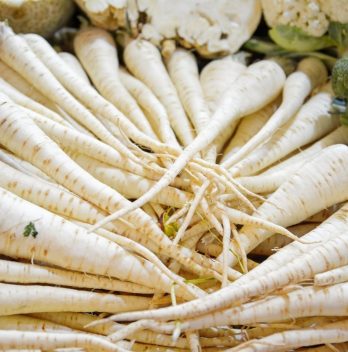
    Carrots – They cross-pollinate with other carrot species and also with parsnips and radishes.

    Cauliflower – It cross-pollinates with other Brassica oleracea species – broccoli, cabbage, cauliflower, kale, kohlrabi, brussels sprouts, kohlrabi, and collard greens.

    Celery – It cross-pollinates with other Brassica oleracea species – cabbage, cauliflower, celery, kohlrabi, collard greens, romanesco broccoli, kale, brussels sprouts, and kohlrabi.

    Chilies – It cross-pollinates with other Capsicum species – bell pepper, chili pepper, pimento, habanero, jalapeno, and cayenne pepper.

    Corn – It cross-pollinates with varieties such as sweet, flour, popcorn, flint, dent, and ornamental corns.

    Cucumbers – It cross-pollinates with parthenocarpic cucumber varieties.

    Ginger – It cross-pollinates with other Zingiber officinale species – ginger, turmeric, and zingiber.

    Kikhope 100Pcs 6″x4″ Fruit Protection Bags, Garden Netting Bags with Drawstring

    71N1mDFyjZL. AC SX679

    Which Vegetables Do Not Cross-Pollinate?

    With the top best cross-pollinating vegetables listed above, there are other vegetables that do not cross-pollinate or very rarely do.  They include:

    Eggplant – It self-pollinates as it has “perfect” or “complete” flowers. It is very rare for eggplants to cross-pollinate.

    Garlic – It is self-pollinating and will not cross-pollinate.

    Pea – It is self-pollinating and does not cross-pollinate.

    Tomatoes – The tomato plant is generally a self-pollinating plant. However, in some cases, it can cross-pollinate with other tomatoes, but it is not done easily.

    Read more aboutWhen Do I Harvest Carrots – The Right Time?

    Tips For Harvesting Cross-Pollinating Vegetable Seeds

    To be able to harvest seeds from the above list of cross-pollinating vegetables, you will need to harvest the vegetables when they are fully mature.

    Pumpkins and Squash.  Harvest them once they are fully ripe. The skin should be firm and thick.  After harvesting, leave the seeds to mature for about three weeks.

    Cut the fruit open and harvest the seeds from the flesh. Dry them in readiness for the next planting season.

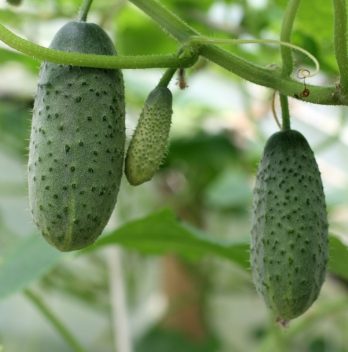
    Cucumbers.  Allow them to overgrown before harvesting them if you plan to use the seeds.  They will turn yellow, orange, or white depending on the cultivar you are growing. Cut them open and scoop out the seeds plus pulp. 

    Put them in a glass and add as much water then place it in a dark cool place for about 48 hours.  This will allow fermentation to take place cleaning the seeds.

    Any immature seeds and the pulp floats to the top and you can skim them off.  Rinse off the remaining seeds in a sieve and dry them as you would for pumpkin or squash.

    Tips For Harvesting Cross-Pollinating Vegetable Seeds

    Harvesting cross-pollinating seeds is a process that requires accuracy to ensure you end up with quality seeds.

    Final Thoughts On Cross-Pollinating Vegetables

    Most gardeners are not able to tell the difference between cross-pollinating vegetables and non-cross-pollinating ones.

    In fact, you can be a vegetable gardener and save up your own seeds rather than buy them every time. However, if you want to produce vegetable seeds so you don’t have to keep making grocery visits, then you will have to harvest your own seeds.

    FAQ’s

    Which crops are cross-pollinated?

    Cross-pollination occurs when pollen from a flower of one plant is deposited on the stigma of another plant. This can occur with both insect-pollinated plants and wind-pollinated plants. Cross-pollination can occur between related (self-pollinated) and unrelated (outcrossed) plants.  Crops that are cross-pollinated include Apples, Avocados, Bananas, Beans, Beets, Broccoli, Cabbage, Carrots, Celery, Cherries, Corn, Cucumbers, Eggplant, Fennel, Garlic, Grapes, Hops, Kale, Lettuce, Limes, Mangoes, Melons, Nectarines, Peaches, Pears, Potatoes, Pumpkins, Quince, Rhubarb, Squash, Strawberries, Sweet peppers, Zucchini, etc.

    What fruits and vegetables cross-pollinate?

    Vegetables that cross-pollinate are listed above in this article.  Some of the fruits that cross-pollinate include apples, bananas, cherries, mangoes, melons, peaches, pears, strawberries, etc. 

    Does cross-pollination affect vegetables?

    Cross-pollination does not affect the quality of vegetables. Some of these vegetables you will need to allow them to overgrow if you are harvesting the seeds but beside that cross-pollination does not affect the vegetables.

    What are the disadvantages of cross-pollination?

    The disadvantages of cross-pollination include:

    Decrease in quality of the fruits produced from the self-pollinated plants.
    Lower crop yields because some of the seeds have not been fertilized.
    Increased production costs and reduced efficiency because more resources are required for the pollination process.
    Changes in plant morphology (e.g., altered flowering time or flower structure) as a result of interplant pollination.
    Loss of genetic diversity.
    Altered gene expression.
    Possible disease transmission.
    Alteration of plant physiology.

  • When Do I Harvest Carrots – The Right Time?

    When Do I Harvest Carrots – The Right Time?

    When do I harvest carrots and how can I ensure they are fully mature before I harvest them?

    Carrots are a popular vegetable crop in the US. They are a rich source of vitamin A and vitamin C, with a wide variety of colors available. They are an easy-to-grow crop that takes only 6-8 weeks from seed to ready for harvest.

    Carrots can be eaten fresh or stored for future use. They are a good choice for growing in raised beds or containers.

    Growing Conditions For Carrots – When Do I Harvest Carrots?

    • Well-draining Soils. Carrot growing is very simple and can be done in your own backyard. You should have a large area of well-drained soil with good drainage. This will ensure that the carrots are properly grown and don’t rot.
    • Planting Season.  It is important to plant carrots in the spring, not in the summer or fall. The soil should be warm enough to allow the seeds to germinate but not too hot. If you are planting carrots in the fall, it’s important to remember that you need a long growing season in order to get them to mature. That means a minimum of 70-80 days of growing time. You should wait until after your last frost to start harvesting carrots. If you are growing in the spring, it is recommended that you harvest carrots when they 1- 1½ inches in diameter.
    • Provide Enough Nutrients. It is recommended to add organic matter to the soil. Carrots like to grow in rich, loamy soil that contains plenty of nitrogen.
    Growing Conditions For Carrots

    When Do I Harvest Carrots?

    So when do I harvest carrots? The best time to harvest carrots is when they are mature. In the US, you can usually get away with harvesting carrots at any point from mid-October through December.

    From planting a seed to harvest, carrots take an average of 70 days to grow but can take as many as 80 days. They need a long growing season to develop their full flavor.

    Carrots are grown from seed, which takes about 25 days maximum to germinate. They are then transplanted into the soil as soon as they have two true leaves. The plant will produce foliage and then the roots.

    It takes approximately 35 – 45 days for the plant to reach maturity. At this point, the carrot has developed all of its leaves and is ready to be harvested.

    How To Harvest Carrots

    Carrots are a healthy addition to the diet, and they’re easy to grow. Carrots take about 70 days to grow to maturity.  At this point, they are ready for harvesting.

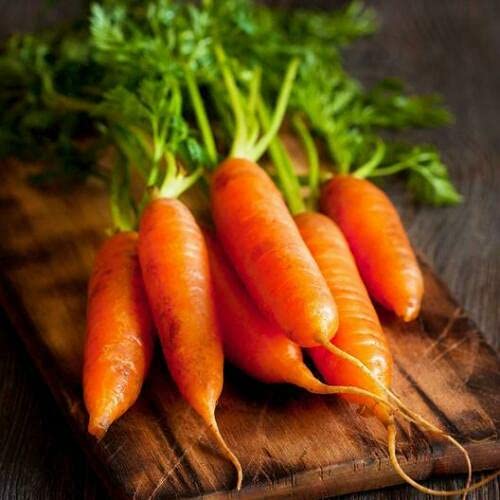
    Carrots can be harvested at any time during their growth cycle, although most people wait until they’re about two inches in diameter. Carrots should be harvested when the tops are tight and firm.

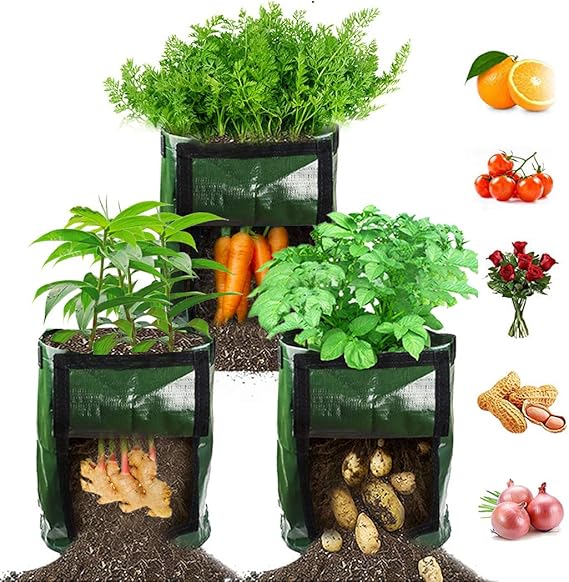
    【3 Pack】Plant Grow Bags 7 Gallon Heavy Duty Thickened Growing Bags

    When Do I Harvest Carrots

    This is when they are at their sweetest and most flavorful. When harvesting carrots, remove them from the soil by pulling up the entire root. Then cut off the top with a sharp knife.

    If you are planning on storing your carrots, remove any loose or damaged leaves, then wrap them in plastic bags. Store them in a cool, dark place.

    How Do I Store Carrots?

    Once you harvest your mature carrots, it’s best to store them properly to ensure they retain their freshness throughout their storage life.  Carrots are highly perishable and should be stored in a cool, dry place.  Carrots can be stored for a few weeks in a plastic bag in the refrigerator.

    If you’re storing carrots in a root cellar, don’t forget to cover the tops with dirt so they don’t dry out.

    To extend the storage life of carrots, try freezing them.  Freezing carrots will slow down the respiration process and maintain freshness for longer periods of time. To freeze your carrots, cut off the greens and peel the skin before washing. 
    Then place the carrot into a freezer bag and freeze.  After thawing, you can use the carrots as you normally would.  Carrots should be cooked or used in salads within five days after they’ve been frozen.

    Health Benefits Of Carrots

    Carrots have many health benefits.

    • They contain fiber and beta-carotene, both of which are good for the body. Beta-carotene is a form of vitamin A that has been found to be beneficial in maintaining healthy eyesight.
    • Carrots contain a high amount of potassium and vitamins C, E, K, and B6.
    • They also contain the antioxidant compounds quercetin and kaempferol.

    Nutrition

    The USDA recommends that children eat at least two cups of carrots per week. Raw carrot juice contains about 2.3 grams of protein per cup and is considered an excellent source of iron and a very good source of vitamin A, vitamin C, and folic acid. Carrot seeds contain large amounts of oil (about 40%), which makes them a good source of energy.

    Summary Of When Do I Harvest Carrots

    When do I harvest carrots? Carrots are a member of the parsley family and are annual. They will be ready to harvest in their first year of planting from seed.

    Carrots can be harvested as soon as the tops die down, but it is best to wait until the tops have fallen over. It takes about six weeks for carrots to grow from seed to maturity. The growing season starts in April and ends in October.

    There are two main varieties of carrots, round and long. Round carrots have smooth skin with no eyes and the length can vary from 1 1/2-3 inches. Long carrots have knobby skin with eyes and the length can vary from 4-8 inches. Carrots should be harvested when they are 1 to 1½ inches in diameter.

    FAQ’s

    What happens if you leave carrots in the ground too long?

    Carrots are not hardy plants and will not grow in cold or wet conditions. The best time to plant is spring, summer, fall or winter. If left in the ground for too long, they lose their taste and become bitter.

    How tall should carrots be before harvesting?

    The carrot should be harvested at least one inch above the soil surface, and no more than two inches below the soil surface. If the carrot is allowed to grow taller than this it will be much more difficult to pull out.

    What happens if you don’t harvest carrots?

    Carrots that are left in the ground for a few weeks may become soft and moldy due to the growth of fungus. It’s best to leave carrots in the ground until they are about one inch in diameter.

    After that, you can cut them off and leave them on the ground. The root end will continue to grow down into the soil, but the top part will remain above ground.

    How do I know when carrots are ready to harvest?

    You can tell when carrots are ready to harvest by looking at the tops. If they have yellowed slightly or are beginning to turn brown, then they are ready. If they are still green, then they are not yet mature.

  • A Guide On How To Tell if a Squash is Bad 

    A Guide On How To Tell if a Squash is Bad 

    Let’s look at this guide on how to tell if a squash is bad and when it is best to harvest squashes before going bad.

    Squash is one of the most popular vegetables across America. They are versatile, easy to grow, and can be stored for months with minimal care.

    Many different types of squash include:

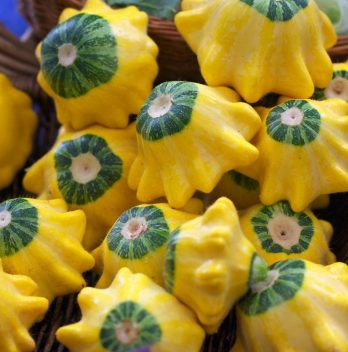
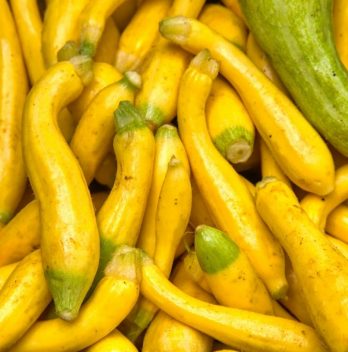
    • Summer Squashes like zucchini and yellow crookneck squash.
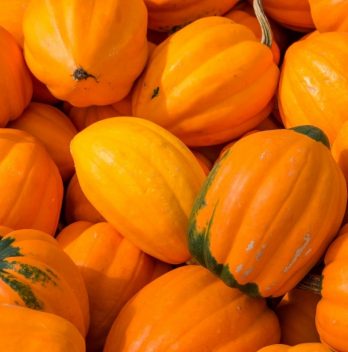
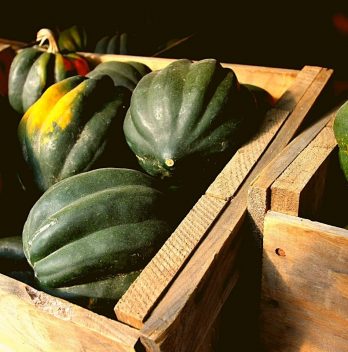
    • Winter Squashes like butternut, acorn, pumpkin, and spaghetti squash.  Butternut squash is often the most popular of the winter squashes. It is a good source of vitamin A and C and it is also loaded with fiber.

    How To Tell if a Squash is Bad

    To help you learn how to tell if squash is bad, you can follow this guide.

    1. The first thing you should do when buying a squash is to make sure that is firm and full of color. The squash should not have any damaged areas or brown spots.
    2. When you buy the squash, you should also be aware of the sell-by date.  Summer squash usually doesn’t last very long and they start going bad at the end of their shelf life.  Squash that is past the sell-by date should be thrown out as they are no longer safe to eat.
    3. Look for a rotten smell. If you find any, it’s likely the squash has mold and needs to be thrown out. Squash that has been rotting for a while may have worms or insects.
    4. If the squash has an overly rough skin texture this could be a sign that it is bad. This may indicate an infection from pests or a nutrient deficiency.

    How Long Does it Take To Grow Squash?

    To ensure that you save your squash from going bad, the best thing to do is to harvest it in good time. The harvest time for winter squash is between late September and early October and all season long for summer squash.

    From planting seeds to harvesting, it takes approximately 80-110 days for winter squash and about 60 days for summer squash.

    Check Out All About Brown Vs Green Compost

    Growing Conditions For Squash

    • The right temperature. Planting squash requires a warm-weather environment to grow well.  Summer squash prefers temperatures between 65 to 75 degrees Farenheit. If it is not grown under such conditions, then the plant can grow slowly or even die. Soil temperature should be around 70 degrees Farenheit.
    • Water.  In addition to these, a good amount of water must be available at all times. The soil should be kept moist but not wet. Squash seedlings are very sensitive to dampness.
    • Rich Fertile Soil.  Squash plants grow best in soil that is rich in nutrients. The soil should be fertile and well-drained. They grow best in soil with a pH between 6 and 6.8. The soil should be well-drained, but it should also be moist enough to allow the roots to breathe.
    • Sunlight. They require lots of sunlight, at least six hours a day.

    FoxFarm Liquid Nutrient Trio Soil Formula: Big Bloom, Grow Big, Tiger Bloom

    How To Tell If A Squash Is Bad
    • Growing Squash. The squash should be planted in rows or in a single bed. Squash plants grow best when they are spaced at least three to six feet apart.
    • Season. The best time to plant squash seeds is during the spring after the last frost.

    When To Harvest

    Squash is harvested when it reaches maturity, which is usually between 80 to 110 days for winter varieties and 60 days for summer varieties. Before you harvest, you’ll want to remove the squash from the vine.

    It can be stored for several weeks in the refrigerator if you don’t plan on eating it right away. Squash will keep in your refrigerator for about a week and can be frozen for up to three months.

    How To Cook

    Squash is a delicious vegetable that can be used in a variety of dishes, from sweet to savory. You can use it in soups, stews, casseroles, and other recipes that call for pumpkin or winter squash. Sautéing is the best way to prepare squash, as it adds a nice caramelized flavor. You can also bake the squash in the oven or roast it on a grill.

    How To Cook Squash

    Final Thoughts – How To Tell if a Squash is Bad

    How to tell if a squash is bad is just by trying it, smelling it, or looking at it.  You can tell by the smell, the color, or the taste.  In some cases, the squash is already gone bad and you can tell just by looking at it.

    The flesh is firm and dense, not mushy or watery.  Squash is an excellent source of fiber, vitamins, minerals, and potassium.
    To prepare the squash you should peel it, cut it into pieces, and then steam or bake it.  If you are baking it, add a little bit of butter or oil.  Add some salt and pepper if you want to.  There are many kinds of squash available.

    You have to be careful when buying squash to make sure they are still good.  Enjoy your squash when it’s still good!

    FAQ

    What happens if you eat bad squash?

    If you eat bad squash, you may develop a type of food poisoning known as toxic squash syndrome. Sypmtoms will include diarrhea, vomiting and abdominal pain.

    What does a bad squash look like inside?

    A good squash is firm and healthy-looking on the inside with the flesh still intact and does not have a bad smell.

    How to know if squash is bad?

    A “bad” squash will have a hard rind or no rind at all. The color will likely have brown spots. There may be mold on the skin or seeds. You may notice a strong odor when you open it.

    What does bad squash taste like?

    The flavor of bad squash can range from mild to very bitter or even sour. If you notice the squash you are eating has a bad taste, you should stop eating it.