Category: Interesting Facts

  • 5 Advantages of Organic Lawn Care

    5 Advantages of Organic Lawn Care

    Have you been thinking about converting your lawn to organic care, but aren’t sure if it’s worth the switch? There are many advantages of organic lawn care that may persuade you! 

    In this post, we’ll outline some of the key benefits of making the change. Keep reading to learn more.

    What is Organic Lawn Care?

    Organic lawn care is an approach to lawn care that focuses on using natural methods to achieve a healthy lawn. This includes avoiding the use of synthetic chemicals, such as herbicides, pesticides, and fertilizers. Instead, organic lawn care relies on practices such as mowing, aeration, and top dressing to promote a healthy lawn. 

    While organic methods may take more time and effort than traditional methods, they are often more effective in the long run and provide numerous benefits for both people and the environment. In addition, organic lawn care is often less expensive than traditional methods, making it a great option for budget-conscious homeowners.

    5 Advantages of Using Organic Methods for Lawn Care

    From using organic lawn fertilizer to trying a mulching mower for your lawn, there are all kinds of benefits of organic lawn care. Here are some of the best. 

    1. A Healthier Lawn With Stronger Root Development

    A healthy lawn is the foundation of a beautiful landscape. Not only does it provide a green space for recreation and relaxation, but it also helps to filter air and water, reduce noise pollution, and stabilize the soil. A key element of a healthy lawn is strong root development. 

    Unfortunately, many traditional lawn care methods involve the use of synthetic fertilizers and pesticides, which can damage roots and impair their ability to absorb nutrients. Organic lawn care focuses on nurturing the soil and promoting the growth of healthy grass through the use of natural ingredients. 

    Organic fertilizers are made from natural materials such as plants, animals, and minerals. They often contain a mix of essential nutrients that can help to promote healthy plant growth. In comparison, synthetic fertilizers are usually made from chemical products that may not be as effective at providing the necessary nutrients. 

    Organic fertilizers are often easier for plants to absorb, which means that more of the nutrients are available for use by the plant. This can lead to healthier plants with strong root systems. 

    Synthetic fertilizers can sometimes have the opposite effect, causing nutrient deficiencies that can damage plants and stunt their growth. For these reasons, organic fertilizers are generally considered to be better for your plants and their root development.

    As a result, organic lawn care can lead to a healthier lawn with stronger root development.
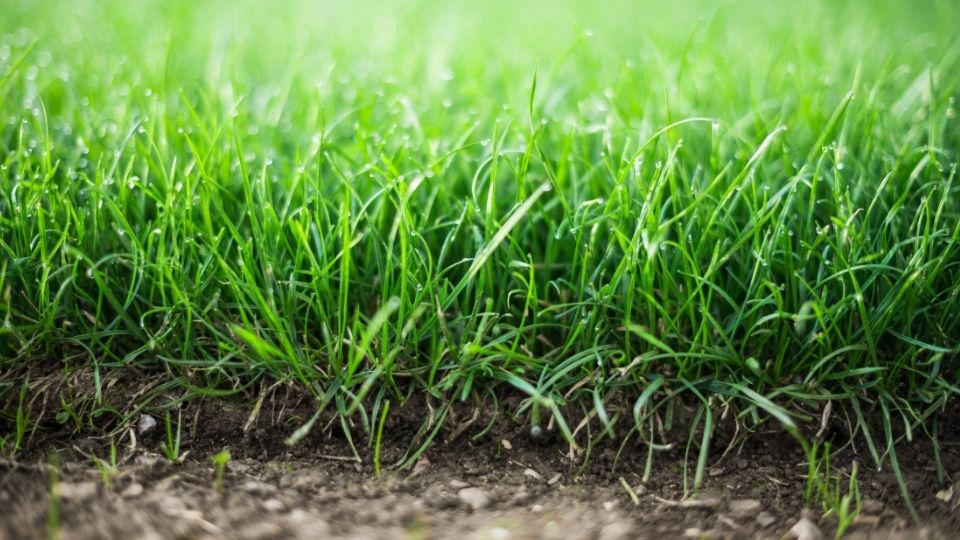
    organic lawn fertilizer

    2. Difficult (If Not Impossible) to Overapply

    When it comes to lawn care, many homeowners want to do everything they can to ensure a healthy, green lawn. However, they may not be aware of the potential risks associated with using synthetic pesticides and fertilizers. 

    These products can easily be overused, causing harm to the environment and potentially posing a health risk to people and pets. In contrast, organic lawn care solutions are much more difficult to overapply. 

    This is because they are derived from natural sources and break down quickly in the environment. As a result, they are much safer for use around the home and garden. 

    For those looking for a more eco-friendly and sustainable option, organic lawn care solutions are the way to go.

    3. Reduces Pollution of the Water and Soil

    The use of chemical-based lawn care products can have a negative impact on the environment. These products can pollute the water and soil, and they can also be harmful to wildlife. 

    Organic lawn care solutions are a much safer option, and they can also be just as effective. By using organic products, you can help to reduce pollution and protect the environment. In addition, organic lawn care solutions are often more affordable than their chemical-based counterparts. 

    So, not only are you doing your part to protect the planet, but you’re also saving money in the process.

    Hand Spreader Shaker

    71hZfbzVS L. AC SL1500

    4. Grass is Less Likely to Suffer from Pests and Diseases

    A healthy lawn is the foundation of a beautiful landscape. Unfortunately, many conventional lawn care products contain harmful chemicals that can damage grass and make it more susceptible to pests and diseases. 

    Fortunately, several organic lawn care solutions can keep your grass healthy and green without the use of harsh chemicals. One of the biggest benefits of organic lawn care is that it is less likely to harm beneficial insects such as ladybugs and bees. In addition, organic products are often made from natural ingredients that are gentle on grass and won’t cause long-term harm. 

    As a result, organic lawn care is an effective way to maintain a healthy lawn without using harsh chemicals.

    5. Saves a Ton of Money

    A healthy lawn is the foundation of a beautiful landscape. However, keeping a lawn looking its best can be a costly and time-consuming endeavor. Synthetic fertilizers and pesticides are often used to achieve the desired results, but these products can be expensive and may have harmful side effects. 

    Fortunately, there are organic lawn care solutions that can be just as effective as traditional methods, but without the same cost or environmental impact.

    Organic lawn care begins with choosing the right grass variety for your climate and soil type. Once you have established a healthy lawn, you can then implement organic management practices such as mowing high, watering deeply and infrequently, and using organic fertilizers and pest control methods. 

    These techniques may take a bit more effort than using synthetic products, but they will save you money in the long run and are better for the environment. With a little effort, you can have a healthy, beautiful lawn that is safe for your family and pets and requires no harmful chemicals.

    Why Wait? Go Green With Your Lawn Care for a Greener Lawn Today

    Switching to organic lawn care is a great way to improve your home’s environment and help out the planet. Not only will you be doing something good for the earth, but you may also find that organic methods are more effective and save you time in the long run. Have you tried any of these organic lawn care tips?

  • Do Seeds Need Light To Germinate?

    Do Seeds Need Light To Germinate?

    Seeds require certain conditions to germinate. Conditions such as temperatures, humidity, water, soil, air, as well as light is what seeds require. But this is the question we would like to know: do seeds need light to germinate?

    For seeds to grow appropriately, different rules or techniques work for different seeds. When it comes to the light requirement for seed germination, most seeds need light to germinate, but some don’t require light. Such seeds that sprout under light include lettuce, dill, celery, and petunias. Then examples of seeds that sprout under darkness include onions and pansies.

    In this article, we will discuss why seeds need light to germinate and how much light is needed for seeds that need light, and many more. So, continue reading to get some knowledge on this.

    Do Seeds Need Light To Germinate?

    A good number of seeds do need light to germinate. It is a popular thought that seeds generally require light to sprout. After all, light is one crucial factor for most plants to grow. However, there are some seeds that will do well under little light or no light.

    In some cases, sunlight tends to slow down the germination of some seeds. So, the seeds that need to germinate in the dark need to be covered with some soil. Then these types of seeds will be planted deep into the soil so they can be covered.

    So, you should take note and get good info about the type of plant seed you’re growing when you decide to start your seeds indoors or outdoors.

    What about Seedling, Do They Require Light To Develop?

    After sprouting, almost all resulting seedlings surely need light to keep on growing. Light is required for all seedlings that have sprouted to root adequately else they can get leggy from reaching for the light.

    However, you should know that the amount of light needed by various seedlings varies from plant to plant. The plants that need little light during their adult stage don’t need too much compared to those that enjoy full sun all through their life cycle. Exposing seedlings to excess sunshine can cause them to get scorched, wither, and even die.

    Ways To Germinate Seeds That Require Light – Do Seeds Need Light To Germinate?

    Here are the ways to provide light for seeds that need light to sprout:

    • So, when you’re working with seeds that require light for sprouting, you can grow them indoors in a growing try. Then provide the seeds with grow lights or simply face the set up in a sunny spot or north-facing window if this suits the region you reside.
    • Another way you can go about this is to simply sow the seeds directly in a thin layer on the soil if the soil is warm and it is sunny enough.
    • You can also do a greenhouse with direct sunshine during early spring as this can provide adequate light and heat for germination.

    How To Sprout Seeds That Don’t Require Light

    To germinate seeds that don’t need light, you can also sow them in trays. Then just to make sure they are in the dark, you should cover the tray in black plastic. Also, take note of the temperature when they are covered. The temperature needs to stay in the proper range for adequate germination.

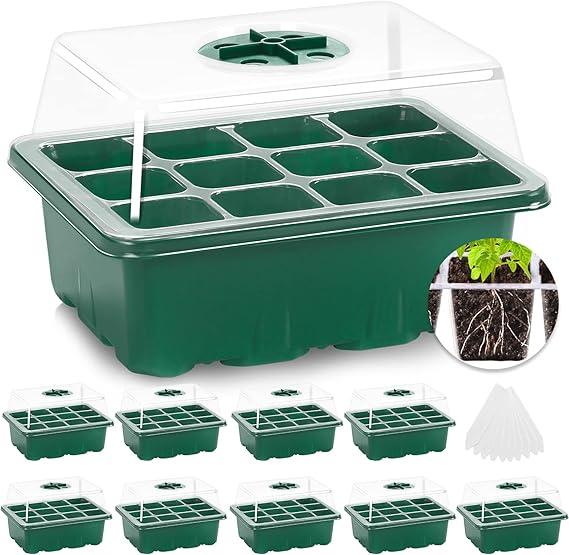
    MIXC 10 Packs Seed Starter Tray Seed Starter Kit with Humidity Dome (120 Cells Total Tray)

    Do Seeds Need Light To Germinate?

    Seeds That Germinates With Light – Do Seeds Need Light To Germinate?

    Generally, the majority of vegetable seeds need light to germinate but we can’t list them all here. However, let’s look at some of these common plants that need light:

    1. Carrots: a good example of vegetable that needs light to germinate is carrot. The seeds of carrots should be sprinkled on the soil surface and covered with a thin layer of soil or vermiculate for easy light penetration. The seeds should be planted in a row.
    2. Lettuce: lettuce is another common example of vegetable that their seeds need light to sprout and grow into seedlings. If you’re sowing them outdoor in your garden, simply sprinkle them on the soil or vermiculate. Then the seeds should be slightly covered with a thin layer of soil or vermiculate so light can penetrate easily.
    3. Rose: the plant seeds of rose need light to sprout. But you also need to maintain soil moisture at the appropriate level then you can see your seedlings sprout in about 6 weeks.

    Seeds That Germinates In The Dark – Do Seeds Need Light To Germinate?

    The plant seeds that thrive and germinate in the dark are mostly vegetable gardens with thick seed castings so they sprout under the dark covered in soil.

    So, here are some examples of plant seeds that sprout in the dark:

    1. Onion: Allium has its seeds to be big with thick seed casting. Their seeds will not emerge under the light. Therefore, starting onion seeds indoors is a good idea. They can be sown indoors under plastic. Then once they’ve germinated, you should remove the plastic cover and place them under the light.
    2. Sunflower: This plant seed is best to be sown at a depth that is 3 times its diameter. They also do well in the dark under plastic covering for them to sprout. Then when the seeds begin to emerge, simply move them into direct light.
    3. Calendula: Calendula is another plant seed that will germinate with darkness. So, cover the seeds using soil if sown outdoors and maintain moist soil.
    Seeds That Germinates In The Dark

    Seeds That Will Sprout With Or Without Light

    There are also other seeds that will sprout whether they are provided with light or not. Examples of such seeds include cucumber, tomato, eggplant, zinnia seeds, and so on.

    Conclusion – Do Seeds Need Light To Germinate?

    Do seeds night light to germinate has been answered in this post. Some plants need light for their seed to emerge or sprout while other seeds prefer darkness to sprout. There are even some seeds that just don’t care and will sprout even if they are provided with light or not.

    FAQ’s

    Do seeds germinate better in dark or light?

    The fact is that various seeds have different requirements for light. Some seeds are inhibited by the prescience of light while other seeds need light to sprout. So, you need to know the type of light requirement the seeds you have needs.

    Which seeds require light to germinate?

    Some examples of seeds that will germinate under light include lettuce, carrots, rose, cucumbers, alyssum, cole crops, begonia, savory, coleus, and so on.

    Why do seeds germinate better in the dark?

    Some seed varieties germinate better in the dark because darkness enhances their germination. So, if these seeds are exposed to light, it can seriously slow down their germination.

    Can seedlings get too much light?

    Yes, seedlings can get too much light. Most seedlings are still fragile and some even need to be hardened off before they can be exposed to direct sunlight. So, excess light can scorch or damage the sprouted leaves.

  • An In-Depth Study On Alocasia Sumo 

    An In-Depth Study On Alocasia Sumo 

    In this article, we will look at alocasia sumo, what type of plant it is, where it grows and the requirements it needs to thrive.

    Alocasia Sumo is a herbaceous perennial plant in the family Araceae that can grow 10 feet tall or taller. It is an ornamental plant that makes a beautiful focal point in your home or garden. Also known as Elephant Ear, it has large green-burgundy leaves. 

    Alocasia Sumo is a rare, new cross of Alocasia Purple Cloak and Alocasia Portora.  It will need to be repotted once the plant has filled the pot, which is generally every two years to keep it healthy. 

    It grows best in well-drained soil with a good amount of organic matter.  Alocasia Sumo will not tolerate any wet conditions, as this can cause rot.  It does do best in an area with bright, indirect sunlight.

    Alocasia Sumo has a lot of foliage and thrives in temperatures between 65-75 degrees Fahrenheit with high humidity.  Though it does best in bright, indirect sunlight, it will also grow in partial shade. 

    The Alocasia Sumo is a great plant to grow indoors. It can also be grown outdoors in the right environment as it is deer and rabbit resistant. It is winter hardy in USDA zones 8-11.

    Growing Alocasia Sumo

    Alocasia plants are native to tropical and subtropical regions of Asia and eastern Australia. It is a genus of 80 species of tuberous, herbaceous perennials. 

    Alocasia Sumo plants are generally easy to care for and can be very rewarding to grow. However, the plant does not do well in cold weather or in areas indoors where it will get cold drafts. It should be watered when the top two inches of soil are dry.

    Growing Alocasia Sumo

    Click Here to Get Info About:

    Is Alocasia Sumo Edible?

    Alocasia Sumo is toxic to humans and animals, so it should not be eaten. Since the plant contains calcium oxalate crystals, it will irritate the mouth and esophagus if consumed. If you eat Alocasia Sumo, you may experience excessive drooling, swelling of the mouth, and vomiting. 

    Alocasia is often planted in pots or tubs and then transplanted outside once the plants have been established. There are several varieties of alocasia that are available today, including Alocasia Amazonica, Alocasia Micholitziana, Alocasia Reginula, and Alocasia Infernalis.

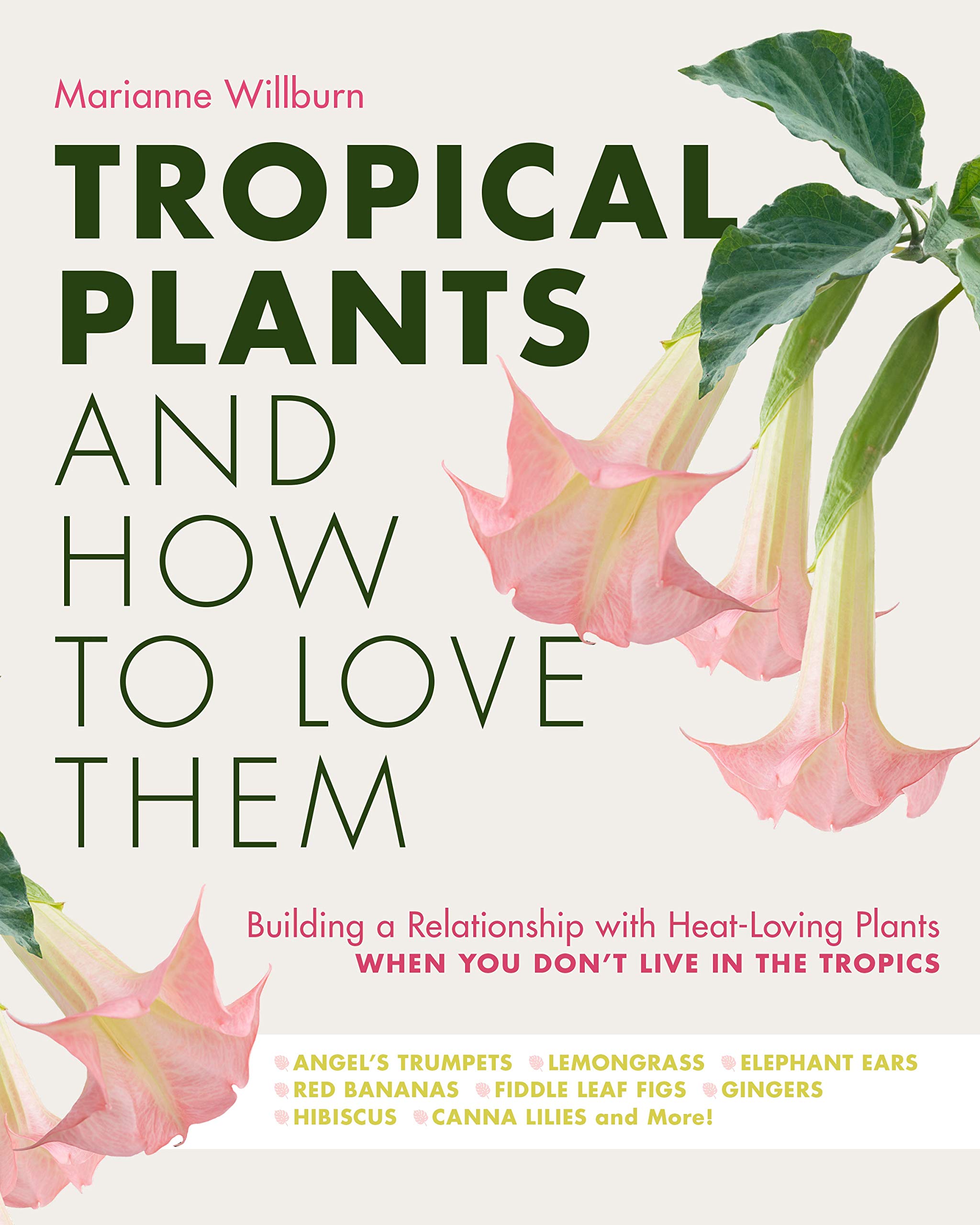
    Tropical Plants and How to Love Them

    Cultivation

    Alocasia plants are easy to grow from seed pods and can be started in pots or tubs indoors or outdoors. Pots with good drainage are best for growing Alocasia.  If the soil is too wet and there is no drainage then this can cause serious problems for your plant.

    When repotting Alocasia, it is best to remove the plant from its original container and then transplant it into a new container.  The original container should be discarded or used for another purpose.

    To ensure proper drainage, adding a layer of sphagnum moss or peat moss between the soil and the roots can be beneficial.  After repotting, water your Alocasia plant.

    Alocasia plants can be fertilized regularly with a  fertilizer like 10-10-10.  Fertilizer should generally be applied every other month during the growing season.

    Repotting is usually done in early spring before the growing season begins. Be sure to always choose a pot with good drainage. Your new pot should be at least two inches larger than your last one. 

    In Conclusion – Alocasia Sumo

    The Alocasia Sumo is a plant that many gardeners love to grow.  It is easy to grow, and it produces beautiful foliage.

    It should be grown in well-draining soil in an area where it will get bright indirect sunlight.  You should fertilize it every other month during the growing season in most cases. 

    Alocasia Sumo is a great plant to grow indoors but be careful as it is toxic to people and pets.  It is a great addition to any garden.

    FAQs

    How big do Alocasia grow?

    Alocasia can easily grow to reach 10 feet tall or taller. These upward-pointing, dark green-burgundy leaves are huge and grow up to 4 feet long and at 2.5 feet wide.

    What is the largest Alocasia?

    Hotta, the largest Alocasia species as its leaves can reach nearly 20 feet long and be more than nine feet wide across the lamina.

    How do you take care of Alocasia sumo?

    The Sumo variety needs adequate water and nutrients to keep it growing. It requires little attention and can be grown in a pot or in the ground. It needs well draining soil and should be watered when the top two inches of soil are dry.

    Can Alocasia be grown indoors?

    Yes, Alocasia can be grown indoors. Keep the soil moist and the temperature at around 65 to 75 degrees Farenheit.

  • 10 Facts About the Japanese Meaning of Cherry Blossoms

    10 Facts About the Japanese Meaning of Cherry Blossoms

    Do you know what is the Japanese meaning of cherry blossoms and how it’s used in the country of Japan?  Let’s find out together!

    The cherry blossom is one of the best-known symbols of Japan. It has been a traditional symbol of the country since ancient times. In fact, it was used as a flower for the Imperial Regalia, which is still in use today.

    It is also the symbol of the modern Japanese nation and is a prominent part of the culture.  The origin of the cherry blossom is not entirely clear.

    However, there are several theories on the matter. According to the most popular theory, cherry blossoms were first grown in Japan in the 8th century. Another theory suggests that they originated in China. More than 3,000 years ago, Chinese emperors believed that cherry blossoms could improve health and beauty.

    However, this belief was not widespread until the 12th century. Today, cherry blossoms are still considered one of the national symbols of Japan.

    Japanese Meaning of Cherry Blossoms

    The Japanese word for cherry blossom is Sakura. The Japanese pronunciation of Sakura is Saakkaa. Sakura is a Japanese word with two kanji characters.  The first character means “cherry tree”. The second character means “blossom.” In addition, the name of the flower can be written using two different kanji characters.

    It can also be written as “Sakura” or “Sakura-no-Mai” (meaning “Flower of Cherry Tree”).

    The cherry blossom tree is one of the most popular symbols in Japan. It is not only a symbol of spring but also of beauty.  In Japan, the cherry blossom season lasts from March to April.

    During this time, the flowers appear on the trees, and the people admire them.

    The cherry blossom is the national flower of Japan.  It represents a time of renewal and optimism.  The pink color marks the end of winter and the beginning of spring.

    Cherry blossoms also symbolize the transience of life, a major theme in Buddhism, due to their quick blooming season.

    Click Here to Learn about:

    Interesting Facts About the Japanese Meaning of Cherry Blossoms You Should Know

    In Japan, cherry trees are given a name which is based on the number of blossoms it bears each year. The names are: “Kanzan” – three blossoms, “Mikan” – five blossoms and “Hanabira” – seven blossoms. Cherry blossoms also have their own festival, the Hanami Festival.

    • Japan is known as the “Land of the Rising Sun” because of its beautiful cherry blossoms. The country has more than 100 different varieties of cherry blossoms. The cherry blossom season usually starts in mid-April and lasts for about two months.
    • The cherry blossoms are a symbol of Japanese culture. The trees are also widely used as a symbol of Japan. The blossoms are often seen during springtime festivals and are an important part of the celebrations.
    • In Japan, it is customary to bring along a small branch of a cherry blossom to greet others. This is done during springtime festivals and is a tradition that dates back to ancient times. The Japanese believe that the trees have their own spirit. When you bring a branch of cherry blossoms to greet someone, you are actually paying respect to that person and showing your respect.

    ‘Cherry’ Ingram: The Englishman Who Saved Japan’s Blossoms

    91daUaqn1CL
    • It is customary to use a branch of cherry blossom to greet others.
    • The Japanese usually have an appreciation of nature and the beauty of nature. They are also very appreciative of the art of Japanese culture. This appreciation of nature is one of the reasons why they are fond of cherry blossoms.
    • Japanese cherry blossoms are considered a symbol of life and longevity. They bloom in spring and are associated with the coming of spring and the hope of new life. In Japan, people used to hang a wreath of cherry blossoms on their doorways to welcome the springtime.
    • The Japanese believe that the blossoms were created by gods and goddesses to attract the sun. Japanese people say that if a cherry tree is struck by lightning, it will bloom again.
    • The cherry blossoms symbolize beauty, fertility, and purity. They have become a symbol of Japan and Japan’s culture.
    • The flowers of Japanese cherry trees are called “shidare”. Shidare is a term used to describe the petals of cherry blossoms. There are more than 100 different kinds of shidare.
    • Japanese people also use the word “Hana” to describe cherry blossoms. Hana means flowers in Japanese. The Hana in Japanese culture is considered to be a symbol of beauty. The Japanese say that the Hana in a person’s face represents his or her inner beauty. The Hana in a person’s body represents his or her physical beauty.
    Interesting Facts About Cherry Blossom Japanese Meaning You Should Know

    Check Out:

    In Conclusion – The Japanese Meaning of Cherry Blossoms

    The Japanese meaning of cherry blossoms is vast as we have seen above.  This tree is one of the most sacred trees in Japan.  It is a symbol of Japanese culture, peace, fertility, and prosperity, along with many other meanings.

    It is an important part of Japanese life and Japanese culture.  Many people come to visit this tree during its blooming season every year for good luck.

    FAQ’s

    What does a cherry blossom symbolize?

    Cherry blossoms are known to be associated with happiness and good luck.

    Do cherry blossoms symbolize love?

    Cherry blossoms have long been used as a symbol of love. In Japanese culture, the first blooms of cherry blossoms are said to signify the arrival of spring and the start of a new romance.

    Do cherry blossoms represent death?

    Cherry blossoms can symbolize life or death. For example, a tree that has not yet bloomed is a sign of death, while a tree that is in full bloom is a symbol of life.

    Are cherry blossoms good luck?

    In Japan, cherry blossoms are considered to be lucky. When a woman is pregnant and sees a cherry tree blooming, her pregnancy will likely end with a healthy baby.

  • Habanero Vs Scotch Bonnet – All You Need To Know

    Habanero Vs Scotch Bonnet – All You Need To Know

    In this article, we will learn all about the habanero vs scotch bonnet chilies and what’s different about each variety.

    What is a Habanero?

    A habanero chili is a hot pepper belonging to the Solanaceae or nightshade family.  It belongs to the species named Capsicum Chinense. It is native to the Amazon region of South America and has been cultivated since ancient times. 

    The habanero is a very popular hot pepper, used in many types of dishes. It is especially good for sauces, stews, and soups. A habanero can be found in supermarkets, specialty food stores, and online.

     A habanero chili is a type of hot chili pepper and is one of the hottest peppers on Earth. The habanero is a very popular pepper in Mexico and is used in many different dishes. Though it is very hot, it has fruity notes, hints of citrus, and a flowery aroma.

    Before maturity the pepper is green, however, once it matures it ranges from yellow-orange to orange to bright red in color. In some cases, it can even appear pink or dark brown depending on when it is harvested. Habaneros range in size from 1 to 2 1/2 inches in length and from 1 to 2 inches in diameter.

    What Is A Habanero

    Read more about How To Keep Indoor Plants Warm in Winter

    What is a Scotch Bonnet?

    Scotch Bonnet is another very hot pepper that belongs to Capsicum Chinense, as the habanero does. Its origins can be traced back to South and Central America and they are popular in Jamaica and the Caribbean area. 

    Like the habanero, it is used in many types of dishes. This chili can be found in supermarkets and specialty food stores. They are popular in Jamaican, Caribbean, and African cuisines. 

    Though they are as hot as habaneros, they have a slightly sweeter profile. Today, Scotch Bonnets are used in a variety of dishes including soups, stews, and sauces.

    Physical Appearance Scotch Bonnets have orangish-yellow color.  Their flavor profile is hot with sweet, fruity, tropical, and earthy tones.

    Click Here to Get Info About:

    What Are The Differences Between Habanero and Scotch Bonnet Chilies?

    Habanero vs Scotch bonnet… is not an easy comparison. They are both grown in the same climate but have different flavor profiles.  We will learn more about this in this article. 

    Differences between habanero and scotch bonnet:

    Habanero vs Scotch Bonnet – The size of the chili Scotch bonnets tends to be a bit smaller than habaneros.  Habanero chilies can be  2.5 inches long, while scotch bonnets are only around 1.5 inches long.

    13 Rare Hot Chili Pepper Seeds Variety Pack for Planting. 650+ Non-GMO Bulk Pepper Garden Seeds Kit

    91eVVABjJLL. AC SL1500

    Habanero vs Scotch Bonnet – Flavor Differences: Habanero and Scotch Bonnets both have a lot of heat.  They are both very spicy.  They can be substituted for each other in certain dishes if desired. 

    The difference is in the flavor as the habanero has hints of citrus and a flowery aroma.  Scotch bonnets have a slightly sweeter flavor than habaneros with tropical, and earthy tones.

    Both the habanero and Scotch Bonnet have very similar heat levels. Both types of peppers measure in at Scoville heat units (SHU) of 100,000 to 350,000. 

    A habanero can be found in many supermarkets.  In fact, they are usually the first pepper you see in the supermarket.

    Habanero Vs Scotch Bonnet – How To Use

    Habanero and Scotch bonnets can be used in many dishes. They both add bold flavors that really stand out.

    You can use them as an ingredient or a condiment.  You can use them to spice up a dish. You can use them in curries, stews, soups, and even desserts.

    They are great for making spicy salsa, which is perfect for adding flavor to any dish. They are also good for making a sauce for chicken, pork, and fish. Scotch Bonnet peppers are an essential ingredient to jerk chicken.

    You can use habanero chili powder in place of paprika to give your food a little more kick.  You can also use it to spice up a salad.

    Scotch bonnet chili can be used in place of Tabasco to add a little more flavor and heat to your food.

    Habanero chili powder is great for adding heat to dishes that you want to have a little more punch. It’s a good way to make your food taste flavorful and pack a punch. You can use it to spice up your favorite dishes.

    You can also use habanero chili powder as a seasoning for soups, stews, and marinades. It is excellent in any dish that you want to add a little bit of heat to it. Use habanero chili in your next recipe!

    In Conclusion – Habanero Vs Scotch Bonnet 

    The habanero vs scotch bonnet is two different chilies commonly used by many chefs across the world.  All the information you wanted to find out about these two peppers is available in this article.

    The habanero has a hot, pungent flavor that is considered a perfect addition to spicy foods. It is often used for salsa and salsas.

    Both the Scotch Bonne and habanero pack a punch. Habaneros are great for cooking and are popular in Mexican cuisine.  The Scotch Bonnet is commonly used in Jamaican, Caribbean, and African cuisines. 

    FAQs

    Are habaneros same as Scotch bonnet?

    No, habaneros and Scotch bonnets are different peppers but are closely related as they are part of the Capsicum Chinese variety.

    Is a Habanero hotter than a Scotch bonnet?

    Habanero and Scotch bonnet peppers both have a heat rating of 100,000–350,000 Scoville units.

    Can you substitute habanero for Scotch bonnet?

    Yes, but the flavor flavor profile will be slightly different.

    What pepper is hotter than a Scotch bonnet?

    The hottest pepper in the world is the the Dragon’s Breath chile, followed by a Carolina Reaper and then a Trinidad Moruga Scorpion. These are all hotter than a Scotch bonnet and habanero.

  • How To Keep Indoor Plants Warm in Winter

    How To Keep Indoor Plants Warm in Winter

    Summer will not endure forever, despite how hot and humid it is. And if you’re like millions of other gardeners, you know how you feel about your plant babies. You adore them and find it difficult to say goodbye at the end of the season! Protecting your plants from unexpected cold snaps or early frosts might help you extend the growing season.

    That isn’t to say you can’t squeeze a few more weeks out of your garden. If you suspect an early frost or a harsh freeze is on the way, apps like Accuweather can help. You can take several things to give some insulation, which may help your plants survive a bit longer. There’s always a risk when we talk about nature—but they’re worth trying. And believe us when we say there’s always more to learn about gardening! 

    Here are some ideas for keeping indoor plants warm during the winter:

    1. Reduce your watering and use warm water for your plants.

    Most houseplants lie dormant during the fall and winter months, even if your plants are indoors. Less light implies less growth, which means less water and fertilizer. It may also mean less feeding for your indoor plants in the winter.

    As per standard watering guidelines, water only when dry an inch or two below the surface. Make sure your plants don’t sit in water for long periods. It can create root rot, fungus, mold, and other problems. If you notice yellow leaves or moldy soil, you should reduce your water. You may wish to water your plants in the winter with warm water. It is preferable to water plants in the winter. It helps them grow faster and larger and keeps them warm.

    Most houseplant owners follow a weekly watering schedule. You may want to stick to it for consistency’s sake and avoid breaking the rhythm. But, reduce the amount of water you offer by 25 to 50 percent on your weekly watering days. 

    2. Give them plenty of light.

    We all need light, and it’s challenging to get enough of it when the days are as short as they are now. Plants, like people, need light to thrive, even indoor plants. During the winter, homes receive a limited quantity of light. If your house does not face the appropriate direction, you may only get light in specific rooms and windows. 

    Prepare to transfer your plants near windows and light-filled locations during the winter. For optimal light, make sure the windows are clean both inside and out. Make sure to remove any dust accumulated on the leaves to absorb the light more effectively. Almost any houseplant benefits from the winter sun.

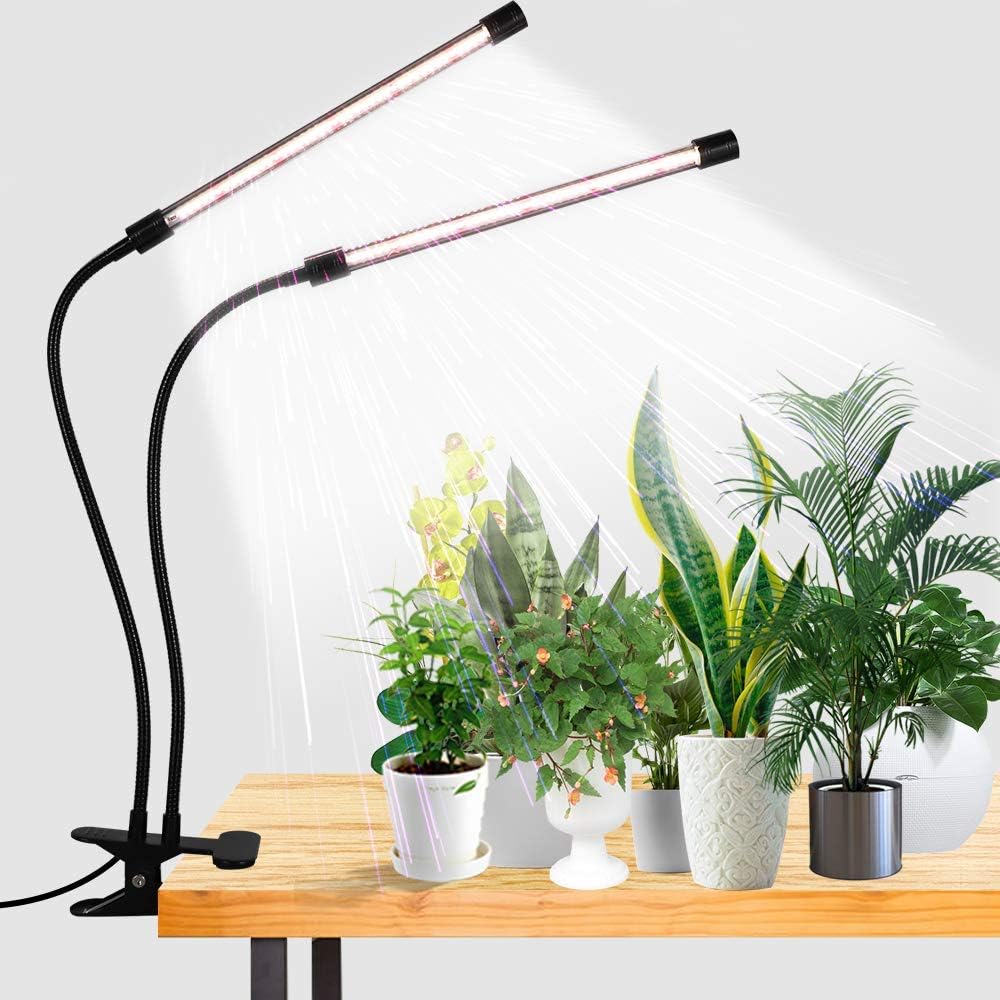
    If you don’t have any bright windows, artificial lighting can undoubtedly help. If you don’t have enough window space in the winter, use a grow lamp to augment your plants’ light needs.

    White Red LEDs for Indoor Plants

    61pUrl7WK L. AC SL1000

    3. Increase humidity.

    When it comes to the health of your houseplants, humidity is a significant factor. Most houseplants are from tropical locations, ranging from 77% to 88%. They are also grown under ideal humidity levels in nurseries. 

    But, when you bring the same plants home, you will expose them to a frigid air conditioner. Doing so may continually suck away moisture. If it’s winter, your heating system is drying up the air, which is bad for your houseplants.

    Low moisture does not suit tropical plants. Imagine doing your best to care for them by reading their needs and marking the calendar for watering schedules. But you may still end up with dry, limp leaves. Humidity conditions in your home can contribute to your indoor plants‘ poor appearance. Here are some of the best ways to increase room’s humidity for your indoor plants.

    plants' light needs

    4. Keep your indoor plants clean.

    Dust on houseplant leaves can clog pores and harbor pests. So it’s critical to clean foliage regularly. Additionally, permanently remove damaged and diseased leaves. They can carry illnesses or pests. 

    Dust smooth-leaved plants with a brush before spraying with water. Instead of spraying or washing hairy plants or cactus, use a brush. Pinch out the stems at the base of the plant to remove damaged, yellowing leaves. Insects prefer to hide in the dust on the leaves, making it challenging to discover them. Your plant is more vulnerable in the winter because it falls into dormancy. It prevents it from growing out of bug damage.

    Put your plants in the bathtub every couple of weeks and give them a gentle shower with a handheld sprayer. You can also wipe the dust and filth off with a moist towel. Keeping the leaves clean allows them to perform photosynthesis more efficiently.

    5. Reduce plant fertilizers.

    Fertilizing your indoor plant is essential for healthy, bushy growth. Should you fertilize your indoor plants during the fall and winter dormant seasons? Will fertilizing our plants during the dormant season benefit them, or will it harm them?

    Most houseplants develop in the spring and summer and go dormant in the winter. So, it would help if you didn’t fertilize them. Fertilizing your plants in the winter can cause a variety of issues. It can have an impact on their general health. It would be best to only fertilize indoor plants in the spring and summer.

    Fertilization is essential for plant health. But, excessive fertilization or fertilization at the wrong time of year might cause various issues with your plant.

    Before adding fertilizer, check your soil for nutrient deficiencies. Use a soil test kit to determine the levels of phosphorus, nitrogen, and potassium and the pH of the soil.

    6. Keep an eye on the temperature. 

    Most plants prefer temperatures between 65 and 75 degrees Fahrenheit and above 50 degrees Fahrenheit at night. Keep your plants away from cold drafts and sources of heat like radiators, ovens, fireplaces, and electronic devices. 

    Temperature fluctuations can kill houseplants just as quickly as continuous heat or cold spells.

    Final Word

    Now you know more about how to keep indoor plants warm in winter!

    During the winter, your houseplants will be vulnerable to life-threatening threats. Several winter stress factors can influence indoor plants. Check temperature fluctuations from afternoon heat to evening chill. Dry air and short days restrict the quantity of light they receive. Changing the way you care for your houseplants is the key to keeping them warm during the winter.

  • 10 Things You Need To Know When Growing Philodendron Giganteum 

    10 Things You Need To Know When Growing Philodendron Giganteum 

    If you are a new gardener and want to grow philodendron giganteum, here are some important things you need to know.

    What Is Philodendron Giganteum?

    Philodendron giganteum is a fast-growing, tropical plant that can be used as a houseplant or indoor garden plant. It is commonly known as the ‘Jade Vine’ and ‘Philodendron’. This plant is also called ‘Climbing Philodendron’ and ‘Spider Plant’, which is also a good name for it. It is a perennial plant that grows from a thick taproot, with fibrous roots.

    It can grow up to 10 feet tall. It has glossy, leathery leaves that are about 12 inches long and 2 inches wide. The leaves turn an amazing color of green when they are young, but turn an amazing jade green when they mature. The stems are extremely flexible, and the leaves are very durable.

    Planting:

    There are two ways to start your philodendron, either you buy a plant or grow it yourself. If you are buying one, you need to know the size and the pot that it will be in. You can also choose between indoor or outdoor plants.

    Outdoor philodendrons should be planted in a large pot and kept in full sun. Indoor philodendrons are better suited for small spaces.

    More Things About Philodendron Giganteum

    When growing philodendron giganteum, there are a few important things you should know.  They include:

    • The size of the plant will determine the size of the pot that it needs.

    The plant itself is a slow grower and will not grow any larger than the pot in which it is grown, but will continue to grow until it outgrows the pot.

    • As long as the plant has plenty of light and proper humidity, it should grow at a steady rate.

    It is important to keep the plant watered regularly. You can also fertilize the plant with a liquid fertilizer.

    • Philodendron giganteum is best grown in a sunny location, and it requires a warm temperature. 

    You can place the plant in a room that stays warm throughout the year, and it will be happy.

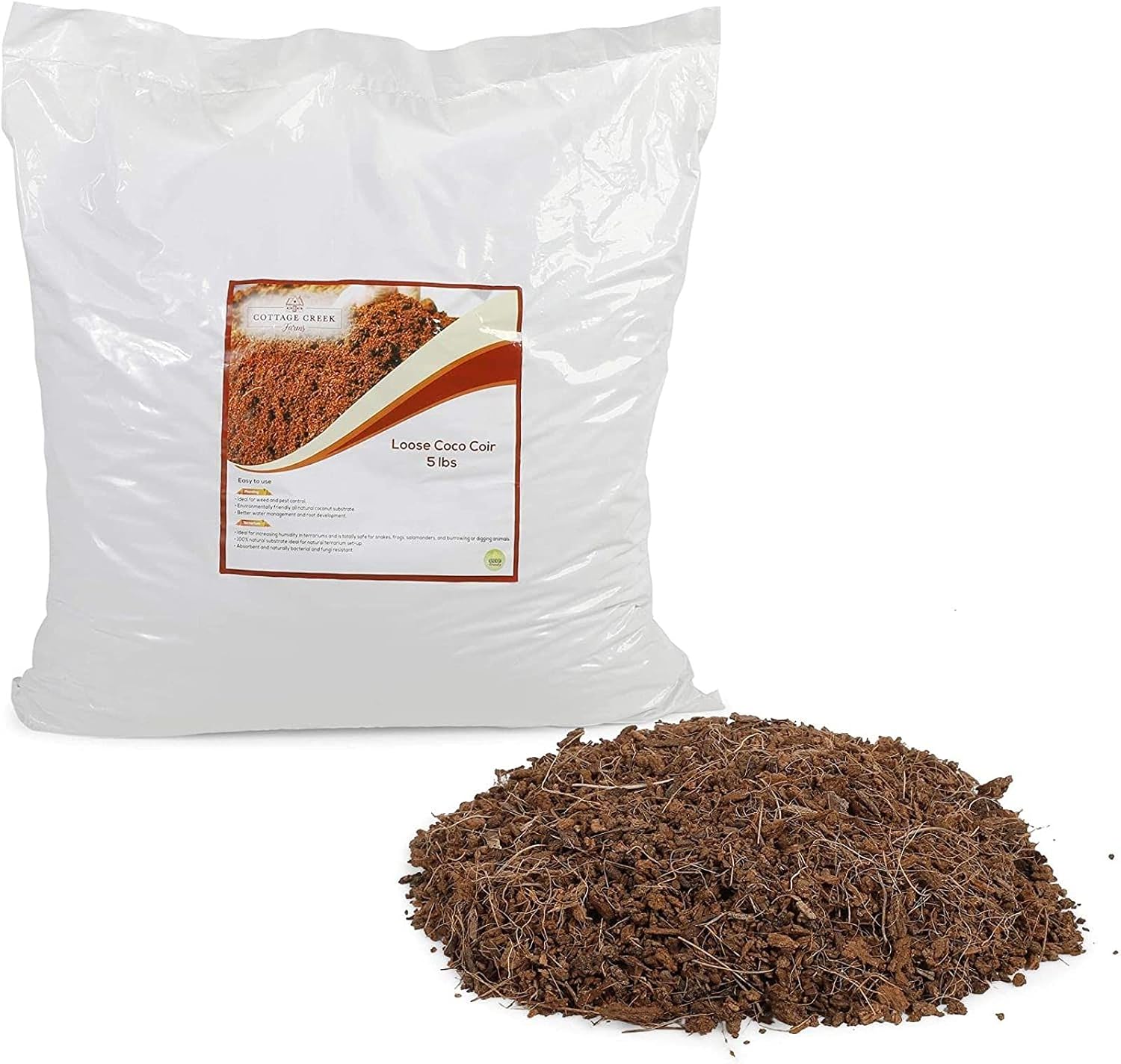
    Farmlyn Creek Coco Fiber Substrate

    71Z3FowNfwL. AC SL1500
    • Philodendron giganteum is most likely to be found growing in a greenhouse or on the terrace of a house.

    They like bright, indirect light and are very sensitive to changes in temperature.  It is possible to grow them outside, but they will need to be kept indoors during the winter months.

    • Philodendron giganteum has been known to cause problems when growing in the garden.

    The leaves of the plant have been known to wilt and die.  The leaves will sometimes become brown and brittle.

    • You can plant the Philodendron giganteum in the ground or in pots.

    This plant should be watered regularly.  The best way to water it is to fill the pot with water and alow it to seep into the soil slowly until it has had enough to escape through the drainage holes.

    • If you are going to grow your philodendron outside, you will need to make sure that the temperature stays above fifty degrees.

    This is very important because when the temperature is below fifty degrees, it is possible that the leaves of the plant will wilt and die.

    • This plant will grow best in bright, indirect light.

    It will also do well in a room that stays warm throughout the year.  The plant will not like to be in direct sunlight all day, so if you want to keep it in the house, you will have to keep it away from the windows.

    • This plant is toxic to animals and humans and is known to induce adverse effects when consumed.

    Some effects include – swelling and burning of lips, tongue, mouth, and throat.  It also causes severe stomach discomfort when swallowed. Philodendron also causes skin irritation when handled with bare skin.  Therefore, use gloves every time you want to handle this plant.

    • Philodendron is not resistant to press and diseases but is only affected by a few of them.

    It is easily propagated from cuttings or seeds.  Seeds should be soaked in water overnight before planting.

    10 Things You Need To Know When Growing Philodendron Giganteum 

    In Conclusion

    Philodendron giganteum is an interesting plant to grow.  It has a good relationship with most gardeners who term it as a go-to plant when you want a plant that does well indoors and outdoors.

    It has a great look that many people love. The only drawback of this plant is that it will need a lot of light, but not direct sunlight especially when grown outside in the summer months. To balance the two, can be difficult for some gardeners.

    Learning this trick will elevate your knowledge of growing this plant.  If you are interested in learning more about this plant, there is a lot of information available.  Try it today and you won’t be disappointed.

    FAQs

    Is philodendron giganteum fast growing?

    Yes, it is a very fast-growing plant. It will grow in 3-4 months from seed to flowering and blooming.  Philodendron giganteum has proven itself to be one of the easiest plants to grow. The large leaves are very forgiving when they get out of shape.

    Is philodendron giganteum a climber?

    No, philodendron giganteum is not a climber.  It is an epiphyte or air plant.

    How much light does a philodendron giganteum need?

    Philodendron giganteum grows best in full sun to part shade.  In the tropics, it will grow in partial shade as long as the temperature stays above 70 degrees Fahrenheit.  It will do better in bright areas in the winter than in shady areas.

    What is a pink princess philodendron?

    The pink princess philodendron (Philodendron chacei) is a popular philodendron because of its unique color.  It is easy to grow and has large flowers with a pink color that are very attractive to butterflies.  The pink princess philodendron also has a very unique growth habit. It starts out as a vine and then eventually it begins to form roots.  The plant will not become a climber until it has been in the soil for a while and it will only grow about 1-2 feet tall.  It can be grown in hanging baskets or other pots.