Category: Hydroponics

  • Differences Between Baby Spinach And Regular Spinach

    Differences Between Baby Spinach And Regular Spinach

    Let’s look into the differences between baby spinach and regular spinach. Spinach is a green vegetable with loads of nutrients and antioxidants when eaten.

    The advantages of consuming this green vegetable are quite enormous; ranging from strong eye benefits to cancer prevention, reduced blood pressure, eye health among others.

    What is usually referred to as baby spinach is the small version of the regular spinach. The baby spinach usually has its distinctive attributes such as small leaves, smooth leaves, and very tender or young leaves and stems.

    The differences between baby spinach and regular spinach will be discussed in this guide. The similarities of these two types of vegetables are as well discussed here.

    Now you may want to pay rapt attention to some of the details given as they are sure to come in handy in no distant time. However, before we delve into discussing the differences, let’s explain a few things about spinach generally.

    What You Should Know About Spinach

    So, let’s firstly look into what we need to know about this amazing vegetable. The following are a few things you ought to know about spinach:

      • It is a green leafy vegetable that is highly nutritious to the human body. There are numerous health benefits of eating this vegetable on a regular basis.

      • Spinach is an excellent source of vitamins and minerals. Vitamin A, C, K1, and B9 are a few of the rich vitamins that can be gotten from vegetables.

    What You Should Know About Spinach

      • It takes a relatively short period of time to attain maturity. Spinach would usually take about six weeks to grow after germination and they will be ready to be harvested. There are also, different varieties that can be grown, with some being able to grow all year.

      • Grown in pots indoors or outside in the garden. Whichever is more convenient depending on the amount of space we have, the vegetable does well both indoors and outdoors.

    Major Differences Between Baby Spinach And Regular Spinach

    So, regarding baby spinach vs spinach, there are some noticeable differences between them. They include:

    1.    Differences In Taste

    One distinctive difference between baby spinach and regular spinach is the unique difference in taste.

    Regular spinach usually has a relaxed flavor, unlike other edible greens. It may in some situations thirst a bit bitter if the leaves are allowed to grow too long. On the other hand, the baby spinach is particularly sweet.

    2.    Differences In Size And Appearance

    This is one of the easiest ways to differentiate between these two vegetables.

    The baby type is usually tender and young. Harvested between 30-40 days after planting. The leaves of the baby spinach are about 1 to 1.5 inches in diameter.

    Harvested when the leaves are about 3 to 6 inches long. The leaves are thick at this point in time.

    3.    Differences In Nutritional Value

    There are a few noticeable nutritional variations between regular spinach and baby spinach.

      • Carbohydrate: When compared per 100g, both regular and the baby type give almost the same amount of calories and carbohydrates.
      • Fat: The difference in fat is quite noticeable. For instance, 100g of regular type offers about 0.4g of Fat, whereas baby type gives no fat.
      • Protein: Similarly, 100g of regular spinach will give about 2.9g of Protein, whereas baby spinach of the same size will give only 1.2g of Protein.
      • Vitamins: In about 100g of regular spinach, Vitamin A (469ug), Vitamin C (28.1mg), Vitamin B1 (0.1mg), Vitamin B2 (0.2mg), Vitamin B5 (0.1mg) are present. But in baby spinach, these vitamins are completely absent.

    Similarities Between Baby Spinach And Regular Spinach

    Baby spinach and regular spinach are the same vegetables that come from the same plant. Here are a few similarities between them:

      • Both vegetables can be consumed raw, cooked, or dried.
      • They are also both very nutritious. Spinach is indeed a highly nutritious vegetable. This means that anyone you happen to consume, whether baby or regular will definitely give you the nutritional value you desire.

    What Are Some Health Benefits Of Eating Spinach

    Below are some of the health benefits of eating spinach:

    • Eye Health: whether baby or mature is rich in lutein and zeaxanthin. These are carotenoids responsible for the green color in most vegetables. The human eyes also contain high quantities of these, as they help protect the eyes from damage caused by sunlight. Research also shows that these carotenoids help to prevent macular degeneration and cataracts, the major causes of blindness.

    • Cancer Prevention: as a result of the presence of MGDG and SQDG in spinach, they slow a great deal of cancer growth. They not only slow the growth but help reduce the size in a situation where there is a tumor.  Generally, this vegetable helps to prevent the formation of cancer.

    • Blood Pressure Reduction: due to the high amounts of nitrates contained in spinach, it helps to moderate blood pressure levels. This compound also decreases the risk of having heart disease.

    FAQ’s

    Which one tends to be produced better?

    The USDA’s Food Safety and Inspection Service has a good overview of the differences between the two. The gist is that “Baby” spinach tends to be more tender, has less moisture content, and is generally of higher quality than regular spinach. It also comes in smaller bags, making it easier to keep track of when you are cooking.

    Why is baby spinach more expensive than spinach?

    According to the USDA, baby spinach is less expensive than spinach because it is typically shipped in bunches of three and is thus bulkier. This means that it is not as easy to clean and cut, and that it requires more space to store. Because of this, it has a higher cost per pound, which is why you pay more for it.

    Should you cook baby spinach?

    Baby spinach is a great salad green because it’s tender and has a mild, sweet flavor. It’s also very low in calories and full of vitamins. Cooking baby spinach can be a matter of personal taste. It’s easy to overcook it, which can make it lose its freshness and flavor. Also, some people think it’s best when raw, while others prefer it steamed or wilted.

    To keep it from turning brown, add a little lemon juice to the water or water that you steam the spinach in. Baby spinach is a great salad green because it’s tender and has a mild, sweet flavor. It’s also very low in calories and full of vitamins. Cooking baby spinach can be a matter of personal taste. It’s easy to overcook it, which can make it lose its freshness and flavor. Also, some people think it’s best when raw, while others prefer it steamed or wilted.

    Conclusion

    The major differences there are between this two spinach have been discussed in this guide. We also discussed the similarities between this two spinach. Health benefits you get to enjoy are also discussed here.

    The vegetable can be consumed in a variety of ways either alone or in combination with other vegetables. Exploring the rich option provided by this vegetable will no doubt have great positive effects.

    So, there you have it on the details about spinach vs baby spinach.

  • How Tall Does Cilantro Grow?

    How Tall Does Cilantro Grow?

    Have you ever wondered how tall the Cilantro plants grow?  The plant is used for a variety of purposes, as virtually every part of it is useful. The seeds and leaves are however the most utilized parts of the plant.

    A good number of persons enjoy the flavor cilantro gives to food when the Cilantro is added to various dishes.

    This is a guide on the general things to note when growing a cilantro plant and also details about how tall cilantro plants can grow.

    Knowledge of these details will help a great deal in growing the plant and caring for it the right way. Now let’s get on with the answer to the question: How tall does Cilantro grow?

    Cilantro Plant

    The cilantro plant is a member of the Apiaceae family, with bright green leaves very similar to that of carrots. When the cilantro plant blooms, it usually produces pinkish-white flowers in clusters. These flowers develop seeds after some time which can be dried and used for dishes or as herbs.

    The cilantro leaves are greatly sourced as a result of their bright flavor in many dishes. These leaves are heavily relied upon by Mexicans and East Asians in their delicacies and health. The cilantro leaves are referred to as cilantro in the United States of America. However, in some areas, it is referred to as Chinese parsley, Mexican parsley, coriander leaves, or simply fresh coriander. These designations refer to the same plant and these names should not cause any confusion on what is being referred to.

    Cilantro Plant

    The cilantro plant can do well in an area where it gets good sunlight. However, the too-hot sun can cause the plant to bolt faster.  It is also sure to do well in light shades and warmer climates.

    Unfortunately, when cilantro plant bolts, the leaves are usually unpalatable and will taste bitter. It’s best to allow the plant to flower and produce seeds once it has bolted. This will ensure encourage the continuation of the next cilantro generation.

    How Big Does the Cilantro Plant Grow?

    So, how big do cilantro plants get? The average mature cilantro plant usually grows to about 12 to18 inches. But if left for quite some time, the cilantro plant can continue growing tall and as high as 20 to 25 inches. The height also depends on the varieties.

    You can however begin to pick the cilantro leaves as soon as it is about six inches tall. Harvesting the seeds, however, takes a longer period of time- about three weeks after flowering.

    To ensure that the plant attains its maximum height within the shortest period of time, it should be grown in good soil with proper nutrients and access to water. Where these are available the plant grows more rapidly.

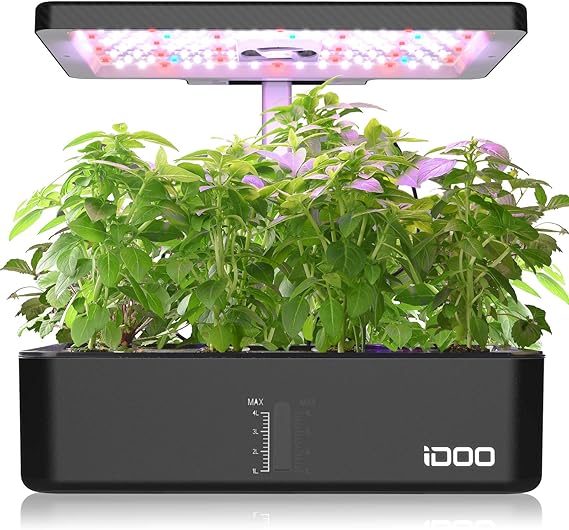
    AeroGarden Harvest – Indoor Garden with LED Grow Light

    81DPs6WZXjL. AC SX569

    How To Grow Cilantro Plant: Guidelines

    The following should be noted when growing the cilantro plant:

    • Where To Plant: The cilantro plant can be planted directly in the garden or indoors with the use of small plant containers. When they are planted directly in the garden, they must be sufficiently spaced.

    • The Spacing Required For The Plant: The cilantro plant ought to be sufficiently spaced for the desired goal to be attained. For a person interested in harvesting the cilantro leaves, they should be planted 2 inches apart in rows 12 to 15 inches spaced. But where the seeds are to be harvested, 8 inches apart in rows of 15 inches is preferable.

    • Water Requirement: The plant requires a lot of water to survive at the very early stage. Arrangements must therefore be made to provide the required water to this plant during the first 6 weeks of germination. After this time frame, the water provided by this plant may be reduced.

    • Fertilizer Requirement: The plant requires some fertilizers at its early stages of growth. nitrogen-heavy fertilizers are most suitable for this plant. The fertilizer should be applied moderately and not too close to the stem of the plant.

    • Best Soil & Light: The plant usually prefers to grow on sandy loam soil with enough organic material and access to sunlight. The plant is more likely to blossom when the soil is not too hard, with good access to water.

    • Time of Harvest: The leaves are usually best harvested before they bolt. For the seeds, you will have to allow the plant bolt.

    How To Store Cilantro Leaves After Harvest

    After the cilantro leaves have been harvested, the following should be considered to ensure proper storage:

    • The leaves usually deteriorate quickly unless they are preserved. The leaves can be stored in airtight jars or a freezer.

    Varieties Of The Cilantro Plant

    Depending on what you intend to get from the plant, there are different varieties that you can pick from. The following are the major types:

    • Cruiser Cilantro: This variety of plants usually grows upright and it hardly spreads. It is made up of broad leaves and hard stems.

    • Calypso Cilantro: This variety produces very full plants with leaves that spread. It takes this variety a lot of time to bolt and produces seeds. Therefore, you can enjoy cilantro leaves for a long time with this variety before it bolts.

    • Santo Cilantro: This variety also takes a lot of time to bolt. So you can enjoy cilantro leaves for a good period.

    • Confetti Cilantro: This cilantro variety has a sweeter and milder flavor and may sometimes be overpowering. It grows in an even manner with very fine fern-like leaves.

    • Longstanding cilantro: this variety is another cultivar that is slow to bolt and will grow tall.

    Varieties Of The Cilantro Plant

    FAQ’s

    How tall does cilantro grow?

    Cilantro grows pretty tall, usually toa height that’s somewhere between 1 to two feet. It is this ability that it has to grow that it is great for keeping in a herb garden as you can get a pretty good amount whilst using pretty minimal space.

    This is why it also makes a great gift for someone who not only likes to grow plants in their garden, but likes to cook using the freshest of ingredients that they can find.

    Will cilantro grow back after cutting?

    Cilantro has an amazing ability to regrow after you cut it down. You should be able to put it back in the ground in late spring or early summer.

    Why is my cilantro growing so tall?

    Cilantro has long been a favorite herb in the kitchen, especially with Latin-inspired dishes. It’s one of those herbs that you can just throw into any dish and it adds so much flavor. But if you’ve noticed your cilantro is growing tall, then you may be experiencing what gardeners call “coriander syndrome.” This is when your cilantro goes to seed prematurely and grows tall and strong.

    What do I do if my cilantro is too tall?

    You should be able to just cut it off and let it regrow.

    Cilantro is a bushy annual herb, but it can also grow as a perennial. It prefers well-drained soil and full sun.

    It grows best in heat. Cilantro seeds germinate best in temperatures of 75°F to 85°F. The cilantro plant may be harvested for fresh leaves throughout the summer. Cilantro (coriander) is a hardy annual herb, but it does best when grown in warm climates and full sun.

    How Tall Does Cilantro Grow:  Conclusion

    This write-up provides an elaborate guide on how to grow the cilantro plant. We have pointed out that the cilantro plant can grow as tall as 24 inches.

    If you are interested in growing the cilantro plant, be sure to put our guidelines into consideration.

    You can also enjoy numerous benefits from the cilantro plant. Some include great vitamins, herbal and medicinal benefits, amongst others.

    So, if this sounds like a plant you will want to have in your garden or home, be sure to observe our guide.

  • When Do You Harvest Romaine Lettuce?

    When Do You Harvest Romaine Lettuce?

    Romaine lettuce is one versatile and refreshingly crispy type of lettuce. But do you know when to harvest romaine lettuce?

    It is pretty easy to grow romaine lettuce so far you grow them in the right season. But when it comes to harvesting romaine lettuce, you need to know the basics. If you pick romaine lettuce too early or at the wrong time, you may get a woody and bitter-tasting lettuce rather than the tender ones.

    So here’s an easy guide on getting to know when to harvest your romaine lettuce.

    Some Info On Romaine Lettuce

    Romaine lettuce is a crunchy, sturdy, and elongated deep green leaves with great nutritional value. It also forms a closely packed head. This lettuce variety is refreshingly crispy and is popularly used as a base in salads.

    They are so sturdy that they can be held up to heat for grilling. Therefore, they are more tolerant to heat than any other lettuce variety. They will also remain crunchy and won’t wilt quickly especially in salads. Nowadays, romaine lettuce has become a grilling staple along with other vegetables.

    In North America, you can find romaine lettuce usually sold as hearts that the outer leaves have been conveniently taken out. Most of the romaine lettuce grown in the United States is grown in California.

    Some Info On Romaine Lettuce

    Although you may notice only one variety of romaine lettuce in the store, there are actually many cultivars of romaine. Some romaine lettuce tends to have a looser structure compared to the commonly closely packed head. While some have red or speckled leaves.

    Romaine lettuce tends to mature a little longer compared to other lettuce varieties. However, it isn’t necessary you wait until they attain their full size before you harvest them.

    When To Plant & Harvest Romaine Lettuce

    A lot of lettuce varieties can be picked in similar ways. But it helps to always know the right way of harvesting the particular type of lettuce variety you’re growing.

    Romaine lettuce thrives well in cool weather conditions. Therefore, they aren’t so great in hot weather because they can fade quickly.

    Just like any other lettuce variety, it’s ideal to plant romaine lettuce around early spring so you can get a late spring or early summer harvest. You can as well plant romaine lettuce at the end of summer to harvest them in fall.

    As we mentioned, romaine lettuce can take a long time to mature and this usually takes about 3 months. Again, you don’t have to wait till they attain full size to harvest them. However, if you wish to harvest full heads of romaine lettuce, you should keep in mind their long growing season.

    A lot of romaine lettuce variety can take about 65 to 75 days to form a full or matured head. Some cultivars however can take lesser (about 55 days) to attain maturity. Then a couple of other cultivars can take longer.

    Lettuce & Salad Greens Seed Vault – Non-GMO Vegetable Seeds for Outdoors or Indoors

    81NyrqPYhsL. AC SX569

    Plan your harvest time based on the particular variety if you want a whole head of romaine lettuce.  A fully or properly matured whole head romaine lettuce should have a fully formed head, be densely packed, and feel very firm.

    But if you don’t mind harvesting individual leaves or harvesting them before they attain maturity, you can begin picking them once they attain a few inches long. This is usually about a month after planting.

    So you can keep on harvesting romaine leaves until the plant fades. Or simply harvest moderately if you want your romaine lettuce to form head later in the season.

    Guidelines On How To Harvest Romaine Lettuce

    So how do you harvest romaine lettuce? Let’s look into this.

    1.    Harvesting Individual Leaves

    Harvesting individual romaine lettuce can offer you that cut and come again feeling. Just ensure you the outer leaves and leave the central leaves to continue growing. Also, avoid breaking the central stems. You can break the leaves at their base by snapping them or make use of a sharp tool to cut them off.

    Also, ensure you water them regularly especially when the weather is hot to promote new growth. Make sure you remain about 2 or 3 leaves so your lettuce plant has the energy to keep producing.

    However, when you notice your lettuce is preparing to enter seed, it’s best to harvest the whole head to prevent the romaine lettuce from turning bitter.

    One sign to know your lettuce is about to enter the bolting stage is an extra white lettuce sap.

    2.    Harvesting Whole Head Romaine Lettuce

    If you wish to harvest the whole head of romaine lettuce, you will need some patience. But it’s all worth it because you will be rewarded with a lot of crisp, fresh lettuce.

    Once the head has attained full size and they are firm, use a sharp tool to cut the base. We recommend you leave about 2 or 3 inches of the stem to encourage your plant to regrow and generate baby lettuce.

    To avoid bolting, harvest your romaine lettuce head promptly once they feel firm. Another way is to pull the plants out of the ground and trim off the roots. But it’s better to just cut off the heads to avoid disturbing the structure of your soil.

    Additionally, if you notice the lettuce has begun sending up a tall central stalk, that’s a sign of bolting preparation. Hence, it’s important you harvest your romaine lettuce at once to prevent bitter-tasting lettuce.

    Storing Romaine Lettuce

    First, wash your romaine lettuce under running water to remove dirt. Lettuce can be soaked in a salad spinner if you have one. The spinner basket should be inside the bowl then put the lettuce into the basket and fill with water. Once you’re ready to drain it, just lift the basket out and discard the dirty water.

    Storing Romaine Lettuce

    If you however don’t have a salad spinner, you should put your romaine lettuce leaves dry with paper towels. Then put your lettuce inside a container with a lid. Dampen some paper towels and put them on top of your romaine lettuce. Then close the container and put it in the fridge.

    FAQ’s

    When is Romaine lettuce ready to harvest?

    The harvesting of romaine lettuce is dependent on the varieties and growing conditions. The leaves are generally ready to be harvested when they reach a size of 6 to 8 inches in length, which is usually 10 to 14 days after planting. In some cases, depending on the variety, it may take up to two weeks longer.

    Can I eat romaine lettuce when it’s still growing?

    No. Romaine lettuce should be harvested before it reaches its full size. It’s best to harvest lettuce when it’s 6 to 8 inches in length, depending on the variety. Lettuce grows fastest when it is picked before it reaches its full size.

    It’s important to wait so that you get all the nutrients that it has to provide. It contains vitamin C, folate, potassium, iron, fiber, calcium, protein, vitamins A, B1, B2, B3, B5, B6, B9 and B12, omega-3 fatty acids, copper, magnesium and phosphorus.

    What should it look like when it’s ready?

    Romaine lettuce is a member of the butterhead family, which means that it has a thick, fibrous outer leaf called a rind. When you eat romaine lettuce, you are eating the core of the head and the leaves themselves. You don’t want to remove any of the leaves because they are where most of the nutrients are found.

    How do I store romaine lettuce?

    Romaine lettuce should be stored in the refrigerator for no longer than 5 days. The longer you store it, the more the lettuce will start to rot. After 3 days, wrap the leaves in plastic wrap and store them in a plastic bag. Romaine lettuce is very perishable and should not be kept out of the refrigerator longer than 3 days. It is best to use romaine lettuce immediately after purchasing it.

    Can you harvest them in the cold?

    No, this is why many people grow them indoors so that they can have them year-round-

    If you are looking to plant romaine lettuce seeds outdoors, you will want to start them around 10 weeks before your last frost date.

    Will romaine lettuce regrow after cutting?

    Romaine lettuce, which is also known as cos or iceberg lettuce, regrows quite well if it has been cut and stored properly.

    It will lose a little of its crispness and color over time, but it will still taste just fine. If you want to avoid this, simply store your romaine in the refrigerator instead.

    If you can stand to wait a little longer, though, it’s worth it! To make the most of this lettuce, keep it refrigerated until you need it.

    How do you cut it?

    To remove the leaves, first cut off the bottom of the lettuce. Then cut each leaf in half. Holding one half in your hand, cut along the outside edge of the leaf. Continue cutting off each leaf and placing it in your salad bowl. This will keep the leaves from rolling around and mixing together.

    Final Words

    When you can harvest your romaine lettuce mainly depends on if you want whole head lettuce or individual leaves. So, follow our guidelines on how to properly harvest your romaine lettuce.

  • Carrot Seed Germination Time

    Carrot Seed Germination Time

    Carrots are one of the most popular vegetables to grow among gardeners of all experience levels. Not only are they packed full of beneficial nutrients, but they also taste great in many different dishes. If you are planning to grow them in your garden, you will want to know carrot seed germination time.

    In order for a successful harvest, it is important to know how correctly grow carrots. It is important that you have the right conditions in order to let them grow. You want to take careful consideration when growing any vegetable.

    Planting Carrots From Seed

    Once you get the hang of it, carrots are a relatively easy plant to grow. They are biennials, meaning they use the energy they get from the sun to build up big, starchy roots during the winter.

    Carrot seeds do best when they are planted in loose, sandy soil. It is best to plant them in the cooler seasons of the growing season, whether spring or fall. Depending on the variety, they take anywhere from two to four months to grow.

    Before planting your garden, till your soil is at least 12 inches down, make sure there are no rocks or clumps of soil that could impede on growth. Opt to use coffee grounds as a fertilizer instead of nitrogen-rich manure or fertilizer, as they will cause carrots to fork as they grow.

    In some cases, your best option may be to plant carrots in a raised garden bed. This is a good choice if you have soil that is rocky or heavy clay.

    Carrots do best when planted in full sunlight. However, if need be, they will likely do alright in partial sun. When planting your seeds, sow them 1/4 inch deep, 2-3 inches apart in rows that are one foot apart.

    Keep the soil moist by frequently watering your carrots. They can be harvested as immature as baby roots, where they will be sweeter and crunchier. You can also let your carrots grow to be several inches long. Generally, you want them to be bright orange in color and at least 1/2 inch wide.

    How Long Do Carrots Take To Germinate?

    In general, carrots will take six to 10 days to germinate if given optimal conditions. However, it may take two to three weeks for them to germinate. Though uncommon, there is the chance that it can take up to seven weeks for the process to happen.

    Plant Grow Bags 7 Gallon Heavy Duty Thickened with Handles & Large Harvest Window

    71P38n FybL. AC SX569

    Ideal Conditions f¡For Germination: How Long For Carrots To Sprout?

    For ideal carrot germination, you will need proper soil temperature, air circulation, and humidity. For best results, the soil should be somewhere from 65-85 degrees Fahrenheit. A humidity dome can also help speed up the process.

    The soil should be kept wet, but not soggy. There should be proper aeration in the soil, which you can achieve by tilling. It is best to use new, fresh seeds as older seeds will take longer to germinate.

    The colder your soil is, the longer it will likely take to germinate. When the temperature is in the 50s, you can likely expect the seeds to take 10 to 17 days to germinate. If the weather is in the 40s or below, it can take up to seven weeks to germinate, if it does at all.

    Not only will germination take less time when it is between 65-85 degrees Fahrenheit, but there will also be a much higher germination rate. Generally, the best time to plant carrot seeds is in spring, though you can also plant them in the fall as well.

    Ideal Conditions for Germination: How Long for Carrots to Sprout

    Germinating Carrots With A Paper Towel

    If need be, you can germinate your carrot seeds in a paper towel. First, spray a paper towel so it is damp but not soaking wet. Place your carrot seeds spaced apart so they are not touching and then place the paper towel in a plastic bag to trap in the moisture.

    To help the process, place the seeds somewhere warm. Once they are germinated, you can carefully place them in your gardens. Though this is not the ideal way to germinate your seeds, it will generally work.

    How Much Should You Water Carrots?

    In general, carrots will need one inch of water a week. You should keep the soil damp, but it should not be soaked. You don’t want the soil to get hard on top.

    If carrots get too much water they can end up forming weird shapes and having a bitter taste. Too little water and they will likely not grow. In warmer weather, you will need to water your garden more often to ensure they will grow.

    How Much Should You Water Carrots

    Be sure to also regularly weed your carrot garden, though be careful to not accidentally uproot your carrot plants. You don’t want any weeds or plants blocking the sunlight from your carrot plants. In order to strive, your carrots will need plenty of sunlight.

    FAQs

    How do you germinate carrot seeds fast?

    This is the way I have found to be the quickest and easiest to germinate them. Put about 2 cups of fine sand in a large glass jar or bowl. Fill it with water until it’s almost full. Remove the dirt from your seeds by removing the paper coat from the seeds. Add your seeds to the jar or bowl and gently mix in the sand, covering all of the seeds.

    If you don’t get every seed covered, don’t worry, just add more sand. Leave your seeds for 2-3 days. After that, they should be ready to be planted. The process is very easy and can be done in less than 30 minutes. When planting, fill a small container with water and place the seeds in the water. They should float for a while, but not for long. After 5 minutes, remove the seeds from the water and carefully drain the excess water. Then, place your seeds on a piece of paper towel and allow them to dry. Planting them directly into soil may take too much time. This method works best if you are using a large container or jar as your planting pot.

    How do I know they have germinated?

    It’s easy to tell when your seeds have germinated. The first sign will be a tiny sprout starting to emerge from the seed. When it’s done growing, the sprout will start to elongate and become a seedling.

    How long does it take to grow a carrot from a seed?

    It depends on the seed, soil, weather and other factors. The general rule is that it takes at least two months for a carrot seed to germinate and grow into a carrot plant, but it could take as little as a month. If you are starting from seed indoors, it could be as long as 6-8 weeks depending on the conditions.

    What’s a good way to prepare the soil?

    I would use a 1/2″ potting mix. 1/2 of the pot should be filled with potting mix, and the other 1/2 should be filled with peat moss. When planting the seeds, make sure they are evenly distributed in the pot, and then water them well. I usually put the pots in a sunny window for about a week, and then move them to a window that is slightly shaded.

    Why won’t my carrot seeds germinate?

    When you plant seeds, the seed should be fully covered with soil. If you look at the bottom of a packet of carrot seeds, you should see the root vegetable clearly. You should also see that the seed is fully planted.

    If you don’t see anything, then you need to check the following:

    1. Have you watered it enough?

    2. Is the seed moist?

    3. Did you plant the seed deep enough in the soil?

    1. Was the soil damp or dry when you planted the seed?

    2. Did you plant the seed on the right day?

    3. Is there sufficient water?

    4. Was the seed in a sunny place?

    5. Did you put the seed on the right kind of soil?

    6. Is the soil loose?

    7. Are you sure you have the right seeds?

    8. Has the seed been treated with fertilizer?

    Carrot Seed Germination Time: Know Before You Grow

    In general, you can expect your carrots to germinate within six to 10 days. However, it is not uncommon for them to take two to three weeks for germination to happen. In some cases, they may take up to seven weeks to complete the process.

    For the quickest germination time, plant new, healthy carrot seeds in spring. Plant them in soil that is well aerated, with loose, sandy soil being the best option. Make sure to keep the soil wet but not soaked and that they are receiving plenty of sunlight.

    The ideal temperature for germination is between 65-85 degrees. Carrots will also be able to germinate when temperatures are in the 50s. In some cases, they may also germinate in the 40s, but that will not always happen.

    You can also germinate them in damp paper towels that are placed in a plastic bag in a warm environment. Though this may not work as well as planting the seeds in the soil, it is still a reliable option overall.

    Do you have any questions regarding carrot seed germination time? If so, please ask your germination questions or any questions regarding growing carrots in the comment section down below.

  • Is Boston Lettuce The Same As Butter Lettuce?

    Is Boston Lettuce The Same As Butter Lettuce?

    Ever wondered if Boston lettuce is the same as butter lettuce? Then let’s find out. Lettuce is a type of vegetable that comes in different shapes, sizes, colors, and textures. They are used in our cooking to make delicious dishes such as lettuce wrap, salads, add as layers to a sandwich, toppings, and so on.

    Both Boston lettuce and Butter lettuce are a variety of green lettuce and they are the two most popular lettuce varieties in North America. These two green lettuce varieties are closely related. But what we really want to know is, are there any differences between these two green lettuce varieties?

    Let’s learn some tangible info on Boston lettuce and Butter lettuce and find out if Boston lettuce is the same as Butter lettuce.

    Boston Lettuce vs Butter Lettuce

    So the question we want to find out is if Boston lettuce is the same as Butter lettuce. When it comes to Butter lettuce vs Boston lettuce, they may be closely related, but there are still some slight differences between them.

    • Boston Lettuce: The Boston lettuce variety tends to be small, round, and has a loosely formed head. Its leaves are soft supple and they tend to bruise easily. Boston lettuce is bigger and fluffier compared to Butte lettuce.
    • Butter Lettuce: Butter lettuce is a smaller size and the head can be compared to the size of a fist. The leaves are also narrower and darker green than Boston lettuce.
    Boston Lettuce vs Butter Lettuce

    Generally, both Boston lettuce and Butter lettuce are delicious green lettuce and they both make a perfect cup for a cooked ground chicken or shrimp.

    Let’s further look into the details of Boston lettuce and Butter lettuce.

    Butter Lettuces

    So what is butter lettuce? Butter lettuce is a lettuce type that includes Bibb lettuce and its appearance has a bright green or deep reddish-purple hue (or a combination of both at times). Its leaves are so sweet and tender in texture.

    Butter lettuce has loose round-shaped heads and its leaves are sweet and mild in flavor. They are usually sold as a whole head with their roots still attached so as to preserve their freshness.

    The taste of this lettuce variety is a silky-soft-like texture that feels like it’s melting in your mouth. The leaves also offer a mild floral note that pairs well with ripened cheese and citrus-tinged meat.

    Butter lettuce is packed with great vitamins and nutrients. This lettuce variety is a great source of vitamin A, vitamin C, vitamin K, calcium, and iron. And these amazing vitamins help in fighting against inflammatory diseases and help strengthen bones.

    Furthermore, butter lettuce can be divided into two types namely red-leaf and green-leaf. There are seven red-leaf varieties of butter lettuce and nine varieties of green-leaf butter lettuce.

    15 Heirloom Lettuce & Leafy Vegetable Seeds | 4000+ Seeds | Non GMO Bulk Lettuce Seeds for Planting

    81C5W1eWURL. AC SX569

    Here are the seven red-leaf varieties of butter lettuce: four seasons, speckles, Carmona, flashy butter oak leaf, skyphos, blushed butterhead, and Yugoslavian Red.

    Here are the nine green-leaf varieties of butter lettuce: Divina, bibb, Boston bibb, Victoria, tom thumb, buttercrunch, Santoro, kweik, and butter babies.

    Butter lettuces are best stored while the roots are still attached until you are ready to use them. if you wish to make use of half of the head, simply cut the portion needed and store the rest.

    When you’re storing Butter lettuce in the fridge, simply wrap a moist towel around the leaves and put it in an aerated plastic bag in the crisper drawer.

    Read more about How Far Apart Should Lettuce Be Planted?

    Applications Of Butter Lettuce

    We are all familiar with lettuce applications to salads. But when it comes to Butter lettuce, there’s so much to do with this green lettuce variety.

    You can apply them as a nice material to wrap ingredients such as seasoned chicken salad, beef, taco fixings, pulled pork, as well as hamburger. You can also use them in sandwiches and stacking them will offer you a sandwich dish that fulfilling a crunchy green feel without overshadowing other ingredients.

    Boston Lettuce

    Boston lettuce is also known as Tom Thumb, Bibb lettuce, and Buttercrunch. This lettuce variety was developed John Bibb who was a farmer in Kentucky. It was a hybrid of Boston lettuce in the mid-1800s.

    Boston lettuce is a member of the butterhead family. It has a butter-like texture of leaves especially the ones at the heart or internal center of the head. The Boston lettuce was first popularized in Europe. It is now readily available in different supermarkets worldwide.

    This lettuce variety appears like a blooming rose and a soft leaf that parts like rose petals.

    Boston lettuce is as well loaded with vitamins and nutrients. They are a great source of vitamin A, vitamin B, vitamin C, and vitamin K. it is also a great source of calcium, sodium, potassium, and magnesium. Boston lettuce is as well rich in lactucarium and this affects human physiology similar to opium.

    Due to Boston lettuce’s tranquilizing properties, it is occasionally recommended as a natural treatment for heart palpitations, spasms of the intestines, and sleeplessness.

    Boston lettuce is pretty fragile and has the tendency to grow limp rapidly when handled or left unrefrigerated. Therefore, it should preferably be stored in a lightly perforated bag in a vegetable drawer of the refrigerator. Then the humid dial should be turned to a moderate setting.

    Applications Of Boston Lettuce

    Applications Of Boston Lettuce

    Boston lettuce varieties are as well excellent in the use for salad. It can also be used in sandwiches. The leaves of Boston lettuce are great materials to be used as a bed for other dishes. This green lettuce can as well be combined with other types of lettuce and salad greens in a homemade salad.

    Because Boston lettuce leaves are a bit on the large side. It makes them a common wrap meant for appetizers and hors d’oeuvres. It can also be paired with fruits and creamy cheese.

    FAQ’s

    What is the difference between butter lettuce and Boston lettuce?

    Both varieties of lettuce are grown from seed, but when you buy a head of Boston lettuce, it comes from a single stem that has been cut from the plant.
    This means that the head of Boston lettuce has more surface area for nutrients to be absorbed into the lettuce, and it also has more surface area for microbes to live on. When you buy a head of butter lettuce, it comes from multiple stems, so there are less surface areas on the leaves for nutrients to be absorbed and bacteria to live on. While both varieties of lettuce can be used in salads, some people prefer the texture of butter lettuce over Boston lettuce.
    The name “butter lettuce” refers to the fact that the leaves have a smooth, creamy texture and a milder flavor than other lettuces. The leaves of butter lettuce are slightly crunchy, and they have a nice, mild flavor that is similar to celery. Boston lettuce is available year-round and is one of the most popular types of lettuce. It has a milder flavor and a crunchier texture than butter lettuce.

    What lettuce is similar to butter lettuce?

    The only lettuce I can think of that tastes like butter is romaine..It’s similar to the type of lettuce that you use in a sandwich.

    What do you use butter lettuce for?

    Butter lettuce is one of the most common types of lettuce that people use.

    There are so many uses for butter lettuce. If you have a salad with it, it’s good to have some sliced up and sprinkled on top. You can also slice it up and put it in wraps or sandwiches. It has a nice crunchy texture, so you can snack on it. 

    You can use butter lettuce as a garnish for your meals. It looks pretty when you add it to a bowl of soup or salad. It goes really well with avocado, which is another type of lettuce.

    What is Boston lettuce used for?

    In the United States, Boston lettuce is most commonly eaten raw in salads. It can be used in soups, sandwiches, and as a garnish. 

    It is also commonly used in cooking. For example, it can be added to stir-fries, tacos, or pasta dishes. It can be used in place of iceberg lettuce.

    Final Say

    Both Boston lettuce and Butter lettuce are closely related and they are both great tasting green lettuce varieties. There are some slight differences between them such as Boston lettuce leaves being wider and lighter green compared to Butter lettuce.

  • How To Grow Salad Bowl Lettuce In Containers

    How To Grow Salad Bowl Lettuce In Containers

    Are you a salad lover and you wish to grow salad but have limited space? Did you know you can grow your salad in a bowl? That’s right! So, let’s look into how to grow salad bowl lettuce in containers.

    Growing salads such as lettuce in containers are so easy and fast. It is a common procedure for a small spaced garden. They are also economical because growing container salads are less expensive than purchasing them in the supermarket. Therefore, you can simply enjoy fresh-tasting salads in the comfort of your home.

    In this post, we will be looking at how to grow salad bowl lettuce in containers, the benefits of growing salad bowls, and others. So, let’s dive in.

    Salad Bowl Plant

    Planting in a salad bowl offers you the advantage of growing different greens in a small space. There are different greens to choose from when it comes to salad bow planting. You can grow lettuce as well as other greens such as spinach, arugula, swiss chard, tatsi, bok choi, mustard, etc.

    If you will be planting lettuce in a salad bowl, it’s important you choose which type of lettuce variety you will be growing. You can choose butterhead variety, looseleaf variety, cos (romaine), and crisp ones.

    You can even plant additional flavored plants such as herbs in another bowl. Herbs like mint, parsley, chives, cilantro, and so on can be grown in a salad bowl.

    Salad Bowl Plant

    Growing Salad Bowl Lettuce

    Nothing can hinder you from creating a salad bowl lettuce garden even if you have limited space. All you need is that small space that can receive some sunlight.

    You may use a small balcony, windowsill, outside your kitchen door, or any open space available. You will also need the right type of pot and planting medium.

    So, let’s look into how to grow salad bowl lettuce in containers.

    Tips On How To Grow Salad Bowl Lettuce In Containers

    Growing lettuce in a salad bowl is pretty easy. Here are some tips on how to grow salad bowl lettuce in containers appropriately:

    1.    Choose a pot

    Obtain a wide pot just like a big bowl. You can also choose a rectangular window box as this can serve the same purpose. A plastic pot is perfect because it can be moved easily as it is lightweight.

    The pot should be as wide as you want it to be and should be around 6 to 8 inches deep. Lettuce root is shallow but it requires adequate space for its roots. However, you can grow different varieties in 6 to 12 inches (15 to 30.5 cm) dept pots.

    Mr. Stacky 5-Tier Strawberry and Herb Garden Planter – Stackable Gardening Pots with 10 Inch Saucer

    51+3TyluT+L. AC SY879

    2.    Soil

    Soil is another important component. Ideally, you should select a standard potting mix that is loose and drains well. You can do the job of creating your potting mix. Also, add fertilizer and organic matter to your soil when necessary.

    3.    Planting

    Ideally, starting your lettuce from seeds is great but not compulsory. You can as well purchase young plants that can be transplanted into your salad bowl garden. You can also grow them from cuttings.

    4.    Plant positioning

    Lettuce is a cool weathered crop that is best grown in spring and fall. However, when you indulge in successive sowing of seeds or biweekly planting of starter plants, it can be continued through the sunny summer months.

    Your lettuce bow plant should be positioned in an area that receives bright light all day and just a couple of hours of direct sunlight. You can do a minimum of 4 to 5 hours of sunlight.

    However, when the temperature gets too hot, lettuce tends to bolt. Bolting gives rise to flower production then results in bitter-tasting lettuce.

    To prevent your lettuce from bolting, position them in a shaded spot whenever the weather is very hot. This is one of the benefits of growing lettuce in containers because you can easily move them to better spots when needed.

    5.    Watering

    Everyday watering isn’t necessary. However, ensure you always check the moisture every day by pushing your fingers to check the soil moisture. If you notice the soil is a bit dry, you can water them. But generally, your soil should be a bit moist and not too damp.

    6.    Fertilization

    Lettuce needs fertilizer rich in nitrogen. At the time of planting, compost or rotten manure can be added. You can as well apply compost tea or fish aquarium water. Balanced liquid fertilizer can be added once every 10 to 14 days.

    Benefits Of Growing Lettuce Salad Bowl

    Here are some benefits of growing salad greens such as lettuce:

    • It is easy to grow lettuce in a salad bowl.
    • Harvesting can be done by simply plucking the leaves rather than the entire plant. Hence, there will be a continuous or more supply of fresh lettuce.
    • Growing salad lettuce in containers means there are fewer soil-borne diseases.
    • Your lettuce plant will also be less prone to garden pests.
    • Salad lettuce container garden also allows you to control weeds easily.
    • Growing lettuce in containers gives you the ease of moving them easily to a better spot especially during hot weather to prevent them from bolting.

    Harvesting Salad Bowl Lettuce

    Salad bowl lettuce can be harvested starting from 30 to 40 days after planting. Continuous cutting or harvesting will encourage more growth.

    Loose lettuce should be cut while they’re young. This will give you the feel of cut and come again.

    However, if your container starts to get crowded, you can simply cut the leaves of an entire plant to an inch above the soil. This will allow the plant to regenerate.

    Harvesting Salad Bowl Lettuce

    FAQ’s

    What container is best for lettuce?

    You can use a small plastic tub, but if you have a bunch of lettuce that is getting soft or wilting, I would recommend using a large plastic container with an airtight lid.

    Can you grow lettuce in a bowl?

    Yes. The best way to grow lettuce in a bowl is to start with a seed.

    This is the most popular way to grow lettuce because it’s the cheapest. Lettuce is an easy plant to grow, but it needs a long growing season to produce a steady supply.  It’s also a good idea to keep an eye out for pests when you’re growing lettuce. Lettuce is a cool-season crop, which means it needs long, warm days to produce well. You should plan to have a sunny window or grow your lettuce in a greenhouse. If you don’t have access to a greenhouse, try growing your lettuce in a large plastic container with a light source.

    What is the easiest lettuce to grow?

    The easiest lettuce to grow is romaine lettuce. Lettuce is a cool-season vegetable.
    Romaine lettuce grows quickly and is easy to harvest and care for. It does need some protection from rain, but not much. Head lettuce is available year round. When planting lettuce, be sure to plant at a depth of 2 inches. This helps prevent rot and increases the amount of time the lettuce stays fresh. Lettuce grows best when planted from seed. It takes about 3 weeks from the time you plant to the time it is ready to harvest. You can pick lettuce anytime between two to four weeks after planting. The sooner you harvest, the more time the lettuce has to develop flavor.

    What do I need to grow lettuce indoors?

    There are several things you can do to help your plants grow. Grow the plants in a potting mix that drains well. Place the plants on a sunny windowsill or grow lights.

    Indoor gardeners can water their plants several times a week. Water your plants at least once every day. Watering more often will encourage growth, but it is not necessary. If you notice the soil is too wet, drain away the excess water by placing a colander over the container. It is best to feed your plants a liquid fertilizer to keep them healthy and growing. You can use a fertilizer that contains nitrogen, phosphorus and potassium. If you use a liquid fertilizer, water your plants thoroughly before feeding. Use a potting mix that drains well.

    Can you plant lettuce close together?

    Yes, it is possible to plant lettuce close together. It can be done by planting the seed directly in the ground or by planting it in a greenhouse or cold frame. Seeds should be planted in a sunny location with no shade. The seedlings will grow quickly in the spring and are ready to be transplanted when they are about 3 inches tall. The seedlings should be spaced about 1 foot apart.

    Conclusion On How To Grow Salad Bowl Lettuce In Containers

    Growing salad such as lettuce is a common practice for a small spaced garden. Therefore, you can always enjoy a fresh-tasting salad from your salad bowl garden even if you’re short of space.

    Apart from lettuce, you can as well grow other greens such as spinach, arugula, swiss chard, tatsi, bok choi, mustard, etc

    We have given you some tips on how to successfully grow salad bowl lettuce in containers.

  • How Do They Grow Baby Carrots?

    How Do They Grow Baby Carrots?

    Ever wondered how do they grow baby carrots? Have you ever wondered if baby carrots are big carrots that have been cut into smaller pieces or if they are simply grown as baby carrots? If you’re interested in growing the real baby carrots yourself, we are all about that in this post.

    Baby carrots are not your regular kind of carrots. They are one of the most popular types of root vegetables sold in the United States. Baby carrots can be incorporated in various dishes as well as high-end restaurants. They are even part of our staples and are used in party trays, crudités plates, as well as other cuts as side dishes.

    Most parents love to make use of them because of their convenience to make use of these baby carrots in their kid’s food. In fact, most kids love these baby carrots in their food because they are sweet and fun to eat.

    So, get the chance to discover how they grow the real grow baby carrots so you can as well benefit from this great-tasting carrot.

    Baby Carrots

    Baby carrots are the miniature version of full-size carrots that are around 3 to 4 inches long. There are two types of baby carrots. We have the immature carrots that are picked when they are still small in size. Then we have the miniature types which are the true baby carrot that appears small even when matured.

    The concept of baby carrots actually came from a farmer in California named Mike Yurosek. His idea was to grow and sell carrots that were shaped into baby carrots that will be harvested and ready for snack consumption.

    The new shape of the baby carrot has given the carrot a new face to it and it has helped increase consumption per person. Back in 2006, almost all baby carrots were processed and shipped outside California to all parts of the country.

    Baby Carrots

    A lot of grocery stores often sell and pack baby carrots that are manufactured from bigger carrots and they peel and cut them into smaller sizes. So, most times, those aren’t the real baby carrots. You can actually pinpoint the carrots that are been harvested before maturity because they still have that greenery attached to them.

    Another confusing part is that certain carrot varieties are grown to only attain 3 to 4 inches. They are simply miniature carrots grown in container gardens or they are the ones that have rocky soil that a taproot can’t make an appearance easily.

    Read more about Growing Heirloom Tomatoes

    How Are Baby Carrots Grown?

    Carrots generally are easy to grow and they grow fast. There are different types of carrot varieties that are available in various colors and lengths. All of these carrot varieties can be grown and harvested while they are young and slender. Then some carrots varieties are baby-like and naturally petite.

    To grow baby carrots, you can obtain seeds that are smaller varieties of carrots. Some special cultivars have been bred to reach the baby stage. Here are some baby carrots varieties you can grow.

    • Paris market
    • Little fingers
    • Babette
    • Chantenay
    • Thumbelina
    • Amsterdam forcing

    So, below are ways to grow baby carrots appropriately.

    How Do Baby Carrots Grow?

    You can grow baby carrots in garden beds, raised bed gardens, and even containers. Plant your carrots 2 to 3 months before your region’s first expected frost. The carrots can take about 70 to 80 days to attain maturity. So, follow these guidelines to successfully grow baby carrots:

    1.    Plant Site Preparation

    If you’re planting in containers, select a wood pot or clay pot that has drainage holes. The container should be about 10 inches wide and 10 inches deep. Then choose your soil, preferably loamy or sandy soil. Add compost to assist in improving the soil quality.

    If you will be planting in your outdoor garden, dig up the area you will be planting on. Loosen the soil up to 8 inches deep and break up any sticky clump. Ensure there are no rocks or stones in your planting area as these can obstruct the growing process.

    2.    Seed Sowing

    The seeds should be planted about ¼ inches deep. Once they’ve grown about 2 inches in length, you should thin them to give them adequate room to grow underground. Ensure the seedlings are 1 inch apart and if you’re planting in rows, they should be 6 inches apart.

    RattleFree Little Finger Carrot Seeds, Heirloom and Non-GMO Carrot Seeds

    61hTuN1GZ9L. AC SL1000

    3.    Planting Radishes As Companion Plants

    If you wish to further maximize your garden performance, you can grow radishes in between your carrots. Radishes tend to grow fast. Therefore, you can harvest them long before thinning the seedlings of your carrots.

    4.    Watering

    Once you’ve sown your seeds, gentle watering is required so you don’t displace the seeds. The seeds require moisture for about 2 to 3 weeks or until they have germinated their first set of true leaves. The seed sprouting may take a while; just ensure you keep them moist so they can germinate at the right time.

    However, ensure you don’t over-water or underwater them because this can make them not grow well. Just give them the right amount of watering so they can flourish.

    5.    Mulch

    Mulching the upper layer of the soil is also a good idea. This will reduce water evaporation. Hence, reduce your need for watering your baby carrot plants.

    Harvesting Baby Carrots

    The different varieties of baby carrots should be ready for harvest in about 55 to 65 days from the planting date. But for matured carrots, it can take about 75 days or more to be ready for harvest. Once they are around half-inch in diameter, you can pull the baby carrots out from the ground.

    Harvesting Baby Carrots

    You can as well pull one to see if that’s the size you want before pulling out the others.

    FAQ’s

    Do baby carrots occur naturally?

    Yes, baby carrots are grown from seed. You can find them in grocery stores and farmers markets. They are a nice addition to a salad or on their own.

    Are baby carrots as healthy as regular carrots?

    Baby carrots are a great way to enjoy a variety of vegetables in a convenient, easy-to-eat snack. The nutritional value of baby carrots is comparable to that of regular carrots. Both contain vitamin A, folate, vitamin C, fiber, and potassium. Baby carrots are an excellent source of vitamin A, which is necessary for good vision, bone development, and immune function. Vitamin A deficiency can lead to blindness, poor growth, and susceptibility to infections. They also contain beta-carotene, an antioxidant that helps protect the body against cancer. One cup of raw baby carrots provides more than 50 percent of the daily value of vitamin A, more than 50 percent of the daily value of vitamin C, and more than 10 percent of the daily value of vitamin K. They also contain fiber, potassium, folate, and manganese. Baby carrots are a great option for vegans, vegetarians, and people who want to avoid gluten. They’re also an excellent choice for children who don’t like the texture of regular carrots. They’re easier to chew and easier on teeth.

    Where do baby carrots grow?

    The best place to grow baby carrots is in a garden. The reason for this is that the soil is loose and easy to work with and the plants are not restricted by a pot or container. However, if you have no garden space then the next best thing is growing them in trays filled with rich, loose compost.

    The ideal growing environment for baby carrots is the same as for any other vegetable – a sunny spot with plenty of good, well-drained soil. A raised bed works very well as it allows you to easily remove weeds and pests and keep the soil in a good condition. The soil should be loamy, fertile, and well-drained. You can use any composted manure, but you will need to ensure that you have enough nutrients. The best way to do this is by adding fertiliser when the plant is young. If you are growing your baby carrots in a container then you should add a fertiliser at the beginning of the growing season.

    How long does baby carrots take to grow?

    Baby carrots can take up to three weeks to grow. They require a warm, bright environment with good air circulation and proper soil. They also need to be harvested regularly so that they do not become tough and stringy. They are also grown in deep beds of compost or leaf mold to prevent soil from drying out.
    Carrots are one of the most popular vegetables grown in home gardens and farmers’ markets around the world.

    How Do They Grow Baby Carrots: Final Say

    How baby carrots grow is not so difficult. Baby carrots tend to grow fast and are pretty easy to grow. They can be grown for various reasons such as snacking, salads, or even add to your favorite stew.
    Follow our guidelines on how to successfully grow baby carrots so you can enjoy this great-tasting veg.