Category: Hydroponics

  • Planting Lettuce Seeds

    Planting Lettuce Seeds

    Planting lettuce seeds can be easy for you if you’ve got the right knowledge. Lettuce is a great addition to one’s stock of vegetable garden at home because of its health benefits.

    Hence there comes the importance of attaching them to having them in your kitchen. It’s a crop that likes the cool weather, hence it’s better to plant your lettuce seeds during spring and fall.

    Growing lettuce from seeds to becoming a full crop is known to be one of the easiest. Lettuce seeds grow very fast, in fact, you can start harvesting the baby greens within a month of planting.

    But on average, they take up to 40 to 50 days to mature. The types that are larger or that produce head needs more time to get to maturity. This should be between 60 to 80 days.

    Growing lettuce is beneficial. That is why having them in your garden will provide you with fresh homegrown organic greens for months. So let’s take a look at the process of planting lettuce seeds.

    Different Types Of Lettuce Seeds To Plant

    The lettuce seeds come in varieties that you can choose from. You can find them on seed racks and catalogs, just choose the one that is suits your preference and your regional climate.

    The leaf lettuce still remains the best because of how fast it grows. It also gives you the privilege of having a steady supply of luscious greens for weeks. Let’s look further into the various types of lettuce seeds.

    • Oakleaf: The oakleaf lettuce can be grown as leaf lettuce and can be continuously harvested while growing. It is better to start harvesting it because the plants will produce full-sized heads when they are left to mature. Depending on the variety the leaves can be either red or green and also take the form of oak leaves.
    • Looseleaf: The looseleaf is one of the types of lettuce that can be grown easily. It also grows very fast as it only takes between 5 to 6 weeks to produce large loose heads.
    Different Types Of Lettuce Seeds To Plant - Looseleaf
    • Butterhead: Also called Boston or Bibb, produces beautiful heads with loose soft crisp leaves. The butterhead has varieties that can be grown in regions with high temperatures, suitably during summer. It also has varieties that can be grown in cold regions, suitable for winter.
    • Iceberg: Also known as crisphead lettuce is not an easy variety to grow but you can be lucky with it.
    • Romaine: The romaine lettuce produces tightly closed heads. This variety is known to be an important ingredient in making Caesar salad.
    • Summer Crisp: The summer crisp type is also known as Batavia lettuces. This type looks so much like the loose-leaf type while growing. They begin to produce lovely rounded heads as they grow to maturity. The summer crisp has varieties that can be grown in regions with high temperatures, preferably during summer.

    Planting Lettuce Seeds

    Lettuce is a type of crop that thrives in cool weather. Hence, the best time to grow lettuce is during spring and fall. In temperatures as low as 40 F, your lettuce seeds will germinate.

    But the best temperature for growing and germination is from 60 F and 65 F. To get a successful outcome at growing lettuce, start by choosing a location that gets up to six to eight hours of sunlight. You can also grow your lettuce in a shady spot but must get three to four hours of sun.

    AeroGarden Mixed Romaine Lettuce Seed Pod Kit

    Planting Lettuce Seeds

    But if there’s not enough sunlight, it will be advisable to plant looseleaf varieties. This is because they grow more quickly than the varieties that produce heads. The next thing should be to mix in one or two inches of compost in your garden bed. You may also mix in organic fertilizer with slow release.

    Growing lettuce in containers is also a great idea. This is because the plant has a shallow root system. Lettuce can be grown in pots, baskets, window boxes, or fabric planters. Using any type of container that is four to six inches deep with holes for drainage is also fine.

    In order to be able to harvest your crop early, get plastic or fabric-covered mini tunnels to cover your garden beds. This way, you can trap in solar energy. It can also help to protect your plants from low temperatures and frost during early spring or fall.

    Methods For Planting Lettuce Seeds

    Lettuce seeds can be planted in two ways. They are:

    • Direct Sowing Lettuce Seeds

    This involves directly planting lettuce seeds in garden beds or containers. For direct planting of varieties of seeds of lettuce that produce heads in rows, give the seeds space of two inches apart. This should depend on the varieties you’re planting though.

    Endeavor not to plant the seeds deep down in the soil, remember they need the sunlight to sprout. Go ahead and pour a little amount of soil on your seeds. You can begin thinning when your seedlings are growing well.

    • Transplanting Lettuce Seedlings

    This on the other hand entails transplanting lettuce seedlings that were started indoors or bought from a garden center. You can start by transplanting your seedlings into your garden beds or containers in a grid form. Endeavor to give space of at least ten inches between each seedling.

    If you’re transplanting multicolored varieties, you can bring creativity to play by arranging the colors to form a checkerboard pattern.

    Remember to take note of the specific spacing instructions on the packet of the seeds you bought. Hence, if you’re transplanting in rows, depending on how mature in size of each variety is, give your seedlings space of ten to twelve inches each. And then space the rows by twelve to eighteen inches.

    Check Out The High Phosphorous Fertilizer – King Of Gardening

    Spacing Your Lettuce Plants

    Start thinning your lettuce seedlings once they begin to grow well. Doing this will allow the plants enough space for them to produce good-sized heads when they mature. The ideal spacing should be ten to twelve inches but you can still check the seed packet for specific spacing instructions for each variety.

    If you’re growing baby lettuce, make the spacing between each plant a bit closer at about six to eight inches because of the formation of heads. Romaine lettuce can be grown successfully with this method as this type of lettuce produces tight heads.

    Spacing Your Lettuce Plants

    Conclusion On Planting Lettuce Seeds

    Now that you know a lot about planting lettuce seeds, you can go ahead and enjoy several weeks of luscious, tender, and mild-tasting lettuce from your garden.

    FAQ’s

    How long from planting seeds to picking lettuce?

    Lettuce seeds grow very fast and you can start harvesting your crops as early as possible, depending on the variety you have. The baby can be harvested within a month of planting but for them to mature they take up to 40 to 50 days. But the types that produce heads need more time to get to full maturity which is between 60 to 80 days.

    When to start planting lettuce seeds?

    You can start planting lettuce seeds in spring and fall. Lettuce seeds will definitely germinate in temperatures as low as 40 F. But the best temperatures for planting and growing lettuce seeds are between 60 F and 65 F.

    How many planting seeds yield one lettuce?

    For seed sown directly into the soil, you should have about 10 seeds per foot.

    Can lettuce seeds be planted directly in the ground?

    Sowing lettuce seed directly on the ground is ideal. Sometimes, transplanting lettuce seedlings might not be easy because the seedlings are quite fragile.

  • Ebb And Flow Hydro Systems

    Ebb And Flow Hydro Systems

    Hydroponics gardens are excellent ways of growing different plants without soil and ebb and flow hydro systems are one type of hydroponic system. Ebb and flow hydro systems are fairly easy to use if you have the right knowledge and you can set them up easily.

    Ebb and flow hydro systems are a versatile hydroponic system that is widely recognized and they are also regarded as flood and drain systems.

    Understanding the principle of ebb and flow system setup is a great way to go about building, using, and maintaining this hydroponic system.

    In this article, you will find out how to set up an ebb and flow system, the advantages and disadvantages of it, the best growing medium to use for this system, and so on. So, let’s delve in and discuss more on the ebb and flow hydro system.

    Ebb And Flow Hydroponic System

    As we mentioned, the ebb and flow hydro system is a type of hydroponics system and it is also referred to as a flood and drain system.

    This type of hydroponic is a versatile system as it can accommodate containers or pots of different sizes. They can even be customized to grow just about any kind of plant and achieve great results.

    How Do You Set Up An Ebb And Flow Hydroponic System?

    The setup of ebb and flow may vary depending on how you wish to customize your setup. However, you should know that all these different set up works under the same concept.

    The main components to set up an ebb and flow system are plant tray, timer, nutrient solution reservoir, and submersible pump.

    ·         Plant Or Flood Tray

    This plant tray is a big and shallow container. It is also referred to as the flood tray. This is where the plants are placed in pots that are perforated and filled with growing medium. The flood or plant tray is always flooded by pumping nutrient-filled water from the reservoir below.

    So, the nutrient-filled water flows from the pot below up into the plant’s root. Then the water is drained back outside and this allows the root of the plant to become dry and receives oxygen. Then after this, the tray is flooded again and the mechanism continues.

    ·         Reservoir, Timer, And Submersible Pump Action

    Directly below the flood or plant tray, you will find the reservoir. The setup from the reservoir connects to the flood tray through a drain tube or fill tube. The drain tube is connected to the submersible pump with a timer. This timer help control the flow of water up into the flood tray.

    Then the power of gravity allows the tube to be pulled back out and drained into the reservoir once the plant tray has been flooded. So, the water is reused as this mechanism is repeated time and time again.

    Hydrofarm Active Aqua Grow Flow Ebb & GRO 12 Site 2Gal Hydroponic System

    71uSWfgV9ZL. AC SX569

    This nutrient-filled water from the reservoir can be reused for up to a week. But the nutrient-filled water will need to be changed so to maintain and renew nutrients for the plants.

    Customization of your ebb and flow hydro system is possible with the timer and submersible pump. It allows you to control the length and frequency of watering according to your garden or plant needs.

    Check Out When To Harvest Oyster Mushrooms – Guide On The Best Harvest Time

    What Is The Best Grow Medium For Ebb And Flow?

    When it comes to the best-growing media to be used in your ebb and flow hydro systems, any grow media is actually great to be used. Anything from coco coir to Hydroton, perlite, Rockwool, oasis cubes, and so on.

    What Is A Major Advantage Of The Ebb And Flow System?

    We have discussed the setup of ebb and flow hydro systems. Now let’s delve into the advantages they offer:

    • Affordability: this type of hydro system is pretty affordable and efficient. It is a low-cost hydroponic system that can save you money especially if you build it yourself.
    • No expertise is Needed: you don’t need to be an expert to set up the ebb and flow hydro system. This is in comparison to other complex and expensive hydroponic system that usually requires the knowledge of an expert. Hence, it is easy to build a hydroponic system.
    • Easy Operation: the operation of this hydroponic system is also pretty easy. Just make sure optimal nutrient solution is always available to your plants.
    What Is A Major Advantage Of The Ebb And Flow System
    • Abundant Nutrient Supply for Plants: additionally, your plants get abundant nutrient supply because of the flood and drain concept. Your plant or grow tray is frequently flooded with nutrient-filled water. This is beneficial to plants such as strawberries that need heavy loads of nutrients.
    • Little to no Technical Assistance or Supervision: again, this hydro system doesn’t need too much supervision and maintenance. Therefore, little to no technical assistance will be required. When it comes to using these ebb and flow hydro systems, your chances of achieving great success with plants that don’t do well in other hydroponic systems are increased. For instance, you can grow plants such as beans, tomatoes, cucumbers, and other media to large-sized plants.

    Read more about Vertical Hydroponics System

    What Are The Disadvantages Of Ebb And Flow?

    Even though ebb and flow hydro systems offer great benefits, there are still some cons to this hydroponic system. They include:

    1. Possible PH Fluctuation: There is the possibility of pH fluctuation if the system fails. It may cause water to overflow into the containers and consequently flood the pants in your flood trays. Hence, this causes unbearable pH that can have harmful effects on your farm.
    2. Possible Power Failure: Any equipment failure that may be due to power failure can cause your system not to operate. Thereby causing system failure.
    3. Possible Breakdown of The System: Your ebb and flow system may break down due to any little mistake. This is why you need to be extra careful with setting up your system. The most common breakdown experienced by most growers is with their pumping machines.
    What Are The Disadvantages Of Ebb And Flow

    Conclusion

    Ebb and flow hydro systems are easy to use hydroponic and they are also cost-effective. This hydroponic system is versatile and customizable. Hence, this makes it an excellent choice for hobbyist hydroponic rowers.

    FAQ’S

    How Do You Set Up An Ebb And Flow Hydroponic System?

    The set up of ebb and flow may vary depending on how you wish to customize your set up. However, you should know that all these different set up works under the same concept.
    The main components to set up an ebb and flow system are plant tray, timer, nutrient solution reservoir, and submersible pump.
    • Plant or flood tray
    This plant tray is a big and shallow container. It is also referred to as the flood tray. This is where the plants are placed in pots that are perforated and filled with growing medium. The flood or plant tray is always flooded by pumping nutrient-filled water from the reservoir below.
    So, the nutrient-filled water flows from the pot below up into the plant’s root. Then the water is drained back outside and this allows the root of the plant to become dry and receives oxygen. Then after this, the tray is flooded again and the mechanism continues.
    • Reservoir, timer, and submersible pump action
    Directly below the flood or plant tray, you will find the reservoir. The set up from the reservoir connects to the flood tray through a drain tube or fill tube. The drain tube is connected to the submersible pump with a timer. This timer help control the flow of water up into the flood tray.
    Then the power of gravity allows the tube to be pulled back out and drained into the reservoir once the plant tray has been flooded. So, the water is reused as this mechanism is repeated time and time again.
    This nutrient-filled water from the reservoir can be reused for up to a week. But the nutrient-filled water will need to be changed so to maintain and renew nutrients for the plants.
    Customization of your ebb and flow hydro system is possible with the timer and submersible pump. It allows you to control the length and frequency of watering according to your garden or plant needs.

    What Are The Disadvantages Of Ebb And Flow?

    Even though ebb and flow hydro systems offer great benefits, there are still some cons to this hydroponic system. They include:
    1. Possible PH fluctuation: there is the possibility of pH fluctuation if the system fails. It may cause water to overflow into the containers and consequently flood the pants in your flood trays. Hence, this causes unbearable pH that can have harmful effects on your farm.
    2. Possible power failure: any equipment failure that may be due to power failure can cause your system not to operate. Thereby causing system failure.
    3. Possible breakdown of the system: your ebb and flow system may break down due to any little mistake. This is why you need to be extra careful with setting up your system. The most common breakdown experienced by most growers is with their pumping machines.

    What Is A Major Advantage Of The Ebb And Flow System?

    We have discussed the set up of ebb and flow hydro systems. Now let’s delve into the advantages they offer:
    1. Affordability: this type of hydro system is pretty affordable and efficient. It is a low cost hydroponic system that can save you money especially if you build it yourself.
    2. No expertise is needed: you don’t need to be an expert to set up the ebb and flow hydro system. This is in comparison to other complex and expensive hydroponic system that usually requires the knowledge of an expert. Hence, it is an easy to build a hydroponic system.
    3. Easy operation: the operation of this hydroponic system is also pretty easy. Just make sure optimal nutrient solution is always available to your plants.
    4. Abundant nutrient supply for plants: additionally, your plants get abundant nutrient supply because of the flood and drain concept. Your plant or grow tray is frequently flooded with nutrient-filled water. This is beneficial to plants such as strawberries that need heavy loads of nutrients.
    5. Little to no technical assistance or supervision: again, this hydro system doesn’t need too much supervision and maintenance. Therefore, little to no technical assistance will be required. When it comes to using these ebb and flow hydro systems, your chances of achieving great success with plants that don’t do well in other hydroponic systems are increased. For instance, you can grow plants such as beans, tomatoes, cucumbers, and other media to large sized plants.

    What Is The Best Grow Medium For Ebb And Flow?

    When it comes to the best growing media to be used in your ebb and flow hydro systems, any grow media is actually great to be used. Anything from coco coir to Hydroton, perlite, Rockwool, oasis cubes, and so on.

  • Hydroponics Medium Types

    Hydroponics Medium Types

    Let’s talk hydroponics medium types. Hydroponics medium is one of the types of growing medium that may be used for growing plants. A growing medium basically involves any solid material which may be fibers, sponge, pebbles, shreds, or barks. These materials are used to hold nutrient solutions and then slowly released to plant roots.

    So, when using the hydroponic system, the grower does not depend on soil to support plants and supply nutrients. You would rather depend on a selected hydroponic media to provide support for the roots and maintain water content.

    While there are different systems of hydroponics you should know about, these systems work on the basis of suitable materials. This means that the growing media you chose for growing your plants will be as important as the system you use them in.

    The hydroponics growing medium involves the selection of a wide variety of growing media to be used. This is a guide on how to use the hydroponic growing media and the hydroponics medium types are also discussed. The strength of the different growing media is also discussed.

    Before we delve into the major hydroponics medium types, let’s discuss what the medium of hydroponics truly means.

    What Is The Medium Of Hydroponics?

    The growing medium of hydroponics involves a system where the plant growing medium takes the place of soil. The medium does not act as a nutrient provider like the soil but serves as a support to keep the plant upright. Virtually inert materials are used as a growing medium.

    The Hydroponics growing medium basically involves a simple soil-less material that is largely porous. This feature makes it possible for moisture and oxygen to be well circulated to the root system of the plant. Where a non-porous hydroponic material is used, there will be a need for more watering.

    The use of hydroponics growing medium and continuous watering of plants with ordinary water will not yield fruits. For you to get any meaningful result, you must water the plant with nutrient-filled nutrients. This is because, unlike the soil, the hydroponics medium lacks nutrients for growth.

    Although it cannot be said that one hydroponic growing media is better than another, some are easier to use. There are however a lot of factors that must be considered when picking a growing media. The system with which you will use it, and how it’s designed are big factors to consider.

    The goal of a hydroponic system is basically to keep the roots of plants moist- not saturated nor soggy. Where the growing system allows for too much water, the roots will suffocate from lack of oxygen. This would very easily lead to root dying or rot.

    Major Hydroponic Growing Media

    The following are the major types of hydroponics growing media:

    ·         Coconut Coir

    Also referred to as coco coir; it is made from the outer husk of coconuts. Coco coir is a byproduct made from the rough, brown, fibrous husks of coconuts. It is an entirely organic material that holds water exceptionally well and allows for proper aeration. It is also an eco-friendly material, completely renewable, and can easily be composted when no longer needed. Most users use it alongside other media like perlite for best results.

    Coco Bliss Premium Coconut Coir Pith 10 lbs Brick/Block

    Hydroponics Medium Types

    ·         Rockwool – Hydroponics Medium Types

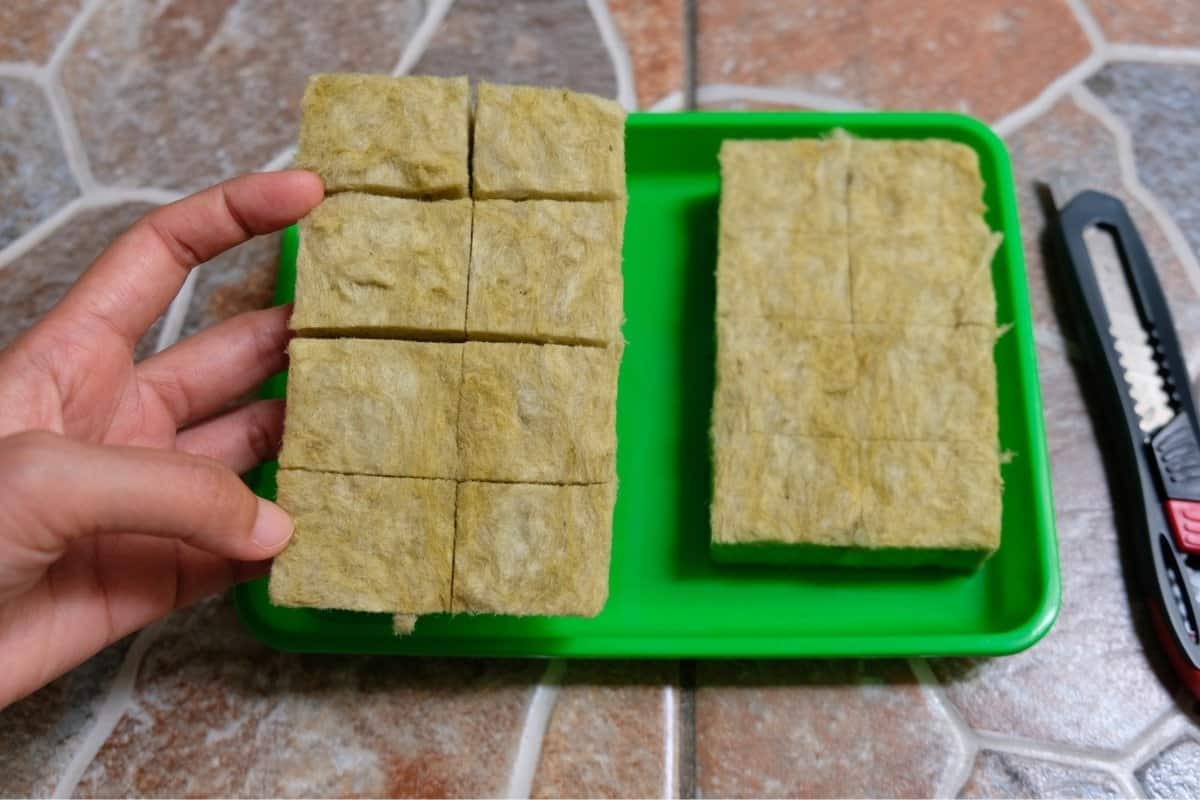
    This is a fascinating material for hydroponic growing media for plants. This material is created by melting rock and thereafter spinning it into fibers. The Rockwool fibers are thereafter compressed into cubes of different sizes used for hydroponic plant growing.

    This media has good water retention abilities and excellent aeration. The drawbacks of this media are that it is not environmentally friendly and it has high pH content. The dust from the fiber may also cause a serious irritant to the eyes.

    ·         Expanded Clay Pellets

    This is one of the most used hydroponic media used in recent times. It is made by expanding clay so as to form round balls of porous material. The clay pellets have the advantage of having a neutral pH level, being reusable, and releasing almost no nutrients to the soil.

    ·         Rocks And Gravel

    Natural rocks gravel processed from rocks such as perlite and vermiculite are also used as growing media. They have the advantage of being cheap, readily available, and drain very well. The downside however is that they are heavy and hold very little water. This makes them very undesirable in systems where the root relies on some water.

    ·         Perlite – Hydroponics Medium Types

    This is one of the most common growing media. Perlite is usually made from volcanic glass. When the volcanic glass which normally contains tiny pockets of water is subjected to high temperature, the water expands.

    This expansion creates thousands of tiny pores from which perlite is gotten. Due to the small size of the perlite, it is used to add drainage, water, and air to a plant growing medium.

    Major Hydroponic Growing Media - Perlite

    Hydroponic Growing Medium Alternatives

    If you are not interested in using hydroponic growing media, you may consider the use of hydroponic alternatives. Below are some growing alternatives:

    • Sawdust: the use of sawdust has recorded some success as a hydroponic growing medium alternative. There are lots of factors that come into play in determining how well this works. The type of wood used and how pure such wood was are a few. Also, there is a high possibility of sawdust being contaminated by diseases or pathogens.
    • Rice Hulls: this is the byproduct of the rice milling process. This process usually involves the use of the coating of unprocessed rice which has peeled off. This alternative is usually used in places where rice processing is largely a practice.
    • Sand: sand is another widely used alternative to the hydroponic growing medium. One major con with the use of sand is that it lacks the ability to retain water and it has very poor aeration abilities. Sand is usually packed together making it difficult for roots to be exposed to air. It however has the advantage of being readily available.
    Hydroponic Growing Medium Alternatives

    Hydroponics Medium Types Conclusion

    Hydroponics Medium is a system as you have seen above that can be used for plant cultivation. It largely involves the absence of soil when growing plants. It offers plants the advantage of media with water retention abilities and excellent aeration.

    Some of the major hydroponic media and their alternatives are discussed above. If you are interested in trying out this method of plant cultivation, this should be a good guide for you.

    FAQ’s

    What Is The Medium Of Hydroponics?

    The growing medium of hydroponics involves a system where the plant growing medium takes the place of soil. The medium does not act as a nutrient provider like the soil but serves as a support to keep the plant upright. Virtually inert materials are used as a growing medium.
    The Hydroponics growing medium basically involves a simple soil-less material that is largely porous. This feature makes it possible for moisture and oxygen to be well circulated to the root system of the plant. Where a non-porous hydroponic material is used, there will be a need for more watering.
    The use of hydroponics growing medium and continuous watering of plants with ordinary water will not yield fruits. For you to get any meaningful result, you must water the plant with nutrient-filled nutrients. This is because, unlike the soil, the hydroponics medium lacks nutrients for growth.
    Although it cannot be said that one hydroponic growing media is better than another, some are easier to use. There are however a lot of factors that must be considered when picking a growing media. The system with which you will use it, and how it’s designed are big factors to consider.
    The goal of a hydroponic system is basically to keep the roots of plants moist- not saturated nor soggy. Where the growing system allows for too much water, the roots will suffocate from lack of oxygen. This would very easily lead to root dying or rot.

  • Hydroponic Nutrient Chart For Vegetables – Helpful Guide To Follow

    Hydroponic Nutrient Chart For Vegetables – Helpful Guide To Follow

    Hydroponic nutrient chart for vegetables can help guide you on the nutrient regime to give your vegetable plants. We will be giving you a helpful tip on the hydroponic nutrient chart here for your vegetables so you can have proper guidance on the nutrients to provide your plants so they can flourish and yield great results.

    Hydroponics majorly deals with growing plants in the absence of soil in which soil is replaced by water. The nutrient solution is usually dissolved in this water and it supplies the plant the required nutrient to grow.

    But do you actually know the type or amount of nutrient plan to supply your vegetables? Let’s delve into the hydroponic nutrient chart for vegetables to know more about this.

    Hydroponic Nutrients Guide

    It is crucial to supply the right balance of nutrients and amounts of nutrient solution in your hydroponic garden. This is important so your plants can grow well. Plants have various needs.

    Here are some tips to guide you when it comes to hydroponic nutrient needs for your hydroponic gardening.

    Hydroponic Nutrients Guide
    • Basic Nutrients

    The basic nutrients are one of the most essential needs of a plant. They are responsible for the biological process that plants needs for survival. Plants need to respire, obtain moisture, and photosynthesize just to survive.

    These basic nutrients responsible for the biological process of plants include hydrogen, oxygen, carbon, and nitrogen. They need to be taken care of first because, without them, plants will die. But plants can still live without other remaining nutrients but they just won’t thrive properly.

    • Macro-nutrients And Micro-nutrients

    So macro and micro-nutrients are the remaining nutrients needed by plants. Macro-nutrients include nitrogen, potassium, phosphorous, calcium, sulfur, and magnesium. Then micro-nutrients include iron, zinc, boron, and manganese.

    What Nutrients For Hydroponic Vegetables?

    The nutrients that your hydroponic vegetables require include nitrogen, phosphorous, potassium, calcium, sulfur, zinc, manganese, and zinc. All these nutrients can help improve the growth and quality of your vegetables.

    Hydroponic Nutrient Chart For Vegetables

    A hydroponic nutrient chart for vegetables has been shown below. So, we’ve given below a chart to describe the nutrient regime for some of your favorite vegetables;

    S/NPlantPPMECpH
    1Asparagus980- 12601.4- 1.86.0- 6.8
    2Artichokes560-12600.8- 1.86.5- 7.5
    3Broccoli1960- 24502.8- 3.56.0-6.5
    4Basil700- 11201.0-1.65.5-6.5
    5Lettuce560- 8400.8- 1.25.5- 6.5
    6Parsley560-12600.8- 1.85.5- 6.0
    7Spinach1260- 16101.8- 2.35.5- 6.6
    8Swiss chard1260- 16101.8- 2.36.0- 6.5
    9Thyme560- 11200.8-1.65.5- 7.0
    10Watercress280- 12600.4- 1.86.5- 6.8
    • PH

    We have also added the pH chart because nutrient and pH usually comes hand in hand. The right pH helps in the appropriate absorption or intake of nutrients by your plants.

    • EC And PPM

    Electrical conductivity, EC, measures the level of salt or nutrient in your hydroponic system. Hence, it is an indirect way of measuring the concentration of the nutrient solution. So, the electrical conductivity of your nutrient solution is measured using an EC meter.

    After measuring the electrical conductivity of the nutrient solution, the value gotten is then converted to a measure of the total dissolved solids in PPM (i.e. part per million).

    Using an EC meter can help in ensuring your nutrient solution is in the right concentration and remain at this state over time. Therefore, you don’t have to worry about nutrients becoming too concentrated.

    How Much Nutrients Do I Need For Hydroponics?

    The amount of nutrients supplied to your hydroponic plants can make a big difference in their outcome. Too little nutrients can hinder your plants from attaining their peak. Then too much nutrient can fry your plants.

    Hydroponic gardening is based on water rather than soil and this water has nutrients that have been dissolved into them. But the question we would like to know is the amount of nutrient solution is needed in your hydroponic garden?

    The answer mainly depends on some factors and they include:

    ·         Reservoir Size

    The size of your hydroponic reservoir is one major determining factor when it comes to how much nutrients your plant needs. Generally, for a 16 gallon of water, you will need around 1 to 2 cups of pre-mixed liquid nutrient solution.

    ·         Plant’s Stage

    The plant stage is another factor to consider. The plant has different growth stages such as seedling stage, flowering stage, vegetative stage, fruiting stage, and so on. Each of these plant stages requires different nutrient amounts. You can buy a pre-mixed nutrient solution or you can make one by yourself.

    When using a pre-mixed solution, you can go for multiple prepared solutions just to achieve your desired ratio.

    On the other hand, when using a prepared hydroponic nutrient solution, it is important to follow the instructions on the label. This is to determine the right amount of nutrients for your reservoir.

    Ideally, less amount of nutrients should be supplied during the early part of your plant’s life cycle. Then you will need to increase the nutrient plan once your plant has reached the big or major part of its growth. While you’re at it, ensure you start with less and increase it along the line so you don’t overdo the nutrient supply.

    ·         The Type Of Plant

    The type of plant is another determining factor when it comes to the amount of nutrients for your hydroponics. For example, peppers and tomatoes need a bit more fertilizer compared to most vegetables or leafy greens.

    The good thing is that you can get some suggestions about the nutrient plan for the type of plant from the nursery where the plant was purchased.

    General Hydroponics HGC718125 FloraMicro 5-0-1

    Hydroponic Nutrient Chart For Vegetables

    Conclusion On Hydroponic Nutrient Chart For Vegetables

    The hydroponic nutrient chart for vegetables has been explained in this guide. So, if you would love to start a vegetable hydroponic garden for your indoor farming, you can look through our guide.

    Even though the amount or dosage of the nutrient is pretty important, you don’t really have to worry about perfection. There are too many factors that can affect the accurate or precise amount that can lead to a perfect nutrient regime.

    Just ensure you do the best you can to supply your plants with the appropriate amounts of the nutrient regime. Then you can see your plant flourish and enjoy that bountiful harvest.

    FAQs

    How much nutrients do I need for hydroponics?

    The amount of nutrients supplied to your hydroponic plants can make a big difference in their outcome. Too little nutrients can hinder your plants from attaining their peak. Then too much nutrient can fry your plants.
    Hydroponic gardening is based on water rather than soil and this water has nutrients that have been dissolved into them. But the question we would like to know is the amount of nutrient solution is needed in your hydroponic garden?
    The answer mainly depends on some factors and they include;
    • Reservoir size
    The size of your hydroponic reservoir is one major determining factor when it comes to how much nutrients your plant needs. Generally, for a 16 gallon of water, you will need around 1 to 2 cups of pre-mixed liquid nutrient solution.
    • Plant’s stage
    The plant has different growth stages such as seedling stage, flowering stage, vegetative stage, fruiting stage, and so on. Each of these plant stages requires different nutrient amounts. You can buy a pre-mixed nutrient solution or you can make one by yourself.
    When using a pre-mixed solution, you can go for multiple prepared solutions just to achieve your desired ratio.
    On the other hand, when using a prepared hydroponic nutrient solution, it is important to follow the instructions on the label. This is to determine the right amount of nutrients for your reservoir.
    Ideally, less amount of nutrients should be supplied during the early part of your plant’s life cycle. Then you will need to increase the nutrient plan once your plant has reached the big or major part of its growth. While you’re at it, ensure you start with less and increase it along the line so you don’t overdo the nutrient supply.
    • The type of plant
    The type of plant is another determining factor when it comes to the amount of nutrients for your hydroponics. For example, peppers and tomatoes need a bit more fertilizer compared to most vegetables or leafy greens.
    The good thing is that you can get some suggestions about the nutrient plan for the type of plant from the nursery where the plant was purchased.

    What nutrients for hydroponic vegetables?

    The nutrients that your hydroponic vegetables require include nitrogen, phosphorous, potassium, calcium, sulfur, zinc, manganese, and zinc. All these nutrients can help improve the growth and quality of your vegetables.

  • Jalapeno Plant Spacing

    Jalapeno Plant Spacing

    If you plan on planting these spicy peppers in your garden, you will want to know the proper jalapeno plant spacing. Many people enjoy using jalapenos when cooking, as they add a nice kick to food. They can be a great plant to grow in your garden, as they are the most popular chili pepper in North America.

    Jalapenos are great for growing in garden beds or in containers, as they don’t take up much space. Gardners of all experience levels can enjoy growing this pepper plant. They are smaller than other peppers, such as green bells, so they don’t normally need quite as much space, but it is still important to know how far apart to plant jalapenos.

    How Far Apart Do You Plant Jalapeno Peppers?

    Just like any plant in your garden, jalapeno peppers need space in your garden to grow. When spacing jalapeno peppers in your garden, they will need at least 12-18 inches of space. Ideally, you will want to give them 18 inches of space if that is possible.

    Though jalapenos do not need as much space as other peppers, it is still important to give them at least 12-18 inches in your garden bed when planting them. Ideally, the rows should be spaced 24-36 inches apart.

    When the jalapenos reach a height of 12-24 inches, you will want to provide a stake for them. This will help support the plant as it grows in your garden. Jalapenos tend to be more compact as they grow.

    Be sure to regularly weed your garden so that the peppers don’t have to compete with resources with the weeds. Using mulch can be beneficial in your garden, as it can help protect the plants and prevent weeds from growing up. In addition, the mulch can also help the soil retain moisture, which can be beneficial to the growth of your plant.

    How Big Of A Container Do Jalapeno Peppers Need?

    In addition to growing jalapenos in a garden bed, you can also plant them in containers. You will need a pot that is at least 8-10 inches big in order to accommodate the size of the plant. This option is particularly ideal if you live in an apartment or have limited space in your yard for growing plants.

    You may also plant them in large containers as well. Half barrels or even beverage tubs will work well as planters.

    If using one of these, plant the jalapeno seedlings 12 inches apart. Be sure there are at least six inches between the plants on the edge and the corner of the container. Proper jalapeno plant spacing is important when using containers too.

    jalapeno spacing

    How Often Should You Water Jalapeno Peppers?

    Jalapeno pepper plants should receive regular watering throughout the week, at least two inches per week. When watering them, be sure to water the plant deeply so that the roots receive plenty of water.

    Wait to water again until one to two inches of the soil are dry, as you want to avoid overwatering. When the weather gets hot and dry, you may need to water your plant more often. Calcium deficiency can occur due to uneven watering or when the nitrogen levels are too high in the soil.

    Jalapeno peppers should have well-drained soil that is slightly acidic to neutral. The plants tend to prefer soil that is a fine sandy loam.

    It should be rich in organic matter and before planting your seedlings, you should add aged compost to the soil to help boost its nutrients and structure. Before you plant the seedlings, also be sure that the soil is moistened.

    How Much Sun Do They Need?

    You should be growing your jalapeno peppers in a place where they will receive plenty of sun. Ideally, they should be in full sun where they receive six to eight hours of sunlight a day.

    In some cases, extremely hot sun can cause the plant to drop its flowers and lead to sunscald on the pepper. If this happens, provide your plants with a sun shade, or if you are growing them in containers, move the containers to a cooler location.

    How Do You Know When It Is Harvest Time?

    When picking your jalapeno peppers, they should be at least three inches long and dark green in color. As the peppers age, the color will turn reddish and they will also become spicier. The peppers should also be firm when they are ready to be picked.

    You may notice that some of the peppers might have small white lines on them. This is a sign that they are mature and are ready to be eaten, it is not from disease or insects.

    After picking the peppers, cut the stem so it is short, as they will last longer this way. Store the peppers in a loosely closed plastic bag in the fridge to help keep them fresh. Before eating them, be sure to thoroughly wash them off.

    Jalapeno Peppers Plant Seeds for Home Garden Vegetables

    71D88 POp7L. AC SL1001

    Making Sure You Have the Right Jalapeno Plant Spacing

    Making sure you have the right jalapeno spacing is important to ensure your plants will grow healthy and produce an abundance of peppers. Too crowded and your plants will have to fight for resources, which is not an ideal situation. Though jalapenos may be compact and not need as much room as other pepper plants, it is still important that they have enough space in your garden.

    If you are wondering, how far apart to planting jalapenos? While, when planting your jalapenos in your garden bed, you will generally want at least 12-18 inches between the plants. The rows should then be spaced 24-36 inches apart, and then they grow to be 12-24 inches tall, you will want to provide a stake for support.

    If growing a jalapeno plant in a pot, you will want to use one that is at least 8-10 inches big. You can also use half barrels or even beverage tubs as planters, spacing your plants 12 inches apart. Be sure to give them at least two inches of water a week and plant them in full sun.

    Do you have any questions regarding jalapeno plant spacing? If so, please ask any questions regarding growing jalapenos and how to properly space them in the comment section below.

    FAQs

    How Far Apart Do You Plant Jalapeno Peppers? 

    Just like any plant in your garden, jalapeno peppers need space in your garden to grow. When spacing jalapeno peppers in your garden, they will need at least 12-18 inches of space. Ideally, you will want to give them 18 inches of space if that is possible.

    How far apart to plant jalapenos?

    When planting your jalapenos in your garden bed, you will generally want at least 12-18 inches between the plants. The rows should then be spaced 24-36 inches apart and then they grow to be 12-24 inches tall, you will want to provide a stake for support. 

  • What Does Butter Lettuce Look Like?

    What Does Butter Lettuce Look Like?

    Do you know what butter lettuce is? Have you ever wondered what does butter lettuce look like? Butter lettuce is also a type of green lettuce. It is also referred to as Bibb lettuce or butterhead lettuce and this lettuce is also closely related to Boston lettuce.

    Butter lettuce is one kind of lettuce common in the United States along with iceberg lettuce and romaine lettuce. But when it comes to identifying or differentiating butter lettuce from other similar types of lettuce, do you find yourself getting confused?

    Let’s look into what does butter lettuce actually looks like so we can have a clear picture of this lettuce variety. We will also be looking into what the butter lettuce taste like and more details about them. So, let’s look into this.

    What Is Butter Lettuce: What Does Butter Lettuce Look Like

    So, talking about butter lettuce, this lettuce is one popular lettuce type out there. Butter lettuce is a common lettuce variety known in the United States alongside iceberg lettuce and romaine lettuce. It is a kind of green lettuce variety that is healthy and offers great nutritional benefits.

    You may have heard of butter lettuce or you may be familiar with butter lettuce as Bibb lettuce or Boston lettuce. These two lettuces (Bibb and Boston lettuce) fall under the butter lettuce classification.

    What Is Butter Lettuce: What Does Butter Lettuce Look Like

    Butter lettuce looks like a silky bright green (leaves). The leaves are large and they feel tender and soft. The leaves are also cupped-shape. So, this makes them a great option for salad makings with some creamy dressings.

    Butter lettuce will offer you that refreshing and nutritious tasty feel to your salad dish or sandwich. It can be used as a bed for various ingredients.

    What Does Butter Lettuce Taste Like?

    The taste of butter lettuce feels silky and soft and it tends to have a melting feel to the mouth. This lettuce will also offer that mild hint of floral sweetness.

    Butter lettuce pairs well with sharp flavors such as strong cheese, meat, and citrus. It is also one of the most loved salads, especially with creamy dressing. You can as well make use of butter lettuce as a wrap or simply incorporate them into a mild crunch salad.

    Does Butter Lettuce Taste Like Butter?

    This lettuce variety having a butter name to it may have you wondering if it actually tastes like butter. The truth is that’s not the case. Butter lettuce is simply a name for the lettuce variety. It only has that smooth and creamy feel just like butter.

    It is also popularly called butter lettuce because of that rich and smooth texture that tends to melt in your mouth.

    The Book of Greens: A Cook’s Compendium of 40 Varieties, from Arugula to Watercress

    A1e3szn21NL

    Butter Lettuces And Iceberg: Are They Different

    Butter lettuce and iceberg lettuce may look pretty similar, but they aren’t the same. They are two different lettuce varieties.

    These two lettuce varieties can be easily differentiated by simply looking at their leaves tend to grow.

    The iceberg lettuce for instance looks like cabbage in its closed leaves pattern and rounded shape. Then butter lettuce tends to have a more open appearance.

    Another difference between these two lettuces is that the iceberg isn’t as soft as butter lettuce. Iceberg tends to be crunchy and watery. Also, iceberg usually comes at a more affordable price.

    Butter Lettuce Leaf Vs Other Lettuce Types

    Apart from butter lettuce, let’s look into other lettuce varieties and see how they differ from butter lettuce. This is just so we can have an idea of other types of common lettuce and compare them:

    • Crisp-head Lettuce: crisp-head lettuce is another lettuce variety that is also referred to as iceberg lettuce. This lettuce is often mistaken as a cabbage because of its round shape and pale green color. If you want that refreshing salad, then you should go for this juicy, crispy, and watery crisp-head lettuce.

    • Romaine Lettuce: Romaine lettuce is very unique because of its elongated leafy green shape. This lettuce is one main ingredient used for people’s favorite caesar salad. The leaves are pretty crispy and the stems are as well crunchy. It also gives a semi-butter flavor.

    Butter Lettuce Leaf Vs Other Lettuce Types
    • Stem Lettuce: the stem of this lettuce is pretty long and thick and the edible stem tends to give a mild flavor. If you wish to go for the best choice for pickled dishes and stir fry, then stem lettuce should be one of your lettuce choices.

    • Leaf Lettuce: the leaf lettuce can come in a green to deep red color at its edges with riffled ends. It also comes with a loose joint at its stem. This lettuce variety isn’t too tender or too crispy. It simply possesses the appropriate buttery texture. Depending on the color of the lettuce, the taste can differ from mild to sweet.

    Butter Lettuce Applications

    Butter lettuce can be applied in our various culinary preparations. They are mostly used in salad dishes and can be made more pleasing with creamy dressing. Butter lettuce can as well be integrated into a mild crunchy salad.

    Additionally, butter lettuce is used in sandwiches. They are as well used as wraps for foods. These butter lettuce wraps have low fats, carbs, low in calories. They are also low in sodium content so this makes them a very healthy vegetable.

    You also don’t need to cook this lettuce as it can be enjoyed raw. You can pair butter lettuce with veggies, fruits, meat, and so on. So, butter lettuce is simply a versatile green that can be paired appropriately with different ingredients you can think of.

    Nutritional Health Benefits Of Butter Lettuce

    There are so many nutritional benefits to gain from butter lettuce. Some include:

      • Butter lettuce is a great source of Vitamin A, K, and C.

      • They are rich in iron and calcium that assist in building stronger bones.

      • This lettuce is a great source of carotenoid antioxidants such as beta carotene, lutein, and zeaxanthin.

      • They help enhance healthy skin, muscles, as well as teeth.

    FAQ’s

    How do you identify butter lettuce?

    Butter lettuce, also called cos lettuce or romaine lettuce, has a crisp, crunchy texture and light green leaves that are very popular in salads. Butter lettuce can be eaten raw or cooked as a leafy green vegetable. It’s available year round and has a mild flavor.

    Store butter lettuce in a plastic bag with a moist paper towel. Rinse and dry the leaves before using.

    Growing butter lettuce is easy. Start seeds indoors 6 to 8 weeks before the last frost date. Seeds can be started in flats or plug trays. Butter lettuce does well in warm weather but doesn’t like temperatures below 60 degrees F. Sow seeds 4 to 6 inches apart in rows 18 to 24 inches apart. Thin seedlings when they reach about 12 inches tall. Where can I buy it? You can find butter lettuce at farmers markets and grocery stores throughout the year.

    What is similar to butter lettuce?

    Butter lettuce has a milder flavor than romaine and has a slightly more bitter taste. The name comes from the fact that it resembles a butter-like substance when it is cut.

    The leaves of butter lettuce (R. sativus) are similar to those of cos lettuce (Lactuca sativa), but they don’t have as many small crinkly or serrated leaves, so they may not be as good for making a salad mix. They do have a slightly sweeter taste though.

    Is butter lettuce better than romaine?

    Butter lettuce is much more tender and less bitter than romaine, It has crisp texture with a mild flavor and is very high in vitamin A, calcium and iron. The best part about this lettuce is that you can grow it yourself in a home garden or even in a window box!

    How do you eat butter lettuce?

    Butter lettuce is perfect for sandwiches and salads. This is a recipe that you´ll love! This recipe is a great way to prepare the lettuce and you will be amazed at how easy it is! Ingredients 1 head of Butter Lettuce 1 teaspoon Dijon Mustard 2 Tablespoons Olive Oil Salt & Pepper Directions Slice the lettuce into ribbons and place into a bowl. Add mustard, olive oil and salt and pepper.

    Toss together until all of the pieces are coated in the mixture. What kind of bread is used for this salad?  It is a French baguette and I like to use a rustic baguette because it has a nice chewiness to it. I also like to cut it in half lengthwise so that it will fit in my lunch box. What is the best way to store this salad?  The salad should be stored in the refrigerator in an airtight container for 3-4 days. It will keep for longer if you wrap the container with plastic wrap first and then seal the top with a piece of aluminum foil.

    Conclusion

    So, we have discussed what butter lettuce does look like so you can have an idea of its appearance. We also looked at other related things such as what they taste like, how they differ from some other lettuce, their applications, and so on.

  • What Does Cilantro Look Like When It Sprouts?

    What Does Cilantro Look Like When It Sprouts?

    Have you ever wondered what cilantro plants look like when they sprout? Let’s find out. Germinating cilantro from the beginning with seeds may be frustrating, even for the most experienced gardener.

    With the proper knowledge and the appropriate growing settings, you can achieve successful cilantro germination.

    So, once you have achieved growing cilantro from seeds and it begins to germinate, we would like to know what exactly it looks like when it sprouts.

    This post will give you an idea of how cilantro looks when it sprouts, tips on how to grow or germinate cilantro successfully, and many more. So, continue reading to gain some insight on these.

    What Do Cilantro Sprouts Look Like?

    So, what exactly does the cilantro look like when it sprouts? Once you’ve perfected the growing requirements for the cilantro seed to grow, you should begin to see some sprouts.

    After sowing cilantro seeds for about seven days or less, you should notice some white sprouts emerging from the seed planted. You can easily check this out by slowly exposing the soil with your fingers and uncovering the seeds.

    Cilantro sprouting will result in green sprouting that should begin to emerge through the soil out of the seeds after another 2 or 3 days.

    What Do Cilantro Sprouts Look Like

    How Long Does Cilantro Take To Grow?

    Once you’ve planted or sown the cilantro seeds, sprouting or germination should begin after 7 to 10 days.

    However, cilantro germinating from seeds can be pretty tricky. You need to create the ideal seed setting so your seed can germinate.

    Tricks To Growing Cilantro To Get A Successful Germination

    You can grow cilantro from seeds either in your garden or in containers. So, to achieve germinating cilantro successfully, follow these tips:

    1.    Prepare the cilantro seed by soaking

    Cilantro seeds are inside a hard husk containing two seeds. Remove the husk to remove the seeds. Before you plant these seeds, you need to prepare them to boost their chance of germinating.

    Soaking the cilantro seed is the trick to achieving better germination. Therefore, soak the seeds for 10 to 48 hours, remove the water, and allow the seeds to dry. Soaking these seeds will help them grow better and quicker.

    2.    Planting

    After seed preparation follows planting, you can sow your cilantro seeds indoors or outdoors. Insert the seeds into the soil and cover the seeds with about a quarter-inch soil layer.

    Sprouting Lids for Wide Mouth Mason Jars
    $9.99

    (Set of 2), Sprouting Jar Kit for Organic Sprouts, Alfalfa & Mung Bean Sprouts Grow Kit, 316 …

    Check Amazon Price
    We earn a commission if you make a purchase, at no additional cost to you.
    12/21/2025 06:02 pm GMT

    3.    Watering

    Maintain moist soil to encourage germination, but don’t overclog the soil. Let the soil dry out before watering again to prevent mold and diseases from infesting the seedlings.

    4.    Thinning

    You should start noticing white sprouting after 7 to 10 days. Allow the cilantro to germinate until it is about 2 inches long. Then, thin the seedlings to about 3 to 4 inches apart.

    Grow cilantro in a crowded environment so the leaves can shade the plant roots. This will slow down the plant’s bolting during hot weather.

    5.    Sunlight

    Even though the cilantro plant doesn’t like too much sunlight, the seedlings still need a few hours of full sun. Cilantro can still tolerate light shade.

    If you’re growing in a container, provide the seedlings with some sunlight. However, ensure the sunlight exposure to the seedlings is not more than 4 to 5 hours of full sun; otherwise, it can cause wilting and even death of the plant.

    Then, two or three weeks later, you can slowly increase your cilantro plants’ outdoor exposure. This way, they can harden off and acclimate to the outdoor conditions.

    Sunlight - Cilantro

    Ideal Growing Conditions For Cilantro

    Here are some additional growing tips for you to enjoy a continuous harvest of cilantro leaves:

    • Cilantro should be grown in rich and properly draining soil.
    • Cilantro still requires some sunlight, but not too much, so it doesn’t enter the bolting stage. If you reside in a warmer region, it’s advisable to offer afternoon shade to your cilantro.
    • The ideal pH range for a cilantro plant to grow optimally is around 6.2 to 6.8. So, ensure you perform the appropriate soil test before planting to achieve this.
    • You can enhance the soil by incorporating and mixing inches of compost or other organic matter. If you’re growing cilantro in containers, consider a premium bagged potting mix.
    • To enjoy productive leaf production, supply your cilantro by constantly feeding it with water-soluble plant food.

    When To Plant Cilantro

    You should plant cilantro in early spring or fall, about a month before the last frost. For zone 8, 9, and 10, the best period to plant cilantro is around fall. This is mainly because the plant tends to last through the right until the weather warms or heats up during late spring.

    Harvesting And Storing Cilantro

    Cilantro’s foliage can be harvested continually, and you can enjoy the cut-and-come-again feel. Ensure you cut back all the leaves so they can grow back. It would be best to harvest the leafy stems near the ground level.

    However, don’t harvest more than 1/3 of the leaves at once to prevent weakening the stem. Simply harvest what you need at a time to promote vigorous growth.

    Once cilantro is grown under the appropriate conditions with constant harvest, it can be enjoyed for many weeks in continuous production.

    Storing

    Once you’ve harvested cilantro leaves, cover them loosely with an upside-down plastic bag and pop them in the fridge. Using this method, you can store cilantro for up to a month.

    FAQ’s

    What does cilantro look like when it starts to sprout?

    The seeds are blackish-green and look like black pepper. Once the seeds germinate, they grow upward, looking somewhat like a green bean. After a few weeks, the leaves begin to emerge.

    Cilantro is a perennial herb with leaves that look like miniature versions of the lettuce leaf. Cilantro is a very popular and versatile herb for cooking and seasoning. It is easy to grow and is great as an addition to your kitchen garden. A cilantro plant can be grown from seed in many different ways, but one of the easiest ways is to start them indoors in a seed starting mix.
    The seedlings will be ready to transplant out into their permanent home in approximately 7-10 weeks.

    How can you tell if a plant is cilantro?

    There are a few ways. The first is to look at the leaves. If they are large and round with a nice strong aroma, that’s probably cilantro. The second is to look at the stems. They should be green and fibrous. There’s not much to look at for basil. The third is to look at the seeds. If the seeds are small and hard, that’s probably cilantro.

    The herb cilantro (Coriandrum sativum) has become ubiquitous in the American kitchen. It is used as an ingredient in everything from salad dressings and marinades to soups, stir-fries, chili, sauces, and even desserts.
    If it’s not the fresh, familiar herb that adds so much flavor to soups and stews, it may be the dried spice known as coriander. It’s a member of the parsley family, and it’s often called “the other cilantro” because it’s hard to find fresh cilantro and easier to find dried coriander.

    Will cilantro grow back after cutting?

    You can get a second crop, but you might have to wait until next year.
    Your cilantro should recover and produce new leaves for another season.

    What is the best time of year to plant cilantro?

    Planting in late fall gives your cilantro a chance to grow through the winter. If you start early in the spring, the plants won’t have a chance to put down roots before they’re killed by cold temperatures.

    What is the difference between fresh and dried cilantro?

    Fresh cilantro has a much more potent aroma than dried cilantro. The taste is also more pungent. Dried cilantro is usually sold in small bags and can be added to soups, sauces, rice dishes, etc. Fresh cilantro is used in dishes with Mexican or Asian flavors. Dried cilantro is used in dishes with Indian or Thai flavors.

    How do you make fresh cilantro last longer?

    When your cilantro begins to wilt, don’t throw it away. Instead, place the wilted cilantro in a plastic bag and seal it. Store the cilantro in the refrigerator for up to a week.

    How do you grow cilantro?

    Cilantro can be grown from seed or transplanted. To germinate seeds, place them in a tray and cover them with a damp towel. You can also sow the seeds directly into the ground. The seeds are ready to transplant when they have sprouted and have developed two true leaves. If you plant the seeds indoors, you should put them in individual pots about four weeks before planting outside. To grow cilantro outdoors, you’ll need to provide it with at least six hours of direct sunlight every day.

    What Does Cilantro Look Like When It Sprouts: Conclusion

    When it comes to what cilantro looks like when it sprouts, some white sprouts are usually noticed once it begins to germinate. This is noticed 7 to 10 days after seed sowing. Then, a few days later, some green sprouts should be seen emerging from the seed sown.