Category: Hydroponics

  • Is It Time to Switch to Hydroponics?

    Is It Time to Switch to Hydroponics?

    Whether you’re a green thumb looking for a Do-It-Yourself gardening method, or an entrepreneur looking to start your own agricultural business, hydroponics is the solution to a simpler, more cost-effective, and hassle-free plant growth. In this article, we will discuss how Hydroponics can do wonders and why you should take advantage of it.

    What Is It?

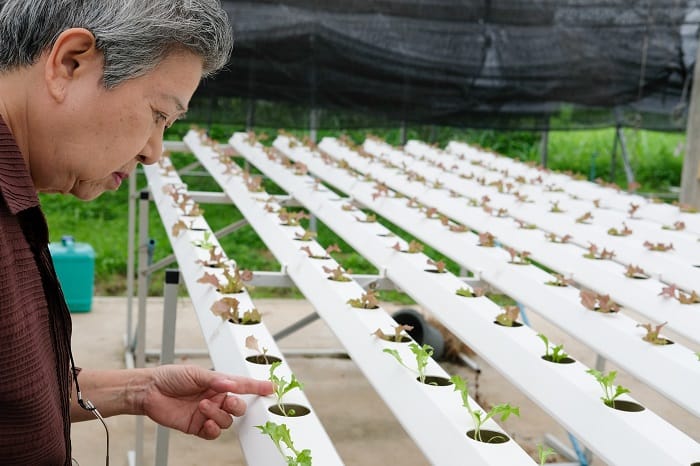
    Simply put, hydroponics refers to an agricultural method where plants are grown in soil-free beds nourished by a continuous supply of nutrients and minerals in water – liquid fertilizer.

    |

    What Do You Need?

    This is an instructional intended for beginners. Here, we will make use of the simplest, affordable, yet quality, materials in order to make a basic hydroponics set-up. 

    • Grow Tray / Hydroponic Tray – This is a vessel used for holding plants when applying the hydroponic system. Hydroponic trays are usually shallow and wide to provide room for plant growth. Ideally, prepare one with a lid.
    • Heater Mat – This mat is responsible for providing warmth and heat to the grow tray as it nourishes the seeds inside it. Heater mats are necessary if you plan on growing seeds in a cool place.
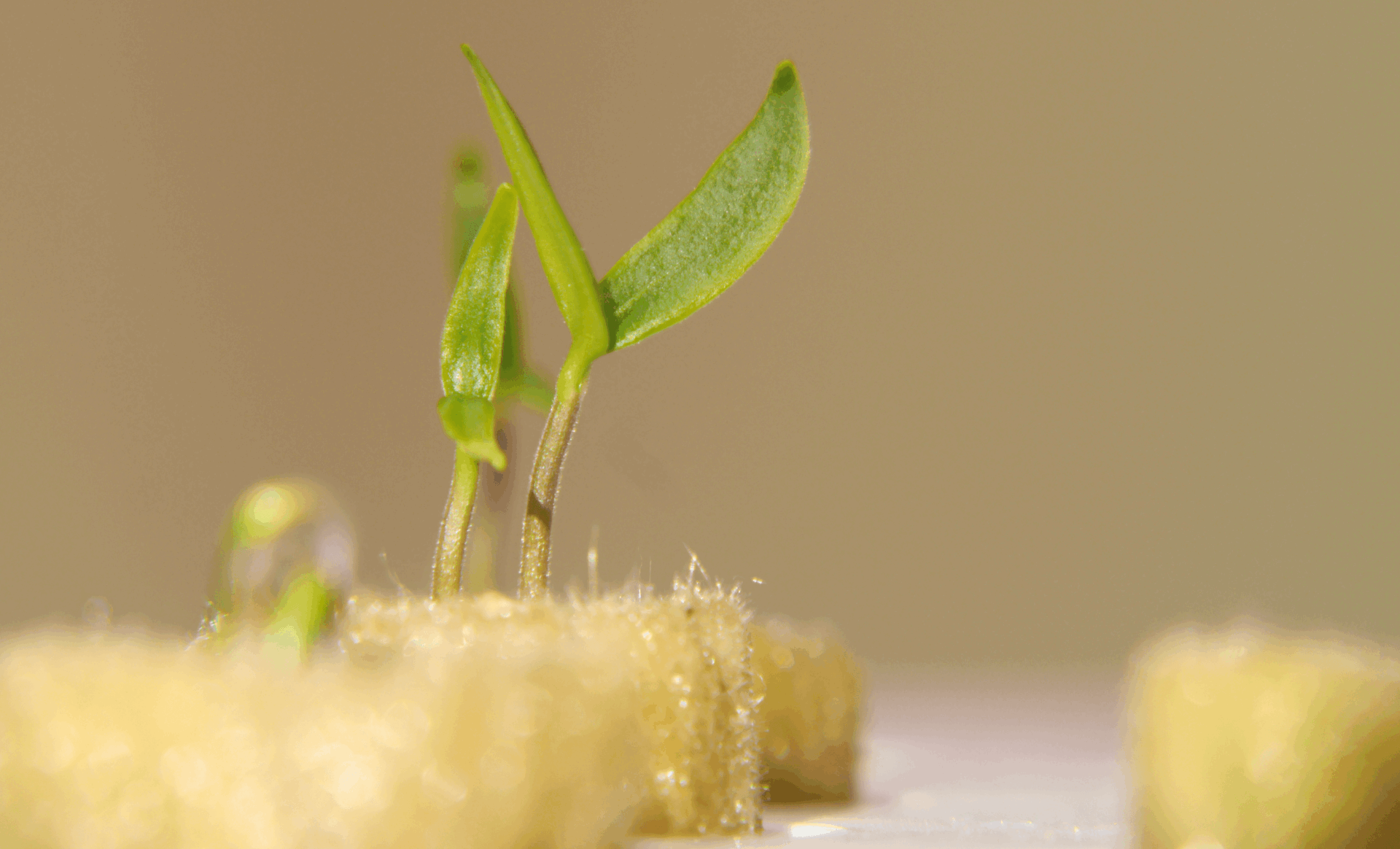
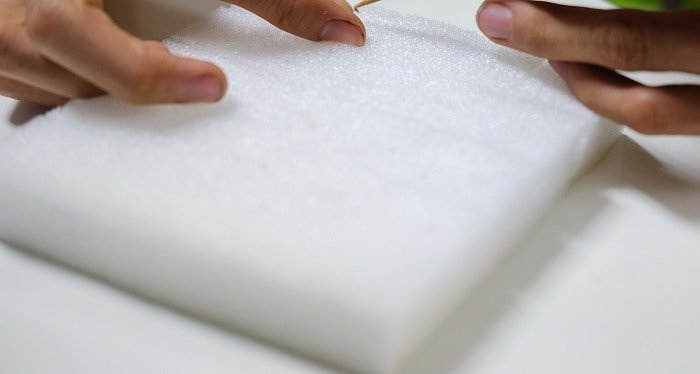
    • Starter Cubes / Starter Plant Plugs – These are usually pots of organic mass or stone wool (inert insulators out of rocks and stones) that hold the seeds in place as they grow inside the hydroponic trays.
    • Ziploc Bag (Optional) – Other people use this to allow seeds to germinate faster, subsequently putting the sprouts inside the trays.
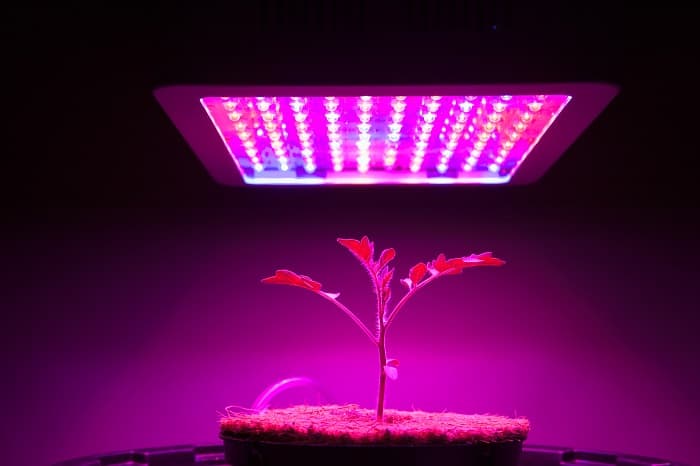
    • Light – This can be natural light or artificially-generated light called grow lights.

    How Is It Done?

    • Preparing the Starter Plant Plugs
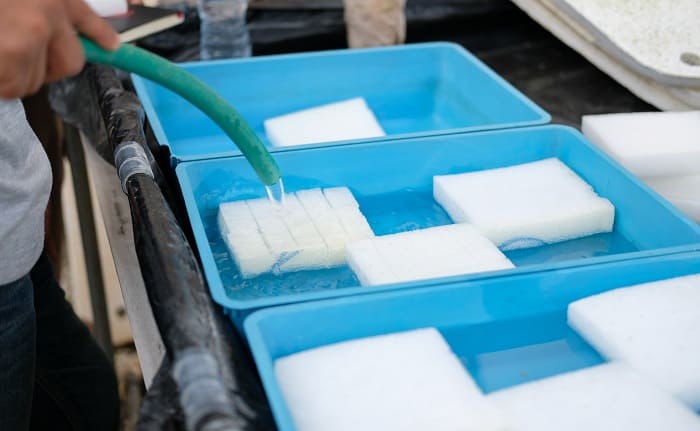
    1. Submerge your plant plugs under clean water for an estimate of one hour.
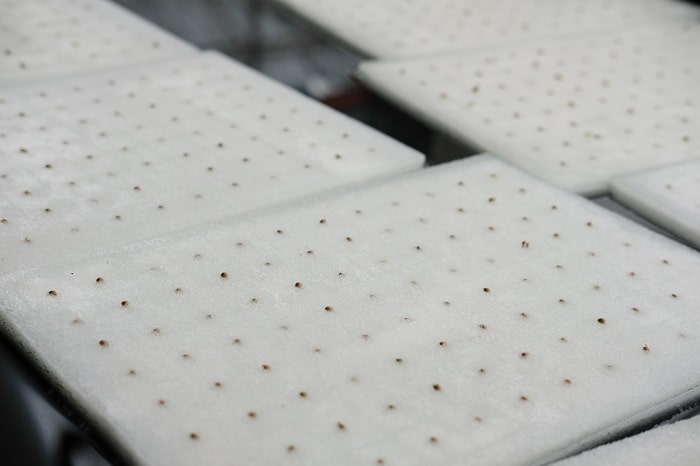
    2. After the soaking is done, place some seeds inside the plug holes. For other seeds that do not germinate, you may add more.
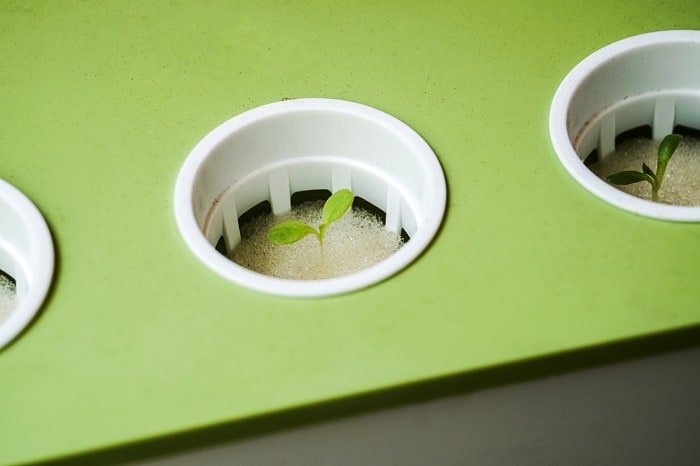
    3. As soon as they grow, you may take out unhealthy ones to give space for the healthier ones to sprout.
    • Preparing the Hydroponic Tray
    1. Place approximately one inch of liquid fertilizer (half potent) or clean water.
    2. Position the light source.
    3. Arrange the heater mat, if necessary.
    4. You may close the lid to let the humidity and warmth stay inside the tray.
    • Setting Plant Plugs Inside Hydroponic Tray
    1. Place the starter cubes or starter plugs inside the hydroponic tray.
    2. Put additional water or half-potent liquid fertilizer as soon as the supply in the tray decreases.
    Is It Time to Switch to Hydroponics

    When Can we Transplant?

    As to when the transplant can take place, maintain the half-potent liquid fertilizer until your seedlings grow bigger. As soon as they do, you can now use the pure (fully-potent) solution to sustain their growing process. Their rate of growth depends on the kind of plants you are trying to grow. In around two weeks to four, the roots of the seedlings will start to branch out from the cube or plug’s bottom. After this, sprouts will begin to emerge. Once they reach a height of approximately three inches and numerous leaves are already visible, your plants are now ready for transplant.

    After-Transplant Maintenance

    • Watering the Plants – It is suggested that you water your plants from up top with the liquid nutrient fertilizer. Doing so keeps them from being dried out. This also provides the roots ample time to grow in a downward manner.
    • Artificial Lights – Do not put your lights too near your plants. This may cause them to burn.

    What Are the Benefits of Using Hydroponics?

    Hydroponics is known for its approach to a more fruitful and advantageous agricultural undertaking. It isn’t shocking why plant-growers in this era are preferring to explore this method. Just take a look at all its benefits

    • Year-Round Planting – Because of this method’s need for accessible and convenient resources and materials, growing plants can be done at any time of the day and on any day of the year.
    • Soil-Free Methodology – With the current-world scene’s limited land area, this alternative is preferred by more and more people because of its hassle-free and soil-free process.
    • Space-Saving – Since the materials needed to plant using this system are so minimal and manageable, you won’t require much space – allowing you to use the area more efficiently. You can ideally plant anywhere.
    • Conservation of Resources – Hydroponics gives you the freedom of controlling the variables present in the entire process, thus, resources are conserved and preserved for further future planting. And because you can do so, you can grow more regardless of the planting environment.

    |

    • Quicker Plant Growth – Due to the fact that hydroponics makes use of a more focused tactic, evident in the use of a more potent approach in providing for the plant’s nutrients and essential needs, the rate of plant growth is increased.
    • Weed-Free Growth – Because weeds are mostly associated and caused by the soil, your plants will grow healthy and weed-free.
    • Less Pests and Insects –  Fewer Pesticides and Insecticides – Also because of the soil-free approach, your plants now are less prone to soil-originating pests and insects, thus requiring less use of the chemicals to eliminate the said problem.
    • Time-Saving – Basically, because of the control you have over all the plant essentials as well as its quick hassle-free growth, the hydroponics approach saves you a lot of precious time – thanks to less work and maintenance.

    What Are the Risks of Using Hydroponics?

    As with every other thing in life, hydroponics has some disadvantages to it. They are somehow rather trivial since most are fixable and preventable. Nonetheless, it’s still better to keep yourself informed.
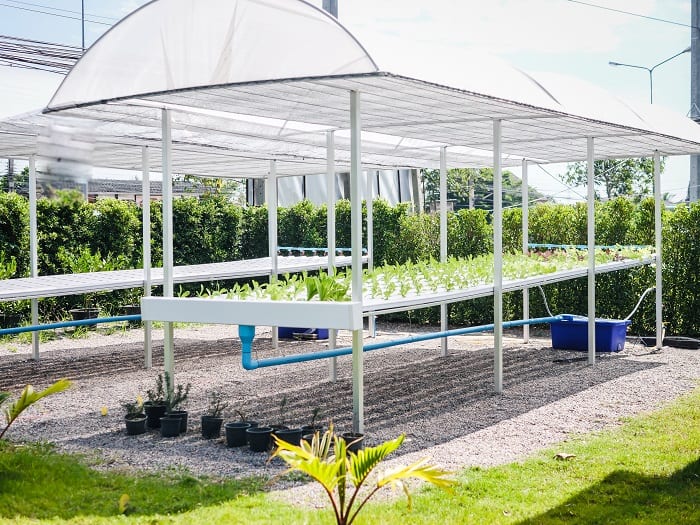
    Is It Time to Switch to Hydroponics?

    • Expertise Requirement – While anyone can start their own small hydroponic system, creating a rather larger one can be quite complicated. With all kinds of tools and equipment necessary for optimal planting and growth, knowledge on this approach and preferably experience as well are needed to sustain larger undertakings.
    • Organic or Not?  To this day, debates are still going on with regard to whether or not plants grown in the hydroponic setting are organic or not due to the fact that they may not be getting microbiomes since they’re not cultivated in soil. However, some planters have tried exploring the use of organic growers and introducing them to the existing hydroponic system. Nevertheless, continued research and studies are still being done for this said issue.
    • Electricity and Water – In this approach, you will use mostly electricity and water. As we all know, accidentally putting both in contact leads to electrocution, which is why safety and care should always be observed at all times.
    • Power Source – Because the process makes use of electricity, power shortages or outages can hinder and result in problems with your plant’s growing environment. This, however, can be avoided if you have back-up generators at bay.

    FAQ’s

    What are the benefits of hydroponics?

    When it comes to growing your own food, nothing is more important than having an efficient and effective garden. And one of the most efficient methods for growing plants is hydroponics, which uses water instead of soil. Hydroponics can be used for a variety of crops, including herbs, vegetables, fruits, and flowers, and it can also be used indoors.

    Hydroponic gardening isn’t as difficult or time consuming as traditional gardening, and it doesn’t require much space. But if you don’t know how to grow plants hydroponically, you may be wasting money. Why Grow Plants Hydroponically? When it comes to hydroponic gardening, there are many reasons why it’s beneficial for anyone interested in growing plants.

    Let’s take a look at some of the most important reasons why you should consider growing your own vegetables hydroponically.

    Healthy Plants: A hydroponic garden allows you to grow healthy plants that aren’t affected by pesticides, herbicides, fungicides, and other chemicals that can be harmful to your health. You can grow your own organic herbs and spices too, which is always healthier than the store-bought versions.

    Cheaper: Growing your own food is cheaper than buying it. You don’t have to pay for the cost of shipping or even storing the produce. You also won’t have to spend money on any packaging materials or containers.

    Healthier: Your plants are going to be healthier because they won’t be exposed to pesticides, herbicides, fungicides, and other chemicals that can be harmful to your health. You can even add beneficial bacteria and beneficial fungi to your soil to make sure your plants are as healthy as possible.

    Easy to Grow: Hydroponic gardening is super easy.

    All you need is a little water, nutrients, and a hydroponics system. Most hydroponic systems are low-cost, easy to setup, and can be used indoors or out. Better for the Environment: The amount of water required to grow your plants in soil is massive. It takes up a lot of space, energy, and resources. Plus, it requires a lot of land that could be better used for other purposes.

    Are hydroponics the future?

    Hydroponic growing is the most environmentally friendly way to grow your plants. It’s a common practice in horticulture and gardening. It’s becoming more popular with home growers because it’s cheaper, easier to maintain, and doesn’t require as much space. Hydroponic grow lights are used to grow plants using nutrient-rich water and light. They’re perfect for indoor gardening!

    Some people are turning their backyards into a mini-farm, by growing vegetables, herbs, and flowers in their gardens. So things are changing in many areas of society, not just at the industrial scale..

    “I think they will be the future, but I don’t think they’ll replace farming. Farming is still necessary. We have a food crisis, and you have to feed the world. So, I think we’re going to keep farming as well. I don’t see how we can go on without it.” –Dr. Robert Young 

    Dr. Robert Young is a professor at the University of Florida, where he teaches agricultural systems and policy. He is also the Director of the Institute for Food and Agricultural Sciences, and serves as the Associate Vice Chancellor for Agriculture.

    What are the disadvantages of a hydroponic system?

    The main disadvantage is that you need to monitor your plants and nutrients. If you’re not monitoring them, then you’re likely to run into problems. A secondary disadvantage is that you have to water the plants, but it’s possible to automate that process. Finally, the biggest disadvantage is that you can’t grow many plants in one container. With this method, you can only grow one plant at a time.

    Are You Convinced?

    Now that you know all the basics of hydroponics – what it is, how it works, its advantages and disadvantages. It is time to decide whether or not this approach is beneficial enough to try. Personally, after examining its risks and benefits, I would definitely say this is worth a shot. Not to mention, it’s starter-friendly! So what’s it going to be?
  • Using Safe Plastics for your Hydroponics

    Using Safe Plastics for your Hydroponics

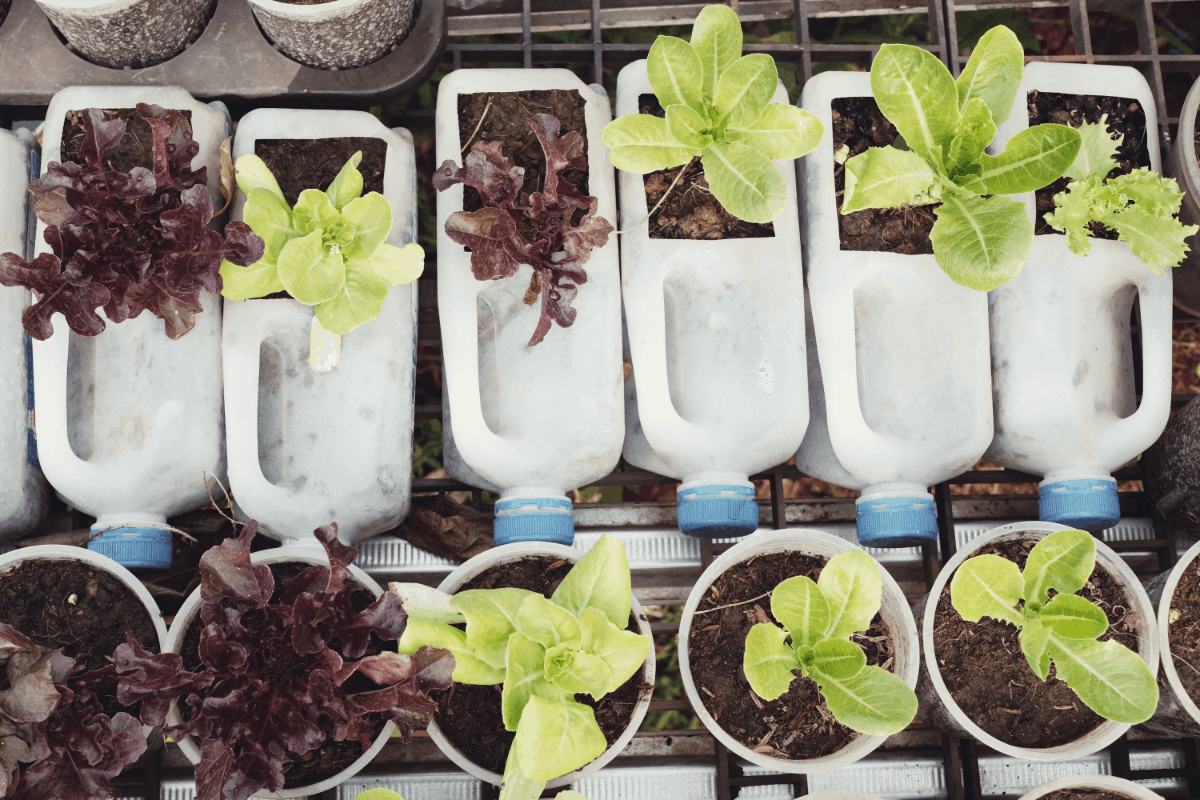
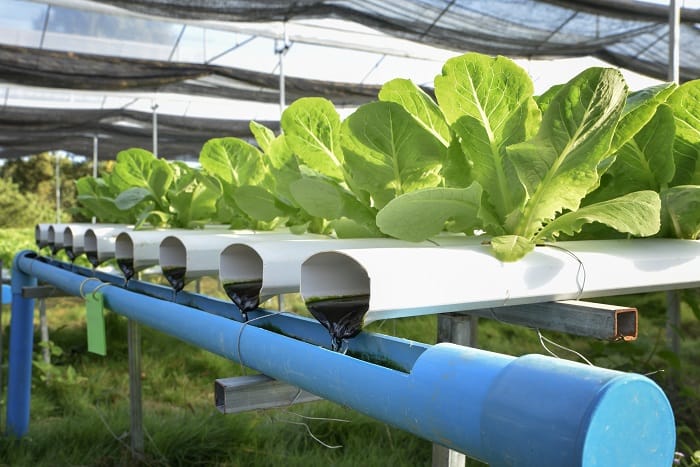
    Hydroponics is a method of planting that uses a nutrient-rich water solution as a base for the plants to grow. In contrast to the traditional soil-based planting, hydroponics is the best choice for plant-growers because it allows them to regulate different variables according to the plant’s needs to yield better growth. Thus, using safe plastics for hydroponics is one of the most important variables that must be considered in a hydroponic system. 

    Advantages of Using Hydroponics

    Increased Growth Rate

    One of the most rewarding advantages of hydroponic system is that it yields an increased growth rate and production of plants. Your plants will reach their full development 25 % faster than those from traditional soil-based planting. Plus, it produces 30% faster than the other method. Plants that grow in this type of method yields better and faster result because the nutrients found in the water-based solution is enough for plants to grow up rather than expanding root growth below which is the case in soil-based planting. 

    Using Safe Plastics for your Hydroponics

    Can be Used Everywhere

    There are some areas wherein their soil is not receptive to plant growth. The hydroponic method is the solution to this problem as it allows people from this area to produce their crops. Plus, it also uses less water than traditional planting.

    Less Pesticide Use

    The hydroponic method, as aforementioned, uses a nutrient-rich water solution which eradicates the need for pesticide use. Consequently, this method is environment-friendly and makes the crops safer to eat for consumers.

    Disadvantages of Using Hydroponics

    Costs More

    The hydroponics system will definitely cost more than the soil-based planting. This is because it needs a handful of materials e.g. a growing medium, a nutrient-rich water solution, and pumps that add oxygen for the roots and pumps nutrients to the grow tray.

    Time-Consuming

    If you plan to have a large-scale system, usually it takes a lot of time just for the set-up alone. In addition, if you are not well-versed in the field, then for sure managing the system will consume your time. The PH levels of the water solution must also be monitored on a day to day basis, for it measures the level of acidity or alkalinity which is essential for plant growth.

    Using Safe Plastics for your Hydroponics

    Great Risks

    The Hydroponics system poses a risk of killing your plants if a simple pump failure will not be remedied immediately. This is because the growing medium relies solely on the pumps for their nutrients. There really are advantages and disadvantages involved.

    Parts of a Hydroponic System

    1. Nutrient Solution – one of the most important parts of the system, this solution is easily available in garden shops online and offline. This solution is usually composed of nitrogen, calcium, potassium, magnesium and other minerals depending on the plants you plan to grow, the type of system you want to use, and your growing medium. 
    2. Growing Medium–  may or may not be present in a hydroponic system. You can choose rock wool, sand, clay, white gravel, vermiculite, and perlite. Gravel, clay, and sand are cheap and easily available, but they are heavy and don’t yield good water circulation as the expensive perlite and vermiculite. Rock wool is the most preferred choice because it’s the most affordable yet drains easily. 
    3. Pumps– there are two pumps usually found in the system. One is for pumping nutrients to the growing medium and the other is for pumping oxygen to the roots. This is also a very critical component because the failure of any of the two would mean that the plants are not getting the nutrients they need for their growth. 
    4. Light– in gardening areas where light is not easily accessible, two types of lights are used for gardening. One of which is the Metal Halides (MH) which uses the blue-end spectrum for green, leafy vegetables and young plants. The second one is the High-Pressure Sodium or HPS which uses the opposite end of the spectrum for flowers and fruits. 

    |

    Using Plastic in Hydroponics

    Plastics are widely used all over the hydroponics system. This increases our risk of exposure to carcinogenic substances which are detrimental to our health.  Almost all plastic packages leach or migrates trace amounts of chemicals subject to certain conditions such as heat or foods that are acidic or contain high amounts of fat or salt. 

    What are the Safest Plastics to Use in the Hydroponic System?

    Using safe plastics for hydroponic affects not just the plant growth but most especially the end-consumers. There may be harmful chemicals in plastics that will not make it suitable for hydroponics. For hydroponics, here are the type of plastics that can be used:

    High-Density Polyethylene

    High-Density Polyethylene (HDPE) or commonly referred to as the number 2 plastics. This is very safe to use for Hydroponics as they don’t spread high amounts of chemicals to the solution inside. This type of plastic is also environment-friendly as it can be recycled which makes it a more preferred choice. 

    |

    Polypropylene

    Polypropylene (PP) or plastic number 5 is also considered to be a safe plastic for your Hydroponic System. This plastic is known to cause harm during production but is safe for use for the very reason that it only leaks trace amounts of chemicals. But sadly, this type of plastics is not commonly recycled compared to the HDPE.

    Conclusion

    Hydroponics is the modern take of planting with the use of nutrient-rich water solution as a base. It may cost more money and time and poses greater risks, but hydroponics is usually preferred because, with appropriate and proper maintenance, it can produce more outcome at the soonest possible time. Generally, hydroponics is made of safe-to-use plastics which poses a lesser threat to our health. 

    If you have other ideas or comments, feel free to comment down below. 

    FAQ’s

    Is PVC safe for hydroponics?

    Not all types of PVC are safe for hydroponics. Regular PVC is not safe and you should avoid using them. Regular PVC can leach harmful substances into the water in your hydroponic system making it non-food safe. 

    The toxic substances released are phthalates, lead, cadmium, and organotins. These toxic substances are can result in serious health hazards. 

    The major cause of leaching chemicals in your hydroponic water system is too much exposure to sunlight or heat. Also, PVC made from plastic types 1, 3, 6, and 7 are unsafe for the hydroponic system.

    The best solution is for you to keep this PVC away from heat, cover the pipes, or you opt for the safest types for your hydroponics. In order to avoid introducing toxin to your hydroponic food supply: use the safest PVC pipes for your hydroponics which includes plastic-type 2, 3, and 5. 

    Is Rockwool safe for hydroponics?

    Rockwool is safe as a growing medium for your hydroponic system and it does not contain any harmful chemicals. It is a pathogen-free growing medium for your hydroponic system but it needs to be treated before used with plants. 

    However, it is not so friendly to the environment. Exposure of Rockwool to humans can cause some health problems. It can cause skin irritations, as well as lungs, mouth, and eyes irritation because of its physical properties.

    Therefore, if you are using Rockwool for your hydroponic growing medium, you should use a mask, gloves, and goggles for your protection. 

    What materials do you need for hydroponics?

    The materials you will need for hydroponics include:

    • Water (preferably reverse osmosis water because of its purity)
    • PVC pipe or growing tube
    • Plant clips
    • Plastic tubing
    • Growing medium (for plant support and to convey nutrient and water)
    • Pump (for air circulation)
    • Nutrient gallon tank (for holding or storing nutrient solution)
    • Hydroponic system nutrients (dissolved nutrients including macro and micronutrients for plant growth)
    • Planting cups
    • Plants
    • Grow tray 
    • Trellis (for the support of large climbing plant as they grow)
    • Sunlight or grow light (for photosynthesis) 
    • Twist 
    • Air hose 

    What types of plastics should I avoid in my hydroponics system?

    When it comes to plastics, there are two types of plastic you should avoid using for your hydroponic garden:

    PVC and BPA. These two plastics are extremely dangerous to our health.

    PVC plastic is actually a very common plastic that can be found in everything from gardening tools, food packaging to clothing.

    PVC is highly toxic and can leach harmful chemicals into your plants. Additionally, it is not biodegradable and will last forever in the environment. 

    It is known to cause cancer, birth defects, organ failure and more. In fact, many of the chemicals in PVC are also known to cause cancer in humans. 

    BPA is a chemical that is commonly used to manufacture plastics. Unfortunately, BPA has been linked to many health issues such as cancer, birth defects and developmental problems. Additionally, BPA has been found to be extremely dangerous for the environment. As a result of this, BPA is being removed from many products such as water bottles, baby bottles, sippy cups, cookware, microwave trays, food cans and more. If you have any doubts about whether or not your BPA is safe, it is best to avoid it.

    BPA is a hormone disruptor. This chemical is found in the lining of the can and the plastic bottles. It is also used to harden certain plastics. When you eat foods that contain BPA, it will be absorbed into your bloodstream. BPA then enters the body through your kidneys and is stored in your fat cells. The fat cells are actually known as the “storage depots” for BPA. Once it gets into your fat cells, BPA will stay there for years! Even if you stop consuming BPA, it will still remain in your fat cells.

    Unfortunately, these two materials are extremely dangerous for our health and the environment.

    How should I approach plastic use?

    If you have any doubts about whether or not your plastic is safe, it is best to avoid it.

    When choosing a plastic for your hydroponic garden, you should look for something that is non-toxic, safe to use, safe for the environment and safe for your health.

    The most common plastic that is used in the growing industry is polyethylene (PE). 

    In order to know which plastic you should use for your hydroponic garden, you need to first understand how plastics work. When you purchase plastic for your hydroponic garden, it needs to be clear and transparent so that you can see what you are purchasing. However, when you look at the packaging of your plastic, it will be opaque and hard to read.

    Is polypropylene safe for aquaponics?

    Polypropylene is a type of plastic used in many different types of food packaging, including aquaponic tanks. It’s also used in some types of fishing nets. Although it can be toxic if ingested, the toxicity from polypropylene is very low, and it’s unlikely that you’d ingest any polypropylene that was used in your aquaponic tank or net.

    Are hydroponic nutrients safe?

    Just as traditional soil nutrients, hydroponic nutrients are safe for both plants and the environment. In as much as you use the correct nutrient measurement and you always dispose of them properly. Therefore, it is safe for human production and consumption. 

    Hydroponic nutrients are so easy and clean solution to use. They are the eco-friendly garden solution. There is no worrying about any external contaminant or pollution overrunning your hydroponic food supply or your environment. It hardly harbors pests or soil-borne diseases, unlike traditional soil.

    You should also note that when you purchase hydroponic nutrients, ensure they are only meant for hydroponic. Never use nutrients meant for soil. Traditional soil nutrients requirements vary from hydroponic system requirements. 

    Always read labels when purchasing your hydroponic nutrients so you have an idea of the safety of your plant. 


  • Best Reverse Osmosis System for Hydroponics 

    Best Reverse Osmosis System for Hydroponics 

    Growing plants in a hydroponic system will require water. For your garden plants to grow healthy and disease-free, they will need to get access to clean water. A reverse osmosis system guarantees that you will never run out of pure water in the garden. 

    Finding the best reverse osmosis system for hydroponics can be a bit of a snag, especially if you don’t know what to look out for when shopping for one. 

    Your plants aren’t the only ones to benefit from a water purification system, a new unit in the home, will also be of benefit to you. Before we get into our best selections of a reverse osmosis system, we will like to share with you our buyer’s guide and frequently asked questions. So you can be well informed to make your choice. 

    Buyer’s Guide

    Knowing the features to look out for when shopping for a new reverse osmosis system for your garden will save you from ending up with a product that you will regret buying. 

    When shopping for a reverse osmosis system, you want to look out for 

    • Amount of Water Used 

    The amount of water that gets wasted is one of the things you want to consider in your water purification system. In commercial hydroponic systems where seawater is used, you will need a large amount of water to reduce the salt that gets into the grow bed. 

    Best Reverse Osmosis System for Hydroponics

    Newer models of the reverse osmosis system make use of a little amount of water, thus saving you the extra cost on the water bill at the end of the month. 

    • pH Level of the Unit 

    The pH level is also one feature you want to look out for when shopping for a reverse osmosis system. Most reverse osmosis systems work by reducing the pH level of the incoming water; this means that they can work with water from any source. 

    The reduction in the pH levels of the water changes its taste. While it is safe to drink, you might want to use a remineralization unit to add minerals to the water that can influence its taste. 

    • Installation of the Unit

    You also want to consider if the unit is easy to install. Most of the home units can be put together by following the manufacturers manual, so you may not need the services of a professional. You want to make sure that you will not be making additional expenses since the best units are usually on the high side. Before leaving the store or completing your online purchase, you should check that all the equipment for installation is in the unit. 

    Best Reverse Osmosis System for Hydroponics
    • Taste of the Water 

    All reverse osmosis system aims to improve the quality of water. You need to ensure that the water is safe to drink and use for cooking. Even though you are purchasing the unit to use in your garden, and will not be drinking from it, you want to ensure that it does not taste funny. 

    It doesn’t matter the brand or how much the unit cost, water purification systems were designed to make water taste sweet. So you should expect nothing less.  

    • Purification Stages 

    You also need to take into consideration the different stages of purification. Most units are designed to provide up to seven purification stages. The number of purification stages doesn’t necessarily affect the quality of water. So you should be okay with a product that offers at least five stages of purification.  

    • Amount of Sediments 

    The TDS or Total Dissolved Solid measures the number of sediments contained in drinking water. The common sediments include organic minerals such as chlorides, sulfates, magnesium, and potassium. A good reverse osmosis system should be able to remove more than 90% of sediments from your water. 

    Reverse Osmosis for Hydroponics FAQs 

    • How Does Reverse Osmosis System Work? 

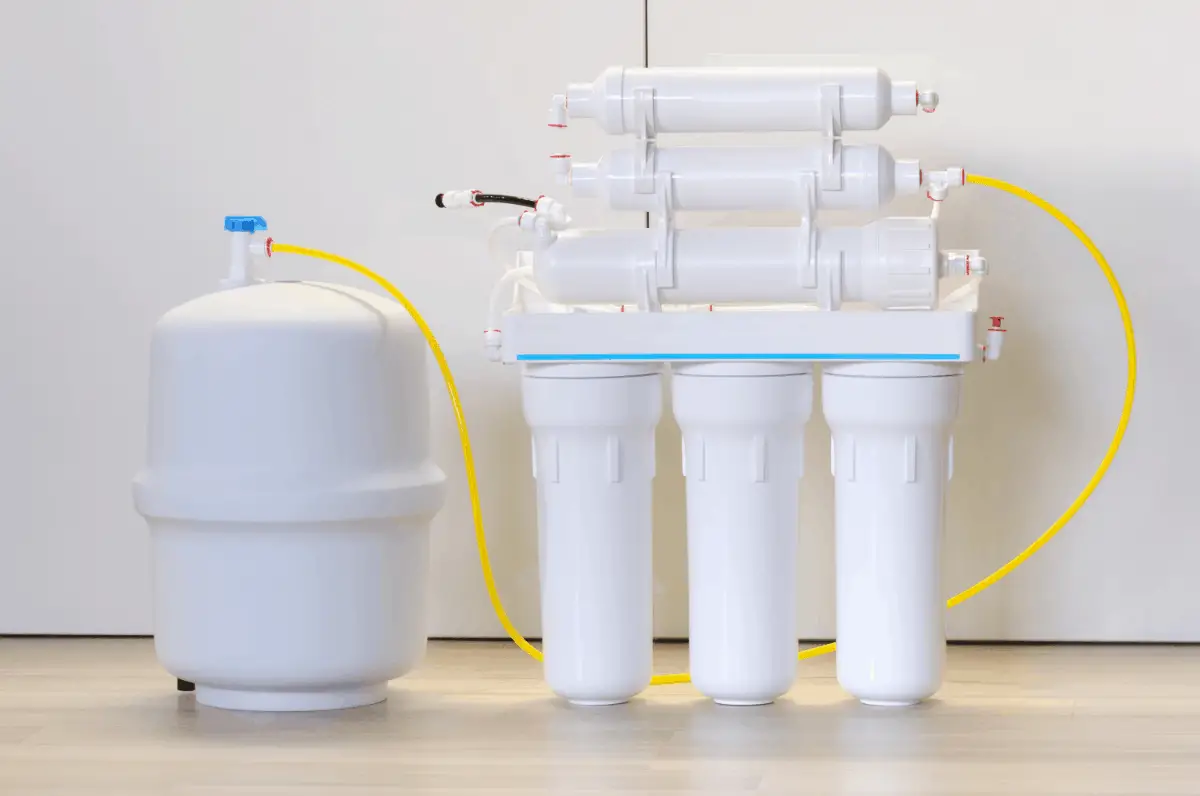
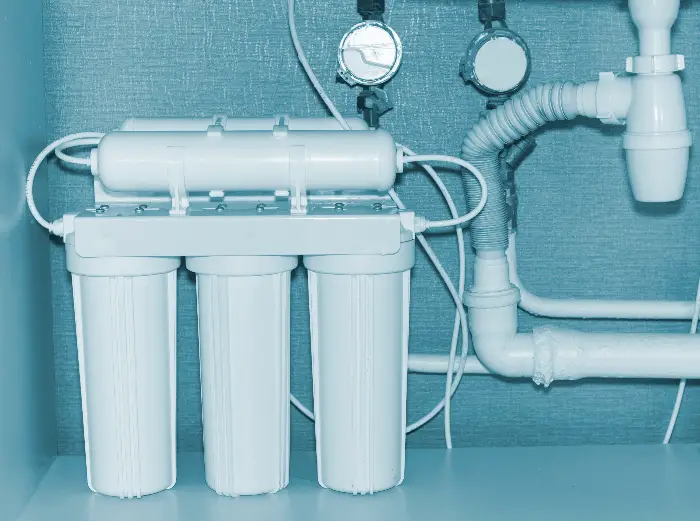
    The working principle of water filtration systems differs depending on the design. Most reverse osmosis systems are designed with extremely tiny pores for the passage of water only. The filtration is made possible with the help of the membrane that helps to keep out the sediments and impurities. 

    • Do You Need a Reverse Osmosis System for Your Drinking Water? 

    The truth is that there is nothing wrong with drinking tap water, especially if it is from a clean source. The decision is left to you since there are many cheaper options for a water purification system. A tabletop water filter can be used to improve the quality of water in the home. A reverse osmosis system will be a better addition if you have an indoor water garden. This way, you and your plants never run out of clean water. 

    • Is Reverse Osmosis Water Safe to Drink? 

    Yes, the unit functions as a water filtration system that improves the quality of water. Although the water may be missing some minerals, it doesn’t in any way pose a threat to your health. 

    • How Often Should I Maintain My System 

    RO systems are easy to use and require minimum maintenance.  Regular maintenance will need to be done every six months and usually involves changing the water filter or membrane. You don’t need to hire a maintenance expert, you can get the job done yourself without stress. 

    Best Reverse Osmosis System for Hydroponics 

    Now that we have shed light on what to look out for when shopping for an RO system, and some frequently asked questions, we can now check out our selection of the best reverse osmosis system for hydroponics. 

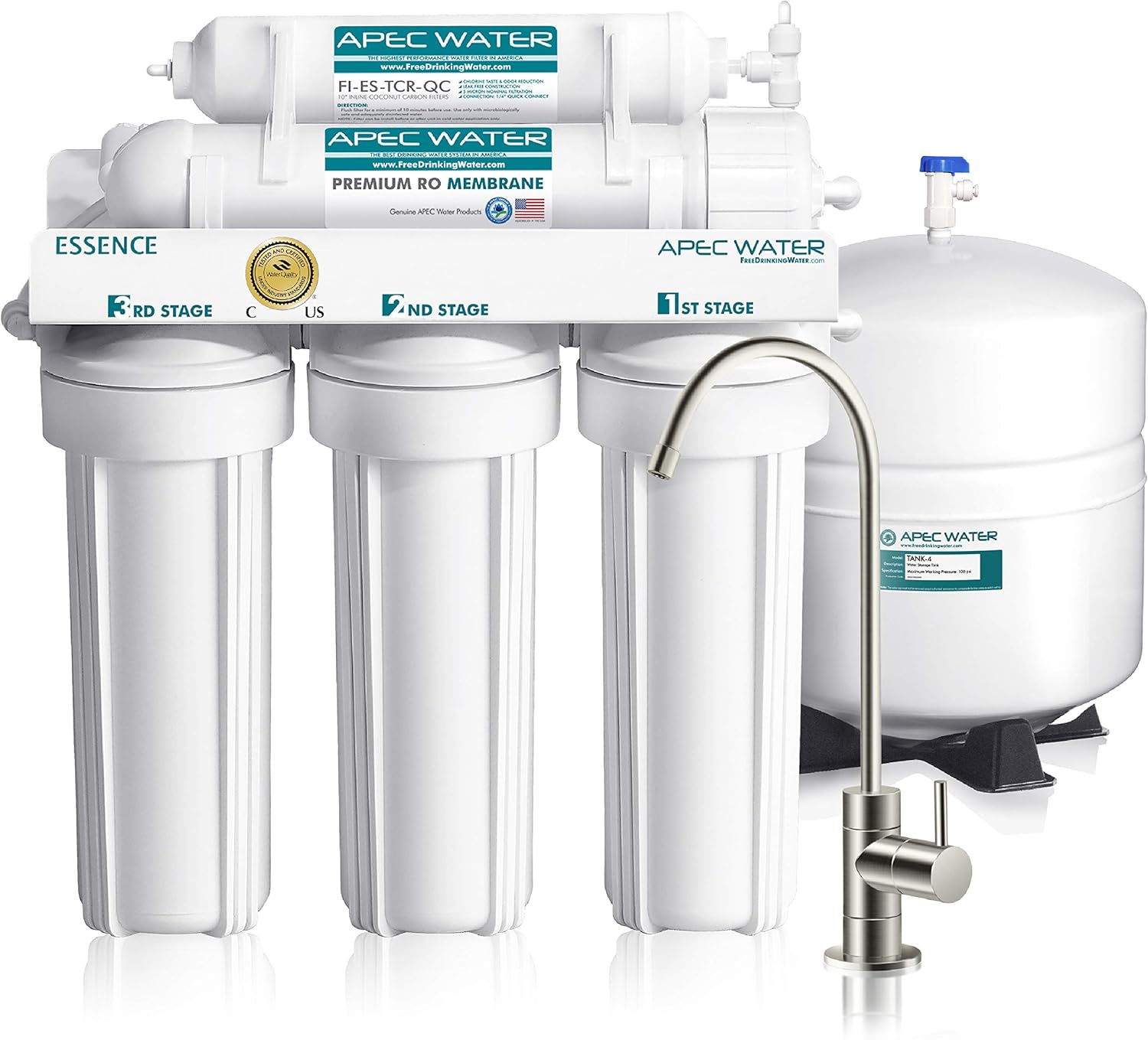
    APEC Top Tier Ultra Safe

    APEC is a household name when it comes to quality reverse osmosis systems. The Top Tier Ultra Safe is one of the best products in the collection. The units are designed to be compact and portable, Making it a good addition to your kitchen cabinet. Made in the USA, each unit is designed to meet all the necessary quality checks. It features a chrome coated faucet with stainless steel teeth that prevent leakage in the system. It eliminates contaminants such as chlorine, lead, chromium, arsenic, and toxic fluoride.

    813RelKGt L. AC SL1500
    Pros Cons
    Portable design  Use up a lot of water 
    Fitted with double carbon block system   
    Easy to maintain   
    Easy to setup   
    Durable  
    Leak-proof design   

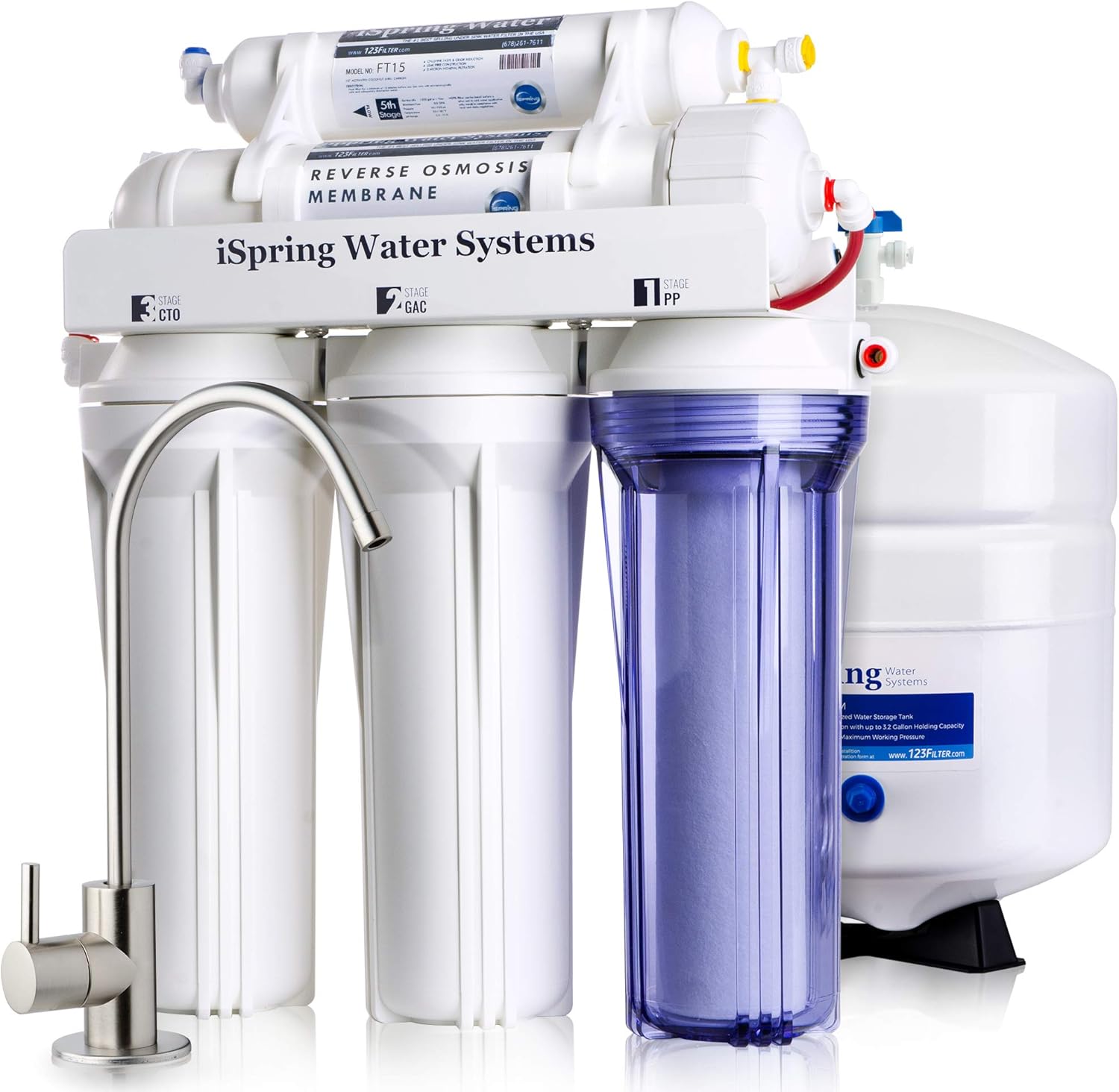
    iSpring RCC7

    The iSpring RCC7 makes use of a 5 stage filtration system to eliminate sediments and contamination in your hydroponic system. The unit measures at 18 inches which makes it possible to fit into tight spaces. The brass body design of the faucet is lead-free and highly durable. So you don’t have to worry about the unit not lasting long. The 5-stage filtration system eliminates large contaminants and chlorine from the 3-stage filtration. The final stage is where the polishing takes place to add sweetness to the water. The water tastes funny when the unit is newly installed and will take a while for the taste to improve. 

    71BXb2AEKhL. AC SL1500
    Pros Cons
    Durable  Bad taste
    Compact design   
    Easy to Assemble   
    5-stage filtration   
    Easy to Maintain   

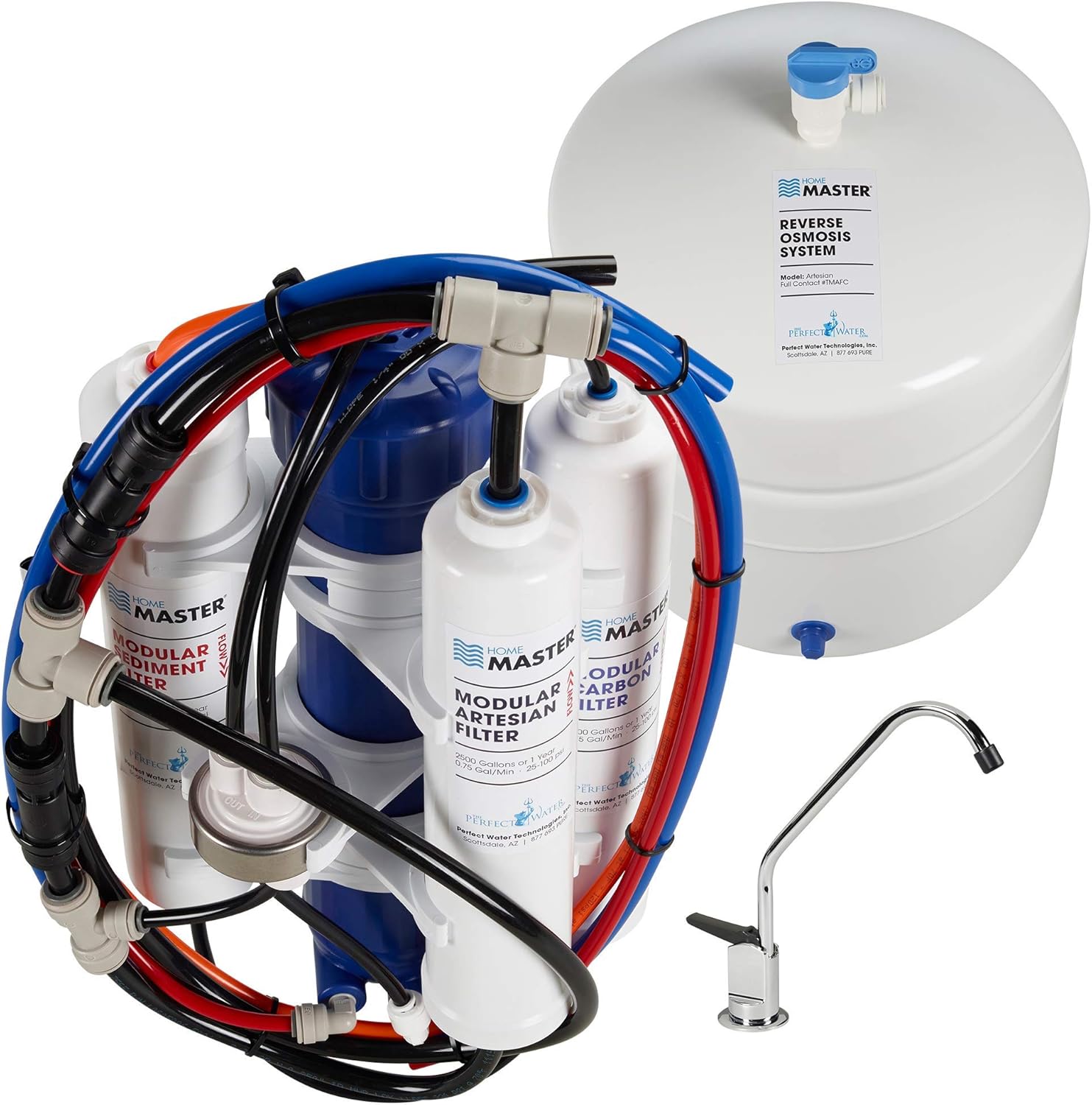
    Home Master TMAFC Artesian 

    This RO system is different from many traditional systems. The fittings and tubings are large and are capable of producing clean drinking water for you and your plant. The 7-stage filtration system is responsible for the quality output that the Home Master TMAFC Artesian is known for. It features a strong carbon-based media that is capable of separating heavy metals and contaminants. The remineralization system helps to balance the pH levels in the water, while the filter is designed to prevent leakage. The only downside of the unit is that it is difficult to change the filters. 

    81cEA%2B1L9GL. AC SL1500
    Pros Cons
    Strong design Difficult to maintain
    7-stage filtration  
    Remineralization system  
    Large tubings  
    Easy to setup  

    Hydro-Logic 31035

    The Hydro-Logic is designed to produce up to 100 gallons of clean water daily. So you don’t run out of clean water for your hydroponic system. The unit is relatively easy to set up and does not require any specific tool to assemble it. You can put it together by following the manual that comes with the product. It features a filter system that can reduce more than 98% of contaminants in tap water, providing you with a clean source of water for drinking and cooking. 

    61Yar08onAL. AC SL1000
    Pros Cons
    Easy to assemble Poor filter system
    Durable  
    Produces 100 gallons of water  
    Easy to change the filter  
    Wastes less water   

    EcoPure ECOP30

    The ECOP30 from EcoPure also makes it on our list of best reverse osmosis system for hydroponics. It is made in the USA under strict conditions. It is certified by the National Sanitation Foundation (NSF) for eliminating water contaminants such as chlorine, sediments, lead, and chemicals. It is easy to install and you don’t need special tools to change the filter. It features a led faucet light that illuminates when it is time to change the filter. 

    71FHdvTiBXL. AC SL1500
    Pros Cons
    Durable Poor-fitting filters
    Led faucet light  
    Easy to install  
    Easy to maintain  

    Our Recommendation 

    Finding the right reverse osmosis system for your hydroponic unit shouldn’t be a difficult task once you know what to look for in a quality product. You can do this by checking our buyer’s guide and frequently asked questions for any information you may need. You can also let us know in the comment section if we can be of any assistance.

    FAQ’s

    Which is better reverse osmosis or water softener?

    The better option between reverse osmosis system and water softener will depend on your needs. Reverse osmosis will filter your water as well as soften it a little. In fact, reverse osmosis is one eco-friendly filtering system that does not make use of chemicals. 

    On the other hand, a water softener will reduce water hardness. When your water is hard, there is a high presence of magnesium and calcium ions. This can cause dry skin and hair, faded laundry, water spots on glasses, and clogged pipes. A water softener will replace calcium and magnesium with sodium ions through the means of ionization. 

    Therefore, reverse osmosis will be beneficial to you if your water needs filtering, while a water softener will favor you if your water suffers from water hardness.

    Basically, they cannot be replaced by each other. Reverse osmosis system and water softener are simply significant combinations if you want extraordinary water. 

    Can I use reverse osmosis water instead of distilled?

    You can use a reverse osmosis water system instead of distilled water. The reverse osmosis system filters water through membranes and reverses osmosis water is free of chemical. 

    Both reverse osmosis systems and distilled water are used to filter water and provide clean water for drinking. However, only a reverse osmosis system is ideal for residential purposes. 

    Distilled water is a procedure of boiling water and condensing back to the water. Distilled water is also a way of purifying water. It is even purer than tap water although people don’t really enjoy drinking distilled water because it has been dematerialized. 

    Also, distillation will not take away volatile chemicals as a reverse osmosis system would. So generally, reverse osmosis water is better than distilled water. 

    Can I install a reverse osmosis system myself?

    You sure can install a reverse osmosis system yourself if you are skillful and have a little mechanical idea. Installing a reverse osmosis system yourself isn’t so difficult or time-consuming. 

    However, it’s usually better to trust a professional who has adequate knowledge and experience. If you are not so skillful or have a little idea of mechanical knowledge, you should allow a residential water treatment professional to install it for you. 

    A professional will take into account factors such as your home’s water pressure, overall water quality, temperature, as well as the intervals the holding tank to the faucet. All this information is essential for better comprehension of the maintenance needs of your units. 

    Do you need a reverse osmosis system with a water softener?

    You will need a reverse osmosis system with a water softener because they work hand in hand and are both great combinations for remarkable water. 

    A water softener will soften your water. On the other hand, the reverse system will filter the water. Making use of just a water softener isn’t ideal because impurities will still be in your water. Also, making use of only a reverse osmosis system will just enhance your hard water a little. Therefore, having the combination of a reverse osmosis system and water softener is ideal. 

  • Best Way to Germinate Seeds in Hydroponics

    Best Way to Germinate Seeds in Hydroponics

    This is one of the questions you will be asking If you are new to hydroponic systems. There are many reasons why you might be considering a hydroponic system instead of soil gardening. For one, hydroponics is a more efficient and hygienic way to grow plants compared to soil.

    While you might be a little familiar with how soil system works, you may be unaware of how to get your seeds ready for the grow bed in hydro farming.

    Growing from seeds in a hydroponic system is a lot more preferable to transplanting from other mediums. This method helps your plant to be able to resist disease and trauma when they are grown from seedlings.

    Germinating seeds in a hydroponic system aren’t at all that difficult. With the right information and a little practice, you can grow your own seeds in a hydroponic system.

    Germinating Seeds in Hydroponics

    When it comes to germinating seeds in hydroponics, there are a few steps you want to follow and they include

    Decide On a Starter

    The first thing you want to do is to decide on the type of starter to use. You can choose to use peat, Rockwool cubes, or pellets. Whichever one you choose to use; you want to ensure that they have a neutral pH. This is so as it does not harm your seeds. It also ensures that plants get enough air and moisture in the grow bed.

    Best Way to Gerninate Seeds for Hydroponics

    Prep Pellets and Cubes in Water

    Once you decide on the type of starter to use, the next thing you want to do is to distill it in water. You should prepare your pellets and cubes by soaking them in distilled water for a few hours. If you are looking to germinate a large number of seeds, you will need to use a large container. You want to ensure that your container is large enough to support your Rockwell cubes when they get soaked in water.

    You want to check the pH of the water in the container. You can easily do this with a pH testing meter or kit. A pH reading of 5.5 to 6 is what’s required to prevent the Rockwool fibers from damage.

    Once the cubes and pellets are perfectly cleaned, you want to drain any excess water from it.

    Best Way to Gerninate Seeds for Hydroponics

    Seed Cubes and Pellets

    The next step is to add seeds to your cubes and pellets. You want to put in a few seeds. This is to improve the chances of any of them sprouting. if you use Rockwell cubes, you may want to put a hole in the top of the cube. Drill to a depth of one inch. Once you’ve made the hole, you can now put your seeds in the hole.

    You want to ensure that the hole is tight. This is to prevent light from passing through the hole. Remember that the seeds need to remain in the dark for them to sprout. You also want to check that the environment is properly covered to prevent evaporation and retain water.

    Best Way to Gerninate Seeds for Hydroponics

    Place Pellets or Cubes in a Tray

    After adding the seeds to the cubes and pellets, you want to place your cubes or pellets in a tray. Ensure that there is a distilled water up to a depth of one inch in the tray. You want to use a tray that is able to retain the water. This is necessary so as the cubes with the seeds can remain in a moist environment.

    You will then need to cover the tray. You can make use of a plastic dome or a Ziploc bag. Whatever option you choose, you want to ensure that it is dark enough and tightly packed to hold moisture. Once the tray has been properly covered, you can then place it in an area with a temperature of 68F. You may need to use a heating pad to prevent temperatures from falling below this range. 

    The seeds are now ready to begin germinating. You will need to be checking on water levels daily if you are in a hot environment. Ensure that the water level doesn’t drop below a depth of 1 inch. You want to avoid adding any form of soil nutrient at this stage.

    Best Way to Gerninate Seeds for Hydroponics

    You should begin to notice the first set of true leaves after 4 or 5 days. This timeline can vary depending on the conditions if the growing bed. If you have more than one seed in the cube with shoots, you can cut off the one with the smallest shoot.

    Once the first sets of true leaves are becoming noticeably. You can now introduce your seeds to light. The reason we didn’t need light before was to prevent the moisture in the tray from drying out. You can move your tray to a window that is facing the light. You want to opt for the red frequency light. This is why a grow light might be a better option. This is because it ensures the even distribution of light frequency when compared to the suns.

    Transplanting

    It can take up to a month for your seeds to be ready to be transplanted to the hydroponic system. You can easily identify when it is time to transplant once you begin to notice roots protruding from the bottom of your cubes.

    You can transfer the entire plant with the cubes into the growing bed. Once in the growing media, you will need to water the plant daily to make up for any depleted moisture during the course of transplanting.

    FAQ’s

    Is tap water OK for hydroponics?

    Tap water is only slightly acidic so it is a safe medium for plants.

    It also contains minerals like calcium, magnesium, potassium, etc., which can help to improve plant health. I would use the tap water after running it through a filter to remove any dirt or debris.

    How do you germinate seeds in hydroponics?

    You can germinate seeds by soaking them for about a day in water. Soak the seeds in a jar with enough water to cover them. Check regularly to make sure they don’t dry out. Change the water at least once a day. If you want to speed up the process, put the jar in the fridge and then take it out to warm up before checking.

    Can you start seeds in a hydroponic system?

    Yes, you can start seeds in a hydroponic system. However, they will not germinate until they are planted into the soil of your greenhouse. The seeds will then be cared for as they grow and mature. If you want to get a jump on the season and have fresh produce before it is ripe, consider starting your plants in a hydroponic system.

    Hydroponic systems are also good for those with limited space. For example, if you live in a small apartment or condo, then a hydroponic system might be a better choice than a greenhouse. Hydroponic systems are easy to maintain and require less water. They also provide a safe environment for the plants. You can buy hydroponic kits at any local garden center or online.

    How long do hydroponic seeds take to germinate?

    You will need to experiment with this. I’m not sure what kind of soil you are growing your seedlings in, but if you’re growing them in the same conditions as a regular seedling (water, light, fertilizer, etc) you should be able to see results fairly quickly. Most likely betweeen a span of 3 to 5 days.

    How do you germinate tomato seeds for hydroponics?

    There are several ways of germinating tomatoes in the hydroponic system.

    Here’s one example. You need a medium which will allow the seed to sprout and develop roots. The most common one is to use the water in which the seeds were soaked.

    But you can also use a liquid medium (the water with nutrients), a semi-solid one, or a solid one. The latter is also called germination substrate. If you use a liquid or semi-solid medium, make sure that it is sterile before adding the seeds.

    It is best to soak the seeds for a short time in a solution containing sterilized soil and tap water.

    The liquid or semi-solid medium can be prepared by mixing the following ingredients in a bucket: ¼ cup of perlite, ¼ cup of vermiculite, ¼ cup of sand, 2 cups of water, and 2 cups of tap water (or 1/3 cup of baking soda). Mix everything together well and allow the mixture to stand for about 24 hours. After 24 hours, remove the mixture from the bucket and allow it to dry out completely.

    Conclusion 

    Throughout the course of germination, you want to prevent the growing media from drying out. A dry growing media will prevent seeds from sprouting. you want to also hold off on any fertilizer application in the early stage of germination. It is safe to add nutrients after the seedlings sprout and you notice the first set of true leaves.

    I understand that the information here can be a lot for you to comprehend. Especially if you are just starting out with a hydroponic system.

    if you have any addition questions or need clarification, feel free to let us know in the comment section.