Category: Hydroponics

  • Growing Hydroponic Tomatoes – An Easy Guide

    Growing Hydroponic Tomatoes – An Easy Guide

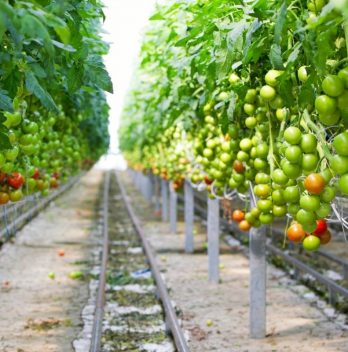
    If you love having fresh tomatoes at your disposal, then growing tomatoes with hydroponic will be of great benefit to you. You can get to enjoy fresh tomatoes for your salad, sandwich, fried greens, etc, in the comfort of your home.

    You can achieve great success with growing tomatoes in hydroponics. With tomatoes grown from hydroponics, you not only get faster growth, but you will also as well enjoy greater fruit production.

    Hydroponics is a more reliable and easy way of cultivating your favorite fruit plants without any mess from the soil. Growing tomatoes in hydroponic will make your gardening lifestyle comfortable and smooth. We will be discussing more about the hydroponic tomato systems so let’s begin.

    Growing Hydroponic Tomatoes: Getting Started

    When it comes to cultivating tomatoes with hydroponics, you can pick any kind of hydroponics. They will grow pretty well in all types of hydroponics systems.

    Growing Hydroponic Tomatoes - Getting Started

    Types of Hydroponics Set up for Tomatoes

    There are 6 types of hydroponics set up and they include:

    • Ebb and flow (or Flood and drain system).
    • Hydroponic drip.
    • Deepwater culture.
    • Aeroponic system.
    • F.T (Nutrient Film Technology).
    • Wick system.

    Whichever system you decide to go for will do well for your tomatoes. However, in this guide, we will briefly talk about the ebb and flow and deep water culture system.

    Ebb and Flow System for Hydroponic Tomatoes

    You can decide to set up a DIY ebb and flow hydroponic system.  However, we recommend a much easier option to go for which is to purchase a hydroponic kit. A hydroponic kit will contain all the components needed to set up your ebb and flow hydroponics system. All you need to do is to follow instructions to set up your complete ebb and flow system with ease.

    Ebb and flow systems also known as flood and drain systems channels a well nutrient-filled solution. The nutrient-filled solution will pump up into the grow tray and flood your tomato plant providing adequate nutrients for your tomato plant.

    When the nutrient reaches the overflow, the system will later drain the nutrient solution back into its reservoir. This way, your tomato plant won’t be sitting in a nutrient-filled solution longer than it’s supposed to.

    You can even set a timer with an automated hydroponics kit to precisely time the floods the nutrient solution should sit in the grow tray.

    Read more about Vertical Hydroponics System

    General Hydroponics Waterfarm Complete Hydroponic System Grow Kit

    71W1T9MlV1L. AC SL1500

    Deep Water Culture For Hydroponic Tomatoes

    Another type of hydroponics that works well with tomatoes is deep water culture (DWC). DWC is a simple, easy, and affordable type of hydroponics and it’s especially great for beginners.

    Deepwater culture makes use of a net pot fitted in a reservoir where the tomato plants are placed and engulfed in water. There is also an air pump required for oxygenating the water.

    Types of Tomato Cultivars Grown For Hydroponic Tomatoes

    There are mainly two types of tomato cultivars you can grow.

    • Determinate: determinate variety can be grown in a small space variety and they grow like a bush. Therefore, if you are short of space, you should go for the tomato that is a determinate variety.
    • Indeterminate: if you have adequate space to work with a larger plant then you can go for indeterminate variety. This variety will grow continuously on a vine. Thus, they will need some support with trellis as they continue to grow.

    Seed Germination or Transplanting Tomatoes in Hydroponic

    We do not recommend transplanting tomato seedlings from the soil into your hydroponics. Pathogens or pests from dirt can be introduced into your hydroponics and can cause great havoc to your entire tomato crop.

    We recommend you germinate your tomato seed using Rockwool, coconut coir, or perlite as a growing medium. Your tomato seeds will germinate well in a warm and damp environment. They will sprout well with 70-80 degree temperature. You should begin to see sprouting within 5 to 10 days.

    When they are about 7 to 9 inches long, you can now transfer them to your hydroponic system.

    Harvesting

    Depending on the variety you choose, tomato seeds will take about 10 days to sprout and around 4 to 6 weeks to transplant. Then around 4 to 8 weeks, your tomato should begin fruiting and turn red meaning they are ready for harvest.

    Additional Information

    Whichever variety of tomatoes you decide to pick, ensure they are adequately spaced. You can also make use of a flexible room so you can move around your plants easily when pruning or harvesting. This is because they will start growing big and pruning will most likely be needed so they don’t get out of control.

    Also, ensure you feed your growing hydroponic tomatoes with adequate grow light for maximum yield. You should also feed your tomato plants with a good nutrients package.

  • Hydroponic Strawberries

    Hydroponic Strawberries

    Growing plants that produce fruits may not be quite easy with hydroponics, especially for beginners. This is so because of the required intensive work inputs and necessary maintenance.  However, that is not the case when it comes to growing strawberries with hydroponic.

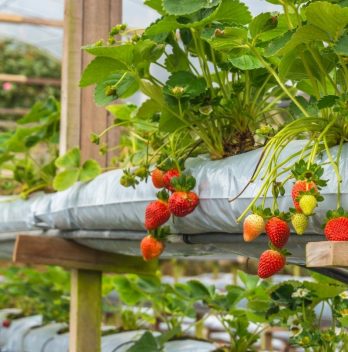
    Strawberries cultivated in hydroponics do well and can yield abundant fruits all through the year. It is one of the easiest fruits one can grow with hydroponics. Let’s dive in and discuss some facts about growing strawberries with hydroponic.

    Hydroponic Strawberries

    Strawberry is a healthy food people love and the demand for it keeps increasing day by day. This is why farmers are designing various ways to meet market demands.

    A hydroponic farming system is one method you can use to cultivate strawberries fast and easy. For this reason, farmers prefer to cultivate their strawberry plants using hydroponics from runners.

    Growing Strawberries with Hydroponic

    One popular fruit to grow is the strawberries. Growing strawberries from their seeds with soil can take 2 to 3 years to mature. But when it comes to growing strawberries in hydroponics, it is fast and easy.

    The hydroponic system makes use of water solutions in which nutrients have been dissolved to grow plants. The method is fast, healthy, and will result in an abundant production of fruits.

    Getting Started: Growing Strawberries with Hydroponic

    Of course, the very first thing you need to do is to purchase a hydroponic system. You can either make use of a vertical hydroponic system or a hydroponic kit. However, a vertical hydroponic system will give you more space for growing and maximum yield.

    Procedures

    Next thing is to choose if you want to grow your strawberry from a seed or a young strawberry plant.

    The best way is to use a young strawberry plant and plant them in the net holes of your hydroponics system. You will need to rinse off the soil from the young strawberry plants and insert them into the net holes of the hydroponic system. Fill them with nutrient-rich water for hydroponics afterward.

    Large 5 Tier Vertical Garden Tower

    Hydroponic Strawberries - Vertical System

    Read about Vertical Hydroponics System

    Light Requirements

    Next, you want to feed your strawberry with some proper light and adequate temperature. It is essential you provide adequate light to your strawberry plants so they can flourish and grow well. The temperature strawberry plants like is around 65 to 80 degrees Fahrenheit. Feed your strawberry plant with 8 to 10 hours of light daily. If you decide to grow your plants in a greenhouse, then your strawberry plants can obtain their light naturally. However, if they will be grown indoors, grow light will be needed to feed your strawberry plant with the needed light.

    Quality of Water

    Another important thing is water quality. Since the main ingredient providing nutrients is in the water, ensure you make use of a water filter instead of tap water. This way, you reduce the risk of introducing impurities to your plant water.

    pH Range

    The pH levels of your nutrient-filled water should range between 5.8 to 6.2. Use a pH meter to know the status of your pH level.

    Growing Medium

    Now to the medium used. Although there are various mediums available to be used, we suggest you use a simple, affordable, and available medium like coco coir. Coco coir is inactive and won’t interfere with the pH or nutrient level of your strawberry plant.

    Pollination Requirements

    When it comes to pollination, it is a key concern and must be planned. Strawberry plants possess both male and female flowers. Pollination is different in the outdoor and indoor hydroponic systems of strawberries. Outdoor hydroponic strawberry pollination is done by wind and bees. On the other hand, indoor pollination is done artificially by using a fan or gently brushing your hands along the flowers of the strawberry plants.

    Pollination Requirements - Hydroponic Strawberries

    Benefits of Growing Strawberries with Hydroponics

    There are lots of benefits of growing strawberries with hydroponics. Here are a couple of these benefits:

    • The Soil-based Disease Reduced: since there is no soil used, there is no room for soil-based pests, microorganisms, or pathogens to thrive.
    • Reduction in Use of pesticides: the need for pesticides and insecticides spraying on your strawberries fruits are reduced. This way, you enjoy fresh and healthy fruit production.
    • Fast Growth and Plenty Yield: using a hydroponic system for strawberries gives a quick yield and abundant production all year round.

    FAQ’s

    Do strawberries do well in hydroponics?

    Yes, strawberries do well in hydroponics. The trick is to choose the right nutrients for your system. They have shallow roots and are very sensitive to nutrient deficiencies. When I grew them in a hydroponic system, I had to fertilize the plants every two weeks. 

    For example, you need a good source of phosphorus for healthy roots. You also need calcium and potassium, which are more available in nutrient solutions than in soil. Also, you want a good source of nitrogen. Strawberries have shallow roots that grow into the medium in which they’re planted. If you put them in a hydroponic system, you need to provide some type of medium in which to grow the roots. For example, you could use sand, perlite, or peat moss. 

    When can you give strawberries their nutrients in a hydroponic system?

    With a hydroponic system, you can provide all the nutrients that your plants need right from the start. For strawberries, you want a medium that will hold moisture and nutrients without getting soggy. Strawberries are shallow rooted, and they like a loose medium.

    This means that you can just sprinkle the medium over the strawberries. You don’t have to worry about keeping it evenly moist. If you’re using sand or perlite, you can make the medium by mixing the sand or perlite with enough water to get it to the consistency you want.

    How do you make sure they get enough nitrogen?

    There are three ways you can get nitrogen into the plant:

    1. Use a foliar spray,

    2. Feed your plants with a liquid fertilizer, or

    3. Grow the plant on a medium that contains nitrogen.

    A foliar spray is simply water with a small amount of fertilizer mixed in. The fertilizer will be absorbed by the leaves and then carried to the roots. Liquid fertilizers are similar to foliar sprays in that they provide nitrogen, phosphorus, and potassium. They also usually contain a little bit of iron and calcium as well.

    What are the most important nutrients?

    First, let’s talk about why you might want to grow strawberries in a hydroponic system. You need a good source of phosphorus for healthy roots.

    With a hydroponic system, you can get phosphorus right into the plant from the start. Second, you want a good source of potassium. Potassium is used to build strong cell walls in plants. If you don’t provide a good source of potassium, the plant will have weak cell walls. You can get potassium from the soil, but it’s not always available. You also need nitrogen. Nitrogen helps the plant make amino acids. These amino acids are needed to build proteins, which help the plant grow.

    Final Say

    Strawberry fruit is one of people’s favorite and it might not be so easy to cultivate. It can take a lot of time to produce results from seed. But with a hydroponic strawberry system, it has becomes so simple for farmers to cultivate and meet people’s demands.

  • Vertical Hydroponics System

    Vertical Hydroponics System

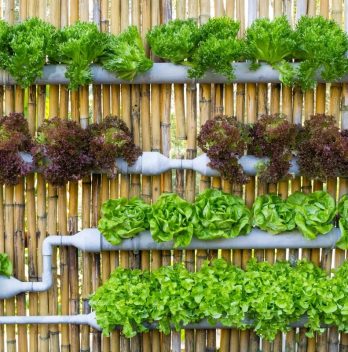
    Just as hydroponic means growing plants without soil: a vertical hydroponics system is a combination of staked hydroponics in a vertical manner.

    The idea of a vertical hydroponic system came about to solve space management. At the same time, there is an adequate system for you to plant as many as you can.

    What is Vertical Hydroponics Farming?

    Vertical hydroponics farming involves cultivating crops with the use of water rather than soil. In a vertical hydroponics farming system, your plants are all loaded up in a vertical fashion. This type of hydroponic can be done both outdoors and indoors.

    What is Vertical Hydroponics Farming

    However, the stumbled up levels comes at an extra cost. Vertical hydroponics placed indoors will need to be positioned where there is an equal amount of sunlight for all levels. This can be quite challenging to achieve. However, to make things easier, you can use a vertical grow light to provide optimal growth for all levels.

    Also, if your vertical hydroponics is placed outdoors, you need to find a perfect spot for adequate sunlight.

    Ideal Plants Grown With Vertical Hydroponics System

    You can grow various plants with a vertical system such as herbs, vegetables, and fruits. Examples include:

    Spinach, lettuce, broccoli, cabbage, mint, cucumbers, eggplants, collard greens, strawberries, tomatoes, peppers, kale, basil, chives, and so on.

    Benefits of Vertical Hydroponics System

    Just like the normal hydroponics system, you can enjoy the same benefits with vertical hydroponics, but in a vertical manner. The benefits include:

    • Enjoy planting with no mess from the soil.
    • You get to enjoy year-round plant production.
    • Crop yield will be more increased.
    • You can place vertical hydroponics systems both outdoors and indoors.
    • You get to cultivate more plants in minimal space.
    • Because the vertical system makes use of water rather than traditional soil, soil-borne pests and diseases are reduced drastically.
    • Enjoy the benefits of reduced weed problem.
    • With the closed water nutrient system, water remains in the tubes with no spilling.
    • Wastage is reduced because the water-filled nutrient is reused in the closed-circuit until no point of use.

    Roleadro Grow Light, 1000W LED Grow Light

    61%2BMSwcwwRL. AC SL1200

    Check Price on Amazon

    Check A List of Quality bt Cheapest LED Grow Lights Online

    How to Ensure a Successful Running Vertical Hydroponic System

    You need to ensure your vertical hydroponics system runs successfully so you don’t regret investing in one. So here are a couple of things to do for a successful running of a vertical hydroponics system:

    •  You need to ensure water flows optimally at every level of the system. Getting water to reach the highest level might be an issue. You will need to design your vertical hydroponics with a bigger powered pump.
    • Take note that the lower level plants do not drown.
    • You need to monitor the provision for light. All hydroponic flourishes with light, so it is essential they get optimal light anywhere they are placed. Also, ensure all plant levels receive an equal amount of light for maximum growth.
    • Monitor the nutrient mix always.

    Adequate Input

    You can grow more plants from vertical hydroponic. However, this usually costs additional investments and input for your vertical system to run smoothly.

    For instance, grow lights and motors will involve setting up energy bills. Also, the water which is a closed flow system will need to be watched closely.

    The good news is that the benefits of a vertical system supersede the limitations. Considering the fact that lands are becoming lesser for gardening. Vertical farming offers you the opportunity of planting as much as you can in minimal space.

    Zigzag Vertical Hydroponic System

    The design of most vertical hydroponic system is vertical. However, some vertical system design may come in a zigzag pattern.

    We have the PVC diagonally staked up in a zigzag vertical system. You can also see the plants sheltered in net cups.

    This system might be a bit complex. However, if you can work it out, the operations will become easy. The system has adequate capacity of planting more crops efficiently with higher productivity.

    FAQ’s

    How do you set up a vertical hydroponic system?

    There are several ways to go about setting up a vertical hydroponic system. The most common is the use of a large container with holes drilled in it. Some companies will provide a system like this for you, but they are not cheap. They are generally set up by a company that specializes in hydroponic systems. If you have the space, you can build your own.

    The basic idea is to create a large chamber and drill holes in the bottom of the chamber so that the water can drain out. There are some issues with this method. First, it requires a lot of space. It also requires a lot of maintenance. You will need to keep an eye on it so that it does not flood. The holes must be kept clean and you need to ensure that they don’t become clogged. Another option is to use a series of plastic containers. These come in different sizes and can be stacked one on top of the other. They are usually made to hold one or two gallons of water. You will need to drill small holes in the bottom of each container, and then run tubing through the holes. The tubing goes into a pump that circulates the water in the containers.

    This method does not require a lot of space, but the maintenance is still a hassle. A third option is to use a vertical hydroponic system that is designed specifically for growing plants. These systems are very efficient because they allow the plants to grow directly in the water. This eliminates the need to keep the roots moist. The only problem with these systems is that they are expensive.

    Is vertical or horizontal hydroponics better?

    What are the advantages of a vertical hydroponic system? The main advantage of using a vertical hydroponic system is that it allows you to maximize your growing space. If you have a large area and don’t want to use too much of it, you can grow your plants in a vertical hydroponic system. It is possible to grow up to ten or more plants in a single container. This is the most efficient way to grow plants because the plants can utilize every inch of the container. This means that you will be able to get more product for your money. Another advantage of a vertical hydroponic system is that you will be able to control the amount of light that your plants receive. If you use a vertical hydroponic system you can simply add or remove containers from the system to adjust the amount of light that the plants receive. You can also move them around as needed to ensure that they receive enough light. This gives you the ability to monitor the progress of your plants and make adjustments as necessary. A third advantage is that you can easily move your plants to a different location if you decide to sell them. When you grow your plants in a vertical hydroponic system, it is possible to grow them in different locations. The only thing you need to do is move the entire system. The plants can be moved directly to another container or to the ground. How do you set up a horizontal hydroponic system? The most common way to set up a horizontal hydroponic system is to use a series of plastic containers. These come in different sizes and you will need to determine which one works best for your situation. There are many advantages to using a horizontal hydroponic system. The main advantage is that you can grow as many plants as you want in a single container. This is an efficient method for growing a lot of product. You can even grow plants in several containers if you want. The plants are kept moist, but not too wet. The biggest problem with a horizontal hydroponic system is that you have to keep the roots moist. This requires you to keep the roots in the water at all times. This is a hassle because it means you need to constantly check on the plants. You can solve this problem by adding a pump that will keep the roots moist. The pump is set up so that it circulates water through the containers.

    Conclusion

    Vertical hydroponics system makes gardening life so much easier and productivity is significantly maximized. It is especially ideal for people that live in an urban environment where there’s no adequate space for gardening.

    Even though there are a couple of challenges involved in using vertical hydroponics, it still renders many benefits in farming. You can solve most of the challenges easily with little investment and some work

    As of now, you can find various vertical hydroponic kits in the market. This tells us there is an increase in the interest and demands of vertical hydroponics

  • 5 Best Hydroponic Kits You Can Find

    5 Best Hydroponic Kits You Can Find

    The yield of your crops can be doubled or tripled in a well-maintained space such as a hydroponic garden kit.

    If you are one that lives in an urban environment and you don’t have adequate space for gardening outdoor traditionally: a hydroponics kit is for you. Also, if the season in your region is not favorable for an outdoor all year planting, a hydroponics system will solve the problem.

    What is Hydroponic Farming?

    Hydroponic farming is a means of cultivating plants without the use of soil. A hydroponic system is used for hydroponic farming. Hydroponics makes use of water which is a nutrient-filled aqueous solution, instead of the traditional soil.

    Hydroponics farming has revolutionized farming techniques in this 21st century. Different kinds of plants can be grown with a hydroponic kit such as herbs, root crops, flowers, fruits, and vegetables.

    Advantages of Hydroponic Kits

    Making use of hydroponic kits comes with a lot of benefits. Here are a couple of these benefits:

    Relies on water: Hydroponic relies on water instead of soil. All the necessary nutrients your plants will need for adequate growth is provided in the water of the hydroponic system. Therefore, there is no need for the plant’s roots to stretch and search for water, oxygen, and other nutrients.

    Gardening in minimal space: as we have mentioned, the plant root does not need to stretch for nutrients and other basic things. For this reason, your plants can be grown close to each other in a minimal space and you still enjoy optimal production.

    Climate controlled environment: you enjoy farming indoors where there is control in weather conditions. Thus, no need for your plants to endure or adapt to the harsh outdoor climatic conditions.

    Minimal pest and weed: most plant diseases are soil-borne. But with a hydroponic kit, there is a reduction in pests as well as weed control.

    Minimal use of chemicals: since there is a reduction of pest disease, there will also be minimal use of chemicals such as pesticides, fungicides, etc. Therefore, you enjoy clean, safe, and healthy foods.

    All year round farming: hydroponic kits offer you the advantage of growing each crop continuously, all year round.

    Aquaponics: another interesting advantage is the ability to raise both fish and vegetables. Aquaponics involves a closed system where water from the fish tank serves as the plants’ fertilizer.

    List Of The Best Hydroponic Kits

    If you want to save yourself the stress of DIY hydroponics grow system, you should select other options available in the market.

    Even though there are various types of hydroponic kits available in the market, choosing the appropriate one is important. This is why we have made the job of choosing easy for you by selecting the 5 best hydroponic kits. So, check them out to know your best pick.

    The best Hydroponic Kits

    1. AeroGarden Harvest-Black Indoor Hydroponic Garden

    Aerogarden Harvest Hydroponic offers you the pleasure of gardening in the comfort of your home. It is pretty comfy and can be placed anywhere in your home but it will be perfect if placed in your kitchen.

    Features

    The super easy to control Aerogarden Harvest Hydroponic saves you the stress and mess of dealing with soil.

    Additionally, you get to grow your plant naturally in water. It comes with a control panel that alerts you whenever water is needed. You can grow as many as 6 plants at once and your plants can grow tall up to 12 inches.

    The LED growing light has a great performance with a full spectrum output that imitates the outdoor natural sunlight. This light will maximize photosynthesis and increase natural growth which will result in plentiful yield.

    The automatic lights which have a timer turn on for approximately 18 hours, and off for 6 hours. However, there is a variation of this light depending on the type of plants. The effectiveness in the energy LED grow light maximizes the growth of plants.

    The liquid plant food is included and there is a reminder that always tells you when to add plant food.

    The beautifully designed Aerogarden Harvest Hydroponic is great as a present for any occasion. It can be gifted as a birthday gift, Christmas gift, thanksgiving gift, or a gift for your loved ones.

    The drawback is that the light is very bright and might hinder your eyes. This is why we recommend you find somewhere in your home where the reflection won’t have much effect on you.

    Pros

    • Easy to operate.
    • Saves you the stress and mess of dealing with soil.
    • Enjoy 5 times growth rate and yield.
    • Plant food and water reminder.
    • Automatic light with timer.

    Cons

    • Too bright light and might obstruct one’s eye.
    Hydroponic Kits - AeroGarden

    2. iDOO Hydroponics Growing System, Indoor Herb Garden Starter Kit

    The iDOO Hydroponics Growing System, indoor herb garden starter kit features LED grow light, smart garden planter for the home kitchen, automatic timer germination Kit, and Height Adjustable.

    Features

    The 7 pods iDOO Hydroponic System is specially designed for planting vegetables and herbs. It allows you the pleasure of growing up to 7 different plants. Get to enjoy fresh veggies and herbs in your kitchen exactly when needed.

    We appreciate the various grow light modes which will help your plant grow adequately. The automatic light timing of the LED full-spectrum system is highly essential for the germination of your plants. The full-spectrum LED light mimics sunlight allowing your plants to grow faster, maximizing harvest.

    Additionally, there is a feature of height adjustability. As your plants grow continually at their various stages, you can adjust the top part of the lightening up to 13.4 inches.

    One negative point of iDOO Hydroponic system is that it doesn’t come with seeds, but it has every other thing needed.

    Pros

    • Comes with 7 pods to plant 7 different plants.
    • Adjustable heights.
    • Adequate light mode for optimal growth.

    Cons

    • Seeds are not included.


    3. Deep Water Culture (DWC) Hydroponic Bucket Kit 5 Gallon, 6 inch

    Another hydroponic kit we recommend is the deep water culture hydroponic bucket kit. This hydroponic complete system is easy to use and it’s budget-friendly.

    Features

    Deepwater culture hydroponic kit is perfect for beginners because it is easy to operate. It is a great option for most plants. The bucket is firm and durable making it a great option for bigger plants.

    There is an indicator for the blue water which is transparent. The bucket is also able to drain.  Also, the air pump operates quietly.

    The solution which is abundant in oxygen and other nutrients will boost the root and general growth of your plants. Be rest assured of rapid growth and robust harvest.

    The main downside is the pump. Although the pump is okay it could be improved.

    Pros

    • Perfect for beginners and easy to operate.
    • Ideal for bigger plants.

    Cons

    • The pump could be improved.
    • Airstone could be made better.
    Hydroponic Kits - Power Grow

    4. General Hydroponics Waterfarm Complete Hydroponic System Grow Kit

    With this General Hydroponics Water farm, you get the value for your money spent.  You can add this hydroponic to one of your picks.

    Features

    General Hydroponics (GH) water farm is easy to operate and it’s durable and lasts longer. It is ideal for growing all sizes of plants (small, medium, and large).

    An additional feature is the water timer which can run as long as you set it. It does not consume much water.

    It comes with GH nutrients, air stone, air pump, and every other thing. It’s an all in one package. Therefore, there’s no need to spend extra money on anything.

    The drawback is the pump splashes water a little but it can be managed.


    Pros

    • Easy to operate.
    • Water timer.
    • Comes with everything you need.
    • You can grow all plant sizes.

    Cons

    • Water may splash a little.
    • The pump can be a bit noisy. 
    71W1T9MlV1L. AC SL1500

    5. inbloom 12 Pods Hydroponics Growing System Kit, Herb Garden Planter Indoor Kit

    The inbloom Hydroponics growing system is ideal for indoor gardening. It is well equipped and easy to set up even with your kids.

    Features

    You can grow up to 12 different plants with inbloom Hydroponics kit. It is perfect for growing herbs, foliage, or vegetables. You can as well grow flowers and fruits.

    It comes with automatic in-built LED lights. The LED light maximizes photosynthesis which will feed your plant growth and harvest rapidly.

    We admire the adjustable height from 7 to 12 inches tall growing with your plants. There is also an in-built fan and water pump for adequate oxygen. The 4-liter tank is sufficient to last for 2 weeks when filled and the water level is very visible.

    inbloom Hydroponics kti can be a lovely gift for anyone. It will look beautiful anywhere you decide to set in your home.

    Pros

    • Garden kit for 12 different plans.
    • Adjustable height up to 11.8 inches.
    • A 4-liter water tank that lasts up to 2 weeks.

    Cons

    • No seed included.
    71S5vWjnrmL. AC SL1500

    Buying Guide for Hydroponic Kits

    In other to increase your chance of picking the best hydroponic kits, we will give you some tips on how to pick. There are some things you should consider when choosing. We have identified these points so you can make the right decisions.

    Points to Consider When Choosing Hydroponic Kits

    • Dimension: The first thing you should consider is space. Know the exact dimensions of the product so you can have where to keep it in your home.
    • Height: Also check for the height of the hydroponic system. Is the height adjustable? You will need more vertical space just in case you want to grow taller plants.
    • Plant holding capacities: This is so you know how many numbers of different plants it can contain.
    • Automated: Some hydroponic are automated and basic things can be taken care of. Things such as light provision, pumping water, oxygen pump, etc. This way you know how much or less you need to contribute.

    FAQ’s

    Which hydroponic system is best?

    Before you buy a hydroponic system, you need to know what you’ll be growing. Will you be growing vegetables or herbs? Some hydroponic systems are more suitable for one than the other. For example, some systems are better suited for herbs because they have a larger reservoir. If you’re going to grow tomatoes, you’ll want to get a system that has a reservoir with a large volume to store water. The size of the reservoir will depend on how much food you want to grow and how big you want your plants to be. You’ll also need to know whether you’re going to use an LED light fixture or a HID light fixture. LED lights are more energy efficient and produce a better color spectrum than HID lights, which makes them better for growing flowers and veggies. You can find hydroponic systems with both LED and HID lights, so you can decide which is best for your needs. If you’re growing indoors, you’ll need to make sure there’s enough room to build your system. You don’t want to have to move your system every time you want to water it. You may have to plan ahead for this if you’re growing in a small apartment or condo. If you’re growing outdoors, you may not need as much space. Just make sure that you have enough space for the tubing to run through. You may have to dig a trench for the tubing, depending on the size of the system. This will allow you to move the system around and keep it from getting damaged. Most hydroponic systems are DIY projects, so you’ll need a few basic tools. You’ll need to have some pipe cutters, pliers, and a hacksaw. You’ll also need a drill, a saw, a hammer, and a hand saw. If you don’t have any of these, you can get them at your local hardware store.

    What is the difference between AeroGarden and hydroponics?

    Aeroponics and hydroponics are both types of farming that use a combination of air and water to grow plants. Aeroponics is a type of hydroponics that involves placing growing medium in an airtight chamber, usually called a rooting container, with the roots of a plant hanging down into it. The plant’s leaves hang above the surface of the rooting container, while the roots remain submerged.
    The roots are fed nutrients through a misting system or misting dome. The roots take in these nutrients from the air, and the leaves receive them from the nutrient solution. Aeroponics is often used for high-value crops, such as leafy greens and herbs. Hydroponics, on the other hand, uses water and growing medium (such as soil, peat, sand or vermiculite) instead of air. The roots of a plant grow through a growing medium that holds the nutrients required for growth. Hydroponic growing mediums are usually placed in trays or pots, which can be filled with growing medium or water. Hydroponic systems have become more popular in recent years because they are easier to maintain and require less space than traditional soil-based gardening methods. They also don’t rely on soil-borne pests, which means that pests are less likely to attack your plants. There are many types of hydroponic systems available today. Some are designed for indoor use, while others are intended for outdoor use.

    Conclusion

    We hope this article guides you in choosing which option suits your needs when it comes to picking the best hydroponic kits.

    So, get to enjoy total control over gardening with hydroponic kits!

  • What Is Coconut Coir & Recommended Products

    What Is Coconut Coir & Recommended Products

    In the past decade, high-quality horticultural coconut coir has become popular as a growing medium for greenhouses and hydroponics farmers. 

    If you love gardening or hydroponics, now is the time to consider using coco coir for your plants. The correct pronunciation or coir is coy-er according to the Cambridge dictionary.  

    What Is Coconut Coir? 

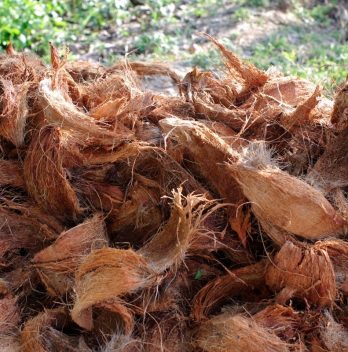
    Coir is the fibrous husk and dust that make up the outer layer of a ripe coconut. This part is least seen as it is removed before the fruits arrive in the market. But it is available as a soilless growing medium.  

    Coconut coir is common in India and Sri Lanka. These are areas where the Cocos Nucifera coconut palm grows in plenty. The growing medium can either work alone or mixed with another material. This material is perlite.

    Why Use Coconut Coir? 

    In hydroponics and pot gardening, coir is a substitute for peat moss. It is a renewable resource with a more neutral pH. It helps manage the nutrients in the hydroponics systems. Coir decomposes slower than peat moss releasing its nutrients in a slow economic way. This is one of the greatest benefits of using coir in hydroponics because the nutrient solution has a huge impact on growing success.  

    Types Of Coco Coir 

    Every time you buy coconut coir, you are buying three types mixed – the fiber, pith, and coco chips. These three together provide a powerful growing medium very healthy to plant growth.

    1. Coco pith or coco peat is the fine ground coconut or pear moss. It’s absorbent and fine with small particles. It must age well before it goes to the farm. 
    2. Coco fiber is not very absorbent and adds air pockets into the growing medium. These air pockets provide oxygen to the root zone. This fiber breaks down fast with the air pockets decreasing over time. 
    3. Coco chips are a hybrid between the coco fiber and coco peat. They are large pieces that create air pockets and absorb the water well. It helps keep your plants well hydrated. 
    Types of Coconut Coir 

    The coconut coir must be a mixture of these three types to achieve the best results. 

    Find more information about How To Use Coconut Coir In Gardening

    Where To Buy Coco Coir- Recommended Products

    Here are a few of the best-recommended products.

    CANNA Coco Brick 

    CANNA is one of the top coconut coir providers. This company monitors the production of their coir to ensure it is well dried, aged, and flushed of all salts. They package their coir in 40L expandable bricks. You will have to rehydrate the medium after receiving it.

    61W4lRLqWRL. AC SL1500

    FOXFARM FX14100 Coco Loco

    Fox is also a top coir provider. Just like CANNA they track their product to ensure it is well dried, flushed out salts, and aged before packaging it. FOXFARM packages their product in a 2 cu ft. expanded bag. 

    81ldkquPJ1L. AC SL1200

    General Hydroponics COCOTEK Coco Growing Media

    COCOTEK consists of all three types of compressed media. It has low levels of sodium and one of the best for first-time growers. This is a cheaper option compared to CANNA and FOX FARM. It is packaged in 5kgs with a decent mix of coco fibers and pith. 

    61Gb2Td2ZDL. AC SL1024

    FAQs

    What is coconut coir good for?

    Coconut coir, also known as coco coir, is a natural material that can be used in a variety of ways. It is made up of the fibres of coconut shells and is used in many different industries, including in agriculture, horticulture, and forestry. For example, coconut coir is used as a soil amendment to improve soil structure and nutrient levels. This helps to create fertile soil and increases crop yield.

    It’s a natural and organic alternative to plastic mulch, which can be harmful to both plants and animals. Coconut coir is made from the stalks of the coconut palm tree. It’s a renewable resource that is naturally occurring in tropical climates.

    The production of coconut coir is highly labour intensive, as the coconut fibres need to be removed from the coconut shell before they can be processed into coconut coir. The majority of coconut coir is produced in India and Indonesia. In recent years, production has increased significantly, with India alone producing about 80,000 tonnes of coconut coir per year. Coconut coir is primarily used in agricultural applications such as soil amendment and organic fertiliser. It is also used in horticultural applications such as garden mulch, ornamental plant pots, and as a growing medium for houseplants. It is also used in forestry applications such as tree planting, and it is commonly known as coconut fibre or coco fibre. Coconut coir benefits The benefits of coconut coir are numerous. Nutrients Coconut coir is an excellent source of potassium, magnesium, phosphorous, and calcium.

    How is it used?

    The stalks are cut, dried and shredded into fine pieces. The shredded coconut is then mixed with water to create a thick, clay-like mixture. This mixture is then spread over the ground as mulch to help with soil building, prevent weeds and retain moisture.

    Why Is Coconut Coir So Great?

    It is considered to be a highly efficient organic growing medium, which improves soil quality and reduces the need for chemicals. The fibres have many beneficial uses in horticulture, including as a mulch and for growing houseplants.

    The main benefits of using coconut coir for plants include:

    improving soil structure, reducing disease, improving water retention, reducing weed growth, reducing the need for chemical fertilisers, enhancing the appearance of plants, increased yields and pest control.

    Coconut coir can be used to make a wide range of different products and there are many ways to use it. It is a very versatile material, so you can easily adapt its uses for whatever purpose you wish.

    Are there different types of coconut coir?

    Coconut coir is actually a byproduct of coconut oil processing. It’s similar to chaff or straw, and can be used as mulch or composted.

    There are many different types of coconut coir, and most of them are made from the husks of mature coconuts. Coconut husk is a material that has been used for centuries in making a variety of products.


    Conclusion

    Whether you choose to use this media in hydroponic or in containers, by itself or mixed with other media, the coconut coir works magic. It plays a key role in providing an ideal growing environment for your plants. 

  • How to Clone a Plant with Water

    How to Clone a Plant with Water

    So you might have heard that it is possible to clone a plant with water and wondered how they do it. Plant cloning is a lot different from the type of cloning you may be thinking. Before I knew what the term meant, I used to think plant cloning involved trying to create a new plant from an old one, and that it would need to be carried out in the laboratory with men in white coats, mixing different compounds and staring into a microscope. But while I wasn’t entirely wrong, it was nothing like the Frankenstein movie I imagined it to be. So then what is plant cloning, and how can you clone a plant? 

    What is Plant Cloning? 

    Plant cloning is a process that is used to replicate specific characteristics that a mother plant possesses in her offspring. The features needed to replicate could include height, adaptability, flowers, leaves, and color. 

    It is easy to clone a plant, and anyone can do it once they learn how to. While it may seem like the process requires a lot, all that you need is to take a clipping or cutting from a plant and place it in a glass of water. Keep the glass of water by the window and then give it a few days until you notice changes in the root of the new plant. To be able to carry out the cloning successfully, you will need just the right materials, which we will be talking about in the next section. 

    |

    How to Successfully Clone a Plant with Water

    There are many reasons why gardeners clone a plant. For some, it is to be able to quickly and efficiently create a new plant; for others, it is to replicate the genes and traits of an existing plant into a new plant. The entire process might sound like something technical that requires the expertise of biologists of other scientists, but that is not true. With the right materials and method of planting, you should be able to get the job done right and without difficulty. 

    You Need the Right Materials 

    Just as you cannot catch a fish without fishing gear, it will be impossible to clone a plant on its own without the right set of tools. 

    Some of the essential tools to get the job done include:

    • A container 

    You would need a plastic container to hold the growing medium for your new species. The type of container to use will depend on the kind of plant you are looking to clone. For large plants, you will require a large bowl or drum while a pail will be just right for an indoor plant. 

    While it is common to find gardeners cloning plants in pots, we recommend using a transparent plastic so you can follow up on the root development

    • Rockwool or Soil 

    You also need a propagation medium for the new plant to grow in. Ideally, you may decide to settle for potting soil, but you can also try using Rockwool if you know just how to. While it may be quite easy to plant in a soil medium, it requires a bit of expertise to be able to clone plants in Rockwool if you are a first-timer. For example, you will need to soak it overnight in the right pH water and also have to dissect holes in the middle of the Rockwool block, which can be all too complicated if you have never tried it before. We also recommend that you avoid using backyard soil and opt for potting or composted garden soil to give your clone the right start to maturity. 

    • Root Hormones 

    You may also need to use root hormones as part of the cloning process. They contain synthetic auxins which help the plant to grow. Their function is to influence root development and kickstart the cloning process. It is essential to note that if you are big on organic gardening, using root hormones may not be a good idea since it contains toxins that can be harmful to you. Natural alternatives such as cinnamon, willow tea, and apple cider vinegar are a safer option than synthetic auxins. You may also consider cloning tomatoes since they quickly produce natural auxins than many other plants. 

    Begin the Cloning Process

    Once you have all your materials sorted out, the next step is to begin the planting process, which you can do in less than 10 minutes. All you need to do is to; 

    • Fill your container with soil or Rockwool. 

    You will need to drill a hole at the bottom of the container if you decide to use soil as the growing medium, while the pot can also house your chunk of Rockwool if you choose to go with that. 

    • Water the soil 

    Once you have sorted out the above, you will then have to water the soil to improve its water content. There will be no need if you are using Rockwool since it has been soaked the night before. 

    How to Clone a Plant with Water

    • Cut the Stem and plant

    You will then need to make a diagonal cutting of any lateral stem you intend to clone. We suggest lateral stems instead of a diagonal one since they shoot directly from the roots. Once you have this, you will need to dip the end in your root hormone if you are using one. Once you have the bottom in the rooting hormone, the next step will be to immerse it in the hole we created in the container earlier when we filled it with soil. Lastly, you will need to cover the container in plastic or grass; and this is necessary to keep the moisture intact and enhance the growth process. 

    After you have successfully cloned your plant, you will need to transfer your pot or medium that houses the new clone to a warm area away from direct sunlight. You will also have to keep the soil moist so that the plant can get the right environment to grow. 

    So now you know how it is to clone a plant with water, we hope you will give it a try and experiment with your garden plants if you haven’t tried it before. Feel free to ask any questions in the comment section. We love to hear from you. 

  • How To Propagate Your Favorite Plants Using Rooting Powder And Water

    How To Propagate Your Favorite Plants Using Rooting Powder And Water

    Have you ever seen a plant that you feel so in love with you simply HAD to grow it at home? Well, that is a perfectly normal feeling and you can definitely do it very easily. This method of reproduction or cloning is called “cutting” and basically consists of – you guessed it – cutting a part of a plant to create a new one. Today we are going to discuss how to use a rooting powder in water to reproduce your own or other plants!

    You could use this method to create another plant to gift a friend that lives far away or to reproduce a beautiful flower you found at a park. Remember, though, to always ask permission to take a cutting from a private location and NEVER! do this in a store. That would actually be stealing!

    What is Rooting Powder?

    You may have heard the name at your local specialty garden or hydroponics supply shop. Powder rooting hormones are commercially available supplements to help with exactly that – rooting!

    Plants use hormones just like our bodies do. They tell the plant what to do: root, bear fruit, flower, grow leaves. We are particularly interested in auxins, the type of hormones that tell the plant to root.

    There are a couple of synthetic chemicals that can replace the effect of auxins on plants. They can help promote the growth of new roots. 

    How To Propagate Your Favorite Plants Using Rooting Powder And Water

    Although they are best used when you are cutting a part from another plant to clone it in a new pot, they could also be beneficial in other growth stages.

    If you use them, the root of the new clone will develop quicker and be of better quality than if you had not used any kind of supplement. This makes it easier to propagate any type of plant, not just those that root easily.

    Rooting hormones come in different presentations like gel or liquid, but today we are going to discuss their powder form.

    How to Use Rooting Powder

    Dosage is the tricky part of it all. If you use too little, it will be as if you had not used any. But if you overdo it, you could have the opposite effect and actually make the plant yellow and wither.

    To use the powder, put some of it in a small container. Grab the cutting and dip the end into the powder. Make sure the bottom ½ inch is free of any leaves before doing this. Then shake off the excess and place it into a glass of water to start it.

    You should have a thin film of powder that does not exceed a quarter of an inch from the base of the stem. Keep in mind that if the cutting is wet or has little hairs it will pick up too much powder. Make sure it is dry and you double tap it in case of little hairs.

    As a general tip, if you are doing this on more than one cutting at a time, replace the powder each time so as not to transmit any diseases from one cutting to the next.

    How to Create a Cutting

    You will need a clean, shark knife or scissors. Do not use blunt cutters as they will hurt the plant.

    Plants that root in water usually have nodes, like vines for example. They will root more easily in water, so you should maybe try them first! In any case, with the help of the rooting powder you could try any plant.

    First, identify where you are going to cut. Aim for ¼ of an inch below the node. Then dip your cutting into the rooting powder as described above. 

    Afterwards, put your cutting into a clean glass. Pour enough room temperature water to make it so that it covers the cutting’s nodes.

    You should switch the water every 3 to 5 days. Keep it fresh! We recommend using tap water at room temperature. If there are tiny roots already, clean the slimy film off them before placing them back into water. Also, always remember to keep the forming roots under water.

    How To Propagate Your Favorite Plants Using Rooting Powder And Water

    Depending on the plant, rooting can take from only a couple of weeks to a couple of months. The powder will definitely help but be patient!

    Once the roots reach 5 inches in length, you can place the cutting into some soil. Congratulations! You have reproduced a plant!

    Put the cuttings near a window where they do not get hit by direct sunlight but are still in a bright area. 

    Some Tips on Cuttings

    Some cuttings need to be aired out or “hardened” a few days before being placed in water. This is true, for example, for geraniums. You should do this in an area without direct sunlight over newspaper or paper towels in a place with a steady 65 to 75°F temperature.

    Make sure your cutting has enough leaves on it to perform photosynthesis. It does not need a lot, just a few so that the cutting can benefit from the sunlight. This ratio is also dependent on the season. In Winter you will want more leaves on your cutting than in Summer.

    FAQ’s

    Can I water plants with rooting powder?

    There are lots of different ways to root plants. Rooting powder is used to speed up the process of rooting plants. You put a little on your soil, and let your cuttings root in it for a few days. Rooting powder is used by professionals and homeowners for propagating plants. I have found that the best way to root cuttings is to use a rooting hormone. It is available at nurseries and home improvement stores. Rooting hormone will keep your plants roots healthy and happy. They will be able to absorb nutrients better, they won’t get root bound, and they won’t dry out. The only disadvantage of using rooting hormone is that it must be used immediately after rooting your plant. If you wait until the next day to apply rooting hormone, it will not work as well. I have seen people recommend using both products. They say that they mix them together and then use the mixture. That doesn’t seem like a good idea to me. I think you would need a lot of rooting powder to get any effect.
    If you can’t find rooting powder, a 1/2 cup of baking soda and 1/4 cup of cornstarch should do just fine.

    Do cuttings need light to root?

    Cuttings need light, but not direct sunlight. Cuttings can be rooted in a pot on a windowsill or inside a house, as long as they have good light. Cuttings should be kept moist. If you’re using a houseplant container, place the cutting so that it is touching the bottom of the pot, not sitting in water.

    It’s important to keep the roots warm because they are growing and the leaves are expanding. You can add heat to the pot with a heater bulb, but don’t put a heater directly on top of the cutting.

    Can I put fertilizer in water propagation?

    Yes, you can. If you want to feed your seedlings, you need to do it very slowly, using a watering can and a fine mist sprayer. If you want to fertilize the soil, you can use fertilizer that is water soluble, such as fish emulsion or fish emulsion plus.

    It’s important that you do not apply the fertilizer with a hose, because the fertilizer will run off into the soil.

    Why do cuttings fail?

    There are many reasons why plant cuttings fail. Either it did not root because it was too small or the root system is too weak to survive the environment it is placed in., or too much light Plants require a certain amount of light, which they use for photosynthesis, to grow and form roots. When plants are exposed to too much light, they become leggy and spindly. This is caused by a lack of chlorophyll. A change in the weather can have an effect on plant growth. For example, when the temperature rises, plants will often become more active.

    Why Use Cuttings and Not Seeds?

    Although growing a plant from a cutting takes serious patience, it is really much easier and a shorter wait than doing it by growing a seed. Also, some seeds are difficult to germinate.

    Growing cuttings in water is much easier and yields more consistent results, as you are cloning the plant from which you took the cutting in the first place. 

    How To Propagate Your Favorite Plants Using Rooting Powder And Water

    Choosing to grow them in water is also great for plant health, as it reduces the risk of the plant contracting some fungus or soil gnats.

    What do you think? Will you try growing your own cuttings in water using rooting powder? Tell us below what have been your experiences with this product and post a picture of your favorite plant you have propagated using this method. For us it has worked wonders!