Category: Hydroponics

  • Catfish Aquaponics – How Many Catfish Per Gallon Of Water?

    Catfish Aquaponics – How Many Catfish Per Gallon Of Water?

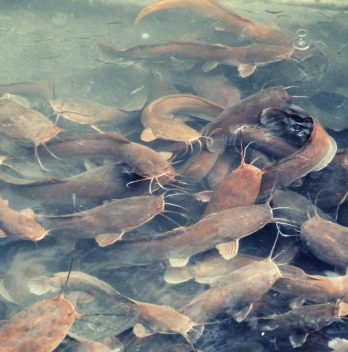
    Catfish aquaponics has been on the rise in recent years. If you are struggling to know how many catfish per gallon of water to stock in your system, do not worry. This article will answer this question for you, and address many more.

    The delicious catfish is one of the most rewarding fish you can raise in your aquaponics system. They are pretty forgiving and tolerant and they can survive in a wide variety of water conditions.

    Knowing the stocking density of catfish will increase your chances of a better and more rewarding relationship between your plants and fish. So let’s dive into how many catfish can fit per gallon of water.

    How Many Catfish Can Fit per Gallon of Water in Aquaponics?

    Getting the correct stocking density for your catfish will help to go a long way in your aquaponics.

    If the fish stocking density in your aquaponics system is low, there may not be enough nutrients to support the plant biomass. Conversely, if you have too many catfish, the filtration system (bacteria, plants, etc.) will not be able to adequately clean the impurities in the system and it may crash. This may in turn cause your catfish due to excess ammonia, and other critical water quality parameters to be out of the ideal range for catfish growth and health.

    How Many Catfish Can Fit per Gallon

    The appropriate number of catfish you can fit per gallon of water is one pound of fish per eight gallons of water. This way, stress is reduced and there’s adequate space for oxygen. However, note that when it comes to a fully grown catfish, you will require more than 8 gallons of water per fish.

    Catfish are fast-growing fish and they usually grow quickly during their younger years. You can increase the quantity of water as your aquaponics system duration increases and the nitrifying bacteria get established.

    Check out the Best Plants for Small Aquaponics and Where to Buy Fish for Aquaponics Systems

    When it comes to catfish aquaponics recommended tank size, depends on the size of your fish. Catfish are fast growers and can grow up to 2 or 3 pounds in 12 months.

    The fact that a whole 8 gallons of water are required for just one small-size catfish shows a large tank is required. Although, if you wish to raise one or two catfish and a small grow bed, you can make use of a small tank.

    Go for a bigger tank so you can give your catfish a good quantity of filtration, aeration, and water flow and your catfish will flourish excellently.

    Let’s take an illustration and see the ratio of a large tank to the number of catfish:

    • Let’s take 6 fully grown catfish weighing 2 to 3 pounds each. The total weight of all 6 grown catfish will be approximately 18 pounds. Therefore, a total of 18 pounds of catfish will require at least 144 gallons of water. (Using one pound of catfish should have 8 gallons of water).

    Other Catfish Requirements

    The tolerance and hardiness of catfish vary with species. Therefore, select the variety of fish that will suit and adapt to your aquaponics system.

    Among the different species of catfish, channel catfish is one of the best varieties, the reason being that they are very forgiving and tolerant to cold water. They are perfect for beginners and they can as well live with other fish such as koi, tilapia, and crappie.

    Other water quality requirements for your catfish to flourish in hydroponics include:

    • Dissolved oxygen: good air circulation and aeration is needed for your catfish. Ensure you use good air stones and air pumps so there is adequate availability of oxygen to suit your catfish. One amazing quality of catfish is that they can breathe air! This means that even if your air pump stops working, your catfish will not die because they will swim to the surface and breathe atmospheric oxygen. They will survive until you can come and fix the air pump and peace will be restored.
    • Food: feed your catfish with good high-quality protein fish food. You can also feed them with worms, black soldier flies, and insects. Ideally, we recommend you supply your catfish with about 2.5% of their body weight. Even though you can’t weigh your catfish weigh all your catfish, you can estimate their body weight from their sizes. A full-grown catfish weighs around 2 to 3 pounds. If there’s uneaten or excess food in your aquaponics system, you will need to readjust the amount of food the next time you feed your catfish. This will help to avoid waste and contaminating the system.
    Catfish Pellet Food 65G
    $15.99
    We earn a commission if you make a purchase, at no additional cost to you.
    02/11/2026 08:01 pm GMT
    • Temperature and pH: catfish can withstand a variety of water temperatures. However, the ideal water temperature ranges from 65 to 90 degrees Fahrenheit. If the temperature goes above or below these standards, your fish will not grow optimally. You will need to stop feeding your fish (to minimize stress on the fish) until you can find a way to get the temperatures just right. They also have good tolerance to pH levels. Their pH can range from 7 to 8.

    How Many Catfish in a Tank?

    Generally, the rule for the calculation of how many fish can go into a tank is 1 inch of fish per gallon of fish. 10 percent of the water should be replaced with gravel where the fish can find a good hiding spot.

    For example, a channel catfish tank size needs 8 gallons of water per fish. This means that you will need a large tank for bigger or more fish that you want to keep. 

    How Many Gallons Does a Catfish Need?

    15 pounds of catfish require about 120 gallons of water.

    What Are The Best Catfish For Aquaponics?

    Several different species of catfish can be used in aquaponics, with each having its advantages and disadvantages. This allows you to select the one that best suits your needs and your system setup. 

    According to the Food and Agriculture Organization, the three best catfish that are grown commercially and grow best in aquaponics are Channel catfish (Ictalurus punctatus), African catfish (Clarias gariepinus) and the Brown bullhead catfish (Ameiurus nebulosus). Let us go into a bit more detail about these three aquaponics catfish.

    1. Channel Catfish

    Channel catfish can be stocked in high densities because they have a high tolerance for sibling densities. They are tolerant of cold water but grow faster at higher temperatures. Another advantage of using catfish in aquaponics is that they can live with other fish such as crappie, tilapia, and koi. So if you want to do a polyculture, it is the best candidate.

    Channel catfish is one of the fastest-growing catfish and will grow very fast in your aquaponics system. They can attain growth rates of 3 pounds in just 12 months. This will ensure that you have a constant supply of plenty of fish to keep your system operating optimally.

    2. African Catfish

    The African catfish is another catfish species that is highly tolerant of sibling density. These fish can be stocked at high density and their growth will not be compromised. These fish can also tolerate a wide range of temperatures but grows best at higher temperatures.

    African catfish are air-breathing. They are a great candidate for aquaponics systems because they can tolerate low dissolved oxygen levels in the water, so in the case where there is a power outage or something that results in a drop in the oxygen levels, your fish will survive for hours in those conditions. Even if a fish happens to jump out of a tank, the fish can survive until you can put it back in the water.

    African catfish are very hardy fish and can withstand a wide variety of environmental conditions such as high ammonia. Growing this fish in your system will have low rates of mortalities.

    A full-grown African catfish will reach a weight of 20 kg. This is provided that the ideal conditions are provided. It can grow up to 2 pounds in a space of 10 months. If the temperature of the water drops below 68 degrees F, the fish will stop growing so you will need to ensure that the temperature never drops below this.

    3. Brown Bullhead Catfish

    The Brown bullhead catfish can also be grown in aquaponics, although it does not grow as fast as the others. It also can survive some periods with no aeration in the water as long as the stocking density is kept low and the water in the tank is shallow.

    These fish are benthic omnivores. They feed on insects, plants, worms, crayfish, and food pellets. Temperatures of 78 – 82 degrees Fahrenheit are ideal for these fish, and at this range, they will grow up to 1.10 pounds in two years.

    Final Say – Catfish Aquaponics

    Catfish are great fish to keep in an aquaponics system. These fish are heavy feeders, meaning they will provide sufficient waste that will be used as nutrients for your plants. They are also highly tolerant of sibling density, meaning that you can stock a lot of them in a single tank and they will continue to grow well. This limits the number of tanks that you will need for your system.

    Tilapia used to be the most common fish grown in aquaponics, but catfish is also a good candidate. Whether you are a novice or an experienced fish culturist, the catfish is a good fish to try.
  • Starting Seeds In Rockwool Cubes – How To Do It Successfully

    Starting Seeds In Rockwool Cubes – How To Do It Successfully

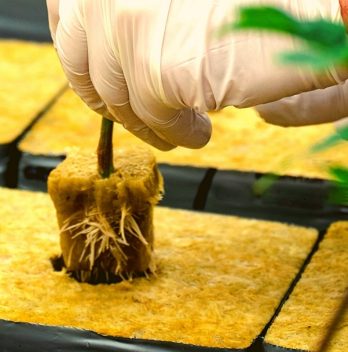
    Starting seeds in Rockwool cubes can be a great process for your plant’s growing experience. Rockwool is a soil-free medium or substrate that can be used for starting seeds. They can as well be used in hydroponics or stem rooting.

    Rockwool offers so many benefits to almost any type of plant which makes it popular and best-loved among most growers.

    This article attempts to enlighten you on germinating seeds in Rockwool cubes and more, so read on to learn.

    Let Us Get To Know What Rockwool Cubes Are

    Rockwool is made from spinning chalk and basalt rock, which are then formed into a thick mat of natural fibers. The combinations are made to look like the consistency of cotton candy. The spun fibers are then combined with a binding agent. The materials are pressed and formed into cubes which we know as Rockwool cubes. Mostly, Rockwool cubes can come in one or two inches sizes: although, you can also obtain bigger Rockwool cubes of about four inches.

    The smallest Rockwool sizes are the most appropriate for starting seeds, leaf cuttings, and stem propagation. Bigger rock wool cubes are mainly used to grow denser plants.

    Get to Know What Rockwool Cubes Are

    A Guide On Germinating Seeds In Rockwool Cubes

    It is important to know how to germinate seeds for hydroponics with rockwool. Seed germination (whether for hydroponics or conventional soil planting) requirements can sometimes demand careful and precise planning or processes. Take for instance moisture requirements: moisture is an essential factor when it comes to seed germination. 

    Therefore, a Rockwool cube is a great choice to use in germinating seeds because it can retain moisture. Rockwool cubes will keep your seeds moist while preventing them from sitting in a waterlogged environment. They can retain just the right amount of water to keep your seeds from drying out thereby improving seed germination.

    Read more about How to Use Rapid Rooters Plugs

    How To Start Seeds In Rockwool

    • The first step to take in germinating seeds in Rockwool cubes is the preparation of the Rockwool cubes. Rockwool cubes need to be soaked in pH-adjusted reverse osmosis water before use. They don’t require too much soaking; however, ensure the cubes are fully absorbed in water.
    • Soaking is required because rockwool cubes usually have a high pH of about 7.8 but your seeds will require a pH of 5.5 which is a slightly acidic medium. This way, your seeds will have the best chance of germinating and sprouting appropriately.

    • Remove the Rockwool cubes from the soaked water and give them a gentle shake to take off the excess water. However, don’t squeeze them. Now your cubes are ready to be placed in your germinating tray.
    • Most rockwool cubes have holes in them, so get your seeds and drop them into the holes of the Rockwool cubes. With a toothpick or other identical objects, gently push down the seeds to the bottom holes.
    • Now squeeze the rockwool hole to close them or simply break off a little piece of the Rockwool from the sides to cover the top. The seeds need to be placed in a dark environment.
    • Next, cover the rockwool cubes with a humidity dome so that they can maintain a humid environment. Keep them at 70 to 80 degrees. Now you can place them in a gentle grow light.
    • You can maintain a moist environment by misting them with a spray bottle whenever you notice them drying out. Sprouting should be noticed after a couple of days, depending on the plant seeds that you are germinating.

    Benefits Of Start Seeds In Rockwool

    Here are the benefits your seeds stand to enjoy by using rockwool cubes for germinating seeds.

    • Water Retention: Rockwool cubes have excellent water retention capacity which is very essential for the germination of your seeds. At the same time, Rockwool will not waterlog your system. It can drain excess water, retaining just the right amount of water needed by your seeds to germinate.
    • Air Circulation: Rockwool cubes will provide good air circulation and oxygenation of the root system.
    • Clean: Rockwool is a clean or sterile medium and it doesn’t have any weeds, pathogens, or pests.
    • Reusable: Rockwool cubes don’t decompose over time. Therefore, it can be reused over again.
    • Safe: they are made from natural materials. Thus, it is very safe to use for your germinating seeds because it doesn’t contain any toxic substances.

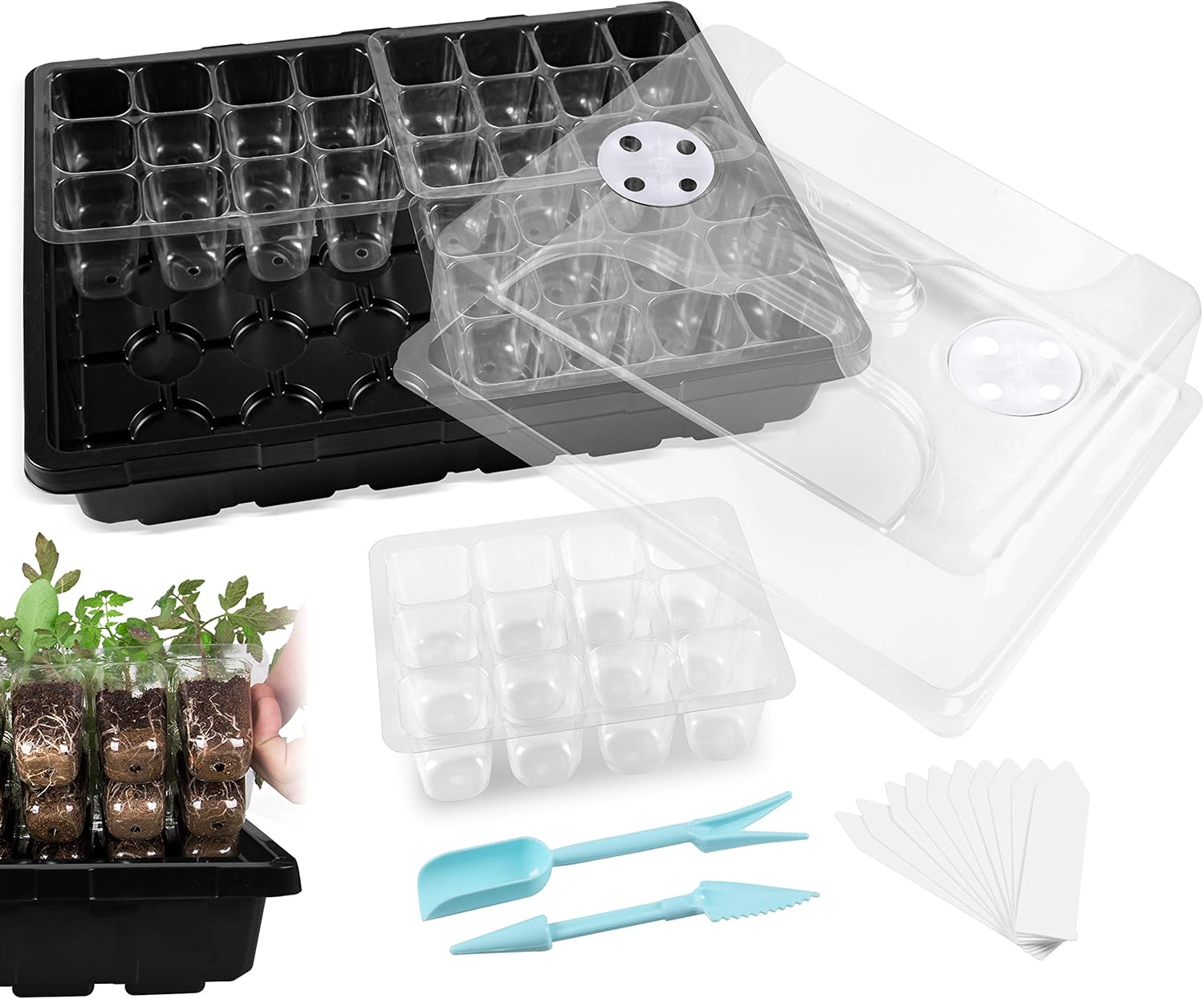
    Sturdy Seed Starter Tray With Humidity Dome Seedling Trays

    81WFa5tuqjL. AC SL1500

    Common Problems With Germinating Seeds In Rockwool

    While rockwool is a very reliable medium to use for germinating seeds, it is not without its fair share of troubles. Here are some of the most common problems and how you can tackle them head-on if you ever experience seeds not sprouting in rock wool.

    • Temperature

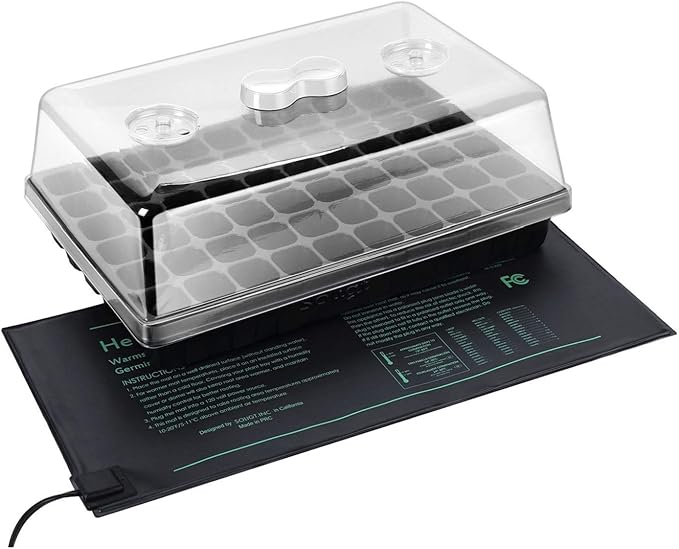
    One of the most popular problems associated with seeds not sprouting in rockwool is the temperature. It could be that the temperature is too hot or too cold to support germination. If you investigate and find this to be the case with your seeds not sprouting, move your rockwool cubes into a warmer or colder environment as required. If this is not possible, you can purchase a germination chamber such as this one which comes with a heat mat tray that can be used to attain more favorable temperatures, especially in colder climates.

    • Poor seed quality

    Sometimes all the conditions may be right in your rockwool cubes, but if the seeds are of poor quality, the rate of germination will be low or completely zero. Poor seed quality is mostly due to the degradation of the seed. This usually happens over time. Seed death or degradation starts to happen as soon as the seed is mature and viable.

    Generally, seeds will have high germination rates for the 2-3 years of their lives with an average of 80% success. Once this rate hits about 75%, the seeds start to lose their ability to germinate quickly. As a result, old seeds have poor quality and will not germinate properly. Be sure to use the freshest and newest seeds to germinate in rockwool.

    To try and increase the shelf life of your seedlings, carefully store them in airtight glass jars and place them in the refrigerator or freeze them. You can put a little bit of powdered milk or wrap the seeds in a paper towel to absorb excess moisture.

    • pH Imbalance

    Rockwool has a naturally high pH, which makes it highly alkaline when wet. A lot of seeds germinate poorly in alkaline conditions and prefer slightly acidic ones. To get the right pH for your plants, irrigate the rockwool cubes with an acidic nutrient solution to re-balance the pH of the growing environment.

    • Mold

    Although rockwool has a high moisture content that prevents plant roots from dying out, this moisture can promote the growth of fungi. These fungi will encourage seeds to mold and rot instead of germinating properly. If you notice mold starting to form, irrigate less.

    • Insufficient airflow

    Insufficient airflow through the Rockwool cubes can also create problems for seed germination. To prevent this issue from occurring, avoid crushing or compressing your rockwool so that it retains enough air pockets to allow for sufficient airflow.

    What Is The Best Time To Transplant Rockwool Seedlings

    Knowing when to transplant rockwool seedlings is an important determining factor in getting good survival rates for transplanted seedlings. 

    Transplant seedlings when they reach a height of about 2-3 inches in height. Also, check that the roots of the seedlings are beginning to poke out at the bottom of the cubes. By this time, they should also have developed a full set of two to three sets of true leaves.

    After your seedlings in the rockwool cubes have developed and are ready to transplant, simply plug the cubes and plant them directly into your grow sites and your plants are ready to go!

    How To Care For Seedlings In Rockwool

    Taking good care of seedlings post-germination is also important to ensure a successful crop. Here are the measures that you need to take to;

    • Before you need to transplant the seedlings, place the Rockwool cubes in a nursery tray and cover it with a humidity done to ensure that the moisture stays locked in and the Rockwool never runs dry
    • Maintain an environmental temperature of between 70 and 80 degrees Fahrenheit 
    • Keep the rockwool cubes moist by consistently spraying them with water every few days when you notice them starting to dry out.
    • Remove the Rockwool cubes from the humidity cube and place them under the light as soon as the seeds start to sprout

    Closing Remarks- Starting Seeds In Rockwool Cubes

    Rockwool cubes are a great substrate for seed starters. They are safe and will provide your seed with good moisture and oxygen for optimal germination.

    They come in various sizes and shapes and they can blend into different growing systems. So, give your seeds an excellent germinating chance with Rockwool.

    FAQ’s

    Why won’t my seeds germinate in rockwool?

    The problem might be that they are not getting enough light. Rockwool is a great product for growing plants and it has been used for centuries. It’s made from ground-up volcanic rock so it provides nutrients and structure for plants to grow. It also helps maintain moisture in the growing medium. There are many different types of rockwool, each with its own unique properties.

    Rockwool is like a sponge and absorbs all moisture from the air. It’s great for storing seeds but if you put them in it they won’t get a chance to germinate. You need to keep your seed starting containers dry and make sure you water the soil before you cover the seeds with the rockwool. I would use vermiculite for a seed starting medium because it’s a bit drier than the rockwool.

    Do seedlings need nutrients in rockwool?

    As long as they are not sitting in wet rockwool, yes. If you do not want to water them, use a bulb planter and keep them in a shaded area. If you’re going to be transplanting them to larger containers, you can add some nutrients to the potting mix if you want to. If you have the fertilizer that comes with the plant, that will be fine. You could also use a diluted liquid fertilizer such as a 10-10-10.

    How often should you water seedlings in rockwool?

    Rockwool needs more frequent watering than soil because it does not absorb water as well. It is best to water your Rockwool when the top inch or so of the material is wet, which usually happens within 24 hours. It is important to keep the surface of the material damp, but not wet. If the Rockwool dries out too much, it will crack and become brittle. If you see a rockwool plant that appears to be drying out, cut off the top few inches and let it dry out again before re-watering. Once you have cut back on the water supply, wait for the top inch or so of the material to be wet again, and then re-water. You can also use a spray bottle with a fine mist setting to apply water directly to the Rockwool.

    Can I start seeds in rockwool cubes?

    It would be fine as long as you keep it moist enough. I think it should be fine to use sand or even peat moss as long as it’s not very wet. As far as keeping it moist, I have a few suggestions:
    1. You can put a humidifier in the room where the cubes are.
    2. You can put a small fan in the room with the cubes and blow on them.
    3. You can use a misting system (like a misting bottle). I’ve heard of people putting plastic bags over their plants and then cutting holes in the bags to spray water into. That way the plant doesn’t dry out.

  • How To Use Ph Up And Down In Hydroponics – The Perfect Adjustment

    How To Use Ph Up And Down In Hydroponics – The Perfect Adjustment

    When it comes to hydroponics, learning how to use pH up and down is essential to maintaining healthy plants throughout their growing process.

    The pH is one of the most important aspects to consider when growing your plants. It can be used to determine the overall health of the plants. If your water has a high pH, it can mean that you are having trouble keeping your roots healthy.

    There are many reasons why your pH may be off. Your tap water could have a higher pH than normal, which is due to the alkalinity of the water.

    What Does pH Mean?

    pH is a measure of acidity or alkalinity in an aqueous solution and can be expressed as a number from 0 to 14. A pH between 7 and 8 is considered neutral (or neither acidic nor alkaline). The lower the pH, the more acidic the solution is, and the higher the pH, the more alkaline the solution is.

    In hydroponics, you want your nutrient solution to be around 5 or 6 pH.  Your plants need the proper balance of nutrients and minerals to grow optimally. If the pH is too high or too low, it can lead to nutrient deficiencies and disease.

    How Do pH Up And Down In Hydroponics?

    1. Buying pH Up and Down

    Many gardening stores and online retailers sell a product called pH Up and Down. It features two bottles of liquid, one for increasing pH levels and one for decreasing pH levels. This product allows you to adjust the pH levels for your plants by adding base or acid.

    After testing your water or soil, you can add either a small amount of base or acid. Add just one drop at a time before you achieve your desired pH levels. Be sure to thoroughly read the instructions before using.

    2. The easiest way is to use a pH meter

    A pH meter is an easy-to-use, inexpensive tool that helps you determine the exact pH of your nutrient solution.  You simply add the meter to the water or soil you are testing and follow the instructions on the label. The meter will tell you the exact pH of the solution.

    You can find pH meters online, in superstores, and in most gardening centers. They are generally easy to use and efficient.

    3. Another option is to use an inexpensive aquarium pH controller

    These are available in stores or online. They are easy to use and work well for small systems. They come with a built-in pH meter. They not only monitor but also control the pH level of water.

    You will need to calibrate them every once in a while.  You can do this by adding some water with a known pH to the tank and then adding the controller.

    4. Another option is to use a soil pH indicator

    These are available at most garden centers or online. They are very cheap and work well for small systems. It works by inserting a small strips into the solution. 

    The strip will then indicate the pH level of your soil. The colors of the strip will indicate the pH level of your soil after testing.

    5. An even better option is to use an auto-pH controller

    An auto-pH controller is an automated pH correction system that automatically monitors and adjusts the pH in your solution. These controllers can be purchased from most hydroponic supply stores. They are very easy to use, require no maintenance, and will make sure you have a perfect pH in your solution every time.

    Amazon Choice
    SONKIR Soil pH Meter, MS02 3-in-1 Soil Moisture/Light/pH Tester Gardening Tool Kits for Plant Care, Great for Garden, Lawn, Farm, Indoor & Outdoor Use (Green)
    $7.97
    • 3 METERS IN ONE: Soil moisture level, Soil pH value and Sunlight level could be tested easily according to your need by switching the function button of this soil meter.
    • NO BATTERY NEEDED: Simply insert the meter into soil, wait few minutes, accurate test results will be displayed on the readout panel. No battery is needed.


    We earn a commission if you make a purchase, at no additional cost to you.
    02/11/2026 04:04 pm GMT

    How Do I Keep My Hydroponic Plants Happy?

    Keep your plants healthy with proper nutrition.  Make sure you use a balanced fertilizer that has all the nutrients your plants need.  Use a good-quality liquid fertilizer that will not contain any harmful chemicals. The best way to ensure that your plants get the nutrients they need is to use a nutrient solution that has all the required nutrients in the proper balance.

    One of the most important parts of keeping your plants healthy is to make sure they have enough light.  If you are using a grow light, be sure to adjust it so that it shines on the plants evenly.  Many types of plants need direct, full light to grow at their maximum rate.

    It is also important to keep the hydroponic water temperature for your plants at 65 to 80°F.  If you are growing indoors, make sure that your lights are set on a timer so that the lights turn off and on automatically each day.

    Keep your plants healthy by adding fresh air.  Make sure to open the windows in your grow room as often as possible to provide plenty of fresh air.  If possible, most plants will also benefit from a few hours outside every day.

    In Summary – pH Up And Down

    The ph up and down in hydroponics as we have learned above is essential for the growth of these plants. Hydroponics being a sensitive method to grow plants fast requires the proper growing conditions otherwise the plants will fail.

    ph up and down solution

    FAQs

    How to use ph up and ph down?

    After testing your water or soil, you can add either a small amount of base or acid from your pH up and down kit. Add just one drop at a time before you achieve your desired pH levels. Be sure to thoroughly read the instructions before using pH up and down in your garden.

    What happens if you use ph up and down in the same water?

    In this case, the command ph up will be ignored and the ph down will be executed.

  • Planting Lettuce Seeds

    Planting Lettuce Seeds

    Planting lettuce seeds can be easy for you if you’ve got the right knowledge. Lettuce is a great addition to one’s stock of vegetable garden at home because of its health benefits.

    Hence there comes the importance of attaching them to having them in your kitchen. It’s a crop that likes the cool weather, hence it’s better to plant your lettuce seeds during spring and fall.

    Growing lettuce from seeds to becoming a full crop is known to be one of the easiest. Lettuce seeds grow very fast, in fact, you can start harvesting the baby greens within a month of planting.

    But on average, they take up to 40 to 50 days to mature. The types that are larger or that produce head needs more time to get to maturity. This should be between 60 to 80 days.

    Growing lettuce is beneficial. That is why having them in your garden will provide you with fresh homegrown organic greens for months. So let’s take a look at the process of planting lettuce seeds.

    Different Types Of Lettuce Seeds To Plant

    The lettuce seeds come in varieties that you can choose from. You can find them on seed racks and catalogs, just choose the one that is suits your preference and your regional climate.

    The leaf lettuce still remains the best because of how fast it grows. It also gives you the privilege of having a steady supply of luscious greens for weeks. Let’s look further into the various types of lettuce seeds.

    • Oakleaf: The oakleaf lettuce can be grown as leaf lettuce and can be continuously harvested while growing. It is better to start harvesting it because the plants will produce full-sized heads when they are left to mature. Depending on the variety the leaves can be either red or green and also take the form of oak leaves.
    • Looseleaf: The looseleaf is one of the types of lettuce that can be grown easily. It also grows very fast as it only takes between 5 to 6 weeks to produce large loose heads.
    Different Types Of Lettuce Seeds To Plant - Looseleaf
    • Butterhead: Also called Boston or Bibb, produces beautiful heads with loose soft crisp leaves. The butterhead has varieties that can be grown in regions with high temperatures, suitably during summer. It also has varieties that can be grown in cold regions, suitable for winter.
    • Iceberg: Also known as crisphead lettuce is not an easy variety to grow but you can be lucky with it.
    • Romaine: The romaine lettuce produces tightly closed heads. This variety is known to be an important ingredient in making Caesar salad.
    • Summer Crisp: The summer crisp type is also known as Batavia lettuces. This type looks so much like the loose-leaf type while growing. They begin to produce lovely rounded heads as they grow to maturity. The summer crisp has varieties that can be grown in regions with high temperatures, preferably during summer.

    Planting Lettuce Seeds

    Lettuce is a type of crop that thrives in cool weather. Hence, the best time to grow lettuce is during spring and fall. In temperatures as low as 40 F, your lettuce seeds will germinate.

    But the best temperature for growing and germination is from 60 F and 65 F. To get a successful outcome at growing lettuce, start by choosing a location that gets up to six to eight hours of sunlight. You can also grow your lettuce in a shady spot but must get three to four hours of sun.

    AeroGarden Mixed Romaine Lettuce Seed Pod Kit

    Planting Lettuce Seeds

    But if there’s not enough sunlight, it will be advisable to plant looseleaf varieties. This is because they grow more quickly than the varieties that produce heads. The next thing should be to mix in one or two inches of compost in your garden bed. You may also mix in organic fertilizer with slow release.

    Growing lettuce in containers is also a great idea. This is because the plant has a shallow root system. Lettuce can be grown in pots, baskets, window boxes, or fabric planters. Using any type of container that is four to six inches deep with holes for drainage is also fine.

    In order to be able to harvest your crop early, get plastic or fabric-covered mini tunnels to cover your garden beds. This way, you can trap in solar energy. It can also help to protect your plants from low temperatures and frost during early spring or fall.

    Methods For Planting Lettuce Seeds

    Lettuce seeds can be planted in two ways. They are:

    • Direct Sowing Lettuce Seeds

    This involves directly planting lettuce seeds in garden beds or containers. For direct planting of varieties of seeds of lettuce that produce heads in rows, give the seeds space of two inches apart. This should depend on the varieties you’re planting though.

    Endeavor not to plant the seeds deep down in the soil, remember they need the sunlight to sprout. Go ahead and pour a little amount of soil on your seeds. You can begin thinning when your seedlings are growing well.

    • Transplanting Lettuce Seedlings

    This on the other hand entails transplanting lettuce seedlings that were started indoors or bought from a garden center. You can start by transplanting your seedlings into your garden beds or containers in a grid form. Endeavor to give space of at least ten inches between each seedling.

    If you’re transplanting multicolored varieties, you can bring creativity to play by arranging the colors to form a checkerboard pattern.

    Remember to take note of the specific spacing instructions on the packet of the seeds you bought. Hence, if you’re transplanting in rows, depending on how mature in size of each variety is, give your seedlings space of ten to twelve inches each. And then space the rows by twelve to eighteen inches.

    Check Out The High Phosphorous Fertilizer – King Of Gardening

    Spacing Your Lettuce Plants

    Start thinning your lettuce seedlings once they begin to grow well. Doing this will allow the plants enough space for them to produce good-sized heads when they mature. The ideal spacing should be ten to twelve inches but you can still check the seed packet for specific spacing instructions for each variety.

    If you’re growing baby lettuce, make the spacing between each plant a bit closer at about six to eight inches because of the formation of heads. Romaine lettuce can be grown successfully with this method as this type of lettuce produces tight heads.

    Spacing Your Lettuce Plants

    Conclusion On Planting Lettuce Seeds

    Now that you know a lot about planting lettuce seeds, you can go ahead and enjoy several weeks of luscious, tender, and mild-tasting lettuce from your garden.

    FAQ’s

    How long from planting seeds to picking lettuce?

    Lettuce seeds grow very fast and you can start harvesting your crops as early as possible, depending on the variety you have. The baby can be harvested within a month of planting but for them to mature they take up to 40 to 50 days. But the types that produce heads need more time to get to full maturity which is between 60 to 80 days.

    When to start planting lettuce seeds?

    You can start planting lettuce seeds in spring and fall. Lettuce seeds will definitely germinate in temperatures as low as 40 F. But the best temperatures for planting and growing lettuce seeds are between 60 F and 65 F.

    How many planting seeds yield one lettuce?

    For seed sown directly into the soil, you should have about 10 seeds per foot.

    Can lettuce seeds be planted directly in the ground?

    Sowing lettuce seed directly on the ground is ideal. Sometimes, transplanting lettuce seedlings might not be easy because the seedlings are quite fragile.

  • Ebb And Flow Hydro Systems

    Ebb And Flow Hydro Systems

    Hydroponics gardens are excellent ways of growing different plants without soil and ebb and flow hydro systems are one type of hydroponic system. Ebb and flow hydro systems are fairly easy to use if you have the right knowledge and you can set them up easily.

    Ebb and flow hydro systems are a versatile hydroponic system that is widely recognized and they are also regarded as flood and drain systems.

    Understanding the principle of ebb and flow system setup is a great way to go about building, using, and maintaining this hydroponic system.

    In this article, you will find out how to set up an ebb and flow system, the advantages and disadvantages of it, the best growing medium to use for this system, and so on. So, let’s delve in and discuss more on the ebb and flow hydro system.

    Ebb And Flow Hydroponic System

    As we mentioned, the ebb and flow hydro system is a type of hydroponics system and it is also referred to as a flood and drain system.

    This type of hydroponic is a versatile system as it can accommodate containers or pots of different sizes. They can even be customized to grow just about any kind of plant and achieve great results.

    How Do You Set Up An Ebb And Flow Hydroponic System?

    The setup of ebb and flow may vary depending on how you wish to customize your setup. However, you should know that all these different set up works under the same concept.

    The main components to set up an ebb and flow system are plant tray, timer, nutrient solution reservoir, and submersible pump.

    ·         Plant Or Flood Tray

    This plant tray is a big and shallow container. It is also referred to as the flood tray. This is where the plants are placed in pots that are perforated and filled with growing medium. The flood or plant tray is always flooded by pumping nutrient-filled water from the reservoir below.

    So, the nutrient-filled water flows from the pot below up into the plant’s root. Then the water is drained back outside and this allows the root of the plant to become dry and receives oxygen. Then after this, the tray is flooded again and the mechanism continues.

    ·         Reservoir, Timer, And Submersible Pump Action

    Directly below the flood or plant tray, you will find the reservoir. The setup from the reservoir connects to the flood tray through a drain tube or fill tube. The drain tube is connected to the submersible pump with a timer. This timer help control the flow of water up into the flood tray.

    Then the power of gravity allows the tube to be pulled back out and drained into the reservoir once the plant tray has been flooded. So, the water is reused as this mechanism is repeated time and time again.

    Hydrofarm Active Aqua Grow Flow Ebb & GRO 12 Site 2Gal Hydroponic System

    71uSWfgV9ZL. AC SX569

    This nutrient-filled water from the reservoir can be reused for up to a week. But the nutrient-filled water will need to be changed so to maintain and renew nutrients for the plants.

    Customization of your ebb and flow hydro system is possible with the timer and submersible pump. It allows you to control the length and frequency of watering according to your garden or plant needs.

    Check Out When To Harvest Oyster Mushrooms – Guide On The Best Harvest Time

    What Is The Best Grow Medium For Ebb And Flow?

    When it comes to the best-growing media to be used in your ebb and flow hydro systems, any grow media is actually great to be used. Anything from coco coir to Hydroton, perlite, Rockwool, oasis cubes, and so on.

    What Is A Major Advantage Of The Ebb And Flow System?

    We have discussed the setup of ebb and flow hydro systems. Now let’s delve into the advantages they offer:

    • Affordability: this type of hydro system is pretty affordable and efficient. It is a low-cost hydroponic system that can save you money especially if you build it yourself.
    • No expertise is Needed: you don’t need to be an expert to set up the ebb and flow hydro system. This is in comparison to other complex and expensive hydroponic system that usually requires the knowledge of an expert. Hence, it is easy to build a hydroponic system.
    • Easy Operation: the operation of this hydroponic system is also pretty easy. Just make sure optimal nutrient solution is always available to your plants.
    What Is A Major Advantage Of The Ebb And Flow System
    • Abundant Nutrient Supply for Plants: additionally, your plants get abundant nutrient supply because of the flood and drain concept. Your plant or grow tray is frequently flooded with nutrient-filled water. This is beneficial to plants such as strawberries that need heavy loads of nutrients.
    • Little to no Technical Assistance or Supervision: again, this hydro system doesn’t need too much supervision and maintenance. Therefore, little to no technical assistance will be required. When it comes to using these ebb and flow hydro systems, your chances of achieving great success with plants that don’t do well in other hydroponic systems are increased. For instance, you can grow plants such as beans, tomatoes, cucumbers, and other media to large-sized plants.

    Read more about Vertical Hydroponics System

    What Are The Disadvantages Of Ebb And Flow?

    Even though ebb and flow hydro systems offer great benefits, there are still some cons to this hydroponic system. They include:

    1. Possible PH Fluctuation: There is the possibility of pH fluctuation if the system fails. It may cause water to overflow into the containers and consequently flood the pants in your flood trays. Hence, this causes unbearable pH that can have harmful effects on your farm.
    2. Possible Power Failure: Any equipment failure that may be due to power failure can cause your system not to operate. Thereby causing system failure.
    3. Possible Breakdown of The System: Your ebb and flow system may break down due to any little mistake. This is why you need to be extra careful with setting up your system. The most common breakdown experienced by most growers is with their pumping machines.
    What Are The Disadvantages Of Ebb And Flow

    Conclusion

    Ebb and flow hydro systems are easy to use hydroponic and they are also cost-effective. This hydroponic system is versatile and customizable. Hence, this makes it an excellent choice for hobbyist hydroponic rowers.

    FAQ’S

    How Do You Set Up An Ebb And Flow Hydroponic System?

    The set up of ebb and flow may vary depending on how you wish to customize your set up. However, you should know that all these different set up works under the same concept.
    The main components to set up an ebb and flow system are plant tray, timer, nutrient solution reservoir, and submersible pump.
    ‱ Plant or flood tray
    This plant tray is a big and shallow container. It is also referred to as the flood tray. This is where the plants are placed in pots that are perforated and filled with growing medium. The flood or plant tray is always flooded by pumping nutrient-filled water from the reservoir below.
    So, the nutrient-filled water flows from the pot below up into the plant’s root. Then the water is drained back outside and this allows the root of the plant to become dry and receives oxygen. Then after this, the tray is flooded again and the mechanism continues.
    ‱ Reservoir, timer, and submersible pump action
    Directly below the flood or plant tray, you will find the reservoir. The set up from the reservoir connects to the flood tray through a drain tube or fill tube. The drain tube is connected to the submersible pump with a timer. This timer help control the flow of water up into the flood tray.
    Then the power of gravity allows the tube to be pulled back out and drained into the reservoir once the plant tray has been flooded. So, the water is reused as this mechanism is repeated time and time again.
    This nutrient-filled water from the reservoir can be reused for up to a week. But the nutrient-filled water will need to be changed so to maintain and renew nutrients for the plants.
    Customization of your ebb and flow hydro system is possible with the timer and submersible pump. It allows you to control the length and frequency of watering according to your garden or plant needs.

    What Are The Disadvantages Of Ebb And Flow?

    Even though ebb and flow hydro systems offer great benefits, there are still some cons to this hydroponic system. They include:
    1. Possible PH fluctuation: there is the possibility of pH fluctuation if the system fails. It may cause water to overflow into the containers and consequently flood the pants in your flood trays. Hence, this causes unbearable pH that can have harmful effects on your farm.
    2. Possible power failure: any equipment failure that may be due to power failure can cause your system not to operate. Thereby causing system failure.
    3. Possible breakdown of the system: your ebb and flow system may break down due to any little mistake. This is why you need to be extra careful with setting up your system. The most common breakdown experienced by most growers is with their pumping machines.

    What Is A Major Advantage Of The Ebb And Flow System?

    We have discussed the set up of ebb and flow hydro systems. Now let’s delve into the advantages they offer:
    1. Affordability: this type of hydro system is pretty affordable and efficient. It is a low cost hydroponic system that can save you money especially if you build it yourself.
    2. No expertise is needed: you don’t need to be an expert to set up the ebb and flow hydro system. This is in comparison to other complex and expensive hydroponic system that usually requires the knowledge of an expert. Hence, it is an easy to build a hydroponic system.
    3. Easy operation: the operation of this hydroponic system is also pretty easy. Just make sure optimal nutrient solution is always available to your plants.
    4. Abundant nutrient supply for plants: additionally, your plants get abundant nutrient supply because of the flood and drain concept. Your plant or grow tray is frequently flooded with nutrient-filled water. This is beneficial to plants such as strawberries that need heavy loads of nutrients.
    5. Little to no technical assistance or supervision: again, this hydro system doesn’t need too much supervision and maintenance. Therefore, little to no technical assistance will be required. When it comes to using these ebb and flow hydro systems, your chances of achieving great success with plants that don’t do well in other hydroponic systems are increased. For instance, you can grow plants such as beans, tomatoes, cucumbers, and other media to large sized plants.

    What Is The Best Grow Medium For Ebb And Flow?

    When it comes to the best growing media to be used in your ebb and flow hydro systems, any grow media is actually great to be used. Anything from coco coir to Hydroton, perlite, Rockwool, oasis cubes, and so on.

  • Hydroponics Medium Types

    Hydroponics Medium Types

    Let’s talk hydroponics medium types. Hydroponics medium is one of the types of growing medium that may be used for growing plants. A growing medium basically involves any solid material which may be fibers, sponge, pebbles, shreds, or barks. These materials are used to hold nutrient solutions and then slowly released to plant roots.

    So, when using the hydroponic system, the grower does not depend on soil to support plants and supply nutrients. You would rather depend on a selected hydroponic media to provide support for the roots and maintain water content.

    While there are different systems of hydroponics you should know about, these systems work on the basis of suitable materials. This means that the growing media you chose for growing your plants will be as important as the system you use them in.

    The hydroponics growing medium involves the selection of a wide variety of growing media to be used. This is a guide on how to use the hydroponic growing media and the hydroponics medium types are also discussed. The strength of the different growing media is also discussed.

    Before we delve into the major hydroponics medium types, let’s discuss what the medium of hydroponics truly means.

    What Is The Medium Of Hydroponics?

    The growing medium of hydroponics involves a system where the plant growing medium takes the place of soil. The medium does not act as a nutrient provider like the soil but serves as a support to keep the plant upright. Virtually inert materials are used as a growing medium.

    The Hydroponics growing medium basically involves a simple soil-less material that is largely porous. This feature makes it possible for moisture and oxygen to be well circulated to the root system of the plant. Where a non-porous hydroponic material is used, there will be a need for more watering.

    The use of hydroponics growing medium and continuous watering of plants with ordinary water will not yield fruits. For you to get any meaningful result, you must water the plant with nutrient-filled nutrients. This is because, unlike the soil, the hydroponics medium lacks nutrients for growth.

    Although it cannot be said that one hydroponic growing media is better than another, some are easier to use. There are however a lot of factors that must be considered when picking a growing media. The system with which you will use it, and how it’s designed are big factors to consider.

    The goal of a hydroponic system is basically to keep the roots of plants moist- not saturated nor soggy. Where the growing system allows for too much water, the roots will suffocate from lack of oxygen. This would very easily lead to root dying or rot.

    Major Hydroponic Growing Media

    The following are the major types of hydroponics growing media:

    ·         Coconut Coir

    Also referred to as coco coir; it is made from the outer husk of coconuts. Coco coir is a byproduct made from the rough, brown, fibrous husks of coconuts. It is an entirely organic material that holds water exceptionally well and allows for proper aeration. It is also an eco-friendly material, completely renewable, and can easily be composted when no longer needed. Most users use it alongside other media like perlite for best results.

    Coco Bliss Premium Coconut Coir Pith 10 lbs Brick/Block

    Hydroponics Medium Types

    ·         Rockwool – Hydroponics Medium Types

    This is a fascinating material for hydroponic growing media for plants. This material is created by melting rock and thereafter spinning it into fibers. The Rockwool fibers are thereafter compressed into cubes of different sizes used for hydroponic plant growing.

    This media has good water retention abilities and excellent aeration. The drawbacks of this media are that it is not environmentally friendly and it has high pH content. The dust from the fiber may also cause a serious irritant to the eyes.

    ·         Expanded Clay Pellets

    This is one of the most used hydroponic media used in recent times. It is made by expanding clay so as to form round balls of porous material. The clay pellets have the advantage of having a neutral pH level, being reusable, and releasing almost no nutrients to the soil.

    ·         Rocks And Gravel

    Natural rocks gravel processed from rocks such as perlite and vermiculite are also used as growing media. They have the advantage of being cheap, readily available, and drain very well. The downside however is that they are heavy and hold very little water. This makes them very undesirable in systems where the root relies on some water.

    ·         Perlite – Hydroponics Medium Types

    This is one of the most common growing media. Perlite is usually made from volcanic glass. When the volcanic glass which normally contains tiny pockets of water is subjected to high temperature, the water expands.

    This expansion creates thousands of tiny pores from which perlite is gotten. Due to the small size of the perlite, it is used to add drainage, water, and air to a plant growing medium.

    Major Hydroponic Growing Media - Perlite

    Hydroponic Growing Medium Alternatives

    If you are not interested in using hydroponic growing media, you may consider the use of hydroponic alternatives. Below are some growing alternatives:

    • Sawdust: the use of sawdust has recorded some success as a hydroponic growing medium alternative. There are lots of factors that come into play in determining how well this works. The type of wood used and how pure such wood was are a few. Also, there is a high possibility of sawdust being contaminated by diseases or pathogens.
    • Rice Hulls: this is the byproduct of the rice milling process. This process usually involves the use of the coating of unprocessed rice which has peeled off. This alternative is usually used in places where rice processing is largely a practice.
    • Sand: sand is another widely used alternative to the hydroponic growing medium. One major con with the use of sand is that it lacks the ability to retain water and it has very poor aeration abilities. Sand is usually packed together making it difficult for roots to be exposed to air. It however has the advantage of being readily available.
    Hydroponic Growing Medium Alternatives

    Hydroponics Medium Types Conclusion

    Hydroponics Medium is a system as you have seen above that can be used for plant cultivation. It largely involves the absence of soil when growing plants. It offers plants the advantage of media with water retention abilities and excellent aeration.

    Some of the major hydroponic media and their alternatives are discussed above. If you are interested in trying out this method of plant cultivation, this should be a good guide for you.

    FAQ’s

    What Is The Medium Of Hydroponics?

    The growing medium of hydroponics involves a system where the plant growing medium takes the place of soil. The medium does not act as a nutrient provider like the soil but serves as a support to keep the plant upright. Virtually inert materials are used as a growing medium.
    The Hydroponics growing medium basically involves a simple soil-less material that is largely porous. This feature makes it possible for moisture and oxygen to be well circulated to the root system of the plant. Where a non-porous hydroponic material is used, there will be a need for more watering.
    The use of hydroponics growing medium and continuous watering of plants with ordinary water will not yield fruits. For you to get any meaningful result, you must water the plant with nutrient-filled nutrients. This is because, unlike the soil, the hydroponics medium lacks nutrients for growth.
    Although it cannot be said that one hydroponic growing media is better than another, some are easier to use. There are however a lot of factors that must be considered when picking a growing media. The system with which you will use it, and how it’s designed are big factors to consider.
    The goal of a hydroponic system is basically to keep the roots of plants moist- not saturated nor soggy. Where the growing system allows for too much water, the roots will suffocate from lack of oxygen. This would very easily lead to root dying or rot.

  • Hydroponic Nutrient Chart For Vegetables – Helpful Guide To Follow

    Hydroponic Nutrient Chart For Vegetables – Helpful Guide To Follow

    Hydroponic nutrient chart for vegetables can help guide you on the nutrient regime to give your vegetable plants. We will be giving you a helpful tip on the hydroponic nutrient chart here for your vegetables so you can have proper guidance on the nutrients to provide your plants so they can flourish and yield great results.

    Hydroponics majorly deals with growing plants in the absence of soil in which soil is replaced by water. The nutrient solution is usually dissolved in this water and it supplies the plant the required nutrient to grow.

    But do you actually know the type or amount of nutrient plan to supply your vegetables? Let’s delve into the hydroponic nutrient chart for vegetables to know more about this.

    Hydroponic Nutrients Guide

    It is crucial to supply the right balance of nutrients and amounts of nutrient solution in your hydroponic garden. This is important so your plants can grow well. Plants have various needs.

    Here are some tips to guide you when it comes to hydroponic nutrient needs for your hydroponic gardening.

    Hydroponic Nutrients Guide
    • Basic Nutrients

    The basic nutrients are one of the most essential needs of a plant. They are responsible for the biological process that plants needs for survival. Plants need to respire, obtain moisture, and photosynthesize just to survive.

    These basic nutrients responsible for the biological process of plants include hydrogen, oxygen, carbon, and nitrogen. They need to be taken care of first because, without them, plants will die. But plants can still live without other remaining nutrients but they just won’t thrive properly.

    • Macro-nutrients And Micro-nutrients

    So macro and micro-nutrients are the remaining nutrients needed by plants. Macro-nutrients include nitrogen, potassium, phosphorous, calcium, sulfur, and magnesium. Then micro-nutrients include iron, zinc, boron, and manganese.

    What Nutrients For Hydroponic Vegetables?

    The nutrients that your hydroponic vegetables require include nitrogen, phosphorous, potassium, calcium, sulfur, zinc, manganese, and zinc. All these nutrients can help improve the growth and quality of your vegetables.

    Hydroponic Nutrient Chart For Vegetables

    A hydroponic nutrient chart for vegetables has been shown below. So, we’ve given below a chart to describe the nutrient regime for some of your favorite vegetables;

    S/NPlantPPMECpH
    1Asparagus980- 12601.4- 1.86.0- 6.8
    2Artichokes560-12600.8- 1.86.5- 7.5
    3Broccoli1960- 24502.8- 3.56.0-6.5
    4Basil700- 11201.0-1.65.5-6.5
    5Lettuce560- 8400.8- 1.25.5- 6.5
    6Parsley560-12600.8- 1.85.5- 6.0
    7Spinach1260- 16101.8- 2.35.5- 6.6
    8Swiss chard1260- 16101.8- 2.36.0- 6.5
    9Thyme560- 11200.8-1.65.5- 7.0
    10Watercress280- 12600.4- 1.86.5- 6.8
    • PH

    We have also added the pH chart because nutrient and pH usually comes hand in hand. The right pH helps in the appropriate absorption or intake of nutrients by your plants.

    • EC And PPM

    Electrical conductivity, EC, measures the level of salt or nutrient in your hydroponic system. Hence, it is an indirect way of measuring the concentration of the nutrient solution. So, the electrical conductivity of your nutrient solution is measured using an EC meter.

    After measuring the electrical conductivity of the nutrient solution, the value gotten is then converted to a measure of the total dissolved solids in PPM (i.e. part per million).

    Using an EC meter can help in ensuring your nutrient solution is in the right concentration and remain at this state over time. Therefore, you don’t have to worry about nutrients becoming too concentrated.

    How Much Nutrients Do I Need For Hydroponics?

    The amount of nutrients supplied to your hydroponic plants can make a big difference in their outcome. Too little nutrients can hinder your plants from attaining their peak. Then too much nutrient can fry your plants.

    Hydroponic gardening is based on water rather than soil and this water has nutrients that have been dissolved into them. But the question we would like to know is the amount of nutrient solution is needed in your hydroponic garden?

    The answer mainly depends on some factors and they include:

    ·         Reservoir Size

    The size of your hydroponic reservoir is one major determining factor when it comes to how much nutrients your plant needs. Generally, for a 16 gallon of water, you will need around 1 to 2 cups of pre-mixed liquid nutrient solution.

    ·         Plant’s Stage

    The plant stage is another factor to consider. The plant has different growth stages such as seedling stage, flowering stage, vegetative stage, fruiting stage, and so on. Each of these plant stages requires different nutrient amounts. You can buy a pre-mixed nutrient solution or you can make one by yourself.

    When using a pre-mixed solution, you can go for multiple prepared solutions just to achieve your desired ratio.

    On the other hand, when using a prepared hydroponic nutrient solution, it is important to follow the instructions on the label. This is to determine the right amount of nutrients for your reservoir.

    Ideally, less amount of nutrients should be supplied during the early part of your plant’s life cycle. Then you will need to increase the nutrient plan once your plant has reached the big or major part of its growth. While you’re at it, ensure you start with less and increase it along the line so you don’t overdo the nutrient supply.

    ·         The Type Of Plant

    The type of plant is another determining factor when it comes to the amount of nutrients for your hydroponics. For example, peppers and tomatoes need a bit more fertilizer compared to most vegetables or leafy greens.

    The good thing is that you can get some suggestions about the nutrient plan for the type of plant from the nursery where the plant was purchased.

    General Hydroponics HGC718125 FloraMicro 5-0-1

    Hydroponic Nutrient Chart For Vegetables

    Conclusion On Hydroponic Nutrient Chart For Vegetables

    The hydroponic nutrient chart for vegetables has been explained in this guide. So, if you would love to start a vegetable hydroponic garden for your indoor farming, you can look through our guide.

    Even though the amount or dosage of the nutrient is pretty important, you don’t really have to worry about perfection. There are too many factors that can affect the accurate or precise amount that can lead to a perfect nutrient regime.

    Just ensure you do the best you can to supply your plants with the appropriate amounts of the nutrient regime. Then you can see your plant flourish and enjoy that bountiful harvest.

    FAQs

    How much nutrients do I need for hydroponics?

    The amount of nutrients supplied to your hydroponic plants can make a big difference in their outcome. Too little nutrients can hinder your plants from attaining their peak. Then too much nutrient can fry your plants.
    Hydroponic gardening is based on water rather than soil and this water has nutrients that have been dissolved into them. But the question we would like to know is the amount of nutrient solution is needed in your hydroponic garden?
    The answer mainly depends on some factors and they include;
    ‱ Reservoir size
    The size of your hydroponic reservoir is one major determining factor when it comes to how much nutrients your plant needs. Generally, for a 16 gallon of water, you will need around 1 to 2 cups of pre-mixed liquid nutrient solution.
    ‱ Plant’s stage
    The plant has different growth stages such as seedling stage, flowering stage, vegetative stage, fruiting stage, and so on. Each of these plant stages requires different nutrient amounts. You can buy a pre-mixed nutrient solution or you can make one by yourself.
    When using a pre-mixed solution, you can go for multiple prepared solutions just to achieve your desired ratio.
    On the other hand, when using a prepared hydroponic nutrient solution, it is important to follow the instructions on the label. This is to determine the right amount of nutrients for your reservoir.
    Ideally, less amount of nutrients should be supplied during the early part of your plant’s life cycle. Then you will need to increase the nutrient plan once your plant has reached the big or major part of its growth. While you’re at it, ensure you start with less and increase it along the line so you don’t overdo the nutrient supply.
    ‱ The type of plant
    The type of plant is another determining factor when it comes to the amount of nutrients for your hydroponics. For example, peppers and tomatoes need a bit more fertilizer compared to most vegetables or leafy greens.
    The good thing is that you can get some suggestions about the nutrient plan for the type of plant from the nursery where the plant was purchased.

    What nutrients for hydroponic vegetables?

    The nutrients that your hydroponic vegetables require include nitrogen, phosphorous, potassium, calcium, sulfur, zinc, manganese, and zinc. All these nutrients can help improve the growth and quality of your vegetables.

  • Jalapeno Plant Spacing

    Jalapeno Plant Spacing

    If you plan on planting these spicy peppers in your garden, you will want to know the proper jalapeno plant spacing. Many people enjoy using jalapenos when cooking, as they add a nice kick to food. They can be a great plant to grow in your garden, as they are the most popular chili pepper in North America.

    Jalapenos are great for growing in garden beds or in containers, as they don’t take up much space. Gardners of all experience levels can enjoy growing this pepper plant. They are smaller than other peppers, such as green bells, so they don’t normally need quite as much space, but it is still important to know how far apart to plant jalapenos.

    How Far Apart Do You Plant Jalapeno Peppers?

    Just like any plant in your garden, jalapeno peppers need space in your garden to grow. When spacing jalapeno peppers in your garden, they will need at least 12-18 inches of space. Ideally, you will want to give them 18 inches of space if that is possible.

    Though jalapenos do not need as much space as other peppers, it is still important to give them at least 12-18 inches in your garden bed when planting them. Ideally, the rows should be spaced 24-36 inches apart.

    When the jalapenos reach a height of 12-24 inches, you will want to provide a stake for them. This will help support the plant as it grows in your garden. Jalapenos tend to be more compact as they grow.

    Be sure to regularly weed your garden so that the peppers don’t have to compete with resources with the weeds. Using mulch can be beneficial in your garden, as it can help protect the plants and prevent weeds from growing up. In addition, the mulch can also help the soil retain moisture, which can be beneficial to the growth of your plant.

    How Big Of A Container Do Jalapeno Peppers Need?

    In addition to growing jalapenos in a garden bed, you can also plant them in containers. You will need a pot that is at least 8-10 inches big in order to accommodate the size of the plant. This option is particularly ideal if you live in an apartment or have limited space in your yard for growing plants.

    You may also plant them in large containers as well. Half barrels or even beverage tubs will work well as planters.

    If using one of these, plant the jalapeno seedlings 12 inches apart. Be sure there are at least six inches between the plants on the edge and the corner of the container. Proper jalapeno plant spacing is important when using containers too.

    jalapeno spacing

    How Often Should You Water Jalapeno Peppers?

    Jalapeno pepper plants should receive regular watering throughout the week, at least two inches per week. When watering them, be sure to water the plant deeply so that the roots receive plenty of water.

    Wait to water again until one to two inches of the soil are dry, as you want to avoid overwatering. When the weather gets hot and dry, you may need to water your plant more often. Calcium deficiency can occur due to uneven watering or when the nitrogen levels are too high in the soil.

    Jalapeno peppers should have well-drained soil that is slightly acidic to neutral. The plants tend to prefer soil that is a fine sandy loam.

    It should be rich in organic matter and before planting your seedlings, you should add aged compost to the soil to help boost its nutrients and structure. Before you plant the seedlings, also be sure that the soil is moistened.

    How Much Sun Do They Need?

    You should be growing your jalapeno peppers in a place where they will receive plenty of sun. Ideally, they should be in full sun where they receive six to eight hours of sunlight a day.

    In some cases, extremely hot sun can cause the plant to drop its flowers and lead to sunscald on the pepper. If this happens, provide your plants with a sun shade, or if you are growing them in containers, move the containers to a cooler location.

    How Do You Know When It Is Harvest Time?

    When picking your jalapeno peppers, they should be at least three inches long and dark green in color. As the peppers age, the color will turn reddish and they will also become spicier. The peppers should also be firm when they are ready to be picked.

    You may notice that some of the peppers might have small white lines on them. This is a sign that they are mature and are ready to be eaten, it is not from disease or insects.

    After picking the peppers, cut the stem so it is short, as they will last longer this way. Store the peppers in a loosely closed plastic bag in the fridge to help keep them fresh. Before eating them, be sure to thoroughly wash them off.

    Jalapeno Peppers Plant Seeds for Home Garden Vegetables

    71D88 POp7L. AC SL1001

    Making Sure You Have the Right Jalapeno Plant Spacing

    Making sure you have the right jalapeno spacing is important to ensure your plants will grow healthy and produce an abundance of peppers. Too crowded and your plants will have to fight for resources, which is not an ideal situation. Though jalapenos may be compact and not need as much room as other pepper plants, it is still important that they have enough space in your garden.

    If you are wondering, how far apart to planting jalapenos? While, when planting your jalapenos in your garden bed, you will generally want at least 12-18 inches between the plants. The rows should then be spaced 24-36 inches apart, and then they grow to be 12-24 inches tall, you will want to provide a stake for support.

    If growing a jalapeno plant in a pot, you will want to use one that is at least 8-10 inches big. You can also use half barrels or even beverage tubs as planters, spacing your plants 12 inches apart. Be sure to give them at least two inches of water a week and plant them in full sun.

    Do you have any questions regarding jalapeno plant spacing? If so, please ask any questions regarding growing jalapenos and how to properly space them in the comment section below.

    FAQs

    How Far Apart Do You Plant Jalapeno Peppers? 

    Just like any plant in your garden, jalapeno peppers need space in your garden to grow. When spacing jalapeno peppers in your garden, they will need at least 12-18 inches of space. Ideally, you will want to give them 18 inches of space if that is possible.

    How far apart to plant jalapenos?

    When planting your jalapenos in your garden bed, you will generally want at least 12-18 inches between the plants. The rows should then be spaced 24-36 inches apart and then they grow to be 12-24 inches tall, you will want to provide a stake for support. 

  • What Does Butter Lettuce Look Like?

    What Does Butter Lettuce Look Like?

    Do you know what butter lettuce is? Have you ever wondered what does butter lettuce look like? Butter lettuce is also a type of green lettuce. It is also referred to as Bibb lettuce or butterhead lettuce and this lettuce is also closely related to Boston lettuce.

    Butter lettuce is one kind of lettuce common in the United States along with iceberg lettuce and romaine lettuce. But when it comes to identifying or differentiating butter lettuce from other similar types of lettuce, do you find yourself getting confused?

    Let’s look into what does butter lettuce actually looks like so we can have a clear picture of this lettuce variety. We will also be looking into what the butter lettuce taste like and more details about them. So, let’s look into this.

    What Is Butter Lettuce: What Does Butter Lettuce Look Like

    So, talking about butter lettuce, this lettuce is one popular lettuce type out there. Butter lettuce is a common lettuce variety known in the United States alongside iceberg lettuce and romaine lettuce. It is a kind of green lettuce variety that is healthy and offers great nutritional benefits.

    You may have heard of butter lettuce or you may be familiar with butter lettuce as Bibb lettuce or Boston lettuce. These two lettuces (Bibb and Boston lettuce) fall under the butter lettuce classification.

    What Is Butter Lettuce: What Does Butter Lettuce Look Like

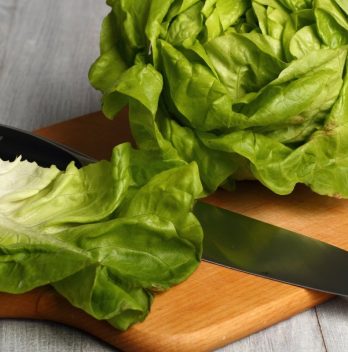
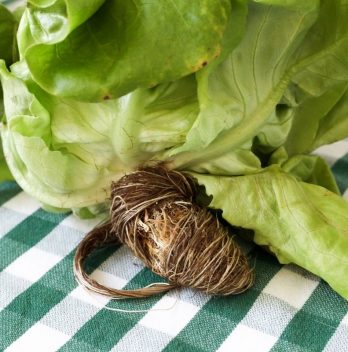
    Butter lettuce looks like a silky bright green (leaves). The leaves are large and they feel tender and soft. The leaves are also cupped-shape. So, this makes them a great option for salad makings with some creamy dressings.

    Butter lettuce will offer you that refreshing and nutritious tasty feel to your salad dish or sandwich. It can be used as a bed for various ingredients.

    What Does Butter Lettuce Taste Like?

    The taste of butter lettuce feels silky and soft and it tends to have a melting feel to the mouth. This lettuce will also offer that mild hint of floral sweetness.

    Butter lettuce pairs well with sharp flavors such as strong cheese, meat, and citrus. It is also one of the most loved salads, especially with creamy dressing. You can as well make use of butter lettuce as a wrap or simply incorporate them into a mild crunch salad.

    Does Butter Lettuce Taste Like Butter?

    This lettuce variety having a butter name to it may have you wondering if it actually tastes like butter. The truth is that’s not the case. Butter lettuce is simply a name for the lettuce variety. It only has that smooth and creamy feel just like butter.

    It is also popularly called butter lettuce because of that rich and smooth texture that tends to melt in your mouth.

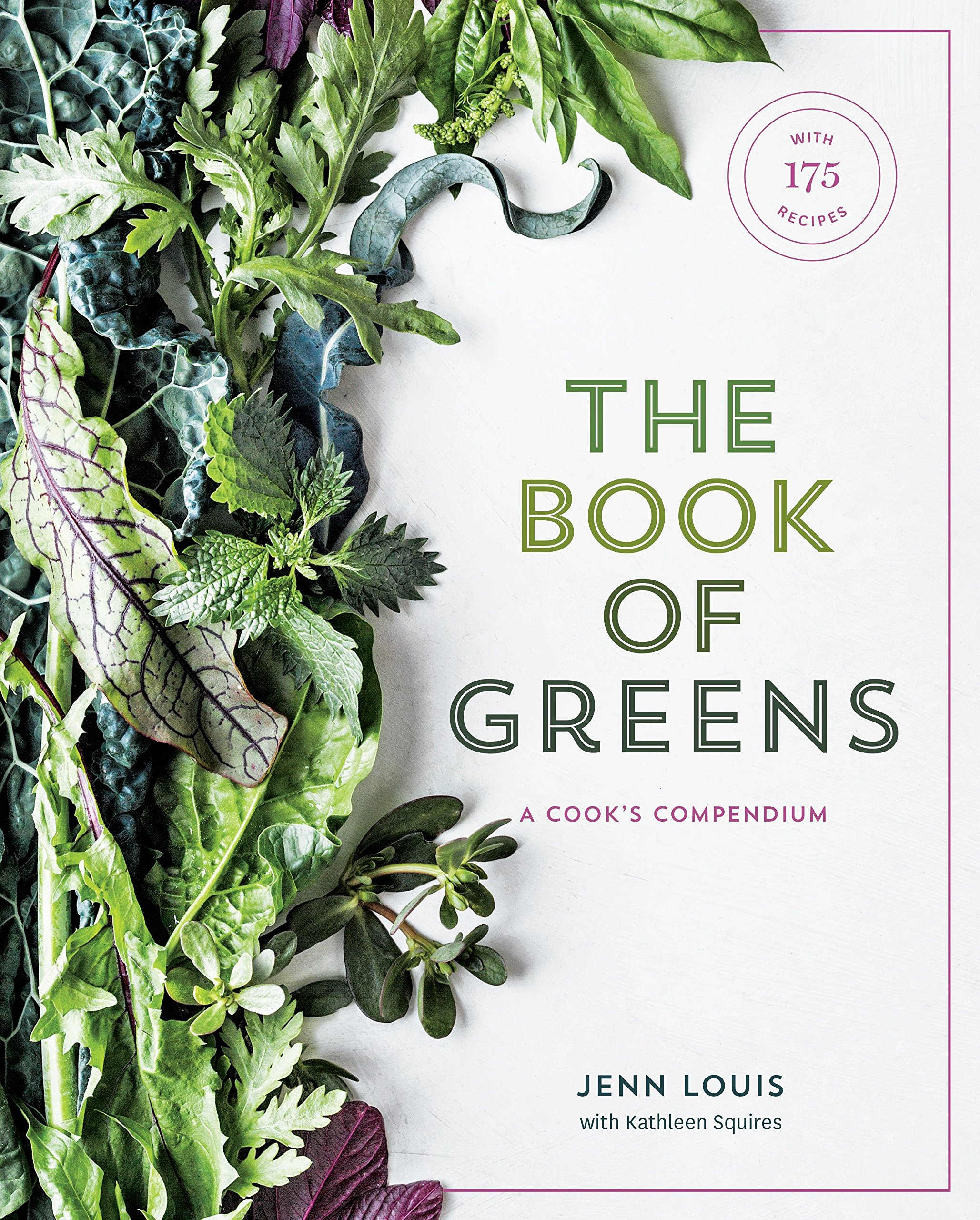
    The Book of Greens: A Cook’s Compendium of 40 Varieties, from Arugula to Watercress

    A1e3szn21NL

    Butter Lettuces And Iceberg: Are They Different

    Butter lettuce and iceberg lettuce may look pretty similar, but they aren’t the same. They are two different lettuce varieties.

    These two lettuce varieties can be easily differentiated by simply looking at their leaves tend to grow.

    The iceberg lettuce for instance looks like cabbage in its closed leaves pattern and rounded shape. Then butter lettuce tends to have a more open appearance.

    Another difference between these two lettuces is that the iceberg isn’t as soft as butter lettuce. Iceberg tends to be crunchy and watery. Also, iceberg usually comes at a more affordable price.
    Butter Lettuce Leaf Vs Other Lettuce Types

    Apart from butter lettuce, let’s look into other lettuce varieties and see how they differ from butter lettuce. This is just so we can have an idea of other types of common lettuce and compare them:

    • Crisp-head Lettuce: crisp-head lettuce is another lettuce variety that is also referred to as iceberg lettuce. This lettuce is often mistaken as a cabbage because of its round shape and pale green color. If you want that refreshing salad, then you should go for this juicy, crispy, and watery crisp-head lettuce.

    • Romaine Lettuce: Romaine lettuce is very unique because of its elongated leafy green shape. This lettuce is one main ingredient used for people’s favorite caesar salad. The leaves are pretty crispy and the stems are as well crunchy. It also gives a semi-butter flavor.

    Butter Lettuce Leaf Vs Other Lettuce Types
    • Stem Lettuce: the stem of this lettuce is pretty long and thick and the edible stem tends to give a mild flavor. If you wish to go for the best choice for pickled dishes and stir fry, then stem lettuce should be one of your lettuce choices.

    • Leaf Lettuce: the leaf lettuce can come in a green to deep red color at its edges with riffled ends. It also comes with a loose joint at its stem. This lettuce variety isn’t too tender or too crispy. It simply possesses the appropriate buttery texture. Depending on the color of the lettuce, the taste can differ from mild to sweet.

    Butter Lettuce Applications

    Butter lettuce can be applied in our various culinary preparations. They are mostly used in salad dishes and can be made more pleasing with creamy dressing. Butter lettuce can as well be integrated into a mild crunchy salad.

    Additionally, butter lettuce is used in sandwiches. They are as well used as wraps for foods. These butter lettuce wraps have low fats, carbs, low in calories. They are also low in sodium content so this makes them a very healthy vegetable.

    You also don’t need to cook this lettuce as it can be enjoyed raw. You can pair butter lettuce with veggies, fruits, meat, and so on. So, butter lettuce is simply a versatile green that can be paired appropriately with different ingredients you can think of.

    Nutritional Health Benefits Of Butter Lettuce

    There are so many nutritional benefits to gain from butter lettuce. Some include:

      • Butter lettuce is a great source of Vitamin A, K, and C.

      • They are rich in iron and calcium that assist in building stronger bones.

      • This lettuce is a great source of carotenoid antioxidants such as beta carotene, lutein, and zeaxanthin.

      • They help enhance healthy skin, muscles, as well as teeth.

    FAQ’s

    How do you identify butter lettuce?

    Butter lettuce, also called cos lettuce or romaine lettuce, has a crisp, crunchy texture and light green leaves that are very popular in salads. Butter lettuce can be eaten raw or cooked as a leafy green vegetable. It’s available year round and has a mild flavor.

    Store butter lettuce in a plastic bag with a moist paper towel. Rinse and dry the leaves before using.

    Growing butter lettuce is easy. Start seeds indoors 6 to 8 weeks before the last frost date. Seeds can be started in flats or plug trays. Butter lettuce does well in warm weather but doesn’t like temperatures below 60 degrees F. Sow seeds 4 to 6 inches apart in rows 18 to 24 inches apart. Thin seedlings when they reach about 12 inches tall. Where can I buy it? You can find butter lettuce at farmers markets and grocery stores throughout the year.

    What is similar to butter lettuce?

    Butter lettuce has a milder flavor than romaine and has a slightly more bitter taste. The name comes from the fact that it resembles a butter-like substance when it is cut.

    The leaves of butter lettuce (R. sativus) are similar to those of cos lettuce (Lactuca sativa), but they don’t have as many small crinkly or serrated leaves, so they may not be as good for making a salad mix. They do have a slightly sweeter taste though.

    Is butter lettuce better than romaine?

    Butter lettuce is much more tender and less bitter than romaine, It has crisp texture with a mild flavor and is very high in vitamin A, calcium and iron. The best part about this lettuce is that you can grow it yourself in a home garden or even in a window box!

    How do you eat butter lettuce?

    Butter lettuce is perfect for sandwiches and salads. This is a recipe that youÂŽll love! This recipe is a great way to prepare the lettuce and you will be amazed at how easy it is! Ingredients 1 head of Butter Lettuce 1 teaspoon Dijon Mustard 2 Tablespoons Olive Oil Salt & Pepper Directions Slice the lettuce into ribbons and place into a bowl. Add mustard, olive oil and salt and pepper.

    Toss together until all of the pieces are coated in the mixture. What kind of bread is used for this salad?  It is a French baguette and I like to use a rustic baguette because it has a nice chewiness to it. I also like to cut it in half lengthwise so that it will fit in my lunch box. What is the best way to store this salad?  The salad should be stored in the refrigerator in an airtight container for 3-4 days. It will keep for longer if you wrap the container with plastic wrap first and then seal the top with a piece of aluminum foil.

    Conclusion

    So, we have discussed what butter lettuce does look like so you can have an idea of its appearance. We also looked at other related things such as what they taste like, how they differ from some other lettuce, their applications, and so on.

  • What Does Cilantro Look Like When It Sprouts?

    What Does Cilantro Look Like When It Sprouts?

    Have you ever wondered what cilantro plants look like when they sprout? Let’s find out. Germinating cilantro from the beginning with seeds may be frustrating, even for the most experienced gardener.

    With the proper knowledge and the appropriate growing settings, you can achieve successful cilantro germination.

    So, once you have achieved growing cilantro from seeds and it begins to germinate, we would like to know what exactly it looks like when it sprouts.

    This post will give you an idea of how cilantro looks when it sprouts, tips on how to grow or germinate cilantro successfully, and many more. So, continue reading to gain some insight on these.

    What Do Cilantro Sprouts Look Like?

    So, what exactly does the cilantro look like when it sprouts? Once you’ve perfected the growing requirements for the cilantro seed to grow, you should begin to see some sprouts.

    After sowing cilantro seeds for about seven days or less, you should notice some white sprouts emerging from the seed planted. You can easily check this out by slowly exposing the soil with your fingers and uncovering the seeds.

    Cilantro sprouting will result in green sprouting that should begin to emerge through the soil out of the seeds after another 2 or 3 days.

    What Do Cilantro Sprouts Look Like

    How Long Does Cilantro Take To Grow?

    Once you’ve planted or sown the cilantro seeds, sprouting or germination should begin after 7 to 10 days.

    However, cilantro germinating from seeds can be pretty tricky. You need to create the ideal seed setting so your seed can germinate.

    Tricks To Growing Cilantro To Get A Successful Germination

    You can grow cilantro from seeds either in your garden or in containers. So, to achieve germinating cilantro successfully, follow these tips:

    1.    Prepare the cilantro seed by soaking

    Cilantro seeds are inside a hard husk containing two seeds. Remove the husk to remove the seeds. Before you plant these seeds, you need to prepare them to boost their chance of germinating.

    Soaking the cilantro seed is the trick to achieving better germination. Therefore, soak the seeds for 10 to 48 hours, remove the water, and allow the seeds to dry. Soaking these seeds will help them grow better and quicker.

    2.    Planting

    After seed preparation follows planting, you can sow your cilantro seeds indoors or outdoors. Insert the seeds into the soil and cover the seeds with about a quarter-inch soil layer.

    Sprouting Lids for Wide Mouth Mason Jars
    $9.99

    (Set of 2), Sprouting Jar Kit for Organic Sprouts, Alfalfa & Mung Bean Sprouts Grow Kit, 316 …

    We earn a commission if you make a purchase, at no additional cost to you.
    02/11/2026 08:02 pm GMT

    3.    Watering

    Maintain moist soil to encourage germination, but don’t overclog the soil. Let the soil dry out before watering again to prevent mold and diseases from infesting the seedlings.

    4.    Thinning

    You should start noticing white sprouting after 7 to 10 days. Allow the cilantro to germinate until it is about 2 inches long. Then, thin the seedlings to about 3 to 4 inches apart.

    Grow cilantro in a crowded environment so the leaves can shade the plant roots. This will slow down the plant’s bolting during hot weather.

    5.    Sunlight

    Even though the cilantro plant doesn’t like too much sunlight, the seedlings still need a few hours of full sun. Cilantro can still tolerate light shade.

    If you’re growing in a container, provide the seedlings with some sunlight. However, ensure the sunlight exposure to the seedlings is not more than 4 to 5 hours of full sun; otherwise, it can cause wilting and even death of the plant.

    Then, two or three weeks later, you can slowly increase your cilantro plants’ outdoor exposure. This way, they can harden off and acclimate to the outdoor conditions.

    Sunlight - Cilantro

    Ideal Growing Conditions For Cilantro

    Here are some additional growing tips for you to enjoy a continuous harvest of cilantro leaves:

    • Cilantro should be grown in rich and properly draining soil.
    • Cilantro still requires some sunlight, but not too much, so it doesn’t enter the bolting stage. If you reside in a warmer region, it’s advisable to offer afternoon shade to your cilantro.
    • The ideal pH range for a cilantro plant to grow optimally is around 6.2 to 6.8. So, ensure you perform the appropriate soil test before planting to achieve this.
    • You can enhance the soil by incorporating and mixing inches of compost or other organic matter. If you’re growing cilantro in containers, consider a premium bagged potting mix.
    • To enjoy productive leaf production, supply your cilantro by constantly feeding it with water-soluble plant food.

    When To Plant Cilantro

    You should plant cilantro in early spring or fall, about a month before the last frost. For zone 8, 9, and 10, the best period to plant cilantro is around fall. This is mainly because the plant tends to last through the right until the weather warms or heats up during late spring.

    Harvesting And Storing Cilantro

    Cilantro’s foliage can be harvested continually, and you can enjoy the cut-and-come-again feel. Ensure you cut back all the leaves so they can grow back. It would be best to harvest the leafy stems near the ground level.

    However, don’t harvest more than 1/3 of the leaves at once to prevent weakening the stem. Simply harvest what you need at a time to promote vigorous growth.

    Once cilantro is grown under the appropriate conditions with constant harvest, it can be enjoyed for many weeks in continuous production.

    Storing

    Once you’ve harvested cilantro leaves, cover them loosely with an upside-down plastic bag and pop them in the fridge. Using this method, you can store cilantro for up to a month.

    FAQ’s

    What does cilantro look like when it starts to sprout?

    The seeds are blackish-green and look like black pepper. Once the seeds germinate, they grow upward, looking somewhat like a green bean. After a few weeks, the leaves begin to emerge.

    Cilantro is a perennial herb with leaves that look like miniature versions of the lettuce leaf. Cilantro is a very popular and versatile herb for cooking and seasoning. It is easy to grow and is great as an addition to your kitchen garden. A cilantro plant can be grown from seed in many different ways, but one of the easiest ways is to start them indoors in a seed starting mix.
    The seedlings will be ready to transplant out into their permanent home in approximately 7-10 weeks.

    How can you tell if a plant is cilantro?

    There are a few ways. The first is to look at the leaves. If they are large and round with a nice strong aroma, that’s probably cilantro. The second is to look at the stems. They should be green and fibrous. There’s not much to look at for basil. The third is to look at the seeds. If the seeds are small and hard, that’s probably cilantro.

    The herb cilantro (Coriandrum sativum) has become ubiquitous in the American kitchen. It is used as an ingredient in everything from salad dressings and marinades to soups, stir-fries, chili, sauces, and even desserts.
    If it’s not the fresh, familiar herb that adds so much flavor to soups and stews, it may be the dried spice known as coriander. It’s a member of the parsley family, and it’s often called “the other cilantro” because it’s hard to find fresh cilantro and easier to find dried coriander.

    Will cilantro grow back after cutting?

    You can get a second crop, but you might have to wait until next year.
    Your cilantro should recover and produce new leaves for another season.

    What is the best time of year to plant cilantro?

    Planting in late fall gives your cilantro a chance to grow through the winter. If you start early in the spring, the plants won’t have a chance to put down roots before they’re killed by cold temperatures.

    What is the difference between fresh and dried cilantro?

    Fresh cilantro has a much more potent aroma than dried cilantro. The taste is also more pungent. Dried cilantro is usually sold in small bags and can be added to soups, sauces, rice dishes, etc. Fresh cilantro is used in dishes with Mexican or Asian flavors. Dried cilantro is used in dishes with Indian or Thai flavors.

    How do you make fresh cilantro last longer?

    When your cilantro begins to wilt, don’t throw it away. Instead, place the wilted cilantro in a plastic bag and seal it. Store the cilantro in the refrigerator for up to a week.

    How do you grow cilantro?

    Cilantro can be grown from seed or transplanted. To germinate seeds, place them in a tray and cover them with a damp towel. You can also sow the seeds directly into the ground. The seeds are ready to transplant when they have sprouted and have developed two true leaves. If you plant the seeds indoors, you should put them in individual pots about four weeks before planting outside. To grow cilantro outdoors, you’ll need to provide it with at least six hours of direct sunlight every day.

    What Does Cilantro Look Like When It Sprouts: Conclusion

    When it comes to what cilantro looks like when it sprouts, some white sprouts are usually noticed once it begins to germinate. This is noticed 7 to 10 days after seed sowing. Then, a few days later, some green sprouts should be seen emerging from the seed sown.

  • The Lowest Temperature For Tomatoes And Peppers

    The Lowest Temperature For Tomatoes And Peppers

    Every gardener should be aware of the lowest temperature for tomatoes and peppers to save them before the frost season begins.

    Gardening is not for the faint-hearted; sometimes it’s hard, sometimes it’s smooth. This is true more so when you think about the right time to plant your crop, especially if it does not do well in frost.

    Suppose you have plenty of decent gardening and realize that the weather is threatening with an early frost you have to protect it. Tomatoes and peppers are some of the crops that do not do well in the winter season. You have to harvest them before the frost falls and try to ripen them indoors. You can save your plants right in the garden by building a shade over them to extend the gardening season.

    If you are trying to grow tomatoes, eggplant, or peppers, it is essential to learn what is the lowest temperature these plants can take.  In this article, we will look at both the lowest and the highest temperatures that these plants are able to survive under.

    Lowest Temperatures For Tomatoes And Peppers

    According to the USDA Research Service, tomatoes show problems when temperatures drop below 50 degrees Fahrenheit. Cool nighttime temperatures interfere with the tomato’s ability to convert the sunlight into sugars via a process known as photosynthesis.

    Low temperatures also reduce pollen production in tomatoes and peppers, resulting in less fruit production or fruits deformation. You may also experience scars and cracks on the bottom end of your fruit that occur during the night when temperatures drop below 60 degrees Fahrenheit.

    Lowest Temperatures For Tomatoes And Peppers

    Protecting Your Tomatoes And Peppers From The Lowest Temperatures

    To protect your tomato and pepper plants from frost, you will need two things –  sturdy garden stakes or tomato cages and bubble wrap. The garden stakes or tomato cages will form the structure that will allow you to wrap the bubble wrap around, protecting your plants.

    Ensure that your bubble wrap is firm so that it doesn’t cause a mess of your tomato and pepper plants. Choose a study structure long enough to cover your tomato plant’s height. You can install the cage once you plant or over the existing plants towards the end of the season with ease.

    Once you have the tomato cage over the plant, wrap the bubble wrap around the cage and use duct tape to secure it in place. Wrap it around the cage, starting from the ground level all the way up to a few inches above the top of the plant. Ensure that you cover the top of the plant as well.

    The sturdy structure and bubble wrap are enough to protect your plants until their harvest time. But to avoid all the hassle, ensure that you plant your tomatoes and peppers at the right time. If you realize that you are late, it is essential to look for varieties that easily stand lower temperatures.

    Germination And Growing Temperatures For Tomatoes And Peppers

    Can pepper plants survive frost?  The minimum temperature to germinate and grow tomatoes and peppers is at least 15 degrees Centigrade.  However, germination will happen faster when the temperature is above 20 to 24 degrees centigrade.

    The pepper temperature tolerance for nighttime weather is around 13.5 degrees centigrade.  However, the daytime temperature should not fall below 15 degrees Centigrade for a week or more. If this happens, you will get stunted crops.

    2 Set 60-Cell Seed Starter Kit – Strong Seed Trays with Humidity Domes, Cell Trays, and Seedling Heat Mats

    61Lycd+AWJL. AC SX679

    If the nighttime temperatures drop below 13.5 degrees centigrade, a few things go wrong. Pollen fails to develop, and flowers that open the following morning do not set fruit.

    That said, the ideal temperature for growing tomatoes and peppers should range between 20 degrees and 24 degrees centigrade.

    We can now clearly answer the question ‘can peppers survive frost’ from the above information.

    Tomato Varieties For Cooler Climates

    Generally, tomatoes require a favorable temperature between 15 degrees to 32 degrees Centigrade to survive. However, there are specific tomato varieties purposely bred for cooler climates with the ability to tolerate temperatures below 55 degrees Fahrenheit.  The best choices for such weather are short to mid-season tomatoes.

    These tomatoes set fruit in cooler temperatures and reach maturity in the shortest number of days, around 52 to 70 days. Some hybrid examples include:

    • Celebrity
    • Golden nugget
    • Subarctic plenty tomato
    • Husky gold
    • Orange pixie
    • Oregon spring
    • Siletz
    • Some heirloom varieties include
    • Legend
    • Bush beefsteak
    • Manitoba
    • Kimberly
    • New Yorker
    • Glacier
    • Gregori’s Altai
    • Galina
    • Grushovka
    Tomato Varieties For Cooler Climates

    Tomato Varieties For Hot Regions

    When we talk about the lowest temperatures for tomatoes and peppers, it would be good to also talk about the right tomatoes for the hot regions.

    Temperatures that rise above 27 degrees centigrade, cause both tomatoes and peppers to suffer from too much heat. When they hit 32 degrees centigrade, the fruits will fail to set, and you will lose productivity on your plants. Countries or regions that enjoy a hot climate pushes tomato and pepper farmers to grow them under shade.

    The heat-tolerant varieties that you can grow in these regions include:

    • Sunbeam
    • Bella Rosa
    • Florida
    • Sunny Bell
    • Big beef
    • Mountain crest
    • Porter
    • Spitfire
    • Solar fire
    • Fourth of July
    • Heatwave
    • Homestead
    • Super fantastic
    • Sunchaser
    • Sweet 100
    • Arkansas traveler
    • Green zebra

    So How Do You Solve The Temperature Problem In Tomatoes And Peppers

    Although there is not much you can do about a change of temperatures, especially these days of climate change; you can try a few remedies

    First, don’t plant your peppers and  tomatoes in the wrong season

    Second, ensure the soil is at the proper temperatures when growing.

    Besides planting cold-hardy tomato varieties, you can also cover your peppers and tomatoes with a structure to keep the fruit warm until it matures and ripens.

    Dark plastic coverings raise the temperatures by 5 to 10 degrees, while clear plastic coverings warm the tomatoes by up to 20 degrees. Using either of the coverings is enough to save your tomatoes and pepper crop

    FAQs

    Can tomatoes handle 40 degree weather?

    Yes, tomatoes can tolerate temperatures as low as 30 degrees Fahrenheit.

    What are the effects of low temperature on tomatoes?

    The effect of low temperature on tomatoes is to increase the amount of water in the fruit and to slow down growth. This means that the tomato will be less firm and more juicy, but not necessarily smaller.

    What is the lowest temperature peppers can tolerate?

    In terms of their growing environment, I would say that they could tolerate at least -10°C. I live in a temperate climate. They are not as cold tolerant as some other fruits and vegetables though.
    But they are pretty sensitive to frost. Make sure you have adequate drainage and that your soil isn’t too wet.
    Peppers are extremely sensitive to low temperatures. In general, they cannot be stored in the refrigerator below 40°F. When peppers are stored at temperatures above 60°F, they lose their flavor, color, and texture and may not ripen properly.

    When can I put my pepper plants outside?

    If you live in an area where the temperature is not expected to drop below freezing for at least two weeks, then it’s okay to put your pepper plants out.
    Most peppers will be fine to plant outside after all danger of frost is over. You can start them in the greenhouse in late spring or early fall if you want them to flower indoors first. Some varieties may not like being transplanted and may bolt. If this happens, you can transplant them again later when they are larger and less likely to bolt.

    Can peppers survive a light frost?

    Yes, most likely. The hardiest of the common pepper varieties are the Bells, which can handle down to -7°C (-20°F). The sweet peppers should also be able to survive, but they will need to have been grown under cover or protected from the wind, and the temperature inside will need to be kept well above freezing, say 12-15°C (54-59°F).

    Can tomatoes grow in cold weather?

    The ideal temperature for growing tomatoes is around 60 degrees. Cold weather slows down growth, which can result in stunted fruit. In milder climates, tomatoes can survive in temperatures as low as 20 degrees, but they will not grow and may even die.

    How do tomatoes grow?

    This plant’s life cycle includes its vegetative (growing) and reproductive (fruiting) stages.
    Vegetative growth occurs in the spring and summer months. Reproductive growth occurs in the fall and winter months. The second is by looking at a plant’s growing season, which begins in spring and ends in fall. The growing season refers to the time that a plant is actively growing and producing fruit. This is the same as your growing season, which is determined by the length of the day. If your growing season is long, you can expect your tomato plants to produce fruit in the fall. If your growing season is short, your plants will not produce fruit until spring. Tomatoes have a long growing season. The growing season is determined by the length of the day. If the length of the day is shorter than 12 hours, the growing season is shorter. If the length of the day is 12 hours or longer, the growing season is longer.

    Conclusion

    Temperature change is one of the adverse effects on plants that affect their health and productivity.  It is critical to prevent your crop from both the hot and cold weather extremes that face all gardeners at different times of the year.

    All the best as you work to overcome climate change that could be detrimental to your crop.

  • Does Lettuce Grow Back After Harvesting?

    Does Lettuce Grow Back After Harvesting?

    Does lettuce grow back after you harvest the first leaves or the entire head of this fresh vegetable from your garden, or does it die back?

    Nothing beats a salad made from a large handful of fresh lettuce harvested straight from the garden. The crunchiness and the fresh juices are to die for!

    Most gardeners know that both loose leaf and head style lettuce plants reach full size then are pulled or cut at the roots to harvest the whole lettuce.

    However, did you know growing lettuce lets you prolong the season by harvesting it leaf by leaf or using a technique called cut-and-come-again.

    So, Does Lettuce Grow Back After Harvesting?

    Yes, lettuce leaves will grow back after harvesting. However, this will happen only if proper care and technique are used when harvesting all the lettuce.

    If you use the standard method of pulling or cutting a lettuce plant at the roots, you will not have it grow back. But, if you harvest leaf by leaf, you will leave the root to keep developing and producing more leaves.

    So, Does Lettuce Grow Back After Harvesting

    Harvesting Lettuce For Regrowth

    The cutting method works best while picking lettuce so that it keeps growing. This method may take a little practice depending on the variety of lettuce that you are growing. Trimming also works as long as it’s done correctly.

    Trimming lettuce involves cutting the entire plant back to a height of about 1 to 2 inches using a sharp knife or scissors. However, it is recommended that you cut your lettuce early enough, so you attain a sweet harvest.

    Early morning cutting helps the plant heal its wound before it is exposed to the sun. If the wounds are exposed to the sun, they run into the threat of scorching the open tissues preventing them from growing back.

    The time of day for picking your lettuce can significantly affect the quality of lettuce leaves that you get. That’s why it’s wise to harvest your lettuce early in the morning.

    How To Know When Lettuce Is Ready To Pick

    Knowing when and how to harvest lettuce leaves goes a long way to ensure you make the most of your plants and garden space.

    There are different types of lettuce leaves – red, green, heading, romaine, and stalk and over 100 varieties of lettuce that you can grow in your garden.

    How To Know When Lettuce Is Ready To Pick

    To determine the ripeness or readiness of lettuce, you mainly use your eyes and hands and check your calendar when you planted.

    Lettuce is one of the few crops that thrive in partial shade but still need some sun. Iceberg lettuce does not form a head but instead includes loose leaves. This means that while the entire head of iceberg lettuce is to be harvested, picking loose-leaf lettuce means picking the leaves.

    The leaf lettuce harvest can begin any time after the leaves have formed but before the seeds have formed.

    What Is The Cut-And-Come-Again Method?

    The cut-and-come-again method is the process where you cut the entire lettuce plant parallel to the ground approximately 1 inch from the soil and leave it to grow again. This method is more drastic but allows the latest plants to continue growing.

    Once cut, the center of the lettuce will regenerate fast, and the plant will begin to form new leaves that grow to a big edible size. Ensure that you use clean tools to harvest this lettuce to avoid infecting or interfering with the plant.

    How many times can you regrow lettuce?  For the cut-and-come-again lettuce, you can harvest 2 or 3 times before the quality of the leaves gets poor. Romaine and butterhead lettuce varieties are cut 21 inches.  The remaining stubs generate less vigorous but edible second growth.

    AeroGarden Salad Greens Mix Seed Pod Kit (6-pod)

    8127S60jt6L. AC SX569

    Lettuce Types For Leaf By Leaf Harvesting

    Loose leaf or loosehead varieties are the best types of lettuce for leaf by leaf cutting.  Other varieties like black seeded Simpson and red sails have broad ruffled leaves.

    Lobed leaf varieties, commonly known as oak leaves, also have large loose clusters of leaves that make leaf harvesting easy.

    Planting a loose-head variety in large pots helps you protect the pot, gathering leaves from your lettuce around the plant. You will notice that your lettuce plant may resemble a palm tree, but the leaves will remain sweet as long as the temperatures are below 75 to 80 degrees Fahrenheit.

    Cutting And Timing Of Lettuce Leaves

    Cutting methods work best when carefully timed. It takes a little practice from one variety to another to learn how to cut the leaves properly that won’t kill the plant.

    When lettuce leaves are mature, they are crispy and start to look ready for cutting. Old leaves have a poor look and a bitter flavor, no matter how they are harvested.

    The time of the day when you harvest your lettuce leaf will have a significant effect on them. If you harvest your leaves early in the morning, around 7 a.m., they contain twice the plant sugars of leaves harvested at 2 p.m., so to get a sweet harvest cut your lettuce leaves early in the morning.

    Growing Back Lettuce From Mature Heads

    Growing veggies in water from kitchen scraps have been a subject that has hit the internet with a bang. There are many articles and comments on this subject on the internet, and sure enough, many things can be regrown from kitchen scraps.

    Lettuce is one of the vegetables that you can grow in water. Let’s find out how to do this.

    This method works with any type of mature head or leaf lettuce. Most people say it works best with Roman hearts, but you can also try with red leaf, Boston leaf, and radicchio.

    You can use this method with other members of the Brassicaceae family, including bok choy and cabbage.

    To get started, slice the leaves from the stem leaving about 2 inches of the base intact. Remove all the leafy portions that you can without cutting into a stem of a plant. Leaving many leaves attached to the lettuce head may make it rot quickly.

    Does Lettuce Regrow From Store-Bought Lettuce Head?

    Yes, store-bought lettuce heads can regrow.

    Re-growing lettuce in water is a super simple experiment. We call it an experiment because it is fun to do mainly with the young ones.  Nevertheless, it will not get enough lettuce to make your daily salads.

    Does Lettuce Regrow From Store-Bought Lettuce Head

    This method will not give you enough lettuce because the lettuce plant is growing in water; therefore, it lacks enough nutrients to make a whole head of lettuce again since the water has no nutrients.

    That said, it is still fun to try to regrow mature harvested heads using water and get some new leaves.


    FAQs

    Does lettuce grow back every year?

    With head lettuce it will die back, but when you’re talking about leaf lettuce, you can trim it and it will grow back.

    Lettuce is a biennial plant. The seed germinates in the spring, and then it grows vegetatively for a year before producing flowers and seeds the following year. The plants will not produce flowers until they are about a year old.

    Leaves on perennials die down and then regrow. The seeds of annuals and perennials are dormant until the next year. In some cases, such as lettuce, the plant has a hard-to-see root system that grows out in the soil and re-grows.

    How long does it take for lettuce to regrow?

    ettuce regrows quickly after being harvested. Most lettuce will regrow within a couple of days, but some varieties need more time. 

    I don’t have a problem with regrowing lettuce, but I do have a problem with the time it takes to grow it. 

    How many times can you harvest lettuce?

    The answer is two or three times if you do it right.

    Lettuce is a cool-weather crop and will die back to the ground after being cut. The leaves will remain on the plant for several weeks, until the top of the plant dies back, and then the entire plant will dry out and die. Once it’s dead, you can pull the plant up by its roots and replant it in a new spot or leave it where it is.

    How do you harvest lettuce so it keeps growing?

    Harvesting lettuce is easy, but it takes practice to keep it fresh. When harvesting lettuce, be sure to cut the plant at the right time for the best flavor and texture. I just cut the whole head off, and it keeps coming back. That’s the whole point of growing lettuce.

    Lettuce is a hardy vegetable that is available throughout the year, making it a versatile food. It’s easy to grow in a container or garden, and you can even grow it indoors. 

    If you want your lettuce to grow for weeks at a time, you need to plan ahead and prepare your soil properly.

    How do you cut back lettuce?

    To cut back lettuce, simply use a sharp knife and a firm hand to chop the leaves into smaller pieces. In addition to cutting the leaves, you can also remove the outer leaves of the head and use only the heart of the head, which is often the most tender part of the lettuce.


    Final Thoughts

    Lettuce can be harvested anytime when the leaves mature but ensure you do it before they overgrow and become bitter.  Then you can enjoy watching your lettuce grow back and feed on it several times.

  • Do You Know How Much Sun Does Cilantro Needs?

    Do You Know How Much Sun Does Cilantro Needs?

    It is essential to know how much sun does cilantro needs before planting, so you choose the right spot where it will thrive.

    Cilantro is easy to grow and requires its own space in the garden where you can allow it to increase for as long as it needs.

    It thrives in the cool weather of spring and fall, creating a result of lacy leaves.  When the weather warms up, the plants end up being long skinny flower stalks.  These bear flower clusters of pink or white blossoms later produce coriander seeds.

    You can also plant cilantro in a bed devoted to herbs where it can be reseeded without disturbance.  Cilantro makes a good winter companion to pansies in mild climates because these leaves can withstand a light frost.

    Cilantro Vs. Coriander

    Cilantro has been used for many centuries in India, Mexico, Africa, Russia, Spain, China, and many countries of Asia, especially Thailand and the Middle East.  It is thought to be native to the Middle East and North Africa. In addition, cilantro has many culinary uses; cilantro seeds are used medically, especially as a sleep and digestion aid.

    Almost in the whole of North America, the stalks and leaves of the Coriandrum Sativum plant are known as cilantro, while the dried seeds are known as coriander. However, different parts of the world refer to this plant as coriander and its seeds.

    Cilantro Vs. Coriander

    How Much Sunlight Does Cilantro Need?

    Cilantro prefers well-drained, slightly acidic soil that contains more organic material than synthetic fertilizers. Working several inches deep of aged organic compost into the garden before planting is a good idea.

    Is cilantro sun or shade tolerant?  Cilantro thrives under full sun. It also accepts light shade but not more than 2 hours of shade. When sowing your seeds, choose a spot that receives full sun for about 6 hours or more.

    In scorching climates, light shade works better than direct sun. One way to judge the amount of shade allowed for the growing cilantro in your zone is by measuring the air temperature.  The ideal growing temperature for cilantro crops is 64 degrees Fahrenheit.

    Cilantro seeds should not be sown until the last date of spring frost.

    Cilantro Growing Care Under The Sun

    Cilantro, also known as coriander, can be grown from nursery transplants or seeds sown directly in the garden. Plant your seeds about 2 inches apart in rows based about 12 inches apart. If you are planting in pots, use a good amount of organic potting mix.  Ensure that your soil is rich enough and remains moist throughout germination and growth.  When the seedlings germinate, thin them to about 6 inches apart and provide consistent moisture as they grow.

    Cilantro always saves seeds, and you are likely to find a patch of cilantro producing new plants as long as you want. You can either leave the seeds to continue receding every season or harvest them and save them for planting in another season. That said, here are some essential tips on how to care for cilantro.

    Cilantro Seed, Sprouting Seeds, Microgreen, Sprouting, 16 OZ, Non GMO

    81PSGub0WEL. AC SX569

    Provide Enough Light

    Does cilantro need full sun?  Cilantro loves bright indirect light, but it does not thrive under intense direct sunlight.  That said, ensure that you provide your plants with a good amount of sun and shade if you live in a scorching area. However, if your location receives a minimum amount of sunlight, ensure that your cilantro receives about 6 hours of direct sunlight.

    If you are growing your cilantro in container gardens, allow them to enjoy the morning sun in an east-facing window or a through a bright seal that does not get too much direct sunlight. If you plan to sow directly into the garden, plant them at a spot that receives the morning sun with afternoon shade.

    Provide Rich, Well-drained Soil

    Cilantro prefers a very light and fast-draining soil with plenty of sand or perlite mixed with increasing drainage.  If growing in the garden, add mulch around the plants as soon as they have grown tall enough to be visible. In a container, use premium potting mix rather than the garden soil, which tends to be too heavy. Ensure that your soil is rich by adding organic, compost manure, or old animal manure.

    Keep A Constant Watering Routine

    Keep the soil regular moist but not soaked. Good drainage in your soil is essential as cilantro has deep roots. Ensure that you water at least an inch of water each week without fail. If your area receives too much sunlight, you can change your watering schedule to 2 to 3 inches per week.

    Provide The Right Growing Temperature And Humidity

    Cilantro bolts in warm weather. Once bolting happens, it changes its flavor from being sweet to bitter.  Flowering will occur quickly once the temperatures are above 75 degrees Fahrenheit.  For potted plants, you can extend the harvest season by keeping the plants in a controlled environment. Keep them around 70 degrees F, bringing them indoors to an air-conditioned environment when outdoor temperatures get too warm.

    Fertilize Your Plants

    It would help not to fertilize cilantro, but you can use organic compost manure when planting. Use liquid fertilizer or supplement the soil with controlled-release pellets if you don’t have organic manure.  Feed these herbs with fertilizer at least once a month.

    Pruning

    Most gardeners do not know that cilantro requires pruning. To extend your cilantro harvest, snip of its soft stems regularly rotating the plant to encompass the whole plant. As the young plants grow, pinch back at least an inch to encourage fuller plants.

    Potting And Re-potting

    Cilantro is an annual plant that grows with a deep taproot. This means it does not like re-potting and will likely be damaged at the slightest provocation. Therefore, it is best to re-pot your garden center-bought cilantro only once after bringing it home. After that, keep your plant in that container for the rest of its life. Seed-grown cilantro can transition from your seed starting pot to its permanent home in another container or the garden. Because cilantro is an annual plant, mature plants should never be re-potted. A fully mature cilantro plant can grow up to a height of 24 inches, including its flower stalks.

    Potting And Re-potting Cilantro

    Harvesting Cilantro

    Cilantro leaves will be ready for harvest in about 3 to 4 weeks from the time you sow the seeds. Cilantro or coriander seeds can be harvested in about 45 days or when the plant is about 324 inches tall.

    When harvesting, cut the leaves at the bottom of the plant to avoid harvesting more than 1/3 of the plant at the time.  Cutting off too much can weaken the plant.

    If you want to harvest, the seeds clip the seed heads and put them upside down in a paper bag. Give them a couple of days and the husks will dry, split and drop out the seeds inside the paper bag.

    Cilantro Varieties You Can Grow Under The Sun

    There are a few varieties that you can choose from they include

    Santa – this variety has bushy leaves, and it is slow to become bitter

    Calypso – this cultivar produces full plants that are among the slowest to get bitter or bolt.

    Cruiser – best cultivar has full stems and large leaves and grows upright

    Confetti – it is a highly ornamental variety with fern-like leaves

    Leisure – it is a very standard type of cilantro that attracts beneficial insects like bees and butterflies.

    Cilantro Varieties You Can Grow Under The Sun

    FAQs

    Where does cilantro grow best?

    Cilantro is a hardy annual herb. In areas with mild winters it will come back year after year. In most areas it will not survive the winter unless you mulch or protect it from frost. It does not need much water and can be planted as early as late fall. It prefers to be in full sun, but will tolerate light shade. It does not tolerate wet soils and will not tolerate salty soil.

    It can be planted in spring or fall.

    What is the trick to growing cilantro?

    You can either buy a ready-to-plant cilantro mix or start seeds indoors. Planting seeds is the easiest method. You can grow them in a pot in your kitchen window or under a grow light. Be sure to use a pot that drains well. When the seedlings are big enough to handle, plant them out in a sunny area and let them grow for a few weeks. Remove any weeds and then cut back to about 3 inches above the ground. Water frequently until they start to get bushy. After they have established themselves, you can plant them out in a sunny spot.

    Does cilantro like a lot of light?

    Yes, it does. If you are growing it in full sun, you will need to water it often. Cilantro likes light shade but doesn’t do well in deep shade. It is one of the few herbs that like a lot of heat. Cilantro does best in well-drained soil. A soil with some organic matter and compost is ideal. Do not let it dry out. In fact, water it more than your other herbs.

    How do you care for an outdoor cilantro plant?

    It’s very easy to grow and will thrive in partial shade or full sun. It grows quickly and will produce seedheads in the fall. You can cut the plants back to ground level and they will regrow. Cilantro is used fresh in Mexican cooking and is also used as a garnish for Mexican dishes, especially seafood. It’s an herb that should be planted in a container with good drainage and kept in a well-drained spot that receives full sun. The easiest way to fertilize is to add fish emulsion to your drip irrigation system. A good fertilizer for cilantro is fish emulsion (available at most nurseries). Apply this fertilizer once a month in the summer.
    You need to water it every day in the summer, and keep it shaded if you live in a hot climate. It will produce a lot of leaves all summer, so when it starts to go to seed, cut the stems off and dry them. You can use them fresh in salads or stir-fries or even freeze them to make pesto.

    Conclusion

    How much sun does cilantro need?  Let’s say enough sun. Because regions receive a varying amount of sun, it is best to ensure that your cilantro is not receiving too much or too little Sun.

    Before planting your cilantro, check your area’s weather patterns to know how much sun you will receive. With this information, you will be able to decide how much sun and shade to provide.

  • Can You Eat Carrots That Have Sprouted?

    Can You Eat Carrots That Have Sprouted?

    Ever wondered if you can eat carrots that have sprouted? Generally, carrots are root vegetables that love to seek moisture by continually growing small roots even after harvesting or buying them.

    So, you may have encountered picking some carrots and you notice after a while it begins to sprout some small roots. Then you’re wondering if they are still safe to cook and consume. Or if cooking these sprouted carrots will have any effects on the taste of your food.

    Well, the answer is simply yes! You can certainly eat carrots that have sprouted. So, we will be looking more into how safe it is to make use of carrots that have some roots growing even after picking and many more. So let’s begin.

    Are Sprouted Carrots Safe To Eat?

    People often wonder what to do with sprouted carrots. Carrot sprouting after harvesting them is not uncommon. But generally, carrots that have sprouted are still viable to eat or consume. All you need do is simply remove or peel off the small roots and consume.

    However, if you notice the sprouted carrots have started growing slimy or are turning white, then they may be past their prime stage and it’s best not to consume such. If you also notice some dark brown spots all over the sprouted carrots, you should discard them right away.

    Are Sprouted Carrots Safe To Eat

    Carrots that have some roots sprout tend to taste bland. But it’s best to make use of them in your various food recipes if the sprouted roots are big enough.

    Read more about What Are White Carrots Called?

    Why Do Carrots Sprout Even After Harvesting And Storing

    Carrots are root vegetables so this means the carrots we consume are typically roots that have developed in their first year.

    If the carrot which is the root vegetable was left in the ground to continue to grow, it will give rise to a group of flowers above the ground. This will later result in seeds at the end of their second year.

    Therefore, when you find the carrots you’ve kept in the kitchen starting to germinate fine roots along the orange root, don’t be surprised. It’s just a way of these carrots seeking continuous moisture because that’s what any root tends to do. So, you may see some small, string-like roots sprouting.

    However, take note that these small string-like roots won’t turn into more carrots. However, the upper parts of the carrot root naturally simply wish to keep on growing into its flowering phase.

    Can You Grow Sprouted Carrots?

    Carrots that have sprouted can be grown. They will give rise to attractive lacy fronds in just a couple of days. They will later grow into lacy white flowers that can attract butterflies if you plant them outdoors.

    How Can Carrots Be Stored Without Sprouting?

    If you wish to prevent your carrots from growing small roots or sprouting while you store them, simply remove the greens on the top before you store them. Removing the greens on top of the carrots will deprive the carrots of moisture as time goes on. Make sure you do not wash the carrots if you don’t plan on consuming them soon.

    Here are ways you can successfully store carrots without having them sprout:

    1.    Refrigeration Storage

    It’s possible to store carrots in the fridge for a period of 2 to 3 months. Simply take the green part out and keep the carrots in an air-tight container or a plastic bag. Make sure you squeeze the air out and keep them away from moisture.

    Alternatively, you can also store carrots in the fridge by putting them in a bowl full of water. The water full of the bowl should be covered using a lid or plastic wrap. Make sure you replace the water when they become milky or cloudy.

    However, note that this method of putting carrots in a bowl full of water is not long-term storage. You can only store them for about a week using this method. Once it’s past a week, they tend to start showing slimy features.

    2.    Freezer Storage

    You can freeze carrots for as long as a year. However, to achieve freeze-storing carrots successfully, you need to blanch them first.

    To blanch carrots, put them in boiling water and allow them to scald for some time. When you do this blanching, you are simply rendering some of their enzymes inactive. These enzymes are responsible for continually degrading the quality of the carrot.

    Prepworks by Progressive Produce ProKeeper, 3-Quart, Stay-Fresh Vent System

    Once you’re done blanching, take them out of the water and allow them to cool down. Then peel these carrots and cut or slice them to your desired shapes and sizes. Put these sliced carrots into a freezer bag and you can store them for up to 9 months.

    Storing these same carrots in a vacuum bag inside the deep freezer can be stored for up to 12 months.

    3.    Pickling

    Pickling is another great way of storing carrots. Simply immerse carrots in vinegar alongside other vegetables such as cucumbers, peppers, and chilies.

    Using vinegar which is an acetic acid solution is just to slow down microbial growth due to its low pH.

    Check Out Everything You Need to Know Regarding Raised Garden Beds

    4.    Drying

    To store carrots by drying, first, wash and peel the carrots. Then cut them into 2 to 4 mm thick. Then these sliced carrots should be spread evenly in a food dehydrator at 55 degrees Celsius for around 10 hours.

    Carrots that have been shredded will take about 6 to 10 hours. You can then store the resulting dried carrot flakes in an air-tight container to be kept in a dry and dark place.

    You can blend these flakes into fine powder. These dried carrots in flakes or powder can as well be added to drinks, casseroles, and soups.

    Drying Carrots

    How Long Does It Take Carrots to Germinate Outside?

    Carrots germinate slowly. If you want to speed up the process, you can prime the seeds indoors. To do this:

    1. Soak the carrot seeds in water for an hour.
    2. Transfer them to a damp paper towel. 
    3. Fold the paper towel to enclose the seeds.
    4. Place them in an airtight container for a few days.

    Once you plant the carrot seeds, lightly water the area. The soil should be kept moist for the germination period. This is usually between 1 and 3 weeks. 

    What Temperature Do Carrots Need to Germinate?

    Carrot seeds need a soil temperature of at least 80 degrees to germinate. This will ensure your seeds germinate healthily and on time. While the germination of carrot seeds is typically uneven, this temperature will help you get the best results. 

    Do Carrots Need Sun to Germinate?

    Carrots are root vegetables. All the veggies and fruit in the root category need full sun to thrive. You should choose a spot in your garden that gets at least six hours of direct sunlight daily if you want your carrots to yield a big harvest. 

    When Do You Plant Carrot Sprouts?

    If your carrots have started to sprout, these pieces don’t have to go to waste. You can replant the sprouted carrot tops to grow new ones. Follow these steps to plant and grow carrot sprouts:

    1. Make a clean cut just below the top where the carrot started sprouting. You should leave at least an inch of the stem intact. 
    2. Place the carrot tops upside down in a shallow container with water. Don’t submerge them. Place the container in a warm but shady spot. 
    3. The carrots will start shooting roots within a few days. The roots will be tiny and hair-like. 
    4. Plant the carrots in soil that has plenty of nutrients. 

    It’s best to plant carrot sprouts when temperatures are cool. At night, temperatures should drop to about 55 degrees. Daytime temperatures should average 75 degrees. 

    How Often Do You Water Carrot Sprouts? 

    You should water your carrot sprouts every third day, depending on how fast the soil dries. Carrots need about 1 inch of water weekly. If they don’t get enough water, your carrots could become misshapen or taste bitter. 

    I suggest setting a timer to ensure you water your carrots on time. You should also do a moisture test to determine how often your carrots need watering. 

    What Do Baby Carrot Sprouts Look Like?

    Once your veggies or fruit are in the ground, it can be difficult to identify them when they start growing. Often times weeds come up with them. If you want to keep these in control, you need to know what not to pluck!

    Baby carrot sprouts are relatively easy to identify. The first leaves to emerge will look like grass seedlings. They have sharp, long blades and short stems. After a few days, true leaves will join them. These have long stems and curly leaves. 

    By the second month, your carrot sprouts will have more true leaves. These will have higher stems and be easier to identify. 

    Conclusion On Can You eat Carrots That Have Sprouted

    So, we have pointed out that you can still eat carrots that have sprouted. Just make sure they have not started growing slimy or turning white. If you however notice some dark brown spots all over the body of the carrots, they aren’t safe to consume so discard them immediately.

    We have also listed out some ways you can successfully store your carrots to prevent them from sprouting or growing any small stringy roots.

    FAQs

    Is it OK to eat sprouted carrot?

    This is a common question among people who are just starting with sprouting. They have been told that sprouting makes the carrot more nutritious and digestible, so they want to know if they can eat the sprouted carrot.

    They’re perfectly fine to eat. Just like you’d eat a sprout from a normal carrot, you can eat a sprout from a sprouting carrot. They seem to have a very mild taste, not really like anything.

    Carrots are a root vegetable and are not considered a fruit. They should be eaten raw or cooked only. You can eat them as long as they are not rotten.

    If you sprout them with the intention of eating them raw, then you are doing so on your own accord and can decide for yourself what you want to do.

    Are sprouted carrots good for juicing?

    I think sprouting carrots are quite fine in taste, especially if you have a juicer (like a masticating juicer) and can add the sprouts to your juice. As for recipes for sprouted carrot juice, I am pretty sure there are plenty out there. If you google “sprouted carrot juice recipes” you’ll find many. If you want to try, I suggest that you sprout your carrots in the morning and then make your juice in the afternoon.

    How are sprouted carrots prepared for sale?

    The carrots are cut, washed, and then allowed to sprout for two weeks before being harvested. They are then dried and packaged. Sprouts are easy to grow at home and can be used in salads, soups, and other recipes.

    They are a healthy and versatile food. They can be used as a topping for pizza.

    Are there benefits to eating sprouted carrots?

    The benefits of sprouting can be seen in many different parts of the world. In China, the Chinese eat more sprouts than any other food. In India, sprouts are considered a blessing. In Japan, they are one of the most popular vegetables.

    However, the science tells a different story when it comes to carrots. Unlike seeds, they are less nutritious after sprouting when it comes to certain nutrients.

    The vitamin and mineral content is much lower than raw ones. Vitamins B12, C, E, K, and folic acid are only present in trace amounts. The phytochemicals (e.g., flavonoids, carotenoids, phenols) are also significantly reduced.

    Sprouted carrots have been a popular staple in the sprout world for over 30 years now, and they are a nutritional powerhouse. Sprouted carrots contain a large amount of B-vitamins, antioxidants, and even minerals like magnesium and zinc.

  • Green Chiles Vs Jalapeno: Get to Know The Differences

    Green Chiles Vs Jalapeno: Get to Know The Differences

    Have you ever wondered what difference there may be between green chiles vs jalapenos? Different people have diverse opinions on whether there exists a difference between both. In some sense, they are correct in their views.

    When preparing food, different people have the particular ingredient they use instead of another. Some people have a signature recipe unless it is added to whatever they are preparing. They are never really satisfied with their thirst for food.

    Green chiles and jalapenos are different species of the various types of pepper plants known.

    This is a short piece on what you should possibly know about green chiles vs jalapenos. However, before we delve into discussing the differences between green chiles vs jalapenos, let’s explain their individual attributes and health benefits.

    What Is A Green Chili Pepper Plant

    The following are a few major details you should pay attention to about green chiles:

      • Chiles is a species of pepper used for cooking that comes in various shapes, sizes, and colors.

      • When the chiles are young, they are usually green in color, and as they mature further, they change from green to red or reddish-brown.

      • The strength of their flavor becomes stronger as the plant matures in age, but they can be harvested at any time from when they are young and green to when they become red or reddish-brown.

      • The smaller Chile, the hotter the flavor, so for those interested in having a very hot flavor, it is best to target small-sized chiles.

      • The chiles may be added to a wide array of appetizers, soups, stews, peppered sauce, main dishes, egg dishes, etc.

    What Is A Green Chili Pepper Plant

    About The Jalapeno

    Now we have a fair understanding of what the chiles are, we should get into discussing a few things about the jalapenos. These are a few important details you should note about jalapenos:

      • Jalapeno is a type of chile pepper, which is medium-sized when compared with other chili peppers. It usually measures an average of 2 to 3.5 inches in length.
      • The jalapeno originated in Mexico but is now found in almost all regions of the world.
      • Just like the other chiles, the Jalapeno is usually green at a young age and then becomes red or reddish-brown.
      • The Jalapeno is a very easy species of pepper to grow, but they are usually very slow in growth for the first few weeks. It is thus advised that it should be grown indoors before being taken outdoors.
      • It is widely considered the most sought-after chilies pepper in America and all other places because of its taste and peculiar features.

    Difference Between Green Chilies And Jalapenos: Green Chiles vs Jalapeno

    Now we understand a few things about chiles and jalapenos, we may now delve into a few of the noticeable differences between both.

    • Taste: Chilies are generally mild in taste and can be used in a wide spectrum of recipes. On the other hand, Jalapenos have a more aggressive taste, containing more heat. It is for this reason that chiles are basically used in preparing green and canned chiles, while jalapeno is used as a condiment replacing the main ingredient in a recipe.

    • Features: Another distinction that can be noticed when chiles and jalapenos are compared side by side happens to be their distinctive features. Jalapeno is usually medium in shape and size (can grow up to only 3 inches), and the pod-type cultivator of the species. The Chiles is however bigger in size, with the ability to grow as long as 6 inches.

    Pepper Seeds for Planting 8 Varieties Pack, Seeds for Planting in Garden Non-GMO

    717Dvn7khBL. AC SX569
    • Color: The jalapenos are usually harvested when they turn green and are in most cases not allowed to ripen or turn red. If this happens, the flavored taste it gives gets affected. On the other hand, chilies are usually allowed to remain on the vine until they ripen completely and turn red. This is when their true taste is best experienced.

    • Hotness: The heat which the jalapenos give to food when used appears to be stronger than chiles. They can give about 2500-5000 Scoville units of heat. Chiles, however, is not able to give this amount of heat. The heat given by these chiles however varies from one species to another.

    How To Grow Green Chillies

    Here is a brief description of how you can grow green chiles:

      • Grow green chiles with the right weather and time. They tend to thrive well when the weather is warm.
      • Sow your seeds. Seeds can be sown indoors using seed trays. You can also sow the seeds in containers or directly on land.
      • The germination process should begin within 7 to 10 days of seed sowing.
      • If your seeds were sown indoors, select the healthiest plant and transplant the seedlings.
      • Nurture your green chiles as they grow. They should be ready for harvest in 80 to 90 days.

    Major Health Benefits Of Chiles Generally

    In addition to being an incredible flavor to be added to food to spice it up. Also, there are some incredible health benefits of chiles. These include:

    • Makes For A Healthy Diet: Chiles usually pass as a great healthy diet. They usually have zero calories and also help speed up metabolism for as much as 50% for about three hours after eating. This makes it a particularly attractive ingredient for those focused on having a healthy diet.

    • Great Improvement Of Skin: Since Chiles are rich in vitamin c and beta-carotene, they tend to provide good care for the skin. The constant intake would help keep the skin smooth, healthy, and glowing.

    • Body Temperature Reduction: The presence of capsaicin in green chilies is known for lowering body temperature. This happens when this element stimulates the cooling center of the hypothalamus in the brain. So, it makes the food hot and spicy and our inside chill. Interesting right?

    • Natural Source Of Iron: The introduction of chiles into your diet will help in the supply of sufficient iron to the body.

    • Improved Immune System: This hot spicy pepper also plays a great role in improving the immune system and combating the common cold. Capsaicin which is found in chiles has a great stimulating effect on the mucous membranes found in the nose and also the sinuses that stimulate blood flow.

    What Type of Soil Do Pepper Plants Like?

    Pepper plants prefer well-draining, fertile soil. The pH should be between 6.0 and 7.0. You should ensure their soil is rich in organic matter like compost or well-rotted manure. This will provide the plants with the nutrients they need to thrive. 

    Here’s how you can prepare the ground for your pepper plants:

    1. Use a shovel or tiller to loosen the soil to a depth of at least 12 inches. 
    2. Add a layer of organic matter to the soil and mix it well. 
    3. Water the soil well before planting your peppers. Continue watering throughout the growing season. 

    Following these instructions will make the soil and growing conditions favorable:

    • Your pepper plant roots will grow and spread easily. 
    • The ground will retain more moisture. 
    • Your soil structure and drainage will improve. 
    • Your pepper plants will have the nutrients they need to grow.
    • Your plants will be able to establish themselves better and produce healthy, flavorful peppers. 

    What Kind of Pepper Plants Are There?

    There a many types of pepper plants, and they’re grouped into several categories. These categories are based on their shape, size, and flavor. The most common are bell peppers, chili peppers, and sweet peppers.

    Bell Peppers: These peppers are known for their large, blocky shape and mild flavor. Bell peppers are green, red, yellow, or orange. You can use them in salads, sandwiches, or as a side dish. They also make a great addition to stir fry and breakfast muffins. 

    Chili Peppers: Often used in Mexican, Indian, and other spicy cuisines, chili peppers are known for their punch. They are green, red and yellow. Chili peppers come in different shapes and sizes. Their flavor ranges from mild to fiery hot!

    Sweet Peppers: These peppers are similar to bell peppers but smaller and more flavorful. Sweet peppers are red, yellow, and orange. You can use them in salads, appetizers, or side dishes. 

    Other pepper plants include pimento peppers, cubanelle pepper, and jalapeno peppers. Each variety has unique characteristics and flavors. 

    How Do You Grow Green Chilli Seeds in a Pot?

    You can grow green chili seeds in a pot by following these steps:

    1. Fill a small pot with well-draining potting soil and moisten it thoroughly.
    2. Sow the chili seeds on the soil‘s surface, spacing them evenly.
    3. Cover the seeds lightly with a thin layer of soil, and mist them with water to keep them moist.
    4. Place the pot in a warm, sunny location, and water the seeds regularly to keep the soil moist but not soggy.
    5. You should thin out weaker seedlings once they’ve sprouted. 
    6. As the plants grow, continue to water them regularly and fertilize them with a balanced fertilizer every few weeks.
    7. When the plants are about 8 inches tall, pinch off the growing tips to encourage branching and promote more fruit growth.
    8. As chili peppers develop, they protect the plants from pests and diseases by using organic pest control methods and removing any diseased or damaged leaves.
    9. When the chili peppers are ripe, carefully harvest them by cutting them from the plants with a sharp knife.

    With proper care and attention, your chili plants should produce plenty of delicious green chili peppers you can enjoy in your favorite dishes.

    How Much Sun Does Green Chilli Plants Need?

    Green chili plants need plenty of sunlight to grow and produce healthy, flavorful peppers. In general, chili plants prefer a location that receives full sun. This amounts to 6 – 8 hours of direct sunlight daily. A spot with morning sun and afternoon shade are ideal. 

    What Does a Green Chilli Plant Look Like?

    Green chili plants are small, upright plants that typically grow to a height of about 2-3 feet. They have slender, dark green leaves and small white or yellow flowers that bloom in clusters. The chili peppers are small, narrow fruits that grow on the plants and can be green, red, yellow, or purple, depending on the variety.

    Generally, these plants have a compact, bushy growth habit. They’re easy to maintain. 

    Green Chiles Vs Jalapeno: Conclusion

    Now for those interested in spicing up their food, they have been offered a great way of doing this. The jalapenos or chiles may be used depending on individual requirements.

    The major differences that exist between both peppers have been discussed above. All in all, you have been offered a guide on possible options for spicing up your meal. Do make sure to enjoy your peppered recipe.

    FAQ’s

    Which is hotter green chilies or jalapenos?

    You may need to try them side by side.

    The answer depends on how you measure heat. Some people find jalapenos hotter than other peppers. Others don’t. In general, the hotter a pepper, the more pungent it is. Capsaicin, the chemical that gives peppers their heat, is measured in Scoville units. The Scoville scale is a scale of measurement for pungency and is based on the amount of heat that can be applied to a test subject’s tongue. According to the Scoville scale, a jalapeno has over 1 million Scoville units while a habanero has over 2 million. But that doesn’t mean one is hotter than the other. They are just different.

    And, of course, they have completely different flavors as well.

    There are no hard and fast rules on which type of pepper is hotter. However, some people do prefer one over the other. And some say it depends on how you measure heat.

    What’s the difference between jalapenos and green chile peppers?

    Jalapenos are a cultivar of pepper, and are distinguished by being small (3/4 to 1 inch long) and having a more intense heat. Green chile peppers are a cultivar of pepper, and are distinguished by having a bright green skin that is thin, brittle, and wrinkled. They are also usually smaller than jalapenos, but can be anywhere from 2 to 4 inches in length.

    Jalapenos are a variety of chili peppers from the species Capsicum annuum. Green chile peppers are a variety of peppers from the species Capsicum frutescens. The most common use for jalapeno peppers is as a condiment in Mexican cuisine, but they are also used in Tex-Mex, Cajun, and other cuisines. Green chile peppers are primarily used as a seasoning.

    Can they be used interchangeably?

    One may feel hotter than the other, but that doesn’t mean they can’t be used interchangeably. As long as the heat level is the same, you can use whichever you like. I agree with the others that it’s up to you. If you like spicy, add more jalapenos. If you prefer mild, add fewer.

    What are the benefits of eating green chillies?

    There are many health benefits of eating green chillies. It is one of the most popular hot peppers, and it is often used in food preparation. This pepper is extremely spicy and is known to be one of the most dangerous peppers. However, if you are looking for ways to improve your health, then there are many health benefits that can be obtained by consuming green chilli. In this article, we will discuss some of the benefits of eating green chillies.

    Green chillies have a high concentration of vitamin C and capsaicin, which are both great for the immune system. Capsaicin has been proven to help reduce the risk of diabetes, cancer and heart disease.

    Consuming green chilli can lower your blood pressure. The capsaicin found in red chilli is responsible for the blood pressure lowering effect. When you eat green chillies, it will not only stimulate your taste buds, but it will also increase the flow of saliva, which helps to lower your blood pressure.

    Chillies are an excellent source of fiber, which helps to control hunger. It also contains a lot of vitamin C which is good for the body. Green chillies help to reduce the level of cholesterol and this can also help in weight loss. If you are looking for ways to lose weight, then you should include green chillies in your diet.

  • How Long For Tomatoes To Germinate – Number Of Days To Germination

    How Long For Tomatoes To Germinate – Number Of Days To Germination

    Have you ever wondered how long it takes for tomatoes plant to germinate? For those who are interested in keeping a garden or just having some freshly grown fruits around, then tomato is a great option.

    Knowing how long tomatoes take to germinate and how best to nurture the plant if it is to attain a bounteous yield is thus important. There are different factors that affect the growth of tomatoes and which may help boost their growth or reduce their growth substantially.

    The general timeline before a tomato is matured enough for harvesting is also discussed in this guide. Now, let’s begin with getting to know how long it takes for tomatoes to germinate and things that will aid successful germination.

    How Long Do Tomatoes Take To Germinate: Number Of Days

    So, looking at the average number of days for the germination of tomato seeds, tomato seeds usually germinate between day 5 and day 11 after planting.

    The viability of the seed, type of soil, and nurturing will determine how quickly germination will occur.

    Germination is usually demonstrated by tiny green leaves sprouting from the spots where the seeds were planted. It is usually best to plant evenly as this makes for ease in determining whether the seeds have germinated or not.

    So, let’s look into factors that affect the germination of tomato seeds.

    Factors That Influence The Germination Time For Tomatoes

    The following factors would usually influence how fast a tomato seed germinates:

    1. Viability Of Seed: Where the tomato seed planted is viable, it will likely germinate fast. Where this is not the case, the whole germination process will very likely become slow. A seed is said to be viable when there is a high percentage of the possibility of the seed growing when planted. Seed viability is mostly influenced by the storage temperature of the said seed.
    2. Storage Length Of Seed: Tomato seeds usually last for a reasonably long period of time in storage. When they are properly stored, they can last for a period of 4 or 5 years. However, the longer the storage period, the more time it would take for the seed to germinate.
    3. Pre-soaking Of Seeds: When tomato seeds are too dry, it takes a longer period to germinate. It is, therefore, best to soak seeds in warm water for at least 12 hours before planting. This will help soften the seed coat and speed up the germination process.
    4. Temperature: This is a very important factor that can affect the germination of a seed. It would be of great ease for the seeds to germinate quickly at a temperature between 70-80 degrees Fahrenheit. Where the temperature is lower than 70F it may take a longer time to germinate or it may not germinate at all. The same thing happens where the temperature goes way above 80F.

    Hydrofarm GCTR 10 Gal Tomato Garden Planting Grow System with 4 Foot Trellis Wheels

    610tKwyEBuL. AC SY879

    Things To Consider Before Planting Tomato Seeds

    1. Suitable Location: This is one of the first factors to be put into consideration when planting tomatoes seeds. The location where the seeds are planted in some situations influences the overall growth and germination timeframe. Whether the tomato seeds will be grown indoors or outdoors in the garden should be considered at this stage.
    2. Best Time To Plant: The most suitable time to grow tomatoes is usually towards the end of January up until about the end of March. Between this time frame, the amount of sunlight, soil water content and overall temperature is perfect to grow tomatoes.
    3. Seeds Spacing: The seeds should be spaced sufficiently so as to allow for some space within which the plant may spread. The ideal intra-row spacing should be about 20-40cm. Sufficient spacing has a way of improving the overall yield of the plant.
    4. Plant In Loamy Soil: Although tomato plants are not very picky about which soil they can grow in, it is always best to plant in loamy soil. A well-drained, fertile loam soil with a pH level between 5.8-7.0. Provision of the soil with some manure a few weeks or days before planting will also strengthen the suitability of the soil.

    How To Nurture Tomato Seeds After Planting

    The following should be done after the seeds have been planted to ensure that it germinates at the best possible time, and flourish as it grows.

    1.    Ensure That The Soil Is Watered Adequately

    Tomato seeds usually require a reasonable amount of water in the soil for quick germination. So, after planting, ensure that watering is done at the right proportion. If the soil happens to be too dry, the seed may not be able to break dormancy, while if too wet, the seed may rot. To prevent any of these extremities, a reasonable amount of water must be supplied.

    How To Nurture Tomato Seeds After Planting

    2.    Ensure That There Is Sufficient Sunlight Provided After Germination

    The tomatoes seeds may not need much sunlight to germinate. But after germination has occurred, it requires sufficient sunlight. This means that if the seeds were planted in planting pots or indoors, they should be taken out and exposed to sufficient sunlight after germination.

    3.    Weed Management: How Long For Tomatoes To Germinate

    If the best result is desired, the plant should be weeded from time to time to reduce the number of weeds contesting for the soil nutrients with the tomatoes plants. The tomatoes plants are fragile and may not be able to thrive in the presence of tough weeds.

    4.    Harvest Fruit At The Right Time

    It is usually best to leave tomatoes on the plants so they can ripen naturally. Where this is allowed, the flavor is improved greatly.

    When the plant starts making fruits, prune some of the older leaves to make space for the inflow of sunlight. The fruits also need some sunlight to ripen fast.

    5.    Store The Tomatoes Properly After Harvesting

    To retain the original spicy flavor of the tomatoes, ensure that it is stored properly. One way of doing this is to make a tomato sauce and then freeze it for future use.

    Store The Tomatoes Properly After Harvesting

    FAQ’s

    How long does it take for tomato seeds to germinate indoors?

    You can grow tomatoes from seed indoors. I would recommend starting them in a small container that will fit on your windowsill. Keep the temperature around 70°F. They will start growing within a week or two. Once they are growing, you can transplant them to a larger pot and continue growing them outdoors.

    Under optimal conditions they take between 5 and 10 days to germinate.

    How do I make tomato seeds germinate faster?

    Seeds that germinate fast are usually a result of a seed lot with a very high viability, so it’s not something you can replicate. However, if you have a slow-germinating seed lot, you can try to speed things up by soaking your seeds for a few days in water. This has been shown to increase germination rate, but only if the seeds have been stored properly beforehand.

    You can also increase the rate at which tomato seeds germinate by placing them in a warm environment for a few days. I’ve found that putting them in a plastic bag on top of the fridge for 2-3 days has done the trick. However, I wouldn’t recommend this if you’re going to be moving them to a greenhouse as it might result in seedling death due to cold shock.

    Why aren’t my tomatoes germinating?

    We all know that tomatoes are a difficult plant to grow. You can’t just throw them in the ground and expect them to thrive. They need lots of sun, good soil, and plenty of water to produce fruit. But if you want to get your hands on some cherry tomatoes in the summer months, you’re going to have to work for it.

    It’s possible that your plants need to be watered more often or have their soil mixed with something like sand or perlite.

    It could be that your seeds are too old. If you’re not sure how old they are, you can test this by placing them in water overnight. The next day, they should float if they are still fresh. If they sink, then you know they are old. When it comes to germination, there is no such thing as too old. You just need to make sure the seeds are properly acclimated to their new environment.

    Can you start tomato seed in water?

    You can try to start the seeds in a glass of water. Water will keep the seeds moist and also helps the roots to grow longer. You may also add some nutrients to the water to help the seeds germinate.

    How deep should tomato seeds be?

    They should be planted about 1/8th of an inch deep. You just have to make sure that you press the soil on top lightly so that that it is well covered.

    Why are my tomato seeds not germinating?

    It could be that your seeds are too old. If you’re not sure how old they are, you can test this by placing them in water overnight. The next day, they should float if they are still fresh. If they sink, then you know they are old. When it comes to germination, there is no such thing as too old. You just need to make sure the seeds are properly acclimated to their new environment.

    How Long For Tomatoes To Germinate? Conclusion

    As we have seen from the above, tomato seeds will usually germinate between 5 to 11 days depending on a number of factors. To get the best possible result in your tomato farm or garden, ensure to note the above.

    It is for you to decide whether you want your tomatoes planted outdoors or indoors. Whichever you decide, ensure that they are properly nurtured as this is the best way to achieve results.

  • What’s An English Cucumber: Any Difference From The Regular Varieties?

    What’s An English Cucumber: Any Difference From The Regular Varieties?

    What’s an English cucumber and how exactly is it different from every other type of cucumber? Cucumber is from the family of Cucurbitaceae and it has up to 100 varieties and each of these cucumber varieties has its own characteristics.

    However, the ones we are very familiar with are pickling and slicing. English cucumber is as well a fairly common variety of cucumber known. These common cucumber varieties come in different sizes, shapes, textures, as well as taste.

    These different cucumbers can come in many seeds and other types have fewer seeds. Amongst all these cucumber types, English cucumber is also a cucumber variety that we are familiar with.

    Let’s dig in further and find out about what’s an English cucumber.

    What Is An English Cucumber?

    So what’s an English cucumber? An English cucumber can be called many different names such as seedless cucumbers, European cucumbers, burpless cucumbers, and hothouse or greenhouse cucumbers.

    Cucumbers English is a cousin of pickling and slicing cucumbers. However, the English cucumber has a sparingly different shape and taste. The English cucumber is as well longer in length and it can range from around 10 to 12 inches long or even longer. They are the more slender variety and are often sold in plastic sleeves.

    English cucumbers were literally bred to result in a cucumber variety that has less desirable features than the other variety has. It’s been bred to have fewer seeds, less tough outer skin, and less bitter-tasting cucumber.

    What Is An English Cucumber

    Appearance Of The English Cucumber

    The English cucumber appears long, thin, and straight. The length of this cucumber can be two times the length of a regular slicing cucumber. They can be as long as 14 inches.

    The outer skin of the English cucumber is dark green and smooth and it has some ridges that run along the length of this fruit. There are often no bumps found on this cucumber. The inner part of the English cucumber is light green and at the center, the seeds are scattered in this fruit.

    The skins of this English cucumber are pretty fragile and can be easily nicked or torn. This often makes them prone to mold. Hence, it is often packed in shrink wraps to protect the tender skin and also to prolong its shelf life.

    Choosing English Cucumber Based On Appearance And Texture

    You can purchase English cucumbers anytime because they are mostly sold all year round. However, they may be a bit expensive than the regular cucumbers. You can find them in the product section of your local grocer. You should find them wrapped and sold in plastics and are often labeled as seedless cucumbers.

    When buying English cucumbers, you should select the ones that are firm as this is a strong clue of their freshness. Don’t go for the ones that are shrinking or limped.

    Choosing English Cucumber Based On Appearance And Texture

    Also, choose the ones that are evenly cylindrical and are around 10 to 15 inches long and 1 to 2 inches in diameter.

    This cucumber variety tends to decay firstly at their ends. Therefore, you should squeeze the two ends gently to test for mushiness. Then you should feel for any soft spots by running your hand along with the whole vegetable. The English cucumber should have a firm feeling along its entire length.

    The Taste And Texture Of English Cucumbers

    This English cucumber has a more pleasant taste compared to the other regular cucumbers. This is mainly thanks to the fewer seeds English cucumber, unlike the regular cucumber that has more large seeds that contribute to its bitter-tasting flavor.

    Because the skin of the English cucumber is thinner, it does not need to be peeled before eating or making use of it. You may not even need to remove them before eating them because the seeds are very tiny and easy to digest. All you need to do is just slice and serve your cucumber.

    Cucumber Seeds for Planting Outdoors Variety Pack

    81lqrqGQchL. AC SX569

    English Cucumber Applications

    Most chefs and kitchen lovers usually favor the English cucumbers variety over the regular cucumbers in their cooking applications. This is mainly because of the edible skin and fewer edible seeds it offers. So, this makes the English cucumbers very easy to use and perfect for dishes such as salads, raw side dishes, and so on.

    This cucumber variety is a mild and sweeter variety which makes them a perfect match for almost anything. You can pair them with onions, peppers, tomatoes, including any summary herbs. They are also great to be paired with fish, pork, lamb, chicken, and shellfish.

    You can also get a rich and welcoming feel by incorporating them with dairy creamy products like cream cheese, yogurt, sour cream, feta, and goat cheese. You can also incorporate aromatic touches such as lemon, garlic, lime, capers, and olives to add a bit of punch.

    The English cucumbers are also great for just slicing them in your fingers and enjoy them on their own. You can as well slice them and add them to your crudités platter or simply use them as a sandwich topping. You can as well enjoy them in your crunch tuna salad.

    Storing English Cucumbers

    The ideal way to store the English cucumbers is by refrigerating them in plastic wrap. This should last or stay fresh for around a week so far the moisture is retained.

    Additionally, it’s advisable you avoid any humid vegetable drawer and put them in a dry spot in the fridge.

    If you wish to make use of just one portion of the cucumber, simply open one end and pull back the plastic. Then cut off the amount or portion you require then rewrap the end with extra plastic. Make sure you only wash the portion of cucumber you are making use of.

    Final Say

    English cucumber is another cucumber variety and they are also commonly known just like the slicing and pickling cucumbers. However, compared to the regular cucumbers, the English cucumbers have been bred to taste much better, have fewer seeds, have less tough skin, and have a less bitter taste.

  • Differences Between Baby Spinach And Regular Spinach

    Differences Between Baby Spinach And Regular Spinach

    Let’s look into the differences between baby spinach and regular spinach. Spinach is a green vegetable with loads of nutrients and antioxidants when eaten.

    The advantages of consuming this green vegetable are quite enormous; ranging from strong eye benefits to cancer prevention, reduced blood pressure, eye health among others.

    What is usually referred to as baby spinach is the small version of the regular spinach. The baby spinach usually has its distinctive attributes such as small leaves, smooth leaves, and very tender or young leaves and stems.

    The differences between baby spinach and regular spinach will be discussed in this guide. The similarities of these two types of vegetables are as well discussed here.

    Now you may want to pay rapt attention to some of the details given as they are sure to come in handy in no distant time. However, before we delve into discussing the differences, let’s explain a few things about spinach generally.

    What You Should Know About Spinach

    So, let’s firstly look into what we need to know about this amazing vegetable. The following are a few things you ought to know about spinach:

      • It is a green leafy vegetable that is highly nutritious to the human body. There are numerous health benefits of eating this vegetable on a regular basis.

      • Spinach is an excellent source of vitamins and minerals. Vitamin A, C, K1, and B9 are a few of the rich vitamins that can be gotten from vegetables.

    What You Should Know About Spinach

      • It takes a relatively short period of time to attain maturity. Spinach would usually take about six weeks to grow after germination and they will be ready to be harvested. There are also, different varieties that can be grown, with some being able to grow all year.

      • Grown in pots indoors or outside in the garden. Whichever is more convenient depending on the amount of space we have, the vegetable does well both indoors and outdoors.

    Major Differences Between Baby Spinach And Regular Spinach

    So, regarding baby spinach vs spinach, there are some noticeable differences between them. They include:

    1.    Differences In Taste

    One distinctive difference between baby spinach and regular spinach is the unique difference in taste.

    Regular spinach usually has a relaxed flavor, unlike other edible greens. It may in some situations thirst a bit bitter if the leaves are allowed to grow too long. On the other hand, the baby spinach is particularly sweet.

    2.    Differences In Size And Appearance

    This is one of the easiest ways to differentiate between these two vegetables.

    The baby type is usually tender and young. Harvested between 30-40 days after planting. The leaves of the baby spinach are about 1 to 1.5 inches in diameter.

    Harvested when the leaves are about 3 to 6 inches long. The leaves are thick at this point in time.

    3.    Differences In Nutritional Value

    There are a few noticeable nutritional variations between regular spinach and baby spinach.

      • Carbohydrate: When compared per 100g, both regular and the baby type give almost the same amount of calories and carbohydrates.
      • Fat: The difference in fat is quite noticeable. For instance, 100g of regular type offers about 0.4g of Fat, whereas baby type gives no fat.
      • Protein: Similarly, 100g of regular spinach will give about 2.9g of Protein, whereas baby spinach of the same size will give only 1.2g of Protein.
      • Vitamins: In about 100g of regular spinach, Vitamin A (469ug), Vitamin C (28.1mg), Vitamin B1 (0.1mg), Vitamin B2 (0.2mg), Vitamin B5 (0.1mg) are present. But in baby spinach, these vitamins are completely absent.

    Similarities Between Baby Spinach And Regular Spinach

    Baby spinach and regular spinach are the same vegetables that come from the same plant. Here are a few similarities between them:

      • Both vegetables can be consumed raw, cooked, or dried.
      • They are also both very nutritious. Spinach is indeed a highly nutritious vegetable. This means that anyone you happen to consume, whether baby or regular will definitely give you the nutritional value you desire.

    What Are Some Health Benefits Of Eating Spinach

    Below are some of the health benefits of eating spinach:

    • Eye Health: whether baby or mature is rich in lutein and zeaxanthin. These are carotenoids responsible for the green color in most vegetables. The human eyes also contain high quantities of these, as they help protect the eyes from damage caused by sunlight. Research also shows that these carotenoids help to prevent macular degeneration and cataracts, the major causes of blindness.

    • Cancer Prevention: as a result of the presence of MGDG and SQDG in spinach, they slow a great deal of cancer growth. They not only slow the growth but help reduce the size in a situation where there is a tumor.  Generally, this vegetable helps to prevent the formation of cancer.

    • Blood Pressure Reduction: due to the high amounts of nitrates contained in spinach, it helps to moderate blood pressure levels. This compound also decreases the risk of having heart disease.

    FAQ’s

    Which one tends to be produced better?

    The USDA’s Food Safety and Inspection Service has a good overview of the differences between the two. The gist is that “Baby” spinach tends to be more tender, has less moisture content, and is generally of higher quality than regular spinach. It also comes in smaller bags, making it easier to keep track of when you are cooking.

    Why is baby spinach more expensive than spinach?

    According to the USDA, baby spinach is less expensive than spinach because it is typically shipped in bunches of three and is thus bulkier. This means that it is not as easy to clean and cut, and that it requires more space to store. Because of this, it has a higher cost per pound, which is why you pay more for it.

    Should you cook baby spinach?

    Baby spinach is a great salad green because it’s tender and has a mild, sweet flavor. It’s also very low in calories and full of vitamins. Cooking baby spinach can be a matter of personal taste. It’s easy to overcook it, which can make it lose its freshness and flavor. Also, some people think it’s best when raw, while others prefer it steamed or wilted.

    To keep it from turning brown, add a little lemon juice to the water or water that you steam the spinach in. Baby spinach is a great salad green because it’s tender and has a mild, sweet flavor. It’s also very low in calories and full of vitamins. Cooking baby spinach can be a matter of personal taste. It’s easy to overcook it, which can make it lose its freshness and flavor. Also, some people think it’s best when raw, while others prefer it steamed or wilted.

    Conclusion

    The major differences there are between this two spinach have been discussed in this guide. We also discussed the similarities between this two spinach. Health benefits you get to enjoy are also discussed here.

    The vegetable can be consumed in a variety of ways either alone or in combination with other vegetables. Exploring the rich option provided by this vegetable will no doubt have great positive effects.

    So, there you have it on the details about spinach vs baby spinach.

  • How Tall Does Cilantro Grow?

    How Tall Does Cilantro Grow?

    Have you ever wondered how tall the Cilantro plants grow?  The plant is used for a variety of purposes, as virtually every part of it is useful. The seeds and leaves are however the most utilized parts of the plant.

    A good number of persons enjoy the flavor cilantro gives to food when the Cilantro is added to various dishes.

    This is a guide on the general things to note when growing a cilantro plant and also details about how tall cilantro plants can grow.

    Knowledge of these details will help a great deal in growing the plant and caring for it the right way. Now let’s get on with the answer to the question: How tall does Cilantro grow?

    Cilantro Plant

    The cilantro plant is a member of the Apiaceae family, with bright green leaves very similar to that of carrots. When the cilantro plant blooms, it usually produces pinkish-white flowers in clusters. These flowers develop seeds after some time which can be dried and used for dishes or as herbs.

    The cilantro leaves are greatly sourced as a result of their bright flavor in many dishes. These leaves are heavily relied upon by Mexicans and East Asians in their delicacies and health. The cilantro leaves are referred to as cilantro in the United States of America. However, in some areas, it is referred to as Chinese parsley, Mexican parsley, coriander leaves, or simply fresh coriander. These designations refer to the same plant and these names should not cause any confusion on what is being referred to.

    Cilantro Plant

    The cilantro plant can do well in an area where it gets good sunlight. However, the too-hot sun can cause the plant to bolt faster.  It is also sure to do well in light shades and warmer climates.

    Unfortunately, when cilantro plant bolts, the leaves are usually unpalatable and will taste bitter. It’s best to allow the plant to flower and produce seeds once it has bolted. This will ensure encourage the continuation of the next cilantro generation.

    How Big Does the Cilantro Plant Grow?

    So, how big do cilantro plants get? The average mature cilantro plant usually grows to about 12 to18 inches. But if left for quite some time, the cilantro plant can continue growing tall and as high as 20 to 25 inches. The height also depends on the varieties.

    You can however begin to pick the cilantro leaves as soon as it is about six inches tall. Harvesting the seeds, however, takes a longer period of time- about three weeks after flowering.

    To ensure that the plant attains its maximum height within the shortest period of time, it should be grown in good soil with proper nutrients and access to water. Where these are available the plant grows more rapidly.

    AeroGarden Harvest – Indoor Garden with LED Grow Light

    81DPs6WZXjL. AC SX569

    How To Grow Cilantro Plant: Guidelines

    The following should be noted when growing the cilantro plant:

    • Where To Plant: The cilantro plant can be planted directly in the garden or indoors with the use of small plant containers. When they are planted directly in the garden, they must be sufficiently spaced.

    • The Spacing Required For The Plant: The cilantro plant ought to be sufficiently spaced for the desired goal to be attained. For a person interested in harvesting the cilantro leaves, they should be planted 2 inches apart in rows 12 to 15 inches spaced. But where the seeds are to be harvested, 8 inches apart in rows of 15 inches is preferable.

    • Water Requirement: The plant requires a lot of water to survive at the very early stage. Arrangements must therefore be made to provide the required water to this plant during the first 6 weeks of germination. After this time frame, the water provided by this plant may be reduced.

    • Fertilizer Requirement: The plant requires some fertilizers at its early stages of growth. nitrogen-heavy fertilizers are most suitable for this plant. The fertilizer should be applied moderately and not too close to the stem of the plant.

    • Best Soil & Light: The plant usually prefers to grow on sandy loam soil with enough organic material and access to sunlight. The plant is more likely to blossom when the soil is not too hard, with good access to water.

    • Time of Harvest: The leaves are usually best harvested before they bolt. For the seeds, you will have to allow the plant bolt.

    How To Store Cilantro Leaves After Harvest

    After the cilantro leaves have been harvested, the following should be considered to ensure proper storage:

    • The leaves usually deteriorate quickly unless they are preserved. The leaves can be stored in airtight jars or a freezer.

    Varieties Of The Cilantro Plant

    Depending on what you intend to get from the plant, there are different varieties that you can pick from. The following are the major types:

    • Cruiser Cilantro: This variety of plants usually grows upright and it hardly spreads. It is made up of broad leaves and hard stems.

    • Calypso Cilantro: This variety produces very full plants with leaves that spread. It takes this variety a lot of time to bolt and produces seeds. Therefore, you can enjoy cilantro leaves for a long time with this variety before it bolts.

    • Santo Cilantro: This variety also takes a lot of time to bolt. So you can enjoy cilantro leaves for a good period.

    • Confetti Cilantro: This cilantro variety has a sweeter and milder flavor and may sometimes be overpowering. It grows in an even manner with very fine fern-like leaves.

    • Longstanding cilantro: this variety is another cultivar that is slow to bolt and will grow tall.

    Varieties Of The Cilantro Plant

    FAQ’s

    How tall does cilantro grow?

    Cilantro grows pretty tall, usually toa height that’s somewhere between 1 to two feet. It is this ability that it has to grow that it is great for keeping in a herb garden as you can get a pretty good amount whilst using pretty minimal space.

    This is why it also makes a great gift for someone who not only likes to grow plants in their garden, but likes to cook using the freshest of ingredients that they can find.

    Will cilantro grow back after cutting?

    Cilantro has an amazing ability to regrow after you cut it down. You should be able to put it back in the ground in late spring or early summer.

    Why is my cilantro growing so tall?

    Cilantro has long been a favorite herb in the kitchen, especially with Latin-inspired dishes. It’s one of those herbs that you can just throw into any dish and it adds so much flavor. But if you’ve noticed your cilantro is growing tall, then you may be experiencing what gardeners call “coriander syndrome.” This is when your cilantro goes to seed prematurely and grows tall and strong.

    What do I do if my cilantro is too tall?

    You should be able to just cut it off and let it regrow.

    Cilantro is a bushy annual herb, but it can also grow as a perennial. It prefers well-drained soil and full sun.

    It grows best in heat. Cilantro seeds germinate best in temperatures of 75°F to 85°F. The cilantro plant may be harvested for fresh leaves throughout the summer. Cilantro (coriander) is a hardy annual herb, but it does best when grown in warm climates and full sun.

    How Tall Does Cilantro Grow:  Conclusion

    This write-up provides an elaborate guide on how to grow the cilantro plant. We have pointed out that the cilantro plant can grow as tall as 24 inches.

    If you are interested in growing the cilantro plant, be sure to put our guidelines into consideration.

    You can also enjoy numerous benefits from the cilantro plant. Some include great vitamins, herbal and medicinal benefits, amongst others.

    So, if this sounds like a plant you will want to have in your garden or home, be sure to observe our guide.

  • When Do You Harvest Romaine Lettuce?

    When Do You Harvest Romaine Lettuce?

    Romaine lettuce is one versatile and refreshingly crispy type of lettuce. But do you know when to harvest romaine lettuce?

    It is pretty easy to grow romaine lettuce so far you grow them in the right season. But when it comes to harvesting romaine lettuce, you need to know the basics. If you pick romaine lettuce too early or at the wrong time, you may get a woody and bitter-tasting lettuce rather than the tender ones.

    So here’s an easy guide on getting to know when to harvest your romaine lettuce.

    Some Info On Romaine Lettuce

    Romaine lettuce is a crunchy, sturdy, and elongated deep green leaves with great nutritional value. It also forms a closely packed head. This lettuce variety is refreshingly crispy and is popularly used as a base in salads.

    They are so sturdy that they can be held up to heat for grilling. Therefore, they are more tolerant to heat than any other lettuce variety. They will also remain crunchy and won’t wilt quickly especially in salads. Nowadays, romaine lettuce has become a grilling staple along with other vegetables.

    In North America, you can find romaine lettuce usually sold as hearts that the outer leaves have been conveniently taken out. Most of the romaine lettuce grown in the United States is grown in California.

    Some Info On Romaine Lettuce

    Although you may notice only one variety of romaine lettuce in the store, there are actually many cultivars of romaine. Some romaine lettuce tends to have a looser structure compared to the commonly closely packed head. While some have red or speckled leaves.

    Romaine lettuce tends to mature a little longer compared to other lettuce varieties. However, it isn’t necessary you wait until they attain their full size before you harvest them.

    When To Plant & Harvest Romaine Lettuce

    A lot of lettuce varieties can be picked in similar ways. But it helps to always know the right way of harvesting the particular type of lettuce variety you’re growing.

    Romaine lettuce thrives well in cool weather conditions. Therefore, they aren’t so great in hot weather because they can fade quickly.

    Just like any other lettuce variety, it’s ideal to plant romaine lettuce around early spring so you can get a late spring or early summer harvest. You can as well plant romaine lettuce at the end of summer to harvest them in fall.

    As we mentioned, romaine lettuce can take a long time to mature and this usually takes about 3 months. Again, you don’t have to wait till they attain full size to harvest them. However, if you wish to harvest full heads of romaine lettuce, you should keep in mind their long growing season.

    A lot of romaine lettuce variety can take about 65 to 75 days to form a full or matured head. Some cultivars however can take lesser (about 55 days) to attain maturity. Then a couple of other cultivars can take longer.

    Lettuce & Salad Greens Seed Vault – Non-GMO Vegetable Seeds for Outdoors or Indoors

    81NyrqPYhsL. AC SX569

    Plan your harvest time based on the particular variety if you want a whole head of romaine lettuce.  A fully or properly matured whole head romaine lettuce should have a fully formed head, be densely packed, and feel very firm.

    But if you don’t mind harvesting individual leaves or harvesting them before they attain maturity, you can begin picking them once they attain a few inches long. This is usually about a month after planting.

    So you can keep on harvesting romaine leaves until the plant fades. Or simply harvest moderately if you want your romaine lettuce to form head later in the season.

    Guidelines On How To Harvest Romaine Lettuce

    So how do you harvest romaine lettuce? Let’s look into this.

    1.    Harvesting Individual Leaves

    Harvesting individual romaine lettuce can offer you that cut and come again feeling. Just ensure you the outer leaves and leave the central leaves to continue growing. Also, avoid breaking the central stems. You can break the leaves at their base by snapping them or make use of a sharp tool to cut them off.

    Also, ensure you water them regularly especially when the weather is hot to promote new growth. Make sure you remain about 2 or 3 leaves so your lettuce plant has the energy to keep producing.

    However, when you notice your lettuce is preparing to enter seed, it’s best to harvest the whole head to prevent the romaine lettuce from turning bitter.

    One sign to know your lettuce is about to enter the bolting stage is an extra white lettuce sap.

    2.    Harvesting Whole Head Romaine Lettuce

    If you wish to harvest the whole head of romaine lettuce, you will need some patience. But it’s all worth it because you will be rewarded with a lot of crisp, fresh lettuce.

    Once the head has attained full size and they are firm, use a sharp tool to cut the base. We recommend you leave about 2 or 3 inches of the stem to encourage your plant to regrow and generate baby lettuce.

    To avoid bolting, harvest your romaine lettuce head promptly once they feel firm. Another way is to pull the plants out of the ground and trim off the roots. But it’s better to just cut off the heads to avoid disturbing the structure of your soil.

    Additionally, if you notice the lettuce has begun sending up a tall central stalk, that’s a sign of bolting preparation. Hence, it’s important you harvest your romaine lettuce at once to prevent bitter-tasting lettuce.

    Storing Romaine Lettuce

    First, wash your romaine lettuce under running water to remove dirt. Lettuce can be soaked in a salad spinner if you have one. The spinner basket should be inside the bowl then put the lettuce into the basket and fill with water. Once you’re ready to drain it, just lift the basket out and discard the dirty water.

    Storing Romaine Lettuce

    If you however don’t have a salad spinner, you should put your romaine lettuce leaves dry with paper towels. Then put your lettuce inside a container with a lid. Dampen some paper towels and put them on top of your romaine lettuce. Then close the container and put it in the fridge.

    FAQ’s

    When is Romaine lettuce ready to harvest?

    The harvesting of romaine lettuce is dependent on the varieties and growing conditions. The leaves are generally ready to be harvested when they reach a size of 6 to 8 inches in length, which is usually 10 to 14 days after planting. In some cases, depending on the variety, it may take up to two weeks longer.

    Can I eat romaine lettuce when it’s still growing?

    No. Romaine lettuce should be harvested before it reaches its full size. It’s best to harvest lettuce when it’s 6 to 8 inches in length, depending on the variety. Lettuce grows fastest when it is picked before it reaches its full size.

    It’s important to wait so that you get all the nutrients that it has to provide. It contains vitamin C, folate, potassium, iron, fiber, calcium, protein, vitamins A, B1, B2, B3, B5, B6, B9 and B12, omega-3 fatty acids, copper, magnesium and phosphorus.

    What should it look like when it’s ready?

    Romaine lettuce is a member of the butterhead family, which means that it has a thick, fibrous outer leaf called a rind. When you eat romaine lettuce, you are eating the core of the head and the leaves themselves. You don’t want to remove any of the leaves because they are where most of the nutrients are found.

    How do I store romaine lettuce?

    Romaine lettuce should be stored in the refrigerator for no longer than 5 days. The longer you store it, the more the lettuce will start to rot. After 3 days, wrap the leaves in plastic wrap and store them in a plastic bag. Romaine lettuce is very perishable and should not be kept out of the refrigerator longer than 3 days. It is best to use romaine lettuce immediately after purchasing it.

    Can you harvest them in the cold?

    No, this is why many people grow them indoors so that they can have them year-round-

    If you are looking to plant romaine lettuce seeds outdoors, you will want to start them around 10 weeks before your last frost date.

    Will romaine lettuce regrow after cutting?

    Romaine lettuce, which is also known as cos or iceberg lettuce, regrows quite well if it has been cut and stored properly.

    It will lose a little of its crispness and color over time, but it will still taste just fine. If you want to avoid this, simply store your romaine in the refrigerator instead.

    If you can stand to wait a little longer, though, it’s worth it! To make the most of this lettuce, keep it refrigerated until you need it.

    How do you cut it?

    To remove the leaves, first cut off the bottom of the lettuce. Then cut each leaf in half. Holding one half in your hand, cut along the outside edge of the leaf. Continue cutting off each leaf and placing it in your salad bowl. This will keep the leaves from rolling around and mixing together.

    Final Words

    When you can harvest your romaine lettuce mainly depends on if you want whole head lettuce or individual leaves. So, follow our guidelines on how to properly harvest your romaine lettuce.