Category: Aquaponics

  • How To Clean An Air Stone

    How To Clean An Air Stone

    You may be one grower that replaces your air stones frequently. But do you know you can clean your airs stones, reuse them, and save some little money? This is why we will be teaching you how to clean an air stone and renew its effectiveness.

    Air stones will help aerate your plant roots by creating bubbles in a hydroponic system. As these stones work hard to provide oxygen to your plants’ root, they may slowly lose their effectiveness. This may be as a result of the surface inside your tank getting clogged as time goes on. Thus, the need for cleaning.

    Even though air stones are cheap to purchase and most growers just replace them, you can actually clean them to rejuvenate their value. So, let’s dive in and discuss how to clean an air stone for your plants’ benefit.

    What Is Air stone?

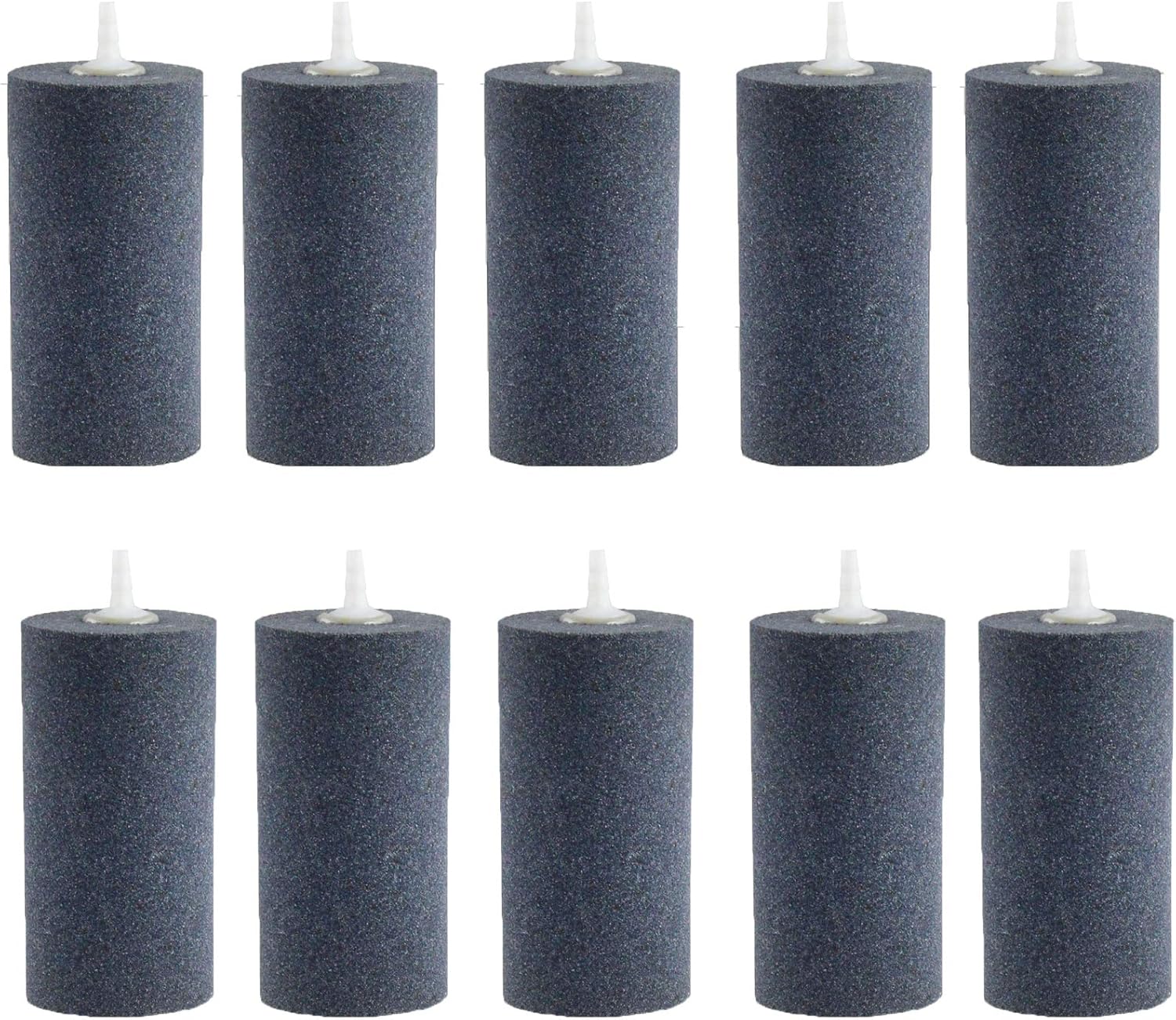
    Airstone is a piece of porous stone or lime wood. They help create bubbles in water and are used to aerate hydroponic tanks or fish tanks.

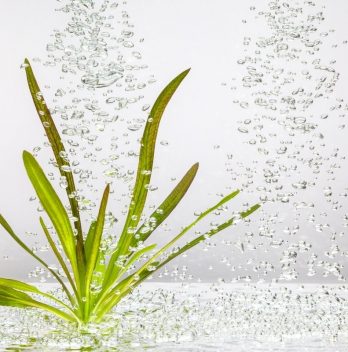
    The bubbles produced are pushed through the system with the help of an air pump and the bubbles allow oxygen to be dispersed throughout the system. The air stones are usually immersed in a water tank of the nutrient reservoir.

    What Is Air stone

    How To Clean An Air Stone & Restore Their Effectiveness

    Usually, air stones may start to lose their effectiveness around 6 weeks of use. However, this can differ depending on the mineral composition of your water. Cleaning your air stones not only removes dirt, but also disinfects them from bacteria, algae, and even dust.

    Even though cleaning your air stones may take some time, it is, however, a great way of extending its use. So, let’s take a look at how to clean an air stone in order to restore their good working conditions and perform like new.

    How To Clean Air Stones

    Step 1

    Turn off or disconnect your air stones and take them out of your tank. Go ahead and rinse the air stone in fresh or clean water. Then gently scrub off any excess build-up from the outer part and ensure you don’t scrub too hard.

    Step 2

    Next, allow your air stone to boil for ten minutes on low heat. Doing this will help take out internal dirt from the air stones at the same time sterilize the stone. After boiling, allow them to cool down and let them dry.

    VIVOSUN Air Stone 2PCS 4 X 2 Inch Large Air Stone for Aquarium and Hydroponics Air Pump

    81RGPOP9qGL. AC SX522

    Step 3

    When the air stones are dry, the next step is to soak them in a cleaning solution. Soak them in a mixed bleach and water of ration 1 to 3 respectively. Soak them for 24 hours or two days depending on dirty your air stones are.

    Bleaching can as well destroy any leftover bacteria that may be hiding deep inside the stones.

    Step 4

    The next step is to rinse off all the bleach. You can go ahead to attaching an airline from an air pump to the air stone and immerse it in clean water. This will further rinse off any residual bleach or even dirt.

    Step 5

    The next and final step is removing the air pump and allowing the air stone to dry. Then your air stone is ready to be reused.

    Other Methods Of Cleaning Air Stones

    Some people, especially aquarium owners, are usually skeptical about using bleach to clean their air stones because of the effect on aquariums. Therefore, there are other methods you can use in cleaning your air stones.

    1. You can use water and vinegar to soak your air stones. Using this method will take out dirt especially calcium lime deposits that is as a result of your reservoir having heavy mineral composition.

    2. Use hydrogen peroxide to soak your air stones overnight. Once you’ve done this, go ahead and wash thoroughly. Then blow air through the air stone till it is totally dried.

    3. Another cleaning agent is the denture-cleaning tablets. They are a dilute type of sodium hypochlorite bleach and they are safer than liquid bleach. So, get some clean water and put your air stone inside, and put as many denture-cleaning tablets. Allow your air stone to soak all night and wash using clean water and blow some air through the stone. Then you allow them dry.

    4. Another way on how to clean an air stone is to boil it for 5 minutes then let the air stone cool. When it’s cool, blow some air through the stone until it’s totally dry.

    5. The last method of cleaning the air stone involves washing and carefully scrubbing off the outer part that is dirty. This can usually be enough if only the outer part of the stone is dirty. But this method won’t kill microorganisms.

    The plastic tubing is another piece of equipment that needs to be cleaned for you to have a total air stone mop-up. Air stones use plastic tubing to connect to an air pump. You can use one of the above soaking methods to clean them.

    Benefits Of Cleaning Air Stone

    There are benefits to cleaning and reusing these air stones and they include:

    • Saves Cost: one obvious benefit of cleaning air stones rather than buying or replacing them is that it saves you cost.

    • Airstone Lifespan Extension: you can extend the usage of your air stone and reuse them several times.

    • Reduce Waste: cleaning and reusing your air stone rather than replacing them is a way of reducing wastage. Thus, you will be helping your community by reducing environmental wastage.

    Benefits Of Cleaning Air Stone

    FAQ’s

    How often should I clean your air stone?

    Every month. Air stones need to be cleaned regularly because they collect dust, lint and moisture from the air. These particles can make your air feel unpleasant.

    What’s the easiest way to clean my air stone?

    The easiest way to clean an air stone is to turn off the unit, take out the air stone and use a soft cloth to wipe it down. If the air stone is covered with dust, lint or moisture, simply wipe it down and allow it to dry. You can also use a damp cloth or sponge to clean the air stone. Just make sure that the water doesn’t drip onto the unit itself. If you don’t want to remove the air stone from your air conditioning system, you can also purchase an air stone cleaner that will help keep your air stone clean. These air stone cleaners come in different shapes and sizes and are designed to fit different types of air stones. Some of them even have cleaning attachments.

    Can you use hot water?

    The first thing that I do is give it a good wash with hot water. I do this by putting it into a sink full of hot water and swishing it around for a bit.

    Then I rinse it out. Next I put it into a dishwasher and run it through the washer. I have found that if I run the washer at high speed, which is about the highest setting, then the water doesn’t get too hot. After the washing is done I wipe it off with a rag and then dry it with a paper towel. Once it’s dried, I put a thin layer of silicone spray on it and let it sit there for about 15 minutes. Then I take a dry cloth and rub it down the outside of the stone. That seems to get all the dust off and make it look really good. The last thing I do is put it in my glass container and store it away for next time.

    How long do air stones last?

    Air-filled ball bearings are made of a rubber material that is compressed to create a tight seal. The compression of the air and the ball bearing creates a durable product. I’ve read that the plastic is very durable.

    My old set lasted me 8 years. I was using them daily. If you’re using them daily for a few months, then they’ll probably last.

    Final Say On How To Clean An Air Stone

    The best time to clean your air stone is when you notice your plants are stressed, which may result from low oxygenation. So, when you notice the performance of your air stone has reduced, then that’s a sign for cleaning.

    Sign to take note when your air stone is in despair is when some part of your system is covered in slime. Or when you notice some fibers settling on your grow medium which will cause blockage.

    So, get cleaning to rejuvenate your air stones.

  • How Often Should I Flood My Ebb And Flow

    How Often Should I Flood My Ebb And Flow

    Ebb and flow also known as flood and drain have some watering schedule rules to follow.  How often you should flood your ebb and flow system will depend on different factors. So, this is why we will be enlightening you on this.

    The important thing is to flood your plants before your grow media dries out. So, you flood your plant for a particular time and drain them after the flooding time has elapsed.

    Therefore, the watering schedule of your ebb and flow system will require adequate monitoring so your plants do not drown or dry out. So, let’s dive in to know how often you should flood your ebb and flow system.

    Ebb And Flow System

    Ebb and flow or flood and drain system is a type of hydroponic system that makes use of the intermittent supply of nutrient water solution which flows over the roots of the plants.

    The nutrient solution flows also across the inert grow medium used in the ebb and flow. This grow medium ensures to retain some water for the use of plants for some time until the system is flooded again.

    The idea behind this versatile hydroponic system involves the movement of water across the grow tray from time to time. This water is rich in nutrients required for plants growth. The system has a pump that pumps the nutrient-filled solution from the reservoir below.

    Gravity is used to return the nutrient-filled water back into the reservoir where it flows back up to be reused.

    As the nutrient solution is being pumped, it moves up reaching the grow tray or container. This nutrient solution now drenches the root of the plants until they reach the water limit.

    Usually, the ebb and flow makes use of a timer that controls the water flow which goes on or off. This way, the flooding schedule is monitored. As the timer goes on, it pumps nutrient-filled water above the plants and when the timer goes off, the pump is stopped.

    However, you still need to know how long the timer should be set to know how often you should flood your ebb and flow. So let’s look into this.

    How Often Should I Flood My Ebb And Flow?

    When we talk about how often you should flood your ebb and flow, what we mean is how many times should the nutrient water flow through the plants. This will depend on the factors we are going to be looking at and this will help you deduce how to plan your hydroponics system watering schedule.

    Then once you’ve observed your plants’ response to the watering schedule you give them, you can be sure of a perfect flood and draining cycles.

    When to Flood My Ebb And Flow

    Ebb & Flow Hydroponics Tips – Factors To Consider

    1.    Size Of Plant

    The size of your plant is one determinant of how often you should flood your ebb and flow hydroponic system. The bigger the plant size, the more frequency is required to flood your system. This is because bigger plants have more stomata they use to transpire or give off water into the atmosphere.

    Therefore, smaller plants will require less flooding. You should also increase the flooding frequency as your plants grow and get bigger.

    2.    Grow Media

    There are various growing mediums that can be used in flood and drain hydroponic systems. We have Rockwool, coconut coir, vermiculite, expandable clay pebbles, and so on. But you should know that each of these grow media differs in terms of water intake and water retention.

    Grow media such as Rockwool can absorb and retain adequate moisture, thus requires minimal flood and drain cycles. However, grow media such as expandable clay pebbles requires more time to be flooded because of their slow water absorbing capacity.

    3.    Temperature

    The heat produced by sunlight or the type of grow light you have can hasten up evaporation. Domestic heating systems and some other factors may bring about a hot environment and can predispose your system to water loss. This will tell you how much to flood your ebb and flow hydroponic system.

    Also, as the season changes for outdoor ebb and flow, you will need to adjust the flooding times to suit seasonal variations.

    BN-LINK Digital Heat Mat Thermostat Controller for Seed Germination

    71n290lSosL. AC SX522

    4.    Hydroponic System Size

    The size of your hydroponic system is another factor to consider when deciding your system’s flood and drain cycles. A bigger and deeper system requires lesser flood and drain cycles. On the other hand, the shallow and smaller system requires more flood and drain cycles.

    5.    Type Of Plants

    Some plants are water-loving thus requires more watering schedule while some are less water requiring. This is why you need to learn about the type of plant you will be growing. Get to know how much watering they prefer.

    6.    Light

    Light plays a role in the transpiration rate of your plants. Just as we mentioned earlier, the type of grow light used in your flood and drain hydroponic garden will contribute to the watering schedule. Therefore, in order to evaluate the flood and drain timing, consider the grow light distance to plants, power of grow light, and light duration.

    A stronger light, longer light duration, as well as a closer light distance will require more flooding cycles. This will help cover up for the lost water through the stomata in the leaves.

    7.    Humidity

    Humid environments contain saturated moisture thus, your flood and drain cycles should be minimal. On the other hand, dry environments increase transpiration in plants more. Thus, you should flood and drain your system more often.

    Ebb & Flow Hydroponics Tips - Humidity

    FAQ’s

    How often should you flood and drain?

    If you plan on using 100 gallons, you will need to fill the tank and let it sit for at least 24 hours. I would recommend doing this once a week. You will need to refill the tank with fresh water at least every other day. If you live in a humid area, you may want to add a dehumidifier to help dry out your plants. For the most part, you don’t want to keep water sitting in the system for extended periods of time. This can cause nutrient depletion and algae growth.

    What plants can be grown in a Ebb and Flow system?

    With the Ebb and Flow system, you can grow a variety of plants from herbs to fruit and veggies.
    It is a great option for growing small fruits and veggies like lettuce, strawberries, and peppers. You can even grow tomatoes, kale and cucumbers in an Ebb and Flow.
    Ebb and Flow is a technique where the growing medium is moved around the plants in a controlled fashion, alternating between dry and wet. In this way the roots are kept moist and healthy and can grow to their full potential. The flow and ebb system is a very efficient way to water your garden without the use of soil.

    What is the best medium for flood and drain?

    The best medium for flood and drain is usually a sand-based mixture, such as: Cemented sand Diatomite Clay-based media. You can use clay pebbles as well:

    How fast does hydroponic water flow?

    The flow is controlled by your pump. You could have a 1GPM (gallon per minute) pump, and you can use a 0.5GPM (half gallon per minute) pump, too. If you’re going to use an air stone, it’s important that you don’t put too much pressure on the air stone. If you do, the stone will crack and you’ll have to replace it. If you put more than 1 psi (pounds per square inch) on the stone, it will crack. So use a reasonable amount of air pressure to get the most out of your pump. I wouldn’t use an air stone at all unless you are using a very high-powered pump like a 1HP (horsepower) or 2HP pump.

    How do you control water flow in hydroponics?

    There are several ways to control the amount of water that flows through your system. The easiest way is to use a pressure regulator, and set the flow rate accordingly. You can also attach a pump to the output of your main supply line, and turn it on or off. This is less convenient, but more reliable.

    Conclusion On How Often Should I Food My Ebb And Flow

    Deciding on the appropriate watering cycles for your flood and drain hydroponic system is an important point to know. The goal is to prevent your plants and grow media from drying out completely or drowning.

    You should follow our tips above to help you decide how often you should flood your ebb and flow hydroponics system.

  • How To Make Rockwool Cubes

    How To Make Rockwool Cubes

    Rockwool is a great hydroponic grow media that offers excellent water retention as well as good air circulation. The rockwool cubes are used by hydroponic growers to start their seedlings and root their cuttings. So, if you’re wondering how to make rockwool cubes, we will enlighten you on this.

    It is one thing to buy ready-made rockwool plugs or starter cubes but do you know you can make some of these rockwool yourself? Making rockwool cubes will even cost lesser thereby saving you more. You also get more numbers of cubes at a lesser price.

    So, if you wish to learn how to make rockwool cubes for growing, read on to learn about this.

    Rockwool Cubes

    Rockwool is a natural product with a thick mat that comprises a long strand of natural fibers. They are formed by melting (at a very high temperature of 3000 degrees Fahrenheit) the combination of chalk and basalt rock to form lava. This lava is then tossed into a spinning chamber which forms the fibers that look like cotton candy.

    After spinning the fibers, a binding agent is used to mix and press them into bigger mats or slabs. It is these mats that are cut into different sizes and used as growing mediums in hydroponic systems.

    Rockwool Cubes

    So, because of this firing process, these rockwool cubes are biologically and chemically inert. This makes them a perfect growing medium for your hydroponics systems.

    Rockwool cubes are very efficient as grow medium because they will retain good moisture and also retain oxygen. This is essential for germinating seeds as well as cuttings for propagation. They are also used to grow various compact plants.

    Learn How To Make Rockwool Cubes

    Making your rockwool cube is a great idea to save up from excess cost. To make rockwool cubes, you need to obtain rockwool slabs. You can obtain them from large construction companies that buy in bulk and use them to your advantage as an indoor grower. You can also check any hydroponic supplies store for these slabs.

    Rockwool Growing Slabs

    Obtaining rockwool slabs will cost you lesser at the same time gives you plenty numbers of rockwool cubes to be used for planting. You can get almost 200 rockwool cubes from one rockwool slabs and they can be used for growing in rockwool slabs.

    So, after obtaining your rockwool slabs, pick one and make a cut along the middle length of the slab with a sharp knife or tool. Now that your slab has been cut into two, go ahead and cut them further into cubes. Cut the cubes according to the shapes you want.

    Learn How To Make Rockwool Cubes

    Once you’re done cutting the cubes, go ahead and soak and drain them in preparation of seed planting. You will need to make small holes or incision on the top of your rockwool grow cubes. This is to create the hole for your seed to be placed in. Then you go ahead and place your seeds into the holes for germination.

    Note: ensure you wear gloves and put a mask on while making or handling these slabs. Their dust or tiny fibers can become airborne and it’s important you prevent them from getting into your respiratory system.

    Benefits Of Using Rockwool Cubes

    There are many benefits to suing rockwool and they include:

    • Water Retention & Draining: Rockwool cubes are well-draining and overwatering issue is less likely to occur. At the same time, they will retain a good amount of water for your plant growing needs.
    • Air Circulation: they also allow adequate air to circulate thereby oxygenating the plant roots.
    • Reusable: Because they are derived from rock, they are less likely to degrade. Therefore, you can use them many times.
    • Sterile & Safe: They are very sterile and contain no pests or pathogens and they are free of weeds. They are also safe to use as they don’t contain any harmful chemicals.

    1.5″ Rockwool Starter Plugs, 2 Sheets of 49 Plugs

    612khtl3zkL. AC SL1000

    How To Prepare Rockwool Cubes

    Rockwool cubes preparation is an important step to take when using these cubes. Because of the manner in which they are made or manufactured, unprepared rockwool cubes have a very high pH. There is presence of lime in abundance in the rockwool fibers which increases the pH and the pH is usually around 8.

    With this high pH, if used in your hydroponic system unprepared, they can cause nutrient lockout thereby causing a nutrient deficiency. Plants majorly do well in slightly acidic mediums. Therefore, lowering the pH of your rockwool cube is required.

    Rockwool Grow Preparations

    A good way of preparing rockwool cubes for the purpose of lowering their pH is by soaking them in acidic water. This acidic water will dissolve the lime present in the rockwool fibers thereby lowering the pH to an appropriate range.

    Distilled water will do just fine because of its purity. However, you can also make use of tap water if that’s what you have available.

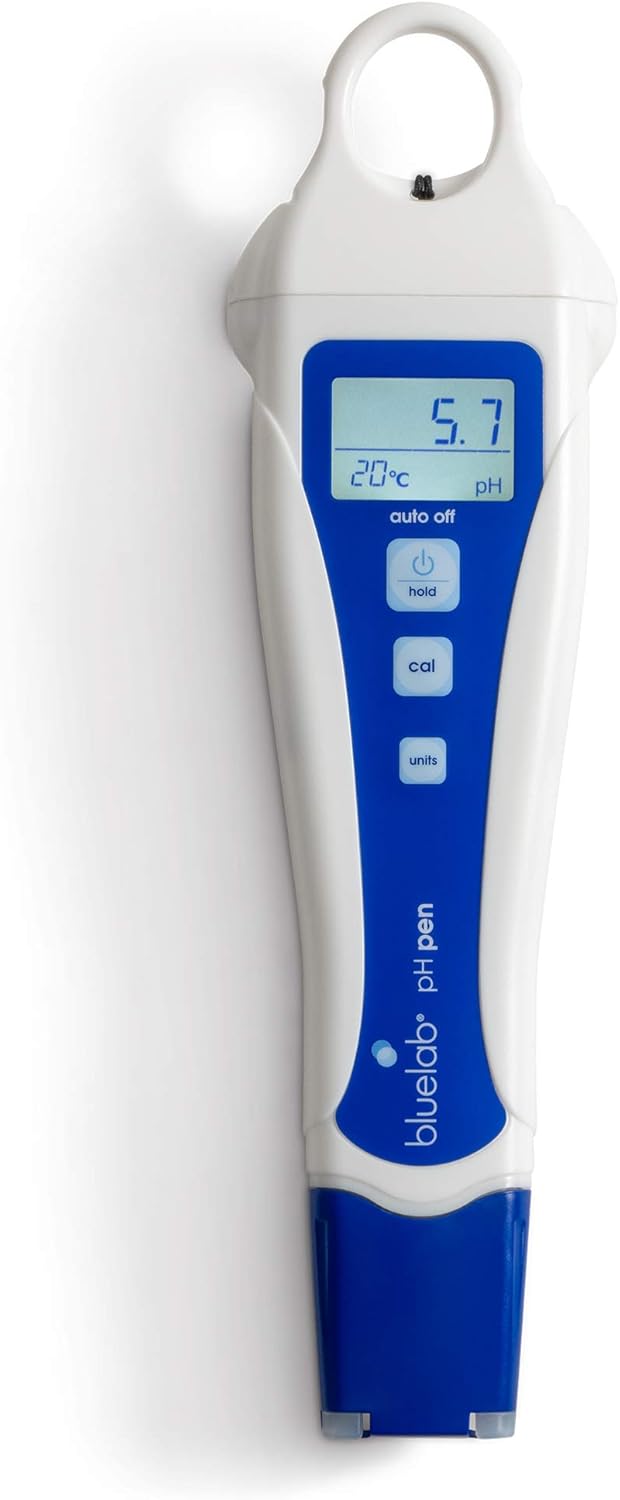
    When reducing the pH of your rockwool, ensure you do it slowly while testing the Ph level at the same time. You want to attain a pH level of 5.5 and nothing lower than 5.0. Make sure the pH does not go down below 5.0. This is so you don’t destroy the rockwool fibers when it gets too acidic.

    The rockwool cube should be immersed in water and allowed to soak for up to 24 hours. Once you’re done soaking. Take them out of the water and gently place them into your hydroponics system. With the prepared rockwool in your system, let your hydroponics system run without any plants.

    Do this and wait until the pH of your hydroponic system reaches 5.0 to 6.0 ranges. This shows that the rockwool cube is stable and are ready for planting.

    FAQ’s

    What is rockwool for plants made of?

    Rockwool is a natural, organic material that is formed when water seeps into the cracks in stone. Over time, these stones turn into hard, porous rock with the consistency of cheese. The rockwool is collected from the quarry and processed to remove impurities. What is rockwool used for? Rockwool is one of the most popular growing media because it provides many benefits for plants.

    It’s a great choice for high-light and low-light environments, and it can be used indoors or out. Rockwool also provides air and moisture circulation, as well as good drainage. It’s an ideal growing medium for houseplants because it absorbs water, helps prevent soil from drying out, and is perfect for retaining water.

    Rockwool comes in several different shapes, sizes, and textures. The best types for houseplants are pebble, granule, and cube. 

    How do you prepare composting with rock wool cubes?

    The following is how to prepare rockwool cubes to help you get your compost started.

    Step 1: Collect your material

    If you want to use rockwool cubes to start your compost, you will need to collect a wide range of materials. This includes organic waste that you normally throw out, such as food scraps, paper, leaves, grass clippings, and weeds. It also includes animal manure that you have collected, such as chicken, horse, cow, or rabbit manure.

    Step 2:Remove the packaging

    If you are using rockwool cubes to start your compost, you should remove the packaging before placing it in the pile. This includes removing any labels that might say “do not compost” or “biodegradable only.” It also includes removing any plastic wrapping that you might have put around the rockwool cubes. You should remove this wrapping before putting the cubes into the pile.

    Step 3: Place the cubes in the pile

    If you want to use rockwool cubes to start your compost, you will need to place the cubes in the pile. When you are ready to do this, first make sure that the material that you collected is dry enough to make a good compost. Then, simply place the rockwool cubes into the pile and cover them with an additional layer of the material that you collected.

    Step 4: Start turning the pile

    If you want to use rockwool cubes to start your compost, you will need to start turning the pile. This means that you will need to periodically turn the pile by lifting the material and turning it over. This will help to expose more of the rockswool cubes to air and light. You should keep turning the pile until the material is completely dry.

    Step 5: Water Your Composting

    Compost can be water-logged if there is too much moisture in it, which can lead to problems like mold or rotting. To prevent this from happening, you need to keep your compost moist. This means that you should add water when you add the materials. You should then water the pile regularly. This will help to keep the compost healthy. When you want to use a compost bin, you can start using one right away.

    Final Say On How To Make Rockwool Cube

    Rockwool cubes are one favorite grow medium amongst hydroponic growers and they are available in different sizes and shapes. They are safe to use and they will provide your seeds or plants the basic features to grow optimally.

  • Adding Nutrients To Aquaponics

    Adding Nutrients To Aquaponics

    Aquaponics combines raising fish and growing crops in a system and the fish waste serves as the plant’s nutrient. The plants also filter the water for the fish. However, sometimes the fish waste that serves as a plant’s nutrient may not be enough, and adding nutrients to your aquaponics system may be required.

    This is why it is important you test your nutrient solution often to know if any nutrient addition will be necessary. This will help you prevent nutrient deficiencies in your aquaponics system. Adding nutrients to your aquaponics system when necessary will also boost the yield of your plants.

    So, continue reading to learn about adding nutrients to your aquaponics system.

    Aquaponics Nutrients

    Nutrients are essential for plants growth and as we said earlier, the fish in your aquaponics provides these nutrients. The fish food you feed your fish usually contains all the appropriate nutrients required by your plants and it’s been supplied to your plants from the fish waste.

    However, this fish waste may not contain the required nutrient quantity needed by your plants to grow efficiently. This is why supplemental nutrients may be required. So, adding nutrients to your aquaponics system is for the purpose of balancing the low level or low amount of nutrients provided by the fish food.

    Aquaponics Nutrients

    Testing

    Before we look into adding nutrients to your aquaponics, the first thing to do is to test your nutrient solutions. This will help determine which nutrients are deficient and if they need nutrient supplements. Also, you will be testing for temperatures, pH range, and electrical conductivity. All these parameters need to be tested in your aquaponics system for nutrients to be absorbed appropriately.  There are different testing kits available for you to be able to do all this required testing.

    • PH Range

    It is important for the pH level of your nutrient solution must be in range. This is required for optimal nutrient uptake by your plant and also for your fish survival.

    If the pH level is out of range, plants will be unable to absorb nutrients appropriately. This is in turn causes the water to be polluted as this prevents the ammonia from converting to nitrates. It can also expose your fish to diseases.

    • Temperatures

    When the temperature of your fish surrounding is too low or too high, it will cause your fish to become stressed. At the same time, it will affect your plants’ growth.

    Inappropriate temperatures range can as well cause harm to the beneficial bacteria responsible for the conversion of ammonia to nitrates. When this happens, it can be quite detrimental to your aquaponics system.

    • Electrical Conductivity

    Inappropriate electrical conductivity can slow the growth of your plants. Thus, decreasing the quality of your plant’s growth. It can also make the growth of your plant very fast which may be bad for some plants that will enter into the bolting phase quickly.

    Electrical Conductivity

    Aquaponics Nutrient Supplements: Adding Nutrients To Aquaponics

    The most common nutrient deficiency that usually occurs in an aquaponic system is calcium, potassium, iron, phosphorous, and magnesium. These are part of the most essential elements required in your aquaponics system.

    So, depending on the nutrient element missing, here are the following ways of adding nutrients to your aquaponics system:

    1. Calcium

    The calcium deficiency can be solved effectively by spraying calcium solution over your plants. Mix calcium chloride with water and start with 4 teaspoons per gallon. Afterward, you can up the dose if need be. Ensure you spray once every week.

    1. Phosphorus

    Using rock phosphate is one of the most easiest and common methods of adding phosphorous to your plants. Adding this supplement directly to your plant beds will allow for instant absorption. However, ensure you protect your plant bed from direct sunlight to get a successful result.

    Adding shellfish bones to your fish tanks can also increase the supply of phosphorous as well as calcium.

    1. Potassium

    Spraying and food additives are two ways of adding potassium to your aquaponics system. Spray potassium chloride onto your plants and repeat this process at least once a week. For food additives, add kelp meal concentrate to feed your fish. This will serve as a source of potassium.

    TrueNute Potassium Silicate for Aquaponics, Hydroponics, Soil and Foliar Spray

    41dUXa6TAKS. SX425
    1. Iron

    To supply iron to your plants, a type of iron that can be easily absorbed by your plant should be used. You can use chelated iron and one excellent type we recommend is the Fe-DTPA. When using this, ensure your pH range is 7.5 or lower.

    Aquaponics Nutrient Deficiencies: Symptoms

    The most common deficiencies that may occur in your aquaponics systems are that of potassium, calcium, iron, phosphorous, and magnesium. So, here are their symptoms:

    • Potassium Deficiency: the symptoms include wrinkled and cupped leaves and this is usually noticed in older leaves.

    • Phosphorous Deficiency: you may begin to notice the leaves’ veins turning purple color. Brown spotting on leaves and spindly growth may be another sign of phosphorous deficiency. Stunted growth especially during the early stage of plant growth can be another symptom of phosphorous deficiency.

    • Calcium Deficiency: deficiency in calcium will result in stunted growth and brown spotting on the young stem and on the leaves. You may also notice the leaves cupping and interveinal chlorosis. The plant that is a fruiting variety will exhibit blossom end rot.

    • Magnesium Deficiency: the symptom of magnesium deficiency is interveinal chlorosis that will begin from the older leaves. You may also notice some white to brown necrotic spots.

    • Iron Deficiency: deficiency of iron is very easy to discover. You will notice interveinal chlorosis on all the young growth of your plant. The severity of the interveinal chlorosis can be so obvious that it displays an almost white appearance in the affected plant area.

    FAQ’s

    Can you add nutrients to an aquaponics system?

    Aquaponics combines the two technologies of aquaculture and hydroponics. Aquaculture is a form of farming that relies on the capture and rearing of aquatic animals for food, while hydroponics uses the nutrient-rich water in which plants are grown to nourish them. In the past, aquaponics has been mostly used by small scale farmers to produce organic vegetables, but now it can be used in commercial settings as well. With its high efficiency, low maintenance, and high yield, aquaponics has become a viable option for urban dwellers who want to live green and healthy lives. If you want to add nutrients to your aquaponics system, you can.

    How do I add nitrogen to my aquaponics system?

    Nitrogen is added to the water in an aquaponic system, either through the use of fertilizers or by adding air that contains nitrogen. Adding a fertilizer with nitrogen can be done at any time during the growing season. The amount of fertilizer added will depend on how much of the crop you are planning to grow and how much fish you are planning to raise. Air containing nitrogen is typically available at all times but you may need to add it more often during the summer months.

    What type of fertilizers can I use in an aquaponic system? There are many different types of fertilizers for an aquaponic system. The most common ones are: Organic Fertilizers These fertilizers are usually derived from plant materials and are usually free of harmful chemicals and other substances. There are many different organic fertilizers available depending on what you are planning to grow and the crops you are raising.

    What plant deficiencies are common in aquaponics?

    Aquaponics is a fascinating and fun way to grow food. But it’s also a complex and high-maintenance hobby that requires some understanding of the basic science behind it, as well as knowledge about plants and nutrition. There are many different ways to use aquaponics, from small urban systems that can fit on a balcony or rooftop to large commercial systems that can be installed in a warehouse or even a factory.
    The key to successful aquaponics is finding the right balance between water and fish. The water needs to be shallow enough to keep the fish from drowning. But you also don’t want to let the fish out of their tanks so that they will be able to eat the plants. You should be able to see the bottom of the tank at all times, so that you know exactly what’s going on in there. You also need to be sure that your water supply is clean. This means that you shouldn’t use tap water. It should be treated with chemicals to kill any bacteria that may be in it.
     

    Conclusion

    The most common nutrient deficiency in aquaponics is iron. Adding nutrients to the aquaponics system is mostly required in large-scale operations. This is because most aquaponics systems will do well on their own without requiring supplemental nutrients.

    Always monitor the pH levels of your nutrient solutions so your plants can absorb nutrients appropriately.

  • Grow Light Vs Regular Light

    Grow Light Vs Regular Light

    More people are indulging in indoor gardening and creating the ideal growing environment will enhance the growth of your indoor plants. Understanding the difference between grow light vs regular light is important so you can provide your indoor plants’ lights for their growing needs.

    Both lights will supply your plants with lights but the light intensity or efficiency they will supply your plants are dissimilar. So grow lights and regular lights are designed in a different manner.

    If you’ve ever wondered about what difference is there between grow light vs. regular light, we will enlighten you in this post. So, let’s begin.

    What Is A Grow Light?

    Before we look into grow light vs. regular light, let’s firstly discuss what a grow light is. A grow light is referred to as an electrical light specially designed to grow various plants. The primary function of grow light is to imitate the work done by sunlight which will ensure your indoor plants grow adequately.

    These grow lights emit specific colors that stimulate plants’ growth. However, not all lights are designed to produce the same light spectrum and they all have a different wavelength of light.

    So, some people may wonder if grow lights can be replaced with the regular lights we use at the home, office, etc. Well, the answer is yes, while in some cases it’s no.

    What Is A Grow Light

    What Are Regular Lights?

    We have a wide range of regular lights which are basically designed as an artificial light source for illuminating dark spaces. People make use of regular lights almost on a daily basis and they help us clearly in the dark.

    They are used to lighten up a room, office, etc as the sun begins to set and as the day goes dark. Regular lights are also used in the garage, the entrance of your door. Some are even used within your vehicles and so on.

    Grow Light vs. Regular Light

    It is possible to make use of both grow light and regular lights bulbs to grow your indoor plants. But what is the difference between grow light vs. regular light? Here are some comparisons between the two lights:

    1.    The Intensity Of Power Between Grow Lights Vs Regular Lights

    When it comes to power or light intensity, grow lights offer more power than a regular light bulb. You can find various grow lights with different light intensities in the market.

    Now, light intensity is needed to enhance the rate of photosynthesis. This guarantees that your plants have adequate light energy to grow. So it is paramount you provide your plants with the right dose of power intensity.

    The Intensity Of Power Between Grow Lights Vs Regular Lights

    2.    Spectrum Of Light

    Light comprises of different wavelength that makes up the spectrum of light. So, all types of light bulbs produce a certain wavelength. However, not all types of light bulbs will produce the appropriate wavelength that will mimic the sunlight which is required for plants’ growth.

    Most grow lights are specially designed to emit the right wavelength that will enhance almost all the growth stages of your plant. However, when it comes to a regular light bulb, they may only be efficient for certain growth stages of your plant.

    3.    Heat Dissipation

    Heat is an important factor to consider when deciding the type of grow light to use on your indoor plant. If the heat emitted is too much and placed close to your plant, it can cause harm to them. However, you can position your lights at a safe distance from your plants.

    The fact is most regular lights produce more heat compared to grow lights. So, if you’re using regular lights for growing, ensure you position them at a safe distance.

    4.    Durability

    The durability of grow light is usually shorter compared to regular light. This is because grow light tends to burn out quickly.

    5.    Energy Efficiency

    Most regular light bulbs are energy efficient. On the other hand, most grow light will consume a lot of energy. However, there are certain low energy consuming grow lights you can go for.

    MARS HYDRO TS 1000W Led Grow Light 3x3ft Daisy Chain Dimmable Full Spectrum LED Growing Lights

    712STTzYpUL. AC SX569

    Different Grow Lights

    We have 3 main types of grow lights and they include:

    1. Fluorescent Grow Light

    Fluorescent grow light is one great light used to supply light energy spectrum to indoor plants. They are low emitting light, thus making them safe to be placed close to plants. The low emitting heat fluorescent light is also suitable for fragile seedlings and clones.

    However, most fluorescent lights are not as intense as HPS or LED lights but they will do a fine job with your growing plants.

    1. Light-emitting Diodes (LED)

    Light-emitting diodes are one of the most efficient grow lights you can use for your indoor plants. They are more focused and will give your plants optimal light intensity. LED grow light will supply your plant with a wide range of light spectrum for them to grow adequately.

    The light can even be positioned a little far from plants and still give your plant good lightning.

    1. High-Pressure Sodium (HPS)

    High-pressure sodium is also known as high-intensity discharge (HID) is another type of grow light you can use for your indoor plants. Although they will require much distance from plants because of their high emitting heat, they will still supply your plant with good lights for their growing needs.

    Other Types Of Grow Light

      • Incandescent Bulb: this type of light has been in existence for a long time. Incandescent bulbs are not so great because the light spectrum they produce is inefficient for plants’ growth. Thus, they aren’t appropriate for plants, especially during photosynthesis. However, they have been replaced with more efficient, durable, and safer options.

      • Halogen: halogen lights are not so great but they will still supply your plant what they need to grow.

    FAQ’s

    Can I Use a regular light as a grow light?

    Regular bulbs are fine for growing plants, but they’re not very efficient. The efficiency of the plant growth is directly related to the amount of light you put out and the length of time you expose the plants to that light. You can get a lot more bang per watt with an LED array or fluorescent tube. LEDs are a bit more expensive, but if you’re trying to save money (which is understandable) then LEDs will be your best bet. You’ll probably want to look for a fixture that mounts the light on a heat sink, so you can get a little extra cooling for your plants.

    Can any LED light be used as a grow light?

    In general, no. LEDs have a maximum current rating (for most), which means they cannot be operated at high power levels (which is the only way to get high light output). That said, you can certainly use LEDs in an environment that doesn’t require very high power, but they’re not really intended for that purpose.

    Is a grow light better than natural light?

    When you’re growing plants indoors, you don’t want to be dependent on the sun. There are a few options for indoor gardeners who need sunlight to help with their plant growth. A grow light is one of them. Grow lights are used to mimic the conditions found in nature, which makes it an ideal option for growing plants indoors. Grow lights allow you to use artificial lighting, which makes it a much more practical option than natural sunlight. This also means that you can have full control over when you turn your lights on and off. You can choose to turn your lights on during the day or at night, which gives you the best time to work with your plants. Grow lights also mimic the natural light cycle. Plants respond to changes in the natural light cycle by growing at different times of the day. By using grow lights, you can make sure that your plants get the right amount of light.

    Whats the difference between a grow light and a regular light?

    The big difference is that in a grow light, the spectrum of the light is tuned to the needs of a plant to stimulate photosynthesis. This means that the reds are higher, the blues lower, and the greens in between. It’s not the same as a regular light which has a continuous spectrum.
     The light spectrum for plants is more like that of the sun than a regular light. And the way that it works is that the blue part of the spectrum (which is the part of the light that plants need to grow) is stronger than the red part.

    Grow Light Vs. Regular Light: Conclusion

    Grow light and regular light are definitely two different lights that perform different functions.

    Grow lights are designed for plants needs while regular lights are meant for daily use in most homes. But regular lights can still provide a certain light spectrum for plants’ growth but they aren’t as efficient as grow light.

  • Aerating Water For Plants

    Aerating Water For Plants

    Do you know if aerating water for your plants is necessary? Well, definitely yes! Have you ever wondered how plants can sit a long time in a hydroponic system without drowning? The trick is the air supplied. If you don’t provide your hydroponic plants with adequate oxygen, they will drown or suffocate.

    The root of plants must be supplied with air for optimal growth so aerating water for plants is important. So, plants require oxygen to breathe or respire.

    In this post, we will be talking about how to aerate your plants, the importance of aerating your plants, and more. So, read on to learn about this.

    How To Aerate Water For Plants

    When you aerate your water for hydroponic plants, you’re introducing dissolved oxygen (DO) to the system. The dissolved oxygen is usually ready to be assimilated by the plant roots. So, we can aerate our hydroponic system in the following ways:

    1.    Airstone With Air Pump

    One of the easiest ways of aerating water for plants is by using air stone connected to an air pump. They are very affordable and easily accessible. Air stones also come in different sizes and shapes, thus you will always find one that is suitable for your hydroponic system.

    Airstone With Air Pump

    So, air stone provides oxygenation by pushing the air pump through the stones. Because the air stone is quite porous, the air is split into a large bunch of bubbles. However, this large bubble may not be so efficient. This is because large bubbles tend to rise rapidly and they may end up not reaching plant roots.

    The good news is that the air stones we find in the market now generate smaller bubbles. Thus, this makes their job done more efficiently.

    2.    Automatic Siphon System

    The automatic siphon mechanism provides air to the plants by exposing the plant root system. This process is common in the ebb and flow system whereby the grow bed is drained and the plant root system is exposed to air.

    The automatic siphon system comes in various forms. They include loop, bell, and U shape and all of these mechanisms work on the same principle.

    The mechanism of action works this way: when the water level in the grow bed moves up and rises, it gets to a point it begins to go down. The water levels go down a tube called the standpipe. As the standpipe fills up, there is a suction created with a vacuum that pulls the water away from the grow bed.

    So the plant root is exposed to air for a while and the water goes up again and the process repeats on and on.

    Auto-Siphon Mini with 6 Feet of Tubing and Clamp

    71z5heMj5sL. AC SL1500

    3.    Air Diffuser

    Using an air diffuser is another method of supplying aerated water to your plant root. Air diffusers comprise bendable tubes with holes in them that help emit air into water. Even though air stones are capable of distributing air evenly, air diffusers will supply smaller bubbles. Thus, most of these smaller bubbles usually get to the plant roots.

    This is the biggest advantage of air diffusers over air stones (bubbles size). However, various brands are now manufacturing sir stones with smaller bubbles because of the growing interest in hydroponics.

    4.    Oxygen Gap

    Some hydroponics system like Kratky method and NFT offers oxygen through an air gap. The nutrient solution should be placed in the grow bed. Allow the plant root to touch the nutrient solution and leave a gap for the rest of the plant body. There will always be enough air between the air gap created and the nutrient solution that will ensure the plant receives oxygen.

    5.    Root Hanging

    The last method we will be looking at for aerating water for plants is root hanging. Vertical and Aeroponic system often makes use of root hanging. Rather than allowing the root to sit in a nutrient solution, the nutrient solution can simply be splashed or pumped across the system and comes back to the reservoir. Vertical hydroponics makes use of pumping nutrients. On the other hand, the Aeroponic system makes use of spraying their nutrient solution.

    root hanging

    Importance Of Aerating Water For Plants

    Aerating your water for plants is very crucial when it comes to hydroponic gardening. So, let’s look at the importance of aerating the water in your plants for their optimal growth:

    • Nutrient Uptake: aerating your water for plants is important so that nutrients can be adequately absorbed by the plants’ roots. Thus, when your plants can absorb adequate nutrients, they will grow healthier and result in abundant yield.

    • Bacteria Build-up Is Reduced: with optimal dissolved oxygen, the roots are able to respire and there will be a drastic decrease in bacteria build-up. However, if the dissolved oxygen drops, it will cause anaerobic bacteria and fungi to build up. These bacteria build-up affects the plant root and restricts the roots from absorbing important nutrients. So, we definitely want to avoid such.

    • Respiration: just as animals and human beings respire, plants also respire. Oxygen is assimilated through the roots of the plants. This same oxygen is also absorbed through the plants’ stomata as well as their stem pores.

    Aerating Plants In The Soil

    Plants in the soil aren’t left out from dissolved oxygen (DO). They also assimilate important nutrients in the soil through oxygenation. Of course, the air present in the atmosphere provides these soil plants oxygen. Plants can also receive oxygen through air pockets in the soil.

    They can also obtain dissolved oxygen from nature through rainwater. Rainwater assimilates dissolved oxygen from the atmosphere before reaching the earth or soil.

    However, over-watering your plants can prevent the soil plant from accessing these air pockets thereby reducing dissolved oxygen. This will in turn cause your plant to drown or suffocate. So, ensure you don’t overwater your soil plants.

    FAQ’s

    What is aeration?

    Aeration is the process of adding oxygen to your aquarium or pond water. This is done by placing a sponge, air pump, or other air diffuser in the water and allowing the water to circulate. It is also possible to place an air stone directly into the water and allow it to bubble. Aeration is especially useful for aquariums or ponds that have very little movement in the water.

    The increased oxygen levels will encourage more fish, plants, and invertebrates to inhabit the tank or pond.

    What is a sponge?

    Sponges are made up of tiny pockets, called spicules, which are packed tightly together to form a strong and resilient structure. They are usually soft and absorbent, and can be found in both marine and freshwater environments. A marine sponge is often used as an underwater filter. Sponges are also used as filters on land, since they can absorb pollutants from the air as well as water.

    What is an air pump?

    Air pumps are small, portable devices that use compressed air to create bubbles that are dispersed through a diffuser. Air pumps are available in many different sizes and types. Most people use air pumps to aerate their aquariums, ponds, and water gardens.

    The air pump is one of the most essential tools for any aquarist. It is used to create bubbles, which helps oxygenate the water and remove ammonia and nitrates.

    What is an air stone?

    An air stone is a small device that creates bubbles. There are several different types of air stones available. Some of these air stones can be attached to a tank or pond for continuous bubbling. Others require manual operation, and are often used to aerate water when it is not being filtered or pumped.

    What is a bubble wort?

    A bubble wort is a piece of equipment that uses bubbles to aerate water. Bubble worts are typically used on a regular basis, so the bubbles will continue to disperse throughout the tank or pond. The bubbler must be used with the air pump to produce the bubbles.

    How important is considering the water for plant growth?

    Water is a very important part of your garden. It’s what keeps the plants alive and allows them to grow. If you water your plants too often, it will cause the soil to become dry and compacted. This will lead to slower plant growth and can even kill them! If you don’t aerate your soil every few months, it can actually cause your plants to be more susceptible to diseases.

    Aerating Water For Plants Final Thoughts

    There are lots of benefits to aerating water for your plants growing needs. Ensure you provide optimal air to your plants’ roots so they can flourish and give you abundant yields.

  • Best T8 Bulbs For Growing Plants

    Best T8 Bulbs For Growing Plants

    As a hydroponic indoor grower, one of the major things to put in place to get optimal growth is good lighting. Among various types of grow light, we have in the market, T8 grow light is the type that can supply your plants with good lighting. This is why you need to know the best T8 bulbs for growing plants.

    Your indoor hydroponic plants will require excellent grow light that can duplicate the effect or work of sunlight. We will be reviewing the best T8 bulbs you can choose for growing plants in your indoor hydroponic garden so you can enjoy optimal yield. So, read on to decide your best pick.

    What Are T8 Grow Light?

    T8 grows are fluorescent grow lights that are one inch in diameter. It is approximately 40% smaller than a T5 fluorescent light and also longer than T5 grow light.

    List Of The Best T8 Bulbs For Growing Plants

    With so many options of T8 bulbs in the market, deciding which to go for might be confusing. This is why we are taking the stress off and listing some amazing T8 bulb grow lights you can go for. So, let’s explore our options:

    1.    SHOPLED LED Grow Light 2FT, Full Spectrum, 20W Plant Lights for Seed Starting, Seedlings, Sunlight Replacement, Grow Lights for Indoor Plants, 4-Pack

    This grows light is one great T8 grow light bulb you can choose. It features full spectrum red and blue light spectrum in a V-shape which is specially required for the optimal growth of plants. This T8 grow light will usher your plants all through their growing phase (germination, vegetative, and flowering or fruiting phase).

    It comes with a three speed timing regulator allowing you to adjust the light output depending on the growing stage. The grow light is very flexible and you can set them up in various positions in your indoor garden such as a growing rack, vertical farm, or plant factory.

    Another added advantage is that the bulbs emit low heat. Thus, you can position them a little close to your plant so they can receive optimal light and not worry about it burning your plants.

    In addition, this grows light will not take too much power thereby you get to save a good amount on your lightning utility bill. They will also serve you a long time till you ever think of making any change.

    The drawback we notice is that the light may be too bright for your eyes. So when handling or going near it, you can make use of some protective eye wears.

    Pros

    • Supplies both red and blue spectrum which is great for plant growth.
    • Easy to use and set up.
    • The heat emitted is minimal.
    • Energy-saving grows light.
    • Long-lasting.

    Cons

    • The light produced may be too bright for your eyes.
    SHOPLED LED Grow Light 2FT, Full Spectrum, 20W Plant Lights for Seed Starting, Seedlings, Sunlight Replacement, Grow Lights for Indoor Plants, 4-Pack
    $58.99

    Full spectrum red and blue T8 Grow light containing 3-speed light output to align with the growing stages of your plants.

    Check Amazon Price
    We earn a commission if you make a purchase, at no additional cost to you.
    12/23/2025 08:02 pm GMT

    2.    GE Grow Lights for Indoor Plants, T8 LED Light Bulbs

    The GE T8 LED Grow Light Bulbs offer a full-spectrum light tailored for indoor plants, especially those flowering and fruiting. With a lifespan of 25,000 hours, these 48-inch bulbs are designed to fit standard T8 fixtures, providing an energy-efficient solution for plant enthusiasts.

    Pros:

    • Advanced Red Light Spectrum: Enhances flowering and fruiting stages, promoting healthier plant development.
    • Energy Efficiency: Consumes less power compared to traditional grow lights, reducing electricity costs.
    • Long Lifespan: With 25,000 hours of use, these bulbs require less frequent replacements.

    Cons:

    • Fixture Compatibility: Designed for T8 fixtures; may not fit other types without modification.
    • Initial Investment: Higher upfront cost compared to standard fluorescent bulbs.

    Overall, the GE T8 LED Grow Light Bulbs are a solid choice for indoor gardeners seeking efficient and effective lighting solutions for their flowering and fruiting plants.

    GE Grow Lights for Indoor Plants, T8 LED Light Bulbs
    $99.77

    GE T8 LED Lights bulbs for Flowers and Fruit with Advanced Red Light Spectrum, 25,000 Hours Lifespan, 34 PPF, 48 Inches, 6 Pack (Packaging May Vary)

    Buy from Amazon
    We earn a commission if you make a purchase, at no additional cost to you.
    12/23/2025 04:03 pm GMT

    3.    Barrina LED Grow Light, 252W(6 x 42W) 4ft T8, Full Spectrum

    The T8 Barrina LED grow light is another excellent grow light that will supply a full light spectrum to your plants. This grow light is easy to install and it comes with different wires for connections.

    It is built with an aluminum reflector that improves the efficiency of light supplied to plants. This T8 bulb light can last as long as 50,000 hours non-stop. The aluminum reflector also assists in spreading the heat emitted evenly.

    This T8 grow light will usher your plants into their various stages such as germinating, vegetative, and flowering or fruiting. The full spectrum Barrina grow light offers consist of red, blue, and green wavelengths which are great for boosting the growth of plants.

    Additionally, this growth light can as well extend the flowering time of any plant you wish to extend. Thus, it will also help enhance the quality of the budding of your plants. You enjoy higher efficiency of light at a reduced cost as well as low consumption.

    Another added benefit is the ability to connect up to 6 bulbs at once without requiring connecting chords. Thus, installation costs and timing are reduced.

    The downside is that the light emitted may be too bright for your eyes. Wear protective eye wears if they’re bothering your eyes.

    Pros

    • Highly efficientT8 grow light.
    • Long-lasting with a life span of 50,000 hours of non-stop light.
    • Great for all plant life cycle.
    • Easy to assemble and use.
    • Features aluminum right reflectors for better functionality.

    Cons

    • Light may be too bright for the eyes.
    Top Pick
    Barrina Grow Lights for Indoor Plants, Full Spectrum Sunlight, 2ft 40W (4 x 10W, 250W Equivalent), LED Grow Light Bulbs, T5 Grow Lights, Plug and Play, Pinkish White, 4-Pack
    $35.99

    The T8 Barrina LED grow light is another excellent grow light that will supply a full light spectrum to your plants. This grow light is easy to install and it comes with different wires for connections.

    Check Amazon Price
    We earn a commission if you make a purchase, at no additional cost to you.
    12/23/2025 10:02 am GMT

    4.    SpeePlant T8 LED Grow Light Strips, 1FT Plant Grow Lights for Indoor Plants Full Spectrum

    Another option for the best T8 bulbs for growing plants is the SpeePlant T8 integrated fixtures. It is perfect for greenhouse cultivation, house gardens, etc.

    They are super easy to assemble and use, and the bulbs are bright enough for your plants to do well under them. They are pretty versatile and lightweight, so they can be installed on your walls, shelves, and so on.

    The SpeePlant T8 integrated light fixtures offer your plant a full light spectrum. Thus, they will assist your plant transition from germination to flowering to vegetative, and flowering or fruiting stages. They will also help your plant take in adequate nutrients even trace elements for optimal yield.

    The grow light is highly efficient and long-lasting and its power consumption is also minimal. You can also link up to 6 fixtures at once.

    The disadvantage we notice is that the light produced may be too bright for your eyes. Thus, ensure you wear protective eyewear when close to the plant if the light affects your eyes.

    Pros

    • A lightweight and versatile grow-light
    • Perfect for all plant stages.
    • Easy to install and use.
    • Long-lasting T8 grow light.

    Cons

    • Light may be too bright for the eyes.

    5.    White Light Full Spectrum LED Grow Light, 2FT 2-Row V-Shape T8 Integrated Growing Lamp Fixture

    One of the best options for T8 bulbs for growing plants is this white light full spectrum. They supply bright white lights and they’re great for an indoor hydroponic garden. The wavelength ranges from 420nm to 780nm.

    The white light they produce will not cause harm to your eyes as they are healthier for both you and your plants. They are also full-spectrum light that will support your plant throughout the stages of its growth cycle.

    The installation is pretty easy and it requires no wiring or reconstruction. All you need do is plug and on your grow light. They are highly efficient that give high output even with low power consumption. Thus, you get to save up to 70% energy on your electricity bill.

    Additionally, they can also link up to 6 bulbs at once. Thus, you can extend your grow tent to a bigger size as you wish.

    However, the drawback we notice is that it produces too much heat. So, ensure you place them at least 4 to 12 inches away from your plants.

    All in all, the white light full spectrum T8 bulb is a great option you can choose when it comes to the best T8 bulb for growing plants.

    Pros

    • Energy-saving T8 grow light.
    • Great efficiency with high output.
    • Ability to link up to 6 bulbs at once.
    • Supports all plant growth stages.

    Cons

    • The heat producded mab burn your plants. Thus the lights should be position a proper distance away from the lgiths
    White Light Full Spectrum LED Grow Light, 2FT 2-Row V-Shape T8 Integrated Growing Lamp Fixture for Indoor Plants, Greenhouse Light with ON/Off Switch Plug and Play, Pack of 4 (24W x 4)
    Buy Now
    We earn a commission if you make a purchase, at no additional cost to you.

    FAQ’s

    Are T8 LED lights good for growing?

    Yes, they are.
    T8 bulbs have a higher color rendering index (CRI) and a better output spectrum. They also emit more visible light. The bulbs produce roughly the same amount of light. The higher CRI is helpful in plants that have a photosynthetic response to blue wavelengths. It is also helpful when trying to see details in plants. There are two main types of T8s. There are T8s with a filament and T8s without a filament. A T8 bulb with a filament produces more light than a T8 bulb without a filament. T5 bulbs do not require a filament.

    Is T5 better than T8?

    T8 is one of the most popular bulb types for growing plants. A t8 bulb is an artificial light bulb designed for growing plants. Most of the bulbs are used in hydroponics, or with a nutrient solution. Hydroponic systems have been around for a long time and are the most common way to grow plants indoors. A t8 bulb is similar to a T5 bulb but with one big difference:
    it has a much higher wattage than a regular T5 bulb. The higher wattage means that the plant will require less energy, which in turn means that you will be saving money on your electricity bill.

    Best Fluorescent Light For Plants Conclusion

    There’s no denying that nothing beats natural sunlight. T8 bulbs will still support your indoor plant growth by mimicking the work done by sunlight.  But even if they do not give you 100% natural sunlight supply, they will still deliver great results for your plants’ needs.

    So, we have listed some of the best T8 bulbs you can go for when growing your plants indoors.

    Product Image Product Name / Price Primary Button
    Amazon Choice
    • T8 LED Grow Light Strips, 1FT Plant Grow Lights for Indoor Plants Full Spectrum, Grow Lights for Seed Starting, Succulent, 20W(2 10W), Sunlight White, 2-Pack

    • $19.99
    Top Pick
    • Barrina Grow Lights for Indoor Plants, Full Spectrum Sunlight, 2ft 40W (4 x 10W, 250W Equivalent), LED Grow Light Bulbs, T5 Grow Lights, Plug and Play, Pinkish White, 4-Pack

    • $35.99
    Top Pick
    • T8 LED Grow Light Strips, 1FT Plant Grow Lights for Indoor Plants Full Spectrum, Grow Lights for Seed Starting, Succulent, 20W(2 10W), Sunlight White, 2-Pack

    • $19.99
    • SHOPLED LED Grow Light 2FT, Full Spectrum, 20W Plant Lights for Seed Starting, Seedlings, Sunlight Replacement, Grow Lights for Indoor Plants, 4-Pack

    • $58.99
    • White Light Full Spectrum LED Grow Light, 2FT 2-Row V-Shape T8 Integrated Growing Lamp Fixture for Indoor Plants, Greenhouse Light with ON/Off Switch Plug and Play, Pack of 4 (24W x 4)

    • N/A
    Amazon Choice

    T8 LED Grow Light Strips, 1FT Plant Grow Lights for Indoor Plants Full Spectrum, Grow Lights for Seed Starting, Succulent, 20W(2 10W), Sunlight White, 2-Pack

    $19.99
    Top Pick

    Barrina Grow Lights for Indoor Plants, Full Spectrum Sunlight, 2ft 40W (4 x 10W, 250W Equivalent), LED Grow Light Bulbs, T5 Grow Lights, Plug and Play, Pinkish White, 4-Pack

    $35.99
    Top Pick

    T8 LED Grow Light Strips, 1FT Plant Grow Lights for Indoor Plants Full Spectrum, Grow Lights for Seed Starting, Succulent, 20W(2 10W), Sunlight White, 2-Pack

    $19.99

    SHOPLED LED Grow Light 2FT, Full Spectrum, 20W Plant Lights for Seed Starting, Seedlings, Sunlight Replacement, Grow Lights for Indoor Plants, 4-Pack

    $58.99

    White Light Full Spectrum LED Grow Light, 2FT 2-Row V-Shape T8 Integrated Growing Lamp Fixture for Indoor Plants, Greenhouse Light with ON/Off Switch Plug and Play, Pack of 4 (24W x 4)

    N/A
    12/23/2025 10:02 am GMT