Category: FAQs

  • How Often to Run Exhaust Fan in Grow Tent: Best Guide

    How Often to Run Exhaust Fan in Grow Tent: Best Guide

    So how often do run an exhaust fan in grow tent? If you are growing plants in an indoor environment, you need to use an exhaust fan to make it ideal for your plant. It is therefore important that you know how often to run an exhaust fan in grow tent, to get the best efficiency from both your exhaust fan and grow tent.

    In a perfectly designed system, an extracted fan should replace the air in your grow tent at least every three to five minutes. To be able to achieve this efficiency, you have to choose the right size fan to get the job done.

    Grow tent ventilation can actually be very simple, as long as you understand the basics. So let us get right into it.

     Does a sealed grow room need fresh air?

    How Important is an Exhaust Fan in a Grow Tent?

    So why do you need a fan in your to-grow tent? Well, there are several reasons:

    • For removing excess heat

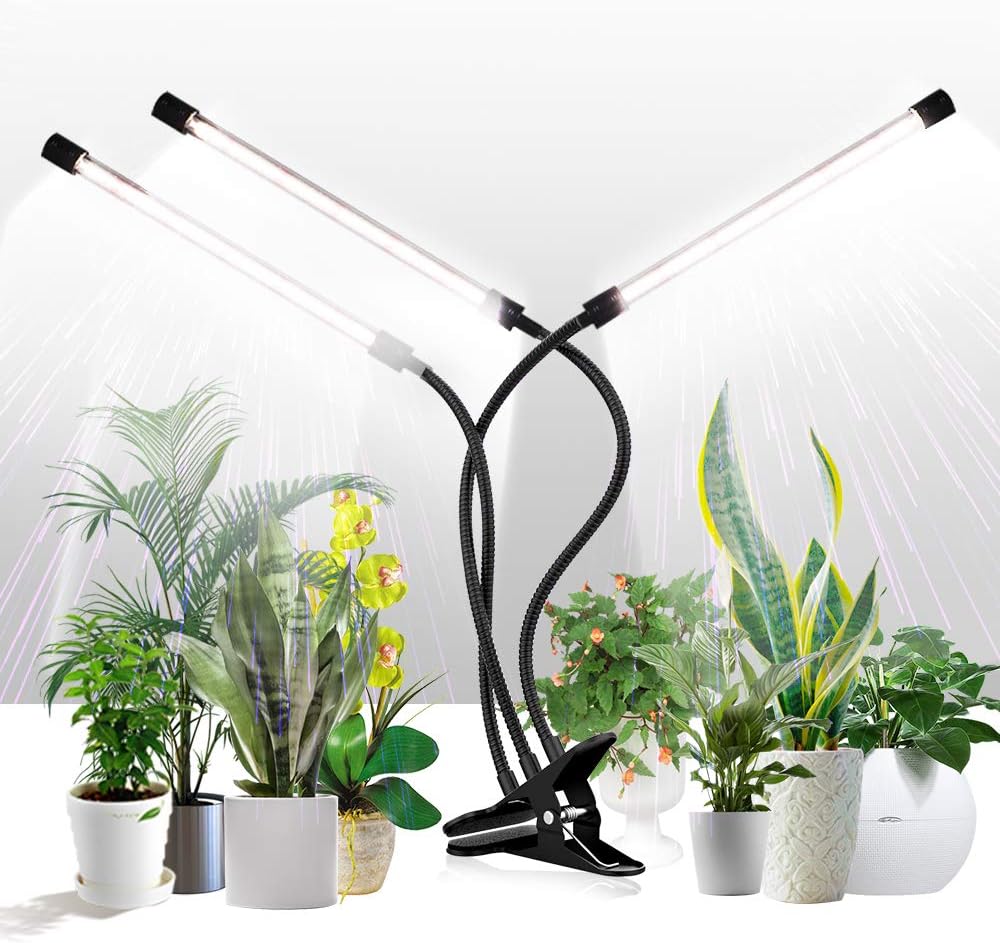
    In an indoor growing environment, there may not be a lot of natural light that enters. In this case, you will need to use grow lights. These grow lights however emit heat which may increase the temperature of the grow tent. This may not seem like much, but a change in a few degrees of temperature can mean the difference between the success and failure of a crop.

    Of course, certain grow lights will emit more light than others. This is often not a problem with LED lights, but all of them produce enough heat to necessitate ventilation. Exhaust fans are necessary to help remove all the excess heat and keep your plants happy.

    • Humidity control

    Plants in a grow tent emit vapor throughout the day which will increase the humidity of the tent. If the humidity is left uncontrolled, it will result in poor growing conditions in the room, which will often result in the development of pests and diseases. An extractor fan will help to suck out all the extra moisture, helping maintain humidity at a minimum.

     How do you set up an exhaust fan in a grow tent?

    • CO2 control

    Because a grow tent is sealed, the level of CO2 will gradually decrease, limiting the growth of your plants. Ventilation from an exhaust fan will bring fresh CO2 from outside and boost plant growth and productivity.

    If grow tent setup is sealed, this means that the level of CO2 in the room gradually decreases, limiting your plants’ growth. Ventilation brings in the fresh air and fresh CO2 from outside and removes the old air from your grow room, boosting growth and yields.

    • Photosynthesis

    Plants need CO2 for photosynthesis. In a grow tent without adequate ventilation, the CO2 will become stale. This will become destructive to your plants if it is not solved with the addition and use of an exhaust fan.

    91fpqkIrYzL. AC SX679

    How Often to Run Exhaust Fan in Grow Tent?

    Different grow tents require different amounts of ventilation. To know how often to run an exhaust fan in grow tent, you will need to first measure the volume of the grow tent in cubic feet.

    61qBBAYmZeL. AC SX425

    The running unit of an exhaust fan is measured in CFM, short for cubic feet per minute. This is an indication of the total volume of air that should be exchanged in the grow tent. If you are unsure how to do this yourself, certain calculators such as this one will help you work out these values.

    Ideally, your exhaust fan should replace the total volume of the air in your grow tent every 3 minutes. Let’s suppose, for example, you have a grow tent with a CFM  of 720. You would divide this number by 3;

    • 720/3 = 240

    If you had an exhaust fan with a capacity of 240 CFM, you would need to run it continually to replace the air in your 720 CFM grow tent. But if you have a full capacity one (i.e. 720 CFM), you would only run it once every three minutes.

    Should I Turn My Fan Off at Night?

    You should always keep your extractor fans running as long as the lights are on in your grow tent. Colder nights may not need ventilation but during summer, you may put them on a schedule. You can also use sensors to detect if any parameters are off so you can know when to turn the fan on.

    Does a Sealed Grow Room Need Fresh Air?

    A sealed grow room needs excellent ventilation to cycle out the cold air and bring fresh air in. Otherwise, your plants will die.

    The total volume of the air needs to be replaced every three to five minutes. Make sure you get the right size fan to get the job done.

    How Do You Set Up an Exhaust Fan in a Grow Tent?

    The best time to install an exhaust fan in a grow tent is during the setup stage. This is so that you will not have to work around existing plants in your system, which may potentially kill them.

    Calculate the total volume of your grow tent to ensure that you get the best fan that will be able to efficiently ventilate.

    Once you have the fan specifications, choose the model and make that you want, in the price range you can afford. You can also look at reviews to help you decide on the best model and make sure you get the best fan for your money. Also, check of the fan comes with a filter, or if you need to purchase one separately.

    If you are mechanically inclined, you can install the fan yourself; otherwise, get a professional to help you install it.

     How important is an exhaust fan in a grow tent

    How Often Should Air Be Exchanged in Grow Room?

    You may be wondering how often the air should be exchanged when in the grow room. The truth is, it depends on the size of the grow tent. However, the rule of thumb is that the air should be exchanged in your grow tent every 3-5 minutes or so, for best results.

    Grow Room Exhaust System Setup

    To set up an exhaust system in your grow room, you’ll need to follow a method to ensure you get the best results. Let’s take a closer look.

    • Choose your equipment. Depending on what you’re growing, you’ll need certain-sized equipment. The first thing you’ll need is your exhaust fan and intake fan, which you should choose accordingly to the size of your room. Ideally, you should get fans of the same size, or a slightly smaller intake fan. You’ll also need a controller, circulation fan, ducting, and carbon filter.
    • Begin installing. You’ll need to install the exhaust fan first, along with the carbon filter. Decide where you think is best, this can be anywhere inside or outside of the tent; assuming it’s within reached. Ideally, it should be inside. Attach with tape and ducting and place the ducting outside.
    • Install further. Now it’s time to install your intake fan. This should be opposite your exhaust fan. Having them opposite one another will ensure you get the best results from your to grow tent. Just like before, secure with ducting and tape.
    • Circulation fan. Now it’s time to add at least one circulation fan; however, I would recommend using two for slightly larger tents. This particular fan should be kept running at all times; irrespective of whether the lights are on or not.
    • Set up the controller. Check everything you’ve already set up is working adequately, then set up the controller to match the cycle you’re following in your grow tent.

    Do I Need to Vent My Grow Tent Outside?

    The truth is, you can vent wherever you want; inside or outside. However, most people like to vent their grow tent outside to ensure no damage is caused to their houses. However, it all depends on what you’re growing. For example, for something like cannabis, you should absolutely try to exhaust it outside. Try to make a decision based on what you’re growing and what you think is best for your plants.

    How Long to Leave Fan on Plants?

    You may be wondering how long to leave your fan on your plants. And in all honesty, it all depends on which fan you’re talking about. For example, your circulation fan should be kept on at all times; regardless of whether your grow lights are on. However, for your inline and exhaust, you can reduce the speed after around 30 minutes of your grow lights being off and then reduce gradually before turning off completely after around three hours,

    However, when your plants are still seedlings, you may decide to keep them on 24 hours a day for best results, as this will ensure they thrive once they’re older. It all depends on what you’re growing.

    Conclusion: How Often to Run Exhaust Fan in Grow Tent

    We hope this article has provided you with the information you needed to make the best decision with regards to getting the best exhaust fan for your grow tent and to know how often to run it so you get the best efficiency and benefits for your plants.

    If you enjoyed reading this article or found it useful, feel free to share it with your family and friends.

  • How To Harvest Fresh Mint – Tips For Growing And Cutting Mint Leaves

    How To Harvest Fresh Mint – Tips For Growing And Cutting Mint Leaves

    If you want to know How to Harvest Fresh Mint, then the information in this blog post would be advantageous to you. Mint is a perennial herb with tiny purple, pink, or white blooms and extremely aromatic leaves. The leaves can often be shiny or fuzzy, smooth or crinkled, or bright green and variegated. However, plants from the mint family can always be identified by their square stems.

    Mint essentially grows on its own. In addition to giving meals and drink a pleasant, aromatic flavor, it also has medicinal benefits that include easing headaches and promoting digestion. When growing them, the best way to prevent this perennial plant from spreading throughout your yard is to keep them contained in a container or small area.

    This article has information and advice about mint planting, maintenance, and growth. Mint is also utilized as herb remedies, air fresheners, ground coverings, and landscape embellishments in addition to being a cooking companion. They are both aesthetically pleasing and useful, easy to grow, and thrive in both sun and shade in North American regions. Have a look at the information below to learn more about this beneficial herb.

     Do you pick mint leaves from the top or bottom?

    Does Mint Regrow After Cutting?

    Yes, mint does regrow after cutting. In general, it is advisable to cut the plant by no more than a third, as pruning mint frequently will promote fresh foliage development and keep you in good supply. To promote new stems, prune mint above a leaf node. Mint plants in pots can live for a long time since they grow back every year.

    This plant should survive for more than five years, barring extremely poor potting soil. Every two to three years, mint should be replanted in new soil to increase its flavor and perfume. Keep in mind that if you’re planting from seed, you would have to wait roughly 90 days for it to reach maturity. This timespan indicates that it will reach its full height, which is typically 1 to 2 feet, and be ready for harvest.

    However, it is essential to know how to harvest fresh mint so that you do not flaw your plant. To begin with, it can be harvested when it is about one inch above the earth. After about a month and a half, it will regrow to harvesting height once again. Regularly pinch off the top two pairs of leaves for mint to grow bushier and healthier. Cutting leggy mint plants to the ground will produce fresh, leafy shoots that are scented. To learn more about how to care for and plant mint, here’s a great video

    Do You Pick Mint Leaves from the Top or Bottom?

    It is essential to know how to harvest fresh mint, especially if you have a bunch of them growing in your garden. By pinching off stems, mint leaves of any size can be harvested. When the flavor is at its peak, just before the plant blooms, harvest a considerable quantity by cutting the entire plant just above the first or second set of leaves. By doing this, you will encourage bushier growth and get rid of the bottom yellowing leaves.

    Listed below are a few things that you should consider when growing and picking mint leaves:

    • It is ideal to gather mint leaves early in the day because the essential oils that give the herb its flavor are concentrated at their peak in the morning.
    • Snipping mint sprigs right above the leaf nodes, where fresh leaves sprout from the stem, or plucking leaves straight off the stems from the top to the bottom is recommended.
    • When buds start to form, you can pinch them or prune the plants to encourage a larger yield.
    • You can also prune the plants back twice or three times in the second year of growth.
    • In order to avoid pests and diseases like anthracnose that would otherwise overwinter in the plants, mint must be cut down to the ground before winter.
    • Trim the ends of each stem by roughly one-third using a pair of shears.
    • Mint is a fast-growing, somewhat hardy herb, so don’t be scared to cut them as your plant will regrow.

     Does mint regrow after cutting?

    Should I Let Mint Flower?

    The natural life cycle of plants includes flowering. Plants bloom when they are ready to procreate and use their flowers as reproductive organs. Like most other plants, mint also flowers when they want to reproduce. So, the answer is yes, it is okay to let mint flower. Usually, the blooms are seen when the plant is subjected to hotter conditions or other factors that promote bolting.

    Seeing that this plant is considered a perennial, it still thrives after blossoming. It is a hardy perennial that thrives in favorable conditions. You can grow these plants from seeds or by re-rooting a clipping.

    You’ll also note that the mint plant’s leaf production begins to decline as summer fades into fall. This is entirely typical so you should not be alarmed. Above its lush foliage, you’ll find tiny white and purplish mint blooms during this time. The stem will also appear less bushy and woodier as its nutrient resources are used for growing blooms.

    However, keep in mind that although mint blooms don’t need to be taken out as they don’t impact the leaf quality, it may be beneficial to remove the blossoms before the seeds develop. This is an act that will prevent it from self-seeding and multiplying into numerous new plants which may prove beneficial if you don’t want it to take over your garden. If it does take over your garden, knowing how to harvest fresh mint and store it will be beneficial.

     How do you cut mint leaves?
    How Do You Cut Mint Leaves?

    Mint cutting is crucial for both practical and aesthetic reasons. The more you cut them, the more they produce. By trimming them during the growing season they will develop new leaves and stay bushy. Hard pruning after the flowering season is also recommended. You should also have a fair knowledge of how to harvest fresh mint and how to use the leaves for culinary and medicinal purposes.

    Here are a few tips that you can use when cutting mint leaves:

    1. Regular mint leaf cutting enhances root growth and plant health while defending the plant against insects and illnesses.

    2. Midway through the growing season, just before the flowers start to bloom, is the ideal time to collect mint leaves.

    3. However, as soon as the plants are at least 4 inches tall, you can begin gathering individual leaves.

    4. Pick the plant’s green leaves as needed for fresh use. You should be able to harvest your mint plant three to four times during the growth season.

    5. Thereafter, within two to three weeks, the plant will often begin to produce new foliage. For a speedy recovery, keep the soil around your plant moist.

     Should I let mint flower?

    Conclusion

    Mint is one of the most widely used plants in the world because it has a cool flavor, is fragrant, and energizing. It can be used in a variety of dishes, from delectable sauces to desserts, cocktails, curries, and tea amongst others. It is also a typical component of beauty cosmetics and can also be found in chewing gum, mouthwash, toothpaste, and other products.

    There are currently more than 30 different varieties of mints that are endemic to every continent but Antarctica. Spearmint and peppermint, two of the most popular types, are also well-known in the culinary world. Fresh, dry, powdered, or frozen mint is often eaten throughout the world.

    If you enjoy the cold, revitalizing flavor of this flavorful plant, you may go one step further and cultivate it in your garden as it can be easily grown. It is crucial to note that the mint plant has the potential to spread, which is why gardeners frequently grow them in containers. Make sure you don’t have runners extending to neighboring soil when you grow them in a pot, and that you take heed of our tips on how to harvest fresh mint! Here is some great information about these beneficial plants from the Utah State University Yard and Garden Extension

  • When To Water Begonias – A Care And Maintenance Guide For Foliage Plants

    When To Water Begonias – A Care And Maintenance Guide For Foliage Plants

    Knowing When to Water Begonias will save you a lot of hassles as these plants are picky about light and water. Begonias are among the most visually appealing plants that you can grow indoors. They are native to tropical regions worldwide, including Central and South America, Asia, and Africa.

    These plant varieties are virtually limitless with approximately 1500 species. They are popular as both annual bedding plants and houseplants are widely grown. They do best in the morning sun and afternoon shade as they prefer it. Begonias come in a wide range of colors, sizes, and shapes. Fibrous, tuberous, canes, and rhizomatous are the four main types.

    Some varieties have flowers that grow downward, making tuberous begonias ideal for hanging baskets and window boxes rather than garden beds and borders. No matter where you grow them, make sure they have good drainage to prevent root rot. This is because they grow best in soil that is neither dry nor wet.

    Therefore, finding the ideal moisture level and having a planned watering schedule is vital. To learn more about these stunning plants, take heed of the information below. 

    Should You Mist Begonias?

    Yes, misting begonias is recommended for them to thrive. It is important to know when to water begonias as these plants prefer to stay damp and not completely dry out. However, keep in mind that they despise having their roots submerged in water. To help retain moisture, use well-draining soil with some compost material.

     How do I fix an overwatered plant?

    Always water from the bottom of the plant as damp leaves can cause leaf rot and spots. Begonias also thrive in areas with high humidity which is due to their tropical origins. Therefore, they do appreciate daily misting in drier areas. In some instances, it is not recommended to mist too often or to use tap water because the high alkalinity in it may cause your plant leaves to drop.

    Keep in mind that begonias are susceptible to powdery mildew if their leaves are kept wet. To increase humidity, mist the area around your plant instead of directly on it. This small gesture will reduce the chances of them getting damaged. Although misting is recommended, it should be done with caution to maintain your begonia’s stature. Learn more about begonias in this great video. 


    How Do You Save an Overwatered Begonia?

    If you do not know when to water begonias, then you may be guilty of overwatering them which can cause them harm. You need to understand that giving them too much moisture can tremendously deteriorate their growth potential, ultimately killing your plant.

    So, to avoid wet muddy soil and soft soggy leaves, this should be avoided at all costs as it is a clear indication of overwatering. Also, if the leaves are brown and dry, this could mean that the plant has been underwatered. By using the few easy steps mentioned below, you can save your plants and allow them to be healthy and happy again.

    Steps:

    1. Root inspection

    Very gently remove an overwatered begonia from its pot and carefully inspect the root. If the roots are mushy, soft, and brown or black, then root rot has set in.

    2. Assess the damage

    Next, determine the scope of the issue. There is no need to take drastic steps if the plant leaves have just curled and there is little welting. The plant may recover quickly if it is simply allowed to dry out; however, do not place it in direct sunlight in the hope of hastening the process. If you do this, you are more likely to aggravate the situation. Leave it alone and in a position with indirect sunlight. Within twenty-four hours, it should perk up.

     How do you save an overwatered begonia?

    3. Treating the plant

    If you find that there was more damage done, then treat the plant accordingly. Apply a fungicide solution to the roots. Note, you can make your own fungicide solution if you do not have any readily available. A mixture of mild liquid soap and water is ideal. A teaspoon of soap per liter of water will suffice. This formula may appear simple but it will treat a wide range of common houseplant pests. Also, adding a teaspoon of bicarbonate of soda can make the solution a good fungicide.

    4. Repotting

    To begin the repotting process, you should first clean out the roots. After that, remove all of the mushy, damaged roots or any part of the plant that looks flawed. You might need to get rid of most of the plant roots if the damage is extensive. If you’re planting in the same pot, clean it thoroughly with a kitchen disinfectant first. If you’re planting into a new pot, make it the same size as the one the plant just came out of. Remember to repot begonias in a container that has good drainage and use a soilless potting mix. Discard the old soil completely.

    How Do I Fix an Overwatered Plant?

    It’s human nature to offer water to people, plants, and animals. In this way, we show love, care, and affection. Well, it doesn’t work that way with all plants because overwatered plants will eventually rot. It is always important to know when to water begonias as their need for moisture may not be the same as other plants. Below are a few hints on how to fix an overwatered plant.

     Should I Bottom water my begonia?

    Useful Tips:

    • Stop watering the plants.
    • It should go without saying, but no matter how much your plant wilts, don’t give it any more moisture when it shows signs of overwatering.
    • Location
    • If your plant is in a bright window, move it to a less-lit-up location. Not all plants require direct sunlight when their healths deteriorate due to an excess of water.
    • Drainage
    • Check the drainage capabilities of your plant container when repotting. Make sure the pot that it is growing in is the correct size and has sufficient drainage. Insufficient drainage is a common cause of plants not surviving.
    • Air
    • Insufficient air can cause plants to wither. Move the plant to a location where it will get enough air to revive itself.
    • Repot
    • There may be a need to repot the plant if you suspect or notice that the roots are rotting. Before repotting remove all damaged roots, and treat the plant. Place some potting mix in the container, followed by your plant. Allow the plant to moisturize itself with the moisture from the soil before you start to water it again.

    Should I Bottom Water My Begonia?

    Begonias prefer moist but not soaking-wet soil when grown indoors. Need to know when to water begonias? Well, it should be done when you notice the top inch of the soil is dry. Remember to select a container with drainage holes so that excess water can easily exit. Bottom watering will not remove salts and other minerals from the soil, so it is recommended for best results.

     Should you mist begonias?

    Because begonias are very sensitive to overwatering and can easily develop root rot, the soil should be slightly damp at all times but not soggy. Therefore, it is essential that before watering, you test the soil to determine whether it is in need of moisture. Using the tips of your fingers over the soil surface will help you determine whether you should water your plant or not.

    Also, if you notice that your plant is wilting, ensure that you check the soil moisture level before adding any more. Keep in mind that wilting can be caused by various other reasons aside from too much moisture. These include funguses and infestations that are quite common in plants that are left unattended for long periods of time. Additionally, if you find that the soil is bone dry, you should water it sparingly.

    Conclusion

    Begonias are native to tropical regions worldwide. Because they are picky about light and moisture levels, knowing when to water begonias will save you a lot of trouble. As long as you remember to plant begonias in a pot with good drainage and a soilless potting mix, you should maintain a healthy indoor or outdoor garden without any hassle.

    Also, keep in mind that these plants are particularly susceptible to root rot. So, using a layer of pebbles or broken shards of old terracotta pots at the bottom can help with drainage. When the pot becomes rootbound, repot the begonias into a larger container to allow it to keep thriving.

     when to water begonias

    Begonias thrive in soil that is neither too dry nor too wet. Determine the ideal moisture level and create a watering schedule that will be beneficial to your plant’s health and growth. Watering every two to four days should be adequate in most cases; however, this will also heavily depend on the region you’re in. Water more frequently when the weather is hot and dry and less often if the air is cool and the soil is retaining its moisture. Here’s a link with additional information about these eye-catching foliage plants. 

  • Does Zucchini Have Seeds? – Zucchini Seeds 101

    Does Zucchini Have Seeds? – Zucchini Seeds 101

    Zucchini is one of the most delicious and versatile squashes out there. Once you try it, you will want more. You will want to grow it yourself asking questions such as; Does zucchini have seeds?, How do I propagate my zucchini?, How long will it take before I can enjoy my zucchini squash after planting? 

    Let us discuss this topic in detail.

    Zucchini

    Zucchini, also referred to as courgette or baby marrow is a summer squash that is usually harvested while it is still immature, while its seeds and skin are still soft. They come in different colors such as the regular green, and the more unusual golden yellow and orange varieties. All of these are equally delicious if you ask me.

    Zucchini squashes can get up to about three feet in length. They are however harvested when they are about 6-10 inches long.

    Originally from America, these squashes are now grown worldwide and are used in many different dishes.

     "how to save squash seeds to plant next year

    Does Zucchini Have Seeds?

    Zucchini is propagated by seeds that are collected from larger squashes. Because zucchini for eating are harvested when they are still small and immature, the seeds appear very small and may seem insignificant.

    But if you want to grow more from your own crop, you will need to let some of your zucchini squash mature and then collect the seeds for the next growing season. You will then plant these in the soil to grow another crop, and keep this cycle going.

    Types of zucchini

    There are three different main types of zucchini;

    • The black beauty – is the most common type of zucchini squash that is found in most grocery stores and most commonly grown, that is the long green one,
    • The gourmet gold – is similar in taste, shape, and texture to the black beauty, except it has a golden yellow color, and finally
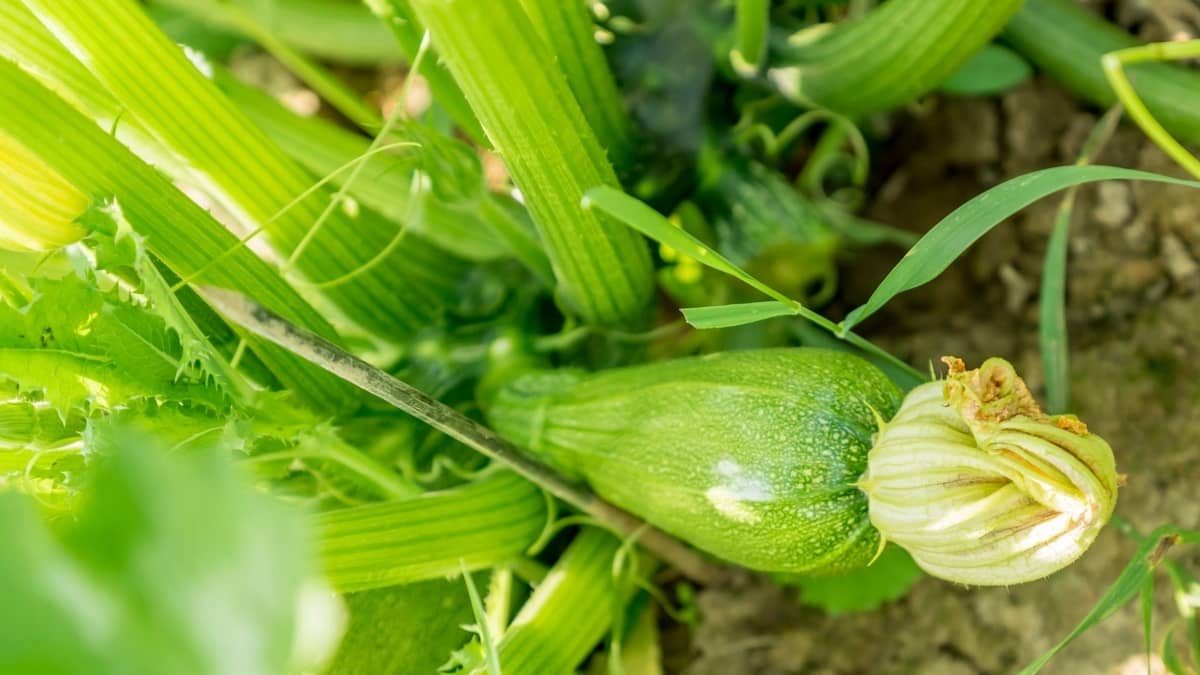
    • The globe zucchini – This one has a different overall appearance from the other two. It has a globe shape and grow up to eight inches in width. This ball shapes zucchini squash is usually prepared by stuffing it, and then cooking it with the stuffing. Simply scoop the seeds out and stuff them with whatever you may like. The seeds are also perfectly edible if you would like to eat them as well.

    What Do Zucchini Seeds Look Like?

    Zucchini seeds are small, usually yellow in color and have a flat appearance. They look very similar to pumpkin and the seeds of other squashes. You should therefore carefully label them if you have seeds of other squashes as well because they may get mixed up and it will be difficult for you to tell them apart.

    81TiizfvHuL. AC SX569

    Harvesting Zucchini Seeds – Step By Step

    Knowing how to harvest zucchini seeds is important if you are going to keep and grow them. Here is how you do it.

    Step 1: Cut the zucchini open

    Because the skin of a mature zucchini squash may be hard, you will need a sharp knife to cut it open, and cut through it to open it up.

    Step 2: Scoop the seeds out

    Use a spoon to scoop the seeds out and separate them from the stringy flesh that surrounds them.

    Step 3: Ferment the seeds

    Put your seeds in a clean container, and put a bit of water to keep them moist. Close the container tightly and let the seeds sit in there for a few days. This process will help to clean them.

    Step 4: Clean the seeds

    After the fermentation process has completed, take your seeds out and rinse them so clean them. The flat, empty seeds will float to the top. These ones are not viable for planting, only keep the heavy ones that settle at the bottom. These are the ones that you will keep for planting.

     Does zucchini have seeds?

    Step 5: Dry the seeds

    After cleaning, dry the seeds by spreading them in a single layer and placing them in a sunny spot to dry. You may need to turn them every now and then to make sure that they dry evenly. If there are any wet spots, your seeds might get moldy.

    Step 6: Store the seeds

    After the seeds have dried, carefully store the seeds in a container or envelope and label them so you do not lose them. Store them in a cool dry place until you need to use them.

    How To Save Squash Seeds To Plant Next Year?

    To save your squash seeds to plant for the next year, follow the step by step above to harvest, clean, and store them in a place where they will not be exposed to moisture which may rot them, or where they will not get pests attacking them. This will help save your squash until you can plant them the next growing season.

     how to harvest zucchini seeds

    How to Start Zucchini Seeds

    To start your zucchini seeds before planting, soak them in water at least 24 hours before planting. Soaking them in water will rehydrate them, which will help to speed up the germination process.

    The next day, plant your seeds in your prepared soil and water them. If you take good care of your seeds they will sprout into new zucchini seedlings that will grow and grow squashes that you will enjoy.

    Conclusion – Does zucchini have seeds?

    As you will have gathered from this article, yes zucchini squash have seeds that are used in propagating this lovely and nutritious vegetable. If you are unsure at first, of whether you will be able to identify the seeds, you can purchase seedlings to plant at first, and from your first harvest, you will start keeping your own seed by following the steps carefully outlined above to do so.


    You will definitely not regret growing your own zucchini when you start enjoying the fruits of your labor. You can enjoy this healthy vegetable and can even share it with your pet dogs if you have any.

    Happy gardening!

    If you enjoyed reading this article and found it useful, please see free to share it with your family and friends.

  • White Wave Petunias – Learn How To Harvest Petunia Seedlings In This Guide

    White Wave Petunias – Learn How To Harvest Petunia Seedlings In This Guide

    White Wave Petunias are easy to grow and if afforded the right care and maintenance, you can look forward to outstanding results. They are consistent flowering plants that bloom throughout the season. These gorgeous plants are fast-growing with good uniformity and a good balance of mounding and spreading.

    Petunias are sought-after plants as they are used to fill up planters, hanging baskets, and window boxes, and are great to enhance the look of your landscapes. Tolerating temperatures both hot and cold, the vines of these hardy plants grow over four feet long. Petunias grown in containers require regular fertilization and watering to maintain their stance.

    Keep in mind that petunia seeds should not be started outside as they favor indoor temperatures. These plants also thrive in full sun with loose, rich, well-drained soil. For them to spread out and grow to their full potential, proper care and maintenance are required to get the best results. Learn more about the white wave petunias in the article below.

    Do Wave Petunias Come In White?

    Yes, wave petunias do come in white. The various types of these plants produce different colors that are a great asset to any indoor or outdoor garden. Wave petunias spread the most and can grow up to four feet across and six inches tall. This variety is available in pink, lilac, purple, red, and blue colors which are quite stunning.

     Can you save seeds from Wave petunias?

    Another lovely variety is the blue easy wave petunia, which also comes in white, shell pink, and red. They are simple to grow and work well as a cover for open garden spaces. These plants are heat resistant and add beauty to your garden while attracting hummingbirds.

    White wave petunias have a unique trailing growth habit and are extremely prolific bloomers. They look great draped over the sides of containers and in raised beds in the summer season. The growth habit of a regular petunia is upright or bushy which is much different from the white wave variety.

    How Do You Harvest Wave Petunia Seeds?

    White-wave petunias blooms produce seeds in a seedpod which is located at the bottom of the flower. The seeds can be harvested when the plant is fully mature and fading. Additionally, you can also pinch the flowers to extend the bloom period. Alternatively, you can allow a few of them to die naturally to continue your seed harvesting endeavor.

    Here are a few tips:

    – When harvesting, ensure that you pinch the blooms at the base to remove them without damaging the plant.
    -Thereafter, leave them out in a shallow tray to dry completely.
    – After that, store the seeds in an airtight container for a few days.
    – After this time you will see that the pods will split open, releasing the petunia seeds.
    – The seeds can be stored in a cool, dry place if you’re not planting them immediately.

     Do Wave petunias come back every year?
    Note: Petunia seeds need a lot of light to grow because they are tiny. You should plant the seedlings about a foot apart when they have about three leaves. Use a container potting mix that will drain well if you’re planting in containers. Because petunias can withstand some heat, you shouldn’t have to worry about watering them frequently. Once a week, thorough watering should be enough unless there are prolonged periods of drought in your area. Remember to avoid shallow irrigation. This is because it will promote shallow roots.

    Can You Save Seeds from Wave Petunias?

    Yes, you can save seeds from white-wave petunias. To do this, you should begin by growing them in the appropriate conditions. This is because healthy petunia plants will produce blooms that are ideal for seed saving. You should also avoid soggy soils and excessive shade when growing these glorious bloomers.

    This is because petunias prefer well-drained soil and direct sunlight. You can also pinch the flower tips back as they grow to encourage bushy growth. Below are a few ideas on how to save wave petunia seeds.

    Seed Production

    Near the end of the growing season, it is vital that you select healthy, disease-free petunias for seed production.
    Natural seeds

    To allow seed pods to form naturally, stop deadheading your petunia plant. Keep in mind that when the bloom fades and dies off, the seed pod begins to form.

     Do Wave petunias come in white?

    Finding the seedpod

    Keep an eye on the flower as it perishes and the petals naturally fall off. During this time, it is advisable to not remove it from the plant. The seedpod is encased in the calyx, a bulbous structure at the base of the flower.

    Maturity

    Check on the calyx daily as it swells with developing seeds at which time it will turn from green to brown. Also, keep an eye out for signs of cracking. When the seedpod begins to crack, cut it off the stem as this is an indication that the seeds have reached full maturity. Any soft or damp pods should be discarded because they will cause mold which will flaw the seeds.

    Drying seeds

    Allow the seeds to dry out completely. You can spread them out to dry on a tray. Be sure to leave plenty of space between them for air circulation. Store the pods in a cool, dry place away from direct sunlight for about a week.

    Testing for dryness

    To test if the pods are dry, take some between your fingers and squeeze them. You will know if the seeds are dry if it is difficult to break. To release the tiny seeds into the bowl, squish the pod. Remove any husk and debris.

    Storage

    Place the seeds in an envelope or small paper bag when storing them. These seeds can be stored for up to 5 years in a cool, dry place.

     How do you harvest wave petunia seeds?

    Do Wave Petunias Come Back Every Year?

    Although petunias are perennial plants, they are commonly grown as annuals because of their growth pattern. These plants will often survive and even bloom during the winter months in year-round warm climates. However, if the temperature becomes too low, it can reduce the time of their flowering period. If you find your white wave petunia wilting, here are a few things you can do to avoid this and keep them thriving.

    Climatizing Petunias

    If you live in a colder climate and want your petunias to grow back in the spring, keep them indoors during the winter.

    Proper watering

    If your wave petunia is drying out, the first thing you should do is make sure you’re giving them enough water. This is because they require frequent watering when grown in containers or in the ground.

    White Wave Petunia Care

    Reviewing the care you’ve been giving your plant is essential. Although petunias are easy to grow, one unintentional oversight can have a negative impact on how well they thrive. Their primary requirement is plenty of sunlight as they prefer at least six hours of direct light per day.

    Fertilizing

    Establishing a regular fertilizing schedule should help you remember when it’s time to feed your petunias. You should fertilize once every three weeks for regular, in-ground petunias, once a week for spreading types, and once every two weeks for container plants. Over-fertilizing could lead to pest and disease problems so ensure that you follow the proper directions.

    Here’s a video that shows you how to plant the perfect wave petunias in hanging baskets. 


    Conclusion

    White wave Petunias are easy to grow and maintain. It poses no special challenges as long as this plant is given the proper care it requires. These plants are commonly grown for their delicate, colorful flowers, pleasant scent, and long blooming season. They make great bedding plants and are also widely grown in containers.

    Although watering once a week in most conditions is recommended, a fine spray mist applied to soil and foliage is advised to avoid water-logging of the soil, which can damage the roots. However, keep in mind that this will also depend heavily on the climate in your region.

    Remember not to over-fertilize your white wave petunias to aid them in staying disease free, healthy, and happy. If you notice the plant leaves changing to a brown or yellow color, take heed because these are clear signs of over-fertilization. Overall, petunias are a great addition to any surrounding. Not only are they eye-catching, but they’re also great for very simple to grow and harvest. For information about growing petunias, here’s an informative link

  • Plants That Grow Well With Lavender – The Benefits Of Companion Gardening

    Plants That Grow Well With Lavender – The Benefits Of Companion Gardening

    There are many Plants That Grow Well With Lavender as they can tolerate the same low fertility, well-drained drought-prone soils as others. Lavender, is a perennial plant that can live for up to 20 years in ideal conditions, and it is a very valuable commodity all over the world. Not only is it used in the manufacturing of several beneficial products, including skincare, but it also aids other garden vegetation in growing their best.

    Because of its strong scent, lavender is an excellent companion plant as it deters garden pests. The majority of these plants can also be grown to draw pollinators to your garden. The most common ones that grow well with it include herbs, flowers, and crops. These, when properly paired, can add to the beauty of your garden and enhance your landscape.

    Combining lavender with other sun-loving perennials such as coneflowers, sage, or ornamental grass would be of great benefit. In a herb garden, it goes well with oregano, thyme, and other herby plants amongst others. To find out more about plants that grow well with lavender, take a look at the information provided below!

     Can I plant lavender and marigolds together?
    Can You Plant Hydrangeas With Lavender?

    When it comes to plants that grow well with lavender in most cases, hydrangeas are unfortunately not the most likely choice. Although you can plant them together, it is not recommended for several important reasons.

    Therefore, it is best that hydrangeas and lavender be grown separately so that their individual nutrient demands are met. This is because their requirements for optimal growth are very different from each other.

    Let us take a look below as to the reasons below:

    1. Maintenance

    • – Lavender is a drought-tolerant plant that does best in USDA plant hardiness zones 4 through 8 and requires little fertilization and a lot of sunlight to thrive.
    • – Hydrangeas on the other hand grow best in USDA hardiness zones 3 through 8. These plants also require regular watering and perform best in partial shade.

    2. Companion Plants

    • – Shrubs such as azaleas, hollies, yews, mahonia, gardenia, and boxwood complement hydrangeas and help them thrive.
    • – Lavender companion plants include several flowering perennials, crops, and other vegetation that grow in tandem with this well-known bloomer. The reason these plants serve as excellent garden companions is that they can tolerate the same growing conditions.

     Can lavender and peonies be planted together?

    3. Planting Soil Requirements

    • – Lavender thrives in infertile, well-drained, and slightly alkaline soil with a pH of 6.7 to 7.3. Before planting, adding sand to the soil improves drainage. This is a critical aspect when growing these plants because they do not tolerate excessive soil moisture.
    • – The majority of hydrangeas thrive in fertile, well-drained soils with plenty of moisture. It is also recommended that compost be added to improve the growing medium’s capabilities. Also, keep in mind that these plants prefer partial sun.

    Do Rosemary And Lavender Grow Well Together?

    Yes, rosemary and lavender grow well together. Both can be planted as companion plants in your garden to benefit the rest of the plants. This is because these plants attract a wide range of pollinators while repelling rabbits, deer, and other animals. However, keep in mind that because rosemary is not as cold-tolerant as lavender, another companion may be required if you live in a colder climate.

    On slopes and hillsides, in rock or herb gardens, container plantings, and hedges, lavender and rosemary make a lovely pair. The semi-woody evergreen sub-shrubs are aromatic sun-lovers that require little other than well-drained soil. In the right environment, they will also coexist in harmony for years once established.

    When it comes to plants that grow well with lavender, you can choose from a plethora of varieties with complementary and contrasting shapes, sizes, and blossom colors. However, paying close attention to placement in your indoor or outdoor garden is a must as it will ensure adequate light and space for these plants to grow. Learn about harvesting and distilling lavender in this great video. 

    Can I Plant Lavender and Marigolds Together?

    Marigolds are amongst the plants that grow well with lavender and make excellent planting additions to any garden or landscape. Companion planting is a popular technique that has been used for centuries. There are numerous reasons why marigolds and lavender plants are so popular.

    Below are a few advantages of planting them together:

    Planting

    Lavender in a garden or raised bed would be an excellent choice for perennial varieties. Once established, it requires minimal care and can live for several years. Marigolds make excellent garden or landscape borders and can provide a nice contrast when planted next to these lilac blooms.

    Space

    Growing these eye-catching perennials together will make more room in your garden, allowing for other herbs and plants to be grown.

     Can you plant hydrangeas with lavender?

    Pollination

    They both have beautiful flowers that attract a large number of pollinators and other beneficial insects, preventing the growth of weeds, and improving biodiversity.

    Soil

    Growing Lavender and Marigold together can be of great benefit to other crops they aerate the soil. Both plants prefer well-draining soil because neither does well in a soggy growing medium. An all-purpose potting soil is ideal for planting in a container. Depending on the soil in your area, planting in the ground may require amending. Before planting ensure that you test the soil using a kit that can be purchased at your local nursery, home center, or online.

    Maintenance

    Both of these beneficial plants are simple to set up and require little to no maintenance. They are drought-tolerant and provide numerous advantages to the surrounding plants.

    Pest Deterrent

    Lavender is frequently grown in herb gardens or raised beds, with marigolds planted nearby or as a border. Together, they form a formidable insect barrier, deterring harmful pests from attacking your surrounding plants. They have chemical compounds in their leaves and roots that keep bugs like potato beetles, cabbage worms, and root nematodes at bay. They also don’t consume a lot of nutrients and won’t spread or compete with your other plants.

     Do rosemary and lavender grow well together?

    Weather Tolerance

    Marigolds are flowering annuals that thrive in hot weather. They prefer to be planted in warm weather and dislike moist growing conditions. These plants are drought-tolerant and notorious for being resistant, making them an excellent addition to your lavender or herb garden.

    Can Lavender And Peonies Be Planted Together?

    Yes, lavender and peonies can be planted together because they have similar recommendations to thrive. For this reason, peonies are also among the plants that grow well with lavender. Not only will it be beneficial to your garden, but by planting one in front of the other, smaller plant varieties can be used to hedge them.

    Large varieties, on the other hand, can be interplanted behind the peonies as these slender, dainty flowers have a fuzzy texture that enhances their surroundings. When they bloom, the petals grow upright. Peony blooms open to form a round shape that pairs well with flowers that grow along spikes.

    Foxglove, delphinium, lupine, and clustered bellflowers are good spike bloomers that flower when peonies do. Another excellent would be false indigo or Baptisia australis as it is scientifically known. Together, these plants will give your garden area an extravagant breathtaking look.

     plants that grow well with lavender

    Conclusion

    Many home gardeners grow lavender as a herb, which is quite beneficial. It is effective at repelling insects, especially mosquitoes, and other animals. The plant’s leaves and flowers are highly fragrant and can also be used as a culinary herb, both fresh and dried.

    When grown alongside other perennial plants, the combination can aid in enhancing soil aeration and nutrients for surrounding vegetation. If you have limited garden space, growing lavender alongside the other shrubs and herbs mentioned above can help you save space.

    Lavender is frequently grown in pots, herb gardens, or raised beds, with marigolds planted nearby or as a border. These plants are excellent for beginner gardeners as they thrive with minimal maintenance. Having plants that grow well with lavender in your garden will afford you a colorful lush landscape. Here are some great tips for growing lavender plants

  • How To Grow Large Garlic Bulbs – Our Secrets Revealed!

    How To Grow Large Garlic Bulbs – Our Secrets Revealed!

    Do you ever sit and wonder how to grow large garlic bulbs? Garlic is one of the most rewarding, and easiest vegetables to grow. But it can sometimes bring disappointment of producing very small heads. In this article, we will reveal all the secrets you didn’t know you needed on how to grow large garlic bulbs

    Growing Garlic

    Garlic is a popular ingredient in many savory foods that we cook at home. It has the ability to just take a dish to a whole other level. Because of this, we are motivated to grow it at home.

    After growing your garlic for nearly a year, lovingly caring, diligently watering, weeding and fertilizing these plants, of course you will have to harvest large, beautiful bulbs that you will use for all of your favorite recipes.

    There is no real magic involved in making this happen. It all comes down to choosing the right variety, good timing, good soil fertility and sufficient spacing between the plants when you plant them.

     How long does giant garlic take to grow?

    The Best Time To Grow Garlic

    The ideal time to successfully plant garlic is in the fall season. Get the plants in the ground at least two weeks before the first frost of the season. This will give your garlic the best possible chance of surviving the harsh winter conditions by giving it abundant time to establish.

    Tips On How To Grow Large Garlic Bulbs

    Here are some tips on growing large garlic bulbs;

    1. Select the best variety for your region

    Garlic requires sufficiently cold temperatures in the winter to develop nice large heads in the spring. There are some varieties however that can tolerate warmer weather. Select a variety of seed garlic that is adapted to the area where you live. For example, do not buy seed that is great for cold areas if you live in a warm area. This will just be setting yourself up for disaster, and we do not want that.

    2. Prepare the soil for planting

    Garlic is tolerant of a wide range of soil types. But if you want to grow garlic with giant heads, prepare your garden soil with soil that is optimum for the plant.

    Plant garlic in soil that is loose, loamy and has a high content of organic matter. This type of soil is important for good drainage in order to allow the roots to develop well.

    If you would like to put fertilizer in your soil, you can do so at the time of planting, and in late spring. However, you must be careful with of over-fertilizing with nitrogen-rich fertilizers because this could lead to the plant directing its energy and nutrients towards top growth and not much energy towards growing the bulb.

    3. Plant the biggest cloves

    The reason for this is simple, the biggest garlic heads will produce the largest garlic cloves. Large garlic heads have enough energy stored in them that they will get your garlic off to a good growing start. They also tend to be more resistant to frost damage.

    If you get your seed garlic from your own previous harvest, although the larger cloves may look more appetizing resist the urge of eating them all and save some for planting later. In the future, you will get even larger heads to grow.

    4. Give them room to grow

    When you plant your garlic make sure you give them enough room to grow. Planting garlic about 6 inches apart is best, and will keep them from competing for nutrients and water, resulting in larger garlic heads. This spacing is also just enough for them to provide each other with some shade which will help keep them cool.

    5. Keep growing garlic cool

    Keeping your garlic cool will help ensure that they grow large heads. Some of the biggest garlic is that which goes through a long, cool period of winter and early spring. This period allows it to establish its root system and prepares for head development.

    Keep the soil around the garlic as cool as possible, for as long as possible to get the best chance of growing the largest heads.

    Selecting a planting spot that is shaded during the hottest part of the day may also help keep the soil cool.

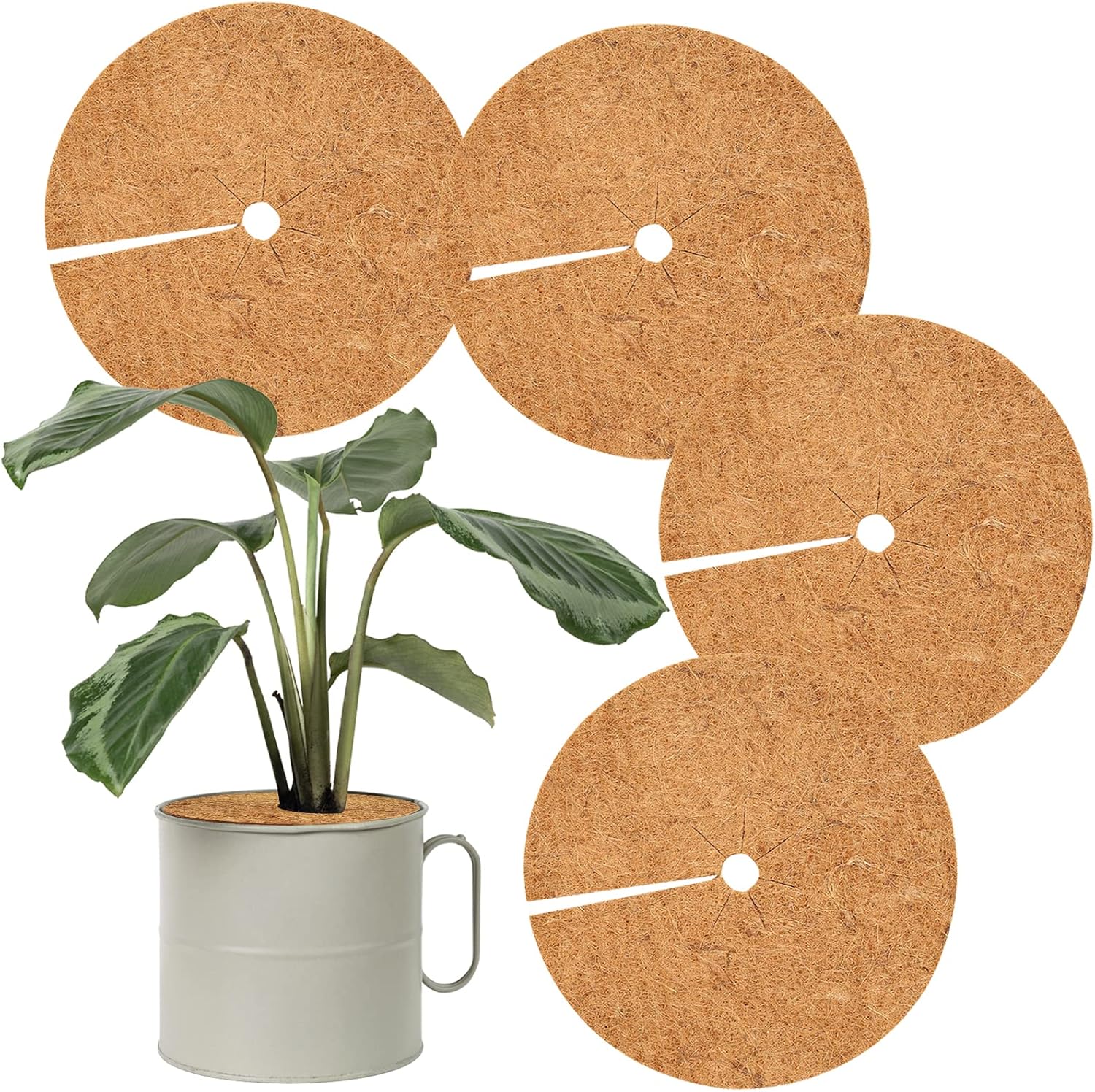
    Mulch your soil deeply with CompostCocoa Mulch, or Mega Mulch, to help keep the soil cool.

     How to grow large garlic bulbs

    6. Water deeply

    Watering your garlic deeply will help it to grow a large head size. This is because the roots will be encouraged to grow deeper to find water instead of only staying in the top layer of the soil which may also be warmer.

    7. Constant weeding

    Constantly weed the area where your garlic is planted. This will help to ensure that the weeds do not provide unnecessary competition for nutrients and water with your garlic.

    8. Remove scapes as soon as they appear

    Scapes are the flower stalks that garlic produces in spring or early summer. Regularly check your garlic for these, and remove them at leaf level as soon as they appear. You can eat scapes so do not throw them out. They should just not be allowed to grow on the garlic because they take energy away which would otherwise be directed towards head growth.

    9. Harvest at the right time

    Make sure that you give your garlic sufficient time to grow before you harvest it.

     Should I put Miracle Grow on my garlic?

    How Long Does Giant Garlic Take To Grow?

    Hardneck garlic require 12 weeks to grow too full size, if exposed to temperatures of between 40 and 50 degrees F. Other varieties such as Softneck garlic like California Early White and California Late White are a good good for warmer climates.

    Should I put Miracle Grow on my garlic?

    Miracle Gro is a good all purple food for plants such as garlic. It can be applied every two weeks with a garden feeder and will help your garlic heads get larger.

    71EIjI OANS. AC SY879

    What Is The Best Fertilizer For Garlic?

    All purpose fertilizer is good for garlic and will help it grow large and healthy. Other good options are blood meal, pelleted chicken manure or a synthetic source of nitrogen.

    What Happens If You Plant Garlic Too Deep?

    Planting garlic too deep can result in poor growth of the plant, and can even kill it. Garlic needs a bit of sun to establish itself, and will not be able to do so if planted too deep.

    Conclusion How To Grow Large Garlic Bulbs

    Growing garlic has never been easier. Follow all the tips provided in this article and you will grow the largest garlic you ever have.

    We hope this article on how to grow large garlic bulbs has provided you with all the tips you needed. Happy gardening.

     What happens if you plant garlic too deep?