Category: Composting

  • The Ultimate List of Things You can Compost

    The Ultimate List of Things You can Compost

    You must apply fertilizer to your garden occasionally. You will also need fertilizer to use on your lawn, farm, and aquaponic system. Many farmers are aware that not all fertilizers are safe for use on their plants, but some of us do know that starting a compost makes our life much easier. Let us tell you about the things you can compost in the following paragraphs.

    When shopping to add nutrients to your soil, you need to be on the lookout for organic sources that contain the right nutrients to support the healthy growth and development of your plant. One such healthy nutrient source for the plant is compost. In this article, we will be talking about how to use compost, things you can compost, and compostable items. But before we get started, let us first take a quick look at some of the benefits of composting just in case you are contemplating whether to compost or not. 

    Benefits of Composting 

    • One of the foremost benefits of composting is that it helps to support the production of beneficial microorganisms such as fungi and bacteria which aids in the breakdown of organic matter leading to the formation of humus. This is a material filled with nutrients that can lead to the growth of healthy plants in your garden. 
    • Using compost in your garden will reduce your dependency on chemical fertilizers. This also saves you the problems associated with the use of chemical fertilizers such as exposure to toxins and environmental pollution. 
    • Compost helps to reduce carbon and methane emissions from your soil. 
    • It also helps to provide your soil with nutrients that support growth. This makes it a good solution to the problem of soil nutrient deficiency. 
    • Composting also helps to reduce the buildup of waste in landfills. This is because many of the materials that are often disposed of can be kept for use as an organic manure for plants. 
    • Composting is a cheap source of providing nutrients for your plants. You get to save money on manure and fertilizer once you decide to compost. 
    • Composting also helps to encourage soil water retention. This reduces the effect of erosion and also stops the depletion of the nutrients present in the soil. 

    The Basics of Composting 

    The basic thing you need to know about composting is that there are three ingredients required for the process to take place and they are:

    Water 

    Water helps to provide the moisture needed for decomposition to take place. Water helps in the breakdown of the organic waste that leads to the formation of humus. 

    Green materials 

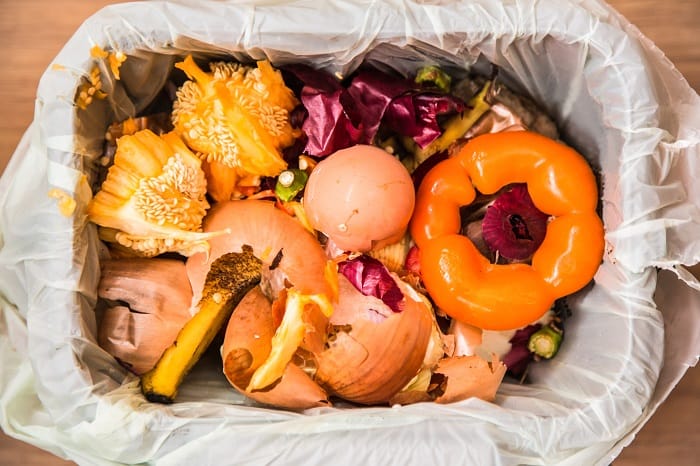
    Green materials are the organic waste products that form the compost. They can include vegetable waste, fruit, coffee grounds, and other organic materials. Greens also provide a natural nitrogen source that is needed for composting to take place. 

    Brown materials 

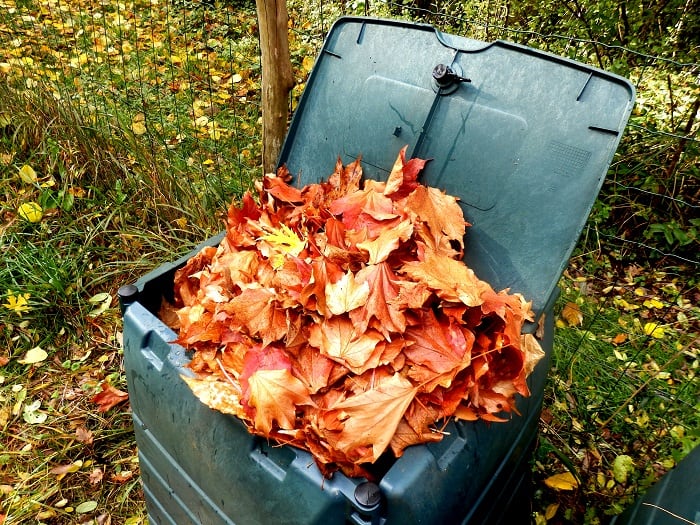
    Brown materials are also ingredients that make up compost. They include twigs, dead leaves, and branches. They are the main source of carbon for the entire pile. 

    Having identified the three important ingredients for compost, you need to also know that you will need to add equal amounts of green and brown materials when piling up your compost. You will need to pile the materials up in alternate layers of brown and green. You can either build your compost indoors or use an outdoor space at the back of your home or side of your farm. 

    Items You Can and Can’t Compost With 

    We have compiled a list of all the available things you can use when piling up your compost. Some of the materials mentioned here will not be acceptable to some of us due to the fear that these ingredients may support the emergence of pests in your garden or home. Considering that this is an extensive list, we are certain that you will be able to find the right material to compost with. 

    Green materials suitable for composting 

    Greens are the best source of nitrogen to compost and they are needed in large quantities when building your compost pile. Here are some of the best sources of nitrogen for compost :

    • Cooked plain rice
    • Cooked plain pasta
    • Seaweed
    • Cornhusk
    • Stale bread
    • Corn cobs
    • Dead plants (ensure they are not diseased)
    • Dead flower heads
    • Fresh leaves 
    • Fruit peels
    • Vegetable peels
    • Coffee grounds
    • Trims from houseplants
    • Grass clippings
    • Melon rinds
    • Citrus rinds
    • Tea bags/leaves
    • Broccoli stalks
    • Eggshells 
    • Old herbs and spices 
    How to Compost and Compostable Items

    Brown materials suitable for composting 

    Browns provide your compost with the carbon needed to support aeration within the compost. They also help to improve the structure of your compost once decomposition begins. Some of the best browns you can add to your compost pile include:

    • Straw 
    • Shredded office papers 
    • Shredded newspapers
    • Pinecones 
    • Raffia
    • Bird nests 
    • Used napkins 
    • Excelsior 
    • Toilet paper 
    • Fall leaves 
    • Beddings from rabbits, hamsters, and guinea pigs
    • Sawdust (use only dust obtained from wood that hasn’t been treated)
    • Brown paper bags
    • Wood chips 
    How to Compost and Compostable Items

    Some people often add fat, dairy and meat to their compost but we left those out in our list of ingredients because you will need to be extremely cautious when using such items. You can speed up the rate of compost by ensuring that you add equal amounts of brown and green to the mix. But if you notice that your compost is not decomposing as fast as it should, you will need to add more green materials to jack things up. 

    Things you can’t compost with 

    Some people often make the mistake of including the materials mentioned below as part of their compost items.

    • Walnuts
    • Glass
    • Greasy foods boxes such as empty pizza box
    • Plastic 
    • Wrapping paper made from metal
    • Dead plants that contain diseases
    • Cooking oil 
    • Toothpaste 
    • Haircare products 

    While they might cut across like a domestic waste product, these materials have no benefit to your compost as they cannot decompose even when they are left in the pile for an extended period. You want to make use of materials that are easily broken down once decomposition begins.  

    Indoor Composting 

    You will need to make use of a bin when preparing your compost indoors. This bin you can easily purchase from your local gardening supply store or hardware store. When using a compost bin indoors, you will need to be extra careful to ensure that you don’t encourage the outbreak of rodents or pests inside your home. You will need to tend to your pile regularly and your compost should be ready in less than six weeks. 
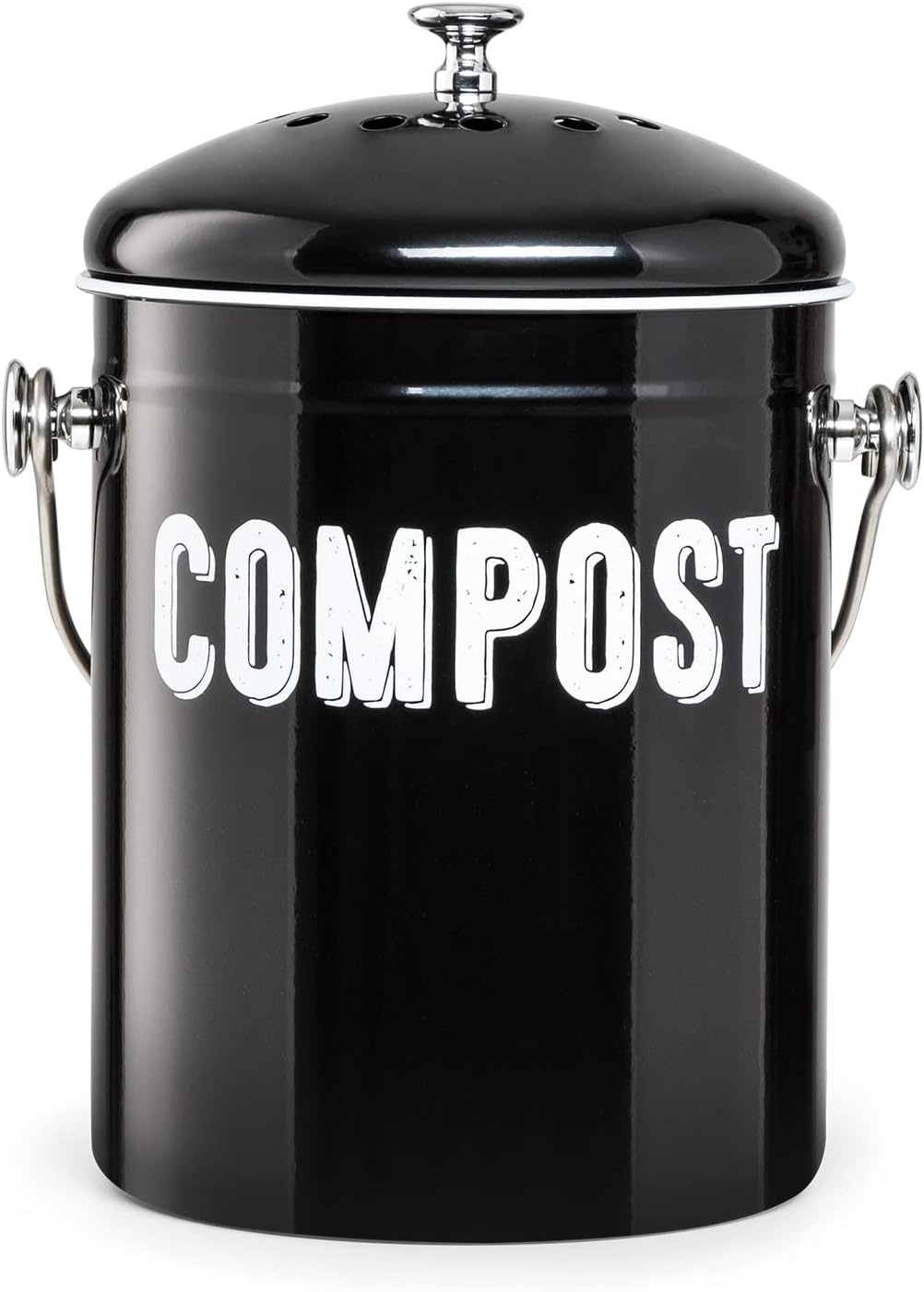
    Kitchen Compost Bin

    61UDgSnN9TL. AC SL1500

    Composting Outside Your Home 

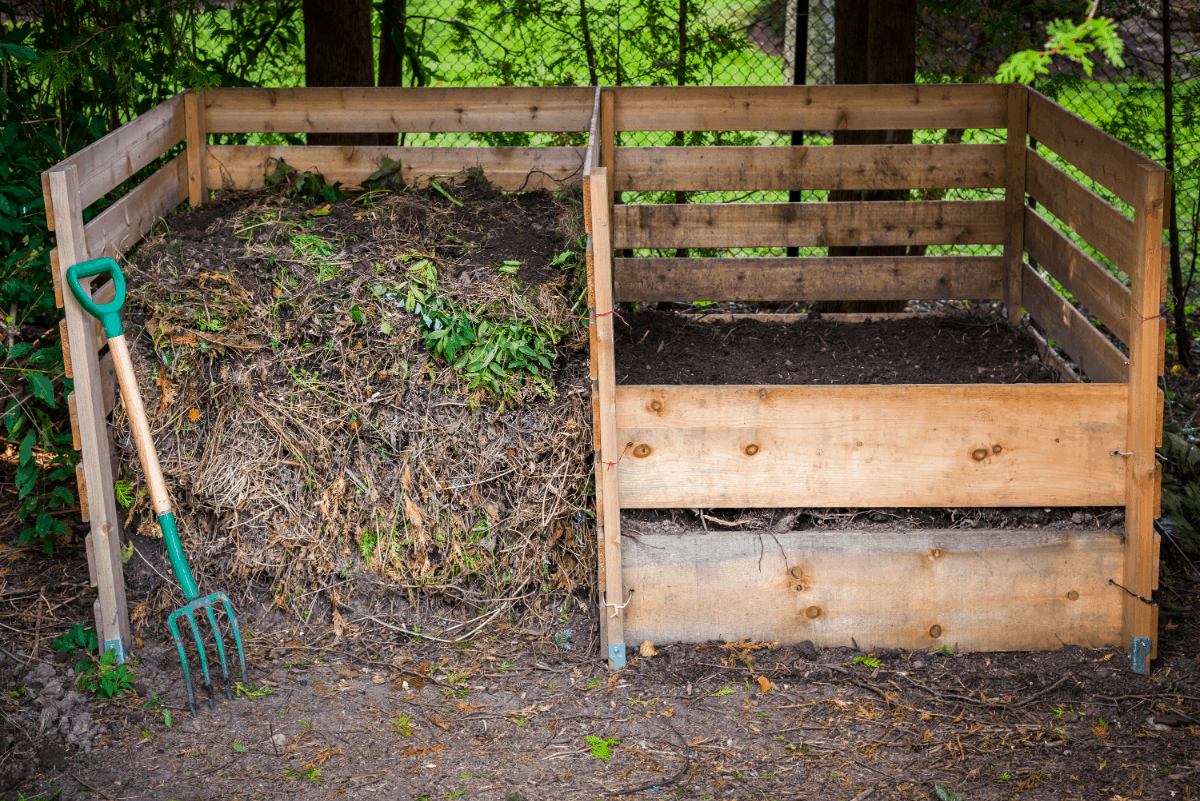
    The best place for you to compost outside your home is at the back of the house or the side of your farm. There are several ways you can prepare your compost pile, but you need to make sure that whichever method you use, the three main ingredients need to be in place namely greens, browns, and water. You will also require some gardening tools to make things easier and they include machetes, shovels, pitchforks, and water hoses.

    When preparing your compost at the back of your house, you will need to:

    1. Keep the pile in a dry place that is close to a source of water
    2. Shred all large brown or green materials into smaller pieces before they are added you the pile. 
    3. Moisten dry materials before adding them to your compost. 
    4. After piling up the compost materials, you will need to add vegetable waste and fruits at the bottom of the pile to speed up the decomposition rate. 
    5. Cover the compost to encourage the buildup of heat inside it. 
    6. Keep the entire compost moist by watering it occasionally using a spray hose or allowing it to get wet under the rain. 

    Your compost should be ready for use after 2 months but this can take more than a year depending on the compost material used. You can find all this material in your kitchen or around the house. You should make use of waste obtained from your home. You can also make use of waste products obtained from your neighbor’s bin or go looking for compostable materials around your neighborhood. 

    When keeping a compost pile close to the house, you need to take extra care to ensure that it does not encourage the emergence of insects and pests in your garden or home. A good way to handle this will be to purchase an organic pesticide or insecticide that can neutralize insects and pests while also keeping you safe from toxins that can endanger your health or plant health. 

    Final Words

    With the materials mentioned above, you should be able to determine which items to use when next you are planning your compost pile. Have you tried making your compost before and how did you go about it? We will like to hear from you in the comment section. 

    FAQ’s

    What kind of things can you put in a compost?

    Composting is a great way to manage your household’s food scraps and other organic waste. It’s also an effective way to help the environment, because it breaks down all that food and yard waste into nutrient-rich soil. Here are some guidelines for what to compost and how to do it right.

    The best compost is made up of a balanced combination of kitchen and yard wastes. These include fruits and vegetables, leaves, straw, grass clippings, paper products, and other organic materials.

    Generally speaking it should be a mixture of any kind of food waste, yard clippings, and kitchen scraps. These include things like eggshells, apple cores, banana peels, broccoli stalks, carrot tops, cabbage leaves, citrus rinds, etc.

    What should the compost look like?

    The first thing that you should ask yourself is what type of compost do you want to make. There are a number of different things that can go into compost. The more diverse the ingredients, the better the end product.

    The compost should be dark and rich in nutrients. If you don’t have access to a lot of yard waste, try to source food scraps from a local farm or food co-op.

    Is there a limit?

    There’s not really any limit on what you can use in a compost pile, but there are some things that you should avoid. Some of these are pretty obvious, while others are more subtle.

    What should I avoid throwing in the comport?

    Avoiding Ingredients That Are Too High in Nitrogen

    One of the biggest problems with using compost is that it tends to attract lots of hungry insects. This is particularly true if you’re using manure or other organic materials. While the composting process will reduce the nitrogen content, the nitrogen left in the compost will still be available to the bugs. Nitrogen is one of the most important nutrients for plants.

    Plants need a certain amount of nitrogen in order to grow. In compost, the nitrogen can be found in either protein or nitrates. If you have access to some nitrogen-rich material like manure or blood meal, you may want to consider adding it to your compost. However, be careful because adding too much nitrogen can make your compost smell bad and attract pests. In fact, the EPA has a list of materials that are high in nitrogen. Many of these materials are listed as “hazardous waste” and should not be added to a compost pile.

    What’s the problem with manure in compost?

    The main problem with using composted manure is that it is often very hot. When the compost is ready for use, it should be at least 60°F. If it is too hot, you may end up with a compost pile that smells bad and attracts pests. If you want to use composted manure, you will need to add some carbon to help cool it down. Carbon helps keep the nitrogen from reacting with the oxygen and creating an unpleasant odor. You can add either dry leaves, grass clippings, or sawdust to your compost pile. These materials also help keep the compost cooler. You should also add a small amount of gypsum to your compost pile.
  • How to Compost: A Composting Guide for Beginners

    How to Compost: A Composting Guide for Beginners

    As a responsible farmer or gardener, it is in your best interest to adopt the right methods that can improve your plant growth and yield. One of such methods you need to adopt is composting. There are a lot of ways composting can be of benefit to your plant soil and roots. Some gardeners believe that the best thing you can ever do for your plant is to add compost every now and then. But one major problem farmers face when it comes to composting is choosing the right compost for their plants.

     In this article, we will be discussing about some of the best ways to add compost to your soil and the benefits of composting to plant growth and development. Before we get into the details of this composting guide and let you in on all the secrets on how best to compost, let talk a little about composting and how it became a popular agricultural practice. 

    What is Composting?

    Composting is an agricultural practice that involves the addition of compost which is decomposed organic matter to the soil to improve the nutrient content and to support healthy plant growth. Compost is highly rich in organic matter and nutrients that can easily be added to soil for use in organic farming, gardens, horticulture, urban agriculture, and landscaping. When added to the soil, compost goes a long way to act as a conditioner and also helps to reduce the outbreak of pests on the farm or garden. 

    Compost, in most cases, is composed of green waste which could be food scraps, grass, and leaves that are not beneficially for use as food for human consumption but fit to be used as food source for plants once it has been broken down. Before composting can take place, these green wastes have to be left in a heap for months so as to allow the organic materials to decompose to form humus. 

    The whole decomposition process can be hastened by the cutting of the plant matter into smaller pieces and adding water to speed up the oxidation process. After this, the next step will be to place the mixture in a place where it can get direct access to air. This can be achieved by regularly turning the pile to ensure that each part gets enough air. 

    How to Compost 

    There is a right way to compost and a wrong way to do it. If you want your compost to be of the highest possible quality, you will need to follow the right procedure when preparing compost for your garden. Here is a better way to compost. 

    |

    • Begin Building Your Pile from the Bare Floor

    If you want to get the highest quality compost, then you will need to start building your compost pile from the bare earth. By so doing, you make it easier for earthworms and other important microorganisms to breakdown the compost. 

    • Pile Up the Straws and Twigs First 

    Since you already know that you need to build a pile from the bare ground up, you also need to make sure that you pile up the straws and twigs first. Ensure that they reach up to a depth of a few inches as this helps to improve drainage and makes it easier for air to circulate around the pile. 

    • Build Your Compost Materials in Layers 

    After placing the straws and twigs at the bottom, you can now start adding the wet ingredients which could be the tea bags, moist food scraps, and seaweed. The dry materials will be the next to follow and they can be wood ashes, leaves, sawdust pellets, and straws. When adding wood ashes, it is best you do so in layers so as they don’t clump up and slow the entire decomposition process. The best way to speed up the decomposition process is to interchange between moist and dry ingredients so the breakdown can take place faster. 

    |

    • Include Manure in the Mix 

    You should endeavor to include green manure in your compost. This helps to speed up the process by activating the breakdown of the ingredients. The best options of green manure you can add to your compost include grass clippings, clover, buckwheat, and wheatgrass or any other potential source of organic nitrogen. 

    • Ensure that the Pile is Always Moist 

    To be able to get the best quality result in the shortest possible time, you need to ensure that the compost pile is kept moist always. You can easily do this by sprinkling water on the pile occasionally or allowing rain to drop on it. 

    • Cover the Pile 

    You will need to place a lid on the compost pile, this helps to keep the moisture content and heat intact. These are two things that compost need to speed up the activation process. By using a lid on the compost, you also help to protect the pile from been damaged by the rain. You can use materials such as wood, carpet pieces, plastic materials, or aluminum to cover the compost. You can use anything provided you ensure to water the pile regularly to ensure that it remains moist. 

    • Turn the Pile Occasionally 

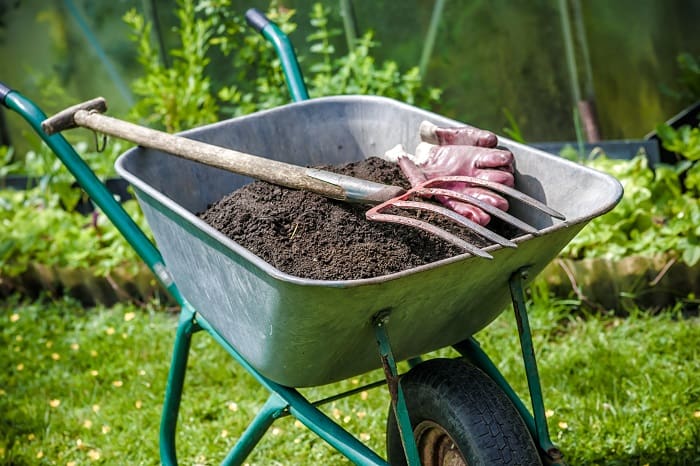
    You will need to turn the pile once a week or biweekly to promote the supply of oxygen throughout the compost. This can be done easily with the help of a shovel or pitchfork. If you also want to include new materials to the mix, you can do so but you should ensure that you mix them in properly since you want them to breakdown quickly. 

    How to Compost: A Composting Guide for Beginners

    FAQs

    How do I start composting at home as a beginner?

    Composting is the best and easiest way to recycle your food waste. It’s also a good way to create a healthy soil that will help grow more plants in your garden.

    If you want to learn how to compost, here are some tips on how to start composting at home for beginners:

    Get a bin You need a large container for your compost bin.

    You can use an old wooden box or a metal tub with holes drilled in it. The size of the bin should be big enough to hold about two to three weeks worth of food waste. You can find bins at most hardware stores or check out our list of the best compost bins.

    Find the right balance for optimal composting, you want to have just the right amount of nitrogen, carbon, and water. Too much nitrogen can make your compost too hot, while too little can result in a smelly mess. Carbon is what helps break down the waste. Water adds moisture to the pile, but too much will turn the compost into a swampy mess. You can read more about this here.

    Choose the right pile size.

    The best way to compost is to have two piles. One should be large enough to handle the entire amount of waste you’re planning to compost, and the other should be small enough to fit in your backyard. The larger pile can contain everything from yard waste to kitchen scraps, while the smaller one should only contain vegetable or fruit scraps.

    Keep it moist.

    The best way to keep your compost pile moist is to put it on a daily basis. If you don’t, it may dry out and become anaerobic, which will slow down the process of breaking down the organic matter. It’s important to add water to the pile as needed, but make sure that you don’t overdo it. This will result in a too-hot compost pile.

    Cover it up

    To prevent rain from washing away your compost, lay a thick layer of straw, leaves, or hay on top of the compost pile. This will also help keep down any pests that might find their way into the pile. You can also cover the pile with a tarp.

    Use a shovel Instead of using your hands to move around the pile, use a shovel to stir up the compost. This will help keep the pile moist and aerated. You should also take this opportunity to add any new materials to the pile.

    Use a fork When mixing the ingredients together, use a fork instead of a spoon or mixing tool. This will keep the compost ingredients from sticking together and help break down the organic matter.

    Fresh The best way to keep your compost fresh is to mix it often.

    The compost needs oxygen to help break down the material. If the material does not have air holes, the compost will start to smell bad and eventually become stale and useless. You can also add leaves, grass clippings, and other materials to your compost pile that will add air holes to the pile. Be sure to do this on a regular basis so that you do not end up with an over-stuffed compost pile.

    Use Compostable Material

    Make sure that you use compostable material in your compost pile. It is best to avoid using items such as Styrofoam or plastic bags because they cannot be broken down by the composting process. If you use wood, make sure that you use treated lumber, which will allow the compost to heat up faster.

    When shouldn’t I compost?

    Do not compost in either the Fall or Winter. The temperature of the compost pile should be at least 60 degrees F. If you compost during the winter months or in the fall when temperatures are cooler, the decomposition process will be slowed. This means that the compost will not heat up as quickly and it may take longer to fully decompose the organic matter.

    What should I put in my compost bin first?

    If you are like most people, you may have a large pile of leaves, grass clippings, and garden waste that needs to be composted. A great way to start is by using the materials from your yard, such as leaves, grass clippings, and weeds. When you use this method, it will save you a lot of money on buying bags and boxes of compost.

    How Does Composting Work?

    Composting works by the complete decomposition of solid organic waste which is turned into humus that helps to improve healthy plant growth and development. Composting is an aerobic process which means that for the process to take place, there has to be a constant supply of air. But oxygen isn’t the only ingredient needed for composting to work. 

    Simply put, you can say that for composting to fully occur, there needs to be adequate provision of heat, oxygen and timely human management to ensure that everything works accordingly. Just so we are clear, here are the ingredients you need to be particular about. 

    • Nitrogen

    Plants need nitrogen to be able to grow healthy green leaves and strong roots and stem. The plant root absorbs the nitrogen from the soil which is then transported to the stem, branches, and leaves which helps is producing flowers and fruits. To add a decent amount of nitrogen in your compost, you will need to add green leaves and also include vegetables and fruits and ensure that they are kept moist always. 

    • Carbon 

    Carbon is the energy source that speeds up composting. The oxidation of carbon by the microorganism in the compost helps to produce heat in the mix which quickens the time it takes for the entire waste to be broken down. The dry ingredients such as the wood ash, straws, and twigs are high in carbon and also act as a heat source to the entire compost. 

    |

    • Oxygen 

    This is also a key ingredient that helps to turn compost to humus. The presence of air helps in the oxidation of the carbon which hastens the process of decomposition. You will need to ensure that compost is kept outside where it can get direct access to oxygen. 

    • Water 

    You will need to add water to the compost pile regularly to ensure that the entire mix remains moist. This is to encourage the growth of microorganisms that are needed to ensure that decomposition takes place. 

    When you add water, carbon, oxygen, and nitrogen in the right proportion, it becomes easy for microorganisms to develop which in turn ensures the breakdown of compost. Without the development of microorganisms, there will be no composting so it is important that you take proper precautions and follow the procedure detailed in this guide. 

    Bacteria are the most abundant microorganism needed by compost. They help to speed up the decomposition process due to their microbial activity within the compost pile. Other organisms such as yeast, molds, and fungi also play a major role by breaking down the materials that cannot be disintegrated by active bacteria. 

    How to Compost: A Composting Guide for Beginners

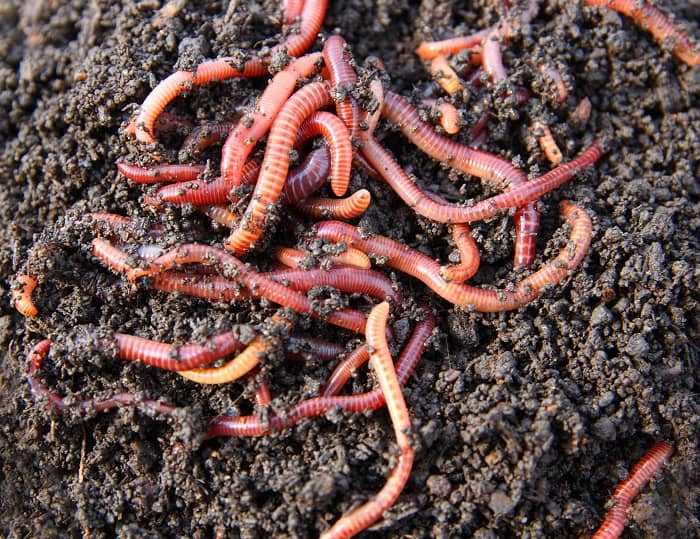
    It is also important that earthworms also help to improve the flow of oxygen in the compost pile and ensure proper drainage as they burrow their way through. So you want to be on the lookout for them inside your compost pile. 

    With the simple yet detailed composting guide provided above, it shouldn’t be difficult to pile up your own compost using green waste from your kitchen or backyard. You want to make sure that you remember to keep the compost moist as this helps to ensure the presence of air and heat which are required by microorganisms for decomposition to occur. 

    How often do you add compost to your soil, and how do you make your own compost? We will like to hear from you in the comment section. Â