Aphids can devastate your garden overnight, but reaching for harsh chemicals isn’t your only option. These tiny pests multiply rapidly, but natural control methods can eliminate them while keeping your plants and beneficial insects safe.
Why Natural Aphid Control Works Better
Chemical pesticides kill beneficial insects alongside aphids, disrupting your garden’s ecosystem. Natural methods target aphids specifically while preserving ladybugs, lacewings, and other helpful predators. Plus, you can harvest your vegetables the same day without worrying about toxic residue.
Understanding organic pest control methods helps you build long-term resistance against aphid infestations.
10 Proven Natural Aphid Control Methods
1. Strong Water Spray
The simplest method: blast aphids off plants with your garden hose. Focus on leaf undersides where aphids cluster. Repeat every 2-3 days until the infestation clears. This works best for sturdy plants like tomatoes and roses.
2. Neem Oil Spray
Neem oil disrupts aphid feeding and reproduction without harming beneficial insects when used correctly. Mix according to package directions and spray in early morning or evening to avoid leaf burn.
🛒 Recommended Products

- 3 METERS IN ONE: Soil moisture level, Soil pH value and Sunlight level could be tested easily according to your need by switching the function button of this soil meter.
- NO BATTERY NEEDED: Simply insert the meter into soil, wait few minutes, accurate test results will be displayed on the readout panel. No battery is needed.

3. Insecticidal Soap
Soap spray suffocates aphids on contact. You can buy commercial insecticidal soap or make your own with 1 tablespoon mild liquid soap per quart of water. Spray directly on aphids, coating them thoroughly.
4. Companion Planting
Plant aphid-repelling herbs near vulnerable crops. Chives, garlic, catnip, and mint naturally deter aphids. Marigolds and nasturtiums work as trap crops, attracting aphids away from your vegetables.
5. Beneficial Insects
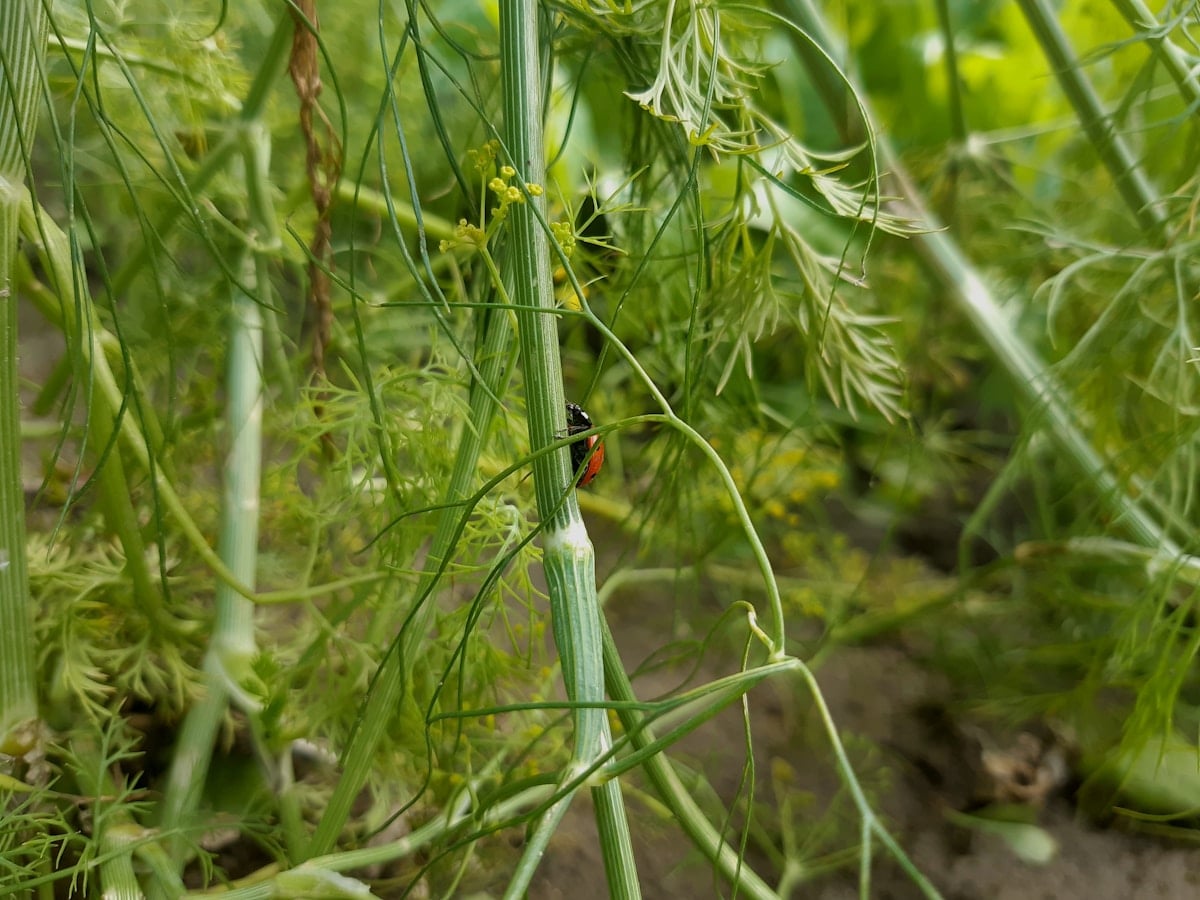
Release ladybugs and lacewings in your garden—nature’s aphid assassins. One ladybug eats up to 50 aphids daily. Purchase from garden centers or online suppliers and release them in the evening near infested plants.
If you’re dealing with aphids on tomato plants, combining beneficial insects with other natural methods provides the best results.
6. Diatomaceous Earth
This powdery substance damages aphids’ exoskeletons, causing dehydration. Dust food-grade diatomaceous earth around plant bases and on lower leaves. Reapply after rain or watering.
7. Garlic Spray
Blend 2 garlic bulbs with water, strain, and add a few drops of dish soap. This potent spray repels aphids and other soft-bodied insects. Apply weekly for prevention or every 3 days during active infestations.
8. Aluminum Foil Mulch
Lay aluminum foil around plant bases as mulch. The reflective surface confuses aphids and deters them from landing. This works exceptionally well for vegetable gardens and raised beds.
9. Yellow Sticky Traps
Aphids are attracted to yellow. Hang sticky traps near affected plants to capture flying aphids before they establish colonies. Replace traps weekly during peak infestation periods.
10. Proper Plant Care
Monitor your
- 3 METERS IN ONE: Soil moisture level, Soil pH value and Sunlight level could be tested easily according to your need by switching the function button of this soil meter.
- NO BATTERY NEEDED: Simply insert the meter into soil, wait few minutes, accurate test results will be displayed on the readout panel. No battery is needed.
Healthy plants resist aphid damage better than stressed ones. Avoid over-fertilizing with nitrogen, which produces tender new growth that aphids love. Water consistently and provide adequate spacing for air circulation.
Prevention Is Key
Regular garden inspections catch aphid problems early when they’re easiest to control. Check leaf undersides weekly, especially on roses, fruit trees, and vegetables. Early detection means you can use gentler methods like water spray instead of stronger interventions.
Learn more about natural insect pest control methods to protect your entire garden ecosystem, and explore additional organic pest control techniques for a healthier garden.
Frequently Asked Questions
How long does it take to get rid of aphids naturally?
Most natural methods show results within 3-7 days. Severe infestations may require 2-3 weeks of consistent treatment. Combining multiple methods speeds up elimination.
Will natural aphid control harm my plants?
No. Natural methods like water spray, neem oil, and beneficial insects are safe for plants when used correctly. Avoid spraying in intense sunlight to prevent leaf burn.
These natural aphid control methods work best when combined. Start with the simplest approach—water spray—then add other methods as needed. Your garden will thank you with healthy plants and abundant harvests.