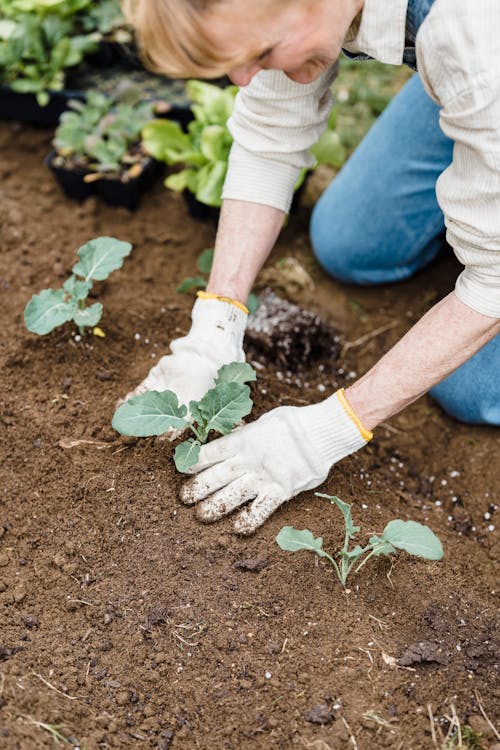
Mulch is one of the most powerful tools in a gardener’s arsenal. A proper mulch layer suppresses weeds, retains moisture, regulates
Benefits of Mulching
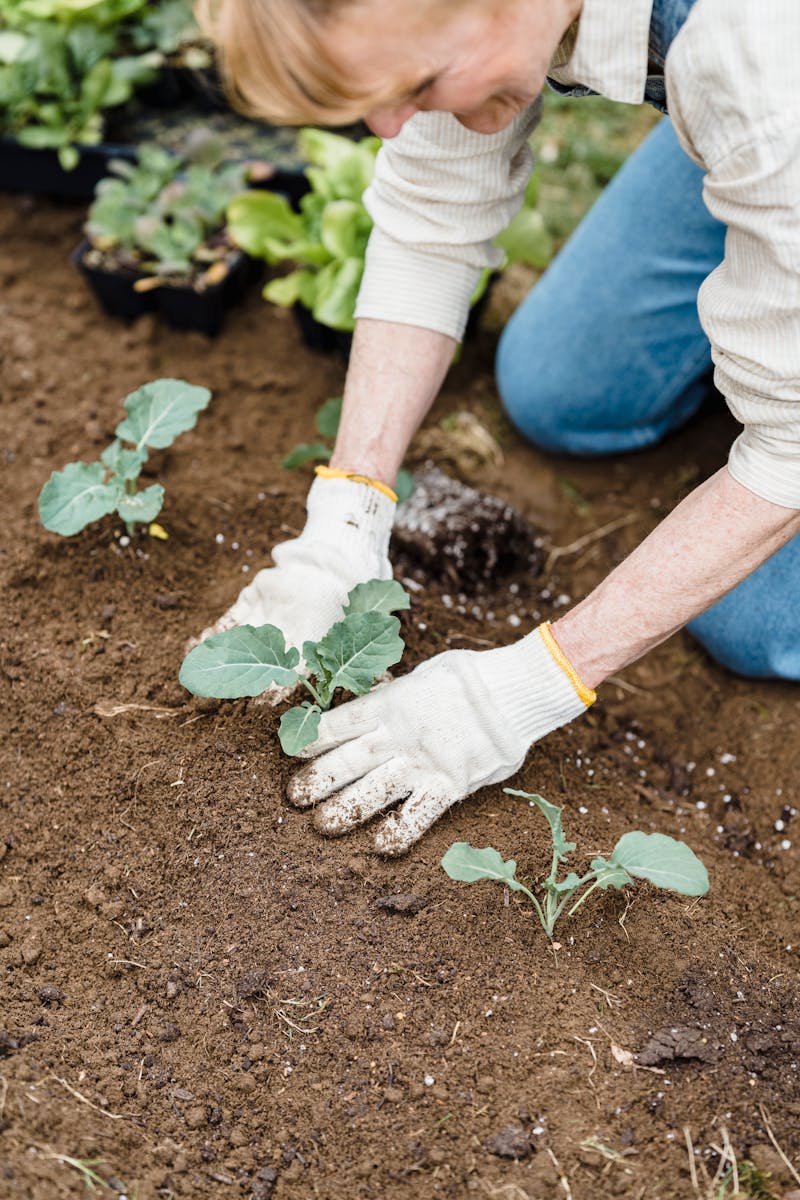
- Weed suppression – Blocks light that weed seeds need to germinate
- Moisture retention – Reduces evaporation by up to 70%
- Temperature regulation – Keeps
soil cooler in summer, warmer in winter - Soil improvement – Organic mulches feed
soil life as they decompose - Erosion prevention – Protects
soil from rain and wind - Cleaner produce – Keeps
soil from splashing onto fruits and vegetables
Types of Organic Mulch
Wood Chips
Long-lasting and attractive. Best for paths, perennial beds, and around trees and shrubs. Can temporarily tie up nitrogen if mixed into
Shredded Leaves
Free and abundant in fall. Shred leaves before applying to prevent matting. Excellent for vegetable gardens and flower beds. Break down within one season.
Straw
Classic vegetable garden mulch. Light, easy to apply, and breaks down quickly. Use seed-free straw (not hay, which contains weed seeds). Great around strawberries, tomatoes, and squash.
Grass Clippings
Another free option. Apply in thin layers to prevent matting and odor. Don’t use clippings treated with herbicides. Rich in nitrogen as they decompose.
Compost
Finished compost makes excellent mulch that also feeds plants. More expensive than other options but provides the most
Pine Needles
Attractive and long-lasting. Contrary to myth, they don’t significantly acidify
How to Apply Mulch
Depth
Apply 2-4 inches for most organic mulches. Finer materials like compost can be thinner (1-2 inches). Coarser materials like wood chips can go thicker.
Spacing
Keep mulch a few inches away from plant stems and tree trunks. Mulch piled against stems can cause rot and invite pests.
Timing
In spring, wait until
Mulching Mistakes to Avoid
- Volcano mulching – Piling mulch against tree trunks causes bark rot
- Too thick – Over-mulching can suffocate roots and repel water
- Too thin – Less than 2 inches won’t suppress weeds effectively
- Wrong material – Fresh wood chips in vegetable beds can rob nitrogen
- Ignoring renewal – Replenish mulch as it decomposes, usually yearly
🍂 Mulching Supplies
- Garden Mulch – View on Amazon
- Straw Mulch – View on Amazon
- Leaf Shredder – View on Amazon
As an Amazon Associate, we earn from qualifying purchases.
Conclusion
Mulching is simple, inexpensive, and dramatically improves garden health. Start with free materials like leaves and grass clippings, then experiment with other mulches to find what works best in your garden.
🍂 Mulching Supplies