Author: Eunice

  • Tips To Successfully Starting A Microgreen Business

    Tips To Successfully Starting A Microgreen Business

    Alright, now you’re considering starting up a microgreen business and you’re wondering how to go about it. You might be thinking how do you start, how much can you make, what steps to take, or what does it take to do it right?

    Right here we have put together tips on how to successfully start a microgreen business.

    One of the most lucrative crops you can grow is microgreens. You can grow them in a minimal space and you can sell them for $50 per pound or even more. With a space as small as your garage or your basement, you can project whooping 6 figures revenue yearly! Isn’t that awesome?

    Starting A Microgreen Business

    Starting up a microgreen business is not rocket science. It is totally easy with the right knowledge. The cost of establishing a microgreen business is minimal and the rate at which they grow is pretty fast. With about $100, you can kick start the microgreen business.

    It takes only a few weeks to harvest microgreens therefore sales will keep rolling up in just a couple of weeks. Harvest will even be two times faster if you decide to grow microgreens hydroponically.

    But mind you, everything is not that simple. You might face a few challenges climate, location, pest or crop diseases, etc. But with proper planning and following the right procedures, you are good to go.

    Tips To Successfully Starting A Microgreen Business

    Below are some tips to follow when it comes to starting a microgreen business:

    1. Will my Business Succeed?

    Even before starting a microgreen business, you should make some researches. Know if your business will stand a chance of excelling.  Business is not for everyone so you need to know if you are prepared and capable of venturing into one. Factor in things such as time, consistency, and willingness to learn. Do you have enough time for this business and will you be persistent enough to survive this business?

    2. Get to Know your Market and Environment

    Another important step is to know your market and your environment. Is there a high demand for microgreens in your area? Will microgreen business be profitable in my area? No business will thrive if you don’t have a target audience or customers that are willing to purchase from you.

    Get to Know your Market and Environment

    So research finding people who are interested in buying microgreens. You can simply start with a single channel if you want and add more channels later. Let’s take a look at some different sales channels you can consider.

    • Residential or Direct Customers: you can do a direct door to door sale of your microgreens.
    • Restaurant Chefs: you can also sell your microgreens to chefs. You can target local restaurant chefs in your area. You can start by giving them a sample of your microgreens to try them out.
    • Grocery Store: as part of the research you have made for your target customers, some can be a grocery store. Meeting up with your local grocery store to sell your microgreens for you will be a good idea. It will even be better if customers are interested in having microgreens locally.
    • Farmers: the market of the farmers around you can be added to the places you can sell your microgreens. Farmer’s market is one profitable place to sell especially when you’re the only one selling microgreens at your local market.

    3. Divide Tasks

    Now, of course, you will need some helping hands. You can decide to divide tasks to make work easier and faster. For example, you can divide and share growing and selling tasks.

    Material Needed for Starting a Microgreen Business

    Let’s take a look at some things you will need to start a microgreen business.

    Durolux t5 Ho Grow Light

    Starting a Microgreen Business - Material Needed

    FAQ’s

    How do I start a Microgreen business?

    Benefits of Starting a Microgreen

    Business Microgreens offer several benefits over traditional, mass produced produce. Some of the benefits include: You’ll be able to use all your excess produce from your home garden. It’s easier to grow your own produce than it is to purchase produce from a large grocery store.

    If you are looking to start a microgreen business, you’ll need to consider your microgreens and grow them in the most efficient way possible. You will also need to have a plan for distribution. What is a microgreen? A microgreen is a small, young vegetable or herb that is grown in a nursery-style environment using hydroponics. The plants are grown in small trays that contain nutrient solution that is pumped through the trays.

    It’s important to know that this process is not quick or easy. However, the rewards are huge! If you’re looking for a way to make money while helping your community, then a microgreen business could be perfect for you.

     A microgreen business is simply a small-scale, locally grown food business that sells produce to customers. The produce is grown in local gardens, rooftop gardens, or on urban rooftops. Microgreens are simply sprouted greens such as broccoli and kale that can be harvested when they’re just a few weeks old. They’re typically sold raw and unprocessed, but can be pickled, marinated, juiced, or cooked.

    Are they popular?

    A microgreen business is a small, local business that sells only produce that has been grown or raised at a certain location. These types of businesses are becoming increasingly popular as more consumers are seeking out fresh, locally-sourced foods.

    The popularity of microgreens has increased rapidly in recent years. The reason for this is simple: they are easy to grow and they provide a healthy alternative to processed foods. They are a great way to introduce yourself into the food industry and get your green thumb on without having to commit to a large investment. They also offer some fantastic benefits for you as a business owner, including being able to work from anywhere you want. The best microgreen business ideas are based on the type of products you enjoy growing. Growing flowers or herbs is one of the easiest ways to start a microgreen business.

    s microgreens a good business?

    Microgreens are a very niche market, but they are definitely something that people like to eat. In addition to being in the top ten most consumed food items in the United States, according to the USDA, they’re also one of the fastest growing. Microgreens are tiny sprouts that can be grown indoors or out, and they’re available in a variety of flavors, colors, and sizes.

    Additional Information

    To maximize the yield of your microgreen production, you can opt for growing them with a hydroponic system. More so, you can choose a vertical hydroponic system to maximize yield if you are having issues with space.  Vertical hydroponics will result in greater yield with just some minimal space.

    Also with hydroponics, you don’t have to worry about weather conditions. This is because you can grow your microgreens indoors in a controlled space and enjoy abundant yield all year round.

    Growing microgreens is the easiest part. However, selling your microgreens is the main success of this business: because what’s a business without profit?

    Preferably, selling 85% to 90% of your microgreen should be your aim if you really want to make some profit. Just follow our tips diligently and we do wish you well in your microgreen business endeavor.

  • 6 Best Flowers For Aquaponics

    6 Best Flowers For Aquaponics

    Who doesn’t love the auspicious therapeutic nature of growing flowers in their home or garden? Now imagine growing them in a controlled space such as aquaponics. It might not be so easy choosing the best flowers for aquaponics especially with so many good options that can fit your system.

    This is why we have put together the 6 best flowers you can consider growing in your aquaponics. So read on to know your best pick.

    Fruits and vegetables are not the only things you can grow in your aquaponics; flowers are also a good choice for aquaponics. Be it roses, tulips, dandelions, etc. growing these flowers with aquaponics are pretty easy and fun.

    6 Best Flowers For Aquaponics

    Aquaponics makes use of a closed ecosystem between fish and plants. The fish excrete that serves as a nutrient solution for the plants is purified by these plants and used again by the fish.

    Growing flowers with aquaponics will be great and exciting. So, here are the following promising flowers for aquaponics:

    1.    Roses

    Roses are one of the most popular flowers and they are well-loved plant and a delight to have around. They have this terrific scented vibe associated with romance and love.

    Best Flowers For Aquaponics - Roses

    When it comes to choosing the aquaponics technique for your roses, the most frequently used aquaponics procedure for roses is the Nutrient Film Technique (NFT). However, the grow bed and floating raft system is also a good choice for you. Roses need adequate lights or put them where they can get full sun.

    Be wary of black spot and powdery mildew when growing roses.

    2.    Sunflower

    Sunflower is a happy flower that will brighten up your day with its yellow blooms. It is another great option to grow in aquaponics. You can grow sunflower in your aquaponics without any need for fertilizers or pesticides.

    The most common aquaponics used for sunflowers is media beds or floating rafts. This is because support is needed as they are capable of growing tall.

    As the name implies, the sunflower will do well in adequate sunlight.

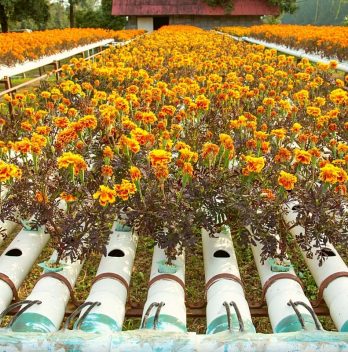
    3.    Marigold

    The colorful marigold is a beneficial flower to grow in your aquaponics. They can serve as cover crops that help protects your plants from unwanted pests. They will also allure beneficial insects to your plants.

    You can grow marigold in a Nutrient Film Technique or media grow beds. Marigold also does well in full sun.

    Best Flowers For Aquaponics - Marigold

    4.    Pansies

    The large-flowered pansies are another great flower you can add to your aquaponics flower lists. They are edible flowers and great for beginners because they don’t require too much care.

    Pansies do well in cooler weather but you can subject them to partial sun. You can expose them to the early morning sun but protect them from the pressure of too hot sun.

    5.    Water Hyacinth

    Water hyacinth is a perfect addition to an aquaponics system. It is an aquatic plant that will be great for purifying your fish water. It is great at clearing algae as well as cleaning the water for your fish and plants.

    Although it is an invasive plant because it grows fast and aggressively, you can solve this issue by using the raft system to control its growth.

    6.    Nasturtium

    Nasturtium is another great flowering plant for your aquaponics system. They are also helpful in repelling garden pests such as cucumber beetles and squash bugs. For this reason, they are great for planting side by side with tomatoes and cucumbers.

    They also serve as trap crops by attracting pests such as aphids. They will entice these pests away from your main crops, thereby serving as a sacrificial plant.

    Their flowers and leaves are also edible and they can be added to your culinary list. Nasturtium grows very fast so you can expect its seeds to begin germination within 7 to 10 days. They will do well in an environment with minimal heat stress.

    Advantages Of Growing Aquaponics Flowers

    The addition of flowers to your home or garden mixed with their vibrant color will add a touch of scent to your environment. You can enjoy various benefits from growing flowers with hydroponics.

    • Pest Control: they can serve as companion plants for pest management.
    • Culinary Utilization: a lot of flowers are edible, therefore they serve as culinary applications.
    • Aesthetic Reasons: flowers are best known for their aesthetic nature. They will add their artistic beauty to your environment as well as boosting the look of your aquaponics garden.

    General Hydroponics pH Control Kit for a Balanced Nutrient Solution

    81Pm5DEtpTL. AC SL1500

    FAQ’s

    What are the best flowers to grow with aquaponics?

    Flowers are typically used for decoration, but there are several reasons that they can be grown in an aquaponics system. The first is that they have a low water demand and will generally do well in most systems. The second reason is that flowers can be harvested often to provide additional nutrition to the fish and/or plants. The third reason is that they can be used for ornamental purposes.

    The best flowers to grow in an aquaponic system are generally those that can be grown in soil or grow well in containers.

    You want to be sure you’re selecting the right plants for your system. I have been asked this question over and over by people who are just getting started with aquaponics. So, here is a list of the most popular flowers that are commonly grown in aquaponic systems. This is not meant to be an exhaustive list. If you have any questions about any of these, please leave a comment below.

    1. Roses

    2. Marigold (Tagetes patula)

    3. Nasturtium – (Tropaeolum majus)

    5. Pansies

    6. Water Hyacinth

    What are the best types pf flowers to grow with aquaponics?

    If you want to grow flowers with aquaponics, there are two main types of plants you should grow: flowers and vegetables.

    Growing flowers and vegetables together is possible with aquaponics, but it’s not as easy as growing plants in a regular garden. You need to consider many factors before you start, and you’ll also need to make sure you understand how to feed your plants.

    Before you get started with your own aquaponics system, it’s important to learn more about why people use this method of gardening. For instance, the first benefit of using an aquaponic system is that you don’t need any chemicals or pesticides to grow your vegetables and flowers.

    Make sure you have enough space for your plants. This is an important consideration that affects the decisions that people make over the types of flowers that they ultimately choose. If you want to grow the maximum amount of plants in your system, then you’ll need to make sure that you have enough space for them. You’ll also need to make sure that you have enough room for a greenhouse, since you’ll need a lot of space to heat the greenhouse.

    Can roses be grown in aquaponics?

    Roses will do fine in an aquarium.

    They are not very picky about water quality and pH levels. They also don’t need much fertilizer. You can feed them with fish food, but they are not very picky about that either. They prefer fresh water. If you are growing them in an aquarium, you will have to place the rose plants in a separate tank. You can use a small fish tank as the base of your aquarium.

    Final Say- Aquaponic Flowers

    Most flowers can flourish in an aquaponics system. However, we have made some best picks for you in case you are confused about which flower to pick from the many varieties to choose from.  So, you can decide which will be your best pick.

  • Hydroponic Lettuce Light Requirements

    Hydroponic Lettuce Light Requirements

    You might be interested in growing lettuce hydroponically and wondering what the light requirements are. This is why we have put together information on hydroponic lettuce light requirements for you.

    One simple vegetable to grow with hydroponics is lettuce and it’s a perfect vegetable to start with especially for beginners. Lettuce plants grown in hydroponics are fast and easy to maintain. They can be grown all year round in a controlled environment. They don’t take much space and their growing requirements are very easy to meet.

    Hydroponic Lettuce Growing Light Requirements

    Lettuce is a minimally demanding plant when grown hydroponically. Even at that, certain care is still needed for their growing requirements and light is one of these requirements. So let’s look at some of the hydroponic lettuce light requirements.

    Light Duration Requirement

    The adequate light duration for lettuce is about 10 to 12 hours. Lettuce is a low-light plant and it won’t do well in full sun. Full light from the sun can cause lettuce to go into the flowering phase (bolt) and turn bitter.

    Light Duration Requirement

    Temperature

    Lettuce does well in cooler temperatures. The high temperature will cause your lettuce plant to bolt or go into the flowering phase. When this happens, your lettuce plant will taste annoyingly bad. The appropriate temperature during the day should be from 65 to 70 degrees Fahrenheit.  When the temperature surpasses 75 degrees Fahrenheit, your lettuce plant will start to flower or bolt. Moderately low temperatures at night of around 60 to 65 degrees Fahrenheit are great for lettuce. During summer, lettuce does not grow that fast, but it does grow.

    Grow light

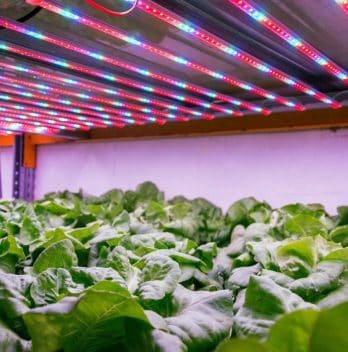
    Lettuce does not require much light. So for this reason, most growers go for fluorescent lighting. Fluorescent lighting does not cost much, power consumption is low, and heat production is minimal. It is just the right grow light match for your lettuce plant.

    Other Growing Requirements For Lettuce

    Let’s take a look at some other growing requirements:

    • Growing Media: you can make use of Rockwool cubes as your starters for your hydroponic systems. Rockwool has a naturally high pH. So if you are opting for Rockwool, make sure you balance your pH before you proceed to plant. Other options for growing media are coconut coir and peat moss.
    • pH Range: the appropriate adjusting pH range for lettuce is 5.5 to 6.0.

    BLUELAB PENSOIL pH meter 

    61CfI40cy1L. AC SL1500
    • Nutrient Solutions: The nutrient solution for lettuce is very essential. This is because it majorly serves as the growing medium for your lettuce plant to grow. Lettuce does not demand too many nutrients, but its nitrogen demand is pretty high. The nutrient solution with an N-P-K ratio should be high in nitrogen, have a little phosphorous, and not so much potassium. The nutrient solution should be able to yield great production as well as prevent it from entering the flowering phase (i.e. bolting). Calcium is also an essential nutrient for lettuce varieties that are prone to tip burning. Thus, ensure you feed the nutrient solution with a good portion of calcium.

    Types Of Low Light Lettuce Grown In Hydroponic

    Below are the commonly grown types of hydroponic lettuces:

    • Butterhead Lettuce: butterhead lettuce is one popularly grown hydroponics lettuce that is a low light plant requirement. It consists of two types: Boston lettuce and Bibb lettuce.
    • Loose-leaf Lettuce: Loose-leaf lettuce is also minimal light lettuce. This type of lettuce does not usually form heads.
    • Romaine Lettuce: romaine lettuce is also a commonly grown lettuce. It is the major recipe for Caesar salad and its taste is a string and the texture is crispy. It is also a low-light plant. Romaine lettuce has various varieties such as open heads and tighter heads.

    Lettuce Growing Period

    Lettuce grows short-term and fast. The duration in which the head of your lettuce plant ripens will depend on the variety. Usually, it takes about 3 weeks for the first edible leaf to emerge and about 45 to 85 days to get the full head harvest.

    How to Build a Hydroponic System For Lettuce?

    Building a hydroponic system for lettuce is a fun and rewarding project. It allows you to produce lettuce year-round, indoors or out. Here are the steps you can follow to build your hydroponic system: 

    1. Choose A Location: Where you build your hydroponic system is essential. You need to ensure it has access to enough direct sunlight and an electrical outlet if you are not using solar panels. 
    2. Gather Your Materials: You will need a large container like a tub or barrel for the nutrient solution. Another tray or container should hold your lettuce and water. You’ll also need a water pump, tubing, and timer. 
    3. Set Up The Nutrient Solution: Fill the container with water and add a nutrient solution according to the package instructions. The nutrient solution provides the plants with all the necessary nutrients to grow.
    4. Add The Lettuce Plants: Plant lettuce seeds or seedlings in small pots or plugs filled with a soilless growing medium, like coconut coir or peat moss. Place the pots or plugs in the container.
    5. Connect The Water Pump and Tubing: Use the tubing to connect the water pump to the container of nutrient solution. Set the timer to control the frequency and duration of the water pump.
    6. Monitor and Maintain The System: Check the nutrient solution regularly and add more as needed. Monitor the pH and temperature of the solution and adjust as needed. Harvest your lettuce when it is ready to eat.

    What’s The Best Grow Light?

    Several parts determine the efficiency of a grow light. The type best for your setup will depend on your specific needs. You can keep these light features in mind when choosing a grow light: 

    Spectrum

    All plants have different light spectrum requirements. Lettuce, for example, prefers a range high in blue light. Fruiting plants like tomatoes and peppers like a spectrum high in red light. You should choose one that’s most suited for your plants. 

    Intensity

    The intensity of the grow light is important for ensuring that the plants receive enough light to grow properly. You can determine the power of light using a PAR meter or the manufacturer’s recommendations.

    Coverage Area

    Consider the size of the area you want to cover with the grow light and choose a light that can do this. 

    Energy Efficiency

    Grow lights can be energy-intensive. It is essential to choose an energy-efficient light to save on electricity costs.

    Standard grow lights include fluorescent, LED and HID lamps. Each type has its benefits and drawbacks, so it is important to do your research and choose the one best suited for your needs.

    What Size Grow Light Do I Need For Two Plants?

    The size of the grow light you need for two plants will depend on the plant’s specific needs. These include their light spectrum and light intensity requirements. The size of the plants also impacts this. 

    Generally, you need at least 30 watts of light per square foot of growing space. Two plants need at least 60 watts. You should consider the coverage area and spectrum needs of your plants when choosing a light. 

    It is also important to monitor the plants as they grow. You might have to adjust the size of your grow light. If the plants are not receiving enough light, they may become spindly or fail to thrive. On the other hand, they may become stressed or burnt if they receive too much light.

    How Long Does it Take to Grow Lettuce in a Hydroponic System?

    Lettuce takes about 4 to 6 weeks to grow. Some varieties can take longer to mature. You should maintain your hydroponic system to ensure your lettuce grows as quickly as possible. This includes keeping the nutrient 

    Final Note

    Growing lettuce hydroponically is of great benefits and you can grow any variety of lettuce in your hydroponics system. Lettuce has low light requirements and they are fast-growing. So be assured of ready available nutritious leafy green at your disposal.

    Lettuce will take about 21 days to grow its edible leaves and 45 to 85 days for its full head to be ready for harvest. Its requirements are not too hard and it is one of the easiest plants to grow hydroponically.

  • Best Plants For Small Aquaponics

    Best Plants For Small Aquaponics

    If you are looking for the best plants for small aquaponics, you need not worry. We will give you the information in this guide so read on to find out.

    Aquaponics is an agricultural culture system that makes use of a complex ecosystem between fish and plants. The system can be used to cultivate various plants, vegetables, herbs, fruits, and flowering plants.

    Before we dive into the best plants for small aquaponics, let’s look at some basic information about aquaponics.

    Basic Info on Aquaponics

    Aquaponics involves the combination of two categories of food cultivation which are hydroponics and aquaculture. This two combining process (hydroponics and aquaculture) works together to contribute to each other’s growth.

    Aquaponics is a balanced ecosystem between the fish and plants which also includes some beneficial bacteria. The waste from the fish is used as food for the plants, the plant, in turn, purifies the water for the fish.

    The interesting thing is that aquaponics is not a new technique. It is a farming method that has been in existence since ancient times. But now it has started gaining popularity these past few years.

    Back to the Roots Water Garden Mini Aquaponic

    81UrJsWk8KL. AC SL1500

    Best Plants for Small Aquaponics

    The best plants for small aquaponics should be plants that demand lesser nutrients. Thus, the best plants for small aquaponics are greens and herbs, and they include:

    1. Watercress: One of the best plants to grow in a small aquaponics stem is watercress. It requires a lesser concentration of nutrients and it is a hardy vegetable and it grows fast. Watercress will also blend and flourish with any type of fishes you may have.

    2. Kale: This is another low nutritious plant that can be grown in small aquaponics. It will flourish with various types of fish. Another added benefit is that kale will not attract pests to your system. Thus giving your aquaponics system extra safety.

    3. Lettuce: Is also a low demanding nutrient plant appropriate for small aquaponics. It will match and co-exists most especially with tilapia fish.

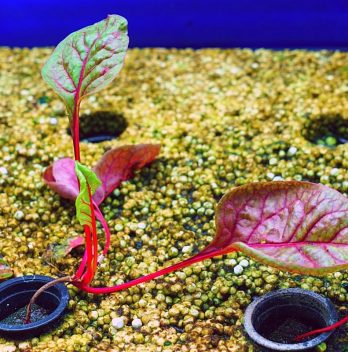
    4. Swiss Chard: Swiss chord requires minimal nutrients and is great for small aquaponics systems. It is a hardy plant that mainly utilizes nitrate for its leaf growth. This plant grows perfectly in the water of pH range between 6.6 to 7.0 which is an appropriate range for this plant and various fish.

    Best Plants For Small Aquaponics - greens and herbs

    Other low nutrient plants we recommend for small aquaponics are:

    1. Mint
    2. Arugula
    3. Radish sprout
    4. Pak choi
    5. Mint
    6. Wheatgrass
    7. Basil
    8. Spinach

    Best Plants for Small Aquaponics: What to Consider

    Aquaponics system is quite easy to set up and if you plan on obtaining one, the main question on your mind should be: what plants can I grow? The straight-up answer is the “size of your aquaponics” will determine the type of plants to grow.

    Small Aquaponics: a small aquaponics system will require lesser fish, lesser water, and a lesser concentration of nutrients.

    Bigger Aquaponics: on the other hand, a bigger aquaponics system will require more fish, more water, and more nutrient concentration.

    Therefore, the best plant for a small aquaponics system should be plants that require lesser nutrients and they include greens and herbs as listed above.

    Even though almost all plants can be grown in an aquaponics system, we need to consider the fact that various plants have various needs. So let’s look at more on the needs or what to consider when choosing plants for your small aquaponics.

    Other things to consider:

    • Space: some plants need more space while others need lesser space. The space we are talking about is your aquaponics system space. Therefore, you should take into account for example the height and width of the plant that can fit into your aquaponics system.
    • The Number of Fish: The presence of more fish will require more plants so they can absorb all the nutrients produced from fish waste and vice versa.
    • Type of System Used: you could use a nutrient film technique, media-based, or raft aquaponics depending on the structure of the plant that will fit in. Floating raft systems favors plant with no root structure while grow beds favors root vegetables.

    FAQ’s

    How does aquaponics work?

    Aquaponics is a system of growing fish and plants in a symbiotic relationship. The fish clean the water, which then feeds the plants. The plants remove nitrogen from the water and the fish waste is converted into fertilizer. There are some species of fish that can live in aquaponics. The most common are Tilapia, Catfish and Koi. In general, the fish should be fed with a specially formulated diet. It should contain high levels of protein, low levels of fat, and vitamins and minerals.

    The plants absorb nutrients from the fish waste, and the fish provide oxygen to the plants through their gills. The system can be used to grow food for humans and/or animals. It is also very effective at cleaning the water, providing both food and clean water. Aquaponic plants are not as delicate as traditional plants. They can be grown in containers or on land.

    What plants can be grown in an aquaponic system?

    I think that the most common are listed below.

    1. Broccoli

    2. Potatoes

    3. Cucumbers

    4. Tomatoes

    5. Carrots

    6. Peppers

    7. Beans

    8. Strawberries

    9. Beets

    10. Cabbage

    11. Watermelon

    12. Eggplant

    13. Squash

    14. Green beans

    15. Sweet potatoes

    16. Kale

    17. Broccoli

    What plants cannot be grown in an aquaponic system?

    Plants that are sensitive to salt (salt stress). This can be either the soil or the water. In general, a soil solution of about 2% is the most common level for a salt tolerant plant. Some plants like tomatoes will tolerate more salt than that. They need a salt concentration of about 5-6%.

    Do plants grow faster in aquaponics?

    The answer is yes, but only if the plants are small. If they’re big, then no. In fact, it’s not even an absolute, because there’s a difference between plants that have been raised in aquaponics and those that have been raised in a traditional greenhouse.

    Why is lettuce good for aquaponics?

    It’s easy to grow, takes up little space and is extremely forgiving. The reason why lettuce is such a great choice for an aquaponic garden is that it doesn’t require much light to thrive, making it a perfect plant for a system that needs a lot of light to grow.

    Lettuce is also very forgiving to the fish. It doesn’t take well to being eaten, and will survive on the scraps left behind by other plants.

    Can strawberries be grown in aquaponics?

    I have read that the strawberries grow very well in aquaponics. I would recommend starting with growing them in an aquarium with a filter, but the problem with that is that they will grow all over the place.

    Aquaponics Plants Final Words

    Aquaponics is an awesome technique that anyone would find interesting to learn and have.

    When it comes to choosing the best plant for your small aquaponics system, one thing we suggest is for you to decide to grow what you will eat or use. Having a thought of what you plan on accomplishing will assist you in making a better judgment on what to grow in your small aquaponics system.

    Also, note that growing low demanding nutrient plant is not only for small aquaponics. It is also advisable to start with growing minimal demanding nutrient plants for a new aquaponics system. They will serve as “starter plants” for your new aquaponics system.

  • Hydroponic Drip System Watering Schedule

    Hydroponic Drip System Watering Schedule

    Installing an efficient watering schedule for your hydroponic drip system is very vital for your plants. This is because if you get the idea wrong, it can be pretty detrimental to your plants. Therefore, we will be enlightening you on how to go set up an efficient drip watering schedule for your hydroponic.

    A hydroponic drip system usually functions in the same manner a drip irrigation system with soil works. However, it works with a dissolved hydroponic nutrient. With the right knowledge, it is pretty easy to set up and establish an efficient drip system.

    Types of Drip System: Two Types

    The first thing you need to know is the different types of a drip system and now resolve to which to go for. We have two types of drip systems namely recirculating or recovery drip system and non-recirculating or non-recovery drip system.

    1. Recirculating or Recovery Drip System

    This type of drip system does not use much technology. In the recovery system, the dissolved nutrient solution from the drip system is recovered or recycled to be used again. This system seems like a nice and eco-friendly system because nutrients are been reused.

    However, as the nutrient solutions are being recycled from the growing medium to the reservoir; the quantity of nutrients, as well as the pH range, is constantly changing. This will require constant monitoring and testing the solution and periodically replacing the solution to ensure everything is in check.

    1. Non-recirculating or Non-recovery Drip System

    As the non-recovery name implies, the nutrients solutions are not recovered. Allow them to drain away. Since nutrients are not been recycled, you are required to periodically replenish or refill the reservoir with fresh nutrient solution.

    The non-recovery drip system can be timed and this timing must be very accurate. With an accurate cycle timer, it will ensure your plants are receiving the proper amount of nutrient-filled solution. Therefore, you have maximum control of the amount of nutrient solution your plant gets.

    Hydroponic Drip System Watering Schedule

    Setting up a drip watering schedule system is not so easy. It might even require you to do some trial and error. If you supply your plant with too much nutrient-filled water, they might eventually drown. Also, if you supply your plants with insufficient nutrient-filled water, they might end up being nutrient and water deficient.

    You can begin by doing a trial by closely monitoring the hydroponic drip system for the first few days. This way, you can identify when the water level has reached the ideal stage.

    Drip System Watering Schedule

    You will have to set your hydroponic drip timer to 2 or 3 times daily depending on the period it takes to fill your growing medium without any waste.

    You should note that the watering schedule will probably alternate as your plant continues to grow. This means plants that have grown will need more nutrient-filled solutions and the younger ones will need less.

    Also, weather changes such as dryness during summer or an increase in humidity can require changes in the schedule of watering.

    Setting Up a Hydroponic Drip System

    There are various ready-made hydroponic kits. However, if you would like to build your hydroponic drip system, here are the materials needed:

    • Drip emitters.
    • Growing medium to support your plants (Rockwool, coconut coir, or expanded clay pellets).
    • Growing containers.
    • Nutrient solution reservoir.
    • Timer for the pump.
    • Submersible pump.
    • Irrigation tubes or fittings.
    • pH testers.

    Find the Best Reverse Osmosis System for Hydroponics 

    APEC Top Tier Ultra Safe

    813RelKGt L. AC SL1500

    To set up your hydroponic drip system, do the following:

    • Begin with putting the pump right inside the reservoir and fix the drip pipe and tubes.
    • Select a growing medium and fill it into your growing containers. Also, put your plants here and focus the drip emitters right into the roots of the plant.
    • Set the containers a couple of inches above the reservoir so gravity can allow water to flow well. This way, excess water can quickly run off and recovered into the reservoir for the recovery system. Allow excess water to run off elsewhere for the non-recovery drip system.
    • You can take control of the nutrient solution by connecting a timer to the power source which is in the electric pump.
    • As you set your timer, the drip system will need to be closely monitored for the first couple of days in case some adjustments need to be made.

    Final Say

    Even though it may take some time for you to perfect the watering schedule of your hydroponic drip system, it’s definitely worth the trial. The hydroponic drip system is one of the most productive and low maintenance systems amid the 6 hydroponic systems.

  • Growing Microgreens Hydroponically – Step By Step

    Growing Microgreens Hydroponically – Step By Step

    Over these last few years, microgreens have seriously gained some popularity. It’s no news that anything greens are great, and when they come in tiny bits, it’s even better. Micro-greens can be a great addition to your meals and they will enhance the flavor and look of your dishes. Now, wouldn’t it be a great idea for you to grow micro-greens hydroponically? Of course!

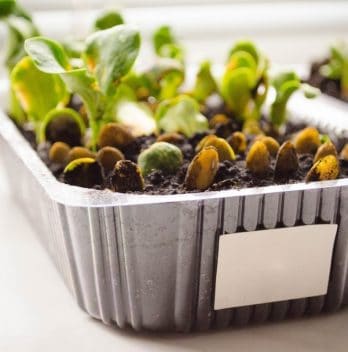
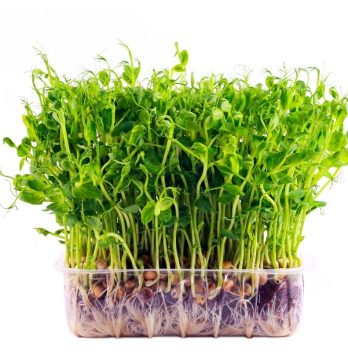
    Growing micro-greens hydroponically is pretty easy just like growing other leafy greens. Micro-greens are the seedlings stage of various herbs and vegetables. When you plant the seeds of micro-greens such as basil, arugula, cilantro, etc, the first two or three leaves that sprout as they establish roots are known as the micro-greens.

    Hydroponic Microgreens

    A hydroponic micro-green simply entails cultivating your little veggies or herbs in a nutrient-filled solution without the mess of soil.

    Micro-greens are easy and fun to grow and growing them hydroponically is even better. You get to enjoy a greater yield of micro-greens at your disposal with hydroponics. They are perfect for home gardening because they only grow a few inches so they don’t take much space.

    Hydroponic Microgreens

    Benefits of Growing Microgreens Hydroponically

    Here are the benefits of growing micro-greens hydroponically:

    • Grown them anywhere: the micro-greens hydroponic set up can be grown anywhere. You can place them in your kitchen, living room, garage, basement, etc, and they will do well.
    • Smaller water quantity consumption: the water in the hydroponic system can be reused. This implies they only need about 20 times less water compared to growing soil.
    • Some micro-greens thrive well hydroponically: a couple of micro-greens do well in hydroponics. Examples of such micro-greens include kohlrabi, radish, wheatgrass, and kale. They will generate a greater yield rather than when grown in the soil.
    • No soil or compost mess: this is because it is a water-based system. You don’t have to worry about soil mess even when placed inside your home. Therefore, they are ideal for home gardening.
    • Adequate control: you enjoy total control over your plants’ growth. You can control how much more or fewer nutrients your micro-greens will need to thrive.

    Growing Microgreens Hydroponically at Home

    You can either go for DIY hydroponics or purchase a complete hydroponic kit for your microgreens.

    Here is what you will need when growing micro-green hydroponically in the comfort of your home:

    • Micro-green seeds (use organic seeds for micro-greens and avoid fungicide treated seeds).
    • Growing trays (10” x 20” plastic trays with drainage holes).
    • Growing medium (e.g. coconut coir).
    • Lights.
    • pH test kit.
    • Nutrients.
    • Spray bottle.

    Find A List Of Quality But Cheapest LED Grow Lights Online

    Roleadro Grow Light, 1000W LED Grow Light

    Growing Microgreens Hydroponically - LED Light

    Getting Started

    1. Prepare the Balanced pH Water

    To begin, one of the most important steps is to prepare your pH balanced water. The range should be around 5.5 to 6.5. You can add lime or wood ash to elevate the pH range and phosphoric acid to reduce the pH range. Use distilled water and apply the nutrients accordingly.

    1. Prepare the Growing Medium and Add Seeds

    Next prepare your growing tray with coconut coir and sow your seeds evenly on the grow tray. Spray the seeds using the bottle sprayer with clean water or nutrient solution.

    1. Cover the Seeds and Mist

    Cover your seeds with a lightproof cover afterward. Keep them in this dark warm position for 4 to 5 days. During this period, you can open your tray every 10 to 12 hours to mist the seed tray.

    1. Proper Light

    You can uncover them after 5 days and you should begin to see some little sprout. Now is the time to feed them with proper light. We recommend using LED grow lights but you can also make use of fluorescent, direct sunlight, or incandescent light.

    1. Checks

    From the beginning till harvest time, your water should have the right pH balance. Therefore, always monitor daily the correct balanced water.

    1. Water

    You can now begin to water the tray directly with some little amount of water rather than misting it.

    1. Harvest

    10 to 14 days later, most of the micro-greens are ready to be harvested. Some varieties can be harvested as early as 7 days.

    We recommend you harvest them late nights or early morning when they are not hot. This way, you get tender and fresh micro-greens ready for use. If you are yet to use them, put them in a damp paper towel and keep them in your refrigerator till they are ready for use.

    FAQ’s

    How long does it take to grow microgreens hydroponically?

    You can begin harvesting microgreens in 7-10 days from seed. Some growers like to harvest earlier and others wait until they are ready for the market.

    What is the best soil mix for growing microgreens hydroponically?

    The best soil mix for growing microgreens hydroponically is a combination of vermiculite, peat moss, and sand. We recommend using a high-quality seed starting medium.

    Is the medium’s quality important?

    We recommend starting your seeds on a high-quality seed starting medium. This will help them germinate and grow faster.

    What’s the best way to harvest them?

    The easiest way to harvest microgreens is to cut them off of the stems with scissors. To harvest them, you can either harvest individual leaves or all of the leaves at once. Harvesting leaves individually allows you to get a closer look at each leaf. Harvesting all of the leaves at once is quicker, but it can be a little bit tedious.

    Additional Note

    If you would like to grow micro-greens commercially or on a larger scale, you will have to take advantage of the vertical set up. This means you will opt for a vertical hydroponic system that is efficient in terms of more space and greater production.

  • Growing Hydroponic Tomatoes – An Easy Guide

    Growing Hydroponic Tomatoes – An Easy Guide

    If you love having fresh tomatoes at your disposal, then growing tomatoes with hydroponic will be of great benefit to you. You can get to enjoy fresh tomatoes for your salad, sandwich, fried greens, etc, in the comfort of your home.

    You can achieve great success with growing tomatoes in hydroponics. With tomatoes grown from hydroponics, you not only get faster growth, but you will also as well enjoy greater fruit production.

    Hydroponics is a more reliable and easy way of cultivating your favorite fruit plants without any mess from the soil. Growing tomatoes in hydroponic will make your gardening lifestyle comfortable and smooth. We will be discussing more about the hydroponic tomato systems so let’s begin.

    Growing Hydroponic Tomatoes: Getting Started

    When it comes to cultivating tomatoes with hydroponics, you can pick any kind of hydroponics. They will grow pretty well in all types of hydroponics systems.

    Growing Hydroponic Tomatoes - Getting Started

    Types of Hydroponics Set up for Tomatoes

    There are 6 types of hydroponics set up and they include:

    • Ebb and flow (or Flood and drain system).
    • Hydroponic drip.
    • Deepwater culture.
    • Aeroponic system.
    • F.T (Nutrient Film Technology).
    • Wick system.

    Whichever system you decide to go for will do well for your tomatoes. However, in this guide, we will briefly talk about the ebb and flow and deep water culture system.

    Ebb and Flow System for Hydroponic Tomatoes

    You can decide to set up a DIY ebb and flow hydroponic system.  However, we recommend a much easier option to go for which is to purchase a hydroponic kit. A hydroponic kit will contain all the components needed to set up your ebb and flow hydroponics system. All you need to do is to follow instructions to set up your complete ebb and flow system with ease.

    Ebb and flow systems also known as flood and drain systems channels a well nutrient-filled solution. The nutrient-filled solution will pump up into the grow tray and flood your tomato plant providing adequate nutrients for your tomato plant.

    When the nutrient reaches the overflow, the system will later drain the nutrient solution back into its reservoir. This way, your tomato plant won’t be sitting in a nutrient-filled solution longer than it’s supposed to.

    You can even set a timer with an automated hydroponics kit to precisely time the floods the nutrient solution should sit in the grow tray.

    Read more about Vertical Hydroponics System

    General Hydroponics Waterfarm Complete Hydroponic System Grow Kit

    71W1T9MlV1L. AC SL1500

    Deep Water Culture For Hydroponic Tomatoes

    Another type of hydroponics that works well with tomatoes is deep water culture (DWC). DWC is a simple, easy, and affordable type of hydroponics and it’s especially great for beginners.

    Deepwater culture makes use of a net pot fitted in a reservoir where the tomato plants are placed and engulfed in water. There is also an air pump required for oxygenating the water.

    Types of Tomato Cultivars Grown For Hydroponic Tomatoes

    There are mainly two types of tomato cultivars you can grow.

    • Determinate: determinate variety can be grown in a small space variety and they grow like a bush. Therefore, if you are short of space, you should go for the tomato that is a determinate variety.
    • Indeterminate: if you have adequate space to work with a larger plant then you can go for indeterminate variety. This variety will grow continuously on a vine. Thus, they will need some support with trellis as they continue to grow.

    Seed Germination or Transplanting Tomatoes in Hydroponic

    We do not recommend transplanting tomato seedlings from the soil into your hydroponics. Pathogens or pests from dirt can be introduced into your hydroponics and can cause great havoc to your entire tomato crop.

    We recommend you germinate your tomato seed using Rockwool, coconut coir, or perlite as a growing medium. Your tomato seeds will germinate well in a warm and damp environment. They will sprout well with 70-80 degree temperature. You should begin to see sprouting within 5 to 10 days.

    When they are about 7 to 9 inches long, you can now transfer them to your hydroponic system.

    Harvesting

    Depending on the variety you choose, tomato seeds will take about 10 days to sprout and around 4 to 6 weeks to transplant. Then around 4 to 8 weeks, your tomato should begin fruiting and turn red meaning they are ready for harvest.

    Additional Information

    Whichever variety of tomatoes you decide to pick, ensure they are adequately spaced. You can also make use of a flexible room so you can move around your plants easily when pruning or harvesting. This is because they will start growing big and pruning will most likely be needed so they don’t get out of control.

    Also, ensure you feed your growing hydroponic tomatoes with adequate grow light for maximum yield. You should also feed your tomato plants with a good nutrients package.