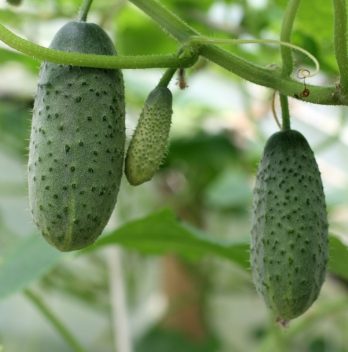
Author: Eunice

  • Vining Cucumber Varieties

    Vining Cucumber Varieties

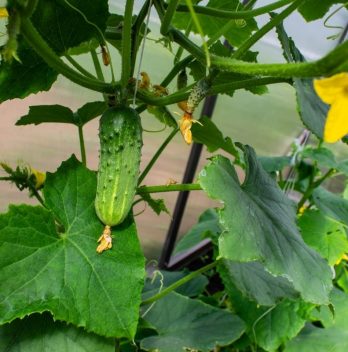
    Cucumber grows in two forms and they are vining and bushy manner. For the purpose of this article, we will be focusing more on vining cucumber. Vining cucumber varieties can grow up to 6 to 8 feet long or even more. Hence, they usually require support such as a trellis.

    Growing vining cucumbers will require more space because they tend to grow larger. The good thing is that they will produce more fruits compared to bush varieties.

    In this post, we will be discussing what you need to know about vining cucumber varieties. We will also be looking at some additional information on this. So, let’s begin.

    Types Of Cucumbers

    As we mentioned earlier, there are two types or two ways cucumber grows. They include bush and vining cucumber.

    • Bush Cucumber: Bushy cucumber variety grows in a bushy or compact manner. They normally grow about 2 to 3 feet long and don’t need a trellis. They also don’t require too much space and you get abundant yield all the same.
    • Vining Cucumber: Vining cucumber grows in a climbing manner. They can grow as tall as 4 to 6 feet in length or even taller. Their produce is always in abundance and their structure usually requires trellis for support.
    Types Of Cucumbers

    Cucumbers can as well be grown for 3 different reasons and they are for slicing, pickling, or seedless cucumber.

    Slicing cucumbers are grown for their juicy taste. They are grown for immediate consumption. They are thick in shape and dark green and they are longer than pickling cucumbers.

    Pickling cucumbers are shorter and stouter in shape. They have more spines and their flesh is dry. They are meat for pickles.

    Then we have the seedless cucumber also known as burpless cucumbers.

    Climbing Cucumbers

    Vining cucumber plants do climb as they grow. Climbing cucumbers or vining cucumbers usually spread and climb up in a vertical manner. Therefore, support such as stake or trellis is always required.

    Vining Cucumber Varieties

    These vining cucumber varieties tend to grow on strong and vigorous vines and these vines are shaded by large leaves. Vining cucumber growth is very rapid and they will produce plentiful harvest so far you care for them properly. The best way to grow vining cucumber varieties is to train them up with trellis.

    Vining Cucumber Varieties

    Growing Cucumbers On A Fence

    To get a more successful result and less stressful work, we recommend you grow vining cucumbers on a fence. You grow them on a fence by training them using a trellis. Naturally, cucumbers tend to climb, but if we don’t provide them with any support to climb, they end up spreading on the ground.

    Growing cucumbers in a climbing way will give a cleaner growth and result in more prolific yield and it saves more space. Also, it will be easier to pick them when you grow them this way.

    Growing Fenced Cucumber

    Here is how you can grow cucumbers on a fence using trellis:

      • To begin your climbing cucumber, you can make use of an existing fence in your garden. This fence should be a wire type of fence. For example, use a chain link or chicken wire. This way, the tendrils on the cucumber vines can have a support to hold on to.

      • However, if there is no existing fence in your garden, then you should make one. Do this by driving two stakes into the ground at each end of the row where you will be growing your cucumber. Then stretch a part or section of chicken wire between these two posts. Then staple the chicken wire to the posts.

      • Once you are done building the fence, you can begin planting your vining cucumber. Plant the cucumber at bottom of the fence 12 inches or 31 cm apart.

    POYEE Garden Netting – 7 x 65 FT Heavy Duty Garden Net for Vegetables and Fruit Trees

    71pM+4vyr8L. AC SX522
      • When the cucumbers begin to grow, train them to grow up the fence you’ve built. Do this by gently positioning the growing vines on the fence. When you notice the cucumber vines have begun to wrap their tendrils around the wire, you can stop assisting them. They will keep on growing and climbing on the fence on their own.

      • As the fruit begins to appear and develop, the vines o the fence are more than capable of supporting the weight of the fruits. So, you don’t need to do anything else. However, when you begin to pick your cucumbers, ensure you cut the fruit off with a sharp garden tool. Avoid pulling or twisting the fruits off the vine to prevent hurting or damaging the vine.

    Benefits Of Growing Cucumbers In A Fenced & climbing Manner

    Growing vining cucumber varieties with the help of trellis on a fence offers great benefits. Here are some of these benefits:

      • Growing cucumber in a fenced and climbing manner saves more space.

      • It’s much easier to harvest your cucumber fruits once they are ready on the vine.

      • You also enjoy abundant harvest while utilizing lesser space.

      • Cucumbers are heat-loving plants and they require at least 6 hours of sunlight per day. So, growing them on a fence with trellis will provide your cucumbers adequate access to sunlight which can enhance fruit production.

      • Pest and diseases can be easily monitored or controlled when your cucumber plant is fenced or trellis.

      • Foliage wetting is drastically reduced on the trellis. Too much water splashing can spread disease. Even if the leaves do get wet when it rains, they tend to dry faster compared to when they are overcrowded and grown on the ground.

    FAQ’s

    What are the uses of climbing cucumbers?

    Climbing cucumbers have a very wide variety of uses. Some are grown simply for their leaves and flowers, but many have edible fruit. The leaves can be used to make tea, and the flowers can be used to make jam. The fruit can be eaten raw, cooked, or juiced. In addition, climbing cucumbers can be used as support for climbing plants, as they help them to grow into trees. There are three main types of climbing cucumbers: those that climb by means of tendrils, those that climb by means of suckers, and those that climb by means of roots. Each of these climbing mechanisms has different advantages and disadvantages. A tendril is a flexible stem that grows out from the base of a plant.

    When it reaches the ground, the stem will bend back towards the plant, thereby lifting the plant up. Tendrils are usually found on vines that are trying to get as close as possible to a source of water. A sucker is a piece of root that can grow out from the base of a plant. Suckers are usually used to support climbing plants. Root climbers are plants that have a main stem that grows up to a height of several feet, but whose roots grow down into the soil.

    Do all cucumber plants climb?

    No, but There are many varieties of climbing cucumbers. Some, such as the common climbing cucumber (Cucumis melo var. agrestis), grow on vines and climb up trellises and walls; others, like the Japanese climbing cucumber (Lagenaria siceraria) or the Chinese longan (Euphorbia lathyris), grow in a bushy clump, with the stems growing along the ground.

    Why do many people like to grow cucumbers?

    Cucumbers are one of the most versatile vegetables, capable of being grown for their edible fruit, as well as to provide a climbing plant that produces long vines. They grow easily from seed and can be raised from seed in pots or started from transplants. There are many varieties available, from standard pickling types to ornamental climbers.

    How tall should cucumber trellis be?

    It should be somewhere between 5 and 5 feet tall. Remember that they do grow rapidly, so although you may feel that this is too tall, just give ti time and let them grow around your tall trellis.

    How far apart do you plant cucumbers on a trellis?

    It’s best to keep them somewhere around 7 inches apart so that they have enough room to grow properly.

    Vining Cucumber Varieties: Conclusion

    There are two main types of cucumber and they are bush and vine cucumber. Bush cucumber spreads and grows in a bushy manner. Vine cucumbers on the other hand grow in a vertical manner especially when they are supported with trellis.

    The vining cucumber varieties are a great type of cucumber to grow in your vegetable garden. They will produce abundant yield and you will always enjoy fresh cucumbers in the comfort of your home.

  • What Are White Carrots Called?

    What Are White Carrots Called?

    Did you know apart from the regular orange carrots we know, there are also white carrots? Exactly! White carrot vegetable is a thing. But what are white carrots called?

    Growing up, what we are most familiar with is the orange carrot. However, weigh before orange carrots became established around the 15th century, white carrots were grown in Europe. The white carrots were mostly fed to cattle back then. But humans can as well consume these white carrots.

    We will be discussing what white carrots vegetable is called. We will also be discussing some other amazing facts about these white carrots. So continue reading to gain some knowledge on this.

    What Are White Carrots Called?

    The white carrot vegetables are known to be Daucus carota subsp. Sativus. Arracacha is also a white carrot name.

    About Carrot & White Carrot

    About Carrot & White Carrot

    White carrot is a type of root vegetable that belongs to the Apiaceae or carrot family and their veg is also used as herbs.

    Initially, carrots were grown in different colors such as red, yellow, green, black, purple, and white, as well as orange. There is a narrative or theory that during the 17th century, orange carrots were bred in the Netherlands in honor of the Duke of Orange.

    He led the struggle for Dutch independence. This orange carrot become popular even around the world and became the carrot standard color. So since then, the orange color got stuck and was normalized.

    Iran and Afghanistan are where carrots have been known to originate. They contain more genes than humans which are around 32,000 genes. In Afghanistan, carrots were initially white before they were crossed breed to give rise to orange color.

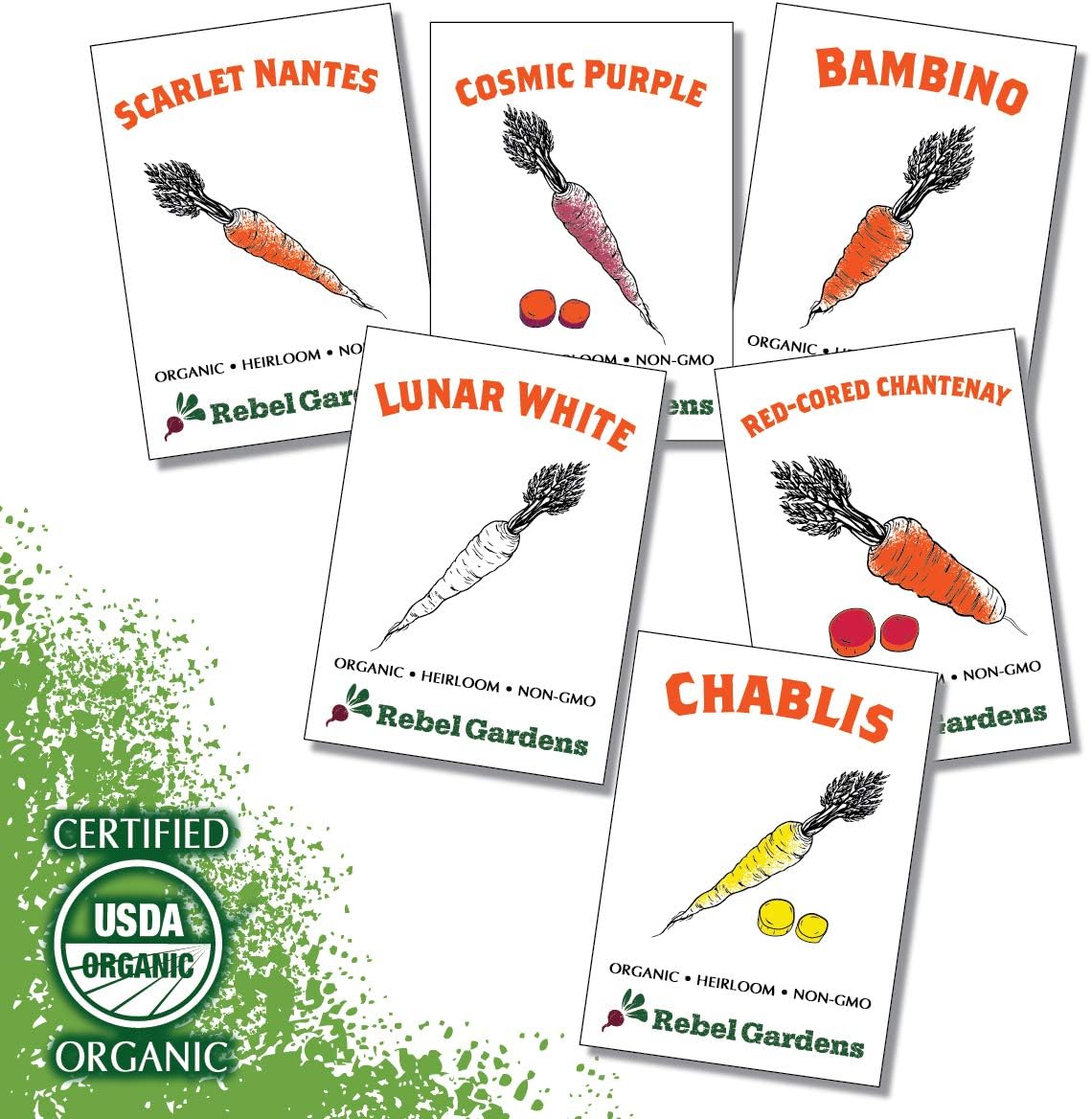
    The white carrot doesn’t have any pigmentation and this makes them white.  Their flavor tends to be smoother compared to orange carrots. Cultivars of white carrots include snow white, lunar white, and white satin.

    Generally, arracacha or white carrots don’t get as big or fat as the traditional orange carrot does. A white carrot usually grows thin and can be roughly an inch wide. They also tend to grow longer. Arracacha is enriched with vitamins and nutrients such as iron, calcium, and vitamin A.

    About Carrot & White Carrot

    Importance Of White Carrot

    Although white carrots may be regarded as having lesser health benefits because of their lack of pigment: these carrots are still as nutritional as their counterparts.

    Here are some nutritional benefits of white carrots:

    • Arracacha or white carrots contain naturally occurring substances called phytochemicals that enhance general health.
    • White carrot is rich in antioxidants.
    • The phytochemicals and antioxidants that white carrot contains can also assist in blood sugar regulation. It can as well help in delaying the effect of aging, and enhance immune function.
    • They also contain a natural bioactive compound found in plant foods that collaborates with nutrients and dietary fiber. And this defends against most diseases.
    • These carrots are majorly used in baby foods to prevent them from coming up with orange skin.
    • Arracacha or white carrot can lower the risk of colon cancer, lung cancer, and breast cancer. They are also great for digestion.
    • White carrot can as well help in blood sugar regulations.
    • This white carrot is low in calories and is also a great source of starch. They have high starch content that ranges from around 10% to 25% and their tiny starch granules are very similar to that of cassava.

    Heirloom Carrot Seeds – 6 Varieties of Organic Non-GMO Carrots for Planting

    71Yq92Y81ML. AC SL1200
    • White carrot is also rich in folate, fiber, vitamin K, potassium, magnesium, phosphorous, zinc, and vitamin E.
    • Another great benefit of white carrots is in terms of dental health. They have been known to kill bad germs in the mouth and prevent tooth decay.
    • Diets that are rich in beta-carotene such as white carrots may contribute to protecting against prostate cancer.
    • White carrots may also play a role in protection against heart diseases and stroke.

    Eating carrots raw are great food. However, some research has shown that cooking these carrots may help enhance their nutritional value.

    White Carrots & Parsnips: Differences

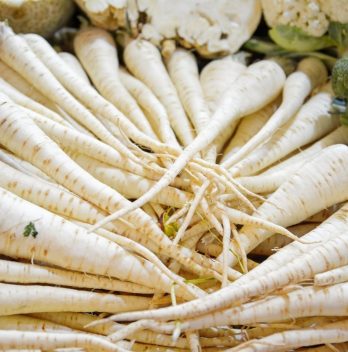
    Take note not to confuse the white carrots with parsnip. Parsnips may be in the carrots family, but they are different species. White carrots may look like parsnips but they are different and don’t even taste the same. White carrot has a mildly sweet flavor and they always taste like carrots.

    Parsnips also tend to have a more golden color or ivory color and a more nutty flavor. Parsnip also tends to be larger compared to the white carrot.

    The most obvious difference between parsnip and white carrots is in their flavor. Parsnip has this almost spiced-tasting flavor. Parsnip also has a reminiscent of nutmeg and cinnamon, the white carrot on the other hand has a sweet taste that is closer to winter squash.

    White Carrots & Parsnip: Differences

    Both white carrot and parsnip can be mixed and eaten together. However, if you want to get the best out of their flavor, you should attempt recipes that will highlight the uniqueness of each vegetable.

    Can Pregnant Women Eat White Carrots?

    Pregnant women can eat white carrots. It’s a healthy and nutritious food that provides essential vitamins and minerals to both mom and her unborn baby. 

    White carrots contain high amounts of folate and iron. Like other carrots, they’re also a great source of beta-carotene. This is converted into Vitamin A in the body. Vitamin A is important for developing healthy eyesight. White carrots also contain other essential nutrients. Pregnant women will get a healthy dose of fiber, potassium, and Vitamin C when they consume this root veggie. These nutrients will support a healthy pregnancy. 

    Pregnant women must eat a balanced diet that includes fruits, vegetables, whole grains, lean proteins, and healthy fats. White carrots are a tasty and nutritious addition to this diet. Pregnant women can enjoy it cooked or raw in a variety of dishes. 

    If unsure, consult your healthcare provider or a registered dietitian for personal dietary advice. 

    How To Cook Arracacha?

    Arracacha is commonly used in South American cuisine. It has a slightly sweet, nutty flavor. You can cook it in various ways to add nutrition to your dishes. Here are the basic steps to cooking arracacha:

    1. Peel the arracacha with a vegetable peeler or a sharp knife. Rinse it under cold water to remove any remaining dirt or debris.
    2. Cut the arracacha into small, bite-sized pieces, and place them in a pot of boiling water.
    3. Cook the arracacha for 10-15 minutes or until it is tender. You should be able to pierce it easily with a fork.
    4. Drain the arracacha and transfer it to a bowl.
    5. Season the arracacha with salt, herbs, and spices, like cumin, garlic, or chili powder, to taste.
    6. Serve the arracacha as a side dish, or add it to soups, stews, or other dishes for flavor and nutrition.

    You can also roast, mash, or fry arracacha for a unique flavor. I suggest experimenting with different cooking methods and seasoning to find the way you enjoy this delicious and versatile veggie best!

    Conclusion

    What carrots are called or known as arracacha? Generations of people have grown up believing that all carrots have always been orange. But we actually have white carrots. White carrot is a great alternative to vegetable carrots you can grow compared to the traditional orange carrot known.

    Arracacha or white carrot also offers great benefits such as improving general health. They are rich in folate, fiber, vitamin K, potassium, magnesium, phosphorous, zinc, and vitamin E.

    FAQ’s

    What makes white carrots white?

    A white carrot is the result of crossbreeding white carrots with red carrots. White carrots are not naturally occurring, and have been created through selective breeding. The first white carrot was bred by John Scurlock in 1884. John Scurlock created the first white carrot through crossing a red carrot with a yellow carrot.

    What are the nutritional benefits of white carrots?

    They are very high in beta-carotene. In fact, carrots grown specifically for their beta-carotene content can contain as much as 8,000 IU per 100 grams. Carrots are a great source of vitamin A, vitamin C, fiber, and potassium. White carrots are especially high in beta-carotene, which is an important antioxidant.

    What is the white carrot called?

    The first white carrot was named “Coulter’s White.” The name “Coulter’s” was used for this variety because it was developed by Dr. Coulter at the University of Wisconsin. Dr. Coulter was also responsible for creating the first red carrot. White Carrots are very popular in North America because they are very sweet and are easy to grow.

    What are vegetables that look like a white carrot?

    The white radish, also known as the chayote. It’s a tropical root vegetable and one of the easiest to grow at home. The chayote is an excellent source of vitamins A and C, calcium and phosphorus. It is also used in soups, stews, salads and stir-fry dishes. In this article, we will discuss:

    Carrots and parsnips are related in the same family, Carrotaceae, so they are similar in many ways. The main difference is that the parsnip has a thicker skin than the carrot.

    Parsnips are an orange root vegetable (or taproot). They’re a cross between the carrot and parsley family. They’re very similar to carrots in size, shape and color but can be more fibrous. Parsnips do have a distinctive flavor, which is sweeter than carrots.

    Are daikons and white carrots similar?

    Yes, the two are very similar. Daikon is a milder version of a regular radish.

    It has a thinner and crunchier texture and a sweeter taste than regular radishes. It is sometimes used in stir-fries and salads. White carrots are the small round kind, sometimes called “baby” carrots, that you often find in the produce section of the grocery store. They have a milder flavor than the red kind. The white ones are often used as a garnish or added to salads.

  • How To Increase Calcium In Soil

    How To Increase Calcium In Soil

    Just as calcium is needed in humans to build strong bones and teeth, it is also essential in plants, especially for rigid cell walls. So, let’s talk about how to increase calcium in the soil.

    One secondary macronutrient required by plant soil is calcium. Even though calcium isn’t needed in quantities as the general nitrogen, potassium, and phosphorus (NPK) are needed: calcium is still essential for the optimal growth of a plant.

    Calcium is important for the proper development of plants and any deficiencies of calcium in the plant can cause stunted or weak growth. Therefore, proper supply of calcium in the soil is essential for optimal development. So let’s dive in and learn how to increase calcium in the soil.

    Importance Of Calcium In Soil

    Of the many important minerals in the soil, calcium is one of them. Here is some of the importance of calcium in soil:

    • Calcium assists in keeping the plant upright. Hence it plays a crucial role in soil structure.
    • Calcium is required for plant support and it is required for building a strong cell wall and cell membrane.
    • It also provides transport for other materials.
    • Calcium helps with better water penetration.
    • Calcium also helps lowers salinity levels in the soil.

    Deficiency Of Calcium

    The deficiency of calcium can cause some adverse effects in plants and they include:

    • Blossoms and buds may begin to shed prematurely.
    • Plant tip burns.
    • Blossom end rot.
    • Improper levels of calcium in the soil can also cause the shelf life of some fruits such as tomatoes and cantaloupes to reduce drastically.
    • Calcium deficiency may even lead to the death of a plant.

    Add Calcium To Soil

    Calcium is usually added to soil to increase calcium levels or prevent calcium deficiency. Deficiency in calcium in the soil is easily solved through appropriate nutrition or through calcium supplements for plants. Supplying the soil with good quality calcium sources will assist in mitigating calcium deficiencies.

    How To Increase Calcium In Soil

    The first thing to determine if your soil is low in calcium is to do soil testing. Soil testing will let you have an idea of the amount to add to increase calcium in the soil. If you’ve already begun planting, you can also notice low calcium levels by noticing any deficiency in your plant. So here are ways on how to increase calcium in soil:

    1.    Soil Additives

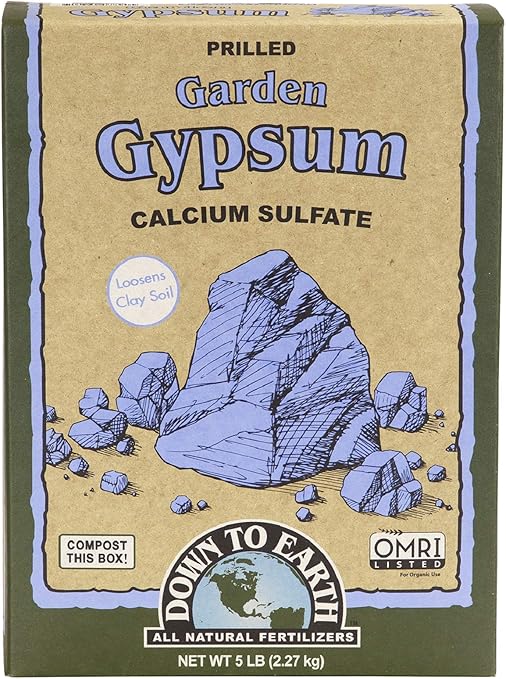
    If you plan on using soil additives to add calcium to your soil, it’s advisable you test your soil pH. When you do this, it will help you determine the type of soil additive to use. The two most common soil additives used are gypsum and lime.

    Down to Earth Organic Garden Gypsum Calcium Sulfate, 5 lb

    81209FW0o5L. AC SY679

    You can purchase these at any garden, lawn, or home improvement store. You can as well obtain them from Amazon.

    To maintain the soil pH levels the same way they are while adding calcium, then you should make use of gypsum. However, if the pH needs to be increased, lime addition is recommended.

    2.    Addition Of Eggshell To Soil

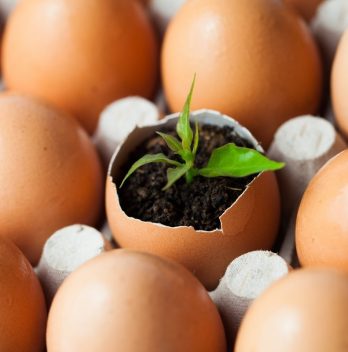
    The eggshell contains adequate calcium that many types of plants can benefit from. Therefore, you can apply some eggshells to the soil. But before adding eggshells to the soil, put the eggshell in an empty container for a few days then add them to your soil.

    Ensure the eggshells are as dry as possible so store them in a coffee tin or storage container. After doing this and they have dried, grind them in a blender or food processor. Since they are dried, it should be easy for the eggshell to grind up easily.

    The ground eggshell should have a similar consistency as coffee grounds or flower grounds. If then eggshells are blended to a finer consistency, it will be easier for the soil to absorb the calcium in them.

    Make use of your hands or tilling machine to mix the eggshell powder into the soil. Do this at least a week before you begin to plant. This is to ensure the soil is in peak growing condition.

    However, if you’ve already started planting, just spread the blended eggshell carefully around your plants’ soil.

    Addition Of Eggshell To Soil

    Once you’ve done this, ensure you keep a close eye on the growth of your plant. You can always add more eggshell powder several weeks later depending on the progress your plant exhibits.

    Absorption of calcium in the blended eggshells can take as long as 6 to 12 months for certain plants. So if you notice your plants are already growing pretty well, it may not be necessary to add extra eggshell powder.

    3.    Bone Meal

    Bone meal is a high phosphate fertilizer and can be used o increase calcium in the soil. it is slow releasing and less soluble. The bone meal should be used for soil that requires raising its pH moderately.

    4.    Epsom Salts

    Epsom salt is also known as magnesium sulfate. Adding Epsom salt is a great way of increasing the calcium levels in the soil.

    5.    Foliar Spray

    Foliar spray commercially sold is the fastest solution for serious calcium deficiency. This is because the plants will assimilate the nutrient more easily through leaves and roots. Foliar spray can also be made at home from using chamomile or seaweed.

    Too Much Calcium In Soil

    Calcium may also be in excess in the soil. Once there’s excess calcium in your soil, your soil pH tends to increase meaning the soil becomes too alkaline. This may lead to disturbance in ion balance.

    So, always ensure you add the right amount of calcium required to your soil. Always do appropriate soil testing to have an idea of the right quantity of calcium to add to your soil.

    Too Much Calcium In Soil

    FAQ’s

    How do you fix calcium deficiency in soil?

    The most effective way to fix calcium deficiency in soil is to add gypsum, according to the University of California, Berkeley. Gypsum can be used as a fertilizer and is available at many gardening centers and nurseries. Keep Learning Calcium deficiency in soil can cause plants to wilt, and it can also cause problems such as stunted growth.

    Gypsum is one of the best ways to help with this problem. Gypsum is a type of rock that contains calcium sulfate. This chemical compound helps to make the soil more alkaline (meaning the pH is higher than 7). Gypsum is usually added to soil at a rate of about 1 pound per 100 square feet. To add this amount of gypsum to your garden, you will need to use a shovel or pickaxe. Dig a hole in the soil that is at least 2 inches deep and spread the gypsum out. It may be mixed with compost to make it easier for the plants to absorb the nutrients from the soil. Be sure to spread the gypsum evenly around the area you are working in. Some people put the gypsum on top of the soil, but this may not work as well.

    What does help calcium help plants with?

    Calcium is a macronutrient and is needed for growth and development. Calcium is used in the construction of cell walls, for example.

    Calcium also helps to protect plants against cold, drought, pests, diseases and fertilizers. A well-balanced nutrition program for your plants will include calcium as well as other nutrients such as phosphorus, nitrogen, sulfur, magnesium, boron, zinc and iron.

    Calcium is used in fertilizers as an effective way to increase yield, promote root health and help plants grow in acidic soils.

    Why do I need to be careful with calcium in soil?

    Calcium is typically used to promote growth, and in high concentrations it can be toxic. For this reason, you need to know how much calcium your soil has before you start adding fertilizer. Calcium can be added to the soil as a liquid or in solid form. The type of calcium that’s available will depend on where it comes from, how it was applied and when it was applied. For example, when calcium is applied as a liquid, it will leach out of the soil very quickly and may not remain in the soil long enough to provide any benefit.

    How much calcium should garden plants get?

    You want to have a plant-based diet that contains no more than 10 percent of its calories from fat, which translates to less than 3 grams of fat per day for an adult. The best way to determine how much calcium your plants are getting is to look at the label on the fertilizer or soil amendment that you’re using.

    How To Increase Calcium In Soil: Conclusion

    There are many ways on how to increase calcium in the soil and we’ve listed some for you. Test your soil to know if they require calcium addition. Also, when adding calcium to your soil, ensure you add the appropriate quantity so your plant can enjoy successful growth.

  • Kabocha Vs Buttercup Squash

    Kabocha Vs Buttercup Squash

    Let’s talk about kabocha vs. buttercup squash. Kabocha squash and buttercup squash may look similar in appearance but they aren’t the same. However, they are both from the family of gourds.

    Kabocha and buttercup squash may look weird and unattractive but trust me, their taste is simply unique. These two squash are used among chefs, home cooks, gardeners, and professional growers because of their excellent culinary features and small size.

    If you’ve ever wondered about the differences between kabocha and buttercup squash, we will be discussing that in this post and more. So continue reading to gain some info on kabocha vs. buttercup squash.

    What Is Kabocha Squash

    Kabocha squash is a Japanese type of winter squash that is gaining popularity these days for good reasons. Kabocha is a universal term for winter squash and pumpkin in Japan. Then in the United States, the term kabocha is regarded as a kind of Cucurbita maxima squash that was bred in Japan.

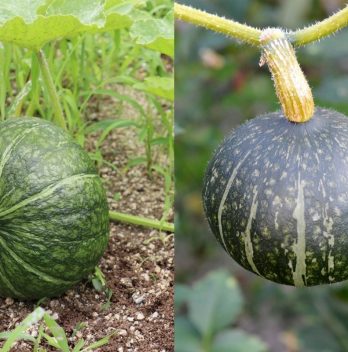
    They are round in shape and they look kind of like a pumpkin and they have a belly button. Their outer layer is very hard and knobby with a rich green color.

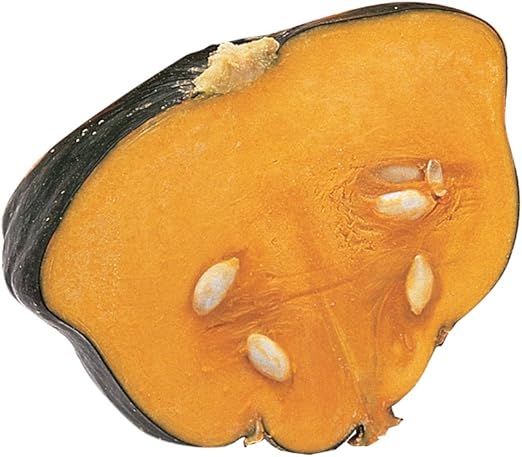
    Kabocha squash skin is absolutely edible. Then the inner flesh has this lovely orange-yellow color. This squash has a sweet and a bit of a nutty taste. Some even swear it has a cross-taste between a pumpkin and a sweet potato.

    So, because the kabocha squash is a winter squash, they are mostly seen in the market starting from early October up until March.

    They are filled with rich beta-carotene, iron, fiber, vitamin C, and other great nutrients. They are low in calories and carbs. One cup of kabocha squash is just 40 calories and 7 grams of carbohydrates. Therefore, kabocha squash is simply a delicious awesome plus to any kind of nutritious diet.

    When you go shopping for kabocha squash, look for the ones that are heavy for their size and don’t have any soft spots. These are the ones that aren’t dried out and it’s still fresh and has enough moisture.

    When you harvest your squash or you just shopped for one, just keep them in a cool dry place. You can simply leave them on your kitchen counter and they can last up to a month.

    Read more about How To Tell If Zucchini Is Ripe

    What Is Buttercup Squash

    Buttercup squash is also a type of winter squash. It is one of the tastiest varieties of winter squash. They are squatty and round and they also look like a pumpkin with a belly button. Their rind or outer surface is green and the inner flesh is orange-yellow.

    Their flesh is edible and simply juicy. Just like the juicy flesh, its seeds are as well an awesome snack food. The seeds are also great for roasting.

    Burpee Buttercup Burgess Strain Winter Squash Seeds 30 seeds

    61e5RDnyPHL. AC SX522

    You can find this juicy sweet flavor winter squash all through fall and winter at your local grocery store or farmers’ market.

    Buttercup squash is also packed with great nutrients such as vitamins A and C, beta-carotene, and fiber. When you have the flesh color more intense, the more vitamin A it has.

    Buttercup Squash Vs Kabocha

    Some people may think buttercup squash and kabocha squash are the same because of their similar appearance. But this isn’t so. It’s pretty easy to confuse these two squash so this is why we will be looking at their differences. So let’s look into kabocha vs buttercup squash.

    Click here to Know: Can You Plant Zucchini In A Pot?

    Kabocha Squash Vs Buttercup Squash

    Kabocha squash and buttercup squash may appear similar but don’t confuse them together because they are not the same. Here are some points to differentiate these two squash:

    • Size, Shape & Moisture: Buttercup squash is a bit bigger than kabocha and buttercup also have a bit of moisture than kabocha. The shape of buttercup squash is blockier than kabocha squash. Buttercup squash also has a boxier shape compared to kabocha which has a rounder shape.
    • Base: The base of kabocha squash usually appears button-like. Buttercup on the other hand has a distinctive round ridge on its base.
    Kabocha Squash Vs Buttercup Squash
    • Exterior Part: the exterior part of buttercup squash is smoother compared to kabocha. The exterior of the kabocha is dark green and has some light stripes.
    • Flesh: Kabocha however has a denser flesh. The flesh of buttercup squash is sweet and dry but not as dry as the flesh of kabocha squash. Buttercup flesh is also liable to have brighter yellow compared to the hues of kabocha.
    • Seed Core: The seeds in the inner part of buttercups are packed much closer to their base. The seeds packaging for kabocha on the other hand is more centered.

    Check Out Best Way to Germinate Seeds in Hydroponics

    Buttercup Squash Kabocha Similarities

    As we said, people confuse kabocha and buttercup squash because they are pretty similar. Here are some similar features you can find when it comes to kabocha vs buttercup squash:

    • Both kabocha and buttercup are shaped like pumpkins and these two squash have thick skin. They are both round with dark green color.
    • Both have a belly button.
    • Their inner flesh is both orange-yellow.
    • Both kabocha squash and buttercup squash are winter squash.
    • Both kabocha squash and buttercup squash are great for culinary use.
    Buttercup Squash Kabocha Similarities

    How Long Does it Take for Buttercup Squash to Mature? 

    Buttercup squash can take up to 110 days to mature. Most early harvests are reported at 90 days. 

    Seeds take between 7 and 14 days to germinate. By day 50, you’ll start seeing fruits. These take a few more weeks before they’re ready for harvest. Buttercup squash fruits aren’t particularly big. To determine if your squash is ready, feel its cap. If the cap is firm, the squash is ready for harvest. 

    How Long Does Buttercup Squash Last? 

    You can store your buttercup squash for about 13 weeks. Under ideal storage circumstances, it’ll stay fresh. I suggest using a dark cabinet, drawer, shelf, or pantry. The average temperature should not exceed 50°F. 

    Before using your stored buttercup squash, you can test it for freshness. If the squash feels firm, it’s still good to use. Soft, mushy areas indicate that it’s past its time. 

    When is a Kabocha Squash Ripe? 

    Kabocha squash takes about 55 days to mature. After this, they’re ripe and ready to harvest. Depending on which type you grow, you can look at the skin color to determine ripeness. Most varieties will be green, orange, or gray. Here are more ways to test for ripeness:

    1. Knock on the squash a few times. If it sounds hollow inside, it’s ripe.
    2. A ripe kabocha squash will have a shriveled stem.
    3. The stripes on a kabocha squash will start fading as it ripens. 
    4. The skin of your kabocha squash should feel firm if you press your fingernail on it. 

    Keeping track of when you sow your seeds is a great way to know when the fruit will be ready. You can log the germination period and when the flowers start budding too. 

    When Do You Harvest Kabocha Squash? 

    You can harvest your kabocha squash when it’s ripe or even before. It will continue to ripen off the vine. If you fear frost, I suggest getting your squash off the vine before it hits. You can also use frost cloth if you’re confident this will help. Typically, kabocha squash is ready to harvest in late summer and early fall. 

    The longer you leave kabocha squash on the vine, the better it will taste. However, you can harvest it as soon as it reaches its mature size. This can range from 1.5 to 5.3 pounds, so it might be tricky to figure out if your squash is ready on this indicator alone. 

    Is Kabocha Squash Acidic or Alkaline?

    Kabocha squash contains a ton of goodness. It’s buttery and easy to digest! If your gut isn’t a fan of acidic foods, you’ll be happy to know that kabocha squash is alkaline. You can turn this winter squash into a favorite comfort food. There are many ways to prepare it, and its pH is neutral once cooked and digested.  

    This squash also contains vitamins A, B6, and C. It’s packed with potassium, manganese, folate, riboflavin, and copped. You’ll also get dietary fiber when enjoying it. 

    Kabocha vs Buttercup Squash: Additional Say

    With kabocha and buttercup similarities, it’s no surprise these two squash are often confused or mislabeled. Even with their differences, both kabocha and buttercup squash are regarded as a single type in breeding and marketing. The terms are sometimes used interchangeably.

    So there you have it differentiating kabocha vs buttercup squash. So if you’re puzzled about these two squash, simply look through our guide to point out the differences.

    Learn more about Can You Eat Kabocha Squash Skin?

    FAQ’s

    What is another name for kabocha squash?

    I have seen this squash called a “Japanese Pumpkin”. This is one of the best tasting varieties of winter squash, it’s sweeter than most and has a nice texture. The skin is smooth, but if you want to remove the skin then just cook it for about 30 minutes until tender and let it cool a little before peeling off the skin.

    What does kabocha taste like?

    Kabocha is often described as “winter squash” because it tastes like winter. You can eat kabocha any way you want, from baking or roasting to frying or steaming. But for the best taste and texture, we recommend roasting.

    Kabocha has a sweet, nutty flavor that complements many other vegetables. Kabocha squash is a good source of vitamin A, vitamin C and iron.

    What does a buttercup squash taste like?

    Buttercup squash is great for making soup, especially when it’s in season. The flavor is light, sweet, and not too dense. It tastes like a cross between a zucchini and a potato. It’s got a lot of flavor. It can be used interchangeably with pumpkin. If you’re making a soup, I recommend using a variety of squash, like butternut, acorn, and hubbard.

    Is buttercup squash the same as butternut squash?

    Yes, they are both forms of the same squash and are both delicious. Butternut is the most common in the US, and buttercup squash is more common in Europe. If you’re shopping for a butternut squash, you’re probably looking for a heavy-duty cooking type, but if you’re shopping for an “average” buttercup squash, you can get away with a little less.

    Buttercup squash has a light orange color with a yellowish interior. It’s also much smaller than butternut squash, usually around 10-12 inches long. Butternut squash is usually larger, around 15-16 inches long, and it has a white interior with a very dark orange exterior. You can use both types of squash interchangeably in recipes. But for the best flavor, I recommend using butternut squash. Buttercup squash is great for stuffing, but its texture isn’t as nice.

    How do you pick a good kabocha squash?

    Well, for starters, it should be firm and free of blemishes. If the stem is soft or you see any signs of decay, then that’s a pretty good sign of bad luck for this squash. It shouldn’t have any green spots on it. This means it’s probably a very young squash. Squashes with green spots are typically older than those without.

    It should also feel heavy for its size. A good test is to hold it in your hand and if it feels heavy, then it’s probably a good one. If you can find it at the farmer’s market, it will likely be smaller and more tender. The smaller it is, the more delicate it will be. This is not a squash that you want to pick up and use like a football, but rather like a small melon or cucumber. If you can get your hands on a mature squash, that would be even better.

  • Bush Cucumber

    Bush Cucumber

    Cucumber comes in hundreds of varieties for growers to choose from and it’s known for its pickling and slicing use. If you’re interested in trying out some bush cucumber variety, then we’ve got you covered here.

    Cucumber plants are easy to grow and they can be grown in the ground, raised beds, containers, or even hydroponic systems. They are one of the most beloved homegrown vegetable plants.

    Not all cucumbers are the same and there are so many cucumber varieties to choose from. Selecting which kind of cucumber variety is one step to growing cucumber successfully.

    Cucumber plants grow in two ways and they are bush and vining. For the purpose of this article, we will be focusing more on bush cucumber varieties. So, read on to learn more on this.

    Cucumbers Plants

    Cucumber plants are easy plants that can be grown or added to your vegetable garden. Cucumbers originate from India and they have a cousin known as bitter melon which is still a staple as of today.

    Cucumbers have been cultivated for over 3,000 years and they are known as one of the oldest crops to be grown in a controlled surrounding.

    Cucumbers Plants

    Generally, cucumbers can be divided into 3 categories which are slicing cucumbers, pickling cucumbers, and seedless cucumbers.

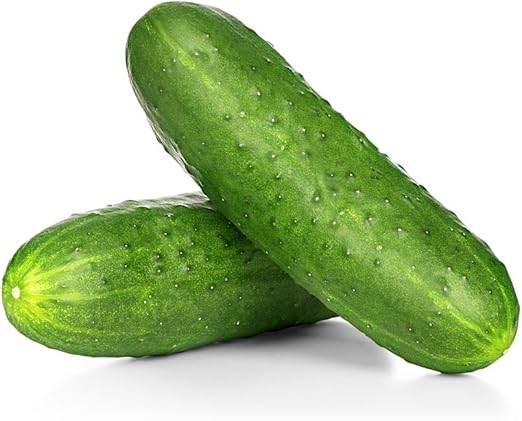
    • Slicing cucumbers are thick-skinned smooth types of cucumbers and are used for slicing and eating fresh. They are long and tender and non-bitter skin. Hence, they are the sweet type.
    • Pickling cucumbers are short cucumbers with blocky and bumpy skin used for pickling.
    • Lastly, we have the seedless cucumbers also known as burpless cucumbers.

    Looking for Easy to Grow Plants? Click here:

    Cucumber Bush

    Cucumber usually grows in two forms which are vining and bushy. Bush cucumber (Cucumis sativus) has been bred to occupy only a short space with very short vines and has been made to produce an abundant result. Therefore, the variety of bush cucumber allows you to plant them in a small space while enjoying plenty of yields.

    Bush Type Cucumbers

    The majority of the bush cucumbers only need about 2 to 3 square feet per plant. Their requirements are almost the same as vining cucumber type and they will mature in about the same period.

    Bush-type cultivars include pickle bush, bush champion, salad bush, parks bush whopper, and space-master.

    Bush Type Cucumbers

    Planting Bush Cucumber

    Planting cucumber requires fertile soil and they will grow rapidly so far they get constant watering and warmth. Most of the cucumbers variety available in nursery gardens is vining plants. So ensure you search for the word ‘bush’ in the seed pack or somewhere.

    You can plant bush cucumber variety in both containers and a small garden.

    Planting In-Ground

    Select a planting site with full sun as cucumber requires warmth and lots of light. Once the danger of frost has passed, turn over your soil with a shovel or spade. Create a long row of soil and space them 2 feet apart. Leaf compost or aged manure should be dug in using one part compost to every 10 part soil.

    If you’re making use of heavy clay soil, one part of sand should be dug into every 5 part soil. This will ensure the mixture is rich and light enough for fragile bush cucumber plants to root.

    Soil temperature should be measured with a soil meter and measure deep into the soil. The aim for an ideal soil temperature should be around 60 degrees Fahrenheit. Then you can plant your seed or seedlings. Any temperature below 60 degrees Fahrenheit will not encourage seed germination or seedling growth.

    Next, insert one bush cucumber seed in each hole and cover it with about a quarter-inch of soil.

    Spacemaster Cucumber Seeds, 100 Heirloom Seeds Per Packet, Non GMO Seeds

    61d9NlhaAvL. AC SX522

    Alternative Planting Method

    Another way is to dig 4 inches holes with a trowel then slowly bring out the seedlings you’ve purchased from the nursery containers.

    Ensure the soil around the roots remains intact. Then put a seedling in each hole and cover it up with soil around the plant. Ensure you don’t press them too much because they’re fragile. Make sure you water the seeds or seedlings consistently.

    The seedlings of the bush cucumber should be thinned once they’ve grown four true leaves or once they attain a length of 6 inches. Remember to continue watering.

    Ensure you water daily if the weather is hot and the soil dries out quickly. However, if the soil still holds some moisture, you can water every 2 to 3 days. The watering should be deep into the soil. Once the plant starts to flower or bloom, feed with a balanced garden fertilizer.

    Container Planting

    You can also grow bush cucumber in a container or pot. Select a container or pot of about 12 inches in diameter with drainage holes. The container should be filled with potting soil mix.

    Then 3 bush cucumber seeds or 3 bush cucumber seedlings should be planted in the container soil and water daily. Once the plant germinates thin one or two plants once they have four true leaves. Side dress the plants with a liquid time-released balanced fertilizer. Always water consistently.

    Benefits Of Growing Bush Cucumber Variety

    Here are the benefits of growing bush cucumber variety:

    • If you’re short of garden space then bush cucumbers variety will be ideal for you.
    • They are perfect for container gardening.
    • With their small bushy size, they will give rise to plenty of yield. They will also not overwhelm your garden with too much cucumber than you can handle.
    • Bush cucumber variety is ideal for gardeners that don’t want to go through the stress of bumper crop or unusually large crops production.

    FAQ’s

    What are bush cucumbers?

    Bush cucumbers (Cucumis anguria) are a member of the Cucurbitaceae family, which also includes melons, gourds and squash. It is closely related to watermelons, but differs in that it is a herbaceous perennial plant rather than a woody shrub. It has long been cultivated for its edible fruits, known as cucumbers, which are used in salads and sandwiches, pickles, and even as a cooking ingredient.

    The plant is an herbaceous perennial growing from a taproot, with a thick, woody stem up to tall and in diameter. The leaves are arranged alternately along the stem, each with a broad, heart-shaped blade long and wide, and are covered in a thick, soft, white down. Small white flowers form on the upper part of the stem, between the leaves. The fruit is a long cylinder about long with four or five seeds. The flowers appear in early spring and the fruits ripen from late summer to autumn. It is native to the Indian subcontinent and China, and has also become naturalised in Florida, Texas and California.

    It has long been cultivated for its edible fruits, known as cucumbers, which are used in salads and sandwiches, pickles, and even as a cooking ingredient.

    What varieties are bush cucumbers?

    ush cucumbers are also called summer cukes, pickling cukes and pickle cukes. They are sometimes referred to as Japanese cucumbers, but that is a misnomer. Pickle cukes are very small (1/8 – 1/4 inch) and have a thinner skin than most other cucumber varieties. They are a type of bush cucumber and are often grown for pickling purposes.

    Will bush cucumbers climb?

    bush cucumbers (Lepidosperma) can climb. They do this by means of their long, thin tendrils, which are very sensitive to touch and also have a strong grip. When a bush cucumber climbs it extends its tendrils in all directions, then bends them back at an angle of 45 degrees and attaches them to the nearest support. The tendrils then spread again, and so on.

    How big does a bush cucumber get?

    The Bush Cucumber is the largest member of the cucurbit family and can grow up to 30cm in length. The leaves are heart-shaped, with five leaflets and a tapering point, and the flowers are yellow and funnel shaped.

    How are they eaten?

    They are most commonly eaten raw, pickled or used as a garnish. A lot of people toss them into salads as part of a healthy vegetarian meal.

    Additional Say

    Bush cucumbers are ready for harvest in about 40 to 70 days from planting. Harvesting depends on the size you want and how you plan to use them.

    The bush cucumber plant is a great cucumber variety to grow if you are bothered about space and you want maximum production. So, you can always enjoy growing bush cucumber variety for your gardening pleasure.

  • How To Tell If Zucchini Is Ripe

    How To Tell If Zucchini Is Ripe

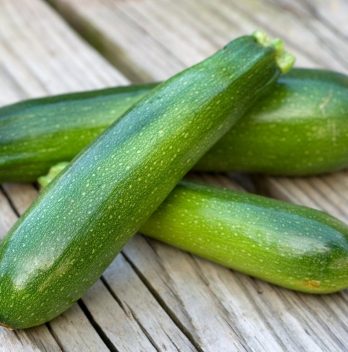
    Do you know how to tell if your zucchini is ripe or ready to be picked? We will be discussing this here. Zucchini is a type of summer squash variety and it’s grown for its delicious edible fruits.

    The plant is super productive and a fast-growing vegetable and it’s from the gourd family (Cucurbitaceae). They are popular in home gardens and supermarkets and their young fruits are cooked as vegetables. The flowers zucchini produce are as well edible and sometimes fried.

    Planting zucchini is pretty easy and how to tell when they are ripe is not so difficult as well. Let’s dive in and determine how to know if zucchini is ready to be picked.

    About Zucchini Plants

    Zucchini plants are basically non-vining and bushy plants. However, some varieties are known to have a creeping habit. The stem as well as the leaves have small prickly trichomes (plants hairs).

    They have dark green large leaves and palmately lobed leaves. Their large green leaves offer shade to the fruit and also tend to play hide and seek with it. This is why you need to be observant with zucchini picking so you don’t miss the appropriate time to harvest them.

    About Zucchini Plants

    Their flowers are large and unisex and it is made up of five yellow-orange petals that are pollinated by bees and other insects.

    Most zucchini varieties give rise to dark green cylindrical fruit. However, some may give rise to intermediate or round shapes and colors ranging from yellow-green to almost black. The fruit of zucchini is a kind of berry known as a pepo and it’s normally harvested before the rind hardens.

    When To Pick A Zucchini

    Zucchini is an annual herbaceous plant that attains maturity quickly and is very prolific. They are the member of the squash family and they will offer delicious addition to almost any summer dish.

    So, if you ever find yourself wanting to select zucchini at a grocery store or produce stand, it’s pretty important for you to know how to tell if zucchini is ripe. If you’re a kitchen expert, a gardener, or simply experimenting with new vegetables, you should acquire some knowledge on what to look for when zucchini is ripe.

    How To Tell When Zucchini Is Ripe

    By picking zucchini crops diligently and frequently, you can achieve a larger crop because this will boost the production of fruits.

    Zucchini usually grows very quickly so once it’s close to harvest or when harvesting begins, keep a close eye on them by checking them daily. You wouldn’t want to miss when to pick the right zucchini. Preferably, smaller fruits are better picked because they tend to taste better and are more tender.

    Zucchini are ideally ready to be picked from 40 days after seed sowing. Here are some tips to tell if zucchini is ripe:

    ·         Appearance

    Ideally, determining when to pick zucchini, you should look for smaller, tender fruits, that are sweet and mild. The appearance should feel more flexible than a cucumber but not too much.

    ·         Rind

    The outer part of the fruit should be firm, dark green, yellow, or white (depending on the variety). The fruit should not be too soft and if it’s too soft, it is probably rotting and should be thrown away. The fruit shouldn’t be too big as this can cause the seeds and rind to become harden, making it stringy and unappealing.

    ·         How Big Should Zucchini Be Before Picking?

    The appropriate length usually depends on the variety f zucchini planted. But generally, zucchini fruit should be about 6 to 8 inches (15 to 20 cm) long before picking.

    More Tips On Picking Zucchini The Right Way

    Zucchini’s large green leaves can hide fruits that you may have never noticed before. Therefore, you should properly check under the leaves for hidden fruits. However, do this with care so you don’t hurt or damage the tender stem and leaves.

    Always choose zucchini that has not been bruised or disfigured. Zucchini tends to go bad very quickly once their skin is broken.

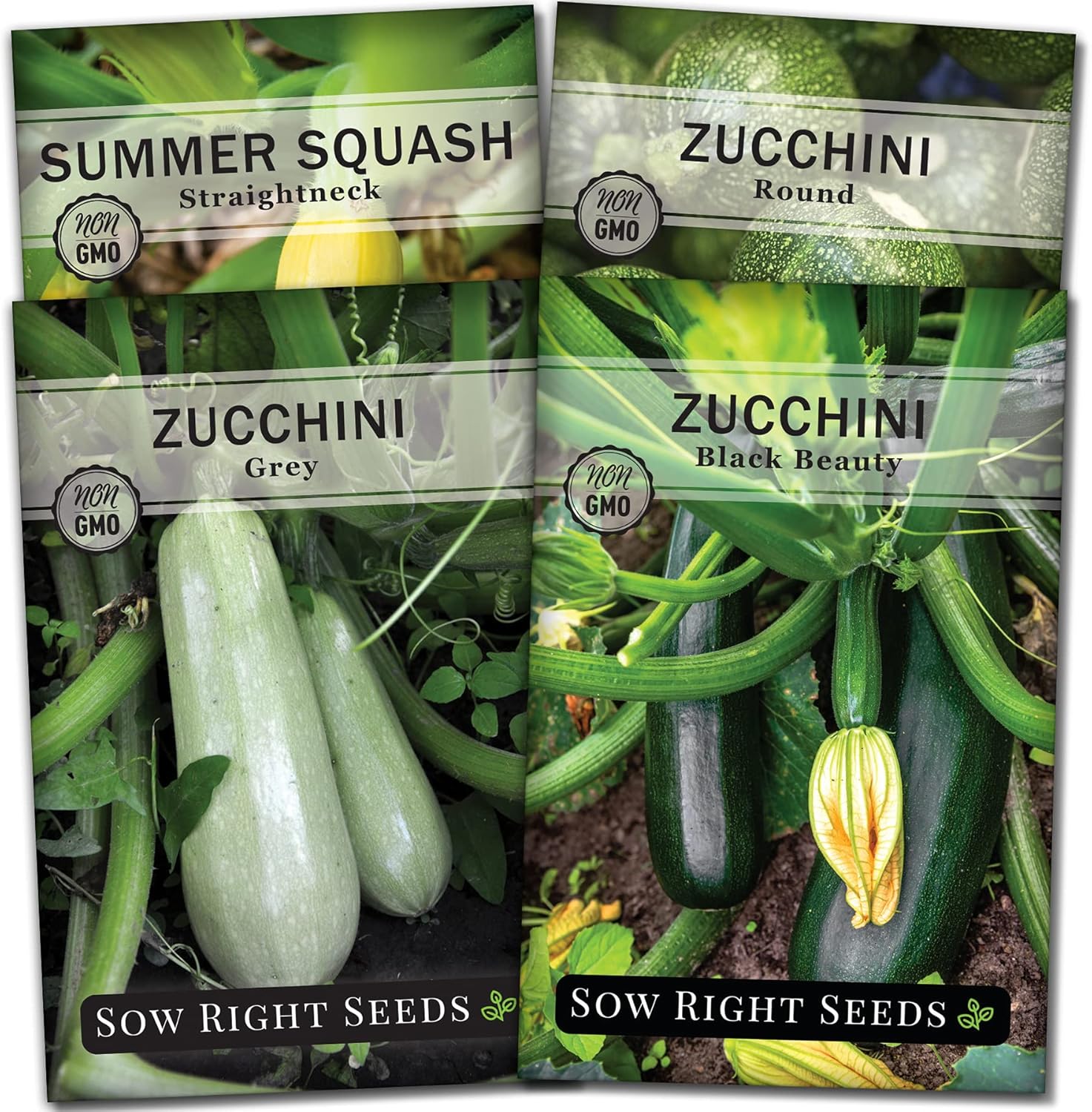
    Sow Right Seeds – Zucchini Squash Seed Collection for Planting

    You can taste different sizes of zucchini to know which you like best. Some prefer smaller zucchini, while others prefer zucchini that are a bit bigger.

    How To Harvest Zucchini

    Whenever you harvest your zucchini, ensure you handle the plant gently to avoid breaking or damaging the stems.

    To harvest zucchini, simply use a sharp tool such as a knife, pruners, or scissors. Cut the stem one to two inches away from the fruit.

    Another way is to simply grab the fruits by the base where the flower was located. Then gently twist it to break it off the plant. However, the stem may not give in easily using this method and the fruit may be broken. So, you should just make use of a sharp tool.

    Storing Zucchini

    Once you have harvested your zucchini fruits, it’s only ideal to store them appropriately if you aren’t using them right away. To store zucchini fruits, don’t wash them and store them in a perforated or open plastic bag for up to a week. You can also freeze the fruit for later use.

    You can as well shred unpeeled zucchini and drain it in a colander. Then squeeze it slowly to separate excess moisture. Next, put them in sealed quart-size freezer bags then freeze them flat. This way, they can be stacked in the freezer. Shredding is mostly used if the end result will be zucchini bread or fried zucchini cakes.

    Storing Zucchini

    Another way to store zucchini fruit is to wash and dry it. Next, cut it into pieces of about one inch or 2.5 cm and freeze it in a freezer bag. Frozen zucchini can last up to 3 months before use.

    FAQ’s

    When is the best time to plant Zucchini so that it will ripen properly?

    Zucchini is a great vegetable to grow in the summer. It is quick to mature, easy to pick, and tastes delicious when cooked.

    There are several reasons for planting zucchini early. First, it will help you harvest before the hot weather of summer. Second, you can harvest from seedlings that have grown up to be larger than the zucchini plants that you planted later in the season.

    How do I know Zucchini has reached maturity?

    There are many ways to tell if your zucchini has reached maturity. The first way is by seeing how it looks. You can look at the size of the zucchini, and the color. If the zucchini is green and small, then it is probably not mature. As it gets larger, and turns yellow, it is getting closer to being mature. When it is fully mature, it will be yellow, and about the size of a tennis ball.

    A second way is to smell it. When it smells like a cucumber, it is still too immature. When it starts to smell like an eggplant, it is getting close to being ready to harvest. The third way is by looking at the skin on the zucchini. Look for a smooth skin, without any cracks or holes. If the skin is cracked, then it is too immature. As it gets closer to being mature, the skin on the zucchini will become more wrinkly.

    Can you harvest Zucchini before it ripens?

    Yes. You can either wait until your zucchini is completely ripe, and then cut it off of the vine, or you can harvest them while they are still immature. There are several methods for harvesting immature zucchini. You can pull the zucchini from the plant, or you can cut them off of the plant.

    Pulling them From the Vine You will need a sharp knife, and you will also need to have a basket that you can put the zucchini in. If you do not have a basket, you can use a paper towel or an old piece of cloth. The zucchini needs to be at least 3 inches long when you cut it from the vine. It should be thick enough to hold its shape after you cut it. To harvest the zucchini from the vine, you need to pull the plant up by the roots. Cut the stem of the plant just above the base of the plant. Cut the bottom of the plant down to where the stem is cut. The zucchini will fall out of the plant. You can then cut the stem off of the zucchini with your knife. This will keep the zucchini from being damaged. When you harvest the zucchini from the vine, it can be difficult to pick out the fruit without damaging it. Make sure that you cut the stem close to the bottom of the plant. Do not cut it too close to the base of the plant. You also need to make sure that you are cutting the zucchini while it is still attached to the vine.

    How To Tell If Zucchini Is Ripe: Final Say

    Zucchini plants are a great addition to any vegetable garden and they will produce great-tasting fruits that can be incorporated into your various dishes.

    How to tell if zucchini is ripe is pretty easy and we have listed some tips to guide you on this.

  • Growing Heirloom Tomatoes

    Growing Heirloom Tomatoes

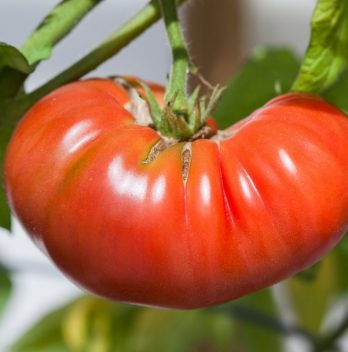
    There’s a whole of tomato species beyond the known ruby red ones and this variety is so unique and they are called heirloom tomatoes. Heirloom tomatoes are a genetically flavored fruit that has rarely been crossed with any other variety. So, let’s take a look at growing heirloom tomatoes.

    These heirloom tomatoes are so unique and are pure breed tomatoes. They are not even new because they have been in existence for a long. It is an open-pollinated non-hybrid kind of tomato that has been passed down from season to season. So, is growing heirloom tomatoes a straightforward process?

    Let’s dive in and discover how to grow these scientifically sweeter tomatoes.

    Heirloom Tomato Plants

    Heirloom tomatoes may be funny-looking or weirdly shaped, but they definitely not breed in the lab. Hence, they are pure breed tomatoes. They are called ‘heirloom’ because they haven’t been crossed with any other variety at least not for a very long time (usually as long as decades or even centuries).

    These special tomato breeds have been passed down from generation to generation of family, ethics, religion, and so on. Called family heirloom, mystery heirloom, or created heirloom.

    Heirloom Tomato Plants

    Generally, there are different types of fruits and vegetables that are heirloom. But for the purpose of this post, we will be discussing growing heirloom tomatoes plants. For tomatoes, there are about 15,000 known heirloom varieties. However, we only have about 3,000 of these tomato heirloom varieties been grown to this day.

    Growing Heirloom Tomatoes

    These tomato varieties are seasonal. You can find heirloom tomatoes at your local farmers’ market from late summer into early fall.

    It is pretty easy growing heirloom tomatoes from seeds. The seeds of heirloom tomatoes are passed from season to season through generations of farmers. When you grow tomato heirloom seeds of one variety, the seeds will give rise to identical offspring to their parent plants year after year. Isn’t that amazing? Open-pollinated plants meaning their pollination is natural. So,  there’s no genetic modification.

    Therefore, you can save your seeds and grow the same tomato next year and expect a similar identical product as last year.

    Tips On How To Grow Heirloom Tomatoes

    Growing heirloom tomatoes is not so complex and they are fast-growing plants that will produce ripe fruits in 60 to 80 days of seed sowing. The best period to plant heirloom tomatoes is around spring when the danger of frost has elapsed.

    Tips On How To Grow Heirloom Tomatoes

    Healthy Soil

    One essential component to growing heirloom successfully is using healthy soil. Use rich loamy soil that permits the root to penetrate deeply. Apply compost, leaf, or manure up to 50% and blend it with the soil.

    Growing From Seeds

    These tomatoes are great to grow from seeds. With a most and sterile soil mix, the seeds should be pushed gently into the soil. With the right temperatures (about 70 to 75 degrees Fahrenheit) and conditions, you should begin to see germination in about a week of seed sowing.

    Spacing

    Space heirloom tomato plant 2 to 3 feet apart. Growing tomato side by side with basil is ideal. They are great natural fly repellent. However, there are some plants that are not advised to be planted alongside these tomatoes. Plants such as potatoes can suffer from blight, so avoid planting these in the same garden space.

    Reduce Disease Pressure And Staking

    Most heirloom tomato varieties lack resistance to some diseases. Therefore, it’s important you try to reduce drastically any disease pressure.

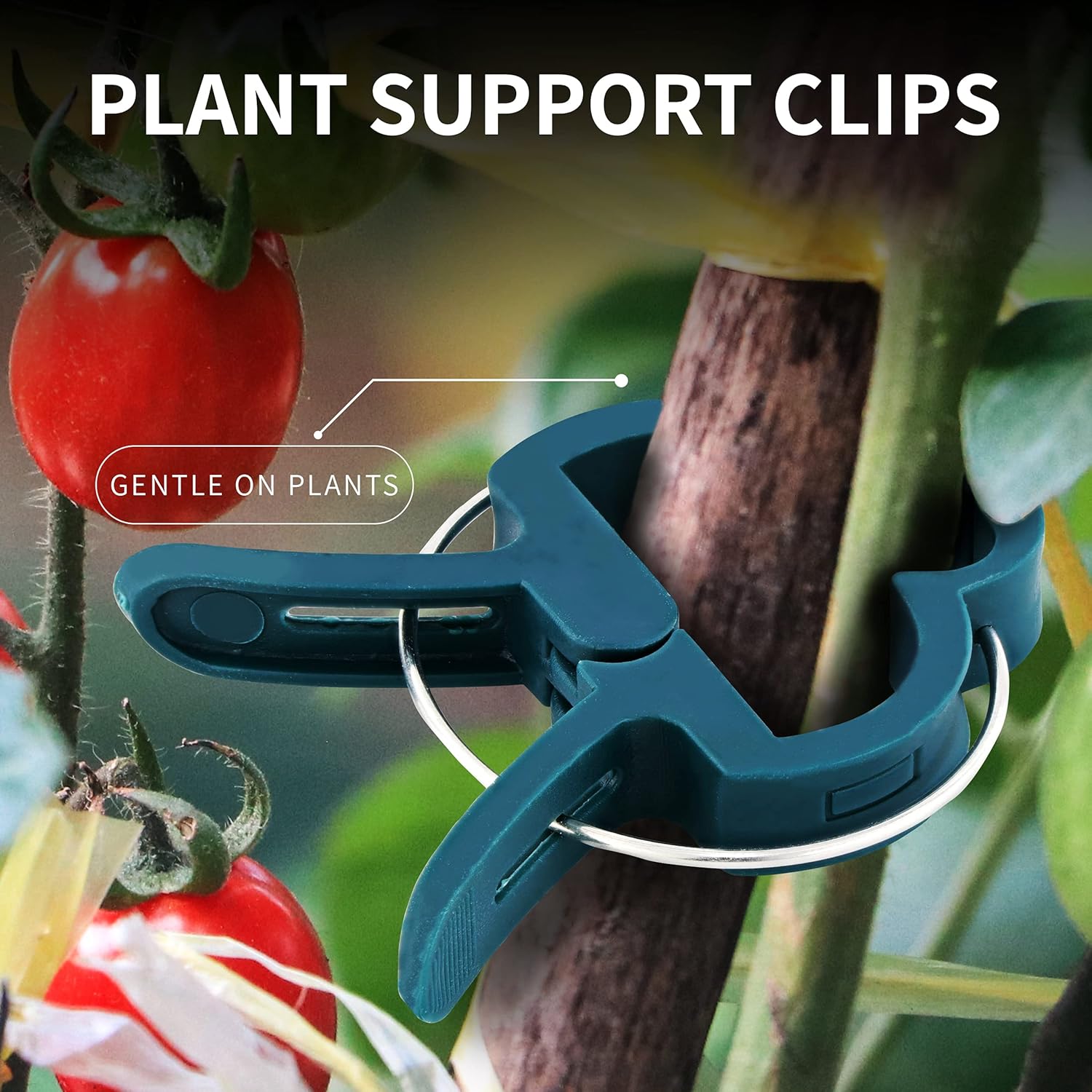
    Heirloom tomato tends to grow pretty large. Therefore, one important thing you can do is to stake the plant so as to prevent the plant from touching the ground. This is because the plant can pick up any disease spore by touching the ground.

    Ram-Pro 40 Piece Green Gentle Gardening Plant & Flower Lever Loop Gripper Clips

    81WurcsWdhS. AC SL1500

    Watering

    Proper watering is very essential in heirloom tomatoes especially when it’s time for fruit production. You should water deeply to promote deep root systems. The plant requires moisture and avoids soil dryness. Soil dryness can cause issues such as fruit development, cracking of fruit, and even blossom end rot.

    Sunlight, Temperature, And Humidity

    Supply heirloom tomato plant with direct full sunlight all day. These plants also require a warm temperature to grow optimally. Before you begin planting outdoor, wait until night temperatures are at least 60 degrees Fahrenheit. Humid conditions have no effect that can bother the heirloom tomato plant.

    Fertilization

    These tomato plants are heavy feeders. Hence, they require optimal or regular fertilization to flower and produce fruit. You can make use of either organic or chemical balanced all-purpose fertilizers.

    Harvesting

    You can harvest these juicy tomatoes right before their color peaks. Avoid leaving them for too long on the vine as this can cause cracking. Once the fruits start becoming soft, it means they are already approaching their peak.

    Heirloom Vs. Regular Hybrid Tomatoes

    Both heirloom and hybrid tomatoes appear the same and have similar growing requirements.

    An heirloom tomato is a special pure breed tomato that is even sweeter than the regular tomato that has dominated the commercial world. Most regular tomatoes have been bred to look like animated tomatoes that appear plump, round, red, and easy to store.

    The regular tomato was majorly modified for consistency rather than flavor. Hence, the regular tomatoes give rise to watery, less flavor, thicker skin, and mealy fruits. Heirloom on the other hand offers distinguishable qualities.

    Heirloom tomato tends to have thinner skin, juicer flesh, and they taste better than most regular hybrid tomatoes. Therefore, when handling them, they require more care because of their thin skin.

    One main drawback is that heirloom tomatoes have shorter shelf life compared to regular hybrid tomatoes. Make use of your heirloom tomato as soon as possible.

    FAQ’s

    Do Heirloom Tomatoes need a cage?

    Heirloom tomatoes are usually grown in cages. If you’re growing them indoors, they’ll need a cage because of the amount of light they receive. If you grow your tomatoes in an outdoor garden, you should be fine without a cage.

    You can make a cage out of wire, wood, or cardboard.

    Some gardeners prefer using wire cages because they are easy to make. Other gardeners prefer wooden cages because they are more aesthetically pleasing. Cages can be constructed in a variety of shapes and sizes. 

    You can also grow your heirloom tomatoes without a cage. There are some disadvantages to growing them without a cage. For example, you will not have the same protection from pests and disease. The other problem is that you will need to thin your crop when the fruit is ripe. You may have to do this for up to a week before harvest.

    How many tomatoes does an heirloom tomato plant produce?

    The number of tomatoes produced will vary based on a variety of factors. Some of those factors are: How much light the plant is getting.
    How well-watered the plant is. How warm the room is in which the plant is growing. And when the plants are harvested, how soon they are picked. In general, plants that are given a lot of light and a good amount of water will produce more tomatoes than plants that have less light and less water.
    In general an heirloom tomato `Lana can yield from 10 to 30 pounds of tomatoes.

    Are heirloom tomatoes easy to grow?

    Heirloom tomatoes are very easy to grow. They are generally tolerant of a wide range of conditions and will grow well in any environment.The only thing you need is a fertile soil that has a good drainage system, sunlight and water. In fact, you can grow this kind of tomatoes in pots and planters.
    Heirloom tomatoes can be grown successfully in most parts of the country.

    Can you grow heirloom tomatoes indoors?

    Yes, you can grow heirlooms indoors indoors especially during the winter months. .But tomatoes tend to be small
    You’ll need a warm, sunny spot with good ventilation and humidity. Keep the soil damp and mist regularly. You can also start it indoors earlier in the spring. You’ll need to have your tomatoes transplanted outside when they’re about 6 inches tall. They’ll grow much faster once you’ve transplanted them.

    How often should you water heirloom tomatoes?

    The best time to water your heirloom tomatoes is when it’s still dry, but before the soil has been wet for very long. Watering the plants in this way encourages the roots to absorb moisture more effectively and prevents them from drying out too quickly. If you don’t water your plants regularly, they may develop problems like leaf burn, which is caused by too much water and can be avoided by watering regularly. Your plants need to be watered regularly throughout the season so they can produce at their best. They will grow best if you water them twice a day, once in the morning and once in the evening.

    Growing Heirloom Tomatoes Conclusion

    Heirloom tomatoes are easy to grow just like the regular hybrid tomatoes. Follow our tips to learn how to successfully grow your heirloom tomato plants.