Author: Eunice

  • Differences Between Baby Spinach And Regular Spinach

    Differences Between Baby Spinach And Regular Spinach

    Let’s look into the differences between baby spinach and regular spinach. Spinach is a green vegetable with loads of nutrients and antioxidants when eaten.

    The advantages of consuming this green vegetable are quite enormous; ranging from strong eye benefits to cancer prevention, reduced blood pressure, eye health among others.

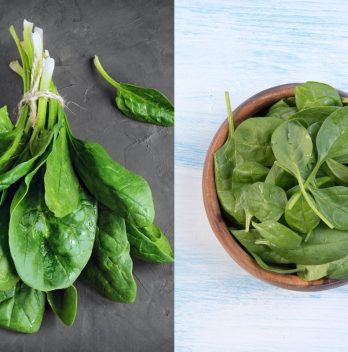
    What is usually referred to as baby spinach is the small version of the regular spinach. The baby spinach usually has its distinctive attributes such as small leaves, smooth leaves, and very tender or young leaves and stems.

    The differences between baby spinach and regular spinach will be discussed in this guide. The similarities of these two types of vegetables are as well discussed here.

    Now you may want to pay rapt attention to some of the details given as they are sure to come in handy in no distant time. However, before we delve into discussing the differences, let’s explain a few things about spinach generally.

    What You Should Know About Spinach

    So, let’s firstly look into what we need to know about this amazing vegetable. The following are a few things you ought to know about spinach:

      • It is a green leafy vegetable that is highly nutritious to the human body. There are numerous health benefits of eating this vegetable on a regular basis.

      • Spinach is an excellent source of vitamins and minerals. Vitamin A, C, K1, and B9 are a few of the rich vitamins that can be gotten from vegetables.

    What You Should Know About Spinach

      • It takes a relatively short period of time to attain maturity. Spinach would usually take about six weeks to grow after germination and they will be ready to be harvested. There are also, different varieties that can be grown, with some being able to grow all year.

      • Grown in pots indoors or outside in the garden. Whichever is more convenient depending on the amount of space we have, the vegetable does well both indoors and outdoors.

    Major Differences Between Baby Spinach And Regular Spinach

    So, regarding baby spinach vs spinach, there are some noticeable differences between them. They include:

    1.    Differences In Taste

    One distinctive difference between baby spinach and regular spinach is the unique difference in taste.

    Regular spinach usually has a relaxed flavor, unlike other edible greens. It may in some situations thirst a bit bitter if the leaves are allowed to grow too long. On the other hand, the baby spinach is particularly sweet.

    2.    Differences In Size And Appearance

    This is one of the easiest ways to differentiate between these two vegetables.

    The baby type is usually tender and young. Harvested between 30-40 days after planting. The leaves of the baby spinach are about 1 to 1.5 inches in diameter.

    Harvested when the leaves are about 3 to 6 inches long. The leaves are thick at this point in time.

    3.    Differences In Nutritional Value

    There are a few noticeable nutritional variations between regular spinach and baby spinach.

      • Carbohydrate: When compared per 100g, both regular and the baby type give almost the same amount of calories and carbohydrates.
      • Fat: The difference in fat is quite noticeable. For instance, 100g of regular type offers about 0.4g of Fat, whereas baby type gives no fat.
      • Protein: Similarly, 100g of regular spinach will give about 2.9g of Protein, whereas baby spinach of the same size will give only 1.2g of Protein.
      • Vitamins: In about 100g of regular spinach, Vitamin A (469ug), Vitamin C (28.1mg), Vitamin B1 (0.1mg), Vitamin B2 (0.2mg), Vitamin B5 (0.1mg) are present. But in baby spinach, these vitamins are completely absent.

    Similarities Between Baby Spinach And Regular Spinach

    Baby spinach and regular spinach are the same vegetables that come from the same plant. Here are a few similarities between them:

      • Both vegetables can be consumed raw, cooked, or dried.
      • They are also both very nutritious. Spinach is indeed a highly nutritious vegetable. This means that anyone you happen to consume, whether baby or regular will definitely give you the nutritional value you desire.

    What Are Some Health Benefits Of Eating Spinach

    Below are some of the health benefits of eating spinach:

    • Eye Health: whether baby or mature is rich in lutein and zeaxanthin. These are carotenoids responsible for the green color in most vegetables. The human eyes also contain high quantities of these, as they help protect the eyes from damage caused by sunlight. Research also shows that these carotenoids help to prevent macular degeneration and cataracts, the major causes of blindness.

    • Cancer Prevention: as a result of the presence of MGDG and SQDG in spinach, they slow a great deal of cancer growth. They not only slow the growth but help reduce the size in a situation where there is a tumor.  Generally, this vegetable helps to prevent the formation of cancer.

    • Blood Pressure Reduction: due to the high amounts of nitrates contained in spinach, it helps to moderate blood pressure levels. This compound also decreases the risk of having heart disease.

    FAQ’s

    Which one tends to be produced better?

    The USDA’s Food Safety and Inspection Service has a good overview of the differences between the two. The gist is that “Baby” spinach tends to be more tender, has less moisture content, and is generally of higher quality than regular spinach. It also comes in smaller bags, making it easier to keep track of when you are cooking.

    Why is baby spinach more expensive than spinach?

    According to the USDA, baby spinach is less expensive than spinach because it is typically shipped in bunches of three and is thus bulkier. This means that it is not as easy to clean and cut, and that it requires more space to store. Because of this, it has a higher cost per pound, which is why you pay more for it.

    Should you cook baby spinach?

    Baby spinach is a great salad green because it’s tender and has a mild, sweet flavor. It’s also very low in calories and full of vitamins. Cooking baby spinach can be a matter of personal taste. It’s easy to overcook it, which can make it lose its freshness and flavor. Also, some people think it’s best when raw, while others prefer it steamed or wilted.

    To keep it from turning brown, add a little lemon juice to the water or water that you steam the spinach in. Baby spinach is a great salad green because it’s tender and has a mild, sweet flavor. It’s also very low in calories and full of vitamins. Cooking baby spinach can be a matter of personal taste. It’s easy to overcook it, which can make it lose its freshness and flavor. Also, some people think it’s best when raw, while others prefer it steamed or wilted.

    Conclusion

    The major differences there are between this two spinach have been discussed in this guide. We also discussed the similarities between this two spinach. Health benefits you get to enjoy are also discussed here.

    The vegetable can be consumed in a variety of ways either alone or in combination with other vegetables. Exploring the rich option provided by this vegetable will no doubt have great positive effects.

    So, there you have it on the details about spinach vs baby spinach.

  • Tomato Plant Spacing Raised Bed – Spacing Requirement

    Tomato Plant Spacing Raised Bed – Spacing Requirement

    Growing tomato plant, particularly in a raised bed garden is a great idea and it is a very easy and straightforward process. Just ensure you give the tomato in your raised bed based on the proper spacing and offer the tomato plant with other essential growing conditions.

    Planting tomatoes in a raised bed comes with lots of benefits. You enjoy benefits such as less digging, less problem of weeds, almost no soil issues, and many more. You also get to have some control over your plants when you grow them in a raised bed.

    However, growing tomatoes in a raised bed you need to consider the appropriate spacing so your plan can grow optimally. This is why we will be looking into tomato plant spacing requirements in a raised bed garden.

    Tomato Spacing In Raised Bed

    So when it comes to growing the tomato in a raised bed garden, spacing is one important factor to put in mind.

    Generally, planting tomatoes in a normal or traditional garden requires a spacing of 2 feet apart. So, the tomato plant usually requires more spacing in the traditional garden.

    A raised garden bed on the other hand tends to be more compact. But the tomatoes plants can be grown more closely. But for the fact that raised bed is a little limited does not mean you should pack it together with your tomatoes plant.

    Tomato Spacing In Raised Bed

    So, when it comes to the tomato plant spacing in a raised bed, each tomato requires a minimum of 1 square foot per tomato plant for the plant to flourish.

    We recommend you support your raised bed tomato plant with a trellis or tomato cage. This will encourage the tomato plant to grow in a vertical manner.

    Supplying your raised tomato bed with excellent and rich soil can also allow or accommodate for closer planting.

    Additionally, when you are going for a raised bed garden for your plant, the number of plants you will be growing should be taken into consideration. Then from here, you can go ahead to prepare the raised bed dimension.

    Find more information about Spacing For Vegetables In Raised Beds

    How Far Apart To Plant Tomatoes In A Raised Bed?

    So how far apart should your tomato plant be spaced in a raised bed? The required distance to plant your tomato in a raised garden bed is at least 1 square foot apart. This is the required distance between each tomato plant and this will encourage optimal growth of your plant.

    However, you there is still some room, you can add a bit more space so you can work in some support such as a trellis. When you do this, it will train your tomato plant to continue growing as the vine gets bulky or heavier.

    When setting up your raised bed garden, remember to plan your garden according to how many tomato plants you wish to grow. However, if you already have a raised bed garden, you can just calculate how much space will be needed for each tomato plant.

    The whole bed can be just tomato plants if you wish. You can as well simply divide the raised bed into smaller parts or sections. Then include your tomato in one section and other vegetables and plants should be assigned to other sections.

    Just measure out a square foot each for each plant to calculate the number of plants you can grow in your raised bed.

    Raised Bed Spacing Based On The Type Of Tomato Plant

    The spacing requirement on your raised bed garden will also depend on the type of tomato variety you will be growing.

    • For the bushy tomato which is also known as determinate tomato variety, the distance between each tomato plant should be about two feet apart. Bush variety requires a bit more spacing as the plant tends to spread out in a busy manner.
    • For the vining tomato variety which is also known as indeterminate tomato, the distance between each tomato plant should be about 18 to 24 inches. The vining tomato variety may be grown a bit closer as they tend to grow in a vining manner.

    Also, the distance between rows should be at least 3 feet.

    Best Choice Products 48x24x30in Raised Garden Bed for Backyard, Patio, w/Bed Liner, 200lb Capacity

    81h5 uDw2vL. AC SX569

    Other Growing Requirement For Tomato Plant

    Spacing shouldn’t be the only growth requirement for your raised bed tomato plant. You should also consider other growing requirements for your tomato plant by providing them with the best soil conditions.

    First, ensure you are using only the right type of soil. Give your tomato plant the best soil conditions to grow optimally and remain healthy.

    Tomato plants flourish well in soil conditions that are slightly acidic. Ensure you test your soil to get the right range of pH. The appropriate pH range should be around 6 to 7 for your tomato to do well.

    The addition of some organic matter is also a great idea to assist your tomato plant is doing well. Tomatoes are relatively heavy feeders that are capable of consuming a lot of nutrients from the ground. This is so they can grow strong and robust.

    Furthermore, tomatoes should also be grown in warm soil temperatures as they are considered to be warm-loving plants. Once you’ve followed all the required growing conditions to grow your tomato in a raised bed, you can enjoy a successful outcome.

    Your tomato plant should be ready in about 50 days. However, it can also take as much as 90 days to be ready for harvest.

    Other Growing Requirement For Tomato Plant

    FAQ’s

    How much space should be between tomato plants in raised beds?

    If you don’t want them to grow into each other, space them at least 2 inches apart. If they are going to grow into each other, space them 1/2″ apart. You can always move them if you want to. I think that’s a good idea to space them at least two inches apart. This way you can have a little extra room for the plants to grow, but you’ll still be able to easily harvest them.

     I usually space plants at least 4″ apart, and then I make sure to give them plenty of room to grow. If there are no weeds in the garden, they will be just fine with a little extra room. There are some other posts that discuss how to plant tomatoes. I would suggest reading through those posts, as well as reading the post about how to water tomatoes. 

    Does the type of tomato matter when it comes to spacing them?

    When starting a tomato plant from seed, the spacing between the plants will depend on the type of tomato plant you are growing. There are two types of tomatoes; determinate and indeterminate. In this article we will discuss what the spacing between determinate and indeterminate tomato plants should be. The type of tomato plant you grow will also affect the spacing between the raised beds in your garden.

    What is the difference between determinate and indeterminate tomato plants? There are two types of tomatoes that can be grown. Determinate tomatoes produce a single flower at a time. Indeterminate tomatoes will produce flowers all at once. These are the two main types of tomato plants and they will need different spacing. Determinate tomato plants have a short life span and require more space than an indeterminate tomato plant. This means that you need to space them further apart. Indeterminate tomato plants grow longer than determinate tomatoes. This means that you can get away with less space between the plants. In most cases, you will only want to grow one type of tomato plant in your garden. How to grow determinate tomato plants When starting a determinate tomato plant from seed, it is important to space them further apart. You will want to space them at least 2 feet apart. You can use tomato cages to support them.

    What’s the right type of soil for tomatoes in raised beds?

    There are different types of soils for different purposes. Raised beds are not made of soil; they are made of soil-like materials.

    The most common ones are gravel, brick, concrete blocks, wood planks or railroad ties. But they can also be made from other materials such as wood, plastic, stone, etc. Whatever you use, you will need to amend your bed with compost and/or manure.

    How do you make the best soil for tomatoes in raised beds?

    Whatever you use, you will need to amend your bed with compost and/or manure.

    The most common are composted manures (manure-based). A typical recipe would be 2 parts composted manure to 1 part composted manures. You can make your own compost or buy it pre-made. I prefer to make my own compost, but if you do not have time to do so, you can purchase compost that has already been made by your local garden center.

    Final Say

    The seedlings, young plants, as well as grown plants of tomato, love warm soil temperatures. So, because tomato plants love heat and will thrive beautifully in warm weather, raised bed tends to be more useful in this aspect.

    The soil that is raised is more inclined to get warm quicker. Therefore, this will give the tomato plant a better head start.

    But when it comes to growing tomatoes in a raised bed, spacing is very important for the plant to flourish. Spacing your tomatoes plants appropriately will encourage good growth and prevent the intertwining of plants.

    Spacing also gives adequate space for root growth and proper airflow between the tomato plants. This also helps prevent the spread of diseases.

  • When To Harvest Hubbard Squash: Best Time To Harvest

    When To Harvest Hubbard Squash: Best Time To Harvest

    Do you know when the best time is to harvest hubbard squash? We will be filling you in about what you need to know about harvesting hubbard squash in this post.

    Hubbard squash is a type of winter squash that is botanically classified as Cucurbita maxima. The harvest peak season of this type of winter squash is from mid-autumn down through early winter. Hubbard squash is an excellent option for sweet-tasting winter squash that you can prepare and serve on a cold, late autumn evening.

    But when it comes to selecting or harvesting the best hubbard squash, there are some things to look out for. This is why we would be looking at when to harvest hubbard squash so you can pick the best fruit and enjoy this great-tasting squash.

    Hubbard Squash Description

    Hubbard squash is a winter squash from the family of Cucurbita maxima and this family also includes kabocha squash, banana squash, turban squash, and so on.

    This type of winter squash is a large-sized fruit that can grow up to 12 inches (30 cm) in diameter. The fruit can grow from 5 pounds to as heavy as 40 pounds.

    Hubbard squash has this hard and inedible outer skin. The shape of hubbard squash can come in a teardrop shape that looks pointed at both ends or they can simply be round and squat.

    Hubbard Squash Description

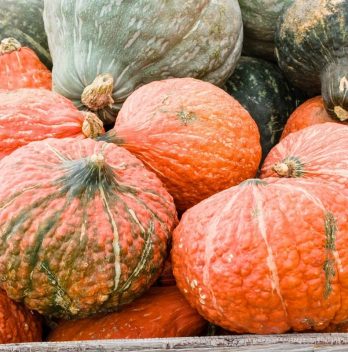
    There are two main varieties of the hubbard squash which are the blue and golden squash. The blue hubbard squash comes in a moody greyish-blue skin. The golden Hubbard on the other hand is bright orange.

    The colors are the only differences between these two hubbard squash (blue and golden hubbard squash). They are both similar when it comes to their inner color, texture, as well as taste. They are both chubby and robust in shape and they can weigh an average size of around 8 to 20 pounds.

    Therefore, when to harvest the blue hubbard squash is the same as when to harvest the golden hubbard squash.

    Once you cook the flesh of hubbard squash, it has this starchy and smooth feel. It also has this sweet carrot-like flavor as well as buttery taste.

    Harvesting Hubbard Squash

    Hubbard squash has a fairly long growing season. It takes about 110 days for hubbard squash to attain maturity. Therefore, if you wish to start growing some hubbard squash, you should pretty start early.

    The hubbard squash is allowed to mature on the vine. Harvest when the fruit is as hard as a rock. The stem should also be full and corklike.

    Harvesting hubbard squash usually starts around August up until March. However, the peak to harvest this squash is around October through January.

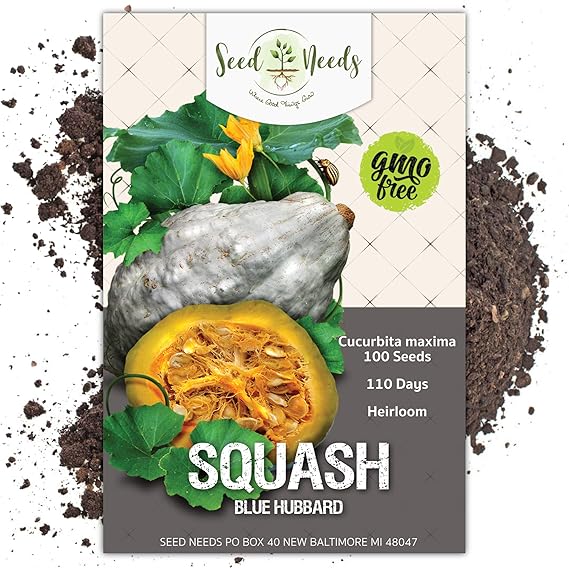
    Seed Needs. Blue Hubbard Winter Squash (Cucurbita maxima)

    81tzl81sYJL. AC SX569

    When Is The Best Time To Harvest Hubbard Squash

    The hubbard fruit should be ready for harvest in about 50 to 55 days after the fruit sets. However, note that the exterior that tends to be hard doesn’t indicate the ripeness of hubbard squash.

    Additionally, the best way to know when hubbard squash is ready for harvest is when the maturation day has passed. This maturation date is usually around 100 to 120 days. Also, you can wait until the vine starts to die off to ascertain the hubbard squash is ready for harvest.

    However, if you notice the fruit are already big enough and they look ready to be picked but the vine has not shown any sign of dying off: you can simply look at the first couple of inches of the stem attached to the squash. If this part of the stem has begun to dry and looks cork-like, then it’s fine to harvest. It means the vine isn’t giving the fruit nourishment anymore.

    However, if the stem remains moist and viable, refrain from harvesting it. The fruit is still obtaining nourishment and hasn’t attained its full flavor potential, sweetness, and seed viability.

    Furthermore, harvesting should also be done right before any heavy frost. This is because this type of squash is a tropical plant and heavy frost can damage the fruit.

    Harvesting Hubbard Squash

    To harvest hubbard squash appropriately, simply cut the fruit off the vine. But leave about two inches attached to the hubbard squash fruit.

    So the remaining vine should be left alone on the fruit to cure for 10 days to two weeks. Doing this will help sweeten the flesh and it will also harden the shell so you can store them for a longer period.

    Reasd more about How To Grow Butternut Squash From Fresh Seeds

    Storing Hubbard

    The thick rind of hubbard squash makes them easy to store for many months (about 5 months or more) even through winter. All you need to do is to keep them in a cool and dry place. Make sure you store them unwrapped at a temperature less than 50 degrees Fahrenheit.

    The interesting part is that as you store them for this long period, their flavor won’t deteriorate. They will rather continue to develop as their starch gradually turns to sugar.

    For instance, that hubbard squash that gave you a mealy or starchy taste in September could offer a creamier texture and sweeter flavor when you store them up until February.

    How To Select The Best Hubbard Squash

    You can find hubbard squash being sold during their season which is around early fall and early winter.

    So, when you select any hubbard squash, select the ones that are heavy in size and also hard as a rock. This means when you try to press the skin, there should be no chance of yielding into the outer skin. Never go for hubbard squash that has soft spots or the squash that has been bruised.

    FAQ’s

    How do you know when to pick Hubbard squash?

    The best way to determine if a Hubbard is ready for harvest is to see how firm the stem is. It should be hard and somewhat flexible. If it feels soft, then it’s too early. If it’s firm, but still flexible, then it’s just right.

    Hubbard squash ripens at the end of October, so you should be fine picking it up now. The only thing to watch out for is that if the weather is cold, the squash may not ripen as quickly as it would if the weather was warm.

    Hubbard squash are a great addition to your summer garden and the best part about them is that they are a delicious, versatile vegetable. They’re not as sweet as some other varieties of summer squash, but they are very easy to grow in any climate.

    How big should a Hubbard squash be?

    The standard sizes of Hubbard squash are from 4 to 6 inches long.
    You can find a variety of different types of Hubbard squash, but the most common is the Large White variety. It’s also referred to as “Crockpot” or “Crockpot Squash”.
     
    It is a large type of winter squash that is easy to grow. It’s a very popular type of squash because it doesn’t require a lot of space. It can be grown in small pots, in containers, in raised beds, and even in the ground. It will grow quite well in areas with high temperatures and low humidity.

    How to grow Hubbard Squash seeds?

    Hubbard squash is an easy winter squash to grow. You can start your seeds indoors or directly in the ground. It’s a quick-growing squash that requires only 70 to 90 days to harvest. The seeds are small, so it’s important that you plant them in the right place.
    You should first choose a location where you will plant your seedlings. If you plan on growing them in pots, you will need to buy potting soil. You will also need to buy a large container with a drainage hole and a cover. Once you have all of these items, you can start planting the seeds. You will need to make sure that the soil is at least 6 inches deep. After you have planted your seeds, you will need to water them regularly until they sprout. When the seeds sprout, you will need to give them more light. This will help them to grow and grow. You will need to keep the soil moist until the seeds germinate. Once the plants start to grow, you will need to water them every day. You should not fertilize your plants when you first plant them. You should only fertilize them after they have grown to about 1 foot tall.

    How do you store hubbard squash?

    You can choose between two methods for storing hubbard squash:
    you can either keep it in the refrigerator or store it on the counter. Store the hubbard squash in the refrigerator and use it within five days. You can also store it on the counter for up to three to four weeks. This will depend on how cold your kitchen is. Make sure to cover your hubbard squash with a lid or plastic wrap so that it does not get exposed to light. You can also store your hubbard squash in an airtight container or even better in a plastic bag.
    There is no need to wash it before storing. Hubbard squash keeps well if stored in a cool place.

    Conclusion

    The time to harvest hubbard squash is when the maturation duration has passed. And this is around 100 to 120 days.

    Even though this type of squash may not be the most commonly selected in produce stand or section, there are so many benefits and amazing flavors this squash can offer. Therefore, it is worth seeking out this squash and you will enjoy that sweet flavor, fine-grained texture, and buttery taste.

    Find more information about Will A Pumpkin Ripen Off The Vine?

  • Is Sweet Basil A Perennial?

    Is Sweet Basil A Perennial?

    Sweet basil is a type of culinary herb that is mostly used in our various cuisines all over the world. But do you know if sweet basil is perennial or annual?

    Basil is a very useful herb that many gardeners love to grow. We also love to incorporate them in our meal because they will offer our meal that distinctive flavor and they can be used in salads, pizza, pasta, and many other dishes.

    There are many varieties of basil and sweet basil is one of them. But when it comes to growing sweet basil, most people often wonder if sweet basil is a perennial or annual plant.

    Is Sweet Basil A Perennial Plant?

    So, is basil a perennial? Perennial plants return or grow back after a year. Annual plant on the other hand does not grow back each year.

    Sweet basil (Ocimum basilicum) also known as the common basil and this is an annual plant and not a perennial plant. This implies that sweet basil needs to be replanted every season. Usually, the sweet basil variety doesn’t grow back after a year. There are however some basil varieties that are perennial.

    Where you have a frost-free location, the sweet basil variety can act as a short-lived perennial plant. It may survive or live up to two years in warmer climates before replanting.

    Is Sweet Basil A Perennial Plant

    Sweet basil tend to be annual because they are warm-loving plants and very sensitive to cold weather and frost. Therefore, before the weather in your region changes to cold weather, ensure you try to preserve your sweet basil plant for the following year.

    If you however want to enjoy your sweet basil for a longer period, you can plant container basil that you can always move indoors as the cold weather shows up. You will however need to supply the indoor sweet basil plant with sunlight and steady warm temperatures. This may help the sweet basil plant last longer.

    Does Basil Come Back Every Year?

    So, does basil grow back? The sweet basil variety does not come back or grow back every year because it isn’t a perennial plant but an annual plant.

    Therefore, it is usually required you plant new seeds or new cuttings every year especially during spring. During summer, basil seeds are produced. Then they will eventually flower and grow seeds once fall is around the corner. Then once the first frost arrives, the plant growing season is over.

    Growing Sweet Basil

    Basil is a warm loving plant that will only thrive well in the warm season. You can grow basil from their seed or simply form their cuttings. But for germination to take place successfully, the seeds will grow and germinate well in temperatures of at least 70 degrees Fahrenheit.

    Temperatures at 50 degrees Fahrenheit or below can stunt the growth of basil or may even cause them to get damaged.

    AeroGarden Harvest – Indoor Garden with LED Grow Light, Black

    81DPs6WZXjL. AC SX569

    Growing or sowing basil seeds during cold temperatures can stunt the growth as well as damage the plant. It’s best to germinate basil plants in a sunny spot.

    You should begin to see sprouting starting from 5 to 7 days of seed sowing so far you meet the right growing conditions. You can as well sow your seed indoors and transplant them in the outdoor garden.

    Adequate watering is also needed in growing sweet basil. Basil loves a sunny location with plenty of moisture. However, the soil should not be waterlogged.

    A soil with good organic content is as well required for the successful growth of basil. Soil that is low in nutrients may slow down the growth of basil and it may even result in less flavorful basil.

    Indoor Basil Growth

    Growing basil indoors is also a great idea. It is possible to grow basil all year round indoors using containers. You can grow basil outdoors during summer then you take them indoors during fall.

    Basil plants can grow fairly well indoors during winter in your containers. All you need do is supply the plant with warm temperatures. You can make use of a grow light when there is an absence of sunlight or warm temperatures.

    But if growing basil indoors takes much of your time and effort, you can simply save basil in the summer so it lasts through winter. The stem should be harvested and you should strip the leaves from every stem.

    Then spread the leaves in a single layer and allow them to dry out. You can also freeze them in a single layer keeping them frozen in an airtight container.

    Is Re-seeding Possible With Basil?

    A basil plant that is healthy and robust can definitely reseed itself if you leave it to flower. This is because naturally, the plant’s natural lifecycle is meant to germinate, flower, and yield seeds.

    Some basil seeds can simply fall into garden soil and may germinate without any assistance. You may be lucky to find some tiny basil that has gone to seed in your garden the next summer already sprouting.  However, re-seeding by itself isn’t so reliable.

    Saving basil seeds from your plant for the following year is usually required to help with the re-seeding of the basil plant. Ensure you select the seeds from the healthiest of your basil plant once they go to seed.

    However, other gardeners may prefer to buy new seeds from time to time just to have some variation.

    Is Re-seeding Possible With Basil

    You can easily re-seed basil by just sprinkling the seeds all over the top of your soil or potting soil. It is this easy to sow because they are very tiny and they don’t require presoaking or deep burying into the soil.

    They will simply germinate successfully with adequate sunlight and an appropriate watering scheme.

    FAQ’s

    Does basil come back every year?

    Basil is one of the most popular herbs in the garden. It’s easy to grow, it produces lots of fragrant leaves, and it can be used for everything from cooking to making pesto.

    As a perennial, sweet basil is technically classified as a biennial.

    This means that it blooms and sets seed only once during its first season. So you may get a few blossoms and maybe some seeds in your first year of growing. But it won’t produce new foliage or flowers until the following season. This makes it much more challenging to grow than annual herbs such as oregano, thyme, and chives. But if you have a sunny garden spot and lots of water, you can still enjoy sweet basil year round.

    Does sweet basil regrow?

    It does not grow back after the first year.

    Basil is an annual plant. It flowers and sets seeds in its second year, then dies back each fall and starts over again the next spring. It’s a short-lived plant, so you should try to harvest it as soon as it starts to flower, before the flowers turn brown. That way, your basil will have the most flavor. 

    When should I grow basil?

    When it came to growing basil, I knew it had to be done in the summer, when the weather is hot and dry. Basil grows best in soil that’s rich in organic matter and can tolerate high temperatures. It also needs lots of water.

    The biggest problem with basil is that it’s hard to keep it alive. The stems are long and thin, and they tend to dry out quickly in the heat. To keep it alive, I used a lot of water. The plants need about an inch of water every day, which is more than you might think.

    Can you keep a basil plant year round?

    Yes, you can keep basil year round. You’ll need to keep the plant indoors, but it will grow quite well under artificial light.

    There are several ways to do this:

    1. Directly under a fluorescent or incandescent bulb. Place the bulb directly over the plant, with the base of the bulb about 1″ above the top of the pot. The bulb should be on for 12 hours a day, and off for 12 hours a night.

    2. Use a soaker hose to water the leaves.

    3. Water using a timer, which is often used for hydroponics. Set the timer to turn on the water at night, and set it to turn off during the day. This will keep the basil healthy, but may not provide enough light for the plant to grow.

    4. Use a bright, full-spectrum fluorescent bulb for 12 hours a day, and use a full-spectrum bulb for 12 hours at night.

    If you have a container that will hold about 1 gallon of water, you can keep your basil all year round. You may want to add some fertilizer or a liquid food every 2-3 weeks.

    Is Sweet Basil A Perennial Plant: Final Note

    So, on a final note, we have now learned that sweet basil is an annual plant and not a perennial plant. However, sweet basil can act as a short-lived perennial plant in areas that have favorable sunny weather and frost-free location.

    There are so many ways to use or integrate sweet basil in our various meals. Sweet basil is a great herb used as a flavor in soups, stews, meat, tomato dishes, egg dishes, fish, and herb ginger.

  • What Does Patty Pan Squash Taste Like?

    What Does Patty Pan Squash Taste Like?

    Ever wondered what does a pattypan squash taste like? Would you like to know what pattypan squash is and how to apply them to your various dishes? Let’s look into this.

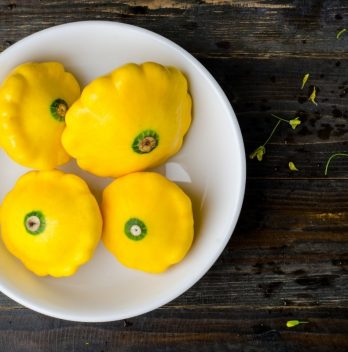
    Pattypan squash is a unique type of squash. It has this small, squat, round, and flat shape with a unique coloration. This squash can come in different colors such as yellow, dark green, pale green, white, or even a combination of colors.

    With its ruffled shape and edges and different coloration, you may be wondering what exactly a pattypan squash is. What does pattypan squash taste like? Is it a winter squash or summer squash and how exactly do you apply them to your various dishes?

    Not to worry because we will be filling you in on what you need to know about this squash variety in this article.

    What Is A Pattypan Squash?

    So what exactly is a pattypan squash? Pattypan squash is a type of summer squash. This summer squash is notable for its small, squats, round, and shallow shape. It is referred to as scallop squash because of its scalloped edges.

    The shape of the pattypan squash looks like a small toy top or a flying saucer sort of. You can also describe the bottom of this squash to be a disked shape.

    Pattypan squash is a member of the Cucurbitaceae family just like its other squash families. The squash is a native to Central America.

    What Is A Pattypan Squash

    Pattypan squash is another type of summer squash that is pretty versatile and can make some great summer recipes.

    Compared to other summer squash, this squash doesn’t have a moisture content that is high. The flesh of pattypan squash is quite dry.

    Ideally, you can harvest pattypan squash as baby vegetables while they are as big as a ping pong ball. You can also wait a bit to harvest them when they attain a diameter of a softball. However, we encourage you not to pick them too late, or else the skin of the squash will not be so smooth and edible as it should be.

    Click here for more info about:

    What Does Patty Pan Squash Taste Like?

    So what exactly does a pattypan squash taste like? This squash kind of has a buttery flavor and it has a creamy texture. However, some people have hinted it tastes like olive oil. We may also say it takes the taste of whatever you pair it with.

    Pattypan squash is quite similar to zucchini. However, they tend to taste just a bit sweeter than zucchini.

    Pattypan squash is best enjoyed when they are still young meaning you enjoy them more while the skin is still soft and thin. If you allow them to grow too much, they will taste like potatoes. So, ensure you pick only the young and small ones for a better-tasting pattypan squash meal.

    Squash: 50 Tried and True Recipes (Nature’s Favorite Foods Cookbooks)

    Applications Of Patty Pan Squash

    Pattypan squash is a very versatile squash that can make some fantastic and delightful summer recipes. It can be incorporated just like its cousin zucchini and other summer squash.

    You can as well make that perfect fall dinner party with this great-tasting squash. You don’t even need to peel this squash before making use of it in your cooking.

    Pattypan squash can be used in various kinds of cooking. They can be roasted, sautéed, or grilled.

    3 Ways To Prepare Patty Pan Squash

    As we said, pattypan squash can be grilled, sautéed, and roasted. However, you can also try other cooking methods you would like to know and like to use. The main objective is for us to get that crisp-tender, with flavor oozing out from char that comes from the grill or from caramelization.

    The first thing when preparing this squash is to cut them to appropriate sizes. One easy way is to cut the squash into wedges. This way, you can get uniform shapes and sizes.

    3 Ways To Prepare Patty Pan Squash

    So, let’s further look into how we can prepare this squash using these 3 methods.

    1.    Grilling

    If you wish to grill pattypan squash, you can go for the larger ones. These ones will be unlikely to fall through the grilling process.

    To grill pattypan squash, begin by oil grilling and seasoning the squash on a hot-covered grill.  Grill them till you see some grill marks. This usually takes around 3 minutes for each side.

    2.    Sautéing

    When it comes to sautéing pattypan squash, it’s best you choose the ones that are medium-sized in shape. They should be about the size of a fist. They should be firm, blemish-free, with shiny skin.

    To sauté pattypan squash, pour some olive oil into a big frying pan. Using medium heat, cook the pattypan squash till you notice the sides of the cut squash show some brown spots. This can take around 3 minutes for each side. Avoid stirring or moving the squash around to achieve a brown spot.

    3.    Roasting

    You should also use the medium-shaped size pattypan squash for roasting.

    Begin by tossing the cut pattypan squash with olive oil, pepper, and salt. Then you roast them on a pre-heated baking sheet inside a hit oven till you achieve a brown bottom for each of the cut squash. This should take around 15 to 20 minutes.

    The resulting roasted squash should be brown on one side. The second side doesn’t need to be brown because if you flip the other side over to browning them, the second part can result in a soggy and overcooked squash.

    FAQ’s

    What is the taste of patty pan squash?

    It tastes a little like pumpkin and has a very mild sweetness. I usually mash it up with some salt, pepper, garlic powder, and onion powder before frying in a skillet.

    Patty Pan Squash tastes like butternut squash, except with a slightly more bitter flavor. They are related to the Cucurbita pepo. If you want a sweeter squash then you can try Honey Patty Pan Squash.

    How do you know when patty pan squash is ripe?

    Try to stick your thumb in the middle. If it’s still hard, they’re not ready yet. If it’s soft and squishy, they’re ready.

    When the squash is soft and easily pierced with a fork. I like to give them a little squeeze. It’s supposed to be firm, but if it squishes a bit you can tell it’s ready to eat.

    You can’t tell by looking at it. You have to pick up a piece of it and smell it.

    Is it a good choice for amateur gardeners?

    Yes. Pattypan Squash are a good choice for first time home gardeners because they are relatively easy to grow and are fairly self-sufficient, meaning they don’t need much care or attention. They are also fairly tolerant of drought, disease and pests. However, they require a lot of space.

    Pattypan Squash are best grown in a sunny location with plenty of room for sprawling vines to grow. They do well in partial shade, but will do better if planted in full sun. They can also be grown in containers if you have room in your garden for them.

    What is the difference between patty pan and acorn squash?

    Acorn squash is a smaller version of a patty pan squash, but they are still similar in taste. The patty pan squash is sweeter and can be used as a substitute for acorn squash.

    Acorn squash has a slightly sweeter taste than patty pan squash, which is usually used in pies. Patty pan squash is smaller and sweeter, which makes it a good substitute for acorn squash in recipes.

    Why is my patty pan squash bitter?

    It’s entirely possible that your squash has been treated with something that made it bitter. The most likely culprits are:

    1. sulfur compounds (which are found in some vegetables like onions, garlic and leeks)

    2. nitrates (found in fresh produce)

    3. pesticides.

    In order to get rid of these things you’ll need to do a few things:

    Thoroughly rinse the squash under cold running water. This will wash off any dirt or grit that may be stuck to the outside.

    Slice the squash in half, scoop out the seeds and cut the halves into bite-sized pieces. If you want to try to remove the bitterness yourself, you can boil the squash for about 15 minutes, but this isn’t recommended as it will destroy the nutritional value of the squash.

    After boiling, place the squash pieces into a bowl of ice water and leave them there for about 20 minutes.

    Final Serving Of Patty Pan Squash

    Once you’re done with any of these three ways of preparing pattypan squash, you may serve them next to something spicy or seasoned.

    The final cooked results of pattypan squash have this mild, sweet flavor. They can even go well on their own.

    You can as well make use of any leftover pattypan squash in your salads. You can also integrate the leftover in your frittatas or grain salads.

  • Sweet 100 Tomato Determinate Or Indeterminate

    Sweet 100 Tomato Determinate Or Indeterminate

    Sweet 100 tomato is another amazing variety of tomato you can add to your vegetable garden. This juicy tomato is a type of hybrid that produces abundant fruits. But what is the growing style of sweet 100 tomatoes? Is sweet 100 tomato determinate or indeterminate? Let’s find out.

    When we talk about determinate or indeterminate tomato plants, we are basically referring to the growing style of a tomato plant. Most gardeners would like to know the growing style of the tomato variety they choose to plant so they can carefully plan their garden properly.

    So, let’s look into the sweet 100 tomato variety and get to know if they are either determinate or indeterminate.

    Is Sweet 100 Tomato Plant Determinate Or Indeterminate?

    The sweet 100 tomato plant is indeterminate and it is definitely not determinate. This implies that the sweet 100 tomato variety will keep on producing fruits throughout their growing season and they tend to grow in a vining manner. Just keep harvesting them regularly and they will continue yielding abundant fruits up until frost kills them.

    Is Sweet 100 Tomato Plant Determinate Or Indeterminate

    About The Sweet 100s Tomato

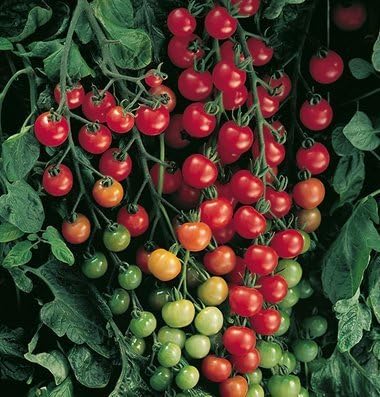
    This sweet 100 tomato plant is loved by most gardeners because of its super prolific production. This tomato variety grows so vigorously and they produce delicious fruits. They are indeterminate tomato variety that grows in a vining way. Therefore, they will require support such as caging or staking.

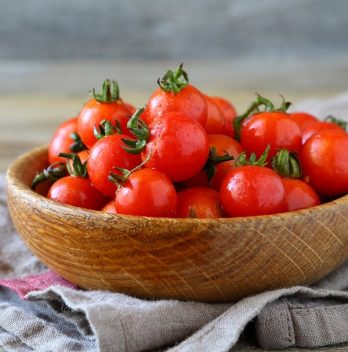
    This indeterminate tomato variety tends to yield long fruit-bearing stems. The plant can hold up to 100s or even more sweet cherry tomatoes.

    The sweet 100 tomato gives rise to red cherry tomatoes and they can grow up to 4 to 8 feet long. They are capable of producing abundant yields of fruits from early summer up until frost.

    Because of the abundant clustered fruits, they produce on their vine, they are named 100 sweet cherry tomatoes. But that doesn’t mean this tomato variety will only yield 100 fruits. Rather, a single part of the cluster on the plant vine is capable of producing 100 tomatoes. Therefore, the plant is capable of giving rise to different clusters of 100s of tomatoes.

    Sweet 100 tomato cherry is a tasty fruit that can even be eaten raw straight up from the plant. Thus, they can be used as snacking and they are great to be used in fresh salads.

    Stored at room temperature until they become ripe. Then you can refrigerate to slow down the decay process.

    The sweet 100 cherry tomato breed is resistant to fusarium wilt and verticillium wilt. It will flourish well in full sunlight just like all other tomato plant varieties.

    About The Sweet 100s Tomato

    Some Background History About Sweet 100 Tomatoes

    The Northrup King Seed Company in Minneapolis which is now a division of Syngenta was the company that developed the sweet 100 tomato hybrid.

    The sweet 100 tomato variety has transformed the world of cherry tomatoes because of its very prolific yields of up to 100 for each cluster. The business involved in this cherry tomato is also very competitive.

    There have also been some string speculations going about that the heirloom tomato Gardener’s Delight was used to cross-breed the sweet 100 cherry tomato variety.

    Major Downside Of The Sweet 100 Indeterminate Tomato

    The only major complaint about this cherry tomato variety is the issue of cracking. Cracking is mostly caused when the plant has less water and heavy rain pours down. The tomato plant will then absorb more water during the heavy downpour because it has become so thirsty, and this causes the tomato fruit to crack.

    So, to prevent this, make sure you always water evenly at appropriate times. Then always harvest your tomato fruits before they become too ripe on the vine.

    David’s Garden Seeds Tomato Cherry Supersweet 3981 (Red) 25 Non-GMO, Hybrid Seeds

    51ALKKlDe3L. AC

    Growing Sweet 100 Tomato

    Grow your sweet 100 tomatoes in a full sunny spot. Also, consider spacing as this is important. This tomato variety can grow so very big reaching up to 4 feet wide and 10 feet long. Therefore, space this tomato plant about 24 to 48 inches apart.

    Caging or staking is necessary for this vining cherry tomato. You can grow them on a trellis or fence as well. Sweet 100 tomato cherry will mature in about 70 days

    However, the sweet 100 cherry tomato isn’t an ideal tomato variety to grow using a container. Although the plant can still produce, it will get too large. However, if the only option you have is containers, ensure the container is very wide and big. You can make use of a 10-gallon container minimum.

    Applications Of Sweet 100 Tomatoes

    The sweet 100 cherry tomatoes are excellent in cooking applications. You can as well freeze them and use them for pickling. Sweet 100 tomatoes can also be used in a recipe that calls for cherry tomatoes.

    Just like other tomatoes variety, sweet 100 cherries are very tasty. They are sturdy and resilient and they will maintain their shape in salads, pasta, and casseroles.

    You can as well use them in sauté and grill them up pretty well. They will look so great that they can add up a pop of color to your various dishes.

    Read more about Types Of Patio Tomatoes – Useful Tips For Successful Growth

    Nutritional Benefits

    Sweet 100 cherry tomatoes have some amazing nutritional benefits. The benefits of sweet tomato plant include:

    • Sweet 100 cherry tomatoes are loaded with vitamin C.
    • They are very low in calories and they are cholesterol-free.
    • The tomato cherry is packed with potassium.
    • The sweet 100 cherry tomato also provides folate and fiber.

    FAQ’s

    Is the Sweet 100 tomato determinate or indeterminate?

    The Sweet 100 tomato is an indeterminate tomato. This means that you will have a continuous harvest of fruits from this plant as long as the plants remain productive. A: You can see from the photos below that the plant has a bushy habit with a single main stem that branches off at ground level. The branching pattern and size of the plants are very similar to a determinate variety.

    This is a typical indeterminate variety, with a habit of spreading out over time.

    Where does this variety come from?

    Sweet 100 tomatoes are not a new variety. They have been grown for hundreds of years, but they were only recently given their name because the sweetness of the fruit is the result of a mutation. There are many old varieties of tomatoes that are sweet and some are quite sour.

    Sweet 100 is a heirloom tomato, meaning that it is a non-hybrid variety that has been around for many years.

    weet 100 is a popular variety of tomato that has been grown in the U.S. for years. The original seedlings were developed in France and found to be particularly resistant to powdery mildew. They’ve since been propagated in many different locations, including the U.S., and are used by commercial farmers to grow high-quality tomatoes.

    What does the sweet 100 tomato taste like?

    The 100 is a very popular tomato. It has a sweet flavor that makes it a great addition to a pizza or pasta sauce.

    Indeterminate tomatoes tend to be more flavorful than determinate tomatoes, and they tend to be more juicy than other varieties.

    It has a very unique flavor. It is a great tasting fruit, even more so than the cherry tomato.

    Sweet 100 is a tomato that is best eaten as fresh as possible. It has the most flavor and texture when it’s picked ripe. It can also be stored for up to 3 weeks in a refrigerator.

    Why are they popular?

    There are many applications of sweet 100 tomatoes. You may use them in salad, soup or you can add them to your favorite dishes. They are a great source of nutrients and they are a low calorie food. The best thing about these fruits is that they are rich in vitamins and minerals. You can get this fruit from any supermarket. If you are not sure what to do with them, then you can make a smoothie.

    Final Thoughts

    So, we’ve pointed out that sweet cherry 100 tomato variety is indeterminate and not determinate. Therefore, they are vining plants that usually require supports such as caging or staking. They tend to produce massive branched clusters of fruits and each cluster can yield up to 100 cherry tomatoes.

    The sweet 100 cherry tomatoes are warm weather-loving plants. Hence, they tend to flourish well in sunny spots.

    This cherry tomato variety can be eaten raw while freshly picked from the vine, therefore, making them great for snaking and fresh salads. It can also be integrated into many different meals for a great tasting flavor. You can as well use this tomato to decorate your dishes to add up a pop of different colors.

  • Types Of Patio Tomatoes – Useful Tips For Successful Growth

    Types Of Patio Tomatoes – Useful Tips For Successful Growth

    Did you know about the Patio tomatoes? If you did, what do you think are the types of patio tomatoes?

    Patio tomato is a type of determinate tomato that grows in a sturdy and bushy manner. Hence, they are great for container gardening.

    There are different varieties of tomatoes, and the patio tomatoes happen to be one of them. So, for those who have some room within their homes to grow a tomato plant, patio tomatoes may be a great option.

    There are different varieties of the patio tomato and this write-up discusses the various varieties. These varying varieties come with different potentials. So, if you’re interested in having this plant in your garden, take the varieties into consideration. Some of the patio tomato varieties are also great for indoor gardening.

    The different varieties of patio tomatoes as well as what is required to grow this plant will be considered in this article. Now let’s jump into what you need to know about the varying types of patio tomatoes and how to nurture the plant.

    The Different Types Of Patio Tomatoes

    There are numerous varieties or types of patio tomatoes.

    1.    Sprite: Types Of Patio Tomatoes

    The sprite variety is notorious for its oval-shaped fruits. So, it takes about 60 days for these fruits to get matured for harvesting after germination. The fruits look quite pleasing to the eyes and are usually about 1 inch in diameter.

    The fruits taste sumptuous and can be eaten on their own. The yield produced by this variety is relatively high and it continues to produce fruits until the first frost.

    Sprite - Types Of Patio Tomatoes

    2.    Yellow Canary: Types Of Patio Tomatoes

    This variety takes about 55 days before the fruits are matured enough for harvesting after germination. The yellow canary is a dwarf variety that can grow in very small pots and plant containers.

    This variety can tolerate lower access to sunlight and still come out fine. This is a variety that should be strongly considered where the plant is to remain indoors for a long period of time. Its fruits are usually about 1inch in diameter.

    3.    Tiny Tim: Types Of Patio Tomatoes

    It usually takes about 45 days after germination for this variety of patio tomatoes to be matured for harvesting. The fruit is usually bright red with a diameter of a little less than an inch.

    The matured plant usually measures about 1.5 feet. This variety can flourish in a garden as well as a plant container.

    4.    Elfin: Types Of Patio Tomatoes

    The elfin variety takes about 60 days for fruits to be matured enough for harvesting. The fruits when matured for harvesting are usually about 1.5 inches. This variety is very delicious. Considered one of the best for cooking.

    Also, a great variety for plant containers because it does not grow very tall. It hardly exceeds 1 foot in height.

    5.    Red Robin

    A matured red robin should be ready for harvesting about 55 days after germination under the right conditions. The fruits are bright red and a little above 1 inch in diameter. This variety also performs well in a plant container.

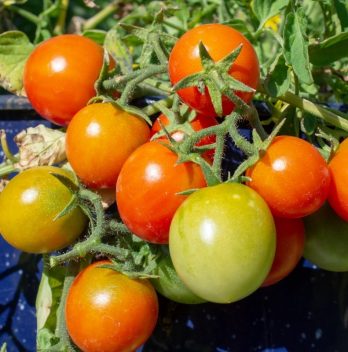
    Red Robin Tomato

    6.    Patio F Hybrid

    This variety takes about 70 days before the fruits get matured after germination. Matured length of the plant is about 2 feet. It is one of the tallest varieties of the patio tomato. The fruit of this variety weighs a lot and can weigh as much as 3-4 ounces.

    7.    Tumbling Tom Hybrid

    This hybrid variety also takes about 70 days from germination before the fruits get matured for harvesting. The fruits of this variety may be red or yellow with a diameter of about1.5 to 2 inches.

    This variety can do well when grown close together. So, if you’re interested in minimizing the space used, this is a great variety to achieve that.

    8.    Micro-Tom

    The micro tom can take as much as 75-85 days before the fruits become mature enough for harvesting. The fruits when matured are about 1 inch in diameter.

    This variety is presently the smallest tomatoes plant on earth and would usually measure about 8 inches in height when it has attained full maturity.

    Although it has a very small size, it is very productive as each mature plant will normally produce a sizeable number of fruits.

    T4U Fabric Plant Grow Bags with Handles 7 Gallon Pack of 5, Heavy Duty Nonwoven Smart Garden Pot

    81Cf3wBfUkS. AC SX569

    Useful Tips For Successfully Growing The Best Patio Tomato Plants

    Patio tomatoes are very delicate plants that require utmost attention if you are growing them. The following are tips to put into consideration to avoid potential difficulties when growing this plant.

    • Provision Of Enough Direct Sunlight

    The patio tomatoes require sufficient direct sunlight for proper growth. So, an average of 8 hours of sunlight a day is required. Do this where these plants are cultivated in containers indoors. Move them outside daily to receive sufficient direct sunlight.

    • Very Rich Soil

    This plant survives only on very rich soil. It requires a lot of the nutrients in the soil for growth. Therefore, this makes it imperative to plant on soil that is very rich in required nutrients.

    • Fertilizer Requirement

    Planting this tomatoes on very rich soil is important. Supply the plant with fertilizers constantly.

    • Picking The Right Variety

    The patio tomatoes come in so many divergent varieties. These varieties have their individual strengths and weaknesses. Therefore, it is very important to carefully pick the right variety that suits your garden when selecting which variety to plant.

    • Watering The Right Way

    Water the right way. Survival and blooming of this plant is dependent on watering. Also water evenly.

    • Planting Early

    It is best to plant your tomato seeds during the early spring. At this time, the risk of frost has passed and temperature ranging from 70-75 Fahrenheit is most ideal.

    FAQ’s

    What are the different types of patio tomatoes?

    There are several types of patio tomatoes, and each type has its own characteristics. The most popular types include Roma, Celebrity, Big Boy, Sweet 100, and heirloom varieties. Each variety has its own unique flavor, shape, and size. This is what makes them so delicious.

    Roma tomatoes are one of the most common types of patio tomatoes. They are a medium-sized tomato with a rich, fruity flavor.

    They have a round shape, which makes them perfect for slicing. The best thing about this tomato is that it keeps for weeks if you store it correctly. Heirloom tomatoes are becoming more and more popular. These tomatoes have a deep red color and a rich, sweet flavor. They can be found in many different shapes and sizes. Some of the most popular shapes include cherry, beefsteak, and plum. Heirloom tomatoes are more difficult to grow than other types of tomatoes, but they are worth the effort.

    The Celebrity tomato is one of the most popular types of patio tomatoes. It has a large size and a rich, sweet flavor. They have a round shape and are medium-sized. They can be found in both red and yellow varieties. Celebrity tomatoes are easy to grow and are very productive. They can be stored for a long time if you store them correctly.

    The Celebrity tomato is a popular tomato variety that is used as a patio tomato. They have a round shape and are medium-sized. They can be found in both red and yellow varieties. The Celebrity tomato is easy to grow and produce a lot of fruit.

    How do I care for my patio tomato plants?

    The best way to care for your patio tomatoes is to give them the right amount of water and fertilizer. Tomatoes need lots of water, so you don’t want to let them get too dry. You should also provide a high-nitrogen fertilizer at least once a week. If your plants are small, you may only need to fertilize once every two weeks.

    They do best in full sun. They also like well drained soil with good air circulation. You can also grow tomatoes in a greenhouse.

    Tomatoes are very forgiving. You can grow them anywhere, as long as you don’t get frost.

    One of the best ways to take care of your tomatoes is to start with good potting soil. Your potting soil should be of a high quality and hold moisture. If you buy your soil from a gardening store, make sure it has been mixed properly. If you have the time, mix your own potting soil by adding peat moss or vermiculite to your regular garden soil. This will give your plants a better chance of growing healthy. Once you get your soil mixture ready, add some fertilizer to your plants. Fertilizer gives your plants the nutrients they need to grow and thrive.

    How do you prune patio tomatoes?

    You can prune them any time of the year, but it’s best to wait until after they start setting fruit. The most important thing is to remove all the “dead wood”—the wood that was once green and is now dead. A healthy plant should have a good amount of green leaves, stems, and flowers. If your tomato plants are growing too much, or are stunted, then prune them back by about half.

    Conclusion On Types Of Patio Tomatoes

    Patio tomato varieties are determinate tomatoes that grows in a bushy and study manner.

    Now you know about the different varieties of the patio tomatoes plant and their distinguishing features, you can make an informed decision on which variety to plant.

    The resources you have available and the desired outcome should determine the variety that’s best for you.