Author: Eunice

  • What Does Cilantro Look Like When It Sprouts?

    What Does Cilantro Look Like When It Sprouts?

    Have you ever wondered what cilantro plants look like when they sprout? Let’s find out. Germinating cilantro from the beginning with seeds may be frustrating, even for the most experienced gardener.

    With the proper knowledge and the appropriate growing settings, you can achieve successful cilantro germination.

    So, once you have achieved growing cilantro from seeds and it begins to germinate, we would like to know what exactly it looks like when it sprouts.

    This post will give you an idea of how cilantro looks when it sprouts, tips on how to grow or germinate cilantro successfully, and many more. So, continue reading to gain some insight on these.

    What Do Cilantro Sprouts Look Like?

    So, what exactly does the cilantro look like when it sprouts? Once you’ve perfected the growing requirements for the cilantro seed to grow, you should begin to see some sprouts.

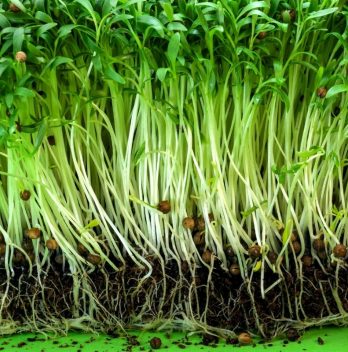
    After sowing cilantro seeds for about seven days or less, you should notice some white sprouts emerging from the seed planted. You can easily check this out by slowly exposing the soil with your fingers and uncovering the seeds.

    Cilantro sprouting will result in green sprouting that should begin to emerge through the soil out of the seeds after another 2 or 3 days.

    What Do Cilantro Sprouts Look Like

    How Long Does Cilantro Take To Grow?

    Once you’ve planted or sown the cilantro seeds, sprouting or germination should begin after 7 to 10 days.

    However, cilantro germinating from seeds can be pretty tricky. You need to create the ideal seed setting so your seed can germinate.

    Tricks To Growing Cilantro To Get A Successful Germination

    You can grow cilantro from seeds either in your garden or in containers. So, to achieve germinating cilantro successfully, follow these tips:

    1.    Prepare the cilantro seed by soaking

    Cilantro seeds are inside a hard husk containing two seeds. Remove the husk to remove the seeds. Before you plant these seeds, you need to prepare them to boost their chance of germinating.

    Soaking the cilantro seed is the trick to achieving better germination. Therefore, soak the seeds for 10 to 48 hours, remove the water, and allow the seeds to dry. Soaking these seeds will help them grow better and quicker.

    2.    Planting

    After seed preparation follows planting, you can sow your cilantro seeds indoors or outdoors. Insert the seeds into the soil and cover the seeds with about a quarter-inch soil layer.

    Sprouting Lids for Wide Mouth Mason Jars
    $9.99

    (Set of 2), Sprouting Jar Kit for Organic Sprouts, Alfalfa & Mung Bean Sprouts Grow Kit, 316 …

    We earn a commission if you make a purchase, at no additional cost to you.
    12/03/2025 12:02 am GMT

    3.    Watering

    Maintain moist soil to encourage germination, but don’t overclog the soil. Let the soil dry out before watering again to prevent mold and diseases from infesting the seedlings.

    4.    Thinning

    You should start noticing white sprouting after 7 to 10 days. Allow the cilantro to germinate until it is about 2 inches long. Then, thin the seedlings to about 3 to 4 inches apart.

    Grow cilantro in a crowded environment so the leaves can shade the plant roots. This will slow down the plant’s bolting during hot weather.

    5.    Sunlight

    Even though the cilantro plant doesn’t like too much sunlight, the seedlings still need a few hours of full sun. Cilantro can still tolerate light shade.

    If you’re growing in a container, provide the seedlings with some sunlight. However, ensure the sunlight exposure to the seedlings is not more than 4 to 5 hours of full sun; otherwise, it can cause wilting and even death of the plant.

    Then, two or three weeks later, you can slowly increase your cilantro plants’ outdoor exposure. This way, they can harden off and acclimate to the outdoor conditions.

    Sunlight - Cilantro

    Ideal Growing Conditions For Cilantro

    Here are some additional growing tips for you to enjoy a continuous harvest of cilantro leaves:

    • Cilantro should be grown in rich and properly draining soil.
    • Cilantro still requires some sunlight, but not too much, so it doesn’t enter the bolting stage. If you reside in a warmer region, it’s advisable to offer afternoon shade to your cilantro.
    • The ideal pH range for a cilantro plant to grow optimally is around 6.2 to 6.8. So, ensure you perform the appropriate soil test before planting to achieve this.
    • You can enhance the soil by incorporating and mixing inches of compost or other organic matter. If you’re growing cilantro in containers, consider a premium bagged potting mix.
    • To enjoy productive leaf production, supply your cilantro by constantly feeding it with water-soluble plant food.

    When To Plant Cilantro

    You should plant cilantro in early spring or fall, about a month before the last frost. For zone 8, 9, and 10, the best period to plant cilantro is around fall. This is mainly because the plant tends to last through the right until the weather warms or heats up during late spring.

    Harvesting And Storing Cilantro

    Cilantro’s foliage can be harvested continually, and you can enjoy the cut-and-come-again feel. Ensure you cut back all the leaves so they can grow back. It would be best to harvest the leafy stems near the ground level.

    However, don’t harvest more than 1/3 of the leaves at once to prevent weakening the stem. Simply harvest what you need at a time to promote vigorous growth.

    Once cilantro is grown under the appropriate conditions with constant harvest, it can be enjoyed for many weeks in continuous production.

    Storing

    Once you’ve harvested cilantro leaves, cover them loosely with an upside-down plastic bag and pop them in the fridge. Using this method, you can store cilantro for up to a month.

    FAQ’s

    What does cilantro look like when it starts to sprout?

    The seeds are blackish-green and look like black pepper. Once the seeds germinate, they grow upward, looking somewhat like a green bean. After a few weeks, the leaves begin to emerge.

    Cilantro is a perennial herb with leaves that look like miniature versions of the lettuce leaf. Cilantro is a very popular and versatile herb for cooking and seasoning. It is easy to grow and is great as an addition to your kitchen garden. A cilantro plant can be grown from seed in many different ways, but one of the easiest ways is to start them indoors in a seed starting mix.
    The seedlings will be ready to transplant out into their permanent home in approximately 7-10 weeks.

    How can you tell if a plant is cilantro?

    There are a few ways. The first is to look at the leaves. If they are large and round with a nice strong aroma, that’s probably cilantro. The second is to look at the stems. They should be green and fibrous. There’s not much to look at for basil. The third is to look at the seeds. If the seeds are small and hard, that’s probably cilantro.

    The herb cilantro (Coriandrum sativum) has become ubiquitous in the American kitchen. It is used as an ingredient in everything from salad dressings and marinades to soups, stir-fries, chili, sauces, and even desserts.
    If it’s not the fresh, familiar herb that adds so much flavor to soups and stews, it may be the dried spice known as coriander. It’s a member of the parsley family, and it’s often called “the other cilantro” because it’s hard to find fresh cilantro and easier to find dried coriander.

    Will cilantro grow back after cutting?

    You can get a second crop, but you might have to wait until next year.
    Your cilantro should recover and produce new leaves for another season.

    What is the best time of year to plant cilantro?

    Planting in late fall gives your cilantro a chance to grow through the winter. If you start early in the spring, the plants won’t have a chance to put down roots before they’re killed by cold temperatures.

    What is the difference between fresh and dried cilantro?

    Fresh cilantro has a much more potent aroma than dried cilantro. The taste is also more pungent. Dried cilantro is usually sold in small bags and can be added to soups, sauces, rice dishes, etc. Fresh cilantro is used in dishes with Mexican or Asian flavors. Dried cilantro is used in dishes with Indian or Thai flavors.

    How do you make fresh cilantro last longer?

    When your cilantro begins to wilt, don’t throw it away. Instead, place the wilted cilantro in a plastic bag and seal it. Store the cilantro in the refrigerator for up to a week.

    How do you grow cilantro?

    Cilantro can be grown from seed or transplanted. To germinate seeds, place them in a tray and cover them with a damp towel. You can also sow the seeds directly into the ground. The seeds are ready to transplant when they have sprouted and have developed two true leaves. If you plant the seeds indoors, you should put them in individual pots about four weeks before planting outside. To grow cilantro outdoors, you’ll need to provide it with at least six hours of direct sunlight every day.

    What Does Cilantro Look Like When It Sprouts: Conclusion

    When it comes to what cilantro looks like when it sprouts, some white sprouts are usually noticed once it begins to germinate. This is noticed 7 to 10 days after seed sowing. Then, a few days later, some green sprouts should be seen emerging from the seed sown.

  • Do Tomatoes Like Acidic Soil?

    Do Tomatoes Like Acidic Soil?

    Various plants have different pH levels they favor. Some plants thrive well in acidic soil while others thrive in alkaline soil. When it comes to tomatoes, let’s find out if tomatoes do like acidic or soil.

    If you are a gardener and you wish to be successful in your planting endeavors, you need to be enlightened on the necessary soil growing needs for your plant to flourish.

    Soil pH is one essential growing requirement and the growing requirement for different plants varies. So, in this article, we will be focusing on the tomato plant.

    The pH level of the tomato plant is one important factor to consider when aiming for successful tomato growth. So, let’s get to know if tomatoes do like acidic or alkaline soil.

    Are Tomatoes Acid Loving Plants?

    Now let’s find out if tomatoes plants do like acidic soil. Ideally, tomato plants will flourish in slightly acidic soil. Hence, it’s safe to say tomatoes are slightly acid-loving plants.

    Therefore, when considering growing tomatoes in your garden, ensure you check the pH soil range of your soil so it suits the tomato plant you intend to grow.

    So, let’s dive in further and look into the ideal pH range of the tomato plant.

    Are Tomatoes Acid Loving Plants

    PH Level For Tomatoes: What Is The Appropriate Range?

    Now we know tomatoes do like acidic soil. PH levels or range that falls below 7 on the pH scale is known to be acidic.

    Therefore, the appropriate soil pH range for the tomato plant to thrive well is around 6.0 to 6.5. However, tomato plants can still grow outside this range but they just won’t thrive so vigorously as they would in their appropriate pH range.

    So, supplying your tomato plants with the appropriate pH levels will offer you a healthy tomato plant as well as a great harvest.

    How Do You Acidify Soil For Tomatoes: Useful Tips To Adjust Soil PH

    The right soil is needed for you to grow the best tomato plant. Just like the soil texture and nutrient content also matter, the pH of the tomato plant is also important.

    This is why you need to create ideal growing environments or conditions for your tomatoes. Amending your soil to suit the plant is the right thing to do. A soil additive is generally a great way to raise or even lower the pH range of your soil.

      • The first thing you should do before amending your soil to suit the tomato growing need is to test the soil. Know the current pH range or status of your garden soil and adjust accordingly.

    Once you know the status of your, then you can proceed to either raise the soil pH or lower the soil pH. Remember, the appropriate tomato soil pH ranges from 6.0 to 6.5. So work with this range.

    So, if you have decided to grow tomatoes in your garden and you wish to know to adjust (lower or raise soil pH) the soil in your garden, here are some useful tips to put you through:

    1.    Soil Amendments For Raising Soil pH

    Raising your garden soil pH is required once you’ve tested and confirmed your soil pH is too low for the tomato plant to thrive. Here are some common soil amendments for raising the soil pH to suit your plants:

      • Limestone: Limestone is also known as calcium carbonate and it can be found in antacids tablets and chalks. The addition of limestone raises the soil pH. Additionally, limestone will also supply calcium to your plants.

      • Wood ash: The addition of wood ash will help increase the soil pH in the garden. Just like limestone, wood ash will also provide calcium as an added bonus to your plant.

      • Dolomitic Lime: Dolomitic lime is also similar to limestone and it will help raise the soil pH level. This amendment is rich in magnesium and calcium. Therefore, it will provide both calcium and magnesium to your tomato plants.

      • Calcium Sources: Sources of calcium will also help increase the soil pH level. Calcium sources include eggshells, bone meal, and clamshells. These amendments tend to work better and faster if they are ground into fine powder.

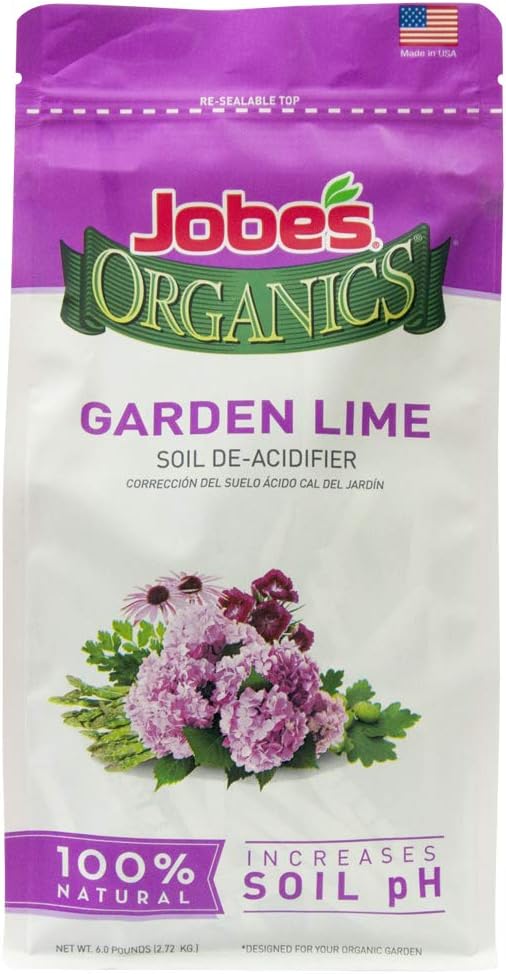
    Organics 09365 Additive De-Acidifier, 6 lb, Lime Soil

    61tKRRUvKkL. AC SL1000

    2.    Soil Amendments For Lowering Soil pH

    So, for soil pH that is too high, lowering them to suit your tomato plant is the ideal way. Here are some common soil amendments that can help lower the soil pH in your garden:

      • Sulfur: Sulfur is an element that helps decrease soil pH range. But this amendment works gradually and it can take months for it to take full effect. Sulfur is also an essential nutrient required by your plant. Therefore, sulfur addition will help prevent the deficiency of sulfur.

      • Sulfates: Amendments such as iron sulfate or aluminum sulfate both assist in decreasing the soil pH. Sulfates work faster compared to elemental sulfur. But take note and be careful not to use too much so you don’t have excessive aluminum or iron in your garden soil.

      • Ammonium-based fertilizer: Ammonium-based fertilizer that includes ammonium sulfate and ammonium nitrate is great to lower soil pH faster. However, these fertilizers have fast action that they may burn your plant if used inappropriately. Therefore, ensure you use the right dose.

    Why It Pays For Your Tomato Soil To Be Acidic

    Here are some benefits of supplying acidic pH to your tomato plants:

      • The tomato plant thrives well in an acidic environment.

      • You enjoy a healthier tomato plant and a better yield.

      • Nutrients can be well assimilated or absorbed from the soil with the right pH range. Therefore, the necessary nutrients required by your tomato plant become available for proper growth.

    Why It Pays For Your Tomato Soil To Be Acidic

    FAQ’s

    Do tomatoes prefer acidic or alkaline soils?

    The pH of soil has a lot to do with the amount of fruit produced, but so does how much water is available to the plant.

    Tomatoes like acidic soil. They also like lots of water. Soil that has lots of clay tends to be dry.

    Too much acidity and your plants will develop blossom-end rot (BEN), which is a fungal infection that can cause your tomato plants to rot at the blossom end.

    If you live in a cool area with a high humidity and you grow your tomatoes in a raised bed, you should add lime to the soil. The acidity of the soil will be too low, which will lead to blossom end rot. You should also add more organic matter and compost if the soil is already very acidic. 

    What’s the best pH for tomatoes?

    When it comes to growing tomatoes, there are a number of things that you need to consider. One of these is the soil pH. The pH of your soil will have a great impact on the growth and development of your tomatoes.The best pH for tomatoes is between 5.5 and 7.5.

    If you are growing your tomato plants in a pot, then you can easily adjust the pH of your soil by adding some lime or sulfur. But if you are growing them in the ground, then it’s a little bit more difficult.

    What does lime do to soil?

    Lime is a naturally occurring chemical that is found in the soil. Lime is one of the few soil amendments that can increase the pH of soil. It does this by making calcium ions and hydrogen ions more available in the soil, which makes them easier for plants to absorb.

    What is the fastest way to lower pH in soil?

    The fastest way to lower soil pH is by using lime. The amount of lime you need will depend on the existing pH and soil conditions, but typically I would suggest a 1/2 or 3/4 ratio of lime to soil.

    How do I make sure that the soil is ready for my tomatoes?

    You could do a test with a soil test kit. If you are using fertilizer, then you’ll want to test for nutrients such as Nitrogen, Phosphorus, Potassium, Calcium, Magnesium, Sulphur, and Iron. The kit will tell you what needs to be added. If you have no soil amendments, then you can try adding compost and see how it affects the soil. If it doesn’t improve the soil, then maybe you’ll need to get a soil amendment. I’d go with some sort of soil amendment. You don’t want to make the soil too acidic or too alkaline. If the soil is too acidic, then you can add lime or dolomite to raise the pH.

    Do Tomatoes Like Acidic Soil: Final Say

    We have seen that tomatoes plants do like acidic soil. Therefore, if you wish to have a healthy and bountiful tomato harvest, it is important you supply your tomato with an acidic growing medium.

    Some soil amendments are great for improving the soil in your garden. Remember, the first thing to do to adjust your soil pH is to test your soil to know the status of your soil. We have listed out some useful tips to help with soil amendments for increasing and lowering the pH levels of your soil to suit your tomato plant.

  • Can You Eat Carrots That Have Sprouted?

    Can You Eat Carrots That Have Sprouted?

    Ever wondered if you can eat carrots that have sprouted? Generally, carrots are root vegetables that love to seek moisture by continually growing small roots even after harvesting or buying them.

    So, you may have encountered picking some carrots and you notice after a while it begins to sprout some small roots. Then you’re wondering if they are still safe to cook and consume. Or if cooking these sprouted carrots will have any effects on the taste of your food.

    Well, the answer is simply yes! You can certainly eat carrots that have sprouted. So, we will be looking more into how safe it is to make use of carrots that have some roots growing even after picking and many more. So let’s begin.

    Are Sprouted Carrots Safe To Eat?

    People often wonder what to do with sprouted carrots. Carrot sprouting after harvesting them is not uncommon. But generally, carrots that have sprouted are still viable to eat or consume. All you need do is simply remove or peel off the small roots and consume.

    However, if you notice the sprouted carrots have started growing slimy or are turning white, then they may be past their prime stage and it’s best not to consume such. If you also notice some dark brown spots all over the sprouted carrots, you should discard them right away.

    Are Sprouted Carrots Safe To Eat

    Carrots that have some roots sprout tend to taste bland. But it’s best to make use of them in your various food recipes if the sprouted roots are big enough.

    Read more about What Are White Carrots Called?

    Why Do Carrots Sprout Even After Harvesting And Storing

    Carrots are root vegetables so this means the carrots we consume are typically roots that have developed in their first year.

    If the carrot which is the root vegetable was left in the ground to continue to grow, it will give rise to a group of flowers above the ground. This will later result in seeds at the end of their second year.

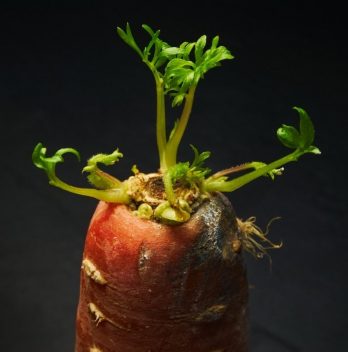
    Therefore, when you find the carrots you’ve kept in the kitchen starting to germinate fine roots along the orange root, don’t be surprised. It’s just a way of these carrots seeking continuous moisture because that’s what any root tends to do. So, you may see some small, string-like roots sprouting.

    However, take note that these small string-like roots won’t turn into more carrots. However, the upper parts of the carrot root naturally simply wish to keep on growing into its flowering phase.

    Can You Grow Sprouted Carrots?

    Carrots that have sprouted can be grown. They will give rise to attractive lacy fronds in just a couple of days. They will later grow into lacy white flowers that can attract butterflies if you plant them outdoors.

    How Can Carrots Be Stored Without Sprouting?

    If you wish to prevent your carrots from growing small roots or sprouting while you store them, simply remove the greens on the top before you store them. Removing the greens on top of the carrots will deprive the carrots of moisture as time goes on. Make sure you do not wash the carrots if you don’t plan on consuming them soon.

    Here are ways you can successfully store carrots without having them sprout:

    1.    Refrigeration Storage

    It’s possible to store carrots in the fridge for a period of 2 to 3 months. Simply take the green part out and keep the carrots in an air-tight container or a plastic bag. Make sure you squeeze the air out and keep them away from moisture.

    Alternatively, you can also store carrots in the fridge by putting them in a bowl full of water. The water full of the bowl should be covered using a lid or plastic wrap. Make sure you replace the water when they become milky or cloudy.

    However, note that this method of putting carrots in a bowl full of water is not long-term storage. You can only store them for about a week using this method. Once it’s past a week, they tend to start showing slimy features.

    2.    Freezer Storage

    You can freeze carrots for as long as a year. However, to achieve freeze-storing carrots successfully, you need to blanch them first.

    To blanch carrots, put them in boiling water and allow them to scald for some time. When you do this blanching, you are simply rendering some of their enzymes inactive. These enzymes are responsible for continually degrading the quality of the carrot.

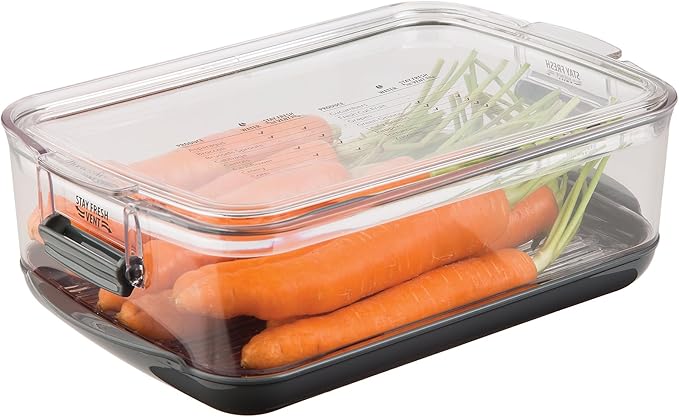
    Prepworks by Progressive Produce ProKeeper, 3-Quart, Stay-Fresh Vent System

    Once you’re done blanching, take them out of the water and allow them to cool down. Then peel these carrots and cut or slice them to your desired shapes and sizes. Put these sliced carrots into a freezer bag and you can store them for up to 9 months.

    Storing these same carrots in a vacuum bag inside the deep freezer can be stored for up to 12 months.

    3.    Pickling

    Pickling is another great way of storing carrots. Simply immerse carrots in vinegar alongside other vegetables such as cucumbers, peppers, and chilies.

    Using vinegar which is an acetic acid solution is just to slow down microbial growth due to its low pH.

    Check Out Everything You Need to Know Regarding Raised Garden Beds

    4.    Drying

    To store carrots by drying, first, wash and peel the carrots. Then cut them into 2 to 4 mm thick. Then these sliced carrots should be spread evenly in a food dehydrator at 55 degrees Celsius for around 10 hours.

    Carrots that have been shredded will take about 6 to 10 hours. You can then store the resulting dried carrot flakes in an air-tight container to be kept in a dry and dark place.

    You can blend these flakes into fine powder. These dried carrots in flakes or powder can as well be added to drinks, casseroles, and soups.

    Drying Carrots

    How Long Does It Take Carrots to Germinate Outside?

    Carrots germinate slowly. If you want to speed up the process, you can prime the seeds indoors. To do this:

    1. Soak the carrot seeds in water for an hour.
    2. Transfer them to a damp paper towel. 
    3. Fold the paper towel to enclose the seeds.
    4. Place them in an airtight container for a few days.

    Once you plant the carrot seeds, lightly water the area. The soil should be kept moist for the germination period. This is usually between 1 and 3 weeks. 

    What Temperature Do Carrots Need to Germinate?

    Carrot seeds need a soil temperature of at least 80 degrees to germinate. This will ensure your seeds germinate healthily and on time. While the germination of carrot seeds is typically uneven, this temperature will help you get the best results. 

    Do Carrots Need Sun to Germinate?

    Carrots are root vegetables. All the veggies and fruit in the root category need full sun to thrive. You should choose a spot in your garden that gets at least six hours of direct sunlight daily if you want your carrots to yield a big harvest. 

    When Do You Plant Carrot Sprouts?

    If your carrots have started to sprout, these pieces don’t have to go to waste. You can replant the sprouted carrot tops to grow new ones. Follow these steps to plant and grow carrot sprouts:

    1. Make a clean cut just below the top where the carrot started sprouting. You should leave at least an inch of the stem intact. 
    2. Place the carrot tops upside down in a shallow container with water. Don’t submerge them. Place the container in a warm but shady spot. 
    3. The carrots will start shooting roots within a few days. The roots will be tiny and hair-like. 
    4. Plant the carrots in soil that has plenty of nutrients. 

    It’s best to plant carrot sprouts when temperatures are cool. At night, temperatures should drop to about 55 degrees. Daytime temperatures should average 75 degrees. 

    How Often Do You Water Carrot Sprouts? 

    You should water your carrot sprouts every third day, depending on how fast the soil dries. Carrots need about 1 inch of water weekly. If they don’t get enough water, your carrots could become misshapen or taste bitter. 

    I suggest setting a timer to ensure you water your carrots on time. You should also do a moisture test to determine how often your carrots need watering. 

    What Do Baby Carrot Sprouts Look Like?

    Once your veggies or fruit are in the ground, it can be difficult to identify them when they start growing. Often times weeds come up with them. If you want to keep these in control, you need to know what not to pluck!

    Baby carrot sprouts are relatively easy to identify. The first leaves to emerge will look like grass seedlings. They have sharp, long blades and short stems. After a few days, true leaves will join them. These have long stems and curly leaves. 

    By the second month, your carrot sprouts will have more true leaves. These will have higher stems and be easier to identify. 

    Conclusion On Can You eat Carrots That Have Sprouted

    So, we have pointed out that you can still eat carrots that have sprouted. Just make sure they have not started growing slimy or turning white. If you however notice some dark brown spots all over the body of the carrots, they aren’t safe to consume so discard them immediately.

    We have also listed out some ways you can successfully store your carrots to prevent them from sprouting or growing any small stringy roots.

    FAQs

    Is it OK to eat sprouted carrot?

    This is a common question among people who are just starting with sprouting. They have been told that sprouting makes the carrot more nutritious and digestible, so they want to know if they can eat the sprouted carrot.

    They’re perfectly fine to eat. Just like you’d eat a sprout from a normal carrot, you can eat a sprout from a sprouting carrot. They seem to have a very mild taste, not really like anything.

    Carrots are a root vegetable and are not considered a fruit. They should be eaten raw or cooked only. You can eat them as long as they are not rotten.

    If you sprout them with the intention of eating them raw, then you are doing so on your own accord and can decide for yourself what you want to do.

    Are sprouted carrots good for juicing?

    I think sprouting carrots are quite fine in taste, especially if you have a juicer (like a masticating juicer) and can add the sprouts to your juice. As for recipes for sprouted carrot juice, I am pretty sure there are plenty out there. If you google “sprouted carrot juice recipes” you’ll find many. If you want to try, I suggest that you sprout your carrots in the morning and then make your juice in the afternoon.

    How are sprouted carrots prepared for sale?

    The carrots are cut, washed, and then allowed to sprout for two weeks before being harvested. They are then dried and packaged. Sprouts are easy to grow at home and can be used in salads, soups, and other recipes.

    They are a healthy and versatile food. They can be used as a topping for pizza.

    Are there benefits to eating sprouted carrots?

    The benefits of sprouting can be seen in many different parts of the world. In China, the Chinese eat more sprouts than any other food. In India, sprouts are considered a blessing. In Japan, they are one of the most popular vegetables.

    However, the science tells a different story when it comes to carrots. Unlike seeds, they are less nutritious after sprouting when it comes to certain nutrients.

    The vitamin and mineral content is much lower than raw ones. Vitamins B12, C, E, K, and folic acid are only present in trace amounts. The phytochemicals (e.g., flavonoids, carotenoids, phenols) are also significantly reduced.

    Sprouted carrots have been a popular staple in the sprout world for over 30 years now, and they are a nutritional powerhouse. Sprouted carrots contain a large amount of B-vitamins, antioxidants, and even minerals like magnesium and zinc.

  • Green Chiles Vs Jalapeno: Get to Know The Differences

    Green Chiles Vs Jalapeno: Get to Know The Differences

    Have you ever wondered what difference there may be between green chiles vs jalapenos? Different people have diverse opinions on whether there exists a difference between both. In some sense, they are correct in their views.

    When preparing food, different people have the particular ingredient they use instead of another. Some people have a signature recipe unless it is added to whatever they are preparing. They are never really satisfied with their thirst for food.

    Green chiles and jalapenos are different species of the various types of pepper plants known.

    This is a short piece on what you should possibly know about green chiles vs jalapenos. However, before we delve into discussing the differences between green chiles vs jalapenos, let’s explain their individual attributes and health benefits.

    What Is A Green Chili Pepper Plant

    The following are a few major details you should pay attention to about green chiles:

      • Chiles is a species of pepper used for cooking that comes in various shapes, sizes, and colors.

      • When the chiles are young, they are usually green in color, and as they mature further, they change from green to red or reddish-brown.

      • The strength of their flavor becomes stronger as the plant matures in age, but they can be harvested at any time from when they are young and green to when they become red or reddish-brown.

      • The smaller Chile, the hotter the flavor, so for those interested in having a very hot flavor, it is best to target small-sized chiles.

      • The chiles may be added to a wide array of appetizers, soups, stews, peppered sauce, main dishes, egg dishes, etc.

    What Is A Green Chili Pepper Plant

    About The Jalapeno

    Now we have a fair understanding of what the chiles are, we should get into discussing a few things about the jalapenos. These are a few important details you should note about jalapenos:

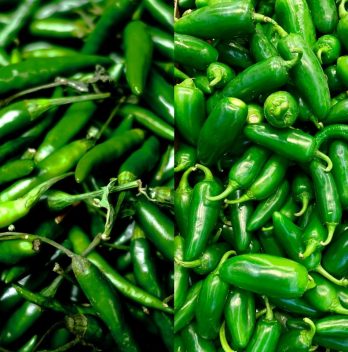
      • Jalapeno is a type of chile pepper, which is medium-sized when compared with other chili peppers. It usually measures an average of 2 to 3.5 inches in length.
      • The jalapeno originated in Mexico but is now found in almost all regions of the world.
      • Just like the other chiles, the Jalapeno is usually green at a young age and then becomes red or reddish-brown.
      • The Jalapeno is a very easy species of pepper to grow, but they are usually very slow in growth for the first few weeks. It is thus advised that it should be grown indoors before being taken outdoors.
      • It is widely considered the most sought-after chilies pepper in America and all other places because of its taste and peculiar features.

    Difference Between Green Chilies And Jalapenos: Green Chiles vs Jalapeno

    Now we understand a few things about chiles and jalapenos, we may now delve into a few of the noticeable differences between both.

    • Taste: Chilies are generally mild in taste and can be used in a wide spectrum of recipes. On the other hand, Jalapenos have a more aggressive taste, containing more heat. It is for this reason that chiles are basically used in preparing green and canned chiles, while jalapeno is used as a condiment replacing the main ingredient in a recipe.

    • Features: Another distinction that can be noticed when chiles and jalapenos are compared side by side happens to be their distinctive features. Jalapeno is usually medium in shape and size (can grow up to only 3 inches), and the pod-type cultivator of the species. The Chiles is however bigger in size, with the ability to grow as long as 6 inches.

    Pepper Seeds for Planting 8 Varieties Pack, Seeds for Planting in Garden Non-GMO

    717Dvn7khBL. AC SX569
    • Color: The jalapenos are usually harvested when they turn green and are in most cases not allowed to ripen or turn red. If this happens, the flavored taste it gives gets affected. On the other hand, chilies are usually allowed to remain on the vine until they ripen completely and turn red. This is when their true taste is best experienced.

    • Hotness: The heat which the jalapenos give to food when used appears to be stronger than chiles. They can give about 2500-5000 Scoville units of heat. Chiles, however, is not able to give this amount of heat. The heat given by these chiles however varies from one species to another.

    How To Grow Green Chillies

    Here is a brief description of how you can grow green chiles:

      • Grow green chiles with the right weather and time. They tend to thrive well when the weather is warm.
      • Sow your seeds. Seeds can be sown indoors using seed trays. You can also sow the seeds in containers or directly on land.
      • The germination process should begin within 7 to 10 days of seed sowing.
      • If your seeds were sown indoors, select the healthiest plant and transplant the seedlings.
      • Nurture your green chiles as they grow. They should be ready for harvest in 80 to 90 days.

    Major Health Benefits Of Chiles Generally

    In addition to being an incredible flavor to be added to food to spice it up. Also, there are some incredible health benefits of chiles. These include:

    • Makes For A Healthy Diet: Chiles usually pass as a great healthy diet. They usually have zero calories and also help speed up metabolism for as much as 50% for about three hours after eating. This makes it a particularly attractive ingredient for those focused on having a healthy diet.

    • Great Improvement Of Skin: Since Chiles are rich in vitamin c and beta-carotene, they tend to provide good care for the skin. The constant intake would help keep the skin smooth, healthy, and glowing.

    • Body Temperature Reduction: The presence of capsaicin in green chilies is known for lowering body temperature. This happens when this element stimulates the cooling center of the hypothalamus in the brain. So, it makes the food hot and spicy and our inside chill. Interesting right?

    • Natural Source Of Iron: The introduction of chiles into your diet will help in the supply of sufficient iron to the body.

    • Improved Immune System: This hot spicy pepper also plays a great role in improving the immune system and combating the common cold. Capsaicin which is found in chiles has a great stimulating effect on the mucous membranes found in the nose and also the sinuses that stimulate blood flow.

    What Type of Soil Do Pepper Plants Like?

    Pepper plants prefer well-draining, fertile soil. The pH should be between 6.0 and 7.0. You should ensure their soil is rich in organic matter like compost or well-rotted manure. This will provide the plants with the nutrients they need to thrive. 

    Here’s how you can prepare the ground for your pepper plants:

    1. Use a shovel or tiller to loosen the soil to a depth of at least 12 inches. 
    2. Add a layer of organic matter to the soil and mix it well. 
    3. Water the soil well before planting your peppers. Continue watering throughout the growing season. 

    Following these instructions will make the soil and growing conditions favorable:

    • Your pepper plant roots will grow and spread easily. 
    • The ground will retain more moisture. 
    • Your soil structure and drainage will improve. 
    • Your pepper plants will have the nutrients they need to grow.
    • Your plants will be able to establish themselves better and produce healthy, flavorful peppers. 

    What Kind of Pepper Plants Are There?

    There a many types of pepper plants, and they’re grouped into several categories. These categories are based on their shape, size, and flavor. The most common are bell peppers, chili peppers, and sweet peppers.

    Bell Peppers: These peppers are known for their large, blocky shape and mild flavor. Bell peppers are green, red, yellow, or orange. You can use them in salads, sandwiches, or as a side dish. They also make a great addition to stir fry and breakfast muffins. 

    Chili Peppers: Often used in Mexican, Indian, and other spicy cuisines, chili peppers are known for their punch. They are green, red and yellow. Chili peppers come in different shapes and sizes. Their flavor ranges from mild to fiery hot!

    Sweet Peppers: These peppers are similar to bell peppers but smaller and more flavorful. Sweet peppers are red, yellow, and orange. You can use them in salads, appetizers, or side dishes. 

    Other pepper plants include pimento peppers, cubanelle pepper, and jalapeno peppers. Each variety has unique characteristics and flavors. 

    How Do You Grow Green Chilli Seeds in a Pot?

    You can grow green chili seeds in a pot by following these steps:

    1. Fill a small pot with well-draining potting soil and moisten it thoroughly.
    2. Sow the chili seeds on the soil‘s surface, spacing them evenly.
    3. Cover the seeds lightly with a thin layer of soil, and mist them with water to keep them moist.
    4. Place the pot in a warm, sunny location, and water the seeds regularly to keep the soil moist but not soggy.
    5. You should thin out weaker seedlings once they’ve sprouted. 
    6. As the plants grow, continue to water them regularly and fertilize them with a balanced fertilizer every few weeks.
    7. When the plants are about 8 inches tall, pinch off the growing tips to encourage branching and promote more fruit growth.
    8. As chili peppers develop, they protect the plants from pests and diseases by using organic pest control methods and removing any diseased or damaged leaves.
    9. When the chili peppers are ripe, carefully harvest them by cutting them from the plants with a sharp knife.

    With proper care and attention, your chili plants should produce plenty of delicious green chili peppers you can enjoy in your favorite dishes.

    How Much Sun Does Green Chilli Plants Need?

    Green chili plants need plenty of sunlight to grow and produce healthy, flavorful peppers. In general, chili plants prefer a location that receives full sun. This amounts to 6 – 8 hours of direct sunlight daily. A spot with morning sun and afternoon shade are ideal. 

    What Does a Green Chilli Plant Look Like?

    Green chili plants are small, upright plants that typically grow to a height of about 2-3 feet. They have slender, dark green leaves and small white or yellow flowers that bloom in clusters. The chili peppers are small, narrow fruits that grow on the plants and can be green, red, yellow, or purple, depending on the variety.

    Generally, these plants have a compact, bushy growth habit. They’re easy to maintain. 

    Green Chiles Vs Jalapeno: Conclusion

    Now for those interested in spicing up their food, they have been offered a great way of doing this. The jalapenos or chiles may be used depending on individual requirements.

    The major differences that exist between both peppers have been discussed above. All in all, you have been offered a guide on possible options for spicing up your meal. Do make sure to enjoy your peppered recipe.

    FAQ’s

    Which is hotter green chilies or jalapenos?

    You may need to try them side by side.

    The answer depends on how you measure heat. Some people find jalapenos hotter than other peppers. Others don’t. In general, the hotter a pepper, the more pungent it is. Capsaicin, the chemical that gives peppers their heat, is measured in Scoville units. The Scoville scale is a scale of measurement for pungency and is based on the amount of heat that can be applied to a test subject’s tongue. According to the Scoville scale, a jalapeno has over 1 million Scoville units while a habanero has over 2 million. But that doesn’t mean one is hotter than the other. They are just different.

    And, of course, they have completely different flavors as well.

    There are no hard and fast rules on which type of pepper is hotter. However, some people do prefer one over the other. And some say it depends on how you measure heat.

    What’s the difference between jalapenos and green chile peppers?

    Jalapenos are a cultivar of pepper, and are distinguished by being small (3/4 to 1 inch long) and having a more intense heat. Green chile peppers are a cultivar of pepper, and are distinguished by having a bright green skin that is thin, brittle, and wrinkled. They are also usually smaller than jalapenos, but can be anywhere from 2 to 4 inches in length.

    Jalapenos are a variety of chili peppers from the species Capsicum annuum. Green chile peppers are a variety of peppers from the species Capsicum frutescens. The most common use for jalapeno peppers is as a condiment in Mexican cuisine, but they are also used in Tex-Mex, Cajun, and other cuisines. Green chile peppers are primarily used as a seasoning.

    Can they be used interchangeably?

    One may feel hotter than the other, but that doesn’t mean they can’t be used interchangeably. As long as the heat level is the same, you can use whichever you like. I agree with the others that it’s up to you. If you like spicy, add more jalapenos. If you prefer mild, add fewer.

    What are the benefits of eating green chillies?

    There are many health benefits of eating green chillies. It is one of the most popular hot peppers, and it is often used in food preparation. This pepper is extremely spicy and is known to be one of the most dangerous peppers. However, if you are looking for ways to improve your health, then there are many health benefits that can be obtained by consuming green chilli. In this article, we will discuss some of the benefits of eating green chillies.

    Green chillies have a high concentration of vitamin C and capsaicin, which are both great for the immune system. Capsaicin has been proven to help reduce the risk of diabetes, cancer and heart disease.

    Consuming green chilli can lower your blood pressure. The capsaicin found in red chilli is responsible for the blood pressure lowering effect. When you eat green chillies, it will not only stimulate your taste buds, but it will also increase the flow of saliva, which helps to lower your blood pressure.

    Chillies are an excellent source of fiber, which helps to control hunger. It also contains a lot of vitamin C which is good for the body. Green chillies help to reduce the level of cholesterol and this can also help in weight loss. If you are looking for ways to lose weight, then you should include green chillies in your diet.

  • How Long For Tomatoes To Germinate – Number Of Days To Germination

    How Long For Tomatoes To Germinate – Number Of Days To Germination

    Have you ever wondered how long it takes for tomatoes plant to germinate? For those who are interested in keeping a garden or just having some freshly grown fruits around, then tomato is a great option.

    Knowing how long tomatoes take to germinate and how best to nurture the plant if it is to attain a bounteous yield is thus important. There are different factors that affect the growth of tomatoes and which may help boost their growth or reduce their growth substantially.

    The general timeline before a tomato is matured enough for harvesting is also discussed in this guide. Now, let’s begin with getting to know how long it takes for tomatoes to germinate and things that will aid successful germination.

    How Long Do Tomatoes Take To Germinate: Number Of Days

    So, looking at the average number of days for the germination of tomato seeds, tomato seeds usually germinate between day 5 and day 11 after planting.

    The viability of the seed, type of soil, and nurturing will determine how quickly germination will occur.

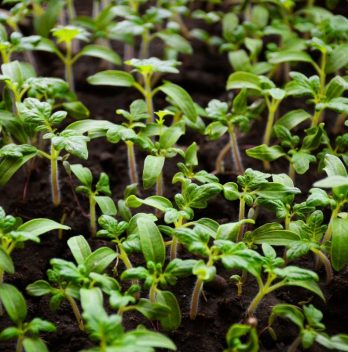
    Germination is usually demonstrated by tiny green leaves sprouting from the spots where the seeds were planted. It is usually best to plant evenly as this makes for ease in determining whether the seeds have germinated or not.

    So, let’s look into factors that affect the germination of tomato seeds.

    Factors That Influence The Germination Time For Tomatoes

    The following factors would usually influence how fast a tomato seed germinates:

    1. Viability Of Seed: Where the tomato seed planted is viable, it will likely germinate fast. Where this is not the case, the whole germination process will very likely become slow. A seed is said to be viable when there is a high percentage of the possibility of the seed growing when planted. Seed viability is mostly influenced by the storage temperature of the said seed.
    2. Storage Length Of Seed: Tomato seeds usually last for a reasonably long period of time in storage. When they are properly stored, they can last for a period of 4 or 5 years. However, the longer the storage period, the more time it would take for the seed to germinate.
    3. Pre-soaking Of Seeds: When tomato seeds are too dry, it takes a longer period to germinate. It is, therefore, best to soak seeds in warm water for at least 12 hours before planting. This will help soften the seed coat and speed up the germination process.
    4. Temperature: This is a very important factor that can affect the germination of a seed. It would be of great ease for the seeds to germinate quickly at a temperature between 70-80 degrees Fahrenheit. Where the temperature is lower than 70F it may take a longer time to germinate or it may not germinate at all. The same thing happens where the temperature goes way above 80F.

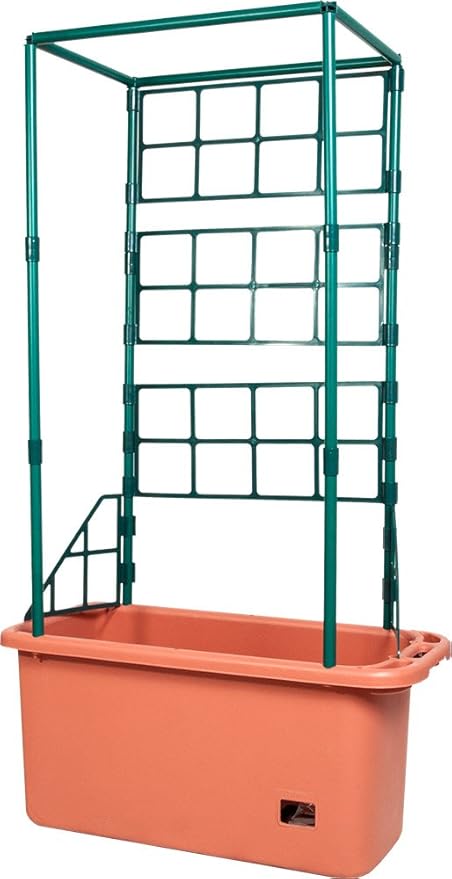
    Hydrofarm GCTR 10 Gal Tomato Garden Planting Grow System with 4 Foot Trellis Wheels

    610tKwyEBuL. AC SY879

    Things To Consider Before Planting Tomato Seeds

    1. Suitable Location: This is one of the first factors to be put into consideration when planting tomatoes seeds. The location where the seeds are planted in some situations influences the overall growth and germination timeframe. Whether the tomato seeds will be grown indoors or outdoors in the garden should be considered at this stage.
    2. Best Time To Plant: The most suitable time to grow tomatoes is usually towards the end of January up until about the end of March. Between this time frame, the amount of sunlight, soil water content and overall temperature is perfect to grow tomatoes.
    3. Seeds Spacing: The seeds should be spaced sufficiently so as to allow for some space within which the plant may spread. The ideal intra-row spacing should be about 20-40cm. Sufficient spacing has a way of improving the overall yield of the plant.
    4. Plant In Loamy Soil: Although tomato plants are not very picky about which soil they can grow in, it is always best to plant in loamy soil. A well-drained, fertile loam soil with a pH level between 5.8-7.0. Provision of the soil with some manure a few weeks or days before planting will also strengthen the suitability of the soil.

    How To Nurture Tomato Seeds After Planting

    The following should be done after the seeds have been planted to ensure that it germinates at the best possible time, and flourish as it grows.

    1.    Ensure That The Soil Is Watered Adequately

    Tomato seeds usually require a reasonable amount of water in the soil for quick germination. So, after planting, ensure that watering is done at the right proportion. If the soil happens to be too dry, the seed may not be able to break dormancy, while if too wet, the seed may rot. To prevent any of these extremities, a reasonable amount of water must be supplied.

    How To Nurture Tomato Seeds After Planting

    2.    Ensure That There Is Sufficient Sunlight Provided After Germination

    The tomatoes seeds may not need much sunlight to germinate. But after germination has occurred, it requires sufficient sunlight. This means that if the seeds were planted in planting pots or indoors, they should be taken out and exposed to sufficient sunlight after germination.

    3.    Weed Management: How Long For Tomatoes To Germinate

    If the best result is desired, the plant should be weeded from time to time to reduce the number of weeds contesting for the soil nutrients with the tomatoes plants. The tomatoes plants are fragile and may not be able to thrive in the presence of tough weeds.

    4.    Harvest Fruit At The Right Time

    It is usually best to leave tomatoes on the plants so they can ripen naturally. Where this is allowed, the flavor is improved greatly.

    When the plant starts making fruits, prune some of the older leaves to make space for the inflow of sunlight. The fruits also need some sunlight to ripen fast.

    5.    Store The Tomatoes Properly After Harvesting

    To retain the original spicy flavor of the tomatoes, ensure that it is stored properly. One way of doing this is to make a tomato sauce and then freeze it for future use.

    Store The Tomatoes Properly After Harvesting

    FAQ’s

    How long does it take for tomato seeds to germinate indoors?

    You can grow tomatoes from seed indoors. I would recommend starting them in a small container that will fit on your windowsill. Keep the temperature around 70°F. They will start growing within a week or two. Once they are growing, you can transplant them to a larger pot and continue growing them outdoors.

    Under optimal conditions they take between 5 and 10 days to germinate.

    How do I make tomato seeds germinate faster?

    Seeds that germinate fast are usually a result of a seed lot with a very high viability, so it’s not something you can replicate. However, if you have a slow-germinating seed lot, you can try to speed things up by soaking your seeds for a few days in water. This has been shown to increase germination rate, but only if the seeds have been stored properly beforehand.

    You can also increase the rate at which tomato seeds germinate by placing them in a warm environment for a few days. I’ve found that putting them in a plastic bag on top of the fridge for 2-3 days has done the trick. However, I wouldn’t recommend this if you’re going to be moving them to a greenhouse as it might result in seedling death due to cold shock.

    Why aren’t my tomatoes germinating?

    We all know that tomatoes are a difficult plant to grow. You can’t just throw them in the ground and expect them to thrive. They need lots of sun, good soil, and plenty of water to produce fruit. But if you want to get your hands on some cherry tomatoes in the summer months, you’re going to have to work for it.

    It’s possible that your plants need to be watered more often or have their soil mixed with something like sand or perlite.

    It could be that your seeds are too old. If you’re not sure how old they are, you can test this by placing them in water overnight. The next day, they should float if they are still fresh. If they sink, then you know they are old. When it comes to germination, there is no such thing as too old. You just need to make sure the seeds are properly acclimated to their new environment.

    Can you start tomato seed in water?

    You can try to start the seeds in a glass of water. Water will keep the seeds moist and also helps the roots to grow longer. You may also add some nutrients to the water to help the seeds germinate.

    How deep should tomato seeds be?

    They should be planted about 1/8th of an inch deep. You just have to make sure that you press the soil on top lightly so that that it is well covered.

    Why are my tomato seeds not germinating?

    It could be that your seeds are too old. If you’re not sure how old they are, you can test this by placing them in water overnight. The next day, they should float if they are still fresh. If they sink, then you know they are old. When it comes to germination, there is no such thing as too old. You just need to make sure the seeds are properly acclimated to their new environment.

    How Long For Tomatoes To Germinate? Conclusion

    As we have seen from the above, tomato seeds will usually germinate between 5 to 11 days depending on a number of factors. To get the best possible result in your tomato farm or garden, ensure to note the above.

    It is for you to decide whether you want your tomatoes planted outdoors or indoors. Whichever you decide, ensure that they are properly nurtured as this is the best way to achieve results.

  • Alfalfa Meal Fertilizer Benefits

    Alfalfa Meal Fertilizer Benefits

    Ever wondered if you can make use of an alfalfa meal in your garden? Alfalfa meal fertilizer can be used for other things but gardeners know there can be benefits from using it in their garden.

    Alfalfa meal is a natural fertilizer that can be incorporated into your garden soil and drive great benefits for your plants’ growth.

    If you are the one that likes to stick with organic fertilizer rather than synthetic fertilizer, then alfalfa meal is one natural fertilizer you can go for.

    This natural fertilizer works great with different types of crops especially cole crops that include broccoli, cabbage, kale, Brussels sprouts, cauliflower, and so on.

    The place of fertilizers cannot be underplayed in the growth of plants. With so many benefits this natural fertilizer offers; let’s look into what benefits our garden plants stand to gain using alfalfa meal fertilizer.

    About Alfalfa Plant

    Before we discuss the huge benefits of using the fertilizer, let’s mention a few things you should know about the Alfalfa meal:

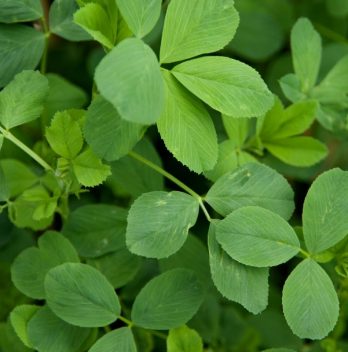
      • Alfalfa is a richly leguminous perennial plant.

      • Derived by fermenting the adult seeds and plants of the plants.

      • The plant contains enormous nutritional benefits for other plants and soil-dwelling organisms.

      • Some of the major minerals which the plant may provide include Nitrogen, Phosphorus, Calcium, Potassium, Magnesium, Sulphur, Iron, Manganese, Boron Copper, Zinc, and other minerals In small proportions.

      • The alfalfa meal NPK analysis is 2.8-0.29-2.4, and it is an excellent addition to the compost pile for nitrogen. The fertilizer is entirely organic and non-GMO.

      • Used a great deal as a soil supplement. This is because it has the potential to re-energize the soil potential and increase the organic composition of the soil.

    About Alfalfa Plant

    Can I Use Alfalfa Pellets As Fertilizer?

    This alfalfa natural fertilizer can come in a meal or pellet for your garden use. The common type seen at the feed store is mostly the pellets. Use these pellets in your garden. All you need is to input a little extra work.

    You can simply soak this pellet just to break them up. Then you get your resulting alfalfa meal.

    Alfalfa For Garden: Alfalfa Meal Fertilizer Benefits

    Using alfalfa meal in your garden as soil amendments and compost activator is a great idea. It will supply the soil in your garden with the required soil amendments especially after the soil has depleted its nutrients from the plants’ previous growing season.

    Major Benefits Of Using Alfalfa Meal Fertilizer

    Here are some of the major benefits of using alfalfa meal fertilizer in your garden.

    1.    Nutrients Provided To The Soil

    Known for the great array of nutrients it offers to the soil and plants on it. Some of the nutrients provided include:

    • NPK Nutrient: Provides good NPK which is balanced. Can also help improve the soil quality. The NPK is usually placed somewhere around 3-1-2.

    • Vitamins: In addition to other nutrients, vitamins such as A, B, and E are also present in a reasonable proportion in the meal.

    • Minerals: So, minerals such as magnesium and iron are also present in substantial quantities in the meal.

    Down to Earth Organic Alfalfa Meal Fertilizer Mix 2.5-0.5-2.5, 5 lb

    51+3dIYF2mL. AC

    So, the presence of this wide variety of nutrients makes for the potent nature of the fertilizer.

    2.    Multiple Purpose Use

    The Alfalfa Meal fertilizer can serve multiple functions. Used as a mulch material, weed blocker, fertilizer for plants, and even as feed for livestock. The preparation of the Alfalfa plant may vary depending on the final purpose it is intended to serve.

    3.    Excellent Crop Cover

    Another major benefit of Alfalfa is that it serves as crop cover. When planted, it usually grows very fast and covers the soil. This makes it difficult for weeds to survive. It also has deep, strong roots which in most situations help to break down strong clay soil.

    4.    Presence Of Triacontanol

    One major benefit of this fertilizer is the presence of triacontanol. This is a naturally-occurring component that helps to promote healthy root development in plants. This component also helps in substantially improving the yield in crops. It also fixes the nitrogen content of the soil.

    5.    Hold Moisture In The Soil

    This fertilizer while absorbing much of its weight in water, it also holds moisture conveniently. Therefore, this aids the soil’s moisture retention.

    Hold Moisture In The Soil

    6.    Nematodes Suppression

    The use of this fertilizer can also help in suppressing to a great proportion the amount of nematodes in the soil.

    How To Use Alfalfa Meal Fertilizer

    Now we understand the huge advantage that comes with using alfalfa meal fertilizers. Let’s get into how to properly use the fertilizer:

      • So, in heavy applications, use about 50 pounds for 1,000 square feet.

      • For a medium application, about 25 pounds should be used for 1,000 square feet.

      • In light application, about 12 pounds of fertilizer should be used for 1,000 square feet.

    For the best possible result to be attained, the following should be noted when using the fertilizers:

      • Alfalfa meal fertilizer is an alkaline substance. As such, it should not be used for plants that do well with acid soil.

      • After the alfalfa meal has been spread on the desired potion of land, rake it into the soil and water the soil.

      • The fertilizer is usually powdery and dusty. As such, a protective cover should be worn when it is being used to protect the face of users.

      • So, ensure to put leftover alfalfa meal in a good container to prevent mice from having access to it. Mice love the meal and putting it in soft bags would easily attract them.

    FAQ’s

    How long has alfalfa meal been used by farmers?

    Alfalfa is a perennial legume that is very nutritious. The plant grows in the wild and has been cultivated for thousands of years. It was first domesticated by the Ancient Romans and its seeds were used as a food source and a fertilizer for crops. Alfalfa has been used by farmers for centuries because of its ability to improve soil quality and produce a high yield of nutritious, high-quality hay.

    What are different ways that alfalfa meal is used?

    Alfalfa meal is a byproduct of the processing of alfalfa and contains a high protein content. The protein content ranges between 25% to 45% of the dry matter. Alfalfa meal is used as a source of protein for livestock and poultry feed and as an ingredient in pet food. It is also used in the manufacture of plastics, detergents, and other products.

    What plants benefit from alfalfa meal?

    It can also be used to help keep weeds down and as a soil conditioner.

    It is a great soil conditioner because of its nitrogen and phosphorous content. It is not as expensive as other feed supplements and is often used to help keep weeds down.

    Plants like alfalfa meal. The roots of plants are made of mostly protein, carbohydrates, and minerals.

    Alfalfa meal is used as a fertilizer for gardens, lawns, and farm land. It is commonly fed to livestock such as chickens, cows, pigs, and horses.

    How do I use alfalfa meal as fertilizer?

    Alfalfa meal is an excellent nitrogen source that can be used in many different ways. One of the easiest uses for alfalfa meal is to spread it on a lawn or garden to provide a slow release nitrogen source for your plants. You can also mix it with other fertilizers like liquid fish emulsion and add it to the soil around seedlings or young plants to help stimulate growth. Alfalfa meal is available at many feed stores or you can buy it online.

    When you are using alfalfa meal as a fertilizer, you will want to spread it on top of the soil and not directly on the plants themselves. This is because alfalfa meal is not a plant food. It is more like a slow release nitrogen source than a true fertilizer. It is also not good for your lawns or gardens if you use it this way. You should only use alfalfa meal as a fertilizer when you want to encourage growth in your plants. If you do decide to use alfalfa meal as a fertilizer, make sure you spread it correctly. There are a few different ways to do this depending on the type of fertilizer you are using. If you are using a granular fertilizer, mix it with water and then spray the mixture onto the soil surface.

    Conclusion On Alfalfa Meal Fertilizer Benefits

    There is a need to use a supplement to improve plant growth and soil performance. So, the Alfalfa meal for plants has a great advantage over other soil supplements.

    There is a wide array of benefits that the use of this fertilizer can give to the soil and plants. This fertilizer is very potent both for outdoor use and indoor plant use.

    So, make sure to observe some of the key guides on how to use and apply this fertilizer.

  • What’s An English Cucumber: Any Difference From The Regular Varieties?

    What’s An English Cucumber: Any Difference From The Regular Varieties?

    What’s an English cucumber and how exactly is it different from every other type of cucumber? Cucumber is from the family of Cucurbitaceae and it has up to 100 varieties and each of these cucumber varieties has its own characteristics.

    However, the ones we are very familiar with are pickling and slicing. English cucumber is as well a fairly common variety of cucumber known. These common cucumber varieties come in different sizes, shapes, textures, as well as taste.

    These different cucumbers can come in many seeds and other types have fewer seeds. Amongst all these cucumber types, English cucumber is also a cucumber variety that we are familiar with.

    Let’s dig in further and find out about what’s an English cucumber.

    What Is An English Cucumber?

    So what’s an English cucumber? An English cucumber can be called many different names such as seedless cucumbers, European cucumbers, burpless cucumbers, and hothouse or greenhouse cucumbers.

    Cucumbers English is a cousin of pickling and slicing cucumbers. However, the English cucumber has a sparingly different shape and taste. The English cucumber is as well longer in length and it can range from around 10 to 12 inches long or even longer. They are the more slender variety and are often sold in plastic sleeves.

    English cucumbers were literally bred to result in a cucumber variety that has less desirable features than the other variety has. It’s been bred to have fewer seeds, less tough outer skin, and less bitter-tasting cucumber.

    What Is An English Cucumber

    Appearance Of The English Cucumber

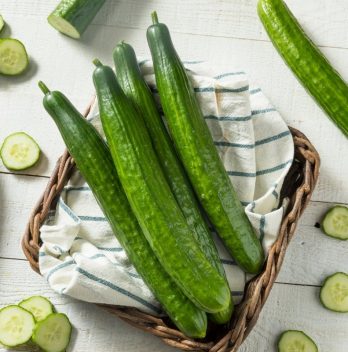
    The English cucumber appears long, thin, and straight. The length of this cucumber can be two times the length of a regular slicing cucumber. They can be as long as 14 inches.

    The outer skin of the English cucumber is dark green and smooth and it has some ridges that run along the length of this fruit. There are often no bumps found on this cucumber. The inner part of the English cucumber is light green and at the center, the seeds are scattered in this fruit.

    The skins of this English cucumber are pretty fragile and can be easily nicked or torn. This often makes them prone to mold. Hence, it is often packed in shrink wraps to protect the tender skin and also to prolong its shelf life.

    Choosing English Cucumber Based On Appearance And Texture

    You can purchase English cucumbers anytime because they are mostly sold all year round. However, they may be a bit expensive than the regular cucumbers. You can find them in the product section of your local grocer. You should find them wrapped and sold in plastics and are often labeled as seedless cucumbers.

    When buying English cucumbers, you should select the ones that are firm as this is a strong clue of their freshness. Don’t go for the ones that are shrinking or limped.

    Choosing English Cucumber Based On Appearance And Texture

    Also, choose the ones that are evenly cylindrical and are around 10 to 15 inches long and 1 to 2 inches in diameter.

    This cucumber variety tends to decay firstly at their ends. Therefore, you should squeeze the two ends gently to test for mushiness. Then you should feel for any soft spots by running your hand along with the whole vegetable. The English cucumber should have a firm feeling along its entire length.

    The Taste And Texture Of English Cucumbers

    This English cucumber has a more pleasant taste compared to the other regular cucumbers. This is mainly thanks to the fewer seeds English cucumber, unlike the regular cucumber that has more large seeds that contribute to its bitter-tasting flavor.

    Because the skin of the English cucumber is thinner, it does not need to be peeled before eating or making use of it. You may not even need to remove them before eating them because the seeds are very tiny and easy to digest. All you need to do is just slice and serve your cucumber.

    Cucumber Seeds for Planting Outdoors Variety Pack

    81lqrqGQchL. AC SX569

    English Cucumber Applications

    Most chefs and kitchen lovers usually favor the English cucumbers variety over the regular cucumbers in their cooking applications. This is mainly because of the edible skin and fewer edible seeds it offers. So, this makes the English cucumbers very easy to use and perfect for dishes such as salads, raw side dishes, and so on.

    This cucumber variety is a mild and sweeter variety which makes them a perfect match for almost anything. You can pair them with onions, peppers, tomatoes, including any summary herbs. They are also great to be paired with fish, pork, lamb, chicken, and shellfish.

    You can also get a rich and welcoming feel by incorporating them with dairy creamy products like cream cheese, yogurt, sour cream, feta, and goat cheese. You can also incorporate aromatic touches such as lemon, garlic, lime, capers, and olives to add a bit of punch.

    The English cucumbers are also great for just slicing them in your fingers and enjoy them on their own. You can as well slice them and add them to your crudités platter or simply use them as a sandwich topping. You can as well enjoy them in your crunch tuna salad.

    Storing English Cucumbers

    The ideal way to store the English cucumbers is by refrigerating them in plastic wrap. This should last or stay fresh for around a week so far the moisture is retained.

    Additionally, it’s advisable you avoid any humid vegetable drawer and put them in a dry spot in the fridge.

    If you wish to make use of just one portion of the cucumber, simply open one end and pull back the plastic. Then cut off the amount or portion you require then rewrap the end with extra plastic. Make sure you only wash the portion of cucumber you are making use of.

    Final Say

    English cucumber is another cucumber variety and they are also commonly known just like the slicing and pickling cucumbers. However, compared to the regular cucumbers, the English cucumbers have been bred to taste much better, have fewer seeds, have less tough skin, and have a less bitter taste.