Author: Josephine Brown

  • 10 Amazing Mosquito Repelling Plants

    10 Amazing Mosquito Repelling Plants

    Mosquitoes are really annoying. Not only that, but they can also cause certain allergic reactions and even carry a slew of diseases including malaria and dengue to name a few. To get rid of these pesky pests, most households will resort to the use of insect repellants and insecticides. However, they can end up being toxic to your household and surroundings. Fortunately, you can opt for a better and more effective alternative in the form of mosquito repelling plants. Without further ado, here are the 10 most effective mosquito repelling plants that can keep your house and garden mosquito-free.

    Plants Effective at Repelling Mosquitoes

    Citronella

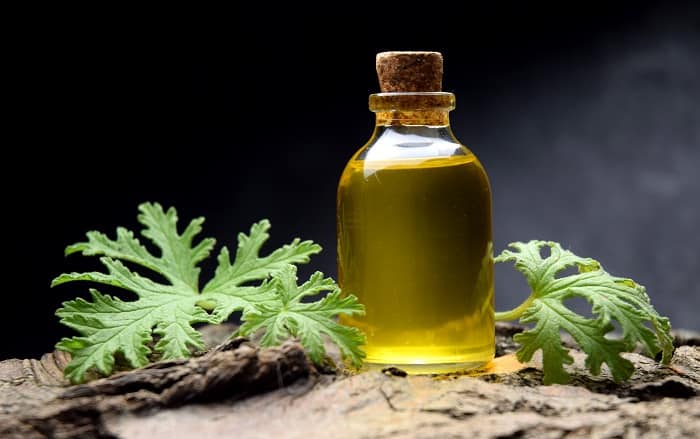
    If you’ve probably heard of this plant before, it’s mainly because it’s one of the most common ingredients that are added to a mosquito repellent. However, what most people didn’t know is that citronella is actually a plant!

    Basically, it is a perennial clumping grass that can be easily distinguished due to its strong aroma. Since the plant itself has an even stronger aroma than mosquito repellents that have it as its ingredient, then it certainly makes an excellent choice for a natural mosquito repellent in your garden or household.
    10 Amazing Mosquito Repelling Plants

    However, according to studies, it’s not really the plant itself that wards off insects. Rather, it is the oils that can be extracted from the plant. This doesn’t mean that you should keep this plant in your house, as you can actually crush its leaves to extract the oil which you can then apply to your skin to repel insects.

    Marigolds

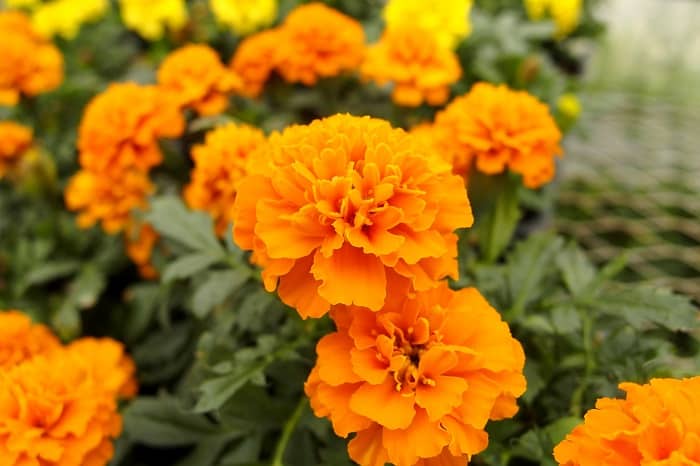
    Marigolds are annual flowers that can be distinguished by their yellow or orange color. They have that kind of scent that not everyone likes and the same goes for mosquitoes. They’re known to contain pyrethrum which is a common ingredient used in most insect repellents. 
    10 Amazing Mosquito Repelling Plants

    In spite of that, they have a light and citrusy taste which makes them great for use on salads or soups. The best thing about marigolds is that they’re very easy to grow. You simply have to place them in pots and make sure you place them near your patio to ward off mosquitoes, bugs, and insects.

    Pitcher Plant

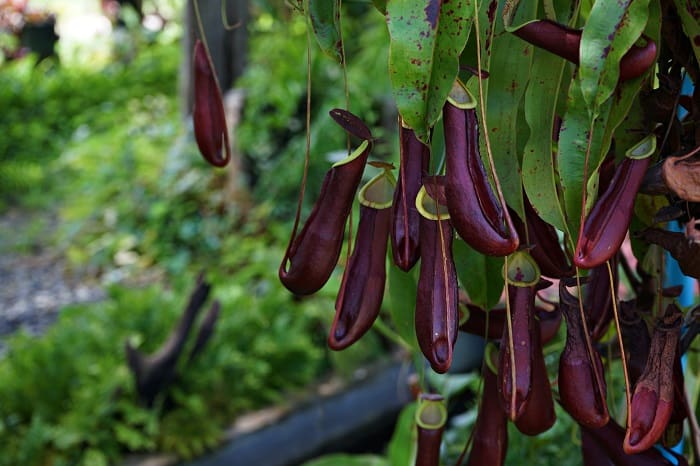
    Though it’s technically not a mosquito repelling plant, a pitcher plant can be effective in dealing with mosquitoes. Compared to the other plants on this list, it doesn’t really repel insects. Instead, it attracts them and eats them as nutrients. 
    10 Amazing Mosquito Repelling Plants

    Due to its pitcher-like shape, it can be an excellent addition to your garden or patio. Most homeowners tend to grow theirs in baskets that are hung hear the patio or porch.

    Peppermint

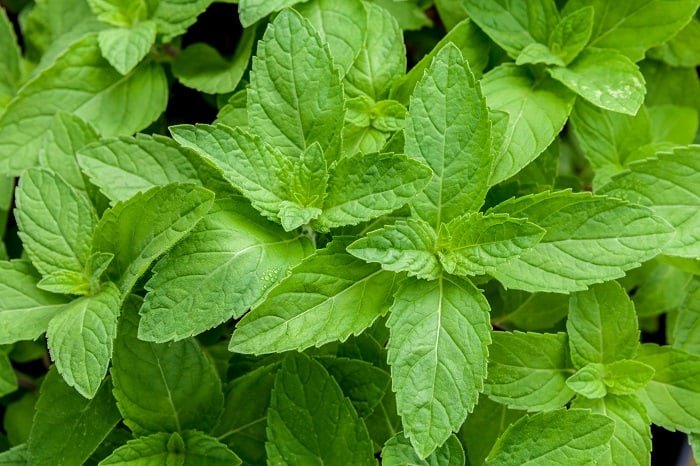
    The peppermint is a rapid grower which can quickly fill your garden if left unattended. However, it’s not as invasive compared to other plants that belong to the mint family. 
    10 Amazing Mosquito Repelling Plants
    peppermint

    It has that strong scent and taste that most bugs despise. Also, its oil is excellent not just for repelling mosquitoes but also for relieving the discomfort which is brought about by mosquito bites. All you have to do is simply rub the leaves onto your skin and wait for the effect to take place.

    However, since peppermints are rapid growers, you have to make sure to dig them up or cut them before they become uncontrollable.  

    Lemon Balm

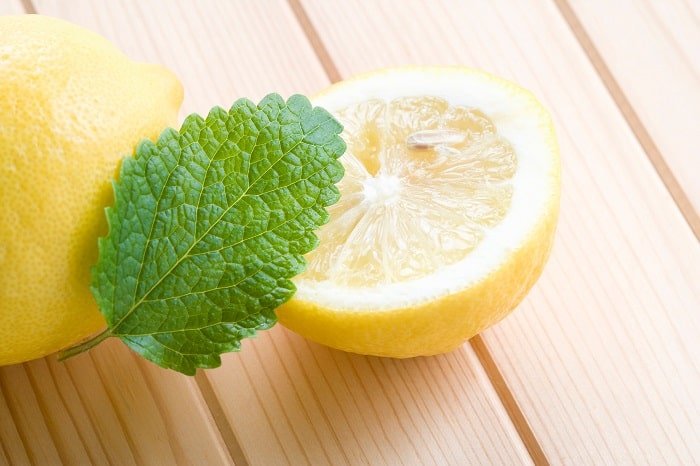
    Discovered to have been used in the Western world as early as the middle ages, lemon balm is used for relieving stress, a natural sleeping aid, and a mild astringent. However, it’s also proven for its insect repellent properties as well. Belonging to the mint family, lemon balm is also a fast grower. Therefore, you’d want to contain it on a point unless you want it to grow uncontrollably in your garden. 
    10 Amazing Mosquito Repelling Plants

    Lemon balm is known to contain a compound which is known as citronella that has a similar effect to that of the citronella plant. Aside from that, it also has a lemony scent which is something that mosquitoes despise.

    Catnip

    If you have feline friends around the house, they’ll be glad to know that their favorite plant, the catnip, also works as an excellent mosquito repellent. According to a study which was conducted in 2010, researchers found that catnip is 10 times more effective in repelling insects compared to DEET.

    10 Amazing Mosquito Repelling Plants

    This is due to its compound nepetalactone which works as a mosquito repellent and cat attractant at the same time. This alongside other chemicals contained in catnip is more effective than DEET.

    Due to this, catnip is among the best choice of plants that are effective at repelling mosquitoes. Another good thing about this plant is that it’s relatively easy to grow and care for. However, it can be invasive if planted in your garden bed.

    Basil

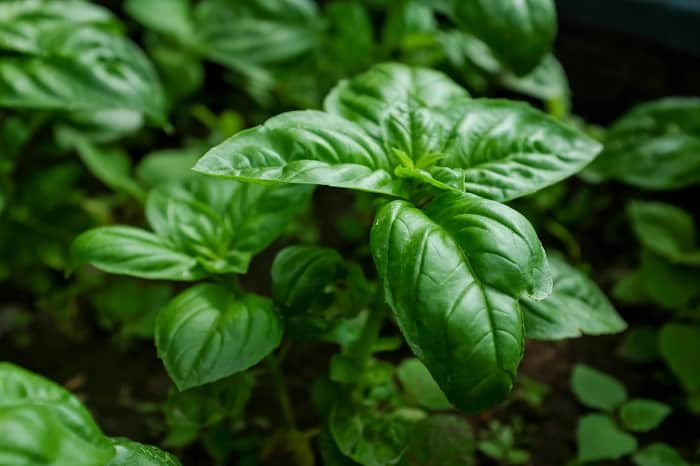
    Basil is one of those dual-purpose plants which can double as an effective mosquito repellent and cooking ingredient in one. The strong scent it gives off is quite offensive to pests not just limited to mosquitoes but flies and other insects as well. Since there are several varieties of basil, you can experiment and look for the ones which you like.
    10 Amazing Mosquito Repelling Plants

    To successfully plant basil in your garden, you have to make sure it’s placed in a spot where it can receive lots of sunlight and good drainage. You can also plant it in containers as long as the requirements are properly met.

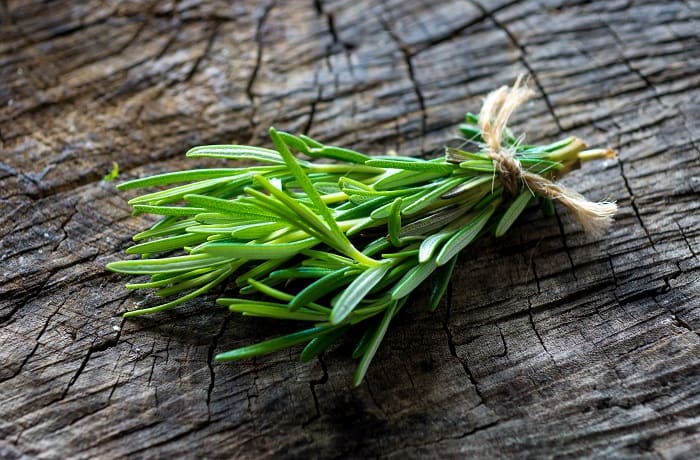
    Rosemary

    Another wonderful plant with a dual purpose, rosemary is a flavorful and easy-to-grow plant that can also act as an effective mosquito repellent. However, make sure you place it in an area with enough space since it can grow quickly if left unattended.
    10 Amazing Mosquito Repelling Plants

    Aside from that, the plant’s pale-blue flowers can complement your garden and increase its overall aesthetic appeal. Moreover, it’s easy to grow as long as you can place it in a location where it can receive lots of sunlight as possible.

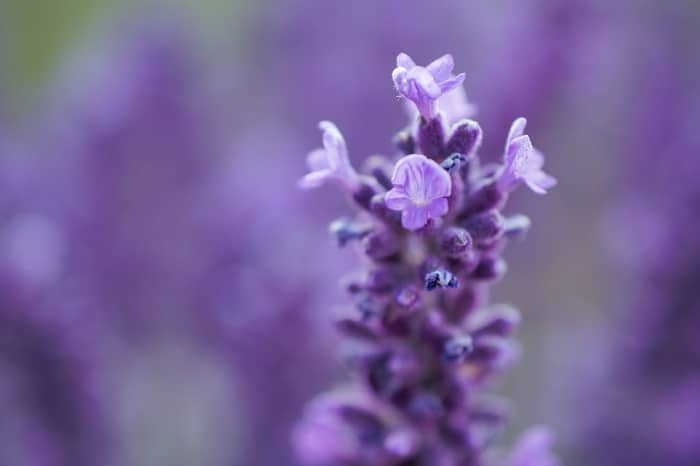
    Lavender

    Lavender has that calming aroma that can be quite offensive to mosquitoes and pests. By simply growing it indoors or in your flower bed, you can repel insects and other bugs without any problem.
    10 Amazing Mosquito Repelling Plants

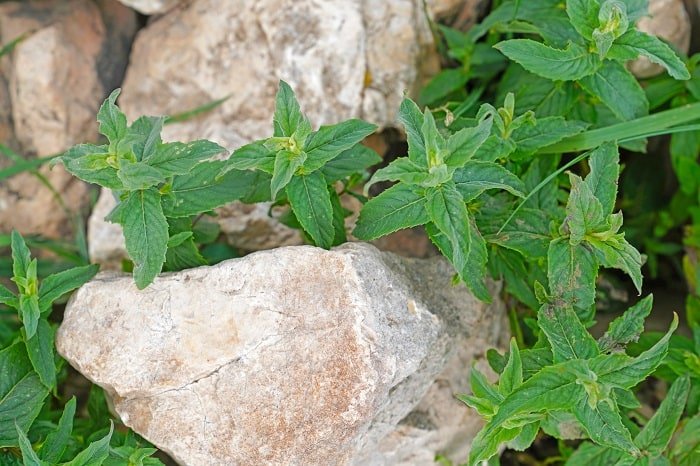
    Pennyroyal

    Pennyroyal is a potent plant that can be quite effective in repelling mosquitoes and other pests including fleas, gnats, and ants. Aside from that, it also makes an excellent groundcover that can attract a wide variety of butterflies.
    10 Amazing Mosquito Repelling Plants

    If you’re struggling with not just mosquitoes but other insects in your house and garden as well, then you might want to consider placing pennyroyal in your surroundings. However, you have to take note that it can be quite toxic to animals and humans if too much of its oil is absorbed into the skin. Therefore, you have to take extra precautions when applying it.

    For extra protection against insects and mosquitoes, you’d want to crush some pennyroyal leaves and then place them inside your pocket. Its strong odor will be more than enough to repel them.

    How to Repel Mosquitoes with Plants

    Without a doubt, some botanical compounds found in a variety of plants can help repel mosquitoes. In most cases, however, they have to be extracted in order to be effective. 

    Certain plants contain chemicals that can work in three different ways to deal with mosquitoes. They can either:

    • Mask human scents
    • Repel mosquitoes
    • Contain compounds that can be toxic to insects

    |

    However, simply placing them in your landscape won’t be enough. Most of the time, you’ll have to extract their oils in order to maximize their full effect. Fortunately, it’s not really that hard to do. You can just crush the leaves in most cases or even burn certain parts for them to be effective.

    Other Alternatives to Repelling Mosquitoes

    Placing mosquito-repelling plants around your property might not be enough to solve the pesky mosquito problem you currently have. For that, you have to carry out other alternative solutions that will help you get rid of mosquitoes in your yard for good. They’re as follows:

    Remove Stagnant Water 

    Standing water can be an excellent breeding ground for mosquitoes. Therefore, you’d want to make sure that you clear any gutters of debris and check your barrels and discarded cans or pots for any water. Also, make sure you cover your trash cans and change the water in birdbaths regularly.

    Sprinkle Coffee Grounds

    You can also scatter coffee grounds in any area where you notice standing water present. If there are any mosquito eggs present, they will rise to the surface and die due to lack of oxygen.

    Install Insect-Repelling Lights

    Another excellent alternative for repelling mosquitoes and other insects is installing insect-repelling lights throughout the yard. LED lights and sodium lamps can be effective in dealing with those annoying pests. Though this will entail a bit of an investment, you’ll be able to benefit from a mosquito-free yard.

    Conclusion

    We all know how annoying mosquitoes can be. Apart from that, they can also bring about certain diseases such as malaria and dengue if left unattended. Fortunately, you can do away with them for good with the help of the mosquito repelling plants on this list.

    What other mosquito-repelling plants do you know? Are you currently using them in your yard? If so, please share with us how effective they are in dealing with your pest problems.

    Also, please pass the information to your friends. Thanks for reading!

    FAQs

    What plants keeps mosquitoes away naturally?

    There are a lot of things that keep mosquitoes away naturally. The best way to keep mosquitoes away is by using plants. There are certain plants that mosquitoes avoid because of their bitter taste. Some plants have been used for centuries and there are many more which are just becoming known. These natural plants repel mosquitoes by affecting their behavior and by keeping them away.

    These plants include dill, fennel, mint, rue, and parsley. Mosses Many mosses have strong anti-microbial properties, which may keep mosquitoes from breeding in their habitat. You can read more about this here. The bark of trees and shrubs also has anti-microbial properties, and will help keep mosquitoes away. I know that citronella oil works as a repellent for mosquitoes.

    If you are looking for plants to keep mosquitoes away, I recommend the following: – Marigolds, they repel bugs and are easy to grow.

    Nasturtiums, they are very effective against mosquitoes.

    Catnip, they are said to repel fleas.

    Chamomile, they repel ants and mosquitoes.

    Lavender, it is said to repel bees and insects.

    Aloe Vera, it is an aloe plant with many uses including being used as a natural mosquito repellent.

    Basil, it has a strong smell that can repel mosquitoes.

    Why do some plants repel mosquitoes?

    Plants are effective against mosquitoes because of the chemicals they produce. Plants create chemicals called allelochemicals that attract and deter pests. Mosquitoes don’t like the smell or taste of these chemicals and they will avoid plants that produce them. Many plants contain allelochemicals and some even make more than one. They have different effects on different pests and are usually most effective when used together.

    Sometimes it does depend on the species of mosquito, which is why it pays to undersand what plants work in what ways. 

    Is lavender a mosquito repellent?

    Lavender oil has been proven to repel mosquitoes and other insects. You can even make your own homemade mosquito repellent by adding lavender essential oil to the water in which you soak your feet.

    Do lemongrass plants repel mosquitoes?

    Yes, they do. It has been proven scientifically that when lemongrass plants are planted near your house or property, you can reduce the number of mosquitoes in your area by up to 50 percent. In addition, you can also protect yourself from the bites of mosquitoes if you are outside in an area where there are lemongrass plants nearby.
  • Everything You Need to Know Regarding Raised Garden Beds

    Everything You Need to Know Regarding Raised Garden Beds

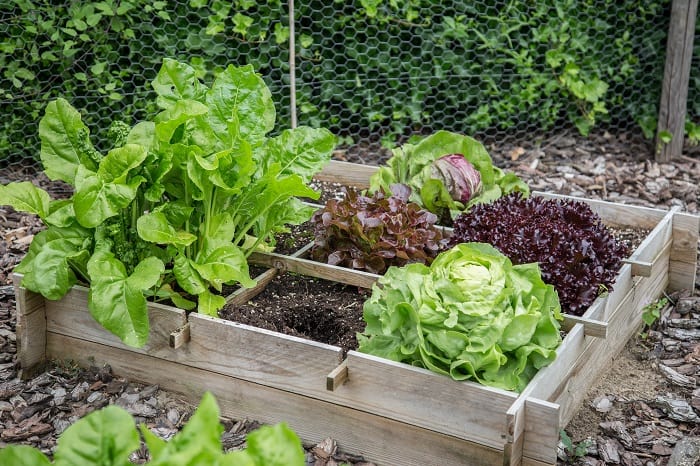
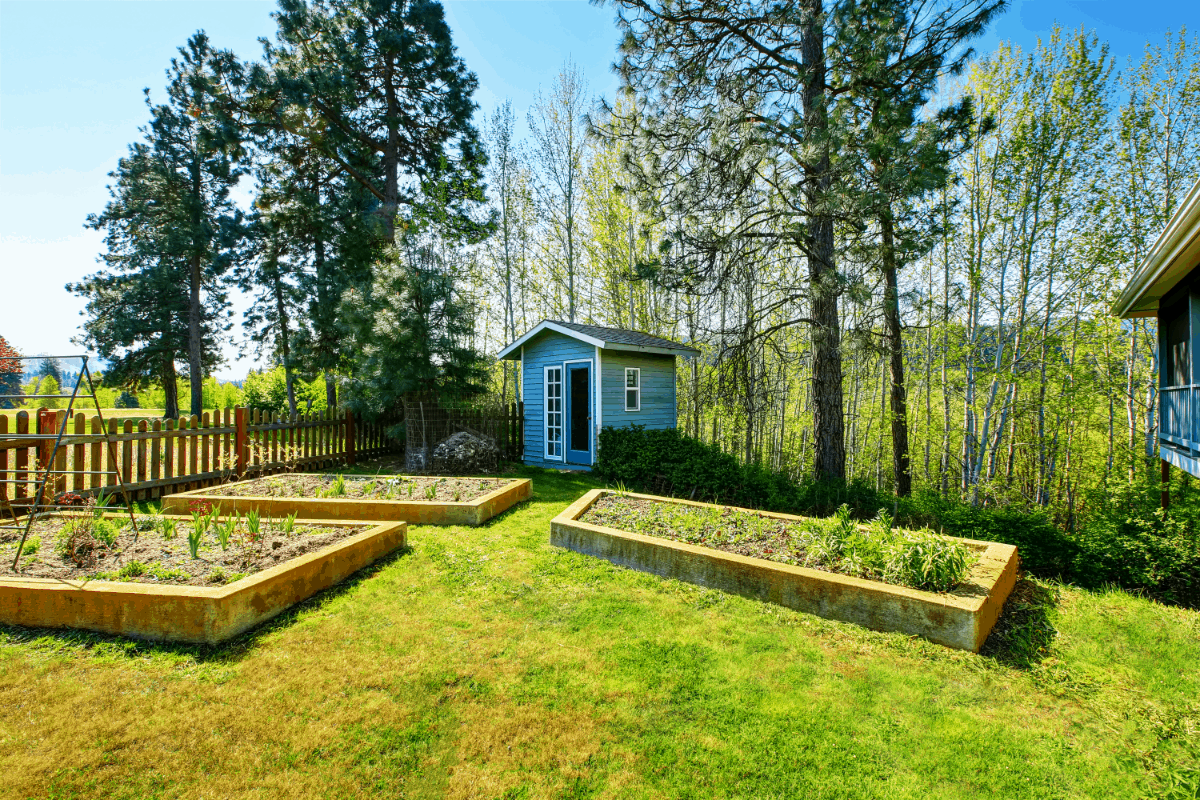
    If you’re struggling with keeping your garden organized, then you might surely appreciate raised garden beds. After all, raised bed gardens allow you to maintain your plants with ease while keeping your garden orderly at the same time. 

    In its simplest form, you can think of a raised bed as a flower box with no bottom. You don’t have to step inside the raised bed; instead, you do all the gardening work from its outer perimeter. With all the advantages it has, let us talk about what you should consider before you start building yours:

    Raised Garden Bed Considerations

    Size

    On average, raised beds normally span between 3-4 feet wide and 6-8 feet long. With this, you can reach into the bed with ease from the side to start planting your crops and removing weed without the need to step inside the garden. As a result, you’ll be avoiding the risk of compacting the soil

    Everything You Need to Know Regarding Raised Garden Beds

    Height is another important consideration. If you plan to place your raised bed on a flat, hard surface, then you’d have to make sure it is deep enough for your plants to root (this is especially true for root vegetables such as carrots and beets). 

    However, if it ended up too shallow, then the roots will reach down to the subsoil then hit a wall. Ideally, you’d want to go for at least 10 to 12 inches. 

    Read more about Spacing For Vegetables In Raised Beds

    Soil Type

    The amount of soil you need for your raised bed will actually depend on a few factors. To help you determine, you can instead use some soil calculators out there, such as this one from Gardener’s Supply.

    When it comes to the size of the soil, I would highly recommend using high-quality soil which you can afford for your garden. You can use a triple mix which you can buy from a local supplier then combine it with organic vegetable compost. You’d also want to leave a few as a reserve for your bed throughout the season.

    Location

    Location is a really important factor you should consider when building a raised bed garden. It doesn’t necessarily have to be in your backyard. You can either place it on your front yard or the driveway.

    However, if you have a slope, you’ll have to make some adjustments. You should also determine if the area drains well or not.

    |

    In order to make sure your plants can receive optimum health, you should place your raised garden bed in a location which can receive at least eight hours of sunlight exposure every day. Avoid placing it in a low, wet area where the soil can become soggy. Also, make sure the location has a hose nearby. Even before you place the raised garden bed in its permanent location, make sure you clean the area first by removing any grass or weed present. 

    Grass Removal

    One of the most common concerns gardeners face is proper grass removal. If you’ve tried cutting or removing sod, then you know how hard of a task that can be. However, an easy way that can help you get rid of grass is to outline the space then have it covered with cardboard then soil afterward.

    Using this method, the grass will simply break down, especially when done during the fall where everything will break down over the winter.

    Irrigation

    The last thing you want to consider when building a raised bed is irrigation. If you’re planning to set up a whole drip irrigation system, then you’d want to complete the process before finishing your raised bed. 

    This way, you can allow the hoses to run under pathways then adapt your raised bed around where the hose is attached to the irrigation system.

    Why You’d Want to Consider Raised Bed Gardening

    A lot of gardeners are starting to embrace the idea of raised bed gardening. In case you haven’t joined the trend yet, then here are some of the reasons that might convince you:

    Easy Maintenance

    With a raised bed, you can easily maintain your garden and tend your plants. This is because there’s no need to bend over as it’s basically elevated above the ground. This removes any strain on the back and knees which is common on traditional gardening.

    Also, there’s the fact that you can get creative when building your bed, allowing you to customize it however you want. You can even raise it to standing level if you want. You can also place wheels to make it mobile. Of course, there will be people who’ll point out that it’s actually a planter.

    However, it’s really just semantics. After all, raised beds don’t have bottoms. 

    Everything You Need to Know Regarding Raised Garden Beds

    Less Weeds

    Another thing that makes raised bed gardening appealing is the fact that you can reduce the total number of weeds in your garden. There are several reasons for this; however, it mostly has to do with the design.

    In case you’re somewhat confused, allow me to do a bit of explaining.

    When preparing a garden bed, you’ll start by cleaning the ground where it’s going to be placed. This would involve removing any weeds found on the topsoil. Ideally, you’d want to remove the rocks as well.

    Some gardeners choose to lay cardboard or newspapers under the garden bed in an effort to prevent weeds and grass from growing back. The best part is, since they are biodegradable, they will eventually decay and provide nutrients which the plants can use later on.

    After that, the garden bed is then filled with nutrient-rich soil. Due to its nice and loose nature, any weed or grass that grows can be pulled with ease. It will also limit the growth rate of weeds, thus allowing you to reduce the number of weeds that can grow in your garden.

    Improved Soil Drainage

    Another reason why you’d want to consider raised bed gardening is because it can help improve soil drainage. This is because the soil which is used on a raised bed is never stepped, hence preventing the possibility of compacting it. 

    Also, a raised garden bed will allow the water found in the soil to freely drain, allowing enough air to get to the roots of the plants. Keep in mind that excess or standing water can only end up choking your crops. 

    When deciding on a soil to use for your garden bed, make sure you go for one which is rich in nutrients and organic matter. Don’t go for potting soil as it can drain too quickly. Also, pay attention to the amount of manure you combine into your soil mixture. This is because it is high in nitrogen, and too much nitrogen can end up stunting the growth of your plants.

    Soil Erosion Prevention

    This is one major advantage of raised bed gardening which you shouldn’t take lightly. The act of preventing soil erosion with the use of a raised garden bed can actually be a major selling point, especially if you’re living in an area which receives a lot of rain.

    Most gardeners often have to deal with their soil being eroded due to rain, and this could mean a lot more work for them. There’s also the fact that buying high-quality soil can be quite expensive. Due to a raised garden bed’s design, you can prevent your precious soil from getting eroded during rains. 

    Aesthetically Pleasing

    This could be one of the major reasons why a lot of gardeners are starting to get in on the raised bed gardening trend! After all, raised beds are so cool and aesthetically pleasing. There’s the fact that you can use your creativity as well as imagination to create a custom design for your garden bed.

    There are also some gardeners who used raised garden beds as accents for their yards and gardens.

    What You Want to Plant

    Once you have set up your raised garden bed, you have the freedom to plant it with any type of vegetable you want. If you’re a fan of salad, you can choose to plant cherry tomatoes, lettuce, carrots, and cucumbers. Meanwhile, if you’re into cooking, you can plant peppers, potatoes, onions, and herbs.

    Gardening in a raised garden bed will be all about maximizing productivity. The challenge you should face is growing as many crops as possible without planting too many. After all, if you end up overcrowing the bed, your plants won’t be able to reach their full potential due to poor air circulation, nutrients, and water.

    You should also consider the growth habit of each plant you want to as it will affect the growth of the other plants in the same bed. For example, planting carrots alongside lettuce is okay. However, planting lettuce along with a cucumber could be a problem. 

    Everything You Need to Know Regarding Raised Garden Beds

    FAQ’s

    What plants can raised gardens be used for?

    Raised garden beds can be used for any type of plant, but they are most commonly used for vegetables. Raised garden beds can make gardening easier, as you don’t have to worry about your plants growing into your neighbors’ property. 

    If you’ve got a small space, raised beds can also be a great way to grow more food in a small area. You can even use them to grow flowers or herbs. Raised garden beds are easy to build, and it doesn’t take a lot of effort to create them.

    What are the advantages?

    They can be used anywhere. Raised garden beds can be used for any type of plant, but they are most commonly used for vegetables.

    Raised garden beds are easier to use and maintain than traditional garden beds, because they don’t require much effort. You just have to put the soil in and then add your plants, and that’s it! There is no need to dig holes or worry about the soil getting too wet or dry.

    They are more convenient Raised garden beds are more convenient than traditional garden beds because you don’t have to get your hands dirty when you’re planting your plants. You can plant and harvest in the same day, making it easy for you to grow your own food. You can also grow a variety of crops in the same bed without worrying about how they will grow together.

    They are cheaper Raised garden beds are cheaper than traditional garden beds. This is because you only need to buy a few materials instead of buying a whole lot of soil. You can even save money by using recycled materials to build them. You can also reuse old pots, which can be useful if you have a lot of them lying around.

    They are eco-friendly Raised garden beds are more eco-friendly than traditional garden beds, as they don’t use much water. If you use organic fertilizers, you won’t have to worry about the excess fertilizer ending up in the soil. You can even recycle used plastic pots and create a raised garden bed.

    What are some steps to make one yourself?

    Step 1 – Make the Raised Bed The first step to creating a raised garden bed is to cut the wood into pieces. The size of the bed will depend on your needs. If you have a small garden, you can make it as small as 8 feet by 8 feet.

    If you are planning to build a larger bed, make it as large as you can. I recommend that you use 8-10 ft. of lumber for each side of the bed. For example, if your garden is 12 ft. wide and 16 ft. long, then you will need 16 ft. of lumber for each side of the bed. It’s best to use two boards for each side of the bed. You will also need to cut 2-3 ft. of lumber for the front and back. You will need to cut the boards at 45 degrees. This allows you to create an arch effect in the bed. To make the bed, you will need to attach the boards together with screws. For this project, I recommend that you use 10 ft. of wood screws. For the front and back, you will need to cut a piece of wood so that it fits into the gap between the boards. Use a piece of wood that is 3/4″ thick. This will allow you to fasten the front and back of the raised garden bed together.

    Step 2 – Attach the Paving Stones The next step is to attach the paving stones to the bed. I prefer using concrete blocks for this purpose. They are inexpensive and easy to find. It’s best to use a cement block that is about 1/2 inch thick. It’s important that the cement blocks be flat on both sides. You can also use bricks or pavers instead of cement blocks. If you are using cement blocks, you will also need to cut some pieces of wood for the top of the bed. These should be about 1/2 inch thick. You will need to cut two boards for each side of the bed. This will allow you to attach the boards to the cement blocks. You will then need to attach the boards with screws. This is an easy project, but it takes some time.

    Step 3 – Plant Your Garden In this step, you will plant your garden. You will need to consider several factors when planting a garden. The first factor is the size of the garden. You want to make sure that you have enough room to place the garden. The second factor is the type of plants that you plan to grow. Some plants are better suited for certain environments than others. For example, I prefer to plant tomatoes and peppers in my garden. But if you are planning to plant flowers or herbs, you may need to use different types of plants. It’s best to start out by choosing a small number of plants. If you want to plant a larger garden, you can add more plants as you progress.

    Step 4 – Watering and Fertilizing You will want to water the plants at least once per week. If you live in an area with dry soil, you may want to add some compost to the bed. This will help to retain moisture. You will also need to fertilize the plants as needed.

    Conclusion

    With a raised garden bed, you can have an easier and more enjoyable means of gardening. You can benefit from its easy maintenance, aesthetic value, less weed issues, and possible erosion prevention.

    Are you planning to consider a raised garden bed? Maybe you already have one in your garden. What are your thoughts about it? Will you be able to harvest your crops successfully? Let us know in the comments.

    Also, don’t forget to share this information with your gardener friends. Thanks for reading!

  • Amazing Natural Insect Pest Control Methods that Works

    Amazing Natural Insect Pest Control Methods that Works

    I understand how annoying it can be to have pests take up residence inside our very own property. Not only do they put a damper on the joy and serenity we get from our houses and garden, but they also make our living space a bit messier than it actually is.

    To put an end to those pesky critters within your property, without harming your pets, family, and the environment, opting for a natural control method is important. That said, let us explore the best natural insect pest control methods you can use.

    Natural Pest Control Solutions

    Since there’s more than just one type of insect, a particular pest control solution might not necessarily work for all pests. Hence, it’s a good idea to use a combination of either two or more of these solutions to get rid of pests for good. They’re as follows:

    Amazing Natural Insect Pest Control Methods that Works
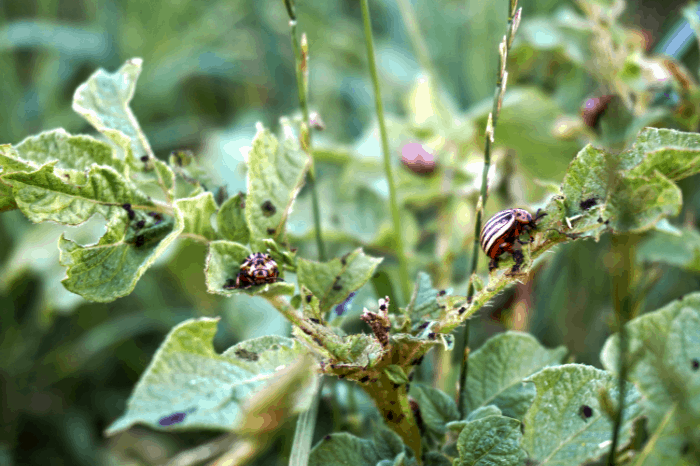
    Colorado beetle on green potatoes

    Diatomaceous Earth

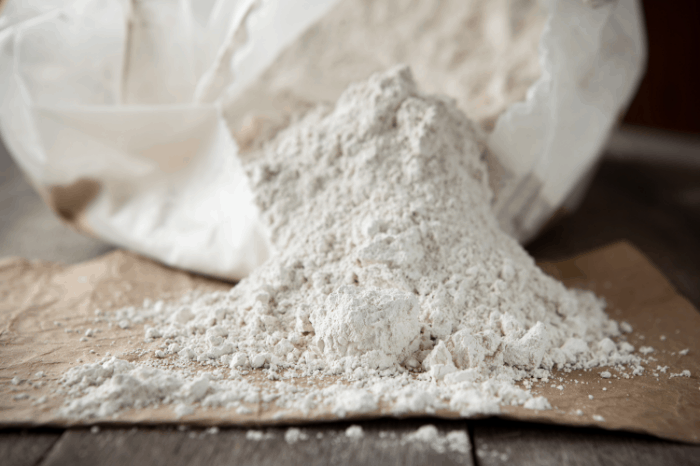
    As one of the most popular options for natural pest control, Diatomaceous Earth (DE for short) is a powder which is made of the remains of diatoms. DE is proven to be safe for use on both humans and animals. This means that you don’t have to worry about any harmful effects it might induce in your household when using it for pest control.

    Particularly, DE is effective for dealing with fleas, roaches, ants, and other crawling bugs and insects. The only thing you should keep in mind is to avoid inhaling it as it can irritate your lungs. 

    Amazing Natural Insect Pest Control Methods that Works

    To use DE for pest control, you simply have to sprinkle it on areas where you notice a pest infestation. Additionally, you can apply it on crevices where bugs and pests are more likely to hide or on newly hatched larvae to prevent them from hatching.

    Garlic

    If you think the use of garlic is limited to just the kitchen, then you’d be in for a surprise. Due to its pungent aroma, it can act as a natural and effective repellent to various insects, mosquitoes in particular. Aside from that, it also works as an effective deterrent to Colorado potato beetles. 

    To use, you just have to grind a few cloves of garlic with water to make a spray. After that, simply spray it on areas where insects tend to frequent. Alternatively, you can apply it on your skin to offer protection against fleas, flies, and mosquitoes.

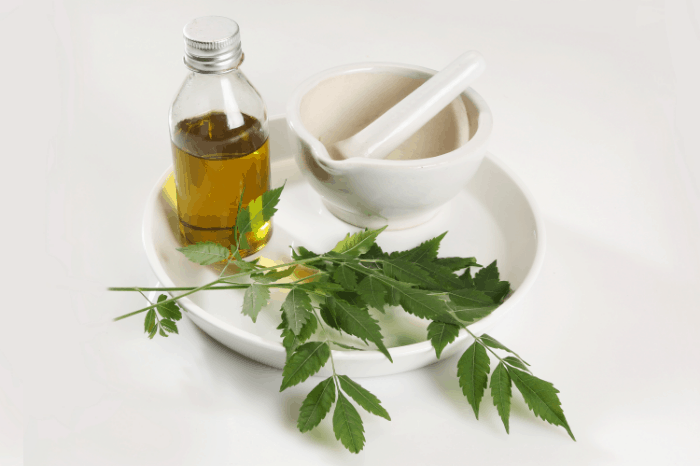
    Neem Oil

    The oil which is extracted from the neem tree seeds can also be used as a powerful and effective insecticide. Since it’s capable of eliminating various insects at all stages, including spider mites, it’s considered a great and natural pest control solution for gardeners. Apart from that, it only has a number of amazing benefits for growing plants.

    That said, if you have a garden full of plants, then you can surely benefit from the pest control benefits that neem oil can give you. Besides its effectiveness, it’s also safe, non-toxic, and biodegradable, making it a perfect choice for getting rid of pests without harming the environment and your household.

    Amazing Natural Insect Pest Control Methods that Works

    Peppermint

    If your garden or ceiling is plagued by spiders and cobwebs, then you’d want to opt for a peppermint spray. In particular, peppermint is highly effective in dealing with spiders. This is due to the chemical compounds which are found in peppermint namely alcohol, terpene, and menthol which are all-natural fumigants. Additionally, according to a PubMed article, menthol is highly effective in repelling mosquitoes.

    To use, you just have to mix a small amount of peppermint oil with water. After that, simply spray the solution to cobwebs and other areas with a pest infestation. Apart from being non-toxic and environment-friendly, peppermint also has a pleasant aroma which you will surely love.

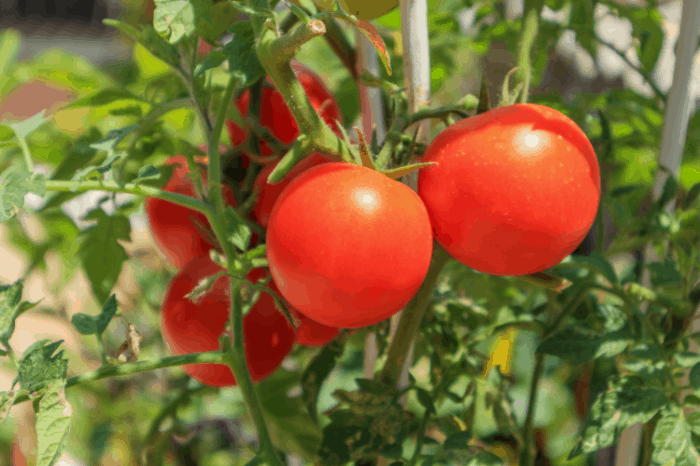
    Tomato Leaf

    Now, this might sound like a new concept, but it’s actually a proven and tested method used by a number of homeowners. Owing to tomato being part of the nightshade family, it has alkaloids such as “tomatine” which is highly effective in dealing with aphids and other insects.

    Amazing Natural Insect Pest Control Methods that Works

    To make a spray out of a tomato leaf, you just have to chop 2 cups of fresh leaves and mix it with 1 quart of water. Allow it to steep overnight then spray onto problem areas the next day.

    Apple Cider Vinegar

    If you’re tired and annoyed of seeing fruit flies flying around your kitchen, then you can get rid of them by using apple cider vinegar. To do so, you will have to create a fruit fly trap using a bottle or container with a funnel-shaped top. 

    After that, fill the bottle with apple cider (you can also use vinegar mixed with chopped apple). On the other hand, you can also create a vinegar spray and apply it to your plants. However, you have to be careful when using such a solution to certain plants as its acidic nature might end up damaging them. 

    When applied, it will help you get rid of insects such as ants, slugs, moths, flies, and more. 

    Boric Acid

    Despite being an acid, boric acid is actually fairly safe to use around kids and pets. However, you have to use it properly for it to be effective. If used properly, it will help you get rid of roaches which are known carriers of pathogens which can make your entire family sick due to food contamination.

    Boric acid works by disrupting the stomachs of the insects when ingested, thereby resulting in negative changes in their nervous system. It can also effectively stop the growth of molds. As a natural pest control, it works best when applied in small amounts, mainly along crevices and cracks where insects frequent.

    Cinnamon

    If you’re tired of seeing ants frequently marching around your house, then you can take care of them for good by using cinnamon. It works by disrupting the ants’ sense of smell and suffocating them. While it’s not a quick solution, it is non-toxic and can be used safely around kids and pets.

    However, for this natural pest control method to be effective, you have to use a high concentration of cinnamon oil, and it should be placed in areas where ants commonly visit. You also want to apply it during dry weather for it to be extremely effective.

    Ladybugs

    This might seem like an odd addition to this list. After all, ladybugs are insects. However, what sets them apart from other insects is that they are a good example of beneficial insects and one that you can use as a natural pest control method.

    Amazing Natural Insect Pest Control Methods that Works
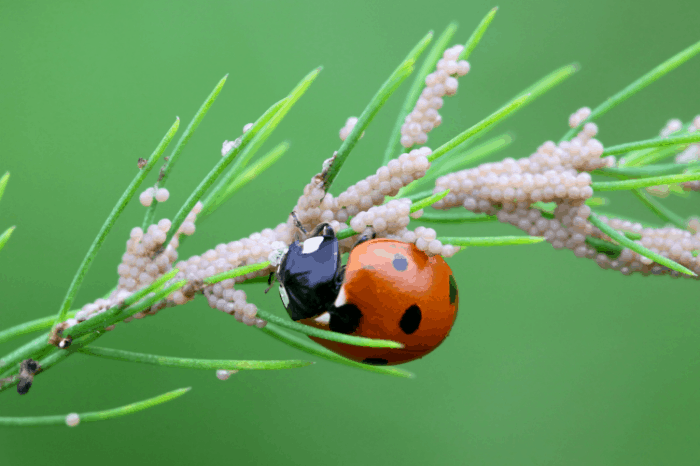
    Ladybug eating moth eggs on asparagus

    Compared to pests which focus their attention on plants, ladybugs focus their attention on other bugs. In fact, they use them as their food source. Due to this, adding ladybugs into your garden can be an excellent choice for controlling pest infestation the natural way.

    The best thing is, you can buy them from various online retailers at very affordable rates. Just make sure that you provide them with a nearby water source to prevent them from leaving your garden.

    Alternative Pest Control Methods

    Fortunately, natural pest control isn’t just limited to using certain solutions and sprays to get rid of insects in your property. In fact, you can achieve natural pest control by simply implementing various techniques such as the following:

    Opt for Resistant Plant Species

    If you’re a green thumb, you can surely benefit from having resistant plant species in your garden. There are certain plant species which are known to have a high resistant to disease and even pest infestation. Ideally, you want to check the labels and seed packets in your local gardening shop.

    By doing so, you will be able to prevent the rapid spread of diseases or pests which can damage specific plants.

    Remove Plant Debris

    Pest insects have a tendency to take shelter in dead leaves and other plant debris. In order to prevent this from happening, you have to make sure you clear any plant debris in your garden. This can be as simple as turning the soil during fall to expose pests to outdoor elements.

    Allow Beneficial Insects to Take Up Residence

    Ladybugs are just one of the few beneficial insects which can do your garden more good than harm. As such, you have to encourage various beneficial insects to live in your garden to get rid of pests. To do so, you can start by planting plants which offer pollen and nectar.

    A lot of beneficial insects get attracted to plants like fennel, lemon balm, and spearmint.

    |

    Keep Your House Clean

    Perhaps the most basic but sometimes overlooked method for natural pest control is keeping your house clean. This can be done by cleaning every nook and cranny throughout your property and making sure that the trash is emptied on a regular basis.

    Also, you want to make sure that any empty barrels or containers don’t have any stagnant water as they can be a perfect breeding ground for mosquitoes. Also, avoid leaving unfinished foods everywhere as ants can easily find them. Lastly, make sure that you keep your yard free of any dry leaves or trim any shrubs or overgrown plants present.

    FAQs

    What works as a natural pest control?

    There are many types of insects that can be considered natural pests. These include flies, spiders, ants, wasps, bees, and termites. The best way to control these pests is by employing the use of a natural pest control product. You can find them in your local store or online at Amazon. There are many options for natural pest control products and each one is effective.

    Natural pest control products have been around for a long time. For example, you can use essential oils as natural pest control products. These are some of the best options for natural pest control because they are all-natural and very effective. Some of the most effective essential oils are citronella, lavender, peppermint, tea tree oil, and eucalyptus. They are also easy to use.

    You can simply rub them on your plants and they will kill insects without harming your plants. Another option for natural pest control is using homemade sprays. This is a very simple method. All you need is water, dish soap, or detergent, and your favorite essential oil. If you don’t have an essential oil, you can use a mixture of these things instead. Simply put a few drops of the essential oil in a spray bottle and add a few drops of water.

    Spray the mixture on your plants to repel pests.

    Why should I avoid using pesticides?

    If you have an insect problem in your garden, you should probably try to avoid using pesticides. These chemicals may harm your plants or other animals in your garden. It is important that you only use pesticide when necessary. You should not spray any pesticide near your house or around any food sources. It is also important to note that many pesticides are toxic to humans as well as the environment. If you are having a difficult time with insects, try to contact a professional pest control service.

    What insect works as a natural pest control?

    Insects are considered to be the most common and efficient means of pest control, especially in areas where chemical pesticides are not allowed. They do not leave behind poisons in the environment that can harm humans and wildlife. However, there are certain insects that are considered to be pests.

    There are many insects that can be used to control pests in the garden. The first thing you should know is that there are two types of pest control: biological and chemical. Biological control means that an insect will naturally eat or bite a pest. The insect becomes a predator and eats the pest. For example, lady bugs and praying mantids are predators.

    Some of them can be harmful to humans, while others are beneficial to us.

    Ladybugs are very beneficial insects.

    They are the best natural pest control because it eats aphids, mites and other pests that carry pathogens. . The ladybug (or ladybird) is native to the United States. It’s a carnivorous beetle that hunts for prey. They eat aphids, thrips, mites, mealybugs and other pests. Ladybugs are also beneficial for the garden.

    They also protect the plants from diseases.

    Mealybug, scale insects, aphids, and whiteflies are all pests that can be controlled by natural means.

    How do I control my garden pest organically?

    Organic gardening is the best and safest way to keep your garden pest-free. It doesn’t matter how big or small your garden is, you can use organic gardening techniques to keep pests at bay.

    It’s important to know which pests are going to affect your plants in your garden. You may not want to control all of them because some may do good to your plants. However, knowing which ones to avoid can be a lifesaver.

    The right plants are essential for the survival of your garden. If you don’t choose the right plants, you will have a lot of work on your hands when it comes to pest control.

    There is no doubt that each plant variety has its own pest resistance. Some plants are more susceptible to certain pests than others. Knowing this is important when you are choosing the right plants for your garden.

    It is never too early to get informed about pest control in your garden. You can start by reading articles or books about pest control and how to protect your plants from them. This way, you will know what to expect and how to prevent them from causing problems.

    When Possible One of the best ways to protect your garden against pests is to use bait plants.

    This type of plant has a repellent that prevents pests from eating it. You can use them in your vegetable gardens or fruit trees.

    It is important to keep an eye on your garden so you can identify any pest that is causing problems. If you find pests in your garden, you should immediately remove them so they will not cause problems for your other plants.

    You should avoid keeping pests near your plants because they can easily spread diseases to your crops. They may also damage your plants and cause them to wilt.

    Conclusion

    As you can see, it’s not that hard to get rid of pests in your property. Additionally, this can be done by using natural methods instead of relying on toxic and chemical-based pesticides. By referring to the list above, you will be able to get rid of pests in your property for good.

    Do you know of any natural insect pest control method which we might have missed? Don’t hesitate to leave a comment below. Thanks for reading!

  • What are the Benefits of Gardening?

    What are the Benefits of Gardening?

    If you are looking for a new hobby, one of the most rewarding and beneficial ones that you can do is gardening. Why? Well, as mentioned by a study posted on ScienceDirect, it has been found out that a wide range of health benefits can be observed here.

    Not convinced but are curious as to what these advantages are? Below are some of the benefits of gardening and why you should start making a garden shed today.

    Why Choose Gardening?

    Having a hobby is great as this allows us to relax, especially now that we’re in a very fast-paced society. When it comes to choosing gardening as a hobby, while it’s not always the first one to be chosen by people, it’s actually a good idea to do so. 

    This is because no matter what your situation is or where you’re located, you can always do gardening. In fact, with just a little bit of space, you can already make a small garden patch to start. Plus, learning it is engaging, making it a fun activity that you and your family can enjoy. 

    What are the Benefits of Gardening

    Gardening certainly has its disadvantages, and, sometimes, it can even frustrate us too. However, when you have a garden, and it starts growing, it’ll feel gratifying. 

    So, give it a try and just start small. Who knows, maybe you’ll end up making gardening as your way of living. 

    Benefits of Gardening

    We can never go wrong with gardening as its benefits are greater than its inconveniences. If you’re now convinced why starting a garden is great, below are some of its benefits that will all the more inspire you to start one today:

    Boosts Your Overall Health

    If you’re not a fan of the gym, then gardening is a great way to do light to moderate exercise. As you’re burning calories more, you are actually boosting your overall health and strengthening your heart. 

    In addition, you’re more likely to be happier as it also helps reduce anxiety and depression. The more active you become, the more enhanced your emotional wellbeing will be. 

    When gardening is done every day, you’ll see results. Besides, a garden is something that you should tend to consistently, so with this hobby, you’ll always find yourself becoming much more active and healthier. 

    Reduces Your Stress

    Another benefit of gardening is that it reduces stress. In a study, it was found out that gardening can actually lower your cortisol levels. So, people who are always stressed can find gardening soothing. 

    What are the Benefits of Gardening

    As stress can affect our health as well, reducing this is crucial when it comes to maintaining a good wellbeing. A small garden patch is already enough. Besides, if you’re a newbie, starting small is a better idea as a large patch might stress you out –this is the last thing we’d like to happen!

    Enhances Sleep

    This goes hand in hand with exercise. It has been known that exercise can help enhance your sleep quality. Because it helps reduce anxiety and depression, you’re much calmer, thus sleeping becomes easier for you. 

    Also, as light exercise has a positive effect on your circadian rhythm, your body clock is more attuned to your sleeping and exercise pattern, especially when you follow a consistent routine every day. 

    Teaches Responsibility and Discipline

    If you want to practice responsibility and discipline, then gardening is for you. As this is a hobby that requires time, effort, and care, you’ll need to be disciplined and responsible. 

    What are the Benefits of Gardening

    Tending the plants is not an easy task, and there may be days wherein you’ll not want to deal with it anymore. However, this is where character growth happens. Just take it as a challenge, and if you think you can’t handle a huge garden, start with a few pots and just increase them once you get the hang of it.

    Gives Confidence

    Once you’ve established a consistent routine and find a balance between work and your hobby, you’ll start seeing results. A garden that’s properly taken care of will grow and give you a bountiful harvest, giving you that boost in confidence.

    Who wouldn’t feel proud of such progress? A garden, especially one that gave you praise from people, will surely boost your confidence. 

    Saves Money

    The last thing on our list is that gardening actually saves money. One might think that this is an expensive hobby, and while this is true, it’s only at the beginning. 

    When you properly take care of your garden, especially if you have vegetables, you can actually save money by growing your own food. How cool is that? What’s more, you’re also eating natural foods, so it’s totally safe and healthier.  

    What are the Benefits of Gardening

    Ways to be an Effective Gardener

    Do Your Research

    Don’t stop learning as there are a lot of articles when it comes to gardening. Research is an important aspect of any hobby, especially when you’re new.

    Start by identifying what your goals are. Do you want to focus on flowering plants or vegetables? Identify what your needs are so that you’ll know what to research about. 

    Also, consistently doing your research will lead you to new gardening tips and fresh ideas, and you wouldn’t want to miss out on this one, right? 

    Plant Seeds that are in Season

    It’s a must that you plant seeds that are in season. In this way, you can benefit from them. Again, you can do this by researching. 

    If you want to plant certain vegetables, know when they’re abundant. This is because some vegetables thrive on certain atmosphere. You’ll want to only plant seeds that are in season so that you’ll not end up wasting your resources and actually benefit from it. 

    Don’t Use Low-Quality Potting Mix and Gardening Products

    One that thing your plants would hate is a low-quality potting mix. Now that you’re already planting, might as well use quality products, right?

    Use a potting mix with great reviews. Remember, your plants do not only need water for nourishment, but they also get their nutrients from the potting mix that you’re providing them. 

    What are the Benefits of Gardening

    Also, this goes for your other gardening products too. If you want to use fertilizer and insecticides, make sure that they are all organic. If you opt to use items at home, this is also an excellent move as they are much more natural. 

    Whatever route you’re going to take when it comes to your gardening products, always check the materials and ingredients being used in the products. You’d want what’s best for your plants, so give them quality products, and they’ll surely give you high yields.  

    Be Positive, Consistent, and Determined 

    Gardening takes time, so before you see great results, you’ll need to adopt a positive mindset in order to remain consistent and determined. Especially if you’re still a beginner, it’s only normal to feel frustrated. However, you’ll not gain anything when you stop right away. 

    Just don’t expect too much and do what you can. Even if you have little to no experience, with determination, you’ll learn as you go, so it’s always a win-win situation with gardening.  

    Differentiate Shade and Sun-Loving Plants

    Plants are unique as well, just like us humans. So, get to know them. In this way, you can provide the right living conditions for them. 

    There are certain plants that thrive more when they are under the shade. On the other hand, there are also plants that need more sun than shade. 

    As stated above, research is needed. Once you’ve already picked what you’re going to plant, learn as much as you can about them. You’ll be surprised how much information each plant has. 

    Provide Adequate Water and Proper Drainage System

    Lastly, it’s important that you give your plants enough water to grow and the right drainage system for them to thrive and not end up wilting. 

    What are the Benefits of Gardening

    If you have a consistent supply of water, your plants will be able to grow well. However, do note that some plants differ when it comes to how much their need for water is. Again, know what each plant’s preferences are. 

    Lastly, it’s important that you install a drainage system for each pot or patch. Note that some plants only need a little bit of water, so you can just opt for a watering spray. But for those that need one, you can put holes under the pots or make a canal for your patch.  

    FAQ’s

    Why does gardening make you happy?

    It keeps my mind busy and my body active. It gives me a sense of accomplishment and pride. It makes me feel good about myself and my environment. I find gardening therapeutic.

    It gives us something to do when we’re not doing much else. Gardening is a way to be productive in a passive way. We’re putting our time and energy into growing something that we can eat or drink, or use for fuel.

    What does gardening do for your body?

    Gardening is a great way to relax. When you get outside, you are exposed to the sun and fresh air, which helps you feel better and have a more positive attitude towards life. Plus, you can grow things that are delicious and nutritious. Gardening can be relaxing because it is a creative process. Gardening requires focus and attention. You have to put some time and effort into it.

    It reduces your blood pressure. You can find many studies about the benefits of gardening on the internet. It has been proven to help reduce coronary disease and colon cancer, just not name a few.

    Conclusion

    Gardening is definitely a great hobby to take. This is because it has quite a lot of benefits. If you’re contemplating about whether you’re going to start one soon or not, just give it a go. 

    After all, gardening is not that overwhelming as you can start small. Plus, once you get the hang of it, you’ll not want to stop it, making it one of the most rewarding activities that you can do during your free time.

    Did you enjoy reading the article? Comment what your thoughts and questions are. And if you have some gardening tips in mind, don’t hesitate to share them so that we’ll have a much greener and more abundant environment. 

  • Organic Solution Premium Worm Castings: Natural Nutrient for Plants 

    Organic Solution Premium Worm Castings: Natural Nutrient for Plants 

    One of the many problems growers and gardeners face is the pest issue in their gardens. While this problem can quickly be taken care of with the right insecticide or pesticide, it can be quite tricky to ensure that there are enough nutrients in the soil for plants to grow. For plants to grow healthy, there must be enough nutrients in the soil. When soil nutrients are deficient, the best action you can take as a responsible gardener is to use organic feed to boost the nutrients in your soil or grow bed. 

    In this article, we will review the Organic Solution Premium Worm Casting and find out why it is so popular among gardeners and farmers who use it to improve their soil. Before we begin our review, we will look at some of the things you need to look out for when shopping for organic plant feed. 

    Before You Buy Fertilizer for Your Garden

    Fertilizers play a significant role in improving plant growth. They are able to achieve this by adjusting the nutrients in the soil to support the development of plants even when they ordinarily cannot due to nutrient deficiency in the soil. However, when shopping for a fertilizer to use on your garden, you must get it right by purchasing the right product that will give you the best possible results. You don’t want to spend money on a product that won’t get you the desired result. Before you buy a fertilizer for your plant, it is essential that you. 


    • Check that Your Garden is Truly in Need of Additional Nutrients. 


    You can do this by using a soil test kit to check which nutrients your soil is lacking. You want to look out for nitrogen, phosphorus, and potassium minerals. Plants need these minerals in the right proportion, so you want to check to see that they are evenly balanced or know how much quantity is required and of which. 

    Organic Solution Premium Worm Castings Natural Nutrient for Plants 


    • Ensure the Fertilizer is Appropriate for the Plant You Want to Use it on.


    The fertilizer you choose to buy must be a good fit for the plant you intend to use it for. There are fertilizers made explicitly for use on fruits, flowers, lawns, vegetables, and other types of plants. So you want to make sure that you settle for the right one to be certain of getting the right results. 


    • Know How Much Fertilizer You Need 


    You also need to know how much fertilizer your plant needs. You can do this by measuring your garden with tape and checking against the product package for how much fertilizer you will need to apply to your land size. 


    • Organic Fertilizers Are Better for Plants and Environment


    You must also know that not all fertilizers are good for your plant and the environment. It is best that you use only organic products on your farm. This is because they are completely devoid of chemicals that may harm your soil and the ecosystem. 

    |

    Organic Solution Premium Worm Casting

    Organic Solution Premium Worm Casting is a quality organic plant nutrient produced in the USA. Made from pure California castings, this premium product from Organic Solution is an effective solution for treating nutrient deficiency in plant. In addition to adding nutrient to the soil, they also help to support healthy growth of plants. The whole process begins with the acquisition of clean, composted horse manures that are added to vegetable waste, coffee grounds, cocopeat, and crustacean seashells. Also, regional rock dust, humates and kelp meal are equally added to help fortify the mix. 

    What Are Worm Castings?

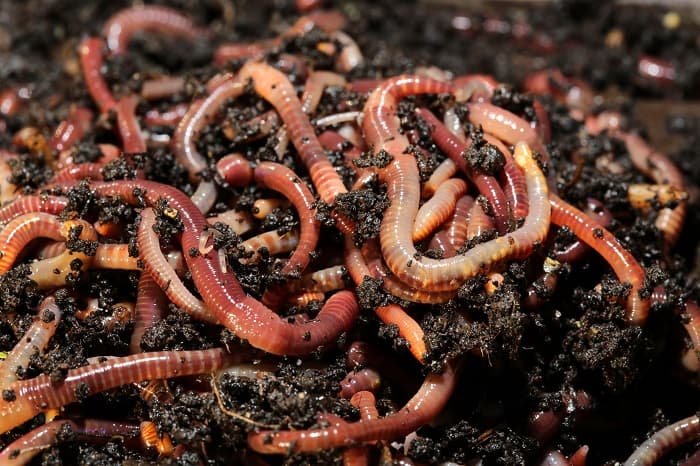
    Worm castings are a type of organic fertilizer that is made from earthworms. They are also referred to as vermicast and they provide plant soil with a natural source of nutrient. They are mainly earthworm waste that helps to enhance the soil they are added on. They contain all the required nutrients for plant growth and are a great and cheap way to treat soil nutrient deficiency. 

    Organic Solution Premium Worm Castings: Natural Nutrients for Plants

    Benefits of Organic Solution Premium Worm Casting 

    Some of the reasons why this organic fertilizer is common among farmers are:

    Made from Organic Matter 

    The Organic Solution Premium Worm Castings are made completely from organic matter, including earthworms, crustacean seashells, and vegetable waste. 

    Helps to Promote Water Retention 

    Adding this fertilizer to your soil helps to promote water retention, which is good for plant roots. This can greatly improve the nutrient availability in the soil and ensure that nutrients are easily absorbed by plant roots. It also helps to reduce water loss, especially in hot weather conditions. 

    Promotes Plant Growth

    Adding vermicast to your soil is a natural way to promote healthy plant growth. They also help to reduce the burning of plant due to too much application of fertilizer. Too much of earthworm poo to your soil will not affect your plants in any way. 

    Suitable for all Plant Types 

    Another reason why we love the Organic Solution Premium Worm Casting is because it can be used on all types of soil. You can add it to your pot or aquaponic system to improve plant growth. You can apply it as a side dressing, top dressing or simply use by working directly into the soil|

    How to Use on Your Garden 

    Once you have measured the area of your garden and noted how much fertilizer is required, you can simply apply the Organic Solution Premium Worm Casting directly into the soil with a trowel or your hands. For use in pots, you can apply it as a top or side dressing for a better and quicker result. 

    Wiggle Worm 100% Pure Organic Worm Castings Fertilizer, 30-Pounds – Improves Soil Fertility and Aeration for Houseplants, Vegetables, Gardens, and More OMRI-Listed and Mineral-Dense
    $33.97
    We earn a commission if you make a purchase, at no additional cost to you.
    12/04/2025 09:03 pm GMT

    Other Alternatives 

    Some other alternatives to the Organic Solution Premium Worm Casting are 

    • BiotaMax Plant/Soil Probiotic

    It contains beneficial bacteria and fungi that can help to repair soil and promote the healthy growth of plants.  

      It is made from organic materials that help plants to grow healthy roots and stems.


      What are worm castings?

      Worm castings are created by the worms as they live in the soil and feed on the decaying organic matter. Worm castings are rich in nutrients that help the soil retain moisture and improve the texture of the soil. They are rich in organic matter and also contain a good amount of nitrogen, phosphorous, potassium, calcium, magnesium, sulfur, copper, zinc, iron and manganese. They also contain a lot of micro-organisms that help to improve the health of the plants.

      Can worm castings be used on all plants?

      Yes, as long as the worm castings are not too hot or dry. If you have a large area to apply them to, then you can also use them as a fertilizer for the plants. However, when you apply the worm castings, it is important to use them in moderation and not too much at once. If you do that, then you can avoid any potential problems. It is recommended that you use the worm castings about every three weeks.

      What are the benefits of using worm castings?

      Worm castings have many benefits. They help to make the soil fertile and retain moisture. They also make the soil structure firm. Worm castings improve the growth rate and also the overall appearance of the plants. Worm castings help to enhance the nutrient content of the plants. They also help to make the roots strong and healthy. It is recommended that you apply worm castings to your garden as they are rich in nutrients.

      How do you use organic worm castings?

      Worm castings are one of the most useful and valuable by-products of a composting system. These castings have many uses from a fertilizer to a soil amendment. Worm castings are also known as vermicompost or vermiculture.
      Worm castings are the poop that comes out of your worms when they are done decomposing a piece of food. They are mostly made up of protein, fat, fiber, and minerals like iron, calcium, and phosphorus. They can be used in the garden to add nutrients to your soil or compost pile. You can also use them to feed your chickens or fish. Worm castings are not safe for humans to eat.

      Can you use worm castings and fertilizer at the same time?

      Yes, worm castings and fertilizer are safe to use together. Worm castings help the soil’s micro-organisms to break down organic matter in the soil, making it easier for the fertilizer to work. The castings also add organic matter to the soil, which is another benefit of using castings.


    • The Ultimate List of Things You can Compost

      The Ultimate List of Things You can Compost

      You must apply fertilizer to your garden occasionally. You will also need fertilizer to use on your lawn, farm, and aquaponic system. Many farmers are aware that not all fertilizers are safe for use on their plants, but some of us do know that starting a compost makes our life much easier. Let us tell you about the things you can compost in the following paragraphs.

      When shopping to add nutrients to your soil, you need to be on the lookout for organic sources that contain the right nutrients to support the healthy growth and development of your plant. One such healthy nutrient source for the plant is compost. In this article, we will be talking about how to use compost, things you can compost, and compostable items. But before we get started, let us first take a quick look at some of the benefits of composting just in case you are contemplating whether to compost or not. 

      Benefits of Composting 

      • One of the foremost benefits of composting is that it helps to support the production of beneficial microorganisms such as fungi and bacteria which aids in the breakdown of organic matter leading to the formation of humus. This is a material filled with nutrients that can lead to the growth of healthy plants in your garden. 
      • Using compost in your garden will reduce your dependency on chemical fertilizers. This also saves you the problems associated with the use of chemical fertilizers such as exposure to toxins and environmental pollution. 
      • Compost helps to reduce carbon and methane emissions from your soil
      • It also helps to provide your soil with nutrients that support growth. This makes it a good solution to the problem of soil nutrient deficiency. 
      • Composting also helps to reduce the buildup of waste in landfills. This is because many of the materials that are often disposed of can be kept for use as an organic manure for plants. 
      • Composting is a cheap source of providing nutrients for your plants. You get to save money on manure and fertilizer once you decide to compost. 
      • Composting also helps to encourage soil water retention. This reduces the effect of erosion and also stops the depletion of the nutrients present in the soil

      The Basics of Composting 

      The basic thing you need to know about composting is that there are three ingredients required for the process to take place and they are:

      Water 

      Water helps to provide the moisture needed for decomposition to take place. Water helps in the breakdown of the organic waste that leads to the formation of humus. 

      Green materials 

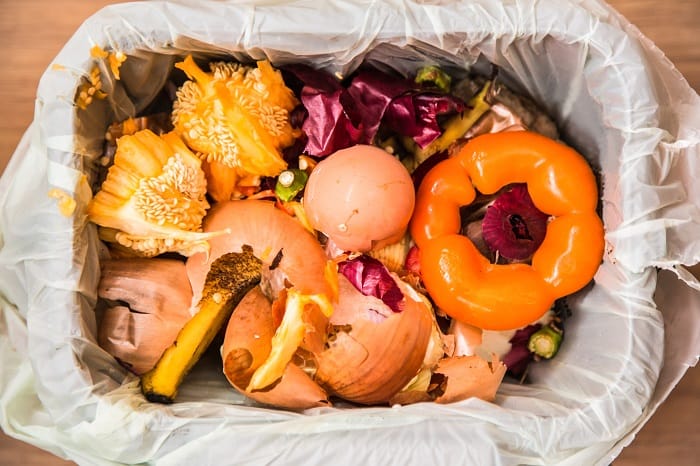
      Green materials are the organic waste products that form the compost. They can include vegetable waste, fruit, coffee grounds, and other organic materials. Greens also provide a natural nitrogen source that is needed for composting to take place. 

      Brown materials 

      Brown materials are also ingredients that make up compost. They include twigs, dead leaves, and branches. They are the main source of carbon for the entire pile. 

      Having identified the three important ingredients for compost, you need to also know that you will need to add equal amounts of green and brown materials when piling up your compost. You will need to pile the materials up in alternate layers of brown and green. You can either build your compost indoors or use an outdoor space at the back of your home or side of your farm. 

      Items You Can and Can’t Compost With 

      We have compiled a list of all the available things you can use when piling up your compost. Some of the materials mentioned here will not be acceptable to some of us due to the fear that these ingredients may support the emergence of pests in your garden or home. Considering that this is an extensive list, we are certain that you will be able to find the right material to compost with. 

      Green materials suitable for composting 

      Greens are the best source of nitrogen to compost and they are needed in large quantities when building your compost pile. Here are some of the best sources of nitrogen for compost :

      • Cooked plain rice
      • Cooked plain pasta
      • Seaweed
      • Cornhusk
      • Stale bread
      • Corn cobs
      • Dead plants (ensure they are not diseased)
      • Dead flower heads
      • Fresh leaves 
      • Fruit peels
      • Vegetable peels
      • Coffee grounds
      • Trims from houseplants
      • Grass clippings
      • Melon rinds
      • Citrus rinds
      • Tea bags/leaves
      • Broccoli stalks
      • Eggshells 
      • Old herbs and spices 
      How to Compost and Compostable Items

      Brown materials suitable for composting 

      Browns provide your compost with the carbon needed to support aeration within the compost. They also help to improve the structure of your compost once decomposition begins. Some of the best browns you can add to your compost pile include:

      • Straw 
      • Shredded office papers 
      • Shredded newspapers
      • Pinecones 
      • Raffia
      • Bird nests 
      • Used napkins 
      • Excelsior 
      • Toilet paper 
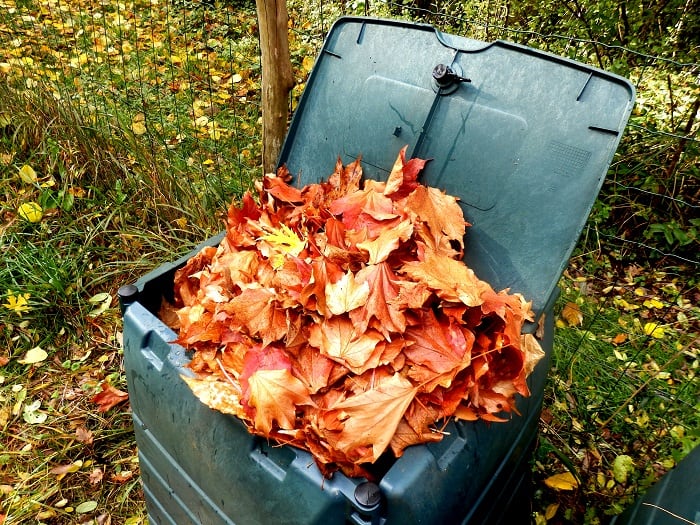
      • Fall leaves 
      • Beddings from rabbits, hamsters, and guinea pigs
      • Sawdust (use only dust obtained from wood that hasn’t been treated)
      • Brown paper bags
      • Wood chips 
      How to Compost and Compostable Items

      Some people often add fat, dairy and meat to their compost but we left those out in our list of ingredients because you will need to be extremely cautious when using such items. You can speed up the rate of compost by ensuring that you add equal amounts of brown and green to the mix. But if you notice that your compost is not decomposing as fast as it should, you will need to add more green materials to jack things up. 

      Things you can’t compost with 

      Some people often make the mistake of including the materials mentioned below as part of their compost items.

      • Walnuts
      • Glass
      • Greasy foods boxes such as empty pizza box
      • Plastic 
      • Wrapping paper made from metal
      • Dead plants that contain diseases
      • Cooking oil 
      • Toothpaste 
      • Haircare products 

      While they might cut across like a domestic waste product, these materials have no benefit to your compost as they cannot decompose even when they are left in the pile for an extended period. You want to make use of materials that are easily broken down once decomposition begins.  

      Indoor Composting 

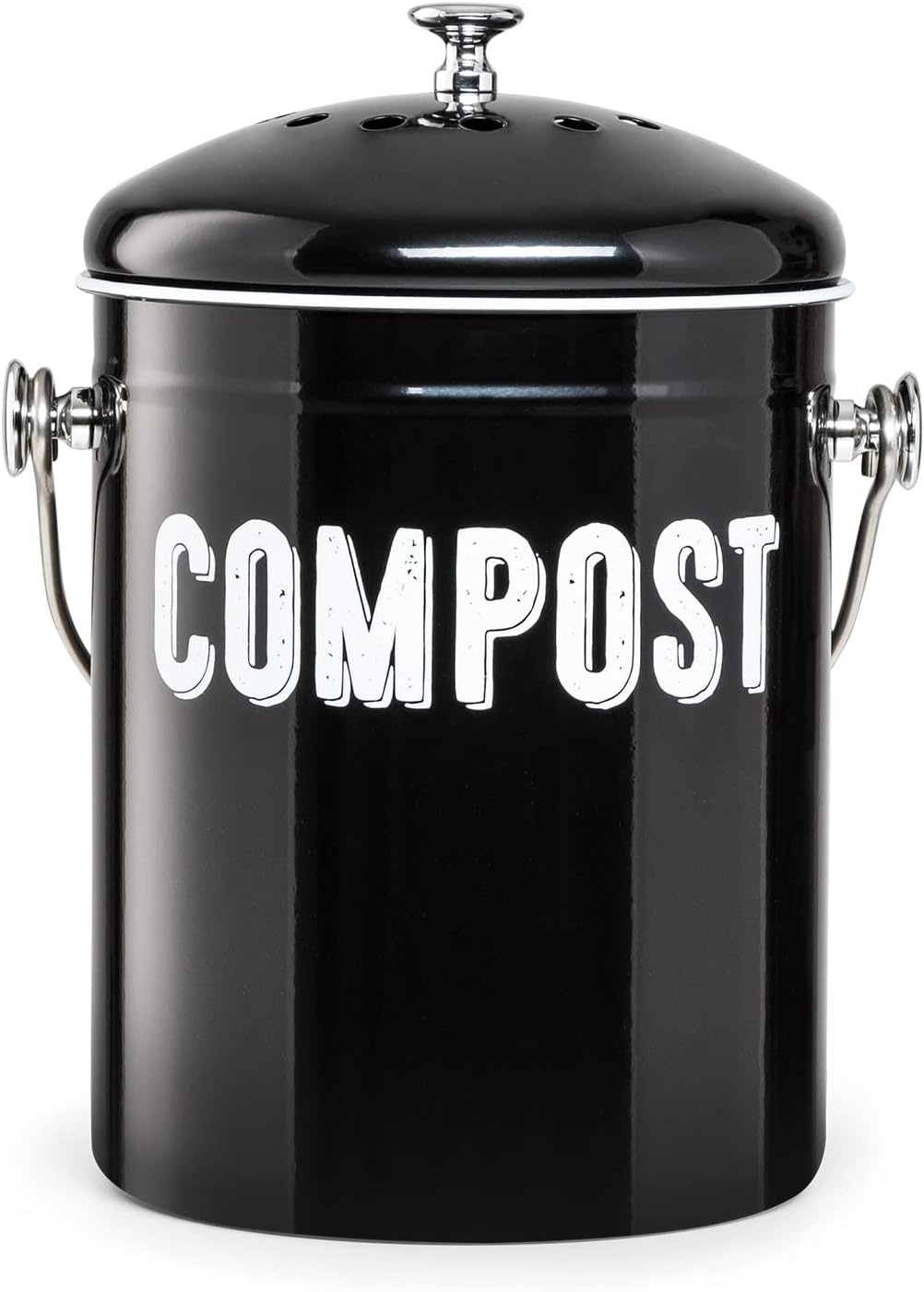
      You will need to make use of a bin when preparing your compost indoors. This bin you can easily purchase from your local gardening supply store or hardware store. When using a compost bin indoors, you will need to be extra careful to ensure that you don’t encourage the outbreak of rodents or pests inside your home. You will need to tend to your pile regularly and your compost should be ready in less than six weeks. 

      Kitchen Compost Bin

      61UDgSnN9TL. AC SL1500

      Composting Outside Your Home 

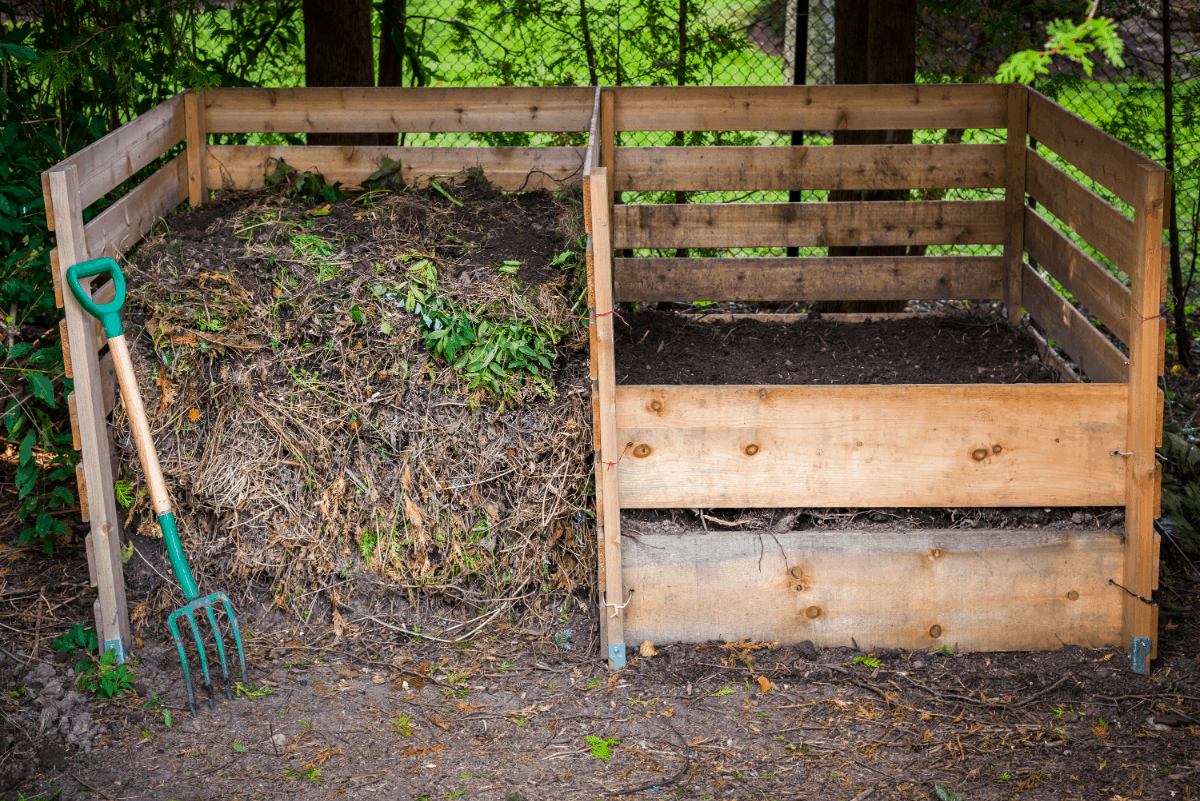
      The best place for you to compost outside your home is at the back of the house or the side of your farm. There are several ways you can prepare your compost pile, but you need to make sure that whichever method you use, the three main ingredients need to be in place namely greens, browns, and water. You will also require some gardening tools to make things easier and they include machetes, shovels, pitchforks, and water hoses.

      When preparing your compost at the back of your house, you will need to:

      1. Keep the pile in a dry place that is close to a source of water
      2. Shred all large brown or green materials into smaller pieces before they are added you the pile. 
      3. Moisten dry materials before adding them to your compost. 
      4. After piling up the compost materials, you will need to add vegetable waste and fruits at the bottom of the pile to speed up the decomposition rate. 
      5. Cover the compost to encourage the buildup of heat inside it. 
      6. Keep the entire compost moist by watering it occasionally using a spray hose or allowing it to get wet under the rain. 

      Your compost should be ready for use after 2 months but this can take more than a year depending on the compost material used. You can find all this material in your kitchen or around the house. You should make use of waste obtained from your home. You can also make use of waste products obtained from your neighbor’s bin or go looking for compostable materials around your neighborhood. 

      When keeping a compost pile close to the house, you need to take extra care to ensure that it does not encourage the emergence of insects and pests in your garden or home. A good way to handle this will be to purchase an organic pesticide or insecticide that can neutralize insects and pests while also keeping you safe from toxins that can endanger your health or plant health. 

      Final Words

      With the materials mentioned above, you should be able to determine which items to use when next you are planning your compost pile. Have you tried making your compost before and how did you go about it? We will like to hear from you in the comment section. 

      FAQ’s

      What kind of things can you put in a compost?

      Composting is a great way to manage your household’s food scraps and other organic waste. It’s also an effective way to help the environment, because it breaks down all that food and yard waste into nutrient-rich soil. Here are some guidelines for what to compost and how to do it right.

      The best compost is made up of a balanced combination of kitchen and yard wastes. These include fruits and vegetables, leaves, straw, grass clippings, paper products, and other organic materials.

      Generally speaking it should be a mixture of any kind of food waste, yard clippings, and kitchen scraps. These include things like eggshells, apple cores, banana peels, broccoli stalks, carrot tops, cabbage leaves, citrus rinds, etc.

      What should the compost look like?

      The first thing that you should ask yourself is what type of compost do you want to make. There are a number of different things that can go into compost. The more diverse the ingredients, the better the end product.

      The compost should be dark and rich in nutrients. If you don’t have access to a lot of yard waste, try to source food scraps from a local farm or food co-op.

      Is there a limit?

      There’s not really any limit on what you can use in a compost pile, but there are some things that you should avoid. Some of these are pretty obvious, while others are more subtle.

      What should I avoid throwing in the comport?

      Avoiding Ingredients That Are Too High in Nitrogen

      One of the biggest problems with using compost is that it tends to attract lots of hungry insects. This is particularly true if you’re using manure or other organic materials. While the composting process will reduce the nitrogen content, the nitrogen left in the compost will still be available to the bugs. Nitrogen is one of the most important nutrients for plants.

      Plants need a certain amount of nitrogen in order to grow. In compost, the nitrogen can be found in either protein or nitrates. If you have access to some nitrogen-rich material like manure or blood meal, you may want to consider adding it to your compost. However, be careful because adding too much nitrogen can make your compost smell bad and attract pests. In fact, the EPA has a list of materials that are high in nitrogen. Many of these materials are listed as “hazardous waste” and should not be added to a compost pile.

      What’s the problem with manure in compost?

      The main problem with using composted manure is that it is often very hot. When the compost is ready for use, it should be at least 60°F. If it is too hot, you may end up with a compost pile that smells bad and attracts pests. If you want to use composted manure, you will need to add some carbon to help cool it down. Carbon helps keep the nitrogen from reacting with the oxygen and creating an unpleasant odor. You can add either dry leaves, grass clippings, or sawdust to your compost pile. These materials also help keep the compost cooler. You should also add a small amount of gypsum to your compost pile.

    • How to Compost: A Composting Guide for Beginners

      How to Compost: A Composting Guide for Beginners

      As a responsible farmer or gardener, it is in your best interest to adopt the right methods that can improve your plant growth and yield. One of such methods you need to adopt is composting. There are a lot of ways composting can be of benefit to your plant soil and roots. Some gardeners believe that the best thing you can ever do for your plant is to add compost every now and then. But one major problem farmers face when it comes to composting is choosing the right compost for their plants.

       In this article, we will be discussing about some of the best ways to add compost to your soil and the benefits of composting to plant growth and development. Before we get into the details of this composting guide and let you in on all the secrets on how best to compost, let talk a little about composting and how it became a popular agricultural practice. 

      What is Composting?

      Composting is an agricultural practice that involves the addition of compost which is decomposed organic matter to the soil to improve the nutrient content and to support healthy plant growth. Compost is highly rich in organic matter and nutrients that can easily be added to soil for use in organic farming, gardens, horticulture, urban agriculture, and landscaping. When added to the soil, compost goes a long way to act as a conditioner and also helps to reduce the outbreak of pests on the farm or garden. 

      Compost, in most cases, is composed of green waste which could be food scraps, grass, and leaves that are not beneficially for use as food for human consumption but fit to be used as food source for plants once it has been broken down. Before composting can take place, these green wastes have to be left in a heap for months so as to allow the organic materials to decompose to form humus. 

      The whole decomposition process can be hastened by the cutting of the plant matter into smaller pieces and adding water to speed up the oxidation process. After this, the next step will be to place the mixture in a place where it can get direct access to air. This can be achieved by regularly turning the pile to ensure that each part gets enough air. 

      How to Compost 

      There is a right way to compost and a wrong way to do it. If you want your compost to be of the highest possible quality, you will need to follow the right procedure when preparing compost for your garden. Here is a better way to compost. 

      |

      • Begin Building Your Pile from the Bare Floor

      If you want to get the highest quality compost, then you will need to start building your compost pile from the bare earth. By so doing, you make it easier for earthworms and other important microorganisms to breakdown the compost. 

      • Pile Up the Straws and Twigs First 

      Since you already know that you need to build a pile from the bare ground up, you also need to make sure that you pile up the straws and twigs first. Ensure that they reach up to a depth of a few inches as this helps to improve drainage and makes it easier for air to circulate around the pile. 

      • Build Your Compost Materials in Layers 

      After placing the straws and twigs at the bottom, you can now start adding the wet ingredients which could be the tea bags, moist food scraps, and seaweed. The dry materials will be the next to follow and they can be wood ashes, leaves, sawdust pellets, and straws. When adding wood ashes, it is best you do so in layers so as they don’t clump up and slow the entire decomposition process. The best way to speed up the decomposition process is to interchange between moist and dry ingredients so the breakdown can take place faster. 

      |

      • Include Manure in the Mix 

      You should endeavor to include green manure in your compost. This helps to speed up the process by activating the breakdown of the ingredients. The best options of green manure you can add to your compost include grass clippings, clover, buckwheat, and wheatgrass or any other potential source of organic nitrogen. 

      • Ensure that the Pile is Always Moist 

      To be able to get the best quality result in the shortest possible time, you need to ensure that the compost pile is kept moist always. You can easily do this by sprinkling water on the pile occasionally or allowing rain to drop on it. 

      • Cover the Pile 

      You will need to place a lid on the compost pile, this helps to keep the moisture content and heat intact. These are two things that compost need to speed up the activation process. By using a lid on the compost, you also help to protect the pile from been damaged by the rain. You can use materials such as wood, carpet pieces, plastic materials, or aluminum to cover the compost. You can use anything provided you ensure to water the pile regularly to ensure that it remains moist. 

      • Turn the Pile Occasionally 

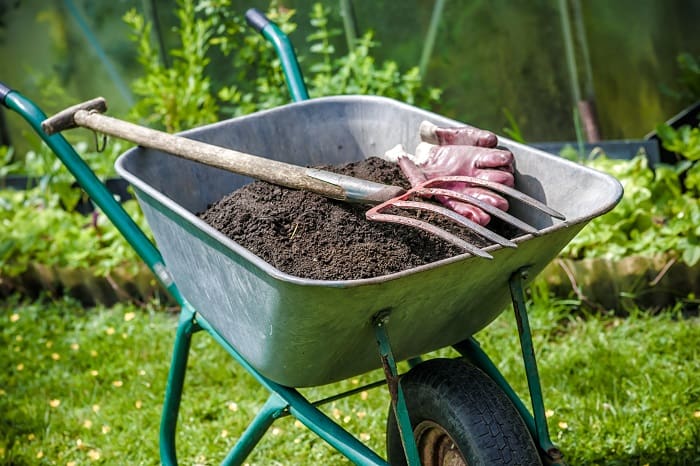
      You will need to turn the pile once a week or biweekly to promote the supply of oxygen throughout the compost. This can be done easily with the help of a shovel or pitchfork. If you also want to include new materials to the mix, you can do so but you should ensure that you mix them in properly since you want them to breakdown quickly. 

      How to Compost: A Composting Guide for Beginners

      FAQs

      How do I start composting at home as a beginner?

      Composting is the best and easiest way to recycle your food waste. It’s also a good way to create a healthy soil that will help grow more plants in your garden.

      If you want to learn how to compost, here are some tips on how to start composting at home for beginners:

      Get a bin You need a large container for your compost bin.

      You can use an old wooden box or a metal tub with holes drilled in it. The size of the bin should be big enough to hold about two to three weeks worth of food waste. You can find bins at most hardware stores or check out our list of the best compost bins.

      Find the right balance for optimal composting, you want to have just the right amount of nitrogen, carbon, and water. Too much nitrogen can make your compost too hot, while too little can result in a smelly mess. Carbon is what helps break down the waste. Water adds moisture to the pile, but too much will turn the compost into a swampy mess. You can read more about this here.

      Choose the right pile size.

      The best way to compost is to have two piles. One should be large enough to handle the entire amount of waste you’re planning to compost, and the other should be small enough to fit in your backyard. The larger pile can contain everything from yard waste to kitchen scraps, while the smaller one should only contain vegetable or fruit scraps.

      Keep it moist.

      The best way to keep your compost pile moist is to put it on a daily basis. If you don’t, it may dry out and become anaerobic, which will slow down the process of breaking down the organic matter. It’s important to add water to the pile as needed, but make sure that you don’t overdo it. This will result in a too-hot compost pile.

      Cover it up

      To prevent rain from washing away your compost, lay a thick layer of straw, leaves, or hay on top of the compost pile. This will also help keep down any pests that might find their way into the pile. You can also cover the pile with a tarp.

      Use a shovel Instead of using your hands to move around the pile, use a shovel to stir up the compost. This will help keep the pile moist and aerated. You should also take this opportunity to add any new materials to the pile.

      Use a fork When mixing the ingredients together, use a fork instead of a spoon or mixing tool. This will keep the compost ingredients from sticking together and help break down the organic matter.

      Fresh The best way to keep your compost fresh is to mix it often.

      The compost needs oxygen to help break down the material. If the material does not have air holes, the compost will start to smell bad and eventually become stale and useless. You can also add leaves, grass clippings, and other materials to your compost pile that will add air holes to the pile. Be sure to do this on a regular basis so that you do not end up with an over-stuffed compost pile.

      Use Compostable Material

      Make sure that you use compostable material in your compost pile. It is best to avoid using items such as Styrofoam or plastic bags because they cannot be broken down by the composting process. If you use wood, make sure that you use treated lumber, which will allow the compost to heat up faster.

      When shouldn’t I compost?

      Do not compost in either the Fall or Winter. The temperature of the compost pile should be at least 60 degrees F. If you compost during the winter months or in the fall when temperatures are cooler, the decomposition process will be slowed. This means that the compost will not heat up as quickly and it may take longer to fully decompose the organic matter.

      What should I put in my compost bin first?

      If you are like most people, you may have a large pile of leaves, grass clippings, and garden waste that needs to be composted. A great way to start is by using the materials from your yard, such as leaves, grass clippings, and weeds. When you use this method, it will save you a lot of money on buying bags and boxes of compost.

      How Does Composting Work?

      Composting works by the complete decomposition of solid organic waste which is turned into humus that helps to improve healthy plant growth and development. Composting is an aerobic process which means that for the process to take place, there has to be a constant supply of air. But oxygen isn’t the only ingredient needed for composting to work. 

      Simply put, you can say that for composting to fully occur, there needs to be adequate provision of heat, oxygen and timely human management to ensure that everything works accordingly. Just so we are clear, here are the ingredients you need to be particular about. 

      • Nitrogen

      Plants need nitrogen to be able to grow healthy green leaves and strong roots and stem. The plant root absorbs the nitrogen from the soil which is then transported to the stem, branches, and leaves which helps is producing flowers and fruits. To add a decent amount of nitrogen in your compost, you will need to add green leaves and also include vegetables and fruits and ensure that they are kept moist always. 

      • Carbon 

      Carbon is the energy source that speeds up composting. The oxidation of carbon by the microorganism in the compost helps to produce heat in the mix which quickens the time it takes for the entire waste to be broken down. The dry ingredients such as the wood ash, straws, and twigs are high in carbon and also act as a heat source to the entire compost. 

      |

      • Oxygen 

      This is also a key ingredient that helps to turn compost to humus. The presence of air helps in the oxidation of the carbon which hastens the process of decomposition. You will need to ensure that compost is kept outside where it can get direct access to oxygen. 

      • Water 

      You will need to add water to the compost pile regularly to ensure that the entire mix remains moist. This is to encourage the growth of microorganisms that are needed to ensure that decomposition takes place. 

      When you add water, carbon, oxygen, and nitrogen in the right proportion, it becomes easy for microorganisms to develop which in turn ensures the breakdown of compost. Without the development of microorganisms, there will be no composting so it is important that you take proper precautions and follow the procedure detailed in this guide. 

      Bacteria are the most abundant microorganism needed by compost. They help to speed up the decomposition process due to their microbial activity within the compost pile. Other organisms such as yeast, molds, and fungi also play a major role by breaking down the materials that cannot be disintegrated by active bacteria. 

      How to Compost: A Composting Guide for Beginners

      It is also important that earthworms also help to improve the flow of oxygen in the compost pile and ensure proper drainage as they burrow their way through. So you want to be on the lookout for them inside your compost pile. 

      With the simple yet detailed composting guide provided above, it shouldn’t be difficult to pile up your own compost using green waste from your kitchen or backyard. You want to make sure that you remember to keep the compost moist as this helps to ensure the presence of air and heat which are required by microorganisms for decomposition to occur. 

      How often do you add compost to your soil, and how do you make your own compost? We will like to hear from you in the comment section.