Author: Josephine Brown

  • Is It Time to Switch to Hydroponics?

    Is It Time to Switch to Hydroponics?

    Whether you’re a green thumb looking for a Do-It-Yourself gardening method, or an entrepreneur looking to start your own agricultural business, hydroponics is the solution to a simpler, more cost-effective, and hassle-free plant growth. In this article, we will discuss how Hydroponics can do wonders and why you should take advantage of it.

    What Is It?

    Simply put, hydroponics refers to an agricultural method where plants are grown in soil-free beds nourished by a continuous supply of nutrients and minerals in water – liquid fertilizer.

    |

    What Do You Need?

    This is an instructional intended for beginners. Here, we will make use of the simplest, affordable, yet quality, materials in order to make a basic hydroponics set-up. 

    • Grow Tray / Hydroponic Tray – This is a vessel used for holding plants when applying the hydroponic system. Hydroponic trays are usually shallow and wide to provide room for plant growth. Ideally, prepare one with a lid.
    • Heater Mat – This mat is responsible for providing warmth and heat to the grow tray as it nourishes the seeds inside it. Heater mats are necessary if you plan on growing seeds in a cool place.
    • Starter Cubes / Starter Plant Plugs – These are usually pots of organic mass or stone wool (inert insulators out of rocks and stones) that hold the seeds in place as they grow inside the hydroponic trays.
    • Ziploc Bag (Optional) – Other people use this to allow seeds to germinate faster, subsequently putting the sprouts inside the trays.
    • Light – This can be natural light or artificially-generated light called grow lights.

    How Is It Done?

    • Preparing the Starter Plant Plugs
    1. Submerge your plant plugs under clean water for an estimate of one hour.
    2. After the soaking is done, place some seeds inside the plug holes. For other seeds that do not germinate, you may add more.
    3. As soon as they grow, you may take out unhealthy ones to give space for the healthier ones to sprout.
    • Preparing the Hydroponic Tray
    1. Place approximately one inch of liquid fertilizer (half potent) or clean water.
    2. Position the light source.
    3. Arrange the heater mat, if necessary.
    4. You may close the lid to let the humidity and warmth stay inside the tray.
    • Setting Plant Plugs Inside Hydroponic Tray
    1. Place the starter cubes or starter plugs inside the hydroponic tray.
    2. Put additional water or half-potent liquid fertilizer as soon as the supply in the tray decreases.

    Is It Time to Switch to Hydroponics

    When Can we Transplant?

    As to when the transplant can take place, maintain the half-potent liquid fertilizer until your seedlings grow bigger. As soon as they do, you can now use the pure (fully-potent) solution to sustain their growing process. Their rate of growth depends on the kind of plants you are trying to grow. In around two weeks to four, the roots of the seedlings will start to branch out from the cube or plug’s bottom. After this, sprouts will begin to emerge. Once they reach a height of approximately three inches and numerous leaves are already visible, your plants are now ready for transplant.

    After-Transplant Maintenance

    • Watering the Plants – It is suggested that you water your plants from up top with the liquid nutrient fertilizer. Doing so keeps them from being dried out. This also provides the roots ample time to grow in a downward manner.
    • Artificial Lights – Do not put your lights too near your plants. This may cause them to burn.

    What Are the Benefits of Using Hydroponics?

    Hydroponics is known for its approach to a more fruitful and advantageous agricultural undertaking. It isn’t shocking why plant-growers in this era are preferring to explore this method. Just take a look at all its benefits

    • Year-Round Planting – Because of this method’s need for accessible and convenient resources and materials, growing plants can be done at any time of the day and on any day of the year.
    • Soil-Free Methodology – With the current-world scene’s limited land area, this alternative is preferred by more and more people because of its hassle-free and soil-free process.
    • Space-Saving – Since the materials needed to plant using this system are so minimal and manageable, you won’t require much space – allowing you to use the area more efficiently. You can ideally plant anywhere.
    • Conservation of Resources – Hydroponics gives you the freedom of controlling the variables present in the entire process, thus, resources are conserved and preserved for further future planting. And because you can do so, you can grow more regardless of the planting environment.

    |

    • Quicker Plant Growth – Due to the fact that hydroponics makes use of a more focused tactic, evident in the use of a more potent approach in providing for the plant’s nutrients and essential needs, the rate of plant growth is increased.
    • Weed-Free Growth – Because weeds are mostly associated and caused by the soil, your plants will grow healthy and weed-free.
    • Less Pests and Insects –  Fewer Pesticides and Insecticides – Also because of the soil-free approach, your plants now are less prone to soil-originating pests and insects, thus requiring less use of the chemicals to eliminate the said problem.
    • Time-Saving – Basically, because of the control you have over all the plant essentials as well as its quick hassle-free growth, the hydroponics approach saves you a lot of precious time – thanks to less work and maintenance.

    What Are the Risks of Using Hydroponics?

    As with every other thing in life, hydroponics has some disadvantages to it. They are somehow rather trivial since most are fixable and preventable. Nonetheless, it’s still better to keep yourself informed.

    Is It Time to Switch to Hydroponics?

    • Expertise Requirement – While anyone can start their own small hydroponic system, creating a rather larger one can be quite complicated. With all kinds of tools and equipment necessary for optimal planting and growth, knowledge on this approach and preferably experience as well are needed to sustain larger undertakings.
    • Organic or Not?  To this day, debates are still going on with regard to whether or not plants grown in the hydroponic setting are organic or not due to the fact that they may not be getting microbiomes since they’re not cultivated in soil. However, some planters have tried exploring the use of organic growers and introducing them to the existing hydroponic system. Nevertheless, continued research and studies are still being done for this said issue.
    • Electricity and Water – In this approach, you will use mostly electricity and water. As we all know, accidentally putting both in contact leads to electrocution, which is why safety and care should always be observed at all times.
    • Power Source – Because the process makes use of electricity, power shortages or outages can hinder and result in problems with your plant’s growing environment. This, however, can be avoided if you have back-up generators at bay.

    FAQ’s

    What are the benefits of hydroponics?

    When it comes to growing your own food, nothing is more important than having an efficient and effective garden. And one of the most efficient methods for growing plants is hydroponics, which uses water instead of soil. Hydroponics can be used for a variety of crops, including herbs, vegetables, fruits, and flowers, and it can also be used indoors.

    Hydroponic gardening isn’t as difficult or time consuming as traditional gardening, and it doesn’t require much space. But if you don’t know how to grow plants hydroponically, you may be wasting money. Why Grow Plants Hydroponically? When it comes to hydroponic gardening, there are many reasons why it’s beneficial for anyone interested in growing plants.

    Let’s take a look at some of the most important reasons why you should consider growing your own vegetables hydroponically.

    Healthy Plants: A hydroponic garden allows you to grow healthy plants that aren’t affected by pesticides, herbicides, fungicides, and other chemicals that can be harmful to your health. You can grow your own organic herbs and spices too, which is always healthier than the store-bought versions.

    Cheaper: Growing your own food is cheaper than buying it. You don’t have to pay for the cost of shipping or even storing the produce. You also won’t have to spend money on any packaging materials or containers.

    Healthier: Your plants are going to be healthier because they won’t be exposed to pesticides, herbicides, fungicides, and other chemicals that can be harmful to your health. You can even add beneficial bacteria and beneficial fungi to your soil to make sure your plants are as healthy as possible.

    Easy to Grow: Hydroponic gardening is super easy.

    All you need is a little water, nutrients, and a hydroponics system. Most hydroponic systems are low-cost, easy to setup, and can be used indoors or out. Better for the Environment: The amount of water required to grow your plants in soil is massive. It takes up a lot of space, energy, and resources. Plus, it requires a lot of land that could be better used for other purposes.

    Are hydroponics the future?

    Hydroponic growing is the most environmentally friendly way to grow your plants. It’s a common practice in horticulture and gardening. It’s becoming more popular with home growers because it’s cheaper, easier to maintain, and doesn’t require as much space. Hydroponic grow lights are used to grow plants using nutrient-rich water and light. They’re perfect for indoor gardening!

    Some people are turning their backyards into a mini-farm, by growing vegetables, herbs, and flowers in their gardens. So things are changing in many areas of society, not just at the industrial scale..

    “I think they will be the future, but I don’t think they’ll replace farming. Farming is still necessary. We have a food crisis, and you have to feed the world. So, I think we’re going to keep farming as well. I don’t see how we can go on without it.” –Dr. Robert Young 

    Dr. Robert Young is a professor at the University of Florida, where he teaches agricultural systems and policy. He is also the Director of the Institute for Food and Agricultural Sciences, and serves as the Associate Vice Chancellor for Agriculture.

    What are the disadvantages of a hydroponic system?

    The main disadvantage is that you need to monitor your plants and nutrients. If you’re not monitoring them, then you’re likely to run into problems. A secondary disadvantage is that you have to water the plants, but it’s possible to automate that process. Finally, the biggest disadvantage is that you can’t grow many plants in one container. With this method, you can only grow one plant at a time.

    Are You Convinced?

    Now that you know all the basics of hydroponics – what it is, how it works, its advantages and disadvantages. It is time to decide whether or not this approach is beneficial enough to try. Personally, after examining its risks and benefits, I would definitely say this is worth a shot. Not to mention, it’s starter-friendly! So what’s it going to be?

  • Lifetime Compost Bin Review 2021

    Lifetime Compost Bin Review 2021

    Having a lifetime compost bin is exactly what I have been wanting to get for the longest time. Kitchen scraps and wastes from the garden should not be put aside as using a compost bin will enable it to become fertilizer. Also, not having to replace it is much more economical than having to buy a new one every few years. 

    Having a composting bin not only reduces waste but also promotes the healthy growth of plants and trees. Also, it reduces pollution because the wastes are being recycled as a fertilizer. A person should consider buying this item if they acquire a lot of kitchen scraps and preferably those that have a garden in their home, so the compost bin will be of great use. 

    Who Should Not Buy This?

    It is definitely easy to purchase a compost bin but ask yourself first before buying one. Where will you use this, and why? If you decide to buy one, always consider the use of the product. If you plan to have one to have fertilizer, but you don’t have a garden yet, then there’s no point in buying this product anytime soon.

    Lifetime Compost Bin Review 2019

    Things You Need to Think About Before Buying This Product

    • Choosing the Size

    There are different sizes and styles to choose from, and you should make sure that you are getting the right one for your own home. Most people opt to purchase a low maintenance composting bin because of their busy lifestyles, so make sure to research about the different types and get the one that will work best for you.

    •  It Will Take Some Time to Do

    It will take a while before you get accustomed to using your compost bin, and if you have a very busy lifestyle, then buying this might not work for you. You should consider the fact that it could take up to two years (depending on the type of composting method) to achieve the proper compost. Using it simply to dispose of food scrap is not advisable because you will end up having a smelly and possibly, a mosquito-infested bin. 

    • You Should Know How it Works First

    This product is not meant to be a buy and use purchase, especially if you are a beginner. You need to research about the proper ways to use a compost bin before finally having one. Additionally, you also have to think about the pros and cons of your prospective items.

    • Consider the Space

    It is not ideal to have a compost bin if you have limited space in your house. Let’s say you have a small garden in your backyard; it can possibly work as long as it will not be close to your doors, windows, or any entry points in your house. The reason is that even the most maintained composting bins can emit a rather unappealing smell, and you do not want your guests to be turned off because of that. 

    • Get to Know Someone Who is Into Composting

    It will be easier for you, especially if you are just starting out, to get to know someone who already knows the right process and other things that involve composting the right way. To have a healthy compost, you need to have a mixture of green and brown waste. Besides, not all the waste that you see can be put inside the composter. As an owner, it is your responsibility to know all the dos and don’ts to get the right outcome. Failing to do the right way of composting will result in a slimy compost. 

    Lifetime Compost Bin Review 2019

    Lifetime Compost Bin Review

    It is much more durable than other compost bins that are available in the market because it is made from heavy-duty plastic. It is also UV-protected which means that the plastic will not break or peel even if you put it in a place that is directed to sunlight. Upon purchasing, it comes with a warranty of five years. 

    Pros

    • It is made with a polyethylene material which makes it last longer than other compost bins that are available in the market today. 
    • It comes with a five-year warranty, which is already a steal considering that most of the companies only offer their warranties for two years or less. 
    • The unique locking feature prevents the compost from spilling out and because of this, it keeps the rodents from going inside the bin.

    Cons

    • Customers complain about how difficult it was to assemble. It is time-consuming to put together, especially for newbies.
    • Some materials that are delivered to customers are incomplete. For example, the lack of screws and drill bits. 
    • Instructions on the manual aren’t clear enough and you have to follow it step-by-step to assemble it properly.


    41fCUS 8WqL. AC

    Features & Benefits

    • It has a built-in axis for smoother rotation and to balance the compost bin. 
    • It comes with a removable lid that is large enough to put in wastes properly. This feature also has latches that are strong enough to keep the rodents from opening the lid. 
    • It has an ample height, so you don’t need to slouch down to load scraps inside the bin.

    Alternatives

    Redmon is perfect for those young people that are starting out to compost. However, the compost bin cannot be rotated and is stationary, making it difficult for seniors to mix the scraps when you are about to add new ones inside. 

    Both Lifetime and Redmon have an ample opening to put in the scraps conveniently. 

    41EOGHejdsL. AC

    Envirocycle’s compost bin is not as tall as Lifetime’s but is easier to assemble and use. 

    Lifetime and Envirocycle are both durable and are made with materials that will make it last longer.

    61krtWVizqL. AC SL1280

    This compost bin is stainless steel and is small enough to be put in tight places. This is perfect for those people that have limited space in their houses.

    Both Lifetime and Epica are offering various sizes for people to choose from. 

    51KSF9lkUcL. AC SL1001

    FAQ’s

    What Are Lifetime Compost Bins?

    The idea behind the Lifetime Compost Bins is that you can use these bins to compost for free. If you have ever bought a bag of organic waste at the supermarket, you might have wondered why it’s so expensive. The reason is that it’s difficult to compost it yourself, and most people don’t have access to a large enough bin. Lifetime Compost Bins are designed to help solve this problem.

    They are made from recycled materials, and are designed to allow you to compost your food waste in a convenient way. If you are looking to save money on your weekly shop, then these are the perfect solution for you. You can compost for free, using your own organic waste.

    How Do Lifetime Compost Bins Work?

    There are two main ways that these bins work. Firstly, they are designed to be filled with your food waste. This is great, because it means that you won’t need to buy any more bags of organic waste. Secondly, they have been designed to be a convenient size. They are the right size for most households.

    Alternatively, if you want to get more out of these bins, then you can compost your food waste in these bins, and add it to your existing compost heap. This way you will be recycling your food waste, while still being able to compost it.

    What are they made out of?

    Lifetime Compost Bins are made from recycled plastic. They are made to be very durable and easy to use. They are made from durable, heavy-duty materials that will last you a long time. These bins come in different sizes so you can choose the one that best suits your needs.

    Is it a good option for those who are new too composting?

    A Lifetime Compost Bin is usually a small, plastic bin that allows you to safely and easily compost your kitchen scraps. The Lifetime Compost Bin is ideal for those who are new to composting or simply want a more convenient option than a large pile of compost in their backyard. The Lifetime Compost Bin also works great as an alternative to a garbage can. The Lifetime Compost Bin is an attractive, compact bin that is easy to use.

    What sizes does it come in?

    Lifetime Compost Bins come in several sizes: 5-Gallon, 15-Gallon, 20-Gallon, and 30-Gallon. The largest size is perfect for large families or for someone who has a large amount of food waste. The smallest size is ideal for a small home with little food waste. The Lifetime Compost Bins are manufactured from high quality, food grade plastic and will not leach any harmful chemicals into the soil or water.

    Conclusion

    If you are into gardening and would like to purchase a compost bin to make it more convenient for you to have a fertilizer at home rather than purchasing it outside, then Lifetime Compost Bin is a worthy product to choose. First of all, compost bins reduce pollution, help produce healthy plants and trees, and prevent pests from damaging your plants. If you are interested, please check out the product and its features here

  • Can You Compost Wax Paper? What You Need to Know

    Can You Compost Wax Paper? What You Need to Know

    I tend to use wax paper quite often when kneading bread or rolling out pie crusts before baking. After all, it’s really helpful in preventing food from sticking onto surfaces, not to mention it has various other uses as well.

    If you practice composting and use a wax paper on a regular basis like me, you might ask: can you compost wax paper? Let’s find out.

    Can You Compost Wax Paper?

    The answer can be either yes or no. If you’re planning to compost your wax paper after use, then you might want to reconsider. A wax paper can be made of either soybean wax or paraffin. 

    Soybean wax is an organic vegetable wax derived from soybean oil and is most often used in making candles. Upon harvest, the beans are then cleaned, cracked, and processed into flakes where the oil is extracted from. The oil then undergoes hydrogenation which converts unsaturated fats to saturated. This will raise the wax’s melting point, thereby causing it to become solid at room temperature. The finished product is then referred to as soybean wax or simply soy wax.

    "Can You Compost Wax Paper? What You Need to Know "

    On the other hand, paraffin wax is derived as a byproduct of oil purification via a dewaxing process which crude oil goes through. It’s commonly used in a variety of applications including candles, cosmetics, commercial items, wax papers, and more.

    Now let’s go back to the main topic. 

    Basically, it’s possible to compost wax paper based on the type of wax used to coat it. Soybean wax is organic; however, since it is a wax, microbes will have a hard time digesting it. On the other hand, petroleum-based is not, and it should be kept away from your compost or even your garden.  

    Another thing you have to consider is the process used by wax paper manufacturers. Some of them use bleach or chlorine during the papermaking process. While bleach is ideal for destroying pathogens as well as harmful microbes at home, they shouldn’t go into your garden.

    This is because it will end up killing all those beneficial microbes which are essential for the composting process. Aside from that, it will also affect your plant’s growth, even kill it altogether.

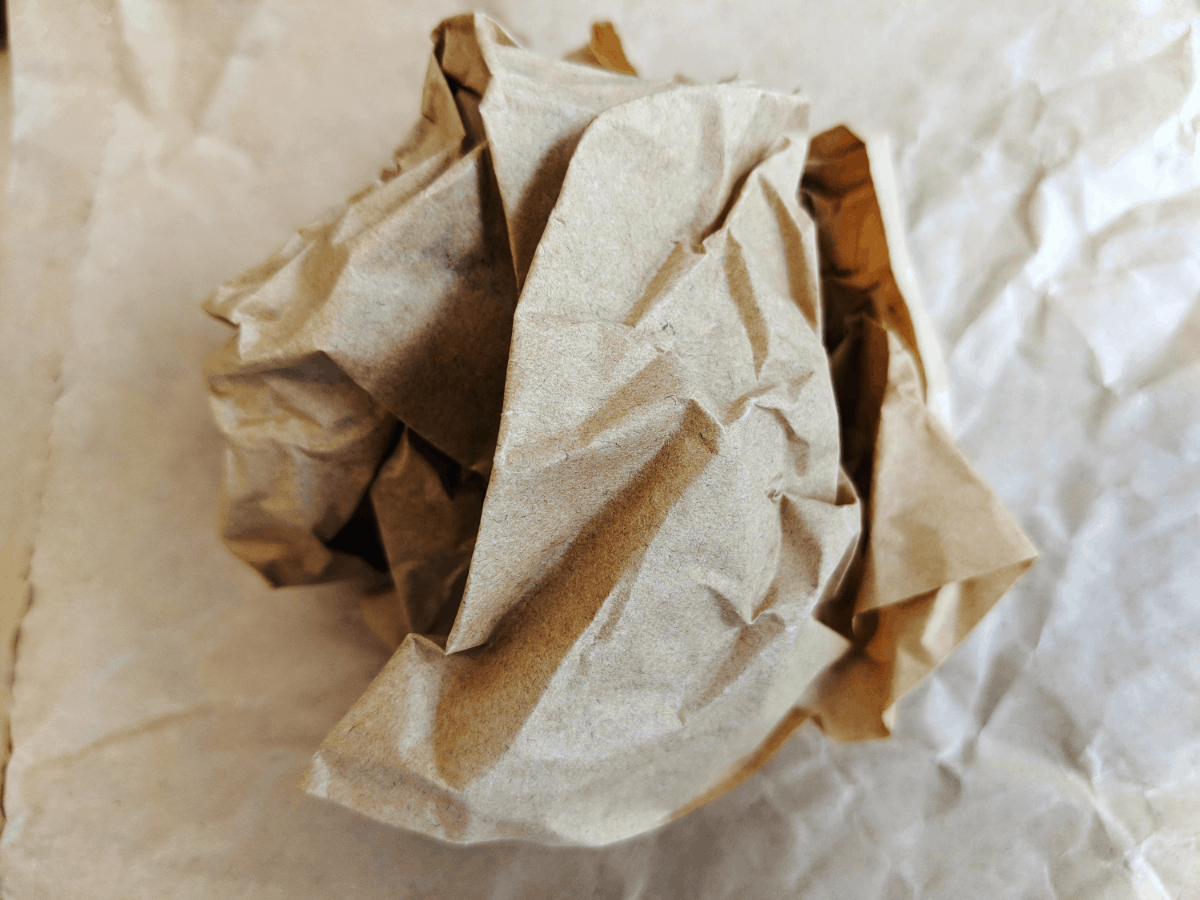
    That said, if you’re planning to place the wax paper into your compost bin, you want to make sure it’s coated with organic soybean wax and comes unbleached. However, you have to keep in mind that wax repels moisture. Therefore, your wax paper will remain in your compost for a little while before being completely decomposed.

    Why an Unbleached Paper Matters?

    Since paper is generally made from wood, it will appear brown in its natural state. However, to change a paper’s appearance to white (and make it look more appealing), it will have to undergo pulp bleaching – that’s where the problem begins.

    Although there are different ways of bleaching, most bleached papers will be treated with some type of chlorine-based bleach. The reason is because chlorine is capable of bleaching paper to give it that really white appearance. Apart from that, it also removes the lignin compound in wood which is the reason why paper gets yellow when exposed to the sun. This is a common case among newspapers (due to this, they are chlorine-free and will, therefore, go well in your compost bins).

    Can You Compost Wax Paper? What You Need to Know

    The problem with chlorine is that when it binds with compounds like lignin in wood pulp, it will produce dioxins and other byproducts which are highly toxic and can cause damage to living systems. It is for this reason why wax papers consisting of bleached paper are not advised for composting as they can only kill off those beneficial microbes that are vital for composting.

    What Are Your Options?

    From what we have gathered, we can confirm that wax paper is compostable as long as it’s unbleached and coated with soybean wax. However, if you don’t prefer putting it in your compost bin, you can reuse it instead.

    In fact, wax paper can be reused given that it’s not soiled with any food or grease. You can simply clean it and reuse it for another cooking batch. However, do keep in mind that it is not recyclable due to its wax coating. The paper recycling process involves mixing the paper with water then turning it to a slurry. 

    Unfortunately, wax and water don’t mix, so wax paper isn’t viable for recycling. Once soaked with grease, it can be considered contaminated as it won’t be possible to remove the grease out of it. It’s also impossible to remove the wax layer off the paper to make it recyclable. 

    That said, another option you can use is simply to dispose of your used wax paper properly and go green instead. As mentioned earlier, go for unbleached paper with a soybean wax coating instead of paraffin. You can also try to reduce your usage of wax paper or opt for cellulose bags which are recyclable paper products that can decompose within 30-90 days.

    You may also opt for Ziploc plastic bags which can be recycled at some recycling centers (though you’ll have to check your local recycling center first). Just make sure to check the recycling guidelines in your area if they’re accepting plastic #4. 

    Alternatively, you can instead cook recipes that don’t rely too much on the use of wax papers or even parchment papers. There’s actually a handful of them you can find out there.

    FAQ’s

    Can you compost waxed paper?

    You can use waxed paper, but there are a few things to keep in mind.

    First of all, the wax coating on the paper won’t melt down into the compost. This is good. The wax itself will melt down into the compost, but it won’t harm the bin. The problem comes when the paper melts. If you place a piece of waxed paper on top of the compost bin while it’s heating up, the heat from the heating element will melt the paper.

    This means that the paper will begin to emit gases and odors which will eventually have to be vented outside. The compost won’t smell. It just will have some odors emanating from it. The paper is not a barrier to composting. It doesn’t stop anything.

    How can you control the smell?

    The best way to prevent this is to use a composting bin without any waxed paper on top. The compost will heat up more slowly, which will cause less emissions. This isn’t always possible. Many people use waxed paper because they can put the compost in the bin after they take out the compost material. They don’t want to disturb the compost material. If you do use a composting bin with waxed paper, the best way to prevent this is to put a plastic bag over the top of the bin and then put a lid on the plastic bag. This will cause the paper to become much cooler than the air around it.

    You don’t have to wait until the bin is full to put the bag on top. Just leave the bag there until the compost is done. The next way to prevent the smell is to make sure that you keep the bin clean. If you don’t, then the smell will come from the rotting compost materials. It is very important to keep the bin clean so that the materials can break down properly.

    How long does wax paper take to decompose?

    It depends on the temperature and humidity. If it’s hot outside, your wax paper might be ready to go faster. If it’s cold outside, wax paper might not decompose as fast.

    Generally speaking it should take somewhere between 2 to 4 weeks to decompose.

    Is the wax on wax paper toxic?

    As long as it is food grade wax paper, it isn’t toxic and you can use it for compost with confidence. It may look like it may have harmful chemicals but for the most part you’re good to go.

    If you’re wondering about what the thin coating on wax paper is, it is called paraffin wax and can be composted without any problems.

    Conclusion

    If you just can’t seem to shake off your usage of wax papers, then make sure to go for these eco-friendly options:

    • Instead of buying paraffin-coated, bleached wax papers the next time you buy on the local grocery, make sure to go for those coated with soybean wax and are unbleached.
    • Or better yet, instead of composting them, throw them into your garbage bin and keep them away from your garden for better measures.

    Have you tried placing your used wax papers in your compost bin? What are the results so far? Please let us know in the comments below. Thanks for reading!

  • Compost Tea Feeding Schedule 

    Compost Tea Feeding Schedule 

    Compost tea constitutes a healthy sippy diet for your plants. As a gardener, you can convert your kitchen waste to a rich compost to improve both indoor and outdoor plants. 

    With the right compost tea feeding schedule, you can provide your plants with all the nutrition they need to grow. Imagine not having to worry about your yield at the end of the growing season. 

    While compost tea is useful in the garden, not all gardeners are familiar with how best to prepare or use compost tea in the garden. If you are one such gardener, you are in the right place. You can read up more about compost tea and the best feeding schedule for your plants below. 

    What is Compost Tea? 

    The simplest way to define compost tea is the result of soaking a bag of compost in water. You can imagine soaking your tea bag in a cup of boiling water; it is the same thing. 

    There are several ways to go about making compost tea, but all of them involve transferring the nutrient from the compost to the water. Just like with your morning tea, to get the nutrient in the bag, you have to soak it in water. So the two things you need to make compost tea is compost and water. 

    Compost Tea Feeding Schedule

    Most gardeners have their brewing methods depending on the plant. It is one of the benefits of compost tea; you can experiment with it to find what works best in your garden. 

    If you have an indoor garden, or you make compost tea frequently, you may consider getting some gears to help make things easier. 

    How to Make Compost Tea? 

    Making compost tea is as easy as diluting fresh compost mix in water. Introducing air in the mix improves the concentration of organic matter. Aerobic compost tea is rich in nutrition than with oxygen in the mix. With oxygen in the mix, the microbial solution in the soil increases, which further enhances the plant’s immune system. 

    The aeration process is the most important aspect of brewing compost tea. Most gardeners get the process wrong which can harm the plants, and make the compost tea to stink. Your best bet is to keep the compost tea aerated until you are ready to make use of it. 

    You can make use of an airline to aerate your compost tea. Removing the airline will cause the microbes in the mix to die. 

    A compost brewing unit is a suitable gear for making rich compost tea. You can liken it to a coffee machine. You can save yourself the stress of making compost tea by purchasing a small unit for your plants. Breaking down oxygen is a lot easier with a brewer. You can make use of airstones with the brewer to ensure oxygen is available for microbial activity. 

    Before Applying Compost Tea 

    Your compost tea should be ready for use from the third day after soaking it. For the best result, you should soak your compost for a week.  You will need to allow up to seven days for the compost to dissolve in water. 

    After you are satisfied that the compost tea is ready, you will have to remove the debris from the compost tea. You can do this by using a cloth to strain the tea. You will have to do this if you intend to make use of a foliar spray. 

    Applying Compost Tea 

    There are different methods you can adopt to apply compost tea to your plants. You have to try a few of the methods to find one that works well with you. The best way to apply compost tea is by:

    Foliar Application 

    The simplest way to apply compost tea is with the help of a foliar spray. Spraying your leaves with compost tea is a quick way to accelerate the nutrient supply to your plants. 

    Compost Tea Feeding Schedule

    You can also spray it directly to the roots of the plant. If you make use of a watering can, you can get the compost tea to reach both the leaves and root. It doesn’t matter what you use in spraying your plants, so long as you can get the compost tea to reach all parts of the plant. 

    Best Time to Apply Compost Tea 

    When is the best time to have a cup of coffee? In the mornings, right? So also it is with your plants. You should apply compost tea in the mornings before the sun is high in the sky. The compost tea needs to be absorbed by the plants and the soil. And the best time to feed your plants is in the morning before the sun is hot. Applying your compost tea in the afternoon when the sun is out will cause some of the tea to evaporate in the heat. 

    You can also apply compost in the evenings when the temperature is below 80 degrees. You also want to avoid applying compost tea when it is windy. High winds are capable of drying up moisture, thereby reducing the nutrients available for your plant. 

    You should apply compost tea weekly for the best result. You may need to make it twice a week on the newly transplanted bed to improve the nutrient condition of the growing medium. 

    Compost Tea Feeding Schedule

    In most cases, you can apply compost tea directly without having to dilute it further with water. If you make use of manure as compost material, you should avoid adding too much compost tea to your plants. Manure is high in nitrogen, and this can alter the nitrogen level of the compost tea. 

    FAQ’s

    How often do you feed compost tea?

    It has been made for thousands of years from various sources. It has been used as a fertilizer and as a means of pest control. Compost tea is safe to use on food crops.

    Compost tea is a concentrated liquid fertilizer that you can use as a foliar spray or an all-purpose garden or lawn fertilizer. Compost tea is made from organic materials that are broken down by microorganisms and left to ferment in a bucket or barrel for several weeks. This process creates a nutrient-rich, dark, milky liquid that has the potential to be even more potent than compost itself.

    If you’re a gardener, then you know that you need to give your plants the nutrition they need to grow. As gardeners, we have to be conscious of what we’re giving our plants and how often.

    Compost tea is a very popular fertilizer for gardens. Most gardeners apply one or more of these types of fertilizer each week. In the case of compost tea, this is called a liquid fertilizer.

    Can you over fertilize with compost tea?

    You can over-fertilize with compost tea, but if you do, be sure to read up on how much compost tea you should use, since you will need to add water and/or nutrients to the tea in order for it to work.

    How fast does compost tea work?

    Compost tea is a liquid that contains living organisms, such as bacteria and fungi, which break down the organic matter in compost and other yard waste to release nutrients.

    The first thing to know about compost tea is that it will work. It can take weeks, or even months, for compost tea to fully break down and start working on the target microbe or bacteria that’s causing your problem. However, you’ll notice a difference almost immediately after adding compost tea to your plants.

    How long does compost tea keep?

    In a closed container, I’d expect it to last a few months. My compost tea is almost four years old and still smells great.

    What is the ratio of compost tea to water?

    The ratio of tea to water varies with the amount of organic material added to the tea. For a standard recipe, you’d use 1 cup of tea to 2 cups of water. This would yield 1 quart of tea.

    How do I know when compost is ready?

    You can tell when your compost is ready by the smell. You will notice that the compost has reached its peak of activity, and it’s time to put it in the garden or pot. This means that the compost has become rich, dark and moist. The air should be warm but not too hot.

    Take Away

    The type of compost used determines how rich the compost tea will be, so you must make use of compost with rich organic matter. You should be careful with the mineral concentration of your compost tea. Remember, too much nitrogen in your compost tea, for example, can burn your plants. 

    You also want to avoid using chlorinated water for compost tea. You should also avoid adding slake lime to your water. 

    Now that you are familiar with the compost tea feeding schedule above, you shouldn’t have a hard time preparing a quick fix for your plants.

  • What Does Finished Compost Look Like? 

    What Does Finished Compost Look Like? 

    If you are starting a compost pile, one of the challenges you will face is knowing when your compost is ready for use. It is not like a fruit that you can tell when it is ripe, but you should know that your compost pile like fruits sure do get ripe. 

    There is no saying how long it will take for your compost pile to be ready, this is because there are factors that can decide whether your compost will be ready in a few months or years. 

    Knowing when your compost is ready is important if you intend recycling your kitchen waste for use in your garden. 

    So how then can you tell when compost is ready? 

    How to Tell When Compost is Ready

    Yes, you heard right, finished compost looks like a dark brown crumbled piece of dirt. You almost cannot ignore the appearance of finished compost. It smells different than it used to during the early stage of decomposition. Instead of the rotting smell of vegetables and the wet bacteria-laden bin you are used to, you begin to notice that the bin smells less offensive, and stays dry. 

    There is no science to determining when your compost is ready to be used in your garden. You don’t need to perform any laboratory test or make use of any fancy gadget. You can easily tell your compost is ready by merely looking at it.


    If you are up for it, and willing to spend some cash, you can perform a home test on your compost to see if it is ready for use. These home tests lookout for many criteria when checking the compost. Some of these criteria include the temperature of the compost, microbial activity, and pH concentration. 

    You need to ensure that you use only mature compost on your plants. Making use of immature compost can result in complications in your garden. You don’t want anything to affect your yield at the end of the planting season. 

    Immature compost contains contaminants that can damage your plants. These include pathogens and toxic acids. You can reduce the presence of contaminants in your compost by scrutinizing the types of materials you add to your compost pile. 

    Before we get into the time frame for compost to be ready, let’s take a quick look at some of the things that affect compost time. 

    Things that Affects Compost Time? 

    • Moisture Content 

    Your compost pile needs to be moist enough to support microbial activity. Adding moisture to a compost pile is easy, you can do this by wetting with water once or twice weekly. You also want to be careful not to overwater the compost pile. 

    When there is too much water in your compost, it can cause the bin to smell bad, and also make it difficult for other activities to take place. 

    What Does Finished Compost Look Like?

    In a situation when you notice that there is too much moisture in the pile, you can balance things up by adding in more materials to the bin. You want to also ensure you balance things out when reintroducing more ingredients into the compost pile. If you add in more green materials, do well to balance out, by adding brown materials as well. 

    • Not Enough Oxygen 

    Another important factor needed for decomposition to take place is air. There needs to be enough oxygen in the compost pile to encourage the microbial activities going on in the bin. 

    You will occasionally need to turn the compost pile if you are using a bin. You can do this by using a garden fork to turn the materials in the bin. You may need to do this once or twice weekly to ensure that air circulates in the bin. You can save yourself the stress of turning the pile by purchasing a tumbler. Compost tumblers are designed to turn the compost automatically so you don’t have to do it yourself. You can also consider getting one if you stay in an apartment building as they eliminate most of the unpleasantness associated with composting. 

    • Size of Materials

    You also want to consider the size of the materials you throw into your compost bin. Large materials have a hard time decomposing, and that is if they ever do. You should size down all materials to the barest minimum. Make use of shredder if you have to, it is better than throwing in your old newspapers like that. 

    What Does Finished Compost Look Like?

    • Materials 

    The materials themselves also determine if your compost will take longer to mature or not. 

    You want to avoid adding any materials that contain toxic ingredients such as paints, and chemical finishes. They can delay the decomposition time of the material and the potency of your compost. 

    Balance the carbon to nitrogen ratio of the compost pile by using the right amount of brown and green materials.

    • Heat 

    Your compost pile needs to be hot enough to support microbial activity. You can easily achieve this by placing your compost bin at a section of your garden with direct access to sunlight. Using a compost tumbler will save you the stress of finding a suitable heat source for your compost. Truth is you don’t need to spend extra on a tumbler if you can find a suitable heat source. 

    |

    FAQ’s

    How do I know when my compost is done?

    Composting, or vermicomposting, is a great way to recycle your kitchen scraps into something useful for the garden. However, it’s also important to monitor the process and know when your compost is ready.

    There are several ways to tell when your compost is ready. The most obvious is when it begins to smell really good. If you are composting in a bin, you should also be able to see the compost matting begin to separate and the air movement within the pile start to increase.

    How long does it take to get finished compost?

    This is a good question and one that we often get asked. The answer depends on several factors, including the type of compost you are creating. Composting can be slow or fast. In general, the slower the process the better the quality of the end product. If you are creating a compost pile, you will need to wait until the composting material breaks down.

    Slow composting can take up to two years and should be used for garden beds and flower borders. It is best for soil amendments as well as compost that is used in landscape beds or flower gardens. A good compost pile will be dark brown in color and have a strong odor. You should also see worms and other beneficial insects in the pile. The fastest composting method is to use a pile with the intention of using it within a few months.

    What does bad compost look like?

    A few things. You can see it in a pile with dark green leaves on top and mostly brown stuff underneath. Or you can see it in the soil beneath your plants, as dark patches that look very much like mold. But it’s more than just looking at the compost.

    Compost should be a rich, dark, black color. If it’s not, then there are problems with the ingredients or the process. It should smell good, too. If you have a composter, you can check out the condition of the ingredients yourself. If you don’t have one, you can buy composting bins.

    What do you do with finished compost?

    There are many different ways to use finished compost. In a greenhouse, you can use it to fertilize your plants, to water-proof the soil in raised beds, or even to mulch around trees. If you have a yard, you can use it to top-dress your lawn. You can also apply it to your vegetable garden as a mulch or fertilizer. You might even use it as a garden floor for your vegetables.

    Does finished compost smell?

    The smell of finished compost is a combination of several things. Some odors are from the microbes breaking down the organic material, some are from the nutrients and minerals being broken down by the microbes, and some come from the air in your pile. Here’s what you can expect when the compost has reached its peak of maturity:

    Humidity is high, but not so much that it gets moldy. If you live in a humid area or have an area that gets a lot of rain, this may be too dry for your taste. There will be little to no ammonia, though there might be some carbon dioxide.

    How Long Does It Take for Compost to be Ready? 

    When you follow the right composting practice, your compost pile can be ready in less than a month. It can be quicker if you make use of a compost tumbler. 

    On average, it can take several months for your compost to reach maturity. You also need to know that it can take more than a year too. It all depends on whether or not you choose to follow the right methods. 

    Your compost will begin decomposing once the worms and bugs get to work. If there is one sign to look out for that says your compost is on the right course to maturity, is the worms and bugs that swarm around inside the bin. They are the ones responsible for turning your kitchen waste into rich organic matter. 

    Do you have any problems preparing a compost pile? Or achieving any success composting? Let us know in the comment section, and we will be glad to help. 

  • Using Safe Plastics for your Hydroponics

    Using Safe Plastics for your Hydroponics

    Hydroponics is a method of planting that uses a nutrient-rich water solution as a base for the plants to grow. In contrast to the traditional soil-based planting, hydroponics is the best choice for plant-growers because it allows them to regulate different variables according to the plant’s needs to yield better growth. Thus, using safe plastics for hydroponics is one of the most important variables that must be considered in a hydroponic system. 

    Advantages of Using Hydroponics

    Increased Growth Rate

    One of the most rewarding advantages of hydroponic system is that it yields an increased growth rate and production of plants. Your plants will reach their full development 25 % faster than those from traditional soil-based planting. Plus, it produces 30% faster than the other method. Plants that grow in this type of method yields better and faster result because the nutrients found in the water-based solution is enough for plants to grow up rather than expanding root growth below which is the case in soil-based planting. 

    Using Safe Plastics for your Hydroponics

    Can be Used Everywhere

    There are some areas wherein their soil is not receptive to plant growth. The hydroponic method is the solution to this problem as it allows people from this area to produce their crops. Plus, it also uses less water than traditional planting.

    Less Pesticide Use

    The hydroponic method, as aforementioned, uses a nutrient-rich water solution which eradicates the need for pesticide use. Consequently, this method is environment-friendly and makes the crops safer to eat for consumers.

    Disadvantages of Using Hydroponics

    Costs More

    The hydroponics system will definitely cost more than the soil-based planting. This is because it needs a handful of materials e.g. a growing medium, a nutrient-rich water solution, and pumps that add oxygen for the roots and pumps nutrients to the grow tray.

    Time-Consuming

    If you plan to have a large-scale system, usually it takes a lot of time just for the set-up alone. In addition, if you are not well-versed in the field, then for sure managing the system will consume your time. The PH levels of the water solution must also be monitored on a day to day basis, for it measures the level of acidity or alkalinity which is essential for plant growth.

    Using Safe Plastics for your Hydroponics

    Great Risks

    The Hydroponics system poses a risk of killing your plants if a simple pump failure will not be remedied immediately. This is because the growing medium relies solely on the pumps for their nutrients. There really are advantages and disadvantages involved.

    Parts of a Hydroponic System

    1. Nutrient Solution – one of the most important parts of the system, this solution is easily available in garden shops online and offline. This solution is usually composed of nitrogen, calcium, potassium, magnesium and other minerals depending on the plants you plan to grow, the type of system you want to use, and your growing medium. 
    2. Growing Medium–  may or may not be present in a hydroponic system. You can choose rock wool, sand, clay, white gravel, vermiculite, and perlite. Gravel, clay, and sand are cheap and easily available, but they are heavy and don’t yield good water circulation as the expensive perlite and vermiculite. Rock wool is the most preferred choice because it’s the most affordable yet drains easily. 
    3. Pumps– there are two pumps usually found in the system. One is for pumping nutrients to the growing medium and the other is for pumping oxygen to the roots. This is also a very critical component because the failure of any of the two would mean that the plants are not getting the nutrients they need for their growth. 
    4. Light– in gardening areas where light is not easily accessible, two types of lights are used for gardening. One of which is the Metal Halides (MH) which uses the blue-end spectrum for green, leafy vegetables and young plants. The second one is the High-Pressure Sodium or HPS which uses the opposite end of the spectrum for flowers and fruits. 

    |

    Using Plastic in Hydroponics

    Plastics are widely used all over the hydroponics system. This increases our risk of exposure to carcinogenic substances which are detrimental to our health.  Almost all plastic packages leach or migrates trace amounts of chemicals subject to certain conditions such as heat or foods that are acidic or contain high amounts of fat or salt. 

    What are the Safest Plastics to Use in the Hydroponic System?

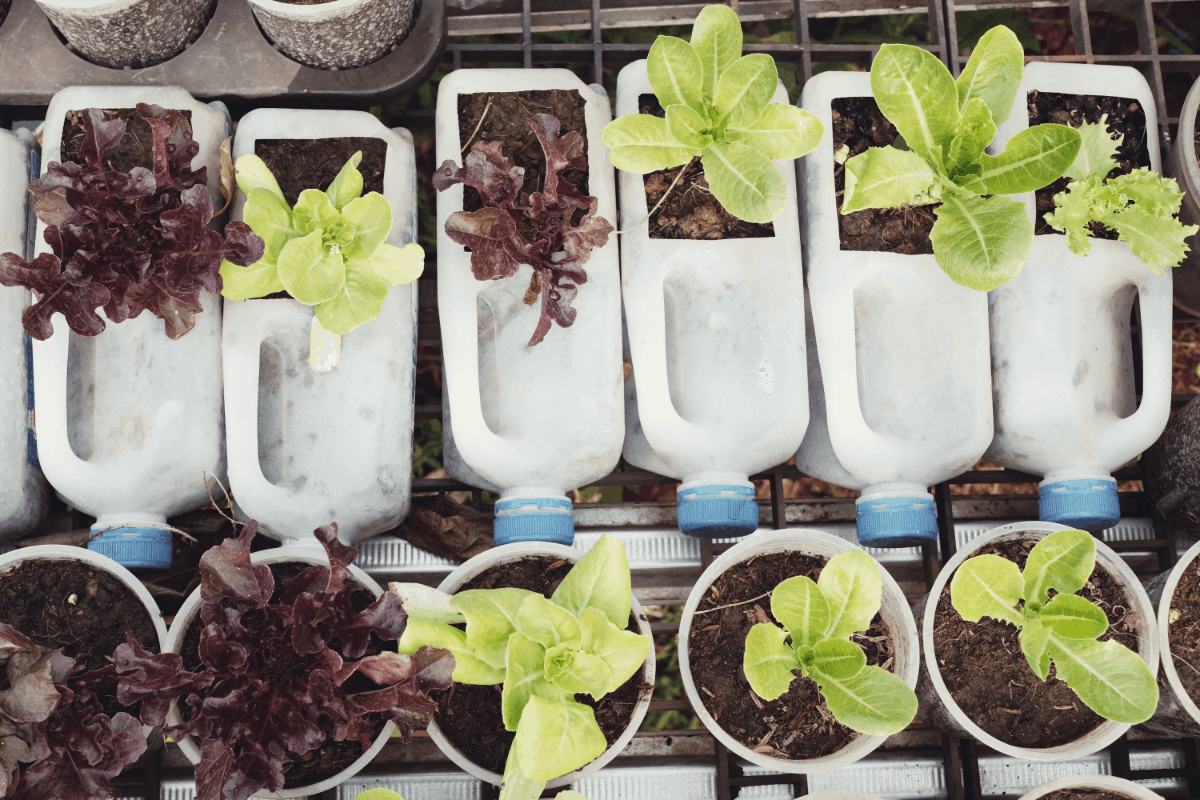
    Using safe plastics for hydroponic affects not just the plant growth but most especially the end-consumers. There may be harmful chemicals in plastics that will not make it suitable for hydroponics. For hydroponics, here are the type of plastics that can be used:

    High-Density Polyethylene

    High-Density Polyethylene (HDPE) or commonly referred to as the number 2 plastics. This is very safe to use for Hydroponics as they don’t spread high amounts of chemicals to the solution inside. This type of plastic is also environment-friendly as it can be recycled which makes it a more preferred choice. 

    |

    Polypropylene

    Polypropylene (PP) or plastic number 5 is also considered to be a safe plastic for your Hydroponic System. This plastic is known to cause harm during production but is safe for use for the very reason that it only leaks trace amounts of chemicals. But sadly, this type of plastics is not commonly recycled compared to the HDPE.

    Conclusion

    Hydroponics is the modern take of planting with the use of nutrient-rich water solution as a base. It may cost more money and time and poses greater risks, but hydroponics is usually preferred because, with appropriate and proper maintenance, it can produce more outcome at the soonest possible time. Generally, hydroponics is made of safe-to-use plastics which poses a lesser threat to our health. 

    If you have other ideas or comments, feel free to comment down below. 

    FAQ’s

    Is PVC safe for hydroponics?

    Not all types of PVC are safe for hydroponics. Regular PVC is not safe and you should avoid using them. Regular PVC can leach harmful substances into the water in your hydroponic system making it non-food safe. 

    The toxic substances released are phthalates, lead, cadmium, and organotins. These toxic substances are can result in serious health hazards. 

    The major cause of leaching chemicals in your hydroponic water system is too much exposure to sunlight or heat. Also, PVC made from plastic types 1, 3, 6, and 7 are unsafe for the hydroponic system.

    The best solution is for you to keep this PVC away from heat, cover the pipes, or you opt for the safest types for your hydroponics. In order to avoid introducing toxin to your hydroponic food supply: use the safest PVC pipes for your hydroponics which includes plastic-type 2, 3, and 5. 

    Is Rockwool safe for hydroponics?

    Rockwool is safe as a growing medium for your hydroponic system and it does not contain any harmful chemicals. It is a pathogen-free growing medium for your hydroponic system but it needs to be treated before used with plants. 

    However, it is not so friendly to the environment. Exposure of Rockwool to humans can cause some health problems. It can cause skin irritations, as well as lungs, mouth, and eyes irritation because of its physical properties.

    Therefore, if you are using Rockwool for your hydroponic growing medium, you should use a mask, gloves, and goggles for your protection. 

    What materials do you need for hydroponics?

    The materials you will need for hydroponics include:

    • Water (preferably reverse osmosis water because of its purity)
    • PVC pipe or growing tube
    • Plant clips
    • Plastic tubing
    • Growing medium (for plant support and to convey nutrient and water)
    • Pump (for air circulation)
    • Nutrient gallon tank (for holding or storing nutrient solution)
    • Hydroponic system nutrients (dissolved nutrients including macro and micronutrients for plant growth)
    • Planting cups
    • Plants
    • Grow tray 
    • Trellis (for the support of large climbing plant as they grow)
    • Sunlight or grow light (for photosynthesis) 
    • Twist 
    • Air hose 

    What types of plastics should I avoid in my hydroponics system?

    When it comes to plastics, there are two types of plastic you should avoid using for your hydroponic garden:

    PVC and BPA. These two plastics are extremely dangerous to our health.

    PVC plastic is actually a very common plastic that can be found in everything from gardening tools, food packaging to clothing.

    PVC is highly toxic and can leach harmful chemicals into your plants. Additionally, it is not biodegradable and will last forever in the environment. 

    It is known to cause cancer, birth defects, organ failure and more. In fact, many of the chemicals in PVC are also known to cause cancer in humans. 

    BPA is a chemical that is commonly used to manufacture plastics. Unfortunately, BPA has been linked to many health issues such as cancer, birth defects and developmental problems. Additionally, BPA has been found to be extremely dangerous for the environment. As a result of this, BPA is being removed from many products such as water bottles, baby bottles, sippy cups, cookware, microwave trays, food cans and more. If you have any doubts about whether or not your BPA is safe, it is best to avoid it.

    BPA is a hormone disruptor. This chemical is found in the lining of the can and the plastic bottles. It is also used to harden certain plastics. When you eat foods that contain BPA, it will be absorbed into your bloodstream. BPA then enters the body through your kidneys and is stored in your fat cells. The fat cells are actually known as the “storage depots” for BPA. Once it gets into your fat cells, BPA will stay there for years! Even if you stop consuming BPA, it will still remain in your fat cells.

    Unfortunately, these two materials are extremely dangerous for our health and the environment.

    How should I approach plastic use?

    If you have any doubts about whether or not your plastic is safe, it is best to avoid it.

    When choosing a plastic for your hydroponic garden, you should look for something that is non-toxic, safe to use, safe for the environment and safe for your health.

    The most common plastic that is used in the growing industry is polyethylene (PE). 

    In order to know which plastic you should use for your hydroponic garden, you need to first understand how plastics work. When you purchase plastic for your hydroponic garden, it needs to be clear and transparent so that you can see what you are purchasing. However, when you look at the packaging of your plastic, it will be opaque and hard to read.

    Is polypropylene safe for aquaponics?

    Polypropylene is a type of plastic used in many different types of food packaging, including aquaponic tanks. It’s also used in some types of fishing nets. Although it can be toxic if ingested, the toxicity from polypropylene is very low, and it’s unlikely that you’d ingest any polypropylene that was used in your aquaponic tank or net.

    Are hydroponic nutrients safe?

    Just as traditional soil nutrients, hydroponic nutrients are safe for both plants and the environment. In as much as you use the correct nutrient measurement and you always dispose of them properly. Therefore, it is safe for human production and consumption. 

    Hydroponic nutrients are so easy and clean solution to use. They are the eco-friendly garden solution. There is no worrying about any external contaminant or pollution overrunning your hydroponic food supply or your environment. It hardly harbors pests or soil-borne diseases, unlike traditional soil.

    You should also note that when you purchase hydroponic nutrients, ensure they are only meant for hydroponic. Never use nutrients meant for soil. Traditional soil nutrients requirements vary from hydroponic system requirements. 

    Always read labels when purchasing your hydroponic nutrients so you have an idea of the safety of your plant. 


  • Are Pine Needles Good for Compost? 

    Are Pine Needles Good for Compost? 

    Pine needles are abundant in nature and found in all parts of the world. They are a rich source of organic matter and are usually added to a compost pile or used as a side mulch. The best way to get the maximum result from adding pine needles to your compost is to ensure that other materials are present in the right proportion. 

    One of the reasons why most people are against adding pine needles to their compost is because it decomposes slowly. But pines are not the only materials in your compost pile that take too long to break down your eggshells also take a while to get ready.   

    Before we get into how best to compost pine needles, let us first find out how safe it is to include pine in your compost. 

    Are Pine Needles Good for Compost?

    Composting allows you to convert kitchen waste into pure nutrients for garden plants. So if you do have indoor plants or a front lawn, you may want to consider setting aside your kitchen scrap for the compost bin. Not all materials are compostable, before adding any household waste into a compost bin, you need to confirm that it is organic. What this means is that you cannot include any synthetic material made from chemicals and other additives.

    Are Pine Needles Good for Compost?

    If you look through your trash can, the chances are that you should be able to find organic materials that you can include in your compost bin. 

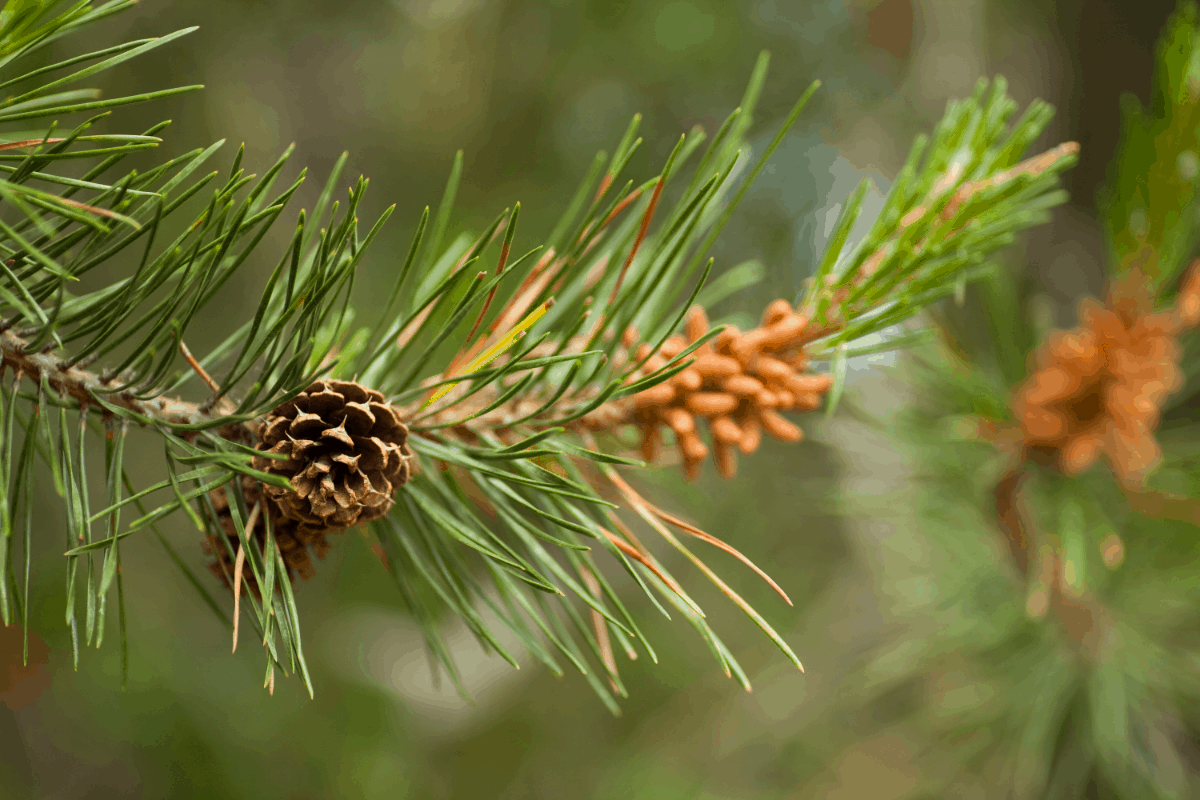
    If you happen to have pine trees growing in your yard, or close to your garden, you can collect fresh pine needles and add them to your compost pile. 

    Some people believe pine needles to be acidic and alter the pH level of the soil when added to it. The truth is that the pH of pine needles ranges between 3.2 and 3.8 when freshly collected, but after composting, it loses all its acidity as a result of the other materials in the bin. 

    Pine needles are good for compost as they are a rich source of carbon for your compost. Their acidic nature makes pine a good addition to the soil of acid-loving plants. Examples of plants that do well in acidic soil are raspberry, rhododendrons, gardenias, and strawberries. So if you have them planted in your garden, you can add in some pine cones or needles next time you make a compost pile. 


    Composting Pine Needles

    A lot of people with a pine tree in their garden don’t bother to rake or clear the fallen leaves. They leave them on the ground to act as mulch for the tree. There is no problem with this method if you are not interested in a compost pile. One good thing about pine needle is that they don’t litter the place when they fall. So you can leave them without worrying about the mess. The pine needles break down slowly and add nutrients to the soil for reabsorption by the tree. 

    Are Pine Needles Good for Compost?


    But if you are interested in making a compost pile with some pine needles, the process is relatively easy. All you need is to 

    1. Get a compost bin. You can find one to buy or construct one yourself if you can. The compost bin needs to be large enough to fit all the materials you toss inside. It doesn’t have to be too tight, it also does not have to be spacious. The right bin should fit all the materials you put inside it and be spacious enough to allow air to circulate. You have to consider this if you want your compost to be ready quickly. 

    2. Once you have acquired the right size of the compost bin, you will then need to collect some fresh pine needles. Collect as much as you can and then shred them into tiny pieces. You can do this by running your lawnmower over the heap of pine needles several times. Shredding is an important part of composting. All materials you add to your compost pile need to be broken down. You need to do this if you want the compost to be ready quickly. 

    3. You first need to throw in some grass clipping or vegetable peels to the bottom of your compost bin. The clippings and plant waste need to reach up to 8 inches in the bin. The next step is to sprinkle water on the clippings. You need to be careful to ensure you don’t soak them in water. 

    4. You can then add your freshly chopped pine needles into the bowl. You want to be careful to avoid using too many pine needles in your compost bin. Pine needles shouldn’t be more than 10% of the materials in your compost bin. Add 3 inch of pine needles to the 8 inches of grass clippings already in the bin.   

    5. Add in some water to the pine needles as you did with the grass clippings. 

    6. Once the pine needles are moist, the next step is to include some horse manure into the mix. You can make use of chicken or cow manure if you can access horse shit. 

    7. After adding the manure, you can now water the pile again like you did when you added the grass clippings and the pine needles. 

    8. You will need to repeat the process of adding grass clippings and pine needles if those are the only materials you are composting. Other materials such as kitchen waste, cardboard paper, and wood chips are equally good compostable materials. 

    9. After filling your compost bin with the right materials, you need to keep it in a section of your garden with direct access to sunlight. This way, the materials can get heated and decompose quickly. You also need to ensure you turn the pile regularly so as the materials can get access to air and heat. When you follow the right composting practice, your compost pile should be ready for use in a month or two.

    Are Pine Needles Good for Compost?

    If you are composting indoors, you can make use of compost tumblers instead of bins, they are safe to use in your apartment building. You can also make use of them to compost your pine needles and kitchen waste if you like to reduce food wastage.

    FAQs

    How long does it take for pine needles to compost?

    It depends on the type of pine, how much you pile, and how much water you give them. It will also depend on the amount of organic matter in your soil. The longer the pine sits, the more beneficial.

    This also helps reduce the risk of diseases like black spot. 

    Are pine needles good for garden beds?

    Pine needles are actually a very valuable and useful part of the landscape, so here’s the scoop. Pine needles are the leaf buds of pines. They are produced during the spring and summer months as the trees begin to grow new leaves. As the needles fall to the ground, they may be harvested and used as mulch or even as firewood.

    They also make a great soil amendment for your garden beds. Pine needles have several advantages over other types of mulch. First, they are easy to use. Simply rake up the pine needles, and they’ll add organic matter and nitrogen to your soil without adding bulk. The pine needles break down into humus quickly, so they don’t require much attention after you’ve added them to your garden beds. The needles are also free from diseases and pests that can affect other types of mulch.

    Pine needles aren’t just useful as a mulch; they can also be used to control plant diseases and insects. Since pine needles are an excellent source of nitrogen, they can help promote healthy root growth and help plants tolerate drought and other stresses.

    What plants can I use pine needles on?

    Pine needles are an easy way to add a little extra color and texture to your garden. Not only will they provide some of the nutrients your plant needs, but they also help keep the soil cool in hot weather. You can find pine needles at most gardening stores, and they’re usually used for landscaping purposes (rather than food).

    You can use pine needles as mulch or you can spread them around your garden. Pine needles provide a lot of nutrients for plants, and they’ll help your garden stay healthy and attractive. As long as you don’t let the pine needles get too wet, they’ll be fine. Pine needles are an easy way to add a little extra color and texture to your garden.

    Is pine mulch good for vegetable garden?

    Pine mulch is just another option, not necessarily the best one, but if you have to use something you should make sure it’s safe for your plants. Pine mulch is not as effective as wood mulch because the nutrients from the pine mulch leach out faster. Some people like it because it looks pretty in their flower beds, but it may not be worth the cost.