Author: Anna

  • Differences Between Pickling Cucumbers VS Regular Cucumbers

    Differences Between Pickling Cucumbers VS Regular Cucumbers

    Cucumbers are one of the most popular plants people will grow in their garden. However, if you grow these green veggies, you will want to know the difference between pickling cucumbers vs regular cucumbers. Though similar, the two types vary and they each have their own purposes.

    Since there are several types of cucumbers, each variety serves its own purpose. Though most are great for eating on their own or adding to salads, not every kind works well for making pickles.

    Difference Between Pickling Cucumber Vs Regular Cucumber

    Many people don’t know the difference between pickling cucumbers and regular cucumbers. Pickling cucumbers are ideal for making pickles and slicing cucumbers are ideal for salads and cooking. In fact, there are many types of cucumbers that will be either ideal for pickling or slicing.

    Gardners of all experience levels enjoy growing cucumbers. Though culinarily cucumbers are often referred to as a vegetable, they are in fact actually a fruit. They are high in nutrients but low in calories, making them a healthy snack.

    Difference Between Pickling Cucumber Vs Regular Cucumber

    Cucumbers are also full of antioxidants and may even help lower blood sugar. In addition, since they are mainly water, they are also good for keeping you hydrated. Their crispy texture and mild taste make them highly palatable.

    Pickling Cucumbers

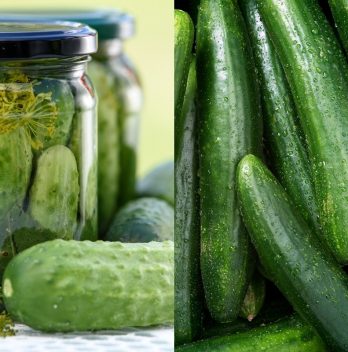
    Pickling cucumbers are shorter and bigger compared to slicing cucumbers. They have a thin skin and a black spine that makes them ideal for pickling. They can also be eaten fresh or used for cooking, as they will still provide a wonderful flavor and texture.

    There are several varieties that are ideal for making pickles. They provide an excellent crunch and a lovely flavor. Here are some of the best varieties for making pickles.

    Boston Pickling

    The Boston Pickling cucumber is one of the most popular varieties for making pickles. They are a seedless variety and offer incredible crispiness and wonderful flavor. They were first developed in the late 1800s in Boston, Massachusetts.

    The Boston Pickling grows to be three to four inches long. They mature very quickly, which pickle makers love.

    Bush Pickle

    The Bush Pickle is a great variety to plant when you are tight on space and can even be grown in pots or containers. They have a lovely sweet flavor and smooth skin, growing to be about three to four inches long. In addition, they also mature relatively fast as well.

    National Pickling Cucumber

    The National Pickling cucumber is an excellent choice for making different types of pickles. They grow to be about four to five inches long and have thicker skin, giving them an excellent crunch. This variety does take slightly longer to mature and does need more space than other types.

    Parisian Pickling

    The Parisian Pickling variety is popular for its thick flesh and few seeds. They mature relatively quickly and are a great choice for your home garden. They have a delicious flavor and a great texture, with a nice crunch.

    Read more about Hydroponic Cucumber Nutrient Solution

    Slicing Cucumbers

    Slicing cucumbers come in a variety of sizes and colors and are ideal for snacking, cooking, or salads. They generally have thicker skins and are longer than pickling varieties. Since they tend to have softer flesh, they are not an ideal option for making pickles as they can turn mushy.

    There are many different types of slicing cucumbers that have many uses. Here are some of the most popular varieties of slicing.

    Burpee Sweet Success Slicing Cucumber Seeds 30 seeds

    81ZQ677iUaL. AC SL1500

    English

    English is one of the most popular types of cucumbers. They are a seedless variety that is long, about 10 t0 15 inches, and thin with dark green skin. Also called seedless or hot-house, they are the most common type at grocery stores and are one of the most popular varieties to grow.

    The English variety has a mild, slightly sweet taste. They are most popular for salads, sandwiches, and martinis.

    Armenian

    Armenian cucumbers are long and thin, with lighter skin that is a light yellowish-green. They can grow to be an incredible 36 inches long, however, they are best when harvested at 14 inches or less. They have a delicious crunch and flavor with soft seeds, which makes them great to eat raw.

    Sweet Success

    Sweet Success grows to be around 14 inches long and has a dark, smooth skin. They are one of the most popular varieties for salads and savory dishes thanks to their flavor and texture. This variety has a sweet, bitter-free flavor that is resistant to many different diseases.

    Muncher

    Muncher cucumbers are a popular slicing option when they grow to be eight to 10 inches long. However, when they are two to three inches long, they can be used for making pickles. They have a thin skin and crunchy texture while being sweet with no bitterness.

    Slicing Cucumbers - Muncher

    Ashley

    Ashley cucumbers were first grown in Charleston, South Carolina in 1956. They are ideal for growing in hot, humid climates as they are resistant to mildew and many other issues caused by climate. They tend to grow to be six to eight inches long and tend to be quite abundant.

    The Ashley variety has a rough texture with some bumps on them as well. They are dark green in color and are a popular choice in the southern states of America.

    FAQs

    What makes a pickling cucumber?

    In the United States, pickles are usually associated with cucumbers and vinegar.
    Cucumbers are from the gourd family, and have a long history of being preserved in salt. They are easy to grow, and will tolerate cooler temperatures than most other vegetables.
    There are two main varieties of cucumber. The first is the straight-necked type. They’re grown as a vegetable, but you can also find them at farmers markets, or in produce stores. The second variety is called a pickling cucumber. It’s grown specifically for its ability to withstand the salt brine, and its flavor.

    Cucumbers were grown in India as early as 5000 BCE, and they were probably first pickedle-pickled in the Indus Valley. Cucumbers were brought to Europe by the Romans in 200 BCE, and they were pickled in vinegar. The pickles were called kalkandji or kalakandi. It wasn’t until the 17th century that the English developed their own version of pickles.

    Can you pickle all types of cucumbers?

    Yes, you can! The trick is to make sure that they are not too ripe. Pickling cucumbers should be firm and dry to the touch. They should have no soft spots or blemishes. If they are too ripe, they will soften when exposed to air and will spoil. Store your pickles in a cool, dark place.

    You can use a glass container with a tight-fitting lid. Keep them away from light and heat. Do not refrigerate your pickles. Wash your jars and lids in hot soapy water. Rinse well. Let the jars dry completely. Place the jars in a canning pot and cover with boiling water. Let stand for 5 minutes. Remove the jars from the water and let them cool completely. Wipe the rims of the jars with a damp cloth. Fill each jar about ¾ full. Using a clean, damp paper towel, wipe down the inside of the jar. You may need to fill the jars ¼ full if they are wide-mouthed. Place a piece of parchment or waxed paper over the top of the jar. This will keep the pickles from floating.

    Can you eat pickling cucumbers in salads?

    Yes, you can! They’re crunchy and refreshing and a great addition to any salad. The vinegar is the secret ingredient that gives them their distinctive flavor. I always make my own pickling cucumbers. They’re a lot tastier than store bought pickles, and they keep in the refrigerator for weeks!

    What is the best tasting cucumber?

    The most flavorful cucumber is a pickling cucumber. They’re available year round and have a slightly sour taste. Pickling cucumbers are ideal for salad mixes, pickles and other pickled dishes. If you can find them fresh, great! If you must buy them from the grocery store, look for smaller cucumbers with a firm texture. You’ll also want to look for those that are picked at the right stage of ripeness. The riper they are, the more watery they’ll be, so you’ll want to choose ones that are still firm. These are best for salads and raw vegetable mixes. Best tasting cucumber: The most flavorful cucumber is a pickling cucumber. They’re available year round and have a slightly sour taste. Pickling cucumbers are ideal for salad mixes, pickles and other pickled dishes. If you can find them fresh, great!
    I’ve been a fan of the “Honeycrisp” variety of cucumbers for many years. I know that other people prefer the “Crispin” or the “Sugar Snap” varieties, but they have never tasted as good to me as Honeycrisp. I have also been a fan of the “Tahitian” variety because of its beautiful color and its unique flavor.

    The Difference Between Pickling Cucumbers vs Regular Cucumbers

    Many people have a preference between pickles vs. cucumbers. However, many people don’t know that there are specific types just for making pickles and specific types for salads and cooking.

    Many people grow cucumbers in their gardens. They are healthy and are great for many savory dishes thanks to their mild taste and crunchy, crisp texture.

    Pickling cucumbers tend to have thinner skins and black spines. Slicing cucumbers tend to be thinner and longer, with thicker skins and softer flesh. Though they can sometimes be used interchangeably, it is best to stick to the variety that meets your needs.

    Do you have any questions about pickling cucumbers vs regular cucumbers? If so, please ask any questions about pickling varieties and slicing varieties in the comment section down below.

  • Is Italian Squash The Same As Zucchini?

    Is Italian Squash The Same As Zucchini?

    If you enjoy gardening, you likely have grown some variety of squash. You may have wondered, is Italian squash the same as zucchini? With so many different varieties, it can be confusing to know which squash is which.

    Due to its abundance and versatility, many people choose to grow zucchini in their gardens. This beloved veggie goes great with both savory and sweet dishes. It is a popular squash that has a great flavor and texture.

    Is Italian Squash The Same As Zucchini?

    Zucchini is a variety of summer squash that is popular in Italian cooking due to its heritage. It is notable for a slightly sweet, mild flavor that makes it ideal for sweet and savory dishes. In sweet dishes, it provides moisture to the dish without affecting the flavor.

    So is Italian squash the same as zucchini? Well, since zucchini is so popular in Italian cooking, it is sometimes referred to as Italian squash. However, there are also other varieties of summer squash that are referred to as Italian squash. The term is used frequently in culinary terms.

    Italian Squash Is The Same as Zucchini

    Some recipes will use the terms zucchini and Italian squash interchangeably. If it is an Italian recipe, there is a good chance that it will say Italian squash when referring to zucchini.

    Summer Vs Winter Squash

    There are many different types of squash that can be broken into two different categories: summer and winter. The biggest difference between summer and winter squashes is their skin. Winter squashes have a hard skin, whereas summer squashes have soft skin.

    The tougher skin on winter squash allows them to survive cold temperatures. Unlike winter squashes, the skin of summer squashes can be eaten.

    Summer squash has a moist interior and is great for eating raw, frying, grilling, sauteing, and baking. Winter squash does not taste good raw and is a better option for baking and cooking. Both types are ideal for both sweet and savory dishes.

    The most popular summer squashes include zucchini, yellow squash, and Patty Pan. The most common winter squashes include acorn, butternut, and spaghetti. Both winter and summer varieties are full of beneficial nutrients and make a wonderful addition to your diet.

    Though it is often referred to as a vegetable, squash is technically a fruit.  However, culinarily wise it is generally prepared as a vegetable.

    History Of Zucchini

    Summer squash dates back thousands of years to 5500 BC to Central and South America. It was an important part of their diets, as it provided an excellent source of nutrition.

    It is believed that Italians are responsible for breeding modern zucchini, hence why it is sometimes called Italian squash. The zucchini they grew comes from squash that came from colonial America. In fact, the word squash actually translates to “Zucca” in the Italian language.

    The zucchini we know and love today came from Milan, Italy during the 19th century. Different early varieties come from areas near Milan in Italy. During the 1920s, Italian immigrants brought it over to America and it soon became a staple in many gardens and kitchens.

    In some places, such as the United Kingdom, it is called courgette. It is a popular plant as it is easy to grow in many summer climates and is great for gardeners of all experience levels.

    Zucchini is low in calories and is heart-healthy. Though it is typically green, it can also be yellow as well in color. However, yellow zucchini and yellow squash are two different things, though they are both a variety of summer squash.

    Seeds of Change 5800 Dark Star Zucchinie, Green

    71yqayIAs L. AC SY879

    How To Grow Zucchini

    Zucchini grows best in rich, organic soil with a pH level between 6.0 and 7.5. They strive in full sun, though they can often grow in partial sun as well. They are a hardy plant and will produce an abundance of fruit when healthy.

    It is best to plant your zucchini three to four inches apart when the temperature of the soil is between 65 to 70 degrees Fahrenheit. They need regular watering, around one to two inches a week. The ideal time to harvest them is when they are five to eight inches long.

    Once you harvest it, zucchini will last for around one week, maybe two depending on the conditions. You should store it in a cool, dry location such as the crisper drawer of your fridge.

    Common Recipes That Use The Italian Squash, Zucchini

    There are many recipes that call for zucchini thanks to its high moisture level and mild flavor. It is a common addition to many summer dishes, as that is when it is most plentiful.

    There are many popular savory dishes that use this common summer squash. In Italian cuisine, it is popular to stew it with tomatoes, olive oil, and fresh herbs. In addition, it is often sauteed and served with pasta, herbs, and cheese.

    Common Recipes That Use The Italian Squash, Zucchini

    One of the most popular zucchini dishes is ratatouille, which also includes other summer vegetables and olive oil. In addition, is also common in soups, casseroles, or even by itself.

    In baking, it is a popular choice for bread, as it provides an incredibly moist texture. It is also used for cakes, cookies, and muffins.

    FAQs

    What type of squash is zucchini?

    Zucchini, also known as courgette or cucumber melon, is an excellent summer vegetable. It is in the same family as squash and pumpkins, but is a summer vegetable rather than a winter one. It has green leaves with a bump on the end of each leaf which are edible and can be used in salads or stir-fries.
    Zucchini is also a popular ingredient in soups, pasta dishes, and casseroles.

    Is zucchini the same as pumpkin?

    No, zucchini is not the same as pumpkin. Pumpkin is a large fruit that grows from a vine like cucumbers and squash. Zucchini is a vegetable that looks like a long, thick cucumber. Pumpkin seeds are found inside the fruit. How do you cook zucchini? Zucchini is best cooked by grilling, baking, or roasting. It is a good vegetable to grill because it can be cut into slices or chunks, and can be marinated with different seasonings before being grilled. Grilling also gives it a more crunchy texture. Baking and roasting gives it a softer texture.

    What is the secret to growing zucchini?

    Zucchinis are not picky about soil type. They can grow in full sun or partial shade. Zucchinis are easy to grow and most gardeners enjoy them. You can also grow them indoors in a pot. Step 1 Choose a location in your garden for the zucchini. A good location is in a sunny spot with good drainage.

    Step 2 Prepare the soil. Add organic matter to the soil. The best type of organic matter for growing zucchinis is composted manure or leaf mold. Another option is to add fertilizer to the soil. A general rule of thumb is 1 teaspoon of fertilizer per 4 square feet of soil. Step 3 Plant the seed. You can plant the seed directly into the soil or in a small pot. You can also plant the seed into the ground and then transplant it after it grows into a zucchini plant. Step 4 Water the plants. Zucchinis need water every day during hot weather and only every other day in cold weather. Step 5 Harvest the zucchini. The zucchini fruits should be harvested when they are about 3 inches in diameter. You can cut them off the plant or you can wait for them to fall off on their own.

    Do zucchini need full sun?

    As a general rule, plants need full sun.

    How do you eat Italian squash?

    Zucchini is a vegetable that can be used in many different ways, including as a side dish, as a main course, or as part of a meal. There are many ways to cook zucchini, and it can be served in a variety of dishes. 

    You can serve it raw, as a pasta substitute, as a side dish, or as a pizza base. Zucchini is delicious in a baked lasagna or stuffed with chicken. Zucchini is one of the most versatile vegetables, and it can be prepared in many different ways. It can be grilled, fried, sautéed, or roasted.  It can be used as a substitute for other vegetables, such as potato, eggplant, and pumpkin.

    Italian Squash And Zucchini: The Same Thing

    If you see a recipe that calls for Italian squash, it is safe to assume that it is referring to zucchini. Though summer squashes go back thousands of years to Central and South America, zucchini actually comes from Italy. It wasn’t until the 19th century that people began to grow it in Italy before it quickly spread all over the world.

    Squash Italian, as some might say, can be used in both sweet and savory dishes. It is quite simple to grow, as it just needs rich, organic soil, full sun, and one to two inches of water a week. It is also extremely healthy and versatile due to its mild flavor and moist texture.

    Do you have any questions regarding is Italian squash the same as zucchini? If so, please ask any questions regarding squash, for both the summer and winter kinds, in the comment section below.

  • Types Of Worms That Eat Tomato Plants

    Types Of Worms That Eat Tomato Plants

    If you are a gardener, you will want to know the types of worms that eat tomato plants. They are one of the most popular plants to grow as they are typically easy to maintain and often produce an abundance of tomatoes. However, they are not only popular among people but also worms as well.

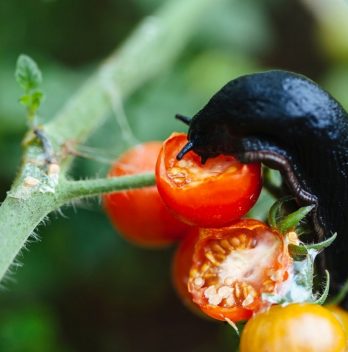
    Worms will commonly eat the leaves, stems, flowers, and fruit of your tomato plant. This can be problematic for your plant, as they can destroy it. Fortunately, by identifying these types of worms you can then know how to keep them away.

    Species Of Worms That Eat Tomato Plants

    No gardener ever wants to see worms eating their tomatoes. It can be frustrating to see all the hard work that went into maintaining your garden ruined by a bunch of hungry insects. By identifying these species, you can help put a stop to their havoc.

    The most common types of tomato-eating worms include tomato hornworms, loopers, armyworms, and cutworms. These worm species can eat all parts of your tomato plant, which can completely destroy the plant. They can be a common problem that many gardeners have to deal with.

    Species Of Worms That Eat Tomato Plants

    These worms that you see on your tomato plants are actually either the larval stage of moths or caterpillars. They are generally brown or green in color, which lets them easily blend into your tomato plant. They can consume the leaves and other parts of tomatoes at a fast rate, so it is best to get rid of them as soon as you notice them.

    Tomato Hornworms

    There are two main types of hornworms, tomato hornworm, and tobacco hornworm. Both types like to eat tomatoes, tobacco, potatoes, eggplants, peppers, and other types of nightshade plants.

    Tomato hornworms are recognizable by their chevron stripes and black horn on the backside of their green bodies. They are the larvae form of the five-spotted hawkmoth. They are one of the most common types of worms you will see on your tomato plants.

    Though tobacco hornworms also have a green body, they have diagonal stripes and a red horn on their backside. They are the larvae form of the Carolina sphinx moth aka the Tobacco Hawk Moth.

    Tomato and tobacco worms both enjoy eating the leaves of tomato plants. They will eat the flesh of the leaf and leave behind the veins.

    Loopers

    The cabbage looper, or simply just the looper, eats a variety of fruits and vegetables including cabbage, tomatoes, beans, celery, lettuce, broccoli, and spinach. They are the caterpillar form of the Owlet moth.

    Monterey LG6150 Garden Insect Spray, Insecticide & Pesticide with Spinosad Concentrate

    81puQQBR1LL. AC SL1500

    These green caterpillars arch their back into a loop as they crawl, hence the name loopers. Oftentimes, the moth will lay their eggs on the underside of the tomato leaves or other vegetable leaves. Then, they will eat parts of the plant as they grow.

    Armyworms

    Armyworms come in many different types and are the larvae form of armyworm moths. They are very destructive and will eat a variety of different plants.

    Most of the time, armyworms will cause the most problems in the summertime. The most common type of armyworm is brown or gray, with the males having white spots whites.

    Female armyworm moths will lay their eggs on the underside of leaves. The larvae will then consume various parts of the plant.

    Cutworms

    Cutworms are one of the most problematic types of worms you can find in your garden. They are the larvae of Turnip moths or Large Yellow Underwing moths. They are generally green, yellow, gray, or brown in color, making it easy for them to camouflage in your garden.

    Cutworms will eat a variety of different plants, mostly eating the leaves, stems, and buds. They are called cutworms because they cut down young plants as they feed on their stems. They can cause lots of damage to gardens, so it is best to get rid of them as soon as you spot them.

    Cutworms

    While some cutworms will continue to eat the plant they cut down, others will move unto other plants to eat their stems. They can easily take out a whole row of young tomato plants in just a couple days’ time.

    How To Get Rid Of Worms On Your Tomato Plants

    Worms on tomato plants can wreak havoc in no time. They will not only target your tomatoes but likely other plants in your garden.

    If you notice worms on your tomato plants, you can carefully pick them off your plants while wearing gloves. Though it can be time-consuming, it is an easy and free way to get rid of your worm problem. Neem oil is also an easy solution to keep worms and other bugs off of your plants.

    Diatomaceous earth is another safe and effective way to rid your garden of unwanted bugs. Diatomaceous earth is made from the fossilized remains of small aquatic creatures known as diatoms. It works by dehydrating and drying out insects.

    Making your garden bird-friendly is another great way to keep bugs at bay. By putting out bird feeders and birdbaths, you will attract different species of birds. These birds will also eat the worms in your garden, helping out your plants.

    FAQs

    What are the worms that eat tomato plants?

    There is a huge number of insects that eats tomato plants. This includes lady beetles, mites, caterpillars, whiteflies, and more. Lady Beetles Lady beetles are probably the most common pest on tomato plants. They eat the leaves, which can cause the plant to wilt and die. If you notice the plant has wilted or has yellow leaves, it is best to pick it up and move it into a different location so it can recover.

    The worms that eats tomato plants are generally small, white and round. The worms may also be found in other parts of your garden such as the flower bed, vegetable garden or even on the lawn.

    There are worms that are actually called “tomato leaf miners”. These are small, soft bodied, white, worm like creatures. They are very tiny and are usually less than 1mm in length. The worms live in the soil surrounding your tomato plants. They come out of the ground and lay their eggs on the leaves of the tomato plant. When they hatch, the larvae begin to eat the leaves. This will eventually kill the plant.

    You should watch out for the caterpillars of the tomato hornworm moth, Manduca sexta. They’re a pest of all kinds of fruit and vegetable crops, including tomatoes, melons, peppers, eggplant, cucumbers, beans, squash, and more. The pest’s larvae are also known as “hornworms” because they have two horns on their head. 

    When should I start to be concerned?

    You should start to worry when they start to multiply and eat a lot- Then you will need to find out what is causing this. Insects and pests are common in the garden. A large variety of insects and pests exist that can cause harm to plants. There are many types of pest and insect problems in the garden. They include insects, such as caterpillars, aphids, mites, beetles and slugs; and diseases, such as mildew, rust, and viruses.

    What’s the biggest with dealing with a hornworm infestation?

    If they’re in your yard, they will eat plants and trees that you have planted or trees that were planted in your yard. They can also destroy your lawn.

    The main problem is that they can cause damage that is difficult to detect. If you are not aware of their presence, they could be causing serious damage to your yard before you know it. They may leave behind eggs that hatch into larvae.

    What plants repel hornworms?

    It is important to plant some plants that will help prevent hornworm damage.

    These include:

    Echinacea – Echinacea is known for its anti-bacterial properties and can help deter hornworms. It is also known to attract beneficial insects. Echinacea should be planted in full sun.

    In areas where there is lots of snow, echinacea should be planted in a warmer area in order to bloom earlier.

    Marigolds – Marigolds are effective at repelling hornworms. They can also deter other insects. Marigolds can be planted in the fall and in the spring as well. They do best when planted in full sun.

    Dill – Dills can be planted in the fall and in the spring. It has been shown to deter hornworms. It also helps attract bees and butterflies. You can plant dill in full sun. Dill will grow best if planted in a well-drained soil.

    Nasturtium – This plant has been known to repel hornworms.

    Keeping Worms Away From Your Garden

    There are various types of tomato worms that can damage and destroy your plants. The most common type of worms you will see on your tomatoes include loopers, armyworms, cutworms, and hornworms.

    Though these types of worms will mainly eat the leaves of your tomato plants, they will also eat the stems, flowers, and fruit as well. Fortunately, there are some simple solutions to keep these pesky bugs away.

    Diatomaceous earth and neem oil are simple and safe products you can add to your plants to keep bugs away. In addition, you can also make your garden more bird-friendly, as they will eat your bugs. You can even pick them off with your hands while wearing gloves.

    Do you have any questions regarding worms that eat tomato plants? If so, please ask any questions regarding the types of worms that eat tomatoes and how to keep them away.

  • Yellow Squash vs Zucchini

    Yellow Squash vs Zucchini

    Zucchini and yellow squash are both popular fruits, though culinary wise they are often referred to as vegetables by how they are prepared. However, many people don’t know the differences between yellow squash vs zucchini. Though they do share many similarities, they are also quite different.

    Zucchini and yellow squash are among some of the easier plants to grow. They make a great addition to your garden, no matter if you are an expert or beginner. There are also so many great dishes you can make with these two fruits.

    Yellow Squash Vs Zucchini

    Both yellow squash and zucchini are a type of summer squash. Though all zucchini is considered a type of squash, not all squash is zucchini.

    Squash refers to a type of plant species within the gourd family. There are two categories of squash: winter, and summer.

    Common winter squash includes butternut, spaghetti, and acorn squash. They have hard skins that are unedible and include tough seeds.

    There are several different types of summer squashes that come in many different shapes and sizes. They can be long, round, flat, straight, or tapered. Unlike winter squashes, they have soft, thin skin that is completely edible.

    Yellow Squash and Zucchini

    Summer squashes, including zucchini and yellow squash, can be eaten raw or cooked. They tend to have mild flavors that can even be slightly sweet. They can be eaten alone or incorporated into many other types of dishes, both sweet and savory.

    Due to their similar appearance, zucchini and yellow squash are often confused. Though they are similar in many ways, the two varieties of squash also differ. They can not always be used interchangeably due to their differences.

    Summer squash grows quickly and is often easy to maintain. They are packed full of many important nutrients, making them a very healthy addition to your diet. Other common varieties include Patty Pan, Cousa, and Zephyr squash.

    Green Zucchini

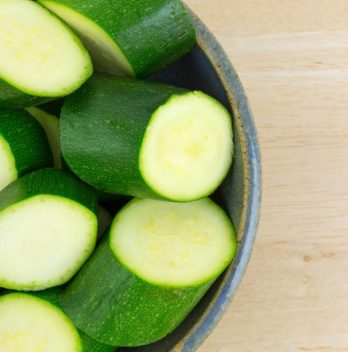
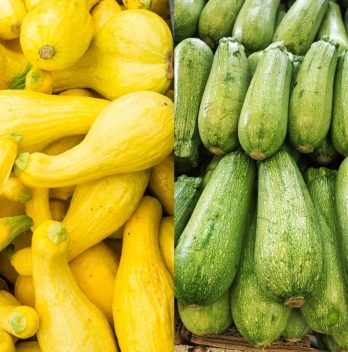
    Green zucchini is the most recognizabletype of zucchini. It has a rich, deep green color with a long, sometimes tapered shape. The flesh is white and has a mild flavor that can be slightly sweet.

    It can generally be found all year round in grocery stores, but its peak season is in summer. Green zucchini has a soft, thin skin that you can eat or peel off, depending on your preference. You can eat it raw, fried, sauteed, grilled, roasted, and steamed.

    Green zucchini squash is also a popular addition to bread, cakes, cookies, and muffins. It provides baked goods with a wonderful moist texture without changing the flavor. You won’t be able to notice that zucchini was added to baked goods, however, you will be able to taste how delicious it makes them.

    It also tends to grow in abundance, which is why it is so great to add to your baked goods. It also makes amazing fritters, salads, pasta dishes, and much more. No matter how you prepare it, it is a great addition to have in your kitchen.

    Yellow Zucchini

    Yellow zucchini is not to be confused with yellow squash, as they are two different things. Sometimes called golden zucchini, it does not taper at the end like other summer squashes.

    Yellow zucchini also has soft, thin skin that you can eat or peel off if you like. It has white flesh and is typically slightly sweeter than green zucchini. Their cylindrical shape makes them ideal for spiralizing.

    Yellow Zucchinis can often be used interchangeably or with green zucchinis in recipes. They are great for baking, roasting, frying, pasta, sauteing, grilling, and steaming. They also taste delicious when eaten raw and are great for salads and other vegetable dishes.

    Survival Garden Seeds Zucchini & Squash Collection Seed Vault – Non-GMO Heirloom Seeds for Planting

    815t78D9v6S. AC SX569

    Yellow Squash

    Though both green and yellow zucchinis are squash, yellow squash is not a zucchini. Yellow squash comes in two different types, straight neck, and crookneck neck. Both varieties have fatter bottoms that then taper as the neck curves.

    The skin is thin and can be smooth or slightly bumpy, though no matter the texture, it is edible. Their flesh is a creamy white color and they tend to have larger seeds than other types of summer squash.

    Crookneck yellow squash, which is notable for its distinctive bent neck, tends to have waxier skin than the other type. It is generally harvested once it has a more mature crookneck in order for the optimum flavor and texture.

    Straightneck yellow squash tapers at the neck but does not curve. It is best when it is harvested at around six inches long or slightly shorter as this is when it will have its best flavor and texture.

    Summer squash tastes great when you roast, grill, fry, saute or steam it. It also tastes wonderful when it is added with zucchini and baked as a casserole. It has a mild flavor, but it is not as slightly sweet like zucchini is.

    Yellow Squash

    FAQs

    Are yellow squash and zucchini the same?

    No. The difference between them is that zucchini is a member of the Cucurbit family (squash and pumpkin), while yellow squash belongs to the summer squashes (such as the patty pan, and summer squash). Both of these vegetables can be used in many different dishes such as soups, stews, casseroles, and salads.

    They are both delicious and easy to grow. Zucchini is best eaten when it is young, as its flavor becomes more intense as it ages. Yellow squash can be eaten in a variety of ways, but its most popular method is grilling. Both of these vegetables are very low in calories and fat. If you are looking for ways to add variety to your diet, these two vegetables are a great choice.

    What nutrients do they have?

    Zucchini and yellow squash are high in fiber and potassium. These nutrients help regulate blood sugar levels and help prevent constipation. Zucchini and yellow squash are also great sources of vitamins C, A, B6, and K. It is important to get these nutrients in your diet because they will boost your energy and help you stay healthy. Try to eat them every day, but if you can’t find time, at least eat them several times a week.

    Zucchini and yellow squash are great low-calorie foods to eat while losing weight. They contain almost no fat and are low in calories. It is low in calories, has a high water content and contains a number of vitamins and minerals.

    They have a lot of fiber. Zucchini has much more of it than squash because it’s lower in carbs and higher in protein.

    If you are looking for something that will boost your immune system, squash is the way to go.

    Can you eat raw zucchini and yellow squash?

    Zucchini and yellow squash are among the most versatile vegetables on the planet. They can be grilled, fried, roasted, baked, boiled, sautéed, pureed into sauces, or chopped and added to soups.

    You can eat them raw or cooked (although some people are very allergic to it). I personally would not consume it as much as other veggies, as it has a high oxalic acid content, which can cause kidney stones.

    When is the best time to plant zucchini and yellow squash?

    The best time to plant zucchini and yellow squash depends on your climate. Planting in late fall or winter can give you a good crop in the spring. Zucchini and yellow squash plants grow best in warmer weather. They will be more productive when temperatures are above 60°F. In cooler temperatures, they tend to produce less fruit and have a shorter growing season.

    Zucchini plants are very sensitive to heat and drought. They need a lot of water during the summer months to keep from wilting.

    I would recommend you get some small, shallow pots or planter boxes and put your zucchini plants in them. They will grow a lot faster than in the ground.

    Understanding Summer Squashes: Knowing the Difference Between Zucchini vs Yellow Squash

    Both zucchini and yellow squash are a variety of summer squash. They are notable for their mild flavor and soft, thin skins, which differ from the winter varieties of squash. Both of them grow in abundance during the summer season and are full of many beneficial nutrients, making them a great addition to your garden.

    Zucchini can be either green or yellow. Both the green and yellow types can generally be used interchangeably, with the yellow type often being slightly sweeter. They are a great choice for using in both sweet and savory recipes, thanks to their mild flavors and moisture they bring to baked goods.

    Yellow squash can be either straight neck or crookneck. Both types have thin skin, that can be anywhere from smooth to slightly bumpy in texture. They tend to have larger seeds than other varieties of squash and are also great for cooking in many different savory dishes.

    Do you have any questions regarding the similarities and differences between yellow squash vs zucchini? If so, please ask any questions regarding these two popular varieties of summer squash in the comment section down below.

  • Making Soil More Acidic

    Making Soil More Acidic

    Good soil is one of the most important aspects of having a successful garden. Without good soil, your plants will struggle to grow and in some cases, they might not grow at all. Making soil more acidic can help certain plants not only grow but also strive.

    Based on local geography, soils mineral content varies, which in return affects its acidity or alkalinity levels in the soil. This is measured on a pH scale, which allows people to conveniently determine the acidity on their soil. Based on the plants you are growing, you can then research the pH levels they need and test the levels in your soil, adjusting them as needed.

    How To Test For Acidity

    Before starting your garden, it is best to test the acidity levels in your soil. Different plants need more acidic levels, whereas others don’t need much acidity at all. Fortunately, you can use a pH test to determine how acidic your soil is.

    The best time to test the acidity levels of your soil is in the fall. This will then give you plenty of time to adjust your soil if need be before you plant your garden.

    How To Test For Acidity

    When testing your soil, use a hand shovel to dig about four to six inches down to obtain a sample. Once you dig up a good chunk of soil, remove any rocks, sticks, and debris from the soil. In addition, you also want to break up any large clumps of soil.

    In a large bowl, add around one cup of soil along with enough water to make it into the mud. Then, add 1/2 cup of vinegar and stir it into your mud. If your mud begins to foam, fizz, or make bubbles, your soil is alkaline.

    If no bubbling occurs, repeat the process as you did above by making mud with one cup of soil. Then, add 1/2 cup of baking soda and stir it in your mud mixture. If the mud begins to fizz, bubble, or foam, your soil is acidic.

    Using A pH Testing Kit

    You can also test the soil using a soil pH testing kit. This will give you an exact number of acidic your soil is. The pH test works on a scale of 0-14.

    To use a pH testing kit, dig up soil from four to six inches down and remove any rocks and debris. Then, place one to three teaspoons of soil in a clean glass. Pour distilled water into the glass to the same level of the soil.

    Luster Leaf 1601 Rapitest Test Kit for Soil pH, Nitrogen, Phosphorous and Potash

    81lMIyoIrfL. AC SX569

    Shake the mixture well into it becomes well combined and then let it sit for 30 minutes. Then pour your soil sample through a coffee filter, collecting the water into a new clean glass. Be certain to get as much liquid out of it as you can.

    Then place the pH strip into the liquid you collected and leave it in their according to the package’s instructions. Once it has been in the water for as long as it needed to be, compare the color of the strip to the chart of the package.

    It is a good idea to repeat the process with samples from different parts of your garden. This will help you get a good idea of the average pH levels of the soil in your garden.

    Why Acidity Levels Matter

    Many plants thrive in acidic soil because the pH provides them with the nutrients they need to grow. In addition, pH levels in the soil also play a vital role in fertility. By having an ideal acidity level in your soil, the microbiological activity of the soil increases, which leads to improved soil nutrient recycling and release.

    The pH levels in soil also work to maximize the nutrients of N, P, and K that come from fertilizers. Many plants will do best with a pH level that is right in the middle of the scale, however, it does vary by species of plant.

    Why Acidity Levels Matter

    How To Make Soil More Acidic

    Fortunately, if your soil is not acidic enough for your plant’s needs, there are several ways you can increase the acidity levels. Before adjusting your soil‘s acidity, make sure to test multiple areas of your soil to find the average pH level of your garden.

    One of the easiest and most effective ways for how to increase soil acidity is by composting. Since compost is rich in organic matter, it makes your soil more acidic gradually over time, which creates the most benefits for your plants. In addition, it not only improves the structure of the soil but also creates additional benefits for plant growth.

    In addition, you can also use compost tea to increase acidity. Simply add one to two cups of your compost to one to two gallons of water. Allow it to sit for 48 hours, stirring regularly, then strain the compost and spray the liquid in your soil for fast-acting nutrients.

    You can also use organic mulch, coffee grounds, and peat moss to help increase the acidity levels in your soil. In addition, you can also buy soil acidifier at gardening and department stores that is not only easy to use but also effective at improving the pH levels in your garden. However, it can be more expensive than the other options.

    FAQs

    What increases the acidity in the soil?

    There are several factors that can affect soil acidity, for example:

    The amount of nitrogen in the soil. The higher the nitrogen content, the more acidic the soil will be. The type of soil. Soil with clay in it tends to be more acidic than soil with sand in it. Soil with a high calcium carbonate content (found in chalk) tends to be less acidic than soil with a lower calcium carbonate content.

    You will increase the acidity of soil if you use any type of chemical fertiliser. This has nothing to do with what kind of chemical it is or how much it contains, but rather whether you have used a nitrogen, phosphorus and potassium containing chemical or not. 

    How is acidity measured?

    Soil pH is measured on a scale from 0 to 14, where 2.0 is neutral, and below 3.0 is acidic and above 4.0 is alkaline.

    The most common way to test your soil for pH is with a soil testing kit, or with an inexpensive test kit that you can buy at the grocery store or hardware store. To determine if your soil is acidic or alkaline, you can do this with the following procedure:

    1. Fill a bucket with water, and mix in 2 teaspoons of salt per gallon of water.

    2. Stir the soil thoroughly with your hands, and then add it to the water.

    3. Allow the mixture to sit for 5 minutes, and then test the pH with a pH meter.

    4. Record the pH of your soil on a pH chart, and then calculate the percentage of acidity

    If the soil is more acidic than 5 percent, add 1 tablespoon of lime per quart of soil to increase the pH.

    If the soil is more acidic than 15 percent, add 1 teaspoon of sulfur per quart of soil to increase the pH.

    What should I do when my soil has too much acidity?

    You should add some neutralizing agent to the soil. One way to do this is to add lime. Lime is an alkaline compound, so it will neutralize the acidity of your soil.

    How do I fertilize acidic soil?

    The best way to fertilize acidic soils is to use a compost tea that has been produced from compost. The compost will have a high pH and therefore the compost tea will also be high in pH. This means that it will be good at neutralizing acidity.

    What is the most widely used way of making soil more acidic?

    There are a number of ways you can acidify your soil.

    Two of the most common: Lime and Wood Ashes. These are often recommended as “natural” methods for acidifying soils, but they should be used as little as possible as they are highly toxic.

    Lime is an inorganic source of calcium carbonate. The lime reacts with water and releases carbon dioxide gas (CO2).

    The benefits of adding lime are that it increases soil pH, improves drainage, and improves soil structure. It also helps to increase organic matter and nutrient content. The disadvantages are that it can cause high levels of soil salinity, and can be detrimental to some plant species (especially those that like a slightly alkaline soil). It should be noted that lime is not a fertilizer, but rather an acidifying agent.

    Improving Your Soil: Making Soil More Acidic

    Knowing how to make soil acidic can help improve the growth of the plants in your garden. It can provide your plants with the important nutrients they need in order to thrive.

    Before planting your garden, it is a good idea to test the pH levels of your soil in several places to determine if your soil needs more acidity. In addition, be sure to research the plants you are going to add to your garden to find out what pH levels those specific plants require.

    Compost is a great way to improve the acidity of your soil. In addition, you can also use compost tea, mulch, peat moss, and coffee to improve acidity. You can even buy soil acidifier from stores to help enhance your soil.

    Do you have any questions regarding making soil more acidic? If so, please ask any questions about acidic levels in soil in the comment section below.

  • Carrot Seed Germination Time

    Carrot Seed Germination Time

    Carrots are one of the most popular vegetables to grow among gardeners of all experience levels. Not only are they packed full of beneficial nutrients, but they also taste great in many different dishes. If you are planning to grow them in your garden, you will want to know carrot seed germination time.

    In order for a successful harvest, it is important to know how correctly grow carrots. It is important that you have the right conditions in order to let them grow. You want to take careful consideration when growing any vegetable.

    Planting Carrots From Seed

    Once you get the hang of it, carrots are a relatively easy plant to grow. They are biennials, meaning they use the energy they get from the sun to build up big, starchy roots during the winter.

    Carrot seeds do best when they are planted in loose, sandy soil. It is best to plant them in the cooler seasons of the growing season, whether spring or fall. Depending on the variety, they take anywhere from two to four months to grow.

    Before planting your garden, till your soil is at least 12 inches down, make sure there are no rocks or clumps of soil that could impede on growth. Opt to use coffee grounds as a fertilizer instead of nitrogen-rich manure or fertilizer, as they will cause carrots to fork as they grow.

    In some cases, your best option may be to plant carrots in a raised garden bed. This is a good choice if you have soil that is rocky or heavy clay.

    Carrots do best when planted in full sunlight. However, if need be, they will likely do alright in partial sun. When planting your seeds, sow them 1/4 inch deep, 2-3 inches apart in rows that are one foot apart.

    Keep the soil moist by frequently watering your carrots. They can be harvested as immature as baby roots, where they will be sweeter and crunchier. You can also let your carrots grow to be several inches long. Generally, you want them to be bright orange in color and at least 1/2 inch wide.

    How Long Do Carrots Take To Germinate?

    In general, carrots will take six to 10 days to germinate if given optimal conditions. However, it may take two to three weeks for them to germinate. Though uncommon, there is the chance that it can take up to seven weeks for the process to happen.

    Plant Grow Bags 7 Gallon Heavy Duty Thickened with Handles & Large Harvest Window

    71P38n FybL. AC SX569

    Ideal Conditions f¡For Germination: How Long For Carrots To Sprout?

    For ideal carrot germination, you will need proper soil temperature, air circulation, and humidity. For best results, the soil should be somewhere from 65-85 degrees Fahrenheit. A humidity dome can also help speed up the process.

    The soil should be kept wet, but not soggy. There should be proper aeration in the soil, which you can achieve by tilling. It is best to use new, fresh seeds as older seeds will take longer to germinate.

    The colder your soil is, the longer it will likely take to germinate. When the temperature is in the 50s, you can likely expect the seeds to take 10 to 17 days to germinate. If the weather is in the 40s or below, it can take up to seven weeks to germinate, if it does at all.

    Not only will germination take less time when it is between 65-85 degrees Fahrenheit, but there will also be a much higher germination rate. Generally, the best time to plant carrot seeds is in spring, though you can also plant them in the fall as well.

    Ideal Conditions for Germination: How Long for Carrots to Sprout

    Germinating Carrots With A Paper Towel

    If need be, you can germinate your carrot seeds in a paper towel. First, spray a paper towel so it is damp but not soaking wet. Place your carrot seeds spaced apart so they are not touching and then place the paper towel in a plastic bag to trap in the moisture.

    To help the process, place the seeds somewhere warm. Once they are germinated, you can carefully place them in your gardens. Though this is not the ideal way to germinate your seeds, it will generally work.

    How Much Should You Water Carrots?

    In general, carrots will need one inch of water a week. You should keep the soil damp, but it should not be soaked. You don’t want the soil to get hard on top.

    If carrots get too much water they can end up forming weird shapes and having a bitter taste. Too little water and they will likely not grow. In warmer weather, you will need to water your garden more often to ensure they will grow.

    How Much Should You Water Carrots

    Be sure to also regularly weed your carrot garden, though be careful to not accidentally uproot your carrot plants. You don’t want any weeds or plants blocking the sunlight from your carrot plants. In order to strive, your carrots will need plenty of sunlight.

    FAQs

    How do you germinate carrot seeds fast?

    This is the way I have found to be the quickest and easiest to germinate them. Put about 2 cups of fine sand in a large glass jar or bowl. Fill it with water until it’s almost full. Remove the dirt from your seeds by removing the paper coat from the seeds. Add your seeds to the jar or bowl and gently mix in the sand, covering all of the seeds.

    If you don’t get every seed covered, don’t worry, just add more sand. Leave your seeds for 2-3 days. After that, they should be ready to be planted. The process is very easy and can be done in less than 30 minutes. When planting, fill a small container with water and place the seeds in the water. They should float for a while, but not for long. After 5 minutes, remove the seeds from the water and carefully drain the excess water. Then, place your seeds on a piece of paper towel and allow them to dry. Planting them directly into soil may take too much time. This method works best if you are using a large container or jar as your planting pot.

    How do I know they have germinated?

    It’s easy to tell when your seeds have germinated. The first sign will be a tiny sprout starting to emerge from the seed. When it’s done growing, the sprout will start to elongate and become a seedling.

    How long does it take to grow a carrot from a seed?

    It depends on the seed, soil, weather and other factors. The general rule is that it takes at least two months for a carrot seed to germinate and grow into a carrot plant, but it could take as little as a month. If you are starting from seed indoors, it could be as long as 6-8 weeks depending on the conditions.

    What’s a good way to prepare the soil?

    I would use a 1/2″ potting mix. 1/2 of the pot should be filled with potting mix, and the other 1/2 should be filled with peat moss. When planting the seeds, make sure they are evenly distributed in the pot, and then water them well. I usually put the pots in a sunny window for about a week, and then move them to a window that is slightly shaded.

    Why won’t my carrot seeds germinate?

    When you plant seeds, the seed should be fully covered with soil. If you look at the bottom of a packet of carrot seeds, you should see the root vegetable clearly. You should also see that the seed is fully planted.

    If you don’t see anything, then you need to check the following:

    1. Have you watered it enough?

    2. Is the seed moist?

    3. Did you plant the seed deep enough in the soil?

    1. Was the soil damp or dry when you planted the seed?

    2. Did you plant the seed on the right day?

    3. Is there sufficient water?

    4. Was the seed in a sunny place?

    5. Did you put the seed on the right kind of soil?

    6. Is the soil loose?

    7. Are you sure you have the right seeds?

    8. Has the seed been treated with fertilizer?

    Carrot Seed Germination Time: Know Before You Grow

    In general, you can expect your carrots to germinate within six to 10 days. However, it is not uncommon for them to take two to three weeks for germination to happen. In some cases, they may take up to seven weeks to complete the process.

    For the quickest germination time, plant new, healthy carrot seeds in spring. Plant them in soil that is well aerated, with loose, sandy soil being the best option. Make sure to keep the soil wet but not soaked and that they are receiving plenty of sunlight.

    The ideal temperature for germination is between 65-85 degrees. Carrots will also be able to germinate when temperatures are in the 50s. In some cases, they may also germinate in the 40s, but that will not always happen.

    You can also germinate them in damp paper towels that are placed in a plastic bag in a warm environment. Though this may not work as well as planting the seeds in the soil, it is still a reliable option overall.

    Do you have any questions regarding carrot seed germination time? If so, please ask your germination questions or any questions regarding growing carrots in the comment section down below.

  • When To Harvest Patty Pan Squash

    When To Harvest Patty Pan Squash

    Squash is a versatile and healthy fruit that many people grow in their gardens. One of the lesser-known varieties is  Patty Pan squash. If you plan to grow these in your garden, you will want to know when to harvest Patty Pan squash.

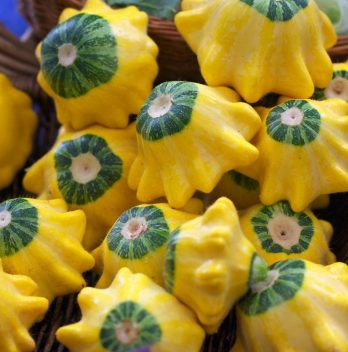
    Patty Pan squash, also referred to as Scallop squash, is a variety of summer squash. It has a light, mild flavor and is great for adding to many different recipes. They are round and flat in shape and can be white, green, or yellow in color.

    How To Grow Patty Pan Squash

    Patty Pan squash makes for a great addition to your garden. Like most summer squashes, they are typically planted in the spring, though they can also be planted in the summer. They are a quick-growing plant, as their sprouts and vines grow fast.

    On average, germination to harvest for Scallop squash is 45 to 70 days. Before you plant the seeds, you can soak them in water for 24 hours to allow them to germinate.

    When planting your seeds, you want to wait for the weather to be at least 65 degrees Fahrenheit. It is typically planted in hills or clusters.

    How To Grow Patty Pan Squash

    Make sure to choose a spot for your squash that has full sun so your plants can successfully grow. In addition, be certain that the soil where you plant is rich and drains well.

    When planting your seeds, place the hills two to three hills apart, placing two to three seeds in each hill. The seeds should be planted at least one inch deep.

    If planting your seeds in rows, space the rows 10 inches apart, leaving approximately three feet between each row. Your squash should have plenty of room to grow, as they can spread to up to six feet.

    Planting In A Pot

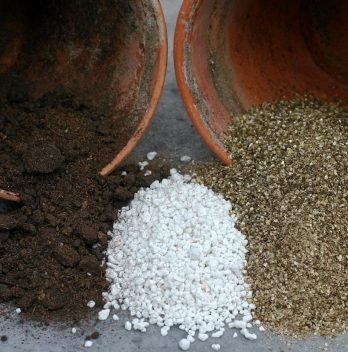
    Instead of planting your Scallop squash in a garden bed, you can also plant them in a pot. Choose a large pot that has a drainage hole or a large grow bag, that is at least 10 to 12 inches wide and also 10 inches deep. It is best to fill your pot with a mixture of compost, potting soil, a small amount of sand, and a little bit of perlite.

    Place two germinated seeds in the pot about 1/2 inch deep and then water them with around one inch of water. Place your pot somewhere in full sun, though if need be partial sun should also work. Continue to water your plant with one inch of water every week.

    For best results, use a balanced fertilizer every one to two weeks until your plants are ready to harvest. Your squash should then be ready to harvest within eight weeks.

    How Often Should You Water?

    Your squash should be well watered, receiving at least an inch of water a week. If they do not receive enough water, they will drop their flowers and fruits. Placing mulch or straw is a great way to keep the shallow roots cool and moist, allowing the plant to grow healthy.

    Soil And Temperature

    Scallop squash does best in rich, well-drained soil with a pH of 6.1 to 6.5. However, it should do just fine in any rich, well-drained soil.

    Summer squash does best in temperatures between 65 to 75 degrees Fahrenheit. You should wait for the soil to be at least 65 degrees before growing your squash. On hot summer days, the plant may slow down its production, but will then pick production rapidly back up in the fall.

    Organic Potting Mix by Perfect Plants for All Plant Types – Great for Veggies

    61zPBDoSnGS. AC SX569

    When To Pick Patty Pan Squash And How Big Do Patty Pan Squash Get?

    It is important to know when to harvest Patty Pan squash in order to enjoy it at its best. Most of the time they will be ready within 45-70 days of planting.

    You can start picking Patty Pan squash when they are about two inches in diameter and all the way up to four inches in diameter. Each squash will weigh one pound or less.

    When it gets close to 45 days after planting, begin to check your plants on a daily basis. They are capable of reaching harvest size within four days of flowering.

    The squash can grow up to seven inches in diameter, however, they are often best they are two to four inches in diameter. They are a versatile fruit and you can cook them in many different ways including steamed, braised, grilled, raw, fried, and roasted. They are also great to stuff with cooked meat, rice, quinoa or whatever you’d like.

    How To Store Them

    After picking them, you should store your squash in a plastic bag or paper bag that is open in your crisper drawer. The temperature should be set to around 45 to 50 degrees Fahrenheit. Store them unwashed to prevent any moisture from building up.

    Your squash will keep for about three to four days in the fridge. Once you are ready to eat it, thoroughly wash it off. You can eat it with the skin still on.

    How To Store Them

    How do you know when to pick a patty pan squash?

    Well, it’s pretty simple. When the stems are about as long as your little finger and the ends of the leaves are starting to wilt.

    You can pick this squash when it’s small, about eight to 10 inches in diameter, and it will keep for several weeks. You can cut it in half and use it as a main dish, or you can slice it and use it in salads or other dishes. This squash is sweet and delicious when cooked. It has a mild flavor, so you don’t need to add anything to make it taste better.

    The flavor is subtle and the texture is more like a zucchini than a pumpkin. It’s great with savory dishes like meatloaf or in pies and casseroles. The one downside is that it takes a while to get the seeds out.

    What time of the year can you pick it?

    They are available in the spring and summer months, and they are one of the first things you want to plant in your garden. This squash has a long shelf life, which means that you can pick them at any time of year. It’s an excellent choice for your backyard vegetable garden because it doesn’t require much attention.

    How can you cut it when it gets big?

    I love patty pan squash, but it’s pretty large. As far as cutting it up, I usually just cut it into chunks and toss it into the food processor with some garlic and fresh herbs. The trick is to cut it in half lengthwise first so it will fit into the food processor.

    Which are the easiest varieties to grow?

    They are so much fun to play with, and they look so pretty in the garden. However, they are also very easy to grow, which makes them great for a beginner gardener.

    They come in two varieties: green and yellow. The green ones are easier to grow than the yellow ones.

    Can you eat it raw?

    No, patty pan squash has a very delicate skin that needs to be removed before eating.

    Do you prune patty pan squash?

    You don’t need to prune them. They grow very quickly and are ready to harvest after about a month, when they have formed a large number of fruit.

    How do you harvest patty pan squash seeds?

    Squash seeds are pretty easy to harvest. You don’t need any special equipment, just a sharp knife and patience. Cut the squash in half, remove the seeds, then cut the halves into cubes. Cut out the seeds from each cube (you can do this with a spoon or with your fingers).

    A Delicious And Nutritious Summer Squash

    If you want to grow Patty Pan squash, you can do it in your garden or even in a pot. They are relatively easy to grow and do best when planted in spring when the temperature is at least 65 degrees Fahrenheit. They typically take 45-70 days to go from germination to harvest.

    When planting your seeds, plant them in rich soil that has good drainage. Provide your plants with at least one inch of water every week. They will do best in full sun, though your squash will likely still thrive in partial sun.

    You can pick your Scallop squash once they are between two to four inches in diameter or up to seven inches. Once harvested, keep your squash in the fridge in an open bag in the crisper draw. They will stay fresh for up to three to four days and be sure to wait to wash them until you are ready to eat them.

    Do you have any questions on when to harvest Patty Pan squash? If so, please ask any questions on planting and harvesting Patty Pan squash in the comment section down below.