Author: Anna

  • List Of Non-Cruciferous Vegetables

    List Of Non-Cruciferous Vegetables

    Vegetables are an important part of people’s diets. There is a large variety of vegetables, including non-cruciferous and cruciferous. This post will share a list of non-cruciferous vegetables that will make a great addition to your garden.

    There are many great non-cruciferous vegetables that not only taste good but are also packed full of many important nutrients. They are great to incorporate into your diet daily. In addition, many of them are great for growing in your home garden.

    Cruciferous Vs Non-Cruciferous Vegetables

    If you are an avid gardener, you may have heard of the terms cruciferous vegetables and non-cruciferous vegetables. However, many people are unfamiliar with the two terms.

    Cruciferous vegetables belong to the Brassicaceae family of plants and are native to Europe and the Medderteranian, along with the temperate regions of Asia. These leafy green vegetables are low in calories and high in nutrients. Oftentimes they are particularly high in fiber, vitamin A, vitamin C, and also vitamin K.

    Many cruciferous vegetables contain glucosinolates, which exhibit cancer-fighting properties. In addition, they improve heart health, aid in weight loss, and reduce inflammation. Common cruciferous vegetables include brussels sprouts, broccoli, kale, cauliflower, radish, turnip, arugula, and bok choy.

    However, cruciferous vegetables can lead to thyroid problems in some people, particularly when eaten raw. For those with thyroid problems, it is best to stick with non-cruciferous vegetables.  There are a large variety of non-cruciferous vegetables that are full of important vitamins and also nutrients.

    Complete List Of Non-Cruciferous Vegetables

    Non-cruciferous vegetables can be grown all throughout the world. They are a popular choice among many people, whether they have thyroid problems are not. Many of them are great for snacking, salads, smoothies, sauteing, boiling, or however else you would like them prepared.

    Here is a list of non-cruciferous vegetables you should have in your kitchen. Many of them are also great to grow in your own garden as well.

    Spinach

    Spinach is a popular vegetable thanks to its versatility and health benefits. It is loaded with nutrients as well as antioxidants and is excellent for salads and also sauteing.

    Parsley

    Parsley has many benefits including helping with high blood pressure, allergies, and also inflammatory diseases. It is a wonderful vegetable to use as a garnish or topping in sandwiches, salads, pasta, and salad dressings.

    Non-Cruciferous Vegetables - Parsley

    Beets

    Beets are packed full of manganese, fiber, vitamin C potassium, folate, and also iron. They are a wonderful vegetable to roast or even pickle.

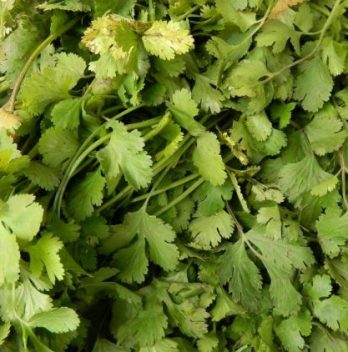
    Cilantro

    Cilantro is an herb that many use in salsas, guacamole, soups, and as a garnish for meats. It provides significant dietary fiber, calcium, iron, magnesium, and manganese.

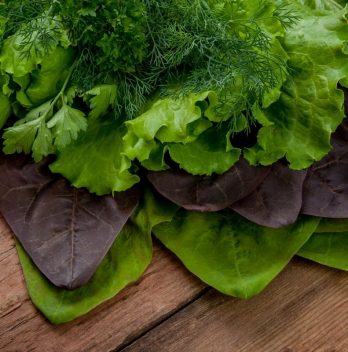
    Lettuce

    Lettuce is one of the most popular vegetables thanks to its health benefits and versatility. Many different varieties are great for salads, wraps, toppings, and more.

    Wheatgrass

    Wheatgrass is an excellent source of antioxidants, nutrients, minerals, and also vitamins, especially vitamins A, C, and E. Many people add wheatgrass to their smoothies as it blends well and has a mild taste.

    Moringa

    Moringa is popular for its numerous health benefits, including its high levels of vitamin C and potassium. It can come in a powder form that can be used to make tea and in addition, smoothies.

    Greens Powder Smoothie Mix | Purely Inspired Organic Greens Powder Superfood

    817HQb7MGuL. AC SX679

    Dandelion

    Though many people just think of dandelion as a weed, it comes with many health benefits. Sometimes used in herbal medicine, dandelions have antioxidants and can also fight inflammation, lower cholesterol, and regulate blood sugar.

    Chicory

    Chicory comes with many health benefits and is a common remedy for helping with liver and heart health, as also constipation. Many people use it as a spice and in some cases, people will also add it to coffee grounds.

    Carrots

    Carrots are one of the most popular vegetables to eat and many people also enjoy growing them in their gardens. They are rich in vitamin A, antioxidants, vitamins, minerals, and fiber.

    Green Beans

    Green beans come in many different varieties and are enjoyed in many different ways. These tasty greens are high in vitamin K and calcium.

    Sweet Potatoes

    Delicious and nutritious, sweet potatoes are rich in fiber and antioxidants. People enjoy them in many ways including baked, fries, casserole, mashed and roasted.

    Non-Cruciferous Vegetables - Sweet Potatoes

    Ginger

    Ginger is one of the healthiest and most popular spices in the world, as it contains antioxidants and can aid in nausea, weight loss, and heart health. It is popularly used as a spice in baking and also cooking.

    Garlic

    Many people love the strong taste of garlic, making it popular in many savory dishes. It is a good source of manganese, vitamin B6, vitamin C, fiber, and also selenium.

    Asparagus

    Asparagus is a good source of fiber that also helps with digestive health, as well as reducing the risk of heart disease and high blood pressure. Many people enjoy growing it in their own gardens and then grilling or roasting it.

    Peas

    Peas come in wide varieties and people often enjoy incorporating them into different savory dishes. They are a good source of vitamins C, vitamin E, zinc, and antioxidants.

    Cucumbers

    Many people enjoy growing cucumbers and then eating them in salads or as pickles. These crunchy veggies are high in antioxidants and promote hydration.

    Non-Cruciferous Vegetables - Cucumbers

    Celery

    Celery is a good source of vitamin A and vitamin C and makes a great low-calorie snack. It can be eaten raw or added to soups, stews, and chilis.

    Can Cruciferous Vegetables Cause Headaches?

    There is no evidence suggesting that cruciferous vegetables cause headaches. On the contrary, these veggies are really healthy! Broccoli, cabbage, and cauliflower are excellent sources of vitamins C and K and dietary fiber. 

    However, they can lower your estrogen levels. A fast decrease in estrogen can disrupt your hormones, leading to symptoms like headaches. Eating a lot of these vegetables can also cause bloating and gas. This pain might lead to a headache for some people. But it’s not common. 

    You should speak to your doctor if you experience headaches after eating cruciferous vegetables. There might be an underlying cause. 

    Are Cruciferous Vegetables Complex Carbohydrates?

    Cruciferous vegetables are complex carbohydrates. Carbs form when carbon dioxide and water combine during photosynthesis. Green cruciferous vegetables, like broccoli, cauliflower, and brussels sprouts, contain plenty of this. They are part of the Brassica family hosting veggies that are also rich in vitamins, minerals, and fiber. 

    You should include a variety of cruciferous vegetables in your diet. Complex carbs are more filling and nutrient-packed. They also aid in weight loss and keep blood sugar levels balanced. Your energy levels will be steadier, and you’ll have an easier time functioning throughout the day if you include cruciferous veggies in your diet. 

    Can Cruciferous Vegetables Cause Diarrhea?

    Cruciferous vegetables contain plenty of whole carbs. One such is raffinose, and many people have difficulty digesting it. If you aren’t used to eating a lot of carbs and fiber, your digestive tract can have trouble processing it. 

    Undigested fiber and carbs like raffinose can cause bloating, gas and diarrhea when it reaches the large intestine. 

    Are Cruciferous Vegetables High in Potassium?

    Cruciferous vegetables are a good source of potassium. It’s essential to include these in your diet. Eating cruciferous veggies daily will ensure your body gets all the nutrients it needs. Healthy adults should consume about 4,700 milligrams of potassium per day. Here’s a list of potassium-rich cruciferous vegetables:

    • Broccoli – contains approximately 316 milligrams of potassium per 100 grams
    • Bok Choy – has about 176 milligrams of potassium per 100 grams
    • Brussels Sprouts – contains roughly 389 milligrams of potassium per 100 grams
    • Cabbage – contains about 170 milligrams of potassium per 100 grams
    • Kale – has approximately 491 milligrams of potassium per 100 grams

    How Long Does it Take to Digest Cruciferous Vegetables?

    The time it takes for food to digest varies depending on multiple factors. The type of food, your digestive system, and how much you’ve eaten influence this. Whether you ate the food raw or cooked also makes a difference. 

    Cruciferous veggies are high in fiber. You might think this makes it easier to digest, but most people find it more difficult. It can take a little longer for these to pass through your digestive system compared to other types of food. 

    Leafy cruciferous vegetables like broccoli, brussels sprouts, cabbage, cauliflower, and kale can take up to 50 minutes to digest when you eat them cooked. If you chew down on them raw, they can take even longer!

    Delicious and Nutritious Non-Cruciferous Veggies

    Several delicious non-cruciferous vegetables are great for incorporating into your diet. They are a particularly good option if you struggle with thyroid problems. Many of them are great for growing in your very own home garden.

    Non-cruciferous vegetables come in a wide variety, from sweet potatoes to spinach. Many of them are also great to prepare in a variety of different ways.

    Do you have any questions regarding this list of non-cruciferous vegetables? If so, please ask any questions regarding non-cruciferous and cruciferous vegetables in the comment section down below.

    FAQs

    Is spinach considered a cruciferous vegetable?

    “Crucifer” refers to plants in the family Cruciferae, which is made up of broccoli, brussel sprouts, cauliflower, kale, collard greens, and cabbage. Spinach doesn’t fall into this category.

    Is lettuce considered cruciferous?

    It’s a member of the brassica family, which is also known as Cruciferae, along with cabbage and broccoli. Brassica is the name of the family, not the name of the individual plants. The family includes broccoli, cabbage, cauliflower, kale, mustard, radish, turnip, and horseradish, among others.

    Cruciferous vegetables contain indoles (flavonoids) and glucosinolates (plant chemicals), which help protect against cancer.

    What is the healthiest cruciferous vegetable?

    The healthiest cruciferous vegetable is cauliflower. The reason for this is that cauliflower contains more phytochemicals than broccoli, brussel sprouts, kale or cabbage, and the nutrients are better absorbed into the body. Cauliflower is rich in antioxidants called sulforaphanes. These help protect your cells against damage from free radicals (unstable molecules).

    Free radicals are produced as a byproduct of normal metabolic activity. The good news is that sulforaphanes can be converted into other antioxidants which may have even greater anti-cancer effects. They also help prevent cancer by supporting the body’s immune system. Cauliflower is rich in vitamin K, folate, and vitamin C, all of which support the immune system and promote cell growth. It also contains more fiber than any other cruciferous vegetable. Cauliflower is a good source of calcium, magnesium and potassium, which help build strong bones and muscles. It also contains vitamin B6, an important nutrient for the production of red blood cells. Vitamin B6 has been shown to reduce the risk of heart disease. Cauliflower also contains choline, a B vitamin that is important for normal nerve function. Choline is also a natural pain reliever.

    Is it safe to eat cruciferous vegetables every day?

    Yes, it is safe to eat cruciferous vegetables every day. This includes broccoli, cauliflower, cabbage, kale, brussel sprouts, and bok choy. You should continue eating these foods even if you are taking supplements or herbal remedies.
    There are two types of cruciferous vegetables: Brassicas (cabbages, broccoli, kale, cauliflower) and Cruciferae (mustard greens, arugula, chives, radishes).
    You can also find them at the store as part of a salad mix or in a Chinese stir fry. They are also very common in cooking, especially in Asian dishes. The major phytonutrients in cruciferous vegetables are glucosinolates and indole-3-carbinol (I3C). The main glucosinolate found in broccoli is sulforaphane. Sulforaphane is an antioxidant that protects cells from damage caused by free radicals. It also has anticancer properties. Sulforaphane is converted into I3C by the enzyme myrosinase which is present in both the Brassicas and Cruciferae vegetables.

  • How Big Should Tomato Seedlings Be Before Transplanting?

    How Big Should Tomato Seedlings Be Before Transplanting?

    Tomatoes are one of the most popular plants to grow among gardeners of all experience levels. However, you may wonder, how big should tomato seedlings be before transplanting? It is important to know this in order to help your tomato plants thrive.

    Under the right conditions, tomato plants will thrive and grow an abundance of fruit. Transplanting them at the right time is key to allowing them to successfully grow. If you do it too early, you risk your plant failing to grow properly.

    What Is Transplanting?

    In gardening, transplanting is the technique used for moving a plant from one location to another. The plant will be fully germinated or mature during the process of moving. The process can be done when moving a plant from a pot to a garden or moving it from one location in the garden to another.

    There are several reasons why a person may transplant a plant. When buying a plant from a garden store, it is common to move the plant from the pot it came into a larger pot or a garden. People may also transplant a plant if the surrounding plants are diseased or have pests in order to protect it.

    In addition, transplanting can help extend the growing season. Different plant species will react differently to transplanting, so it is important to do it with care and proper research.

    What Is Transplanting

    When To Transplant Tomato Seedlings

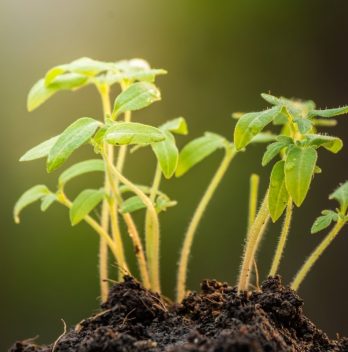
    When tomato seedlings are three to four inches tall and have their second set of leaves, they are ready to transplant. Anytime before this and they will likely be too fragile and not yet ready.

    In addition, you will want to make sure the nighttime temperatures are at least 50 degrees Fahrenheit. If it is much lower than that, it will be too cold for your tomato seedlings.

    Some gardeners will also choose to a second transplant of their tomato plants. This second transplant should be done when the tomatoes are six to ten inches tall. By doing a second transplant, you can help ensure your plant will have a good root system.

    How To Transplant Tomato Plants

    When transplanting tomato seedlings that are three to four inches tall to a new container, choose one that is deep. This will help the roots develop and create a strong plant. When planting, use the same soil you did when germinating them.

    Before transplanting, water the seedlings as moist soil will cling to the roots and help the plant from drying out. Then, carefully lever the seedlings out of the soil and try to lift the plants by their leaves rather than the stem.

    Once safely removed from their original pot, place them in the new, larger pot three inches apart from each other. Set the soil firmly around the plant, going all the way up to the first set of leaves if possible.

    Lightly water the soil and keep your seedlings out of bright sunlight for a day or two. Use liquid fertilizer once a week as they grow.

    They will generally need at least two weeks in their containers before you transfer them to your garden. Always plant tomato seedlings with care and never grab them by the stem.

    Second Transplant

    If you want to transplant your seedlings for a second time before planting them in the garden, wait until they are at least six to 10 inches tall. This will help ensure they have a healthy root system.

    You can transfer them individually to half-gallon milk jugs or four- to six-inch-diameter pots. Transplant them just as you did the first time.

    Burpee Self-Watering Seed Starter Tray, 72 Cells

    Transplanting To The Garden

    When transplanting your tomatoes to your garden, dig a hole in your garden bed that is a few inches deeper than the current depth of the pot the seedlings are in. Dig the holes at least a few inches apart to give them plenty of room to grow.

    Carefully remove your plants from their container and transfer them to the garden bed. Cover the plant up with dirt, right till the first set of leaves if they are seedlings. Water your tomatoes right after moving them.

    Ideal Growing Conditions

    Tomatoes do best in well-drained soil in a location that receives full sun for the majority of daylight. They should receive at least six to eight hours of full sun a day in order for them to produce an abundance of fruit.

    They do best in climates with temperatures between 65 to 85 degrees Fahrenheit during the day. In addition, they should also receive one inch of water a week to allow them to grow healthy and strong.

    They do best in soil that is slightly acidic, between 6.2 to 6.8. Since they strive for warmth, they are generally planted in late spring to early summer. They will also benefit from compost and fertilizer.

    Ideal Growing Conditions

    Tomatoes are generally harvested mid to late summer. Once you pick them, store them indoors which allows them to ripen more. They do best in cool temperatures, however, you don’t need to store them in the fridge.

    FAQs

    When should I transplant tomato seedlings?

    Transplanting tomatoes is not something you should rush into. It is a delicate operation and one which requires experience to pull off successfully. The best time to plant tomatoes is when the soil has warmed up and the nights have become longer. Tomato seedlings should be planted into a potting mix or into the ground as soon as they sprout.

    How do you transplant tomato seedlings?

    You can transplant tomatoes either as a single plant or as a cluster of several plants. When you are transplanting your tomatoes, make sure they are well-established before you do so. Tomatoes grown from seed will take approximately three months to get into full production. It’s best to wait until after the first frost before you transplant. Transplanting tomatoes is a great way to extend their growing season.
    The following are guidelines for when you should transplant your tomatoes: In spring: Start transplants outside in containers at least 2 weeks before last frost. Do not transplant when soil is frozen. In summer: If you are planting in the ground, wait until temperatures are consistently above 50°F. In fall: If you have had a long dry spell, it’s a good idea to transplant tomato seedlings into the ground now rather than waiting for next spring. You can also plant your tomatoes in containers and bring them inside when the weather starts getting cooler. Make sure you get them in before the first frost.
    Transplanting your tomatoes is a relatively simple process. Here’s how to do it: Remove the seedling from its container and gently loosen the roots. Take care not to damage the root system. Place the seedling in a hole that is about twice as wide as the seedling. The bottom of the hole should be slightly below the level of the surrounding soil. Add soil until it is just above the top of the seedling’s stem. This will help the plant establish quickly.

    How do I start a new tomato plant?

    Tomatoes are easy to start from seed. You can either buy ready-made seeds or sow your own. For those who want to sow their own, it is best to buy a packet of tomato seeds which have been pre-germinated. These seeds will already be planted in a tray. You then take the tray and place it into a warm environment for about two weeks until the seeds start to germinate. After this period, you can plant them into a pot or directly into the ground.

    How big should seedlings be before transplanting?

    You should go with 4 inch-tall.
    Plant the seedlings in fertile soil. Fertile soil is rich in nutrients, so it’s best for young plants. You can improve the soil by adding some fertilizer, compost, peat moss or other organic material. The soil should be moist but not wet. Water your seedlings regularly.

    The best time to plant is when the soil is warm, dry and well-drained. Seedlings should be started in flats, pots or cell packs (a small flat container with individual cells that can be used for a single plant) and placed into larger containers as they grow. It’s important to avoid transplant shock by gradually exposing young plants to the outside world. You don’t have to expose them to full sunlight.

    Knowing How Big Should Tomato Seedlings Be Before Transplanting

    Transplanting tomato seedlings is an important process in their development. It helps with the growth of the stems to promote a strong, healthy plant.

    When transplanting your tomato seedlings, wait until they are at least three to four inches tall and have their second set of leaves. In addition, you can also transport them again when they are six to ten inches tall to help further develop their roots.

    Transplanting should always be done with care and you should never hold them by the stems. Instead, it is better to grab them by the leaves. Then, when planting them as seedlings, you can cover them with soil all the way up to the first set of leaves to help them grow.

    Do you have any questions on how big should tomato seedlings be before transplanting? If so, please ask any questions regarding transplanting your tomato seedlings and growing tomato plants in the comment section below.

  • Do You Use Cilantro Stems?

    Do You Use Cilantro Stems?

    Cilantro is a popular herb to use in cooking. It is versatile and is great for use in salsas, soups, curries, and much more. Though the leaves are commonly used, many people wonder, do you use stems of cilantro?

    Cilantro is readily available in most grocery stores and can also be grown in your own home garden. It is a great herb that many chefs like to have on hand in their kitchens. It has a signature taste that wonderfully complements many different dishes.

    Using Cilantro In Cooking

    Cilantro is a type of annual herb that is part of the family Apiaceae. It is also called coriander, Chinese parsley, or dhania. Though the leaves and seeds are the most commonly used parts, the stems, along with the rest of the plant are edible.

    Cilantro has a taste that is slightly tart, similar to that of a lemon or lime. However, for some people, it has a taste of dish soap. This is a result of a variation in a group of olfactory-receptor genes that some people have, which leads them to experience a soapy flavor.

    Cilantro leaves are popular for use in chutneys, salads, salsa, and guacamole. In addition, many people use it to garnish soup, fish, and meat.

    The seeds can be used both whole dried and ground. When they heat up, the aroma and flavor heighten. As a spice, it is used in garam masala, curries, sausages, beer, and in pickling vegetables as well.

    Cilantro also comes with many health benefits as well. It is beneficial for your digestive health and is even helps your skin. In addition, it can also help with pain, inflammation, and anti-fungal properties.

     do you eat cilantro stems

    Do You Use Stems Of Cilantro?

    So, you may wonder, do you eat cilantro stems? Despite what some people think, cilantro stems are edible. Though other herbs may not have stems that are edible or taste good, cilantro does.

    In fact, they can be great for cooking as they are tender and flavorful, which is great for many dishes. The stems also have a crunchy texture, which can be great for adding texture to many dishes.

    The stems of cilantro can be great for using in salsas, like pico de Gallo, sandwiches, sauces, soups, and much more. They have the same great taste as the leaves and can be just as great to use.

    How To Chop Cilantro

    To start off, wash off your cilantro and then pat it dry. Then, line it up and chop off the bigger, thicker part of the stems at the bottom, if desired. Sometimes the bottoms of the stems can be too thick and woody for some people’s preferences.

    Then, fold cilantro in half and begin chopping it. Use a sharp knife to finely chop it up by doing a rolling motion with the knife. You can chop it as finely as you like depending on your recipe.

    When chopping it, you can leave the stems of the top in and chop them up finely as well. If you want, you can also finely chop up the bottom stems if you don’t mind that they are thicker. Then, add your chopped cilantro to your dish or blend it up for making a sauce.

    How Long Does Cilantro Stay Good?

    Freshly picked cilantro will last for about seven to 10 days in the fridge when properly stored. It is a perishable herb, so it will only last for a few hours at room temperature once you pick it.

    It is important to properly store cilantro in order to ensure that it will stay fresh for as long as possible. To do so, start out by removing the rubber band that holds the herb together.

    Then,  fill a glass with an inch of water and then place your cilantro into it. You will also want to lightly cover it with a plastic bag in order to maintain freshness. You can also store your cilantro in a produce bag in your crisper drawer.

    Like all fruits, vegetables, and herbs, you will want to wash them before using them. However, too much moisture can cause it to go bad quickly, so be sure to wait until you are ready to use your cilantro to wash it.

    How To Tell If Your Cilantro Is Bad

    Cilantro that is soft and discolored is no longer good. In addition, if it has an off-smell or taste, you will want to disregard it. In addition, if there is any mold or it feels slimy, throw it out right away as it is not safe to eat.

    How To Grow Cilantro At Home

    If you want to grow cilantro, the best time to do it is in cool weather, such as early spring. You should plant it in loose soil that has good drainage and in a spot that has full sun. You can grow cilantro in planters or garden beds, just be sure there aren’t any taller plants taking away its sunlight.

    The seeds should be planted about one to two inches apart about 1/4 to 1/2 an inch deep in the soil. The soil should be moist, but not soggy, with around one inch of water a week being adequate. It strives in temperatures between 60-70 degrees.

    61+s8Sn36hL. AC SX679

    Understing If You Do You Use Cilantro Stems

    Cilantro stems are edible and they are great for adding it your favorite dishes. In fact, they are full of flavor and provide a great crunch to different dishes. When chopping up the leaves, you can chop up the stems as well to use.

    Unlike other herbs, the stems are just as flavorful as the leaves are. There is no need to throw out the stems as they are perfectly good to use. However, some people may choose to leave out the bottom of the stems because they are thicker and woodier.

    Do you have any questions regarding do you use cilantro stems? If so, please ask any questions on using the stems in cooking in the comment section down below.

  • How Long Are Zucchini Good For?

    How Long Are Zucchini Good For?

    Zucchini is a popular choice among gardeners of all experience levels. They are a versatile variety of squash and often grow in abundance. So, just how long are zucchini good for?

    Though culinary wise they are a vegetable, zucchini is a fruit botanically speaking. Thanks to their high moisture content and neutral flavor, they are great for both sweet and savory dishes. There are also different varieties of zucchinis available to grow.

    Brief History Of Zucchini

    The origins of zucchini go all the way back to Mexico over 7,000 years ago where maize, beans, and squashes were an important part of people’s diets. However, zucchini itself was developed in Italy in the late 1800s. The first mention of the zucchini comes from a work published in Milan in 1901.

    Early varieties of zucchini were named after cities in Italy. It was introduced to America by Italian immigrants in the 1920s. As a type of summer squash, it quickly became popular all across America.

    Brief History Of Zucchini

    How Long Is Zucchini Good For?

    Unlike varieties of winter squash, zucchinis can be easily perishable. When properly stored, a zucchini will last for one to two weeks. You can keep it at room temperature, but it will only last about two to three days before it is no longer at its peak.

    After harvesting or buying your zucchini, you only have a limited time to use it while it is still good. Though it will vary by the individual vegetable, you can expect them to last for up to two weeks in a cool environment such as a fridge.

    How To Keep Zucchini Fresh

    To keep a zucchini fresh, you will want to store it in a cool, dry area away from sunlight. Heat and humidity will cause a zucchini to go bad quicker.

    The ideal place to store your zucchini is in the crisper draw of your fridge. Store them in a plastic, mesh, or paper bag with one end open to encourage air circulation. Moisture can accelerate the spoiling process, so be sure to wait to wash it until you are ready to use it.

    Since they are delicate, do not place other items in the fridge on top of them. This can cause the fruit to bruise, which will lead it to go bad quicker.

    If you have any leftover zucchini that is cut up, store it in an airtight container in your fridge. It will last for two to four days after being chopped up.

    Perfect Stix – Brown Bag 2-100 2lb Brown Paper Bags – Pack of 100ct

    614D3+76HqL. SX522

    How To Store Zucchini Long Term

    If you won’t be able to use your zucchini up within a couple of weeks, you can freeze it for later. However, raw whole zucchini will not freeze well as it will become weepy and watery once you thaw it. Fortunately, blanching is an easy solution to prevent this from happening.

    To prep, your zucchini for freezing, start out by washing it and then cutting it into slices. You will want the slices to be at least half an inch thick.

    Bring a large pot of water to a boil and cook your zucchini slices for one to three minutes, until they are firm and bright green. Then, use a slotted spoon to immediately transfer them to an ice bath. Gently stir the ice water to fully cool them down.

    Once cool, drain the water and lay the slices down in a single layer on a baking tray. Then, use a paper towel to remove the moisture.

    Place the baking tray with the slices in the freezer and let them sit in there for two to four hours. Once completely frozen, transfer the slices to a Ziploc bag and return to the freezer. The slices will last for up to six months if properly stored in the freezer.

    You can also freeze grated zucchini as well. Simply wash your vegetable, then grate it and lay it flat on a baking tray. Then, place the tray in your freezer and keep it in there for one to two hours. Once it is frozen, transfer it to an airtight container or Ziploc bag and return it to the freezer for up to six months.

    When ready to use, allow your zucchini to defrost at room temperature for an hour or overnight in the fridge. Then, use it accordingly in your recipes.

    Read more about Does Zucchini Grow On A Vine?

    How To Tell If They Are Ripe

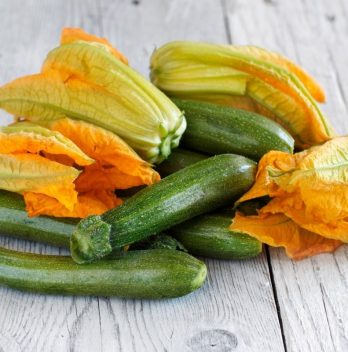
    When zucchini is ripe, it will be around six to eight inches long. It should be firm and shiny but slightly flexible and dark green in color, though depending on the variety it may be yellow or white. The skin should be firm, but will slightly dent when you push in on it with your fingernail.

    Avoid harvesting zucchinis that are mushy or bruised, as they will likely not be good. If it is hard or light green, it will still need more time to grow.

    How To Tell If They Have Gone Bad

    If your zucchini is soft, mushy, or bruised, you will want to avoid using it. In addition, you will want to throw it out if it is moldy or has an off-color. If you notice that the flavor is bitter or the smell is funky, you will want to discard it.

    In addition, it is likely no longer good if the insides are stringy and the seeds are large. The skin may wrinkle or shrivel when it is going bad.

    How To Tell If They Have Gone Bad

    FAQs

    How do you know when zucchini go bad?

    When it starts to smell funny. If it starts to rot, it’s already too late.

    Is zucchini still good after 2 weeks?

    Zucchini will keep a few weeks in the fridge.

    Does zucchini last longer in the fridge?

    Yes. You can keep it for a couple of weeks, even if it starts to get a little soft, but it will definitely last longer if you put it in the freezer. 

    Store it in a plastic bag in your refrigerator, or in the freezer. If you’re going to use it within a few days, you can leave it out on the counter. It will be okay at room temperature, but not as good as when it’s cold.

    How long will a zucchini last on the counter?

    You can keep them for up to two days. If you are looking to use them for a snack or side dish, then it is probably best to cook them as soon as possible. If you have an abundance of them, you might consider freezing some for later.

    Is zucchini still good when soft?

    The zucchini should be mostly yellow, the yellow part being the stem.

    The white part is the seeds. If you’re seeing green, it may be a matter of maturity. Zucchini usually take longer to mature than yellow squash. The green squash can be cut away and used in recipes, but will not have the same flavor as yellow squash.

    Why does my zucchini taste bitter?

    The bitterness of a zucchini can be caused by a number of factors. The most common is the presence of oxalic acid, which occurs naturally in plants. Oxalic acid is not only a powerful antioxidant and anti-inflammatory agent, but also has an affinity for calcium. This makes it a natural chelator of calcium.

    In addition to oxalic acid, the seeds, stems, and flowers of many plants contain phytates, which are also strong chelators of calcium. Phytates are found in many vegetables, nuts, and grains, such as wheat bran and whole grain bread. You may also find that your zucchini contains other bitter compounds, such as saponins, which are found in plants from the nightshade family (potatoes, tomatoes, eggplants, etc.). These compounds are very potent antioxidants and have a similar affinity for calcium. To reduce the bitterness of your zucchini, try soaking it in water for several hours before cooking or boiling it for longer.

    Keeping Your Zucchini Fresh And Delicious

    Zucchini is a great vegetable to have on hand for baking and cooking during summertime. It can perish quickly, but with proper storage, it can last for up to two weeks in your fridge. You can keep it at room temperature, but it will only last for around three days before it is no longer at its peak.

    You can also freeze it as well by blanching slices or grating it. Both ways will last for around six months in your freezer.

    Do you have any questions regarding how long are zucchini good for? If so, please ask any questions regarding zucchini storage in the comment section below.

  • Are Cherry Tomatoes The Same As Grape Tomatoes?

    Are Cherry Tomatoes The Same As Grape Tomatoes?

    Tomatoes are a versatile fruit and are popular among gardeners of all experience levels. However, you may wonder are cherry tomatoes the same as grape tomatoes? Though the two varieties of tomatoes are similar, they do have their differences.

    From sauces to sandwiches and everything in-between, tomatoes are a popular ingredient in many dishes. Though culinary wise they are referred to as a vegetable, they are actually botanically a fruit. They come in many different varieties and are all delicious and full of health benefits.

    Brief History Of Tomatoes

    The origins of tomatoes trace back to the Aztecas in around 700 AD, which leads many to believe that they are native to South America. Around the 16th century, the tomato was introduced to Europe after explorers brought them back from the New World. They quickly grew in popularity across Southern Europe.

    The Spanish and Italians were the first to adapt tomatoes into their cuisine. The tomato was then introduced to North America by the Europeans. It wasn’t until around the early 20th century that they became popular all across the country.

    Brief History Of Tomatoes

    Now, tomatoes are one of the most popular vegetables in the culinary world. They are grown commercially all across the world and many people also grow them in their home gardens. You can find them in all sorts of different varieties, shapes, sizes, and colors.

    What’s The Difference Between Cherry And Grape Tomatoes?

    So, are grape tomatoes the same as cherry tomatoes? Though they are similar, cherry and grape tomatoes are different.

    Cherry tomatoes get their names since they are shaped like cherries. They are round with thin skins and a high water content. They are generally softer than grape tomatoes and tend to be squisher as well.

    Cherry tomatoes will often pop and squirt juices in your mouth as you bite down. They can grow to be almost twice as big as grape tomatoes.

    Grape tomatoes have an oblong, oval shape that is similar to that of a grape. They have a thicker, meatier, and chewier consistency than cherry tomatoes do. Their flesh has less water, making them not as juicy as cherry tomatoes are.

    They often grow in clusters, just like grapes do. In addition, they also tend to have a longer shelf life as well. Both varieties are great for growing in your own garden and will typically grow in an abundance.

    Sow Right Seeds – Tomato Seed Collection for Planting – Variety of Sizes, Shapes, and Colors

    81 qFZ2hAKL. AC SX569

    Flavor Profile And Colors

    Cherry tomatoes tend to be sweet in flavor, though some can be a bit tart. Though they are often red in color, they can also be orange or yellow. They are popular for having a crisp bite and fresh flavor.

    Grape tomatoes have a rich taste and they aren’t too sweet or too acidic, though they can be a bit tart. They have a crunchy bite and meaty consistency. In addition, they are also often red, though they can be yellow or orange as well.

    Common Uses

    Cherry tomatoes are great for sauces, salads, kebabs, and roasting. In addition, they are also great for stuffing. Grape tomatoes are ideal for salads, sauces, roasting, and grilling. You can eat both types raw or cooked.

    Like all fruits and vegetables, you should wash your tomatoes before you eat them. For best results, wait to wash them until right before you use them.

    Can You Use Them Interchangeably?

    For the most part, you can use cherry and grape tomatoes interchangeably in your recipes. Some people prefer one variety over the other, but they will often both work well in recipes that call for one or the other. If you are wanting to stuff your tomatoes, cherry is the better option.

    Proper Storage

    Tomatoes do best when you store them at room temperature, in a cool, dry area away from direct sunlight. Since they are fragile, it is best to store them in a paper bag or a Tupperware container. They will last for about one week at room temperature with proper storage.

    You can also store fully ripe tomatoes in the fridge for up to two weeks. Keep them at a warmer spot in the fridge such as the top shelf or door. Remove any stems before placing them in the fridge and store them stem side down.

    Any leftover tomatoes that are already cut should be stored in the fridge in an airtight container. They will last for around 3-4 days after you cut them in the fridge.

    You can also freeze tomatoes as well if you have an abundance from your garden. To freeze, wash them and thoroughly dry them off and then add them to a Ziploc bag. Remove as much air as possible from the bag or use a vacuum sealer if you have one of those.

    Place your tomatoes in a single layer in your freezer to prevent them from getting squished. They will keep for around nine months to a year in your freezer.

    Cherry Tomatoes - Proper Storage

    You can also freeze them in slices as well. Simply slice them into pieces and place them on a baking tray. Then, place the tray with the slices on it in the freezer for one hour. After the hour, wrap them in plastic wrap and then place them in a Ziploc bag before returning them to the freezer.

    When ready to serve or cook, allow them to thaw at room temperature for 30 minutes. You can also thaw them whole or slice them in the fridge overnight as well.

    FAQ’s

    Whats the difference between cherry and grape tomatoes?

    Tomatoes are a very diverse group of plants, with many different types, colors, shapes, sizes, flavors, and uses. The most common varieties are beefsteak, plum, cherry, and grape tomatoes.

    “Grape” tomatoes are similar flavor and texture to regular cherry tomatoes. Cherry tomatoes are larger, with thicker skins and smaller seeds. “Cherry” tomatoes are a type of plum tomato. The skin is thick and shiny, and they have a bright red color. They have a higher sugar content than other tomatoes, but less acidity. They are typically picked at the green stage, then ripened at home in a paper bag on a countertop or in the refrigerator.

    Cherry tomatoes are small, sweet, juicy tomatoes that are perfect for snacking and salads. They have a thin skin that is easy to peel off, making them great for eating raw in salads or as part of sandwiches. Grape tomatoes are larger than cherry tomatoes.

    As a general rule, if you can fit your thumb in the hole of the tomato, it is cherry.

    Are grape tomatoes better than cherry tomatoes?

    If you’re looking for the most flavorful and juicy tomato, then you’ll want to go with the grape variety. Grape tomatoes are a small round tomato with sweet flesh that is often sold in a cluster of several together. They have a mild flavor and are ideal for salads. In addition, they can be eaten raw or cooked. Cherry tomatoes are larger than grape tomatoes, but they also have sweet flesh.

    In addition to being delicious, these varieties of tomatoes are also very good for you. They contain lots of lycopene, which has been proven to help reduce the risk of certain cancers. Lycopene is also believed to protect against heart disease and other ailments.

    They are cheap, easy to find, and easy to eat. I can eat them raw or in salads. They are good for cooking too, because they stay nice and firm. I like their texture and flavor. Grape tomatoes are more expensive.

    You can only get them out of season. The ones that grow in the winter are small and bland.

    Can you substitute cherry tomatoes for grape tomatoes?

    Yes, you can use any kind of cherry tomatoes in place of grape tomatoes. They are very similar in flavor and size, but if you prefer a different tomato flavor you can certainly use them.

    Why are cherry tomatoes so expensive?

    One reason is that they’re a speciality crop, requiring lots of effort to grow. Another reason is that the plants have been bred to be especially sweet and juicy.

    Can you freeze grape tomatoes?

    Grape tomatoes can be frozen, but they should be placed in an airtight container or bag and frozen individually. If they are frozen together, the flavor is likely to be ruined.

    How many types of cherry tomatoes are there?

    There are many types of cherry tomatoes, but only a few types are widely available. For example, the small cherry tomatoes sold in plastic bags at supermarkets are typically Roma (or “Romano”) tomatoes; these have thick skins that are tough enough to withstand shipping and storage without spoiling. Most cherry tomatoes sold fresh at farmers’ markets or grocery stores are called “summer” cherry tomatoes because they are picked before they have started to turn red.

    Understanding The Differences Between Grape Vs Cherry Tomatoes

    Grape and cherry tomatoes are very similar, however, cherry tomatoes are round and grape tomatoes are oblong and oval. The cherry variety tends to be juicer and sweeter, whereas the grape variety tends to be meatier and chewier. The cherry variety tends to be larger than the grape variety.

    Both varieties are great for salads, sauces, roasting, snacking, and grilling. Oftentimes, these two varieties can be used interchangeably with each other as both have a wonderful flavor. They are typically red, orange, or yellow in color, with red being the most common.

    Do you have any questions regarding to are cherry tomatoes the same as grape tomatoes? If so, please ask any questions regarding tomatoes in the comment section down below.

  • Do I Live In A Jerusalem Artichoke Growing Zone?

    Do I Live In A Jerusalem Artichoke Growing Zone?

    Though they may not be as popular as other root vegetables, Jerusalem Artichokes are commonly found throughout North America. If you plan to grow them, you will want to know your Jerusalem Artichoke growing zone. This will help ensure you live in the right environment that will allow them to flourish.

    Fortunately, the great thing about Jerusalem Artichokes is that they have the capability to grow in many different areas. In fact, they grow so easily that they are almost considered invasive in some areas. They can be a great plant to grow for gardeners of all experience levels.

    What Are Jerusalem Artichokes?

    Despite their name, Jerusalem Artichokes are actually native to North America, not Jerusalem and they have no relation to artichokes. They are a type of root vegetable that belongs to the sunflower family. They are also called sunchokes and they are typically prepared like a starchy vegetable.

    Sunchokes have a white flesh that is nutty, sweet, and crunchy, similar to chestnuts when raw. When you bake them in their skins, they become similar to potatoes while having a mild taste like artichoke hearts.

    You can eat sunchokes either raw or cooked. However, for some people, they can cause excess gas due to the fact they store energy as inulin.

    During the summer, they sport tall, yellow flowers. They can grow to be 6-10 feet tall and 3-5 feet wide. Sunchokes are a great plant to grow for novice gardeners.

    There are a few different varieties of Jerusalem Artichokes, with French Mammoth White, Golden Nugget, and Fuseau being the most common. These varieties are all great for growing in your garden.

    French Mammoth White sunchokes are very popular and produce good-sized, white tubers that are knobby.  The Golden Nugget variety has a tapering tuber and a flavor that is smooth.  The Fuseau variety is popular for producing large, smooth tubers early on that exhibit somewhat of a smoky flavor.

    Jerusalem Artichoke Growing Zones

    Due to their adaptability and hardiness, Jerusalem Artichokes are able to grow in a variety of areas. They do well when grown in Zones 3-9. The artichoke zone is can vary depending on where you live.

    Since they do best in cooler environments, it is not recommended to grow them in zone nine and above. However, you can still have success growing them in these zones, but there is no guarantee that they will thrive.

    Jerusalem Artichokes due best in full sun or partial shade. Ideally, you want them to get at least six hours of sun a day. You can research to make sure where you live is a Jerusalem Artichoke growing zone.

    Jerusalem Artichoke Growing Zones

    They can grow in just about every soil type, even in heavy clay soil. However, they do not do well in soggy conditions. Their ideal soil is fertile and loose, while also being well-drained and slightly alkaline.

    Though they are capable of handling drought, they do best with at least one weekly watering. Their ideal temperature for growing is between 65 to 90 degrees Fahrenheit.

    How To Plant Jerusalem Artichokes

    The ideal time to plant your sunchoke tubers is in early spring. You should plant them when the soil is at least 50 degrees. If you think you might have a hard freeze, add a layer of mulch to protect them from the cold.

    You should space the tubers 12 to 18 inches apart, around five inches deep. The eyes of the tubers should be facing upwards and they should weigh at least 1.75 ounces in order to have a good harvest. Your soil should be damp, but you do not want it to be wet.

    Where to Get Jerusalem Artichoke Tubers for Planting

    You can purchase Jerusalem Artichoke tubers at most gardening stores. In addition, they are also readily available online as well, which is great if you don’t live close to a gardening store. They are often very affordable to buy and you can purchase them in bulk quantities.

    5 Tubers Jerusalem Artichokes AKA Sunchokes, Sunroot for Planting or Eating-None

    91D0RKpVmsS. AC SX569

    When To Harvest Them

    The best time to harvest Jerusalem Artichokes is between October to December. However, they can be flavorful and sweeter after experiencing a frost or two.  In general, they take between 110 to 150 days to reach full maturity.

    If you want to extend your harvest, you can add a thick layer of mulch to protect the sunchokes from frost. You can use a fork, hand rake, or your hands to carefully locate the tubers or simply just pull up the stalk from the base. You typically want to wait to harvest them until the flowers have died.

    How To Store Them

    Jerusalem Artichokes do not have as long of a shelf life once harvested as other starchy vegetables such as potatoes have. You can store them in your fridge for around 10 days or so. You can also keep them in a root cellar that is 32 degrees Fahrenheit or colder for a couple of months.

    It is best to store them in perforated plastic bags or slightly vented containers. They should be slightly damp in order to prevent them from shriveling.

    In addition, you can also freeze cooked Jerusalem Artichokes. After cooking, allow them to fully cool before putting them in an airtight container or a Ziploc bag in the freezer. Freeze them for up to three to six months and allow them to cool for a couple of hours in the fridge or heat them up directly out of the freezer.

    How To Store Them

    FAQs

    Where can you grow Jerusalem artichokes?

    Jerusalem artichokes, also known as sunchokes or sunflower artichokes, are native to Eurasia and North America. They grow best in temperate climates with rich, fertile soil that is high in organic matter. They prefer a cool season growing environment, but can tolerate heat and drought. The tubers can be harvested when they’re about 6 inches long and the leaves are beginning to turn yellow.

    Are Jerusalem artichokes easy to grow?

    Jerusalem artichokes require warm temperatures for germination, so you’ll want to plant them in spring. Space the plants at least 18 inches apart and water regularly until the tubers are ready to harvest. If you live in a cold climate, you can plant in fall and then wait until spring to dig up the tubers. You can also grow sunchokes from seed.
    The Jerusalem artichoke (Helianthus tuberosus) is an herbaceous plant which is widely grown in Europe, Australia and the United States. The artichoke has been cultivated since ancient times, but it was not until the 19th century that it became a major food crop. The tubers of this plant are generally stored in a cool, dark place for use throughout the year, or canned or frozen for later use.

    How much sun do Jerusalem artichokes need?

    They need full sun. Jerusalem artichokes are a form of the sunflower (Helianthus tuberosus). They grow very well in dry soils and are hardy. They require a long growing season, but have a relatively short growing time once planted. They also tolerate a wide range of temperatures.

    Can you eat a Jerusalem artichoke raw?

    Jerusalem artichokes are delicious raw or cooked. They’re best when they’re fresh, so make sure to eat your tubers right away. These members of the sunflower family are grown for their edible tuber and are available in most supermarkets. 
    They’re also a good source of vitamins and minerals. They have a slightly nutty taste and are a bit like a potato with a softer texture. You can also bake, boil or microwave them. For a different taste, try adding them to mashed potatoes, pasta dishes or pizza.

    Do Jerusalem artichokes need to be refrigerated?

    It’s a good idea to store them in the refrigerator if you’re planning on using them within a few days. They do have a shelf life of up to 6 months, but if you’re going to use them soon after buying, they can last up to 3 weeks in the refrigerator. They should be stored at room temperature for best results though.

    Are Jerusalem artichokes good for you?

    The artichoke has a great nutritional profile, and is packed with vitamins A, B, C, and D.

    They also contain inulin, which is a prebiotic fiber that can help promote digestive health. Healthy and delicious, the Jerusalem artichoke is a vegetable that everyone should be eating!

    What are Jerusalem artichokes used for?

    There are a number of ways that you can use Jerusalem artichokes. They can be roasted or steamed, mashed or added to soups, stews or pasta dishes. They can be boiled, fried or baked. In fact, there are so many ways that you can prepare these roots, that it’s hard to know where to start. I recommend roasting them with olive oil and garlic. You can add these to soups, salads or pasta dishes. They are also great for making bread or using in place of potatoes in a mashed potato recipe. Jerusalem artichokes also make a great addition to smoothies. You can blend them into a smoothie or add them to a smoothie bowl.

    Growing Your Own Jerusalem Artichokes

    Jerusalem artichokes are great for gardeners of all experience levels and do best in zones 3-9. They are native to North America and tend to grow in abundance due to their hardiness. Not only do they produce beautiful yellow flowers, but they also produce edible tubers you can eat raw or cooked.

    Sunchokes taste especially good after one or two frosts occur. They tend to develop a stronger flavor and are often sweeter as well. However, they do not keep as long as other starchy vegetables and they should be kept in a cool, damp environment.

    Do you have any questions regarding your Jerusalem Artichoke growing zone? If so, please ask any questions regarding sunchokes and how to grow them in the comment section down below.

  • How To Tell If A Spaghetti Squash Is Ripe

    How To Tell If A Spaghetti Squash Is Ripe

    Spaghetti squash is one of the most popular types of squash that gardeners grow. If you have some growing in your garden, you will want to know how to tell if spaghetti squash is ripe. This will help ensure you are picking it when it is at its peak.

    Spaghetti squash is versatile and goes great in many different dishes. When cooked, the inside can be shredded into “noodles” making it a great alternative to traditional pasta. It is most commonly prepared by being roasted.

    What is Spaghetti Squash?

    Spaghetti squash is a type of winter squash that comes in a variety of shapes and is most often yellow, orange or ivory in color. It has a hard exterior and unlike on summer squash, the skin is inedible. It has large seeds, which can be roasted.

    Spaghetti squash has a delicate, mild flavor that goes well with different sauces. It has many health benefits as it is a low-calorie food rich in vitamins, minerals, and antioxidants. It is generally an easy plant to grow, which makes it popular among many gardeners.

    Though it is often referred to as a vegetable, it is actually a fruit, as are all varieties of squash. There are also different types of spaghetti squash. The most common types include Tivoli, Goldetti, Sugaretti, and Small Wonder.

    How To Know When To Pick Spaghetti Squash

    How To Know When To Pick Spaghetti Squash

    Spaghetti squash is generally harvested in early fall before the first winter frost hits, However, it can be picked anytime between August to December, depending on the conditions and when it was planted.

    It is typically ready to pick within 90-110 days after planting the seeds or 40-50 days after the blossoms have bloomed. There are several factors that go into knowing when to pick spaghetti squash off the vine.

    You want to avoid picking squash unripened or overripened. It must be completely mature when you pick it, as it will not ripen afterward. When it is over-ripe, it will not be edible either.

    It is important to note that not all the fruit on your spaghetti squash plant will be ready to harvest at the same time. They will mature at different rates, as some will need more time than others.

    Squash Color

    One of the best indications on whether to tell if your squash is ready or not is color. Generally, you will want to harvest your squash when it has a bright yellow-golden color. If it is yellow-green, it is not ready yet and if it is deep orange, it is over-ripe.

    In addition, if you notice spots, streaks or it is only partially yellow, it is not ready. You will notice a change from pale yellow or green to golden-yellow when they are ready to harvest.

    Fingernail Test

    The fingernail test is another reliable way to test the readiness of your spaghetti squash. Try to push your fingernails into the skin of the fruit. If the skin is tough and you can not puncture it, then your squash is ready for picking.

    If you can make a mark on the skin or puncture it with your nail, then your squash needs more time. If your nail is easily able to go through the skin, it is over-ripe and likely mushy inside.

    Dullness Of Skin

    As it grows, the skin of the squash will have a glossy appearance. Wait for it to have a dull appearance, as this means that it is ready to pick. Glossiness on the skin is a sign of an immature squash that needs more time to grow.

    Vine Dryness

    When the vine of the squash turns dry and is brown in color, your squash is ready for harvest. If the vine is still green, then your plant is likely still growing and may not be ripe yet. However, if it passes all the other tests but the vine is still slightly, green, it is likely ready for you to pick it.

    Our Pick
    Squash Seeds for Planting 5 Individual Packets – Zucchini, Delicata, Butternut, Spaghetti and Golden Crookneck
    $9.95

    Gardeners Basics Squash Seeds for Your Non-GMO Heirloom Vegetable Garden

    Check Amazon Price
    We earn a commission if you make a purchase, at no additional cost to you.
    12/07/2025 10:03 pm GMT

    Check For Blemishes

    When picking your spaghetti squash look for any blemish on the fruit. Examine it for bruises, soft spots, black discoloration, and mold. If any of these are visible, it is likely that the fruit is over-ripe.

    How To Store Spaghetti Squash

    After you harvest it, spaghetti squash has a long shelf life. You can keep it in a dry, cool area that is 60 degrees Fahrenheit or cooler for up to three months. You can also keep it at room temperature for up to one month, as long it is kept away from sunlight.

    You can store whole spaghetti squash in your fridge for up to two weeks, however, it will go bad faster due to the higher moisture levels in your fridge. Once you slice open your squash, store any leftovers covered in plastic wrap or an airtight container in the fridge for up to three to five days.

     Can You Freeze Spaghetti Squash?

    You can freeze cooked spaghetti squash. Allow it to dry completely after you cook it and pat any excess moisture off of it. Then, transfer it to an airtight container or a Ziploc bag, getting rid of as much air as possible to prevent freezer burn.

    You can store it in the freezer for seven to eight months. Once you are ready to eat it, thaw it in the fridge for a few hours or reheat it directly from the freezer.

    Can You Freeze Spaghetti Squash

    FAQ’s

    What happens if you pick spaghetti squash too early?

    If you pick it before the vines have reached full maturity, then the squash will be smaller. It is best to wait until the vines have formed a canopy over the plant. The fruit will then be larger and will hold up better when cooked. 

    Can you eat spaghetti squash before it is ripe?

    Spaghetti squash is one of the most versatile vegetables in the world. You can use it as a base for soups, stews, casseroles, quiches, pasta dishes, and even pizzas. However, you must wait until the squash is fully ripe before you eat it.

    What is the best way to store spaghetti squash?

    Store in a plastic bag or container in the refrigerator. You can also freeze spaghetti squash for up to 3 months. Thaw frozen squash overnight in the refrigerator before using. Spaghetti squash is a summer staple on my dinner table. It’s so easy to prepare and I can add it to almost any recipe that calls for a squash. I usually make spaghetti squash with pasta sauce and mozzarella cheese. It’s a delicious combination!

    What color should spaghetti squash be inside?

    The outside is bright orange, but the inside is yellow. The inside will have a yellow/greenish color because that’s the way the seeds look when they’re developing.

    How do you know when squash is ready to eat?

    The first thing to do is to look at the skin. It should be a nice golden color, and not be discolored. Squash can be stored for up to 2 weeks in the refrigerator. You may choose to freeze it for longer storage. When you take it out of the freezer, thaw it completely. Do not let it sit at room temperature.

    Is spaghetti squash green before turning yellow?

    It is normal for the green skin of a fresh squash to turn yellow as it ripens. I would not worry about it. If you peel the squash and cut it open, you will see that the inside is yellow and ripe.

    How big should squash be before picking?

    The smallest can be about 2 inches in diameter, the medium, about 3 inches in diameter, and the largest, about 5 inches in diameter. It can be from 8 to 12 inches long.

    When should spaghetti squash be planted?

    There are two ways you can plant your spaghetti squash: You can plant them in spring or fall. If you plant them in spring, it is best to direct seed them because the plants will be much stronger and more likely to survive the winter. Plant them in a sunny area with good drainage and keep them well watered. If you plant them in fall, they will need a greenhouse or cold frame to overwinter.
    The squash grows best when the soil temperature is between 60 and 70 degrees during the day and 50 to 55 at night. It will do better if there is no rain or if there is only a light sprinkle of rain. The squash can be harvested after it has matured for about four months.

    The Importance Of Knowing How To Tell If A Spaghetti Squash Is Ripe

    To ensure it will test its best, you will want to know when spaghetti squash is ready to pick. Too early and it won’t ripen off the vine and too late it will not be edible.

    It should be golden-yellow in color with a dull appearance. You should not be able to puncture the skin with your fingernail and the vine will likely be brown and dull.

    Do you have any questions regarding how to tell if spaghetti squash is ripe? If so, please ask any questions regarding this winter squash and when to harvest it in the comment section below.