Author: Anna

  • How Does An Artichoke Grow?

    How Does An Artichoke Grow?

    Artichokes are a popular and versatile vegetable.  However, due to their unusual appearance, you may wonder, how does an artichoke grow? Though they may take some experience, they are great vegetables to grow in your garden.

    Artichokes are packed full of health benefits. There are many different tasty ways you can prepare them to enjoy. They are a great vegetable that you can grow in your own home garden with the right experience.

    How To Grow Artichokes

    Artichoke plants are a type of herbaceous perennials that are part of the Asteraceae family. This group of plants includes thistles, dandelions, and sunflowers.

    Artichokes are short-lived perennials when grown in warmer climates but in cooler regions, they are grown as annuals. They are grown for their unique edible flower buds, which people harvest before the flowers open.

    How To Grow Artichokes

    Originally, artichokes are from the Mediterranian area. They are still mainly grown here today, but they are also grown commercially in other areas too such as California.

    Though commercially they are mainly grown in California, home gardeners grow them all over. However, they’re very large plants so you will need to have plenty of space.

    How Does An Artichoke Grow?

    Artichokes are commonly described as architectural plants, due to their tall, branching build. They have big, silvery-green leaves that can be prickly and thick stems large flower buds. The buds are the part of the plant we eat and a healthy plant will produce around six to nine buds.

    You can grow them without the worry of animals eating them, because very few do. They can be harvested at will, but the unique plants and textural leaves will add an interesting look throughout the season. Despite not being grown commercially in many areas, they can grow well in most regions.

    At maturity, artichokes can be three to six feet tall and four to five feet wide. If you grow them at home, you need to have a large garden with plenty of space. Place them four to six feet apart in rows and place the rows six to eight feet apart to make growing and watering easier.

    Proper Growing Conditions – How Does An Artichoke Grow

    Depending on the climate, artichokes will be planted at different times of the year. If grown in cooler climates as annuals, they should be planted in the spring. In warmer climates, they can grow as perennials and can be planted as seeds in late spring or as young plants in mid-fall.

    Artichokes can grow in zones 7-11. They need soil that is well-drained, light, and fertile. You should be certain to plant your artichokes in an area where they can receive full sun.

    Ideally, the pH level of the soil should be slightly alkaline. Artichokes prefer warmer, drier weather, which is why they thrive in California and the Mediterranean. If you grow them as a perennial, you will want mild winters and cool, moist summers.

    Watering And Fertilizer

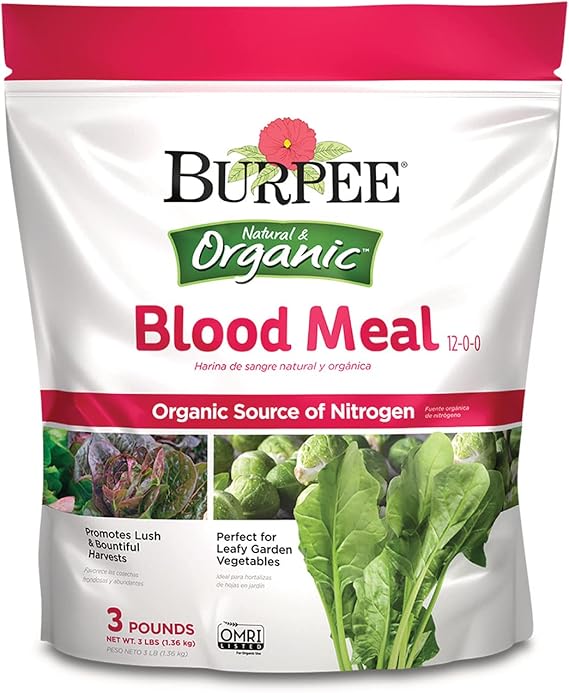
    Artichokes do best with a balanced vegetable plant food fertilizer that is applied every two weeks during the growing season. They should be watered one to three times a week. This will allow the plant to develop a strong root system while keeping the buds fleshy and tender.

    Burpee Organic Blood Meal Fertilizer | Add to Potting Soil
    61vM2KsOMcL. AC SX569

    Varieties

    There are a few different varieties of artichokes. Some of the most common varieties include Big Heart, Green Globe, Imperial Star, Purple of Romagna, and Violetto. Green Globe tends to be one of the most popular varieties.

    How To Trim An Artichoke

    Though it can be tricky at first, trimming an artichoke is a pretty straightforward process once you get the hang of it. After harvesting, it requires a few steps to get them to the point where you can eat them.

    To begin, cut off the top third of the artichoke bud using a serrated knife. Next, remove the outer two layers of leaves that are around the stem. Then, you will use kitchen scissors to trim off any sharp tips remaining on the outer leaf.

    Peel the stem off the artichoke. If you don’t plan on using the artichoke right away, you can place it in a bowl with lemon water to keep it fresh until you are ready to use it.

    Common Ways To Prepare Artichokes

    You can cook artichokes in many different ways including steaming, baking, grilling, braising, or stuffing. Steaming is often the most popular way to cook artichokes as it is the easiest.

    Artichokes also taste great in dips, salads, soups, stew, and hash. They come with many health benefits including being low in fat and rich in fiber, antioxidants, vitamins, and minerals.

    Common Ways To Prepare Artichokes

    Growing Your Own Artichokes

    Artichokes are a versatile and healthy vegetable that you can grow in your own garden with the proper room and knowledge. They can grow in zones 7-11 and need full sun along with well-drained, light, fertile soil.

    Do you have any questions regarding how does an artichoke grow? If so, please ask any questions relating to growing artichokes in the comment section below.

    FAQ’s

    How Long Does it Take to Grow an Artichoke?

    Most artichokes take around 85-100 days to reach harvest once planted. The center of the bud matures the fastest, followed by the sides of the bud.

    How Much Water Does it Take to Grow an Artichoke?

    Artichokes should be watered thoroughly one to three times a week. This will allow the roots to grow strong and allow the buds to become tender and fleshy. During production season, they will need about 15 inches of water in order to be healthy.

    Are Artichokes Easy to Grow?

    Artichokes are not particularly hard to grow, but most importantly you need plenty of space to grow them. Most intermediate and advanced gardeners have no problem growing them with the right knowledge. In order to enjoy a bountiful harvest, you need proper planting, watering and pruning.

    How Tall Does an Artichoke Plant Grow?

    Artichoke plants can grow to be as tall as three to six tall. They can be as wide as four to five feet.

    Due to their large size, you need to have plenty of room in your garden to grow artichokes. You should plant them four to six feet apart in rows and the rows should be six to eight feet apart to make growing and watering easier.

  • The Differences Between Greensand Vs Azomite

    The Differences Between Greensand Vs Azomite

    If you are an avid gardener, you might have looked into the benefits of using Greensand vs Azomite for your plants. As they are both naturally occurring substances, they are used to amend the soil, improving the conditions. They are both particularly popular to use with indoor plants.

    Both Greensand and Azomite have advantages and disadvantages for using for your garden. It is important to understand the differences between the two along with the pros and cons so you can decide which one is best for your gardening needs. Both substances can be great options to improve your plants as long as you know how to use them right.

    Greensand Vs Azomite

    Both Greensand and Azomite are substances that are used in potting mix, primarily for indoor plants though you can use them in outdoor gardens too. They help benefit the soil to help your plants grow strong and healthy.

    Greensand is a type of sand also known as sandstone that is greenish in color. It is rich in Potassium, Magnesium, Iron, and Silica and is a popular choice among organic gardeners. It offers great drainage and works well as a fertilizer.

    The main ingredient in Greensand is Glauconite, which gives it its green appearance. It is mined in New Jersey from oceanic sedimentary deposits. It has been used by gardeners for decades as a reliable fertilizer

    Greensand Vs Azomite

    Azomite comes from dust rocked that is mined in Utah. It is the most popular type of rock dust used in gardening. It is extracted from ancient volcanic ashes and it is one of the rarest minerals.

    Azomite contains a distinct combination and quality of crystalline minerals unlike any other mineral deposit in the world. It is mainly Silica, but it also contains Boron, Magnesium, Iron, Copper, Potassium, and Zinc. Known as the “A to Z of Minerals” it contains an excellent source of micronutrients plants can benefit from.

    Check Out A Guide On When To Pick Basil Leaves

    Benefits Of Greensand Vs Azomite

    There are many benefits that come with using Greensand for your plants. Since it is natural, it is safer to use than artificial fertilizer.

    Greensand works as a natural fertilizer for your plants and since it contains potash, it increases disease resistance in plants. It also adds a free-draining texture and the green color can look great with your plants. Greensand is also non-toxic, so it is safe to use around pets and children.

    Greensand is particularly great to use with clay and sandy soils. It can help loosen up clay while helping sandy soil better retain water. It can also enhance soil structure, increase root growth and improve the overall health of your plant.

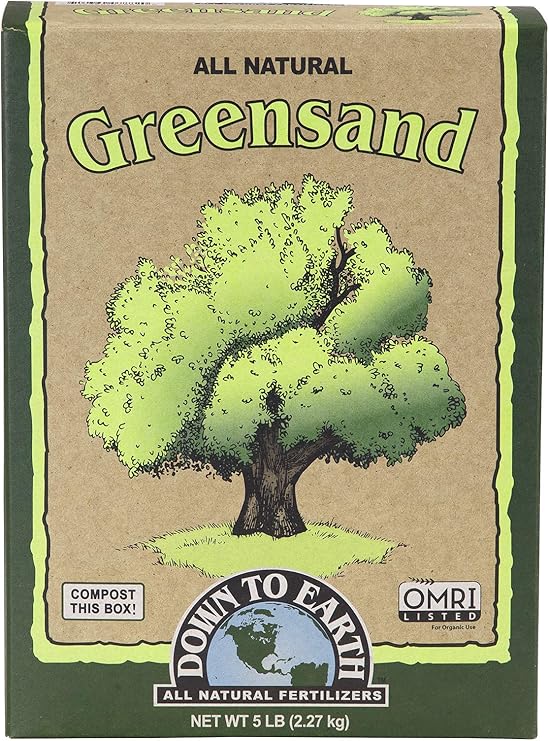
    Down to Earth Organic Greensand Fertilizer, 5 lb

    81vgL+dJuPL. AC SY741

    Greensand is neutral on the pH scale and is great for providing your soil with essential nutrients. You can use it as a potting mix for indoor plants or for your outdoor garden as well. You can even use it on your lawn as well to improve grass growth and it is safe to use on sensitive plants.

    Cons Of Greensand Vs Azomite

    If you use too much Greensand, it will end up releasing the nutrients too slowly, not giving them the benefits that they need. Depending on where you live, Greensand can be hard to find and it can get a bit expensive.

    Benefits Of Azomite

    Azomite is packed full of many beneficial nutrients that plants need. It is natural, so it is safe to use for indoor and outdoor plants.

    Azomite can produce larger fruits and vegetables while also improving their taste. It promotes root growth while also improving depleted soil.

    Azomite provides 70 micronutrients, many more than traditional fertilizer does and it is safer to use. Though its pH is alkaline, it is safe to use on all types of soil.

    Though you can use Azomite with just about any plant, it is particularly great to use with vegetables and fruits. It increases the concentration of sugars and can produce healthier fruits and vegetables. Since it is nontoxic, it is safe to use around pets and children in your household.

    Cons Of Azomite Vs Greensand

    Since Azomite is rock dust, overexposure from excessive inhalation can lead to problems with your lungs. This, however, is true for all forms of dust. Depending on where you live, it may be hard to find at local garden centers and it can be pricey as well.

    Excellent Choices For Your Gardening Needs – Greensand Vs Azomite

    Both Greensand and Azomite come with many benefits that outweigh the negatives. Both can be very beneficial fertilizers for your garden and they are both natural and non-toxic, making them safe to use. Your gardens will see many benefits from using either of these natural fertilizers.

    Do you have any questions regarding Greensand vs Azomite? If so, please ask any questions in the comment section below regarding these two natural fertilizers for your plants.

    FAQ’S

    What is Greensand?

    Greensand is a type of sandstone that is greenish in appearance. It contains mainly Glauconite and is also full of many beneficial nutrients for your plants. It comes from oceanic sedimentary deposits and is mined in New Jersey.

    Greensand is non-toxic and is a great fertilizer to use for clay and sandy soil. You can use it for your indoor plants, outdoor garden and even your lawn.

    What Does Azomite Do for Plants?

    Azomite provides plants with 70 micronutrients that are beneficial for growth. It can help increase the yields of fruits and vegetables while also making them taste better.

    Azomite also promotes root growth while enhancing depleted soil. It is non-toxic and it is safe to use for all soil types.

    Greensand or Azomite, Which is Better?

    Greensand and Azomite both come with many benefits and can both be used as fertilizers for your plants. They are both safe to use and provide your plants with important nutrients to help them grow.

    Azomite releases its nutrients faster and contains more minerals than Greensand, making it the better option for some. It is especially great to use for growing fruits and vegetables. Greensand is still an excellent choice and it is particularly great for clay or sandy soil.

  • Popular Herbs With Shallow Roots

    Popular Herbs With Shallow Roots

    If you are limited on garden space, herbs with shallow roots are a great option to grow. They are great for use in some of your favorite dishes, as you can’t beat the taste of fresh herbs. No matter your gardening experience level, they can be great to grow.

    There are many different varieties of herbs you can grow in your home garden, many of which due great in shallow pots. You can grow them whether you live in a house with a small yard or in an apartment. Herbs are versatile and you can use them fresh or dry them out.

    How Deep Do Herb Roots Grow?

    The root depth of herbs will vary based on the variety, however, most will grow to be three to 12 inches long, with some growing up to 18 inches. Due to this, most varieties will do well in shallow pots, allowing you to easily grow different varieties of herbs. This makes herbs great for growing indoors on window shelves or in small gardens.

    The great thing about herbs is that they are adaptable and do great in a variety of conditions. As long as they receive a reliable source of warmth, sunshine, water, and nutrients they will do just fine in shallow pots.

    How Deep Do Herb Roots Grow

    Best Herbs For Shallow Pots

    If you are wanting to grow herbs but are limited on space, do not worry, as you are in luck. There are many herbs you can grow in shallow pots that will thrive. They are also generally easy to maintain, making them a great option for gardeners of all levels.

    Chives – Herbs With Shallow Roots

    Chives are one of the shortest herbs, as their roots grow to be only three inches long. This makes them particularly great for growing in the windowsill of a garden. They thrive in full sun and well-drained soil and you can easily grow them indoors in a bright, sunny location.

    Chives make a great topping on many dishes including potatoes, fish, sandwiches, quiche, and much more. During their first year, you can harvest them three to four times. After that, you will want to cut plants back monthly.

    Oregano

    Oregano is a popular and versatile herb that can strive in six inches of soil. There are several different varieties of oregano you can grow, with Greek and Syrian being among the most popular.

    Oregano does best in full sun and prefers well-drained soil. It pairs great with dishes that contain tomatoes, such as pizza and pasta, as well as being great for marinades and vinaigrettes.

    Best Herbs For Shallow Pots - Oregano

    Parsley

    Parsley is a versatile herb that grows well in garden beds and pots. Their roots grow up to six inches long, making them another great contender for growing in shallow pots.

    Parsley does best in full sun with well-drained soil that is packed full of nutrients. It is great for adding to pasta, soups, chicken, and potatoes.

    Basil – Herbs With Shallow Roots

    Basil is one of the most popular herbs to grow that smells and tastes great. Their roots generally grow to be six to eight inches long and you can easily grow them in garden beds or pots indoors.

    Basil, which comes in many varieties, thrives in well-drained soil and should get at least six hours of sun a day. It tastes great on pizza, pasta, chicken, salads, and even lemonade.

    Cilantro

    Cilantro is another great herb to grow, as it does well with at least eight inches of soil. Though many people grow in garden beds, it is also great for growing in pots as well.

    Cilantro does best in full sun, with rich, organic soil that is well-drained. It is great for using in salsa, guacamole, and tacos.

    Indoor Herb Garden Starter Kit – Certified USDA Organic Non GMO – 5 Herb Seed

    91tEr5EpRUL. AC SX569

    Thyme

    Thyme is low maintenance, making it particularly great for growing in containers. The roots of thyme generally grow to be six inches long.

    Thyme does best in full sun with soil that is well-drained and loamy. It is great for cooking with lamb, beef, pork, chicken, and vegetables. There are several varieties you can grow including Lemon and English.

    Mint – Herbs With Shallow Roots

    Mint is a versatile herb that smells amazing and tastes great. They are generally easy to maintain, whether you plant them in your garden or pot and they often grow in abundance.  Their roots generally grow to be around six inches.

    Mint does well in full or partial sun and does best in soil that is light with good drainage. There are several different varieties of mint including peppermint, strawberry, and spearmint. As a versatile herb, you can use it in drinks, cooking, and baking.

    Rosemary

    Rosemary is another popular herb to grow. Though the roots can grow up to 12 inches long, it is a relatively low-maintenance herb that does well indoors.

    Rosemary does best in well-drained sandy soil with at least six to eight hours of sunlight a day. It goes great with chicken, beef, steak, potatoes, and vegetables.

    Tips For Growing Herbs In Shallow Pots

    Herbs grown in shallow pots need to be watered more often than ones grown in garden beds. If growing them on a  windowsill, be sure to choose one that gets plenty of sun, around five to six hours at least. South-facing windows are often a good choice for herbs.

    Make sure to use good soil that is full of organic matter, rich in nutrients, and well-drained. Try to keep the soil slightly moist to the touch, but avoid making it soggy.

    If you are limited on growing space, there are many great herbs you can grow in shallow pots. They are great for growing on your windowsill and taste especially delicious when freshly picked. They will elevate your homemade meals to the next level.

    Some of the most popular shallow herbs include chives, parsley, oregano, basil, mint, thyme, cilantro, parsley, and rosemary. No matter your experience level in gardening, they are great to grow and are generally low maintenance.

    Do you have any questions regarding herbs with shallow roots? If so, please ask any questions regarding growing shallow root herbs in the comment section.

    FAQs

    How Deep Do Herb Roots Grow?

    The root depth of herbs will vary based on the variety, however, most will grow to be three to 12 inches long, with some growing up to 18 inches. Due to this, most varieties will do well in shallow pots, allowing you to easily grow different varieties of herbs. This makes herbs great for growing indoors on window shelves or in small gardens.

  • Best Mulch For Tomatoes and Peppers

    Best Mulch For Tomatoes and Peppers

    Tomatoes and peppers are among some of the most popular plants to grow in gardens. They are both generally easy to maintain and produce an abundance of fruit. If you are wanting to grow some in your garden, you will want to know the best mulch for tomatoes and peppers.

    Mulch can help provide your garden with the beneficial nutrients your plants need to grow. It can be a great addition to your garden to help your plants flourish. However, there are several varieties of mulch to choose from that it can be hard to know which is the right option for your garden.

    Benefits Of Mulch In Your Garden

    There are many benefits of having mulch in your garden. It is simple any material that covers the top of the soil and it can be organic or synthetic and inorganic materials. In addition to helping out your garden, mulch can also be good as well.

    Increase Nutrients

    The right mulch can increase the nutrients in your soil. As the mulch decomposes, it can improve the soil structure and provide beneficial nutrients to your plants. While improving the soil‘s structure, it can also improve the drainage of it as well.

    Reduces Weeds

    Weeds can be problematic for any garden, as they can take away water, light, and nutrients from the plants you are growing. By mulching your garden, you can help prevent weeds from popping up among your plants. In addition, weeds can be a sight sore in your garden as well.

    Helps Maintain Optimum Soil Temperature

    By adding a layer of mulch to the top of your soil, you can help maintain the optimum soil temperature. It can help create a barrier from the cold in winter and a barrier from the heat in summer. In addition, it can also protect roots from freeze damage and frost-heave as well.

    Reduce Soil Erosion

    Mulch helps reduce soil erosion as well as soil compaction. It can also improve the moisture level of soil, which can help plants from drying out too quickly.

    Reduce Soil Erosion

    Can Help Prevent Diseases

    Using mulch can help prevent diseases such as Blight. Blight is a soil-born disease that can be detrimental to tomato plants.

    Best Mulch For Tomatoes And Peppers: What Is the Best Mulch For Tomato Plants And Peppers

    Like many plants, both tomatoes and peppers can benefit from having mulch. Using mulch can help them grow healthy and strong, allowing for your plants to thrive and produce an abundance of fruit. Fortunately, there are several different types of mulches, both organic and synthetic, that your tomatoes and peppers can benefit from.

    Wood Mulch

    Wood mulch is one of the most popular types of mulch and can be a great option for both tomatoes and peppers. Bark chips or any fine wood mulch is a great option for your garden.

    Not only does it look nice, but it can be great for preventing weeds from growing and can help improve the soil structure to improve drainage. However, over time it can change the pH level of soil, so be sure to check it once every growing season.

    Compost

    Compost can be a great way to recycle organic matter while benefiting your garden. As one of the best mulch for peppers, it can provide a diverse healthy micro-life that can help improve the soil and provide beneficial nutrients.

    Black tea compost is one of the best options for peppers as well as tomatoes. It is rich in water-absorbing organic matter, while not being high in salt, which can help seeds germinate. Compost with coffee grounds can be a great option for tomato plants.

    Charlie’s Compost 10lb

    21nJo3l oPL. AC

    Grass Clippings

    If you use organic fertilizer on your lawn, grass clippings can be a great option for your tomatoes and peppers. Let your grass clippings dry out and then sprinkle them atop of your soil. The clippings will mat together to protect plants and help the soil retain heat when it is cold.

    Straw

    Straw is one of the best mulch options to use for tomato plants. It can easily spread atop the soil and will help prevent weeds while enhancing drainage and keeping the soil at an optimum temperature.

    Leaves

    Leaves make great mulch, particularly during the winter months. They provide great weed protection while also increasing soil retention. In addition, when they break down they provide beneficial nutrients to help the plants in your garden grow.

    Peat Moss

    Throughout the growing season, peat moss slowly decomposes, adding beneficial nutrients to your soil. However, be sure to water extra when first adding peat moss as it can retain a lot of soil.

    Peat Moss For Tomatoes and Peppers

    Plastic Mulch

    Black plastic mulch is commonly used among commercial tomato farmers. It helps retain heat and increases the production of the tomato plant. It must be put down in the spring and then later removed in the fall.

    Red plastic mulch is also another popular choice as it retains heat in the soil and increases the yield. In addition, it prevents soil erosion while retaining soil moisture, improving the growth of tomato and pepper plants.

    FAQs

    What is the best mulch for tomato plants?

    It depends on your situation. You have a number of factors to consider: How long do you expect the plant to live? How much time do you want to spend weeding? What are the temperatures likely to be? Are there other plants nearby that might be affected by weeds?

    Tomatoes are a warm-weather crop and should be mulched during the summer months. They don’t require a cold period like some other crops, so you don’t need to mulch them with straw or hay.

    Here’s what I’d recommend: Black plastic mulch is an excellent choice for tomatoes because it keeps weeds down while protecting the roots. It’s also biodegradable, which means it won’t harm the environment.

    The downside is that it’s not easy to dig through when you’re planting. So if you have a lot of space and want to save time and effort, then black plastic mulch is the way to go. It’s not the best option if you want to save money, though, because it can be expensive. Plastic mulch is made from polyethylene and can cost anywhere from $1 to $4 per square yard.

    You can use straw or hay to mulch your tomatoes. These options are inexpensive and work well. But they do take up space and require you to weed more often. You can buy hay or straw by the bale or in bulk at some gardening centers. Straw is usually cheaper than hay. 

    If you don’t have a lot of space, then you can mulch with wood chips. Wood chips are a good choice because they are inexpensive, they don’t take up a lot of space, and they also make your garden look great. They can also help keep weeds down because they decompose quickly. However, wood chips can get dirty and need to be cleaned regularly. Wood chips also make your soil compact, which can affect plant growth.

    Is cedar mulch good for tomato plants?

    It might work with your tomato plants. It will help with weed suppression. You can put it down around the base of the plant when you transplant, or you can wait until the plants are larger and more established.

    Also, it will protect your plants from drought, especially if you are in a dry area. And it will keep your soil cool.

    How should I mulch my tomato plants?

    There are a few ways to mulch your tomatoes. The easiest way is to cover the tops of your plants with leaves, grass clippings, or straw. This method will keep the soil moist and will prevent weeds from growing. It’s also easy to harvest the fruits, and if you’re growing them in containers, it makes for a nice display. You can also lay down sheets of plastic or newspaper in a crisscross pattern around the plants.

    No More Wondering What Is A Good Mulch For Tomatoes And Peppers

    Mulch can be very beneficial for tomato and pepper plants. It can help prevent soil erosion and weeds from growing while also improving the structure of the soil, providing important nutrients, and helping maintain the optimal temperature of the soil. By adding it to the surface of your soil you can improve the health and yield of the plants in your garden.

    Some of the best mulches to use for tomatoes and pepper include grass, wood mulch, straw, compost, leaves, peat moss, and plastic mulch. Each of these can help improve the soil, allowing your plants to thrive and increasing the yield of fruit. Both organic and non-organic/synthetic mulches can be a great option for your garden.

    Do you have any questions regarding the best mulch for tomatoes and peppers? If so, please ask any questions regarding mulch and growing peppers and tomatoes in the comment section down below.

  • How To Know If You Are Overwatering Tomato Plants In Pots

    How To Know If You Are Overwatering Tomato Plants In Pots

    Tomatoes are one of the most popular plants to grow as they are easy to grow and produce an abundance of fruit. Another great thing about them is you can grow them in pots, which is ideal if you are limited on space. However, it is important to know if you are overwatering tomato plants in pots.

    Growing plants in pots is a great option if you live in an apartment or you are limited on space in your garden. It is key to properly water your tomato plants to ensure they will grow healthy. Though overwatering is common, there are ways you can still save your plant from dying from too much water.

    How Often Should You Water Tomato Plants In Pots?

    In general, tomato plants need one inch of water per week in order to be healthy. When watering a tomato plant in a pot, water the plant slowly until the water just begins to come out of the drainage holes. By doing so, it will help prevent root rot and other problems within the plant.

    The best way to tell if your tomato plant needs more water is to check the soil. Stick your finger approximately two inches down into the pot of soil. If the soil is dry, it is time to water your plant, if it is wet, then you don’t need to water yet.

    How Often Should You Water Tomato Plants In Pots

    Can You Overwater Tomato Plants?

    So, can a tomato plant have too much water? Though tomato plants need a lot of water to thrive, you can overwater them if you aren’t careful. If you continue to water your tomato plant while the soil is still wet, you can overwater your plant.

    What Are The Signs Of Overwatered Tomatoes?

    Overwatering is one of the most common mistakes beginner gardeners make. They are eager for their plant to grow so they keep watering it, not realizing that too much water can actually be a problem. Fortunately, there are some signs to tell if you have given your plants too much water that will help you save your tomatoes before it is too late.

    Dull Appearance

    The vine and leaves of the tomato plant should be bright green in color. If you notice that they are dull and even turning brown, this is a sign that you have been giving your plant too much water.

    Cracked Fruit

    When ripe, the fruit of tomato should be firm, with just a bit of give when you squeeze it gently. It should have a bright color, whether that is red or orange, depending on the variety. If the fruit is cracked when ripe, this is a sign of too much water.

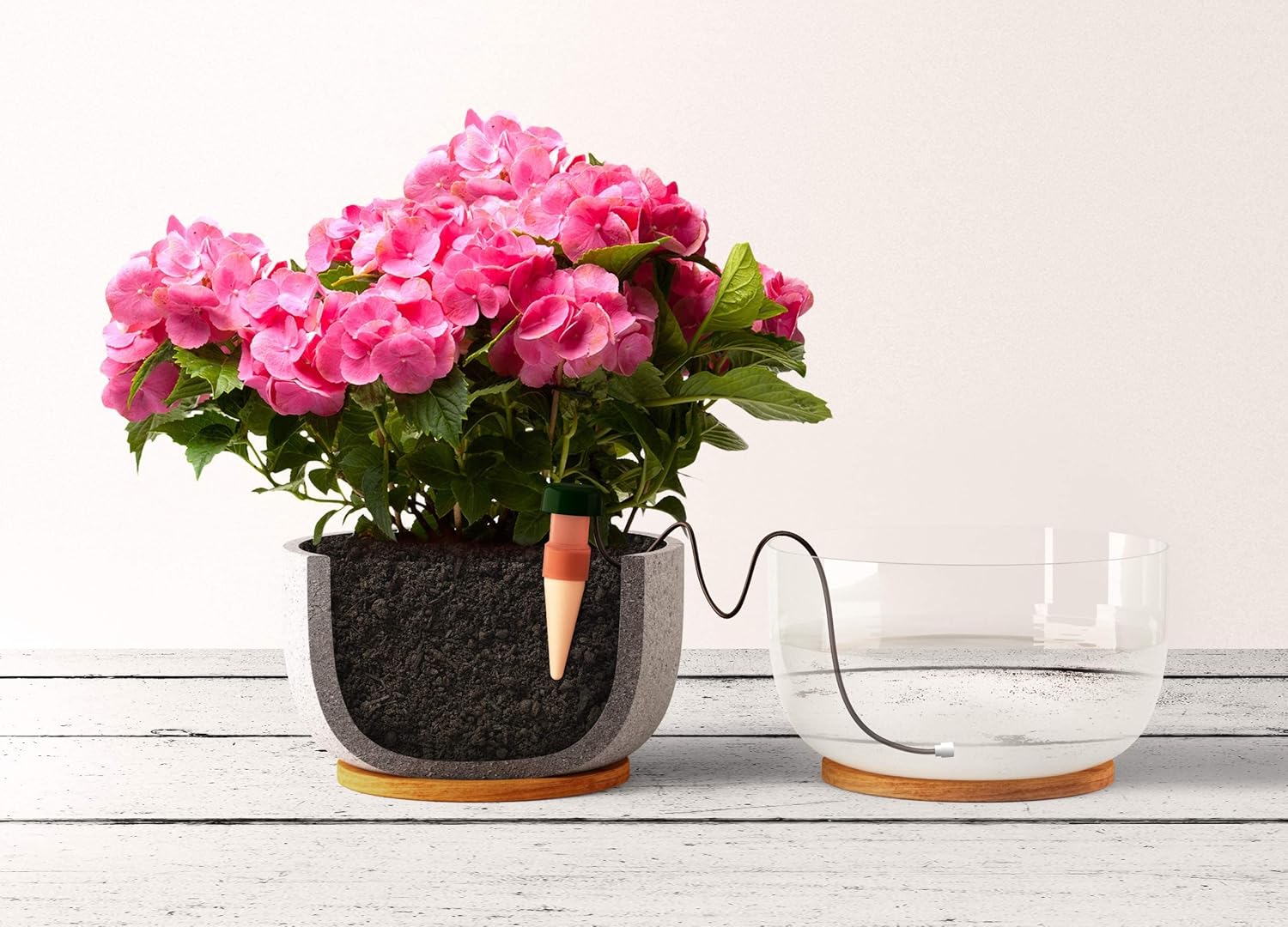
    Blumat Classic Plant Watering Stakes, Indoor or Outdoor Water Spikes for Plants | Automatic Drip Irrigation

    Overwatering Tomato Plants In Pots

    Rotting Roots

    If the soil becomes too saturated, the roots will begin to drown, rot and die. The soil can not handle the excess of water and it will begin to affect the root system of the plant.

    Blisters Or Bumps on Leaves

    When a tomato plant receives too much water, blisters and bumps may begin to appear on the lower leaves. This condition, known as Edema, is derived from the malabsorption of water. In addition, you may notice that the plant feels wet and will begin to wilt.

    Read more about Runner Beans Vs Green Beans

    Mold Or Mildew Growth

    Excess moisture on your plant can lead to mold or mildew growth. It commonly happens when your plant is unable to process the amount of water it is receiving. Mold and mildew can spread and have devastating effects on your garden.

    How Do You Save an Overwatered Tomato Plant?

    Fortunately, it is often not too late to save your plant if you have been overwatering. With the right steps, you can save your plant and get it back to being healthy.

    Eliminate Standing Water

    Standing water can be a big problem for your tomato plant. This can lead to root rot and mold/mildew growth, along with other problems. Make sure that your pot has good drainage so water doesn’t build up and be sure to remove any standing water from your pot right away.

    Relocate Plant

    In some cases, it is best to relocate your plant entirely. Move it to a pot with proper drainage and soil that isn’t too wet, that also has the popular nutrients it needs. In addition, make sure your plant is somewhere where it can get plenty of sunlight as well.

    Click here to Learn About All You Need To Know About The Tomato Hornworm Killer

    Treat the Roots

    If the roots have been oversaturated, they will need some help. Remove any dirt that is on the hair and lateral branches of the plant and then proceed to cut off any spoiled or unhealthy root. Be sure to sanitize your garden tools so you don’t spread any diseases among your plants.

    Dry Out the Soil

    Allow your soil to fully dry out before watering again and if need be, dig up the plant and let it dry out as well. You don’t want to leave your soil oversaturated and cause more problems for your tomato plant.

    Dry Out the Soil

    Change Your Watering Routine

    Be sure to come up with a new watering routine if you have been overwatering. Check the soil before watering to ensure that your plant actually does need to be watered again.

    Water slowly and don’t just dump a pot of water on your plants. Invest in a good watering can or irrigation system in order to best water your plants. In addition, make sure the overflow water drains out and doesn’t become stagnant in the pot.

    FAQs

    How often do you water tomatoes in pots?

    Tomatoes like their soil moist, but too much water can lead to root rot. Tomatoes are also sensitive to cold temperatures. If your tomatoes are getting more than 5 inches of rain a week, you should probably move them to a protected area. The best way to water tomatoes is by hand.

    Most experts recommend watering your tomato plants every day or two. While there is no harm in watering them more often than this, it is better to err on the side of caution. The amount of water needed depends on the type of plant, but for most varieties of tomatoes, 1/3 cup of water per plant is usually enough. If you notice that your tomato plants are looking particularly thirsty, you may need to increase the amount of water that you give them.

    The general rule is that you need to give them one inch of water per week per every square meter.

    I use a big, heavy hand watering can with a very fine spray that gives me plenty of control over where I’m watering. You can also use a hose and nozzle, but I think the spray is better because you can water any part of the plant, not just the soil around the roots. 

    Can you overwater tomato plants in pots?

    You can, and so it’s a good idea to keep an eye on the soil. You want to be sure that it stays moist but not soggy, and you’ll need to make sure you get a good root-to-soil contact.

    Tomatoes, like most other plants, need to be watered regularly. A plant that is not watered properly will often show signs of stress, such as yellowing leaves or stunted growth. However, this is a topic that has been the subject of much debate in the gardening world.

    Overwatering causes the roots to rot and die back. The leaves will wilt. Soak the pot in water for at least 15 minutes before filling it with soil. Water the plant once or twice a week. If you are growing in a garden, remember that the soil may be dry and need watering more often. If you don’t have time to water, use a soaker hose.

    Will Overwatered tomato plants recover?

    It’s hard for tomatoes to recover in this situation. The stems will often not regrow after being killed by over watering. You can either let them dry out or harvest them. If you want to harvest them, just cut them off at the soil line, remove the seeds and compost them.

    What time of day should you water tomato plants?

    I’ve found that watering in the morning works best. However, I find that it’s best to water only once a day, even if your plants are small.

    What do under watered plants look like?

    This is what a typical “under watered” plant looks like. Notice the poor growth, the smaller leaves, and the yellowed/browned leaves on the lower part of the plant. Underwatering is the single most important cause of poor plant health.

    No More Overwatering Tomato Plants In Pots

    Many beginner gardeners become eager and will accidentally overwater their tomato plants, incidentally causing them harm. This can lead to cracked fruit, root rot, Edema, a dull appearance, and even mild/mildew growth. Fortunately, you can still save the plant by treating the plant, drying the soil, relocating it, eliminating standing water, and changing your watering routine.

    Do you have any questions regarding overwatering tomato plants in pots? If so, please ask any questions regarding tomato plants, overwatering, and how to properly water your plant in the comment section down below.

  • Can You Eat Kabocha Squash Skin?

    Can You Eat Kabocha Squash Skin?

    If you are a fan of winter squash, you may have wondered, can you eat kabocha squash skin? Kabocha squash is flavorful and healthy, making it great for eating. It has become an increasingly popular food, as there are many different ways you can cook it.

    Sweet and great for roasting, it is a wonderful squash to grow in your garden. This versatile squash makes a great go-to ingredient for fall cooking. There are several different ways you can prepare, whether you are baking or cooking, that are all delicious.

    What Is Kabocha Squash?

    Kabocha squash, which is also called Japanese Pumpkin, is a variety of winter squash. It is a variety of Cucurbita Maxima and it grows to be 9-12 inches in diameter, weighing three to four pounds when mature.

    Kabocha squash has dark green skin with white speckles or lines on the outside. It has a smooth, round shape with a few ridges, similar to the shape of orange pumpkins.

    The flesh of the squash is bright orange and firm, similar to that of a sweet potato. It has a sweet flavor, even sweeter than butternut squash. It has a flavor that is sweet, nutty flavor that is slightly earthy in taste.

    Kabocha is used in a variety of different dishes, including soups, stews, casserole, croquettes, curries, nimono, and vegetable tempura. In addition to savory dishes, it is also popular in a variety of sweet dishes including pies, cookies, quick bread, muffins, ice cream, and pudding.

    Kabocha can be prepared by itself in many different ways. It is most commonly roasted, but it can also be sauteed, grilled, steamed, boiled, stir-fried, and deep-fried. In addition, the cream-colored seeds can be roasted and eaten as a snack.

    Kabocha squash is primarily grown in Japan, where it is widely used in a variety of different dishes. It is also grown in Asia, America, South America, New Zealand, and South America. Though it can be grown throughout the world, oftentimes Kabocha squash is exported from Japan.

    Where Can You Buy It?

    Most of the time, you can find Kamocha squash at grocery stores or farmer’s markets throughout fall, winter, and the beginning of spring. It can be harder to find than other varieties of winter squash.

    Since it is a winter squash, it has a much longer shelf life than summer squash varieties. Store it in a cool space away from sunlight, with an ideal temperature of 50 degrees Fahrenheit. Once you cut it open, it will last up to four days in an airtight container in the fridge.

    How To Grow?

    Kabocha squash is not commonly grown outside of Japan. However, you can grow it in certain areas as long as you have the space and live in the right environment.

    Kabocha squash needs plenty of space in your garden and needs soil that is fertile and well-draining, with a pH of 6.0-6.8. The seeds should be grown inside, at least four weeks prior to your last frost inside. Once soil temperatures reach 70 degrees Fahrenheit, you can plant them outside.

    When planting the seedlings, create a mound that is at least three inches tall. Plant them in an area where they will receive partial to full sun and provide them with a form of support since they are a vining plant.

    The squash will be ready to harvest after about 50-55 days. When you tap it, it should have a slightly hollow sound, as that is a sign that it is ripe.

    cutting kabocha squash

    How To Cook Kabocha Squash?

    There are many different ways to cook kabocha, as it is a versatile squash. It is a great source of beta carotene, while also being high in fiber and is full of iron, vitamin C, and some B vitamins.

    Some of the most common ways to cook it include roasting, sauteeing, grilling, boiling, and frying. You can enjoy it in many different ways in both sweet and savory dishes. When cutting kabocha squash, be sure to use a sharp, durable knife as the skin is tough.

    To roast your squash, start off by thoroughly washing off the skin. Then, cut the Kabocha in half and scoop out all of the stringy pulp and seeds from the middle. Slice the squash into slices and then drizzle olive oil on top and season with salt and pepper.

    On a roasting sheet, bake the squash for 25-30 minutes at 400 degrees Fahrenheit. You will know when it is done when you can easily pierce the shell.

    Can You Eat Kabocha Squash Skin?

    Yes, you can eat the skin of the Kabocha squash. Though the skin is hard, kabocha squash skin is edible and there are many recipes that keep the skin on. Certain Japanese recipes, particularly kabocha tempura and nimono, leave the skin on as part of the recipe.

    Leaving the skin on can give it a nice texture and it becomes tender after cooking. In addition, it also provides a pleasant flavor as well. Kabocha skin is a particularly good source of beta-carotene.

    Though many people enjoy eating Kabocha with the skin on, you can also take it off while cooking it. It will taste great whether you prepare it with the skin on or off. Some people prefer to keep the skin on as the tender texture is pleasant and tastes good as well, compared to other winter squash.

    Read more about Kabocha Vs Buttercup Squash

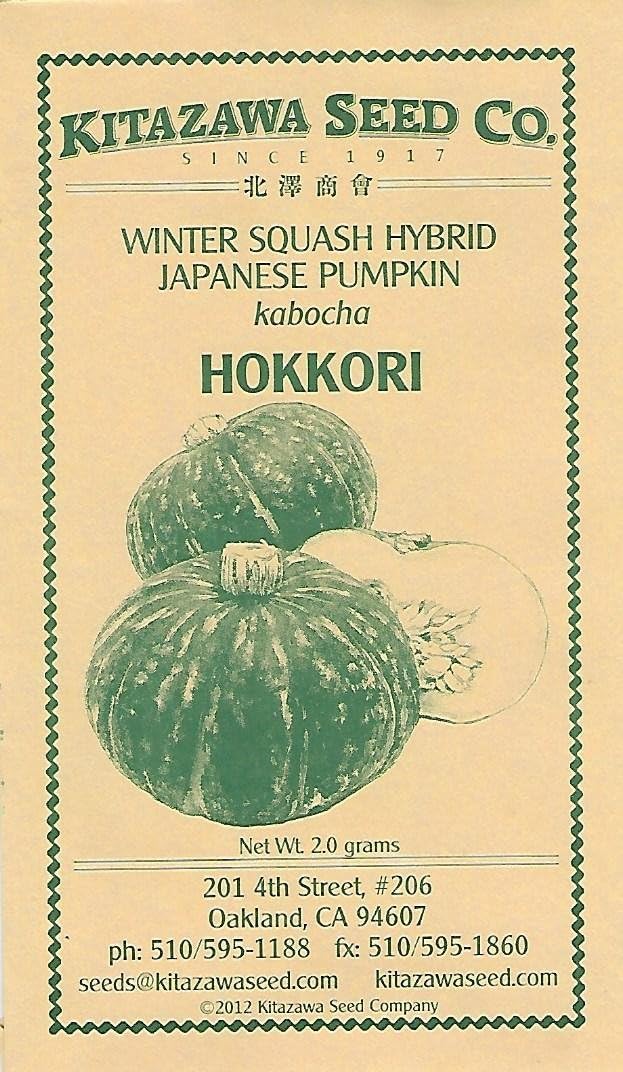
    Winter Squash Hokkori Hybrid

    71eDAPZ keL. AC SL1072

    FAQs

    Can You Eat Kabocha Squash Skin?

    Yes, you can eat the skin of the Kabocha squash. Though the skin is hard it is edible and there are many recipes that keep the skin on. Certain Japanese recipes, particularly kabocha tempura and nimono, leave the skin on as part of the recipe.

    How do you know if a kabocha squash is ripe?

    You can tell they’re ripe by the color of the skin. They should be golden brown and have some wrinkles on the skin. If you can see green inside the skin, it’s probably not ripe. Squash that aren’t ripe will have an astringent taste. Squash that are ripe will be sweeter and less tart. The flesh of a squash should be tender when it’s cut with a knife. When you cut into the squash, you should be able to see the seeds easily. If you put the squash in water, the squash should float. The stem of a squash should be soft and flexible.

    How long does it take to grow kabocha squash?

    Kabocha squash can be grown for 2-3 months, depending on variety and growing conditions. This plant has a long growth cycle and can be hard to grow in colder climates because of the long dormancy period. You can grow kabocha squash in containers or in the ground.

    How do you grow Kabocha Squash from seeds?

    Seed your squash seeds in soil and water them regularly. The seedlings will emerge after 2-3 weeks. When the plants reach about 1 foot tall, they should be transplanted into a larger container or into the ground. If you are planting in the ground, make sure that the container is deep enough to allow for root development. After transplanting, keep the soil moist and fertilize the squash plants as needed. Water and feed the plants once a week. To prevent aphids from harming your squash plants, you can apply a pesticide to the leaves. Alternatively, you can purchase an organic insecticide such as pyrethrin.

    What month do you plant squash?

    Kabocha squash is one of the first summer squashes to mature and is best grown in hot climates as it does not tolerate cold weather. Kabocha squash can be grown as a biennial plant and should be planted in mid-to-late spring in a protected area such as a greenhouse. It is an easy squash to grow and can be planted from seed or started from seedlings. It is a good summer squash with delicious flavour.

    What is kabocha squash good for?

    Kabocha squash is a Japanese winter squash with a bright orange skin and yellow flesh. The squash has been cultivated in Japan since the late 1800s, but has gained popularity in the United States and Europe in recent years. It is easy to grow and requires minimal maintenance. Kabocha squash is also a very versatile vegetable that can be used as a side dish or main course in soups, stir-fries, stews and curries.

    Kabocha squash is an excellent source of vitamin A and iron. It contains more fiber than most other squashes. Kabocha squash also contains potassium, which is important for muscle contraction and fluid balance.

    A Delicious And Healthy Winter Squash

    Kabocha squash is a delicious, sweet variety of winter squash that is grown mainly in Japan. It is versatile, as you can enjoy it in a variety of different sweet and savory dishes. If you have ever wondered ‘can you eat kabocha squash skin?’, the answer is yes.

    Many recipes, including traditional Japanese dishes kabocha tempura and nimono, keep the skins on Kabocha. Though the skin is tough, once cooked, it becomes tender and edible, making it good to eat. However, you can also remove the skin if desired and the squash will still taste delicious.

    Do you have any questions regarding can you eat Kabocha squash skin? If so, please ask any questions about Kabocha squash and how to cook it in the comment section below.

  • Jalapeno Plant Spacing

    Jalapeno Plant Spacing

    If you plan on planting these spicy peppers in your garden, you will want to know the proper jalapeno plant spacing. Many people enjoy using jalapenos when cooking, as they add a nice kick to food. They can be a great plant to grow in your garden, as they are the most popular chili pepper in North America.

    Jalapenos are great for growing in garden beds or in containers, as they don’t take up much space. Gardners of all experience levels can enjoy growing this pepper plant. They are smaller than other peppers, such as green bells, so they don’t normally need quite as much space, but it is still important to know how far apart to plant jalapenos.

    How Far Apart Do You Plant Jalapeno Peppers?

    Just like any plant in your garden, jalapeno peppers need space in your garden to grow. When spacing jalapeno peppers in your garden, they will need at least 12-18 inches of space. Ideally, you will want to give them 18 inches of space if that is possible.

    Though jalapenos do not need as much space as other peppers, it is still important to give them at least 12-18 inches in your garden bed when planting them. Ideally, the rows should be spaced 24-36 inches apart.

    When the jalapenos reach a height of 12-24 inches, you will want to provide a stake for them. This will help support the plant as it grows in your garden. Jalapenos tend to be more compact as they grow.

    Be sure to regularly weed your garden so that the peppers don’t have to compete with resources with the weeds. Using mulch can be beneficial in your garden, as it can help protect the plants and prevent weeds from growing up. In addition, the mulch can also help the soil retain moisture, which can be beneficial to the growth of your plant.

    How Big Of A Container Do Jalapeno Peppers Need?

    In addition to growing jalapenos in a garden bed, you can also plant them in containers. You will need a pot that is at least 8-10 inches big in order to accommodate the size of the plant. This option is particularly ideal if you live in an apartment or have limited space in your yard for growing plants.

    You may also plant them in large containers as well. Half barrels or even beverage tubs will work well as planters.

    If using one of these, plant the jalapeno seedlings 12 inches apart. Be sure there are at least six inches between the plants on the edge and the corner of the container. Proper jalapeno plant spacing is important when using containers too.

    jalapeno spacing

    How Often Should You Water Jalapeno Peppers?

    Jalapeno pepper plants should receive regular watering throughout the week, at least two inches per week. When watering them, be sure to water the plant deeply so that the roots receive plenty of water.

    Wait to water again until one to two inches of the soil are dry, as you want to avoid overwatering. When the weather gets hot and dry, you may need to water your plant more often. Calcium deficiency can occur due to uneven watering or when the nitrogen levels are too high in the soil.

    Jalapeno peppers should have well-drained soil that is slightly acidic to neutral. The plants tend to prefer soil that is a fine sandy loam.

    It should be rich in organic matter and before planting your seedlings, you should add aged compost to the soil to help boost its nutrients and structure. Before you plant the seedlings, also be sure that the soil is moistened.

    How Much Sun Do They Need?

    You should be growing your jalapeno peppers in a place where they will receive plenty of sun. Ideally, they should be in full sun where they receive six to eight hours of sunlight a day.

    In some cases, extremely hot sun can cause the plant to drop its flowers and lead to sunscald on the pepper. If this happens, provide your plants with a sun shade, or if you are growing them in containers, move the containers to a cooler location.

    How Do You Know When It Is Harvest Time?

    When picking your jalapeno peppers, they should be at least three inches long and dark green in color. As the peppers age, the color will turn reddish and they will also become spicier. The peppers should also be firm when they are ready to be picked.

    You may notice that some of the peppers might have small white lines on them. This is a sign that they are mature and are ready to be eaten, it is not from disease or insects.

    After picking the peppers, cut the stem so it is short, as they will last longer this way. Store the peppers in a loosely closed plastic bag in the fridge to help keep them fresh. Before eating them, be sure to thoroughly wash them off.

    Jalapeno Peppers Plant Seeds for Home Garden Vegetables

    71D88 POp7L. AC SL1001

    Making Sure You Have the Right Jalapeno Plant Spacing

    Making sure you have the right jalapeno spacing is important to ensure your plants will grow healthy and produce an abundance of peppers. Too crowded and your plants will have to fight for resources, which is not an ideal situation. Though jalapenos may be compact and not need as much room as other pepper plants, it is still important that they have enough space in your garden.

    If you are wondering, how far apart to planting jalapenos? While, when planting your jalapenos in your garden bed, you will generally want at least 12-18 inches between the plants. The rows should then be spaced 24-36 inches apart, and then they grow to be 12-24 inches tall, you will want to provide a stake for support.

    If growing a jalapeno plant in a pot, you will want to use one that is at least 8-10 inches big. You can also use half barrels or even beverage tubs as planters, spacing your plants 12 inches apart. Be sure to give them at least two inches of water a week and plant them in full sun.

    Do you have any questions regarding jalapeno plant spacing? If so, please ask any questions regarding growing jalapenos and how to properly space them in the comment section below.

    FAQs

    How Far Apart Do You Plant Jalapeno Peppers? 

    Just like any plant in your garden, jalapeno peppers need space in your garden to grow. When spacing jalapeno peppers in your garden, they will need at least 12-18 inches of space. Ideally, you will want to give them 18 inches of space if that is possible.

    How far apart to plant jalapenos?

    When planting your jalapenos in your garden bed, you will generally want at least 12-18 inches between the plants. The rows should then be spaced 24-36 inches apart and then they grow to be 12-24 inches tall, you will want to provide a stake for support.