Knowing when to harvest broccolini is important so you can ensure it will have the most flavor and nutrients. The best time to harvest is once the heads have matured but before they can flower otherwise you will lose the beauty of your vegetables.
Broccolini, cauliflower, and kale are all cruciferous vegetables. They all share a similar nutritional profile with many vitamins and minerals.
The most important difference between these vegetables is that broccoli has a high level of indole-3-carbinol (I3C). I3C is an anti-cancer compound that can prevent cancer from developing in the first place. Broccoli also contains sulforaphane, another potent anti-cancer compound.
Broccolini is a member of the brassica family which includes broccoli, cauliflower, kale, kohlrabi, and cabbage. Created by crossbreeding broccoli and Chinese broccoli. It is very similar to broccoli, however, it has longer, thinner stalks and smaller florets.
Broccolini is very similar to cauliflower as they both have the same size, shape, and taste. The key difference between them is that broccolini is more tender than cauliflower. Broccolini is a cool-weather crop and it is grown in the northern hemisphere.
In some areas, you can plant them in the late summer for a fall harvest. Broccolini is an annual vegetable but it can be grown in cooler climates where broccoli would not grow. In warmer climates, it is grown as a biennial vegetable.
How to Harvest Broccolini
Now that you know when to harvest broccolini, it’s also important to know how to do it. Broccolini can be harvested in many different ways.
The easiest way to harvest broccolini is to just pick it off. Cutting the stalks with scissors will remove the leaves from the stalk and leave the broccolini intact.
Alternatively, you can cut the stalks at the base with a sharp knife or scissors. This will leave the broccolini intact but cut off the top part of the stalk.
Broccolini is usually sold in bunches of three, so when harvesting, cut off three bunches and use the scissors to cut the stalks in half. You may have to do this process a few times before the stems are cut in half.
Once you have cut off the heads of broccolini, you should store them in the refrigerator. Store the broccolini in an airtight container with the stems facing down.
If you are cutting the broccolini into individual pieces, you will need to separate each piece from the rest. Use your hands or a spoon to gently pull the individual pieces out from the bunch. Once you have picked the broccolini, rinse it under cold water and pat dry.
How to Cook Broccolini – When to Harvest Broccolini
You can cook the broccolini by boiling it or sauteing it. To boil the broccolini, add a large amount of water to a pot, bring the water to a boil, and then add the broccolini. Let the broccolini simmer in the water for 5-10 minutes, until the broccolini is cooked through.
To sautee broccolini, heat one tablespoon of oil in a skillet over medium heat. Add the broccolini and cook for 5-7 minutes, until the broccolini is cooked through.
Broccolini is used as a vegetable in several dishes. It is also a popular side dish as it can be cooked in a variety of ways. It is often stir-fried, steamed, or sauteed and can even be used as a pizza topping.
Broccolini can be used to make soup and salads, and it’s sometimes used to make pasta dishes.
The Benefits of Broccolini – When to Harvest Broccolini
Broccolini is a nutritious vegetable that is low in calories. It has a low-fat content. The nutritional value of broccolini is comparable to other cruciferous vegetables such as cauliflower and cabbage.
Broccolini is rich in many vitamins and minerals. It is rich in vitamins A, B6, C, E, K, and folate. It is also rich in manganese, phosphorus, potassium, magnesium, iron, zinc, copper, beta-carotene, and fiber.
Broccolini is an excellent source of vitamin K and vitamin C. Broccolini is best harvested when the heads are mature. It can be harvested from the end of June through the end of August.
Broccolini is a good source of dietary fiber.
It is also a good source of omega-3 fatty acids and essential amino acids. It is an excellent source of lysine and methionine.
Broccolini Plant Stages
When it comes to the broccolini plant, it goes through many stages before it becomes the delicious vegetable we enjoy with our lunches and dinners. It’s considered a tricky plant to grow, but it certainly doesn’t have to be – just as long as you have the right knowledge.
Before you plant, you should add a few inches of compost to your soil and then add a layer of mulch on top to ensure the best environment for your broccolini to thrive.
Once your seeds are planted, you should ensure that you’re watering your broccolini often. They’re thirsty plants and need around 1-2 inches of water per week. If the soil looks dry at any point, be sure to add more water.
If you notice any discoloration of the leaves, you may want to apply liquid feed. You can also add fertilizer to ensure the best results.
Your plants should now be thriving and when they reach around 8 inches in height, you can add more soil around the stems. This will encourage the broccolini itself to grow; which is, of course, the part that you harvest.
Broccolini Yellow Flowers – What Are They?
You may have noticed that your broccolini has yellow flowers. If this has occurred, there’s no need for concern as this part of the plant is completely edible. It simply means the plant is bolting. This tends to happen in hotter climates. If yellow flowers have appeared on your broccolini, it’s likely to taste slightly different. This part of the vegetable has a peppery taste, which I, personally, love.
Are Broccolini Flowers Edible?
Absolutely! When it comes to broccolini, the whole vegetable can be consumed safely. Whether you enjoy the stem or the yellow flowers, you can eat them all. And did you know that you can also eat broccolini raw too? Just be sure your broccolini has been rinsed first!
Where to Buy Broccolini Seeds
Broccolini seeds are surprisingly accessible. You buy them from many places online, as well as gardening centers and stores. Even online stores such as Amazon and Etsy have broccolini seeds available, and they’re often very reasonably priced too. I usually opt for Park Seed, which comes in packets of 20, and can be bought easily on Amazon.
Do You Need to Wash Broccolini Once Harvested?
So you’ve harvested your broccolini and you may now be wondering what you need to do with it. You must wash your broccolini before consuming it, as there may be both dirt and insects on the plant.
All you need to do is add your broccolini to a colander or sieve and run under cool water to remove any residue of dirt or insects. Be sure to rinse the entire broccolini. It’s important not to use hot water for this as it can make your broccolini limp and soggy.
You can leave it in a bowl of cool water for around 5 minutes to ensure your broccolini is completely clean. However, you don’t need to do this. I just do this as a precaution.
In Conclusion – When to Harvest Broccolini
The perfect time when to harvest broccolini is when it’s a bit bigger and has more flavourful stems and leaves than it does when it’s just a baby, tender leaf. Broccolini should be harvested in the morning before the sun gets too strong. Keep the leaves and stalks separate and place the leaves in an open plastic bag with a little lemon juice.
FAQs
Can you harvest broccoli too early?
Yes, it is possible to harvest broccoli in the spring. The only thing you need to be careful about is not overwatering. If you water your plants too much, the plant will grow too fast and not produce a big head of broccoli. You can also try to keep your broccoli from getting too hot. Try to keep the soil at an appropriate temperature, so that the plant can grow properly. When the weather starts getting hot, you might want to harvest some of your broccoli.
How and when to harvest broccolini?
Broccolini can be harvested at any time. You don’t have to wait until it is fully mature. It will be ready when the buds start to turn yellow. If you do harvest it, cut off the top leaves before you begin harvesting the broccoli. These are the leaves that get all the sun and will make your broccoli turn bitter.
What does broccolini look like when ready to harvest?
The broccolini head will be firm with a deep green color. If you notice it turning to yellowish color, is it about to flower so it’s best to harvest it immediately.
Does broccoli grow back every year?
Yes, the broccoli plant will not come back. You will have to plant fresh seeds each season. If you let the broccoli head go to seed, the seeds will be planted and will germinate in the next growing season.
Brown spots on green beans may be something you might have experienced as a gardener. But do you know for sure what the reasons are for your beans to start changing color? This is what we are about to find out in this post.
Green bean is a type of common bean that comes from different cultivars. Green beans have different common names they go by and some of these names include snap beans, string beans, and French beans.
You can add green beans to any type of healthy diet, or almost any eating plan and this is thanks to their low-calorie and fat contents.
Green beans are also fairly easy to grow and they grow in either a bushy manner or a climbing manner. But some situations may arise that causes your green beans to turn brown and this can have you wondering what the cause is.
Let’s look into some of the reasons why your green beans may be turning brown and see if they are safe to eat.
Brown Spots on Green Beans: Why?
Looking at some of the major reasons why green beans turn brown, may be because the beans are not in their best state any longer.
When you begin to notice some brown spots on green beans, it usually means they are already getting old and stale. These green beans usually become mushy and they do not snap easily when broken into half. Therefore, this type of bean won’t be so fresh when you consume them.
However, this doesn’t mean they aren’t safe to eat. You can still eat them but you just won’t get that fresh taste. You can simply compare them to products or foods that are not spoiled but are simply past their peak of freshness.
If by any chance you come across this type of brown beans, you can simply make use of them in dishes that have bold flavors.
Note that both cooked green beans and raw green beans have the same shelf life and they can last up to a week in the fridge.
Here are a few ways you can tell your green beans have gone bad:
Color: As we have pointed out above, the color of the beans should be able to give the state of the green beans. Once you notice the green beans have begun fading in color and they turn very dark green or they turn brown, then it’s a sign they have started turning bad.
Smell: Once you perceive an unpleasant odor from your green beans, the beans may already have some bacterial growth. Hence, it is best to discard them.
SILIVO Lettuce Keeper for Fridge(3 Pack)- 4.5L Vegetable Storage Containers for Refrigerator with Drain Tray Keep Fresh for Veggies and Salad
$19.98
Keep Produce Fresh Longer: Produce saver containers for refrigerator helps prevent spoilage, keep fruits and vegetables crisp and stay longer.
We earn a commission if you make a purchase, at no additional cost to you.
03/08/2026 10:05 am GMT
Texture: Another way to tell if your green beans have started to go bad is to feel the texture. The texture of the green beans needs to be firm. Then when you snap or break the green bean, it should snap easily. Once you’ve started noticing that mushy, bendy, or limp look, the beans are probably getting old. It may not necessarily mean they are spoiled, but you just won’t enjoy that fresh taste of green beans.
Mold: You need to check for mold on your green beans to know if they are still in good condition to be eaten. When your green beans become moldy or slimy, it’s a sign that they are no longer fresh. So, you should throw them away.
Lasting Duration of Green Beans Outside the Fridge
Leaving your green beans on the counter outside for 2 days is fine because they can last up to 2 days outside the fridge.
All you need do is to keep these beans away from direct sources of sunlight like close to a window, or an area on the counter that receives direct sun.
Lasting Duration of Green Beans in the Fridge
If you store your green beans properly in the fridge, they should be able to last you up to a week and this is for both raw and cooked beans.
Just ensure you store them properly in the fridge. Use a container to put the green beans inside the fridge. Avoid tossing the green beans in the fridge so they don’t get wet or else they can go bad faster.
However, you should look out for any signs that the beans are turning bad such as brown spots or a mushy look.
Lasting Duration of Green Beans in the Freezer
You can store green beans for longer in the freezer. They can last up to 6 months when frozen. It will be easy for you to defrost them when you’re ready to use them. When you freeze green beans, you take pleasure in knowing that they will still taste as good as when you bought them.
So, if you want that longer storage duration for your green beans, you can store them in the freezer. However, if you just want to use your green beans for about a week, storing them in the fridge will be much easier.
How Can I Keep My Green Beans, Fresher, for Longer?
When you properly store your green beans, it will further help in prolonging their shelf life. For instance, it is recommended you don’t wash your green beans until you’re ready to use them. Once water touches the green beans, it can further speed up the spoiling process. Hence, the shelf life will be reduced.
Again, your unwashed green beans need to be stored in a plastic bag or container and stored in a vegetable drawer in the fridge.
Is It OK to Eat Green Beans With Brown Spots?
When it comes to deciding whether to eat green beans with brown spots, it all depends on how many brown spots there are. If the spots are few and far between, then it’s safe to say you can eat them without any problems. The only issue may be it may not taste as good! However, if the discoloration is significant and there are many spots, then it’s probably best to discard it to avoid any potential problems.
What Do Rotten Green Beans Look Like?
The easiest way to tell if green beans are rotten is by their appearance. Brown spots and discoloration is the easiest sign to see that your green beans are going, or have already gone rotten. Other signs may include limpness, sliminess, and misshapen.
When you’re looking at fresh green beans that have yet to be washed, they should look vibrant and bright. As well as this, they should be able to snap with ease. Instead, they may feel rubbery in texture, or even slimy.
If you’ve boiled your green beans and then place them back in the fridge, they’re likely to last longer, at around 5-7 days. However, if they start exhibiting any of the signs above before then, it may be best to discard them.
The same goes for frozen green beans. While freezing does massively increase the shelf life to around 6-8 months; they can still go bad. It may be easier to tell once they are defrosted. Keeping your green beans frozen is a great way to ensure they keep their snap.
As for canned green beans, they can last anywhere from an amazing three to five years. No matter what the best-by date is on the packaging, it’ll safely last well beyond that date. The only deterioration that may happen is mold, and an odor may eventually appear. If either of these things happens, it’s best to throw the can of green beans away.
My Green Beans Are Slimy – Why?
If your green beans are slimy, likely, they are already past the point of no return. You want your green beans to be crisp and snap easily; not limp and slimy. If you notice that only the ends are like this, simply slice them off and wash them under water. When cooking them, you should allow an extra 5-10 minutes to ensure the delicious texture you’re looking for.
How to Prevent Brown Spots on Green Beans When Growing?
Brown spots don’t just appear on green beans when harvested. They can occur while the green beans are growing, and this can be for a variety of reasons. But first, you need to determine why this is happening. Is your soil not wet enough, or too wet? Are there any insects around your green beans? Is your soil fertilized enough? These are questions you must ask before you can solve the issue.
To prevent brown spots, keep your green beans in ample sunlight, with the right amount of fertilizer. You should also ensure you’re watering your green beans daily and checking for any insects, such as aphids. As long as you’re following these guidelines, it’s unlikely your growing green beans will have brown spots.
Final Words: Brown Spots on Green Beans
Brown spots on green beans can be a sign of your beans turning bad. It usually implies that the beans have started deteriorating. But there are things you can do to prevent your beans from turning brown and losing their taste and we have listed them in this post. Do you have any tips or tricks when it comes to brown spots on green beans? If so, please feel free to let us know in the comments below. And remember, sharing is caring!
FAQs
Is Brown on green beans bad?
Usually, when you notice a brown color on your green beans, it often means that the beans have started losing their fresh taste. But they may still be safe to be consumed. Just make sure there is no mold and they are no slimy appearance on the beans.
How do you know if green beans are bad?
You can detect if your beans are bad once they are growing mold or looking slimy. If you perceive any unpleasant smell from your green beans then they may be bad. Also, once you snap the beans and they don’t break easily, it may be a sign they are bad.
Why are my green beans turning brown?
Green beans are inclined to turn brown when they are not properly stored. Once you leave them outside on the counter for instance for more than two days, they can turn brown.
How to prevent green beans from turning brown?
You can prevent green beans from turning brown by storing them properly. For instance, you can store them in the fridge for about a week. Your green beans can also be stored in the freezer for about 6 months.
🌱 Keep Your Green Beans Healthy
Prevent brown spots and grow healthy green beans with these products:
When starting out growing various plants indoors, different questions may pop into your mind. Questions such as “how many plants can I grow per 1000 watt light?”.
Every grower wants to maximize their yield after all the hard work they put into their indoor garden. Providing your indoor plants with light is very essential for their development. High-pressure sodium (HPS) lights have been in existence for almost 50 years, and are some of the most widely used grow lights. They have been providing light energy for indoor plants growing needs.
Now, you must get the right plant coverage for the particular bulb wattage you have. This is why we are going to be looking at how many plants you can grow per 1000 watt light. We will also be looking at other grow light plant coverage for 1000w. So, read on to find out.
How Many Plants for an a1000-Wattt HPS?
The light wattage will decide how much area or the coverage area you can light up. So, for how many plants for a 1000 watt HPS bulb? The answer should be around 5 by 5-foot or 25 square feet.
Even though everyone has their methods, it all boils down to what method works for you. Some growers have boasted of growing about 6 to 9 plants using 1000-watt HPS. Some even grow smaller plants while using the SCROG and SOG techniques to manage space.
How Many Plants per 1000 Watt Light?
Various grow lights will have a coverage capacity depending on their wattage. Let’s take a look at some 1000-watt to grow lights and their plants’ coverage capacity:
· 1000 watt LED grow light plant coverage capacity
A 1000-watt LED grows light plant coverage capacity will also be around 5 by 5 feet or 25 square feet area. You should also take note of the quality of the LED to-grow light you’re using as some lights are more efficient than others. Different brands will offer different benefits to your plants.
Another important thing to understand is what is actually meant by a 1000-watt LED. The meaning of a 1000-watt LED is referred to as the equivalent of a 1000-watt HID light. The only difference is that this LED light consumes less than 1000 watts of light.
We have what we call LED actual wattage and labeled wattage. The labeled wattage of the LED growth light is written in bold words by the manufacturer. The actual wattage is the actual amount of power the LED light draws and it’s not usually up to the labeled value.
For instance, a 1000-watt LED grows light actually wattage maybe around 500 to 700 watts but will give you an output that almost equals a 1000-watt HID. You can find the actual LED wattage value if you dig through the manufacturer’s manual.
Thus, this shows that LED grgrowthights are more efficient by offering you more benefits while saving you power consumption. So, the coverage area of LED actual wattage of 500 to 700 will also be a 5 by 5-foot area.
· 1000 watts for other HID grow light plant coverage
We have looked at how many plants for a 1000 watt HPS will be. So, let’s discuss other 1000 watt HID bulb plant coverage (such as CMH and MH).
The difference between HID light coverage and LED light coverage is not so much. 1000 HID watt coverage offers roughly a close range of coverage area the only difference is the HID reflector used.
Umbrella reflectors for instance will offer you a big light coverage area. However, the light intensity will not be so great. Other focused reflectors such as a hood will offer you a smaller coverage area with more light intensity.
Taking a look at the types of HID bulbs we have, here is their plant coverage capacity:
Ceramic Metal Halide (CMH): even though 1000-watt CMH bulbs may be scarce (the common watt seen is 315w), the ones that are actually 1000 watts will have plant coverage of about 5 by 5 feet area.
Metal Halide (MH): for a metal halide bulb, the plant coverage is about 7 by 7 area feet for vegetative growth. While for the flowering phase, the coverage area is about 5 by 5 feet. However, we recommend not using a metal halide bulb for the flowering phase. You should rather use HPS grow light if you want big buds and yields.
How Many Plants per Light: Factors to Consider
Now, talking generally about the number of plants to be grown per grow light, we would say 1 to 8 plants. Make sure you don’t grow more than this number so you don’t limit your yields.
Following the right number of plants to grow per plant will give your plants a good chance to flourish thereby resulting in good yields. However, if you grow more than 8 plants using a single grow light, your plants won’t receive adequate light and space to grow.
Here are other factors to consider when deciding how many plants to be used using each grow light:
Power of grow light
You should also note that the power of your grow light will also be another determinant of how many plants you can grow using that light.
Condition of grow space
Another factor to consider when deciding how many plants to grow per light is the condition of your grow space. If your grow space already a bit receives natural light, then a not-so-strong grow light will be fine. You can even place your grow light higher to increase the coverage area.
Plant growth stage
The stage your plant is in will also have a determining fafactor inour choice of grow light. Some flowering plants require high light intensity, thus, a 5 by 5 feet coverage area should be ideal for 1000 watt light. On the other hand, vegetative plants such as lettuce can allow you to hang your light higher for larger coverage. You can use a coverage area of 7 by 7 feet for plants in their vegetative stage of growth.
1000 Watt HPS Grow Light Coverage
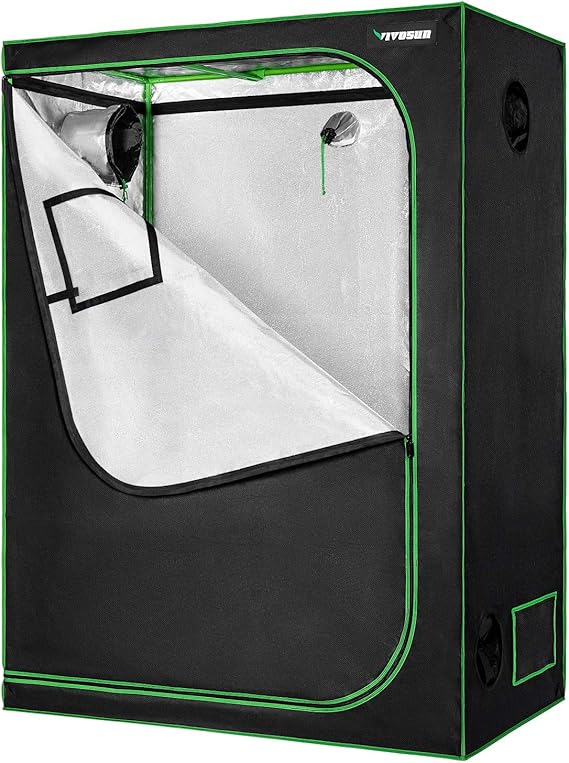
HPS grow lights are ideal for use in grow tents, large grow rooms, and greenhouses. 1000-watt HPS grow lights are the most powerful grow lights and have a wide coverage area of up to 49 square feet.
A 1000-watt HPS grow will effectively cover a growing area of 36 square feet. The difference between the maximum coverage area and effective coverage area is dependent on the depth and height of the plants you are growing. The denser the plants, the lower the coverage area your grow light will have.
Unlike other grow lights such as LED, HPS grow lights generate heat. So regardless of the growing area you are using the lights on, they must be mounted farther from the plants to avoid burning them.
Depending on the plants you are growing, you can mount an HPS grow light anywhere between 6 to 24 inches from the plant canopy. Make sure you do sufficient research on your plants so that you can create the ideal growing conditions for them and not burn them with grow lights. You will also need to set up an efficient ventilation system to help keep the humidity conditions right.
To even further improve your plant growth potential, you can set up your HPS grow lights with timers and light rails. The timers will help you keep the plants in a consistent light schedule. The lights will turn on and off at the same time every day. Light rails will help you to move the light fixtures along rows to ensure that all the plants get an equal amount of light in the entire growing area.
To get the best efficiency out of HPS grow lights, they should be replaced every 14 months.
LED Equivalent to 1000 Watt HPS
LED lights can be used in place of HPS. Due to the difference in the designs of these lights, however, there will be differences in the wattage replacements of these two lights.
LEDs are designed to have a lower energy consumption compared to HPS. Because of this, LEDs will have a lower wattage.
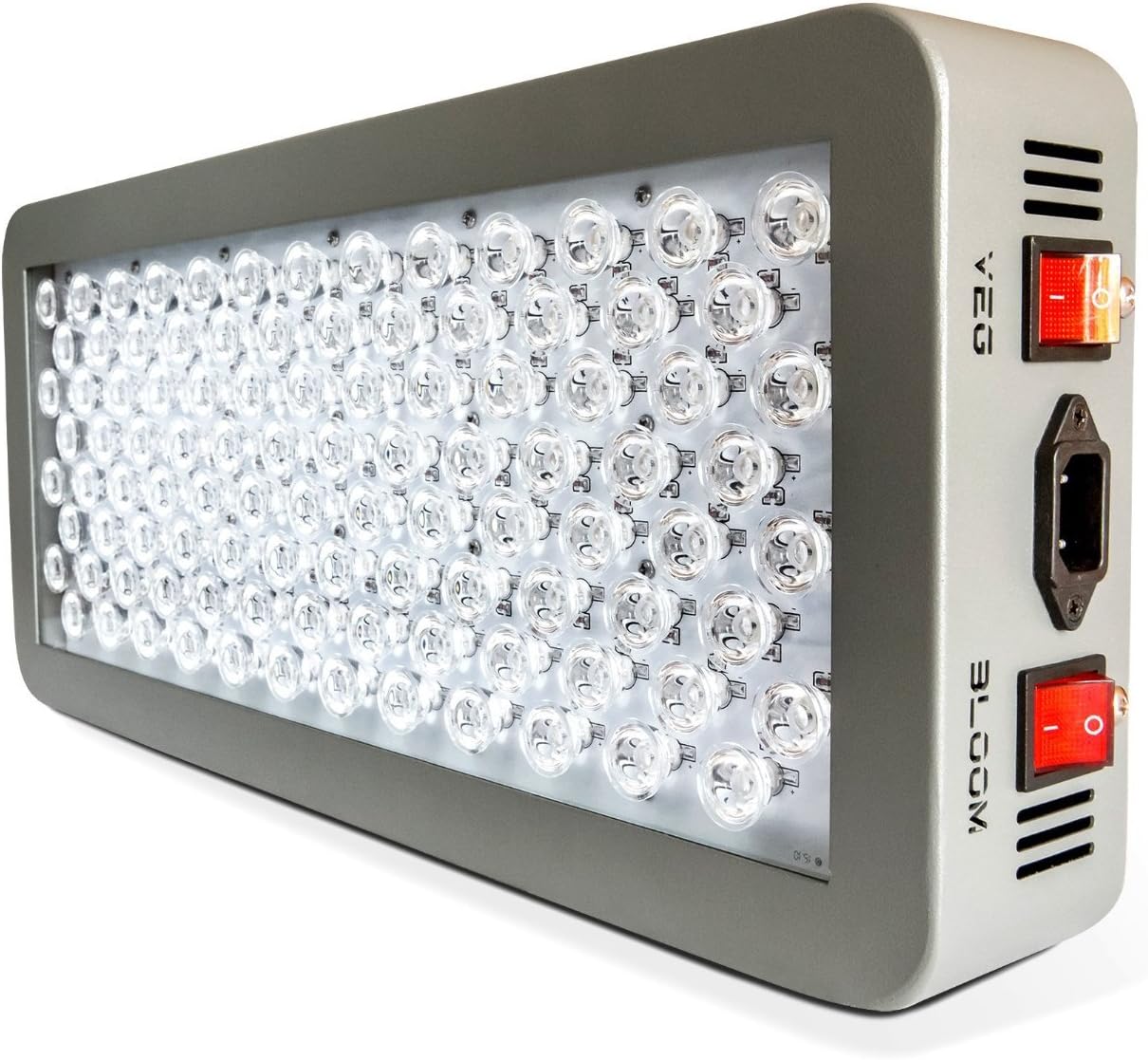
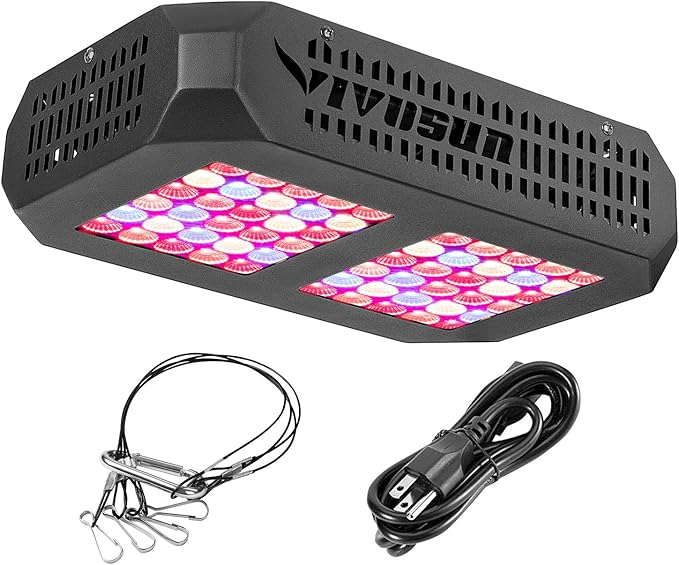
If you are looking for an LED equivalent to 1000-watt HPS, a 300-Watt LED High Bay is a good choice. Or you can replace a 1000-Watt Metal Halide Shoebox with a 300-Watt LED Shoebox. They can deliver the right amount of light required, last longer, and have reduced energy consumption.
Because of the differences in the equivalencies, it may not be best to base your decision on grow light wattage. Instead, you can use the number of lumens your plants need. Once you understand that, it becomes easy to find a replacement.
1000w DE HPS Distance From Plants
The distance at which you should place the grow light from the plants depends on the strength or intensity of the light. The stronger the light, the further you will need to hang them from the plants.
Because a 1000W DE HPS is quite a strong light, you should hang it at least 15 inches away. And if it is even stronger, place it further away but do not go farther than 30 inches. If you place the lights too far above the plants, they will love vitality.
A 1000w light produces a lot of light so you will need to err on the side of caution with this one. If your plants are starting to burn, you will notice the leaves starting to bleach. Some strains of plants will bleach easier or faster than others. So place your grow lights at an appropriate distance from your canopy to avoid heat stress. If you are using this light in a grow tent or a well-reflective light, you will not have much of a problem with this
Conclusion – How Many Plants Can I Grow per 1000 Watt Light?
Now, we have answered the question “how many plants can I grow per 1000 watt light?”, you should be well on your way to comfortable and confidently purchasing the best grow lights for your plants. Keep all considerations such as the density of the plants, grow light area, the distance between plants and light, and the height of your plants when purchasing a grow light. This way you will be guaranteed to get the best out of your grow lights while avoiding issues such as leaf burn.
So, we hope this post has been able to enlighten you on deciding your plant grow light coverage.
FAQs
How much area does a 1000 Watt HPS cover?
It isn’t set in stone, but the amount that it covers is thought to be around 49 square feet.
The best way to calculate how much area you will be heating with a HPS is by looking at the Watts. The power rating of your HPS (1000W) is divided by the number of hours in a day and the number of days in a year. If you are heating with a HPS for 24 hours a day 365 days a year, the area you are covering is about 1.5 acres.
The more you put distance between the light and the walls and ceiling the less wasted energy you will have.
How many plants can I grow with 1000 Watt HPS?
The answer is that it depends on how much light you are using, how much space you have and what your plants require. For instance, let’s say you have a 10′ x 20′ growing area. If you only use 4″ of light, you can grow about 15 plants.
This means you would need 2 bulbs to cover this area. But if you were to use 8″ of light, you could grow 50+ plants in this space. So, you could easily grow up to 200 plants with 8″ of light and a 1000 watt HPS bulb. Let’s take this one step further. Say you have a 2000 watt HPS, you could grow 500+ plants in this space. So the bottom line is you can grow just as many plants with a 1000 watt HPS as you can with a 2000 watt HPS.
So, it gets a bit tricky. The first thing you need to determine is how much light you will need. The number of plants you can grow will depend on the amount of light you have available.
How far should 1000 Watt HPS be from plants?
You should be at least one meter away. But, if you want to go further, go ahead.
What LED is equivalent to a 1000w HPS?
Black Dog PhytoMAX-2 could be easily considered an equivalent. The only issue is thet they are very expensive, and for this reason very few people go for them.
How much does it cost to run 1000 watt HPS?
You can get a 1000Watt HPS for $0.90/hour. However, you will need to do some research to find the right model and wattage, as well as getting a supply voltage of around 110V. I would recommend finding a manufacturer like Noctua or CLC or XSPC that makes HPS units for your particular requirements and then order online.
Selecting the best Kelvin for growing plants LED for your plants’ growing needs is one essential factor in an indoor garden. As we know, grow lights mimic the light provided by natural sunlight and this must be done in the presence of the correct light temperatures.
Your plants will flourish when they are exposed to the appropriate light temperatures so this is why you must ensure that you get it right. So, if you are wondering how to go about the best light temperature for your growing plants, we’ve got you covered.
1500W LED Grow Light with Bloom and Veg Switch,Yehsence Triple-Chips (15W LED) LED Plant Growing Lamp Full Spectrum with Daisy Chained Design for Professional Greenhouse Hydroponic Indoor Plants
We earn a commission if you make a purchase, at no additional cost to you.
We are all about easy indoor gardening. So, by the end of this article, you should have an idea of the right color temperature for each of your plant growth stages and more.
What is a Grow Light Color Temp?
Grow light color temperature is the accurate light spectrum provided by a grow light and is required for each plant growth stage. It is a means of showing the appearance of the light which is supplied by a light bulb. It is essential for a grow light to contain the necessary spectrum so a plant can grow healthily and adequately.
Light is known as electromagnetic energy which is measured in wavelength. This wavelength can be seen in various visible light colors waves that vary from red, blue, and yellow, to green. Blue and red light are the colors mostly absorbed by plants for the photosynthesis process.
The color of light supplied by a particular grow light is known as color temperature and is measured in Kelvin (K). The Kelvin has a scale that ranges from 1,000 (warm or red) to 10,000 (cool or blue).
Kelvin color temperature scale
Grow light Kelvin rating or scale is a measurement of color temperature and it’s used to explain how different light temperature appears. Practically every light that comes with bulbs will be associated with Kelvin color temperature.
The Kelvin scale figures at the lower end offer hues of red. While on the other end, the Kelvin scale where the figure goes higher, it offers hues of blue.
Spectrums with low Kelvin ratings (around 2000K to 3000K) are also described as warm, while those with higher ratings (5000K or higher) are often referred to as cool.
Take, for instance, blue light is essential for vegetative growth. On the other hand, red light is required for the flowering stage and fruit production. Therefore, the color temperature will assist in deciding the best light temperature for your plant’s growing needs.
Plants contain various pigments they use in absorbing or reflecting certain light wavelengths. These pigments are used in the process of photosynthesis whereby plants make use of light energy to produce their food.
So, let’s take a look at two (chlorophyll and carotenoid) of these pigments involved in photosynthesis:
Chlorophyll: the green pigment contained in plants that allows them to manufacture their food is chlorophyll. It is the most abundant pigment found in plants, and chlorophyll A is responsible for the absorption of light energy.
Carotenoid: the second most important pigment is the carotenoid. Carotenoids also help plants take in light energy, which in turn, transfers the energy to chlorophyll.
The Best Grow Light Color Temperature For Growing Plants
Choosing the right color temperature for the various stages of your plants can be determined by the values on the Kelvin scale.
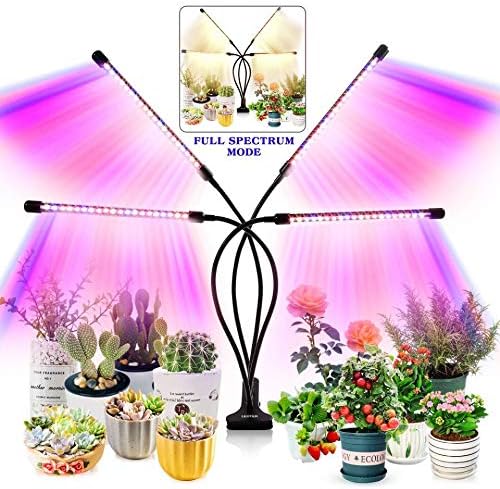
Also, different grow lights are configured in various ways. Some grow lights offer a full spectrum for your plants and will not require you to switch lights for different plant stages. Examples of such grow lights are LED lights.
While some grow lights are not configured to be full spectrum. Thus, you will be required to switch these lights as your plant enters its different growth stages. Examples of such grow lights are traditional lights such as fluorescent, HID, and so on.
Most of the LED grow lights have been we have in the market are configured with full spectrum. Therefore, you can use the same light for all your plant growth stages. The only thing you need to do is position the LED to grow lights distance to your plants’ canopy appropriately as they enter different growth stages.
So, let’s look at the required or best light temperature for your growing plants in their different growth stages:
1. Best kelvin for seedlings and clones
The best color temperature for seedlings and clones is the blue spectrum. If you’re using the traditional grow lights, choose daylight bulbs that fall on the higher end of the Kelvin scale. Use 5,000 and above Kelvin figure bulbs for your seedlings.
We recommend you use fluorescent bulbs for seedlings and clones because they don’t produce too much heat. The clone and seedling stages are the most fragile, and therefore need to be handled with care.
Other traditional lights such as the HID may also be used for your seedlings and clones. However, they produce a lot of heat. So you need to be extremely careful so they don’t burn your fragile plants.
2. Best kelvin for the vegetative stage for rowing plants
The vegetative stage of a plant also requires blue lights which are at the higher end of the Kelvin scale. Just like seedlings and clones, vegetative growth should use bulbs ranging from 5,000 to 7,500 on the Kelvin scale. However, the lighting needs to be more intense for vegetative growth.
3. Flowering and fruiting stage for growing plants
For the flowering and fruiting stage, your plant will require the red light spectrum which is at the lower end of the Kelvin scale. This light spectrum will encourage flowering, blooming, and fruiting.
Use light bulbs that range from 2,000 to 3,000 Kelvin values. HID lights such as high-pressure sodium (HPS) offer more of this red light spectrum. You can also use the LED full light spectrum for all plant stages.
Is Warm Light Good for Plants?
When shopping for grow lights, you will notice that they are labeled with numbers such as 2700K or 4000K. These numbers refer to the relative warmth or coolness of the light on the color spectrum. The higher the number, the cooler the light.
The growth of plant foliage is usually best around 6500k. However, they still need a period of warmer light of around 3000K to produce flowers, and eventually fruit.
So is warm light good for plants? The answer to this question depends on what you ultimately want to produce with your plants. If your goal is to produce seedlings, leafy green vegetables, or root crops, you need higher spectrum bulbs, which are the cooler light colors. But if you want to produce flowers, such as in the case with marijuana, or any other fruiting plants such as cucumbers, tomatoes, peppers, and lemons, you will require warm light which is in the lower spectrum. Warm white light is better and stronger on the red end of the spectrum.
Because lights require different lights for the different growth stages, it might be best if it gets a full spectrum LED, so you will not have to worry about switching lights as your plant progress.
3000K vs 5000K Grow Light
Both the 3000K and 5000K grow lights are in the white light spectrum. The difference is that 3000K is a warm white, whereas 5000K is a cool white.
A 3000K grow light bulb produces a soft white light which can also appear yellowish. One of the best uses for this light is in the bedroom as it gives a relaxing mood. For plants, a 3000K grow light is required for flowering, and thus fruit. 3000K is more efficient for flowering when counting grams per watt.
A 5000K grow light is ideal for plants in the vegetative stage of growth. The big advantage of this grow light is that it will help your plants to produce tighter internodes which will give you a more balanced distribution of light over the colas later.
Plant Light Requirements Chart
Different plants have different light requirements. Light is required by plants to produce chlorophyll for energy through photosynthesis. If they do not receive enough light, they will end up weak and pale. If a plant is overwatered, its roots will not grow enough to absorb the moisture.
To determine how much light your plant is receiving in the environment it is, there is a simple test you can use called the shadow test. This works especially well for indoor plants. Follow these steps to do so:
Get a large, blank piece of paper.
At the brightest time of the day, place the paper vertically and facing the light source, at the precise height and location you would like to place your plant.
Place your hand a few inches away from the paper.
Use the Light Requirement Chart (below) to determine the type of lighting that your plant will be receiving
Conclusion – The Best Kelvin for Growing Plants LED
This article has shown us that light temperatures are essential for plant development. It has also shown that there are suitable Kelvin ranges for the different growth stages that plants go through. It is important to make sure that you stick to the relevant Kelvins at the appropriate growth stage to get the best out of your grow lights and your plants.
Using the right Kelvin for your growing plants will also help you save costs. We hope this information will be of great help to you and your plants on your growing journey.
Happy growing!
FAQs
Is Warm light or cool light better for plants?
In the case of growing houseplants, you should be aiming to use cool light. Cool light comes from a combination of the sun and air conditioning. The sun produces light that is predominantly yellow-orange, with a very slight blue tinge, and the air conditioning adds red and far-red wavelengths.
Cool light is best for plants because it mimics sunlight, which they need to grow. The sun produces both warm light and cool light. Warm light is a combination of both blue and yellow wavelengths. Q: Do you know how to grow indoor plants in winter? A: Yes. You can grow houseplants i
Is 5000 Kelvin good for plants?
Yes, 5000K is enough for most plants. But don’t use 5000K as the maximum. You can get some plants that flower really well under 2000K, such as geraniums and some begonias. There are many other plants that need a higher light spectrum. If you want to grow plants indoors, then your best bet is to set your LED to about 5500K, but not at full power. If you do this, then you can turn the lights off for 4-8 hours at night, which will give you enough light to get by without turning on the lights. Then you’ll have a nice light spectrum in the middle of the day.
Will LED lights help plants grow?
One of the biggest questions that people have about growing plants indoors is whether it’s possible to grow plants in an LED light. The short answer is yes, you can, but there are some things to consider before you make the switch.
It’s not as simple as just putting a plant in an LED light and leaving it there all day, because not all LEDs produce the same amount of light. A lot depends on the type of LED bulb used, the wattage and the number of bulbs used. There’s also the matter of how far away your plants are from the bulbs.
Does regular LED light help plants grow?
These lights have different wavelengths that affect plant growth. Red light stimulates photosynthesis. Blue light promotes cell division. White light is a mixture of red and blue. Now, we can use all three colors together to create the spectrum of light. There are many types of LED lights. The most common type is the LED strip. It has red, blue, and white LEDs. We can also put them in groups. For example, we can use a single red LED on one side of the plant and a single white LED on the other. This will make it easier to grow plants.
Let’s guide you on how to make the best DIY hydroponics nutrients recipe. The nutrient solution is an essential component in hydroponic farming. Providing the appropriate nutrient mixture in the right proportion will enhance the growth and yield of your crops.
Usually, most hydroponic growers purchase nutrient solutions from commercial sellers. It will interest you to know that making your homemade hydroponics nutrients recipe is affordable and possible to make with the right knowledge.
Why Make Your Own DIY Hydroponics Nutrients Recipe?
Even though most growers prefer to buy premixed nutrients because they don’t want the stress of calculating the ratios of nutrients required, there are benefits to making your nutrient solution.
The most rewarding advantage you get from making your hydroponics nutrients recipe is that you get to cut down on your expenses. Making your own nutrients can also be a fun thing to do. You would be amazed to know you’ve been buying these commercially made nutrients at high prices when most of the ingredients used are very affordable and easily obtainable.
Now if it interests you to grow plants for a long duration or you’re growing on a large scale, commercial nutrient purchase may not be beneficial to you. Preparing your own formula may be the best way to go. So, if you’re wondering how best to make a DIY hydroponics nutrients recipe, we will guide you into this.
The combination of nutrients and water makes up a hydroponic nutrient solution. Before we look into the nutrient recipe, let us look at the important nutrient elements hydroponic plants require to grow successfully.
Nutrient elements required for making hydroponic nutrients solution
For hydroponic plants to grow adequately, they require both macronutrients and micronutrients present in their nutrient solutions.
Macronutrients
Macronutrients are higher concentrated elements required by plants to grow appropriately. They include magnesium, carbon, calcium, nitrogen, hydrogen, sulfur, oxygen, phosphorous, and potassium.
AeroGarden Harvest Elite – Indoor Garden with LED Grow Light
We earn a commission if you make a purchase, at no additional cost to you.
03/08/2026 10:05 am GMT
Nitrogen and sulfur nutrient elements will assist in the production of protein and amino acids for your plant. Potassium and magnesium will produce sugar and starch. While phosphorus is required for plant growth and photosynthesis, and calcium is also required for growth. The production of chlorophyll requires magnesium and nitrogen.
All these elements must be contained in your hydroponic nutrients solution or else it will be rendered futile.
Micronutrients
Plants also need micronutrients or trace elements in small amounts to develop. Ensure they are present in your homemade hydroponics nutrients recipe so your plants can thrive well. Micronutrients required by hydroponic plants are zinc, boron, cobalt, copper, manganese, iron, chlorine, and molybdenum.
Recipe On How to Make Hydroponic Solution at Home
All types of plants flourish with the presence of both macronutrients and micronutrients. However, the concentrations of these nutrients will vary depending on the type of plants and growth stages. They can be in vegetative, flowering, or fruiting stages.
Guidelines for making macronutrients recipe
Obtain the base of your fertilizer. The base includes nutrient elements such as sulfur, calcium, phosphorous, nitrogen, and so on. They usually come in form of salts and they are mixed with water to form a solution.
These are the amounts of salts you should use for your homemade hydroponics nutrient recipe:
4.5 tablespoons of calcium nitrate
4 tablespoons of potassium nitrate
4 tablespoons of magnesium sulfate, calcium carbonate, and magnesium carbonate
10 gallons of water
Instructions:
Ensure you use clean or filtered water.
To your 10 gallons of water, add two tablespoons of salt to each gallon of water.
Ensure you mix or add one tablespoon of salt at a time.
As you mix the solution, the salts will break down their nutrient elements to make them available to your plants.
Guidelines for adding/preparing micronutrients recipe
Instructions:
Using a different container, measure 1 quart of water and add 0.25 tablespoons of boric acid as well as 0.1 tablespoons of manganese chloride. Ensure you stir the mixture adequately.
After mixing, pour half a cup of this mixture and add it into the macronutrient solution.
Now get a different container and add 1 quart of water and mix 0.5 tablespoons of chelated iron.
Then add 3/5 cups of this mixture into the already made macronutrient solutions.
Tips for DIY Organic Hydroponic Nutrients Solution
One of the biggest reasons why people are intimidated by hydroponics is because of the daunting task of having to deal with nutrients. Getting the balance of nutrient balance may seem like a monumental task that can only be done by experts or robots. Store-bought hydroponic nutrients can also be quite pricey. This leaves people wondering if they can be able to sustain nutrient provision to their systems.
There is however a way to avoid all these issues. Here, we are going to show you how you can make your own DIY hydroponic nutrients.
Hydroponics can be organic as well. If you want to have an organic hydroponics system, you can achieve it as long as you refrain from using any chemicals, pesticides, and artificial fertilizers. You can obtain all-natural products from things like manure and plant matter.
The advantage of having an organic system is that you produce better-looking crops, the crops taste and smell better, as well as have better nutritional value.
Some of the most common organic fertilizers that are used for hydroponic nutrients include:
Manure based
Fish meal
Gypsum based
Bone meal
Guano
Blood meal
Compost based
Plant-based
These materials can be mixed and matched depending on the system that you are using and the requirements of the crops that you are growing.
A basic NPK proportion of 15-15-15 is mostly used by many hydroponic gardeners. Many other macronutrients and micronutrients such as calcium, sulfur, copper, boron, zinc, iron, and manganese are also necessary.
While there are all these options available to make hydroponic nutrients, in some cases it might be best to avoid substances like manure because of the risk of bacterial contamination. Another issue with these kinds of substances is that they can cause other problems such as clogging of pipes.
The best organic fertilizer for your hydroponics system ultimately depends on the system and crops you are growing. With that said, there are many possibilities once you get the hang of it.
Once you have decided on the materials you are going to use for your DIY hydroponic nutrient solution, these are the materials you will need to mix everything all together before incorporating it into your hydroponics system:
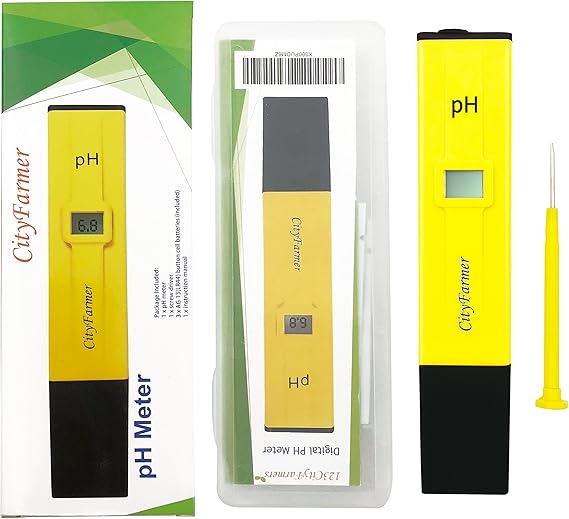
When making your nutrient solution, it is important to monitor the EC and pH as they are essential to water quality parameters. The pH affects the ability of the plants to absorb essential elements from the nutrient solution. Most plants prefer acidic conditions in the pH range between 5.8 and 6.5, you should ensure that you’re solution stays within this range. Make pH adjustments to your system as necessary during the growth of your plants. You can make use of pH up and down to adjust the pH accordingly.
Simple Hydroponics Nutrients
It is easy to make your own, natural fertilizer for hydroponics as we have demonstrated above. It is also possible to make your formula with readily available components. You can do this by using normal hydroponics fertilizer or making your own.
A simple way to make hydroponic nutrients is to purchase some water-soluble fertilizer. Good ones are 20-20-20 or 24-8-16 (NPK), which are available from nurseries, garden supply stores, and even online stores such as Amazon. When purchasing these commercial nutrients, make sure you get the ones that have micronutrients included.
Add two teaspoons of this fertilizer per gallon of water and mix very well. Add one teaspoon of magnesium sulfate (Epsom salts) per gallon. After mixing these, thoroughly stir the mixture and ensure that everything is well incorporated. And then it is ready for use.
Cheap Hydroponics Nutrients
If you have ever owned a hydroponics system or looking into having and running one, you will know how expensive pre-made hydroponic nutrient mixes are very expensive. If you are running a small system that has not yet reached optimum production, you may find yourself making a loss from having to purchase nutrients.
Here are some cheap hydroponics nutrients for you to try out:
Formula #1
This formula will work for a 5-gallon container of nutrient solution. This solution works best for non-recirculating and small systems, such as DWC and raft systems:
Masterblend Tomato 4-18-38: 10 g
Calcium Nitrate 15.5-0-0: 10 g
Epsom Salt: 5 g
While using this formula, if you notice any deficiencies in your plants, you should use a supplementary formula for extra nutrition.
Formula #2
This nutrient mix needs a few more components but it is a very easy mix. Once mixed, add 10 g of the mixture for each gallon of water in your system:
Potassium nitrate: 255g
Calcium Phosphate: 198g
Magnesium Sulfate: 170g
Powdered Ammonium Sulfate: 43g
Monocalcium Phosphate: 113g
Iron Sulfate: 1/2 teaspoon
This mixture is highly concentrated, so make sure to wear protective clothing to avoid skin and eye irritations.
Formula #3
This 2 ingredient solution is quite cheap and very easy to make:
Seaweed (Kelp): 6oz
Epsom Salts: 5 teaspoons – 1 teaspoon per gallon of water
Wrap your seaweed in cheesecloth and tie it with twine. Add 5 gallons of water into a bucket and add the seaweed bag. Leave this mix outside in the sun for 5 days. Afterward, add 5 teaspoons of Epsom salts. You can either add this entire mixture into your hydroponics tank or in small increments.
DIY Hydroponic Nutrients From Compost
These are the steps to follow if you want to make your own nutrients from compost:
Place a gallon of compost into a 5-gallon bucket
Fill the bucket with water and stir well
Continuously aerate the mixture with an aquarium air pump
Let the mixture sit out of direct sunlight for up to 3 days. Make sure to stir the mixture every day
Pour the liquid through a strainer to filter out the solids. The resulting liquid can then be used as fertilizer
Conclusion
We hope this article has provided you with all you needed to know about DIY hydroponics nutrients. There are many different components you can use to make your hydroponics nutrients, depending on your system and the plant species in the system. We hope the information in this article will help you to become more confident with your next DIY hydroponics nutrient solution.
FAQs
What’s a decent
In the process of making the solution, there are many different methods and processes that can be used to make the solution. The solution can either be made with or without the use of nutrients. If you want to make a nutrient-free solution, it is important to know the amount of water that your plants need to survive.
To make an organic hydroponic solution, you will need some nutrients. You can use a commercial product like Gro-Lite or you can make your own solution. The problem with making the solution is that it requires a lot of time and work. The other problem is that you will end up using a lot of chemicals that will pollute the environment. If you have been growing plants organically for a long time, then you should be familiar with this method. There are many products available on the market that are designed to be used as organic fertilizers. When making the solution, you need to add the fertilizer into the distilled water.
You can use a regular 5 gallon bucket for your hydroponic system. Next, you will need something to use as a nutrient solution. This could be a combination of water, water soluble fertilizer, and some Epsom salt. I usually use 1/4 cup of Epsom salt, 1/2 cup of water soluble fertilizer, and 1 quart of water.
What are the common nutrients for hydroponics?
There are a lot of different types of nutrients available, but I’ve found that the most commonly used ones are:
There are certain nutrients that will work for all plants, such as nitrogen, phosphorous, potassium and magnesium. Others are best suited for specific plant families. For example, copper is known to be good for ferns, while manganese is best for flowering plants. Some of these are also more common than others, so it’s important to know what types of nutrients are most commonly used for each plant family. For instance, in a hydroponic system you wouldn’t use manganese for flowering plants because it can have an effect on the colour of the flowers.
There are certain nutrients that will not work for all plants, and will actually have the opposite effect to what you want. For example, sulphur is known to be harmful to ferns and algae, while some flowering plants need potassium in order to flower. Some other nutrients are very specific and can only be used for a certain type of plant, such as calcium, which is only useful for ferns and cacti. Some of these are also more common than others, so it’s important to know what types of nutrients are most commonly used for each plant family.
What type of fertilizer should you use for a hydroponic solution?
Make sure that the fertilizer you use has all of the elements that you want in your solution. When you add too much nitrogen into the solution, you will have more of a root zone which will slow down the growth of the plant. If you want to make your own hydroponic solution, you should know what nutrients to add. When you start growing plants, you will need to fertilize them once every 2 to 3 weeks.
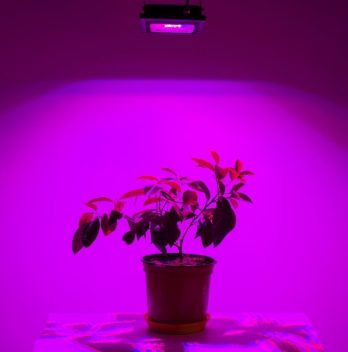
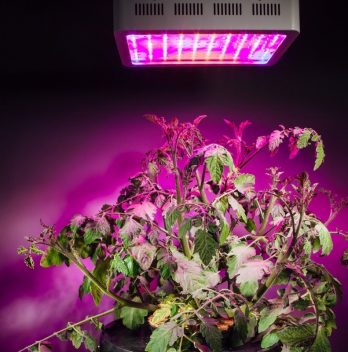
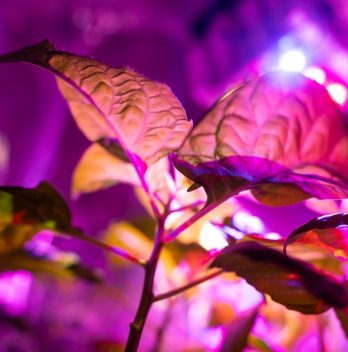
The red and blue light are a great combination and they are needed as your plant matures. They are especially required for both the vegetative and flowering stages. This red and blue light combination enhances the production of more leaves and crops.
Violet Or Purple Light
Violet light or purple light is an additional light that your plants can benefit from. These colors have the shortest wavelength and high energy which enables the plant to be able to absorb them well. The light energy in the violet color results in a sweet aroma, and great plant color, and is a flavor booster in vegetables and fruits.
Therefore, you can use this light at any stage of a plant to boost its color and improve its taste. Violet light will also enhance the number of antioxidants in a plant.
Greenlight
The effect of green light on plant growth is not so significant. The reason is that most plants are already green in color and thus will reflect green rather than absorb it.
Yellow Light
Yellow light does not have much effect on the growth of a plant. It is just like green lights which are difficult for plants to absorb.
Ultraviolet Light
Ultraviolet light is known to be harmful to humans. So, just as ultraviolet light is harmful to humans, high exposure is also bad for plants. Your plants will develop with little exposure to ultraviolet light.
How Do You Use Grow Lights For Outdoor Plants?
Light is an absolute necessity for any and every plant, and adequate light is a must for the efficient growth and production of any plant.
Sunlight is the natural and most used source of light for plants. However, sometimes plants even when planted outside may not be able to receive the adequate amount of sunlight that they require to grow. This could be for example, when plants are planted or grow under taller trees or a canopy of trees. It may also be if plants are in an area of a garden that receives short hours of sunlight exposure.
The use of grow lights outdoors is not very common but can be a good way to give plants supplemental light to help improve growth and productivity.
There are several considerations to keep in mind if you are going to use grow lights outdoors;
Because these lights will be outside where they will be exposed to environmental conditions such as rain and winds, make sure you get waterproof and secure the lights properly to prevent them from blowing away.
Be careful to position the lights in a place where they won’t get interference from other plants, shade, etc.
Remember that you do not need to have to grow lights on at all times, put them on a timer so that your plants only get the light that they need. This will also help you save money.
What Plants Don’t Like Grow Lights?
Most plants need light (whether natural or artificial) to grow efficiently. This applies to both indoor and outdoor plants. Most plants would die without getting a bit of light exposure.
There are however certain plants that do well without light and are mostly planted as indoor plants, or in areas that do not have a lot of sunlight. These plants would be good for a beginner who is starting out or still learning how to take care of plants.
Here are some of these plants;
Bromeliad (Bromeliaceae)
Chinese Evergreen (Aglaonema)
Cast Iron Plant (Aspidistra elatior)
Dracaena (Dracaena)
Dumb Cane (Dieffenbachia)
English Ivy (Hedera helix)
Peace Lily (Spathiphyllum)
How Do You Put Grow Lights on Indoor Plants?
The best place to position grow lights on indoor plants is directly above the plants. This is so that the plants can grow upright.
If the lights are placed, for example on the side of the plant, it will lean towards it to “follow” the light which is not ideal. Placing the grow light on top of the plants will help ensure an even distribution of light to the plants. This is the best way to put grow lights on indoor plants.
How Long Should I Leave My Plants Under Grow Lights?
Grow lights do not need to be on all the time. The idea with them is that they should replicate the light conditions that would be provided by sunlight. They aim to create a similar day and night cycle as the natural one.
The length of time you should leave your grow lights on depends on how light-hungry your plants are. So do a bit of research to find out how much light your plant needs for optimum growth and health. Generally grow lights are left on for anywhere between 8-10 hours a day
How Far Should LED Grow Light Be From Plants?
The distance between LED grow lights and plants depends on the intensity of the light. For LEDs of 200 watts should be placed between 12-20 inches, and those of high wattage like 1000 watts should be placed 36-46 inches from the top of the plant.
Does a Plant Grow Faster in Sunlight or Artificial Light?
A plant would grow faster under artificial light than in sunlight. This is because artificial light can be adjusted to best suit the needs of the plant at that specific time, and therefore help to improve the growth and production of that plant.
Why Is Green Light Bad For Plant Growth?
Some studies suggest that green light makes plants behave as if they’re growing in poor environments that have a lot of shade. This could be the cause of plants having stunted growth and development if this green light is used on them.
Green light is reflected by plants, which is why they appear green. And because this green light is reflected, plants absorb very little of it. Because of this, it is thought to have minimal to no use for plant growth, particularly in the processes of photomorphogenesis and photosynthesis.
The role of green light for plant growth is yet to be widely explored as there are no definitive studies on its importance.
Full spectrum LED lights include green light, it is however unclear how useful it is for stimulating growth.
– The topic has yet to be widely studied. While full-spectrum LED lights include green light, it’s unclear how useful green light is for stimulating plant growth.
Currently, many growers use green LEDs to check their plants for things such as pest infestations or damage during the dark cycle of plant growth. Greenlight mimics shade or moonlight, so these lights can be used without interfering with the plant’s cycle.
How Does Blue Light Affect Plant Growth?
Blue light is referred to as radiation and has wavelengths between 400 and 500 nm. This wavelength is in the visible spectrum and has high energy which greatly affects photosynthesis, plant growth, and flowering.
Blue light is not as efficient as other lights in the electromagnetic energy wavelength, it is however still necessary for the growth of plants.
Another important function of blue light is regulating the plant stomata. Stomata are the pores in the dermis or skin of the leaves and stems of plants, which are important for gas exchange. These pores open and close, allowing the intake of carbon dioxide and the release of oxygen. As this process is essential for photosynthesis, it makes blue light necessary.
The shorter wavelength of blue light makes it very important in the processes that increase vitamin levels in plants, the quality, as well as overall plant health. Used in conjunction with red light, blue light can serve as a regulator for plant flowering.
How Does Yellow Light Affect Plant Growth?
Yellow light by itself plays a trivial role in photosynthesis and therefore plant growth or flowering, it is, however, useful in combination with other colors.
Much of the yellow light is reflected together with the green light. Because of this, placing a plant under yellow light will stunt its growth and development. If seedlings are given yellow or orange light alone, they will not be able to create carbohydrates, and so will not grow well or thrive.
In one study, however, yellow light has been found to have a positive impact on bioactive flavonoid accumulation in some herbs. This could mean that it just has not been studied enough and its effects are not well understood yet.
What Color Makes Plants Grow Faster?
Having discussed in detail all these different colors and their roles in plant growth, you are now probably wondering what the best color for plants that will affect their growth is. Simply put, the best color is a combination of red and blue light. Red light helps to increase plant biomass. The blue light on the other hand controls the flow of chloroplasts in the cells, which is responsible for oxygen transmission and also regulates the stomata opening
Blue light is ideal for the early plant stage such as seedlings. As your plant matures, the red and blue light colors are combinations excellent for your plants’ growth. That is why red-blue grow light combinations are popular on the market.
Does The Color Of Light Affect Plant Growth? – Final Say
The colors of light contribute a lot during different growth stages in a plant’s life cycle. Knowing what color grow lights to purchase, and which to use for each growth stage, as well as knowing which colors to avoid is absolutely crucial to the success of your plants.
The extensive information provided in this article will set you well on the path to success with this subject. If you go to a store and are still unsure, ask the light expert at the shop so that you can be more confident with your purchase.
The most important point to remember is that a combination of blue and red light is best for plants, colors such as green and yellow however are not ideal. Full spectrum growth lights are sold with the whole light spectrum, as the light suggests, and you will never go wrong with them.
Happy gardening.
FAQ’s
How does the color of light affect plant growth?
The most important factor in determining plant growth is sunlight. Plants need light to grow. However, the quality of light that they receive has a huge impact on their growth. Light is made up of electromagnetic radiation. The wavelength or color of light determines the color of light. For example, red light (in the visible spectrum) is longer than blue light (in the visible spectrum), which is why many plants absorb it in heaps.
The color of light affects all life on Earth. Light is composed of electromagnetic radiation, including visible light, ultraviolet light, and infrared light. These wavelengths of light are absorbed by plant chlorophyll, which helps plants process sunlight and produce energy. When light is in the blue-green range, it is called blue light. When light is in the red-orange range, it is called red light. When light is in the green range, it is called green light.
When light is in the yellow-orange range, it is called yellow light. When light is in the violet range, it is called violet light.
How does color of light affect photosynthesis?
Color of light affects photosynthesis in a plant. Green and red light stimulate the plant to grow more. Blue light stimulates the plant to grow less. If the plant is not exposed to blue light, it will grow more than if it is exposed to blue light.
What color of light is most effective for plant growth?
The answer to this question depends on the type of plant and its position in the light spectrum. Plants use light to manufacture energy from the sun’s rays, and they use light to make the food they need for survival. The light color that a plant needs is determined by its specific needs for growth and development.
Which plant uses blue light to grow more?
The answer is the plant fern. The plant fern is a small green plant that grows in moist soil. It is very similar to a plant called moss.
What color light is best for germination?
You can use any type of high intensity lighting you want, but the light spectrum emitted by your bulbs matters.
High-pressure sodium bulbs emit more blue light than other types of bulbs. This makes them effective at germination but not so good for later development. Halogen bulbs emit a lot of red and yellow light, which is useful for later growth but may not be effective for germination.
The red and blue light are a great combination and they are needed as your plant matures. They are especially required for both the vegetative and flowering stages. This red and blue light combination enhances the production of more leaves and crops.
Violet Or Purple Light
Violet light or purple light is an additional light that your plants can benefit from. These colors have the shortest wavelength and high energy which enables the plant to be able to absorb them well. The light energy in the violet color results in a sweet aroma, and great plant color, and is a flavor booster in vegetables and fruits.
Therefore, you can use this light at any stage of a plant to boost its color and improve its taste. Violet light will also enhance the number of antioxidants in a plant.
Greenlight
The effect of green light on plant growth is not so significant. The reason is that most plants are already green in color and thus will reflect green rather than absorb it.
Yellow Light
Yellow light does not have much effect on the growth of a plant. It is just like green lights which are difficult for plants to absorb.
Ultraviolet Light
Ultraviolet light is known to be harmful to humans. So, just as ultraviolet light is harmful to humans, high exposure is also bad for plants. Your plants will develop with little exposure to ultraviolet light.
How Do You Use Grow Lights For Outdoor Plants?
Light is an absolute necessity for any and every plant, and adequate light is a must for the efficient growth and production of any plant.
Sunlight is the natural and most used source of light for plants. However, sometimes plants even when planted outside may not be able to receive the adequate amount of sunlight that they require to grow. This could be for example, when plants are planted or grow under taller trees or a canopy of trees. It may also be if plants are in an area of a garden that receives short hours of sunlight exposure.
The use of grow lights outdoors is not very common but can be a good way to give plants supplemental light to help improve growth and productivity.
There are several considerations to keep in mind if you are going to use grow lights outdoors;
Because these lights will be outside where they will be exposed to environmental conditions such as rain and winds, make sure you get waterproof and secure the lights properly to prevent them from blowing away.
Be careful to position the lights in a place where they won’t get interference from other plants, shade, etc.
Remember that you do not need to have to grow lights on at all times, put them on a timer so that your plants only get the light that they need. This will also help you save money.
What Plants Don’t Like Grow Lights?
Most plants need light (whether natural or artificial) to grow efficiently. This applies to both indoor and outdoor plants. Most plants would die without getting a bit of light exposure.
There are however certain plants that do well without light and are mostly planted as indoor plants, or in areas that do not have a lot of sunlight. These plants would be good for a beginner who is starting out or still learning how to take care of plants.
Here are some of these plants;
Bromeliad (Bromeliaceae)
Chinese Evergreen (Aglaonema)
Cast Iron Plant (Aspidistra elatior)
Dracaena (Dracaena)
Dumb Cane (Dieffenbachia)
English Ivy (Hedera helix)
Peace Lily (Spathiphyllum)
How Do You Put Grow Lights on Indoor Plants?
The best place to position grow lights on indoor plants is directly above the plants. This is so that the plants can grow upright.
If the lights are placed, for example on the side of the plant, it will lean towards it to “follow” the light which is not ideal. Placing the grow light on top of the plants will help ensure an even distribution of light to the plants. This is the best way to put grow lights on indoor plants.
How Long Should I Leave My Plants Under Grow Lights?
Grow lights do not need to be on all the time. The idea with them is that they should replicate the light conditions that would be provided by sunlight. They aim to create a similar day and night cycle as the natural one.
The length of time you should leave your grow lights on depends on how light-hungry your plants are. So do a bit of research to find out how much light your plant needs for optimum growth and health. Generally grow lights are left on for anywhere between 8-10 hours a day
How Far Should LED Grow Light Be From Plants?
The distance between LED grow lights and plants depends on the intensity of the light. For LEDs of 200 watts should be placed between 12-20 inches, and those of high wattage like 1000 watts should be placed 36-46 inches from the top of the plant.
Does a Plant Grow Faster in Sunlight or Artificial Light?
A plant would grow faster under artificial light than in sunlight. This is because artificial light can be adjusted to best suit the needs of the plant at that specific time, and therefore help to improve the growth and production of that plant.
Why Is Green Light Bad For Plant Growth?
Some studies suggest that green light makes plants behave as if they’re growing in poor environments that have a lot of shade. This could be the cause of plants having stunted growth and development if this green light is used on them.
Green light is reflected by plants, which is why they appear green. And because this green light is reflected, plants absorb very little of it. Because of this, it is thought to have minimal to no use for plant growth, particularly in the processes of photomorphogenesis and photosynthesis.
The role of green light for plant growth is yet to be widely explored as there are no definitive studies on its importance.
Full spectrum LED lights include green light, it is however unclear how useful it is for stimulating growth.
– The topic has yet to be widely studied. While full-spectrum LED lights include green light, it’s unclear how useful green light is for stimulating plant growth.
Currently, many growers use green LEDs to check their plants for things such as pest infestations or damage during the dark cycle of plant growth. Greenlight mimics shade or moonlight, so these lights can be used without interfering with the plant’s cycle.
How Does Blue Light Affect Plant Growth?
Blue light is referred to as radiation and has wavelengths between 400 and 500 nm. This wavelength is in the visible spectrum and has high energy which greatly affects photosynthesis, plant growth, and flowering.
Blue light is not as efficient as other lights in the electromagnetic energy wavelength, it is however still necessary for the growth of plants.
Another important function of blue light is regulating the plant stomata. Stomata are the pores in the dermis or skin of the leaves and stems of plants, which are important for gas exchange. These pores open and close, allowing the intake of carbon dioxide and the release of oxygen. As this process is essential for photosynthesis, it makes blue light necessary.
The shorter wavelength of blue light makes it very important in the processes that increase vitamin levels in plants, the quality, as well as overall plant health. Used in conjunction with red light, blue light can serve as a regulator for plant flowering.
How Does Yellow Light Affect Plant Growth?
Yellow light by itself plays a trivial role in photosynthesis and therefore plant growth or flowering, it is, however, useful in combination with other colors.
Much of the yellow light is reflected together with the green light. Because of this, placing a plant under yellow light will stunt its growth and development. If seedlings are given yellow or orange light alone, they will not be able to create carbohydrates, and so will not grow well or thrive.
In one study, however, yellow light has been found to have a positive impact on bioactive flavonoid accumulation in some herbs. This could mean that it just has not been studied enough and its effects are not well understood yet.
What Color Makes Plants Grow Faster?
Having discussed in detail all these different colors and their roles in plant growth, you are now probably wondering what the best color for plants that will affect their growth is. Simply put, the best color is a combination of red and blue light. Red light helps to increase plant biomass. The blue light on the other hand controls the flow of chloroplasts in the cells, which is responsible for oxygen transmission and also regulates the stomata opening
Blue light is ideal for the early plant stage such as seedlings. As your plant matures, the red and blue light colors are combinations excellent for your plants’ growth. That is why red-blue grow light combinations are popular on the market.
Does The Color Of Light Affect Plant Growth? – Final Say
The colors of light contribute a lot during different growth stages in a plant’s life cycle. Knowing what color grow lights to purchase, and which to use for each growth stage, as well as knowing which colors to avoid is absolutely crucial to the success of your plants.
The extensive information provided in this article will set you well on the path to success with this subject. If you go to a store and are still unsure, ask the light expert at the shop so that you can be more confident with your purchase.
The most important point to remember is that a combination of blue and red light is best for plants, colors such as green and yellow however are not ideal. Full spectrum growth lights are sold with the whole light spectrum, as the light suggests, and you will never go wrong with them.
Happy gardening.
FAQ’s
How does the color of light affect plant growth?
The most important factor in determining plant growth is sunlight. Plants need light to grow. However, the quality of light that they receive has a huge impact on their growth. Light is made up of electromagnetic radiation. The wavelength or color of light determines the color of light. For example, red light (in the visible spectrum) is longer than blue light (in the visible spectrum), which is why many plants absorb it in heaps.
The color of light affects all life on Earth. Light is composed of electromagnetic radiation, including visible light, ultraviolet light, and infrared light. These wavelengths of light are absorbed by plant chlorophyll, which helps plants process sunlight and produce energy. When light is in the blue-green range, it is called blue light. When light is in the red-orange range, it is called red light. When light is in the green range, it is called green light.
When light is in the yellow-orange range, it is called yellow light. When light is in the violet range, it is called violet light.
How does color of light affect photosynthesis?
Color of light affects photosynthesis in a plant. Green and red light stimulate the plant to grow more. Blue light stimulates the plant to grow less. If the plant is not exposed to blue light, it will grow more than if it is exposed to blue light.
What color of light is most effective for plant growth?
The answer to this question depends on the type of plant and its position in the light spectrum. Plants use light to manufacture energy from the sun’s rays, and they use light to make the food they need for survival. The light color that a plant needs is determined by its specific needs for growth and development.
Which plant uses blue light to grow more?
The answer is the plant fern. The plant fern is a small green plant that grows in moist soil. It is very similar to a plant called moss.
What color light is best for germination?
You can use any type of high intensity lighting you want, but the light spectrum emitted by your bulbs matters.
High-pressure sodium bulbs emit more blue light than other types of bulbs. This makes them effective at germination but not so good for later development. Halogen bulbs emit a lot of red and yellow light, which is useful for later growth but may not be effective for germination.
The red and blue light are a great combination and they are needed as your plant matures. They are especially required for both the vegetative and flowering stages. This red and blue light combination enhances the production of more leaves and crops.
Violet Or Purple Light
Violet light or purple light is an additional light that your plants can benefit from. These colors have the shortest wavelength and high energy which enables the plant to be able to absorb them well. The light energy in the violet color results in a sweet aroma, and great plant color, and is a flavor booster in vegetables and fruits.
Therefore, you can use this light at any stage of a plant to boost its color and improve its taste. Violet light will also enhance the number of antioxidants in a plant.
Greenlight
The effect of green light on plant growth is not so significant. The reason is that most plants are already green in color and thus will reflect green rather than absorb it.
Yellow Light
Yellow light does not have much effect on the growth of a plant. It is just like green lights which are difficult for plants to absorb.
Ultraviolet Light
Ultraviolet light is known to be harmful to humans. So, just as ultraviolet light is harmful to humans, high exposure is also bad for plants. Your plants will develop with little exposure to ultraviolet light.
How Do You Use Grow Lights For Outdoor Plants?
Light is an absolute necessity for any and every plant, and adequate light is a must for the efficient growth and production of any plant.
Sunlight is the natural and most used source of light for plants. However, sometimes plants even when planted outside may not be able to receive the adequate amount of sunlight that they require to grow. This could be for example, when plants are planted or grow under taller trees or a canopy of trees. It may also be if plants are in an area of a garden that receives short hours of sunlight exposure.
The use of grow lights outdoors is not very common but can be a good way to give plants supplemental light to help improve growth and productivity.
There are several considerations to keep in mind if you are going to use grow lights outdoors;
Because these lights will be outside where they will be exposed to environmental conditions such as rain and winds, make sure you get waterproof and secure the lights properly to prevent them from blowing away.
Be careful to position the lights in a place where they won’t get interference from other plants, shade, etc.
Remember that you do not need to have to grow lights on at all times, put them on a timer so that your plants only get the light that they need. This will also help you save money.
What Plants Don’t Like Grow Lights?
Most plants need light (whether natural or artificial) to grow efficiently. This applies to both indoor and outdoor plants. Most plants would die without getting a bit of light exposure.
There are however certain plants that do well without light and are mostly planted as indoor plants, or in areas that do not have a lot of sunlight. These plants would be good for a beginner who is starting out or still learning how to take care of plants.
Here are some of these plants;
Bromeliad (Bromeliaceae)
Chinese Evergreen (Aglaonema)
Cast Iron Plant (Aspidistra elatior)
Dracaena (Dracaena)
Dumb Cane (Dieffenbachia)
English Ivy (Hedera helix)
Peace Lily (Spathiphyllum)
How Do You Put Grow Lights on Indoor Plants?
The best place to position grow lights on indoor plants is directly above the plants. This is so that the plants can grow upright.
If the lights are placed, for example on the side of the plant, it will lean towards it to “follow” the light which is not ideal. Placing the grow light on top of the plants will help ensure an even distribution of light to the plants. This is the best way to put grow lights on indoor plants.
How Long Should I Leave My Plants Under Grow Lights?
Grow lights do not need to be on all the time. The idea with them is that they should replicate the light conditions that would be provided by sunlight. They aim to create a similar day and night cycle as the natural one.
The length of time you should leave your grow lights on depends on how light-hungry your plants are. So do a bit of research to find out how much light your plant needs for optimum growth and health. Generally grow lights are left on for anywhere between 8-10 hours a day
How Far Should LED Grow Light Be From Plants?
The distance between LED grow lights and plants depends on the intensity of the light. For LEDs of 200 watts should be placed between 12-20 inches, and those of high wattage like 1000 watts should be placed 36-46 inches from the top of the plant.
Does a Plant Grow Faster in Sunlight or Artificial Light?
A plant would grow faster under artificial light than in sunlight. This is because artificial light can be adjusted to best suit the needs of the plant at that specific time, and therefore help to improve the growth and production of that plant.
Why Is Green Light Bad For Plant Growth?
Some studies suggest that green light makes plants behave as if they’re growing in poor environments that have a lot of shade. This could be the cause of plants having stunted growth and development if this green light is used on them.
Green light is reflected by plants, which is why they appear green. And because this green light is reflected, plants absorb very little of it. Because of this, it is thought to have minimal to no use for plant growth, particularly in the processes of photomorphogenesis and photosynthesis.
The role of green light for plant growth is yet to be widely explored as there are no definitive studies on its importance.
Full spectrum LED lights include green light, it is however unclear how useful it is for stimulating growth.
– The topic has yet to be widely studied. While full-spectrum LED lights include green light, it’s unclear how useful green light is for stimulating plant growth.
Currently, many growers use green LEDs to check their plants for things such as pest infestations or damage during the dark cycle of plant growth. Greenlight mimics shade or moonlight, so these lights can be used without interfering with the plant’s cycle.
How Does Blue Light Affect Plant Growth?
Blue light is referred to as radiation and has wavelengths between 400 and 500 nm. This wavelength is in the visible spectrum and has high energy which greatly affects photosynthesis, plant growth, and flowering.
Blue light is not as efficient as other lights in the electromagnetic energy wavelength, it is however still necessary for the growth of plants.
Another important function of blue light is regulating the plant stomata. Stomata are the pores in the dermis or skin of the leaves and stems of plants, which are important for gas exchange. These pores open and close, allowing the intake of carbon dioxide and the release of oxygen. As this process is essential for photosynthesis, it makes blue light necessary.
The shorter wavelength of blue light makes it very important in the processes that increase vitamin levels in plants, the quality, as well as overall plant health. Used in conjunction with red light, blue light can serve as a regulator for plant flowering.
How Does Yellow Light Affect Plant Growth?
Yellow light by itself plays a trivial role in photosynthesis and therefore plant growth or flowering, it is, however, useful in combination with other colors.
Much of the yellow light is reflected together with the green light. Because of this, placing a plant under yellow light will stunt its growth and development. If seedlings are given yellow or orange light alone, they will not be able to create carbohydrates, and so will not grow well or thrive.
In one study, however, yellow light has been found to have a positive impact on bioactive flavonoid accumulation in some herbs. This could mean that it just has not been studied enough and its effects are not well understood yet.
What Color Makes Plants Grow Faster?
Having discussed in detail all these different colors and their roles in plant growth, you are now probably wondering what the best color for plants that will affect their growth is. Simply put, the best color is a combination of red and blue light. Red light helps to increase plant biomass. The blue light on the other hand controls the flow of chloroplasts in the cells, which is responsible for oxygen transmission and also regulates the stomata opening
Blue light is ideal for the early plant stage such as seedlings. As your plant matures, the red and blue light colors are combinations excellent for your plants’ growth. That is why red-blue grow light combinations are popular on the market.
Does The Color Of Light Affect Plant Growth? – Final Say
The colors of light contribute a lot during different growth stages in a plant’s life cycle. Knowing what color grow lights to purchase, and which to use for each growth stage, as well as knowing which colors to avoid is absolutely crucial to the success of your plants.
The extensive information provided in this article will set you well on the path to success with this subject. If you go to a store and are still unsure, ask the light expert at the shop so that you can be more confident with your purchase.
The most important point to remember is that a combination of blue and red light is best for plants, colors such as green and yellow however are not ideal. Full spectrum growth lights are sold with the whole light spectrum, as the light suggests, and you will never go wrong with them.
Happy gardening.
FAQ’s
How does the color of light affect plant growth?
The most important factor in determining plant growth is sunlight. Plants need light to grow. However, the quality of light that they receive has a huge impact on their growth. Light is made up of electromagnetic radiation. The wavelength or color of light determines the color of light. For example, red light (in the visible spectrum) is longer than blue light (in the visible spectrum), which is why many plants absorb it in heaps.
The color of light affects all life on Earth. Light is composed of electromagnetic radiation, including visible light, ultraviolet light, and infrared light. These wavelengths of light are absorbed by plant chlorophyll, which helps plants process sunlight and produce energy. When light is in the blue-green range, it is called blue light. When light is in the red-orange range, it is called red light. When light is in the green range, it is called green light.
When light is in the yellow-orange range, it is called yellow light. When light is in the violet range, it is called violet light.
How does color of light affect photosynthesis?
Color of light affects photosynthesis in a plant. Green and red light stimulate the plant to grow more. Blue light stimulates the plant to grow less. If the plant is not exposed to blue light, it will grow more than if it is exposed to blue light.
What color of light is most effective for plant growth?
The answer to this question depends on the type of plant and its position in the light spectrum. Plants use light to manufacture energy from the sun’s rays, and they use light to make the food they need for survival. The light color that a plant needs is determined by its specific needs for growth and development.
Which plant uses blue light to grow more?
The answer is the plant fern. The plant fern is a small green plant that grows in moist soil. It is very similar to a plant called moss.
What color light is best for germination?
You can use any type of high intensity lighting you want, but the light spectrum emitted by your bulbs matters.
High-pressure sodium bulbs emit more blue light than other types of bulbs. This makes them effective at germination but not so good for later development. Halogen bulbs emit a lot of red and yellow light, which is useful for later growth but may not be effective for germination.
Different Color Grow Lights And Their Functions
Blue, red, green, yellow, and a couple of other light colors are essential in the plant’s life cycle. Let’s take a look at some of these colors and how they will affect the growth of your plant:
Blue Light
Blue light has a short wavelength and high energy in the color spectrum which makes it easy for plants to absorb it. It is very important for the early plant stage such as seedlings and some seeds may not germinate if this blue light is not present. This is the light to be used when your plants are beginning to sprout.
Blue light is easily assimilated by plants which they convert to energy to attain maturity faster. A blue light will also enhance the quantity of chlorophyll that is produced by your plant.
Red Light
Red light has a long wavelength therefore their energy level is not so great for plants. Now, red light is usually very effective on plants when combined with other light colors such as blue. The combination is ideal for mature plants that may be undergoing phases such as the flowering phase.
The red and blue light are a great combination and they are needed as your plant matures. They are especially required for both the vegetative and flowering stages. This red and blue light combination enhances the production of more leaves and crops.
Violet Or Purple Light
Violet light or purple light is an additional light that your plants can benefit from. These colors have the shortest wavelength and high energy which enables the plant to be able to absorb them well. The light energy in the violet color results in a sweet aroma, and great plant color, and is a flavor booster in vegetables and fruits.
Therefore, you can use this light at any stage of a plant to boost its color and improve its taste. Violet light will also enhance the number of antioxidants in a plant.
Greenlight
The effect of green light on plant growth is not so significant. The reason is that most plants are already green in color and thus will reflect green rather than absorb it.
Yellow Light
Yellow light does not have much effect on the growth of a plant. It is just like green lights which are difficult for plants to absorb.
Ultraviolet Light
Ultraviolet light is known to be harmful to humans. So, just as ultraviolet light is harmful to humans, high exposure is also bad for plants. Your plants will develop with little exposure to ultraviolet light.
How Do You Use Grow Lights For Outdoor Plants?
Light is an absolute necessity for any and every plant, and adequate light is a must for the efficient growth and production of any plant.
Sunlight is the natural and most used source of light for plants. However, sometimes plants even when planted outside may not be able to receive the adequate amount of sunlight that they require to grow. This could be for example, when plants are planted or grow under taller trees or a canopy of trees. It may also be if plants are in an area of a garden that receives short hours of sunlight exposure.
The use of grow lights outdoors is not very common but can be a good way to give plants supplemental light to help improve growth and productivity.
There are several considerations to keep in mind if you are going to use grow lights outdoors;
Because these lights will be outside where they will be exposed to environmental conditions such as rain and winds, make sure you get waterproof and secure the lights properly to prevent them from blowing away.
Be careful to position the lights in a place where they won’t get interference from other plants, shade, etc.
Remember that you do not need to have to grow lights on at all times, put them on a timer so that your plants only get the light that they need. This will also help you save money.
What Plants Don’t Like Grow Lights?
Most plants need light (whether natural or artificial) to grow efficiently. This applies to both indoor and outdoor plants. Most plants would die without getting a bit of light exposure.
There are however certain plants that do well without light and are mostly planted as indoor plants, or in areas that do not have a lot of sunlight. These plants would be good for a beginner who is starting out or still learning how to take care of plants.
Here are some of these plants;
Bromeliad (Bromeliaceae)
Chinese Evergreen (Aglaonema)
Cast Iron Plant (Aspidistra elatior)
Dracaena (Dracaena)
Dumb Cane (Dieffenbachia)
English Ivy (Hedera helix)
Peace Lily (Spathiphyllum)
How Do You Put Grow Lights on Indoor Plants?
The best place to position grow lights on indoor plants is directly above the plants. This is so that the plants can grow upright.
If the lights are placed, for example on the side of the plant, it will lean towards it to “follow” the light which is not ideal. Placing the grow light on top of the plants will help ensure an even distribution of light to the plants. This is the best way to put grow lights on indoor plants.
How Long Should I Leave My Plants Under Grow Lights?
Grow lights do not need to be on all the time. The idea with them is that they should replicate the light conditions that would be provided by sunlight. They aim to create a similar day and night cycle as the natural one.
The length of time you should leave your grow lights on depends on how light-hungry your plants are. So do a bit of research to find out how much light your plant needs for optimum growth and health. Generally grow lights are left on for anywhere between 8-10 hours a day
How Far Should LED Grow Light Be From Plants?
The distance between LED grow lights and plants depends on the intensity of the light. For LEDs of 200 watts should be placed between 12-20 inches, and those of high wattage like 1000 watts should be placed 36-46 inches from the top of the plant.
Does a Plant Grow Faster in Sunlight or Artificial Light?
A plant would grow faster under artificial light than in sunlight. This is because artificial light can be adjusted to best suit the needs of the plant at that specific time, and therefore help to improve the growth and production of that plant.
Why Is Green Light Bad For Plant Growth?
Some studies suggest that green light makes plants behave as if they’re growing in poor environments that have a lot of shade. This could be the cause of plants having stunted growth and development if this green light is used on them.
Green light is reflected by plants, which is why they appear green. And because this green light is reflected, plants absorb very little of it. Because of this, it is thought to have minimal to no use for plant growth, particularly in the processes of photomorphogenesis and photosynthesis.
The role of green light for plant growth is yet to be widely explored as there are no definitive studies on its importance.
Full spectrum LED lights include green light, it is however unclear how useful it is for stimulating growth.
– The topic has yet to be widely studied. While full-spectrum LED lights include green light, it’s unclear how useful green light is for stimulating plant growth.
Currently, many growers use green LEDs to check their plants for things such as pest infestations or damage during the dark cycle of plant growth. Greenlight mimics shade or moonlight, so these lights can be used without interfering with the plant’s cycle.
How Does Blue Light Affect Plant Growth?
Blue light is referred to as radiation and has wavelengths between 400 and 500 nm. This wavelength is in the visible spectrum and has high energy which greatly affects photosynthesis, plant growth, and flowering.
Blue light is not as efficient as other lights in the electromagnetic energy wavelength, it is however still necessary for the growth of plants.
Another important function of blue light is regulating the plant stomata. Stomata are the pores in the dermis or skin of the leaves and stems of plants, which are important for gas exchange. These pores open and close, allowing the intake of carbon dioxide and the release of oxygen. As this process is essential for photosynthesis, it makes blue light necessary.
The shorter wavelength of blue light makes it very important in the processes that increase vitamin levels in plants, the quality, as well as overall plant health. Used in conjunction with red light, blue light can serve as a regulator for plant flowering.
How Does Yellow Light Affect Plant Growth?
Yellow light by itself plays a trivial role in photosynthesis and therefore plant growth or flowering, it is, however, useful in combination with other colors.
Much of the yellow light is reflected together with the green light. Because of this, placing a plant under yellow light will stunt its growth and development. If seedlings are given yellow or orange light alone, they will not be able to create carbohydrates, and so will not grow well or thrive.
In one study, however, yellow light has been found to have a positive impact on bioactive flavonoid accumulation in some herbs. This could mean that it just has not been studied enough and its effects are not well understood yet.
What Color Makes Plants Grow Faster?
Having discussed in detail all these different colors and their roles in plant growth, you are now probably wondering what the best color for plants that will affect their growth is. Simply put, the best color is a combination of red and blue light. Red light helps to increase plant biomass. The blue light on the other hand controls the flow of chloroplasts in the cells, which is responsible for oxygen transmission and also regulates the stomata opening
Blue light is ideal for the early plant stage such as seedlings. As your plant matures, the red and blue light colors are combinations excellent for your plants’ growth. That is why red-blue grow light combinations are popular on the market.
Does The Color Of Light Affect Plant Growth? – Final Say
The colors of light contribute a lot during different growth stages in a plant’s life cycle. Knowing what color grow lights to purchase, and which to use for each growth stage, as well as knowing which colors to avoid is absolutely crucial to the success of your plants.
The extensive information provided in this article will set you well on the path to success with this subject. If you go to a store and are still unsure, ask the light expert at the shop so that you can be more confident with your purchase.
The most important point to remember is that a combination of blue and red light is best for plants, colors such as green and yellow however are not ideal. Full spectrum growth lights are sold with the whole light spectrum, as the light suggests, and you will never go wrong with them.
Happy gardening.
FAQ’s
How does the color of light affect plant growth?
The most important factor in determining plant growth is sunlight. Plants need light to grow. However, the quality of light that they receive has a huge impact on their growth. Light is made up of electromagnetic radiation. The wavelength or color of light determines the color of light. For example, red light (in the visible spectrum) is longer than blue light (in the visible spectrum), which is why many plants absorb it in heaps.
The color of light affects all life on Earth. Light is composed of electromagnetic radiation, including visible light, ultraviolet light, and infrared light. These wavelengths of light are absorbed by plant chlorophyll, which helps plants process sunlight and produce energy. When light is in the blue-green range, it is called blue light. When light is in the red-orange range, it is called red light. When light is in the green range, it is called green light.
When light is in the yellow-orange range, it is called yellow light. When light is in the violet range, it is called violet light.
How does color of light affect photosynthesis?
Color of light affects photosynthesis in a plant. Green and red light stimulate the plant to grow more. Blue light stimulates the plant to grow less. If the plant is not exposed to blue light, it will grow more than if it is exposed to blue light.
What color of light is most effective for plant growth?
The answer to this question depends on the type of plant and its position in the light spectrum. Plants use light to manufacture energy from the sun’s rays, and they use light to make the food they need for survival. The light color that a plant needs is determined by its specific needs for growth and development.
Which plant uses blue light to grow more?
The answer is the plant fern. The plant fern is a small green plant that grows in moist soil. It is very similar to a plant called moss.
What color light is best for germination?
You can use any type of high intensity lighting you want, but the light spectrum emitted by your bulbs matters.
High-pressure sodium bulbs emit more blue light than other types of bulbs. This makes them effective at germination but not so good for later development. Halogen bulbs emit a lot of red and yellow light, which is useful for later growth but may not be effective for germination.
A commonly asked question among growers is; “does the color of light affect plant growth?” The answer is yes! Light color sure affects plant growth and we will be discussing why this is so.
Light is one crucial factor required for the optimal growth of plants. It is important for the reaction and activities that go on in your plants, which are required for their proper development. The color of light affects the growth and productivity of plants in many ways and we will be discussing this in more detail.
How Does The Color Of Light Affect Plant Growth?
The light that your grow light emits comes in different spectra for use towards your plants’ growth. The color of grow light you supply your plant will not only affect your plants’ growth but will also determine the result of their development.
The process of photosynthesis where plants make their food requires the use of light. Also, chlorophyll is responsible for the green pigmentation of leaves and stems. It requires light to transform carbon dioxide into food and this is done by the energy provided by light.
Different Color Grow Lights And Their Functions
Blue, red, green, yellow, and a couple of other light colors are essential in the plant’s life cycle. Let’s take a look at some of these colors and how they will affect the growth of your plant:
Blue Light
Blue light has a short wavelength and high energy in the color spectrum which makes it easy for plants to absorb it. It is very important for the early plant stage such as seedlings and some seeds may not germinate if this blue light is not present. This is the light to be used when your plants are beginning to sprout.
Blue light is easily assimilated by plants which they convert to energy to attain maturity faster. A blue light will also enhance the quantity of chlorophyll that is produced by your plant.
Red Light
Red light has a long wavelength therefore their energy level is not so great for plants. Now, red light is usually very effective on plants when combined with other light colors such as blue. The combination is ideal for mature plants that may be undergoing phases such as the flowering phase.
The red and blue light are a great combination and they are needed as your plant matures. They are especially required for both the vegetative and flowering stages. This red and blue light combination enhances the production of more leaves and crops.
Violet Or Purple Light
Violet light or purple light is an additional light that your plants can benefit from. These colors have the shortest wavelength and high energy which enables the plant to be able to absorb them well. The light energy in the violet color results in a sweet aroma, and great plant color, and is a flavor booster in vegetables and fruits.
Therefore, you can use this light at any stage of a plant to boost its color and improve its taste. Violet light will also enhance the number of antioxidants in a plant.
Greenlight
The effect of green light on plant growth is not so significant. The reason is that most plants are already green in color and thus will reflect green rather than absorb it.
Yellow Light
Yellow light does not have much effect on the growth of a plant. It is just like green lights which are difficult for plants to absorb.
Ultraviolet Light
Ultraviolet light is known to be harmful to humans. So, just as ultraviolet light is harmful to humans, high exposure is also bad for plants. Your plants will develop with little exposure to ultraviolet light.
How Do You Use Grow Lights For Outdoor Plants?
Light is an absolute necessity for any and every plant, and adequate light is a must for the efficient growth and production of any plant.
Sunlight is the natural and most used source of light for plants. However, sometimes plants even when planted outside may not be able to receive the adequate amount of sunlight that they require to grow. This could be for example, when plants are planted or grow under taller trees or a canopy of trees. It may also be if plants are in an area of a garden that receives short hours of sunlight exposure.
The use of grow lights outdoors is not very common but can be a good way to give plants supplemental light to help improve growth and productivity.
There are several considerations to keep in mind if you are going to use grow lights outdoors;
Because these lights will be outside where they will be exposed to environmental conditions such as rain and winds, make sure you get waterproof and secure the lights properly to prevent them from blowing away.
Be careful to position the lights in a place where they won’t get interference from other plants, shade, etc.
Remember that you do not need to have to grow lights on at all times, put them on a timer so that your plants only get the light that they need. This will also help you save money.
What Plants Don’t Like Grow Lights?
Most plants need light (whether natural or artificial) to grow efficiently. This applies to both indoor and outdoor plants. Most plants would die without getting a bit of light exposure.
There are however certain plants that do well without light and are mostly planted as indoor plants, or in areas that do not have a lot of sunlight. These plants would be good for a beginner who is starting out or still learning how to take care of plants.
Here are some of these plants;
Bromeliad (Bromeliaceae)
Chinese Evergreen (Aglaonema)
Cast Iron Plant (Aspidistra elatior)
Dracaena (Dracaena)
Dumb Cane (Dieffenbachia)
English Ivy (Hedera helix)
Peace Lily (Spathiphyllum)
How Do You Put Grow Lights on Indoor Plants?
The best place to position grow lights on indoor plants is directly above the plants. This is so that the plants can grow upright.
If the lights are placed, for example on the side of the plant, it will lean towards it to “follow” the light which is not ideal. Placing the grow light on top of the plants will help ensure an even distribution of light to the plants. This is the best way to put grow lights on indoor plants.
How Long Should I Leave My Plants Under Grow Lights?
Grow lights do not need to be on all the time. The idea with them is that they should replicate the light conditions that would be provided by sunlight. They aim to create a similar day and night cycle as the natural one.
The length of time you should leave your grow lights on depends on how light-hungry your plants are. So do a bit of research to find out how much light your plant needs for optimum growth and health. Generally grow lights are left on for anywhere between 8-10 hours a day
How Far Should LED Grow Light Be From Plants?
The distance between LED grow lights and plants depends on the intensity of the light. For LEDs of 200 watts should be placed between 12-20 inches, and those of high wattage like 1000 watts should be placed 36-46 inches from the top of the plant.
Does a Plant Grow Faster in Sunlight or Artificial Light?
A plant would grow faster under artificial light than in sunlight. This is because artificial light can be adjusted to best suit the needs of the plant at that specific time, and therefore help to improve the growth and production of that plant.
Why Is Green Light Bad For Plant Growth?
Some studies suggest that green light makes plants behave as if they’re growing in poor environments that have a lot of shade. This could be the cause of plants having stunted growth and development if this green light is used on them.
Green light is reflected by plants, which is why they appear green. And because this green light is reflected, plants absorb very little of it. Because of this, it is thought to have minimal to no use for plant growth, particularly in the processes of photomorphogenesis and photosynthesis.
The role of green light for plant growth is yet to be widely explored as there are no definitive studies on its importance.
Full spectrum LED lights include green light, it is however unclear how useful it is for stimulating growth.
– The topic has yet to be widely studied. While full-spectrum LED lights include green light, it’s unclear how useful green light is for stimulating plant growth.
Currently, many growers use green LEDs to check their plants for things such as pest infestations or damage during the dark cycle of plant growth. Greenlight mimics shade or moonlight, so these lights can be used without interfering with the plant’s cycle.
How Does Blue Light Affect Plant Growth?
Blue light is referred to as radiation and has wavelengths between 400 and 500 nm. This wavelength is in the visible spectrum and has high energy which greatly affects photosynthesis, plant growth, and flowering.
Blue light is not as efficient as other lights in the electromagnetic energy wavelength, it is however still necessary for the growth of plants.
Another important function of blue light is regulating the plant stomata. Stomata are the pores in the dermis or skin of the leaves and stems of plants, which are important for gas exchange. These pores open and close, allowing the intake of carbon dioxide and the release of oxygen. As this process is essential for photosynthesis, it makes blue light necessary.
The shorter wavelength of blue light makes it very important in the processes that increase vitamin levels in plants, the quality, as well as overall plant health. Used in conjunction with red light, blue light can serve as a regulator for plant flowering.
How Does Yellow Light Affect Plant Growth?
Yellow light by itself plays a trivial role in photosynthesis and therefore plant growth or flowering, it is, however, useful in combination with other colors.
Much of the yellow light is reflected together with the green light. Because of this, placing a plant under yellow light will stunt its growth and development. If seedlings are given yellow or orange light alone, they will not be able to create carbohydrates, and so will not grow well or thrive.
In one study, however, yellow light has been found to have a positive impact on bioactive flavonoid accumulation in some herbs. This could mean that it just has not been studied enough and its effects are not well understood yet.
What Color Makes Plants Grow Faster?
Having discussed in detail all these different colors and their roles in plant growth, you are now probably wondering what the best color for plants that will affect their growth is. Simply put, the best color is a combination of red and blue light. Red light helps to increase plant biomass. The blue light on the other hand controls the flow of chloroplasts in the cells, which is responsible for oxygen transmission and also regulates the stomata opening
Blue light is ideal for the early plant stage such as seedlings. As your plant matures, the red and blue light colors are combinations excellent for your plants’ growth. That is why red-blue grow light combinations are popular on the market.
Does The Color Of Light Affect Plant Growth? – Final Say
The colors of light contribute a lot during different growth stages in a plant’s life cycle. Knowing what color grow lights to purchase, and which to use for each growth stage, as well as knowing which colors to avoid is absolutely crucial to the success of your plants.
The extensive information provided in this article will set you well on the path to success with this subject. If you go to a store and are still unsure, ask the light expert at the shop so that you can be more confident with your purchase.
The most important point to remember is that a combination of blue and red light is best for plants, colors such as green and yellow however are not ideal. Full spectrum growth lights are sold with the whole light spectrum, as the light suggests, and you will never go wrong with them.
Happy gardening.
FAQ’s
How does the color of light affect plant growth?
The most important factor in determining plant growth is sunlight. Plants need light to grow. However, the quality of light that they receive has a huge impact on their growth. Light is made up of electromagnetic radiation. The wavelength or color of light determines the color of light. For example, red light (in the visible spectrum) is longer than blue light (in the visible spectrum), which is why many plants absorb it in heaps.
The color of light affects all life on Earth. Light is composed of electromagnetic radiation, including visible light, ultraviolet light, and infrared light. These wavelengths of light are absorbed by plant chlorophyll, which helps plants process sunlight and produce energy. When light is in the blue-green range, it is called blue light. When light is in the red-orange range, it is called red light. When light is in the green range, it is called green light.
When light is in the yellow-orange range, it is called yellow light. When light is in the violet range, it is called violet light.
How does color of light affect photosynthesis?
Color of light affects photosynthesis in a plant. Green and red light stimulate the plant to grow more. Blue light stimulates the plant to grow less. If the plant is not exposed to blue light, it will grow more than if it is exposed to blue light.
What color of light is most effective for plant growth?
The answer to this question depends on the type of plant and its position in the light spectrum. Plants use light to manufacture energy from the sun’s rays, and they use light to make the food they need for survival. The light color that a plant needs is determined by its specific needs for growth and development.
Which plant uses blue light to grow more?
The answer is the plant fern. The plant fern is a small green plant that grows in moist soil. It is very similar to a plant called moss.
What color light is best for germination?
You can use any type of high intensity lighting you want, but the light spectrum emitted by your bulbs matters.
High-pressure sodium bulbs emit more blue light than other types of bulbs. This makes them effective at germination but not so good for later development. Halogen bulbs emit a lot of red and yellow light, which is useful for later growth but may not be effective for germination.
Are you wondering yourself “how many plants can I grow with a 300W LED light”? Various grow lights have different wattages and are suitable for use in different size grow areas. If you are wondering how much plant area a 300W LED grow light can cover. Well, we’ve got the answer for you here.
You must know how much area your grow light can cover and wattage is one of the determining factors. Read on as we look into 300W LED grow light coverage.
300 Watt LED Grow Light Coverage
To determine how much grow area a 300W LED will cover, or how many plants you can grow under it, we need to have an idea of: the light distribution, the distance of your grow light and your plants, and, the plant density.
Light distribution
Light distribution is one key point to determining how much coverage your 300W grow light can cover. If there is a limit such as reflectors in the 300W LED grow light you make use of, then there will be a limit to how many plants you can grow. Also, if lenses are used in the grow light, there will be a limit in light coverage.
However, if there is a large and even coverage area in the grow light, then you have access to growing more plants.
Grow light distance
Positioning your grow light close to your plants will allow them to get optimal light intensity. But this will only allow you to grow a few plants because the grow light won’t cover many areas. However, if you position the grow light a bit farther from your plants, they will still receive good light for growth. At the same, this will allow you to grow more plants than your 300W grow LED can cover.
You should also keep in mind that when growing plants in the flowering or fruiting stage, you may need to put your grow light close to your plant so they get high PAR (photosynthetically active radiation)/PPFD (photosynthetic photon flux density). Also, they will require a lot of red lights at this stage. Therefore, only a few plants can be grown.
Now, when it comes to growing leafy greens such as spinach, kale, lettuce, herbs, and so on, they can use lower PAR/PPFD. Just ensure they have plenty of blue lights. This way, you can grow more plants under your grow light.
Plant density
The density of plants will also determine the growth light coverage. We have plants that can be grown very close to each other without having any issues. This type will allow more plants to be grown for your 300W grow light to cover.
Other plants may require spacing between them, thus, fewer plants can be grown when using a 300W LED grow light for coverage.
How Many Plants Can Be Grown With 300-Watt LED Grow Light Coverage
Therefore, from the above explanation, a 300W LED growth light can cover a 2 x 4 feet planting area. Or we simply say under a 300W LED grow light, you can plant 1 to 6 plants.
The advanced platinum series is one of the best 300W LED grow lights you can use for your indoor plants. It offers great features such as high PAR output per wattage used and your plants get 2 or 3 times the light intensity of regular to-grow lights.
This 300W LED grows light is perfect for the vegetative and flowering stages of your plants with selectable switches. It also comprises 12 bands of full spectrum in addition to UV and IR light.
Another great 300W LED grow light is the Vivosun full spectrum. It features a double switch for indoor gardening that covers both vegetative and flowering phases.
It will offer your plants maximum PAR output at any reasonable distance. The lights are also bright enough for your plant’s growth. The lights have great penetration for both grow tent and grow rooms.
We also have the VIPARSPECTRA UL Certified 30oW LED Grow Light. It also offers a full spectrum of both vegetative and flowering phases for your indoor plants.
This growth light provides a combination of a good amount of red, blue, and white diode. It also gives a little amount of green and yellow light to complete the spectrum that will make your plants happy.
Infrared lights, IR, are also included, but there are no ultraviolet (UV) lights.
300W LED Distance From Seedlings
The ideal distance to maintain between seedlings and a 300W LED grow light is 14-24″ (35-60 cm).
During the flowering stage, LED growth lights can be located a bit farther, at a distance of 16-36″ from the canopy of the plant. Moving the light closer to the plants will increase light intensity and can even help to maximize photosynthesis.
As a rule of thumb, growers work on the basis that you need between 20-40 watts per square foot of growing area. Lower-wattage LEDs of around 200 watts should be positioned 12-20 inches from the top of the plant. Those that have higher wattages of 1000 watts and above should sit between 36-46 inches above the plant.
As plants grow bigger and go through various growth stages, their needs change. During the flowering or bloom stage, LED lights should be ideally located between 16-36 inches above the plant canopy. Moving the lights closer may increase the light intensity, which can improve photosynthesis. If the grow lights are too close to the plants, however, they can cause the plants to grow wide over a large area, and can even damage the plant.
Plants require different levels of light or light intensities depending on their stage of growth. To better understand how far you should position your grow lights from the plants, you need to determine; (1) the stage of growth that your plants are at, and (2) the power output of the grow light reflected in the wattage.
300-Watt Grow Light Kit
A basic grow light starter kit includes all the light fixtures and fittings that you need to set up your grow environment.
Do LED Grow Lights Use Less Electricity?
LED grow lights are very efficient and can have great energy-saving potential compared to regular grow lights. Modern LEDs use much less electricity, produce less heat, and ultimately have a longer lifespan.
The wattage of the LED light also has an impact on the amount of electricity that it uses. The size of your grow room and the number of plants will also impact how much electricity your LED grow lights to use. For example, if you have 40-watt LEDs but have a large grow room and a lot of plants, you will need to have a lot of these lights to adequately cover the entire area. This will certainly result in a pretty high electricity bill, but it will not be as high as it would be if you were using other types of lights such as high-intensity discharge (HID) lights and compact fluorescent lamps (CFL).
Another factor that will affect the amount of electricity your LEDs use is the number of hours a day that they are on for. You will need to also factor this in when calculating the electricity usage.
The main advantage of LEDs is that they use less light than other forms of light that give the same output.
So the answer is yes, LEDs can reduce your electricity bill, but they do cost less. They can save you more electricity costs and bring more value over money. But people tend to exaggerate, and LED manufacturers exaggerate even more.
What is a 300-Watt Led Grow Light Equivalent to?
A 300W LED grow light is equivalent to a 300W high-intensity discharge (HID) grow light, and a 45-watt T30 high-lumen LED light bulb.
300W LED Grow Light Yield
A 300W LED grow light can cover an area of about 2 x 3 feet. This is usually enough to accommodate 1-6 plants and get good yields. It may not be able to cover larger areas without compromising the yield of plants. So ensure that you make use of the recommendations from the manufacturer on how much light you will need for your growing space.
Maxibright 300W LED
The Maxibright is one of the best 300W LED lights currently on the market. This full-spectrum grow light has a passive heat dissipation design. It does not have a fan, meaning that there are no mechanical parts to deal with, which greatly reduces the risk of failure.
This light has an energy-saving high photoelectric conversion efficiency.
Because it is an all-rounded full spectrum light, it has benefited from the highly efficient LUMLED chips. It also has an enhanced red region of the PAR curve that helps give consistently high-quality yield with each harvest.
The light distribution of the Maxibright 300w LED is optimized for a 1 x 1 m area. It is however dimmable and can achieve 20%, 40%, 60%, 80%, and 100% power.
These features and benefits make the Maxibringht 300W LED makes for one of the most practical and affordable choices you can make when purchasing an LED grow light
Conclusion – How Many Plants Can I Grow With A 300w LED Light?
We hope this article answered your question on how many plants can I grow with a 300W LED light. All the considerations are thoroughly discussed here and should help you to be more confident the next time you shop for or use LED grow lights.
Happy growing.
FAQs
How many plants can I grow under 300W LED?
If you are just starting to grow plants indoors, one of the first things you need to decide is what wattage your lighting will be. A lot of people get confused by this number, but there is a very good reason why it is important. You should know that the amount of wattage used by any plant light fixture does not determine the number of plants you can grow. This is because different plants require different amounts of light, and they also require different amounts of time to grow.
In general, you can grow 1 to 6 plants with a 300 watts LED light.
How much power does a 300W LED light use?
The power consumption of a LED bulb is measured in watts. Most LED bulbs use less than 1 watt per hour, and some as low as 0.1 W/h. A 300-watt LED light will consume 30 W of power, or 3 hours of light for every one hour of operation.
How many watts do you need for LED grow lights?
LED grow lights are an increasingly popular method for growing plants indoors. They are low-wattage lights that can be controlled via a Smartphone app and allow the grower to control their lighting schedule.
You can calculate the number of watts by multiplying 32 watts that is ¡e standard wattage of a LED light per square foot of tour growing space.
Can normal LED lights grow plants?
Yes, I have had great success with growing plants using normal white or clear LED lights. My favorite is the new LED plant light by LED Growers. The plant light is powered by a USB port on your computer. It is easy to set up and it provides an even distribution of light throughout the growth area. The LED Growers Plant Light is a plug and play system and can be set up for any type of plant.
Do LED lights raise electric bill?
We’ve all heard about the benefits of LEDs, but the truth is, a lot of us don’t know exactly what those benefits are. The first and foremost benefit of LEDs is energy efficiency. LEDs use less than 10 percent of the electricity that incandescent bulbs do. With incandescent bulbs, you’re basically burning hot wire to produce light. LEDs, on the other hand, have a much more efficient way of producing light.
Second, LEDs last longer than their incandescent counterparts. Incandescent bulbs burn out after roughly 1000 hours, while LEDs will last up to 100,000 hours. That means that if you have a light fixture that uses incandescents, you’ll need to replace it every year or two. If you have a light fixture that uses LEDs, however, you’ll be able to use it for years and years. But there’s more to LED lighting than just energy efficiency and longevity. Because they’re so efficient, LEDs actually save money. When you look at the cost of an LED bulb compared with its incandescent counterpart, you can see that LEDs are much cheaper.
Imagine an instance where you’ve got everything ready for your indoor hydroponics farm and this question pops into your mind; how many watts per plant for LED grow lights should I provide my plants with? If you do not know how to answer this question, this post will help you determine the wattage to provide your plants so that they grow optimally under your LED grow lights. Let us begin.
Wattage as Plant Indicator for Grow Light
Wattage in the real sense shouldn’t be the actual indicator for your grow lights. It does not determine the amount of energy your plant receives to grow. You should only use watts as a guideline for working out the energy of grow light fixtures that you should use.
One of the keys to successfully growing your plants in a given area using grow light intensity is getting to know and understand the light spectrum.
Watts will however help you calculate or determine the amount of electricity consumed by the grow lights. This will help in terms of knowing your costs, and possibly working out cost-saving methods if you need to. However, if we look at it this way; more energy consumption results in more light for your plants’ growing needs. We can then assume wattage to be an indicator.
How Many Watts Per Plant LED Grow Lights?
Let’s take a look at this using square feet per plant. The first thing you need to do is measure the size of your grow space or tent by square feet. After you have determined the area, use this measurement to purchase the LED grow light of appropriate light intensity. If you are still unsure, you should consult the light specialist at the light store.
Note that other factors may also determine your choice of LED to-grow lights. These factors will help in choosing the appropriate light intensity required for the growth of your plants.
Factors for choosing LED to grow light per plant
How many watts your plants will require will vary depending on these factors:
Type of plant: the type of plants will fall into the category of high light demanding or low light demanding. High-light demanding lights include peppers, tomatoes, etc. While low light-demanding plants include leafy greens and herbs such as lettuce, basil, watercress, kale, etc.
Grow space or tent: the area of your grow space will determine the number of watts needed. A large grow space or tent will demand more power while a small grow space will demand less.
Growth stage: the various stages of a plant’s life cycle will also determine how many watts for LED grow light are required. The various growing stages are seedlings, vegetative, flowering, and fruiting which all require a different amount of light.
Deciding on the appropriate light per square meter of your grow space or tent is crucial. The various sizes of your grow room or tent will require different intensities of light.
Here are the recommended watts per square foot of a plant:
2 by 2 feet (4 sq. ft) will require between 120 to 140 watts.
2 by 4 feet (8 sq. ft) will require between 240 to 280 watts.
3 by 3 feet (9 sq. ft) will require between 280 to 340 watts.
4 by 4 feet (16 sq. ft) will require between 420 to 480 watts.
4 by 5 feet (20 sq. ft) will require between 600 to 650 watts.
5 by 5 feet (25 sq. ft) will require between 780 to 840 watts.
6 by 6 feet (36 sq. ft) will require between 1000 to 1200 watts.
Generally, you should know that the number of watts increases by square feet. This also depends on how many plants will be grown in this area.
Let’s take a look at how many watts per square foot using the number of plants grown in a particular area.
1 plant per square foot will require 30 to 40 watts.
2 plants per square foot will require 60 to 80 watts.
8 plants per square foot will require 240 to 300 watts.
10 plants per square foot will require 300 to 340 watts.
Manufacture’s Watt vs Actual Watt
The LED you find in the market will have their printed manufacturer’s wattage. However, the actual watt to run it is usually different.
For instance, if it goes for 3-watt diode electric power and you run it by that 3 watts; you will be drawing or burning out all the power. The recommended usage should be around 60% power of what is given or listed.
How Many Watts Per Square Foot for LED Grow Lights?
The general rule of thumb with grow light wattage is 32 watts per square foot of LEDs. Thirty-two watts should be enough to cover every inch of that square foot. You can go a bit lower to 30, and higher to 40, but these limits should not be exceeded.
This should be the goal, but to get the best results, it would still depend on a variety of other growing conditions that you have. These include the number, type, and size of plants that you have. What matters the most is that the right amount of usable light reaches each square foot of the growing area.
To calculate the correct amount of wattage that will reach your grow room space, you must first accurately identify the size of your grow room. Wattage, however, should not be the determinant of your coverage area, and it should not dictate the effectiveness of the grow light that you get. It should only be used as an approximation to get the correct fixture for your growing space. This means that you must use wattage to guide you on how much power your grow light can give per square foot of the grow room.
Photosynthetic Photon Flux Density or PPFD, measured in μmol/j/m2, and DLI (Daily Light Integral) are the appropriate metrics for measuring light intensity over a specific growing area.
The PPFD measures the total amount of light that is emitted by a light source per second. It also indicates how much light intensity (PAR) you need to grow your plants is created.
How Many Watts of Light for Seedlings?
Seedlings generally require about 32 watts per square foot of seedlings for LED grow lights and 100 watts per plant for CFLs. On top of this, they also require the right color temperature to grow and thrive. The ideal temperature you should choose is in the range of 3500 to 6500 kelvins.
It is important to keep in mind that “watt” measure the amount of energy that light uses, not how much light is emitted. Yes, the wattage will give you an indication of how much light will be emitted. It is important to understand this while choosing lights for seedlings.
Another important factor to consider is the distance at which you should place your grow lights, from the seedlings. Ideally, the space should be 6 inches to get the best results. For easy movement of the lights, you can create or build some system using chains that will allow you to suspend the light fixtures. You can also mount your lights somewhere and elevate the plants on a table or something similar to this seed starting station.
To keep your grow lights working efficiently over a long period, you must consistently wipe down the light tubes to remove dust, grease, and grime before using them each year.
Regardless of the type of light bulb you use for your grow lights, using lumen output to determine the right grow light use for seedlings might be better than using watts. The general rule with lumens; the higher the number of lumens, the brighter the light will be.
Conclusion – How Many Watts Per Plant for LED Grow Lights?
This article has provided you with all the information you need to understand the concept of growing light wattage used for growing plants. The rule of thumb is 32 watts per square foot of growing area. But remember to take into account the other factors that come into play when choosing a grow light. Familiarize yourself with the information provided here and you are well on your way to mastering grow lights.
With that said, we hope you can figure out how many watts for each plant LED grow light are required to get optimum growth.
Wondering if black light for plants works? Plants require light to grow, be it artificial light or natural sunlight. Now, this light comes in various colors of the spectrum. Different light colors are required by your plants at their various stages of growth.
Ultraviolet (UV) light is also emitted in the light spectrum and some forms of it are absorbed by ozone, water vapor, oxygen, and carbon dioxide in the atmosphere. It is the black light that emits UV radiation and we will be talking about its effect on plants’ growth.
Ultraviolet Black Light for Plants Growth
As we said, a black light emits UV light. The types of UV light produced by black lights are UVA and UVB. Various light wavelengths are absorbed by chlorophyll and phytopigments known as photosynthetic pigments. The lights are assimilated and help to carry out the process of photosynthesis.
Among all the colors of light, chlorophyll vigorously assimilates the blue region more. However, chlorophyll also has strong assimilation for some ultraviolet spectrum portions. The longest wavelength which is found in UVA is firmly assimilated by plants.
Effect of Black Light (UV Light) on Plant Growth
The effect of UV light varies with different plants. You need to be cautious if you wish to use black lights to help support your plants’ growth. This is because too much UV radiation can cause great harm to phytopigments.
Growing plants under black lights alone in the absence of white light may be damaging. You will be depriving them of benefiting from other colors of light. Your plants may grow with a blacklight but they will start to grow leggy because they are missing other colors.
Also, your plants’ chances of blooming with black lights are very slim. However, in a safe dose, your plants may benefit from ultraviolet black light.
Effect of UV light on microorganisms
Microorganisms in plants offer both good and bad effects. There are some microorganisms such as bacteria that affect plants negatively by causing rust and wilting, which give rise to diseases. Ultraviolet light can help kill these harmful bacteria, as well as other pathogens.
However, we also have some beneficial bacteria such as the nitrogen-fixing bacteria present in plants. They help fix the nitrogen used by plants. Ultraviolet light always ends up destroying beneficial microbes which play a vital part in the development of your plants. Thus UV is not ideal for the use of killing microbes.
Effect of UV light on plant DNA
Generally, it is well known that UV rays are pretty damaging to any life form. Now, UV rays are damaging to proteins, DNA, and lipids. So, if the DNA of a cell gets impaired, the genetic substance depreciates and this may bring about mutations or programmed cell death.
Although the damage done to the DNA may usually not be adverse, it may end up causing mutation in plants. Now, a mutation in plants may give rise to significant diversity which can result in better adaptable plants or even organisms.
But generally, plants don’t really need UV light because it actually brings more harm than good. But in a situation where plants end up getting UV light, it forces a reaction that protects plants and ends up boosting certain properties in them.
UV resistant crops
The earth continues to experience some climatic crises. This has been causing the ozone layer that protects the earth from the sun’s UV rays to deplete. Our worry is how damaging can this be to both humans and plants.
The good news is that researchers have been working on the effect of UV on crops and how they can be protected. Researchers have conducted laboratory experiments showing that plants are adapting. It shows that outdoor plants exposed to more UV rays have begun generating molecules to obstruct UV lights.
Therefore, plants can now thrive in severe climatic conditions. At the same time, plants can use UV light to their advantage to fight diseases bothering the plant.
However, UV light is generally detrimental to plants and the negative effect of UV black lights outweighs their advantages.
Are Black Lights and Grow Lights The Same?
Grow lights typically contain a good mix of light in different wavelengths that plants need for growth. This is including the black light that emits UV. Some grow lights naturally emit UV through chemical exchange. Grow lights such as HIDs and T5 grow lights. LED grow lights,s on the other hand can be built with specialized UV-B bulbs or diodes to give them the UV (to give off UV-B) they do not naturally come with.
Ultraviolet light is inane wavelengths of between 320 and 400 nanometers. Unlike lights in other wavelengths that are visible to the human eye, many birds and a small number of humans can perceive light in this wavelength.
Do Plants Need UV Light?
There are different perceptions and opinions about the usefulness of UV light for plants.
Plants that are grown with the use of black lights alone usually will suffer from numerous consequences because of being deprived of natural light.
Excessive UV radiation can have negative effects on plant phytopigments. Some studies have found that removing UV light from white light sources would improve plant growth.
Blacklightt emits UV radiation in the UVA and UVB regions. Chlorophyll from plants strongly absorbs long wavelengths in the UVA region. From this perspective, it is safe to assume that black light would not be ideal for any plant. Plants grown under black light tend to grow poorly or fail to grow at all.
There are however certain benefits that have been observed with the use of UV light for plants. Moderate UVC can kill certain plant pathogens. An excess,s however, can kill beneficial microbes that play a positive role in the growth of plants and other important organisms. Some plants have been specifically found to benefit from the use of UV light. One of these plants is Marijuana. In marijuana, UV light increases the production of CBD and THC, as a coping mechanism to protect the plant from harmful UV radiation. CBD and THC are the active ingredients of the plant. Because of this, LED grow lights used by marijuana growers have UV added to them.
Are Black Lights Bad for You?
As we have discusses, there are different types of black lights or UV lights. There is UVA, UV, B, and UVC. Of these three types, the short wavelength UVC is the most damaging to humans. Fortunately, it is filtered by the atmosphere before it reaches the earth’s surface. Medium wavelength UVB is biologically active, but cannot penetrate past the top layers of the skin.
Prolonged exposure to UV light emitted by black light can be harmful. It can potentially be damaging to your eyes and can affect your vision over time, as well as your skin.
For example, long periods spent in direct exposure to UVA light, such as in tanning beds have been found to cause skin damage.
If you have to work with UV lights in enclosed growing spaces, be sure to wear protective clothing or materials to reduce the risk of damage to your skin and eyes.
How Long to Leave UV Light on Plants
All plants differ in the amount of UV that they require, and can cope with. These differences are present even in plants of the same strain.
Because of these differences, the best way to start is to expose your plants to just 2 hours per day of UV light. It might be best to even split these into 2,1-hour stints. You can increase this time by 15 minutes every two days. If you notice that the top smaller leaves are burning a little, reduce the exposure time by about 30 minutes per stint.
Diligently following this procedure will allow you to get the best out of giving your plants UV light, without causing any damage to them.
The Best UV Light for Indoor Plants
If you grow plants indoors, you should be supplementing your plants with some UV light. UV light can help with plant growth in several ways. It can also help with the potency and overall quality of plant flowers.
However, there are only certain types of UV light that are beneficial to plants. Remember, UV is broken down into 3 categories, i.e. UVA, UVB, and UVC. Only UVA and UVB are essential for certain parts of life on earth, but UVC is not.
A bit more about UVA and UVB;
Ultraviolet A (UVA)
UVA light is in wavelengths between 320 nm and 400 nm. It contains approximately 3% of the photons that are present in natural sunlight that comes through the earth’s atmosphere. This type of UV has no harmful effects on DNA.
Ultraviolet B (UVB)
This type of UV is in wavelengths between 29 nm and 320 nm. It contains about 1/5 of 1% of natural sunlight. Unlike UVA, UVB can cause damage and can cause cancer in humans and animals.
When it comes to providing your plants with UV light, the best way to do it is to get a high-quality UV-to-grow light. Many full-spectrum LED lights emit just the right amount of UV. They also mimic natural sunlight, so they will be great and make your plants feel as if they are growing outside.
There are other lights that such as ceramic CMH grow lights which emit UV light, this is along with some double-ended bulbs.
With all these options, it can be confusing to know which light to choose. Here are four lights that we recommend for you;
Another factor to consider when using a UV light for your plants is to use it in small doses over the entire life of the plant, instead of using it in high doses. This way, it will be safer and more effective.
Final Note – Black Light For Plants
As you have read from this article, there are specific uses, and ways to use UV light for plants so that it does not lead to damage. It can be beneficial in some cases and detrimental in others. Therefore, before you use any black light on your plants, determine whether or not your plants need it, and how best to expose your plants. If you use black light appropriately, such as in conjunction with other light colors, it has the potential to greatly benefit your plants.
FAQs
Does ultraviolet light help with Plant Growth?
The answer depends on what you are growing. The most common UV wavelengths used for indoor horticulture are 365nm, 390nm and 385nm. If you are growing plants that require a lot of light, such as tomatoes, peppers or cucumbers, then the plant will be able to grow normally with a certain amount of UV light.
However, if you are growing plants like broccoli, kale, Brussels sprouts, spinach, cabbage, carrots, parsley, basil, lettuce and other leafy greens, then you will need more than the standard UV dose that comes from the sun. If you are growing these plants, you can use an UV lamp, which is available at nurseries and hardware stores. The UV light for horticulture comes in three different wavelengths: 365nm, 390nm and 385nm. These three wavelengths are used for different types of plants. Some plants require UV light at all times while others require it only in the daytime. The most common wavelength used for indoor horticulture is 365nm. This is because the 365nm wavelength has been proven to be the most effective in providing the optimal amount of light for plants.
What’s the relation between UV and plant growth?
Ultraviolet (UV) radiation is part of the electromagnetic spectrum, which includes visible light, radio waves and X-rays. It consists of wavelengths shorter than that of visible light, but longer than those of X-rays. Ultraviolet radiation comes from the Sun, and it can also be generated artificially by high-intensity light bulbs. Ultraviolet radiation is important for plant growth and development because it helps in regulating the balance between the processes of photosynthesis and photorespiration.
How sensitive are plants to black lights?
Ultraviolet (UV) radiation is a form of solar radiation that can cause sunburn, skin cancer and other serious health problems. UV-B radiation causes skin cancer and cataracts; UV-A radiation is responsible for tanning of the skin. Although most plants are sensitive to UV-B radiation, some species have evolved ways to protect themselves against it. The same protective mechanisms apply to UV-A radiation, but they are not as widespread in nature.
Sunlight is composed of visible light, ultraviolet (UV) light and infrared light. The spectrum of UV light is divided into three bands: UVA, UVB and UVC. The UVA band, with wavelengths between 320 and 400 nm, penetrates the atmosphere and reaches the earth’s surface.
Does it affect the DNA od plants?
Not always, but it can cause mutations and damages. You should research which plants are resistant to UV rays and which ones are not.
Using a heat mat for clones can be extremely beneficial, as they thrive in warm temperatures. If you do not supply your clones with some warmth, they will do poorly. This is why we recommend the use of a heat mat for your clones to do well.
A heat mat will help with the rooting of your clones thereby encouraging optimal growth. Generally, the most crucial aspects for propagation cloning are temperature, humidity, and, moderate watering. If you get these 3 critical points right, you should have a successful propagation of your clones.
What is a Heat Mat?
A heat mat is an electric mat placed under a cutting tray or seed tray and it is used to supply heat to the root of your cloned plants. It will help in both clones and seed germination even in freezing weather conditions.
They usually come in solid rubber pads and most are heavy-duty mats. Therefore, you can rest assured of their durability, and can even last you for years. You can purchase quality heating pads for your clones from online stores like Amazon.
How to Use Heat Mat For Clones
Before we dive into how to use a heat mat, let us point out some things. The first step to achieving a productive result when it comes to heating your clones is to choose the appropriate type of plant to clone. We have listed some points to consider when selecting plants to clone.
Points to consider when choosing plant clones
Below are the points to consider when choosing plants to clone for propagation:
Get a clone by cutting some part of the plant you wish to clone. Usually, clones are cut at their vegetative stage of growth.
Cut a moderate size and ensure the cut part isn’t too big so it can fit perfectly in the tray and dome.
Try to avoid plants that are bending for light because they can hinder the availability of space in the tray. We suggest you go for an upright or vertical plant.
4. Now place your plants in the growth medium of your choice and seat them firmly. Now put the dome on top to cover the tray so humidity can be retained.
5. After you have completed your setup, proceed to plug in the heat mat and turn it on. The heat mat will supply heat directly to the roots of your plants. Maintain the temperature within 10 to 24 degrees Celsius. A standard heat mat for clones usually has a control or temperature regulator and adaptor. This way, you can regulate the temperature that your plant requires without worrying about overheating. However, if you are having issues with the heat mat producing too much heat, you can simply put a towel between the mat and the base of the tray. This will aid in even heat distribution.
6. Make sure you monitor your setup every day. If possible check it twice a day.
7. Always mist your plants so you have the right humidity to keep them from drying out. Remember humidity is another part of the criteria for successful clone propagation.
8. You can remove the tray from the heat mats when you notice the roots shooting out and touching the tray.
9. Your propagated plants should be ready within a week to 2, depending on the plant type.
Temperature For Clones
The success of clones is very dependent on environmental conditions. Clones require very different conditions from other indoor plants. Temperature is absolutely critical for clones and should be maintained at the right range to have successful propagation.
Clones prefer temperatures in the range between 75 and 85 degrees F, with 78 degrees F being ideal. A heat mat is an excellent tool to use to consistently maintain this temperature.
To have the best control of temperature for your clones, use a thermostat that is connected to the heat mat to select the desired temperatures.
Keeping the temperatures in the ideal range for your clones will discourage the growth of bacteria and pathogens, which will result in higher success rates.
If temperatures are too low, less favorable environmental conditions for your clones are created. This will result in consequences such as prolonged rooting times, which is not ideal.
On top of providing your clones will the ideal temperature, mist them frequently and keep the airflow moving. This will help keep humidity close to 100%. Clones root best in these conditions.
Do Seedling Heat Mats Work?
While most seeds sprout fine in average indoor household conditions, a seedling heat mat can help improve this process in certain ways.
Seedling heat mats are a great way to help start seeds indoors, as they help seeds sprout faster. Although they are referred to as seedling heat mats, they are usually just needed for seed germination and not really for the seedling growth stage of plants.
Seedling heat mats are usually made of a waterproof plastic mat. Once plugged in, the mat generates a moderate, subtle but constant heat which raises the soil temperature by about 10-20 degrees F above the ambient temperature.
Because some seedlings may germinate un-uniformly over some time, on a heat mat, the germination is a lot more even. Most seeds are woken from dormancy after about 10 days, this contributes to the more even germination.
Though some people have reported trivial differences in seed germination with the use of heat mats, it depends on the seeds you are germinating and really what your view of a small or big difference is.
Other people have even claimed that the use of heat mats produces stronger seedlings, there is however no evidence of this.
Recommended Heating Mats For Clones
Below are some recommended seedling pads for cloning:
Vivosun’s durable heat mat is great for supplying heat for both seed and clone propagation. It is long-lasting and flexible and it will provide the right temperature to your plants without burning them. Vivosun is waterproof so no worries about any water mess.
BN-LINK is another brand of heating mat you can use to provide heat for both seed and clone. The heat it provides is evenly distributed so be assured of an equal supply of heat to all your plants. It is also water-resistant.
Commercial heating pads can be quite pricey, so why not make your own at home using available lights? Rope lights come in many different lengths and colors, that you can use and customize to fit your specific needs. The best lights for a DIY heating pad are incandescent lights, not LEDs. This is because LEDs do not produce sufficient heat.
When making your heating pads, keep the following in mind:
for seeds to germinate, they need air, water, and warmth
heat mats should be thick and waterproof
Materials needed
Plywood
Two 1″ x 2″ x 8-foot wood furring strips
Wood screws
Plastic cable clamps
Hand saw or jigsaw
Tape measure and/or square
Pencil
Sandpaper
Incandescent rope light
Steps for making a DIY heating pad
Cut the two 1″ x 2″ x 8′ furring strips to get four 40″ long pieces.
Sand any rough edges or surfaces of the furring strips.
Using the wood screws to attach the 4 furring strips to the piece of plywood.
Get your rope light and straighten it out.
Place the closed end of the rope light at the bottom right-hand corner of the plywood. Wrap the rope light around the 5 spaces between the furring strips, and leave the outside two as edges.
Use the plastic cable clamps and screws to attach the rope light to the plank.
Now it’s time to plug in your heating pad, and you are ready to go!
Conclusion – Heat Mat For Clones
There you have it, the 411 on heat mat for clones. Heat mats work really well for both clones and seedlings if used well. One of the best uses for heat mats is getting seedlings started when the outside temperatures are not quite right. This will allow you to enjoy certain plants all year round without having to wait for the season to be right.
If you choose to purchase a heat mat, can select from a wide range of options including the ones given here. You also have the option of making one yourself if you feel crafty or cannot afford commercial ones.
We hope you find the information in this article helpful.
Happy gardening!
FAQs
Why should I use a heat pad to keep clones warm?
You use a heater to keep them warm. A simple heater will be sufficient to get the job done. The one I have is a bit more complicated as it has a timer, but it works just fine for keeping an entire row of clones warm. I used the “Clone Heater” from CloneTech. It is a small heater that sits on top of a clone and provides heat to the bottom of the clone.
If you are keeping your clones in a room with a lot of humidity you can use a humidifier. Alternatively, if you are keeping them in a climate controlled room you may want to consider keeping them on a heat pad. This will keep the clones from drying out and allow you to move them around without getting them wet.
How do you keep your seedlings warm using a seedling heating mat?
The most common way of keeping seedlings warm is by placing the mat under a heat lamp. This will keep the seedlings warm and allow them to be potted on a warm day. You can also use a heating mat as an insulator for your seedlings.
If you are growing seedlings in containers, it is important to make sure the containers are filled with enough water so they do not dry out. A seedling heating mat provides a safe and effective way to warm seedlings and keep them hydrated at the same time. The mat is made from rubberized material that will not harm your seedlings. It is also easy to clean. You can place your seedlings on the heating mat to provide warmth and moisture. Seedlings are particularly susceptible to cold when they are first starting to grow. When the seedlings are small, it is important to protect them from the elements. The seedling heating mat is a safe and effective way to do this. You can also use a heating mat as an insulator for your seedlings. There are many different types of seedling mats available on the market.
What are the benefits of using a heating mat?
Seedlings need to be kept warm in order to grow properly. A seedling heating mat is a convenient way to keep your seedlings warm at all times, as well as providing some insulation against drafts and pests. You can use a heating mat to protect seedlings from the cold, heat, or both. A seedling heating mat works by transferring heat from the heater to the seedlings.
Bluegill will do well with a pH range of 6.5 to 8.5.
Sunlight
Although bluegill enjoys heat, note that they won’t be happy with direct sun exposure. So, keep them away from direct sun exposure.
Feeding Requirements
Feed your bluegill twice daily or more if you notice to improve their growth and if you notice they are hungry. Don’t pour all the food at once. Feed them every 10 seconds till they stop eating and scoop out the leftover food to avoid waste buildup in your fish tank.
What bluegill eat, are omnivores and they have a regular diet of a combination of aquatic plants, insects, insect larvae, algae, and plant seeds. They will also feed on fish meal pellets.
The newly hatched bluegill fish will feed on zooplankton. Note that juvenile bluegill fish will require more frequent feeding than adults so they can grow well.
Preferably feed them in the morning or evening. Avoid feeding them during hot days as they might not eat well during this time.
Water Filter & Cleaning
Bluegill usually produces a lot of waste, so ensure you make use of a good filtering system. Also, if you notice any increase in the growth of algae, ensure you clean your tank.
Is Bluegill Good to Eat?
The answer to this question is an absolute yes! Bluegills are one of the most preferred panfish because they are cooked in a frying pan on an open fire or on the stovetop. These fish can make the perfect campfire meal.
Bluegill has amazing nutritional benefits. It is high in protein, and low in carbohydrates and cholesterol. Because they are such an excellent source of lean protein, they are considered a healthier option for poultry or red meat.
The taste of bluegill fish is very mild, so even if you are not a lover of fish or seafood in general, you may enjoy this one without the overwhelming fishy taste.
Raising Bluegill in a Stock Tank
Is it possible to raise bluegill in a stock tank? As long as you have a stock tank deep enough for fish to swim away from predators such as cats or raccoons, you can safely raise bluegill in a stock tank.
Raising Bluegill in a Pond
Bluegill can also be stocked and raised in ponds. This is commonly practiced in the south, where they are raised to be forage fish for largemouth bass.
In a pond, bluegill can easily overpopulate and take over. This is especially true in ponds that are less than 1 acre in size, and this will result in stunted growth of the population.
Small bluegill that is about an inch will not do well in ponds, especially where they are grown together with bass, so it is better to stock larger ones that are at least 2 inches. This will help to reduce predation. If you wish to stock more, limit to fish that are between 3 to 6 inches long. The ideal stocking rate for bluegill to largemouth bass should be 10:1.
Bluegill can also be raised in catfish ponds. This option is popular in ponds that are less than 1 acre in size.
What to Feed Bluegill in Aquaponics
Bluegill are omnivorous. In the wild, their diet comprises a mix of zooplankton, small insects, snails, small crayfish, other small fish, fish eggs, and worms. These fish will eat anything you throw at them, including food scraps from your kitchen, crackers, bread, corn, lettuce, peas boiled eggs, and insects.
If you would like to use a formulated diet, commercial koi food might work. One commonly used one is the Purina aquamax. Make sure you get the right size for your fish.
FAQs
What do Bluegill eat the most?
Bluegill are a delicious, meaty fish with a very mild flavor. The flesh of the bluegill is white and firm and has an excellent texture when cooked. They have a hard, bony covering that covers their back, which can be easily removed to expose the bright yellow flesh underneath. Bluegills are usually caught in ponds or lakes, and they are usually found in the shallows.
Bluegills will usually eat many types of foods including: brine shrimp, bloodworms, meat, fish, and vegetables. They can be fed frozen or live food. You should feed them small amounts of live food every day to help prevent disease.
They are omnivorous, meaning they can eat both plant material and animal material, such as insects. The bluegill is one of the most common freshwater fish in the United States. It is considered a “wetland species”, and it is believed that it has been around for thousands of years.
Bluegill are known to feed on crayfish and crabs, and they can be found on or near shorelines.
How hard is it to raise bluegill?
Bluegills are quite easy to keep in tanks. You can find a number of good suppliers on the internet. They are inexpensive and not too difficult to keep. They are actually quite hardy. In fact, they are probably one of the most popular fish kept as pets in the world.
Their numbers have increased over the years due to their popularity and ease of care. The biggest problem with bluegills is that they are prone to diseases such as Ich, which can cause problems if not treated correctly. In fact, bluegills are a common source of Ich outbreaks, especially in ponds. You can buy bluegills from almost any pet store or fish supplier. Most pet stores carry a wide variety of bluegill species. You can also get them at the local bait shop. Bluegills are a favorite fish for many people because they are quite hardy.
What can I put in my bluegill tank?
They are a very coldwater fish, but will do fine in warmer temperatures. They need a large tank, at least 30 gallons, and can be kept in a community tank with other fish. They will eat small amounts of live food, such as daphnia or brine shrimp, as well as flakes, frozen bloodworms, and small pieces of shrimp.
Daphnia – these are small crustaceans that will eat algae and other nasty stuff in the tank.
They can be fed in the morning and evening. Bluegills are also good for beginners because they don’t require much space, they are not aggressive, and they will eat just about anything you put in their tank. They don’t require much care, either. They are best kept in a community tank with other fish, but they are hardy and can be kept alone.
You can put any of your usual foods into a 50 gal tank. If you use live foods, you will need to check the water parameters regularly, as the pH and ammonia levels can get pretty high if you add live food. I would recommend that you start with a little gravel, and then add a layer of sand, with an inch or so of gravel in the middle. Add some plants, and then start adding live food. When you start adding live foods, it is important to test the water quality before adding more food.
Final Say On Bluegill Aquaponics
Bluegill is one of the best and hardy fish species to raise in aquaponics. Its adaptability and tolerance to a wide range of environmental conditions make it a suitable option, and a popular and excellent alternative to tilapia.
Raising these healthy fish in aquaponics will help contribute to food security by producing both protein and vegetables from the system. Another advantage of bluegill aquaponics is that they can be grown together with other fish such as catfish and largemouth bass. They can be grown in ponds and tanks, giving you a variety of systems to work with.
If you are interested in aquaponics, go ahead and try bluegill aquaponics. Follow the guidelines provided in this article, and you will not go wrong.
Bluegill will do well with a pH range of 6.5 to 8.5.
Sunlight
Although bluegill enjoys heat, note that they won’t be happy with direct sun exposure. So, keep them away from direct sun exposure.
Feeding Requirements
Feed your bluegill twice daily or more if you notice to improve their growth and if you notice they are hungry. Don’t pour all the food at once. Feed them every 10 seconds till they stop eating and scoop out the leftover food to avoid waste buildup in your fish tank.
What bluegill eat, are omnivores and they have a regular diet of a combination of aquatic plants, insects, insect larvae, algae, and plant seeds. They will also feed on fish meal pellets.
The newly hatched bluegill fish will feed on zooplankton. Note that juvenile bluegill fish will require more frequent feeding than adults so they can grow well.
Preferably feed them in the morning or evening. Avoid feeding them during hot days as they might not eat well during this time.
Water Filter & Cleaning
Bluegill usually produces a lot of waste, so ensure you make use of a good filtering system. Also, if you notice any increase in the growth of algae, ensure you clean your tank.
Is Bluegill Good to Eat?
The answer to this question is an absolute yes! Bluegills are one of the most preferred panfish because they are cooked in a frying pan on an open fire or on the stovetop. These fish can make the perfect campfire meal.
Bluegill has amazing nutritional benefits. It is high in protein, and low in carbohydrates and cholesterol. Because they are such an excellent source of lean protein, they are considered a healthier option for poultry or red meat.
The taste of bluegill fish is very mild, so even if you are not a lover of fish or seafood in general, you may enjoy this one without the overwhelming fishy taste.
Raising Bluegill in a Stock Tank
Is it possible to raise bluegill in a stock tank? As long as you have a stock tank deep enough for fish to swim away from predators such as cats or raccoons, you can safely raise bluegill in a stock tank.
Raising Bluegill in a Pond
Bluegill can also be stocked and raised in ponds. This is commonly practiced in the south, where they are raised to be forage fish for largemouth bass.
In a pond, bluegill can easily overpopulate and take over. This is especially true in ponds that are less than 1 acre in size, and this will result in stunted growth of the population.
Small bluegill that is about an inch will not do well in ponds, especially where they are grown together with bass, so it is better to stock larger ones that are at least 2 inches. This will help to reduce predation. If you wish to stock more, limit to fish that are between 3 to 6 inches long. The ideal stocking rate for bluegill to largemouth bass should be 10:1.
Bluegill can also be raised in catfish ponds. This option is popular in ponds that are less than 1 acre in size.
What to Feed Bluegill in Aquaponics
Bluegill are omnivorous. In the wild, their diet comprises a mix of zooplankton, small insects, snails, small crayfish, other small fish, fish eggs, and worms. These fish will eat anything you throw at them, including food scraps from your kitchen, crackers, bread, corn, lettuce, peas boiled eggs, and insects.
If you would like to use a formulated diet, commercial koi food might work. One commonly used one is the Purina aquamax. Make sure you get the right size for your fish.
FAQs
What do Bluegill eat the most?
Bluegill are a delicious, meaty fish with a very mild flavor. The flesh of the bluegill is white and firm and has an excellent texture when cooked. They have a hard, bony covering that covers their back, which can be easily removed to expose the bright yellow flesh underneath. Bluegills are usually caught in ponds or lakes, and they are usually found in the shallows.
Bluegills will usually eat many types of foods including: brine shrimp, bloodworms, meat, fish, and vegetables. They can be fed frozen or live food. You should feed them small amounts of live food every day to help prevent disease.
They are omnivorous, meaning they can eat both plant material and animal material, such as insects. The bluegill is one of the most common freshwater fish in the United States. It is considered a “wetland species”, and it is believed that it has been around for thousands of years.
Bluegill are known to feed on crayfish and crabs, and they can be found on or near shorelines.
How hard is it to raise bluegill?
Bluegills are quite easy to keep in tanks. You can find a number of good suppliers on the internet. They are inexpensive and not too difficult to keep. They are actually quite hardy. In fact, they are probably one of the most popular fish kept as pets in the world.
Their numbers have increased over the years due to their popularity and ease of care. The biggest problem with bluegills is that they are prone to diseases such as Ich, which can cause problems if not treated correctly. In fact, bluegills are a common source of Ich outbreaks, especially in ponds. You can buy bluegills from almost any pet store or fish supplier. Most pet stores carry a wide variety of bluegill species. You can also get them at the local bait shop. Bluegills are a favorite fish for many people because they are quite hardy.
What can I put in my bluegill tank?
They are a very coldwater fish, but will do fine in warmer temperatures. They need a large tank, at least 30 gallons, and can be kept in a community tank with other fish. They will eat small amounts of live food, such as daphnia or brine shrimp, as well as flakes, frozen bloodworms, and small pieces of shrimp.
Daphnia – these are small crustaceans that will eat algae and other nasty stuff in the tank.
They can be fed in the morning and evening. Bluegills are also good for beginners because they don’t require much space, they are not aggressive, and they will eat just about anything you put in their tank. They don’t require much care, either. They are best kept in a community tank with other fish, but they are hardy and can be kept alone.
You can put any of your usual foods into a 50 gal tank. If you use live foods, you will need to check the water parameters regularly, as the pH and ammonia levels can get pretty high if you add live food. I would recommend that you start with a little gravel, and then add a layer of sand, with an inch or so of gravel in the middle. Add some plants, and then start adding live food. When you start adding live foods, it is important to test the water quality before adding more food.
Final Say On Bluegill Aquaponics
Bluegill is one of the best and hardy fish species to raise in aquaponics. Its adaptability and tolerance to a wide range of environmental conditions make it a suitable option, and a popular and excellent alternative to tilapia.
Raising these healthy fish in aquaponics will help contribute to food security by producing both protein and vegetables from the system. Another advantage of bluegill aquaponics is that they can be grown together with other fish such as catfish and largemouth bass. They can be grown in ponds and tanks, giving you a variety of systems to work with.
If you are interested in aquaponics, go ahead and try bluegill aquaponics. Follow the guidelines provided in this article, and you will not go wrong.
Tank Size For Raising Bluegill
This goes without saying, the bigger the tank that you should get. Get a tank that will have the capacity to give your fish about 10-15 gallons of water per pound of fish. The slightly higher allowance is to accommodate your fish as they grow.
Ideal Plants For Bluegill Aquaponics
Due to the hardiness and low maintenance of bluegill, several crops can be paired with for aquaponics, these include;
any leafy lettuce.
pak choi.
kale.
Swiss chard.
arugula.
basil.
mint.
watercress.
raspberries.
grapes.
Bluegill Oxygen Requirements
The recommended oxygen concentration for bluegill is 5mg/L. It’s fine if you go a little higher than that.
Water Temperature
We admire the fact that bluegill fish can adapt to varying temperatures. However, the best temperature that suits them is between 65 degrees to 80 degrees Fahrenheit. Notwithstanding, bluegill will thrive outside this range. Also, avoid keeping them in too hot conditions that can make their water very hot.
Bluegill will do well with a pH range of 6.5 to 8.5.
Sunlight
Although bluegill enjoys heat, note that they won’t be happy with direct sun exposure. So, keep them away from direct sun exposure.
Feeding Requirements
Feed your bluegill twice daily or more if you notice to improve their growth and if you notice they are hungry. Don’t pour all the food at once. Feed them every 10 seconds till they stop eating and scoop out the leftover food to avoid waste buildup in your fish tank.
What bluegill eat, are omnivores and they have a regular diet of a combination of aquatic plants, insects, insect larvae, algae, and plant seeds. They will also feed on fish meal pellets.
The newly hatched bluegill fish will feed on zooplankton. Note that juvenile bluegill fish will require more frequent feeding than adults so they can grow well.
Preferably feed them in the morning or evening. Avoid feeding them during hot days as they might not eat well during this time.
Water Filter & Cleaning
Bluegill usually produces a lot of waste, so ensure you make use of a good filtering system. Also, if you notice any increase in the growth of algae, ensure you clean your tank.
Is Bluegill Good to Eat?
The answer to this question is an absolute yes! Bluegills are one of the most preferred panfish because they are cooked in a frying pan on an open fire or on the stovetop. These fish can make the perfect campfire meal.
Bluegill has amazing nutritional benefits. It is high in protein, and low in carbohydrates and cholesterol. Because they are such an excellent source of lean protein, they are considered a healthier option for poultry or red meat.
The taste of bluegill fish is very mild, so even if you are not a lover of fish or seafood in general, you may enjoy this one without the overwhelming fishy taste.
Raising Bluegill in a Stock Tank
Is it possible to raise bluegill in a stock tank? As long as you have a stock tank deep enough for fish to swim away from predators such as cats or raccoons, you can safely raise bluegill in a stock tank.
Raising Bluegill in a Pond
Bluegill can also be stocked and raised in ponds. This is commonly practiced in the south, where they are raised to be forage fish for largemouth bass.
In a pond, bluegill can easily overpopulate and take over. This is especially true in ponds that are less than 1 acre in size, and this will result in stunted growth of the population.
Small bluegill that is about an inch will not do well in ponds, especially where they are grown together with bass, so it is better to stock larger ones that are at least 2 inches. This will help to reduce predation. If you wish to stock more, limit to fish that are between 3 to 6 inches long. The ideal stocking rate for bluegill to largemouth bass should be 10:1.
Bluegill can also be raised in catfish ponds. This option is popular in ponds that are less than 1 acre in size.
What to Feed Bluegill in Aquaponics
Bluegill are omnivorous. In the wild, their diet comprises a mix of zooplankton, small insects, snails, small crayfish, other small fish, fish eggs, and worms. These fish will eat anything you throw at them, including food scraps from your kitchen, crackers, bread, corn, lettuce, peas boiled eggs, and insects.
If you would like to use a formulated diet, commercial koi food might work. One commonly used one is the Purina aquamax. Make sure you get the right size for your fish.
FAQs
What do Bluegill eat the most?
Bluegill are a delicious, meaty fish with a very mild flavor. The flesh of the bluegill is white and firm and has an excellent texture when cooked. They have a hard, bony covering that covers their back, which can be easily removed to expose the bright yellow flesh underneath. Bluegills are usually caught in ponds or lakes, and they are usually found in the shallows.
Bluegills will usually eat many types of foods including: brine shrimp, bloodworms, meat, fish, and vegetables. They can be fed frozen or live food. You should feed them small amounts of live food every day to help prevent disease.
They are omnivorous, meaning they can eat both plant material and animal material, such as insects. The bluegill is one of the most common freshwater fish in the United States. It is considered a “wetland species”, and it is believed that it has been around for thousands of years.
Bluegill are known to feed on crayfish and crabs, and they can be found on or near shorelines.
How hard is it to raise bluegill?
Bluegills are quite easy to keep in tanks. You can find a number of good suppliers on the internet. They are inexpensive and not too difficult to keep. They are actually quite hardy. In fact, they are probably one of the most popular fish kept as pets in the world.
Their numbers have increased over the years due to their popularity and ease of care. The biggest problem with bluegills is that they are prone to diseases such as Ich, which can cause problems if not treated correctly. In fact, bluegills are a common source of Ich outbreaks, especially in ponds. You can buy bluegills from almost any pet store or fish supplier. Most pet stores carry a wide variety of bluegill species. You can also get them at the local bait shop. Bluegills are a favorite fish for many people because they are quite hardy.
What can I put in my bluegill tank?
They are a very coldwater fish, but will do fine in warmer temperatures. They need a large tank, at least 30 gallons, and can be kept in a community tank with other fish. They will eat small amounts of live food, such as daphnia or brine shrimp, as well as flakes, frozen bloodworms, and small pieces of shrimp.
Daphnia – these are small crustaceans that will eat algae and other nasty stuff in the tank.
They can be fed in the morning and evening. Bluegills are also good for beginners because they don’t require much space, they are not aggressive, and they will eat just about anything you put in their tank. They don’t require much care, either. They are best kept in a community tank with other fish, but they are hardy and can be kept alone.
You can put any of your usual foods into a 50 gal tank. If you use live foods, you will need to check the water parameters regularly, as the pH and ammonia levels can get pretty high if you add live food. I would recommend that you start with a little gravel, and then add a layer of sand, with an inch or so of gravel in the middle. Add some plants, and then start adding live food. When you start adding live foods, it is important to test the water quality before adding more food.
Final Say On Bluegill Aquaponics
Bluegill is one of the best and hardy fish species to raise in aquaponics. Its adaptability and tolerance to a wide range of environmental conditions make it a suitable option, and a popular and excellent alternative to tilapia.
Raising these healthy fish in aquaponics will help contribute to food security by producing both protein and vegetables from the system. Another advantage of bluegill aquaponics is that they can be grown together with other fish such as catfish and largemouth bass. They can be grown in ponds and tanks, giving you a variety of systems to work with.
If you are interested in aquaponics, go ahead and try bluegill aquaponics. Follow the guidelines provided in this article, and you will not go wrong.
Bluegill will do well with a pH range of 6.5 to 8.5.
Sunlight
Although bluegill enjoys heat, note that they won’t be happy with direct sun exposure. So, keep them away from direct sun exposure.
Feeding Requirements
Feed your bluegill twice daily or more if you notice to improve their growth and if you notice they are hungry. Don’t pour all the food at once. Feed them every 10 seconds till they stop eating and scoop out the leftover food to avoid waste buildup in your fish tank.
What bluegill eat, are omnivores and they have a regular diet of a combination of aquatic plants, insects, insect larvae, algae, and plant seeds. They will also feed on fish meal pellets.
The newly hatched bluegill fish will feed on zooplankton. Note that juvenile bluegill fish will require more frequent feeding than adults so they can grow well.
Preferably feed them in the morning or evening. Avoid feeding them during hot days as they might not eat well during this time.
Water Filter & Cleaning
Bluegill usually produces a lot of waste, so ensure you make use of a good filtering system. Also, if you notice any increase in the growth of algae, ensure you clean your tank.
Is Bluegill Good to Eat?
The answer to this question is an absolute yes! Bluegills are one of the most preferred panfish because they are cooked in a frying pan on an open fire or on the stovetop. These fish can make the perfect campfire meal.
Bluegill has amazing nutritional benefits. It is high in protein, and low in carbohydrates and cholesterol. Because they are such an excellent source of lean protein, they are considered a healthier option for poultry or red meat.
The taste of bluegill fish is very mild, so even if you are not a lover of fish or seafood in general, you may enjoy this one without the overwhelming fishy taste.
Raising Bluegill in a Stock Tank
Is it possible to raise bluegill in a stock tank? As long as you have a stock tank deep enough for fish to swim away from predators such as cats or raccoons, you can safely raise bluegill in a stock tank.
Raising Bluegill in a Pond
Bluegill can also be stocked and raised in ponds. This is commonly practiced in the south, where they are raised to be forage fish for largemouth bass.
In a pond, bluegill can easily overpopulate and take over. This is especially true in ponds that are less than 1 acre in size, and this will result in stunted growth of the population.
Small bluegill that is about an inch will not do well in ponds, especially where they are grown together with bass, so it is better to stock larger ones that are at least 2 inches. This will help to reduce predation. If you wish to stock more, limit to fish that are between 3 to 6 inches long. The ideal stocking rate for bluegill to largemouth bass should be 10:1.
Bluegill can also be raised in catfish ponds. This option is popular in ponds that are less than 1 acre in size.
What to Feed Bluegill in Aquaponics
Bluegill are omnivorous. In the wild, their diet comprises a mix of zooplankton, small insects, snails, small crayfish, other small fish, fish eggs, and worms. These fish will eat anything you throw at them, including food scraps from your kitchen, crackers, bread, corn, lettuce, peas boiled eggs, and insects.
If you would like to use a formulated diet, commercial koi food might work. One commonly used one is the Purina aquamax. Make sure you get the right size for your fish.
FAQs
What do Bluegill eat the most?
Bluegill are a delicious, meaty fish with a very mild flavor. The flesh of the bluegill is white and firm and has an excellent texture when cooked. They have a hard, bony covering that covers their back, which can be easily removed to expose the bright yellow flesh underneath. Bluegills are usually caught in ponds or lakes, and they are usually found in the shallows.
Bluegills will usually eat many types of foods including: brine shrimp, bloodworms, meat, fish, and vegetables. They can be fed frozen or live food. You should feed them small amounts of live food every day to help prevent disease.
They are omnivorous, meaning they can eat both plant material and animal material, such as insects. The bluegill is one of the most common freshwater fish in the United States. It is considered a “wetland species”, and it is believed that it has been around for thousands of years.
Bluegill are known to feed on crayfish and crabs, and they can be found on or near shorelines.
How hard is it to raise bluegill?
Bluegills are quite easy to keep in tanks. You can find a number of good suppliers on the internet. They are inexpensive and not too difficult to keep. They are actually quite hardy. In fact, they are probably one of the most popular fish kept as pets in the world.
Their numbers have increased over the years due to their popularity and ease of care. The biggest problem with bluegills is that they are prone to diseases such as Ich, which can cause problems if not treated correctly. In fact, bluegills are a common source of Ich outbreaks, especially in ponds. You can buy bluegills from almost any pet store or fish supplier. Most pet stores carry a wide variety of bluegill species. You can also get them at the local bait shop. Bluegills are a favorite fish for many people because they are quite hardy.
What can I put in my bluegill tank?
They are a very coldwater fish, but will do fine in warmer temperatures. They need a large tank, at least 30 gallons, and can be kept in a community tank with other fish. They will eat small amounts of live food, such as daphnia or brine shrimp, as well as flakes, frozen bloodworms, and small pieces of shrimp.
Daphnia – these are small crustaceans that will eat algae and other nasty stuff in the tank.
They can be fed in the morning and evening. Bluegills are also good for beginners because they don’t require much space, they are not aggressive, and they will eat just about anything you put in their tank. They don’t require much care, either. They are best kept in a community tank with other fish, but they are hardy and can be kept alone.
You can put any of your usual foods into a 50 gal tank. If you use live foods, you will need to check the water parameters regularly, as the pH and ammonia levels can get pretty high if you add live food. I would recommend that you start with a little gravel, and then add a layer of sand, with an inch or so of gravel in the middle. Add some plants, and then start adding live food. When you start adding live foods, it is important to test the water quality before adding more food.
Final Say On Bluegill Aquaponics
Bluegill is one of the best and hardy fish species to raise in aquaponics. Its adaptability and tolerance to a wide range of environmental conditions make it a suitable option, and a popular and excellent alternative to tilapia.
Raising these healthy fish in aquaponics will help contribute to food security by producing both protein and vegetables from the system. Another advantage of bluegill aquaponics is that they can be grown together with other fish such as catfish and largemouth bass. They can be grown in ponds and tanks, giving you a variety of systems to work with.
If you are interested in aquaponics, go ahead and try bluegill aquaponics. Follow the guidelines provided in this article, and you will not go wrong.
Tank Size For Raising Bluegill
This goes without saying, the bigger the tank that you should get. Get a tank that will have the capacity to give your fish about 10-15 gallons of water per pound of fish. The slightly higher allowance is to accommodate your fish as they grow.
Ideal Plants For Bluegill Aquaponics
Due to the hardiness and low maintenance of bluegill, several crops can be paired with for aquaponics, these include;
any leafy lettuce.
pak choi.
kale.
Swiss chard.
arugula.
basil.
mint.
watercress.
raspberries.
grapes.
Bluegill Oxygen Requirements
The recommended oxygen concentration for bluegill is 5mg/L. It’s fine if you go a little higher than that.
Water Temperature
We admire the fact that bluegill fish can adapt to varying temperatures. However, the best temperature that suits them is between 65 degrees to 80 degrees Fahrenheit. Notwithstanding, bluegill will thrive outside this range. Also, avoid keeping them in too hot conditions that can make their water very hot.
Bluegill will do well with a pH range of 6.5 to 8.5.
Sunlight
Although bluegill enjoys heat, note that they won’t be happy with direct sun exposure. So, keep them away from direct sun exposure.
Feeding Requirements
Feed your bluegill twice daily or more if you notice to improve their growth and if you notice they are hungry. Don’t pour all the food at once. Feed them every 10 seconds till they stop eating and scoop out the leftover food to avoid waste buildup in your fish tank.
What bluegill eat, are omnivores and they have a regular diet of a combination of aquatic plants, insects, insect larvae, algae, and plant seeds. They will also feed on fish meal pellets.
The newly hatched bluegill fish will feed on zooplankton. Note that juvenile bluegill fish will require more frequent feeding than adults so they can grow well.
Preferably feed them in the morning or evening. Avoid feeding them during hot days as they might not eat well during this time.
Water Filter & Cleaning
Bluegill usually produces a lot of waste, so ensure you make use of a good filtering system. Also, if you notice any increase in the growth of algae, ensure you clean your tank.
Is Bluegill Good to Eat?
The answer to this question is an absolute yes! Bluegills are one of the most preferred panfish because they are cooked in a frying pan on an open fire or on the stovetop. These fish can make the perfect campfire meal.
Bluegill has amazing nutritional benefits. It is high in protein, and low in carbohydrates and cholesterol. Because they are such an excellent source of lean protein, they are considered a healthier option for poultry or red meat.
The taste of bluegill fish is very mild, so even if you are not a lover of fish or seafood in general, you may enjoy this one without the overwhelming fishy taste.
Raising Bluegill in a Stock Tank
Is it possible to raise bluegill in a stock tank? As long as you have a stock tank deep enough for fish to swim away from predators such as cats or raccoons, you can safely raise bluegill in a stock tank.
Raising Bluegill in a Pond
Bluegill can also be stocked and raised in ponds. This is commonly practiced in the south, where they are raised to be forage fish for largemouth bass.
In a pond, bluegill can easily overpopulate and take over. This is especially true in ponds that are less than 1 acre in size, and this will result in stunted growth of the population.
Small bluegill that is about an inch will not do well in ponds, especially where they are grown together with bass, so it is better to stock larger ones that are at least 2 inches. This will help to reduce predation. If you wish to stock more, limit to fish that are between 3 to 6 inches long. The ideal stocking rate for bluegill to largemouth bass should be 10:1.
Bluegill can also be raised in catfish ponds. This option is popular in ponds that are less than 1 acre in size.
What to Feed Bluegill in Aquaponics
Bluegill are omnivorous. In the wild, their diet comprises a mix of zooplankton, small insects, snails, small crayfish, other small fish, fish eggs, and worms. These fish will eat anything you throw at them, including food scraps from your kitchen, crackers, bread, corn, lettuce, peas boiled eggs, and insects.
If you would like to use a formulated diet, commercial koi food might work. One commonly used one is the Purina aquamax. Make sure you get the right size for your fish.
FAQs
What do Bluegill eat the most?
Bluegill are a delicious, meaty fish with a very mild flavor. The flesh of the bluegill is white and firm and has an excellent texture when cooked. They have a hard, bony covering that covers their back, which can be easily removed to expose the bright yellow flesh underneath. Bluegills are usually caught in ponds or lakes, and they are usually found in the shallows.
Bluegills will usually eat many types of foods including: brine shrimp, bloodworms, meat, fish, and vegetables. They can be fed frozen or live food. You should feed them small amounts of live food every day to help prevent disease.
They are omnivorous, meaning they can eat both plant material and animal material, such as insects. The bluegill is one of the most common freshwater fish in the United States. It is considered a “wetland species”, and it is believed that it has been around for thousands of years.
Bluegill are known to feed on crayfish and crabs, and they can be found on or near shorelines.
How hard is it to raise bluegill?
Bluegills are quite easy to keep in tanks. You can find a number of good suppliers on the internet. They are inexpensive and not too difficult to keep. They are actually quite hardy. In fact, they are probably one of the most popular fish kept as pets in the world.
Their numbers have increased over the years due to their popularity and ease of care. The biggest problem with bluegills is that they are prone to diseases such as Ich, which can cause problems if not treated correctly. In fact, bluegills are a common source of Ich outbreaks, especially in ponds. You can buy bluegills from almost any pet store or fish supplier. Most pet stores carry a wide variety of bluegill species. You can also get them at the local bait shop. Bluegills are a favorite fish for many people because they are quite hardy.
What can I put in my bluegill tank?
They are a very coldwater fish, but will do fine in warmer temperatures. They need a large tank, at least 30 gallons, and can be kept in a community tank with other fish. They will eat small amounts of live food, such as daphnia or brine shrimp, as well as flakes, frozen bloodworms, and small pieces of shrimp.
Daphnia – these are small crustaceans that will eat algae and other nasty stuff in the tank.
They can be fed in the morning and evening. Bluegills are also good for beginners because they don’t require much space, they are not aggressive, and they will eat just about anything you put in their tank. They don’t require much care, either. They are best kept in a community tank with other fish, but they are hardy and can be kept alone.
You can put any of your usual foods into a 50 gal tank. If you use live foods, you will need to check the water parameters regularly, as the pH and ammonia levels can get pretty high if you add live food. I would recommend that you start with a little gravel, and then add a layer of sand, with an inch or so of gravel in the middle. Add some plants, and then start adding live food. When you start adding live foods, it is important to test the water quality before adding more food.
Final Say On Bluegill Aquaponics
Bluegill is one of the best and hardy fish species to raise in aquaponics. Its adaptability and tolerance to a wide range of environmental conditions make it a suitable option, and a popular and excellent alternative to tilapia.
Raising these healthy fish in aquaponics will help contribute to food security by producing both protein and vegetables from the system. Another advantage of bluegill aquaponics is that they can be grown together with other fish such as catfish and largemouth bass. They can be grown in ponds and tanks, giving you a variety of systems to work with.
If you are interested in aquaponics, go ahead and try bluegill aquaponics. Follow the guidelines provided in this article, and you will not go wrong.
Bluegill will do well with a pH range of 6.5 to 8.5.
Sunlight
Although bluegill enjoys heat, note that they won’t be happy with direct sun exposure. So, keep them away from direct sun exposure.
Feeding Requirements
Feed your bluegill twice daily or more if you notice to improve their growth and if you notice they are hungry. Don’t pour all the food at once. Feed them every 10 seconds till they stop eating and scoop out the leftover food to avoid waste buildup in your fish tank.
What bluegill eat, are omnivores and they have a regular diet of a combination of aquatic plants, insects, insect larvae, algae, and plant seeds. They will also feed on fish meal pellets.
The newly hatched bluegill fish will feed on zooplankton. Note that juvenile bluegill fish will require more frequent feeding than adults so they can grow well.
Preferably feed them in the morning or evening. Avoid feeding them during hot days as they might not eat well during this time.
Water Filter & Cleaning
Bluegill usually produces a lot of waste, so ensure you make use of a good filtering system. Also, if you notice any increase in the growth of algae, ensure you clean your tank.
Is Bluegill Good to Eat?
The answer to this question is an absolute yes! Bluegills are one of the most preferred panfish because they are cooked in a frying pan on an open fire or on the stovetop. These fish can make the perfect campfire meal.
Bluegill has amazing nutritional benefits. It is high in protein, and low in carbohydrates and cholesterol. Because they are such an excellent source of lean protein, they are considered a healthier option for poultry or red meat.
The taste of bluegill fish is very mild, so even if you are not a lover of fish or seafood in general, you may enjoy this one without the overwhelming fishy taste.
Raising Bluegill in a Stock Tank
Is it possible to raise bluegill in a stock tank? As long as you have a stock tank deep enough for fish to swim away from predators such as cats or raccoons, you can safely raise bluegill in a stock tank.
Raising Bluegill in a Pond
Bluegill can also be stocked and raised in ponds. This is commonly practiced in the south, where they are raised to be forage fish for largemouth bass.
In a pond, bluegill can easily overpopulate and take over. This is especially true in ponds that are less than 1 acre in size, and this will result in stunted growth of the population.
Small bluegill that is about an inch will not do well in ponds, especially where they are grown together with bass, so it is better to stock larger ones that are at least 2 inches. This will help to reduce predation. If you wish to stock more, limit to fish that are between 3 to 6 inches long. The ideal stocking rate for bluegill to largemouth bass should be 10:1.
Bluegill can also be raised in catfish ponds. This option is popular in ponds that are less than 1 acre in size.
What to Feed Bluegill in Aquaponics
Bluegill are omnivorous. In the wild, their diet comprises a mix of zooplankton, small insects, snails, small crayfish, other small fish, fish eggs, and worms. These fish will eat anything you throw at them, including food scraps from your kitchen, crackers, bread, corn, lettuce, peas boiled eggs, and insects.
If you would like to use a formulated diet, commercial koi food might work. One commonly used one is the Purina aquamax. Make sure you get the right size for your fish.
FAQs
What do Bluegill eat the most?
Bluegill are a delicious, meaty fish with a very mild flavor. The flesh of the bluegill is white and firm and has an excellent texture when cooked. They have a hard, bony covering that covers their back, which can be easily removed to expose the bright yellow flesh underneath. Bluegills are usually caught in ponds or lakes, and they are usually found in the shallows.
Bluegills will usually eat many types of foods including: brine shrimp, bloodworms, meat, fish, and vegetables. They can be fed frozen or live food. You should feed them small amounts of live food every day to help prevent disease.
They are omnivorous, meaning they can eat both plant material and animal material, such as insects. The bluegill is one of the most common freshwater fish in the United States. It is considered a “wetland species”, and it is believed that it has been around for thousands of years.
Bluegill are known to feed on crayfish and crabs, and they can be found on or near shorelines.
How hard is it to raise bluegill?
Bluegills are quite easy to keep in tanks. You can find a number of good suppliers on the internet. They are inexpensive and not too difficult to keep. They are actually quite hardy. In fact, they are probably one of the most popular fish kept as pets in the world.
Their numbers have increased over the years due to their popularity and ease of care. The biggest problem with bluegills is that they are prone to diseases such as Ich, which can cause problems if not treated correctly. In fact, bluegills are a common source of Ich outbreaks, especially in ponds. You can buy bluegills from almost any pet store or fish supplier. Most pet stores carry a wide variety of bluegill species. You can also get them at the local bait shop. Bluegills are a favorite fish for many people because they are quite hardy.
What can I put in my bluegill tank?
They are a very coldwater fish, but will do fine in warmer temperatures. They need a large tank, at least 30 gallons, and can be kept in a community tank with other fish. They will eat small amounts of live food, such as daphnia or brine shrimp, as well as flakes, frozen bloodworms, and small pieces of shrimp.
Daphnia – these are small crustaceans that will eat algae and other nasty stuff in the tank.
They can be fed in the morning and evening. Bluegills are also good for beginners because they don’t require much space, they are not aggressive, and they will eat just about anything you put in their tank. They don’t require much care, either. They are best kept in a community tank with other fish, but they are hardy and can be kept alone.
You can put any of your usual foods into a 50 gal tank. If you use live foods, you will need to check the water parameters regularly, as the pH and ammonia levels can get pretty high if you add live food. I would recommend that you start with a little gravel, and then add a layer of sand, with an inch or so of gravel in the middle. Add some plants, and then start adding live food. When you start adding live foods, it is important to test the water quality before adding more food.
Final Say On Bluegill Aquaponics
Bluegill is one of the best and hardy fish species to raise in aquaponics. Its adaptability and tolerance to a wide range of environmental conditions make it a suitable option, and a popular and excellent alternative to tilapia.
Raising these healthy fish in aquaponics will help contribute to food security by producing both protein and vegetables from the system. Another advantage of bluegill aquaponics is that they can be grown together with other fish such as catfish and largemouth bass. They can be grown in ponds and tanks, giving you a variety of systems to work with.
If you are interested in aquaponics, go ahead and try bluegill aquaponics. Follow the guidelines provided in this article, and you will not go wrong.
Tank Size For Raising Bluegill
This goes without saying, the bigger the tank that you should get. Get a tank that will have the capacity to give your fish about 10-15 gallons of water per pound of fish. The slightly higher allowance is to accommodate your fish as they grow.
Ideal Plants For Bluegill Aquaponics
Due to the hardiness and low maintenance of bluegill, several crops can be paired with for aquaponics, these include;
any leafy lettuce.
pak choi.
kale.
Swiss chard.
arugula.
basil.
mint.
watercress.
raspberries.
grapes.
Bluegill Oxygen Requirements
The recommended oxygen concentration for bluegill is 5mg/L. It’s fine if you go a little higher than that.
Water Temperature
We admire the fact that bluegill fish can adapt to varying temperatures. However, the best temperature that suits them is between 65 degrees to 80 degrees Fahrenheit. Notwithstanding, bluegill will thrive outside this range. Also, avoid keeping them in too hot conditions that can make their water very hot.
Bluegill will do well with a pH range of 6.5 to 8.5.
Sunlight
Although bluegill enjoys heat, note that they won’t be happy with direct sun exposure. So, keep them away from direct sun exposure.
Feeding Requirements
Feed your bluegill twice daily or more if you notice to improve their growth and if you notice they are hungry. Don’t pour all the food at once. Feed them every 10 seconds till they stop eating and scoop out the leftover food to avoid waste buildup in your fish tank.
What bluegill eat, are omnivores and they have a regular diet of a combination of aquatic plants, insects, insect larvae, algae, and plant seeds. They will also feed on fish meal pellets.
The newly hatched bluegill fish will feed on zooplankton. Note that juvenile bluegill fish will require more frequent feeding than adults so they can grow well.
Preferably feed them in the morning or evening. Avoid feeding them during hot days as they might not eat well during this time.
Water Filter & Cleaning
Bluegill usually produces a lot of waste, so ensure you make use of a good filtering system. Also, if you notice any increase in the growth of algae, ensure you clean your tank.
Is Bluegill Good to Eat?
The answer to this question is an absolute yes! Bluegills are one of the most preferred panfish because they are cooked in a frying pan on an open fire or on the stovetop. These fish can make the perfect campfire meal.
Bluegill has amazing nutritional benefits. It is high in protein, and low in carbohydrates and cholesterol. Because they are such an excellent source of lean protein, they are considered a healthier option for poultry or red meat.
The taste of bluegill fish is very mild, so even if you are not a lover of fish or seafood in general, you may enjoy this one without the overwhelming fishy taste.
Raising Bluegill in a Stock Tank
Is it possible to raise bluegill in a stock tank? As long as you have a stock tank deep enough for fish to swim away from predators such as cats or raccoons, you can safely raise bluegill in a stock tank.
Raising Bluegill in a Pond
Bluegill can also be stocked and raised in ponds. This is commonly practiced in the south, where they are raised to be forage fish for largemouth bass.
In a pond, bluegill can easily overpopulate and take over. This is especially true in ponds that are less than 1 acre in size, and this will result in stunted growth of the population.
Small bluegill that is about an inch will not do well in ponds, especially where they are grown together with bass, so it is better to stock larger ones that are at least 2 inches. This will help to reduce predation. If you wish to stock more, limit to fish that are between 3 to 6 inches long. The ideal stocking rate for bluegill to largemouth bass should be 10:1.
Bluegill can also be raised in catfish ponds. This option is popular in ponds that are less than 1 acre in size.
What to Feed Bluegill in Aquaponics
Bluegill are omnivorous. In the wild, their diet comprises a mix of zooplankton, small insects, snails, small crayfish, other small fish, fish eggs, and worms. These fish will eat anything you throw at them, including food scraps from your kitchen, crackers, bread, corn, lettuce, peas boiled eggs, and insects.
If you would like to use a formulated diet, commercial koi food might work. One commonly used one is the Purina aquamax. Make sure you get the right size for your fish.
FAQs
What do Bluegill eat the most?
Bluegill are a delicious, meaty fish with a very mild flavor. The flesh of the bluegill is white and firm and has an excellent texture when cooked. They have a hard, bony covering that covers their back, which can be easily removed to expose the bright yellow flesh underneath. Bluegills are usually caught in ponds or lakes, and they are usually found in the shallows.
Bluegills will usually eat many types of foods including: brine shrimp, bloodworms, meat, fish, and vegetables. They can be fed frozen or live food. You should feed them small amounts of live food every day to help prevent disease.
They are omnivorous, meaning they can eat both plant material and animal material, such as insects. The bluegill is one of the most common freshwater fish in the United States. It is considered a “wetland species”, and it is believed that it has been around for thousands of years.
Bluegill are known to feed on crayfish and crabs, and they can be found on or near shorelines.
How hard is it to raise bluegill?
Bluegills are quite easy to keep in tanks. You can find a number of good suppliers on the internet. They are inexpensive and not too difficult to keep. They are actually quite hardy. In fact, they are probably one of the most popular fish kept as pets in the world.
Their numbers have increased over the years due to their popularity and ease of care. The biggest problem with bluegills is that they are prone to diseases such as Ich, which can cause problems if not treated correctly. In fact, bluegills are a common source of Ich outbreaks, especially in ponds. You can buy bluegills from almost any pet store or fish supplier. Most pet stores carry a wide variety of bluegill species. You can also get them at the local bait shop. Bluegills are a favorite fish for many people because they are quite hardy.
What can I put in my bluegill tank?
They are a very coldwater fish, but will do fine in warmer temperatures. They need a large tank, at least 30 gallons, and can be kept in a community tank with other fish. They will eat small amounts of live food, such as daphnia or brine shrimp, as well as flakes, frozen bloodworms, and small pieces of shrimp.
Daphnia – these are small crustaceans that will eat algae and other nasty stuff in the tank.
They can be fed in the morning and evening. Bluegills are also good for beginners because they don’t require much space, they are not aggressive, and they will eat just about anything you put in their tank. They don’t require much care, either. They are best kept in a community tank with other fish, but they are hardy and can be kept alone.
You can put any of your usual foods into a 50 gal tank. If you use live foods, you will need to check the water parameters regularly, as the pH and ammonia levels can get pretty high if you add live food. I would recommend that you start with a little gravel, and then add a layer of sand, with an inch or so of gravel in the middle. Add some plants, and then start adding live food. When you start adding live foods, it is important to test the water quality before adding more food.
Final Say On Bluegill Aquaponics
Bluegill is one of the best and hardy fish species to raise in aquaponics. Its adaptability and tolerance to a wide range of environmental conditions make it a suitable option, and a popular and excellent alternative to tilapia.
Raising these healthy fish in aquaponics will help contribute to food security by producing both protein and vegetables from the system. Another advantage of bluegill aquaponics is that they can be grown together with other fish such as catfish and largemouth bass. They can be grown in ponds and tanks, giving you a variety of systems to work with.
If you are interested in aquaponics, go ahead and try bluegill aquaponics. Follow the guidelines provided in this article, and you will not go wrong.
Bluegill will do well with a pH range of 6.5 to 8.5.
Sunlight
Although bluegill enjoys heat, note that they won’t be happy with direct sun exposure. So, keep them away from direct sun exposure.
Feeding Requirements
Feed your bluegill twice daily or more if you notice to improve their growth and if you notice they are hungry. Don’t pour all the food at once. Feed them every 10 seconds till they stop eating and scoop out the leftover food to avoid waste buildup in your fish tank.
What bluegill eat, are omnivores and they have a regular diet of a combination of aquatic plants, insects, insect larvae, algae, and plant seeds. They will also feed on fish meal pellets.
The newly hatched bluegill fish will feed on zooplankton. Note that juvenile bluegill fish will require more frequent feeding than adults so they can grow well.
Preferably feed them in the morning or evening. Avoid feeding them during hot days as they might not eat well during this time.
Water Filter & Cleaning
Bluegill usually produces a lot of waste, so ensure you make use of a good filtering system. Also, if you notice any increase in the growth of algae, ensure you clean your tank.
Is Bluegill Good to Eat?
The answer to this question is an absolute yes! Bluegills are one of the most preferred panfish because they are cooked in a frying pan on an open fire or on the stovetop. These fish can make the perfect campfire meal.
Bluegill has amazing nutritional benefits. It is high in protein, and low in carbohydrates and cholesterol. Because they are such an excellent source of lean protein, they are considered a healthier option for poultry or red meat.
The taste of bluegill fish is very mild, so even if you are not a lover of fish or seafood in general, you may enjoy this one without the overwhelming fishy taste.
Raising Bluegill in a Stock Tank
Is it possible to raise bluegill in a stock tank? As long as you have a stock tank deep enough for fish to swim away from predators such as cats or raccoons, you can safely raise bluegill in a stock tank.
Raising Bluegill in a Pond
Bluegill can also be stocked and raised in ponds. This is commonly practiced in the south, where they are raised to be forage fish for largemouth bass.
In a pond, bluegill can easily overpopulate and take over. This is especially true in ponds that are less than 1 acre in size, and this will result in stunted growth of the population.
Small bluegill that is about an inch will not do well in ponds, especially where they are grown together with bass, so it is better to stock larger ones that are at least 2 inches. This will help to reduce predation. If you wish to stock more, limit to fish that are between 3 to 6 inches long. The ideal stocking rate for bluegill to largemouth bass should be 10:1.
Bluegill can also be raised in catfish ponds. This option is popular in ponds that are less than 1 acre in size.
What to Feed Bluegill in Aquaponics
Bluegill are omnivorous. In the wild, their diet comprises a mix of zooplankton, small insects, snails, small crayfish, other small fish, fish eggs, and worms. These fish will eat anything you throw at them, including food scraps from your kitchen, crackers, bread, corn, lettuce, peas boiled eggs, and insects.
If you would like to use a formulated diet, commercial koi food might work. One commonly used one is the Purina aquamax. Make sure you get the right size for your fish.
FAQs
What do Bluegill eat the most?
Bluegill are a delicious, meaty fish with a very mild flavor. The flesh of the bluegill is white and firm and has an excellent texture when cooked. They have a hard, bony covering that covers their back, which can be easily removed to expose the bright yellow flesh underneath. Bluegills are usually caught in ponds or lakes, and they are usually found in the shallows.
Bluegills will usually eat many types of foods including: brine shrimp, bloodworms, meat, fish, and vegetables. They can be fed frozen or live food. You should feed them small amounts of live food every day to help prevent disease.
They are omnivorous, meaning they can eat both plant material and animal material, such as insects. The bluegill is one of the most common freshwater fish in the United States. It is considered a “wetland species”, and it is believed that it has been around for thousands of years.
Bluegill are known to feed on crayfish and crabs, and they can be found on or near shorelines.
How hard is it to raise bluegill?
Bluegills are quite easy to keep in tanks. You can find a number of good suppliers on the internet. They are inexpensive and not too difficult to keep. They are actually quite hardy. In fact, they are probably one of the most popular fish kept as pets in the world.
Their numbers have increased over the years due to their popularity and ease of care. The biggest problem with bluegills is that they are prone to diseases such as Ich, which can cause problems if not treated correctly. In fact, bluegills are a common source of Ich outbreaks, especially in ponds. You can buy bluegills from almost any pet store or fish supplier. Most pet stores carry a wide variety of bluegill species. You can also get them at the local bait shop. Bluegills are a favorite fish for many people because they are quite hardy.
What can I put in my bluegill tank?
They are a very coldwater fish, but will do fine in warmer temperatures. They need a large tank, at least 30 gallons, and can be kept in a community tank with other fish. They will eat small amounts of live food, such as daphnia or brine shrimp, as well as flakes, frozen bloodworms, and small pieces of shrimp.
Daphnia – these are small crustaceans that will eat algae and other nasty stuff in the tank.
They can be fed in the morning and evening. Bluegills are also good for beginners because they don’t require much space, they are not aggressive, and they will eat just about anything you put in their tank. They don’t require much care, either. They are best kept in a community tank with other fish, but they are hardy and can be kept alone.
You can put any of your usual foods into a 50 gal tank. If you use live foods, you will need to check the water parameters regularly, as the pH and ammonia levels can get pretty high if you add live food. I would recommend that you start with a little gravel, and then add a layer of sand, with an inch or so of gravel in the middle. Add some plants, and then start adding live food. When you start adding live foods, it is important to test the water quality before adding more food.
Final Say On Bluegill Aquaponics
Bluegill is one of the best and hardy fish species to raise in aquaponics. Its adaptability and tolerance to a wide range of environmental conditions make it a suitable option, and a popular and excellent alternative to tilapia.
Raising these healthy fish in aquaponics will help contribute to food security by producing both protein and vegetables from the system. Another advantage of bluegill aquaponics is that they can be grown together with other fish such as catfish and largemouth bass. They can be grown in ponds and tanks, giving you a variety of systems to work with.
If you are interested in aquaponics, go ahead and try bluegill aquaponics. Follow the guidelines provided in this article, and you will not go wrong.
Tank Size For Raising Bluegill
This goes without saying, the bigger the tank that you should get. Get a tank that will have the capacity to give your fish about 10-15 gallons of water per pound of fish. The slightly higher allowance is to accommodate your fish as they grow.
Ideal Plants For Bluegill Aquaponics
Due to the hardiness and low maintenance of bluegill, several crops can be paired with for aquaponics, these include;
any leafy lettuce.
pak choi.
kale.
Swiss chard.
arugula.
basil.
mint.
watercress.
raspberries.
grapes.
Bluegill Oxygen Requirements
The recommended oxygen concentration for bluegill is 5mg/L. It’s fine if you go a little higher than that.
Water Temperature
We admire the fact that bluegill fish can adapt to varying temperatures. However, the best temperature that suits them is between 65 degrees to 80 degrees Fahrenheit. Notwithstanding, bluegill will thrive outside this range. Also, avoid keeping them in too hot conditions that can make their water very hot.
Bluegill will do well with a pH range of 6.5 to 8.5.
Sunlight
Although bluegill enjoys heat, note that they won’t be happy with direct sun exposure. So, keep them away from direct sun exposure.
Feeding Requirements
Feed your bluegill twice daily or more if you notice to improve their growth and if you notice they are hungry. Don’t pour all the food at once. Feed them every 10 seconds till they stop eating and scoop out the leftover food to avoid waste buildup in your fish tank.
What bluegill eat, are omnivores and they have a regular diet of a combination of aquatic plants, insects, insect larvae, algae, and plant seeds. They will also feed on fish meal pellets.
The newly hatched bluegill fish will feed on zooplankton. Note that juvenile bluegill fish will require more frequent feeding than adults so they can grow well.
Preferably feed them in the morning or evening. Avoid feeding them during hot days as they might not eat well during this time.
Water Filter & Cleaning
Bluegill usually produces a lot of waste, so ensure you make use of a good filtering system. Also, if you notice any increase in the growth of algae, ensure you clean your tank.
Is Bluegill Good to Eat?
The answer to this question is an absolute yes! Bluegills are one of the most preferred panfish because they are cooked in a frying pan on an open fire or on the stovetop. These fish can make the perfect campfire meal.
Bluegill has amazing nutritional benefits. It is high in protein, and low in carbohydrates and cholesterol. Because they are such an excellent source of lean protein, they are considered a healthier option for poultry or red meat.
The taste of bluegill fish is very mild, so even if you are not a lover of fish or seafood in general, you may enjoy this one without the overwhelming fishy taste.
Raising Bluegill in a Stock Tank
Is it possible to raise bluegill in a stock tank? As long as you have a stock tank deep enough for fish to swim away from predators such as cats or raccoons, you can safely raise bluegill in a stock tank.
Raising Bluegill in a Pond
Bluegill can also be stocked and raised in ponds. This is commonly practiced in the south, where they are raised to be forage fish for largemouth bass.
In a pond, bluegill can easily overpopulate and take over. This is especially true in ponds that are less than 1 acre in size, and this will result in stunted growth of the population.
Small bluegill that is about an inch will not do well in ponds, especially where they are grown together with bass, so it is better to stock larger ones that are at least 2 inches. This will help to reduce predation. If you wish to stock more, limit to fish that are between 3 to 6 inches long. The ideal stocking rate for bluegill to largemouth bass should be 10:1.
Bluegill can also be raised in catfish ponds. This option is popular in ponds that are less than 1 acre in size.
What to Feed Bluegill in Aquaponics
Bluegill are omnivorous. In the wild, their diet comprises a mix of zooplankton, small insects, snails, small crayfish, other small fish, fish eggs, and worms. These fish will eat anything you throw at them, including food scraps from your kitchen, crackers, bread, corn, lettuce, peas boiled eggs, and insects.
If you would like to use a formulated diet, commercial koi food might work. One commonly used one is the Purina aquamax. Make sure you get the right size for your fish.
FAQs
What do Bluegill eat the most?
Bluegill are a delicious, meaty fish with a very mild flavor. The flesh of the bluegill is white and firm and has an excellent texture when cooked. They have a hard, bony covering that covers their back, which can be easily removed to expose the bright yellow flesh underneath. Bluegills are usually caught in ponds or lakes, and they are usually found in the shallows.
Bluegills will usually eat many types of foods including: brine shrimp, bloodworms, meat, fish, and vegetables. They can be fed frozen or live food. You should feed them small amounts of live food every day to help prevent disease.
They are omnivorous, meaning they can eat both plant material and animal material, such as insects. The bluegill is one of the most common freshwater fish in the United States. It is considered a “wetland species”, and it is believed that it has been around for thousands of years.
Bluegill are known to feed on crayfish and crabs, and they can be found on or near shorelines.
How hard is it to raise bluegill?
Bluegills are quite easy to keep in tanks. You can find a number of good suppliers on the internet. They are inexpensive and not too difficult to keep. They are actually quite hardy. In fact, they are probably one of the most popular fish kept as pets in the world.
Their numbers have increased over the years due to their popularity and ease of care. The biggest problem with bluegills is that they are prone to diseases such as Ich, which can cause problems if not treated correctly. In fact, bluegills are a common source of Ich outbreaks, especially in ponds. You can buy bluegills from almost any pet store or fish supplier. Most pet stores carry a wide variety of bluegill species. You can also get them at the local bait shop. Bluegills are a favorite fish for many people because they are quite hardy.
What can I put in my bluegill tank?
They are a very coldwater fish, but will do fine in warmer temperatures. They need a large tank, at least 30 gallons, and can be kept in a community tank with other fish. They will eat small amounts of live food, such as daphnia or brine shrimp, as well as flakes, frozen bloodworms, and small pieces of shrimp.
Daphnia – these are small crustaceans that will eat algae and other nasty stuff in the tank.
They can be fed in the morning and evening. Bluegills are also good for beginners because they don’t require much space, they are not aggressive, and they will eat just about anything you put in their tank. They don’t require much care, either. They are best kept in a community tank with other fish, but they are hardy and can be kept alone.
You can put any of your usual foods into a 50 gal tank. If you use live foods, you will need to check the water parameters regularly, as the pH and ammonia levels can get pretty high if you add live food. I would recommend that you start with a little gravel, and then add a layer of sand, with an inch or so of gravel in the middle. Add some plants, and then start adding live food. When you start adding live foods, it is important to test the water quality before adding more food.
Final Say On Bluegill Aquaponics
Bluegill is one of the best and hardy fish species to raise in aquaponics. Its adaptability and tolerance to a wide range of environmental conditions make it a suitable option, and a popular and excellent alternative to tilapia.
Raising these healthy fish in aquaponics will help contribute to food security by producing both protein and vegetables from the system. Another advantage of bluegill aquaponics is that they can be grown together with other fish such as catfish and largemouth bass. They can be grown in ponds and tanks, giving you a variety of systems to work with.
If you are interested in aquaponics, go ahead and try bluegill aquaponics. Follow the guidelines provided in this article, and you will not go wrong.
Bluegill will do well with a pH range of 6.5 to 8.5.
Sunlight
Although bluegill enjoys heat, note that they won’t be happy with direct sun exposure. So, keep them away from direct sun exposure.
Feeding Requirements
Feed your bluegill twice daily or more if you notice to improve their growth and if you notice they are hungry. Don’t pour all the food at once. Feed them every 10 seconds till they stop eating and scoop out the leftover food to avoid waste buildup in your fish tank.
What bluegill eat, are omnivores and they have a regular diet of a combination of aquatic plants, insects, insect larvae, algae, and plant seeds. They will also feed on fish meal pellets.
The newly hatched bluegill fish will feed on zooplankton. Note that juvenile bluegill fish will require more frequent feeding than adults so they can grow well.
Preferably feed them in the morning or evening. Avoid feeding them during hot days as they might not eat well during this time.
Water Filter & Cleaning
Bluegill usually produces a lot of waste, so ensure you make use of a good filtering system. Also, if you notice any increase in the growth of algae, ensure you clean your tank.
Is Bluegill Good to Eat?
The answer to this question is an absolute yes! Bluegills are one of the most preferred panfish because they are cooked in a frying pan on an open fire or on the stovetop. These fish can make the perfect campfire meal.
Bluegill has amazing nutritional benefits. It is high in protein, and low in carbohydrates and cholesterol. Because they are such an excellent source of lean protein, they are considered a healthier option for poultry or red meat.
The taste of bluegill fish is very mild, so even if you are not a lover of fish or seafood in general, you may enjoy this one without the overwhelming fishy taste.
Raising Bluegill in a Stock Tank
Is it possible to raise bluegill in a stock tank? As long as you have a stock tank deep enough for fish to swim away from predators such as cats or raccoons, you can safely raise bluegill in a stock tank.
Raising Bluegill in a Pond
Bluegill can also be stocked and raised in ponds. This is commonly practiced in the south, where they are raised to be forage fish for largemouth bass.
In a pond, bluegill can easily overpopulate and take over. This is especially true in ponds that are less than 1 acre in size, and this will result in stunted growth of the population.
Small bluegill that is about an inch will not do well in ponds, especially where they are grown together with bass, so it is better to stock larger ones that are at least 2 inches. This will help to reduce predation. If you wish to stock more, limit to fish that are between 3 to 6 inches long. The ideal stocking rate for bluegill to largemouth bass should be 10:1.
Bluegill can also be raised in catfish ponds. This option is popular in ponds that are less than 1 acre in size.
What to Feed Bluegill in Aquaponics
Bluegill are omnivorous. In the wild, their diet comprises a mix of zooplankton, small insects, snails, small crayfish, other small fish, fish eggs, and worms. These fish will eat anything you throw at them, including food scraps from your kitchen, crackers, bread, corn, lettuce, peas boiled eggs, and insects.
If you would like to use a formulated diet, commercial koi food might work. One commonly used one is the Purina aquamax. Make sure you get the right size for your fish.
FAQs
What do Bluegill eat the most?
Bluegill are a delicious, meaty fish with a very mild flavor. The flesh of the bluegill is white and firm and has an excellent texture when cooked. They have a hard, bony covering that covers their back, which can be easily removed to expose the bright yellow flesh underneath. Bluegills are usually caught in ponds or lakes, and they are usually found in the shallows.
Bluegills will usually eat many types of foods including: brine shrimp, bloodworms, meat, fish, and vegetables. They can be fed frozen or live food. You should feed them small amounts of live food every day to help prevent disease.
They are omnivorous, meaning they can eat both plant material and animal material, such as insects. The bluegill is one of the most common freshwater fish in the United States. It is considered a “wetland species”, and it is believed that it has been around for thousands of years.
Bluegill are known to feed on crayfish and crabs, and they can be found on or near shorelines.
How hard is it to raise bluegill?
Bluegills are quite easy to keep in tanks. You can find a number of good suppliers on the internet. They are inexpensive and not too difficult to keep. They are actually quite hardy. In fact, they are probably one of the most popular fish kept as pets in the world.
Their numbers have increased over the years due to their popularity and ease of care. The biggest problem with bluegills is that they are prone to diseases such as Ich, which can cause problems if not treated correctly. In fact, bluegills are a common source of Ich outbreaks, especially in ponds. You can buy bluegills from almost any pet store or fish supplier. Most pet stores carry a wide variety of bluegill species. You can also get them at the local bait shop. Bluegills are a favorite fish for many people because they are quite hardy.
What can I put in my bluegill tank?
They are a very coldwater fish, but will do fine in warmer temperatures. They need a large tank, at least 30 gallons, and can be kept in a community tank with other fish. They will eat small amounts of live food, such as daphnia or brine shrimp, as well as flakes, frozen bloodworms, and small pieces of shrimp.
Daphnia – these are small crustaceans that will eat algae and other nasty stuff in the tank.
They can be fed in the morning and evening. Bluegills are also good for beginners because they don’t require much space, they are not aggressive, and they will eat just about anything you put in their tank. They don’t require much care, either. They are best kept in a community tank with other fish, but they are hardy and can be kept alone.
You can put any of your usual foods into a 50 gal tank. If you use live foods, you will need to check the water parameters regularly, as the pH and ammonia levels can get pretty high if you add live food. I would recommend that you start with a little gravel, and then add a layer of sand, with an inch or so of gravel in the middle. Add some plants, and then start adding live food. When you start adding live foods, it is important to test the water quality before adding more food.
Final Say On Bluegill Aquaponics
Bluegill is one of the best and hardy fish species to raise in aquaponics. Its adaptability and tolerance to a wide range of environmental conditions make it a suitable option, and a popular and excellent alternative to tilapia.
Raising these healthy fish in aquaponics will help contribute to food security by producing both protein and vegetables from the system. Another advantage of bluegill aquaponics is that they can be grown together with other fish such as catfish and largemouth bass. They can be grown in ponds and tanks, giving you a variety of systems to work with.
If you are interested in aquaponics, go ahead and try bluegill aquaponics. Follow the guidelines provided in this article, and you will not go wrong.
Bluegill will do well with a pH range of 6.5 to 8.5.
Sunlight
Although bluegill enjoys heat, note that they won’t be happy with direct sun exposure. So, keep them away from direct sun exposure.
Feeding Requirements
Feed your bluegill twice daily or more if you notice to improve their growth and if you notice they are hungry. Don’t pour all the food at once. Feed them every 10 seconds till they stop eating and scoop out the leftover food to avoid waste buildup in your fish tank.
What bluegill eat, are omnivores and they have a regular diet of a combination of aquatic plants, insects, insect larvae, algae, and plant seeds. They will also feed on fish meal pellets.
The newly hatched bluegill fish will feed on zooplankton. Note that juvenile bluegill fish will require more frequent feeding than adults so they can grow well.
Preferably feed them in the morning or evening. Avoid feeding them during hot days as they might not eat well during this time.
Water Filter & Cleaning
Bluegill usually produces a lot of waste, so ensure you make use of a good filtering system. Also, if you notice any increase in the growth of algae, ensure you clean your tank.
Is Bluegill Good to Eat?
The answer to this question is an absolute yes! Bluegills are one of the most preferred panfish because they are cooked in a frying pan on an open fire or on the stovetop. These fish can make the perfect campfire meal.
Bluegill has amazing nutritional benefits. It is high in protein, and low in carbohydrates and cholesterol. Because they are such an excellent source of lean protein, they are considered a healthier option for poultry or red meat.
The taste of bluegill fish is very mild, so even if you are not a lover of fish or seafood in general, you may enjoy this one without the overwhelming fishy taste.
Raising Bluegill in a Stock Tank
Is it possible to raise bluegill in a stock tank? As long as you have a stock tank deep enough for fish to swim away from predators such as cats or raccoons, you can safely raise bluegill in a stock tank.
Raising Bluegill in a Pond
Bluegill can also be stocked and raised in ponds. This is commonly practiced in the south, where they are raised to be forage fish for largemouth bass.
In a pond, bluegill can easily overpopulate and take over. This is especially true in ponds that are less than 1 acre in size, and this will result in stunted growth of the population.
Small bluegill that is about an inch will not do well in ponds, especially where they are grown together with bass, so it is better to stock larger ones that are at least 2 inches. This will help to reduce predation. If you wish to stock more, limit to fish that are between 3 to 6 inches long. The ideal stocking rate for bluegill to largemouth bass should be 10:1.
Bluegill can also be raised in catfish ponds. This option is popular in ponds that are less than 1 acre in size.
What to Feed Bluegill in Aquaponics
Bluegill are omnivorous. In the wild, their diet comprises a mix of zooplankton, small insects, snails, small crayfish, other small fish, fish eggs, and worms. These fish will eat anything you throw at them, including food scraps from your kitchen, crackers, bread, corn, lettuce, peas boiled eggs, and insects.
If you would like to use a formulated diet, commercial koi food might work. One commonly used one is the Purina aquamax. Make sure you get the right size for your fish.
FAQs
What do Bluegill eat the most?
Bluegill are a delicious, meaty fish with a very mild flavor. The flesh of the bluegill is white and firm and has an excellent texture when cooked. They have a hard, bony covering that covers their back, which can be easily removed to expose the bright yellow flesh underneath. Bluegills are usually caught in ponds or lakes, and they are usually found in the shallows.
Bluegills will usually eat many types of foods including: brine shrimp, bloodworms, meat, fish, and vegetables. They can be fed frozen or live food. You should feed them small amounts of live food every day to help prevent disease.
They are omnivorous, meaning they can eat both plant material and animal material, such as insects. The bluegill is one of the most common freshwater fish in the United States. It is considered a “wetland species”, and it is believed that it has been around for thousands of years.
Bluegill are known to feed on crayfish and crabs, and they can be found on or near shorelines.
How hard is it to raise bluegill?
Bluegills are quite easy to keep in tanks. You can find a number of good suppliers on the internet. They are inexpensive and not too difficult to keep. They are actually quite hardy. In fact, they are probably one of the most popular fish kept as pets in the world.
Their numbers have increased over the years due to their popularity and ease of care. The biggest problem with bluegills is that they are prone to diseases such as Ich, which can cause problems if not treated correctly. In fact, bluegills are a common source of Ich outbreaks, especially in ponds. You can buy bluegills from almost any pet store or fish supplier. Most pet stores carry a wide variety of bluegill species. You can also get them at the local bait shop. Bluegills are a favorite fish for many people because they are quite hardy.
What can I put in my bluegill tank?
They are a very coldwater fish, but will do fine in warmer temperatures. They need a large tank, at least 30 gallons, and can be kept in a community tank with other fish. They will eat small amounts of live food, such as daphnia or brine shrimp, as well as flakes, frozen bloodworms, and small pieces of shrimp.
Daphnia – these are small crustaceans that will eat algae and other nasty stuff in the tank.
They can be fed in the morning and evening. Bluegills are also good for beginners because they don’t require much space, they are not aggressive, and they will eat just about anything you put in their tank. They don’t require much care, either. They are best kept in a community tank with other fish, but they are hardy and can be kept alone.
You can put any of your usual foods into a 50 gal tank. If you use live foods, you will need to check the water parameters regularly, as the pH and ammonia levels can get pretty high if you add live food. I would recommend that you start with a little gravel, and then add a layer of sand, with an inch or so of gravel in the middle. Add some plants, and then start adding live food. When you start adding live foods, it is important to test the water quality before adding more food.
Final Say On Bluegill Aquaponics
Bluegill is one of the best and hardy fish species to raise in aquaponics. Its adaptability and tolerance to a wide range of environmental conditions make it a suitable option, and a popular and excellent alternative to tilapia.
Raising these healthy fish in aquaponics will help contribute to food security by producing both protein and vegetables from the system. Another advantage of bluegill aquaponics is that they can be grown together with other fish such as catfish and largemouth bass. They can be grown in ponds and tanks, giving you a variety of systems to work with.
If you are interested in aquaponics, go ahead and try bluegill aquaponics. Follow the guidelines provided in this article, and you will not go wrong.
Tank Size For Raising Bluegill
This goes without saying, the bigger the tank that you should get. Get a tank that will have the capacity to give your fish about 10-15 gallons of water per pound of fish. The slightly higher allowance is to accommodate your fish as they grow.
Ideal Plants For Bluegill Aquaponics
Due to the hardiness and low maintenance of bluegill, several crops can be paired with for aquaponics, these include;
any leafy lettuce.
pak choi.
kale.
Swiss chard.
arugula.
basil.
mint.
watercress.
raspberries.
grapes.
Bluegill Oxygen Requirements
The recommended oxygen concentration for bluegill is 5mg/L. It’s fine if you go a little higher than that.
Water Temperature
We admire the fact that bluegill fish can adapt to varying temperatures. However, the best temperature that suits them is between 65 degrees to 80 degrees Fahrenheit. Notwithstanding, bluegill will thrive outside this range. Also, avoid keeping them in too hot conditions that can make their water very hot.
Bluegill will do well with a pH range of 6.5 to 8.5.
Sunlight
Although bluegill enjoys heat, note that they won’t be happy with direct sun exposure. So, keep them away from direct sun exposure.
Feeding Requirements
Feed your bluegill twice daily or more if you notice to improve their growth and if you notice they are hungry. Don’t pour all the food at once. Feed them every 10 seconds till they stop eating and scoop out the leftover food to avoid waste buildup in your fish tank.
What bluegill eat, are omnivores and they have a regular diet of a combination of aquatic plants, insects, insect larvae, algae, and plant seeds. They will also feed on fish meal pellets.
The newly hatched bluegill fish will feed on zooplankton. Note that juvenile bluegill fish will require more frequent feeding than adults so they can grow well.
Preferably feed them in the morning or evening. Avoid feeding them during hot days as they might not eat well during this time.
Water Filter & Cleaning
Bluegill usually produces a lot of waste, so ensure you make use of a good filtering system. Also, if you notice any increase in the growth of algae, ensure you clean your tank.
Is Bluegill Good to Eat?
The answer to this question is an absolute yes! Bluegills are one of the most preferred panfish because they are cooked in a frying pan on an open fire or on the stovetop. These fish can make the perfect campfire meal.
Bluegill has amazing nutritional benefits. It is high in protein, and low in carbohydrates and cholesterol. Because they are such an excellent source of lean protein, they are considered a healthier option for poultry or red meat.
The taste of bluegill fish is very mild, so even if you are not a lover of fish or seafood in general, you may enjoy this one without the overwhelming fishy taste.
Raising Bluegill in a Stock Tank
Is it possible to raise bluegill in a stock tank? As long as you have a stock tank deep enough for fish to swim away from predators such as cats or raccoons, you can safely raise bluegill in a stock tank.
Raising Bluegill in a Pond
Bluegill can also be stocked and raised in ponds. This is commonly practiced in the south, where they are raised to be forage fish for largemouth bass.
In a pond, bluegill can easily overpopulate and take over. This is especially true in ponds that are less than 1 acre in size, and this will result in stunted growth of the population.
Small bluegill that is about an inch will not do well in ponds, especially where they are grown together with bass, so it is better to stock larger ones that are at least 2 inches. This will help to reduce predation. If you wish to stock more, limit to fish that are between 3 to 6 inches long. The ideal stocking rate for bluegill to largemouth bass should be 10:1.
Bluegill can also be raised in catfish ponds. This option is popular in ponds that are less than 1 acre in size.
What to Feed Bluegill in Aquaponics
Bluegill are omnivorous. In the wild, their diet comprises a mix of zooplankton, small insects, snails, small crayfish, other small fish, fish eggs, and worms. These fish will eat anything you throw at them, including food scraps from your kitchen, crackers, bread, corn, lettuce, peas boiled eggs, and insects.
If you would like to use a formulated diet, commercial koi food might work. One commonly used one is the Purina aquamax. Make sure you get the right size for your fish.
FAQs
What do Bluegill eat the most?
Bluegill are a delicious, meaty fish with a very mild flavor. The flesh of the bluegill is white and firm and has an excellent texture when cooked. They have a hard, bony covering that covers their back, which can be easily removed to expose the bright yellow flesh underneath. Bluegills are usually caught in ponds or lakes, and they are usually found in the shallows.
Bluegills will usually eat many types of foods including: brine shrimp, bloodworms, meat, fish, and vegetables. They can be fed frozen or live food. You should feed them small amounts of live food every day to help prevent disease.
They are omnivorous, meaning they can eat both plant material and animal material, such as insects. The bluegill is one of the most common freshwater fish in the United States. It is considered a “wetland species”, and it is believed that it has been around for thousands of years.
Bluegill are known to feed on crayfish and crabs, and they can be found on or near shorelines.
How hard is it to raise bluegill?
Bluegills are quite easy to keep in tanks. You can find a number of good suppliers on the internet. They are inexpensive and not too difficult to keep. They are actually quite hardy. In fact, they are probably one of the most popular fish kept as pets in the world.
Their numbers have increased over the years due to their popularity and ease of care. The biggest problem with bluegills is that they are prone to diseases such as Ich, which can cause problems if not treated correctly. In fact, bluegills are a common source of Ich outbreaks, especially in ponds. You can buy bluegills from almost any pet store or fish supplier. Most pet stores carry a wide variety of bluegill species. You can also get them at the local bait shop. Bluegills are a favorite fish for many people because they are quite hardy.
What can I put in my bluegill tank?
They are a very coldwater fish, but will do fine in warmer temperatures. They need a large tank, at least 30 gallons, and can be kept in a community tank with other fish. They will eat small amounts of live food, such as daphnia or brine shrimp, as well as flakes, frozen bloodworms, and small pieces of shrimp.
Daphnia – these are small crustaceans that will eat algae and other nasty stuff in the tank.
They can be fed in the morning and evening. Bluegills are also good for beginners because they don’t require much space, they are not aggressive, and they will eat just about anything you put in their tank. They don’t require much care, either. They are best kept in a community tank with other fish, but they are hardy and can be kept alone.
You can put any of your usual foods into a 50 gal tank. If you use live foods, you will need to check the water parameters regularly, as the pH and ammonia levels can get pretty high if you add live food. I would recommend that you start with a little gravel, and then add a layer of sand, with an inch or so of gravel in the middle. Add some plants, and then start adding live food. When you start adding live foods, it is important to test the water quality before adding more food.
Final Say On Bluegill Aquaponics
Bluegill is one of the best and hardy fish species to raise in aquaponics. Its adaptability and tolerance to a wide range of environmental conditions make it a suitable option, and a popular and excellent alternative to tilapia.
Raising these healthy fish in aquaponics will help contribute to food security by producing both protein and vegetables from the system. Another advantage of bluegill aquaponics is that they can be grown together with other fish such as catfish and largemouth bass. They can be grown in ponds and tanks, giving you a variety of systems to work with.
If you are interested in aquaponics, go ahead and try bluegill aquaponics. Follow the guidelines provided in this article, and you will not go wrong.
Bluegill will do well with a pH range of 6.5 to 8.5.
Sunlight
Although bluegill enjoys heat, note that they won’t be happy with direct sun exposure. So, keep them away from direct sun exposure.
Feeding Requirements
Feed your bluegill twice daily or more if you notice to improve their growth and if you notice they are hungry. Don’t pour all the food at once. Feed them every 10 seconds till they stop eating and scoop out the leftover food to avoid waste buildup in your fish tank.
What bluegill eat, are omnivores and they have a regular diet of a combination of aquatic plants, insects, insect larvae, algae, and plant seeds. They will also feed on fish meal pellets.
The newly hatched bluegill fish will feed on zooplankton. Note that juvenile bluegill fish will require more frequent feeding than adults so they can grow well.
Preferably feed them in the morning or evening. Avoid feeding them during hot days as they might not eat well during this time.
Water Filter & Cleaning
Bluegill usually produces a lot of waste, so ensure you make use of a good filtering system. Also, if you notice any increase in the growth of algae, ensure you clean your tank.
Is Bluegill Good to Eat?
The answer to this question is an absolute yes! Bluegills are one of the most preferred panfish because they are cooked in a frying pan on an open fire or on the stovetop. These fish can make the perfect campfire meal.
Bluegill has amazing nutritional benefits. It is high in protein, and low in carbohydrates and cholesterol. Because they are such an excellent source of lean protein, they are considered a healthier option for poultry or red meat.
The taste of bluegill fish is very mild, so even if you are not a lover of fish or seafood in general, you may enjoy this one without the overwhelming fishy taste.
Raising Bluegill in a Stock Tank
Is it possible to raise bluegill in a stock tank? As long as you have a stock tank deep enough for fish to swim away from predators such as cats or raccoons, you can safely raise bluegill in a stock tank.
Raising Bluegill in a Pond
Bluegill can also be stocked and raised in ponds. This is commonly practiced in the south, where they are raised to be forage fish for largemouth bass.
In a pond, bluegill can easily overpopulate and take over. This is especially true in ponds that are less than 1 acre in size, and this will result in stunted growth of the population.
Small bluegill that is about an inch will not do well in ponds, especially where they are grown together with bass, so it is better to stock larger ones that are at least 2 inches. This will help to reduce predation. If you wish to stock more, limit to fish that are between 3 to 6 inches long. The ideal stocking rate for bluegill to largemouth bass should be 10:1.
Bluegill can also be raised in catfish ponds. This option is popular in ponds that are less than 1 acre in size.
What to Feed Bluegill in Aquaponics
Bluegill are omnivorous. In the wild, their diet comprises a mix of zooplankton, small insects, snails, small crayfish, other small fish, fish eggs, and worms. These fish will eat anything you throw at them, including food scraps from your kitchen, crackers, bread, corn, lettuce, peas boiled eggs, and insects.
If you would like to use a formulated diet, commercial koi food might work. One commonly used one is the Purina aquamax. Make sure you get the right size for your fish.
FAQs
What do Bluegill eat the most?
Bluegill are a delicious, meaty fish with a very mild flavor. The flesh of the bluegill is white and firm and has an excellent texture when cooked. They have a hard, bony covering that covers their back, which can be easily removed to expose the bright yellow flesh underneath. Bluegills are usually caught in ponds or lakes, and they are usually found in the shallows.
Bluegills will usually eat many types of foods including: brine shrimp, bloodworms, meat, fish, and vegetables. They can be fed frozen or live food. You should feed them small amounts of live food every day to help prevent disease.
They are omnivorous, meaning they can eat both plant material and animal material, such as insects. The bluegill is one of the most common freshwater fish in the United States. It is considered a “wetland species”, and it is believed that it has been around for thousands of years.
Bluegill are known to feed on crayfish and crabs, and they can be found on or near shorelines.
How hard is it to raise bluegill?
Bluegills are quite easy to keep in tanks. You can find a number of good suppliers on the internet. They are inexpensive and not too difficult to keep. They are actually quite hardy. In fact, they are probably one of the most popular fish kept as pets in the world.
Their numbers have increased over the years due to their popularity and ease of care. The biggest problem with bluegills is that they are prone to diseases such as Ich, which can cause problems if not treated correctly. In fact, bluegills are a common source of Ich outbreaks, especially in ponds. You can buy bluegills from almost any pet store or fish supplier. Most pet stores carry a wide variety of bluegill species. You can also get them at the local bait shop. Bluegills are a favorite fish for many people because they are quite hardy.
What can I put in my bluegill tank?
They are a very coldwater fish, but will do fine in warmer temperatures. They need a large tank, at least 30 gallons, and can be kept in a community tank with other fish. They will eat small amounts of live food, such as daphnia or brine shrimp, as well as flakes, frozen bloodworms, and small pieces of shrimp.
Daphnia – these are small crustaceans that will eat algae and other nasty stuff in the tank.
They can be fed in the morning and evening. Bluegills are also good for beginners because they don’t require much space, they are not aggressive, and they will eat just about anything you put in their tank. They don’t require much care, either. They are best kept in a community tank with other fish, but they are hardy and can be kept alone.
You can put any of your usual foods into a 50 gal tank. If you use live foods, you will need to check the water parameters regularly, as the pH and ammonia levels can get pretty high if you add live food. I would recommend that you start with a little gravel, and then add a layer of sand, with an inch or so of gravel in the middle. Add some plants, and then start adding live food. When you start adding live foods, it is important to test the water quality before adding more food.
Final Say On Bluegill Aquaponics
Bluegill is one of the best and hardy fish species to raise in aquaponics. Its adaptability and tolerance to a wide range of environmental conditions make it a suitable option, and a popular and excellent alternative to tilapia.
Raising these healthy fish in aquaponics will help contribute to food security by producing both protein and vegetables from the system. Another advantage of bluegill aquaponics is that they can be grown together with other fish such as catfish and largemouth bass. They can be grown in ponds and tanks, giving you a variety of systems to work with.
If you are interested in aquaponics, go ahead and try bluegill aquaponics. Follow the guidelines provided in this article, and you will not go wrong.
Bluegill will do well with a pH range of 6.5 to 8.5.
Sunlight
Although bluegill enjoys heat, note that they won’t be happy with direct sun exposure. So, keep them away from direct sun exposure.
Feeding Requirements
Feed your bluegill twice daily or more if you notice to improve their growth and if you notice they are hungry. Don’t pour all the food at once. Feed them every 10 seconds till they stop eating and scoop out the leftover food to avoid waste buildup in your fish tank.
What bluegill eat, are omnivores and they have a regular diet of a combination of aquatic plants, insects, insect larvae, algae, and plant seeds. They will also feed on fish meal pellets.
The newly hatched bluegill fish will feed on zooplankton. Note that juvenile bluegill fish will require more frequent feeding than adults so they can grow well.
Preferably feed them in the morning or evening. Avoid feeding them during hot days as they might not eat well during this time.
Water Filter & Cleaning
Bluegill usually produces a lot of waste, so ensure you make use of a good filtering system. Also, if you notice any increase in the growth of algae, ensure you clean your tank.
Is Bluegill Good to Eat?
The answer to this question is an absolute yes! Bluegills are one of the most preferred panfish because they are cooked in a frying pan on an open fire or on the stovetop. These fish can make the perfect campfire meal.
Bluegill has amazing nutritional benefits. It is high in protein, and low in carbohydrates and cholesterol. Because they are such an excellent source of lean protein, they are considered a healthier option for poultry or red meat.
The taste of bluegill fish is very mild, so even if you are not a lover of fish or seafood in general, you may enjoy this one without the overwhelming fishy taste.
Raising Bluegill in a Stock Tank
Is it possible to raise bluegill in a stock tank? As long as you have a stock tank deep enough for fish to swim away from predators such as cats or raccoons, you can safely raise bluegill in a stock tank.
Raising Bluegill in a Pond
Bluegill can also be stocked and raised in ponds. This is commonly practiced in the south, where they are raised to be forage fish for largemouth bass.
In a pond, bluegill can easily overpopulate and take over. This is especially true in ponds that are less than 1 acre in size, and this will result in stunted growth of the population.
Small bluegill that is about an inch will not do well in ponds, especially where they are grown together with bass, so it is better to stock larger ones that are at least 2 inches. This will help to reduce predation. If you wish to stock more, limit to fish that are between 3 to 6 inches long. The ideal stocking rate for bluegill to largemouth bass should be 10:1.
Bluegill can also be raised in catfish ponds. This option is popular in ponds that are less than 1 acre in size.
What to Feed Bluegill in Aquaponics
Bluegill are omnivorous. In the wild, their diet comprises a mix of zooplankton, small insects, snails, small crayfish, other small fish, fish eggs, and worms. These fish will eat anything you throw at them, including food scraps from your kitchen, crackers, bread, corn, lettuce, peas boiled eggs, and insects.
If you would like to use a formulated diet, commercial koi food might work. One commonly used one is the Purina aquamax. Make sure you get the right size for your fish.
FAQs
What do Bluegill eat the most?
Bluegill are a delicious, meaty fish with a very mild flavor. The flesh of the bluegill is white and firm and has an excellent texture when cooked. They have a hard, bony covering that covers their back, which can be easily removed to expose the bright yellow flesh underneath. Bluegills are usually caught in ponds or lakes, and they are usually found in the shallows.
Bluegills will usually eat many types of foods including: brine shrimp, bloodworms, meat, fish, and vegetables. They can be fed frozen or live food. You should feed them small amounts of live food every day to help prevent disease.
They are omnivorous, meaning they can eat both plant material and animal material, such as insects. The bluegill is one of the most common freshwater fish in the United States. It is considered a “wetland species”, and it is believed that it has been around for thousands of years.
Bluegill are known to feed on crayfish and crabs, and they can be found on or near shorelines.
How hard is it to raise bluegill?
Bluegills are quite easy to keep in tanks. You can find a number of good suppliers on the internet. They are inexpensive and not too difficult to keep. They are actually quite hardy. In fact, they are probably one of the most popular fish kept as pets in the world.
Their numbers have increased over the years due to their popularity and ease of care. The biggest problem with bluegills is that they are prone to diseases such as Ich, which can cause problems if not treated correctly. In fact, bluegills are a common source of Ich outbreaks, especially in ponds. You can buy bluegills from almost any pet store or fish supplier. Most pet stores carry a wide variety of bluegill species. You can also get them at the local bait shop. Bluegills are a favorite fish for many people because they are quite hardy.
What can I put in my bluegill tank?
They are a very coldwater fish, but will do fine in warmer temperatures. They need a large tank, at least 30 gallons, and can be kept in a community tank with other fish. They will eat small amounts of live food, such as daphnia or brine shrimp, as well as flakes, frozen bloodworms, and small pieces of shrimp.
Daphnia – these are small crustaceans that will eat algae and other nasty stuff in the tank.
They can be fed in the morning and evening. Bluegills are also good for beginners because they don’t require much space, they are not aggressive, and they will eat just about anything you put in their tank. They don’t require much care, either. They are best kept in a community tank with other fish, but they are hardy and can be kept alone.
You can put any of your usual foods into a 50 gal tank. If you use live foods, you will need to check the water parameters regularly, as the pH and ammonia levels can get pretty high if you add live food. I would recommend that you start with a little gravel, and then add a layer of sand, with an inch or so of gravel in the middle. Add some plants, and then start adding live food. When you start adding live foods, it is important to test the water quality before adding more food.
Final Say On Bluegill Aquaponics
Bluegill is one of the best and hardy fish species to raise in aquaponics. Its adaptability and tolerance to a wide range of environmental conditions make it a suitable option, and a popular and excellent alternative to tilapia.
Raising these healthy fish in aquaponics will help contribute to food security by producing both protein and vegetables from the system. Another advantage of bluegill aquaponics is that they can be grown together with other fish such as catfish and largemouth bass. They can be grown in ponds and tanks, giving you a variety of systems to work with.
If you are interested in aquaponics, go ahead and try bluegill aquaponics. Follow the guidelines provided in this article, and you will not go wrong.
Tank Size For Raising Bluegill
This goes without saying, the bigger the tank that you should get. Get a tank that will have the capacity to give your fish about 10-15 gallons of water per pound of fish. The slightly higher allowance is to accommodate your fish as they grow.
Ideal Plants For Bluegill Aquaponics
Due to the hardiness and low maintenance of bluegill, several crops can be paired with for aquaponics, these include;
any leafy lettuce.
pak choi.
kale.
Swiss chard.
arugula.
basil.
mint.
watercress.
raspberries.
grapes.
Bluegill Oxygen Requirements
The recommended oxygen concentration for bluegill is 5mg/L. It’s fine if you go a little higher than that.
Water Temperature
We admire the fact that bluegill fish can adapt to varying temperatures. However, the best temperature that suits them is between 65 degrees to 80 degrees Fahrenheit. Notwithstanding, bluegill will thrive outside this range. Also, avoid keeping them in too hot conditions that can make their water very hot.
Bluegill will do well with a pH range of 6.5 to 8.5.
Sunlight
Although bluegill enjoys heat, note that they won’t be happy with direct sun exposure. So, keep them away from direct sun exposure.
Feeding Requirements
Feed your bluegill twice daily or more if you notice to improve their growth and if you notice they are hungry. Don’t pour all the food at once. Feed them every 10 seconds till they stop eating and scoop out the leftover food to avoid waste buildup in your fish tank.
What bluegill eat, are omnivores and they have a regular diet of a combination of aquatic plants, insects, insect larvae, algae, and plant seeds. They will also feed on fish meal pellets.
The newly hatched bluegill fish will feed on zooplankton. Note that juvenile bluegill fish will require more frequent feeding than adults so they can grow well.
Preferably feed them in the morning or evening. Avoid feeding them during hot days as they might not eat well during this time.
Water Filter & Cleaning
Bluegill usually produces a lot of waste, so ensure you make use of a good filtering system. Also, if you notice any increase in the growth of algae, ensure you clean your tank.
Is Bluegill Good to Eat?
The answer to this question is an absolute yes! Bluegills are one of the most preferred panfish because they are cooked in a frying pan on an open fire or on the stovetop. These fish can make the perfect campfire meal.
Bluegill has amazing nutritional benefits. It is high in protein, and low in carbohydrates and cholesterol. Because they are such an excellent source of lean protein, they are considered a healthier option for poultry or red meat.
The taste of bluegill fish is very mild, so even if you are not a lover of fish or seafood in general, you may enjoy this one without the overwhelming fishy taste.
Raising Bluegill in a Stock Tank
Is it possible to raise bluegill in a stock tank? As long as you have a stock tank deep enough for fish to swim away from predators such as cats or raccoons, you can safely raise bluegill in a stock tank.
Raising Bluegill in a Pond
Bluegill can also be stocked and raised in ponds. This is commonly practiced in the south, where they are raised to be forage fish for largemouth bass.
In a pond, bluegill can easily overpopulate and take over. This is especially true in ponds that are less than 1 acre in size, and this will result in stunted growth of the population.
Small bluegill that is about an inch will not do well in ponds, especially where they are grown together with bass, so it is better to stock larger ones that are at least 2 inches. This will help to reduce predation. If you wish to stock more, limit to fish that are between 3 to 6 inches long. The ideal stocking rate for bluegill to largemouth bass should be 10:1.
Bluegill can also be raised in catfish ponds. This option is popular in ponds that are less than 1 acre in size.
What to Feed Bluegill in Aquaponics
Bluegill are omnivorous. In the wild, their diet comprises a mix of zooplankton, small insects, snails, small crayfish, other small fish, fish eggs, and worms. These fish will eat anything you throw at them, including food scraps from your kitchen, crackers, bread, corn, lettuce, peas boiled eggs, and insects.
If you would like to use a formulated diet, commercial koi food might work. One commonly used one is the Purina aquamax. Make sure you get the right size for your fish.
FAQs
What do Bluegill eat the most?
Bluegill are a delicious, meaty fish with a very mild flavor. The flesh of the bluegill is white and firm and has an excellent texture when cooked. They have a hard, bony covering that covers their back, which can be easily removed to expose the bright yellow flesh underneath. Bluegills are usually caught in ponds or lakes, and they are usually found in the shallows.
Bluegills will usually eat many types of foods including: brine shrimp, bloodworms, meat, fish, and vegetables. They can be fed frozen or live food. You should feed them small amounts of live food every day to help prevent disease.
They are omnivorous, meaning they can eat both plant material and animal material, such as insects. The bluegill is one of the most common freshwater fish in the United States. It is considered a “wetland species”, and it is believed that it has been around for thousands of years.
Bluegill are known to feed on crayfish and crabs, and they can be found on or near shorelines.
How hard is it to raise bluegill?
Bluegills are quite easy to keep in tanks. You can find a number of good suppliers on the internet. They are inexpensive and not too difficult to keep. They are actually quite hardy. In fact, they are probably one of the most popular fish kept as pets in the world.
Their numbers have increased over the years due to their popularity and ease of care. The biggest problem with bluegills is that they are prone to diseases such as Ich, which can cause problems if not treated correctly. In fact, bluegills are a common source of Ich outbreaks, especially in ponds. You can buy bluegills from almost any pet store or fish supplier. Most pet stores carry a wide variety of bluegill species. You can also get them at the local bait shop. Bluegills are a favorite fish for many people because they are quite hardy.
What can I put in my bluegill tank?
They are a very coldwater fish, but will do fine in warmer temperatures. They need a large tank, at least 30 gallons, and can be kept in a community tank with other fish. They will eat small amounts of live food, such as daphnia or brine shrimp, as well as flakes, frozen bloodworms, and small pieces of shrimp.
Daphnia – these are small crustaceans that will eat algae and other nasty stuff in the tank.
They can be fed in the morning and evening. Bluegills are also good for beginners because they don’t require much space, they are not aggressive, and they will eat just about anything you put in their tank. They don’t require much care, either. They are best kept in a community tank with other fish, but they are hardy and can be kept alone.
You can put any of your usual foods into a 50 gal tank. If you use live foods, you will need to check the water parameters regularly, as the pH and ammonia levels can get pretty high if you add live food. I would recommend that you start with a little gravel, and then add a layer of sand, with an inch or so of gravel in the middle. Add some plants, and then start adding live food. When you start adding live foods, it is important to test the water quality before adding more food.
Final Say On Bluegill Aquaponics
Bluegill is one of the best and hardy fish species to raise in aquaponics. Its adaptability and tolerance to a wide range of environmental conditions make it a suitable option, and a popular and excellent alternative to tilapia.
Raising these healthy fish in aquaponics will help contribute to food security by producing both protein and vegetables from the system. Another advantage of bluegill aquaponics is that they can be grown together with other fish such as catfish and largemouth bass. They can be grown in ponds and tanks, giving you a variety of systems to work with.
If you are interested in aquaponics, go ahead and try bluegill aquaponics. Follow the guidelines provided in this article, and you will not go wrong.
Bluegill will do well with a pH range of 6.5 to 8.5.
Sunlight
Although bluegill enjoys heat, note that they won’t be happy with direct sun exposure. So, keep them away from direct sun exposure.
Feeding Requirements
Feed your bluegill twice daily or more if you notice to improve their growth and if you notice they are hungry. Don’t pour all the food at once. Feed them every 10 seconds till they stop eating and scoop out the leftover food to avoid waste buildup in your fish tank.
What bluegill eat, are omnivores and they have a regular diet of a combination of aquatic plants, insects, insect larvae, algae, and plant seeds. They will also feed on fish meal pellets.
The newly hatched bluegill fish will feed on zooplankton. Note that juvenile bluegill fish will require more frequent feeding than adults so they can grow well.
Preferably feed them in the morning or evening. Avoid feeding them during hot days as they might not eat well during this time.
Water Filter & Cleaning
Bluegill usually produces a lot of waste, so ensure you make use of a good filtering system. Also, if you notice any increase in the growth of algae, ensure you clean your tank.
Is Bluegill Good to Eat?
The answer to this question is an absolute yes! Bluegills are one of the most preferred panfish because they are cooked in a frying pan on an open fire or on the stovetop. These fish can make the perfect campfire meal.
Bluegill has amazing nutritional benefits. It is high in protein, and low in carbohydrates and cholesterol. Because they are such an excellent source of lean protein, they are considered a healthier option for poultry or red meat.
The taste of bluegill fish is very mild, so even if you are not a lover of fish or seafood in general, you may enjoy this one without the overwhelming fishy taste.
Raising Bluegill in a Stock Tank
Is it possible to raise bluegill in a stock tank? As long as you have a stock tank deep enough for fish to swim away from predators such as cats or raccoons, you can safely raise bluegill in a stock tank.
Raising Bluegill in a Pond
Bluegill can also be stocked and raised in ponds. This is commonly practiced in the south, where they are raised to be forage fish for largemouth bass.
In a pond, bluegill can easily overpopulate and take over. This is especially true in ponds that are less than 1 acre in size, and this will result in stunted growth of the population.
Small bluegill that is about an inch will not do well in ponds, especially where they are grown together with bass, so it is better to stock larger ones that are at least 2 inches. This will help to reduce predation. If you wish to stock more, limit to fish that are between 3 to 6 inches long. The ideal stocking rate for bluegill to largemouth bass should be 10:1.
Bluegill can also be raised in catfish ponds. This option is popular in ponds that are less than 1 acre in size.
What to Feed Bluegill in Aquaponics
Bluegill are omnivorous. In the wild, their diet comprises a mix of zooplankton, small insects, snails, small crayfish, other small fish, fish eggs, and worms. These fish will eat anything you throw at them, including food scraps from your kitchen, crackers, bread, corn, lettuce, peas boiled eggs, and insects.
If you would like to use a formulated diet, commercial koi food might work. One commonly used one is the Purina aquamax. Make sure you get the right size for your fish.
FAQs
What do Bluegill eat the most?
Bluegill are a delicious, meaty fish with a very mild flavor. The flesh of the bluegill is white and firm and has an excellent texture when cooked. They have a hard, bony covering that covers their back, which can be easily removed to expose the bright yellow flesh underneath. Bluegills are usually caught in ponds or lakes, and they are usually found in the shallows.
Bluegills will usually eat many types of foods including: brine shrimp, bloodworms, meat, fish, and vegetables. They can be fed frozen or live food. You should feed them small amounts of live food every day to help prevent disease.
They are omnivorous, meaning they can eat both plant material and animal material, such as insects. The bluegill is one of the most common freshwater fish in the United States. It is considered a “wetland species”, and it is believed that it has been around for thousands of years.
Bluegill are known to feed on crayfish and crabs, and they can be found on or near shorelines.
How hard is it to raise bluegill?
Bluegills are quite easy to keep in tanks. You can find a number of good suppliers on the internet. They are inexpensive and not too difficult to keep. They are actually quite hardy. In fact, they are probably one of the most popular fish kept as pets in the world.
Their numbers have increased over the years due to their popularity and ease of care. The biggest problem with bluegills is that they are prone to diseases such as Ich, which can cause problems if not treated correctly. In fact, bluegills are a common source of Ich outbreaks, especially in ponds. You can buy bluegills from almost any pet store or fish supplier. Most pet stores carry a wide variety of bluegill species. You can also get them at the local bait shop. Bluegills are a favorite fish for many people because they are quite hardy.
What can I put in my bluegill tank?
They are a very coldwater fish, but will do fine in warmer temperatures. They need a large tank, at least 30 gallons, and can be kept in a community tank with other fish. They will eat small amounts of live food, such as daphnia or brine shrimp, as well as flakes, frozen bloodworms, and small pieces of shrimp.
Daphnia – these are small crustaceans that will eat algae and other nasty stuff in the tank.
They can be fed in the morning and evening. Bluegills are also good for beginners because they don’t require much space, they are not aggressive, and they will eat just about anything you put in their tank. They don’t require much care, either. They are best kept in a community tank with other fish, but they are hardy and can be kept alone.
You can put any of your usual foods into a 50 gal tank. If you use live foods, you will need to check the water parameters regularly, as the pH and ammonia levels can get pretty high if you add live food. I would recommend that you start with a little gravel, and then add a layer of sand, with an inch or so of gravel in the middle. Add some plants, and then start adding live food. When you start adding live foods, it is important to test the water quality before adding more food.
Final Say On Bluegill Aquaponics
Bluegill is one of the best and hardy fish species to raise in aquaponics. Its adaptability and tolerance to a wide range of environmental conditions make it a suitable option, and a popular and excellent alternative to tilapia.
Raising these healthy fish in aquaponics will help contribute to food security by producing both protein and vegetables from the system. Another advantage of bluegill aquaponics is that they can be grown together with other fish such as catfish and largemouth bass. They can be grown in ponds and tanks, giving you a variety of systems to work with.
If you are interested in aquaponics, go ahead and try bluegill aquaponics. Follow the guidelines provided in this article, and you will not go wrong.
Bluegill will do well with a pH range of 6.5 to 8.5.
Sunlight
Although bluegill enjoys heat, note that they won’t be happy with direct sun exposure. So, keep them away from direct sun exposure.
Feeding Requirements
Feed your bluegill twice daily or more if you notice to improve their growth and if you notice they are hungry. Don’t pour all the food at once. Feed them every 10 seconds till they stop eating and scoop out the leftover food to avoid waste buildup in your fish tank.
What bluegill eat, are omnivores and they have a regular diet of a combination of aquatic plants, insects, insect larvae, algae, and plant seeds. They will also feed on fish meal pellets.
The newly hatched bluegill fish will feed on zooplankton. Note that juvenile bluegill fish will require more frequent feeding than adults so they can grow well.
Preferably feed them in the morning or evening. Avoid feeding them during hot days as they might not eat well during this time.
Water Filter & Cleaning
Bluegill usually produces a lot of waste, so ensure you make use of a good filtering system. Also, if you notice any increase in the growth of algae, ensure you clean your tank.
Is Bluegill Good to Eat?
The answer to this question is an absolute yes! Bluegills are one of the most preferred panfish because they are cooked in a frying pan on an open fire or on the stovetop. These fish can make the perfect campfire meal.
Bluegill has amazing nutritional benefits. It is high in protein, and low in carbohydrates and cholesterol. Because they are such an excellent source of lean protein, they are considered a healthier option for poultry or red meat.
The taste of bluegill fish is very mild, so even if you are not a lover of fish or seafood in general, you may enjoy this one without the overwhelming fishy taste.
Raising Bluegill in a Stock Tank
Is it possible to raise bluegill in a stock tank? As long as you have a stock tank deep enough for fish to swim away from predators such as cats or raccoons, you can safely raise bluegill in a stock tank.
Raising Bluegill in a Pond
Bluegill can also be stocked and raised in ponds. This is commonly practiced in the south, where they are raised to be forage fish for largemouth bass.
In a pond, bluegill can easily overpopulate and take over. This is especially true in ponds that are less than 1 acre in size, and this will result in stunted growth of the population.
Small bluegill that is about an inch will not do well in ponds, especially where they are grown together with bass, so it is better to stock larger ones that are at least 2 inches. This will help to reduce predation. If you wish to stock more, limit to fish that are between 3 to 6 inches long. The ideal stocking rate for bluegill to largemouth bass should be 10:1.
Bluegill can also be raised in catfish ponds. This option is popular in ponds that are less than 1 acre in size.
What to Feed Bluegill in Aquaponics
Bluegill are omnivorous. In the wild, their diet comprises a mix of zooplankton, small insects, snails, small crayfish, other small fish, fish eggs, and worms. These fish will eat anything you throw at them, including food scraps from your kitchen, crackers, bread, corn, lettuce, peas boiled eggs, and insects.
If you would like to use a formulated diet, commercial koi food might work. One commonly used one is the Purina aquamax. Make sure you get the right size for your fish.
FAQs
What do Bluegill eat the most?
Bluegill are a delicious, meaty fish with a very mild flavor. The flesh of the bluegill is white and firm and has an excellent texture when cooked. They have a hard, bony covering that covers their back, which can be easily removed to expose the bright yellow flesh underneath. Bluegills are usually caught in ponds or lakes, and they are usually found in the shallows.
Bluegills will usually eat many types of foods including: brine shrimp, bloodworms, meat, fish, and vegetables. They can be fed frozen or live food. You should feed them small amounts of live food every day to help prevent disease.
They are omnivorous, meaning they can eat both plant material and animal material, such as insects. The bluegill is one of the most common freshwater fish in the United States. It is considered a “wetland species”, and it is believed that it has been around for thousands of years.
Bluegill are known to feed on crayfish and crabs, and they can be found on or near shorelines.
How hard is it to raise bluegill?
Bluegills are quite easy to keep in tanks. You can find a number of good suppliers on the internet. They are inexpensive and not too difficult to keep. They are actually quite hardy. In fact, they are probably one of the most popular fish kept as pets in the world.
Their numbers have increased over the years due to their popularity and ease of care. The biggest problem with bluegills is that they are prone to diseases such as Ich, which can cause problems if not treated correctly. In fact, bluegills are a common source of Ich outbreaks, especially in ponds. You can buy bluegills from almost any pet store or fish supplier. Most pet stores carry a wide variety of bluegill species. You can also get them at the local bait shop. Bluegills are a favorite fish for many people because they are quite hardy.
What can I put in my bluegill tank?
They are a very coldwater fish, but will do fine in warmer temperatures. They need a large tank, at least 30 gallons, and can be kept in a community tank with other fish. They will eat small amounts of live food, such as daphnia or brine shrimp, as well as flakes, frozen bloodworms, and small pieces of shrimp.
Daphnia – these are small crustaceans that will eat algae and other nasty stuff in the tank.
They can be fed in the morning and evening. Bluegills are also good for beginners because they don’t require much space, they are not aggressive, and they will eat just about anything you put in their tank. They don’t require much care, either. They are best kept in a community tank with other fish, but they are hardy and can be kept alone.
You can put any of your usual foods into a 50 gal tank. If you use live foods, you will need to check the water parameters regularly, as the pH and ammonia levels can get pretty high if you add live food. I would recommend that you start with a little gravel, and then add a layer of sand, with an inch or so of gravel in the middle. Add some plants, and then start adding live food. When you start adding live foods, it is important to test the water quality before adding more food.
Final Say On Bluegill Aquaponics
Bluegill is one of the best and hardy fish species to raise in aquaponics. Its adaptability and tolerance to a wide range of environmental conditions make it a suitable option, and a popular and excellent alternative to tilapia.
Raising these healthy fish in aquaponics will help contribute to food security by producing both protein and vegetables from the system. Another advantage of bluegill aquaponics is that they can be grown together with other fish such as catfish and largemouth bass. They can be grown in ponds and tanks, giving you a variety of systems to work with.
If you are interested in aquaponics, go ahead and try bluegill aquaponics. Follow the guidelines provided in this article, and you will not go wrong.
Bluegill will do well with a pH range of 6.5 to 8.5.
Sunlight
Although bluegill enjoys heat, note that they won’t be happy with direct sun exposure. So, keep them away from direct sun exposure.
Feeding Requirements
Feed your bluegill twice daily or more if you notice to improve their growth and if you notice they are hungry. Don’t pour all the food at once. Feed them every 10 seconds till they stop eating and scoop out the leftover food to avoid waste buildup in your fish tank.
What bluegill eat, are omnivores and they have a regular diet of a combination of aquatic plants, insects, insect larvae, algae, and plant seeds. They will also feed on fish meal pellets.
The newly hatched bluegill fish will feed on zooplankton. Note that juvenile bluegill fish will require more frequent feeding than adults so they can grow well.
Preferably feed them in the morning or evening. Avoid feeding them during hot days as they might not eat well during this time.
Water Filter & Cleaning
Bluegill usually produces a lot of waste, so ensure you make use of a good filtering system. Also, if you notice any increase in the growth of algae, ensure you clean your tank.
Is Bluegill Good to Eat?
The answer to this question is an absolute yes! Bluegills are one of the most preferred panfish because they are cooked in a frying pan on an open fire or on the stovetop. These fish can make the perfect campfire meal.
Bluegill has amazing nutritional benefits. It is high in protein, and low in carbohydrates and cholesterol. Because they are such an excellent source of lean protein, they are considered a healthier option for poultry or red meat.
The taste of bluegill fish is very mild, so even if you are not a lover of fish or seafood in general, you may enjoy this one without the overwhelming fishy taste.
Raising Bluegill in a Stock Tank
Is it possible to raise bluegill in a stock tank? As long as you have a stock tank deep enough for fish to swim away from predators such as cats or raccoons, you can safely raise bluegill in a stock tank.
Raising Bluegill in a Pond
Bluegill can also be stocked and raised in ponds. This is commonly practiced in the south, where they are raised to be forage fish for largemouth bass.
In a pond, bluegill can easily overpopulate and take over. This is especially true in ponds that are less than 1 acre in size, and this will result in stunted growth of the population.
Small bluegill that is about an inch will not do well in ponds, especially where they are grown together with bass, so it is better to stock larger ones that are at least 2 inches. This will help to reduce predation. If you wish to stock more, limit to fish that are between 3 to 6 inches long. The ideal stocking rate for bluegill to largemouth bass should be 10:1.
Bluegill can also be raised in catfish ponds. This option is popular in ponds that are less than 1 acre in size.
What to Feed Bluegill in Aquaponics
Bluegill are omnivorous. In the wild, their diet comprises a mix of zooplankton, small insects, snails, small crayfish, other small fish, fish eggs, and worms. These fish will eat anything you throw at them, including food scraps from your kitchen, crackers, bread, corn, lettuce, peas boiled eggs, and insects.
If you would like to use a formulated diet, commercial koi food might work. One commonly used one is the Purina aquamax. Make sure you get the right size for your fish.
FAQs
What do Bluegill eat the most?
Bluegill are a delicious, meaty fish with a very mild flavor. The flesh of the bluegill is white and firm and has an excellent texture when cooked. They have a hard, bony covering that covers their back, which can be easily removed to expose the bright yellow flesh underneath. Bluegills are usually caught in ponds or lakes, and they are usually found in the shallows.
Bluegills will usually eat many types of foods including: brine shrimp, bloodworms, meat, fish, and vegetables. They can be fed frozen or live food. You should feed them small amounts of live food every day to help prevent disease.
They are omnivorous, meaning they can eat both plant material and animal material, such as insects. The bluegill is one of the most common freshwater fish in the United States. It is considered a “wetland species”, and it is believed that it has been around for thousands of years.
Bluegill are known to feed on crayfish and crabs, and they can be found on or near shorelines.
How hard is it to raise bluegill?
Bluegills are quite easy to keep in tanks. You can find a number of good suppliers on the internet. They are inexpensive and not too difficult to keep. They are actually quite hardy. In fact, they are probably one of the most popular fish kept as pets in the world.
Their numbers have increased over the years due to their popularity and ease of care. The biggest problem with bluegills is that they are prone to diseases such as Ich, which can cause problems if not treated correctly. In fact, bluegills are a common source of Ich outbreaks, especially in ponds. You can buy bluegills from almost any pet store or fish supplier. Most pet stores carry a wide variety of bluegill species. You can also get them at the local bait shop. Bluegills are a favorite fish for many people because they are quite hardy.
What can I put in my bluegill tank?
They are a very coldwater fish, but will do fine in warmer temperatures. They need a large tank, at least 30 gallons, and can be kept in a community tank with other fish. They will eat small amounts of live food, such as daphnia or brine shrimp, as well as flakes, frozen bloodworms, and small pieces of shrimp.
Daphnia – these are small crustaceans that will eat algae and other nasty stuff in the tank.
They can be fed in the morning and evening. Bluegills are also good for beginners because they don’t require much space, they are not aggressive, and they will eat just about anything you put in their tank. They don’t require much care, either. They are best kept in a community tank with other fish, but they are hardy and can be kept alone.
You can put any of your usual foods into a 50 gal tank. If you use live foods, you will need to check the water parameters regularly, as the pH and ammonia levels can get pretty high if you add live food. I would recommend that you start with a little gravel, and then add a layer of sand, with an inch or so of gravel in the middle. Add some plants, and then start adding live food. When you start adding live foods, it is important to test the water quality before adding more food.
Final Say On Bluegill Aquaponics
Bluegill is one of the best and hardy fish species to raise in aquaponics. Its adaptability and tolerance to a wide range of environmental conditions make it a suitable option, and a popular and excellent alternative to tilapia.
Raising these healthy fish in aquaponics will help contribute to food security by producing both protein and vegetables from the system. Another advantage of bluegill aquaponics is that they can be grown together with other fish such as catfish and largemouth bass. They can be grown in ponds and tanks, giving you a variety of systems to work with.
If you are interested in aquaponics, go ahead and try bluegill aquaponics. Follow the guidelines provided in this article, and you will not go wrong.
Tank Size For Raising Bluegill
This goes without saying, the bigger the tank that you should get. Get a tank that will have the capacity to give your fish about 10-15 gallons of water per pound of fish. The slightly higher allowance is to accommodate your fish as they grow.
Ideal Plants For Bluegill Aquaponics
Due to the hardiness and low maintenance of bluegill, several crops can be paired with for aquaponics, these include;
any leafy lettuce.
pak choi.
kale.
Swiss chard.
arugula.
basil.
mint.
watercress.
raspberries.
grapes.
Bluegill Oxygen Requirements
The recommended oxygen concentration for bluegill is 5mg/L. It’s fine if you go a little higher than that.
Water Temperature
We admire the fact that bluegill fish can adapt to varying temperatures. However, the best temperature that suits them is between 65 degrees to 80 degrees Fahrenheit. Notwithstanding, bluegill will thrive outside this range. Also, avoid keeping them in too hot conditions that can make their water very hot.
Bluegill will do well with a pH range of 6.5 to 8.5.
Sunlight
Although bluegill enjoys heat, note that they won’t be happy with direct sun exposure. So, keep them away from direct sun exposure.
Feeding Requirements
Feed your bluegill twice daily or more if you notice to improve their growth and if you notice they are hungry. Don’t pour all the food at once. Feed them every 10 seconds till they stop eating and scoop out the leftover food to avoid waste buildup in your fish tank.
What bluegill eat, are omnivores and they have a regular diet of a combination of aquatic plants, insects, insect larvae, algae, and plant seeds. They will also feed on fish meal pellets.
The newly hatched bluegill fish will feed on zooplankton. Note that juvenile bluegill fish will require more frequent feeding than adults so they can grow well.
Preferably feed them in the morning or evening. Avoid feeding them during hot days as they might not eat well during this time.
Water Filter & Cleaning
Bluegill usually produces a lot of waste, so ensure you make use of a good filtering system. Also, if you notice any increase in the growth of algae, ensure you clean your tank.
Is Bluegill Good to Eat?
The answer to this question is an absolute yes! Bluegills are one of the most preferred panfish because they are cooked in a frying pan on an open fire or on the stovetop. These fish can make the perfect campfire meal.
Bluegill has amazing nutritional benefits. It is high in protein, and low in carbohydrates and cholesterol. Because they are such an excellent source of lean protein, they are considered a healthier option for poultry or red meat.
The taste of bluegill fish is very mild, so even if you are not a lover of fish or seafood in general, you may enjoy this one without the overwhelming fishy taste.
Raising Bluegill in a Stock Tank
Is it possible to raise bluegill in a stock tank? As long as you have a stock tank deep enough for fish to swim away from predators such as cats or raccoons, you can safely raise bluegill in a stock tank.
Raising Bluegill in a Pond
Bluegill can also be stocked and raised in ponds. This is commonly practiced in the south, where they are raised to be forage fish for largemouth bass.
In a pond, bluegill can easily overpopulate and take over. This is especially true in ponds that are less than 1 acre in size, and this will result in stunted growth of the population.
Small bluegill that is about an inch will not do well in ponds, especially where they are grown together with bass, so it is better to stock larger ones that are at least 2 inches. This will help to reduce predation. If you wish to stock more, limit to fish that are between 3 to 6 inches long. The ideal stocking rate for bluegill to largemouth bass should be 10:1.
Bluegill can also be raised in catfish ponds. This option is popular in ponds that are less than 1 acre in size.
What to Feed Bluegill in Aquaponics
Bluegill are omnivorous. In the wild, their diet comprises a mix of zooplankton, small insects, snails, small crayfish, other small fish, fish eggs, and worms. These fish will eat anything you throw at them, including food scraps from your kitchen, crackers, bread, corn, lettuce, peas boiled eggs, and insects.
If you would like to use a formulated diet, commercial koi food might work. One commonly used one is the Purina aquamax. Make sure you get the right size for your fish.
FAQs
What do Bluegill eat the most?
Bluegill are a delicious, meaty fish with a very mild flavor. The flesh of the bluegill is white and firm and has an excellent texture when cooked. They have a hard, bony covering that covers their back, which can be easily removed to expose the bright yellow flesh underneath. Bluegills are usually caught in ponds or lakes, and they are usually found in the shallows.
Bluegills will usually eat many types of foods including: brine shrimp, bloodworms, meat, fish, and vegetables. They can be fed frozen or live food. You should feed them small amounts of live food every day to help prevent disease.
They are omnivorous, meaning they can eat both plant material and animal material, such as insects. The bluegill is one of the most common freshwater fish in the United States. It is considered a “wetland species”, and it is believed that it has been around for thousands of years.
Bluegill are known to feed on crayfish and crabs, and they can be found on or near shorelines.
How hard is it to raise bluegill?
Bluegills are quite easy to keep in tanks. You can find a number of good suppliers on the internet. They are inexpensive and not too difficult to keep. They are actually quite hardy. In fact, they are probably one of the most popular fish kept as pets in the world.
Their numbers have increased over the years due to their popularity and ease of care. The biggest problem with bluegills is that they are prone to diseases such as Ich, which can cause problems if not treated correctly. In fact, bluegills are a common source of Ich outbreaks, especially in ponds. You can buy bluegills from almost any pet store or fish supplier. Most pet stores carry a wide variety of bluegill species. You can also get them at the local bait shop. Bluegills are a favorite fish for many people because they are quite hardy.
What can I put in my bluegill tank?
They are a very coldwater fish, but will do fine in warmer temperatures. They need a large tank, at least 30 gallons, and can be kept in a community tank with other fish. They will eat small amounts of live food, such as daphnia or brine shrimp, as well as flakes, frozen bloodworms, and small pieces of shrimp.
Daphnia – these are small crustaceans that will eat algae and other nasty stuff in the tank.
They can be fed in the morning and evening. Bluegills are also good for beginners because they don’t require much space, they are not aggressive, and they will eat just about anything you put in their tank. They don’t require much care, either. They are best kept in a community tank with other fish, but they are hardy and can be kept alone.
You can put any of your usual foods into a 50 gal tank. If you use live foods, you will need to check the water parameters regularly, as the pH and ammonia levels can get pretty high if you add live food. I would recommend that you start with a little gravel, and then add a layer of sand, with an inch or so of gravel in the middle. Add some plants, and then start adding live food. When you start adding live foods, it is important to test the water quality before adding more food.
Final Say On Bluegill Aquaponics
Bluegill is one of the best and hardy fish species to raise in aquaponics. Its adaptability and tolerance to a wide range of environmental conditions make it a suitable option, and a popular and excellent alternative to tilapia.
Raising these healthy fish in aquaponics will help contribute to food security by producing both protein and vegetables from the system. Another advantage of bluegill aquaponics is that they can be grown together with other fish such as catfish and largemouth bass. They can be grown in ponds and tanks, giving you a variety of systems to work with.
If you are interested in aquaponics, go ahead and try bluegill aquaponics. Follow the guidelines provided in this article, and you will not go wrong.
If you’re into aquaponics or planning to start, why don’t you venture into bluegill aquaponics? Bluegill is a familiar favorite among aquaponics enthusiasts. They can also easily grow alongside other fish species with no trouble.
Bluegill fish are known for their meaty taste and are one of the American anglers’ favorite fish choices. These fish are easy to raise, especially for newbies, and they are pretty robust, making them suitable for aquaponics.
A Little About Bluegill Fish
The bluegill (Lepomis macrochirus), also referred to as bream, brim, sunny, or copper nose, and is common in places such as Texas. This fish is a native species of North American freshwater fish. It is commonly found in streams, rivers, lakes, ponds, and wetlands on the east side of the Rocky Mountains.
The colors of bluegill can vary between populations. They typically have very distinct coloring, often with deep blue and purple colors on the face and gill cover, dark olive bands running down the sides, and fiery orange to yellow on the belly region.
The average bluegill measures anywhere between 5 and 10 inches. They can however grow up to 12 inches and weigh more than a pound. Bluegill may be native to North America, but they can be found almost everywhere on the continent. They have also been introduced to Europe, South Africa, Zimbabwe,Asia, South America, and Oceania. Bluegills have also been found in the Chesapeake Bay, in an area with 1.8% salinity, showing that they can tolerate this salinity level.
Bluegills are omnivorous fish and will eat anything that will fit in their mouth. They mostly feed on small aquatic insects and baitfish in the wild.
Three subspecies of bluegill are recognized, there are the northern bluegill, copper nose, and a southwest subspecies. The northern bluegill is the most common and can be found in many freshwater bodies in North America.
Bluegill will do well with a pH range of 6.5 to 8.5.
Sunlight
Although bluegill enjoys heat, note that they won’t be happy with direct sun exposure. So, keep them away from direct sun exposure.
Feeding Requirements
Feed your bluegill twice daily or more if you notice to improve their growth and if you notice they are hungry. Don’t pour all the food at once. Feed them every 10 seconds till they stop eating and scoop out the leftover food to avoid waste buildup in your fish tank.
What bluegill eat, are omnivores and they have a regular diet of a combination of aquatic plants, insects, insect larvae, algae, and plant seeds. They will also feed on fish meal pellets.
The newly hatched bluegill fish will feed on zooplankton. Note that juvenile bluegill fish will require more frequent feeding than adults so they can grow well.
Preferably feed them in the morning or evening. Avoid feeding them during hot days as they might not eat well during this time.
Water Filter & Cleaning
Bluegill usually produces a lot of waste, so ensure you make use of a good filtering system. Also, if you notice any increase in the growth of algae, ensure you clean your tank.
Is Bluegill Good to Eat?
The answer to this question is an absolute yes! Bluegills are one of the most preferred panfish because they are cooked in a frying pan on an open fire or on the stovetop. These fish can make the perfect campfire meal.
Bluegill has amazing nutritional benefits. It is high in protein, and low in carbohydrates and cholesterol. Because they are such an excellent source of lean protein, they are considered a healthier option for poultry or red meat.
The taste of bluegill fish is very mild, so even if you are not a lover of fish or seafood in general, you may enjoy this one without the overwhelming fishy taste.
Raising Bluegill in a Stock Tank
Is it possible to raise bluegill in a stock tank? As long as you have a stock tank deep enough for fish to swim away from predators such as cats or raccoons, you can safely raise bluegill in a stock tank.
Raising Bluegill in a Pond
Bluegill can also be stocked and raised in ponds. This is commonly practiced in the south, where they are raised to be forage fish for largemouth bass.
In a pond, bluegill can easily overpopulate and take over. This is especially true in ponds that are less than 1 acre in size, and this will result in stunted growth of the population.
Small bluegill that is about an inch will not do well in ponds, especially where they are grown together with bass, so it is better to stock larger ones that are at least 2 inches. This will help to reduce predation. If you wish to stock more, limit to fish that are between 3 to 6 inches long. The ideal stocking rate for bluegill to largemouth bass should be 10:1.
Bluegill can also be raised in catfish ponds. This option is popular in ponds that are less than 1 acre in size.
What to Feed Bluegill in Aquaponics
Bluegill are omnivorous. In the wild, their diet comprises a mix of zooplankton, small insects, snails, small crayfish, other small fish, fish eggs, and worms. These fish will eat anything you throw at them, including food scraps from your kitchen, crackers, bread, corn, lettuce, peas boiled eggs, and insects.
If you would like to use a formulated diet, commercial koi food might work. One commonly used one is the Purina aquamax. Make sure you get the right size for your fish.
FAQs
What do Bluegill eat the most?
Bluegill are a delicious, meaty fish with a very mild flavor. The flesh of the bluegill is white and firm and has an excellent texture when cooked. They have a hard, bony covering that covers their back, which can be easily removed to expose the bright yellow flesh underneath. Bluegills are usually caught in ponds or lakes, and they are usually found in the shallows.
Bluegills will usually eat many types of foods including: brine shrimp, bloodworms, meat, fish, and vegetables. They can be fed frozen or live food. You should feed them small amounts of live food every day to help prevent disease.
They are omnivorous, meaning they can eat both plant material and animal material, such as insects. The bluegill is one of the most common freshwater fish in the United States. It is considered a “wetland species”, and it is believed that it has been around for thousands of years.
Bluegill are known to feed on crayfish and crabs, and they can be found on or near shorelines.
How hard is it to raise bluegill?
Bluegills are quite easy to keep in tanks. You can find a number of good suppliers on the internet. They are inexpensive and not too difficult to keep. They are actually quite hardy. In fact, they are probably one of the most popular fish kept as pets in the world.
Their numbers have increased over the years due to their popularity and ease of care. The biggest problem with bluegills is that they are prone to diseases such as Ich, which can cause problems if not treated correctly. In fact, bluegills are a common source of Ich outbreaks, especially in ponds. You can buy bluegills from almost any pet store or fish supplier. Most pet stores carry a wide variety of bluegill species. You can also get them at the local bait shop. Bluegills are a favorite fish for many people because they are quite hardy.
What can I put in my bluegill tank?
They are a very coldwater fish, but will do fine in warmer temperatures. They need a large tank, at least 30 gallons, and can be kept in a community tank with other fish. They will eat small amounts of live food, such as daphnia or brine shrimp, as well as flakes, frozen bloodworms, and small pieces of shrimp.
Daphnia – these are small crustaceans that will eat algae and other nasty stuff in the tank.
They can be fed in the morning and evening. Bluegills are also good for beginners because they don’t require much space, they are not aggressive, and they will eat just about anything you put in their tank. They don’t require much care, either. They are best kept in a community tank with other fish, but they are hardy and can be kept alone.
You can put any of your usual foods into a 50 gal tank. If you use live foods, you will need to check the water parameters regularly, as the pH and ammonia levels can get pretty high if you add live food. I would recommend that you start with a little gravel, and then add a layer of sand, with an inch or so of gravel in the middle. Add some plants, and then start adding live food. When you start adding live foods, it is important to test the water quality before adding more food.
Final Say On Bluegill Aquaponics
Bluegill is one of the best and hardy fish species to raise in aquaponics. Its adaptability and tolerance to a wide range of environmental conditions make it a suitable option, and a popular and excellent alternative to tilapia.
Raising these healthy fish in aquaponics will help contribute to food security by producing both protein and vegetables from the system. Another advantage of bluegill aquaponics is that they can be grown together with other fish such as catfish and largemouth bass. They can be grown in ponds and tanks, giving you a variety of systems to work with.
If you are interested in aquaponics, go ahead and try bluegill aquaponics. Follow the guidelines provided in this article, and you will not go wrong.
Bluegill will do well with a pH range of 6.5 to 8.5.
Sunlight
Although bluegill enjoys heat, note that they won’t be happy with direct sun exposure. So, keep them away from direct sun exposure.
Feeding Requirements
Feed your bluegill twice daily or more if you notice to improve their growth and if you notice they are hungry. Don’t pour all the food at once. Feed them every 10 seconds till they stop eating and scoop out the leftover food to avoid waste buildup in your fish tank.
What bluegill eat, are omnivores and they have a regular diet of a combination of aquatic plants, insects, insect larvae, algae, and plant seeds. They will also feed on fish meal pellets.
The newly hatched bluegill fish will feed on zooplankton. Note that juvenile bluegill fish will require more frequent feeding than adults so they can grow well.
Preferably feed them in the morning or evening. Avoid feeding them during hot days as they might not eat well during this time.
Water Filter & Cleaning
Bluegill usually produces a lot of waste, so ensure you make use of a good filtering system. Also, if you notice any increase in the growth of algae, ensure you clean your tank.
Is Bluegill Good to Eat?
The answer to this question is an absolute yes! Bluegills are one of the most preferred panfish because they are cooked in a frying pan on an open fire or on the stovetop. These fish can make the perfect campfire meal.
Bluegill has amazing nutritional benefits. It is high in protein, and low in carbohydrates and cholesterol. Because they are such an excellent source of lean protein, they are considered a healthier option for poultry or red meat.
The taste of bluegill fish is very mild, so even if you are not a lover of fish or seafood in general, you may enjoy this one without the overwhelming fishy taste.
Raising Bluegill in a Stock Tank
Is it possible to raise bluegill in a stock tank? As long as you have a stock tank deep enough for fish to swim away from predators such as cats or raccoons, you can safely raise bluegill in a stock tank.
Raising Bluegill in a Pond
Bluegill can also be stocked and raised in ponds. This is commonly practiced in the south, where they are raised to be forage fish for largemouth bass.
In a pond, bluegill can easily overpopulate and take over. This is especially true in ponds that are less than 1 acre in size, and this will result in stunted growth of the population.
Small bluegill that is about an inch will not do well in ponds, especially where they are grown together with bass, so it is better to stock larger ones that are at least 2 inches. This will help to reduce predation. If you wish to stock more, limit to fish that are between 3 to 6 inches long. The ideal stocking rate for bluegill to largemouth bass should be 10:1.
Bluegill can also be raised in catfish ponds. This option is popular in ponds that are less than 1 acre in size.
What to Feed Bluegill in Aquaponics
Bluegill are omnivorous. In the wild, their diet comprises a mix of zooplankton, small insects, snails, small crayfish, other small fish, fish eggs, and worms. These fish will eat anything you throw at them, including food scraps from your kitchen, crackers, bread, corn, lettuce, peas boiled eggs, and insects.
If you would like to use a formulated diet, commercial koi food might work. One commonly used one is the Purina aquamax. Make sure you get the right size for your fish.
FAQs
What do Bluegill eat the most?
Bluegill are a delicious, meaty fish with a very mild flavor. The flesh of the bluegill is white and firm and has an excellent texture when cooked. They have a hard, bony covering that covers their back, which can be easily removed to expose the bright yellow flesh underneath. Bluegills are usually caught in ponds or lakes, and they are usually found in the shallows.
Bluegills will usually eat many types of foods including: brine shrimp, bloodworms, meat, fish, and vegetables. They can be fed frozen or live food. You should feed them small amounts of live food every day to help prevent disease.
They are omnivorous, meaning they can eat both plant material and animal material, such as insects. The bluegill is one of the most common freshwater fish in the United States. It is considered a “wetland species”, and it is believed that it has been around for thousands of years.
Bluegill are known to feed on crayfish and crabs, and they can be found on or near shorelines.
How hard is it to raise bluegill?
Bluegills are quite easy to keep in tanks. You can find a number of good suppliers on the internet. They are inexpensive and not too difficult to keep. They are actually quite hardy. In fact, they are probably one of the most popular fish kept as pets in the world.
Their numbers have increased over the years due to their popularity and ease of care. The biggest problem with bluegills is that they are prone to diseases such as Ich, which can cause problems if not treated correctly. In fact, bluegills are a common source of Ich outbreaks, especially in ponds. You can buy bluegills from almost any pet store or fish supplier. Most pet stores carry a wide variety of bluegill species. You can also get them at the local bait shop. Bluegills are a favorite fish for many people because they are quite hardy.
What can I put in my bluegill tank?
They are a very coldwater fish, but will do fine in warmer temperatures. They need a large tank, at least 30 gallons, and can be kept in a community tank with other fish. They will eat small amounts of live food, such as daphnia or brine shrimp, as well as flakes, frozen bloodworms, and small pieces of shrimp.
Daphnia – these are small crustaceans that will eat algae and other nasty stuff in the tank.
They can be fed in the morning and evening. Bluegills are also good for beginners because they don’t require much space, they are not aggressive, and they will eat just about anything you put in their tank. They don’t require much care, either. They are best kept in a community tank with other fish, but they are hardy and can be kept alone.
You can put any of your usual foods into a 50 gal tank. If you use live foods, you will need to check the water parameters regularly, as the pH and ammonia levels can get pretty high if you add live food. I would recommend that you start with a little gravel, and then add a layer of sand, with an inch or so of gravel in the middle. Add some plants, and then start adding live food. When you start adding live foods, it is important to test the water quality before adding more food.
Final Say On Bluegill Aquaponics
Bluegill is one of the best and hardy fish species to raise in aquaponics. Its adaptability and tolerance to a wide range of environmental conditions make it a suitable option, and a popular and excellent alternative to tilapia.
Raising these healthy fish in aquaponics will help contribute to food security by producing both protein and vegetables from the system. Another advantage of bluegill aquaponics is that they can be grown together with other fish such as catfish and largemouth bass. They can be grown in ponds and tanks, giving you a variety of systems to work with.
If you are interested in aquaponics, go ahead and try bluegill aquaponics. Follow the guidelines provided in this article, and you will not go wrong.
Bluegill will do well with a pH range of 6.5 to 8.5.
Sunlight
Although bluegill enjoys heat, note that they won’t be happy with direct sun exposure. So, keep them away from direct sun exposure.
Feeding Requirements
Feed your bluegill twice daily or more if you notice to improve their growth and if you notice they are hungry. Don’t pour all the food at once. Feed them every 10 seconds till they stop eating and scoop out the leftover food to avoid waste buildup in your fish tank.
What bluegill eat, are omnivores and they have a regular diet of a combination of aquatic plants, insects, insect larvae, algae, and plant seeds. They will also feed on fish meal pellets.
The newly hatched bluegill fish will feed on zooplankton. Note that juvenile bluegill fish will require more frequent feeding than adults so they can grow well.
Preferably feed them in the morning or evening. Avoid feeding them during hot days as they might not eat well during this time.
Water Filter & Cleaning
Bluegill usually produces a lot of waste, so ensure you make use of a good filtering system. Also, if you notice any increase in the growth of algae, ensure you clean your tank.
Is Bluegill Good to Eat?
The answer to this question is an absolute yes! Bluegills are one of the most preferred panfish because they are cooked in a frying pan on an open fire or on the stovetop. These fish can make the perfect campfire meal.
Bluegill has amazing nutritional benefits. It is high in protein, and low in carbohydrates and cholesterol. Because they are such an excellent source of lean protein, they are considered a healthier option for poultry or red meat.
The taste of bluegill fish is very mild, so even if you are not a lover of fish or seafood in general, you may enjoy this one without the overwhelming fishy taste.
Raising Bluegill in a Stock Tank
Is it possible to raise bluegill in a stock tank? As long as you have a stock tank deep enough for fish to swim away from predators such as cats or raccoons, you can safely raise bluegill in a stock tank.
Raising Bluegill in a Pond
Bluegill can also be stocked and raised in ponds. This is commonly practiced in the south, where they are raised to be forage fish for largemouth bass.
In a pond, bluegill can easily overpopulate and take over. This is especially true in ponds that are less than 1 acre in size, and this will result in stunted growth of the population.
Small bluegill that is about an inch will not do well in ponds, especially where they are grown together with bass, so it is better to stock larger ones that are at least 2 inches. This will help to reduce predation. If you wish to stock more, limit to fish that are between 3 to 6 inches long. The ideal stocking rate for bluegill to largemouth bass should be 10:1.
Bluegill can also be raised in catfish ponds. This option is popular in ponds that are less than 1 acre in size.
What to Feed Bluegill in Aquaponics
Bluegill are omnivorous. In the wild, their diet comprises a mix of zooplankton, small insects, snails, small crayfish, other small fish, fish eggs, and worms. These fish will eat anything you throw at them, including food scraps from your kitchen, crackers, bread, corn, lettuce, peas boiled eggs, and insects.
If you would like to use a formulated diet, commercial koi food might work. One commonly used one is the Purina aquamax. Make sure you get the right size for your fish.
FAQs
What do Bluegill eat the most?
Bluegill are a delicious, meaty fish with a very mild flavor. The flesh of the bluegill is white and firm and has an excellent texture when cooked. They have a hard, bony covering that covers their back, which can be easily removed to expose the bright yellow flesh underneath. Bluegills are usually caught in ponds or lakes, and they are usually found in the shallows.
Bluegills will usually eat many types of foods including: brine shrimp, bloodworms, meat, fish, and vegetables. They can be fed frozen or live food. You should feed them small amounts of live food every day to help prevent disease.
They are omnivorous, meaning they can eat both plant material and animal material, such as insects. The bluegill is one of the most common freshwater fish in the United States. It is considered a “wetland species”, and it is believed that it has been around for thousands of years.
Bluegill are known to feed on crayfish and crabs, and they can be found on or near shorelines.
How hard is it to raise bluegill?
Bluegills are quite easy to keep in tanks. You can find a number of good suppliers on the internet. They are inexpensive and not too difficult to keep. They are actually quite hardy. In fact, they are probably one of the most popular fish kept as pets in the world.
Their numbers have increased over the years due to their popularity and ease of care. The biggest problem with bluegills is that they are prone to diseases such as Ich, which can cause problems if not treated correctly. In fact, bluegills are a common source of Ich outbreaks, especially in ponds. You can buy bluegills from almost any pet store or fish supplier. Most pet stores carry a wide variety of bluegill species. You can also get them at the local bait shop. Bluegills are a favorite fish for many people because they are quite hardy.
What can I put in my bluegill tank?
They are a very coldwater fish, but will do fine in warmer temperatures. They need a large tank, at least 30 gallons, and can be kept in a community tank with other fish. They will eat small amounts of live food, such as daphnia or brine shrimp, as well as flakes, frozen bloodworms, and small pieces of shrimp.
Daphnia – these are small crustaceans that will eat algae and other nasty stuff in the tank.
They can be fed in the morning and evening. Bluegills are also good for beginners because they don’t require much space, they are not aggressive, and they will eat just about anything you put in their tank. They don’t require much care, either. They are best kept in a community tank with other fish, but they are hardy and can be kept alone.
You can put any of your usual foods into a 50 gal tank. If you use live foods, you will need to check the water parameters regularly, as the pH and ammonia levels can get pretty high if you add live food. I would recommend that you start with a little gravel, and then add a layer of sand, with an inch or so of gravel in the middle. Add some plants, and then start adding live food. When you start adding live foods, it is important to test the water quality before adding more food.
Final Say On Bluegill Aquaponics
Bluegill is one of the best and hardy fish species to raise in aquaponics. Its adaptability and tolerance to a wide range of environmental conditions make it a suitable option, and a popular and excellent alternative to tilapia.
Raising these healthy fish in aquaponics will help contribute to food security by producing both protein and vegetables from the system. Another advantage of bluegill aquaponics is that they can be grown together with other fish such as catfish and largemouth bass. They can be grown in ponds and tanks, giving you a variety of systems to work with.
If you are interested in aquaponics, go ahead and try bluegill aquaponics. Follow the guidelines provided in this article, and you will not go wrong.
Tank Size For Raising Bluegill
This goes without saying, the bigger the tank that you should get. Get a tank that will have the capacity to give your fish about 10-15 gallons of water per pound of fish. The slightly higher allowance is to accommodate your fish as they grow.
Ideal Plants For Bluegill Aquaponics
Due to the hardiness and low maintenance of bluegill, several crops can be paired with for aquaponics, these include;
any leafy lettuce.
pak choi.
kale.
Swiss chard.
arugula.
basil.
mint.
watercress.
raspberries.
grapes.
Bluegill Oxygen Requirements
The recommended oxygen concentration for bluegill is 5mg/L. It’s fine if you go a little higher than that.
Water Temperature
We admire the fact that bluegill fish can adapt to varying temperatures. However, the best temperature that suits them is between 65 degrees to 80 degrees Fahrenheit. Notwithstanding, bluegill will thrive outside this range. Also, avoid keeping them in too hot conditions that can make their water very hot.
Bluegill will do well with a pH range of 6.5 to 8.5.
Sunlight
Although bluegill enjoys heat, note that they won’t be happy with direct sun exposure. So, keep them away from direct sun exposure.
Feeding Requirements
Feed your bluegill twice daily or more if you notice to improve their growth and if you notice they are hungry. Don’t pour all the food at once. Feed them every 10 seconds till they stop eating and scoop out the leftover food to avoid waste buildup in your fish tank.
What bluegill eat, are omnivores and they have a regular diet of a combination of aquatic plants, insects, insect larvae, algae, and plant seeds. They will also feed on fish meal pellets.
The newly hatched bluegill fish will feed on zooplankton. Note that juvenile bluegill fish will require more frequent feeding than adults so they can grow well.
Preferably feed them in the morning or evening. Avoid feeding them during hot days as they might not eat well during this time.
Water Filter & Cleaning
Bluegill usually produces a lot of waste, so ensure you make use of a good filtering system. Also, if you notice any increase in the growth of algae, ensure you clean your tank.
Is Bluegill Good to Eat?
The answer to this question is an absolute yes! Bluegills are one of the most preferred panfish because they are cooked in a frying pan on an open fire or on the stovetop. These fish can make the perfect campfire meal.
Bluegill has amazing nutritional benefits. It is high in protein, and low in carbohydrates and cholesterol. Because they are such an excellent source of lean protein, they are considered a healthier option for poultry or red meat.
The taste of bluegill fish is very mild, so even if you are not a lover of fish or seafood in general, you may enjoy this one without the overwhelming fishy taste.
Raising Bluegill in a Stock Tank
Is it possible to raise bluegill in a stock tank? As long as you have a stock tank deep enough for fish to swim away from predators such as cats or raccoons, you can safely raise bluegill in a stock tank.
Raising Bluegill in a Pond
Bluegill can also be stocked and raised in ponds. This is commonly practiced in the south, where they are raised to be forage fish for largemouth bass.
In a pond, bluegill can easily overpopulate and take over. This is especially true in ponds that are less than 1 acre in size, and this will result in stunted growth of the population.
Small bluegill that is about an inch will not do well in ponds, especially where they are grown together with bass, so it is better to stock larger ones that are at least 2 inches. This will help to reduce predation. If you wish to stock more, limit to fish that are between 3 to 6 inches long. The ideal stocking rate for bluegill to largemouth bass should be 10:1.
Bluegill can also be raised in catfish ponds. This option is popular in ponds that are less than 1 acre in size.
What to Feed Bluegill in Aquaponics
Bluegill are omnivorous. In the wild, their diet comprises a mix of zooplankton, small insects, snails, small crayfish, other small fish, fish eggs, and worms. These fish will eat anything you throw at them, including food scraps from your kitchen, crackers, bread, corn, lettuce, peas boiled eggs, and insects.
If you would like to use a formulated diet, commercial koi food might work. One commonly used one is the Purina aquamax. Make sure you get the right size for your fish.
FAQs
What do Bluegill eat the most?
Bluegill are a delicious, meaty fish with a very mild flavor. The flesh of the bluegill is white and firm and has an excellent texture when cooked. They have a hard, bony covering that covers their back, which can be easily removed to expose the bright yellow flesh underneath. Bluegills are usually caught in ponds or lakes, and they are usually found in the shallows.
Bluegills will usually eat many types of foods including: brine shrimp, bloodworms, meat, fish, and vegetables. They can be fed frozen or live food. You should feed them small amounts of live food every day to help prevent disease.
They are omnivorous, meaning they can eat both plant material and animal material, such as insects. The bluegill is one of the most common freshwater fish in the United States. It is considered a “wetland species”, and it is believed that it has been around for thousands of years.
Bluegill are known to feed on crayfish and crabs, and they can be found on or near shorelines.
How hard is it to raise bluegill?
Bluegills are quite easy to keep in tanks. You can find a number of good suppliers on the internet. They are inexpensive and not too difficult to keep. They are actually quite hardy. In fact, they are probably one of the most popular fish kept as pets in the world.
Their numbers have increased over the years due to their popularity and ease of care. The biggest problem with bluegills is that they are prone to diseases such as Ich, which can cause problems if not treated correctly. In fact, bluegills are a common source of Ich outbreaks, especially in ponds. You can buy bluegills from almost any pet store or fish supplier. Most pet stores carry a wide variety of bluegill species. You can also get them at the local bait shop. Bluegills are a favorite fish for many people because they are quite hardy.
What can I put in my bluegill tank?
They are a very coldwater fish, but will do fine in warmer temperatures. They need a large tank, at least 30 gallons, and can be kept in a community tank with other fish. They will eat small amounts of live food, such as daphnia or brine shrimp, as well as flakes, frozen bloodworms, and small pieces of shrimp.
Daphnia – these are small crustaceans that will eat algae and other nasty stuff in the tank.
They can be fed in the morning and evening. Bluegills are also good for beginners because they don’t require much space, they are not aggressive, and they will eat just about anything you put in their tank. They don’t require much care, either. They are best kept in a community tank with other fish, but they are hardy and can be kept alone.
You can put any of your usual foods into a 50 gal tank. If you use live foods, you will need to check the water parameters regularly, as the pH and ammonia levels can get pretty high if you add live food. I would recommend that you start with a little gravel, and then add a layer of sand, with an inch or so of gravel in the middle. Add some plants, and then start adding live food. When you start adding live foods, it is important to test the water quality before adding more food.
Final Say On Bluegill Aquaponics
Bluegill is one of the best and hardy fish species to raise in aquaponics. Its adaptability and tolerance to a wide range of environmental conditions make it a suitable option, and a popular and excellent alternative to tilapia.
Raising these healthy fish in aquaponics will help contribute to food security by producing both protein and vegetables from the system. Another advantage of bluegill aquaponics is that they can be grown together with other fish such as catfish and largemouth bass. They can be grown in ponds and tanks, giving you a variety of systems to work with.
If you are interested in aquaponics, go ahead and try bluegill aquaponics. Follow the guidelines provided in this article, and you will not go wrong.
Choosing the best Kelvin for flowering growth of plants is essential when it comes to hydroponic farming.
As your plant graduates into different stages of its life cycle such as the seedling phase, vegetative phase, flowering phase, and fruiting phase, there will be a need for light color switching to suit each of these growth stages.
So, if you’re wondering what the best Kelvin is for the flowering growth phase of plants, we will let you know in this post.
TheKelvin Scale and Light Colors
It’s no news that light is one of the most important components for the growth of plants and you need to be aware of the accurate Kelvin for each of the plant stages. Light (be it natural sunlight or other types of artificial light) is needed by plants for photosynthesis. For hydroponic gardening, this light needs to be recreated to mimic the light that comes from natural sunlight.
The light that is provided by artificial grow lights falls in a certain light spectrum. This spectrum can also be associated with the light temperature that is measured using a Kelvin scale. The Kelvin, usually abbreviated K, has a scale of 1,000 to 10,000. The Kelvin color temperature scale for commercial grow lights are usually in the range of about 2000K to 6500K.
Kelvin Scale
As we mentioned earlier, the color temperature in bulbs is measured in Kelvin. The Kelvin scale has tones of the red and orange light spectrum or warm white further down the scale. The other part of the Kelvin scale has a blue light spectrum or cool white.
The red light spectrum is the nighttime tones while the other end which is the blue light spectrum is the daylight tones.
TheBest Kelvin for Flowering Growth Phase
From the Kelvin scale, the best Kelvin for the flowering phase is in the red light spectrum otherwise known as cool white. This is the further end of the Kelvin scale and is the required light for the flowering stage of the plant life cycle. This type of light is low in energy and will enhance flowering and blooming.
The best Kelvin to support the fruiting and flowering phases of plants is in the range of 3,500 to 4,500 Kelvin. Red light, when combined with blue light allows plants to flower. So cool fluorescent light is excellent for growing plants indoors.
As the temperature goes higher, it gives a cooler light spectrum. The cool light falls above 5,000k on the Kelvin scale. Meaning the light has more blue tones than red and this is not ideal for the flowering phase. What we want is a Kelvin scale of red tones (warmer tones) for our flowering phase.
Your bulbs should be around 2,000 to 3,000 in Kelvin for the best Kelvin range for the flowering stage. We recommend you mix some tones of light, such as blue in addition to the red light spectrum.
The flowering phase can also benefit from moderate amounts of orange, blue, green, yellow, green, and some other colors. This will result in a better flowering or blooming rate.
Types of Grow Lights for Flowering
The most common types of grow light used in the flowering phase are LED, high-intensity discharge light bulbs, and T5 lights.
1. LED
LED is an excellent grow light you can use to provide light for the flowering growth phase of your plants as well as all the other growth cycles. Most LED growth lights contain the full light spectrum, which means they are dedicated to supplying your plant with the light spectrum for all growth stages of the entire cycle. Therefore, there’s no stress of changing light as your plants progress throughout the various growth stages. For the entire plant life cycle, the total light spectrum package of the LED grow light should include:
-ultraviolet (UV) from 200 to 400 nm, blue from 400 to 500 nm, green from 500 to 600 nm, red from 600 to 700 nm, near-infrared (NIR) from 700 to 800 nm, and finally infrared (IR) from 800 to 1200 nm.
High–intensity discharge light is another cool grow light you can use in your indoor hydroponics system. However, they emit less red light for your plant. So, as your plant is reaching its flowering phase, you may need to change or switch to high-pressure sodium bulbs for a higher red light spectrum.
3. T5 grow light
T5 grow light is another good option for your flowering plant stages. A T5 grow light can be used for plants in pots as well as aquaponics. Some of the benefits of this type of light are that they do not produce a lot of heat. And because they stay cool, you can place them just a few inches above your plants.
How Long Should I Leave My Grow Lights On For to Encourage Fruiting?
What is the ideal time to keep your grow lights on if you want to encourage your plants to go into fruiting? During the flowering stage, you should increase the light intensity and decrease the daylight intensity. You should provide your plants with a photoperiod of 12 hours during the flowering stage. During the vegetative stage, they will do better with a higher light exposure of 18 hours.
It is important to understand the plant growth cycles and the different stages so that you can know what stage of growth your plants are at and provide them with the best growing conditions.
What is The Best Temperature For Flowering Stage?
Temperature is absolutely crucial for plants. It influences plant development and helps dictate the speed and efficiency with which photosynthesis, transpiration, respiration, germination, and flowering happen.
It might be tempting to think the higher the temperature is, the better plants will perform. This is not true. There is an ideal range of temperatures that suit different plants at different growth stages.
Yes, an increase in temperature will increase the rates of photosynthesis, transpiration, and respiration but only to a certain point. When the temperature gets too high, it can hurt photosynthesis and water use efficiency, and then plants will struggle to reach their full potential.
In the flowering stage, temperatures in the range of 65-80 degrees Fahrenheit are ideal. At night, most plants prefer temperatures of between 68-75 degrees Fahrenheit. A 10-15 degrees Fahrenheit fluctuation is okay, anything larger than that may hamper the growth of your plants. So if you need to install lights or some sort of heating to buffer against large temperature fluctuations, do that.
If the temperature in your grow room is too low, your plant’s metabolism will slow down, which will negatively affect the growth of your plants. As a result of this slow metabolism, the root system of your plants will not perform as it should and will leave your plants stunted because they are not getting enough nutrients for healthy growth.
On top of the right temperature to maintain plant flowering, you need to maintain the right humidity. Relative humidity of 35-45% should be maintained and even lower by about 30% for the last couple of weeks before harvest. Maintaining the right humidity will help you avoid issues such as mold, bud rot, and powdery mildew that can occur because of high humidity.
Summary of The Best Kelvin for Flowering Growth
So, let’s take a look at some key points we listed above:
The best Kelvin for the flowering phase is 2,000 to 3,000.
The appropriate light colors for the flowering phase of your plant are the red and orange light tones of the spectrum.
You can have a blend of other light colors in moderation to boost your flowering phase.
The most common grow light for your plant life cycle is LED, high-intense light discharge (HID), and T5 grow light.
FAQ’s
What colour light is best for flowering?
Generally, red light is best for flowers. It is important to remember that your plants need the correct amount of light to flower. If you are growing a houseplant from seed and want it to flower, then you can use a regular incandescent bulb. However, if you want a flower to flower, then you should be using a plant light. A plant light is the type of bulb that is used in the growroom. The type of bulb you use is very important when you are growing plants for flowers. The type of bulb you use will also have an impact on the amount of light your plants get. Some people like to use fluorescent bulbs, which are a type of light that gives off the same spectrum as sunlight. These bulbs are very popular, but they are not the best type of bulb to use for growing flowers. You can buy different types of plant lights, and there are many different kinds of bulbs. For example, some lights can be placed directly over your plants, while others are designed to be used in a grow room. You can find lights with different wattages and different spectrums. The amount of light your plants get will depend on how close they are to the bulb, as well as the size of the bulb.
Is 4000K good for flowering?
You should be fine with that kind of light, as long as you don’t make it too bright, and as long as you’re careful to protect your honey supers from overheating. In general, it’s best to start out with the brightest lights you can afford, and if you find you need to dim them down a bit.
Is 3000K enough for plants?
If you are using only 3000K, your plants will be fine. 300k are requited for flowering.
What color light is best for buds?
The red light is best for buds. If you’re going to be growing indoors, then it’s best to keep your plants away from direct sun. You can have them under a grow light (which usually look like a strip of fluorescent tubes) or under artificial lighting. You can find LED grow lights that are good for growing indoors, and they’re generally much more efficient than fluorescent tubes. I’m using a T5HO, but there are many other types of grow lights out there. I wouldn’t use any fluorescent tube light, because they have a high heat output and can damage your plants’ leaves. LED lights are also great, and they don’t give off that much heat (so they won’t burn your plants).
What color LED is best for plants?
The different color temperatures are important and that it’s better to have them in the red than blue spectrum.
Plants do not like bright lights. They need low-light conditions to grow. They get light from the sky and from the sun, which is reflected off of the ground and into the leaves. This is called photosynthesis. When you place your plant in bright lights, it will burn up all of the energy that it has stored in its leaves. This is why your plant is looking so yellow. If you want to give it a better environment, you should keep the lights on low. You should also make sure that your plant has plenty of water. There are two kinds of plants: those that have chlorophyll and those that don’t. Chlorophyll absorbs the light energy from the sun and uses it to convert carbon dioxide into sugars. These sugars are stored as starch in the plant’s cells. Plants without chlorophyll cannot convert sunlight into energy.
Having good control over your indoor grow space allows you to create the perfect growing environment for your hydroponic garden. Space is one factor in hydroponics, and not everyone has a lot of it to put all the materials and equipment that they need, such as grow tents. However, with the availability of the smallest grow tents, growers can manage space and indulge in some amazing cultivation.
Space management can be achieved with portable grow tents and we will be looking at some options of the best, smallest grow tents available on the market today.
What is a Mini Grow Tent?
A grow tent is a compact tent used to arrange hydroponic equipment, and they are made of reflective interior walls. They are capable of fitting into most closets, so it allows you to raise your plants in a closed space. The interior space is utilized by hanging some hydroponics equipment such as grow lights, fans, etc.
Why Use The Smallest Grow Tents?
When it comes to hydroponic indoor grow space, growers who wish to maximize their use of small spaces can do so using the smallest grow tents available.
With these small tents, you get an almost pest anddisease-freee environment because of their little space use and they are usually isolated, which makes them easy to manage. All you need to do is to make sure there is sufficient aeration to prevent the development of fungi and the formation of mold.
However, these small grow tents are only ideal for small-scale farming and are not suitable for industrial or commercial purposes. They are best used for small plants as well.
Also, because they are small, you may not get a good return on your investment if you plan to use the tents for business purposes. However, in some cases, you still get high yields but just in a managed space depending on the plants that you are growing.
You can find these small grow tents in sizes of about 3 to 4 feet (12 to 48 inches) tall. Note that if the size exceeds about 6 to 7 feet (72 to 84 inches), it’s no longer considered a small or portable tent. So, be sure of the size you are purchasing.
If you follow this guide, you can be guaranteed to get only the best smallest grow tents that you can find.
Smallest Grow Tents For Indoor Hydroponics
We have narrowed down the smallest grow tents you can find for your indoor hydroponics. So read on to learn more about our 5 best picks
In number 1, we have the GreenHouser reflective grow tent. It is great for the indoor planting of various plants such as flowers, veggies, and fruits. It is one of the best smallest growing tents you can go for. It is a portable grow tent with a size of 24x24x48 inches.
This grow tent is made of 96% reflective interior walls so you can be assured your plants will get adequate grow light effects. It is also made of lightproof and waterproof materials. Thus, there’s no stress of little light sneaking or reflective outer light bothering your eyes when the tent is closed.
The durable and sturdy material used to make this grow tent makes it pretty easy to assemble. It also has convenient zippers that zip up and down easily as you open and close your tent. So you can get easy access to your little hydroponic garden.
We appreciate the multiple ports and vents for optimal air circulation. It as well features a afloor-growingg tray of size 2 x 2 feet.
The one downside of this grow tent is that it has no window for observation. However, the thezip-upp and the down feature can serve this purpose.
Pros
Features nicezip-upp and down for easy access.
Easy to assemble.
Made of reflective walls and waterproof materials.
This VIVOSUN grow tent is another great choice amongst the smallest grow tents you can find. No installation hassles and it’s made of sturdy, durable, and tear-proof materials. The size of this small tent is 24x24x36 inches.
It is made of 98% highly reflective inner materials for your plants’ growing benefits. All light reflections are sealed so no external light will disturb your eyes. It can fit your LED or any portable grow light you have, and it will also fit in one or two fans. There are also vents for air circulation and vents for fan space.
Another advantage we admire is the accessibility to window observation. You can simply take a peek at your hydroponic garden without interrupting your setup. It is great for vegetative plants, flowering plants, as well as fruiting plants. It is made of eco-friendly materials that are safe for your plants.
The only drawback we noticed is you have to be gentle with the delicate zipper to enjoy long-lasting zipping.
All in all, you will get your money’s worth with all these great features that are great for hydroponic plant hobbyists.
This OPULENT grow tent features a removable floor tray and a pocket for keeping tool bags in an orderly fashion. It is made of superior and durable material that will last you a long time. It offers 98% reflective interior walls for optimal light for your plant’s growing needs. The size is 24x24x48 inches.
The design is double stitched to prevent tear and it offers light blocking to the exterior. It is easy to assemble with user-friendly instructions. This grow tent is also waterproof so it eliminates the worry of water mess wherever you decide to place this tent in your home.
Another great advantage of this grow tent is the observable window view for monitoring your hydroponics garden from the window without the stress of disturbing your setup. The window is also quite easy to clean.
Pros
Features tool pockets for keeping tools.
Removable floor tray.
Observation window available.
Tear-proof material.
Cons
Not suitable for growing bigger plants due to its size.
In number 4 we have the Quictent. This is another great option for small growth tents. It is easy to assemble and comes with easy-to-read instructions. The size is 24x24x55 (in inches).
This grow tent is made of water-proof designs, and the inner materials are highly reflective. There are no light leaks as the exterior is made of a light-blocking design.
This portable grow tent is made of eco-friendly materials that are safe for your plants. It is a sturdy grow tent that is capable of holding your grow light, fans, and other equipment.
The grow tent is lined with non-toxic materials, thus safe for your plants’ health. It is also made of water-resistant materials to prevent any water splash or leak mess. There’s the feature of an observable window for brief viewing. There’s also access to holes and vents for ventilation. The zipper door is easy to zip in and out.
TopoLite is another brand of the smallest grow tent you can find for your indoor hydroponic garden. The installation is easy as it comes with an assembling manual. The size is 20 inches in length, 20 inches in width, and 48 inches in height.
This grow tent is made of quality reflective interior materials and it is also waterproof. It also has zippers for easy accesstor opening and closing the tent.
It features some vents for fans for optimum air circulation. This grow tent is ideal for growing veggies, fruits, herbs, and flowers. It also comes with a removable waterproof floor tray to collect any dripping water that drips so your hydroponics tent remains clean and less messy.
It’s made of durable materials so be assured of long-lasting usability. It is also sturdy. However, it does not have an observation window and there might be a few light leaks.
Overall, this TopoLite grows tent is a great choice for raising small plants in a portable space.
Using indoor greenhouses is an ideal and inexpensive sustainable way of growing plants in your home all year round. This means that regardless of season, you can still enjoy fresh, homegrown fruits, vegetables, herbs,s and flowers from your indoor garden.
Indoor greenhouses come in different sizes and a variety of price ranges. A good indoor greenhouse should fulfill the following requirements:
compact and portable
improved air quality
plant protection
The best indoor greenhouse would be one that fulfills this requirement and fits your budget.
How to Set Up a Grow Tent
Wondering how to set up your grow tent? This should not be a monumental task, provided you have all the tools required. The most important ones you should have are:
Here are the basic steps to assembling a grow tent:
Step 1: Assembling or putting together the frame.
Step 2: Put the cloth over the frame.
These are the two major steps of putting together a grow tent. If you carefully follow the instructions as outlined in the package, you will have the entire structure of your growth tent. The next steps you need to take care to put together the small bits and pieces to get it functional. These include;
setting up the grow lights
setting up ventilation as well as air filtration
checking the balance of all parameters inside the grow tent. These include humidity, temperature, airflow, and carbon dioxide. Ensuring that these factors are ideal will ensure that you get optimal productivity out of your tent.
Grow Tent Setup Diagram
If you are a visual person who works better with pictures than word explanations, a diagram may be more appropriate for you to figure out how to set up your grow tent. Here is a diagram to help you visualize how it should look when it is complete:
Additional Say On Micro Grow Tents
As a hobbyist, you can venture into indoor hydroponics with style by creating the ideal environment with the use of a grow tent. And if you’re bothered about space, going for the smallest grow tent will allow you to arrange your hydroponic garden in a managed space. Some simplicities and conveniences comee from making use of portable grow tents. There is also the guarantee of better yield and little or no pest issues with these tents. Getting good or high germination rates from your seeds is another added benefit. Because you can control so many of the conditions in there, you can almost guarantee great success.
You get so much control when making use of grow tent. You can closely control the light intensity, humidity, temperature, and water which will enhance optimal plant growth. Enjoying allyear-roundd produce is another plus. This means you would never have to miss any of your favorite vegetables or fresh salads because you can produce them all year round.
We have made finding the smallest grow tents for your hydroponic garden easy with these great options. We hope the information provided here will help you a great deal in selecting the best one for you. So, any of our picks can be a nice place to start your search when it comes to choosing the smallest hydroponics to grow tents. Happy growing folks!
FAQs
Are smaller grow tents worthwhile?
Smaller grow tents are becoming more and more popular, particularly within the cannabis industry. They’re cheaper than their bigger counterparts, yet still offer a nice amount of growing space. You may have seen smaller grow tents at your local dispensary, or maybe you’ve even had one for yourself.
Well, growing plants inside your home is not only an easy way to save space but also provide you with a beautiful environment. The best part is that you can grow plants inside your house without spending much money.
You can even use a 1 gallon (3.8 liters) pot with a dome top. I have 2 of them, one for my indoor plants, the other for my outdoor plants. When I bring them outside, I just remove the dome, and they’re ready to go.
What Is a small grow tent?
A small grow tent is basically a smaller version of the larger grow tent. The main difference between the two is the size, which means the size of the area they can grow in. For example, the average small grow tent is around 5×5 feet (2.52m), whereas the average large grow tent is usually around 10×10 feet (3m×3m). Small grow tents are great for indoor growers because they provide a decent amount of growing space for the budget-conscious consumer. They also give you a lot more options when it comes to lighting, ventilation, and other things that affect the growth rate of your plants. Small grow tents come in all different sizes, but they generally fall into two categories: mini and micro. We’ll go over both of these in this article, and we’ll also explain why you might want one over the other.
Is smaller better?
Smaller is not always better. You need to take into account what you’re going to use it for.
If you’re going to grow in a garage or some other location where space is limited, then maybe a smaller grow tent is best. On the other hand, if you’re growing outdoors, or in a more spacious location, then you may want to consider a larger grow tent.
There is no hard and fast size limit on these tents. The size of the tent will depend upon how much space you want to dedicate to growing and what style of grow you want to do.
What’s the best small cannabis grow tent for a beginner?
AeroGarden is one of the best brands for growing cannabis indoors. The company has a wide variety of products that you can use to grow weed at home.
They offer both hydroponic and soil-based systems. They’re known for being very durable and sturdy. If you’re new to growing, then the G2 is the perfect starter kit. It’s easy to set up and use. You’ll get everything you need to get started in just a few minutes. This is the best small grow tent for cannabis because of its durability.
AeroGarden Mini G2 Mini The G2 Mini is the perfect size for a beginner grower. You’ll be able to get your hands on everything you need to get started with indoor growing. It comes with everything you need to get started with a grow room. It’s easy to setup and operate. It has a lightweight design that makes it easy to transport.
AeroGarden Nano G2 Nano The Nano G2 is a very small. It’s perfect for beginners who want to start their cannabis grow at home. It’s very affordable. You’ll get all the equipment you need to get started. It’s easy to set up and use. It comes with everything you need to grow weed at home.
Tilapia water temperature requirements in aquaponics are an essential aspect of rearing healthy and vibrant fish. Tilapia is one of the most famous and much-loved fish among aquaponics farmers. They are pretty forgiving when it comes to adaptation generally. However, the temperature requirements of the fish are pretty demanding because they are temperature sensitive.
Tilapia is a warm water fish. When it comes to using tilapia for your aquaponics setup, you need to be aware of tilapia temperature requirements in your aquaponics system. This way, you will enjoy a fantastic growth of tilapia, a reasonable production rate, and a smooth maintenance aquaponics system.
In this post, we will explore tilapia water temperature requirements so read on to learn.
What Are Tilapia Temperature Requirements?
Firstly, you should know tilapia fish is very tolerant of environmental conditions. They can adapt to a poor or substandard water quality environment. They are not food selective and they can feed on nearly anything edible. But they are very sensitive when it comes to temperature.
The ideal temperature for tilapia is in the range of 75 degrees Fahrenheit to 86 degrees Fahrenheit.
Most tilapia fish are temperature sensitive and if the water temperature in your aquaponics drops to 68 degrees Fahrenheit, they will be stressed and the growth of your tilapia fish will depreciate. Now, if the temperature drops below 50 degrees Fahrenheit, your tilapia fish metabolism will be super slow and the survival rate may be pretty low if the issue is not fixed quickly.
If the temperature then falls below 40 or even 30 degrees Fahrenheit that will be a terrible time for your tilapia fish and they will most likely die.
The stress caused by temperatures below 50 degrees Fahrenheit leads to a loss of disease resistance thus exposing or leading to tilapia infection caused by fungi, bacteria, and other pathogens that may be present in the water.
Therefore, ensure you always keep the temperature of the water in your aquaponics system in the right range for your tilapia fish.
Tilapia fish originated from Africa or tropical regions, and as such have warm temperature requirements. Therefore, in other cooler regions, especially in the winter months, you must adjust the tilapia fish’ environment temperature to suit their requirements.
Dealing With Tilapia in Colder Regions
For all-year-round tilapia fish aquaponics systems, recirculating indoor systems are ideal. This is because, in recirculating aquaculture systems, the water or environmental temperatures can be manipulated to suit the needs of the fish that is being grown. It is unlike in natural systems where the fish has to adapt to the environment.
The advantage of adjusting water temperature in recirculating aquaculture systems had additional benefits that may not be immediately apparent. The ideal water temperature in the system will help promote fish growth and feed utilization. In this way, you will get well-growing fish and not waste money on fish feed that is not being well utilized.
Top Rated
HiTauing Aquarium Heater, 50W/100W/200W/300W/500W Submersible Fish Tank Heater with Over-Temperature Protection and Automatic Power-Off When Leaving Water for Saltwater and Freshwater
We earn a commission if you make a purchase, at no additional cost to you.
03/07/2026 07:02 pm GMT
You can also introduce an emergency heating just in case the climate snaps and gets you by surprise and you are unavailable or not close by. I’m sure you wouldn’t want to let the amazing aquaculture setup that you have nurtured for a good period go down the lane by just a snap of climatic change, would you?
However, if you do not wish to spend too much money on heat, you can simply opt for the breed of tilapia fish that can tolerate cold or simply go for trout fish, although trout is a bit more sensitive to poor water quality.
Tilapia Water Temperature Adaptation With Cold Water
It is not uncommon to see tilapia fish adapt to their environment being that they are quite forgiving. There are various species of tilapia fish. From generation to generation, they might adapt and withstand temperature changes over time.
Some tilapia breeds have shown good tolerance to temperature changes. An example of cold-hardy tilapia species is the blue tilapia (Oreochromis aureus). The blue tilapia can do well from 45 degrees Fahrenheit. Therefore, we recommend you opt for this type of species if you wish to raise tilapia in a cooler region.
Nonetheless, when kicking off with raising your tilapia fish, especially the ones that were mailed or given to you by anyone – ensure you maintain a warm temperature of at least 60 degrees Fahrenheit.
Blue tilapia is a benthopelagic and potamodromous fish. It ideally prefers tropical climates but it is a fairly cold-tolerant fish. This fish has a wide temperature tolerance range of 46-86 degrees F. It is also tolerant to both freshwater and brackish waters.
How Cold Can Tilapia Survive?
Most tilapia species will survive temperatures below 68 degrees F. You can grow tilapia in these temperatures if you do not mind the reduced growth rates and poor feed utilization. You should however never keep tilapia in temperatures below 55 degrees F.
At much colder temperatures, tilapia as with other fish will become more susceptible to diseases and infections from opportunistic pathogens that may be present in the water. If the temperatures drop even lower, the fish will die.
Here are some of the low-temperature tolerance ranges of tilapia species:
Tilapia Sparrminii (banded tilapia) – 42-44 degrees F
Oreochromis Mozambique (Mozambique tilapia) – 45 degrees F
Tilapia rendalli (Redbreast tilapia) – 53-55 degrees F
Oreochromis niloticus (Nile tilapia) – 53-55 degrees F
The most cold-tolerant tilapia that is known is the vlei kurper, Tilapia sparrmanii, a dwarf tilapia that naturally occurs in the Orange River north and eastward of the Kwazulu Natal Province of South Africa. This tilapia can tolerate temperatures as low as 42 degrees F.
The resilience of tilapia allows them to be cultivated in a wide variety of climates, including those with cooler temperatures. Fish farmers and breeders need to consider the cold temperature tolerance of the tilapia species that they are growing. It is also best to keep all other environmental conditions to minimize the stress that fish are exposed to. Although growing tilapia in colder climates is challenging, it is possible.
How Hot is Too Hot For Tilapia?
Tilapia are warm water fish, but just like all other fish, have an upper tolerance limit or a maximum temperature that they cannot withstand. If they are exposed to these temperatures, especially for long periods the fish will be negatively affected and may eventually even die.
To get good production from tilapia, you must keep your temperatures between 70 and 85 degrees F. These temperatures will give you the best production.
Temperatures higher than these will lead to slow growth, reduced feeding efficiency, and increased mortalities.
Conclusion – Tilapia Water Temperature Requirements In Aquaponics
Tilapia water temperature suitability has a wide range, making these fish easy to cultivate in a variety of climates. As we have pointed out, tilapia species are warm fish. The conclusion is that the ideal temperature requirements of tilapia range from 75 degrees Fahrenheit to 86 degrees Fahrenheit. Temperatures below 50 degrees are fatal for your tilapia fish. Temperatures matter a lot when it comes to raising tilapia fish. So if you wish to enjoy optimal growth and a smooth aquaponics system, get the temperature right.
So, we can see that raising tilapia fish in a colder region is not impossible, although tricky. You just have to go for the appropriate tolerant species like the blue tilapia. This is because they can withstand temperatures around 40 degrees Fahrenheit. Also, you can simply create a comfortable environment for your warm loving tilapia by making use of the indoor recirculating aquaponics system. This can save heat for your tilapia fish during the cold season.
We also recommend you have a backup or emergency heater so climatic change doesn’t meet you or your tilapia by surprise.
FAQ’s
What temperature does tilapia need to grow?
Depends on how old they are. If they’re a year old or more, you should be fine with a slightly warmer tank. However, if they’re only a few months old, you’ll want to be careful and keep the water at around 80-85F (27-29C). An adult tilapia will eat food every 2-3 hours. Tilapia are a long-living fish, but not as long-lived as other species. Their lifespan is estimated at up to 15 years in captivity. ATilapia are very easy to breed. They are extremely fertile and can easily produce hundreds of offspring.
Are tilapia good in aquaponics?
Yes, they are fine. They have a lot of benefits when compared to other fish. One benefit is that they don’t require much space. You can buy them from any pet store or online. They are also relatively cheap.
Tilapia doesn’t require any special care and it’s not too picky about its water. It will survive in almost any condition. Tilapia is an ideal fish for an aquaponics system as it will grow well on a plant-based diet.
What temperature kills tilapia?
It is safe for tilapia to be raised at temperatures up to 55°F above the water temperature. Tilapia is an excellent fish for an aquaponic system. In a proper system, it will do very well. I would suggest that you have the tank filled with water and then add your fish.Tilapia are excellent for aquaculture because they’re hardy, fast growing and easy to raise. They’re also cheap to buy. Tilapia can be farmed by anyone and are popular in many different cultures. Tilapia farming can be carried out indoors or outdoors. You can also rear tilapia in tanks or ponds.
Can tilapia fish survive in cold water?
Tilapia can tolerate cold water and even live in water temperatures down to 0 degrees Celsius (32 degrees Fahrenheit). They are also very resilient, with the ability to withstand a wide range of salinity levels.
What is the desirable water quality for tilapia?
The ideal water quality for tilapia is free of bacteria and nitrate. Bacteria are naturally present in water. They are normally harmless to fish, but if the water contains high levels of bacteria (such as when a reservoir or pond is over-fertilized), they can cause disease in fish.
Nitrate is a naturally occurring compound found in water that causes blue-green algae to grow in water containing too much nitrate. Blue-green algae are very toxic to fish and may even kill them. Nitrates can also be an issue in lakes, ponds and streams. Most water testing services will do this for you. If you don’t want to go through the hassle of sending your water to a lab, there are kits available that you can use at home. You can also get kits at your local sporting goods store or bait shop.
Using the right kinds of feed and fertilizer for your plants is important, but is miracle growth toxic? Can it be used safely within your garden? Let’s take a closer look.
Grasses, plants, trees, flowers, birds, and butterflies. Who doesn’t love gardens? The scent of the lovely flowers, the birds chirping and the butterflies flying around, are all good to look at. But, a fruitful plant cannot be as productive as it could be, if not cared for correctly. Every gardener has their own strategy for growing their plants. One is by using the right kind of plant food.
What is a Plant Food?
Plant food is any substance like animal dung or a combination of nitrates used to make the soil more productive.
What is a Fertilizer?
A fertilizer is a chemical or natural substance added to soil to make it more fertile.
Is Plant Food a Fertilizer?
Plant food and fertilizer are often used interchangeably. Fertilizer indeed helps plants get the needed nutrients to grow and blossom properly. In terms of how they are used, plant food and fertilizer are not the same.
What is Miracle-Gro?
This is a type of plant food by Scott’s Miracle-Gro Company that every gardener knows. It provides readily available materials needed in the production of new cell structures within plants. It quickly feeds through the leaves and roots.
What is it used for?
It is used for flowers, vegetables, trees, and shrubs.
How do you use it?
Miracle-Gro can be used in two different ways:
Through a feeder- 1 feeder refill packet can cover up to 500 sq. ft.
Through a watering can- 1 tablespoon mixed with a gallon of water
There is also a suggested quantity that should be used:
For roses with small bushes, 1/2 gallon should be used while a gallon should be used for big bushes. Feeding should be done every 7-14 days.
For all flowers and vegetables, 1 gallon should be utilized for every 10 square feet, every 7-14 days.
For indoor plants, however, only half a teaspoon should be mixed with a gallon of water. Also, leaf feeding for houseplants is not recommended. This mixture should be applied every 2 weeks.
Is Miracle Grow Toxic to Humans?
There are still no studies conducted to rule out its toxicity to humans. However, some of the ingredients of Miracle-Gro have serious effects on the surroundings and humans, too. As with any product, caution is always a great mindset to adopt.
What are the effects of some of the ingredients of Miracle-Gro on the environment?
The accumulation of nitrates in the soil causes water pollution if exposed to a flowing water source. Excessive use of artificial fertilizers can damage the natural composition of soil eventually.
Plants that grow in such soil will not have enough of their ingredients like iron, carotene, zinc, copper, protein, and vitamin C. It can also burn the roots of the plants when excessively given.
What are the effects of some of the ingredients on the garden itself?
It may harm the plant that it is supposed to strengthen if used improperly. One of the ingredients of the fertilizer is nitrogen which, if given in large quantities, can prevent shrubs and trees from blooming the way they used to.
It also contains a high volume of salt which, as time passes by, ransacks the soil of its natural nutrients and prevents plants from absorbing them. Gardeners tend to overfeed their plants, thinking that this will aid in the fast growth of their plants.
Those who apply it too much compromise not only the depletion of their current harvests but also indefinitely damage their spaces.
What are the effects of some of the ingredients on humans?
Excess nitrate levels in the soil create plants that, when eaten, turn to toxic nitrites in the intestines. Miracle-Gro should not be eaten, but if ingested accidentally can irritate the mouth, throat, esophagus, and stomach as it contains urea, an irritating ingredient present in plant food.
When irritation occurs, the person will experience nausea and vomiting. In addition, some of its ingredients can harm the soil itself, thus, can contaminate groundwater. Groundwater, as the primary source of potable water in the rural areas of the United States of America, can be greatly affected.
Various adverse health effects on humans can include:
methemoglobinemia- also known as the blue baby syndrome
various cancers
Poor reproductive outcomes- like neural tube defects
diabetes
thyroid conditions
Miracle-Gro Came in Contact With My Eyes, What Should I Do?
Immediately flush your eyes with plenty of water and continue flushing for 15 minutes. If irritation further develops, seek medical treatment.
What is Miracle Grow Made of?
If you’re wondering what ingredients are in Miracle-Gro, then look no further. Typically it contains the following derivatives:
ammonium sulfate
potassium phosphate
potassium chloride
urea
urea phosphate
boric acid
copper sulfate
iron EDTA
manganese EDTA
sodium molybdate
zinc sulfate
Does Miracle-Gro Have Nitrogen?
Yes, it does. Its high levels of nitrogen are one of the reasons it should not be used in excess for your plants. If used too much, it can cause harm to both your soil and your plants. Miracle-Gro not only contains high levels of nitrogen but also phosphorus and potassium too. This particular type of fertilizer is 15:30:15. This means that it contains 15% nitrogen, 30% phosphorus, and 15% potassium.
Why is Miracle-Gro Blue?
There are two main reasons why Miracle-Gro is blue. The first is because of the use of copper sulfate, which is blue. However, another reason is that synthetic fertilizers are sometimes dyed. This is because it makes it abundantly clear that it should not be consumed and is only to be used for fertilizing. When a fertilizer is darker in color, it usually means it contains more nutrients.
Is Miracle Grow Toxic?
When it comes to Miracle-Gro it is seen as both nontoxic and not hazardous for both humans and dogs. However, this does not mean it’s not harmful to both human and dog health if ingested or if contact is made with your skin. For example, it can irritate if it comes into direct contact with your eyes or skin, and you should contact a vet or doctor for advice, if possible.
If Miracle-Gro is ingested, it can cause gut issues such as sickness and diarrhea. If this happens to you or your dog, you should keep hydrated and seek medical advice from either a vet or a doctor.
Miracle-Gro vs Organic Fertilizer
Miracle-Gro is a type of synthetic fertilizer and there are many differences between organic fertilizers and synthetic fertilizers. Simply put, organic fertilizers are made from natural resources, whereas synthetic fertilizers are man-made in a lab. Let’s take a look at some of the differences between the two.
Synthetic fertilizers feed the plant, whereas organic fertilizers feed the soil and give both the plant and soil nutrition. As well as this, synthetic fertilizers are easy to find and usually cheaper than organic fertilizers. Also, while organic fertilizers are great for the entire ecosystem, synthetic fertilizers usually do little for the surrounding environment or soil; just the plant itself.
It’s also worth mentioning that if used too much, synthetic fertilizers can burn your plants whereas this is unlikely to happen with organic fertilizers. And finally, if you’re looking for exact measurements on nutrients, synthetic fertilizers are precise; whereas organic can vary.
Organic Fertilizers to Use Instead
You may decide that you’d prefer to use organic fertilizers for your garden. If so, you can try one of the following options:
alfalfa meal
making your own compost
leaf mulch
Safety Precautions in Using This Plant Food
Here are some more important reminders when using the Miracle-Gro product:
According to its Manufacturer’s Safety Data Sheet, when it is accidentally ingested, immediately rinse your mouth with water. Seek medical attention immediately. Call a doctor or poison control center and do not induce vomiting unless instructed to do so.
If a person accidentally inhales its powder, take them outside or to a well-ventilated area and monitor for subsequent irritation. If coughing or additional problems persist, call out for medical assistance.
If irritation on the skin happens, remove the contaminated clothing. Wash the affected area thoroughly with soap and water. If irritation occurs and becomes persistent, ask for help for medical intervention.
Always wash your hands after handling the product. Avoid inhaling the specks of dust present in the product. Put it in a tightly sealed container and keep it closed when it is not in use.
Using the original packaging of the product is still the best way to store the remaining plant food. By doing this, you can ensure that this will not be mistakenly identified as other products, which, in turn, may present a risk to one’s health.
Apply the product properly. Read the instructions very well, even if you already know how to do it. The packaging will show you how, when, and where to apply the product properly.
Keep this out of reach of children. Store the product away from your home. It is better to store it in your garden storeroom or maybe in the garage. In this way, you will prevent further accidents from happening inside your household.
Keep it away from direct sunlight. Extreme temperatures may damage the composition of the product, thus, altering its effectivity in the growth of your plants.
Conclusion
I hope this post has helped to answer the question: is miracle grow toxic? The truth is, it’s marked as nontoxic. However, it can cause many issues if it is ingested, so it’s important to be extremely cautious with this product when using it; particularly if you have pets. Do you have any tips or tricks when it comes to using Miracle-Gro? If so, please feel free to let me know in the comments below. And remember, sharing is caring!
FAQs
What’s a good resource on how to use it?
The Miracle-Gro website provides a lot of information on the product, including how to use it and why it’s so effective. There are also links to other Miracle-Gro products that might be better for your plants. The site also has many helpful tips on how to get the most from your Miracle-Gro products. You can learn about how to get the best results with your plants by reading the Miracle-Gro Tips page.
How toxic is Miracle Grow?
Miracle Grow is probably one of the most popular and well-known plants sold at your local garden center. It is also one of the most controversial and toxic weeds to be found in gardens.
Miracle Grow is a very effective herbicide and can be used as a foliar feeder. Many people believe that Miracle Grow is the only way to control this pesky weed. While Miracle Grow does work, it is not the best choice for every situation. In some cases, you will need to use other methods such as hand pulling, mechanical removal, or even using a herbicide.
The problem with Miracle Grow is that it can cause damage to your lawn and even harm your grass. You may also be at risk of having your lawn become infested with Miracle Grow.
Miracle Grow is the third most toxic pesticide on the market. The top two are Roundup and 2,4-D, both of which have been linked to cancer and other health problems.
EWG’s report found that Miracle Grow contains an ingredient called metolachlor which is classified as a probable human carcinogen. According to the EWG, metolachlor is one of the most heavily used pesticides in the country.
Why you shouldn’t use Miracle-Gro?
Miracle-Gro and other chemical lawn care products are not bad for your lawn, but they can be harmful to the environment and your health.
If you don’t have to, don’t. When it comes to plants, there are many ways to make sure your garden is thriving. The best approach is to start with the basics: healthy soil, well-placed and properly sized plants, and a water supply that keeps your garden well-watered.
Generally speaking, you should stop using Miracle-Gro and go organic.
Let’s talk about perlite vs pumice. Both perlite and pumice are great soil amendments, especially for succulents and cacti. However, the question on most gardeners’ minds even the experienced ones is, which is the better soil amendment between the two?
There are some factors to consider that will help determine if perlite is better than pumice and vice versa. So, read on to find out more about these two materials.
Perlite & Pumice
Perlite and pumice are both used to enhance soil aeration and help to reduce waterlogging. They don’t retain water, thereby making them an excellent draining soil material. Potted plants such as succulents and cacti cannot do well with just soil. Their soil needs to be amended with coarse pebble materials to better suit their requirements. Thus, soil amendments like perlite and pumice are used.
First things first, let’s take a look at the characteristics and features of both so we can better understand them. It’s good you understand what they are made of and where they came from so you can decide which is better.
Perlite Features & Uses
Perlite is derived from a mined silicon rock that has been crushed, heated, and expanded. It also contains other minerals like iron oxide, potassium oxide, and sodium oxide.
Perlite is light in weight and color. Before the process of heating, perlite can be brown, red, gray, green, or blue. However, after it has been heated, it becomes light gray or white.
Perlite is commonly used in ceiling tiles, roof insulation, and for plastering. In addition to these household and industrial uses, they are also used in gardening and hydroponics. It is also a great choice for seedling starters as well as root cuttings.
Pumice Features & Uses
Pumice is derived from volcanic eruptions or explosions. It comes from the same type of molten rock that would form granite. Pumice requires much less processing than perlite, so its production is more environmentally friendly.
Pumice is quite soft but not as lightweight as perlite. It is usually referred to as solidified rock foam. Pumice rocks are capable of floating in the water as they contain some air that makes them light enough to float.
Pumice is mostly used for construction and horticulture. Unlike regular concrete blocks, the concrete block that has pumice has a lighter weight and enhanced insulating features. They are used in the garden as soil amendments and they can also be used as a growing medium in hydroponic gardening.
Pumice is especially great for plants that are heavy and predisposed to turning over in the water, as it will keep them rooted in one place.
Perlite Vs Pumice
Let’s compare some features between perlite vs pumice to know our best pick:
The pumice stone comes in various sizes to suit various requirements and they are lightweight but not as lightweight as perlite.
Pumice is capable of floating but it is still a little heavier than perlite so it can’t be blown away by wind or storm, unlike perlite.
Heavy potted plants that are prone to tipping over are better off planted in pumice rather than perlite to keep them steady. Thus, your plants are safe from wind, heavy rain, as well as routine watering.
Unlike perlite, pumice does not decompose easily. This implies it can last you for a long time without the need for replacement thus, reducing running costs.
Perlite is not as pricey as pumice. It’s easier to purchase them at your local garden center or nursery.
Perlite is also easy to access, however, pumice might be expensive in your zone and it might be difficult to get the appropriate sizes that you need. Mostly, bigger sizes of pumice are common. However, smaller sizes may not be always available. The good news is that there are various retailers online where you can obtain the appropriate type and size that you want. All you need to do is to pay a bit for the shipping fee and have your pumice delivered comfortably to your doorstep.
Both pumice and perlite are excellent for improving soil properties such as drainage and water retention. However, pumice has better porosity and therefore offers better drainage potential. But perlite is better at retaining moisture compared to pumice.
Both products are used for different purposes in indoor gardens. Pumice is better suited for tropical plants that need to retain water, while perlite works better for plants like orchids as a soil supplement.
Pumice and perlite will improve the following soil properties when used properly for the appropriate plants;
soil drainage
soil aeration
In terms of having particle size options to fit the size of your indoor plant pots or planters, perlite offers more options. Other advantages of perlite include that it is more readily available for purchase, as well as that it is stable and will not disintegrate over time or release any chemicals into the soil.
Unless you absolutely have to use pumice, we would recommend perlite as our amendment of choice due to the many advantages and choices that it offers.
What is Perlite Made Of?
Perlite is a naturally occurring mineral. It exists as a type of glass in nature, that is formed when volcanic obsidian glass is saturated with water, a process that happens over a long period.
Like all other volcanic rock, it is pretty dense and heavy in its natural form. Typical perlite is made up of the following ingredients;
70-75% silicon dioxide
Aluminum oxide
Sodium oxide
Potassium oxide
Iron oxide
Magnesium oxide
Calcium oxide
3-5% Water
Before the use of pumice in plants, it has to be processed into the light stuff that we see, which looks like styrofoam.
What is Pumice Made Of?
Pumice is also a type of volcanic glass. It is very porous and is formed when there are explosive volcanic eruptions. The high porous nature of the pumice is caused by depressurization and rapid cooling after the lava gets ejected from the volcano.
Pumice in its natural form has colors that range from white to dark grey, depending on the place where it is mined. Some gardeners use pumice as a top dress for their soil to give it a more attractive look than just the soil or dirt.
Pumice Or Perlite For Succulents?
Both pumice and perlite can be used for succulents. However succulents like pumice more. This is because pumice absorbs and releases water slowly while helping aerate the roots through the soil at the same time.
If you are using organic soil to grow your succulents, we would highly recommend that you add some pumice to it, this will greatly help your plants. You can also grow succulents using only pumice, you will however need to be very careful with your watering frequency, as too much may damage your plants.
Pumice is also a bit heavier than perlite. It will work better for top-heavy plants like some succulents by helping to stabilize them. Because it is heavier, it also means that there will be less waste as you will not use much product through wind, rain, and routine watering.
Perlite Vs Pumice: The Option Chosen
Even though the two are great, we still have one clear winner. So, our pick is pumice! Pumice is an excellent option especially in enhancing the soil in your succulent.
Conclusion – Perlite Vs Pumice
Both perlite and pumice are great for soil amendments in your garden. They will both enhance soil aeration and drainage for your succulents, cacti, and other plants.
However, pumice is of greater option because it is long-lasting, doesn’t decompose easily, will hold your heavy plant steady, and so on. The main downside to pumice is that it’s a bit more pricy than perlite, and not as easily accessible.
All in all, you should go for the one that will suit your needs and plants best.
FAQ’s
What’s the difference between pumice stone and perlite?
Pumice is a volcanic rock that contains many small air pockets. It can be used as a light weight, inexpensive, effective insulation material. Perlite is a lightweight, expanded, non-combustible glassy volcanic rock with excellent insulating properties. Both are used for insulation in building construction. Pumice is often used as a form of insulation because it is soft and easy to work with.
The most common use of pumice is in the production of lightweight building materials. These include lightweight concrete blocks and panels. Pumice is also used as an aggregate in asphalt. It is also used for decorative purposes in garden and outdoor applications. When pumice is combined with water, it becomes a hydraulic cement.
Pumice is pretty good but if you get it from the hardware store it’s often dusty and has grit in it. It’s not as fine as perlite.The grit can be dangerous in certain applications so I’d avoid using it unless you have to.
Perlite is much finer than pumice. It is also naturally non-toxic. You’ll need to test it with a magnet and a metal detector. If you find any iron or other metals, then don’t use it. It could give off harmful fumes when burned.
Can I use pumice instead of perlite?
Yes, it is possible. Pumice has a higher water content than perlite, so you may need to increase the amount of fertilizer you use. Pumice has a low level of nutrients, so you will need to fertilize your plants. It also doesn’t contain any harmful chemicals. You can use pumice as a soil conditioner, too. Pumice is one of the best soils for growing plants.
Pumice is used to create a rich, fertile soil by adding it to topsoil. It is said to improve drainage and to prevent the collapse of the soil structure.
It is also used as a mulch for plants that prefer cooler temperatures, such as strawberries, tomatoes, and peppers.
Pumice is a great material for weed prevention. It keeps the soil loose and aerated, which helps to keep weeds from growing. If you are having problems with weed growth, try using pumice.
Is pumice better than perlite?
I have used both, and they work about the same. They both will absorb water, and they both are fine.
The only difference is that perlite absorbs water more quickly than pumice, so if you’re starting a seedling from seed, use pumice instead of perlite. You can also buy hydroponic soil mix. It comes in a bag with nutrients already added. You’ll probably want to add some fertilizer as well, but that’s up to you.
Are you ready to learn about growing light color temperatures for plants? Let’s get started. When it comes to indoor hydroponic gardening, one crucial aspect is the growth light color temperature. A grow light provides plants with light that mimics natural sunlight so that the plants can still be able to carry out all the processes required for photosynthesis to facilitate growth and development.
For plants in hydroponics to grow well, you need to get the right to grow light color temperature for the specific growth stage they are at.
It can be quite confusing to understand these different light requirements. However, all hydroponic growers need to understand all your plant’s light needs. This is why we will be enlightening you on color temperature, light spectrum pigments, their requirement for various plant growth stages, and more. So, read on to learn.
The Light Color Spectrum
Let’s talk about the color spectrum of sunlight. Normally, plants make use of natural sunlight to photosynthesize, when planted where they can access it. The colors we see sunlight produce are usually white light or yellowish-white light.
These white colors the sunlight produces are a mix of several colors of a rainbow and the mixture gives the white or yellowish-white colors. Therefore, the graphical display of all these colors is known as the light color spectrum.
Grow Light Color Temperature
Plants develop and progress throughout their life cycle from the seedling stage to the vegetative phase, flowering, and then to the fruiting phase. Therefore, different colors of light are required for all these stages of a plant’s life cycle.
The grow light color temperature comes in different hues of spectrum required for your various plant growth stages.
The color temperature of any light source is the tones or colors of light seen by the human eye. We measure the light from the bulb of these grow lights by color temp and color temperature is measured in degrees Kelvin.
Kelvin Scale Of Temperatures
Let’s take a look at the Kelvin scale which is expressed in color temperature. From the Kelvin scale, we can see the soft tones of the red light spectrum at the lower end. These red light tones are required for the flowering and fruiting phases of the plant’s growth cycle.
There is the tone of the blue light spectrum on the other end of the Kelvin scale. The vegetative phase of a plant requires this light. Grow light such as HID and fluorescence makes use of this scale.
Grow Light Color Temperature: HID & Fluorescence Grow Light
HID (high-pressure sodium and metal halide) lights are the traditional grow lights we know of. They are pretty different from LED grow lights in that they don’t give out single colors the way LED lights do.
For these HID and fluorescence grow lights, the light they emit usually has yellowish soft hues. The grow light fluorescence bulb has its color temp as either cool white (which has more blue hues) or warm white (which has more red hues).
Grow Light Color Temperature: LED
LED grow lights are one of the most precise types of lighting. This is because they will supply you with the exact or accurate grow light color temp your plants need. The LED grow light will offer your plants a full spectrum. This implies there’s no stress of changing the lights as your plants progress through their flowering and fruiting stages.
An appropriate LED should possess these colors for all your plant life cycle in the right measurements: Red LEDs (600 to 700 nm), Blue LEDs (400 to 500 nm), white LEDs, and infrared LEDs (700 to 800 nm).
Light Color Spectra Pigment That Plants Use
Plants make use of light for the photosynthesis process and this is made possible by some chemicals or pigments present in the plant leaves. Examples of these pigments include Chlorophyll A and B, carotenoids, etc.
So, let’s take a look at what some of these pigments do with light:
Chlorophyll: plants are quite rich in chlorophyll. Chlorophyll is one crucial pigment that plants use for photosynthesis. They use chlorophyll and light energy to produce plant energy for use in growth and production.
Carotenoid: another abundant chemical or pigment found in plants is the carotenoid. It works hand in hand with chlorophyll. They help plants absorb light at the same time sending the energy back to chlorophyll. Carotenoid also serves as protection for chlorophyll from photodamage especially when the plant is predisposed to too much light.
3000K vs 4000K grow light, Which One is Better For Plants?
Two of the most popular color temperatures for grow lights are the 3000K and the 4000K. The 3000K is slightly warmer than the 4000K. The colors of the 4000K are also slightly warmer but still yellow. If we put the two lights side by side, the 3000K has a slightly darker tone of yellow-white light, while the 4000K appears to have a lighter shade.
So when is the time to use 3000K and when to use 4000K lighting? Both lights produce relatively warm light, but if your plants are in the vegetative and flowering phases, the 3000K light is better suited. If you only need the light for the vegetative stage of growth, then the 4000K lighting is the best of the two options. Both lights will work well, but the 3000K is better for encouraging flowering.
Lights in the 3000K and 4000K are great for plants as they are slightly cooler. Anything beyond 4000K and the blue color starts dominating, which is not ideal for the vegetative and fruiting stages of plants. Lights with 5000K and 6000K are closer to white, daylight color light.
Best Color Temperature For Grow Lights
Light is electromagnetic energy that is measured in wavelengths. Interpreting it this way just makes it easier to make distinctions between the different regions of the wavelengths, by assigning color temperatures to them to understand their different roles or functions in plants. To better understand the relationship between color temperature and wavelength, you can read more here.
So why is light important to plants and why do they have different preferences for the color of the light? Well, color affects plant growth in different ways. As we have already mentioned, blue light is important for vegetative growth while red light helps to promote flowering and fruit production. The color temperature of a grow light helps you to understand whether the output of the grow light leans more toward blue or red.
While plants primarily use the blue and red light spectra, there is research that suggests that some species of plants perform best with the full spectrum of light. This may suggest that it can be helpful to choose a grow light that has the full spectrum for your plants.
Choose a full spectrum to grow light that has a color temperature in the blue (in the range of 5000 – 7000K) for the vegetative phase of growth and a color temperature in the red range (5000 – 7000K) to help promote the fruiting and flowering phases of growth.
When you purchase your grow lights, remember that different plants have different Kelvin preferences for growth, so if you are unsure, it might be best to consult a grow light specialist who will be able to provide more insight and help make you more comfortable with your purchase.
Conclusion – Grow Light Color Temperature
The plant life cycle will require the various color of light for different stages of the life cycle. All hydroponic gardeners need to know about growing light colors and their suitability for the different stages of growth, so they can get the best production out of their plants.
So, we do hope you have learned some things on grow light color temperatures.
Happy growing!
FAQ’s
What is the best color temperature for grow lights?
The best color temperature for growing plants is between 4,000K and 5,500K. The range of light that a plant needs to survive is 4,000K to 8,000K. This range is called the “thermal optimum” range. Plants are much more sensitive to light than you might think. For example, if you move a plant from a low light setting to a bright, high light setting, it will usually not die, but it may have to adapt.
If you are unsure of what color temperature to use, just use the color temperature on a light that is as bright as you can get it. You do not need to worry about the color temperature. As long as the light you are using is in the thermal optimum range, your plants should be fine.
If you move a plant from a high light setting to a dimmer light setting, it can die. This is why we often see plants in florescent lights, which provide very little light, and grow more vigorously than they would if they were in regular fluorescent lights. If your plant is getting too much light, or is receiving no light at all, it will stop growing.
What kind of light source should I use?
LEDs are an excellent option for growing plants because they last longer than HID and CFLs. You can purchase LED bulbs in both high intensity and low intensity. Low intensity bulbs provide lower light output, but are more efficient.
High intensity bulbs provide higher light output, but are more expensive. The most important thing to consider is the number of watts you need. LEDs have a lifespan of 25,000 hours. This means that you can use them for 20 years or more if you use them sparingly. LED bulbs also have better heat dissipation. CFLs and HIDs have a lifespan of 1,000-2,000 hours. If you have a room with no ventilation, you may want to use HIDs or CFLs.
What does color temperature mean?
The color temperature (K) of a light bulb is the perceived color of the light as compared to the other colors in the spectrum.
For example, a 3000K light is orange/yellowish and will warm up the color of your plants. A 5500K light is more blue/purple and will cool the plant down. The difference between the two would be like going from a 4000K light bulb to a 2000K light bulb. The same goes for the grow tent, which is probably similar to having a 4000K grow light but without the ability to adjust it. You could also get a grow light with an adjustable color temperature and use it in conjunction with a grow tent that has an even higher color temperature.
A U siphon for aquaponics can be an excellent mechanism for efficiently draining your grow beds and ensuring that your system remains healthy. The bell siphon has traditionally been used in aquaponics, so you are probably wondering whether the U siphon could be better than the bell siphon. You will find out the answer to that question in this article, keep reading.
What is The Purpose Of a Siphon?
The basic use of a siphon is to drain water from a grow bed conveniently without having to disconnect the pump. The added advantage of this is that during the siphoning process, nutrients remain available to the plants and the rapid movement of the water ensures that there is a high supply of oxygen in the water and the roots can uptake it.
The process of siphoning may look mystical, but it actually uses the natural law of gravity to suck up the water and expel air from the pipe until all of it is out, and then the water flows out.
Different types of siphons can be used. Because of the choices that are available and the different opinions around them, it can be pretty confusing. Two common types of siphons are used in aquaponics, the U siphon and the bell siphon. Let us get a good understanding of both mechanisms and make a decision.
U Siphon vs. Bell Siphon
The U siphon is convenient, very easy to install, flexible, and can be adjusted as needed. You can install a U siphon internally or externally, making it versatile. The one problem with a U siphon is that it can be quite difficult to fix. So you need to understand the mechanisms of how it works if you are going to do so.
The bell siphon is commonly used by many growers. It however requires some effort. The bell siphon functions as a single unit, limiting the number of moving parts required. The mechanism of this siphon uses gravity and pressure to drain water and will maintain a minimum volume of water in the tank it drains.
The main difference between the two siphons is the installation. The U siphon is quite easy to install and flexible. The bell siphon can be faster and has great draining abilities but it can be difficult to install and prime. It may cause trouble even for experienced users.
A better understanding of these two siphon methods will allow us to decide which to go for. Therefore, let’s dive into the mechanism of the U siphon and the bell siphon.
Mechanism of Bell Siphon for Aquaponics
The bell siphon lets water fill up inside a grow bed. After the water has filled up, the bell siphon drains out water from the grow bed. Bell siphon always sustains a moderate water range and drains excess water back into the reservoir.
The bell siphon operates automatically. It saves you the hassle of manually turning on and off the pump of the flood and drain process. Here is how it works:
Stage 1 (Filling): through the water inlet, water floods continuously into the grow bed filling it up from the water pump.
Stage 1 (Water lock): when the water fills up the stand siphon pipe to the point of overflow, water begins flowing down through the drain tube and forms a water lock. By this time, the air left in the cup has been sucked out.
Stage 3 (Drain): water now drains or flows out of the grow beds. Water from the cup is now sucked out after draining water to a particular level.
Stage 4 (Breaking siphon): now as the water drains out and drops down to the level of the bottom siphon pipe, air enters inside. This relieves or breaks up the siphon pipe pressure and stops the drain of water.
This process keeps on going by filling water into your grow bed and siphoning it out. The flood and drain process continues for an unlimited time except when the pump is stopped.
Mechanism of the U Siphon for Aquaponics
As we mentioned earlier, the U siphon is very easy to install unlike the bell siphon making it a great option for beginners.
The main component of the U siphon is the PVC pipe that drains your growing bed. U siphon pipe has an angle of 45, 90, 90, and 45 degrees elbow and a straight pipe. The adjustable U siphon PVC pipe brings in water and the water level does not exceed the loop height.
The U siphon supplies water in and out of your grow bed. When the water level in your grow bed rises, the water level in your U siphon also rises. The curvature end of the pipe contains air. With the motion of water, this air is drawn out and it activates a suction effect.
Once the level of water gets to the loop or curvature of the U-shaped pipe, water flows out and siphons out by the suction effect. Now your entire grow bed drains out rapidly from the elbow through the siphoning process.
The primary material you need is PVC piping. To install the piping, you will need to:
Drill a hole right at the bottom of the grow bed. You will then need to use either a threaded PVC or hose adapter to make sure that this hoke is tightly sealed. The pointed end of this implement needs to stick outside the grow bed.
After this is done, you will use the PVC pipe to create a loop. The height of this loop will determine the maximum height of the water level, so remember to consider this when making it. make sure that the loop leaves some space between the loop and the top of the grow bed. For a more detailed step-by-step process on how to make a U siphon, you can watch this video.
The use of a U siphon in aquaponics is also referred to as loop siphon aquaponics. This is because of the shape of the siphon. The loop works in a simplistic and automatic, and is used for drain ebb and flow hydroponic systems. As the water rises in the grow bed, the water in the loop also rises.
The aquaponics siphon drain is brought up to where you want the water level in the grow bed to be and then brought back down to the water reservoir. The shape resembles an inverted U shape, hence the name “U siphon”. The U can be squared or rounded at the top, it is up to you to decide on the shape you want.
Conclusion – U Siphon For Aquaponics
There you have it, the comparison between the U siphon and the bell siphon for use in aquaponics systems. The bell siphon is commonly used and easy to understand how it works, however, it can present challenges with installation and priming which can cause significant problems such as flooding if you need to drain your grow beds.
The U siphon on the other hand is quite simple to install and use, once it is installed properly it will automatically prime itself and will drain your grow tanks to where you want the water level to be.
When it comes to aquaponics, for your fish and plants to receive sufficient nutrient quantity, it is important to achieve and sustain the right continuous flow of water. A siphon (be it U or bell siphon) is responsible for this. It is used to drain grow beds and it controls and balances the flow of water throughout the system.
The draining process of siphoning allows the availability of nutrients for your plants. It as well facilitates root absorption of oxygen which will help your plants grow excellently well. A U siphon may b the better option of the two.
FAQ’s
How do you make a bell siphon for aquaponics?
The bell siphon is the device that takes water from the bottom of the fish tank and transfers it into the grow bed.
The first thing that comes to mind is a simple water trap (e.g. see this). You can use a similar design, but with a bigger hole and a larger diameter pipe to get the water out of the tank. Then, you’d have a small chamber where the bell siphons.
Making a bell siphon for aquaponics is not as easy as you might think. The first problem is that the shape of your tubing determines how much water will flow through it. You need to choose a shape that allows for more water flow than you need to run your system. If you are designing your own, you will have to calculate how much flow you need to run your system, and then design your tubing so that it can handle that flow.
The second problem is that the diameter of your tubing has to be chosen based on the amount of flow you want. If you have a garden hose with a 5/8″ diameter, you can’t run a garden hose with a 1/2″ diameter through it without clogging it up. There is a point where your tubing will have to get smaller than the size of the hole in which it is installed, and this will make it impossible to run a continuous stream of water.
How do I install a bell siphon for aquaponics?
If you have a bell siphon already, and want to add a bell siphon, you should be able to just follow these steps:
1. Take off the old siphon. (You can do this with a pair of pliers.)
2. Take off the top half of the old siphon. (This is the part that will go into your new bell siphon)
3. Make sure there is no water in the old siphon.
4. Make sure that the bell siphon has no holes or cracks in it.
5. Make sure that the bell siphon has a hole that fits perfectly into the bottom half of the old siphon.
6. Put the top half of the old siphon back on.
1. Place the new bell siphon over the hole in the bottom half of the old siphon.
2. Fill the bell siphon with water.
3. Put the top half of the old siphon back on.
4. Put the lid on the bell siphon.
5. Make sure there is no air inside the bell siphon. (Air will make the bell siphon not work.)
6. If you put a little dish soap in the water, it will help to clean out any water or sediment from the bell siphon.
7. If you use a lot of dish soap, it can get into the siphon. Then, it will stop the bell siphon from working.
8. If you do not want to use dish soap, just turn off the water in the kitchen sink and let the water sit in there overnight. The water will clear itself out.
9. Turn on the faucet and slowly turn on the water. (You may need to turn on the cold water first.) This will make sure that the bell siphon does not get clogged up.
10. When the water is at the right temperature, slowly start turning on the water to fill the bell siphon.
11. Wait until the water is full.
Which is better U siphon or bell siphon for aquaponics?
I have a 10 gallon tank with about 6 plants in it. I’m new to aquaponics and am wondering if I should get a bell siphon (which will be used for the water flow) or a u siphon (which will be used for my fish). I’ve looked at other aquaponics forums and most people are using a bell siphon but some are saying that a u siphon is better. What’s the difference between the two?
The bell siphon has a long neck that connects to the tank while the u siphon has a short neck that connects to the tank. The bell siphon is for the water flow, and the U siphon is for the fish. If you only have one of those, you will have to find some way to do both.
The answer depends on how you are going to use your system. If it’s just a hobby, then probably the U siphon will be fine. However, if you are looking at commercializing your system, I would go with the bell siphon as it allows you to add more fish.
Crawfish aquaponics is possible with the proper knowledge. Although we are more familiar with raising fish in aquaponics, other aquatic animals, such as crawfish, can also be included. You can easily raise crawfish alongside your aquaponics fish.
Although there can be some limitations to raising crawfish in aquaponics, you can work your way around it.
What Are Crawfish?
Crawfish are freshwater crustaceans. They belong to the group of organisms called Astacidea, which also contains lobsters. Crawfish are usually referred to as crayfish. Depending on the location, they can also be referred to as craydids, craybobs, crawdaddies, crawdads, freshwater lobsters, mountain lobsters, rock lobsters, mudbugs, bay bugs, or yabbies.
The word crayfish is more common in the northern parts of the Eastern United States, while crawdad is used in the central and southwestern regions. Crawfish is a term used farther south, although overlaps exist between the different regions.
Crawfish are commonly found in the USA, particularly in Mississippi through Louisiana as well as in different parts of the world.
How To Raise Crawfish In Aquaponics
Raising crawfish in your aquaponics will add a whole lot of diversity to your system. It is possible to raise crawfish alongside aquatic fish as they can live as good tank mates in your aquaponics system. However, there are things you need to put in place to prevent your fish from eating your crawfish.
Although not all types of fish will eat your crawfish, the fishes that might end up eating your crawfish are the omnivorous or carnivorous ones and the ones that are two to three times bigger than your crawfish. Also, note that almost all fish may try to eat baby crawfish. However, there are some things you can do to prevent this.
The good thing about crawfish is that they are bottom dwellers, unlike fishes that love swimming at the water’s top. Crawfish also love hiding places so that is an added advantage. This is why you have to create hiding spots for them in the fish tanks so they can avoid the fish. You can make use of big stones as hiding spots.
There is always a chance of fish-eating your crawfish. But don’t sweat it. Just try to follow the tips mentioned above to keep your crawfish safe.
Crawfish & Filtration
Although crawfish may help in terms of filtration, you will still need to get a filtering system as the plants in your system may not be able to take up nutrients, resulting in inefficient filtration sufficiently. The filtrating crawfish technique is not so superb. This is because as they are cleaning up your system by consuming this excess organic waste from fish, they are also producing their waste materials. Therefore, you will need to add a filtration system to clean your aquaponics system so the waste does not clog it up or cause your water quality to deteriorate.
Stocking Density Of Crawfish
Crawfish require a lot of space in aquaponics. As such, you can only raise a few of them in the system simultaneously. This is why it is not advised to raise only crawfish as the fish in an aquaponics system, as the few crawfish will not provide your plant with adequate nutrients. They should be raised with other fish so they both can produce enough nutrients for the plants.
As we mentioned earlier that crawfish are bottom dwellers. They are capable of taking over your fish tank which is why you need to raise a few of them. When a female crawfish can lay up to as many as 650 eggs at a time, this can cause a rapid increase in the population in your fish tank.
However, if you wish to sell them, you should help their survival by providing them with more hiding spots. This way, your fish will be limited from attacking the little crawfish and you can guarantee that you will have some for sale.
Crawfish Growing Requirements
Follow these crawfish growing requirements and enjoy a smooth crawfish aquaponics system:
Temperature:
Crawfish grow best in temperatures of around 70 to 75 degrees Fahrenheit.
pH:
They also prefer their water pH to be around 7.1 to 8.1. Other species of crawfish will do well with a pH of approximately 6.4 to 8.1. Therefore, make sure you are enlightened on the type of crawfish species you will be raising.
Ensure your filtering system cleans up excess ammonia and nitrite to a level your crawfish can handle. Ammonia and nitrite toxicity can reduce the survival chance of your crawfish. Therefore, always test the nitrite and ammonia concentration levels to make sure that they remain within the correct limits.
Maintain Low Stocking Densities of Crawfish:
Because crawfish require large spaces in the tank, try to maintain a reduced population. When they start producing offspring and their population gets high in the tank, try to take some out and divide them between tanks. You can sell the little offspring to a bait shop or fish store.
Crayfish need space to move around, so the ideal stocking density for them in a tank is 5 gallons of water per small crawfish. For larger ones, 15-20 gallons would be perfect.
Crawfish Feeding Habits
Knowing what to feed crawfish is very important if you are keeping them, mainly if you are farming them for commercial purposes. You need to provide them right so that they can grow optimally.
Crawfish are omnivores. They feed on snails, insect larvae, worms, and amphibian tadpoles; some eat vegetation. So they will help you hunt worms, snails, leeches, etc you might have in your system.
Crawfish don’t usually go out to search for food. They make do with what they have around them. Therefore, there’s no worry about them eating your little fish.
How to Raise Crawfish in a Pond
If crawfish are raised in a pond, they need to be located in areas that are flat and open. The soils in these areas should be full of clay. An adequate supply of water is also essential for raising crawfish in a pond. You might need to perform regular water changes to maintain excellent water quality for your crawfish growth.
With regards to soil types, clay loam, and silty clay loams are suitable types for crawfish ponds. The clay is necessary to maintain the structure and integrity of the burrows that crawfish make, as well as important to hold water.
How to Raise Crayfish in Aquaponics
Raising crayfish in tanks may not be common, but it is absolutely possible. Here are the crucial factors to consider if you want to run a successful crayfish aquaponics system.
Maintain the correct stocking density of 5 gallons of water per small crayfish and at least 15 gallons per large crayfish.
Keep the temperature of the water in which they are kept between 70 and 75 degrees Fahrenheit.
Do not expose them to direct sunlight. Crayfish do not require light in their environment. So make provide them with either shade or suitable hiding spaces in their tanks.
The ideal pH for crayfish in aquaponics is between 7.2 and 8.2. Maintain it at this range for your fish to thrive.
Make sure that the dissolved oxygen levels in the water never drop below two parts per million.
Feed crayfish a varied diet that includes mussels, worms, snails, and some vegetation. Feed them only one to two times a day. This should be enough for them. It will also help keep your water quality good.
Clean crayfish tanks at least once a week to limit the buildup of waste from uneaten feed and feces. This will further help to maintain good water quality in your system.
Suitable plants for crayfish include peas, celery, and herbs such as dill and marjoram. Pair your crayfish with these plants and you will have a tremendous and well-functioning aquaponics system.
Closing Remarks On Raising Crawfish
Raising crawfish in aquaponics may not be common but it is an exciting venture that a lot of people are currently trying their hand at. It will become more popular shortly as aquaponics farmers learn more about them and how to optimize their growth and production.
If you would like to try your hand at this exciting farming method, you can use this article as a guide, and be well on your way to success. Happy farming!
FAQ’s
Can you do aquaponics with crayfish?
The answer is yes. The crayfish will eat the algae, which in turn will give off oxygen and the bacteria that help break down the waste. And then the crayfish will eat the fish food, which will give off more oxygen and the bacteria that break down the waste. There are a few things to consider before you jump right in and start your own crayfish aquaponics system, though. Crayfish do not like to live in the same tank as other animals, so if you have a small aquarium, you should only put one or two crayfish in it.
If you have a larger tank, however, you can house more crayfish. The crayfish also need to be fed regularly, as they are omnivores. You will want to feed them a mixture of algae, fruit flies, and fish food. It is best to keep the crayfish in a separate tank from your fish, as crayfish are known to eat fish and even each other. This means that you will need to get two tanks – one for the crayfish, and one for your fish. If you are new to aquaponics, you may also want to invest in a water conditioner.
A water conditioner will help to remove excess nutrients from the water so that you do not need to add as much fertilizer. They are also helpful for keeping your water clean and clear. Aquaponics is becoming increasingly popular as people look for ways to improve their lives without relying on traditional methods. While there is still plenty of room for improvement, aquaponics is a system that has many benefits.I am a photographer. I’m working on an album right now with some very important people, and they have been giving me great advice.
How big should the tank be?
The tank can be either bigger or smaller than the grow bed. If you want a small aquarium, it can be as small as a 5 gallon or as large as a 55 gallon. You will want to consider the size of your fish. A very small tank won’t hold much water and won’t allow your crayfish to swim around.
If you are going to keep crayfish, you will need a tank that is at least 10 gallons, but larger would be better. As for the lights, a plant light is usually not strong enough for plants and fish. I use a couple of 10 watt aquarium bulbs for my aquariums. If you are going to use a submersible pump, make sure it has a good enough power supply to run it. I have used aquarium submersibles that cost about $40. You don’t need a lot of lighting though, as long as it’s bright enough for the plants and the crayfish. I use 3 aquarium bulbs for my lighting.
Can you feed crayfish to your fish in aquaponics?
In aquaponics, crayfish are used as a food source for fish and other aquatic animals. Crayfish can be used as fertilizer by adding them to the tank or pond.
You’ve probably heard of spectrum light and how it plays a key role in the stages of your plant growth. If you are a newbie or have little experience with grow light, and you are wondering what the best Kelvin for growing plants is that a bulb should have, you have come to the right place.
This article will enlighten you on how to go about selecting the accurate light spectrum, color temperature, and many more key points to consider when purchasing grow lights for your plants. So, read on to gain some knowledge.
Plants are generally required to grow under sunlight and for indoor gardens, we make use of grow light to accomplish the purpose of sunlight. Some grow lights such as fluorescent bulbs have various colors of light required for various stages of the plant life cycle.
Before we dive into what the best Kelvin for growing plants is in a light bulb, let’s have a brief introduction to various colors of light.
A Brief Introduction to Light Colors And Kelvins
One of a plant’s basic needs is light. This can be in the form of natural sunlight, artificial light provided by grow lights, or any other type of light that can mimic sunlight. It is essential to supply your indoor plants with the correct light spectrum at their various stages (such as the vegetative period) for optimal growth.
It may seem reasonable to think because the sun supplies white light in full-spectrum, and therefore our grow lights should do the same. This is not true. Sunlight produces different colors of light and the plant receives all these colors.
Therefore, grow light should have these various colors of light. Plants, however, perform well with red and blue light with a little bit of green and yellow. Because sunlight and other forms of light generally consist of various colors. A simple illustration of the light appearance is through growing light color temperature and it can be delivered or provided by light bulbs.
The measurement of bulb color temperature in a source of light is measured in Kelvin, usually abbreviated K, and has a scale of 1,000 to 10,000, with certain specialized lights having even higher values.
As an indoor gardener, you need to familiarize yourself with the various color temperatures of bulbs for your plant growth. From the Kelvin scale, the lower-end scale has the soft hues of the red spectrum or cool white. On the other hand of the Kelvin end scale, we have the blue light spectrum otherwise known as warm white.
The red spectrum of light is required for the flowering and fruiting period in a plant cycle. It is the blue spectrum of the opposite end Kelvin scale, which is the daylight hue that is required for the vegetative period.
What Kelvin Do Plants Generally Need to Thrive?
What light Kelvin do plants need for optimal growth? The most important thing to remember is that plants typically absorb red and blue light for photosynthesis and that natural sunlight is in the range of 2,700 to 7,000 Kelvin.
Plants need different Kelvins to thrive, depending on the stage of growth that they are at. To promote fruiting and flowering, go for lights that are in the range of 3,500 – 4,500 Kelvin.
Keep in mind however that what is provided here is a wide range. Different plants have different specific Kelvin needs to thrive. So before you purchase indoor lights, it might be best to check with a grow light expert to help you gain more confidence in the grow light that you choose to purchase.
There are LED lights that are available in the range of 4,100 and 10,000 Kelvin. There is a very low chance you would ever need these types of bulbs but it is good to know that they are available, if there is ever a small chance that you require them. Lights that provide light that is about 4,100 Kelvin are neutral looking and will promote the growth of the leaf and stem. This light would not beneficial for the vegetative or flowering stages of growth.
What Kelvin Should a Light Be For The Vegetative Period Of Plants?
Now let’s get to know how many Kelvin a bulb should have in the vegetative period. The vegetative stage of a plant is between seed germination and the flowering stage of plant development. During this period, the plant is busy carrying out photosynthesis and accumulating the resources that will be required for the flowering stage.
Plants undergo vegetative growth during daylight hours, so it is beneficial to give indoor plants light that mimics daylight so that they can successfully vegetate.
The best kelvin for vegetative growth is in the range of 5,000 to 7,500 Kelvin. They use blue light at the extreme end of the Kelvin scale, the daylight hue. It is the daylight hours plants go through during their vegetative period.
Grow Light Bulb
We can refer to grow light bulbs as multitasking light bulbs. They mimic the effect of sunlight function on the various stages of your plants’ cycle.
T5 and T8 LED tubes are the most conventional grow light bulbs used in most indoor gardens. The Kelvin range of these bulbs usually comes in about 6,500 Kelvin more or less. So this is the color daylight temperature required by plants, especially during their vegetative period.
There are other types of excellent grow lights also. Another light bulb-like LED light is obtainable in 4,100 and 10,000 Kelvin. Note that a bulb that supplies light of 4,100 Kelvin is known as neutral-looking light. They really don’t do much work with plants that are undergoing vegetative stages.
How Long Should Your Grow Lights Be On For?
All plants have different requirements for light color and light intensity. When it comes to the duration of exposure, most vegetables and flowering plants need between 12 to 16 hours of light per day, with flowering plants requiring more time. Indoor plants should be given a minimum of 8 hours a day. This is to try and simulate the natural daylight cycle that they would typically experience per day if they were planted outdoors.
Putting automated timers on your grow lights would help make this process easier, so you wouldn’t have to worry about turning the lights on or off.
Where to Put Grow Lights
What is the best place or spot to place your grow lights? Ideally, the closer the grow light is to the plant, the better because it will receive more light. A grow light or bulb should be placed within a couple of feet of the plants so that they receive enough light, but not too much that they can get burned. Directly above the plants is usually best. If a light is placed more to the side rather than directly on top, it can cause the plant/s to lean over to try and “reach” for the light,
For other types of plants, however, such as those grown on a trellis, the placement of the lights will be different depending on the direction you want them to grow.
Conclusion – The Best Kelvin For Growing Plants
You must get the color of light for every stage of your plants right to that they can reach their maximum growth potential. The journey of plant growth and maturity from their seedling to adult, flowering, and fruiting phases require different colors of the light spectrum.
We conclude that the Kelvin range that a grow light or bulb should have for plants in their vegetative period is from 5,000 to 7,500 Kelvin. This is the blue spectrum on the Kelvin scale and the daylight hue. Also, for the flowering and fruiting stage in a plant cycle, the red spectrum is required.
The different light spectra may be needed to fulfill different functions, but both provide essential support for healthy and strong growing plants. Provide your plants with light that mimics the sun’s natural light and you will have happy healthy plants.
FAQ’s
Is 4000K good for veg?
4000K bulb is that better for plants. It’s the most common type of light used in greenhouses.
How many Kelvin does a plant need?
I believe it’s the same as in your home, or at least in mine. There are different theories of how much heat is needed to grow a plant.
The “Kelvin” theory says that each individual plant needs a different amount of heat. It’s been estimated that a plant needs between 4 and 20°C above its ideal growth temperature to grow normally. But this is only an estimate. That’s because the plant will adjust its rate of growth to match the temperature. The “Thermal Time” theory says that plants need to absorb enough heat to bring them up to the right temperature, then stay there for the time it takes to complete one cycle of growth and then go back down again. So they need more than one degree of heat to do that. The “Time and Temperature” theory says that you don’t need to give your plant any more than the time it takes to complete one cycle of growth and then go back down again. This means that the amount of heat is less than the time and temperature theory
What color temperature is best for vegetative growth?
The best color temperature range from 5000K to 7000K.
What is vegetative growth?
Plants grow in two ways: by means of a shoot and by means of a root. A plant’s shoot, or stem, is the part of the plant that grows above ground. The shoot is used to produce leaves, flowers, fruits, and roots. A plant’s root is the part of the plant that grows underground. The root is used to take up water, nutrients, and minerals from the soil. All plants grow by means of photosynthesis. Photosynthesis is the process by which plants use sunlight to make food. The process takes place in leaves, and it is carried out by chlorophyll molecules. During photosynthesis, carbon dioxide (CO2. from the air and water from the soil combine to form glucose, which is stored in the cells of the plant.
Plants use sunlight to make food out of carbon dioxide and water. Plants grow vegetatively to increase their size and to provide more food for themselves. Vegetative growth also allows plants to grow taller.
What stimulates vegetative growth?
As with other organisms, plants grow in response to a combination of internal and external factors. Internal factors include: temperature, moisture, light, nutrients, hormones, and growth regulators (e.g., phytohormones). External factors include: nutrients, light, water, soil pH, and microbes. The plant hormone auxin is responsible for initiating the vegetative phase of growth in many plants. Auxin also regulates other hormones involved in growth. Nutrients Plants need both carbon (C) and nitrogen (N) to grow. When soil is depleted of these nutrients, the plant will stop growing until more C and N are available. The root system absorbs C and N from the soil, so as long as the roots are healthy, the plant should be able to grow. Some plants have special mechanisms for extracting nutrients from the soil. For example, peas and lentils store nutrients in their seeds, which are then released to the soil when the seed germinates. The amount of C and N needed by a plant depends on the species and variety. In general, most plants require 1-2% N and 1-2% C. However, some plants such as tomatoes, peppers, and eggplants require more N than C. Light Light is necessary for photosynthesis. Plants use light energy to convert water and carbon dioxide into sugars.


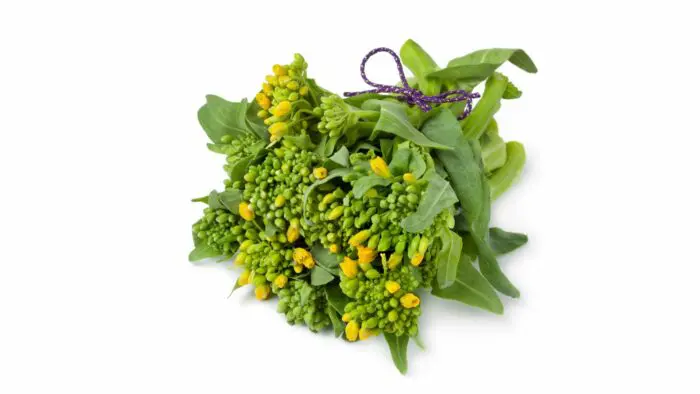


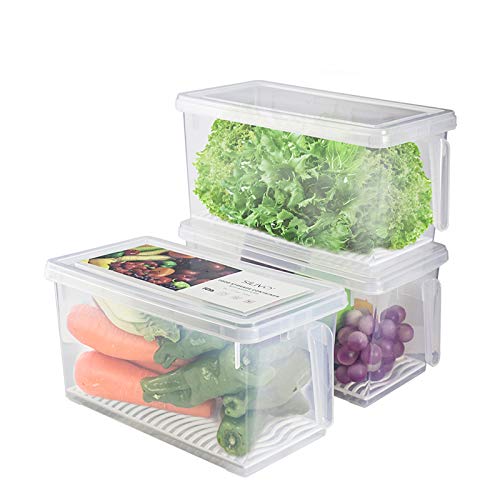


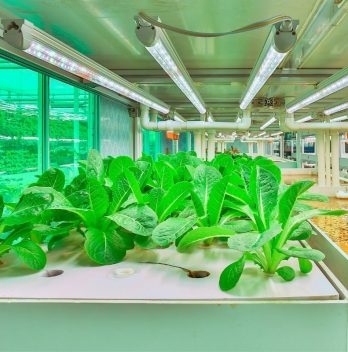

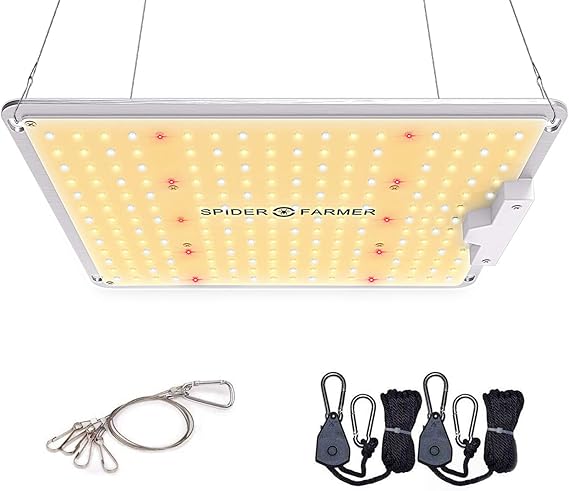


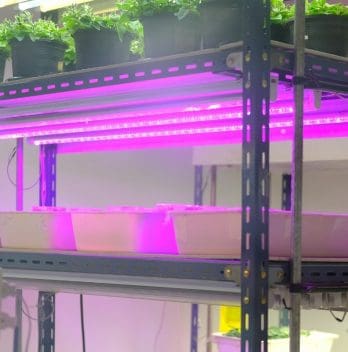


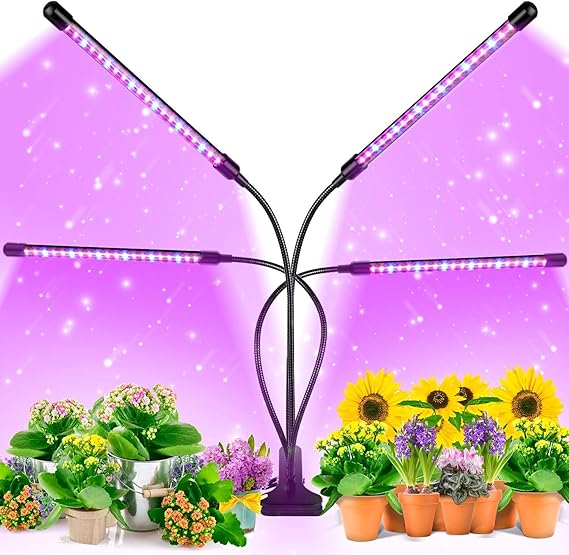


![DIY Hydroponics Nutrients [The Best Recipe]](https://growertoday.com/wp-content/uploads/2021/06/Homemade-Hydroponics-Nutrients-Recipe-348x352.jpg "DIY Hydroponics Nutrients [The Best Recipe] 21")