Author: Brian

  • When to Harvest Broccolini – The Best Time 

    When to Harvest Broccolini – The Best Time 

    Knowing when to harvest broccolini is important so you can ensure it will have the most flavor and nutrients. The best time to harvest is once the heads have matured but before they can flower otherwise you will lose the beauty of your vegetables.

    Broccolini, cauliflower, and kale are all cruciferous vegetables. They all share a similar nutritional profile with many vitamins and minerals.

    The most important difference between these vegetables is that broccoli has a high level of indole-3-carbinol (I3C). I3C is an anti-cancer compound that can prevent cancer from developing in the first place. Broccoli also contains sulforaphane, another potent anti-cancer compound.

    Broccolini is a member of the brassica family which includes broccoli, cauliflower, kale, kohlrabi, and cabbage. Created by crossbreeding broccoli and Chinese broccoli. It is very similar to broccoli, however, it has longer, thinner stalks and smaller florets.

    Broccolini is very similar to cauliflower as they both have the same size, shape, and taste. The key difference between them is that broccolini is more tender than cauliflower. Broccolini is a cool-weather crop and it is grown in the northern hemisphere.

    When to Harvest Broccolini – The Best Time

    Broccolini is best harvested when it is young as it will get larger and harder when it growsBroccolini takes about 48 to 60 days depending on the type and growing conditions you provide. It is best planted in the spring for the summer harvest.

    In some areas, you can plant them in the late summer for a fall harvest. Broccolini is an annual vegetable but it can be grown in cooler climates where broccoli would not grow. In warmer climates, it is grown as a biennial vegetable.

    How to Harvest Broccolini

    Now that you know when to harvest broccolini, it’s also important to know how to do it.  Broccolini can be harvested in many different ways.

    The easiest way to harvest broccolini is to just pick it off. Cutting the stalks with scissors will remove the leaves from the stalk and leave the broccolini intact.

    Alternatively, you can cut the stalks at the base with a sharp knife or scissors. This will leave the broccolini intact but cut off the top part of the stalk. 

    Broccolini is usually sold in bunches of three, so when harvesting, cut off three bunches and use the scissors to cut the stalks in half.  You may have to do this process a few times before the stems are cut in half.

    Once you have cut off the heads of broccolini, you should store them in the refrigerator. Store the broccolini in an airtight container with the stems facing down.

    If you are cutting the broccolini into individual pieces, you will need to separate each piece from the rest. Use your hands or a spoon to gently pull the individual pieces out from the bunch. Once you have picked the broccolini, rinse it under cold water and pat dry.

    How to Cook Broccolini – When to Harvest Broccolini

    You can cook the broccolini by boiling it or sauteing it. To boil the broccolini, add a large amount of water to a pot, bring the water to a boil, and then add the broccolini. Let the broccolini simmer in the water for 5-10 minutes, until the broccolini is cooked through.

    Broccoli Seeds for Sprouting & Microgreens | Waltham 29 Variety | Non GMO & Heirloom Seeds

    When To Harvest Broccolini

    To sautee broccolini, heat one tablespoon of oil in a skillet over medium heat. Add the broccolini and cook for 5-7 minutes, until the broccolini is cooked through.

    Broccolini is used as a vegetable in several dishes. It is also a popular side dish as it can be cooked in a variety of ways. It is often stir-fried, steamed, or sauteed and can even be used as a pizza topping.

    Broccolini can be used to make soup and salads, and it’s sometimes used to make pasta dishes.

    Read more about the Top 9 Plants That Like High Phosphorus

    The Benefits of Broccolini – When to Harvest Broccolini

    • Broccolini is a nutritious vegetable that is low in calories. It has a low-fat content. The nutritional value of broccolini is comparable to other cruciferous vegetables such as cauliflower and cabbage.
    • Broccolini is rich in many vitamins and minerals. It is rich in vitamins A, B6, C, E, K, and folate. It is also rich in manganese, phosphorus, potassium, magnesium, iron, zinc, copper, beta-carotene, and fiber.
    • Broccolini is an excellent source of vitamin K and vitamin C. Broccolini is best harvested when the heads are mature. It can be harvested from the end of June through the end of August.
    • Broccolini is a good source of dietary fiber.
    • It is also a good source of omega-3 fatty acids and essential amino acids. It is an excellent source of lysine and methionine.
    The Benefits Of Broccolini

    Broccolini Plant Stages

    When it comes to the broccolini plant, it goes through many stages before it becomes the delicious vegetable we enjoy with our lunches and dinners. It’s considered a tricky plant to grow, but it certainly doesn’t have to be – just as long as you have the right knowledge.

    Before you plant, you should add a few inches of compost to your soil and then add a layer of mulch on top to ensure the best environment for your broccolini to thrive.

    Once your seeds are planted, you should ensure that you’re watering your broccolini often. They’re thirsty plants and need around 1-2 inches of water per week. If the soil looks dry at any point, be sure to add more water.

    If you notice any discoloration of the leaves, you may want to apply liquid feed. You can also add fertilizer to ensure the best results.

    Your plants should now be thriving and when they reach around 8 inches in height, you can add more soil around the stems. This will encourage the broccolini itself to grow; which is, of course, the part that you harvest.

    Broccolini Yellow Flowers – What Are They?

    You may have noticed that your broccolini has yellow flowers. If this has occurred, there’s no need for concern as this part of the plant is completely edible. It simply means the plant is bolting. This tends to happen in hotter climates. If yellow flowers have appeared on your broccolini, it’s likely to taste slightly different. This part of the vegetable has a peppery taste, which I, personally, love.

    Are Broccolini Flowers Edible?

    Absolutely! When it comes to broccolini, the whole vegetable can be consumed safely. Whether you enjoy the stem or the yellow flowers, you can eat them all. And did you know that you can also eat broccolini raw too? Just be sure your broccolini has been rinsed first!

    Where to Buy Broccolini Seeds

    Broccolini seeds are surprisingly accessible. You buy them from many places online, as well as gardening centers and stores. Even online stores such as Amazon and Etsy have broccolini seeds available, and they’re often very reasonably priced too. I usually opt for Park Seed, which comes in packets of 20, and can be bought easily on Amazon.

    Do You Need to Wash Broccolini Once Harvested?

    So you’ve harvested your broccolini and you may now be wondering what you need to do with it. You must wash your broccolini before consuming it, as there may be both dirt and insects on the plant.

    All you need to do is add your broccolini to a colander or sieve and run under cool water to remove any residue of dirt or insects. Be sure to rinse the entire broccolini. It’s important not to use hot water for this as it can make your broccolini limp and soggy.

    You can leave it in a bowl of cool water for around 5 minutes to ensure your broccolini is completely clean. However, you don’t need to do this. I just do this as a precaution.

    when to harvest broccolini

    In Conclusion – When to Harvest Broccolini

    The perfect time when to harvest broccolini is when it’s a bit bigger and has more flavourful stems and leaves than it does when it’s just a baby, tender leaf. Broccolini should be harvested in the morning before the sun gets too strong. Keep the leaves and stalks separate and place the leaves in an open plastic bag with a little lemon juice.

    FAQs

    Can you harvest broccoli too early?

    Yes, it is possible to harvest broccoli in the spring. The only thing you need to be careful about is not overwatering. If you water your plants too much, the plant will grow too fast and not produce a big head of broccoli. You can also try to keep your broccoli from getting too hot. Try to keep the soil at an appropriate temperature, so that the plant can grow properly. When the weather starts getting hot, you might want to harvest some of your broccoli.

    How and when to harvest broccolini?

    Broccolini can be harvested at any time. You don’t have to wait until it is fully mature. It will be ready when the buds start to turn yellow. If you do harvest it, cut off the top leaves before you begin harvesting the broccoli. These are the leaves that get all the sun and will make your broccoli turn bitter.

    What does broccolini look like when ready to harvest?

    The broccolini head will be firm with a deep green color.  If you notice it turning to yellowish color, is it about to flower so it’s best to harvest it immediately.

    Does broccoli grow back every year?

    Yes, the broccoli plant will not come back.  You will have to plant fresh seeds each season. If you let the broccoli head go to seed, the seeds will be planted and will germinate in the next growing season.

  • Is Captain Jack’s Deadbug Safe For Pets, Humans, and The Environment?

    Is Captain Jack’s Deadbug Safe For Pets, Humans, and The Environment?

    Is Captain Jack’s Deadbug safe for pets, humans, and the environment? Can it be used around the house or garden with no concern for the health of animals or polluting the environment?

    Every organic farmer’s goal is to grow safe foods that are free from harmful pesticides.  To make this goal reachable, Captain Jack’s Deadbug has been instrumental in doing this, while successfully eliminating all harmful pests. It also significantly protects against predatory bees, mites, and insects that may harm plants.

    What is Captain Jack’s Deadbug Brew and What is It Made Of?

    Captain Jack’s Deadbug is an approved organic insecticide. It is great for garden use and is effective against a wide range of insects and pests. It is safe to use for vegetables, citrus, fruit flowers, and various ornamental plants.

    Captain Jack’s contains the natural substance spinosad. This substance is made by a soil bacterium that can be toxic to insects. It is a mixture of two chemicals, spinosyn A and spinosyn D. This unique bacterium was collected from an abandoned rum distillery on a Caribbean island in 1982 and has never been found anywhere else in the world.

    What Insects and Pests Does Captain Jack’s Dead Bug Brew Eliminate?

     This substance is used to control a wide variety of pests such as thrips, leafminers, spider mites, mosquitoes, ants, and fruit flies. This compound is what makes Captain Jack’s deadbug so effective against;
    • insects on vegetables, berries, citrus, grapes, nuts, ornamentals
    • bagworms, borers, beetles, caterpillars
    • leaf miners, spider mites, and thrips
    As already mentioned, Captain Jack’s deadbug is approved for organic gardening. This product is safe to use up to the day of the harvest of the crops that are listed as safe to use.

    Is Captain Jack’s Deadbug Safe?

    Captain Jack’s Dead bug is safe for pets, humans and the environment, it is approved and certified as a safe pesticide for organic farming in the United States.  Unlike other chemicals, this pesticide is 100% organic with no toxic chemicals to worry about.  It has no fumes that will affect your breathing during the application, even if you spread it on the plants.

    Captain Jack’s deadbug is safe to use around pets and people. You also don’t have to worry about it polluting the environment when you irrigate and the water runs off to natural water bodies for example. Captain jack’s dead bug ingredients are all-natural, including citric acid and clove oil, along with the main ingredient, spinosad. These are biodegradable and will get broken down by natural systems where and when necessary. So as long as the product is used as directed on the label, it is completely safe to use.

    Is Captain Jack’s Dead bug Safe?


    Which Fruits and Vegetables Can Captain Jack’s Deadbug Brew Be Used On?

    Captain Jack’s insecticide can be safely used on the following edible plants and vegetables throughout their entire life cycle, up to the day of harvest;

    • Apples, pears, crabapples, quince, Mayhew, and other pome fruits
    • Bush berries, blueberries, raspberries, blackberries, and cranberries
    • Stone fruits like plums, prunes, nectarines, and apricots
    • Cantaloupe and honeydew
    • Broccoli, cabbage, cauliflower, and other cole crops
    • Tomato, pepper, eggplant, okra, and other fruiting vegetables
    • Lettuce, celery, spinach, and other leafy vegetables
    • Potatoes, yams, sweet potatoes, cassava, Chinese artichokes, Jerusalem artichokes, and other tuberous vegetables

    It is recommended that you add the right amount of water to this brew and mix well.  So what is the right amount?  The table below shows the right amount of the dead bug brew to use:

    UNIT OF MEASURE

    AMOUNT TO USE PER GALLON, PINT, OR QUART

    PER PINT (16 FL. OZ OF SPRAY) PER QUART (32 FL.OZ OF SPRAY) PER GALLON (128 FL. OZ OF SPRAY)
    Teaspoon (tsp) 1 ½ tsp 3 tsp 12 tsp
    Tablespoon (tbsp) ½ tbs 1 tbs 4 tbs
    Milliliters (ml) 7.5 ml 15 ml 60 ml
    Fluid Ounces (fl. Oz) 0.25 fl. Oz 0.5 fl. oz 2 fl. Oz

    Remember to mix only the amount required for a single-use dose.  And in vegetable gardens, do not use more than 3 gallons for a 1000 square feet area.

    Where is Captain Jack’s Dead Bug Brew used

    You can check Captain Jacks’s dead bug reviews here.

    How to Use Captain Jack’s Deadbug Spray On Houseplants

    Houseplants would most likely be the place where pets and small children would be exposed to the dangers of insecticides. Fortunately, Captain Jack’s dead bug brew indoor plants. You can safely use the ready-to-use mixture on your houseplants to get rid of any sneaky critters. Simply spray the mixture on the surfaces of the plan, as well as the underside of the leaves.

    Indoor plant owners can often face challenges with spider mites and thrips, but captain Jack’s deadbug brew for indoor plants has been reported by other indoor plant owners to have saved their plants from certain death.

    To treat indoor plants, you can get the ready-to-use bug spray or the concentrate which will need to be mixed with water according to the package instructions, and used as directed. If you use the spray once and you still see the insects or bugs that have infested your plants, incorporate the spaying into your regular routine until the problem disappears.

    Using Captain Jack’s deadbug brew for indoor plants will help keep infestations and bay and keep your houseplants strong and healthy.

    Captain Jack’s Deadweed Brew

    This herbicide acts fast to control weeds, grass, mosses, and algae in a matter of hours Captain Jack’s™ Deadweed Brew can be used to control or get rid of visible weeds that are within vegetable gardens, flower gardens, landscaped areas, and lawns. It can also be used on weeds that grow on buildings, sidewalks, fences, bark mulch, driveways, patios, and gravel. It can be used safely in all these places because it is approved for organic gardening.

    Conclusion – Is Captain Jack’s Deadbug Safe For Pets, Humans, and The Environment?

    Captain Jack’s Deadbug brew is one of the safest insecticides on the market that can be used with no risks to humans, pets, or the environment. The ingredients that are used to formulate this product are all-natural, making the use of this pesticide sustainable. So if you are ever worried about which insecticide to use for your indoor or outdoor garden, your worries have now been put to rest as you have now learned about this fantastic product that will solve your pest infestation problems in no time. Captain Jack’s dead bug-safe Brew is the new jackpot in farming.  And that jackpot is all yours to enhance your plants!

    FAQs

    Is Captain Jacks Deadbug safe for humans?

    Captain Jacks is a popular line of bug spray from Captain Jacks. It is a non-toxic insect repellent that is approved by the EPA and FDA, and is safe for humans. It has been available in Canada since 2004, but is not currently available in the United States.

    The original product was created by a company called The Captain Jacks Company, which was located in Pennsylvania. In 1996, The Captain Jacks Company changed its name to Captain Jack’s Inc. When the company was sold in 2003, the new owner changed the name of the product to “Captian Jacks.

    Is Captain Jack’s Deadbug organic?

    It has been approved for organic gardening, so if you would like to take care of your garden in an organic manner, this is a fine product to use that you won’t have to worry about doing any harm to your plants.

    What are the ingredients in Captain Jack’s Deadbug?

    Captain Jack’s Deadbug is an insecticide based on a combination of neem and pyrethrum. It is a low-toxicity pesticide that has been approved for use in the United States, Canada, and most other countries. It is considered safe for human consumption, and it is widely used as a household insecticide. It is commonly used to control pests such as roaches, ants, fleas, and mosquitos.

    The ingredients in Captain Jack’s Deadbug are natural, simple and powerful.

    The active ingredient of Captain Jack’s Deadbug is Captan, which is a copper based fungicide. This compound has been tested and proven to be highly effective against powdery mildew. The active ingredient is absorbed by the plant’s cells and travels throughout the plant. It inhibits the growth of the fungi and stops them from infecting the plant. There are other fungicides on the market that are similar to Captan.

    How do you use Captain Jack’s Deadbug brew on indoor plants?

    I use the same method as I do for my outdoor garden. The first thing to do is make sure your plants are in a location that will not be disturbed for at least a week. Next, I put a few drops of the Deadbug brew on each leaf and then cover it with a small plastic bag. After several days, I remove the plastic bags and water the plants.

    Is Captain Jack’s Deadbug fungicide?

    Captain Jack’s Deadbug is the most effective and most widely used fungicide for controlling powdery mildew. It is a systemic fungicide that kills the fungi when they are in the leaf. This means it will not be in contact with your fruit or vegetables and you will not need to spray your crops twice.

  • Potassium Sulfate For Plants – Is It Soluble, And How Do You Use It?

    Potassium Sulfate For Plants – Is It Soluble, And How Do You Use It?

    Most farmers and at-home gardeners often wonder about the use of potassium sulfate for plants, whether it dissolves in the soil and how exactly to use it. Here we discuss this fertilizer so that farmers can have a better understanding of it and its application.

    Potassium sulfate is an excellent source of potassium for plants. It provides the essential plant nutrient in a stable PH-neutral form. With some brands certified as organic, you can choose from a wide variety of commercially available brands.

    Potassium fertilizers come in different types.  If you don’t understand their differences, it can be difficult to distinguish them.  Potassium sulfate is the best choice for both organic and conventional gardeners.

    Is Potassium Sulfate Soluble?

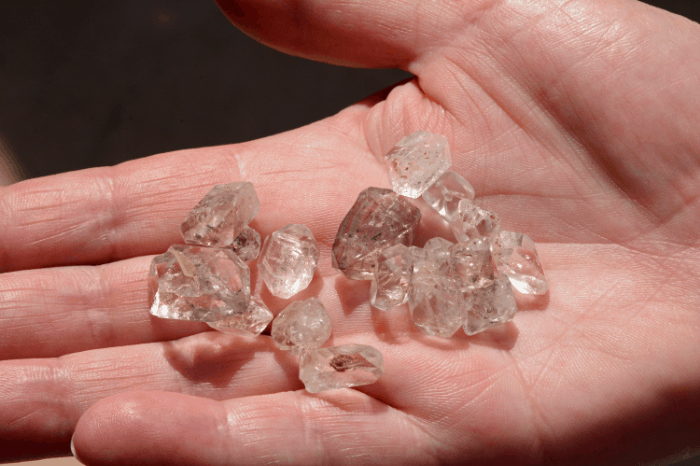
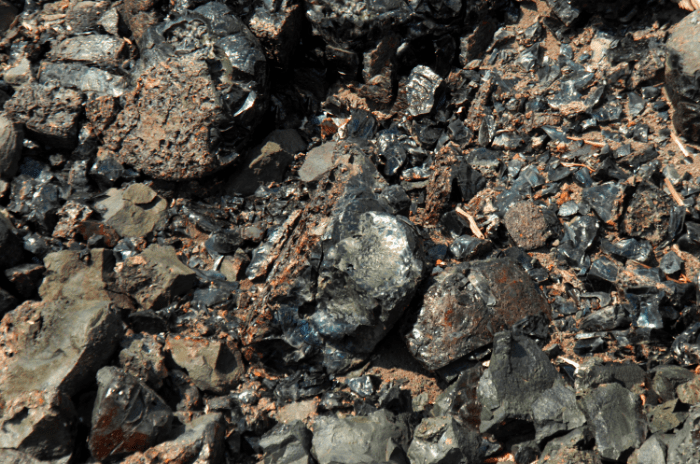
    Not all potassium sulfate fertilizers are alike. There are synthetic potassium sulfates and those that are organic certified. The potassium sulfate that comes from natural mining sources is the one that is certified organic. This potassium has not undergone any kind of further processing.

    Is Potassium Sulfate Soluble?

    Unfortunately, some unprocessed raw materials are not water-soluble. They carry unwanted minerals that do not help the plant when put into the soil. Only a few sources of organic potassium sulfate are soluble. Knowledgeable sales staff should be able to tell you the source of their fertilizers. And whether their product is soluble or not.

    While some brands of potassium sulfate fertilizer claim to be 100% soluble,  potassium sulfate itself has low solubility when compared to other potassium fertilizers such as potassium chloride. This may present challenges when it is applied in the soil, as it will not dissolve well through irrigation.

    It is also important to know the grade of the potassium fertilizer you are buying. Large particles of potassium sulfate are barely soluble and not a good choice. The best grade is the fines with small particles about 0.015mm and below. Fine grades dissolve more easily and are better to use in foliar sprays or irrigation.

    Check this organic fertilizer from Down to Earth that provides a source of potassium, magnesium, and sulfur for your plants.

    Essential Functions of Potassium Sulfate in Plants

    Potassium sulfate helps to complete a majority of essential functions in plants. Some of these functions include:

    • Activating enzyme reactions
    • Synthesizing proteins
    • Forming starch and sugars
    • Regulating water flow in leaves and cells

    In most cases, potassium in the soil is too low to support healthy plant growth. And for this reason, you can choose to add potassium sulfate to the soil in which you grow your plants.

    How To Use Potassium Sulfate In Soil

    A potassium deficiency in plants usually manifests itself in leaves turning yellow. To provide fast-acting potassium to such plants, it is best to use foliar feeding sprays. The foliar spray made from clean water and soluble potassium stops the problem from spreading.

    Highly concentrated potassium fertilizer can burn the leaves. Be sure to use mild concentrations of foliar sprays. You would rather spray a mild concentration many times rather than use the concentrated one. Fertilizer packaging also usually comes with directions on it. You can also follow the application directions on the packaging if you are unsure.

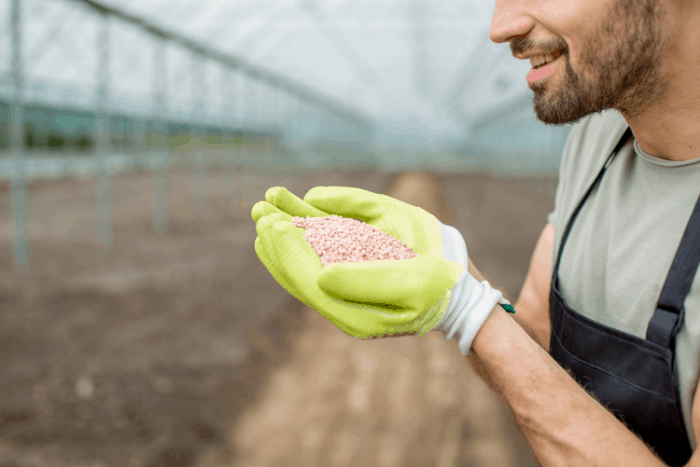
    The application rate depends on the quality of your soil.  Apply 2 pounds of potassium sulfate per 100 square feet or 2 tablespoons per gallon of water.

    How To Use Potassium Sulfate In Soil

    What Does Potassium Sulfate Do For Plants?

    As we have already stated, potassium sulfate is a source of potassium for plants. Potassium is an essential plant nutrient. Soils normally have an insufficient concentration of this nutrient to support healthy plant growth, so it needs to be supplemented via the addition of fertilizer.

    So what does potassium sulfate do for plants when it is present in the soil? The addition of potassium sulfate to the soil will help improve the yield and quality of the plants that you are growing. It does this by positively contributing to essential plant functions such as activating the reactions of enzymes, the synthesis of proteins, the formation of starches and sugars, as well as the regulation of water flow in the leaves and cells. When these plant functions are supported, it sets the plants on a great path to good health and productivity.

    Potassium sulfate is also a source of sulfur, another plant nutrient. Sulfur is used by plants to synthesize protein and is also required for enzyme function. Just like potassium, sulfur can too be deficient in soils. This deficiency will lead to inadequate plant growth.

    Both the nutrients that plants get from potassium sulfate fertilizer are crucial for the health and well-being of plants. They must be provided with these nutrients in the right concentrations. An excess or lack of one or both of these nutrients will have your plants sick in no time.

    How Much Potassium Sulfate Per Gallon?

    Knowing the correct application rate of potassium sulfate is very important. Too little can greatly hamper the growth and plants and too much may burn otherwise healthy plants.

    If you are doing a soil drench, the recommended dosage is 1-2 tablespoons per gallon of water. Make sure that this solution is evenly mixed before evenly drenching the soil with it.

    The recommended dosage for potassium sulfate, if you are going to spray it on the plant leaves, is 1/2-1 teaspoon per gallon of water. Apply with even coverage over the leaves for the best results.

    It is vital to know how to use potassium sulfate fertilizer. This is because it is different from other potash fertilizers. Its solubility may be low, and therefore will have different rules of application. To avoid damaging your plants, follow the prescribed application rates.

    When Should You Add Potassium Sulfate To Your Garden?

    So when should you apply potassium sulfate to your plants in the garden? Is it something to do as often as you irrigate or is there a particular time to do it? As with other nutrients, plants only take up potassium when they are in their active growth stage. On top of that, the soil in which they are planted has to be moist. The soil has to be moist or the potassium sulfate fertilizer has to be applied in liquid form so that the plants can take it up efficiently.

    The best time to apply or add potassium sulfate to your plants is from early spring to late summer, which is when plants are in their best growth phase. Adding the fertilizer at the wrong time in the growth cycle of the plants will only result in waste, as it will not be taken up and used efficiently for the intended purposes.

    Conclusion

    This article provided you with information to help answer the questions that you had about the use of potassium sulfate for plants. Just like the human body, plants also experience a lack of necessary nutrients in the soil. A fertilizer that replenishes the plant’s nutrients is the same as supplements that humans need. Likewise, as you take your supplement today, be sure to check if your plants need some.

    Before purchasing fertilizer of any kind for your plants, check whether they are natural or synthetic. Organic potassium for plants is best and will be obtained from natural or organic potash fertilizers.

    FAQs

    What is the best way to add potassium to soil?

    Potassium (K) is one of the most important plant nutrients. It is present in soil in different forms and functions as a catalyst for many plant processes. In general, potassium is an essential nutrient for plants. It is not readily available from the soil. Plants can absorb potassium only when it is present in solution (e.g., in water). The amount of potassium in soil is very low and is also easily leached by rainfall and irrigation.

    The best way to add potassium to soil is to apply potassium fertilizer in the form of potassium chloride. This material is soluble and has a high concentration of potassium. It is very easy to work with and can be applied either as a liquid or as granules. However, if you want to get the most out of your potassium fertilizer, you need to know how much potassium fertilizer to use. If you do not know the right amount, you will not get the full effect of your application. Potassium is an important plant nutrient. It is needed for proper development of roots and other plant parts. Plants absorb potassium from the soil. They cannot take potassium directly from their food (plants use photosynthesis to produce energy). Instead, they absorb potassium from the soil. You need to supply potassium to plants in two forms: organic and inorganic. Potassium in the form of organic material is found in soil and in organic matter that has been added to the soil. It can also be found in fertilizers. Potassium in the form of inorganic material is found in fertilizers.

    How do you make liquid potassium fertilizer?

    Plants use potassium to help build strong cell walls, improve photosynthesis, and maintain proper cellular levels of electrolytes. Potassium is an essential nutrient for plants and is considered a macronutrient. Like many other nutrients, potassium is used by plants in small amounts. Most plants will use potassium at the rate of 1% of their dry weight. To make liquid potassium fertilizer, mix a 1-pound bag of granular potassium chloride with water and stir to dissolve. Add 1/4 pound of magnesium sulfate per gallon of water and stir again. Filter the mixture through a fine mesh strainer to remove any remaining solids. Store the fertilizer in a glass container.

    What plants need a lot of potassium?

    Potassium is an essential mineral for plant growth. It is needed in the formation of chlorophyll, and it also helps regulate water and sugar levels in plants. 

    Potassium is also involved in the production of chlorophyll, and is used to make cell walls and connective tissue. Plants require potassium to help them absorb nutrients from the soil.  The amount of potassium you need to feed your plants depends on several factors. These include:

    The type of plant you’re feeding. Plants that are grown in soil tend to require more potassium than those that grow in water. Some types of plants, such as tomatoes, require only a small amount of potassium to grow. Other plants, such as cacti, will need a lot of potassium. The time of year when you feed the plant. When you feed a plant in the spring, it will absorb more potassium than it will when you feed it during the summer.

  • When to Pick Broccoli – Know When It’s Ready to Harvest

    When to Pick Broccoli – Know When It’s Ready to Harvest

    Most farmers in their early days of farming find it tricky to know when to pick a broccoli or at what stage it is while growing.

    Growing and harvesting broccoli is a rewarding experience that most farmers enjoy. When you grow your broccoli and see the heads forming, you start wondering when to harvest. And what signs you should watch for.

    Growing broccoli and obtaining a good harvest of large heads that are ripe takes patience and practice. So if you fail on your first and second attempts, don’t get discouraged, rather keep practicing.

    How Do You Know When to Pick Broccoli?

    To get the best and most nutritious broccoli, you must be familiar with how to know when to harvest broccoli.  It can be quite tricky to know when broccoli is ready to harvest. One of the reasons that the head of a broccoli plant develops slowly over time and remains on the plant for a long time without any obvious or noticeable changes except for the change in size.

    So how do you know that it is time to harvest broccoli? The answer to this question lies at your fingertips. You can know when to harvest your broccoli by touching the head and squeezing it gently. If the head is firm and tightly packed, it’s ready for harvest. If the head is soft and has spaces between the florets with flowers opening, it is past harvest time.

    It is best to let your broccoli heads grow to a point where they reach their maximum diameter and then harvest them. All broccoli farmers should avoid letting these edible flowers go past their harvest date, and wasting this great cruciferous vegetable. As soon as you notice the flower heads starting to go yellow, harvest the broccoli immediately to avoid them going bitter.

    Certain environmental conditions such as high heat for consecutive days can cause premature or quick flowering in broccoli. The moment you notice the flowering heads starting to develop, it is a good idea to check on them regularly. Did you know that broccoli gives you an extra treat as you wait for the main head to get ready for harvest? You can harvest the outer young leaves when they are about 4 to 6 inches long before the heads are ready. These young leaves have the same tasty flavor as the heads, very delicious when sautéed in oil or butter.

    You can start harvesting these young leaves when the main head is still small. This is before it protrudes above the leaves. These small young leaves are best eaten at that time. When the head begins to grow fuller and protrude, the leaves become tougher and lose their flavor.

    Remember to pick only a few leaves at a time so as not to harm the plant. Keep harvesting new leaves throughout the season until the heads are ready for picking.

    Signs that Show Your Broccoli Is Ready For Harvest

    It can be tricky for new farmers to tell if their broccoli is ready or not, so here are a few signs to look out for:

    • The broccoli has a head. This is the most obvious sign to check out for. The ready-to-harvest broccoli must have a firm and tight head.
    • Broccoli head size. A ready broccoli head should measure between 4 to 7 inches in width. Size alone is not an indicator that it is ready; remember the rule of thumb to check if it’s firm enough.
    • Individual floret size. The size of the individual flower buds is the most reliable indicator. Check the florets on the outside edge of the head; they must be the size of the match stick head. This tells you they are ready for picking.
    • Florets color. Ready-to-harvest florets are deep green. Any hint of yellow color means the florets are starting to bloom because they are overgrown. Harvest them immediately if you notice either of the colors. Remember however that broccoli can come in colors such as purple, so remember to check the variety of seeds or seedlings that you plant so that you can know what colors to look out for.

    Heavy Duty Pruning Saw (Razor Sharp 14″ Curved Blade)

    when to harvest broccoli - Tarvol

    What Does Broccoli Look Like Growing?

    Broccoli has different growing stages throughout its life cycle that it can complete in a single growing season. Knowing what it should look like at the various stages of growth will also help you know when it is time to harvest. Here are the different growth stages of a broccoli plant and how they look:

    • Germination

    This is the first stage where the seed breaks and lets out shoots. Most of this process obviously happens under the soil and so we cannot see what is happening. However, it ends up with a few leaves shooting out of the ground.
    • Seedling stage

    At this stage, the broccoli seedling starts to grow a few adult leaves. Over weeks, the seedling will grow a stalk and get more shoots around it. At this stage, it also has a root system.

    • Vegetative growth stage

    This is the stage where the broccoli plant grows the most. It can attain a height of 2-3 inches and a width of 2-3 inches. The plant may remain small at this stage. This is because it needs to ensure that it produces enough leaves to provide enough energy for the head when it develops in the later stages. This stage is also energy intensive.

    • Maturation stage

    This is the stage where the broccoli focuses its energy on producing the flower or head of the plant. The broccoli head starts small and grows gradually over time. It is at this stage that the broccoli gets ready for harvest. When the head of the broccoli is at the center of the main stalk of the plant, then it is ready to harvest.

    When Is It Too Late To pick Broccoli?

    If you wait too long to harvest your broccoli, it will bolt or go to flower. You will see this happen by when the green buds start to bloom and produce yellow flowers. When this happens, your broccoli is no longer edible. You should let it go to the flower and collect seeds for the following season.

    Conclusion

    The best way to know when to pick broccoli is to consult your seed packet for 2 important things. The expected day of maturity and the expected size of the broccoli head. Each variety grows to a different size in about 100 days from the date of planting.

    Always mark your calendar when you plant your broccoli to give you an estimated date of harvest. Also observe your broccoli over this time to see when it is ready to pick, using the guidelines provided in this article. That’s the easiest way for any farmer to know when the broccoli is ready for harvest.

    FAQs

    What are the signs that broccoli is ready to be picked?

    Broccoli is a cool season vegetable that is best harvested in the fall. The plants are very tough and will bolt to flower if not harvested. To know when broccoli should be harvested, you need to know when it is at its prime and ready to be picked. In order to know when to harvest broccoli, you must have a good idea of the growth stages of this plant.

    Here is a basic description of how broccoli grows.

    Broccoli is ready to harvest once it has reached its full maturity. This can be determined by looking for the following signs:

    Broccoli Heads – When broccoli heads are formed, they are ready to harvest. The heads are the same size and shape as mature broccoli florets.
    Broccoli Leaves – You can tell when broccoli is ready to harvest by looking for leaves that are beginning to yellow. Once broccoli has reached its maturity stage, the yellowing of the leaves should begin.

    Broccoli Stems – You can harvest broccoli when the stems are at least 10 inches long. The stem should be straight and firm. If you are picking broccoli in the summer, the stems should be less than 10 inches long.

    Broccoli Heads – You can tell when broccoli heads are ready to harvest by looking for the heads that are the same size and shape as mature broccoli florets.

    How many times can you harvest broccoli?

    You can harvest broccoli up to three times every three months, which is good news if you like the idea of growing your own food and saving money on your grocery bills.

    Where can yo grow broccoli?

    Broccoli is a cool-season crop, meaning it will start growing in the spring and fall. It can be grown from seed, transplanted, or started indoors. If you are starting from seed, it takes about four weeks to germinate. Transplants can be planted in early spring as soon as the ground thaws. To get your plants started indoors, purchase bare root plants, or start seedlings in flats in a propagator.

    How big does broccoli need to be in order to harvest it?

    It’s an easy-to-grow crop. Broccoli will grow in the spring and fall. It can be harvested as a young crop once the plant is about 3 inches tall. When the plant is ready to harvest, cut off the head. The stalk will begin to grow again, so you may want to wait a few weeks before harvesting again. The plant can be left in the ground for another harvest.

    How do you harvest broccoli so it keeps growing?

    You can either cut the stem off or just leave the head of broccoli alone. You won’t be able to harvest broccoli for a long time after you cut the stem. But if you leave it alone, it will keep growing and producing more heads.

  • All You Need To Know About The Climbing Bleeding Heart

    All You Need To Know About The Climbing Bleeding Heart

    Are you looking for information on how to grow a climbing bleeding heart and the perfect conditions to provide this plant with?  We look at all the information you need in this article.

    The climbing bleeding heart originates from China.  It is a vigorous vine with lots of delicate cascading golden yellow flowers from mid-summer to frost. It has delicate leaves that look like a fern.

    This plant thrives in well-drained evenly moist soils with a good amount of sunlight.  During winter, it completely dies as it grows as an annual. You can plant it on the patio, garden, or next to a fence.  Its vigorous growth causes it to grow fast with plenty of foliage.  However, it can become invasive so choose where to grow it well.

    Propagating Bleeding Heart Vine

    It is easy to propagate climbing bleeding heart by using cuttings or seeds.  Here is how to grow it from a stem cutting:

    • Clip a stem cutting at 3 or 4 inches long making a straight cut below the leaf node.  Remove the lower leaves and keep the rest.
    • Place the cutting end in water or plant it in moistened soil.  Place it on a heated surface or near a sunny window sill.

    • If you planted it, remember to water it as often as it needs water.  The roots should appear in about 2 weeks.  Give the plant at least one month before you replant it in moistened rich soil.  Keep it in a sunny location that receives part sun and part shade.
    • Mist the plant daily or once in two days with the rule being not to let the plant dry out.  The plant will begin to get more established with more roots and grow fast.

    Check Out The Right Hedera Helix Watering Schedule

    Growing Climbing Bleeding Heart Vine From Seed

    These plants produce seeds that you can save up for the next planting season. The black seeds inside the fruit can be used for propagation.  You will plant the seeds in the spring when the temperatures are favorable around 55 to 64 degrees F.

    Germination takes at least 6 to 8 weeks although it may begin at least 20 to 30 days after sowing given the best conditions. To help the seed germinate better, nick the seed and soak them for a day or so to soften the thick outer layer.

    Place the seed on top of the germination soil – a good one is a mixture of sand, peat moss, or vermiculite. Thinly cover the seed with the soil and place it in a sunny spot. Keep the plant warm using a heating mat and keep the soil moist but not soggy.

    Transfer the seedlings into individual pots when they are large enough and have at least two sets of leaves.

    Growing Climbing Bleeding Heart Vine From Seed

    Potting And Repotting Climbing Bleeding Heart

    The best time to transplant this plant is during the dormant period before the spring growing season begins. You can also re-pot your plant when it has outgrown its current pot.

    Ensure that the new pot has enough drainage holes to let out the extra water and eliminate root rot.  Always repot your plant into a pot that is slightly larger than the original pot.

    Growing Climbing Bleeding Heart Vine – Care And Maintenance

    This plant is best grown in USDA zones 9 and above.  It is easily damaged by temperatures ranging below 45 degrees.  It is commonly grown as an indoor plant as it does well in partial sun and shade.

    To grow it successfully you will need to provide it with care as follows:

    Light

    These plants require adequate light in order to thrive. Keep the plant in a south-facing window when growing indoors.  Gardeners in USDA can grow this plant in zones 9-11 outdoors in a particularly sunny area without covering them. They can also grow in cooler climates.  It is possible to grow the vine outdoors during summer and bring it indoors during winter.

    Water The Plant Occasionally

    To thrive, this plant will require frequent watering during dry weather.  It requires consistent moist soils but is not soggy.  The vines are very thirsty and require at least one inch of water per week.  A fully-grown vine can take up to 3 gallons of water weekly.  If your home is dry, mist the plant daily to keep it healthy. During winter, water this plant at least twice a month.

    Blumat Automatic Watering System for 5 Plants (Starter Kit)| Fully Automatic Drip Irrigation Kit

    61r+42ztj3L. AC SL1200

    Soil

    This plant needs well-draining soil that is moist and rich.  Do not allow the soil to be soggy.  This plant can tolerate many kinds of soil like sandy or loamy soils as long as they are enriched with organic material.

    Fertilization

    This plant needs a slow-release fertilizer every two months during the blooming season.  You can also use water-soluble fertilizer every two weeks or so with a balanced fertilizer of 5-10-5.  This plant appreciates calcium so you can add lime from time to time.

    Pest And Disease Management

    The climbing bleeding heart is not susceptible to many pests. However, it is common to see mealy bugs and spider mites. Use insecticidal soap spray to eliminate these pests and keep the plant healthy.  Reapply the spray every 10 or so days until all the insects are eliminated.

    Pruning

    Prune your climbing bleeding heart by removing the extra leaves that have wayward growth or those damaged by winter.  Prune them before the spring so they can start growing afresh. You can also trim them as often as you wish.

    Growing Climbing Bleeding Heart Vine – Care And Maintenance

    Final Remarks, Climbing Bleeding Heart

    The climbing bleeding heart will easily thrive if you provide it with the best growing conditions. If you live in a place where it freezes, you will need to move this plant indoors as it cannot survive the cold temperatures.  All in all this plant is very friendly!

    FAQ’s

    Do bleeding hearts need a trellis?

    Bleeding hearts need a trellis if they are growing in a place where you will need to support them instead of leaving them to grow wildly.  Provide the trellis as early as possible.

    Do Bleeding Hearts climb?

    Yes, climbing bleeding hearts are called so because they climb and may require a trellis to support them or you can plant them next to the fence or other plants for support.

    How fast do bleeding heart vines grow?

    These plants grow fast especially when you start them from cuttings than when you grow them from seed.

     How much sun do bleeding heart vines need?

    The climbing bleeding heart requires at least 6 hours of sunlight and partial shade.  Keep them away from hot direct sunlight.

  • The Right Hedera Helix Watering Schedule

    The Right Hedera Helix Watering Schedule

    What is the right hedera helix watering schedule you can adopt when growing this plant?  Let’s learn all about it in this article.

    Hedera helix also known as the English Ivy is a much-loved plant by gardeners.  It does well in USDA zones 4 to 11 and is a low-maintenance plant.

    English ivy grows effortlessly as long as its provided with adequate light and water.  This plant is a climber and can become unstoppable when given the right growing conditions. It is a good plant for cascading from a hanging basket or trailing across mantel.

    Propagating English Ivy

    It is easy to propagate English ivy with the simplest method being through cutting.  Simply slice a few cuttings and put them in a few inches of water, removing the bottom leaves so they don’t rot. Within a few weeks, new roots will form. When the roots have grown a few centimeters, it’s time to transplant it into a suitably sized pot.  To get a full bushy look, plant multiple cuttings – at least 3 or 4 in one pot.

    Growing ivy indoors is not as easy as most people think.  You will need to provide perfect indoor growing conditions for these plants that will help them thrive.  Once you get it right, it will grow fast and is less susceptible to pests.

    You can choose to grow other types of ivy plants.

    Check Out What To Plant Around Sago Palms? – 4 Great Options!

    The Right Hedera Helix Watering Schedule

    One of the best growing conditions is getting a perfect hedera helix watering schedule in place.  English Ivy requires watering as often as possible depending on where you are growing it. The right hedera helix watering schedule is not the same for every gardener, rather it is set personally depending on the USDA zone it is growing in.

    To know when to water your plant, check for the following:

    • Check if the soil has moisture before adding more water.  Use your finger to test the top soil – if its dry, it needs to be watered.  Water your plant by pouring water onto the soil until the excess drains from the container. Use room temperature water instead of the normal cold.
    • Mist the plant daily.  This helps discourage spider mites which are commonly attracted to this plant.
    • Keep the temperature at about 50 to 70 degrees F and water frequently to keep the soil moist, however, be careful not to let the soil become soggy.

    Rea more about Causes Of Rubber Plant Spots On Leaves And How To Fix It

    Avoid Overwatering The Hedera Helix Plant

    When watering this plant, avoid giving it too much until the soil is too wet.  It’s best to keep it a little dry rather than water it too much.  Ensure the pot you are growing your plant in, has enough drainage holes.

    An overwatered English Ivy has brown leaves that are dry on the edges.  The brown leaves are a result of the plant’s roots becoming too wet. Overly wet roots are not able to deliver nutrients to the rest of the plant inhibiting the growth process.

    Air Cleaning Indoor Plant Soil Mixture, Gardening Soil Amendment and Clean Air Plant Soil Media, 4qt

    81yNGGSSVeL. AC SL1500

    It is best to keep your plant dry than wet.  However, there are problems that come with underwatering.  Let’s look at them below.

    Hedera Helix Does Not Like Underwatering

    Did you know underwatering a plant attracts pests and diseases? A dry plant is a stressed plant – the same way your body feels when dehydrated. A stressed plant is susceptible to disease, pests and mostly spider mites.  These destructive pests suck the remaining juices out of the plant leaves leaving them dead.

    These mites are tiny and hardly noticeable.  However, when you notice a web-like structure on the underside of the leaves, then it’s an indication of spider mites. These mites are dangerous as they reproduce very quickly.  To get rid of these pests, spray them off the leaves using neem oil solution or insecticidal soap.

    Other Growing Conditions For Hedera Helix Watering

    Besides the hedera helix watering, there are other growing conditions this plant needs to thrive.  They include:

    Adequate Light.  Keep this plant in a place where it receives bright but not direct light. It also thrives under fluorescent lighting ensuring it gets adequate light indoors. If you notice your leaves changing color to pale green, it could be a result of poor lighting/.  Be sure to adjust the light and water your plant adequately. The leaves of this plant are attracted to the light and tend to grow toward it.  You will need to rotate the pot occasionally to prevent your plant from getting a lop-sided look.

    Fertilize Your plant.  English Ivy requires fertilization at least once per month starting in the spring all the way into the fall. During this time, the plant is in an active growth season and will take the fertilizer in so well. You can use a liquid fertilizer that is high in nitrogen. Do not fertilize the plants when the temperatures are too high or too cold as this will slow down the plant from growing.

    Other Growing Conditions For Hedera Helix Watering

    Well-drained Soil. Your potting soil should be rich and well-draining to be able to retain the amount of water it needs and drain the rest.  Homemade potting mix can be made using equal parts coarse sand, moist peat, and a small amount of lime. Do not compact the soil before planting your ivy, once you start watering, the soil will compact itself.

    Take Home

    You will need to establish a consistent helix watering schedule that you can follow to ensure your plant is well-watered not over or under-watered. This plant is prone to drying out so for this reason avoid keeping it dry for long.

    It is important to note that the leaves of this plant are toxic and should be handled with care.  They can cause skin irritation and are toxic if swallowed. Wear gardening gloves when handling this plant to protect your skin.

    FAQ’s

    What is the Hedera helix?

    This is one of the most common plants grown across America both indoors and outdoors.  It has dark green foliage that is toxic and irritates the skin.

    What is it used for?

    It is popularly grown as an ornamental plant due to its ability to climb on walls or other plants.

    How to care for Hedera helix?

    The most important requirement for this plant is adequate light and water.  Ensure that you provide it with enough water by following a consistent watering schedule.

    How many times is Hedera helix watered?

    This plant can be watered as many as 3 times or as few as twice a week.  The growing zones is what determine how much water you will give your plant.

  • What To Plant Around Sago Palms? – 4 Great Options!

    What To Plant Around Sago Palms? – 4 Great Options!

    Are you wondering what to plant around sago palms as companion plants and the best growing conditions to provide them with? Sago palms are not real palms but cycads.  This plant looks like a tiny palm tree with glossy, stiff fronds but it is not a real palm tree.  It is one of the ancient plants that has been here for a long time since prehistoric times.

    They are native to Japan and are grown in USDA zones 9 to 11.  This means they are more suited for tropical climates and sub-tropical regions cannot survive in freezing temperatures.

    You can grow this plant indoors but be careful how you handle it as it’s poisonous.

    So What Plants Can You Plant Around Sago Palms?

    There are many companion plants you can grow with the sago palms, they include

    Palm Trees

    Sago palms do well when grown around other palm trees and give your garden a tropical feel.  However, the type of palm tree that would fit best with your sago palms largely depends on your choice.

    Queen palms are some of the largest palm trees maturing when they are at least 25 to 50 feet tall. This plant has a thick trunk with overreaching foliage.  Sago palms look outstandingly beautiful when planted about 15 feet behind the queen palm in groups of 3 or more.

    What To Plant Around Sago Palms - Palm Trees

    You can also plant them in the front of the queen palms an ideal location where they can be seen and not overshadowed by these tall palm trees.  They thrive in the USDA zones 9 to 11.

    The mediterranean fan palm is a smaller palm tree that grows up to 15 feet tall.  They are best planted in groups so you can plant the sago palms on both sides of the fan palms. These palms are best grown in USDA zones 8 to 11.

    Click Here to Get Info About:

    Succulents – What To Plant Around Sago Palms

    Succulents are a good plant to grow around your sago palm.  They give that Southwestern feel that most people yearn for. The Red Yucca plant is one of the succulents that do well when planted around sago palms.  It has pink-colored flowers that bloom in the late spring all through summer.  When the flowers fade, you are left with the plant that has plenty of thin foliage that resembles blades of grass.  This plant grows to a height of 2 to 3 feet.  It does well in USDA zones 5 to 10.

    The Bulbine is another succulent that has grass-like foliage and does well when grown around sago palms.  It has yellow flowers that appear on the tall stalks and blooms from mid-spring to fall.  The flowers for the Bullbine plant lasts longer than the red yucca.  It grows to a height of about 11/2 feet and spreads up to 2 feet wide.  This plant thrives when planted in a group rather than alone and will grow in USDA zones 8 to 11.

    Succulent Plants (12 Pack) Fully Rooted in Planter Pots with Soil | Real Live Potted Succulents

    81XBmZvRFJL. AC SL1500

    Backdrop Plants

    Backdrop plants bring out an excellent look for your sago palms that is inviting.  They give the feel of one large garden with a viewpoint like no other.

    Crape myrtle. This plant can do well when grown together with the sago palms.  It matures at the height of about 15 and 30 feet tall. This plant is best if you have a large yard to grow it. It has clusters of pink, white or red flowers that appear from late summer to early fall.  When grown together with Sago palms, they do so well as backdrops.  These plants tolerate some sun and shade just like the Sago palm.

    Indian hawthorn.  The Indian hawthorn can be used as a border shrub with the sago palm.  Planting it in the backdrop adds such beauty to the sago palms’ extending foliage bringing it to life.  You can add more outstanding beauty by planting smaller flowers such as cannas in front of the sago palms.

    Check Out:

    Ground Covers – What To Plant Around Sago Palms

    Ground covers are a great way to add plenty of foliage to empty spaces that surround your sago palms.

    Dwarf chenille is one of the ground cover plants that you can grow.  It reaches a maximum height of about 6 inches only making it a perfect ground cover.  Its dense foliage remains thick and compact all year round plus its red flowers.  The red flowers bring such a beautiful contrast to the sago palms because they are so tightly arranged making them fill in a space beautifully. These ground covers do well in USDA zones 10 and 11.

    Hostas boast of highly colored foliage that appears solidly blue, gold, yellow, or a mix of yellow and green.  Their height depends on the cultivar with some being as short while others nearly as tall as the sago palm. The short ones make the best ground covers and grow in USDA zones 3 to 10.

    Final Remarks, What To Plant Around Sago Palms?

    The above list will help you determine what to plant around sago palms.  Choose plants that bring out the beauty of your yard considering the size, shape, and location.  If you feel totally confused about what to choose, it’s best to contact the professional landscaping help that you need.

    FAQ’s

    Do coffee ground help sago palms?

    Coffee ground is generally a good fertilizer for your plants and can be used in sago palms as fertilizers to help them grow better.

    What happens if you cut all the leaves off a sago palm?

    If you cut all the leaves of the sago palms you will cause it to have stunted growth. Leaves help to carry out the photosynthesis process that necessitates the growth of the plant.  If the leaves are eliminated, the plant might not survive.

    Can you put mulch around sago palms?

    You can put mulch around the sago palm just like any other plant to help it retain moisture, especially in the dry season. Organic mulch also breaks down to become compost manure that provides the plant with a slow-release fertilizer.

    How long do sago palms live?

    Sago palm lasts long and can live up to 200 years making it one of the longest-growing palm plants.