Author: Brian

  • Organic Solution Premium Worm Castings: Natural Nutrient for Plants 

    Organic Solution Premium Worm Castings: Natural Nutrient for Plants 

    One of the many problems growers and gardeners face is the pest issue in their gardens. While this problem can quickly be taken care of with the right insecticide or pesticide, it can be quite tricky to ensure that there are enough nutrients in the soil for plants to grow. For plants to grow healthy, there must be enough nutrients in the soil. When soil nutrients are deficient, the best action you can take as a responsible gardener is to use organic feed to boost the nutrients in your soil or grow bed. 

    In this article, we will review the Organic Solution Premium Worm Casting and find out why it is so popular among gardeners and farmers who use it to improve their soil. Before we begin our review, we will look at some of the things you need to look out for when shopping for organic plant feed. 

    Before You Buy Fertilizer for Your Garden

    Fertilizers play a significant role in improving plant growth. They are able to achieve this by adjusting the nutrients in the soil to support the development of plants even when they ordinarily cannot due to nutrient deficiency in the soil. However, when shopping for a fertilizer to use on your garden, you must get it right by purchasing the right product that will give you the best possible results. You don’t want to spend money on a product that won’t get you the desired result. Before you buy a fertilizer for your plant, it is essential that you. 


    • Check that Your Garden is Truly in Need of Additional Nutrients. 


    You can do this by using a soil test kit to check which nutrients your soil is lacking. You want to look out for nitrogen, phosphorus, and potassium minerals. Plants need these minerals in the right proportion, so you want to check to see that they are evenly balanced or know how much quantity is required and of which. 
    Organic Solution Premium Worm Castings Natural Nutrient for Plants 


    • Ensure the Fertilizer is Appropriate for the Plant You Want to Use it on.


    The fertilizer you choose to buy must be a good fit for the plant you intend to use it for. There are fertilizers made explicitly for use on fruits, flowers, lawns, vegetables, and other types of plants. So you want to make sure that you settle for the right one to be certain of getting the right results. 


    • Know How Much Fertilizer You Need 


    You also need to know how much fertilizer your plant needs. You can do this by measuring your garden with tape and checking against the product package for how much fertilizer you will need to apply to your land size. 


    • Organic Fertilizers Are Better for Plants and Environment


    You must also know that not all fertilizers are good for your plant and the environment. It is best that you use only organic products on your farm. This is because they are completely devoid of chemicals that may harm your soil and the ecosystem. 

    |

    Organic Solution Premium Worm Casting

    Organic Solution Premium Worm Casting is a quality organic plant nutrient produced in the USA. Made from pure California castings, this premium product from Organic Solution is an effective solution for treating nutrient deficiency in plant. In addition to adding nutrient to the soil, they also help to support healthy growth of plants. The whole process begins with the acquisition of clean, composted horse manures that are added to vegetable waste, coffee grounds, cocopeat, and crustacean seashells. Also, regional rock dust, humates and kelp meal are equally added to help fortify the mix. 

    What Are Worm Castings?

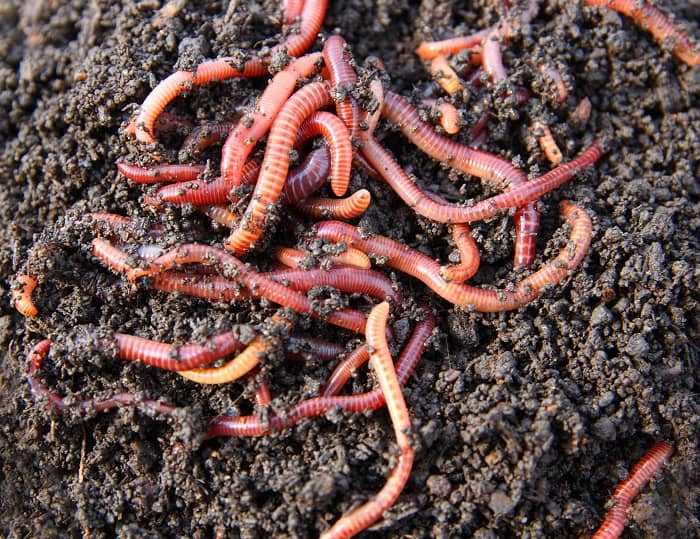
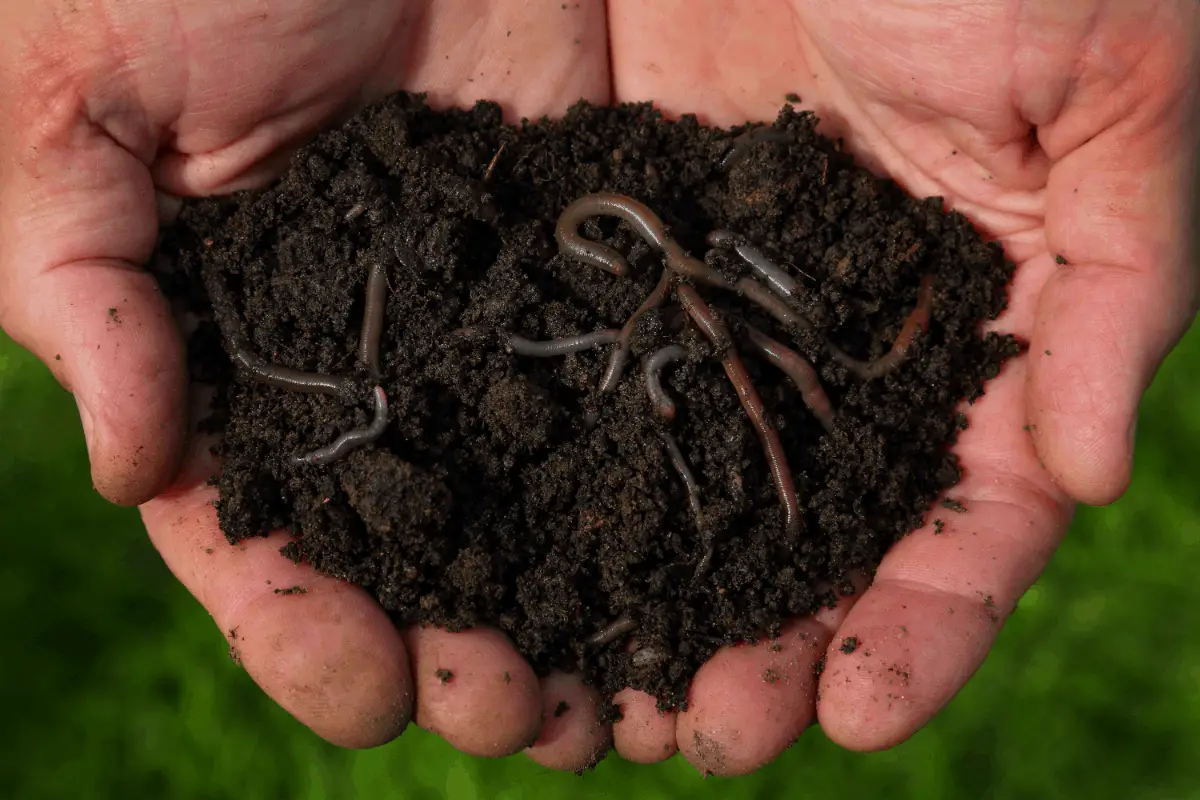
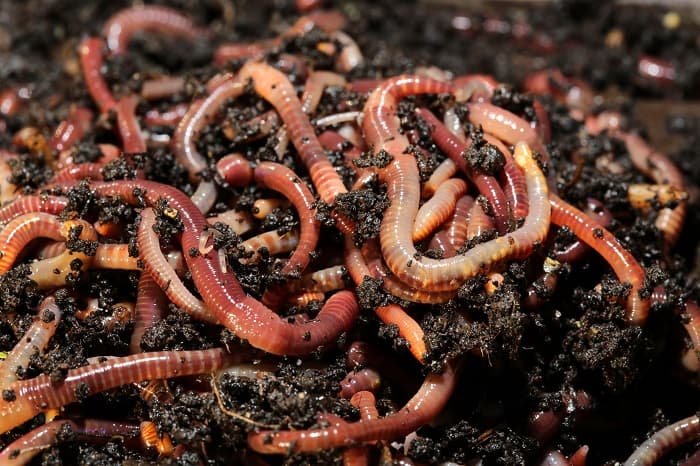
    Worm castings are a type of organic fertilizer that is made from earthworms. They are also referred to as vermicast and they provide plant soil with a natural source of nutrient. They are mainly earthworm waste that helps to enhance the soil they are added on. They contain all the required nutrients for plant growth and are a great and cheap way to treat soil nutrient deficiency. 
    Organic Solution Premium Worm Castings: Natural Nutrients for Plants

    Benefits of Organic Solution Premium Worm Casting 

    Some of the reasons why this organic fertilizer is common among farmers are:

    Made from Organic Matter 

    The Organic Solution Premium Worm Castings are made completely from organic matter, including earthworms, crustacean seashells, and vegetable waste. 

    Helps to Promote Water Retention 

    Adding this fertilizer to your soil helps to promote water retention, which is good for plant roots. This can greatly improve the nutrient availability in the soil and ensure that nutrients are easily absorbed by plant roots. It also helps to reduce water loss, especially in hot weather conditions. 

    Promotes Plant Growth

    Adding vermicast to your soil is a natural way to promote healthy plant growth. They also help to reduce the burning of plant due to too much application of fertilizer. Too much of earthworm poo to your soil will not affect your plants in any way. 

    Suitable for all Plant Types 

    Another reason why we love the Organic Solution Premium Worm Casting is because it can be used on all types of soil. You can add it to your pot or aquaponic system to improve plant growth. You can apply it as a side dressing, top dressing or simply use by working directly into the soil|

    How to Use on Your Garden 

    Once you have measured the area of your garden and noted how much fertilizer is required, you can simply apply the Organic Solution Premium Worm Casting directly into the soil with a trowel or your hands. For use in pots, you can apply it as a top or side dressing for a better and quicker result. 

    Wiggle Worm 100% Pure Organic Worm Castings Fertilizer, 30-Pounds – Improves Soil Fertility and Aeration for Houseplants, Vegetables, Gardens, and More OMRI-Listed and Mineral-Dense
    $33.97
    We earn a commission if you make a purchase, at no additional cost to you.
    02/10/2026 02:03 pm GMT

    Other Alternatives 

    Some other alternatives to the Organic Solution Premium Worm Casting are 

    • BiotaMax Plant/Soil Probiotic

    It contains beneficial bacteria and fungi that can help to repair soil and promote the healthy growth of plants.  

      It is made from organic materials that help plants to grow healthy roots and stems.


      What are worm castings?

      Worm castings are created by the worms as they live in the soil and feed on the decaying organic matter. Worm castings are rich in nutrients that help the soil retain moisture and improve the texture of the soil. They are rich in organic matter and also contain a good amount of nitrogen, phosphorous, potassium, calcium, magnesium, sulfur, copper, zinc, iron and manganese. They also contain a lot of micro-organisms that help to improve the health of the plants.

      Can worm castings be used on all plants?

      Yes, as long as the worm castings are not too hot or dry. If you have a large area to apply them to, then you can also use them as a fertilizer for the plants. However, when you apply the worm castings, it is important to use them in moderation and not too much at once. If you do that, then you can avoid any potential problems. It is recommended that you use the worm castings about every three weeks.

      What are the benefits of using worm castings?

      Worm castings have many benefits. They help to make the soil fertile and retain moisture. They also make the soil structure firm. Worm castings improve the growth rate and also the overall appearance of the plants. Worm castings help to enhance the nutrient content of the plants. They also help to make the roots strong and healthy. It is recommended that you apply worm castings to your garden as they are rich in nutrients.

      How do you use organic worm castings?

      Worm castings are one of the most useful and valuable by-products of a composting system. These castings have many uses from a fertilizer to a soil amendment. Worm castings are also known as vermicompost or vermiculture.
      Worm castings are the poop that comes out of your worms when they are done decomposing a piece of food. They are mostly made up of protein, fat, fiber, and minerals like iron, calcium, and phosphorus. They can be used in the garden to add nutrients to your soil or compost pile. You can also use them to feed your chickens or fish. Worm castings are not safe for humans to eat.

      Can you use worm castings and fertilizer at the same time?

      Yes, worm castings and fertilizer are safe to use together. Worm castings help the soil’s micro-organisms to break down organic matter in the soil, making it easier for the fertilizer to work. The castings also add organic matter to the soil, which is another benefit of using castings.


    • The Ultimate List of Things You can Compost

      The Ultimate List of Things You can Compost

      You must apply fertilizer to your garden occasionally. You will also need fertilizer to use on your lawn, farm, and aquaponic system. Many farmers are aware that not all fertilizers are safe for use on their plants, but some of us do know that starting a compost makes our life much easier. Let us tell you about the things you can compost in the following paragraphs.

      When shopping to add nutrients to your soil, you need to be on the lookout for organic sources that contain the right nutrients to support the healthy growth and development of your plant. One such healthy nutrient source for the plant is compost. In this article, we will be talking about how to use compost, things you can compost, and compostable items. But before we get started, let us first take a quick look at some of the benefits of composting just in case you are contemplating whether to compost or not. 

      Benefits of Composting 

      • One of the foremost benefits of composting is that it helps to support the production of beneficial microorganisms such as fungi and bacteria which aids in the breakdown of organic matter leading to the formation of humus. This is a material filled with nutrients that can lead to the growth of healthy plants in your garden. 
      • Using compost in your garden will reduce your dependency on chemical fertilizers. This also saves you the problems associated with the use of chemical fertilizers such as exposure to toxins and environmental pollution. 
      • Compost helps to reduce carbon and methane emissions from your soil
      • It also helps to provide your soil with nutrients that support growth. This makes it a good solution to the problem of soil nutrient deficiency. 
      • Composting also helps to reduce the buildup of waste in landfills. This is because many of the materials that are often disposed of can be kept for use as an organic manure for plants. 
      • Composting is a cheap source of providing nutrients for your plants. You get to save money on manure and fertilizer once you decide to compost. 
      • Composting also helps to encourage soil water retention. This reduces the effect of erosion and also stops the depletion of the nutrients present in the soil

      The Basics of Composting 

      The basic thing you need to know about composting is that there are three ingredients required for the process to take place and they are:

      Water 

      Water helps to provide the moisture needed for decomposition to take place. Water helps in the breakdown of the organic waste that leads to the formation of humus. 

      Green materials 

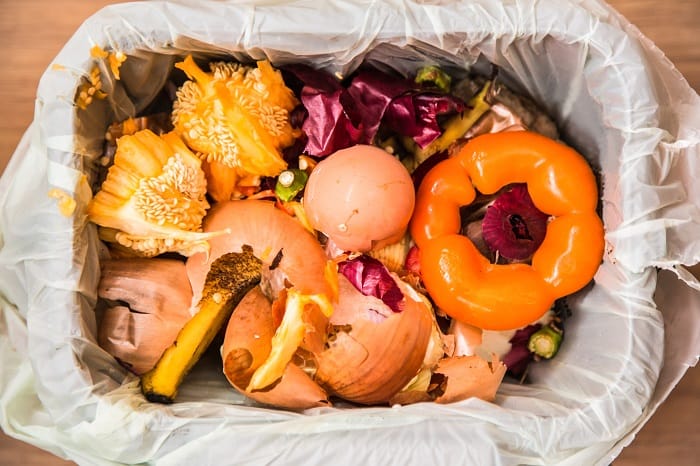
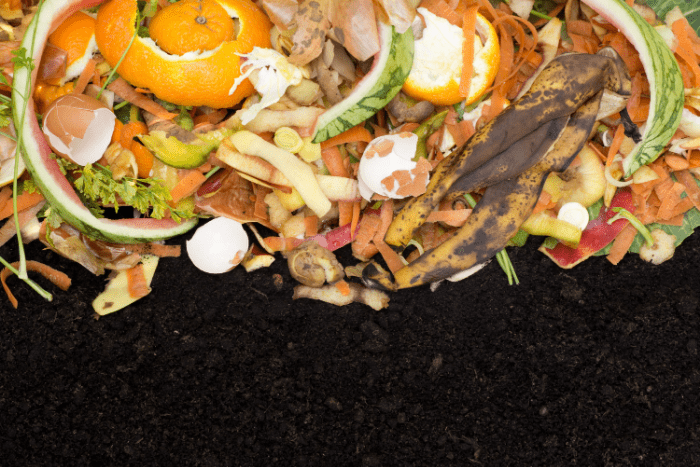
      Green materials are the organic waste products that form the compost. They can include vegetable waste, fruit, coffee grounds, and other organic materials. Greens also provide a natural nitrogen source that is needed for composting to take place. 

      Brown materials 

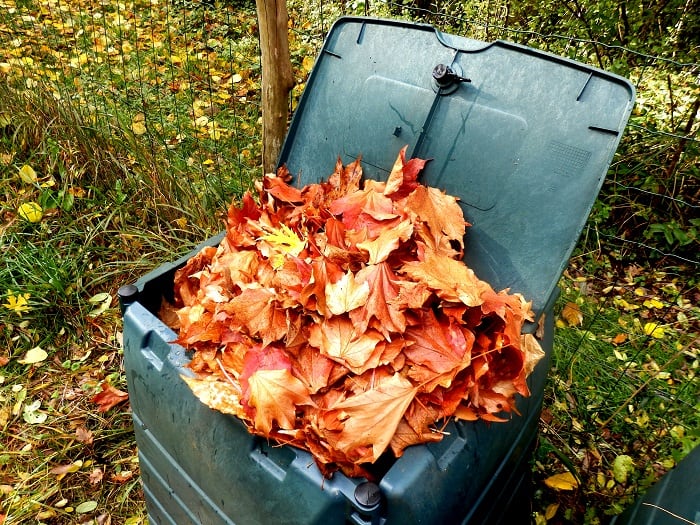
      Brown materials are also ingredients that make up compost. They include twigs, dead leaves, and branches. They are the main source of carbon for the entire pile. 

      Having identified the three important ingredients for compost, you need to also know that you will need to add equal amounts of green and brown materials when piling up your compost. You will need to pile the materials up in alternate layers of brown and green. You can either build your compost indoors or use an outdoor space at the back of your home or side of your farm. 

      Items You Can and Can’t Compost With 

      We have compiled a list of all the available things you can use when piling up your compost. Some of the materials mentioned here will not be acceptable to some of us due to the fear that these ingredients may support the emergence of pests in your garden or home. Considering that this is an extensive list, we are certain that you will be able to find the right material to compost with. 

      Green materials suitable for composting 

      Greens are the best source of nitrogen to compost and they are needed in large quantities when building your compost pile. Here are some of the best sources of nitrogen for compost :

      • Cooked plain rice
      • Cooked plain pasta
      • Seaweed
      • Cornhusk
      • Stale bread
      • Corn cobs
      • Dead plants (ensure they are not diseased)
      • Dead flower heads
      • Fresh leaves 
      • Fruit peels
      • Vegetable peels
      • Coffee grounds
      • Trims from houseplants
      • Grass clippings
      • Melon rinds
      • Citrus rinds
      • Tea bags/leaves
      • Broccoli stalks
      • Eggshells 
      • Old herbs and spices 
      How to Compost and Compostable Items

      Brown materials suitable for composting 

      Browns provide your compost with the carbon needed to support aeration within the compost. They also help to improve the structure of your compost once decomposition begins. Some of the best browns you can add to your compost pile include:

      • Straw 
      • Shredded office papers 
      • Shredded newspapers
      • Pinecones 
      • Raffia
      • Bird nests 
      • Used napkins 
      • Excelsior 
      • Toilet paper 
      • Fall leaves 
      • Beddings from rabbits, hamsters, and guinea pigs
      • Sawdust (use only dust obtained from wood that hasn’t been treated)
      • Brown paper bags
      • Wood chips 
      How to Compost and Compostable Items

      Some people often add fat, dairy and meat to their compost but we left those out in our list of ingredients because you will need to be extremely cautious when using such items. You can speed up the rate of compost by ensuring that you add equal amounts of brown and green to the mix. But if you notice that your compost is not decomposing as fast as it should, you will need to add more green materials to jack things up. 

      Things you can’t compost with 

      Some people often make the mistake of including the materials mentioned below as part of their compost items.

      • Walnuts
      • Glass
      • Greasy foods boxes such as empty pizza box
      • Plastic 
      • Wrapping paper made from metal
      • Dead plants that contain diseases
      • Cooking oil 
      • Toothpaste 
      • Haircare products 

      While they might cut across like a domestic waste product, these materials have no benefit to your compost as they cannot decompose even when they are left in the pile for an extended period. You want to make use of materials that are easily broken down once decomposition begins.  

      Indoor Composting 

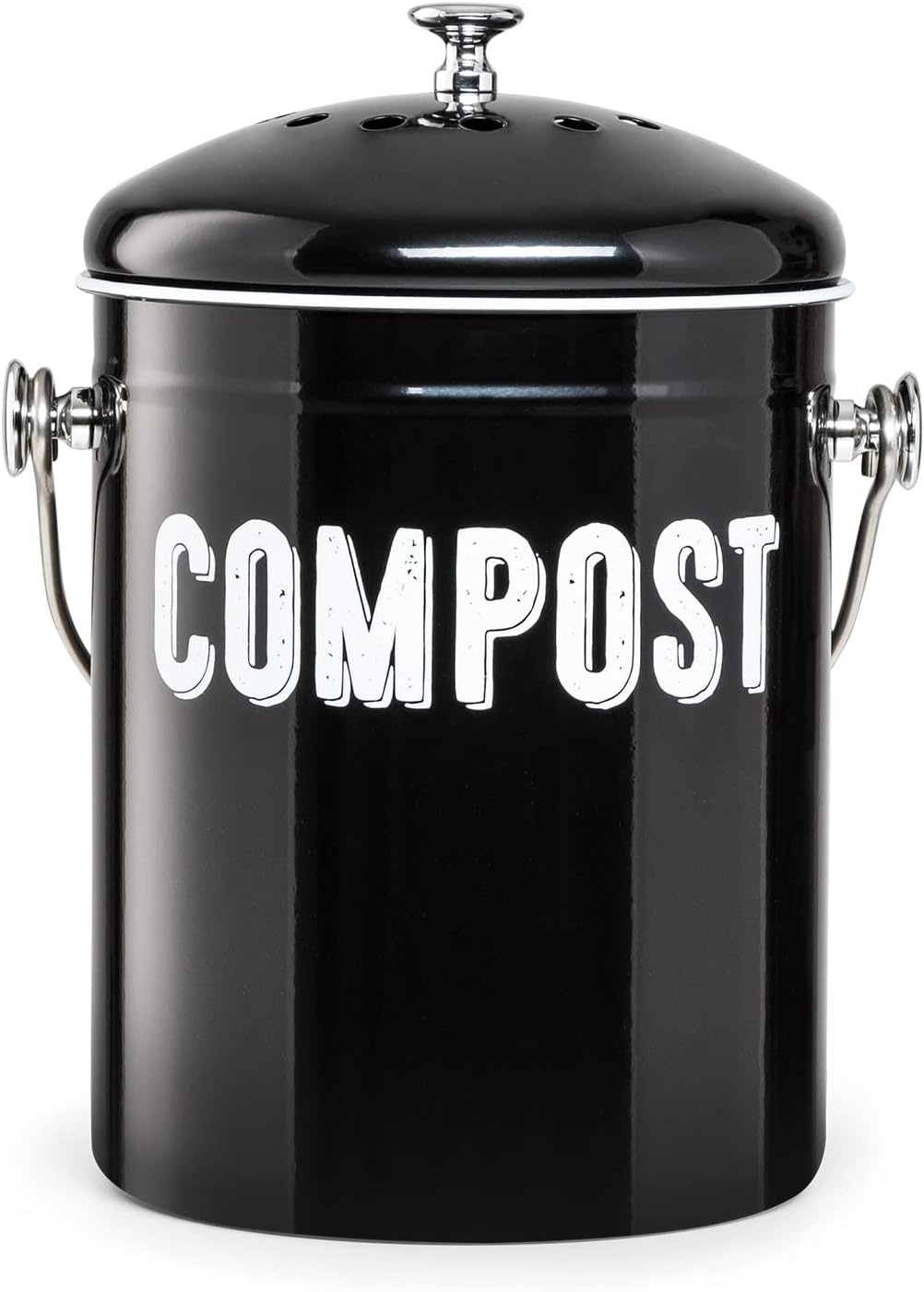
      You will need to make use of a bin when preparing your compost indoors. This bin you can easily purchase from your local gardening supply store or hardware store. When using a compost bin indoors, you will need to be extra careful to ensure that you don’t encourage the outbreak of rodents or pests inside your home. You will need to tend to your pile regularly and your compost should be ready in less than six weeks. 

      Kitchen Compost Bin

      61UDgSnN9TL. AC SL1500

      Composting Outside Your Home 

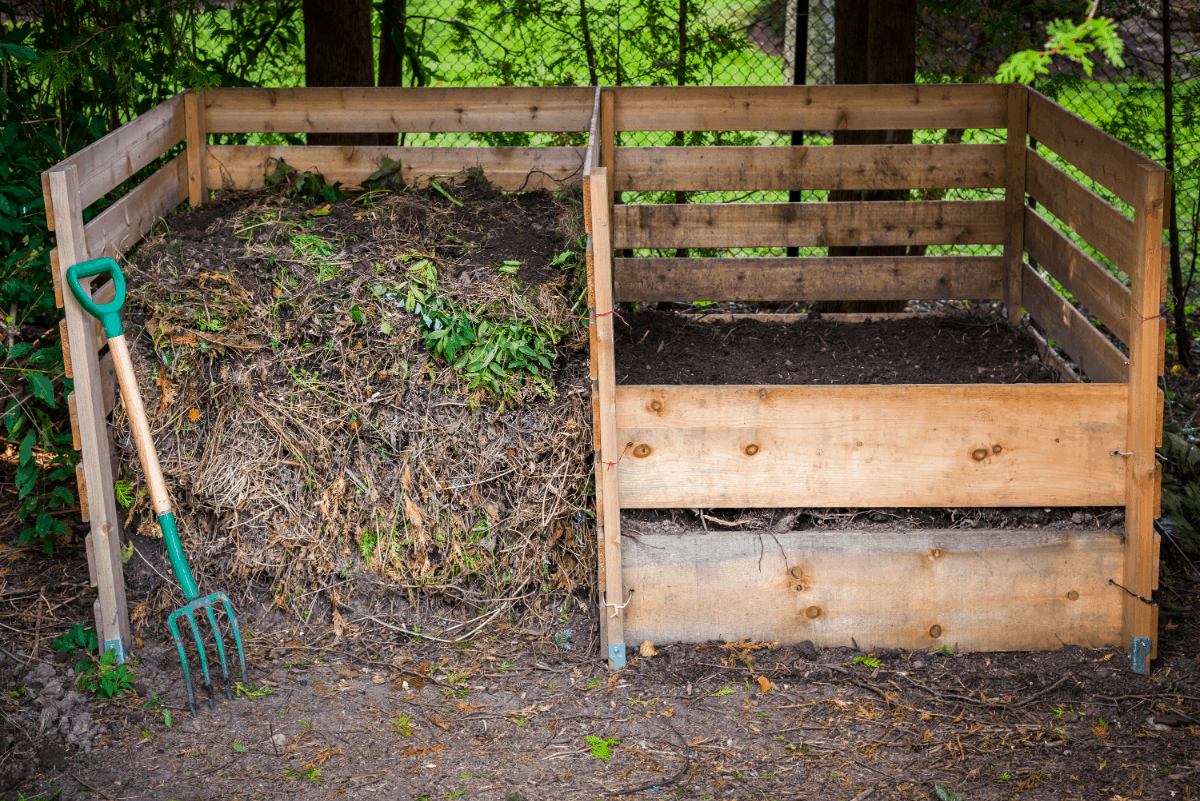
      The best place for you to compost outside your home is at the back of the house or the side of your farm. There are several ways you can prepare your compost pile, but you need to make sure that whichever method you use, the three main ingredients need to be in place namely greens, browns, and water. You will also require some gardening tools to make things easier and they include machetes, shovels, pitchforks, and water hoses.

      When preparing your compost at the back of your house, you will need to:

      1. Keep the pile in a dry place that is close to a source of water
      2. Shred all large brown or green materials into smaller pieces before they are added you the pile. 
      3. Moisten dry materials before adding them to your compost. 
      4. After piling up the compost materials, you will need to add vegetable waste and fruits at the bottom of the pile to speed up the decomposition rate. 
      5. Cover the compost to encourage the buildup of heat inside it. 
      6. Keep the entire compost moist by watering it occasionally using a spray hose or allowing it to get wet under the rain. 

      Your compost should be ready for use after 2 months but this can take more than a year depending on the compost material used. You can find all this material in your kitchen or around the house. You should make use of waste obtained from your home. You can also make use of waste products obtained from your neighbor’s bin or go looking for compostable materials around your neighborhood. 

      When keeping a compost pile close to the house, you need to take extra care to ensure that it does not encourage the emergence of insects and pests in your garden or home. A good way to handle this will be to purchase an organic pesticide or insecticide that can neutralize insects and pests while also keeping you safe from toxins that can endanger your health or plant health. 

      Final Words

      With the materials mentioned above, you should be able to determine which items to use when next you are planning your compost pile. Have you tried making your compost before and how did you go about it? We will like to hear from you in the comment section. 

      FAQ’s

      What kind of things can you put in a compost?

      Composting is a great way to manage your household’s food scraps and other organic waste. It’s also an effective way to help the environment, because it breaks down all that food and yard waste into nutrient-rich soil. Here are some guidelines for what to compost and how to do it right.

      The best compost is made up of a balanced combination of kitchen and yard wastes. These include fruits and vegetables, leaves, straw, grass clippings, paper products, and other organic materials.

      Generally speaking it should be a mixture of any kind of food waste, yard clippings, and kitchen scraps. These include things like eggshells, apple cores, banana peels, broccoli stalks, carrot tops, cabbage leaves, citrus rinds, etc.

      What should the compost look like?
      The first thing that you should ask yourself is what type of compost do you want to make. There are a number of different things that can go into compost. The more diverse the ingredients, the better the end product.

      The compost should be dark and rich in nutrients. If you don’t have access to a lot of yard waste, try to source food scraps from a local farm or food co-op.

      Is there a limit?
      There’s not really any limit on what you can use in a compost pile, but there are some things that you should avoid. Some of these are pretty obvious, while others are more subtle.

      What should I avoid throwing in the comport?

      Avoiding Ingredients That Are Too High in Nitrogen

      One of the biggest problems with using compost is that it tends to attract lots of hungry insects. This is particularly true if you’re using manure or other organic materials. While the composting process will reduce the nitrogen content, the nitrogen left in the compost will still be available to the bugs. Nitrogen is one of the most important nutrients for plants.

      Plants need a certain amount of nitrogen in order to grow. In compost, the nitrogen can be found in either protein or nitrates. If you have access to some nitrogen-rich material like manure or blood meal, you may want to consider adding it to your compost. However, be careful because adding too much nitrogen can make your compost smell bad and attract pests. In fact, the EPA has a list of materials that are high in nitrogen. Many of these materials are listed as “hazardous waste” and should not be added to a compost pile.

      What’s the problem with manure in compost?

      The main problem with using composted manure is that it is often very hot. When the compost is ready for use, it should be at least 60°F. If it is too hot, you may end up with a compost pile that smells bad and attracts pests. If you want to use composted manure, you will need to add some carbon to help cool it down. Carbon helps keep the nitrogen from reacting with the oxygen and creating an unpleasant odor. You can add either dry leaves, grass clippings, or sawdust to your compost pile. These materials also help keep the compost cooler. You should also add a small amount of gypsum to your compost pile.

    • How to Compost: A Composting Guide for Beginners

      How to Compost: A Composting Guide for Beginners

      As a responsible farmer or gardener, it is in your best interest to adopt the right methods that can improve your plant growth and yield. One of such methods you need to adopt is composting. There are a lot of ways composting can be of benefit to your plant soil and roots. Some gardeners believe that the best thing you can ever do for your plant is to add compost every now and then. But one major problem farmers face when it comes to composting is choosing the right compost for their plants.

       In this article, we will be discussing about some of the best ways to add compost to your soil and the benefits of composting to plant growth and development. Before we get into the details of this composting guide and let you in on all the secrets on how best to compost, let talk a little about composting and how it became a popular agricultural practice. 

      What is Composting?

      Composting is an agricultural practice that involves the addition of compost which is decomposed organic matter to the soil to improve the nutrient content and to support healthy plant growth. Compost is highly rich in organic matter and nutrients that can easily be added to soil for use in organic farming, gardens, horticulture, urban agriculture, and landscaping. When added to the soil, compost goes a long way to act as a conditioner and also helps to reduce the outbreak of pests on the farm or garden. 

      Compost, in most cases, is composed of green waste which could be food scraps, grass, and leaves that are not beneficially for use as food for human consumption but fit to be used as food source for plants once it has been broken down. Before composting can take place, these green wastes have to be left in a heap for months so as to allow the organic materials to decompose to form humus. 

      The whole decomposition process can be hastened by the cutting of the plant matter into smaller pieces and adding water to speed up the oxidation process. After this, the next step will be to place the mixture in a place where it can get direct access to air. This can be achieved by regularly turning the pile to ensure that each part gets enough air. 

      How to Compost 

      There is a right way to compost and a wrong way to do it. If you want your compost to be of the highest possible quality, you will need to follow the right procedure when preparing compost for your garden. Here is a better way to compost. 

      |

      • Begin Building Your Pile from the Bare Floor

      If you want to get the highest quality compost, then you will need to start building your compost pile from the bare earth. By so doing, you make it easier for earthworms and other important microorganisms to breakdown the compost. 

      • Pile Up the Straws and Twigs First 

      Since you already know that you need to build a pile from the bare ground up, you also need to make sure that you pile up the straws and twigs first. Ensure that they reach up to a depth of a few inches as this helps to improve drainage and makes it easier for air to circulate around the pile. 

      • Build Your Compost Materials in Layers 

      After placing the straws and twigs at the bottom, you can now start adding the wet ingredients which could be the tea bags, moist food scraps, and seaweed. The dry materials will be the next to follow and they can be wood ashes, leaves, sawdust pellets, and straws. When adding wood ashes, it is best you do so in layers so as they don’t clump up and slow the entire decomposition process. The best way to speed up the decomposition process is to interchange between moist and dry ingredients so the breakdown can take place faster. 

      |

      • Include Manure in the Mix 

      You should endeavor to include green manure in your compost. This helps to speed up the process by activating the breakdown of the ingredients. The best options of green manure you can add to your compost include grass clippings, clover, buckwheat, and wheatgrass or any other potential source of organic nitrogen. 

      • Ensure that the Pile is Always Moist 

      To be able to get the best quality result in the shortest possible time, you need to ensure that the compost pile is kept moist always. You can easily do this by sprinkling water on the pile occasionally or allowing rain to drop on it. 

      • Cover the Pile 

      You will need to place a lid on the compost pile, this helps to keep the moisture content and heat intact. These are two things that compost need to speed up the activation process. By using a lid on the compost, you also help to protect the pile from been damaged by the rain. You can use materials such as wood, carpet pieces, plastic materials, or aluminum to cover the compost. You can use anything provided you ensure to water the pile regularly to ensure that it remains moist. 

      • Turn the Pile Occasionally 

      You will need to turn the pile once a week or biweekly to promote the supply of oxygen throughout the compost. This can be done easily with the help of a shovel or pitchfork. If you also want to include new materials to the mix, you can do so but you should ensure that you mix them in properly since you want them to breakdown quickly. 

      How to Compost: A Composting Guide for Beginners

      FAQs

      How do I start composting at home as a beginner?

      Composting is the best and easiest way to recycle your food waste. It’s also a good way to create a healthy soil that will help grow more plants in your garden.

      If you want to learn how to compost, here are some tips on how to start composting at home for beginners:

      Get a bin You need a large container for your compost bin.

      You can use an old wooden box or a metal tub with holes drilled in it. The size of the bin should be big enough to hold about two to three weeks worth of food waste. You can find bins at most hardware stores or check out our list of the best compost bins.

      Find the right balance for optimal composting, you want to have just the right amount of nitrogen, carbon, and water. Too much nitrogen can make your compost too hot, while too little can result in a smelly mess. Carbon is what helps break down the waste. Water adds moisture to the pile, but too much will turn the compost into a swampy mess. You can read more about this here.

      Choose the right pile size.

      The best way to compost is to have two piles. One should be large enough to handle the entire amount of waste you’re planning to compost, and the other should be small enough to fit in your backyard. The larger pile can contain everything from yard waste to kitchen scraps, while the smaller one should only contain vegetable or fruit scraps.

      Keep it moist.

      The best way to keep your compost pile moist is to put it on a daily basis. If you don’t, it may dry out and become anaerobic, which will slow down the process of breaking down the organic matter. It’s important to add water to the pile as needed, but make sure that you don’t overdo it. This will result in a too-hot compost pile.

      Cover it up

      To prevent rain from washing away your compost, lay a thick layer of straw, leaves, or hay on top of the compost pile. This will also help keep down any pests that might find their way into the pile. You can also cover the pile with a tarp.

      Use a shovel Instead of using your hands to move around the pile, use a shovel to stir up the compost. This will help keep the pile moist and aerated. You should also take this opportunity to add any new materials to the pile.

      Use a fork When mixing the ingredients together, use a fork instead of a spoon or mixing tool. This will keep the compost ingredients from sticking together and help break down the organic matter.

      Fresh The best way to keep your compost fresh is to mix it often.

      The compost needs oxygen to help break down the material. If the material does not have air holes, the compost will start to smell bad and eventually become stale and useless. You can also add leaves, grass clippings, and other materials to your compost pile that will add air holes to the pile. Be sure to do this on a regular basis so that you do not end up with an over-stuffed compost pile.

      Use Compostable Material

      Make sure that you use compostable material in your compost pile. It is best to avoid using items such as Styrofoam or plastic bags because they cannot be broken down by the composting process. If you use wood, make sure that you use treated lumber, which will allow the compost to heat up faster.

      When shouldn’t I compost?

      Do not compost in either the Fall or Winter. The temperature of the compost pile should be at least 60 degrees F. If you compost during the winter months or in the fall when temperatures are cooler, the decomposition process will be slowed. This means that the compost will not heat up as quickly and it may take longer to fully decompose the organic matter.

      What should I put in my compost bin first?

      If you are like most people, you may have a large pile of leaves, grass clippings, and garden waste that needs to be composted. A great way to start is by using the materials from your yard, such as leaves, grass clippings, and weeds. When you use this method, it will save you a lot of money on buying bags and boxes of compost.

      How Does Composting Work?

      Composting works by the complete decomposition of solid organic waste which is turned into humus that helps to improve healthy plant growth and development. Composting is an aerobic process which means that for the process to take place, there has to be a constant supply of air. But oxygen isn’t the only ingredient needed for composting to work. 

      Simply put, you can say that for composting to fully occur, there needs to be adequate provision of heat, oxygen and timely human management to ensure that everything works accordingly. Just so we are clear, here are the ingredients you need to be particular about. 

      • Nitrogen

      Plants need nitrogen to be able to grow healthy green leaves and strong roots and stem. The plant root absorbs the nitrogen from the soil which is then transported to the stem, branches, and leaves which helps is producing flowers and fruits. To add a decent amount of nitrogen in your compost, you will need to add green leaves and also include vegetables and fruits and ensure that they are kept moist always. 

      • Carbon 

      Carbon is the energy source that speeds up composting. The oxidation of carbon by the microorganism in the compost helps to produce heat in the mix which quickens the time it takes for the entire waste to be broken down. The dry ingredients such as the wood ash, straws, and twigs are high in carbon and also act as a heat source to the entire compost. 

      |

      • Oxygen 

      This is also a key ingredient that helps to turn compost to humus. The presence of air helps in the oxidation of the carbon which hastens the process of decomposition. You will need to ensure that compost is kept outside where it can get direct access to oxygen. 

      • Water 

      You will need to add water to the compost pile regularly to ensure that the entire mix remains moist. This is to encourage the growth of microorganisms that are needed to ensure that decomposition takes place. 

      When you add water, carbon, oxygen, and nitrogen in the right proportion, it becomes easy for microorganisms to develop which in turn ensures the breakdown of compost. Without the development of microorganisms, there will be no composting so it is important that you take proper precautions and follow the procedure detailed in this guide. 

      Bacteria are the most abundant microorganism needed by compost. They help to speed up the decomposition process due to their microbial activity within the compost pile. Other organisms such as yeast, molds, and fungi also play a major role by breaking down the materials that cannot be disintegrated by active bacteria. 

      How to Compost: A Composting Guide for Beginners

      It is also important that earthworms also help to improve the flow of oxygen in the compost pile and ensure proper drainage as they burrow their way through. So you want to be on the lookout for them inside your compost pile. 

      With the simple yet detailed composting guide provided above, it shouldn’t be difficult to pile up your own compost using green waste from your kitchen or backyard. You want to make sure that you remember to keep the compost moist as this helps to ensure the presence of air and heat which are required by microorganisms for decomposition to occur. 

      How often do you add compost to your soil, and how do you make your own compost? We will like to hear from you in the comment section.  

    • Announcing The Best Organic Herbicides for Weeds

      Announcing The Best Organic Herbicides for Weeds

      If you’re trying to be an environmentally-conscious person and if you have a garden at home, then the best route to go is to use eco-friendly herbicides. Don’t know which ones to choose? Worry not as this guide will provide you with the best organic herbicides for weeds in the market today. 

      Why Go Organic?

      Before we introduce you to the best organic herbicides, you need to know why using organic products is important. Below are some of the reasons why:

      • They Reduce Your Risk of Getting Illnesses

      Let’s face it, using non-organic products will likely give you illnesses, from skin rashes to difficulty in breathing. That’s why, for those who have a garden at home, reduce your risk of possibly getting ill by using organic herbicides.

      The Best Organic Herbicides for Weeds

      • They Don’t Have Harsh Chemicals

      As organic herbicides don’t use harsh chemicals, you’re sure that your plants, produce and soil are safe, thus not only saving the environment but saving your health as well.

      • They Are Eco-Friendly

      For those who value the environment greatly, using organic herbicides is a great choice. Because they are made from organic ingredients, you’re sure that you’re not significantly damaging the environment. 

      • They are Safer to Use

      Lastly, when you use organic herbicides to get rid of the weeds at home, you are not subjecting yourself to harsh chemicals, so you’re protected. It’s much safer, so you really don’t have to worry when you use them at all times.

      How to Pick the Best Organic Herbicides?

      Now that you’re aware of their benefits, you can now start buying one. However, you can’t just pick the first organic herbicide that you see in the market. Of course, you’ll have to consider certain factors so that you can maximize the herbicide. 

      Luckily, knowing how to pick the best organic herbicide is not that hard. Below are some aspects that you should take note of:

      • Your Target

      First, before you pick a particular herbicide, know first what kind of weed you’re targeting. If your garden is full of a certain type of weed, then it’s better to buy the herbicide that specifically targets that particular weed.

      In this way, you can make the most out of the herbicide. You’re not only going to save your time but your money as well since choosing the ideal one is much more effective. 

      • Your Goal

      Next, you’ll have to take note of your goal. This means that you’ll have to identify your objective when it comes to dealing with the weeds in your garden.

      Do you want to eliminate the already existing weeds in your area? Or are you planning to prevent the weeds from growing beforehand? This is crucial since there are certain herbicides which are made for particular instances such as whether you’re focusing on the elimination process, or on the preventive measures. 

      The Best Organic Herbicides for Weeds

      • Your Needs

      Your need means how much of herbicide will you purchase for you to see results. You can start by recognizing how big your garden is and how abundant the weeds are in the area.  

      Doing this will allow you to buy just the right amount of herbicide for your garden, not too much and not too little. 

      • Your Preferences

      Lastly, consider your preferences. This includes the brand, the price, the ingredients used, and the like. Choosing the herbicide that you prefer will give you ease, knowing that it’s something that you’re truly comfortable with.

      The Best Organic Herbicides for Weeds

      As you already know how to pick the ideal organic herbicide for you, you can now choose from any of the suggested ones below:

      30% Pure Vinegar – Home and Garden

      The first one on our list is this 30% pure vinegar. It’s effective in killing weeds to the root. In just 4 days, you can already see results. What’s great about this is that once applied, it’s rainproof, lasting up to 2 hours. And because it contains 41% glyphosate, it’s very effective in removing weeds.

      Amazon Choice Selection
      Natural Elements 30% Vinegar | (4) 1 Gallon Pack | Home and Garden Vinegar
      $75.99


      Pros:
      • Versatile as it can be used with other organic blends
      • All-natural
      • Stronger than your regular vinegar
      Cons:
      • Too strong so protective gears are needed
      Check Amazon Price
      We earn a commission if you make a purchase, at no additional cost to you.
      02/10/2026 03:03 pm GMT


      Avenger Organics Weed Killer Concentrate – Organic Gardening

      This organic herbicide from Avenger Organics is perfect for organic gardening. Made from natural citrus fruits such as oranges and lemons, it can kill weeds without leaving stains or damaging concrete, pavements, or bricks. It’s highly effective with its citrus oil, its active ingredient, as it naturally gets rid of plant cuticles and causes them to dehydrate and finally die. 

      Avenger Organics, Avenger Weed Killer Concentrate, for Organic Gardening
      $39.99
      Pros:
      • Made of natural ingredients
      • Fast-acting
      • Safe and easy to use
      Cons:
      • The results depend on the type of weeds
      Check Amazon Price
      We earn a commission if you make a purchase, at no additional cost to you.
      02/10/2026 03:02 pm GMT

      Natural Armor Weed and Grass Killer – All Natural Formula

      This one is an organic blend that does not have any toxic formulas at all. What’s more, is that it’s biodegradable. Also, there is no need to mix other formulas here. All you have to do is just spray it in an area, and you’re already good to go.

      Natural Armor Weed and Grass Killer All-Natural Concentrated Formula
      $29.95
      Pros:
      • Easy to use
      • Does not contain glyphosate and other chemicals
      • Fast-acting, so you can see results after a few hours
      Cons:
      • Spray or applicator is not consistent
      Check Amazon Price
      We earn a commission if you make a purchase, at no additional cost to you.
      02/09/2026 08:04 pm GMT


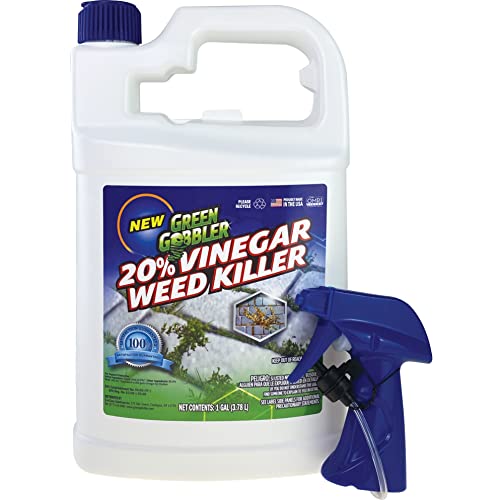
      Green Gobbler Vinegar Weed and Grass Killer – Organic and Pet Safe

      This certified organic herbicide can already kill weeds after a few hours. It’s a very powerful formula that does not depend on any harsh chemicals at all. The benefit of using this is that it can be applied anywhere, so it’s really convenient and efficient.

      Green Gobbler 20% Vinegar Weed & Grass Killer | Natural & Organic | Concentrated | 1 Gallon Spray | Glyphosate Free Herbicide
      $34.98
      Pros:
      • Can effectively kill weeds after a few hours
      • Can be applied anywhere
      Cons:
      • Too strong so protective gear is needed
      Check Amazon Price
      We earn a commission if you make a purchase, at no additional cost to you.
      02/10/2026 08:04 pm GMT


      Natural Weed Killer with Ocean Water and Commercial Food Grade Vinegar

      If you have pets at home, then this last organic herbicide is the right one for you as it contains only safe ingredients. It also does not need any mixing, and you can already see results after a day or two. This is a great choice if you are dealing with weeds but not so when maintaining your lawn.

      Natural Weed & Grass KillerNo Hormone Disrupting Chemicals
      Pros:
      • Pet and environmentally-friendly
      • Fast-acting; results will appear after a day or two
      Cons:
      • Not applicable to lawn maintenance
      Check Amazon Price
      We earn a commission if you make a purchase, at no additional cost to you.


      FAQs

      What is a good organic herbicide?

      The two I use the most are glyphosate and horticultural oil. Glyphosate is safe to apply directly to the soil or foliarly (as long as you use a product that is safe for use with that particular herbicide). It is very effective at killing weeds, and works very quickly.

      The problem is that it has a tendency to burn the leaves of plants that are not directly targeted by the spray. This can be easily remedied by using a spray that targets all plant parts, like horticultural oil. Horticultural oil is safe to use on plants, but it is not always effective. It will kill weeds, but it can also cause leaves to fall off of some plants (not all). Another thing to consider is that you may have a weed issue with this area.

      What is the most environmentally friendly herbicide?

      The herbicide with the lowest environmental impact is glyphosate. Glyphosate is a broad-spectrum herbicide that kills many weeds and other plants. It works by disrupting an enzyme called EPSPS (enzyme 5-enolpyruvylshikimate-3-phosphate synthase) found in plant cells.
      In the last decade, glyphosate has been widely used in crops, especially soybeans, corn and cotton. It has also been found in drinking water. Glyphosate has been proven to be extremely safe according to the U.S. Environmental Protection Agency.
      It’s hard to beat the fact that it doesn’t persist in the environment and has no negative effects on humans or animals. This isn’t true of all herbicides.

      Is vinegar a good herbicide?

      Vinegar is a great herbicide for many plants. It can be sprayed directly onto the leaves and stems of most plants in your garden. It will kill weeds quickly, and it will keep them from coming back. Vinegar is also effective as a preventative measure to control the growth of weeds before they start to sprout. The best time to use vinegar is during the first few weeks of spring when the soil has warmed up and is moist. You can use vinegar on weeds, grass, annuals, perennials, shrubs, trees, vegetables, fruits, roses, and even houseplants. It’s important to be careful when using vinegar on your vegetables, however, because it can burn them if it is sprayed directly on their leaves. If you are spraying vinegar on a vegetable, wait until the sun is shining and the temperature is above 60 degrees Fahrenheit.

      Is there a natural alternative to glyphosate?

      Some people are using vinegar as an alternative to Roundup or other pesticides. Vinegar has antibacterial properties and is good for your plants.

      What is the most effective herbicide?

      If you’re looking for a broad-spectrum herbicide that will kill all the plants in your garden, then glyphosate (Roundup) is it. It is probably the most effective herbicide we have today. Glyphosate is a broad-spectrum herbicide and has a low toxicity to animals. It kills plants by inhibiting their ability to manufacture amino acids and thus, prevent them from growing.

      Conclusion

      While all of the mentioned organic herbicides above are great, there is only one winner here, and that’s the Natural Armor Weed and Grass Killer. This is because it’s the most natural amongst all of the mentioned herbicides above. 

      It does not have harsh chemicals, making it safer and much eco-friendlier to use. Because of this, you’re less likely to get any illnesses at all.

      Lastly, as it’s very versatile, it can easily apply to all of the buyers’ needs. One can target all types of weeds with this. Plus, it’s great at eliminating weeds and maintaining a garden, making it the best one in this list. 

    • Paper Pot Transplanter Review 2019 – Is This the Future of Organic Gardening?

      Paper Pot Transplanter Review 2019 – Is This the Future of Organic Gardening?

      I used to resort to various organic planting methods for tending to my home garden. However, when I’ve heard of the paper pot transplanter for organic gardening, I was intrigued as to what it is and how it can help change the way farming is done.

      In this review, we’ll be talking about the paperpot transplanter and how it can possibly shape the future of farming.

      Things to Consider Before Buying a Transplanter

      With a transplanter, you can easily transplant your seedlings into the field. This allows you to save a lot of time than when you prefer to take on the job manually. If you own a farm with plenty of crops, then you could surely benefit from a transplanter. However, you have to consider the following things before you buy one:

      • Your farm’s size – the transplanter you buy will depend on the total area of your farm. If you own a small farm, you can make do with a simple transplanting machine. However, if you have a very wide farming area, then you’ll have to go for larger transplanting machinery to complete the job.
      • Planting window – this is yet another factor that you have to consider for a transplanter. The shorter your planting window is, the faster your equipment should be. This only means the more rows you need to plant in a short period of time.
      • Labor availability – lastly, you have to consider labor ability. If your farm is struggling to secure enough labor, then a more efficient transplanter should be considered.

      Paper Pot Transplanter Review 2019 – Is This the Future of Organic Gardening?

      The Johnny’s Seeds PaperPot Transplanter

      This paperpot transplanter from Johnny’s Seeds is almost the same to the other paper pot transplanters you see on the market. It has a furrower at the front which is responsible for making a trough where the plants are dropped into then planted in the ground.

      Meanwhile, the two wheels which are located at the rear will lightly compact the soil. Rather than a seed hopper, a paper pot transplanter makes use of a large tray where seedlings are placed for transplanting. 

      Due to its nature, the transplanter is ideal for those who own a small farm and want to transplant their seedlings efficiently. It’s not, however, recommended for those who own a large-scale farm as the rate of transplanting isn’t fast enough to catch up to their planting window.

      Compared to other paper pot transplanting products in the market, this one from Johnny’s Seeds comes with a number of features which you might not find in other products. That said, let’s talk about its pros and cons.

      Pros:

      • Allows you to transplant up to 264 seedlings in a few minutes
      • Large rear wheels for compacting the soil
      • Adjustable spacing which you can set based on your preferences

      Cons:

      • The paper chain pots are currently pending approval from the National Organic Program (NOP) and National Organic Statistics Board (NOSB)
      • Not recommended for large fields
      • There are cases where directly-sown plants outperformed PPT-transplanted plants

      Features and Benefits

      If you have been planning to buy a paper pot transplanter but haven’t decided yet, then the following features of the Johnny’s Seeds transplanter might just convince you. Let’s try to break them down into details. 

      Paper Pot Transplanter Review 2019 – Is This the Future of Organic Gardening?

      Fast Transplanting Speed

      Imagine having to transplant 500 seedlings into your garden all by yourself. Manually. How long do you think it will take you? Do you have the tools that will help you complete the job? 

      I know it sounds hard just thinking about it. If you go the traditional route, you’ll have to do the transplanting by hand or create your own custom farming equipment. However, with the paper pot transplanter, especially this one from Johnny’s Seeds, you can easily plant up to 264 seedlings per minute without having to exert a lot of effort.

      In other words, you can easily finish the job of transplanting 500 seedlings in just two minutes! 

      Here’s a quick transplanting demonstration with the Johnny’s Seed PPT:

      Various Spacing Options

      Another feature that makes Johnny Seed’s PPT is the availability of various spacing options. Specifically, there are 2-inch, 4-inch, and 6-inch options which you can choose from depending on your desired spacing. The seedlings will be automatically planted based on the spacing you choose.

      I find it quite useful as there’s no longer a need to manually measure the spacing between each seedling.

      Large Rear Wheels

      Lastly, the large wheels at the rear are really efficient in compacting the soil after each seedling is planted. They do it in a way that the soil is firmly pressed, allowing the seedlings to be positioned properly which is vital to their growth.

      Benefits of Using Johnny’s Seed PPT

      Generally, PPTs are used to solve the issue of manually transplanting seedlings on a farm as well as the need to invest in more expensive equipment. Aside from that, here are the other benefits of this transplanter:

      • It removes the need to bend over just to transplant your seedlings manually
      • You can have the ability to closely schedule your planting session
      • It allows you to produce more pounds of crops per seedbed, though it will vary depending on the plant type
      • It reduces the chances of crop loss due to transplanting

      Alternatives

      With the introduction of paper pot transplanters, various other manufacturers have their own version of a PPT as well. Here are some good alternatives to Johnny’s Seed transplanter:

      You can find transplanting tools here.

      FAQs

      Is the Paperpot transplanter worth it?

      The paperpot plant is a small, easy to care for perennial that can be grown indoors or outdoors. This plant can live for many years if you give it the right care and attention. It has become popular in the last few years with the growing popularity of indoor gardening and houseplants. If you are looking to buy a plant to fill a space in your home or office, the paperpot is an excellent choice.

      It is very easy to care for and requires very little maintenance. Growing Paper Pot Plants Paper pot plants are easy to grow. If you choose the right paper pot, you can expect your plant to thrive for many years.

      The Paperpot is a transplanter that allows you to grow plants from seeds, soil and water. The idea behind this is that you don’t have to be a botanist or a gardener to grow your own food. I like this idea, but I don’t know if I would spend $100 on it.

      How do you select a good one?

      You will want to make sure you select a paper pot that has good drainage. If you are growing this plant outdoors, make sure it gets plenty of sun. Indoors, you can grow your paper pot in direct sunlight, but you will need to water the plant regularly.

      Are paper pots organic?

      It is important to note that while some pots may be labeled as organic, this does not mean that they are truly organic. Some of these pots may contain chemicals and other things that are not organic. In addition, many of the materials used to make the pots are not organic.

      How does a Paper pot transplanter work?

      Paper pots are a type of pottery, and they can be used for both indoor and outdoor planting. They are made from paper and glued together into a form. Once you have your shape, you can plant it into the ground. There is no need to wait for your paper pot to dry out before planting.

      Why use a paper pot? 

      There are many reasons why you may want to choose a paper pot over a clay one. Here are a few of them:

      1. A paper pot can be thrown on a wheel, and it doesn’t require special firing temperatures.

      2. You can make your own custom color glazes for a paper pot.

      3. If you’re planning to use a lot of the same glaze in a paper pot, then you can simply make more.

      4. Paper pots are relatively inexpensive, but they’re durable enough to last for years.

      5. The potter’s brush is easy to use, and you can reuse it over and over again.

      6. The paper pot is very easy to clean, and the potter’s brush is also very easy to use.

      7. The paper pot can be thrown on a wheel without breaking, and it doesn’t require special firing temperatures.

      8. You can throw multiple pots at once, and you can move them around without disturbing the glaze on them.

      9. It’s not difficult to make the pot out of paper; just be careful with the glue!

      10. Paper pots are made from recycled paper.

      Conclusion

      Then again, a paper pot transplanter allows you to transplant seedlings in a faster and more convenient approach than you would if you choose to take on the job manually. The reason why I have decided on Johnny’s Seed paper pot transplanter is that it allows you to transplant 200+ seedlings in a minute, comes with large wheels for soil compacting, and there are various spacing options available.

      If you want to have a hassle-free gardening with less manual labor, then you might want to check out the product. Simply click here to check it out!

    • Scotts Organic Lawn Fertilizer Review

      Scotts Organic Lawn Fertilizer Review

      Are you worried that your lawn isn’t growing as healthy as your neighbors? Or are they not green enough? Then you probably need to feed it the right food so it can grow healthily. In this article, we will be reviewing the organic lawn food from Scotts and find out why it is so popular among many lawn owners. Before we get into what makes Scotts Organic Fertilizer a trusted brand, I will first like to enlighten us about what to look out for in an eco-friendly and effective fertilizer. 

      What to Look Out for in a Fertilizer 

      Before you spend your hard-earned cash on any food for your lawn, you need to ensure that you:

      • Check the label to see that it doesn’t contain any toxic chemical compound that may be harmful to your health and the environment. You should double-check to see that it is made from only naturally occurring minerals that are truly organic. 
      • It should have the required dosage for administration or direction on how to use it. This makes it easy for you to know how to apply the product to your lawn/garden. 
      • You should check the ratio of the minerals in the mixture. This makes it easy for you to know the nutrient serving in the package. Your lawn needs nitrogen (N), phosphorus (P), and potassium (K) to be able to grow properly and also needs the nutrients in the right ratio. The ratio of nutrient application recommended for lawn is N-P-K 3:1:2. 
      • You should also take note of the type of nitrogen fertilizer that was used in the product. Some products use a controlled-release and others the fast-release nitrogen. The main difference in both nitrogen fertilizer types is that the controlled-release promotes growth at a rapid level while the application of fast-release nitrogen fertilizer results in a speedy growth. If you want a greener looking lawn in the shortest possible time, then you should apply the fast-release nitrogen fertilizer. 

      |

      Scotts Organic Lawn Fertilizer 

      The Scotts Organic Lawn Fertilizer is a natural alternative for lawn owners who are in need of a chemical-free fertilizer that isn’t harmful to their family, pets, and to the neighbors. With the use of Scotts Organic Lawn Fertilizer, home-owners can be sure of a greener looking lawn and not have to worry about the dog sniffing around the newly treated lawn. Made from completely natural ingredients, which means there is no fear of toxicity when you inhale the product or it comes in contact with your skin. 

      SAAAA=

      The organic fertilizer is a suitable choice if you are shopping for a fertilizer that can grow greener trees in a short time. You can use the Scotts lawn food at any season when you need your lawn looking fresh and healthy. It is also safe to use the product on any lawn type or size. The natural smell of the fertilizer isn’t toxic to inhale and dissipates quickly immediately after application. 

      There are worries that dogs often get themselves interested in the product and often eat it because it kind of smells like chicken poo. But it is completely harmless to pets and kids even when it is ingested. 

      The main ingredients in the fertilizer are nitrogen (N) phosphorus (P) and potassium (K) which is combined in a ratio that will be easily absorbed by the plant roots and encourages rapid growth. 

      What are the Benefits of Using Scotts Organic Lawn Fertilizer?

      The use of Scotts organic lawn food on your front yard or back yard has numerous benefits including  

      • Made from completely organic minerals that are safe for both plants and animals. 
      • There are no added chemical compounds that can increase the soil toxicity or harm kids and pets. 
      • The use of the fertilizer results in the growth of fresh-looking grass that adds more beauty to your property. 
      • It is a quick way to grow your lawn in the shortest possible time. 
      • It can be used at any season to improve the appearance of your lawn. 
      • The 30-pound bag can be applied on a 4000 sq ft area making it a good value for your money. 
      • It is safe to use on all types of grass. 
      • It is easy to use; all you need do is apply it directly to a dry or wet lawn. It is required you use a Scotts spreader for the best results. 

      Scotts Organic Lawn Fertilizer Review

      How to Use/Directions 

      You can apply the fertilizer directly to dry or wet lawn, but you need to be careful not to apply too much on a specific area to prevent the grass from turning yellow. When you notice yellowish grass after application, it only means that you used too much of the product in that area of the lawn. 

      You can also apply them to fresh seeds or use it while over-seeding; it also works well in an area with a hot climate.  The best time to use the fertilizer on your lawn is immediately the rainy season begins, and you can apply it at intervals up to 4 times a year. You can use it on acidic soil to help balance out the pH of the soil and improve plant growth in the region. 

      You can purchase Scotts Organic Lawn Fertilizer here.

      FAQ’s

      Does Organic Lawn Fertilizer work well?

      I know that the organic matter in Scotts is much better than other brands, which isn’t surprising as they’ve been around for a century and have numerous locations throughout the United States. I will say this about this product, it doesn’t seem to be as good at holding moisture as other brands. What’s more, I’m a little confused about when exactly I should use it and on what, the instructions aren’t that clear in these regards.

      The Scotts brand of fertilizers and lawn care products are manufactured by Scotts Miracle-Gro Company, which, while a giant in the marketplace, doesn’t have a well understood relationship with the growers that it sells to, which is particularly reflected in how they don’t specify which types of lawns work best.

      It is quite common for people to end up putting less than they should as they go about trying to get the proportions just right for the types of plants that they are trying to grow.

      The decision to go organic is something that quite evidently is new and that they are not sure how to instruct their consumers to use it. You really have to make sure that you keep an eye on the roots of your lawn as it is quite common for them to get clogged up to the point that they can’t absorb the water properly. When this happens it can be very frustrating and even costly and wasteful as you may find yourself not feeding your lawn as you should. 

      Is Scotts Organic Lawn Fertilizer safe for dogs?

      Scotts Organic Lawn Fertilizer products are quite safe for dogs. If you have a very sensitive dog who gets extremely upset if he or she smells the smell of chemicals you find that there may be some trouble with allergies. Remember to ask you vet if you have any doubts about your dog sniffing around your lawn after you apply this product.

      Can I apply Scotts Organic Fertilizer after my plants are in bloom?

      Scotts Organic Fertilizer should not be applied to blooming plants. It will cause them to drop their flowers and fruit prematurely.

      Can I apply Scotts Organic Fertilizer around orchids?

      Scotts Organic Fertilizer is a safe, non-toxic fertilizer for most plant types, including orchids.

      Scotts Organic Fertilizer works best when used in conjunction with a balanced diet and regular watering.

      How long does it take for Scotts Organic fertilizer to work?

      It can take up to 2 years before you notice any effects on your plants. It’s not a quick fix, but there are very good reasons to believe that this organic fertilizer is superior to the other synthetic variety. Gardeners have noticed that the uptake of phosphorus by soil is higher when organic matter is present.

      Other Notable Alternatives 

      Organic fertilizer packed with Iron for healthy trees, flowers, plants, and lawn. 

      71eXlcdtz8L. SL1226

      This organic fertilizer is safe for use when growing crops like tomatoes on your lawn. 

      61E29O2AsvL. SL1000

      Natural lawn fertilizer with a lot of application and can be used by spraying the content all over the lawn with the aid of a garden hose. 

      31MoGWpNseL

      What kind of chemical product do you use on your lawn? Are you satisfied with how the shrubs in your lawn are growing? Let us know in the comment section. We will like to hear from you. Also, if you find this article interesting and informational, we will be glad if you can share it with others. 

    • What is Perlite? And How is It Useful in the Garden?

      What is Perlite? And How is It Useful in the Garden?

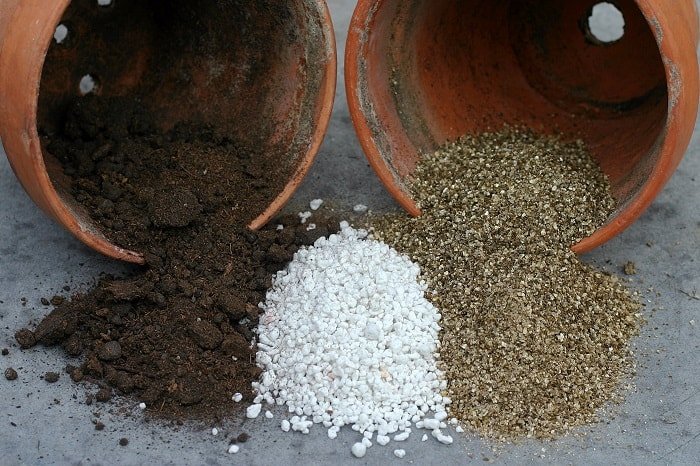
      If you have purchased potting soil for your pot or garden before, then you must have noticed small white balls as part of the earth in the bag. What many growers don’t know is that those tiny balls are referred to as perlite and they have a major role to play in the growth of plants both in hydroponics and soil gardens. Is perlite organic, and what are its benefits to plant growth and development? Let’s find out below. 

      What is Perlite? 

      Perlite is a naturally occurring mineral that can be found in nature. It is mined in large quantities in Turkey, Japan, Greece, and in the United States. The mineral is formed as a result of the saturation of volcanic glass by water over a long period of time. Perlite contains a lot of ingredients which includes iron Oxide, Sodium Oxide, Calcium Oxide, Magnesium Oxide, Aluminium Oxide, Silicon Dioxide, and water. 

      What is Perlite? And how is it Useful in the Garden?

      Perlite has a lot of industrial applications such as construction and in the manufacture of ceiling tiles, plasters, and masonry.  Before perlite can be added to soil for use in gardening or hydroponics, the mineral glass will have to be processed to form the tiny white balls appearance that it is known for. 

      To answer the question whether perlite is organic or not, I think it is safe to say that since it doesn’t contain carbon, perlite is an inorganic substance. But it is important to mention that as a naturally occurring mineral, perlite is completely non-toxic and safe to use for both hydroponic systems and in soil gardening. 

      What Are the Benefits of Perlite to the Plant Soil?

      Perlite is highly beneficial to garden and soilless systems and the secrets are in its distinct physical and chemical properties. The usefulness of perlite in the garden includes 

      • It has a neutral pH level which makes it able to balance the acid/base level of the soil
      • It is obtained from natural deposits in the soil and hence does not contain any toxic chemical compound. 
      • It is a physically stable mineral that has the ability to maintain its shape even under pressure in the ground. 
      • It is porous with tiny spaces which allows for easy aeration of roots for a stronger root system. 
      • It has the ability to retain the amount of water that is needed for plant growth while allowing the rest to run over; making it a great way to prevent drowning of plant roots due to erosion or over flooding. 

      FAQ’s

      Should I add perlite to my garden?

      I’ve seen a lot of people mention adding perlite to their gardens and wondered if it’s something I should do. It seems like it would be a good idea because it would help retain moisture. I know it has been used as a soil amendment for years but I’m not sure if that is the best way to use it.

      The perlite will slow the movement of water in the soil. It will also prevent some types of soil insects from burrowing. It’s not a good idea to use it for the sole purpose of keeping pests away from your plants.

      How does it work?

      Perlite is a naturally occurring volcanic rock. Its porous structure allows water to pass through it and then evaporate, which helps plants grow faster. Perlite also provides an ideal growing medium for houseplants. It is used in gardening because it provides more air than other soils and thusly takes the soil less dense. In this manner it allows the plant roots to penetrate more easily.

      It allows the plant roots to penetrate more easily. Makes the soil more friable and easier to work with. Lifts the soil surface, allowing water to reach the roots. Enhances drainage. It contains nutrients such as phosphorus and potassium, which are readily available to plants. Is not acidic or alkaline. Is not toxic. Is lightweight and therefore easy to move.

      It is a lightweight, odorless, non-toxic, odorless, natural, dust-free, light-weight, non-shrinking, non-clumping, and non-expanding material.

      How much perlite do I add to my garden?

      Perlite can be purchased at nurseries and other stores that sell gardening supplies. It comes in bags or in bulk. You can also make your own by sifting the dry volcanic rock through a screen or fine mesh. Be careful not to crush the material as it will become too fine and will not work well as a mulch. When you first begin using perlite, you can start with small amounts and gradually increase the amount.

      If you have a large garden, you can add as much as 1/4 cup perlite per square foot of garden. For smaller gardens, you can add less than this.

      What are the disadvantages of perlite in gardens?

      Perlite is a light weight material, which means it will be blown away by wind. When it is added to garden beds and containers, it can be a nuisance.

      Perlite can be a problem in containers because it has a tendency to stick to plants and move around. If it is not removed from the container, it can cause problems such as clogged drainage holes. In addition to being a potential problem in containers, perlite can also be an issue in the landscape. When it is used as a soil additive or substrate in pots and containers, it can become dislodged from the potting mix and drift away from its intended location.

      How Should You Use Perlite in the Garden?

      Perlite has a wide range of applications in the garden, you can include perlite in your soil mixes in combination with peat moss and loam in equal amounts. You can also keep them in your pots to provide the soil with more aeration to help loosen the earth for proper ventilation and drainage. 

      What is Perlite? And how is it Useful in the Garden?

      You can also spread perlite on the soil surface to help with the breakdown of tightly packed soil to allow for easy drainage and ventilation. You can also use perlite in hydroponic systems as part of a mixture in other growing media or as a standalone media. You should not use it for deepwater systems like the ebb and flow or deep water culture. 

    • Greenerways Organic Bug Repellant Review

      Greenerways Organic Bug Repellant Review

      Pests are a major problem in the home and also in the garden. They can do a lot of damage to your crops when they are left to roam about your garden. The effect of pests on your garden can lead to reduce yield and affect the nutrients in the soil leading to deficiency in nutrients and a poor harvest. One of the effective ways to deal with pests such as bugs and other insects is by the use of insect repellants to keep them away from your plant roots and leaves. 

      Today, we will be reviewing the Greenerways Organic Bug Repellant to find out why it is a common tool for most growers. We will also check some of the active ingredients and the benefits of using the product on your farm. 

      What should you look for in a Pesticide? 

      It is important that you know what to look out for when shopping for a pesticide for your farm. This is because there are many products that contain chemical compounds that can leave your plant roots, stem, and leaves worse than they were before applying the product. Below you will find a list of some of the few things to watch out for when in the market for an insect repellant. 

      Greenerways Organic Bug Repellant Review

      • Check the label to see that the insects you are trying to repel are listed on the product. This guarantees that the product will have effect when it is applied to your crop. 
      • Check that it is safe to use the product on the crop you grow. There are pesticides that are not safe for use on certain plants so it is best that you do your research. 
      • Are there any specific period in the life of the plant when you should/shouldn’t use a pesticide spray. 
      • How much area of space do you need to treat? This will help you decide on how much of the product you need to get. 
      • You also need to know how long it takes for the product to take effect or become fully active. 
      • You need to know how to apply the product to your farm. 
      • Lastly, you need to check the ingredient list to be sure that there are all safe to use on your plant and for the environment. 

      Greenerways Organic Bug Repellant 

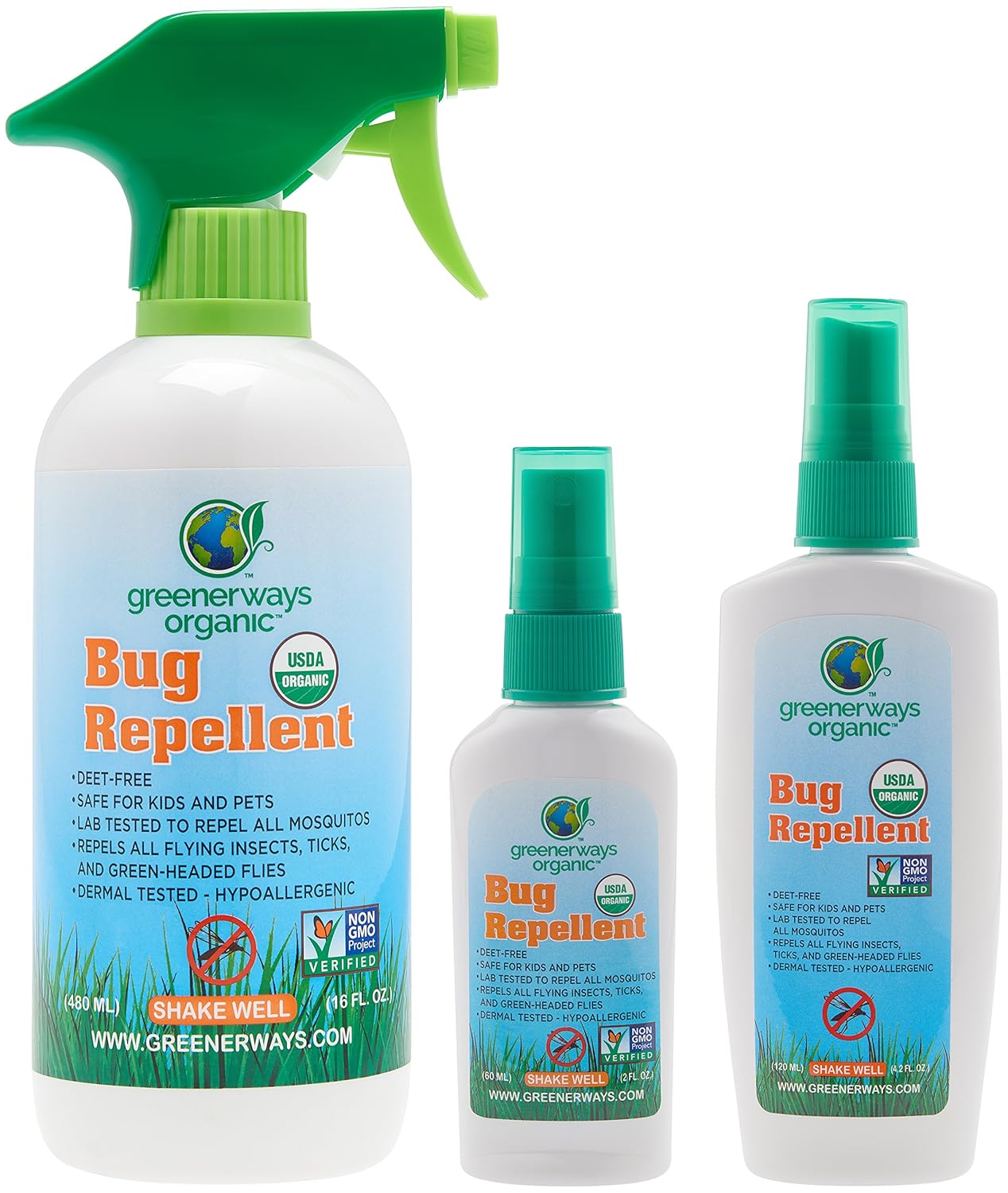
      The organic bug repellant from Greenerways is 100% USDA certified organic; meaning that it doesn’t contain any chemical compounds that can be harmful to your plants and the environment. This is partly the reason why it is commonly used on both soil and soilless systems for the control of bugs and other pesticides. It has been proven to be highly effective in the repelling of all mosquitoes, chiggers, ticks, mites, and many other insects. It is safe to use also in indoor situations to deal with the outbreak of insects in the home. It is completely safe for use in homes where there are kids and pets. Many pet owners also use it to rid their pets of ticks. There are numerous applications of this best selling product from Greenerways, you can use it as an indoor and outdoor insect repellant to keep your home and living space completely free from creeping, crawling, and flying insects. 

      91mkadlhWBL. SL1500

      Active Ingredients in Greenways Organic Bug Repellant

      In each 4ounce of the Greenerways organic bug repellant, there are:

      • 7.5% Citronella Oil
      • 1.5% Lemongrass Oil
      • 0.5% Cedar Oil

      Other inert ingredients include

      • 1.0% Soy Lecithin 
      • 89.5% Water 

      Functions of the Ingredients Are

      Citronella oil 

      It is an essential oil that has the ability to repel insects and is safe for use on the skin to repel body lice, stable flies, and head lice. 

      Lemongrass Oil 

      Another essential oil with a pleasant aroma that is strong enough to repel insects. 

      Cedar Oil 

      Cedar oil is also as essential oil; it is extracted from the bark of cedar trees and can be used as an insect repellent. It is known to be effective against fleas and mosquitoes. 

      Soy Lecithin 

      The function of soy lecithin in the mix is to act as a natural emulsifying agent that adds a little bit of fat to the mixture. 

      Water 

      Water keeps the entire mix in a solution and makes it easy for the content to exit the nozzle when it is sprayed. 

      |

      Benefits of Using Greenerways Organic Bug Repellant

      • Comes in a 4oz size that can be used for a few times before disposal. 
      • Made from completely organic ingredients that contains Non-GMO and certified by the USDA. 
      • Truly effective in combating insects such as mosquito, fly, tick, and 55 other insects that disturb the home and garden. 
      • It is safe for use in homes around kids and pets. 
      • There is no need to wash your skin or take a bath after using the product as it is known to be hypoallergenic (without allergy).  
      • Completely free from DEETS, parabens, phthalates, and other toxic chemical compounds. 
      • Doesn’t leave stains on furniture and clothing’s like other insect repellants. 
      • Can be easily carried about making it an excellent travel insect repellant. 
      • Its citrus fragrance helps in adding extra freshness to the air after each spray.  

      Uses of the Greenways Organic Bug Repellant 

      This organic insect repellant can be used to tackle insect problems in 

      • Fishing equipments such as gears, rods, reels, and lines. 
      • Camping equipments such as tents and gears. 
      • Hiking equipments such as gears, backpacks, and boots. 
      • Outdoor furniture like patio furniture and sitting areas. 
      • Safe to use on clothing to repel insects. 
      • Indoor and outdoor garden plants to repel insects from the roots, stem, and leaves. 
      Greenerways Organic Bug Repellant Review

      Directions and How to Use 

      You should shake the bottle thoroughly so the ingredients can mix properly. Then spray on your clothes, body or in the area you want to treat. You can apply them directly to the plant you wish to spray and repeat the process every 3 to 4 hours until you are satisfied. 

      FAQ’s

      Is Greenerways organic bug repellent safe?

      Greenerways Bug Repellent is a natural, non-toxic, organic and biodegradable insect repellent spray that is safe for your children, pets and the environment. It contains no harmful chemicals or synthetic ingredients, and is free of parabens, sulfates, artificial colors, fragrances or alcohol. It is also non-greasy, easy to apply, and leaves no residue.

      It contains no chemicals or dyes. The combination of natural essential oils and a non-toxic plant extract creates a safe and effective alternative to traditional bug repellents.

      How long does Greenerways organic bug repellent last?

      This repellent has a shelf life of 4 years.

      Does Greenerways Organic Bug Repellant work?

      We have found that the Greenerways Organic Bug Repellent works great to keep our pets safe from fleas and ticks. Our dog, who has a bad tick infestation, had an allergy flare up after using the repellent so we tried it again without the allergy medicine. She hasn’t been bitten since. We also use the repellent on our cats and it seems to work well.

      Does Greenerways Organic Bug Repellant work well?

      I had heard it’s very good, but have no personal experience with it. However, you can get a sample size from them and try it. The product is very inexpensive and lasts for quite some time. Some people just wish that it was more effective as they see it as only work some of the time and not necessarily on all types of pets.

      Does it have a strong scent?

      The scent is very strong. It also has a strong citrus smell that some may find off-putting.

      Where can you apply it?

      Greenways Bug Repellent can be applied to clothing and shoes as well as the human body. The Greenways brand is well known for its products that are safe to use on children and pets.

      Does it work well on kids?

      I’ve been using it on my kids for years. My daughter is a bit of a bug magnet, so I usually give her a bottle of Greenerways to put in her room before bed. It works like magic! I tried it on my son as well, but it didn’t work so well on him. He was allergic to one of the ingredients, and he’s not sure what it is.

      They are no longer itching and scratching themselves all the time, which has been a huge relief. It’s a really effective product.

      It’s a great alternative because you don’t have to worry about your children accidentally getting sprayed with it. It also doesn’t contain harsh ingredients that can potentially harm their health. It’s made with all-natural ingredients that are proven to work. It comes in different scents that allow you to customize your protection depending on the type of insects that you want to keep away.

      Other notable Brands 

      Some other popular brands of organic insecticides that are safe for use both indoors and outdoors include. 


      Organic Mosquito Repellent Anti Bug
      $16.99

      Outdoor Pump Sprays, 4 Ounces, Certified Organic, Proven Results by lab Testing, deet-Free

      We earn a commission if you make a purchase, at no additional cost to you.
      02/10/2026 05:03 pm GMT

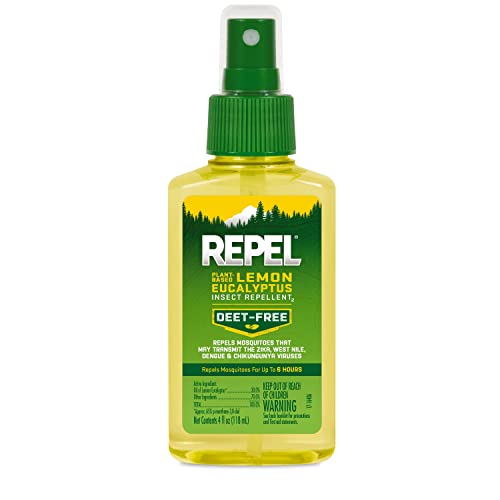
      Plant-Based Lemon Eucalyptus Insect Repellent
      $13.50

      4 Ounces, Repels Mosquitoes Up To 6 Hours, Oil Spray

      We earn a commission if you make a purchase, at no additional cost to you.
      02/10/2026 02:04 pm GMT

      The only ingredient here is lemon eucalyptus oil, which can’t be compared to the many essential oils contained in the Greenerways Organic Bug Repellant. 

      Which insecticide do you use in your home and garden and is it truly effective in repelling insects? We will like to hear from you, let us know in the comment section. If you have used this product before, we will also like to hear about your experience using the product. 

    • A Review – All You Need to Know About Roots Organic Buddha Bloom

      A Review – All You Need to Know About Roots Organic Buddha Bloom

      For garden owners, it can be really frustrating if we see our plants not producing buds or flowering at all. This is why gardeners often find solutions to deal with this. One of the most popular methods to do so is by using Roots Organic Buddha Bloom, an organic blend that boosts yields and enhances the quality of the soil, thus supporting your plants. 

      For those who are curious, below is a review that will provide you with all the necessary information revolving this product. In this way, you’ll have an informed decision before purchasing one. 

      Things to Consider Before Buying Roots Organic Buddha Bloom

      Before you end up buying gallons of organic Buddha Bloom, it’s important to consider some aspects beforehand. This is so that you can maximize the product and identify if this one is really for you. There are only a few things that you should take note of.

      "A Review – All You Need to Know About Roots Organic Buddha Bloom"

      • Type Note that this is a type of blend that’s more like a fertilizer. It’s a mixture of solutions that help boost a plant’s growth and improve the soil where it’s planted. If this is the type of fertilizer that works well with you, a gardener or a farmer, then by all means, get one.
      • PriceNext, it’s important that you know what your budget it. This brand is reasonably priced, but if you prefer a cheaper one, then you can find other alternatives.
      • IngredientsAnother aspect to take note of is the ingredients. Read what’s it made of and determine if you’re okay with this touching your plants and soil. However, as it’s organic, it’s not that harmful compared to other products.
      • ApplicationLastly, learn how it’s applied. Are you fine with applying this liquid blend into your plants and soil? If so, then you’re good to go.

      All About Roots Organic Buddha Bloom

      Now that we’ve got that cleared, it’s time that you know what Roots Organic Buddha Bloom is. 

      Basically, this is a liquid type of fertilizer. This blend is organic and is created to mainly increase vigor and yield in flowering plants. It can also enhance the quality of the soil, so the plants are more likely to grow healthily once this blend is applied consistently.

      If you want a much more natural approach to using fertilizers, then this one is for you. It’s because its ingredients are taken from natural sources, which are found around the world. This makes this product not only environmentally-friendly but economically uplifting as well.   

      Roots Organic Buddha Bloom is one of the three products under this brand. The other two, which are great complementary products, are Buddha Grow and Trinity. If you want faster results, then you can opt to use all of them.

      This brand is much more reveled by users compared to other brands mainly because it’s organic, making it one of the most excellent fertilizers today.

      Pros

      • It’s organic
      • It’s affordable
      • It’s effective

      Cons

      • It does not come with a pouring spout
      • It’s hard to mix
      • It’s gritty and messy

      Features and Benefits

      Like any other product, Roots Organic Buddha Bloom also has its own features and benefits too. Below are some lists that you should take note of:

      Features

      These are some of its prominent features or ingredients:

      • Bat Guano – this is a natural fungicide and an excellent nematode killer.
      • Worm Castings – this helps neutralize the pH levels in the soil
      • Soy Protein Hydrolysate this is full of natural nutrients and minerals that enrich the soil.
      • Kelp Extractthis boosts the soil’s overall health and fertility.
      • Molassesthis is beneficial for the microbes found in the soil, thus keeping it healthy.
      • Yucca Extractthis aids water and nutrients to seep into the roots of the plant much more effectively. 

      |

      Benefits

      Fertilizers are made for a reason, and because of them, a lot of gardens and farms are thriving. If you’re going to use Roots Organic Buddha Bloom, here are some benefits that you’ll get when you consistently use it:

      • It’s OrganicNow that there are a lot of products that are filled with chemicals, switching to organic fertilizer is not a bad idea. It’s much more natural, so it’s safer to use not only on your plants but on the soil and generally the environment as well.
      • It’s CheaperForget about all those expensive, high-end fertilizers. This one is one of the cheapest products that you can find in the market, so buying a gallon would save you money. 
      • It’s EffectiveIt’s one of the most effective organic fertilizers that you can find nowadays. Because all of its ingredients are taken from natural and highly beneficial sources, your plants will surely thrive.
      • It’s EfficientUsing one is simple. You just have to mix the blend on your watering spray or bottle as per instructions, and then you’re already good to go. It’s definitely efficient, thus saving you a lot of time.

      Other Alternatives

      If you want complementary alternatives, there are other natural options that you can add to your fertilizer choices, and these are:

      • Coffee Grounds – this has a lot of valuable nutrients and nitrogen that are essential to plant growth. Just make sure to use the grounds in their raw form to boost the alkalinity of the soil. They are much more accessible and cheaper as well, but their nutrients aren’t that packed.
      • Eggshells these are not only excellent fertilizers because of their calcium content, but they’re great pesticides as well. These are accessible too. In addition, they’re much greater when it comes to recycling.

      |

      • Compostyou can make compost out of dried leaves, paper, or hay and grass clippings, peels, or biomatter. Decompose them, and after some time, you can already use this rich, natural fertilizer. This method can produce rich fertilizer without spending too much.
      • Wood Ashlastly, wood ash, which can be taken from your fireplace, is a great fertilizer as it’s rich in calcium, phosphorus, and potassium. It’s also much cheaper, though it’s not packed with a lot of nutrients compared to Roots Organic.

      FAQs

      Why should I use Roots organic Buddha bloom?

      Buddha Bloom is an all-natural, eco-friendly alternative to synthetic pesticides and fertilizers. It has been used as a natural insecticide for over 30 years. Buddha Bloom contains the same active ingredients as most commercial insecticides, but it’s formulated to be more effective at killing pests without harming beneficial insects or pollinators. It is also naturally rich in iron and calcium, so it helps plants grow healthier and stronger.

      Roots organic Buddha bloom is a natural, vegan, non-GMO, gluten free and hypoallergenic flower alternative to other traditional blooms. It’s also perfect for the person with allergies.

      Roots Organic Buddha Bloom is the leading manufacturer of organic fertilizer for gardens, farms and nurseries. They provide an extensive selection of organic fertilizers that can be applied in various ways. The company is a family owned and operated business based in Washington state. Their products are made from the highest quality organic ingredients and they stand behind every product they produce.

      Is Roots organic good for seedlings?

      Yes, you can use it. You should add a layer of soil at least 4″ deep, and then top off with organic soil. If you don’t want to buy compost, you can make your own.

      What does it contain?

      This product contains potassium, nitrogen, phosphorus and trace minerals.

      It also contains the following active ingredients:

      organic sources of calcium, magnesium, manganese, copper, zinc, boron, molybdenum and iron. Organic Sources of Calcium: Calcium is one of the most important elements for healthy plant growth. Calcium is a major component of the cell wall of plant cells. Without adequate calcium in the soil, the cell walls will become weak and the plants will not grow normally. Calcium is a major component of the chlorophyll which is responsible for photosynthesis, an essential process for plants to capture energy from the sun. Calcium is also necessary for the formation of carbohydrates, proteins and fats.

      How can it be applied?

      This product is a natural source of plant food and a balanced organic fertilizer. It is available in several different formulations that can be used for many different types of plants.

      This product can be applied as a complete organic fertilizer or as a supplemental feed for your plants. Roots Organic Buddha Bloom is a rich organic fertilizer that provides all the nutrients needed for healthy plants. It can be applied to the soil or foliarly (directly to the leaves).

      Conclusion

      If you have problems with your plants not flowering, then using this product would make them. This is because it’s not only full of natural ingredients that help boost a plant’s overall health but also because of its organic content aids in a smooth and healthy plant growth. 

      If you want to purchase one right now, click here to check the product out.

    • Is Sevin Dust Organic? A Review Guide to Using This Pesticide

      Is Sevin Dust Organic? A Review Guide to Using This Pesticide

      Is Sevin Dust Organic? This is one of the most frequently asked questions when it comes to this pesticide. To put it simply, no, Sevin Dust is not organic, but it’s an effective pesticide. If you’re interested to buy Sevin Dust, below is a review guide that you can use before purchasing one:

      Things to Consider Before Buying Sevin Dust

      Before getting rid of the pests in your garden, you’ll need to know what to consider first before buying Sevin Dust.

      • First, know if this is the ideal pesticide for you. While this is an effective method to kill pests, it’s not for everyone as it’s not organic. That’s why check its ingredients beforehand so that you won’t end up regretting or wasting your money.  
      Is Sevin Dust Organic? A Review Guide to Using This Pesticide
      • Second, take note of how this is applied. Sevin Dust is normally scattered as it comes in a powdered form. If this method is fine with you, then you can opt for this.
      • Third, and the last one to consider, is how often you’re going to use Sevin Dust and how big your garden is. This will help you estimate how many bags of Sevin Dust you’re going to buy.

      Now that you’re set, you can now start buying Sevin Dust for your garden. Don’t skip this part so that you can make the most out of this product. 

      All About Sevin Dust

      For those who don’t know, Sevin Dust is a type of pesticide. This is used not only by farmers but garden owners as well. This is often used to protect a wide variety of plants and vegetables from over 65 different pests.

      Is Sevin Dust Organic? A Review Guide to Using This Pesticide

      Sevin Dust comes in a powder form. It can be scattered around your garden. It’s best applied in the morning and the evening. This is because the wind during these times is calmer, so the Sevin Dust won’t get blown away. 

      Overall, it’s a widely used pesticide not only from large farming industries but personal home gardens as well. 

      Features and Benefits

      Sevin Dust is a very straightforward pesticide. It’s one of the simplest ones when it comes to its ingredients. Below are its features are some benefits you’ll get when using this product.

      Features

      • Carbaryl 5%this is the main component that’s used to kill the pests. This is a chemical that comes from the carbamate family, which is mainly used as an insecticide.  
      71DGA L1V%2BL. SL1000
      • Ready-to-Use ContainerSevin Dust comes in a ready-to-use container. This means that you don’t need to prepare other materials when using this as you can just scatter the dust in your garden directly from its container. 
      • Easy-Open CoverAside from its convenient container, the Sevin Dust also has an easy-open cover wherein you’ll just have to flick the cover with ease. Once you’ve finished scattering the dust, you can just simply close it, then you’re done with everything.
      Is Sevin Dust Organic? A Review Guide to Using This Pesticide

      Benefits

      Since forever, pesticides are used to control pests from taking over our gardens and farms. And just like the other pesticides, Sevin Dust is also effective in keeping the pests away. If you’re going to start using one now, here are some benefits that you’ll get:

      • Gets Rid of Pests 

      This is definitely one of the most effective products to use when you want to get rid of pests. Worms, beetles, stink bugs, maggots, aphids, caterpillars, millipedes, ticks, and ants are just some of the insects that are susceptible to this product, thus allowing you to have a pest-free garden. 

      Is Sevin Dust Organic? A Review Guide to Using This Pesticide
      • Keeps Your Produce Safe

      Sevin Dust does not penetrate the plants’ tissues, so your produce won’t be affected. This allows you to have fresher, healthier, and safer vegetables and fruits to eat.

      • Helps with the Environment

      Sevin Dust is known to break down easily, so it does not pose any harm to the environment. You don’t have to actually do anything here as Sevin Dust will just naturally rid itself after a few hours or days. 

      • Cuts Your Garden Maintenance Time

      As it’s in powder form and it comes in a ready-to-use and easy-open container, you won’t have to prepare a lot of materials when you’re getting rid of pests, thus significantly reducing your maintenance time.

      Is Sevin Dust Organic? A Review Guide to Using This Pesticide
      • Simplifies Everything

      Lastly, as Sevin Dust is a very straightforward product, you won’t have to follow a lot of rules anymore. Just follow the simple instructions provided in the container, and you’re already good to go. 

      Natural Alternatives

      As stated above, Sevin Dust is not organic. So, if you prefer natural ways to get rid of pests, you can choose from any of the three methods provided below:

      Natural Soap and Water

      You can use a natural soap of your choice and mix it in water. You can also save your bath water for this. What makes this effective is that soap is a natural pest killer, and it can even get rid of fungi. What’s great about this is that it’s even affordable, so you won’t have to spend too much on this.

      Self-Rising Flour

      Another amazing, natural alternative is to use self-rising flour. Again, it’s cheaper compared to buying pesticides. The great thing about this is that once the pests eat the leaves or produce from your garden, which has been coated in self-rising flour, they’ll end up bloating and dying, definitely a safer and novel way of eliminating pests.

      White Vinegar and Salt

      Lastly, who could forget vinegar and salt? These can not only be used in the kitchen but in the garden as well. They’re also affordable and can be prepared easily. Just mix a half-gallon of your white vinegar and stir 1-2 cups of salt in it. Once done, pour the mixture in your garden; in no time, you’ll see that the pests are already gone. 

      Read more about The Best Organic Weed and Feed Fertilizer for Your Garden

      FAQ’s

      Is Sevin dust safe to use?

      Yes, it’s safe, but you should always wear gloves when using it. You can either buy the powder form or use a little water and mix with a little dish soap. It’s a natural fungicide and insecticide. As a plant fertilizer., it would be a little dangerous. It’s a very strong fertilizer and it could burn the leaves of your plants if you don’t use enough of it. I’d suggest you use the powder form.

      When should I use Sevin dust?

      Sevin dust is ideal for use in your garden during the growing season. It can be used to control a wide range of garden pests and weeds. It works well on most garden pests, including aphids, mites, mealybugs, thrips, whiteflies, cucumber beetles, spider mites, flea beetles, and leafhoppers. Sevin dust also controls broadleaf weeds, such as dandelions, crabgrass, and clover. It is recommended to apply Sevin dust when you first see signs of pest activity.

      Sevin dust is a fungicide used to control powdery mildew and other fungal diseases on plants. It can be applied as a foliar spray or as a dust. The dust form of sevin dust is usually applied at the rate of 1-2 oz per 100 sq ft, using an airbrush. The foliar spray rate is usually2.3 oz per gallon of water.

      I use Sevin Dust on everything I grow. I spray it on all my plants, but especially so on tomatoes. It’s amazing how many pests will just walk right up to a tomato plant that is treated with Sevin Dust and don’t even bother with the plant.

      How does Sevin dust wrk?

      Sevin dust is a natural, non-toxic product that can be used to kill insects and weeds in the garden. Sevin dust is also useful as a soil amendment when used in combination with compost, manure or mulch. It is a safe alternative to toxic insecticides, herbicides and fungicides. Sevin dust is composed of a mixture of pyrethrins and piperonyl butoxide.
      Sevin dust is an effective pesticide because it works on both pests and weeds. It works by disrupting the nervous system of the insect, causing them to stop feeding and then eventually die. Because it is a natural product, it does not harm beneficial insects such as bees or other pollinators.

      Is Sevin dust all natural?

      Sevin dust is in fact a man-made pesticide. The active ingredient is dimethoate.

      Is Sevin environmentally safe?

      Sevin is very safe to use as long as you use only the recommended amount.
      Sevin dust is a very effective pesticide. The amount of pesticide that you use will determine the size of the area that is affected. Sevin is a pesticide used to kill weeds, bugs and pests. It is applied to the soil or to your lawn in the form of a powder. Sevin dust is a highly effective pesticide. However, it can be harmful to both people and pets if it comes into contact with their skin or eyes. Sevin dust contains a chemical called dimethoate which has been linked to health problems like neurological disorders and liver damage.

      Conclusion 

      Using pesticides or alternatives are needed when you want to have a pest-free garden or farm. If you have a pest-ridden area, then the products above will surely help you, especially Sevin Dust.

      This is because this product is efficient to use and very affordable too. If you’re planning to buy one, click here to check the product out. 

    • The Best Roots Organic Soil

      The Best Roots Organic Soil

      Finding the right organic soil for your plant or garden can be a tedious task for any farmer; this is because you can be truly certain of the organic matter that is contained in the soil. Also, most growers find it difficult to find the right organic soil that can work well with the type of plant they grow. In this article, we will be reviewing some of the best roots organic soil that is available for purchase. Before I let you in on the list, I will like to share with you some vital information about organic soil and its benefit to plant roots. 

      What is Organic Soil

      Organic soils are engineered to contain organic matter that is packed with minerals and nutrients that are beneficial to the growth and development of plants. Simply put, organic soil is derived from living matter. This living matter consists mainly of decaying worms, microorganisms, insects, plant materials, and many other components. 

      the best root organics soil review

      Most farmers make use of compost, manure, and mulch to add nutrients to soils that are deficient in minerals required by plant roots. It is important to amend the soil when making preparations for planting. This is important in order to improve the nutrient content of the soil before putting in the seed or transplanting. 

      What Constitutes an Organic Soil

      Before you make use of organic soil in your pot or garden, you need to be wary of what goes into the soil so as not to compromise the health of your plants and seeds. The main components in an ideal organic soil are:

      • Compost 

      Compost contains decaying matters which could include leaves, flowers, and other food scraps from the vegetative origin. Adding compost to a nutrient deficient soil is a great way to improve its quality and yield when it’s time to harvest the plant. The slow decay process of compost ensures the release of nutrients at a steady rate the roots can easily absorb. When adding compost to acidic soil, you will need to balance it by using lime or calcium to improve the pH. But in the case of alkaline soil, you need to add any calcium derivative as the compost will take care of balancing the pH level of the soil

      • Mulch 

      This is also similar to compost but the difference is that it is made from decaying leaves, wood chips and/or bark. You can find a variety of mulch depending on the smell, color, and texture. Mulch helps the soil to retain moisture and also provides it with the required nutrients to improve plant growth. Just like compost, mulch also releases nutrients into the soil at a slow rate that can easily be absorbed by plant roots. 

      • Manure 

      Many organic soils contain manure which is usually decayed animal excrement. They are applied to soil to serve as fertilizers that boost the nutrients in the soil. Adding manure to a nutrient deficient soil is a great way to improve the viability of the soil and improve plant yield. 

      |

      Benefits of Organic Soil

      The organic matter contained in organic soil is beneficial to both the soil and plant as they:

      • Supply Nutrients

      Adding organic soil to a nutrient deficient soil helps to provide minerals and nutrients that help the plant to grow. This will improve the foliage production leading to more healthy fruits, flowers, and leaves. 

      • Retain Moisture 

      Organic soil rich in mulch helps to improve the soil water-holding capacity. This makes it possible for the roots to get direct access to moisture needed to improve growth and development. 

      • Improves Soil Structure

      Adding organic matter to soil helps to improve the soil structure. The presence of organic matter causes the soil to form clumps which help to improve permeability, water absorption, and retention. 

      The Best Organic Soil for Plant 

      1. FoxFarm Ocean Forest Potting Soil

      71OhIPDUb4L. SL1390

      This organic soil is perfect for use right from the bag as all the work has been done by the manufacturers. The pH of the fertilizer has been adjusted to between 6.3 and 6.8 to make it easy for the root to absorb the fertilizer. It contains organic matter such as bat guano, earthworm castings, and other micronutrients. This dirt works wonders in soil suffering from nutrient deficiency and will help to improve the plant growth in no time. 

      2. Roots Organic

      This coco fiber-based organic soil is packed with the highest quality coco fiber and contains other organic matter such as bat guano, fishbone meal, earthworm castings, feather meal, mycorrhizae, green sand, humic acid, soybean meal, glacial rock dust, and many other ingredients. The Roots Organics potting soil helps to improve soil nutrient content which encourages the growth of healthier plants leading to better yield. 

               3. Nature’s Living Soil Super Soil Organic Concentrate 

      312N0BchZML

      This organic soil from Natures’ living Soil contains organic matter that will improve the nutrient content in deficient soil. The ingredients include bat guano, blood meal, fishbone meal, kelp meal, Epsom salt, azomite, dolomite lime, alfalfa meal, coconut water powder among many others. The organic soil can be used in growing flowers, vegetables, and even for use on seedlings. 

               4. FoxFarm Happy Frog Potting Soil 

      81AYSUUIqhL. SL1464

      Another quality product from FoxFarm, this organic soil is rich in nutrients that improve the growth and health of plants in your garden. The soil is packed with a combination of organic matter such as mycorrhizal fungal and other soil microbes which act together to adjust the soil pH, improve the development of soil structure, enhance flower and fruit production and increase plant yield. 

               5. Miracle-Gro Potting Soil

      61aJvRBUyJL. SL1001

      Unlike traditional garden soil, the Miracle-Gro potting soil has the tendency to expand. When using the soil in a pot or container, you will need to add water until the soil fully expands and fills the container. It has the ability to hold more water than normal planting soil making it a great buy for gardens that suffer from nutrient deficiency. You can use this potting soil to grow healthy herbs, veggies, and Cole crops. 

      Organic soil is a good way to improve the quality and yield of your plant especially when you notice that the soil is deficient in nutrients. Organic soil also works well with organic fertilizers so you want to avoid using any form of chemical for your plants as they can be harmful to your plant and the environment. 

      If you would like help on how to use organic soil on your farm or have any further questions, you can let us know in the comment section.

      FAQ’s

      Is organic soil good for plants?

      Soil and gardening Organic gardening means gardening without using chemical fertilisers and pesticides. There are a number of different kinds of organic gardening, but they all have something in common – they try to mimic nature, in order to create a healthy and balanced environment for plants. This is where soil comes into the picture. Soil is the key to healthy plants and flowers. It is a living thing which helps to nourish the plants and provide them with the minerals they need. If you are interested in gardening, then you know how important soil is. Soil is full of things like worms, bacteria and fungi that help to keep your plants healthy and happy.

      What is the difference between organic soil and regular soil?

      Organic is better. According to the National Organic Program, organic farms use no synthetic pesticides, herbicides or fungicides on their crops.
      Organic soil is not treated with chemicals that kill beneficial soil organisms. As a result, organic soils have a richer supply of nutrients than chemically treated soils.
      Organic soil is a product of nature, but when it has been contaminated with chemicals, it is no longer organic. Soil is composed of mostly sand, clay, silt, and organic matter. There are many types of organic matter, including humus, leaf mold, compost, and peat moss. The key thing to understand about organic matter is that it is alive. When you dig into your garden bed, you’ll see that the top layer of soil is darker than the bottom because the organic matter is higher there. As the organic matter decays, it releases nutrients back into the soil. That is how organic matter keeps your soil healthy.

      Does organic soil have fertilizer?

      Organic soil has a lot of organic matter which can take up nitrogen and phosphorous from compost or manure.
      In most cases the organic matter will be able to take up nutrients before the compost or manure is completely broken down. If you want to get more specific you can go through a lab and test the soil to see how much nitrogen, phosphorus, potassium, etc. is available.
      Organic matter is an effective fertilizer. However, if your organic matter is not decomposed, it is not really fertilizer, but just some kind of compost.

      How do you use organic soil?

      The process is a little complicated, but the main idea is to enrich your garden with a rich and healthy soil. You can do this by adding composted manure or by using other organic matter. Organic matter is made up of dead organic material that has decayed into nutrients.

      These nutrients are then able to be taken up by plants. Soil is made up of three basic components: sand, clay, and organic matter. Organic matter is made up of living and dead organisms. It includes both animal and plant remains. This means that you can use the composted manure from your animals or any other type of organic matter. Compost is a mixture of plant and animal waste that has been allowed to decompose in a controlled environment. You can add it directly to the soil or compost it before applying it to the soil. The amount of organic matter that you add to your soil is known as the “bulk density” of your soil. This will vary depending on the type of soil you have, but a good rule of thumb is to add at least 2-3 inches (5-7cm) of organic matter for every square foot .

    • General Organics Go Box Review

      General Organics Go Box Review

      The General Hydroponics General Organics Go Box is becoming popular among many growers around the world. While a lot of farmers have a positive story to tell about the effect of the product on their crops, some others are just hearing about it for the first time. 

      In this article, we will be examining the contents of the box and sharing a few details about the benefits of using the product and whether or not it is worth spending your money on. Without any further delays, here is the general organics go box review. 

      What is General Organics Go Box?

      The general organics go box is a farmers go-to guide for premium quality biological foods and supplements for their plants. Contained in the box is a 16 oz bio thrive grow and fertilizers that help the plant to bloom. Also, there is an 8 oz sample of bio root, bio bud, bio weed, bio marine, diamond black and CaMg+. Manufactured by General Hydroponics, the go box is a complete solution to the problems of soil and plant nutrient deficiency. The nutrients composition in the product works well in every type of farm or garden. Even indoor plants can reap from the benefits of using the go box. 

      |

      The general organics go box can be used on cannabis, vegetables, fruits, and every other green plant that requires additional nutrients from time to time. It is also safe to use on hydroponic farms where there is a need to maximize yields and protect the plant from pests and diseases. The organic composition of the different samples in the box all combine together to keep plants safe and improves the foliage, leading to increase in flowers, vegetables and fruits. 

      Below, you will find a review of the individual samples that come in the box, read through to find out what each one is formulated with and used for. 

      BioThrive Bloom 

      The BioThrive Bloom is made completely from organic matter derived from plant sources. This makes it cruelty-free and safe to use by vegan farmers who are concerned about what goes into their farms. Each dose contains trace elements, natural plants extracts and a bit of seaweed. The main purpose of developing the BioThrive Bloom is to improve the production of seeds and flowers. When it is used on a hydroponics system, the flowers and seeds are able to survive the harsh conditions of the environment such as weather and climate. 

      General Organics Go Box Review

      The best time to use this sample on your farm is before the end of the plants growth cycle. When the growing season is about to end, it is at this period that you can apply the many essential oils in the BioThrive Bloom to ensure that the fruits and flowers are as healthy as possible to improve their yield when they are harvested. This also makes it possible to get enough viable seeds to use in planting for the coming growing season. 

      BioThrive Grow 

      This sample is specifically designed to help young plants reach full maturity hence the name BioThrive Grow. Every farmer knows how difficult it is to tend to plants during the early stage of their lifecycle. This stage in the life of a plant can be messy especially for hydroponics farmers and if not properly handled, can result in the death of many of the young plants. With the help of the BioThrive Grow, farmers can avoid the confusion and stress that is common during the early period of the growing season. 

      General Organics Go Box Review

      The nutrient composition is safe for use on the plant no matter the growth stage, it is suitable for use on the plant root as it helps to strengthen the root and guard it against the effect of root disease. There is also an improvement in the fruits and flowers and the plant is further packed with necessary essential oils required for healthy growth and development. 

      BioRoot Root Booster 

      The BioRoot Booster is formulated to support the growth of healthy roots that are resistant to damage from pests and diseases. It also helps newly germinated plants and plugs to survive the transplant and reduce injuries that are common at the root level. The organic component of the root booster helps the plant to develop strong roots that can tap directly into the flowing stream where it can get direct access to the required nutrients in the grow bed. 

      The ingredients in the plant booster are nutrients derived from plants, mined minerals and sea kelp. The BioRoot booster can be used at periods when the plant root requires steady growth. 

      BioBud Bloom Booster 

      Just like the name implies, this sample in the General Organics Go Box is designed specifically for the development of healthy buds. With the application of the BioBud Bloom Booster, you can rest assured that the harvest will be bountiful as there will be more yield in flowers and vegetables. In addition, the sample gives the plant a desirable aroma. It can be used in a hydroponics system with a differing growing setup and farm with a conventional soil media. 

      General Organics Go Box Review

      The benefits of using the BioBud Bloom Booster can be noticed in the production of more fruits, and dense foliage. The best time to apply this sample is during the flowering and fruiting stage of the plant’s life. 

      CaMg+ Plant Nutrition 

      Also contained in the General Organics Go Box is a sample of calcium and magnesium nutrition that is specially formulated for hydroponics system. The addition of calcium and magnesium helps to support the production of fruits and flowers that are resistant to disease. Using this sample saves growers the stress of having to apply the essential nutrients as they have already been balanced out in the right ratio that the plant requires. 

      BioWeed Vitality Booster 

      The Vitality Booster contains pure sea kelp as part of the ingredients in this liquid fertilizer. Applying the Bioweed vitality booster helps to produce bigger and denser crops than you would normally grow. It can also be used with other liquid fertilizers and works well in both soil and soilless systems. You can use this fertilizer as a foliar spray to feed your crops without the addition of other minerals or nutrients. 

      General Organics Go Box Review

      Diamond Black for Plants 

      The sample of Diamond Black contained in the go box helps plants to absorb nutrients with ease. This is a great remedy to treat nutrient deficiency in plants and eliminate the occurrence of a weak root, root rot, yellow stems, yellow leaves, and poor growth of flowers and leaves. With the ability of Diamond Nectar to balance the pH of your plant, you can be certain of continuous growth and development in your garden. 

      You can buy General Organics Go Box here.


      FAQ’s

      Is General Organics really organic?

      General Organics is a brand name for a large family of products that are sold in the U.S. as “organic” or “natural.” The company claims that its products are USDA certified organic and contain no artificial ingredients, synthetic dyes, or preservatives. The claim is that General Organics is the largest supplier of “certified organic” foods and pet foods in the United States.

      Is General Hydroponics safe?

      General Hydroponics is a company that has been around for over 50 years. It has also been through several major changes in ownership, and one of the things they are most famous for is their use of a special blend of nutrients called Nutritive Solution. In recent years they have come under a lot of scrutiny, mostly by those who don’t like the idea that there is such a thing as “natural” foods.

      What makes this product so special? Well, it is basically a liquid food which can be mixed with water, and used to grow plants. Why would I need such a thing? Well, if you live in an apartment, or are simply tired of buying all the ingredients to make your own food, then this might be for you. How do I use it? This is a very easy process. Simply mix the solution with some water, and put the mixture into a glass jar. Then add the plants into the jar, and let them grow.

      As the plants grow, the nutrients will be absorbed into their roots, and they will begin to grow.

      Is hydroponics healthier than soil?

      There are many reasons to grow plants in a hydroponic system, but one of the most compelling is that it is often healthier.

      “Hydroponics is the art of growing plants without soil. Plants are grown in nutrient solutions or other liquid media. The solution is fed directly into the root zone of the plant via the plant’s roots, usually using tubes that are placed in contact with the roots.

      In this way, the nutrients in the solution are made available directly to the roots. This results in higher yields, and often a healthier plant.” Soil has many nutrients and other elements that plants need for healthy growth. However, soil has its problems. It is not always possible to get the right kind of soil for your plants. It may be too wet or too dry. There may be contaminants that leach out of the soil or may come from the surrounding area. It may be contaminated by pesticides or other chemicals. When we grow plants in soil, they are exposed to all these things.

      How often should you add nutrients to hydroponics?

      When it is not needed, never. But, if you are growing plants in the same medium for several months, then you will need to add nutrients. Nutrient deficiencies are the leading cause of plant death.

      Other Alternatives to General Organics Go Box 

      1. Neptune’s Harvest Organic Hydrolized Fish and Seaweed Fertilizer 
      2. SEA-90 Organic Fertilizer 
      3. Fox Farm FX 14049 Liquid Nutrient Trio Soil Formula

      Although the products listed above are popular among farmers and can be used in hydroponics systems. They do not provide a complete solution to your plants need like the General Organics Go Box. 

      Here is a video so you can check how to use it and the results.

      If you would like to share your experience using the go box with us, feel free to let us know in the comment section. If you also find this information helpful, we encourage you to share it with others. 

    • 4 Simple Ways to Feed Your Plants: Roots Organic Nutrients Feeding schedule

      4 Simple Ways to Feed Your Plants: Roots Organic Nutrients Feeding schedule

      Food plays a major role in our lives, we all need to eat regularly to stay healthy and alive. To ensure that food is readily available to eat, we have to grow fresh food to meet the huge demands in our local area and across the world. 

      The sustenance of man depends largely on its ability to produce food; this is why farming is an important part of our survival. Many organic farmers find it difficult to increase their yield due to problems from pest or simply because they lack the knowledge of the kind of organic nutrients that is best for the plant root. With a feeding chart, you can adopt a feeding schedule that will help ensure that your plant root remains fed with a constant supply of organic nutrients to support growth. 

      Best Way to Improve Your Plant Growth 

      Just as humans need food to stay healthy, so also plants require the right nutrients for them to grow. The first step you need to take when preparing for seedlings for a healthy harvest is to grow them in the right soil. The right kind of soil that plants require for healthy grown is one that contains organisms that help to provide the plant with the right kind of food they require. When there is enough organic matter in your plant soil, it becomes easy for the roots to have direct access to the nutrients that are required to support healthy growth and development. 

      4 Simple Ways to Feed Your Garden the Right Organic Nutrients

      The excrement from the living organisms present in the soil help to provide the nourishment for plant roots rooms which is then transported to the stem and leaves where it is needed to promote healthy maturity. 

      The best feeding practice is to focus on feeding the soil the plants grow in and not the leaves or other parts of the tree. When you feed the soil directly, you help to improve your plant’s ability to resist the effect of pests and diseases. 

      Why You Need a Chart and Schedule for Feeding Your Plant 

      A detailed meal plan helps us to adhere to a diet routine. This could involve eating a type of food at a given time. This type of discipline helps us to stay in shape and avoid eating what we aren’t supposed to eat and when we are not meant to. This simple strategy can work too with your plants and can very well improve their yield and resistance to plants and disease. There are specific periods in a plant’s lifecycle when it requires a certain type of supplement (especially during the early stages and certain weather conditions) to help improves its ability to withstand the elements such as drought and wilting. 

      |

      The chart and feeding schedule needs to be ready as soon as you begin the planting of the seedlings so as you can begin to monitor the administering of supplements and know when the next one is due.  With the help of root organic nutrients feeding schedule or roots organic feeding chart, you can also breakdown the feeding ratios for your plant over a period of time. 

      Best Ways to Feed Your Plant Root with Organic Nutrients 

      Are you wondering how you can provide your plant with organic nutrients that can lead to more improved growth without spending much? You can find 4 of the best ingredients you can feed your plants below 

      1. Compost

      Fresh compost acts as a conditioner for your plants. In addition to being readily available, it is a highly effective way to provide your plant with vitality and nourishment. Compost usually consists of vegetable waste, humus, and other organic matters that have decayed which all act together for the benefit of the soil and plant growth.  Compost also serves as a natural pesticide for the soil and also in erosion control. 

      4 Simple Ways to Feed Your Garden the Right Organic Nutrients

      When structuring your feeding chart and schedule, you need to include periods when compost will be added to the plant root. This can be done as soon as the rainy season sets in, to help reduce the depletion of minerals from the surface of the soil

      2. Liquid Fertilizer 

      Liquid fertilizers are great to use as foliar feeds and also for the plant roots. They are a quick way to add nutrients to your plants as they can easily be absorbed by plants due to their solubility. You can schedule liquid fertilizer application for periods when the plant is suffering from nutrient deficiency. You will need to dilute the product and use them first thing in the morning or towards the evening when the sun is coming down. 

      You can find simple home-made liquid fertilizers like comfrey tea and worm wee to use in place of expensive products that may contain a few chemicals that could harm your plant and the environment. 

      3. Rotten Manure 

      Rotten manure can also serves as a great organic feed for your plant’s root. You want to ensure that they are properly decomposed to enable the complete breakdown of the nutrients before it is used in the garden. Freshly collected excrement from animals such as cow, horse, and sheep can be kept in a bag and left unused for a month or two until they are safe for use on your plants. 

      4 Simple Ways to Feed Your Garden the Right Organic Nutrients

      4. Blood and Bone or Organic Fertilizers 

      Blood and bone are slow-release fertilizers which help to provide your plant root with nutrients on the long term. They provide nutrients for both the plants and organisms in the soil which enables them to stay healthy and improve growth and resistance to adverse weather conditions, pests and diseases. 

      You can add blood and bone to your plant soil to improve the foliage leading to the growth of healthy vegetables, fruits, and flowers all throughout the plant. 

      Few Tricks on Applying Fertilizers to Your Plant 

      When using fertilizers such as the ones mentioned above, you need to ensure that you:

      • Use fertilizers from organic sources as many of the regular products contain chemicals that can harm your garden and the environment. Look out for a certification badge when shopping for a new product. 
      • Ensure that the soil is properly loosened with the aid of a garden fork and water the soil deeply before adding fertilizers to the soil. This ensures that the minerals get the root quickly for speedy transport to other parts of the plant. 
      • Stick to the application rates indicated by the product manufacture so you can be certain of getting the best result. 

      You need to be conscious about how much fertilizer you use on your plant as too much can lead to plant toxicity. Remember also to make use of a root organic nutrient feeding schedule and chart so as to be certain that you are not overdoing things or not doing enough. 

      Let us know in the comment section if you have any questions or would like to make a contribution. You can also share this article with others if you find it interesting. 

      FAQs

      How should I use Roots Organic nutrients?

      You can feed organic roots in a number of ways. One way is to simply buy them and plant them in the garden. They will grow quite nicely for many years, if the soil is not too poor. If you have access to a commercial nursery, they often sell organic roots.

      I use the Roots organic nutrients like any other. I mix the recommended amount with water in a spray bottle.

      I spray it on the top of my plants every week.

      What are the different nutrients that you need to be aware of?

      Nutrients in the soil are called’macro’ and’micro’ nutrients. Macro nutrients are the elements that can be seen, such as phosphorus (P), nitrogen (N) potassium (K), magnesium (Mg) etc. Micro nutrients are the elements that cannot be seen with the naked eye such as iron (Fe), copper (Cu), manganese (Mn) and zinc (Zn).

      What nutrients are used in Roots organic soil?

      I’d say that it’s a mix of composted manure, composted manure with some other materials added, and maybe some other things as well. It’s a fairly standard product for growing food.

      How often should I use Roots Organics?

      Roots Organics uses the highest quality, organic ingredients and is formulated to be used daily. The product contains no synthetic ingredients and is free of artificial colors, flavors or preservatives. It also contains no sodium, gluten or soy. The product is free of artificial colors, flavors, preservatives and sodium.

      The average number of times per month that a user accesses Roots Organics is 2.7 times per month, with 3.0 being the median.

      How should I chart my feeding schedule?

      You need to start out by understanding what your plants are and what their nutritional needs are. Not all plants feed the same and it is for this reason that you should make sure that you don’t overfeed them or the opposite, underfeed them.

      This can be accompomplished quite easily by looking on the internet or consulting a gardening book.

      Some plants will need to be feed every week, others mor often. The important thing is to adhere to a schedule once yo have it established. If you don’t you’ll run the danger of sticking the plants and, especially if you’re. growing vegetables, that the ultimate results will be less than ideal.

      When it comes to Root Organic nutrients, a good resource is the website of the product, as they have a close relationship with gardeners. You can also check out forums to see what kinds of results people have had in the past.

    • How to Get Rid of Johnson Grass Organically

      How to Get Rid of Johnson Grass Organically

      If you have huge farmlands, chances are you’ve probably thought about how to get rid of Johnson grass organically. While there are a lot of herbicides that we can buy in the market today, using homemade ones, which are much more natural, provides more advantages compared to its chemical versions.  

      If you’re looking for a more organic approach to killing this pesky weed, below is a list of some of the most effective and natural ways to eliminate it and some valuable sections that will explain what the Johnson grass is and why it’s beneficial to use organic weed control instead.

      The Johnson Grass

      This is a type of weed that has been plaguing a lot of farmers since it was introduced as a forage crop. Because of its invasiveness and noxiousness, a lot of states allowed landowners to eliminate this weed, especially when its growth is getting out of hand.  

      | 

      Though used as forage to help stop erosion, it’s deemed as a weed. This is because its foliage, when wilted due to heat or frost, can kill horses or cattle because of its hydrogen cyanide substances, especially when eaten in quantity. It can also lead to bloating in your animals because it’s abundant in nitrates, though it’s still edible as long as it’s taken in small amounts.

      Because it grows rapidly, it can also take over a large area, thus suffocating the other crops. This makes them some of the most annoying weeds that we know today. 

      Organic Ways to Get Rid of Them

      As mentioned above, there are a lot of herbicides that you can buy in the market at the moment. However, they are harmful to the environment as they’re full of chemicals. That’s why it’s important that you use natural ways to kill this pesky weed

      How to Get Rid of Johnson Grass Organically

      Below are some organic ways that you can easily find at home to eliminate the Johnson grass:

      • Boiling Water

      Believe it or not but just simply using boiling water can already kill this weed. It’s one of the most environmentally-friendly ways to remove this weed. Just make sure that you pour the hot water not only on the leaves but the roots as well. 

      Doing so will not leave any residue, so you can use this method over and over again. However, make sure that you’re mindful when pouring hot water over the weeds as you may affect the nearby crops, flowers, or vegetables. That’s why you’re encouraged to pour a small splash of the hot water to prevent it from spilling on the other plants.

      • Hand Pulling

      This is another straightforward way to get rid of the Johnson grass weed. To do this, just pull the weed from its base along with its rhizomes as leaving some behind will actually just let the weed regrow. Start pulling off this weed off during the start of spring as the ground during this time is soft and moist, allowing you to remove the rhizomes more successfully. 

      How to Get Rid of Johnson Grass Organically

      • Newspaper Mulch

      You can also use newspapers to eliminate these weeds by smothering them. First, you need to mow the area as short as possible, discard the clippings afterwards. Next, you can now place the newspapers in the area where the Johnson grass grew.

      Use old newspapers that are non-glossy and spread them over the grass. Make sure that you overlap each newspaper so that there’s no chance for the sunlight, air, or water to enter the gaps. To avoid the newspapers from flying, you can spread a thick layer of wet wood chip or organic mulch over the newspaper layers. 

      Within 2 to 4 weeks, the weeds will start decomposing. This is beneficial as it will organically enrich the soil, giving you a much more fertile area. 

      • Table Salt

      Another way to kill the weeds is by using salt, mixing 1 part of it in 8 parts hot water with a few drops of liquid dish soap. Mix the solution and place it inside a spray bottle.

      However, be very careful when using the solution as it’s very detrimental to the soil. That’s why you should only spray the solution on the leaves. The effects will take some time to show, so don’t stop spraying this solution until you see that the weeds start wilting.

      • White Vinegar

      The last organic method that you can use is white vinegar. The acetic acid found in vinegar can effectively kill any weed. Plus, it’s really convenient as vinegar can easily be found at home or in your local grocery shop. 

      You can use your typical vinegar at home, which mostly has 5% acetic acid. However, if you want a stronger solution, some industrial ones like the Pure 20% Vinegar are much more effective. Place the vinegar inside a spray bottle so that you can easily apply the vinegar onto the leaves. 

      Benefits of Using Organic Weed Control 

      Though herbicides with chemicals are effective, using organic methods to remove Johnson grass is much more beneficial. This is because it’s not only helpful to the environment, but it’s also healthier for you and your animals.

      |

      Luckily, aside from the natural ways of getting rid of Johnson grass mentioned above, there are now organic herbicide solutions that you can purchase in your local gardening stores or online. Some examples of such are the Weed Slayer Organic Herbicide Natural Grass and Weed Control and EarthSafe All Natural Organic Weed Killer from Amazon. 

      Conclusion

      Now that you’re aware of some of the most effective and organic ways to get rid of Johnson grass, you can now clear your farmland from weeds in an environmentally-friendly and healthier way. You can use all of the natural options mentioned above, or you can also opt for the organic items from Amazon. 

      Do you agree that these organic methods are effective? Comment below if you do so, or let us know if you have other natural alternatives that you can suggest. In this way, you’re not only helping the community but the environment as well. 

      🌿 Organic Weed Control

      Petra Neem Oil for Plants – Organic Neem Oil Spray for Plants,100% Cold Pressed Neem Oil, Pure Neem Oil, All-Natural Neem Oil Concentrate Leaf Polish for Plants – (17 Oz)
      We earn a commission if you make a purchase, at no additional cost to you.

      Amazon Choice
      SONKIR Soil pH Meter, MS02 3-in-1 Soil Moisture/Light/pH Tester Gardening Tool Kits for Plant Care, Great for Garden, Lawn, Farm, Indoor & Outdoor Use (Green)
      $7.97
      • 3 METERS IN ONE: Soil moisture level, Soil pH value and Sunlight level could be tested easily according to your need by switching the function button of this soil meter.
      • NO BATTERY NEEDED: Simply insert the meter into soil, wait few minutes, accurate test results will be displayed on the readout panel. No battery is needed.


      We earn a commission if you make a purchase, at no additional cost to you.
      02/10/2026 03:05 pm GMT

    • EcoSMART Organic Insecticide Review 2021 – Safe for Health and Environment

      EcoSMART Organic Insecticide Review 2021 – Safe for Health and Environment

      There is a lot of worries with the use of insecticides as they could be risky to both plants and animals when they are not obtained from an organic source. From bugs to roaches, ants, and spiders, you most certainly will need to use an insecticide once in a while to get rid of these unwanted guests from inside your home or farm.

      With many insect repellants available to choose from, it can be difficult making a decision on an organic brand that is both safe for your health and the environment. In this article, we will be reviewing the EcoSMART organic insecticide and learn more about how best to choose a natural insecticide for your family and plants. 

      Things to Consider Before Buying Insecticide 

      When shopping for an insecticide to use in your home, you want to be on the lookout that 

      1. It is harmless to both kids and adults.

      2. If you own pets, you also want to take their safety into consideration 

      3. You need to know the type of pest you are dealing with. If you are in need of an insecticide for use in the garden, beetles, cutworms, aphids, and caterpillars are some of the most common insects you will encounter in your farm. 

      4. You need to be certain that your plant requires treatment before applying fertilizers. 

      5. You have to check that the insecticide you use is safe for your plants, 

      6. You also need to check that the product is certified by the appropriate authority. 

      7. You can visit an expert at your local garden if you aren’t certain of the best treatment for your plant. 

      8. You can also check your local pharmacy or supermarket to talk with an expert. 

      9. If you are up for it, you can prepare your own home-made organic insecticide if you know the ingredients required for the mix. 


      EcoSMART Organic Insecticide 

      71KvbA5camL. SL1500The EcoSMART® Organic Insecticide is part of a line of products that are designed and developed specifically for combating insects both in the home and garden. They are effective against bugs, cockroaches, ants, spiders, aphids, and other insects. The main ingredients are organic plant oils which are blended together without the addition of synthetic toxins. 

      This makes the product completely safe to use in homes where there are kids and pets without fear of endangering their health. With a wide variety of products to choose from, you can be certain that your yard, home, and garden will be completely free of insects once you make use of this quality product. 

      For garden applications, you can use the EcoSMART organic insecticide on your vegetables, fruits, and flowers without contaminating or stripping them off their nutrients. When used on landscape and lawns, it can treat an area of up to 5,000 square feet. 

      Features and Benefits of EcoSMART Insecticide 

      As mentioned earlier, the main ingredients are of plant-based origin making the product completely organic and environmentally friendly. Without wasting much time, let’s examine some of the benefits of this product.

      1.   Safe for your Nose 

      Although the product does have an awful smell, it is completely harmless to both kids and adults and can be sprayed without having to cover the nose or put on a gas mask. Unlike many of the regular insecticide that contains toxic metals, this one contains only natural ingredients that do not harm the organs when inhaled. 

      1.   Effective on more than 100 insects 

      The EcoSMART organic insecticide is able to repel and kill over 100 household and garden insects that have a negative effect on your health and plant yield. 

      1.   Safe for Use on your Garden 

      You can apply this insecticide directly to flowers, fruits, and vegetables in your garden without altering the yield. Also, it doesn’t cause the plant to be toxic or change the taste when it is finally harvested and consumed. 

      1.   Made from completely safe ingredients

      Most of the active ingredients are plant oils such as thyme oil, and sesame oil. It also contains lecithin, salt, eugenol, octadecenoic acid potassium, and phenethyl proprionate. It is worth mentioning that however, EcoSMART organic insecticide contains 3.5% of sodium lauryl sulfate (SLS) which could make a lot of users worry about the safety of its use. With the inclusion in trace quantity, the effect of the compound is entirely limited by the presence of the other plant oils. 

      1.   Doesn’t discolor walls and floors 

      When applied on walls or floors, the insecticide doesn’t leave a noticeable stain. This makes it safe for use in ponds, and interiors of your offices, pantry, and furnishing. 

      Safety and Directions 

      In order to ensure safety when applying EcoSMART organic insecticide to your home or garden, it is best that you avoid contact with the skin and eyes. Also, keep the bottle or spray out of the reach of children and on no circumstance should the content be swallowed. In cases where there is irritation from exposure to the skin or eyes, you need to consult your doctor after washing with soap and water if symptoms persist. 

      EcoSMART Organic Insecticide Review 2019

      To make use of the product

      –    Shake well and push the hose end of the spray to the ON position to turn open the nozzle and apply the insecticide to the desired area. 

      –    Once you are done with treatment, bend the small plastic to the off position to discontinue application. 

      –    Follow the instructions on the product on how best to apply it to specific areas. 


      FAQs

      Is EcoSMART Organic Insecticide safe to use?

      Organic insecticides are among the safest and most effective ways to protect your home. They’re also much less toxic than conventional chemical pesticides, which can be harmful to your health and the environment. In addition, organic insecticides help reduce the impact on beneficial insects like bees, ladybugs, and other beneficial insects.

      EcoSMART® is an organic insecticide that helps keep your home pest-free. It’s safe for kids, pets, and people with allergies.

      Is it good for the environment?

      The first thing that strikes you about EcoSMART’s insecticides is their high level of safety. All of the ingredients are natural and there are no harmful toxins in them. The next thing you will notice is that EcoSMART’s insecticides are non-toxic. There are no nasty chemicals that could harm children or pets. There are also no synthetic pesticides that can be harmful to the environment. EcoSMART Insecticides are all natural, non-toxic insecticides made from plant extracts and essential oils.

      It’s completely natural and environmentally friendly. The active ingredient in EcoSMART® is naturally derived from chrysanthemums. It’s also made in a way that limits the risk of contamination by potentially dangerous chemicals.

      Because it doesn’t contain harmful chemicals, it won’t harm the environment.

      How well does it work on pests?

      EcoSMART® kills insects in contact with its active ingredient. It also repels pests away from your home, so they don’t land on your plants. Use EcoSMART® anytime you want to keep unwanted pests away from your home or garden. It’s safe for kids and pets.

      EcoSMART’s insecticides are made in the USA and comply with international regulations and standards.

      Where can it be used?

      It can be used indoors and out, on plants and lawns, around swimming pools, and on outdoor furniture. It can even be used on houseplants, vegetables, fruits, and flowers. It’s safe for use on any type of plant or soil.

      They come in different scents and strengths to help you get rid of any unwanted pests quickly and easily.

      How long is their residual duration?

      EcoSMART Insecticides are highly effective, with many having a residual of up to 10 months.

      Do they work on all types of insects?

      EcoSMART™ organic insecticides are specially formulated for the control of a wide range of soft-bodied insects. They are safe to use on organic farms, lawns and gardens.

      How often do you have to apply them?

      Apply EcoSMART™ to soil in the spring, summer and fall. Apply a total of one application per season to avoid build up of harmful toxins.

      Other Alternatives to EcoSMART Organic Insecticide 

      Some other brands of insecticide that are closely related to this are:

      1.   All Seasons Horticultural and Dormant Spray Oil 

      Although a great choice for tackling the problem of insecticide in the home, it doesn’t have a strong effect on most insects like the one from EcoSMART. It also costs more compared to the one in the review. 

      1.   Garden Safe Neem Oil Extract Concentrate 

      A good fit for garden treatment, but it has a negative effect on birds who you need to help out with pollination of your plant. 

      1.   Safer Brand Insect Killing Soap Concentrate 

      It contains soap mixture which may be harmful to plants. A little more research is needed in order to determine the safety of its use. 

      You will definitely make use of an insecticide once in a while to get rid of creeping and crawling insects in the home and garden. When shopping for one, it is best you select a brand that is organic and harmless to your health and plants. The organic insecticide from EcoSMART is a good selection if you are after an effective insecticide treatment in your garden and around your home. 

      If you will like to share with us your opinions and concerns, feel free to let us know in the comment section. Also, if you find this article to be helpful, we encourage you to share it with members of your social circle. 

    • Best Organic Garlic Powder Certified in the USA

      Best Organic Garlic Powder Certified in the USA

      Garlic helps to provide your food with a sweet smelling and tasting flavor. While you can get your garlic anywhere, the best chefs know better to get theirs from organic garlic powder makers with a badge of certification from the authorities.

      In this article, I will be sharing with you 5 of the best organic garlic powder that is available for purchase in the United States. But before when getting into the list, I will like to share with you some helpful tips that will help you make a decision when shopping online or at your local store.

      How to Choose Organic Garlic Powder 

      When in the market to purchase an organic powder, you want to ensure that you

      •   Check to see that the product isn’t expired.
      •   Ensure that there is a seal of quality or certification on the product by the relevant authority.
      •   You also want to check the ingredient information on the package to be certain you aren’t allergic to any of the active components (but in most cases, all that’s in there are garlic bulbs that were dried and grounded).
      •   If you are buying online, ensure that you check the reviews to hear what customers who have used the product are saying.

      Benefits of Garlic 

      If you use garlic as part of the ingredients in your foods, I suggest you make use of fresh bulbs or get organic garlic powder as they are very beneficial. Belonging to the same family as onions (Allium), garlic is used in cooking mainly because of its delicious taste and strong smell, some of the notable benefits of garlic include

      •   Packed with Nutrients and a low amount of Calories 

      In addition to being nutritious, garlic contains low amounts of calories which is great news if you are looking for ways to reduce your daily calorie consumption. Packed with the right amount of protein and carbohydrates, each clove of garlic contains Vitamin B6, Vitamin B1, Vitamin C, Selenium, Manganese, Fiber, Phosphorus, Copper, Calcium, Potassium, Iron and other trace elements.

      •   Helps to Boost the Immune System 

      The addition of garlic to your food helps to fight against sicknesses such as flu and the common cold. While there is still a great deal of research to prove this claim, many of the nutrients present in garlic are potent when it comes to improving the immune system.

      •   Helps to Reduce Blood Pressure 

      The active ingredients found in garlic are capable of reducing blood pressure, which is a plus for those suffering from hypertension. A few spoons of organic garlic powder in your dishes will so you a lot good than harm.

      •   Helps to Improve Cholesterol Levels

      When garlic is taken as a supplement it has been known to reduce LDL without inhibiting the effect of LDL. Patients suffering from high levels of cholesterol can include organic garlic powder in their diet to help reduce by up to 15% the levels of total and/or LDL cholesterol in the body.

      •   Helps to detoxify the body 

      Garlic has a high sulfur content that is beneficial in protecting the organs against the effect of metal toxicity. In studies conducted to check the effect of garlic in lead toxicity, it was found to reduce Pb levels in the blood by 19%.

      |

      Best Way to Use Organic Garlic Powder 

      When using garlic in the kitchen, it is best that you use them fresh or ensure that they are properly dried and grounded to be stored for use later. Only choose bulbs that were grown in organic farms where they ensure the best agricultural practices. It is also important to mention that you include a decent amount when adding to your meals as you don’t want to over-spice your food. Doing so can affect the taste of the food and may result in garlic overdose.

      Best Organic Garlic Powder For Sweet Smelling and Tasting Meals 

      Now that I have mentioned some of the benefits of garlic and what to look out for when shopping for organic garlic powder, we can then get into the details of our 5 best grown in America garlic powder that you can add to your meals for improved taste and aroma.

      1. Azure Market Organics Garlic Granule


      Check price on Amazon

      This product is a vegan-friendly, gluten-free garlic granules that helps to improve the taste of meat, vegetable, soup, and stew. This “garlic powder” has a strong characteristic odor and an extremely pungent taste.

      PROS

      Certified kosher and organic.
      Grown in USA.
      Non-GMO.
      This product has not been Irradiated.
      Provides meals such as sauces, mashed or roasted potatoes with a sweet smelling garlic flavor.
      No artificial sweetener, MSG, yeast, colors, or preservatives.
      Good quality and good price.

      CONS

      The container is not resealable.
      The texture is not fine powder.

      Other Options. Not Organic, But With Great Taste

      Kirkland Signature California Granulated Garlic


      Check Price on Amazon

      If you need your garlic to look more like grains of sand and not in the powdered form, then you may want to settle for this product from Kirkland Signature. The garlic bulbs were grown in American farms located in California and made with the best practices. This is my pick for the best organic garlic powder grown in the USA.

      PROS

      Completely gluten free.
      Made from completely fresh garlic grown in California.
      Comes in a hard plastic bottle with a tight lid that helps to preserve the quality of the seasoning.
      Tastes and smells fresh when added to all kinds of dishes that require seasoning.

      CONS

      Although a bit overpriced, it can be easily affordable to anyone in the market for a truly American product.

      Lawry’s Garlic Salt


      Check Price on Amazon

      Lawry’s, a restaurant chain founded in 1938 are renowned for their organic food products. This seasoned salt blend with garlic and parsley promises to add a fresh flavor to your dishes. Perfect for sauces or sprinkle on sliced avocado, this garlic seasoning from Lawry’s is a great addition to your pantry.

      PROS

      Great seasoning for white meat and fish.
      A sweet smelling flavor that is great with any menu.
      Combination with parsley helps to provide a sweet vegetable taste to your meal.
      Kosher friendly as it does not contain any animal product.

      CONS

      A bit on the high side for a 33oz bottle with garlic and parsley.

      McCormick California Style Garlic Powder with Parsley


      Check price on Amazon

      Since 1889, McCormick has been in the business of planting and harvesting herbs and spices for use in adding flavor to food. This powder in addition to garlic also contains parsley and sunflower oil. For a sweet smell and taste, you can include this seasoning in your vegetables, meat, stews, and soups.

      PROS

      Perfect for homemade marinades, stews, chili, soups, and rubs.
      Made from fresh garlic
      Free from MSG making it safe for use in cooking.
      Salt free garlic powder.

      CONS

      A bit overpriced for a 24oz bottle.

      Badia Roasted Garlic


      Check Price on Amazon

      If you want your garlic to have a roasted smell to it, then you should purchase this quality product from Badia. This garlic powder is completely gluten-free and safe for consumption by vegetarians.

      PROS

      Adds a depth of flavoring to meals unlike regular garlic powder.
      Gluten-free and safe for vegan lovers.
      Made from the fresh garlic bulbs that were roasted for use as seasoning with or without garlic salt.
      Great for BBQ, meat, dips, and sauces.

      CONS

      Might not be a good choice for those who don’t like roasting their spices and vegetables.

      While Gilroy, California, is the garlic home of the USA, it is still shocking to find that most of the top garlic powder brand still source their ingredients from farms in China and other parts of the world. For those looking for a truly grown in America garlic powder, then you will have to settle for the by Kirkland Signature.

      Garlic is a great seasoning with numerous benefits, it is best that you follow the guide above when shopping at your local store or online.

      We encourage you to leave us a comment if you have any further question about organic garlic powder. Also, if you find this article informative, we will love for you to share it to help raise awareness.