Author: Brian

  • Growing Spinach Indoors Hydroponics

    Growing Spinach Indoors Hydroponics

    Let’s talk about growing spinach indoors with hydroponics. The spinach veg is an excellent food loaded with many nutritional benefits. Therefore, it will be a great addition to your garden having these fresh leafy greens and they will grow so well in hydroponics.

    The spinach growing season is usually restricted to spring and fall. But with growing spinach hydroponically, you get to enjoy your spinach all year round.

    We are all about easy indoor gardening and we have outlined all you need to know about growing spinach indoors hydroponics.

    Spinach Hydroponics

    Growing spinach in hydroponics is very rewarding. You get to enjoy plucking your fresh leafy greens from your indoor garden rather than buying from the grocery stores.

    Here is a guide on how you can go about growing spinach in your hydroponics, so read on to learn more.

    Tips To Growing Spinach Indoors Hydroponics

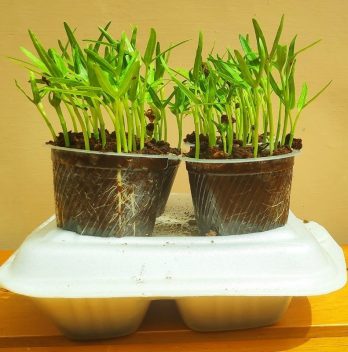
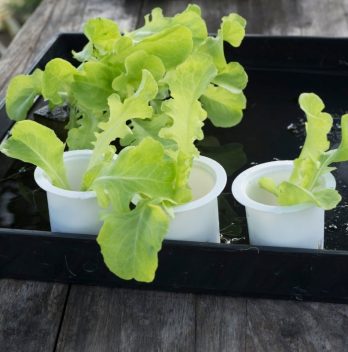
    Let’s look at how you can germinate hydroponics spinach from seeds. So, the first thing is to germinate your seeds using rapid rooter plugs. Before germinating, always soak the seed plugs in water. Also, ensure you only put a couple of seeds into the plugs to get a successful result.

    You can sow about 4 or 5 seeds in each rapid rooter plug. To enjoy a continuous year-round harvest, you can continue to sow new seeds every couple of weeks.

    Spinach Hydroponics

    Unlike other leafy greens such as lettuce, basil, etc, it can take up to 3 weeks longer for your spinach seeds to germinate. The ideal temperature for your spinach seed to grow optimally is around 45 to 75 degrees Fahrenheit. Also, give them a light duration of about 12 to 14 hours per day.

    Avoid using a heating mat or pad because spinach is a cool-weather crop and raising their temperature can cause poor germination.

    You will need to pinch off the heads of several plants once the seedlings begin to sprout above the starter plugs. Ensure you pinch and not pull so you don’t disturb the root system. Only the healthiest or strongest seedlings should be left to continue their growing process.

    Once you notice the root emerging out of the starter cube, you can now transfer your spinach seedlings into your hydroponic system. Then you should begin your spinach growth on a one-quarter diluted solution before you increase the strength of your solution slowly.

    Hydroponic System For Growing Spinach

    We have various types of hydroponics systems and many of them can work for growing indoor hydroponics spinach.

    The best types of hydroponics to grow with spinach include nutrient film technique (NFT), raft, and deep water culture (DWC).

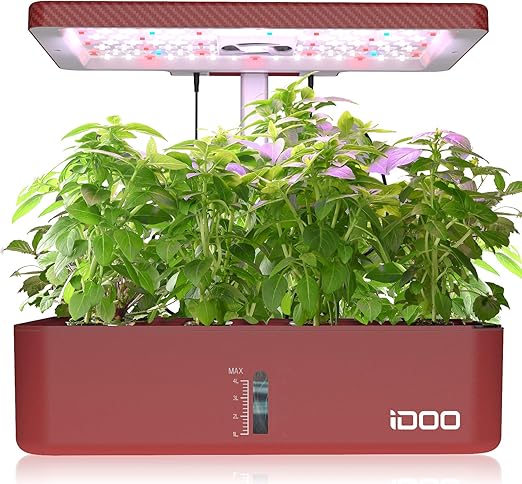
    iDOO Indoor Herb Garden Kit, 12 Pods Hydroponics Growing System with LED Grow Light

    817 zhu+feL. AC SX522

    Spinach plants usually have shallow roots, therefore, your hydroponic systems do not need to be so deep. Nevertheless, one of the easiest ways to get started with growing spinach hydroponically is by using the deep water culture system (DWC).

    Light Duration For Hydroponic Spinach

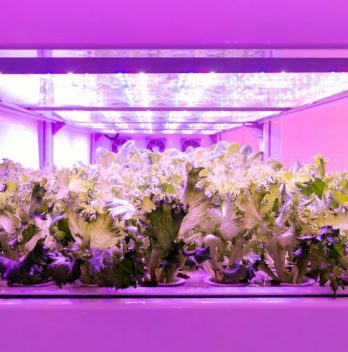
    Spinach is a low to moderate light duration requiring plant and they don’t need too much intense light. You can supply your hydroponic spinach plant with about 10 to 14 hours of light a day.

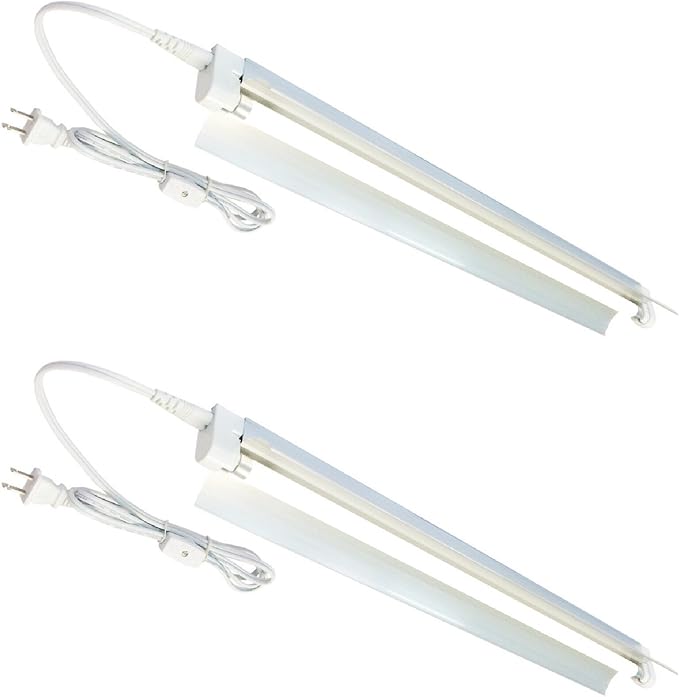
    There are many different grow light options you can go for when it comes to growing spinach indoors with hydroponics. One great choice is the fluorescent grow light. This is because of its minimal heat emission, moderate power consumption, and affordability.

    Nutrient and PH Requirement For Spinach Hydroponic

    Clearly, we want our spinach to always grow bountifully in its vegetative stage. To achieve this, you need to provide your spinach plant with NPK nutrients with a high nitrogen ratio. This same nutrient scheme will encourage only the vegetative phase and it can be used up until the harvest period.

    Therefore, nutrients high in nitrogen, as well as phosphorous, will enhance the growth of your spinach. The appropriate pH range for spinach is around 5.5 to 6.5.

    Temperature Requirements For Spinach

    Spinach does not require too high a temperature as they are cool weather crops. The appropriate temperature range for spinach is around 45 to 65 degrees Fahrenheit.

    Temperature Requirements For Spinach

    Ensure your hydroponic spinach temperature does not 70 degrees. If it gets to 70 degrees, it may lead to plant bolting. Bolting is when your plant starts entering into the flowering stage which usually leads to bitter-tasting spinach.

    Hydroponic Spinach Spacing Requirement

    Because spinach is a shallow-rooted plant, it does not need a deep grow bed. So, you can give your spinach plant about 4 to 5 inches of space apart.

    Harvest Time Duration For Spinach Hydroponics

    Spinach plants should attain their full maturity around 35 to 40 days. Just like the lettuce cut and come again, you can simply harvest a small portion of your spinach. You can as well harvest the whole plant.

    Benefits Of Growing Hydroponics Spinach

    When you grow spinach hydroponically, you enjoy lots of benefits, and below are some of these benefits:

    1. Loaded With Great Nutrients: The leafy spinach is an incredibly healthy food that can be added to your food recipes. It is loaded with iron, vitamins, and folate. It is also great nutrition for blood health and bones.
    2. Easy To Garden With: Growing spinach in hydroponics is one easy plant to garden with. Your plants will be less prone to soil-borne disease and have no stress of weeding.
    3. All-year-round Supply: Unlike when you grow spinach in an outdoor traditional garden, you may be restricted to growing spinach only during spring. But with growing spinach indoors hydroponics, you enjoy all year round freshly spinach supply.
    4. Rapid Growth: Growing spinach with hydroponics encourages faster growth and a healthy abundant yield.

    FAQ’s

    Can spinach be grown hydroponically?

    Yes. You will find that there are many different methods to choose from and you can even mix and match them to suit your needs. As long as there is adequate oxygen, water, nutrients and light, your plants will thrive.

    It is very easy to grow spinach in a hydroponic system. Most people use the soilless mix (hydroton) with rockwool or vermiculite for growing. The plants need a lot of light and need to be fertilized regularly. You should know the amount of water you are giving the plant by the size of the container. For example, a large pot will require more water than a smaller one. You can also check the potting soil for moisture content. If it is dry, you can add water.

    Can you grow spinach without fancy equipment?

    Yes, you can. The first time I tried it, I used a plastic pot with holes drilled in it, a plastic cup for water and a piece of cloth as a growing medium. It worked pretty well. Here’s what I did: I had a 10-inch pot with holes drilled in it, so I put two pots side by side, about 2 inches apart. I put the pot that was to grow spinach in the second one.

    I put the pot with the plastic cup on top of the spinach pot, and put the plastic cup right over the holes in the spinach pot. Then, I put a small plastic cup with water in it next to the spinach pot. The plastic cup was a bit bigger than the pot, so I could put a few seeds in it and put the pot right over them. I put a little bit of soil in the bottom of the plastic pot, so that the roots wouldn’t get dried out. Then, I put some seeds in the plastic cup, and put the pot right over the seeds. When the seeds germinate, they’ll grow up through the holes in the bottom of the spinach pot and into the water. You can use any kind of seed, but I found that spinach seeds germinated the fastest.

    In a couple days, the plants will be big enough to transplant into their permanent pots. I put the little seedlings in a bigger pot, and then planted them outside in my garden.

    Do all lettuces need the same amount of light in a hydroponic system?

    The amount of light needed for spinach varies quite a bit depending on the variety of spinach that’s being grown.

    This means that if you want to have the very best crop you should look into the best types of grow lights for the type of lettuce that you are growing.

    Final Say

    As we can see, there are awesome benefits to growing spinach indoors with hydroponics. Simply follow our tips on how to successfully grow your spinach in the comfort of your home and enjoy fresh green spinach.

    Remember; keep your spinach seed moist when germinating. Transplant them into your hydroponics when the roots have sprouted out of the germinating cubes. Start with moderate nutrients and gradually raise the nutrient strength as they develop. Also, supply spinach with low light intensity and a short duration of about 12 hours daily.

  • Three Way Meter PH/Light/Moisture

    Three Way Meter PH/Light/Moisture

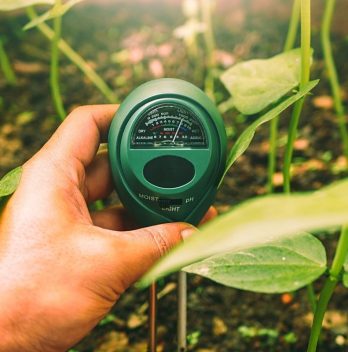
    If you’re looking for a garden tool to measure the soil moisture content of your soil, light, and help control pH levels in the soil, then you’re talking about the three-way meter pH/light/moisture. It is a three different soil tester in one device, isn’t that awesome?

    You may come across this gardening tool being called various names such as 3-in-1 soil tester, 3-way soil meter, soil analyzer, multi-purpose soil meter, and so on. Whichever name you see, they are all the same.

    The three-way soil meter for plants allows you to easily monitor the conditions of your plants. Therefore, you get to give your plants the best care by using this gardening tool. In this article, we will be discussing more info on the three-way PH/light/moisture meter, how to use it, and more. So, let’s begin.

    More Info On The 3 Way Soil Meter

    The three-way meter PH/light/moisture is a piece of long metal equipment that is usually pushed into the soil. It is used to test measure moisture levels, soil pH, and light intensity.

    • Firstly, the three-way meter will help you monitor the pH range in the soil as they become acidic or alkaline. This way, you get to adjust the pH levels to the appropriate range that is required by the particular plant you are growing.
    • Secondly, the meter will help you test if your plants are receiving optimal sunlight for proper growth.
    • Then lastly, the meter will test for moisture level to let you know if your plants require more watering or less watering.
    More Info On The 3 Way Soil Meter

    Generally, this 3 in 1 meter is a great way of keeping in touch with the conditions of your growing plants. So, you get to offer your plants the appropriate care they need to grow strong and healthy.

    Let’s dive in further by looking at the 3 things this meter measures and their importance.

    • Importance Of Soil PH In Plants

    One crucial factor that can’t be ignored when growing different plants is the soil pH. The availability of various nutrients and how they are been absorbed by plants largely depend on soil pH.

    If the pH of your soil is out of range, your plants will not grow well and produce a good yield. They will end up looking stressed and if this is not resolved on time, your garden stands a chance of being futile.

    This is why you need to always monitor your soil pH and you can do this using the three-in-one soil pH meter.

    • Importance Of Sunlight

    Sunlight is a key factor in the growth of your plant as it is an important source of energy for all plants. Light gives off energy that is absorbed by plants which feed the process of photosynthesis. This process of photosynthesis where plants make their food is needed for the survival of your plant.

    The rays of sunlight give off different color spectrum needed by your plant in its various stages of growth.  The vegetative, flowering, and fruiting stages, all require a specific spectrum to flourish. It’s crucial you give your plants the required light.

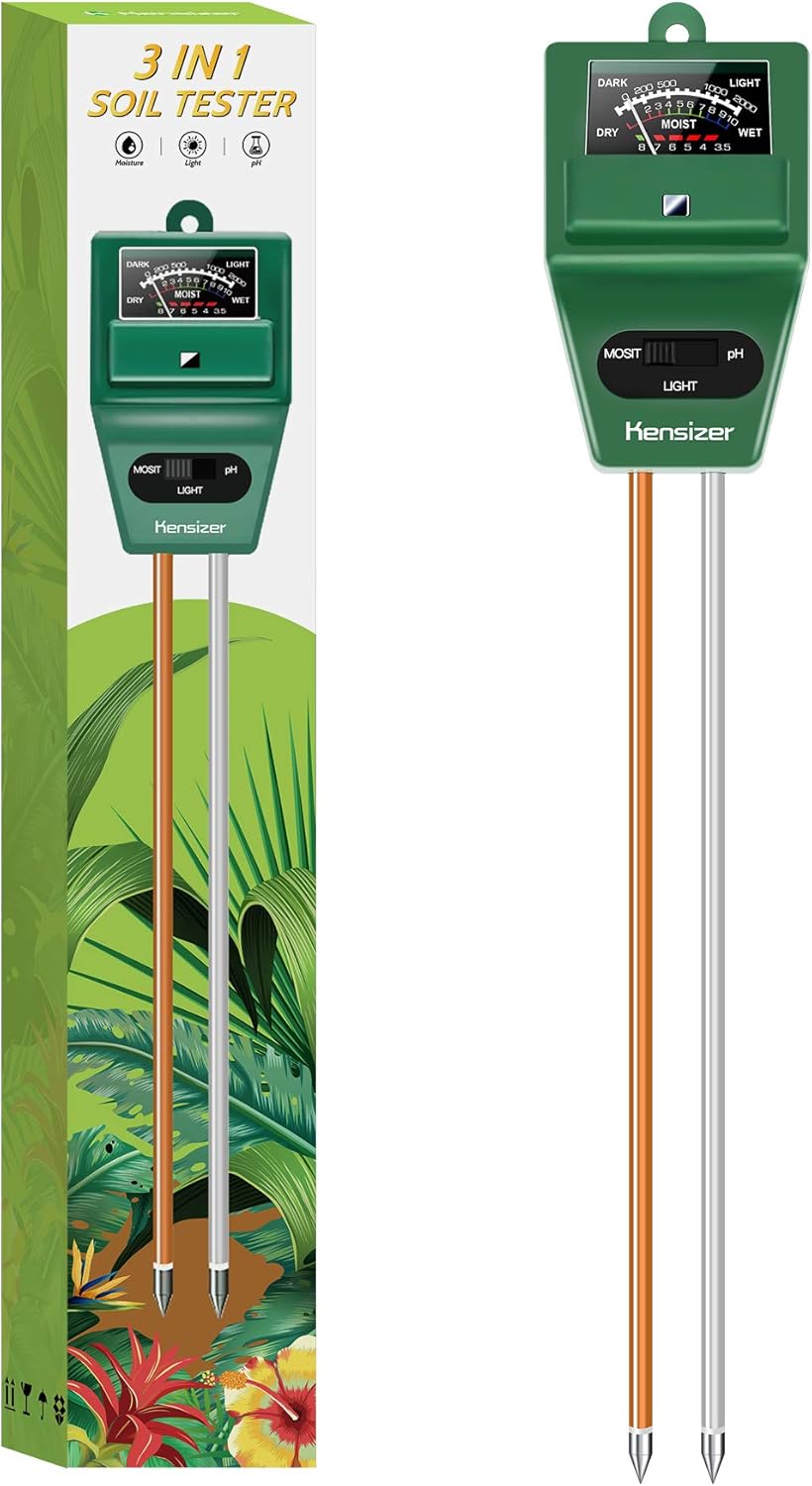
    Kensizer Soil Tester, 3-in-1 Soil Moisture/Light/pH Meter

    712vmaXJmyL. AC SL1500

    So, with the three in one soil pH meter, you can as well test for light and always give your plant the right intensity for its growth.

    • Importance Of Moisture

    The third important measurement the three in one pH meter detects is moisture level.

    When you underwater your plant, it can cause wilting, brown tips of leaves, dryness of leaves, as well as leaf curling. This shows your soil is dry and requires moisture. Overwatering on the other hand can cause brown tips of leaves, yellowing of leaves, root rot, and wilting.

    Overwatering and under watering are both detrimental to your plants and the three-way meter pH/light/moisture can help you prevent this.

    How To Use Three-Way Meter PH/Light/Moisture

    Step 1- Soil PH Testing

    To test for soil pH, dip the pointed forks into the soil. The first reading you see should be the pH and it’s measured on a scale of 1 to 14. Reading from the first value 1 which means most acidic. So, the value 14 reading most alkaline and the number 7 means neutral.

    Most plants prefer a slightly acidic medium and will preferably grow between the 6 and 7.5 pH range. You can adjust the soil pH to suit your various plants by adding limestone to increase the pH and add sulfur to lower the pH range.

    Step 2- Moisture Testing

    For moisture readings, inset the pointed fork into the soil to be tested and press the button on the meter. Go ahead and see the moisture readings. The moisture content level can be read in a 10 percent increment and it will move from no moisture to total saturation.

    Usually, the majority of the soil will prefer mid-range moisture value. So, you can always detect if you are over watering or under watering. If you find yourself overwatering, you can simply add sand to your soil to improve drainage.

    Step 3- Light Testing

    To detect light, simply push the button on your 3 way meter till it falls on light testing. The light testing can calculate the intensity of light in foot candles from the range 0 to 2,000.

    The light intensity for different plants varies. Some plants prefer full sun, while some others prefer partial sun or shade. Therefore, be aware of the type of plant variety you have and their light requirements.

    However, the light requirement for average indoor lightning is about 100-foot candles.

    Note: After every use, ensure you wipe clean the forks of the tester using distilled water and a clean cloth. Always do this between every use. This is to ensure all your readings are not contaminated or affected and to get the correct readings.

    Importance Of Sunlight

    FAQ’s

    What is a three Way PH/Light/Moisture meter?

    This 3-in-1 meter is designed to measure the relative humidity (RH) and the soil/plant water potential in one unit. It is also able to measure pH.

    It usually has an LCD screen and a touch screen and is a very compact unit that’s easy to use, and a very handy tool to have in your garden.

    They work on the same principle as an analog thermometer (a little bit more expensive). You insert a probe into the soil, and the meter will indicate the current temperature of the soil, which is the same as the air temperature, minus the water vapor content in the air, plus the humidity in the air. If there is no water in the soil, then the meter will indicate that the soil is at the dew point. If there is water in the soil, then the meter will indicate the temperature of the water.

    What is the difference between a soil probe and a moisture meter?

    A soil probe measures the relative humidity of the air around the roots of plants. It has a tip that goes into the soil, and it measures the relative humidity of the soil. A moisture meter on the other hand, measures the water potential of the soil. It does this by measuring the pressure inside a sealed chamber which is connected to the soil.

    It is not as precise as the soil probe, but it is much faster. The soil probe will tell you how moist the soil is, and it will tell you how dry the soil is. The moisture meter will tell you how dry the soil is. Both are important, and knowing both can help you get the most out of your plants. A soil probe is the best way to measure the relative humidity of the air around your plants. It will tell you if there are any problems with the air around your plants. A moisture meter is great for measuring the water potential of the soil, and it will tell you how wet or dry the soil is. It is very useful to know what the water potential of the soil is, because it tells you how much water the plant needs.

    Is it costly?

    It is a very expensive tool, which isn’t surprising as many people even have trouble figuring out how to use all of its features. In part, you’re paying for the easiness with which it is to set up.

    Most people use it as a tool to determine when it is that they should add fertilizer to their lawn, vegetables and flowers.

    Conclusion On Three Way Meter PH/Light/Moisture

    We can see the three-way pH/light/moisture meter is a great way of closely monitoring the conditions of your garden. It can be used for both outdoor and indoor gardening. Therefore, this is a great tool to have in your garden.

  • How Often Should I Flood My Ebb And Flow

    How Often Should I Flood My Ebb And Flow

    Ebb and flow also known as flood and drain have some watering schedule rules to follow.  How often you should flood your ebb and flow system will depend on different factors. So, this is why we will be enlightening you on this.

    The important thing is to flood your plants before your grow media dries out. So, you flood your plant for a particular time and drain them after the flooding time has elapsed.

    Therefore, the watering schedule of your ebb and flow system will require adequate monitoring so your plants do not drown or dry out. So, let’s dive in to know how often you should flood your ebb and flow system.

    Ebb And Flow System

    Ebb and flow or flood and drain system is a type of hydroponic system that makes use of the intermittent supply of nutrient water solution which flows over the roots of the plants.

    The nutrient solution flows also across the inert grow medium used in the ebb and flow. This grow medium ensures to retain some water for the use of plants for some time until the system is flooded again.

    The idea behind this versatile hydroponic system involves the movement of water across the grow tray from time to time. This water is rich in nutrients required for plants growth. The system has a pump that pumps the nutrient-filled solution from the reservoir below.

    Gravity is used to return the nutrient-filled water back into the reservoir where it flows back up to be reused.

    As the nutrient solution is being pumped, it moves up reaching the grow tray or container. This nutrient solution now drenches the root of the plants until they reach the water limit.

    Usually, the ebb and flow makes use of a timer that controls the water flow which goes on or off. This way, the flooding schedule is monitored. As the timer goes on, it pumps nutrient-filled water above the plants and when the timer goes off, the pump is stopped.

    However, you still need to know how long the timer should be set to know how often you should flood your ebb and flow. So let’s look into this.

    How Often Should I Flood My Ebb And Flow?

    When we talk about how often you should flood your ebb and flow, what we mean is how many times should the nutrient water flow through the plants. This will depend on the factors we are going to be looking at and this will help you deduce how to plan your hydroponics system watering schedule.

    Then once you’ve observed your plants’ response to the watering schedule you give them, you can be sure of a perfect flood and draining cycles.

    When to Flood My Ebb And Flow

    Ebb & Flow Hydroponics Tips – Factors To Consider

    1.    Size Of Plant

    The size of your plant is one determinant of how often you should flood your ebb and flow hydroponic system. The bigger the plant size, the more frequency is required to flood your system. This is because bigger plants have more stomata they use to transpire or give off water into the atmosphere.

    Therefore, smaller plants will require less flooding. You should also increase the flooding frequency as your plants grow and get bigger.

    2.    Grow Media

    There are various growing mediums that can be used in flood and drain hydroponic systems. We have Rockwool, coconut coir, vermiculite, expandable clay pebbles, and so on. But you should know that each of these grow media differs in terms of water intake and water retention.

    Grow media such as Rockwool can absorb and retain adequate moisture, thus requires minimal flood and drain cycles. However, grow media such as expandable clay pebbles requires more time to be flooded because of their slow water absorbing capacity.

    3.    Temperature

    The heat produced by sunlight or the type of grow light you have can hasten up evaporation. Domestic heating systems and some other factors may bring about a hot environment and can predispose your system to water loss. This will tell you how much to flood your ebb and flow hydroponic system.

    Also, as the season changes for outdoor ebb and flow, you will need to adjust the flooding times to suit seasonal variations.

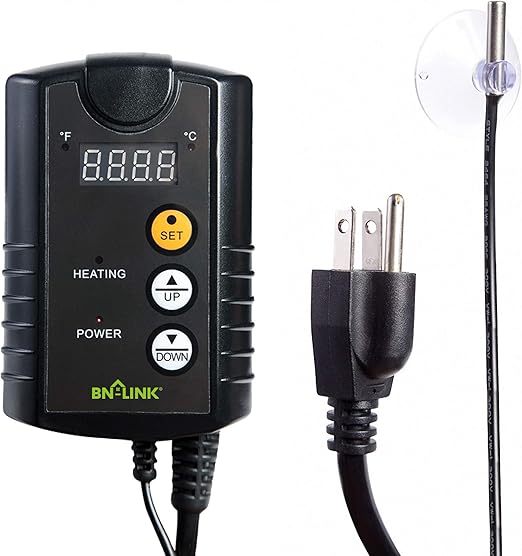
    BN-LINK Digital Heat Mat Thermostat Controller for Seed Germination

    71n290lSosL. AC SX522

    4.    Hydroponic System Size

    The size of your hydroponic system is another factor to consider when deciding your system’s flood and drain cycles. A bigger and deeper system requires lesser flood and drain cycles. On the other hand, the shallow and smaller system requires more flood and drain cycles.

    5.    Type Of Plants

    Some plants are water-loving thus requires more watering schedule while some are less water requiring. This is why you need to learn about the type of plant you will be growing. Get to know how much watering they prefer.

    6.    Light

    Light plays a role in the transpiration rate of your plants. Just as we mentioned earlier, the type of grow light used in your flood and drain hydroponic garden will contribute to the watering schedule. Therefore, in order to evaluate the flood and drain timing, consider the grow light distance to plants, power of grow light, and light duration.

    A stronger light, longer light duration, as well as a closer light distance will require more flooding cycles. This will help cover up for the lost water through the stomata in the leaves.

    7.    Humidity

    Humid environments contain saturated moisture thus, your flood and drain cycles should be minimal. On the other hand, dry environments increase transpiration in plants more. Thus, you should flood and drain your system more often.

    Ebb & Flow Hydroponics Tips - Humidity

    FAQ’s

    How often should you flood and drain?

    If you plan on using 100 gallons, you will need to fill the tank and let it sit for at least 24 hours. I would recommend doing this once a week. You will need to refill the tank with fresh water at least every other day. If you live in a humid area, you may want to add a dehumidifier to help dry out your plants. For the most part, you don’t want to keep water sitting in the system for extended periods of time. This can cause nutrient depletion and algae growth.

    What plants can be grown in a Ebb and Flow system?

    With the Ebb and Flow system, you can grow a variety of plants from herbs to fruit and veggies.
    It is a great option for growing small fruits and veggies like lettuce, strawberries, and peppers. You can even grow tomatoes, kale and cucumbers in an Ebb and Flow.
    Ebb and Flow is a technique where the growing medium is moved around the plants in a controlled fashion, alternating between dry and wet. In this way the roots are kept moist and healthy and can grow to their full potential. The flow and ebb system is a very efficient way to water your garden without the use of soil.

    What is the best medium for flood and drain?

    The best medium for flood and drain is usually a sand-based mixture, such as: Cemented sand Diatomite Clay-based media. You can use clay pebbles as well:

    How fast does hydroponic water flow?

    The flow is controlled by your pump. You could have a 1GPM (gallon per minute) pump, and you can use a 0.5GPM (half gallon per minute) pump, too. If you’re going to use an air stone, it’s important that you don’t put too much pressure on the air stone. If you do, the stone will crack and you’ll have to replace it. If you put more than 1 psi (pounds per square inch) on the stone, it will crack. So use a reasonable amount of air pressure to get the most out of your pump. I wouldn’t use an air stone at all unless you are using a very high-powered pump like a 1HP (horsepower) or 2HP pump.

    How do you control water flow in hydroponics?

    There are several ways to control the amount of water that flows through your system. The easiest way is to use a pressure regulator, and set the flow rate accordingly. You can also attach a pump to the output of your main supply line, and turn it on or off. This is less convenient, but more reliable.

    Conclusion On How Often Should I Food My Ebb And Flow

    Deciding on the appropriate watering cycles for your flood and drain hydroponic system is an important point to know. The goal is to prevent your plants and grow media from drying out completely or drowning.

    You should follow our tips above to help you decide how often you should flood your ebb and flow hydroponics system.

  • 3 Tier Plant Stand With Grow Lights

    3 Tier Plant Stand With Grow Lights

    Using 3 tier plant stand with grow lights is a good way of growing plants in a vertical manner especially if you have issues with space. This will give you the access and advantage to growing more plants to give you more yields.

    Also, if your fragile seedlings or clones are not so ready to face the harsh outdoor conditions, you can simply use a suitable plant stand with grow lights.

    In this post, we will be talking about how you can use 3 tier plant stand with grow lights. We will also give you some recommend stand you can purchase for your growing plants. So, let’s begin.

    Using Grow Light Shelves

    Grow light stand will help you withholding your grow light as well as some other hydroponic equipment. They will basically help with the arrangement of your plants.

    When considering using grow light shelves for your indoor growing plants, ensure you have the right size of length that fits the shelves. Although, it’s not much of a big deal if you have the length a bit longer. This is just to allow your growth set up will look well arranged.

    Using Grow Light Shelves

    So, the horizontal length of your shelve should be almost the same length as the shelve. This means if you have your shelve to be 4 feet long, your grow light length should be within that range.

    Also, the compartments of your shelves should have holes where you can easily hang your grow light.

    How To Set Up Growing Shelf

    You can either purchase a complete tier plant shelf with grow lights or simply build a DIY grow shelf stand.

    To build your own setup, simply purchase the grow lights, grow trays, and the shelving unit. Then you go ahead to attaching the grow lights on each shelf tier.

    Depending on how many grow light tiers you have, go ahead and set them up with your grow lights. Also, depending on how much light intensity your plants require, you can set up one or even two grow lights for each stand.

    Each tier of your shelf should open lines where you can attach your grow lights. Your grow light should have a chain or wire rack that you can use to hang over each tier and hook it up with your grow light. The hook will allow you to move your grow lights up and down.

    Moving your grow light up and down will allow you to set up the appropriate height of your grow and plant distance. You can always adjust the light anytime especially to suit the stage your plant is. Go ahead and put your growing tray on each tier and adjust your grow light appropriately.

    For starting seeds, your grow lights should be positioned close for about a week. For this reason, you should go with low emitting heat grow lights such as fluorescent lights.

    Some Recommended 3 Tier Plant Stand With Grow Lights

    Readymade grows light shelves will save you the stress of building your light shelving. So, here is some recommended 3 tier plant stand with grow lights:

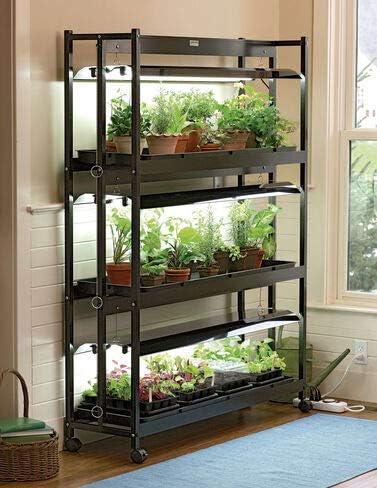
    1.    Gardener’s Supply Company Indoor Grow Light, 3-Tier Stand Sunlite Light Garden

    The Gardener’s supply Sunlite garden 3 tier grow light stand features indoor grow light with plant trays for your plants. You can start your seeds and grow your plants with this 3 tier stand. It is pretty easy to assemble and it comes with clear instructions to guide you through the assembling.

    They offer a brighter light for your plant growing needs. You also get the pleasure of moving the grow light up and down for you to get the right grow light distance. The fixtures also come with a pull chain for easy height adjustments.

    This 3 tier plant stand arrangement will look so decorative in your living room or anywhere indoors. You can grow your seeds with this stand as well as growing herbs and houseplants. You can also try other plants like orchids with this 3 tier grow light stand.

    Overall, this is a great 3 tier plant stand with grow lights that will serve as an excellent starting point for your seeds or plant propagation.

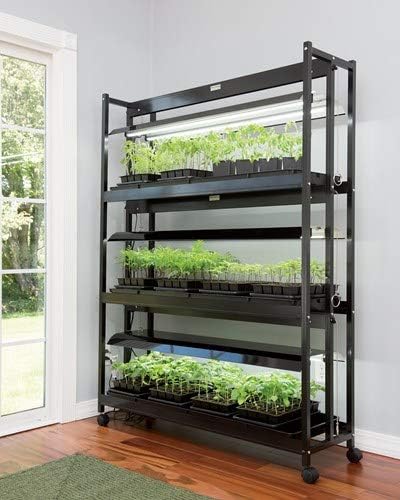
    2.    Gardener’s Supply Company LED Grow Light Stand, Heavy Duty 3-Tier

    The Gardner’s supply LED grow light stand is another nicely built 3 tier stand. It is made of heavy-duty steel which makes it durable. It is well painted and the holes are well lined up.

    This stand is also pretty easy to set up without the need for professional help all you need to do is just go through the instructions. It also comes with nice trays for growing plants and the shelves are water-tight.

    The LED grow light is a full spectrum that will assist your plants through different grow life cycles. The bulbs are long-lasting and can last up to 50,000 hours of use.

    You can grow various plants such as basil, lettuce, parsley, sweet peppers, etc under the stand grow light. They are also ideal for growing flowers and other plants.

    51heP8L1q1L. AC

    It also has adjustable light features that allow you to raise or bring down the lights for your plants’ comfort. Their lights are also low emitting heat.

    This 3 tier stand also has a rolling caster that allows you to easily push or move anywhere around your home.

    However, this 3 tier plant stand with grow lights is at a high price but you can enjoy the price of the money spent.

    FAQ’s

    How beneficial are grow lights shelves?

    A grow light shelf is basically a box with a lid that you can place over your grow light. The box is made from either acrylic or metal and can be placed over your grow light. You can use a grow light shelf to help control the temperature of your plants, which means you can control the amount of light your plants receive. It will also help to keep the light on a constant level, which makes it easier to control. The grow light shelf will help to save space as you don’t need to put the grow light directly over your plants. If you don’t have a grow light shelf, your plants could end up receiving different amounts of light at different times.  You can use the grow light shelf to create a greenhouse effect.

    How do you make a plant shelf with lights?

    The following instructions are for hanging a plant shelf with light fixtures. This is an easy project that you can do yourself in about one day or less. Supplies: – 1 sheet of plywood cut to size – Drill bit – Screws – Wood glue – Paint – Plants Step 1: Cut two pieces of plywood of equal length. Step 2: Drill Holes for Screws Drill holes into each of the four corners of your plywood. The holes should be about 1 1/2 inches from the edge of the plywood. Step 3: Attach the Plywood to the Shelf Attach the plywood to the shelf using wood glue and screws. Make sure that the plywood is level when you are attaching it to the shelf. This is an important step because you will want to ensure that your lights will hang straight. Step 4: Drill holes in the light fixtures where the light bulbs will go. Step 5: Apply paint to your plant shelf and light fixtures. Step 6: Enjoy!

    How many grow lights per shelf?

    The total number of grow lights per shelf is determined by the length of the grow light fixture and the spacing between the grow lights. You can have 4 grow plants per shelf. Each grow light fixture can support up to 6 plants.

    What color grow light is best for seedlings?

    Greenhouse or cold frame seedlings should be grown under fluorescent lights. A grow light is a high-powered light bulb that has been specially designed to grow plants and seedlings. Grow lights are designed to mimic the natural light cycle of the sun, with wavelengths and intensities that are suitable for plant growth. There are two types of grow lights: metal halide and fluorescent.

    Final Say On 3 Tier Plant Stand With Grow Lights

    It’s really quite great having a 3 tier plant stand with grow lights because of its versatility. It offers you the benefit of growing in a vertical manner with a managed space.

    You also get to grow various plants including seedlings, clones, and other types of plants indoors.

  • Grow Light Height Above Plants

    Grow Light Height Above Plants

    The height of grow light above plants needs to be positioned appropriately for your plants to absorb adequate light and at the same time prevent plant burns. With the various types of grow light available in the market, each of them has a specific distance to be obeyed so your plants can flourish.

    All the stages of a plants’ life cycle, be it vegetative, flowering, fruiting, or even seedlings require the correct grow light distance to grow adequately. This shows the distance you give between your grow light and plants will have a say on the overall indoor garden yield. So, let’s get right into discussing grow height above plants.

    How Close Should Grow Lights Be To Plants?

    Even though determining the exact grow light height above plants cannot be specifically ascertained: we can still give a good starting point. What will help is to begin with trial and error. Then you gradually move the grow light closer to or farther away till you get the appropriate distance that suits your plant’s growing needs.

    Like we said, various grow lights have different hanging distances. So, each of this grow lights will determine the distance to your plants’ canopy. The wattage (which is one of the determinants of the strength of a grow light) of the grow light will as well decide how far or how close the distance will be.

    How Close Should Grow Lights Be To Plants

    For example, grow lights that generate more heat will require them to be hung a bit far from the plants’ canopy to avoid plant burns. At the same time, some grow light generates powerful spectrum that requires them to be hung a bit far from plants’ canopy to prevent bleaching. (I.e. leaves turning white)

    Let’s take a look at the grow light height above plants for LED, HID, and T5 fluorescent lights. We will also look at how far your grow light should be during various plant stages such as seedlings, vegetative, flowering, and fruiting stage.

    1.    HID Grow Light Height Above Plants

    HID grow lights are known to generate more heat. Thus, they should be positioned at least 12 inches from your plants’ canopy. Also, if your grow light is powerful say for instance 1000 watt, it should be hanged at least 15 inches away. Lesser HID wattage lights of 400 or 600 watts can be hanged around 20 to 25 inches respectively. This grow light distance is ideal for all plants stage.

    2.    LED Grow Light Height Above Plants

    Even though LED lights don’t emit too much heat, their light spectrums are very powerful. They can be too overwhelming on some types of plants that they may suffer bleaching if positioned too close.

    Grow light of 900 watts and above should be positioned 26 to 42 inches away from plants’ canopy. Then 600 to 850 wattage of LED light should be positioned 24 to 26 inches away. 450 to 550 watts LED grow light should be hung 20 to 30 inches away from plants. And 240 to 400 watts needs 16 to 30 inches LED grow light distance.

    While this LED grow light height above plants is obeyed, it is necessary for LED lights to be moved closer to the plant during the flowering phase. This is because they will require more light intensity during this stage.

    3.    Fluorescent Grow Light Height Above Plants

    Fluorescent grow lights are one of the most efficient lights to use as they offer smooth blended energy and spectrum. They are low generating heat which makes them safe to be placed close to plants’ canopy. Placing them too far from the plants will reduce their light intensity thus; reducing the energy the plants receive.

    Although fluorescent light comes in various shapes and sizes, we will generally recommend a distance of at least 12 inches away from your plants. Ensure the height does not exceed 12 inches as this can reduce the light energy your plants receive.

    2-Pack T5 HO Grow Light – 1 Bulb Light System – Fluorescent Hydroponic

    61CoQuvOHjL. AC SX679

    However, you can do a trial by starting at a grow light distance of 5 inches. If you notice any discomfort symptoms shown by your plants you can move the grow light a bit higher. Do this until you find the perfect spot that will suit your plants.

    You can use the stated grow light distance using fluorescent light for all plant stages.

    Grow Light Distance Seedlings

    Seedlings are known to be pretty fragile. So this is why we need to know the appropriate grow light hanging distance to these seedlings. However, seedlings also need to be supplied with a good amount of light so they can grow efficiently. Depriving seedlings of adequate light will cause slow development and leggy growth.

    For LED grow lights, you can do a distance of 8 to 12 inches away from your seedlings. While for T5 fluorescent grow lights, you can do a distance of 5 to 6 inches away from your seedlings.

    How Much Light For Seedlings

    Let’s determine the amount of light seedlings require using PAR (Photosynthetically Active Radiation). We will be looking at achieving 120 to 150 micromoles per second per meter square of PAR delivered to your seedlings. Also, you can supply your seedlings light for 12 to 18 hours per day.

    How Much Light For Seedlings

    FAQ’s 

    Do Grow lights have to be above plants?

    Grow lights can be placed above the plants.
    Grow lights can be placed at any height from ground level to 15 feet or more. I would recommend that you do not place your grow light directly on the soil as this will cause your plant to burn and eventually die. The best way to position a grow light is to have it over a pot so that the roots are just barely touching the sides of the pot and the rest of the plant is in shade.
    This will keep the plant healthy and happy. You can also hang a hanging plant holder with a light bulb in it over a pot.
    Any wattage will do as long as it produces enough light to promote growth. A good wattage light would depend on what type of plants you are growing, how much space you have and your budget. There is no “best” wattage light. It depends on your own personal preference and budget. Grow lights are available in a wide variety of wattages, from 1 watt to 50 watts. The higher the wattage, the more light is emitted.

    How do you tell if grow light is too close?

    There are many ways to tell if a grow light is too close to the plants.
    You’ll want to consider the distance from the light fixture to the plant, and the height of the light fixture. If the light fixture is high enough, it will not be visible above the top of the pot or growing substrate. This can be a problem with fluorescent lights, which are very high. If the fixture is too low, you’ll see shadows cast by the light fixture on the plants.
    You can measure the amount of light your plants get by measuring how far the light has to be moved to get the same amount of light on the plants.
    The first thing to look for is light color. If the light is very yellow, then it is too close. If the light is blue, then it is too far away. This is because red light penetrates deeper into the plant and makes it grow faster, while blue light makes the plants more spindly.
    Another way to tell if the grow light is too close is to look at the reflection on the leaves. If there are little lights reflected on the leaf, then it is too close. If you see a lot of refl

    Can grow lights be too bright?

    Grow lights can be an important part of growing indoor plants. However, some growers have noticed that their plants seem to grow a bit more slowly when the lights are on, and they also grow a bit larger. Growers sometimes use light intensity to control the size and shape of their plants.
    Your choice will depend on how much light you need, the type of light you want to use, and your budget. The three main types of lights are fluorescents, metal halide and high-pressure sodium lamps. Fluorescents are the cheapest, but have a very narrow color spectrum, which can cause problems if you’re using plants that require more than one color of light. Metal halide is the most expensive, but has a broad color spectrum, and produces a lot of heat,. High-pressure sodium lamps are the least expensive of the three, and they have a broad color spectrum, they produce less heat, and the spectrum is similar to natural sunlight.

    Final Note On Grow Light Height Above Plants

    Determining the appropriate grow light height above plants is not so difficult to tell if you have the right knowledge. Different grow lights are built differently and they have their various hanging distance that must be followed. Follow our guidelines on the right distance to hang your grow light.

    Also, some of these grow lights have the manufacturers’ recommended hanging distance stated on the grow light package. You can also start with that and later adjust your grow light until you get the appropriate distance.

    Note that once you purchase a new grow light, it is recommended you keep a close eye on your garden to see how your plants receive this new light. This way, you can quickly notice any slight change in your plants’ response to the light and make the right adjustments accordingly.

  • COB vs SMD LED For Growing

    COB vs SMD LED For Growing

    Let’s discuss COB vs SMD LED for growing plants. In the grow light technology, there has been continuous improvement in various LED lights to offer a better yield.

    LED lights are very popular and preferred by many indoor growers because of their durability and efficiency. They are also less power-consuming. However, not all LED models are the same. There are different models of LED in the market today which COB and SMD are one of them. But what differentiates these two great LED models? We will be discussing what COB vs SMD LED will offer your plants for their growing needs. So, continue reading to be informed.

    COB Grow Light

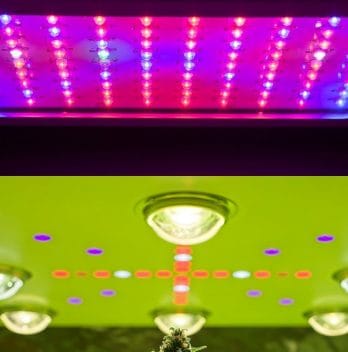
    First, we define what COB LED grow light design is. COB which stands for Chip On Board and it is one of the most recent LED light technology developed. COB is known to be more heat efficient and offers better or quality lumen per wattage. This is thanks to the great COB LED design as well as the substrate chips of their cooling ceramic.

    They are built with many or multiple diodes on are a single surface. COB designs are a little similar to SMD, however, COB has more diodes.

    COB Grow Light

    Usually, the chips of COB have 9 or more diodes and in these multiple diodes, they have only 1 or 2 contact circuits. Thus, this results in a simple circuit design that allows them to have that panel-like appearance.

    COB LED grow lights are so energy efficient that they can generate a large amount of lumen using less energy. They work as a single strong light source and in some instances; a single COB can make up a whole fixture.

    Full Spectrum COB LED

    The COB LED grow light offers a complete spectrum which is required by your plants to flourish. The complete spectrum is tailored to suit your plants’ development.

    This full spectrum gives different wavelengths of light as your plant grows. Each color spectrum will prompt your plant to carry out various tasks that are associated with your plants’ growth.

    For example, red light enhances budding and encourages better yield in the flowering stage of a plant. While blue light enhances root development and vegetation. These two are the most important color spectrum, however, other colors of the light spectrum are as well absorbed.

    The only drawback we notice in this complete COB LED spectrum is that they are fixed spectrums. The spectrum mix cannot be changed unlike with the traditional SMD LED.

    Phlizon CREE COB 3000W LED Plant Grow Light Full Spectrum Indoor Plants

    71ncabpwoKL. AC SX569

    The COB LED spectrum is built by mixing a blend of phosphor which is used as a coating over the COB. This phosphor mix is then made to generate light. However, the SMD LED isn’t fixed and can be combined to generate a particular spectrum. The spectrum can be switched by simply dimming or increasing the different colors.

    SMD Grow Light

    SMD stands for Surface Mounted Device and this type of LED light is built to have a specific spectrum in each diode. They are one of the most common types of LED shared in the market as they are popular because of their flexibility.

    There is a fusion of the LED chip to its printed circuit board (PCB). The PCB in the SMD light is assembled on a rectangular-shaped flat surface and this is what is usually seen as SMD.

    Unlike COB that has just 1 or 2 contact circuits, SMD LED can have more than 2. However, their diodes are lesser which can be up to 3 or more. These diodes are built on a single chip and each of these diodes has its personal circuit. One cathode and one anode will go for each circuit. Thus, this gives rise to 2, 4, or even 6 contacts on a single chip.

    SMD LED light also offers high-efficiency output for lesser energy consumption. Thus, they will generate more lumen per watt for your growing plants. The SMD LED chips are very bright and can emit up to 50 to 100 lumen per wattage.

    SMD Grow Light

    COB vs. SMD LED For Growing

    We now have and a hint of what SMD LED vs COB LED is. So, we can now look into COB vs SMD LED for growing.

    Even though both SMD and COB LED lights are both efficient and will offer your plants great benefits, they still have their difference. Below, we have some comparison between COB vs. SMD LED for growing.

    1. Lumen per watt: both COB and SMD offer great lumen that will give your plant good brightness for their growing needs. However, COB offers a higher lumen per wattage ratio. COB can generate more amount of lumen using lesser energy consumption. They can generate a minimum of 80 lumens per watt and more, while SMD will offer about 50 to 100 lumens.
    2. Diodes: COB chips can have 9 or more diodes with 1 circuit and 2 contacts. While SMD can have up to 3 diodes on a single chip.
    3. Versatility: COB LED grow lights are not capable of producing color-changing lights or bulbs. They can only generate a single color effect. The reason being that they only have 2 contacts and 1 circuit but multiple channel adaptations are needed to generate that color-changing outcome. SMD on the other hand is more versatile because they can have up to 6 contacts on a chip. Thus SMD can generate any color it contains with just a simple adjustment in their output level.
    4. Brightness: both COB LED and SMD LED will offer you great brightness. However, COB LED offers more brightness than SMD LEDs.

    FAQ’s

    Which one is brighter, COB or SMD LED?

    LEDs are rated in terms of their forward current and luminous flux. They are also rated in terms of how much power they require. This means that the higher the forward current and the lower the power rating, the brighter the LED will be.

    So, for example, a 5W COB LED might have an average forward current of 5mA (that’s milliamperes), while a 3W SMD LED might have an average forward current of 30mA. Both would have an average luminous flux of about 2000 lumens (lumens is a unit of light that is equal to one lumen per one candela per second).

    If you want a brighter LED, then the one with the higher forward current (5mA) would be your best bet. If you want a brighter LED, then the one with the lower power rating (3W) would be your best bet.

    The 3W SMD LEDs are much more expensive, so it’s a trade-off between cost and brightness.

    The main difference between the two types of LED is that COB LEDs have a much higher luminous flux (i.e. brightness) than SMD LEDs. The COB LED has about 2 times the luminous flux of an SMD LED. In order to make sure that you get a similar amount of light from your LED, you can use a similar type of LED, just with different power ratings.

    Which is better for plants, COB or SMD LED?

    COB means that the LED’s are mounted to the substrate with a soldering process. SMD means that the LED’s are mounted to the PCB with a reflow process. So basically it comes down to a choice between a clean installation process, and a cheaper labor intensive process. The problem with SMD is that you can’t really control the orientation of the LED’s very well, which means that the light from the LED’s won’t be uniform. This is not a big deal for indoor grows, but it can be a problem when growing outdoors. It is also possible to use COB with high power LEDs, such as those found in fluorescent lights. SMD has several advantages over COB.

    The most important advantage is cost, since the SMD process is less labor intensive than the COB process. COB requires soldering of each LED, and requires the use of a flux, so it is more expensive. SMD doesn’t require any soldering, and there is no need for a flux. The other advantage to SMD is that you can install an array of SMD LED’s into a compact size package. This is an advantage when using LEDs in fluorescent lights, since a standard fluorescent light fixture only holds one or two SMD LED’s. The last advantage is that SMD is very easy to solder if you are experienced in soldering. COB requires that you have access to a soldering iron, which isn’t always available at a grow shop.

    Which one is more widely used?

    SMD is much more popular than COB, and it comes right down to a lower cost. It’s within reach of most people’s budgets?

    Do COB LED get hot?

    COB LEDs are typically more efficient than incandescent bulbs, and they also use less power, so they tend to get hotter than most other types of bulbs. However, they are not as hot as halogen bulbs or some CFLs.

    How much heat? Well, that depends on how much light you are putting out, and how much heat you are running off. The best solution would be to use a tent with a fan or air conditioner

    Conclusion On COB vs. SMD LED For Growing

    There’s no disputing that both COB and SMD are two great LED models you can use for your plant growing needs. They have their own unique features and we recommend you choose either of them based on your plant’s growing needs.

  • How To Make Rockwool Cubes

    How To Make Rockwool Cubes

    Rockwool is a great hydroponic grow media that offers excellent water retention as well as good air circulation. The rockwool cubes are used by hydroponic growers to start their seedlings and root their cuttings. So, if you’re wondering how to make rockwool cubes, we will enlighten you on this.

    It is one thing to buy ready-made rockwool plugs or starter cubes but do you know you can make some of these rockwool yourself? Making rockwool cubes will even cost lesser thereby saving you more. You also get more numbers of cubes at a lesser price.

    So, if you wish to learn how to make rockwool cubes for growing, read on to learn about this.

    Rockwool Cubes

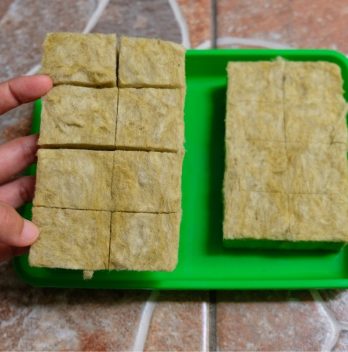
    Rockwool is a natural product with a thick mat that comprises a long strand of natural fibers. They are formed by melting (at a very high temperature of 3000 degrees Fahrenheit) the combination of chalk and basalt rock to form lava. This lava is then tossed into a spinning chamber which forms the fibers that look like cotton candy.

    After spinning the fibers, a binding agent is used to mix and press them into bigger mats or slabs. It is these mats that are cut into different sizes and used as growing mediums in hydroponic systems.

    Rockwool Cubes

    So, because of this firing process, these rockwool cubes are biologically and chemically inert. This makes them a perfect growing medium for your hydroponics systems.

    Rockwool cubes are very efficient as grow medium because they will retain good moisture and also retain oxygen. This is essential for germinating seeds as well as cuttings for propagation. They are also used to grow various compact plants.

    Learn How To Make Rockwool Cubes

    Making your rockwool cube is a great idea to save up from excess cost. To make rockwool cubes, you need to obtain rockwool slabs. You can obtain them from large construction companies that buy in bulk and use them to your advantage as an indoor grower. You can also check any hydroponic supplies store for these slabs.

    Rockwool Growing Slabs

    Obtaining rockwool slabs will cost you lesser at the same time gives you plenty numbers of rockwool cubes to be used for planting. You can get almost 200 rockwool cubes from one rockwool slabs and they can be used for growing in rockwool slabs.

    So, after obtaining your rockwool slabs, pick one and make a cut along the middle length of the slab with a sharp knife or tool. Now that your slab has been cut into two, go ahead and cut them further into cubes. Cut the cubes according to the shapes you want.

    Learn How To Make Rockwool Cubes

    Once you’re done cutting the cubes, go ahead and soak and drain them in preparation of seed planting. You will need to make small holes or incision on the top of your rockwool grow cubes. This is to create the hole for your seed to be placed in. Then you go ahead and place your seeds into the holes for germination.

    Note: ensure you wear gloves and put a mask on while making or handling these slabs. Their dust or tiny fibers can become airborne and it’s important you prevent them from getting into your respiratory system.

    Benefits Of Using Rockwool Cubes

    There are many benefits to suing rockwool and they include:

    • Water Retention & Draining: Rockwool cubes are well-draining and overwatering issue is less likely to occur. At the same time, they will retain a good amount of water for your plant growing needs.
    • Air Circulation: they also allow adequate air to circulate thereby oxygenating the plant roots.
    • Reusable: Because they are derived from rock, they are less likely to degrade. Therefore, you can use them many times.
    • Sterile & Safe: They are very sterile and contain no pests or pathogens and they are free of weeds. They are also safe to use as they don’t contain any harmful chemicals.

    1.5″ Rockwool Starter Plugs, 2 Sheets of 49 Plugs

    612khtl3zkL. AC SL1000

    How To Prepare Rockwool Cubes

    Rockwool cubes preparation is an important step to take when using these cubes. Because of the manner in which they are made or manufactured, unprepared rockwool cubes have a very high pH. There is presence of lime in abundance in the rockwool fibers which increases the pH and the pH is usually around 8.

    With this high pH, if used in your hydroponic system unprepared, they can cause nutrient lockout thereby causing a nutrient deficiency. Plants majorly do well in slightly acidic mediums. Therefore, lowering the pH of your rockwool cube is required.

    Rockwool Grow Preparations

    A good way of preparing rockwool cubes for the purpose of lowering their pH is by soaking them in acidic water. This acidic water will dissolve the lime present in the rockwool fibers thereby lowering the pH to an appropriate range.

    Distilled water will do just fine because of its purity. However, you can also make use of tap water if that’s what you have available.

    When reducing the pH of your rockwool, ensure you do it slowly while testing the Ph level at the same time. You want to attain a pH level of 5.5 and nothing lower than 5.0. Make sure the pH does not go down below 5.0. This is so you don’t destroy the rockwool fibers when it gets too acidic.

    The rockwool cube should be immersed in water and allowed to soak for up to 24 hours. Once you’re done soaking. Take them out of the water and gently place them into your hydroponics system. With the prepared rockwool in your system, let your hydroponics system run without any plants.

    Do this and wait until the pH of your hydroponic system reaches 5.0 to 6.0 ranges. This shows that the rockwool cube is stable and are ready for planting.

    FAQ’s

    What is rockwool for plants made of?

    Rockwool is a natural, organic material that is formed when water seeps into the cracks in stone. Over time, these stones turn into hard, porous rock with the consistency of cheese. The rockwool is collected from the quarry and processed to remove impurities. What is rockwool used for? Rockwool is one of the most popular growing media because it provides many benefits for plants.

    It’s a great choice for high-light and low-light environments, and it can be used indoors or out. Rockwool also provides air and moisture circulation, as well as good drainage. It’s an ideal growing medium for houseplants because it absorbs water, helps prevent soil from drying out, and is perfect for retaining water.

    Rockwool comes in several different shapes, sizes, and textures. The best types for houseplants are pebble, granule, and cube. 

    How do you prepare composting with rock wool cubes?

    The following is how to prepare rockwool cubes to help you get your compost started.

    Step 1: Collect your material

    If you want to use rockwool cubes to start your compost, you will need to collect a wide range of materials. This includes organic waste that you normally throw out, such as food scraps, paper, leaves, grass clippings, and weeds. It also includes animal manure that you have collected, such as chicken, horse, cow, or rabbit manure.

    Step 2:Remove the packaging

    If you are using rockwool cubes to start your compost, you should remove the packaging before placing it in the pile. This includes removing any labels that might say “do not compost” or “biodegradable only.” It also includes removing any plastic wrapping that you might have put around the rockwool cubes. You should remove this wrapping before putting the cubes into the pile.

    Step 3: Place the cubes in the pile

    If you want to use rockwool cubes to start your compost, you will need to place the cubes in the pile. When you are ready to do this, first make sure that the material that you collected is dry enough to make a good compost. Then, simply place the rockwool cubes into the pile and cover them with an additional layer of the material that you collected.

    Step 4: Start turning the pile

    If you want to use rockwool cubes to start your compost, you will need to start turning the pile. This means that you will need to periodically turn the pile by lifting the material and turning it over. This will help to expose more of the rockswool cubes to air and light. You should keep turning the pile until the material is completely dry.

    Step 5: Water Your Composting

    Compost can be water-logged if there is too much moisture in it, which can lead to problems like mold or rotting. To prevent this from happening, you need to keep your compost moist. This means that you should add water when you add the materials. You should then water the pile regularly. This will help to keep the compost healthy. When you want to use a compost bin, you can start using one right away.

    Final Say On How To Make Rockwool Cube

    Rockwool cubes are one favorite grow medium amongst hydroponic growers and they are available in different sizes and shapes. They are safe to use and they will provide your seeds or plants the basic features to grow optimally.

  • Adding Nutrients To Aquaponics

    Adding Nutrients To Aquaponics

    Aquaponics combines raising fish and growing crops in a system and the fish waste serves as the plant’s nutrient. The plants also filter the water for the fish. However, sometimes the fish waste that serves as a plant’s nutrient may not be enough, and adding nutrients to your aquaponics system may be required.

    This is why it is important you test your nutrient solution often to know if any nutrient addition will be necessary. This will help you prevent nutrient deficiencies in your aquaponics system. Adding nutrients to your aquaponics system when necessary will also boost the yield of your plants.

    So, continue reading to learn about adding nutrients to your aquaponics system.

    Aquaponics Nutrients

    Nutrients are essential for plants growth and as we said earlier, the fish in your aquaponics provides these nutrients. The fish food you feed your fish usually contains all the appropriate nutrients required by your plants and it’s been supplied to your plants from the fish waste.

    However, this fish waste may not contain the required nutrient quantity needed by your plants to grow efficiently. This is why supplemental nutrients may be required. So, adding nutrients to your aquaponics system is for the purpose of balancing the low level or low amount of nutrients provided by the fish food.

    Aquaponics Nutrients

    Testing

    Before we look into adding nutrients to your aquaponics, the first thing to do is to test your nutrient solutions. This will help determine which nutrients are deficient and if they need nutrient supplements. Also, you will be testing for temperatures, pH range, and electrical conductivity. All these parameters need to be tested in your aquaponics system for nutrients to be absorbed appropriately.  There are different testing kits available for you to be able to do all this required testing.

    • PH Range

    It is important for the pH level of your nutrient solution must be in range. This is required for optimal nutrient uptake by your plant and also for your fish survival.

    If the pH level is out of range, plants will be unable to absorb nutrients appropriately. This is in turn causes the water to be polluted as this prevents the ammonia from converting to nitrates. It can also expose your fish to diseases.

    • Temperatures

    When the temperature of your fish surrounding is too low or too high, it will cause your fish to become stressed. At the same time, it will affect your plants’ growth.

    Inappropriate temperatures range can as well cause harm to the beneficial bacteria responsible for the conversion of ammonia to nitrates. When this happens, it can be quite detrimental to your aquaponics system.

    • Electrical Conductivity

    Inappropriate electrical conductivity can slow the growth of your plants. Thus, decreasing the quality of your plant’s growth. It can also make the growth of your plant very fast which may be bad for some plants that will enter into the bolting phase quickly.

    Electrical Conductivity

    Aquaponics Nutrient Supplements: Adding Nutrients To Aquaponics

    The most common nutrient deficiency that usually occurs in an aquaponic system is calcium, potassium, iron, phosphorous, and magnesium. These are part of the most essential elements required in your aquaponics system.

    So, depending on the nutrient element missing, here are the following ways of adding nutrients to your aquaponics system:

    1. Calcium

    The calcium deficiency can be solved effectively by spraying calcium solution over your plants. Mix calcium chloride with water and start with 4 teaspoons per gallon. Afterward, you can up the dose if need be. Ensure you spray once every week.

    1. Phosphorus

    Using rock phosphate is one of the most easiest and common methods of adding phosphorous to your plants. Adding this supplement directly to your plant beds will allow for instant absorption. However, ensure you protect your plant bed from direct sunlight to get a successful result.

    Adding shellfish bones to your fish tanks can also increase the supply of phosphorous as well as calcium.

    1. Potassium

    Spraying and food additives are two ways of adding potassium to your aquaponics system. Spray potassium chloride onto your plants and repeat this process at least once a week. For food additives, add kelp meal concentrate to feed your fish. This will serve as a source of potassium.

    TrueNute Potassium Silicate for Aquaponics, Hydroponics, Soil and Foliar Spray

    41dUXa6TAKS. SX425
    1. Iron

    To supply iron to your plants, a type of iron that can be easily absorbed by your plant should be used. You can use chelated iron and one excellent type we recommend is the Fe-DTPA. When using this, ensure your pH range is 7.5 or lower.

    Aquaponics Nutrient Deficiencies: Symptoms

    The most common deficiencies that may occur in your aquaponics systems are that of potassium, calcium, iron, phosphorous, and magnesium. So, here are their symptoms:

    • Potassium Deficiency: the symptoms include wrinkled and cupped leaves and this is usually noticed in older leaves.

    • Phosphorous Deficiency: you may begin to notice the leaves’ veins turning purple color. Brown spotting on leaves and spindly growth may be another sign of phosphorous deficiency. Stunted growth especially during the early stage of plant growth can be another symptom of phosphorous deficiency.

    • Calcium Deficiency: deficiency in calcium will result in stunted growth and brown spotting on the young stem and on the leaves. You may also notice the leaves cupping and interveinal chlorosis. The plant that is a fruiting variety will exhibit blossom end rot.

    • Magnesium Deficiency: the symptom of magnesium deficiency is interveinal chlorosis that will begin from the older leaves. You may also notice some white to brown necrotic spots.

    • Iron Deficiency: deficiency of iron is very easy to discover. You will notice interveinal chlorosis on all the young growth of your plant. The severity of the interveinal chlorosis can be so obvious that it displays an almost white appearance in the affected plant area.

    FAQ’s

    Can you add nutrients to an aquaponics system?

    Aquaponics combines the two technologies of aquaculture and hydroponics. Aquaculture is a form of farming that relies on the capture and rearing of aquatic animals for food, while hydroponics uses the nutrient-rich water in which plants are grown to nourish them. In the past, aquaponics has been mostly used by small scale farmers to produce organic vegetables, but now it can be used in commercial settings as well. With its high efficiency, low maintenance, and high yield, aquaponics has become a viable option for urban dwellers who want to live green and healthy lives. If you want to add nutrients to your aquaponics system, you can.

    How do I add nitrogen to my aquaponics system?

    Nitrogen is added to the water in an aquaponic system, either through the use of fertilizers or by adding air that contains nitrogen. Adding a fertilizer with nitrogen can be done at any time during the growing season. The amount of fertilizer added will depend on how much of the crop you are planning to grow and how much fish you are planning to raise. Air containing nitrogen is typically available at all times but you may need to add it more often during the summer months.

    What type of fertilizers can I use in an aquaponic system? There are many different types of fertilizers for an aquaponic system. The most common ones are: Organic Fertilizers These fertilizers are usually derived from plant materials and are usually free of harmful chemicals and other substances. There are many different organic fertilizers available depending on what you are planning to grow and the crops you are raising.

    What plant deficiencies are common in aquaponics?

    Aquaponics is a fascinating and fun way to grow food. But it’s also a complex and high-maintenance hobby that requires some understanding of the basic science behind it, as well as knowledge about plants and nutrition. There are many different ways to use aquaponics, from small urban systems that can fit on a balcony or rooftop to large commercial systems that can be installed in a warehouse or even a factory.
    The key to successful aquaponics is finding the right balance between water and fish. The water needs to be shallow enough to keep the fish from drowning. But you also don’t want to let the fish out of their tanks so that they will be able to eat the plants. You should be able to see the bottom of the tank at all times, so that you know exactly what’s going on in there. You also need to be sure that your water supply is clean. This means that you shouldn’t use tap water. It should be treated with chemicals to kill any bacteria that may be in it.
     

    Conclusion

    The most common nutrient deficiency in aquaponics is iron. Adding nutrients to the aquaponics system is mostly required in large-scale operations. This is because most aquaponics systems will do well on their own without requiring supplemental nutrients.

    Always monitor the pH levels of your nutrient solutions so your plants can absorb nutrients appropriately.

  • What Size Net Pots To Use

    What Size Net Pots To Use

    What size of net pots to use in your hydroponic system may be one question bothering your mind. Not too worry because we’ve got the answer for you here.

    Growing with net pot is one crucial part in your hydroponics. Net pots will help support your plant as well as keeping the grow medium from clogging your system.

    Net pots come in different sizes which means not all of them are made the same way. For this reason, it is important you select the appropriate size that will suit your plant’s growing needs. So, this is why we will be answering what size of net pots to use for your hydroponic system.

    What Are Net Pots?

    Net pots are mini plastic pots made to have a net framework and they are mostly used in hydroponic systems. They are used to support the different plants in a hydroponic system and they are made from a firm plastic mesh. They will also help with drainage and good airflow in your hydroponics system.

    You can use net pots with or without growing media. With growing media, you can use rockwool, Hydroton pebbles, coco peat, and even soil.

    Net pots will allow you to move or relocate your plants comfortably without causing any damages. These net pots are mostly reusable and can be used to grow different plants in a hydroponic system.

    What Are Net Pots

    What Size Net Pots To Use For Hydroponics

    The size of your net pot matters in hydroponics. if you get the wrong net pot size, it can hinder the growth of your plants. Various net pot sizes are available for purchase with different shapes and sizes.

    The major sizes you may come across are 2, 3, 3.75, 5, and 6 inches net pot size. In order to choose the accurate net pot size, the first and most important thing is to consider the size of the plant you will be growing. Also, take account of how the plants’ full size and weight will be when they reach harvest time.

    Small plants and leafy greens will fit into small net pots. While bigger or heavier plants will fit bigger net pots and the bigger net pot will provide a bigger base to support your plants. Bigger net pots will as well hold your grow medium.

    The net pot size for some plants such as pepper and squash is 4 to 6 inches net cup. While the net pot size for lettuce is 2 inch net cup. If you can obtain a 1 and a half inch net cup for lettuce, that will be great. Other small herbs can also use 2 inch net cups.

    GROWNEER 25 Packs 3 Inch Net Cups Slotted Mesh Wide Lip

    Use Narrow Net Pot Sizes

    You should choose net pot size that the holes are narrow rather than wide. This is so your grow medium does not slip through any of these holes and into your system. If too much grow medium slips through the holes, they start to reduce and your plant does not get enough anchor that can hold them steady.

    Therefore, choosing a narrow net pot cracks will not only hold your grow medium better, but it will also provide adequate base support to hold your plant steady.

    Use Net Pot With More Lips

    Some net pot comes with a couple of lips while others come with many lips. Always purchase net pots that have more lips or cracks. This will help hold your plants upright (especially heavy plants).

    If you make use of a net pot with few lips, when your plants become heavy they are more likely to tip over into your system.

    The root ball of your plants will sit at the base of your net pots: while the roots will come out at the lips on the sides of your net pots. The net pots are usually hanged into the nutrient solution or they simply get misted by the water solution.

    Use Net Pot With More Lips

    However, if you’re using a NFT system where water will have to flow and pass the root, then your root should come out below the net cups. This is important for your plant to thrive when using the NFT system.

    Net Pot Lids

    When shopping for net pots, you should also add net pot lids to your list. Net pot lids are also important because they will help shield light from entering into your grow medium. Net pot lids are safe to use and they will not block light from reaching your plants.

    If light enters your grow medium that is already moist from nutrient solution, it can cause algae growth. So, to prevent this, use net pot lids.

    If you’re gardening outdoor, net pot lids will as well prevent debris and rain from entering your hydroponics system.

    How To Use Net Pot

    Using net pot is really easy. Follow this procedure to use your net pot to grow your plants:

    • First, you select the plant or seedling you wish to grow and choose the appropriate net pot size for them.
    • Next, you fill the bottom of the net cup with your preferred growing medium. You can fill the grow medium halfway or just a little halfway.
    • Then you can fit in your rockwool cube with the plant. Ensure your grow medium surrounds the plant so your plant can sit upright and prevent light from entering the sides.
    • Put your net pots inside your hydroponic system and watch your plant grow. As the root grows, they will grow out the net potholes.

    FAQ’s

    What size net pots do I need?

    Net pots are generally used for growing seedlings and small plants. They are the same size as the planting tray they are placed in. Most seedlings require a net pot that is no more than two inches deep. The deeper the pot, the better it will be able to support the root system of the plant. 

    When the seedling has reached about 6-8 inches tall, the net pot can be removed.

    Most garden centres sell plastic net pots. They come in a wide variety of sizes and colours, and they’re cheap

    How do you plant net pots?

    Planting a net pot is much easier than planting a regular container. The only thing you need to do is cut the pot in half lengthwise. Plant the halves in a hole in the ground and fill with soil. If you are not going to plant your net pots directly into the ground, you can use a special potting soil called “potting mix” or “soil mix”. You can find these in garden stores.
    Net pots work best when they are planted deep enough to hold a large amount of soil. This way, your roots won’t be able to go into the air and get tangled up with other plants’ roots. If you don’t plant your net pots deep enough, it’s possible that weeds could grow up through the holes in the bottom. In this case, try to put holes in the bottom of the net pots or place them on top of some sort of weed barrier.
    When using potting soil, make sure it’s a good quality soil.

    The soil should be moist but not soggy. If they dry out too much, it’ll cause root rot.

    Why net pots are used?

    Net pots have a very specific purpose, which is to create a micro-climate around the plants. Plants require specific conditions for their survival and growth. These conditions include temperature, moisture, light, humidity, air circulation, and air movement. When you have a large amount of plants inside your home or office, it is impossible to provide all these conditions at once. For this reason, it is necessary to use pots with a lid.

    These lids act as a container to keep the moisture in place and prevent evaporation. There are many different types of pots available on the market, but it is important to understand that not all pots work the same way. We will take a look at some of the most popular types of pots and how they work.

    How do net pots work?

    The first thing that you should know about net pots is that they are very similar to greenhouses. They are both used to create a controlled environment for the plants. However, the main difference is that net pots have a lid. The lid acts like a greenhouse, keeping the humidity and heat in place. The temperature inside the pot will be affected by the air conditioner and heating system. When the temperature rises, the moisture in the pot evaporates and escapes through the holes in the lid. This allows you to control the temperature and humidity around the plant. The lids are made of glass or plastic, which means that they can be placed in direct sunlight. However, the lids also have holes in them.

    What Size Net Pots To Use: Final Say

    What size of net pot to use in your hydroponic garden matters a lot. Ensure you always select the best quality net pots so they can last you for a long time as they can be reused.

    With that said, we hope you’re now able to decide how to choose the best net pot size for your various hydroponic plants.

  • Easiest Plants To Grow Hydroponically

    Easiest Plants To Grow Hydroponically

    Are you looking for the easiest plants to grow hydroponically? We’ve got the right answer for you here! We have listed 10 plants you can grow hydroponically, so read through to know your best pick.

    Growing hydroponically gives you the benefit of enjoying fresh crops and lovely house plants all year round. No matter your location or the season you’re in, you and your family can enjoy fresh yield from hydroponic indoor gardening.

    There are different varieties of plants that can be grown hydroponically, and they include vegetables, herbs, flowers, succulents, houseplants, and so on. So, go through our list of the easiest plants to grow hydroponically.

    10 Easiest Plants To Grow Hydroponically

    Most hydroponic growers especially beginners are usually interested in growing easy plants in their hydroponic garden so they can experience some early success. It’s a good thing to have a successful starting point when it comes to growing hydroponically. This will usually boost one’s interest and confidence.

    10 Easiest Plants To Grow Hydroponically

    So, here are the lists of some of the best hydroponics plants you can grow:

    1.    Hydroponic Lettuce

    One of the most popular and easiest plants that can be grown hydroponically is lettuce. They grow very rapidly and are they are so easy to care for. Lettuce loves water and requires less light, so it’s no surprise they are one of the most loved among hydroponic growers.

    2.    Spinach

    Spinach is another easy plant you can grow in your hydroponic garden. They are healthy leafy green veggies and they love cool conditions which makes hydroponic settings suitable for them.

    3.    Cucumbers

    Cucumbers are not left out on the easiest plants to grow hydroponically. Cucumber plants will grow in different hydroponic varieties such as ebb and flow, bubble buckets, and Dutch buckets. They can even grow well in a tower system. They can be grown by hobbyists and commercial growers.

    Cucumber plants are excellent vining crops and water-loving. Vining cucumbers require support as they grow and you can use a trellis. The vine variety will as well require room, especially vertical space.
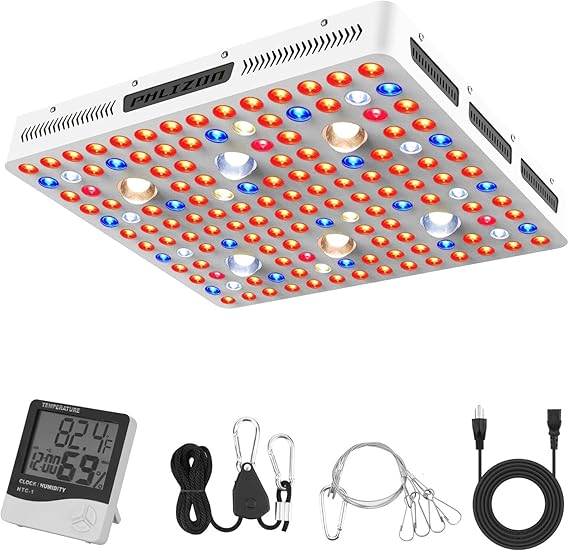
    Growing Cucumbers Hydroponically

    However, if you don’t have enough space, you can go for the bushy variety. Also, you should choose a cucumber variety that is resistant to mildew as cucumbers are pretty vulnerable to the disease.

    4.    Tomatoes

    Tomatoes are another great option and they are grown at home and in a commercial greenhouse. Just ensure you supply support as your tomatoes begin to fruit and weigh more. They will grow well in drip systems and hydroponic buckets (also called bubble buckets).

    5.    Peppers

    Just like tomatoes and cucumbers, growing peppers is easy with hydroponics. all you need do is to ensure they receive adequate sunlight or supply them with good grow light.

    6.    Strawberries

    One of the most common fruits grown hydroponically is the strawberries fruits. They can be grown in a small garden and in a large-scale commercial hydroponic farm. Strawberries grow very rapidly giving you plenty of yield at a better quality rate. They are also less likely to give you any pest issues.

    AeroGarden Black Harvest Indoor Hydroponic Garden

    81DPs6WZXjL. AC SX569

    7.    Basil

    Basil herb will also grow easily in hydroponics. The fastest and easiest method of getting started with basil is to purchase basil seedlings and you can get them at any garden center around you. Then you go ahead to transplant the seedlings into your hydroponic system. Ensure you rinse off the soil carefully and thoroughly before transplanting.

    8.    Beans

    Beans will grow rapidly and require less maintenance to grow at the same time giving you abundant yield. You can grow either the bushy or viny variety. If you are concerned about space and the stress of adding support as they grow, then you should stick with the bushy variety.

    9. Carnation

    A common flower that can be grown hydroponically is the carnation flower. They can be grown in homes or in a commercial way. Their floral arrangement is so inviting and growing plenty of them in your hydroponics garden can be pretty lucrative.

    Growing Carnation Hydroponically

    10.    Watercress

    From the name, we can tell this plant is a water-loving plant. It is commonly known to be vegetables; however, their flowers are quite edible. If you want your watercress plant to transition into the flowering phase, you will require changing the nutrient to a flowering nutrient solution. Do this when the plant has grown halfway into its vegetative phase.

    Tips For Growing The Best Plants For Hydroponics

    Once you have decided the appropriate plants to grow hydroponically, you can follow these tips to guide you to grow appropriately:

      • Grow and supply your plants with good lightning.

      • The pH level of your nutrient solutions should be at the appropriate range so nutrients can be absorbed appropriately for plants growth.

      • Plants that have the same needs can be grouped and grown together. Plants such as tomatoes and tomatoes together or spinach and lettuce.

      • Always support heavy viny plants with trellis as their weight gets overwhelmed.

      • If you’re growing for cooking purposes, have in mind that a hydroponic system will produce a lot. So, ensure you plant only a couple of plants so the yield won’t be so excessive and there is minimal waste.

      • Ensure you carefully and thoroughly rinse off any soil to transplant any young plants or seedlings.

    •  

    FAQ’s

    What is the easiest plants to grow in hydroponics?

    When it comes to growing plants in hydroponics, you have a lot of choices. You can grow your plants with soil, rockwool or vermiculite. If you are just starting out and want to grow your first plant in hydroponics, you should consider growing tomatoes. They are easy to grow and there are many varieties of tomato plants that can grow well in hydroponics.

    1. Sweet Potatoes – grows quickly and requires no soil at all.
    2. Radishes – I think radishes will grow anywhere. They’re cheap to buy.
    3. Lettuce – You can get a small bag of lettuce seeds .for less than $
    4. Kale – grows like crazy.
    5. Peppers – I bought some peppers for $.99 each at Wal-Mart. I think they would be good in a hydroponic system.
    6. Parsley has been grown hydroponically for decades and is easy to grow. It is a hardy perennial that can be harvested all year long. Parsley can be grown as a cut flower or an annual vegetable.

    What plants cannot be grown hydroponically?

    It’s not easy to grow plants without soil. And, it’s even harder to grow them in a way that doesn’t require you to use potting soil or some kind of nutrient solution.
    Hydroponic gardening is a great way to grow plants in an environment that is more like the natural environment. If you have access to a greenhouse, or even a garage with a lot of sun and air circulation, you can use this method to grow a large number of plants. There are certain plants that cannot be grown hydroponically. The reason is that the roots will rot and die if the roots are not getting adequate water and oxygen.
    For starters, there are a few plants that simply don’t like the conditions inside a plastic or glass container. These include cucumbers, lettuce, and eggplants.

    Can tomatoes grow hydroponically?

    Tomatoes are very easy to grow and can be grown in most any type of container including plastic pots, so you don’t need to spend a lot of money to get started. There are several ways to start your own garden. You can buy a ready-made kit from a local nursery or you can build a grow box yourself. If you decide to build your own grow box, you can use a simple plastic bucket with a lid and some growing medium to start your tomato plants. The next step is to add the soil that your tomato plants will grow in. If you plan on growing several different types of tomatoes, then you may want to purchase a large container for your growing medium. This will allow you to grow a wide variety of tomatoes. Once your grow box is complete, you can plant your seedlings into it. You should water your seedlings after planting them in your hydroponic grow box.

    Final Say On Easiest Plants To Grow Hydroponically

    We have so many options of good plants for hydroponics. However, starting with the easiest plants will make things easier especially if you’re new to the world of hydroponics. This is because some plants require technical skills and knowledge while others are pretty easy.

    Once you have learned and perfected growing some easy plants with your hydroponics system, you can then proceed to expand and work on new plants.

    All in all, ensure you have fun while growing hydroponically because growing the hydroponic way is a fun thing to do.

  • Why Is My Lettuce Bitter?

    Why Is My Lettuce Bitter?

    Why is my lettuce bitter? This is one frequently asked question by different lettuce growers especially newbie that experience a bad tasting lettuce at the end of their harvest. We’ve got the answer for you here and possible solutions and prevention to go about bitter lettuce.

    The crispy juicy lettuce is a very easy plant to grow. However, the leave turning bitter is one common issue any growers may encounter. The good thing is there are definitely things you can do to avoid them turning bitter and we will enlighten you on this.
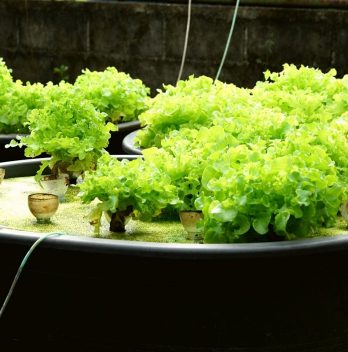
    So, let’s dive in to see why your lettuce is better and what to do to solve the problems.

    Bitter Lettuce

    The bittern lettuce is usually experienced with its leaves. There’s no denying that the lettuce leaves’ appearance always looks inviting and all: well, you may become disappointed when you have a bite from a lettuce salad or a wrap.

    Bitter Lettuce

    Why Is Lettuce Bitter?

    Heat is the most common reason for bitter lettuce but there are many other conditions that can predispose your lettuce to turn bitter. When you understand the reasons why lettuce may turn bitter, then you can make plans to prevent future occurrences.

    1.    Heat Stress

    Lettuce is a cool-season crop, however, that doesn’t mean you can’t grow them outside the cool season. Heat is one of the most common and leading causes why your lettuce is turning bitter. As the temperatures rise, the lettuce plant begins to mature and start producing flowers and seeds rather than leaves.

    This process is called bolting and it’s a natural unstoppable process that occurs when the temperature rises.

    2.    Water

    Lettuce leaves are water-loving plants which is why they are full of water! Those huge and succulent leaves require water to remain rigid, full, and tasty. Therefore, if your lettuce plants are watered less often, they can become bitter. When you begin to notice brown leaf edges, then that’s a sign of water deprivation.

    So, ensure you water your lettuce plants often and avoid their soil becoming too dry.

    Why Is Lettuce Bitter - Water

    3.    Nutrition

    Lettuce needs adequate nutrition to grow well.  The plant is a very fast-growing plant. Thus, it will require all the resources to grow smoothly and any slight deficiency will make the plant bolt. So, lack of nutrition will retard the growth of lettuce and make your lettuce leaves turn bad-tasting.

    Ensure you feed your lettuce plant with regular nutrition. However, don’t overdo it because too much fertilizer, especially excess nitrogen can also cause bitter tasting lettuce.

    4.    Bad Soil

    Another cause for bitter-tasting lettuce is bad soil. Lettuce plants need optimum draining soil and loose soil. This is because of the shallow and thin roots lettuce has. If the soil does not suit the lettuce plant, they will become stressed and begin to bolt.

    5.    Aster Yellows Phytoplasma Disease

    Aster yellows are one common lettuce disease that can cause lettuce to turn bitter. The lettuce inner leaves will begin to lose color and the outer leaves will look stunted. This can cause the entire lettuce plant to become weak and not useful.

    Aster Yellows Phytoplasma Disease

    6.    Lettuce Variety

    Lettuce plants belong to a wide range of species and there are over 100s of lettuce varieties and types. They have over 20, 000 other family members.

    We have many other lettuce varieties that are not used in homes and cannot find their way in our domestic lives. This type of lettuce variety is from the Lactuca virosa.

    The variety we consume is the Lactuca sativa. This type ranges from mild to sweet taste. However, their bitterness can still be activated if they are predisposed to conditions that will make them turn bitter.

    Bitter Lettuce Prevention

    Here are the following things you can do to prevent a bad-tasting lettuce:

    • Grow in Semi-Shade: Simply grow them in a semi-shade area and ensure you always keep them cool during hot seasons. You can also plant your lettuce under taller plants that will cover or shade your lettuce plants. You can plant them under tomatoes or crops that are trellised.
    • Healthy Soil: Maintain healthy soil and feed the soil with the appropriate nutrient. Add and cover the soil with some mulch to your soil especially hot season and during winter.

    Burpee Organic Blood Meal Fertilizer, 3 lb

    71do9eWazOL. AC SX569
    • Use Containers: when you grow your lettuce using containers, it allows you the comfort of simply moving them to a shaded place when needed.
    • Shade Cloth: you can purchase shade cloths and create some shade around your garden to block some sun.
    • Water Regularly: never deprive your lettuce plants of water as they will need all the moisture they can get. This is important especially during hot seasons.
    • Grow in Cooler Months: even though it’s possible to grow lettuce outside cooler months, growing them during cooler months will make your crop last longer.

    Bitter Lettuce: What To Do With It?

    If at the end of it all you end up with a bad tasting lettuce, here are some things you can do to relief the bitterness:

    • Run your lettuce leaves under cool water and put the head in a crisper immediately. Keep it in the crisper for 48 hours and bring it out rinse in cold water again. Then take away the outer leaves and cut the root and tips. The bitter taste should be gone and you can serve right away.
    • You can also cook your lettuce to get rid of the bitter taste and mix it with something sweet such as spinach or silverbeet.

    Note that lettuce leaves cannot be frozen or dried as they must be used immediately.

    So, rather than letting that bitter lettuce go to waste, you can simply revive it by following the above tips.

    FAQ’s

    Why does my lettuce plant taste bitter?

    There are a number of reasons your lettuce could be bitter.

    First, it may be too much or too little water. If you are not watering it daily, the plant needs more water. It may also be that the plant has not been getting enough light. If you are in a basement, you will need to provide additional light by using a light box, fluorescent lights, or other means. If you find that you are not able to get adequate light in your basement, you may want to consider relocating your lettuce plant outside, where you can provide adequate sunlight.

    How do you fix bitter lettuce?

    It’s one of the most common problems that crops face in our backyard, and if you’re like me, you’ve probably tried many different things to help with it. My usual method is to cut off the worst parts, but then I often end up throwing them out.

    You can add vinegar. I don’t mean just any old vinegary taste. I mean the kind of vinegar that makes a salad pop with flavor.

    Why is my hydroponic lettuce bitter?

    I’d bet that it’s because of something in the water. I think you may be looking for a chlorine filter or a carbon filter. Chlorine kills bacteria and will kill off the bacteria in the water.

    Bitter taste is often associated with the presence of oxalic acid in the plant. It’s produced as a defense against bacteria and fungi that are feeding on the plant.
    This can be caused by either over-watering or by over-fertilizing. If you fertilize with nitrogen-rich materials, then it will increase the concentration of oxalic acid. Keep the soil moist but not soggy; too much moisture can lead to root rot. I have a few pots of lettuce that have been growing for 3 weeks and they have started to get bitter. I have had the same soil mix, same lighting, and same water source for all 3 plants. The soil was changed weekly and everything else has remained constant.

    How do I make my lettuce not bitter?

    Lettuce is naturally bitter, which is why we eat it with some sort of dressing. The bitterness comes from oxalic acid, which is very soluble in water. In general, the more the leaf has been dried, the less bitter it will be.
    Some types of lettuce are less bitter than others. You can also rinse the leaves in a bowl of water to remove some of the bitterness. If you’re concerned about the amount of salt you’ll be adding to your salad, it’s best to add some lemon or lime juice to cut the bitterness before adding the salt. We usually recommend rinsing the lettuce in cold water for 30 seconds to 1 minute before dressing. A quick rinse should get rid of most of the bitterness. You can also use a salad spinner to dry the lettuce after washing.

    Final Say On Why Is My Lettuce Bitter?

    So, there you have it on why your lettuce is turning bitter. Follow our tips on preventing your lettuce from turning bad so you can enjoy a better tasteful lettuce meal.

  • How Many T5 Lights Do I Need For Veg

    How Many T5 Lights Do I Need For Veg

    How many T5 lights do I need for veg is one question most growers ask themselves. Veg is the vegetative period in a plant’s growth and during this period, they require optimal light to flourish. If you’re making use of a T5 light, you may want to know how many light bulbs to use during the veg period.

    It is important you supply the right light intensity for your plants’ veg stage so they can result in abundant yield. This is why we will be discussing how many T5 lights do I need for veg growth. So, continue reading to learn about this.

    What Is Veg?

    Typically, all types of plants go through the vegetative stage, and during this stage, they require more blue light. For this reason, a veg bulb or grow light must provide cool white lights that have more blue wavelength. So the color temperature value on the Kelvin scale should be around 6000K to 6500k.

    Veg such as basil, lettuce, herbs, etc only goes through the vegetative period. However, some other plants transition to the flowering stage and eventually the fruiting stage. The fruiting stage usually requires the red color temperature with values of around 2700K to 3500K.

    What Is Veg

    T5 Veg Light

    T5 is a tube-shaped fluorescent light that has a diameter of 5/8 inch. It is one of the best grow lights you can use on any type of plant especially the veg plant. This is because they will go easy on your plants at the same time providing good light for your plants’ growing needs.

    Even though they are not as powerful or intense as other grow lights like LED, they are still very efficient. They are capable of carrying your plants where they need to go and offer even more benefits.

    T5 lights are generally a great choice for veg plants. They are also known to emit very little heat. Thus, T5 for veg grow light can also be used on fragile plants like on seedlings and clones. T5 lights are also low power consuming and very efficient, thereby allowing you to save cost on the electricity bill.

    How Many T5 Light Do I Need For Veg?

    How many T5 lights you need for veg will depend on a few things. We have different varieties and sizes of light fixtures. T5 grow light generally comes in two various lengths and it will come in 6 or more bulb configurations.

    The common lengths of T5 grow lights include 2 and 4 feet long. The bulb configurations also include 1, 2, 4, 6, 8, or 12 bulbs per fixture.

    Sun Blaze HGC960320 T5 High Output Fluorescent 41-120 Volt

    41LvT%2B1YS8L. AC SX569

    So, when we are talking about how many T5 lights are required for veg, we will be looking at the number of bulbs to use. If you wish to grow just a couple of plants, you can use 1 or 2 bulb set that has the height of 2 or 4 feet long.

    However, if you’re growing a lot of plants, using a bulb set up of 8 or 12 bulbs with a height of 4 feet long is recommended. This implies, the bigger the size of your plant mass, the more bulbs you will require for your veg.

    Also, you want to ensure color temperature for your bulb begins with a 6,500 Kelvin bulb for the vegetative stage growth.

    There are now T5 grow lights that have multiple spectrums which are great for your plant growing needs. They will boost the quality of your T5 harvests and even offer more benefits.

    Flowering With T5 Fluorescents

    The next growth stage of a plant after veg is the flowering stage. Not all plants enter the flowering stage. But the ones that do, will require a specific light spectrum to transition into the flowering phase. If you don’t provide your indoor plants with a specific spectrum for their flowering stage, they may not transition into the flowering stage.

    So, when using T5 fluorescent for your plant flowering stage, you will need to go with a 2700 Kelvin bulb. This will give you a white or yellowish spectrum light spectrum which will stimulate the growth of the flower.

    Beforehand, most growers will need to switch to HID or intensify the 2700 Kelvin lights on their plants to transition to or complete the flowering stage. But now, things are different because growers now have the option of choosing a single grow light to complete both the veg and flowering growth stage of plants.

    Manufacturers have now introduced different T5 that has different phosphorus coating that imitates certain wavelengths just like LED does! These special T5 fluorescent bulbs work just like LED does by providing wavelengths centered around 6400 (for veg) and 2700 (for flowering) Kelvin.

    T5 Fluorescent Placement

    T5 fluorescent grow lights are safe to be placed close to your plants because they are low heat emitting lights. You can position your T5 grow light around 1 to 12 inches depending on the light intensity your plant stage requires.

    Anything above 12 inches is not recommended because the T5 grow light will begin to lose its intensity. As your plant matures, you can now move the T5 grow light closer for better light intensity.

    You can as well use this fluorescent grow light for your fragile seedlings and clones. T5 grow light will go easy on your fragile seedlings and clones so they are safe for use. However, you should place them around 6 to 10 inches away from your tender plants. You can later increase the distance when they begin to mature.

    T5 Fluorescent Placement

    FAQ’s

    Can I use the T5 as a grow light? 

    Yes, you can use the T5 tubes in your grow light. They work just fine.  They’re very efficient and have some great benefits. The most obvious benefit is that they provide more consistent light output than an incandescent bulb or CFL. That means you don’t have to pay attention to the light level all the time. It’s also easier to adjust your light levels because you can adjust the amount of light you put out over a wider range. T5s are also pretty much guaranteed to last forever. A T5 will last 30 years or more if you take good care of them. 

    How much area does a T5 cover?

    The T5 covers a 2 feet by four feet area.

    Are T5 lights full spectrum?

    The T5 is a light with 5 LEDs in one, which means it’s full spectrum. 

    How many T5 grow lights do I need?

    The number of T5 lights depends on your expected crop volume.
    If you’re planning on producing 100 lbs of tomatoes per square foot, then you need at least three T5s (one per each of the three rows). But if you’re only going to be producing 50 lbs of tomatoes per square foot, then you need two T5s (one per each row).

    How many watts is a T5 grow light?

    The T5 is a very popular light. It’s one of the most common lights you’ll find in any cannabis grower’s shop. The reason for its popularity is because it gives you a lot of power, but it’s not too powerful. A lot of people buy the T5 and then they use it with their older HPS or CFL lamps.
    It’s a good compromise between power and price. You can get an 18-watt T5 for around $60 on Amazon. A T5 is also used in many grow rooms that don’t have access to electricity. In this case, a T5 is mounted on a motorized ballast. When the ballast runs, the light turns on.

    How long do T5 grow lights last?

    There are several factors that can impact how long your T5 Grow Light will last. First, it depends on the quality of the bulb itself. If it’s a cheap Chinese lightbulb that is known for having a short lifespan, then it may only last about 3 months to 6 months. However, if you get a good quality lightbulb, it should last much longer.
    The second factor is the environment your bulbs are in. If they are exposed to dust, heat, and humidity, the lifespan will be reduced. The third factor is the power output of the bulb. Bulbs with higher wattages will typically last longer than those that have lower wattages. For example, an 800w lightbulb will last much longer than a 600w lightbulb. It’s also important to note that many of the high-quality brands of T5 grow lights also come with a warranty. This means if your bulb breaks or malfunctions within the first year of purchase, you can simply return it and receive a replacement.

    Final Say On How Many T5 Lights Do I Need For Veg

    How many T5 lights you will need for the veg stage will largely depend on the size of your plant. We hope the information we have listed above will guide you on how to use the right number of T5 bulbs for your plants to flourish.

  • LED Light Distance From Canopy

    LED Light Distance From Canopy

    If you’re into indoor gardening, you should know that using grow lights is one key to growing successfully. One of the best grow lights to use is the LED lights and another important criterion is the grow light hanging distance. So, if you’re wondering what LED light distance from the canopy is ideal, we’ve got the answer for you here.

    If you position some grow lights too low to your plants’ canopy, they might burn your plants. On the other hand, if you hang them too high, they will grow weak and get stretched because they aren’t receiving adequate light intensity.

    This is why you must be enlightened on the right hanging distance from your plants’ canopy. So, let’s get right into it.

    Grow Light Height

    We have various grow lights in the market and you need to know exactly the type you have and their features. We have light-emitting diodes (LED) lights, high-intensity discharge light (HID), fluorescent lights, and so on.

    Each of these lights has its different characteristics. Some emit more heat and some emit lesser heat. Also, some of these grow lights offer a better spectrum than the other, and so on. But generally, LED grow light is known to emit minimal heat. This doesn’t mean LED lights can be hung very close to your plants as their spectrum can be very overwhelming and may cause your plant to bleach.

    Each of these lights needs to be positioned at different heights from your plants’ canopy. So, let’s take a look at the LED light distance from your plants’ canopy.

    Grow Light Height

    Know The Right LED Light Distance From Your Plants’ Canopy

    Now, let’s look at how close your LED grow lights should be to your plants. It may be a little tricky deciding what distance your LED light should be from your plants’ canopy. This is because all the various LED light brands vary.

    However, you can look through and follow the manufacturers’ manual first to see how your plants fair. After trying the manufacturers’ LED light distance instruction and you feel there’s a need to readjust your light, you can go ahead and do so.

    But let’s take a look at some general tips and requirements you can use in deciding the LED light distance from your plants’ canopy:

    • A general rule advises you to position your LED grow light 12 to 30 inches from your plant canopy.
    • LED light distance also varies with your grow light wattage and how powerful the light source is. A higher light wattage that has a powerful light source should be hung far from the plants’ canopy and vice versa.
    • The type of plants (either low light or high light plant requirement) will determine the distance of your LED grow light. Low light requiring plants can have their light placed high above the canopy and high requiring plants can have their light placed close to the plant.
    • Another criterion to deciding how to hang your LED grow light is reflective walls. Using reflective walls will reflect the light back to your plants thus limiting light loss from placing the grow light high. Therefore, you can position your LED light higher and not worry about light loss because they will mostly be reflected back to within your grow room or tent.

    How Far Should LED Grow Lights Be From Plants In Each Growth Stage

    Again, you should have in mind that when it comes to LED light placements, there’s no general rule. Different LED lights have their style and manufacturers’ instruction which should be tried first. So, we can now go into how far LED lights placement should be for each growth stage.

    For various plant stages, LED light placement will differ as your plant transition. If you’re using dimmable LED lights, you can simply dim the intensity for different stages. However, if you’re not making use of a dimmable LED grow light, then you have to adjust the heights as your plant transitions to different stages.

    So here are the LED Light placements suggestions for your various plant stages:

    1.    LED Light Distance From Plants’ Canopy For Seedling Stage

    The seedling stage of a plant is its most fragile stage. Thus, they will require a gentler light approach. This implies they require a lesser light intensity at their early stage and should be placed higher from the seedlings canopy.

    We recommend you do a canopy distance of about 24 to 36 inches and this will depend on the strength of your LED grow light. As your seedlings begin to germinate, you can now move your grow light closer. This will be around 2 or 3 weeks after they have started sprouting.

    KingLED Newest 1200w LED Grow Lights with Samsung LM301B LEDs

    71F9 6W%2BWfS. AC SX569

    2.    LED Light Placement For Vegetative Stage

    During the vegetative phase, your LED light should be placed closer to the plant canopy. They will require light for photosynthesis and plant maturation. Increasing their light intensity at this stage will encourage strong and healthy stems and roots.

    3.    LED Light Placement For Flowering Stage

    The final stage of the plant growth cycle is the flowering stage and this is where fruit production commences. At this stage, your plant will require the LED light should be at their highest intensity for them to harden off.

    However, as you increase the LED light intensity by bringing it close to your plant. You want to keep a close eye on them. Your plants’ response will always indicate their satisfaction or displeasure with light intensity. So, do the right adjustments immediately you notice any changes in your plants.

    LED Light Distance From Plants’ Canopy For Clones

    For LED light distance for your clones, you will need to place them closer to your plants’ canopy. This is because clones require intense light for their development.

    You can position your LED grow light around 14 to 36 inches from your plants’ canopy. This distance will depend on the strength of your light and their maturity.

    LED Light Distance From Plants’ Canopy For Clones


    FAQ’s

    How close should my LED light be to my plants?

    It depends on your situation. There are many factors involved in growing plants. How much sunlight do you have? What kind of plants do you want to grow? What size do they need to be? Do you want to grow them in soil or hydroponics? Do you want them to grow tall or short? Some plants need lots of sun to get their nutrients, some need less.
    I would say to start small. You don’t want to get in over your head and end up in a situation where you have no idea what you’re doing. You can always add more later, if you find you need it. LED lights are generally used for indoor growing, as they are cheaper than natural lighting and can be controlled to adjust the amount of light that they give off. There are different kinds of LED lights, but the most common type is an LED strip light.

    I would say your lights should be at least 18 inches above the tops of the plants. You can adjust this as you see fit. However, this does not mean that you need to put the light exactly 18 inches up from the top of the plants, or even from the bottom of the pots. The more distance you have between the plant and the light, the better. It will also be a lot easier to move the lights around when they are further away from the plants. I would say your lights should be at least 18 inches above the tops of the plants. You can adjust this as you see fit. However, this does not mean that you need to put the light exactly 18 inches up from the top of the plants, or even from the bottom of the pots. The more distance you have between the plant and the light, the better. It will also be a lot easier to move the lights around when they are further away from the plants.

    How high should my lights be above my plants?

    Lights are an important part of the growing process. If you don’t have enough light, your plants will grow slowly and not develop their full potential. The light must be as close to the plant as possible.
    This means that if you are using a fluorescent or HID fixture, you want to raise the fixture at least 12 inches above the soil level. If you are using a T5 or T8 fluorescent, you want to raise the fixture at least 18 inches above the soil level. If you are using a metal halide or high-pressure sodium, you want to raise it at least 6 inches above the soil level.

    Do plants grow faster under 24 hours of light?

    No. The reason why they don’t grow faster is that plants have an internal clock, which regulates their growth and development according to the length of day. Plants are designed so that they can develop optimally with day lengths between 12 and 14 hours.A 24-hour day will prevent them from growing at their optimum speed. Plants have a circadian rhythm that regulates their growth and development according to the length of day.

    LED Light Distance From Canopy Final Thoughts

    The hanging distance for your LED light is crucial to your plants’ development. Ensure you get the correct LED light placement for your plants so they can flourish and won’t miss out on the best yield.

  • Grow Light Vs Regular Light

    Grow Light Vs Regular Light

    More people are indulging in indoor gardening and creating the ideal growing environment will enhance the growth of your indoor plants. Understanding the difference between grow light vs regular light is important so you can provide your indoor plants’ lights for their growing needs.

    Both lights will supply your plants with lights but the light intensity or efficiency they will supply your plants are dissimilar. So grow lights and regular lights are designed in a different manner.

    If you’ve ever wondered about what difference is there between grow light vs. regular light, we will enlighten you in this post. So, let’s begin.

    What Is A Grow Light?

    Before we look into grow light vs. regular light, let’s firstly discuss what a grow light is. A grow light is referred to as an electrical light specially designed to grow various plants. The primary function of grow light is to imitate the work done by sunlight which will ensure your indoor plants grow adequately.

    These grow lights emit specific colors that stimulate plants’ growth. However, not all lights are designed to produce the same light spectrum and they all have a different wavelength of light.

    So, some people may wonder if grow lights can be replaced with the regular lights we use at the home, office, etc. Well, the answer is yes, while in some cases it’s no.

    What Is A Grow Light

    What Are Regular Lights?

    We have a wide range of regular lights which are basically designed as an artificial light source for illuminating dark spaces. People make use of regular lights almost on a daily basis and they help us clearly in the dark.

    They are used to lighten up a room, office, etc as the sun begins to set and as the day goes dark. Regular lights are also used in the garage, the entrance of your door. Some are even used within your vehicles and so on.

    Grow Light vs. Regular Light

    It is possible to make use of both grow light and regular lights bulbs to grow your indoor plants. But what is the difference between grow light vs. regular light? Here are some comparisons between the two lights:

    1.    The Intensity Of Power Between Grow Lights Vs Regular Lights

    When it comes to power or light intensity, grow lights offer more power than a regular light bulb. You can find various grow lights with different light intensities in the market.

    Now, light intensity is needed to enhance the rate of photosynthesis. This guarantees that your plants have adequate light energy to grow. So it is paramount you provide your plants with the right dose of power intensity.

    The Intensity Of Power Between Grow Lights Vs Regular Lights

    2.    Spectrum Of Light

    Light comprises of different wavelength that makes up the spectrum of light. So, all types of light bulbs produce a certain wavelength. However, not all types of light bulbs will produce the appropriate wavelength that will mimic the sunlight which is required for plants’ growth.

    Most grow lights are specially designed to emit the right wavelength that will enhance almost all the growth stages of your plant. However, when it comes to a regular light bulb, they may only be efficient for certain growth stages of your plant.

    3.    Heat Dissipation

    Heat is an important factor to consider when deciding the type of grow light to use on your indoor plant. If the heat emitted is too much and placed close to your plant, it can cause harm to them. However, you can position your lights at a safe distance from your plants.

    The fact is most regular lights produce more heat compared to grow lights. So, if you’re using regular lights for growing, ensure you position them at a safe distance.

    4.    Durability

    The durability of grow light is usually shorter compared to regular light. This is because grow light tends to burn out quickly.

    5.    Energy Efficiency

    Most regular light bulbs are energy efficient. On the other hand, most grow light will consume a lot of energy. However, there are certain low energy consuming grow lights you can go for.

    MARS HYDRO TS 1000W Led Grow Light 3x3ft Daisy Chain Dimmable Full Spectrum LED Growing Lights

    712STTzYpUL. AC SX569

    Different Grow Lights

    We have 3 main types of grow lights and they include:

    1. Fluorescent Grow Light

    Fluorescent grow light is one great light used to supply light energy spectrum to indoor plants. They are low emitting light, thus making them safe to be placed close to plants. The low emitting heat fluorescent light is also suitable for fragile seedlings and clones.

    However, most fluorescent lights are not as intense as HPS or LED lights but they will do a fine job with your growing plants.

    1. Light-emitting Diodes (LED)

    Light-emitting diodes are one of the most efficient grow lights you can use for your indoor plants. They are more focused and will give your plants optimal light intensity. LED grow light will supply your plant with a wide range of light spectrum for them to grow adequately.

    The light can even be positioned a little far from plants and still give your plant good lightning.

    1. High-Pressure Sodium (HPS)

    High-pressure sodium is also known as high-intensity discharge (HID) is another type of grow light you can use for your indoor plants. Although they will require much distance from plants because of their high emitting heat, they will still supply your plant with good lights for their growing needs.

    Other Types Of Grow Light

      • Incandescent Bulb: this type of light has been in existence for a long time. Incandescent bulbs are not so great because the light spectrum they produce is inefficient for plants’ growth. Thus, they aren’t appropriate for plants, especially during photosynthesis. However, they have been replaced with more efficient, durable, and safer options.

      • Halogen: halogen lights are not so great but they will still supply your plant what they need to grow.

    FAQ’s

    Can I Use a regular light as a grow light?

    Regular bulbs are fine for growing plants, but they’re not very efficient. The efficiency of the plant growth is directly related to the amount of light you put out and the length of time you expose the plants to that light. You can get a lot more bang per watt with an LED array or fluorescent tube. LEDs are a bit more expensive, but if you’re trying to save money (which is understandable) then LEDs will be your best bet. You’ll probably want to look for a fixture that mounts the light on a heat sink, so you can get a little extra cooling for your plants.

    Can any LED light be used as a grow light?

    In general, no. LEDs have a maximum current rating (for most), which means they cannot be operated at high power levels (which is the only way to get high light output). That said, you can certainly use LEDs in an environment that doesn’t require very high power, but they’re not really intended for that purpose.

    Is a grow light better than natural light?

    When you’re growing plants indoors, you don’t want to be dependent on the sun. There are a few options for indoor gardeners who need sunlight to help with their plant growth. A grow light is one of them. Grow lights are used to mimic the conditions found in nature, which makes it an ideal option for growing plants indoors. Grow lights allow you to use artificial lighting, which makes it a much more practical option than natural sunlight. This also means that you can have full control over when you turn your lights on and off. You can choose to turn your lights on during the day or at night, which gives you the best time to work with your plants. Grow lights also mimic the natural light cycle. Plants respond to changes in the natural light cycle by growing at different times of the day. By using grow lights, you can make sure that your plants get the right amount of light.

    Whats the difference between a grow light and a regular light?

    The big difference is that in a grow light, the spectrum of the light is tuned to the needs of a plant to stimulate photosynthesis. This means that the reds are higher, the blues lower, and the greens in between. It’s not the same as a regular light which has a continuous spectrum.
     The light spectrum for plants is more like that of the sun than a regular light. And the way that it works is that the blue part of the spectrum (which is the part of the light that plants need to grow) is stronger than the red part.

    Grow Light Vs. Regular Light: Conclusion

    Grow light and regular light are definitely two different lights that perform different functions.

    Grow lights are designed for plants needs while regular lights are meant for daily use in most homes. But regular lights can still provide a certain light spectrum for plants’ growth but they aren’t as efficient as grow light.

  • How To Use Hydroton Clay Pebbles

    How To Use Hydroton Clay Pebbles

    Hydroton clay pebbles are a great growing medium to use in your hydroponics systems. If you’re wondering how to use Hydroton clay pebbles in your hydroponic garden, we will let you know in this post.

    Hydroton clay pebbles are widely used by hydroponic and aquaponics growers as well as some soil gardeners. We have listed all you need to know about Hydroton clay pebbles as well as how to use them in your hydroponic garden. We also look at their benefits and downsides to using them. So, let’s get right into it.

    What is Clay Pebbles Hydroponics?

    Hydroton, also known as lightweight expanded clay aggregates or pellets. They are known by many names. You may come across these names in stores or other places under the names such as Hydroton pellets, clay balls, hydrocorn, leca clay, etc. These names are all the same thing from the same production standpoint.

    They are made from heating clay up to about 2,000 degrees Fahrenheit until they pop (just like popcorn) and expands into a lightweight permeable growing medium.

    What is Clay Pebbles Hydroponics

    These clay pebbles may come in circular balls of different sizes and they will support your plant with good airflow and water. They are popularly used in the ebb and flow or flood and drain system, but they can be used in other types of hydroponic systems.

    How To Use Hydroton Clay Pebbles (For Hydroponics)

    1. Rinse Thoroughly

    The first thing you want to do is to rinse or wash your Hydroton clay pellets thoroughly. This step is very important because the clay balls have plenty of dust. This may cause the clay pebbles to rub against each other thereby accumulating dust and cause friction in your system of transport.

    1. Soak The Pebbles

    The next step is to soak your clay pellets for at least 6 hours and at most 24 hours. This will make water absorption easier for your plants as the clay balls would have already been filled with water.

    1. Plant

    Proceed to planting by spreading your seeds over the clay pebbles. Make use of small net pots halfway filled with pebbles and cover the seed with more clay pebbles. You can also transplant seedlings into your hydroponic system by using Rockwool to germinate your seeds.

    As your plants grow, you should remove them and rinse from once in a while. This will prevent toxic build-up that can clog your plants and prevent them from absorbing nutrients. If you notice any whitish residue at the top of your plants, that’s a sign you need to rinse your plant and clay pebbles.

    Mother Earth HGC714123 Hydroton Original Expanded Clay Pebbles

    712CSBOaEFL. AC SY879
    1. Nutrient Application

    Once you’ve washed your clay pebbles, proceed to add your nutrient solution to your reservoir. Then your system is ready to go.

    How To Use Hydroton Pellets (For Soil)

    Hydroton clay pebbles are mostly used in soil gardening to attain excellent water retention and airflow. Let’s look at 3 ways Hydroton balls can be used in soil:

    1. Used Alone Or As Soil Mix: in soil gardening, Hydroton can be used alone or mixed in soil (in the ratio of 30% Hydroton and 70% soil). This will enhance the water holding capacity of your soil.
    2. Add To The Base Of Soil: another way to use Hydroton in your soil garden is to add them at the base of your growing container. It should be below the layer of your soil and this will increase its draining mechanism.
    3. Crush: you can also crush the clay pebbles and mix them with soil. This will help keep your plants hydrated as well as improve air circulation.

    Benefits Of Using Hydroponic Pebbles

    Here are some benefits of using Hydroton clay pebbles:

    • Reusable & Cost-Effective: Hydroton clay pebbles can be used over and over again. Thus, making them durable and cost-effective.
    • Excellent Water Drainage: even with their top-notch water and nutrient retention, they also have excellent water draining capacity. The pores in the pebbles allow for space-enhancing which gives their drainage property. They also give room for optimal airflow.

    • Neutral pH: you need not worry about any reaction or impact by these clay balls because they are neutral to pH. You can use them in combination for your soil or hydroponic garden foundation.
    • Sterile: expanded clay pellets are a sterile growing medium that will help keep bacteria and insects at bay during plant growth. They are also environmentally friendly.
    • Non-sticky & Easy To Harvest: Hydroton clay balls are non-sticky. Thus, they are easy to pull out during harvest or when you want to rinse them.
    • Crushable: they can be easily crushed if you want to enhance water retention for your plants’ germination.

    Downsides To Hydroton Pebbles

    Even though Hydroton clay pebbles offer great benefits, there are still some downsides to them. They include:

    • Heavy: From our knowledge of clay, they are usually quite heavy. Therefore, Hydroton clay pebbles are also heavy especially when you use them in an ebb and flow system.
    • Dusty & Requires Rinsing: Clay balls are always dusty and it’s necessary for them to be washed before use. If you fail to wash them before use, the dust will clog your system and cause blockage which is a big issue.
    • Drainage: Even with Hydroton clay pebble top-notch draining mechanism, it can also be its con. Clay balls are capable of draining so well that they can actually dry out rapidly. But this is not a big if you always maintain a constant flow of water and nutrient.
    Downsides To Hydroton Pebbles

    FAQ’s

    How do you use clay pebbles?

    Clay pebbles are an excellent medium for growing a wide variety of plants. To grow a plant you need to have something to absorb nutrients, water and light. Clay pebbles provide all of these things. They are porous, allowing air, water, and light into the earth to reach the roots.
    If you mix sand with clay pebbles, it will be easier to work with. You can also use a mixture of gravel and clay pebbles. The clay pebbles are a great soil amendment. In addition to their ability to hold moisture and nutrients, they also add small particles of rock to the soil. This helps prevent erosion by holding down the soil and reduces the amount of runoff water. Clay pebbles are also very beneficial to the soil because they absorb nutrients. So, by adding clay pebbles you can improve the soil. If you are growing vegetables, you can use clay pebbles in a pot or tray as a medium. They are inexpensive and easy to use. If you are growing plants for a large space, clay pebbles are ideal because they are light and can be mixed together easily. You can also use clay pebbles in your garden beds. You can add them at the base of a plant or under it.

    Do I need to soak clay pebbles?

    Clay pebbles should be soaked in water for several days before being used in the garden. If you do not follow these steps, your plants will likely die because of lack of nutrients.
    Plant seeds in pebbles are very simple. You can plant your seeds in pebbles by putting the pebbles in a flat container or pot and covering the seeds with sand. Then fill the container or pot with soil. Water the pebbles and cover them with soil. Keep the soil moist until the seedlings start sprouting.

    Can you put clay pebbles on top of soil?

    Yes, you can.

    Can you reuse clay pebbles?

    Yes, you can. There are a few ways to reuse clay pebbles. The first method is by simply making more clay pebbles out of your existing ones.Or, simply sprinkle them in soil and let them sit.

    Gardeners have used natural materials like clay, pebbles, sand and gravel to make beautiful containers for plants for centuries.

    How do you sterilize pebbles?

    I use a solution of water, bleach and hydrogen peroxide. It’s a simple mixture that works for me.

    How To Use Hydroton Clay Pebbles: Final Say

    We can see there are many great benefits to using expandable Hydroton clay pebbles. They offer excellent drainage properties and good aeration. They are also long-lasting and reusable which makes them more cost-effective.

    So if you’re thinking of how to use Hydroton clay pebbles, look through our guide and enlighten yourself on all you need to know. Happy growing folks!

  • Hydroponic Medium Gravel

    Hydroponic Medium Gravel

    Hydroponic grow medium is important to support our plants and there are various options to choose from. Gravel is another nice medium to use so, giving hydroponic medium gravel a trial won’t hurt.

    Grow media helps hydroponic plants with good anchor, water draining and retention, regular transportation of air and nutrients, and a host of other great things.

    Gravel is a type of medium that is locally available and easily accessible to use as a growing medium in your hydroponic garden. It would interest you to know that they were one of the very first mediums to be used in hydroponic growing.

    In this guide, we will be discussing the benefits of using hydroponic medium gravel in your garden as well as a few downsides you may find using them. We will also be discussing hydroponic sand and more. So, let’s get right into it.

    Hydroponic Gravel

    There are different grow mediums to use in the hydroponic garden and these grow mediums must attain some specific satisfactory characteristics to make a great medium. These characteristics include chemically inert, offer adequate air circulation, and great water retention as well as good draining features.

    Hydroponic medium gravel offers most of these great features. Although there are a few downsides to them, they are just not so serious and you can work your way around them.

    Hydroponic Sand

    Even though our knowledge of hydroponics garden means a soil-free garden: however, sand is one type of grow medium that can be used.

    Sand is very cheap and easy to get because they occur in nature. However, sand is pretty heavy to use and it will require once in a while sterilization to prevent non-beneficial microorganisms from breeding. Also, the water retention of sand is not so great compared to other types of growing media. At the same time, the nutrient solution may not hold so well. This is greatly caused by their small size which has reduced their surface area.

    Both sand and gravel have similar properties, but most people end up going with gravel as they offer better function.

    Sand and gravel are so easy to come by and a lot of hydroponic growers may overlook these fine materials as a growing medium. They will both offer good benefits to your hydroponic garden and can be a starter media. However, they may not work for everyone in all situations.

    Advantages Of Gravel Hydroponics

    1.    Water Draining & Aeration

    Hydroponic medium gravel offers great features such as water draining and good air circulation which make them great to use in your hydroponic garden. It is nearly impossible to overwater with gravel because of its great draining properties.

    Water Draining & Aeration

    However, they don’t have the ability to trap water because of their high draining feature. Thus, you will have to keep up with getting a good irrigation system that will deliver water to your plant root.

    2.    Accessible

    Gravel can be found in nature laying anywhere around you, thus making them very accessible.

    3.    Cost-effective

    Just as they are easily accessible, they are also cost-effective. Even if you don’t find them in nature anywhere around you, you can easily purchase them at a low cost. So, if you’re short of cash, gravel is a good option to go for.

    4.    Easy To Clean

    Cleaning your gravel before use is important and the good thing is that it’s very easy to clean.

    5.    Surface Area

    The surface area of gravel is great which creates contact with the roots. This encourages optimal water and nutrient absorption. However, you need to ensure the surface area is smooth with no sharp edges. This is to prevent injury to the root of your plants from friction especially when you move your container. Therefore, always go for the polished gravel rather than the sharp ones.

    Organic Expanded Clay Pebbles Grow Media for Hydroponics, Aquaponics, Aquaculture Garden

    71KCr0H0n5S. AC SX569

    6.    Reusable

    Another good advantage of gravel is that it can be reused. Thus, you enjoy long-lasting use. All you need do is to take them out of your grow bed and spread out the gravel after each use for them to dry out. Also, wash and rinse them thoroughly and remove any dead roots and debris. Then you put them back into your grow bed as they are ready to be reused.

    Disadvantages Of Hydroponic Medium Gravel

    Below are some downsides to using hydroponic medium gravel in your hydroponic garden:

    • Weight Issues: The weight of gravel is one of their main drawbacks. Their weight might hinder you if like to move your growing plants. Also, your plant beds must be strong enough to hold their weight especially if they have to be raised above ground level.

    • Needs To Be Sashed: Pure gravel may come with a lot of dirt or particles. Thus, they need to be washed to prevent these particles from clogging your system.

    • PH Imbalance: Gravel may cause pH imbalance because it may react with the water solution. Depending on the type of parent material of your gravel, some of this gravel rock can increase the pH level. This may cause plants’ inability to take in nutrients because each nutrient requires a particular pH range for adequate nutrient uptake. Thus, this can cause a nutrient lockout. You will need to always monitor the pH and adjust accordingly to get on top of the situation.

    • Plant Root Drying Out: Because of their high draining properties, they have that much ability to hold water. Thus. Your plants may dry out quickly. You can resolve this by setting up a good irrigation system that will always keep your plant moist.

    pH imbalance

    FAQ’s

    Can you use gravel for hydroponics?

    Yes, gravel is a good substrate to grow in hydroponics, especially for houseplants.
    Gravel provides a lot of surface area for roots to grow on. In addition, the spaces between the rocks provide aeration and allow water to drain away. Gravel is not as good for growing tomatoes or other crops that require a lot of nutrients, but it is suitable for houseplants.
    Small rocks are often used as a substrate for growing hydroponically, and large rocks can also be used. As long as they are not too large, they will work just fine. You may need to add some type of fertilizer to the substrate. The best substrate for growing is a mixture of sand and pebbles. I have heard of people using gravel for their indoor gardens, but I don’t know if they use small stones or large ones.

    What rocks are used for hydroponics?

    For hydroponic growing, rocks of varying sizes are used. The size and shape of the rock affects the absorption of water by the rock. In general, smaller rocks absorb more water than larger ones, but that is not always the case. The most common types of rocks used are granite, slate, marble, and basalt. 

    It depends on the type of rock you use and what you are growing in the system. For example, the absorption rate of the rock will vary depending on its size.
    If you use a small rock for a hydroponic system, you should choose one that is dense enough to prevent the nutrients from leaking out. If you use a large rock, you should choose one that is porous enough to allow the nutrients to penetrate the rock. If you are using a hydroponic system in an aquarium or fish tank, then the rock should be fine, because the water level in the aquarium or tank is usually at or near the surface. However, if you are using a hydroponic system in a bucket or other vessel, then the rock should be large enough to prevent the nutrient solution from spilling over the top.

    Can I use river rocks in hydroponics?

    You can use river rock as a substrate for your plants. They may not be the best option, but it’s worth a try. If you don’t have enough space to grow your plants in a larger container, then river rock will do the job. You can use it to make a grow bed. A substrate is something that plants grow on and absorb nutrients from. The two main substrates are sand or peat moss.
    These two substrates are often used with hydroponics because they allow water to easily flow through. River rock is not a good substrate for hydroponic use. It has small holes and cracks, which could hold water. It could also cause problems with the nutrients flowing into the plant. Another issue is that if you use river rock, you might find that you need to change your pH level more often than you would with sand or peat moss.
    You should consider the following points when using river rock in a hydroponic garden: You should make sure that the river rock is not contaminated with heavy metals and other pollutants, as these can cause health problems. You should also make sure that the river rock has a good drainage system.

    Hydroponic Medium Gravel: Final Say

    We can see that using gravel as a medium in your hydroponics garden is not so bad. Even though gravel may not be one of the best grow mediums to use in your hydroponic garden, it can still serve some good purposes.

    Both sand and gravel can be used as a growing medium. However, most hydroponic growers will go with gravel as they are more reliable.

    So, that’s what we have on hydroponic medium gravel and we hope you’ve learned two or more things. Happy growing!

  • Stackable Gardening Containers

    Stackable Gardening Containers

    Vertical gardening is an interesting type of gardening, but do you know how to set them up from the scratch? This is where vertical stackable gardening containers come in. They are popular growing tools in the techniques of indoor vertical gardeners.

    Vertical gardening is a wonderful idea if you are short of grow space and you wish to maximize yield in a limited space. So, stackable gardening containers can help you achieve this and they come in different sizes and shapes to suit your plants.

    In this post, we will be looking at what you need to know about vertical stackable gardening and more. So, continue reading to gain some knowledge.

    What Are Stackable Garden Containers?

    Stackable gardening containers are ready-made containers used in creating or setting up a vertical garden from the scratch. They are easy to set up and can be obtained online or from any garden center.

    You can also make a DIY version using different materials such as woods, small plastic pots, grow bags, PVC tubes, etc. But to save yourself the stress, you should purchase a ready-made container as it will make your work easier and faster.

    What Are Stackable Garden Containers

    Guidelines On Growing With Stackable Garden Planters

    For a better vertical growing experience, you need to plan and put some things into consideration before you purchase your stackable container.  Below are some guidelines you can follow on growing with and choosing your stackable container:

    1.    Sunlight Location & Space Availability

    Deciding the appropriate location for your plants to receive sunlight is one crucial factor to consider. This will determine the type of variety to grow in your vertical garden.  The space available will as well determine what type of plant variety to grow.

    Take for instance, when you set up your containers and your planters are too close to other vertical containers, there might be an issue with other lower container levels. The upper levels may receive more light than the lower levels which can cause the upper levels to flourish more than the lower levels. This same situation may also occur if your containers are too close to the tree or walls.

    The good thing is that this can be solved by planting low light requiring plants or plants that require partial shade for the lower levels. On the other hand, you should grow plants that need full sunlight on the upper-level containers.

    Plants such as vegetables and fruits will do well under full sunlight. Your plant’s label or seed packet label should contain the plant’s sun requirement. Thus, you can make a good decision with this information by matching the location you have with your planter.

    Sunlight Location & Space Availability

    2.    Potting Mix To Use

    The recommended potting mix to use in your vertical garden is a partially acidic garden or flowering potting mix. The potting soil mix should be abundant in organic matter and should be well-draining. It should also have good water retention and good air circulation.

    3.    Maximum Number Of Planter Levels

    The maximum number of planter levels fall between the ranges of 3 to 10. You can get some planters designs that will allow you to start with 3 to 5 levels and add up more levels with time if need be.

    However, there are some downsides to stacking these containers. They can tip over if they are not rigid to the ground. But you can introduce some form of additional support to hold them down. A central rod or bar can be used to hold the container still.

    Although, as the plant grows with time: the plants gain more stiffness and mass which spread across the root on each level. This may help hold the levels steady from the wind.

    4.    Number Of Containers Per Level

    We can have the number of containers for each level to be around 3 to 6 with 4 pots. However, this can differ.

    For bigger and strong plants such as strawberries, one plant per pot is recommended. But if you’re growing smaller plants such as pine berries, you can grow up to 3 or more plants in a single container. Thus, this will increase the number of plants for each container or level.

    Amazing Creation Stackable Planter Vertical Garden

    81naZIMyGrL. AC SX569

    5.    Fertilizing

    The nutrient application will depend on the type of plant you have. Supply the right fertilizer quantity according to the plants’ actual needs. Also, if you notice any slight change in growth, adjust the fertilizer according to your plants’ need.

    Fertilizer application will encourage strong and healthy plant growth. To your potting soil mix, you can add humus or compost together with NPK fertilizer. Also, you we recommend adding mulch for soil protection and moisture retention. Mulch will as well help control soil pH.

    6.    Vertical Plant Watering

    Next, we look at how to water your vertical containers. Some of these vertical container models are made using the ‘flow-through design.’ This means all you need do is to water the upper level of the container and the water will flow through and reach other levels.

    You can be sure the upper level that receives most water is not totally submerged in water because the soil is well-draining. They will also ensure the soil retains moisture without the need for additional watering.

    However, with the flow-through method, ensure you monitor the lower or last level to see if water or moisture gets through to them. If they aren’t receiving moisture, this means you have to water them directly.

    FAQ’s

    What vegetables grow in stacked pots?

    You can grow a lot of different things in a stacked pot. A good rule of thumb is that if you can plant it in the ground, it can be grown in a stacked pot. Some plants like to grow tall, some prefer shorter growth, and some grow better with an open structure. But as long as they have enough growing space, you can grow them in a stacked pot.

    Stacking pots is great because it allows you to grow more than one plant at once, saving money and reducing space in your garden. It also allows you to grow more crops at once by using a vertical growing method.

    How do you use stacking pots?

    The first step when stacking pots is to remove all of the soil from the bottom of the pots. Remove any pots that are cracked or damaged, and make sure the potting mix is well drained. You can use a garden trowel to scrape out the mix from the bottom of the pot. Fill the bottom half of the pots with the same soil mixture as the top half. Then fill the pots with a new potting mix. For most plants, fill the pots up to two-thirds of the way with potting mix. Fill the last third with either vermiculite, peat moss, or perlite.

    When it comes to planting, you want to start filling the pots with your seeds, seedlings, and cuttings. Start with the seeds and seedlings first. If you have a tray of seeds, you can put them in the middle of the pots, filling the pots halfway. Then fill the rest of the pots with the same soil mixture as the top half of the pots.

    For the next step, you will need to transplant your seedlings. Take each plant out of its pot, and remove the roots from the potting mix. Place the plant into the new potting mix in the bottom half of the pot. Do not push the plant into the soil, but place the root ball gently into the new potting mix. Add some more potting mix on top of the roots until they are covered. Plants should be watered every day for the first week.

    How do you choose good containers for your plants?

    You can buy a variety of containers and see which ones you like. Small Medium Large

    You can also purchase containers made from materials such as: Wood Porcelain Glass Stainless steel Aluminum Polyethylene Plastic

    There are several things to consider when choosing a container. The first is how much space you have available.

    You will want to make sure that the container you choose has enough room for your seeds to grow. If you need to grow many different varieties, you will want to look for a large container. Next, you will want to look at what type of container you would like to use. Are you planning on growing vegetables? Do you want to grow herbs? Or do you just want a container to hold some flowers? In general, you can choose between a glass, ceramic, or plastic container. Glass containers are the most common, and they are usually fairly inexpensive. Ceramic containers are also popular because they are durable and heat resistant. Plastic containers are also quite durable, but they may not be as heat resistant. You will also want to look at how much space you have available.

    You should make sure that your containers have drainage holes in them, so that if there is a water problem, it will drain out instead of staying in the soil.

    Conclusion On Stackable Gardening Containers

    There’s no disputing that vertical gardening is a fun way of gardening and stackable gardening planters can help you achieve this. They come in different sizes and shapes which offer you the options of choosing the ones that will suit your growing plants’ needs.

    Even if you live in a small spaced apartment or have just a small outdoor garden space, vertical gardening will offer you the chance of growing in any small space. So, take advantage of that small space you have in your home or garden and grow any type of crops with stackable gardening containers.

  • How To Pick Basil

    How To Pick Basil

    Did you know there’s a right way to harvest basil to ensure they flourish and you get to enjoy continuous yield?  That’s right! So, learning how to pick basil the right way is important and we will teach you how.

    The sweet aromatic and tasteful basil is one popular herb loved by many. It is a culinary herb that any kitchen lover can use for various dishes. The tasteful basil herb is even more distinguishable when grown and used fresh from the garden. Therefore, you would agree that it’s a must-have in every garden.

    When growing basil plants, how you pick them matters and we will enlighten you on this. So continue reading to find out.

    Growing Basil Plants

    There are different varieties of basil to grow, but sweet basil is the most common type of basil grown. Other types of basil include Thai basil, cinnamon basil, purple basil, lemon basil, etc.

    Basil plants can be grown both hydroponically and in an outdoor garden. However, it will only grow outdoors during summer when the soil is warm. But with hydroponics, you can grow them all year round.

    Growing Basil Plants

    Planting Basil

    To commence basil planting, get your seeds and plant them. You can plant them indoors if you wish. Preferably, you should plant them 6 weeks before the last spring frost. They are pretty frost sensitive so ensure you insulate them during freezing temperatures or bring them indoors if you’re growing with a container.

    Once the seedlings have begun yielding their first 6 leaves, trim them to the top of their second set of leaves. This will stimulate your basil plant to start branching. Thus, this will encourage the multiplication of leaves for an abundant harvest.

    Pinch off the middle shoot once it’s 6 weeks as this will prevent early flowering. And if you notice any flowers growing, simply cut them off so that the vegetative process will keep ongoing.

    Basil can be grown in flower beds or containers. For outdoors planting, ensure the soil has warmed up to about 50 to 70 degrees Fahrenheit. This is crucial because heat is necessary for the growth of your basil. Choose a sunny location to plant your basil and target 6 to 8 hours full or partial sun daily.

    Read more about How Many Basil Plants Per Pot?

    AeroGarden Black Harvest Indoor Hydroponic Garden

    81DPs6WZXjL. AC SX569

    Moisture is another important factor in planting basil. Basil plant loves moisture so ensure the soil is well moist but not soggy and ensure the soil should be well-draining.

    Avoid using pesticides on your basil if they’re meant for cooking as this can produce unhealthy basil leaves to be consumed. Also, avoid planting them close to a driveway or busy streets to prevent exhaust from settling on your plants.

    Once, the freezing temperature approaches, harvest your basil plants because your plants will be destroyed during this period.

    Best Way To Harvest Basil

    The following guidelines will teach you how to pick basil correctly so read on to learn.

    Best Time For Picking Basil

    It’s fine to pick basil any time of the day. However, morning is the best time to harvest basil but that does not stop you from harvesting them at period.

    Learning How To Pick Basil

    When you harvest your basil plants the appropriate way, you’re encouraging a fuller and bountiful subsequent harvest.

    Once your basil plant attains the length of 6 inches, that’s the right time to harvest: ensure your basil plant does not exceed 8 inches.

    Pick your basil from stem to stem and avoid cutting off the stem.  Be gentle as you pinch off the leaves from the stem they are attached to. Avoid using sharp tools to cut the leaves only if you will be careful enough from injuring the stem.

    Ensure you always pick the leaves from time to time to enhance more growth. However, you should avoid picking the basil leaves from the bottom stem to prevent your plant from being thin and tall as this will not encourage a healthy production.

    Don’t stop harvesting even if you don’t need the basil leaves so as to encourage continuous growth. You can pick and store the basil leaves for later use. Pinch off or remove any flower bud or flower so your basil plant can grow more leaves rather than flowers.

    Best Time For Picking Basil

    When their growing season has ended, (this is before the first frost) you can cut the stem off the ground. Harvest all your basil and bring them indoors for cooking. The excess basil leaves should be preserved for later use.

    Read more about Transferring Soil Plants to Hydroponic

    Storing Basil Leaves

    It is important you also learn how to store basil correctly. This is because it’s likely you pick the leaves regularly and excess basil might remain and you won’t want to just throw the excess basil away. So here are the two ways you can store your basil leaves:

    • Freezing: To store your basil leaves appropriately, you will need to freeze them. When you freeze them, they remain fresh and most of their tasty flavor is kept intact. You will need to pack them in a resalable airtight plastic bag to store them. Then you proceed to place them in the freezer.

    • Drying: Drying is another method of storing your excess basil leaves. However, some flavor will be lost in this process. You can dry your basil by spreading them in a shady area for 3 or 4 days. If you have done this after 3 or 4 days and they aren’t dried completely, you can finish drying them in the oven. Simply turn your oven to the lowest heat and leave the door slightly open. Turn them regularly for an even drying till you achieve all your basil leaves all dried. When they are done drying, put them in a dry paper bag and keep them in a warm place like your kitchen cupboard.

    • Storing Fresh Basil In Water: If you wish to cut the stem of your basil, you can place them inside a glass jar. Keep them out of direct sunlight and they will last you up to two weeks.

    Storing Basil Leaves

    FAQ’s

    How do you pick basil so it keeps growing?

    The secret to success is to pick basil when it’s at its best, and then leave it alone. But you don’t have to wait until you see a whole bunch of leaves to pick your basil. You can harvest a few leaves off the stems every few days to keep the plant healthy. And if you have a big pot, you can harvest as many leaves as you want from the center of the plant.

    How do you keep basil from getting too big?

    There are several ways to keep basil plants from getting too big. You can pinch off the side shoots as they appear. Or you can cut off the top of the plant when it reaches 6 inches tall. Or you can wait until the plant gets bigger and then use pruning shears to remove the center stems.

    Do you pick fresh basil from the top or bottom?

    The best and freshest basil is picked from the top of the plant. In other words, it is picked at the stem end.

    How do you pick basil without killing it?

    The most common way to select a bunch of basil for your cooking is to look for the greenest leaves. If they are not quite as dark green as the leaves of a leek, or if the leaves have started to yellow, they are probably ready to be picked. The other method is to smell the leaves. If the scent is sweet, like that of oregano, they are ready to use.

    When can I pick basil leaves?

    The plant itself doesn’t have an ‘exact’ time when it will be ready to harvest. In general, as long as the leaves are still green (unripe), you can harvest them.
    You can start harvesting basil as soon as the weather is warm enough to grow it outside. As long as it’s not too hot or cold, you should be able to get some good leaves from your plants.

    How do I know if my basil plant needs to be watered?

    Basil doesn’t like hot and dry weather.
    When the air is hot and dry, your basil may wilt and look sickly. You can help your plant by giving it a drink of water. If you see that your plant looks pale or droopy, give it another drink of water.

    How do I keep basil from getting moldy?

    Basil plants can get moldy in the summer months when the weather is very hot and humid. You can prevent this problem by keeping your basil in a place where the temperature stays cool, like a basement or a garage. You should also make sure your basil has plenty of moisture by watering it regularly.

    How To Pick Basil: Conclusion

    As we can see there are great benefits to picking your basil the appropriate way. Follow our guidelines on how to pick basil and enjoy a continuous harvest of the tasteful basil herb.

  • Are COB LEDs Better

    Are COB LEDs Better

    Are you wondering if COB (Chip On Board) LEDs are better for growing plants than other types of LED? You’ve probably heard of different talks on how COB LED grow lights are one of the best in the market. But is this really true?

    Well, it is true that COB LED lights offer some great advantages to growing plants. COB LED lights are definitely better than normal LED and some other types of LED because they offer more diodes and better lumen.

    Let’s take a look at some information on COB LED light, their features, and many more. So keep reading to learn more info.

    What Is A COB LED?

    The manner in which LED diodes are packed together is generally known as a chip on board (COB). They are the new LED technology and are packed together to form a single and powerful light source.

    A lot of tiny LEDs are arranged side by side of each other on a substrate to form one single module. Thus, they are packed together to give a single and highly powerful light source.

    Generally, there are two types of LED lights and they are chip on board, COB, and the surface mount diode, SMD. Just like COB LED lights are great for growing, SMD LED lights are also fine. Both devices have their benefits. But let’s find out if COB LEDs are better than other types of LED.

    What Is SMD Light?

    Before we look into if COB LEDs are better, let’s take a look at the surface mount device. Surface mount device SMD is the most common type of LED light sold in the market. The LED chips are merged to form a print circuit board (PCB) which is established on a flat object that is rectangular in shape.

    SMD has the ability to accommodate 3 diodes on the same chip and it can work with up to 6 contacts. It can also work with different colors and can create any color by adjusting the output level from each diode on the chip.

    Are COB LEDs Better? Advantages Of LED COB

    Here are some benefits you stand to gain growing with COB LED lights:

    • Highly Efficient: Using COB LED lights to grow for your indoor growing plants are better because they offer more input power. Thus, you get better efficient input with lesser power consumption.
    • Excellent Light Spectrum For Plants: They are available in different colors. Thus, they will offer your plants the right spectrum for your plants‘ growing needs.
    • Deep Plant Canopy Penetration: COB penetration goes very deep and will even penetrate far beneath your plants’ canopy. This is thanks to their large LED chip that is more powerful compared to a single diode.

    Phlizon CREE Cob Series 1000W LED Plant Grow Light Full Spectrum Indoor Plants

    • Better Light Density: Their tightly packed small diodes allow them to offer much better and higher light density.
    • Higher Light Speed: Unlike other smaller light fixtures that need to spreads out from a central point, COB will cover the plants more evenly. This is because COB lights are arranged apart on a large fixture thereby encouraging better light speed that will cover your plants evenly.
    • Minimal Heat: COB lights are known to emit lower heat making them safe to be placed close to plants.

    Disadvantages Of COB LED Light

    The disadvantages of using COB LED light are not so much. So let’s look at their disadvantages:

    One major disadvantage of using COB LED lights is that if one of the lights fails or spoils, you would have lost that particular or entire fixture. Now, if you were making use of the only COB LED lights for your entire to grow space, one failed COB light means a large portion of light has been lost. This is because it will affect a large part of your light.

    Are COB LEDs Better: COD Vs. SMD LED Light

    Both COB and SMD LED lights are great. However, let’s look at how both advantages over the other:

    • More Diode: Both COB and SMD LED lights have multiple diodes. However, COB chips have up to 9 or more diodes while SMD has 3 diodes on a single chip. Thus COB lights will offer more light intensity, thereby making them more effective.
    • Efficiency: The efficiency of these two LEDs works at various rates and that’s because they are built with different features. Talking about SMD, the efficiency is not so great but it will still get the job done. COB on the other hand will offer your garden optimal productivity. Thus, making them an excellent option for plant growing requirements.
    Efficiency
    • Color Temperature: The color temperature in SMD is more flexible as there is a possibility of changing colors. It offers varieties of colors because of the primary color used in SMD. COB on the other hand does not offer color change flexibility. They are built to adhere to a single color temperature.
    • Affordability: Generally, LED lights are cost-effective and are more durable. LED lights also consume minimal energy, thus saving you on the energy bill. Thus, both SMD and COB are affordable. However, if we want to look at it from the manufacturing cost, SMD will be more costly than COB. The material cost for SMD is around 15%, while COB material cost about 10% of the manufacturing cost.
    • Brightness: The lumen generated by the chips will greatly depend on the brightness. SMD LED makes use of about 50 to 100 lumen per watt. COB works with a higher lumen and the least value is 80 lumen per watt. Thus COB LED lights give more brightness.

    FAQ’s

    What are the problems with COB LED’s?

    Some people feel that COB LED lights are one of the worst types of light for growing plants.

    The problem with COB LED lights is that they only emit light in one direction. This means that all of the light that is emitted is right at your plants.

    In fact, it is possible that every single ray of light that comes out of your COB LED light will be hitting your plant. This means that all of the light energy that comes out of the COB LED light is wasted. One way to look at this is that it is like trying to grow plants in an aquarium. It is impossible to get enough light into the aquarium because all of the light that is coming in is hitting the glass. If you were to move the plants out of the aquarium then you could see the full effect of the light. You would see that the plants were getting more light than they ever did in the aquarium. There are many other disadvantages to COB LED lights. They do not emit enough light to grow plants. They are expensive and they use a lot of energy. COB LED lights are also very loud.

    How do you choose between COB LED lighting and traditional incandescent or halogen lights?

    Well, that’s where it gets tricky. So if you’re looking for an LED light to replace your old light, here are some things to consider: Does it need to be bright? You don’t want a super bright light, because the cost is just going to be astronomical. If you can get away with a 50W or 75W light, that will usually be the best bet.

    How long do COB LEDs last?

    The lifespan of a COB LED is typically measured in years, not months. For example, the Cree XP-E2 is rated for 5,000 hours. It is also designed to have a very high lumen output (2700 lumens) with an average CRI of over 90. However, the lifespan is more than likely going to be shorter than what is stated on the product label.

    Are COB LEDs Better: Final Thoughts

    On our final thoughts on if COB LEDs are better; we would say both COB and SMD LED lights are great for growing. This is because LED lights are generally superior compared to other types of light.

    However, we have seen that COB stands out in terms of its brightness and other great features they offer.

  • Aerating Water For Plants

    Aerating Water For Plants

    Do you know if aerating water for your plants is necessary? Well, definitely yes! Have you ever wondered how plants can sit a long time in a hydroponic system without drowning? The trick is the air supplied. If you don’t provide your hydroponic plants with adequate oxygen, they will drown or suffocate.

    The root of plants must be supplied with air for optimal growth so aerating water for plants is important. So, plants require oxygen to breathe or respire.

    In this post, we will be talking about how to aerate your plants, the importance of aerating your plants, and more. So, read on to learn about this.

    How To Aerate Water For Plants

    When you aerate your water for hydroponic plants, you’re introducing dissolved oxygen (DO) to the system. The dissolved oxygen is usually ready to be assimilated by the plant roots. So, we can aerate our hydroponic system in the following ways:

    1.    Airstone With Air Pump

    One of the easiest ways of aerating water for plants is by using air stone connected to an air pump. They are very affordable and easily accessible. Air stones also come in different sizes and shapes, thus you will always find one that is suitable for your hydroponic system.

    Airstone With Air Pump

    So, air stone provides oxygenation by pushing the air pump through the stones. Because the air stone is quite porous, the air is split into a large bunch of bubbles. However, this large bubble may not be so efficient. This is because large bubbles tend to rise rapidly and they may end up not reaching plant roots.

    The good news is that the air stones we find in the market now generate smaller bubbles. Thus, this makes their job done more efficiently.

    2.    Automatic Siphon System

    The automatic siphon mechanism provides air to the plants by exposing the plant root system. This process is common in the ebb and flow system whereby the grow bed is drained and the plant root system is exposed to air.

    The automatic siphon system comes in various forms. They include loop, bell, and U shape and all of these mechanisms work on the same principle.

    The mechanism of action works this way: when the water level in the grow bed moves up and rises, it gets to a point it begins to go down. The water levels go down a tube called the standpipe. As the standpipe fills up, there is a suction created with a vacuum that pulls the water away from the grow bed.

    So the plant root is exposed to air for a while and the water goes up again and the process repeats on and on.

    Auto-Siphon Mini with 6 Feet of Tubing and Clamp

    71z5heMj5sL. AC SL1500

    3.    Air Diffuser

    Using an air diffuser is another method of supplying aerated water to your plant root. Air diffusers comprise bendable tubes with holes in them that help emit air into water. Even though air stones are capable of distributing air evenly, air diffusers will supply smaller bubbles. Thus, most of these smaller bubbles usually get to the plant roots.

    This is the biggest advantage of air diffusers over air stones (bubbles size). However, various brands are now manufacturing sir stones with smaller bubbles because of the growing interest in hydroponics.

    4.    Oxygen Gap

    Some hydroponics system like Kratky method and NFT offers oxygen through an air gap. The nutrient solution should be placed in the grow bed. Allow the plant root to touch the nutrient solution and leave a gap for the rest of the plant body. There will always be enough air between the air gap created and the nutrient solution that will ensure the plant receives oxygen.

    5.    Root Hanging

    The last method we will be looking at for aerating water for plants is root hanging. Vertical and Aeroponic system often makes use of root hanging. Rather than allowing the root to sit in a nutrient solution, the nutrient solution can simply be splashed or pumped across the system and comes back to the reservoir. Vertical hydroponics makes use of pumping nutrients. On the other hand, the Aeroponic system makes use of spraying their nutrient solution.

    root hanging

    Importance Of Aerating Water For Plants

    Aerating your water for plants is very crucial when it comes to hydroponic gardening. So, let’s look at the importance of aerating the water in your plants for their optimal growth:

    • Nutrient Uptake: aerating your water for plants is important so that nutrients can be adequately absorbed by the plants’ roots. Thus, when your plants can absorb adequate nutrients, they will grow healthier and result in abundant yield.

    • Bacteria Build-up Is Reduced: with optimal dissolved oxygen, the roots are able to respire and there will be a drastic decrease in bacteria build-up. However, if the dissolved oxygen drops, it will cause anaerobic bacteria and fungi to build up. These bacteria build-up affects the plant root and restricts the roots from absorbing important nutrients. So, we definitely want to avoid such.

    • Respiration: just as animals and human beings respire, plants also respire. Oxygen is assimilated through the roots of the plants. This same oxygen is also absorbed through the plants’ stomata as well as their stem pores.

    Aerating Plants In The Soil

    Plants in the soil aren’t left out from dissolved oxygen (DO). They also assimilate important nutrients in the soil through oxygenation. Of course, the air present in the atmosphere provides these soil plants oxygen. Plants can also receive oxygen through air pockets in the soil.

    They can also obtain dissolved oxygen from nature through rainwater. Rainwater assimilates dissolved oxygen from the atmosphere before reaching the earth or soil.

    However, over-watering your plants can prevent the soil plant from accessing these air pockets thereby reducing dissolved oxygen. This will in turn cause your plant to drown or suffocate. So, ensure you don’t overwater your soil plants.

    FAQ’s

    What is aeration?

    Aeration is the process of adding oxygen to your aquarium or pond water. This is done by placing a sponge, air pump, or other air diffuser in the water and allowing the water to circulate. It is also possible to place an air stone directly into the water and allow it to bubble. Aeration is especially useful for aquariums or ponds that have very little movement in the water.

    The increased oxygen levels will encourage more fish, plants, and invertebrates to inhabit the tank or pond.

    What is a sponge?

    Sponges are made up of tiny pockets, called spicules, which are packed tightly together to form a strong and resilient structure. They are usually soft and absorbent, and can be found in both marine and freshwater environments. A marine sponge is often used as an underwater filter. Sponges are also used as filters on land, since they can absorb pollutants from the air as well as water.

    What is an air pump?

    Air pumps are small, portable devices that use compressed air to create bubbles that are dispersed through a diffuser. Air pumps are available in many different sizes and types. Most people use air pumps to aerate their aquariums, ponds, and water gardens.

    The air pump is one of the most essential tools for any aquarist. It is used to create bubbles, which helps oxygenate the water and remove ammonia and nitrates.

    What is an air stone?

    An air stone is a small device that creates bubbles. There are several different types of air stones available. Some of these air stones can be attached to a tank or pond for continuous bubbling. Others require manual operation, and are often used to aerate water when it is not being filtered or pumped.

    What is a bubble wort?

    A bubble wort is a piece of equipment that uses bubbles to aerate water. Bubble worts are typically used on a regular basis, so the bubbles will continue to disperse throughout the tank or pond. The bubbler must be used with the air pump to produce the bubbles.

    How important is considering the water for plant growth?

    Water is a very important part of your garden. It’s what keeps the plants alive and allows them to grow. If you water your plants too often, it will cause the soil to become dry and compacted. This will lead to slower plant growth and can even kill them! If you don’t aerate your soil every few months, it can actually cause your plants to be more susceptible to diseases.

    Aerating Water For Plants Final Thoughts

    There are lots of benefits to aerating water for your plants growing needs. Ensure you provide optimal air to your plants’ roots so they can flourish and give you abundant yields.