Author: Brian

  • What Is Septoria Leaf Spot-Resistant Tomatoes

    What Is Septoria Leaf Spot-Resistant Tomatoes

    Septoria leaf spot-resistant tomatoes are a prevalent disease affecting tomato plants and other plants like eggplants and potatoes.

    This leaf spot is not necessarily fatal, but it spreads rapidly and quickly defoliate and weakens your plants making them unable to bear fruit.

    Signs Of Septoria Leaf Spot-Resistant Tomatoes

    Tomato septoria leaf spots start as a circular spot on the undersides of older leaves at the bottom of the plant. These spots have a  dark brown margin and lighter grey centers. A yellow color may surround the area, which is about 1.6 to 3.2 mm.

    As the septoria tomatoes leaf spots develop, the areas get larger by merging. When viewed under a magnifying glass, you will see the fungus that looks like dark brown pimples. This sign distinguishes the septoria-resistant tomatoes leaf spot from other leaf spotting diseases.

    Signs Of Septoria Leaf Spot-Resistant Tomatoes

    This disease can occur at any stage in tomato plants’ life, although it commonly happens in the older stages of a tomato plant. These spots may also appear on the stems or the blossoms. However, they do not affect the fruits.

    The septoria leaf spot-resistant disease spreads rapidly across your tomato garden. If left untreated, the septoria leaf spot causes the leaves to turn yellow, dry out, and fall off. This weakens the plant and sends it into decline. This plant will not continue producing or maturing the exposed tomato fruits.

    How Does Septoria Leaf Spot-Resistant Disease In Tomatoes Spread

    The fungus spores that cause this disease are very good at hiding and waiting for the best conditions to thrive. They thrive in temperatures ranging from 59 to 80 degrees Fahrenheit. They can travel great distances in the hope of finding the right conditions.

    The septoria fungus leaves on the fallen tomato plants the breeze or weeds that have carried the disease before. It also overwinters successfully on its own, meaning that change of weather does not kill this fungus.

    Splashing water while watering your tomato plants is a common way to spread this fungus. Insects like beetles or your hands and clothes can also spread it.

    If the conditions are moist and favorable, it only takes 2 weeks for your entire garden to be fully infected.

    The spores can quickly germinate within 48 hours in the leaf spots develop in as little as 5 days.  The pycnidia appear within 7 to 10 days, and the fungus can produce small spills within 10 to 13 days.

    Spores do not infect the plants unless there’s free moisture, so infections are low during the dry days but are more likely to escalate on rainy days.

    Several plants in the nightshade family are vulnerable to this infection and serve as potential hosts, including potatoes and eggplant.  Common weeds like horsenettle, nightshade, jimson weed, and smooth ground cherry.  They can produce even more spores and infect your tomato plants easily.

    How To Treat Septoria Leaf – Spot Resistance On Tomatoes

    There are a few options for treating this disease. They include:

      • Removing the Infected Leaves or Plants Immediately. Immediately you notice infected leaves remove them immediately, and be sure to wash your hands and pruners thoroughly before touching an infected plant.
      • Use Chemical Fungicides. Even though these options are not ideal, they could be the only option for controlling advanced septoria infections. Choose the least toxic and most effective fungicides in the market.
      • Consider Using Organic Fungicide Options. Organic fungicides containing potassium bicarbonate or copper will help prevent the spreading of this disease. As soon as you notice the first symptoms, begin sprain and follow the label instructions for continued management.

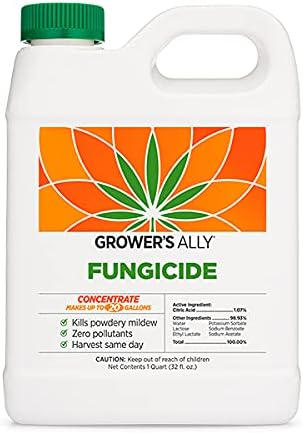
    Grower’s Ally Fungicide | 32 fl. oz. Concentrate, Makes 20 Gallons | Safe Fungicide and Bactericide for Plants

    412v DsoElL. AC

    Preventing Septoria Leaf Spot-Resistant On Tomatoes

    It is sometimes hard to avoid septoria leaf spot altogether because it is prevalent and requires the ideal conditions to thrive. However, there are some precautions you can take to lower the likelihood of septoria leaf spots from occurring

    Use Disease-free Seed

    This fungus can be passed on by seeds.  To be on the safe side, don’t save seeds from infected plants. If you’re keeping your tomato seeds, it is best to thoroughly process them to help get rid of any lingering strains of the disease.

    Start Your Crop In A Clean Garden

    After harvesting, dispose of all the affected plants. This fungus has been strong enough to overwinter on the remains of dead plants for many years. Therefore, it is essential to dispose of all the affected plants far away from the garden and not to add them to your compost pile. Be sure to dispose of it away from any eggplants or potatoes you could be growing.

    Provide Room For Air Circulation

    When growing your tomatoes, leave some space between your tomato plants so that there’s good airflow. Hang them for support, so they’re not touching the ground and are not all bunched up together. Good air circulation is critical during damp or rainy weather.

    Avoid Overhead Watering

    Water is one significant way that the septoria leaf spot spreads. Keeping water off the leaves when you irrigate is essential and only watering the base of the plant. Yes, it’s impossible to keep the rain off your plants, but every bit of caution helps.

    Avoid Overhead Watering

    Mulch Below The Plants

    A layer of mulch helps prevent spores that are on the ground from splashing up onto the lower leaves during watering.

    Plant Your Next Season Of Tomatoes In A Different Section Of Your Garden

    Practice crop rotation so that you avoid getting your new tomatoes infected with the septoria leaf spot.

    Final Thoughts

    The only way to defeat the septoria leaf spot resistance in tomatoes is to spot it immediately. If you are a constant tomato farmer, septoria leaf spot can be a severe problem for your tomatoes if not dealt with.

    The fungus does not infect the fruit, but the infection could result in poorly developed tomatoes and ruin your crop?  If this disease strikes your plants, you may use fungicides to keep it under control despite your efforts to prevent the infection.

    Be on the lookout for this leaf infection and deal with it as soon as you notice it!

  • How To Tell If Baby Carrots Are Bad

    How To Tell If Baby Carrots Are Bad

    Do you know how to tell if baby carrots are bad or still in good condition to be consumed? If not, join many others and learn how to.

    Do you love munching on fresh carrots throughout the day? Most people do! Fresh carrots are a delicacy you will find in most homes. Storing them in the refrigerator makes it more convenient instead of heading to the grocery after every few days.

    However, the tricky part comes in storing these vegetables. Sometimes it is hard to know when they’re going bad until they’re entirely rotten. The worst thing about it is that vegetables do not come with an expiration date label.

    That said, how can you tell if carrots are bad or still safe for consumption? This article will look at various ways to know if carrots are good and everything about storing them.

    Do Baby Carrots Go Bad?

    The first and most important thing we all need to understand is carrots can go bad. Both regular carrots and baby carrots are the same. They have the same perishability making them susceptible to rot after a few days.

    It is therefore essential to pay attention to the time you have a store purchase your carrots to put into consideration how long they will last.

    Do Baby Carrots Go Bad

    With that in mind, here few things you should consider about your carrot’s shelf life:

      • If you store your carrots in a warm area, they will only last up to 4 days

      • Storing your carrots in the refrigerator can last you up to four weeks

      • When stored in the freezer, they will be able to maintain their optimum freshness for 12 months. They can still be safe for consumption even beyond this period if they have not shown any signs of rotting.

      • If you chop your carrots and place them in the refrigerator, you can use them for about 2 to 3 weeks.

      • Cooked carrots stored in the refrigerator can last for three to five days.

      • Cooked carrots stored in the freezer can last up to 12 months.

    How To Tell If Baby Carrots Are Bad

    As emphasis, baby carrots go bad in the same way usual carrots do. The only difference is that baby carrots are too short to bend when testing them for wilting. The surest signs of carrots going bad are visible mold, slimy texture, or bad smells.

    The easiest way to tell when carrots go bad is to use the following steps.

    Look For White Blush

    White blush forms on the surface of the carrots as white lines. It is a thin layer of dehydrated carrots that develops when exposed to the atmosphere causing the outer portion of the skin to dry. If you notice these white lines on your carrots, they are still safe for consumption. However, keep in mind that this is a sign your carrots are about to die out anytime soon. If these lines are too many, you should throw away your carrots.

    Look For White Blush

    Check For Spots

    Fresh carrots have flawless skin without spots. When you notice white or darker areas on the carrot skin, this means rotting has started taking place. These carrots are not safe for consumption and should be discarded.

    Check For Consistency

    If your carrots have stayed out for a week or so out of the refrigerator, touch them to check if any parts have a mushy consistency or slimy part on their surface. If you notice any of these signs, throw this out immediately. These are slimy or rotten carrots that could lead to unwanted health issues. You can also check the thickness or size of the full carrot stop if it is a bit thinner than its original size; they are also bad and need to be thrown out.

    Read more about Can You Eat A Tomato With Seeds Sprouting Inside

    Smell Your Carrots

    Fresh carrots do not emit any foul smell. If your carrots are already rotten, they will release an unwanted odor. The smell is a result of growing bacteria in the carrots. If you notice any weird smells, throw them out right away.

    How Can You Extend Your Carrots Shelf Life?

    If you love munching on raw carrots or using them for cooking your favorite dishes, there’s nothing wrong with stocking up a good amount. One more tip you need to learn is how to store your carrots properly.

    You also need to know how to prolong the shelf life, especially for sliced and cooked carrots. The best way is to freeze your carrots or refrigerate them.

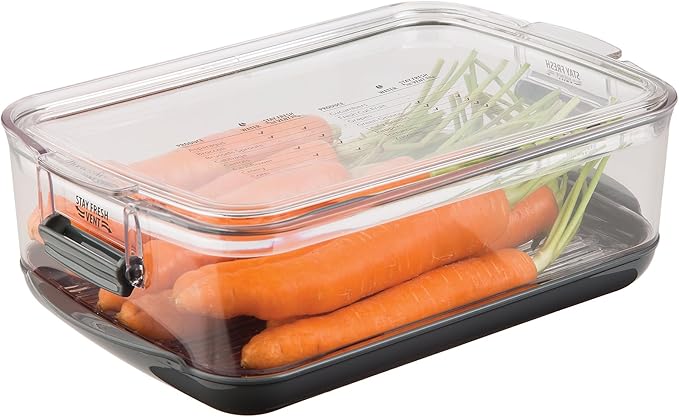
    Prepworks by Progressive Produce ProKeeper, 3-Quart, Stay-Fresh Vent System

    Here are some quick tips to help you do that.

    • Quick Freeze Cooked Carrots.  If you have thoroughly cooked your carrots, quick-freeze them so you maintain their freshness, texture, and taste. You can do this by arranging your carrot slices on a baking sheet and placing them in the freezer. Once fully frozen, place these frozen carrots in a sealed container or ziplock bag.
    • Blanch Your Sliced Carrots Before Storing Them.  If you want to keep your carrots sliced, it is best to blanch them first. Once they have cooled down, drain them and place them in zip-locked bags removing as much air from them as possible. To ensure no air remains in the Ziploc bags, you can use a vacuum sealing system.

    What Happens if You Eat Bad Baby Carrots?

    You could get food poisoning if you eat bad baby carrots. Symptoms can range from mild to severe and may include nausea, vomiting, diarrhea, stomach pain, and fever.

    If you suspect you ate rotten baby carrots, it’s important to pay attention to your symptoms and seek medical attention if necessary. You might have trouble keeping fluids down if your symptoms are severe. In this case, getting medical attention as soon as possible is essential. Food poisoning can lead to dehydration and other serious complications.

    You should always handle and store baby carrots properly. This will help prevent them from going bad. Store your baby carrots in the refrigerator to avoid spoilage, and wash them thoroughly before eating them raw or using them for cooking.

    If you notice that your baby carrots are discolored or have an off odor, avoid eating them. These are signs of spoilage.

    Can You Get Sick From Slimy Carrots?

    Slimy carrots are a sign of spoilage. If you notice your carrots are slimy, they are unsafe to eat. Consuming spoiled carrots could lead to food poisoning.

    Some home cooks believe carrots with a thin slime layer are still edible. This might be true if the carrots have no foul odor and a firm texture. However, if your carrots have a thick slime layer accompanied by a foul smell and soft texture, it is better discarded.

    Slime on carrots is caused by bacteria. These bacteria thrive when carrots receive improper ventilation or have started to rot. Carrots naturally have bacteria from the ground on their skin. The bacteria have no oxygen when this veggie is vacuum sealed or stored in airtight containers. They need oxygen to survive, and without it, they need to resort to other forms of aspiration. One such is an anaerobic aspiration. During this process, the bacteria produce an acid that presents as a slimy layer.

    You should store your carrots in cool open spaces. I also suggest eating damaged carrots first to prevent rotting. Bacteria create slime on rotten skin, and the slime can spread if one carrot is infected.

    Conclusion

    Carrots are some of the healthiest vegetables you can get your hands on. But consuming spoilt carrots could do you more harm than good.

    To protect yourself from eating rotten carrots, it is best to store your carrots properly and try to prolong their shelf life as best as you can.  Floppy carrots can be consumed, but one thing you need to know is the floppiness that happens due to dehydration. After all, carrots are 80-95% water.

    To regain their stiffness, you can place the flaccid carrots in cold water for up to 3 to 5 hours before use. Afterward, you will find that they are nice and firm again.

    However, don’t forget that their vitamins are water-soluble; therefore, the carrots may not be as nutritious. This is because they will have lost most of their nutrients due to dehydration.

    FAQs

    Do baby carrots really go bad?

    Yes, they do go bad. It’s a very common misconception. They do, and if you don’t eat them, or cook them, then they will eventually go bad. They are perishable, and it’s only a matter of time before they start to lose their freshness and flavour.

    Like many foods that have a shelf life, baby carrots (sometimes called microgreens) can lose their color and flavor if not refrigerated.

    Are baby carrots supposed to be slimy?

    No, they’re not. They are meant to be crunchy and firm, just like any other vegetable.

    I used to think that the reason they are slimy is because they are grown in a wetter environment than most vegetables (for example, soil instead of sand).

    How fast do baby carrots go bad?

    I think this depends on the type of carrots you are buying. If you are buying organic, then they are most likely to last longer. In terms of freezing, I don’t recommend it because they get mushy and won’t cook up as well. It’s not worth it to me, so I just eat them as soon as possible. The only thing I would suggest is to make sure they are cooked, then refrigerate in an airtight container. That way you can just pop one in your mouth without worrying about it getting cold.

    When they are well refrigerated they should last around a month.

    What should a healthy carrot look like?

    The scientists have identified the most important factors for making an ideal carrot. They found that a carrot’s “ideal” look is determined by its size and the ratio of its green to white parts. This means that if you are growing your own carrots, you can make them more attractive by adjusting the amount of green on the vegetable.

    How can I make baby carrots last longer?

    Wash the baby carrots and cut them in half, then put them in a ziplock bag and add them to a bowl of ice cold water.

    Let the carrots soak in the ice cold water for 24 hours. This will keep them fresh and crisp for up to a week. If you want to use the carrot for baby food, rinse it off and cut it into pieces that are about 1/2 inch thick.

    Should you store baby carrots in water?

    The debate over whether to store baby carrots in water or not has raged for years. While some claim that baby carrots need to be stored in water, others believe they don’t need to be stored at all. The reason for the controversy is that the way in which you store them may affect their taste and appearance, as well as their nutritional value.

    Yes! They’ll be softer and fresher if stored this way, but be sure to change the water after a few days.

  • Can I Grow Cucumbers In A Pot? – Step-By-Step Guide

    Can I Grow Cucumbers In A Pot? – Step-By-Step Guide

    Can I grow cucumbers in a pot is a question most gardeners ask in anticipation of growing this crop on their patios or balconies.

    Cucumbers may seem like they cannot grow in pots, yet they make excellent container plants producing an abundance of crops.

    The main trick to growing cucumbers in pots is to get the best varieties.  Cucumbers will thrive in your container garden as long as you have a big enough container and trellis for support.

    You will also need a warm and sunny spot and the know-how to grow these fresh vegetables.

    How To Grow Cucumbers In Pots

    Before we learn about growing cucumber in pots, it is best to talk about cucumber varieties. This can be confusing to many who do not understand that different types do well in different conditions.

    Cucumbers are part of the gourd family, along with watermelons, pumpkins and squash. Though considered vegetables, they are technically fruits, much like tomatoes.

    There are two varieties of cucumbers – the vining and the bush. Bush varieties are more compact and spread lesser than the vining varieties, making them perfect for containers.

    How To Grow Cucumbers In Pots

    Cucumbers have further been classified as slicers and picklers. Slicers are best eaten fresh in sandwiches and salads. They have thinner skin and a mild flavour. Pickling cucumbers have a thicker skin and do not taste as pleasant when eaten raw. These are best for pickling because they do well in brine, maintaining their excellent crunchy texture.

    We can still classify cucumbers further by either burps or burpless. Cucumbers carry a compound known as cucurbitacin. This compound upsets the stomach. Some varieties that have thinner skin and fewer seeds have lower levels of cucurbitacin. These varieties may be labelled burpless, but they’re not a guarantee.

    That said, don’t be confused about what type to grow. Remember, bush varieties do well in pots.

    Which Cucumber Varieties Do Best In Containers

    The bush varieties do well in container gardens as long as you support them early in the growth journey. Here are some recommended types by gardening experts

    Growing Slicing Cucumbers

      • Bush Champion. This variety produces lots of crops with big fruit at least 8 to 12 inches long.

      • Bush Crop. It produces plenty of medium green fruits that measure about 6 inches long

      • Potluck. This variety produces Bush cucumbers that measure between 6 to 8 inches long.

      • Salad Bush Hybrid.  It produces up to 8 inches of fruits on this disease-resistant plant.

      • Space Master 80. This is a prolific plant that produces 7 to 8 inches of fruits.

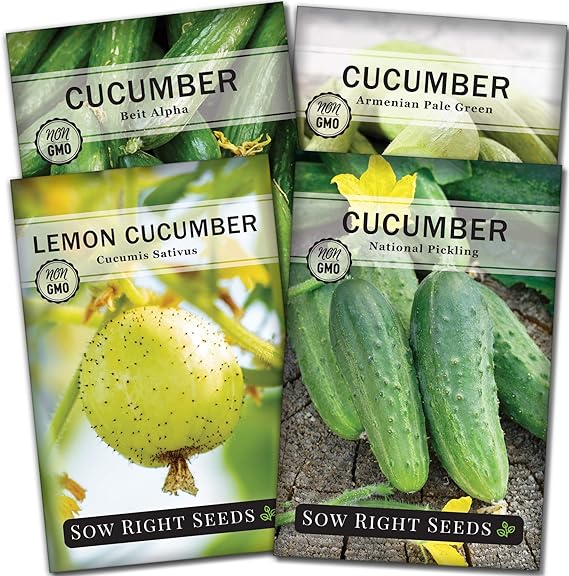
    Sow Right Seeds – Cucumber Seed Collection for Planting – Non-GMO Heirloom Seeds

    81KFjIGOj1L. AC SX569

    The Pickling Cucumber

      • Picklebush. This variety produces dark green fruits at least four inches long.

      • Little Leaf. The little leaf variety produces fruits that are medium length, at least three to five inches long and are best for eating fresh. This variety is highly disease and stress resistance.

      • Market More. This variety has dark green fruits measuring 6 to 8 inches long.

      • Northern Pickling. It is a heavy producer of small to medium fruits that are best for pickling. It matures fast, at least in 48 Days.

    How To Grow Cucumbers In A Pot –  Seeds Or Transplants

    Cucumber seeds can be sown directly into the soil. The seedlings don’t like root disturbance and can be difficult to transplant. For this reason, it is best to sow direct into containers or your garden beds.

    Ideally, it is best to start your seeds in the growing pot outdoors where it’s going to be during its growing season. Ensure the last frost has already passed before sowing your seeds.

    To sow your cucumber seeds in a container, follow the following steps

    • Step 1. Sow at least 2 to 3 seeds in each pot. Plant them about half an inch deep. Use high-quality potting mix and soil, adding a slow-release organic fertilizer or aged compost manure. This will provide the plant with the necessary nutrients from germination onwards. You should expect your seeds to germinate in at least 1 to 2 weeks.
    • Step 2. Water your sown seeds well, keeping the soil consistently moist until germination happens.

    • Step 3. Depending on the cucumber variety and the size of your container, remove some of the seedlings and leave at least 1 per pot. When your seedlings are a few weeks old, you will need to thin them down to 1 seedling by snipping the weaker ones out on the soil level.
    • Step 4. Remember to introduce trellis or other support as early as possible

    If you decide to start your cucumber seeds indoors, be sure to sow at the right time at least 3 to 4 weeks before you move them to the pots. If you plant them too early, you will have overgrown plants that could flower and fruit while still indoors.  It will be difficult to transplant the overgrown seedlings, and they may never live up to their production potential.

    When ready to transplant your indoor seedlings, carefully remove them from their germination trays and tuck them into the potting mix without disturbing the root ball.

    Water them adequately after that.

    Grow Cucumbers In A Pot- The Size Of Pots To Use

    Cucumbers require plenty of room, food, water, and full sun. They do not thrive in poor dry soils and small pots.

    Cucumber plants a big, and they require plenty of room to grow. Choose a container that holds at least 5 gallons of soil for each cucumber plant. The bigger the container, the better your plant will thrive. Fill your pot with good quality potting mix.  Do not use garden soil as it carries pests and bacteria that could harm your plants.

    Grow Cucumbers In A Pot- The Size Of Pots To Use

    Next, choose a spot on your deck patio or balcony that gets full sun for at least six to eight hours per day and place your pot there.

    Conclusion – Can I Grow Cucumbers In A Pot

    As we have learnt, growing pickling cucumbers in containers is easy and can be done almost the same way as the garden requires.

    Cucumbers are an essential summer vegetable that cools you off during the hot season. They are easy to grow and highly productive, even in containers. Next time someone asks you, can you grow cucumbers in a pot? Lead them to your patio or balcony and let them enjoy the view of your thriving cucumbers.

    You don’t need a big garden to grow cucumbers. Provide them with sunshine, consistent moisture, and a big pot, and soon enough, you will enjoy a bumper crop of crisp fruits all summer long.

    As if that’s not enough, cucumbers grown in pots have fewer issues with diseases and pests, reducing any potential problems that face these plants.

  • Do You Use Cilantro Stems?

    Do You Use Cilantro Stems?

    Cilantro is a popular herb to use in cooking. It is versatile and is great for use in salsas, soups, curries, and much more. Though the leaves are commonly used, many people wonder, do you use stems of cilantro?

    Cilantro is readily available in most grocery stores and can also be grown in your own home garden. It is a great herb that many chefs like to have on hand in their kitchens. It has a signature taste that wonderfully complements many different dishes.

    Using Cilantro In Cooking

    Cilantro is a type of annual herb that is part of the family Apiaceae. It is also called coriander, Chinese parsley, or dhania. Though the leaves and seeds are the most commonly used parts, the stems, along with the rest of the plant are edible.

    Cilantro has a taste that is slightly tart, similar to that of a lemon or lime. However, for some people, it has a taste of dish soap. This is a result of a variation in a group of olfactory-receptor genes that some people have, which leads them to experience a soapy flavor.

    Cilantro leaves are popular for use in chutneys, salads, salsa, and guacamole. In addition, many people use it to garnish soup, fish, and meat.

    The seeds can be used both whole dried and ground. When they heat up, the aroma and flavor heighten. As a spice, it is used in garam masala, curries, sausages, beer, and in pickling vegetables as well.

    Cilantro also comes with many health benefits as well. It is beneficial for your digestive health and is even helps your skin. In addition, it can also help with pain, inflammation, and anti-fungal properties.

     do you eat cilantro stems

    Do You Use Stems Of Cilantro?

    So, you may wonder, do you eat cilantro stems? Despite what some people think, cilantro stems are edible. Though other herbs may not have stems that are edible or taste good, cilantro does.

    In fact, they can be great for cooking as they are tender and flavorful, which is great for many dishes. The stems also have a crunchy texture, which can be great for adding texture to many dishes.

    The stems of cilantro can be great for using in salsas, like pico de Gallo, sandwiches, sauces, soups, and much more. They have the same great taste as the leaves and can be just as great to use.

    How To Chop Cilantro

    To start off, wash off your cilantro and then pat it dry. Then, line it up and chop off the bigger, thicker part of the stems at the bottom, if desired. Sometimes the bottoms of the stems can be too thick and woody for some people’s preferences.

    Then, fold cilantro in half and begin chopping it. Use a sharp knife to finely chop it up by doing a rolling motion with the knife. You can chop it as finely as you like depending on your recipe.

    When chopping it, you can leave the stems of the top in and chop them up finely as well. If you want, you can also finely chop up the bottom stems if you don’t mind that they are thicker. Then, add your chopped cilantro to your dish or blend it up for making a sauce.

    How Long Does Cilantro Stay Good?

    Freshly picked cilantro will last for about seven to 10 days in the fridge when properly stored. It is a perishable herb, so it will only last for a few hours at room temperature once you pick it.

    It is important to properly store cilantro in order to ensure that it will stay fresh for as long as possible. To do so, start out by removing the rubber band that holds the herb together.

    Then,  fill a glass with an inch of water and then place your cilantro into it. You will also want to lightly cover it with a plastic bag in order to maintain freshness. You can also store your cilantro in a produce bag in your crisper drawer.

    Like all fruits, vegetables, and herbs, you will want to wash them before using them. However, too much moisture can cause it to go bad quickly, so be sure to wait until you are ready to use your cilantro to wash it.

    How To Tell If Your Cilantro Is Bad

    Cilantro that is soft and discolored is no longer good. In addition, if it has an off-smell or taste, you will want to disregard it. In addition, if there is any mold or it feels slimy, throw it out right away as it is not safe to eat.

    How To Grow Cilantro At Home

    If you want to grow cilantro, the best time to do it is in cool weather, such as early spring. You should plant it in loose soil that has good drainage and in a spot that has full sun. You can grow cilantro in planters or garden beds, just be sure there aren’t any taller plants taking away its sunlight.

    The seeds should be planted about one to two inches apart about 1/4 to 1/2 an inch deep in the soil. The soil should be moist, but not soggy, with around one inch of water a week being adequate. It strives in temperatures between 60-70 degrees.

    61+s8Sn36hL. AC SX679

    Understing If You Do You Use Cilantro Stems

    Cilantro stems are edible and they are great for adding it your favorite dishes. In fact, they are full of flavor and provide a great crunch to different dishes. When chopping up the leaves, you can chop up the stems as well to use.

    Unlike other herbs, the stems are just as flavorful as the leaves are. There is no need to throw out the stems as they are perfectly good to use. However, some people may choose to leave out the bottom of the stems because they are thicker and woodier.

    Do you have any questions regarding do you use cilantro stems? If so, please ask any questions on using the stems in cooking in the comment section down below.

  • How Long Are Zucchini Good For?

    How Long Are Zucchini Good For?

    Zucchini is a popular choice among gardeners of all experience levels. They are a versatile variety of squash and often grow in abundance. So, just how long are zucchini good for?

    Though culinary wise they are a vegetable, zucchini is a fruit botanically speaking. Thanks to their high moisture content and neutral flavor, they are great for both sweet and savory dishes. There are also different varieties of zucchinis available to grow.

    Brief History Of Zucchini

    The origins of zucchini go all the way back to Mexico over 7,000 years ago where maize, beans, and squashes were an important part of people’s diets. However, zucchini itself was developed in Italy in the late 1800s. The first mention of the zucchini comes from a work published in Milan in 1901.

    Early varieties of zucchini were named after cities in Italy. It was introduced to America by Italian immigrants in the 1920s. As a type of summer squash, it quickly became popular all across America.

    Brief History Of Zucchini

    How Long Is Zucchini Good For?

    Unlike varieties of winter squash, zucchinis can be easily perishable. When properly stored, a zucchini will last for one to two weeks. You can keep it at room temperature, but it will only last about two to three days before it is no longer at its peak.

    After harvesting or buying your zucchini, you only have a limited time to use it while it is still good. Though it will vary by the individual vegetable, you can expect them to last for up to two weeks in a cool environment such as a fridge.

    How To Keep Zucchini Fresh

    To keep a zucchini fresh, you will want to store it in a cool, dry area away from sunlight. Heat and humidity will cause a zucchini to go bad quicker.

    The ideal place to store your zucchini is in the crisper draw of your fridge. Store them in a plastic, mesh, or paper bag with one end open to encourage air circulation. Moisture can accelerate the spoiling process, so be sure to wait to wash it until you are ready to use it.

    Since they are delicate, do not place other items in the fridge on top of them. This can cause the fruit to bruise, which will lead it to go bad quicker.

    If you have any leftover zucchini that is cut up, store it in an airtight container in your fridge. It will last for two to four days after being chopped up.

    Perfect Stix – Brown Bag 2-100 2lb Brown Paper Bags – Pack of 100ct

    614D3+76HqL. SX522

    How To Store Zucchini Long Term

    If you won’t be able to use your zucchini up within a couple of weeks, you can freeze it for later. However, raw whole zucchini will not freeze well as it will become weepy and watery once you thaw it. Fortunately, blanching is an easy solution to prevent this from happening.

    To prep, your zucchini for freezing, start out by washing it and then cutting it into slices. You will want the slices to be at least half an inch thick.

    Bring a large pot of water to a boil and cook your zucchini slices for one to three minutes, until they are firm and bright green. Then, use a slotted spoon to immediately transfer them to an ice bath. Gently stir the ice water to fully cool them down.

    Once cool, drain the water and lay the slices down in a single layer on a baking tray. Then, use a paper towel to remove the moisture.

    Place the baking tray with the slices in the freezer and let them sit in there for two to four hours. Once completely frozen, transfer the slices to a Ziploc bag and return to the freezer. The slices will last for up to six months if properly stored in the freezer.

    You can also freeze grated zucchini as well. Simply wash your vegetable, then grate it and lay it flat on a baking tray. Then, place the tray in your freezer and keep it in there for one to two hours. Once it is frozen, transfer it to an airtight container or Ziploc bag and return it to the freezer for up to six months.

    When ready to use, allow your zucchini to defrost at room temperature for an hour or overnight in the fridge. Then, use it accordingly in your recipes.

    Read more about Does Zucchini Grow On A Vine?

    How To Tell If They Are Ripe

    When zucchini is ripe, it will be around six to eight inches long. It should be firm and shiny but slightly flexible and dark green in color, though depending on the variety it may be yellow or white. The skin should be firm, but will slightly dent when you push in on it with your fingernail.

    Avoid harvesting zucchinis that are mushy or bruised, as they will likely not be good. If it is hard or light green, it will still need more time to grow.

    How To Tell If They Have Gone Bad

    If your zucchini is soft, mushy, or bruised, you will want to avoid using it. In addition, you will want to throw it out if it is moldy or has an off-color. If you notice that the flavor is bitter or the smell is funky, you will want to discard it.

    In addition, it is likely no longer good if the insides are stringy and the seeds are large. The skin may wrinkle or shrivel when it is going bad.

    How To Tell If They Have Gone Bad

    FAQs

    How do you know when zucchini go bad?

    When it starts to smell funny. If it starts to rot, it’s already too late.

    Is zucchini still good after 2 weeks?

    Zucchini will keep a few weeks in the fridge.

    Does zucchini last longer in the fridge?

    Yes. You can keep it for a couple of weeks, even if it starts to get a little soft, but it will definitely last longer if you put it in the freezer. 

    Store it in a plastic bag in your refrigerator, or in the freezer. If you’re going to use it within a few days, you can leave it out on the counter. It will be okay at room temperature, but not as good as when it’s cold.

    How long will a zucchini last on the counter?

    You can keep them for up to two days. If you are looking to use them for a snack or side dish, then it is probably best to cook them as soon as possible. If you have an abundance of them, you might consider freezing some for later.

    Is zucchini still good when soft?

    The zucchini should be mostly yellow, the yellow part being the stem.

    The white part is the seeds. If you’re seeing green, it may be a matter of maturity. Zucchini usually take longer to mature than yellow squash. The green squash can be cut away and used in recipes, but will not have the same flavor as yellow squash.

    Why does my zucchini taste bitter?

    The bitterness of a zucchini can be caused by a number of factors. The most common is the presence of oxalic acid, which occurs naturally in plants. Oxalic acid is not only a powerful antioxidant and anti-inflammatory agent, but also has an affinity for calcium. This makes it a natural chelator of calcium.

    In addition to oxalic acid, the seeds, stems, and flowers of many plants contain phytates, which are also strong chelators of calcium. Phytates are found in many vegetables, nuts, and grains, such as wheat bran and whole grain bread. You may also find that your zucchini contains other bitter compounds, such as saponins, which are found in plants from the nightshade family (potatoes, tomatoes, eggplants, etc.). These compounds are very potent antioxidants and have a similar affinity for calcium. To reduce the bitterness of your zucchini, try soaking it in water for several hours before cooking or boiling it for longer.

    Keeping Your Zucchini Fresh And Delicious

    Zucchini is a great vegetable to have on hand for baking and cooking during summertime. It can perish quickly, but with proper storage, it can last for up to two weeks in your fridge. You can keep it at room temperature, but it will only last for around three days before it is no longer at its peak.

    You can also freeze it as well by blanching slices or grating it. Both ways will last for around six months in your freezer.

    Do you have any questions regarding how long are zucchini good for? If so, please ask any questions regarding zucchini storage in the comment section below.
  • Can You Eat a Tomato With Seeds Sprouting Inside

    Can You Eat a Tomato With Seeds Sprouting Inside

    In this article, we will discuss and answer the question: Can you eat a tomato with seeds sprouting inside to get to know the truth?

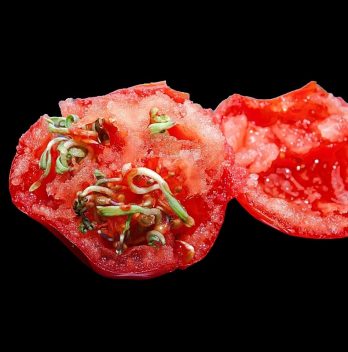
    Have you ever sliced into a beautiful red tomato to find the seeds already sprouting? When the seeds sprout, they look like small,  green, or white wiggly things. Check keenly to be sure these are not worms but sprouting seeds inside the tomato.

    It is common to see tomato seeds sprout inside tomato fruit. This happens because of a lack of hormonal acid. This hormonal acid is what keeps the tomato dormant until the time is right for them to sprout.  The seeds are more likely to grow if the tomato has been exposed to prolonged cold for a few days and then moved to heat. Temperatures below 55 degrees Fahrenheit are too cold for harvested tomatoes.

    So, Where Do These Sprouting Seeds Come From

    Seeds germinating inside the tomato is a process known as vivipary. This process occurs in overripe fruit where seeds have reached maturity, and the ABA abscisic acid’s natural hormone is reduced. In this case, the seed dormancy is lost gradually.

    The tomato fruit allows the vivipary process since the seeds do not dry out in a moist environment inside the fruit.

    So, Where Do These Sprouting Seeds Come From

    Some causes of seeds sprouting inside the fruit are due to long storage in cool temperatures below 55 degrees Fahrenheit. It could also be because the tomato fruit is overripe, has potassium deficiency, or over-fertilization with nitrogen fertilizer.

    However, it is customary to see ripe summer tomatoes begin to sprout their seeds while still whole.

    Can You Eat A Tomato With Seeds Sprouting Inside?

    Yes, you can eat a tomato with seeds sprouting inside. The main reason why the seeds sprout inside the tomato is due to over-ripening.

    Tomatoes that have started to germinate the seeds can have a not-so-sweet taste. However, this is a disputed theory as some people find it tasty while others find it bland.

    All sprouted tomatoes are safe to eat unless you notice other things like fuzz, spots, or squishy tissues. Please note that if a pathogen has infected the tomato, you cannot eat it.

    Some people have gotten ill by eating the sprouted tomatoes overripe; therefore, exercise caution when feeding on these tomatoes. The best use you can put to an overripe tomato is to plant it and allow it to grow.

    Why Do Tomatoes Seeds Sprout?

    As fruits ripen, they develop an abscisic hormone that causes the fruit to develop until it becomes overripe. Once it’s degraded, the release of abscisic acid diminishes because the fruit has reached its peak in ripening.

    The seeds in the fruit change from dormancy to active state. As they become active, they begin germinating, known as vivipary. The vivipary escapes from the seed seeking a moist environment of the tomato for sustenance.

    Vivipary means live birth. Even if you don’t cut open the tomato, the sprouts will make their way out of the fruit through the skin.

    Read more about Can You Eat Carrots That Have Sprouted?

    How To Prevent Seeds Sprouting Inside Tomatoes

    After you harvest or buy your tomatoes, it is essential to store them at room temperature and prevent sunlight from accessing them.  However, allow sufficient air circulation to help them ripen and stay healthy.

    To prevent sprouting, keep your tomatoes in a cool, dry place instead of a warm area but do not refrigerate them.

    When you harvest or buy your tomatoes, use them as soon and as fast as possible.  Allowing your tomatoes to age is giving them a chance to sprout. If you do not intend to cook or eat them soon enough, you could turn them into a tomato paste, or sauce or use them in pizza.

    Food Storage Containers, 3 x 1.5L Fridge Organizer Case with Removable Drain Plate

    71eyC1H0WCL. AC SX679

    Some Reasons To Eat Tomatoes Regularly

    Tomatoes are suitable for the body, and it is essential to eat them as often as possible. Here are some reasons why we should adopt them:

      • Tomatoes have multiple varieties of antioxidants that protect your eyes, heart, and skin. They also have potassium vitamins B, K, and E, and folate.

      • Tomatoes have an antioxidant known as lycopene that protects your cells from free radicals keeping you safe from stomach, lung, or prostate cancer. Lycopene also lowers your blood pressure and cholesterol levels, protecting you from strokes.

      • These fruits have vitamin K which is crucial for bone health and the healing of wounds. It helps in blood clotting in case of an injury and speeds up the healing process.

      • Lycopene also benefits your oral health by strengthening the gums and protecting you from gingivitis and periodontitis.

      • Tomatoes contain the antioxidants lutein and zeaxanthin, which do wonders for your eyes, protecting them from macular damage and blue light.

      • They have high fiber that prevents constipation, lowers cholesterol, and manages diabetes.

    How To Prevent Tomato Seeds From Sprouting While Inside The Tomato

    There are a few steps you can take to prevent your tomatoes from sprouting while still whole.  They include:

      • Grow Your Tomatoes and Remember to Harvest Them on Time.  Growing your tomatoes ensures that you provide them with the right nutrients to get you healthy tomatoes. Ensure that you also harvest them before the cold weather sets in.  This will keep the tomato seeds from being tricked by the weather into dormancy. The seeds inside the tomatoes tend to sprout when tricked into dormancy.

    • Grow Your Own Tomatoes and Remember to Harvest Them on Time 
      • Buy Your Tomatoes From a Farmer’s Market. If you cannot grow your own tomatoes, then buy from a local farmer’s market. Some gardeners who use hydroponic systems produce tomatoes all the time. Indoor farmer’s markets may also surprise you with their produce.

    How Many Days Do Tomato Seeds Take to Germinate?

    Tomatoes grow pretty fast. Their seed can sprout within 10 days under the right conditions. You should keep your tomatoes seed at a warm temperature to ensure they sprout. Spray them with water twice a day to keep them moisturized. Once you see the seeds sprouting, move them to bright light.

    What Temperature is Needed to Germinate Tomato Seeds?

    Tomato seeds don’t need sunlight to germinate, but they do need warmth. Your seeds will germinate in temperatures around 65°F to 85°F. Ideally, a temperature of 104°F should be reached.

    Will Refrigerated Tomato Seeds Germinate?

    Tomato seeds won’t germinate if they’re kept in the fridge. In there, they won’t receive any warmth or moisture.

    If it’ll be a while before you germinate your seeds, I suggest keeping them in the fridge. Many seeds stored in a refrigerator tend to show higher germination rates.

    Once you’re ready to germinate your refrigerated tomato seeds, leave them at room temperature to warm up. You can then continue germinating them as you would normally.

    Will Tomato Seeds Sprout in Water?

    Tomato seeds will not sprout in water. They need warmth to germinate. However, soaking the seed in water for a few days before you start the germination process, helps. Tomato seeds have hard outer shells. Soaking these in water softens them. Your tomatoes will germinate easier.

    How Long Does it Take for Tomato Seeds to Sprout Indoors?

    You can get your tomato seed to sprout faster by germinating them indoors. Tomato seeds kept indoors sprout in about 5 or 6 days under ideal conditions.

    You should keep their soil warm and spray them with water. If you’d like your seeds to germinate healthily, keep them moist and transfer them to sunlight once they break the surface. You can also use a grow light.

    Can You Grow Tomatoes From The Seeds of Canned Tomatoes?

    Tomato seeds from canned tomatoes won’t germinate. During the canning process, tomatoes are cooked at extremely high temperatures. This process damages the seeds.

    How Long Will a Tomato Last in The Fridge?

    After your tomato seeds germinate successfully, you can plant them. If you take good care of your tomato plants, they’ll produce a large harvest. Once your tomatoes are ripe, you can enjoy them on the go or keep them in the fridge.

    Ripe tomatoes will last in a refrigerator for up to two weeks. You can also preserve them in various ways to ensure none of your harvests goes to waste.

    Tomato sauce made with oil and garlic can stay fresh in a tightly sealed container for about 6 months when placed in the fridge. You can dehydrate your tomatoes and leave them as is or reduce them to powder. Both versions can be stored in your refrigerator to keep them fresher for longer.

    If you want to preserve your tomatoes even longer, freezing them is a better choice. Tomatoes will last up to a year in a fridge with freezing temperatures.

    Conclusion

    Once you’ve harvested your tomatoes from your garden, learn how to store them correctly.  Place the tomatoes on a counter or a window seal out of direct sunlight. Keep them at room temperature and don’t stack them up or put them in a plastic bag. This way, you will not have rotten or sprouting tomatoes.

    According to the USDA, this storage method will help them write and develop good flavor and aroma. Then you will have ripe tomatoes that are ready to eat without their seeds germinating.

    Also, to prevent vivipary in tomatoes, fertilize your plant’s orphan when growing with recommended ratios of N, P, and K. The problem does not occur after the fruits mature.

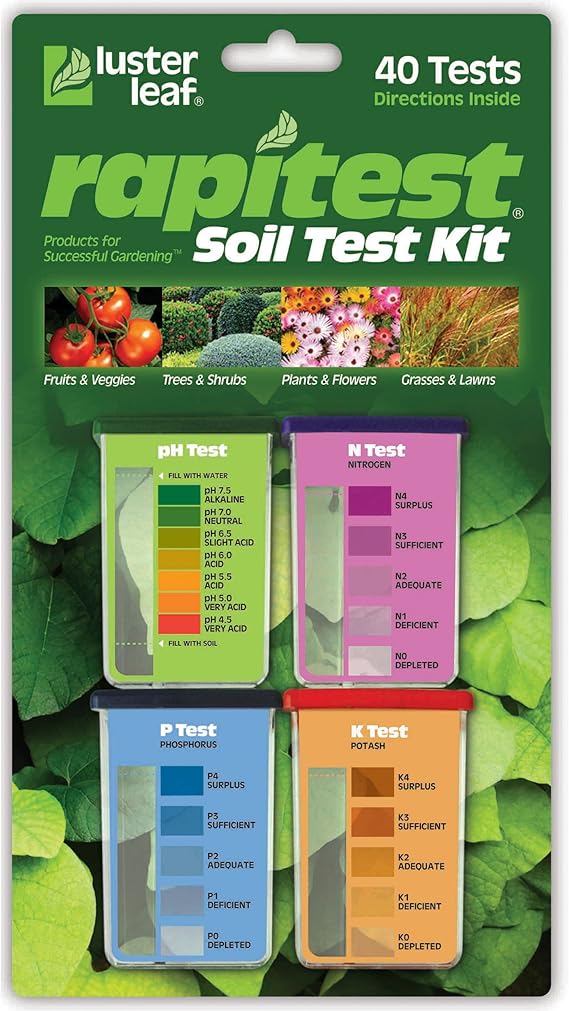
  • Is Adding Lime To Soil For Tomatoes A Good Idea?

    Is Adding Lime To Soil For Tomatoes A Good Idea?

    Are you wondering whether adding lime to soil for tomatoes is a good idea, or you could be messing up your soil by doing so?

    Lime is good for tomato plants, especially if your soil lacks calcium or is too acidic with a low pH. Lime can also help reduce nutrient deficiencies and improve water penetration in the soil.

    However, too much lime raises the pH too much and can block a tomato plant’s uptake of magnesium. Do not add lime without first taking your soil for a test to determine the nutrient content.

    The amount of lime you need depends on your soil‘s nutrient content as well as the pH level. This article will talk about the benefits of lime for tomato plants along with its questions.

    Do Tomatoes Like Lime?

    Tomatoes are often grown in lime-rich soil to prevent the disease blossom end rot. Lime for garden soil is also sometimes used as a fertilizer for tomatoes, though it’s not considered an essential element.

    Lime for garden soil is typically applied as lime slurry or lime water. Lime slurry or lime water can also be sprayed on the leaves of tomato plants to combat aphids, whiteflies, and leafminers. Mix a teaspoonful of lime with a gallon of water until it dissolves. Fill a spray bottle with lime water and apply it thoroughly, including the undersides of leaves.

    Lime for garden soil is also sometimes combined with neem oil or insecticidal soap to treat aphids and other pests on tomato plants.

    Do Tomatoes Like Lime

    Is Lime Suitable For Tomato Plants?

    Lime, generally known as garden or agricultural lime, is suitable for tomato plants when moderated. In some cases adding lime to soil helps solve soil problems.  For example, if your soil is too acidic, adding lime will raise the pH level.

    When lime or calcium carbonate is applied correctly according to the instructions on the package it works properly. The lime you use will vary depending on the current soil pH and the desired PH value.

    No matter what supplement you decide to use in your garden, always do a soil test first. This will give you a clear content for the soil pH and nutrient levels helping you determine what is lacking in your soil.

    A soil test provides information to help you make the right choices when amending your soil with nutrients. If you forgo a soil test,t you might solve a problem that you don’t even have.

    Benefits Of Adding Lime To The Soil For  Tomatoes

    Lime has many benefits for tomato plants when applied correctly; for example, it helps.

    Provides Calcium

    Lime in the garden adds calcium to your soil. Calcium is the most needed nutrient for plant growth especially tomatoes. Lack of calcium in tomatoes and peppers causes them to suffer from a condition known as blossom-end rot. Another cause of blossom end rot is uneven watering which occurs when dry soil does not get enough water.

    Adding lime to your soil improves its water penetration, which solves the problem of dry soil. Lime also activates magnesium which is another essential nutrient for plant growth. Magnesium is the nutrient that provides the chlorophyll molecule. Chlorophyll is what makes plants green and it is an important part of photosynthesis. Photosynthesis is the process where plants turn sunlight water and carbon dioxide into energy and oxygen.

    You can add calcium to your soil without raising the pH by using gypsum calcium sulfate. This, too, adds calcium and sulphur to your soil while keeping the pH stable.

    Raise The Soil pH

    When you add lime to soil it raises the PH value which helps counter the effects of nitrogen in the soil. Too much nitrogen in the soil makes it more acidic over time.

    The proper soil pH is essential as it helps tomatoes absorb enough nutrients for proper growth. Tomatoes thrive in a soil pH between 6.0 and 6.5.  When the pH level drops below 6.0, magnesium and phosphorus become less available to plants.

    Even if you have plenty of nutrients in the soil they will not be available for plants if your soil is too acidic. This is because the plant does not absorb the nutrients through its roots.

    So before you add any extra nutrients to your soil, check the soil pH first and adjust it accordingly. Adding lime keeps the soil pH within the range of 6.0 to 6.5 and prevents nutrient deficiencies in your plants. This could solve all the soil problems you have.

    Dolomite Lime – Pure Dolomitic / Calcitic Garden Lime

    71iEcphnavL. SX466

    Improve Soil Permeability

    Lime improves your soil permeability. This means instead of water staying on top of the soil it will work its way down deeper after irrigation or rainfall. The water is, therefore, less likely to evaporate back into the air.

    When water permeates the soil well, the tomato plant is able to send its roots deeper to get this water. A deeper, more robust root system is a sign of a healthier plant. A healthy plant can resist diseases and fight pests in the garden, eventually leading to a more bountiful harvest at the end of the season.

    Is It Possible To Add Too Much Lime To The Soil For Tomatoes?

    It is true lime has many benefits to your soil; however, it is possible to put too much lime on your garden soil. This is likely to happen if you don’t follow instructions on the package or fail to carry out a soil test before adding.

    When that’s done, you could end up with soil that has too much pH, too high for growing tomatoes or other plants.

    When you notice you have added too much lime into your soil, you can try to reverse the effect by adding elemental sulfur.  It lowers the PH value of the soil. However, it is best to avoid this problem in the first place by using the right amount of line based on

    • Soil consistency
    • Current soil pH value
    • Desired soil pH value
    How Long Does Garden Lime Take To Work

    How Long Does Garden Lime Take To Work?

    The amount of time it takes for lime to work in your soil depends on the type of lime used, the size of lime particles, the soil consistency, and the current soil pH.

    Lime will continue to react in your soil 2 to 3 years after application. The benefits of lime will occur within the first few months after application.

    Conclusion

    Garden lime is good for the soil. However, it is dangerous if humans or pets consume it. It can also harm your tomato plants if you apply too much at once. Remember, lime is caustic and can burn your hands if you expose your bare skin. If you use too much, it will quickly burn your plants.

    You can either use pelletized lime or garden lime.  Pelletized is more expensive than garden lime, however, it does not work faster than garden lime.

  • How Long Is Squash Germination Time?

    How Long Is Squash Germination Time?

    It is essential to know squash germination time before you plant any of the varieties so that you are ready in time for germination.

    Squash is a very versatile plant to grow and comes with many different options for the home garden. Squash is an easy plant to grow with high yields and comes in many different varieties.  They are available in all sorts of shapes, patterns, and sizes that fall into different categories.

    Summer Squash Versus Winter Squash

    Winter squash is harvested at the end of the growing season to enjoy over the winter months.  They include butternut squash, myriad of pumpkins, and spaghetti squash.

    Summer squash is harvested throughout summer and includes examples like crookneck squash, zucchini, and pattypan.

    Summer Squash Versus Winter Squash

    Squash plants are available as bushy or trailing plants. Trailing squash should be left to sprawl over the soil surface or support the trellis or wire mesh. To encourage massive pumpkins, it’s best to leave the stems sprawl on the ground. This way, they will be able to send extra roots as they spread to take up even more valuable nutrients and moisture from the soil.

    What Is Squash Germination Time?

    Germinating squash seeds takes between 7 to 10 days if the weather is warm enough.

    Start your summer squash seeds indoors at least 3 to 4 weeks before your last frost date. If you are sowing the seeds directly outdoors, you will need to wait until the soil temperature has warmed up to 70 degrees Fahrenheit.  If the soil is still too cold, you can protect the seeds or transplants by adding row covers to help keep the soil warm.

    With the right soil temperature, sow the seeds at least 1/2 to 1 inch deep, spacing them between 12 to 18 inches apart. This spacing gives the squash plants enough area to thrive.

    Once your seedlings are ready for transplanting, ensure that the last frost date is passed at least 2 to 3 weeks.

    Growing Squash After Germination Time

    With sprouting squash seeds successful, it’s time to thin them to at least 36 inches apart in all directions. Be sure to keep the soil moisture levels high to allow enough intake of water and nutrients. Summer squash prefers soils with a ph of 5.5 to 6.8 and a good amount of full sun.

    Common pests that affect the summer squash include cucumber beetles, aphids, slugs, flea beetles, and snails. To protect your summer squash from the above problems, ensure that you do not plant them in areas where melons or cucumbers have recently grown. Squash is not a good plant to grow in containers as it does not have enough space to spread out.

    Where To Grow Squash

    Squash prefers a warm sunny, sheltered spot with ideal conditions for good pollination and perfect for fruit development.

    These plants are hungry feeders and require rich fertile soil; you can improve it by including well-rotted compost or old manure. Fill each hole with a mixture of soil and compost manure topping up with a handful of organic fertilizer. This can be done at least 2 weeks before sowing the seeds or planting.

    Harvesting Squash

    Harvest your summer squash as soon as they attend the size that you want. However, besides the size, it is good to allow them to mature long enough for harvest. Summer squash varieties are harvested every day so that they don’t overgrown.  Winter squash and pumpkins are harvested in the fall before the first date of frost.

    To harvest the winter squash, cut either side of the stem to leave a T-shaped stub. Don’t carry your pumpkin by holding the stem as it could detach from the fruit and serve as an entry point for bacterial rot. Move your pumpkin fruits to a warm, dry, and sunny spot to cure.

    If the weather has already turned cold and damp outside, cure your fruits in a greenhouse or next to a sunny windowsill. Curing hardens the skin in readiness for long-term storage. Winter squash and pumpkins can store for up to 6 months at room temperature.

    Our Pick
    Squash Seeds for Planting 5 Individual Packets – Zucchini, Delicata, Butternut, Spaghetti and Golden Crookneck
    $9.95

    Gardeners Basics Squash Seeds for Your Non-GMO Heirloom Vegetable Garden

    Check Amazon Price
    We earn a commission if you make a purchase, at no additional cost to you.
    02/10/2026 12:04 pm GMT

    FAQs

    What’s the best way to start squash seeds?

    Squash is usually a very easy plant to grow from seed, and they can be started in pots or directly in the garden. They like to have some shade during the hottest part of the day, so they may need to be moved to a partially shaded spot after the first few days. I would recommend starting them out in a pot, and then transplanting into your garden when they are large enough to handle it.

    How long does squash take to germinate?

    Squash seeds start to germinate in about 5 days, and then you need to wait for a few more days for the sprouts to grow. The sprouts will take about two weeks to get to be ready to transplant to your garden. Then you can expect about one or two months before they mature enough to harvest. This is a rough guide, but I’ve grown squash for years with no issues.

    Squash seeds need light to germinate. When they do germinate, they will grow about as fast as any other vegetable or fruit. If you have room in your garden, I would recommend growing squash from seed, since it is easy to transplant them when they are small. Squash can be direct-seeded into the garden, but most people plant them in a seedling bed.

    Why won’t my squash seeds germinate?

    The problem might be that the seeds are old or damaged. They could also be planted in the wrong medium, or the conditions aren’t right. If they’re too old, they’re not going to do much of anything; if they’re damaged, they’ll never sprout.

    Should I soak squash seeds?

    Squash seeds are usually sold in stores or online, but they can be easily grown at home.  However, there is one thing that you should consider before buying seeds: they should be soaked for 8 hours or overnight.

    If you soak seeds for more than 24 hours, then it is impossible to germinate them.

    Can you plant squash seeds right out of the squash?

    Squash seeds can be planted directly in the ground after the vines are harvested, but you’ll need to get the seeds into the ground as soon as possible. The best time to do this is when the soil is warm and moist. If you plant the seeds in the fall, you can let them overwinter in a cold frame or greenhouse. Once spring arrives, cover the seeds with an inch of potting soil and water well.

    What’s a great squash for kids to learn to grow?

    Summer squash is a great vegetable for kids, and can be grown in the summer months when you don’t have access to a garden. These delicious and nutritious vegetables are known for their ability to grow large, long, and strong. They’re also an excellent source of vitamins A and C, as well as fiber.

    What time of the year should I grow squash?

    We grow both summer and winter squashes indoors during the fall months and transplant into the garden when temperatures are in the 50’s. The plants do not tolerate frost and you don’t want to plant anything out until the ground has warmed up.

    Tips To Growing Summer Squash

    Plant Your Squash Seeds Directly In The Garden

    Summer squash varieties are best grown by sowing seeds directly on the ground. This way, the squash sprouts are more robust and do not need to be disturbed when moving to another place. If you live within the Arizona area, take advantage of the monsoon moisture by planting in mid-February through the beginning of April and again from mid-August to the beginning of September. Always check the local planting guides for your date; they will always be after your last frost date. Remember, squash prefers warm soil.

    Most summer squash varieties take between 45 to 60 days from planting to harvest. If starting seeds indoors, do so at least 5 to 6 weeks before the last day of frost in the spring.

    Plant Several Types Of Summer Squash

    To use the summer season, plant several types of summer squash that range from light to dark green, yellow, striped, solid, round, long, or disc-shaped. Although they are similar, they have some differences in flavor texture and uses.  For example, a party pan squash has Stafford texture and cooks better in soups and stews. Zucchini is medium-textured and Lebanese squash has a more tender texture. The 30 summer squash varieties have different textures and different uses.

    Attract As Many Bees As Possible

    Planting summer squash varieties are a sure way to attract the beneficial bees as they pollinate and transfer pollen from the male and female plants. The bees are valuable not just for squash but also for other plans that you will grow in your garden.

    Attract As Many Bees As Possible

    Check Your Summer Squash Plants Daily

    Squash plants are susceptible to pests and diseases and especially during the summer. Daily vigilance prevents minor problems from getting out of hand. For example, check for powdery mildew on the leaves. If you notice any is present, pick the leaves and dispose of them away from your compost. Use baking soda solution sulphur spray or milk solution to prevent and treat powdery mildew. You can also spray with neem oil. Check the undersides of leaves for squash bug eggs and remove both the eggs and the adults by hand.

    Harvest Your Summer Squash Early And Often

    Due to the summer heat, the squash family tends to mature fast and quickly. Therefore, it is vital to check them often and harvest them as early as you can to avoid overgrowing.

    Squash grows quickly.  One day, you notice a small one; most probably, it’s ready for harvest the next day. They taste better when tender and young, the more reason you should harvest them early. Harvest squash by cutting through the stem instead of the main vine with a sharp knife when fruits are about 4 to 6 inches long. When they are overgrown, the seeds and skin tend to grow tougher and larger, making them unattractive to eat.

    Picking the fruit often encourages more production. Whatever you cannot consume, store it in the refrigerator for about a week or freeze it for an extended period.

    Find more information about Will A Pumpkin Ripen Off The Vine?

  • Are Cherry Tomatoes The Same As Grape Tomatoes?

    Are Cherry Tomatoes The Same As Grape Tomatoes?

    Tomatoes are a versatile fruit and are popular among gardeners of all experience levels. However, you may wonder are cherry tomatoes the same as grape tomatoes? Though the two varieties of tomatoes are similar, they do have their differences.

    From sauces to sandwiches and everything in-between, tomatoes are a popular ingredient in many dishes. Though culinary wise they are referred to as a vegetable, they are actually botanically a fruit. They come in many different varieties and are all delicious and full of health benefits.

    Brief History Of Tomatoes

    The origins of tomatoes trace back to the Aztecas in around 700 AD, which leads many to believe that they are native to South America. Around the 16th century, the tomato was introduced to Europe after explorers brought them back from the New World. They quickly grew in popularity across Southern Europe.

    The Spanish and Italians were the first to adapt tomatoes into their cuisine. The tomato was then introduced to North America by the Europeans. It wasn’t until around the early 20th century that they became popular all across the country.

    Brief History Of Tomatoes

    Now, tomatoes are one of the most popular vegetables in the culinary world. They are grown commercially all across the world and many people also grow them in their home gardens. You can find them in all sorts of different varieties, shapes, sizes, and colors.

    What’s The Difference Between Cherry And Grape Tomatoes?

    So, are grape tomatoes the same as cherry tomatoes? Though they are similar, cherry and grape tomatoes are different.

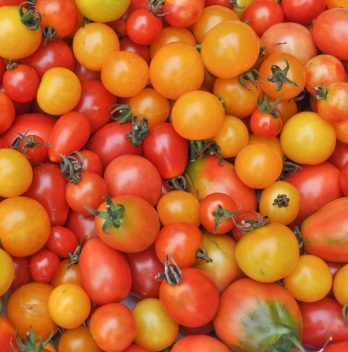
    Cherry tomatoes get their names since they are shaped like cherries. They are round with thin skins and a high water content. They are generally softer than grape tomatoes and tend to be squisher as well.

    Cherry tomatoes will often pop and squirt juices in your mouth as you bite down. They can grow to be almost twice as big as grape tomatoes.

    Grape tomatoes have an oblong, oval shape that is similar to that of a grape. They have a thicker, meatier, and chewier consistency than cherry tomatoes do. Their flesh has less water, making them not as juicy as cherry tomatoes are.

    They often grow in clusters, just like grapes do. In addition, they also tend to have a longer shelf life as well. Both varieties are great for growing in your own garden and will typically grow in an abundance.

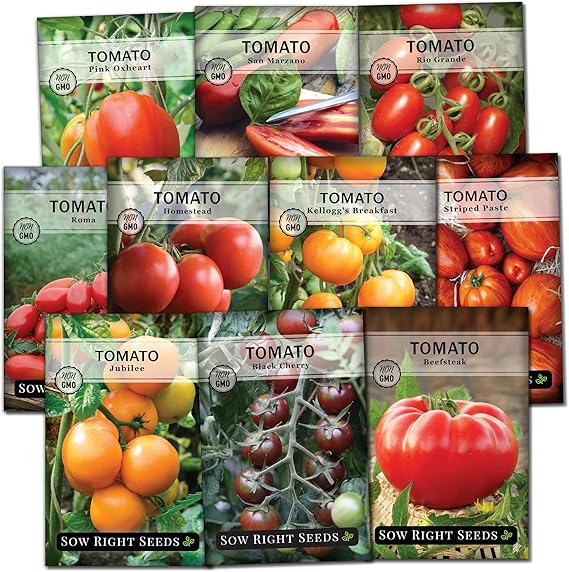
    Sow Right Seeds – Tomato Seed Collection for Planting – Variety of Sizes, Shapes, and Colors

    81 qFZ2hAKL. AC SX569

    Flavor Profile And Colors

    Cherry tomatoes tend to be sweet in flavor, though some can be a bit tart. Though they are often red in color, they can also be orange or yellow. They are popular for having a crisp bite and fresh flavor.

    Grape tomatoes have a rich taste and they aren’t too sweet or too acidic, though they can be a bit tart. They have a crunchy bite and meaty consistency. In addition, they are also often red, though they can be yellow or orange as well.

    Common Uses

    Cherry tomatoes are great for sauces, salads, kebabs, and roasting. In addition, they are also great for stuffing. Grape tomatoes are ideal for salads, sauces, roasting, and grilling. You can eat both types raw or cooked.

    Like all fruits and vegetables, you should wash your tomatoes before you eat them. For best results, wait to wash them until right before you use them.

    Can You Use Them Interchangeably?

    For the most part, you can use cherry and grape tomatoes interchangeably in your recipes. Some people prefer one variety over the other, but they will often both work well in recipes that call for one or the other. If you are wanting to stuff your tomatoes, cherry is the better option.

    Proper Storage

    Tomatoes do best when you store them at room temperature, in a cool, dry area away from direct sunlight. Since they are fragile, it is best to store them in a paper bag or a Tupperware container. They will last for about one week at room temperature with proper storage.

    You can also store fully ripe tomatoes in the fridge for up to two weeks. Keep them at a warmer spot in the fridge such as the top shelf or door. Remove any stems before placing them in the fridge and store them stem side down.

    Any leftover tomatoes that are already cut should be stored in the fridge in an airtight container. They will last for around 3-4 days after you cut them in the fridge.

    You can also freeze tomatoes as well if you have an abundance from your garden. To freeze, wash them and thoroughly dry them off and then add them to a Ziploc bag. Remove as much air as possible from the bag or use a vacuum sealer if you have one of those.

    Place your tomatoes in a single layer in your freezer to prevent them from getting squished. They will keep for around nine months to a year in your freezer.

    Cherry Tomatoes - Proper Storage

    You can also freeze them in slices as well. Simply slice them into pieces and place them on a baking tray. Then, place the tray with the slices on it in the freezer for one hour. After the hour, wrap them in plastic wrap and then place them in a Ziploc bag before returning them to the freezer.

    When ready to serve or cook, allow them to thaw at room temperature for 30 minutes. You can also thaw them whole or slice them in the fridge overnight as well.

    FAQ’s

    Whats the difference between cherry and grape tomatoes?

    Tomatoes are a very diverse group of plants, with many different types, colors, shapes, sizes, flavors, and uses. The most common varieties are beefsteak, plum, cherry, and grape tomatoes.

    “Grape” tomatoes are similar flavor and texture to regular cherry tomatoes. Cherry tomatoes are larger, with thicker skins and smaller seeds. “Cherry” tomatoes are a type of plum tomato. The skin is thick and shiny, and they have a bright red color. They have a higher sugar content than other tomatoes, but less acidity. They are typically picked at the green stage, then ripened at home in a paper bag on a countertop or in the refrigerator.

    Cherry tomatoes are small, sweet, juicy tomatoes that are perfect for snacking and salads. They have a thin skin that is easy to peel off, making them great for eating raw in salads or as part of sandwiches. Grape tomatoes are larger than cherry tomatoes.

    As a general rule, if you can fit your thumb in the hole of the tomato, it is cherry.

    Are grape tomatoes better than cherry tomatoes?

    If you’re looking for the most flavorful and juicy tomato, then you’ll want to go with the grape variety. Grape tomatoes are a small round tomato with sweet flesh that is often sold in a cluster of several together. They have a mild flavor and are ideal for salads. In addition, they can be eaten raw or cooked. Cherry tomatoes are larger than grape tomatoes, but they also have sweet flesh.

    In addition to being delicious, these varieties of tomatoes are also very good for you. They contain lots of lycopene, which has been proven to help reduce the risk of certain cancers. Lycopene is also believed to protect against heart disease and other ailments.

    They are cheap, easy to find, and easy to eat. I can eat them raw or in salads. They are good for cooking too, because they stay nice and firm. I like their texture and flavor. Grape tomatoes are more expensive.

    You can only get them out of season. The ones that grow in the winter are small and bland.

    Can you substitute cherry tomatoes for grape tomatoes?

    Yes, you can use any kind of cherry tomatoes in place of grape tomatoes. They are very similar in flavor and size, but if you prefer a different tomato flavor you can certainly use them.

    Why are cherry tomatoes so expensive?

    One reason is that they’re a speciality crop, requiring lots of effort to grow. Another reason is that the plants have been bred to be especially sweet and juicy.

    Can you freeze grape tomatoes?

    Grape tomatoes can be frozen, but they should be placed in an airtight container or bag and frozen individually. If they are frozen together, the flavor is likely to be ruined.

    How many types of cherry tomatoes are there?

    There are many types of cherry tomatoes, but only a few types are widely available. For example, the small cherry tomatoes sold in plastic bags at supermarkets are typically Roma (or “Romano”) tomatoes; these have thick skins that are tough enough to withstand shipping and storage without spoiling. Most cherry tomatoes sold fresh at farmers’ markets or grocery stores are called “summer” cherry tomatoes because they are picked before they have started to turn red.

    Understanding The Differences Between Grape Vs Cherry Tomatoes

    Grape and cherry tomatoes are very similar, however, cherry tomatoes are round and grape tomatoes are oblong and oval. The cherry variety tends to be juicer and sweeter, whereas the grape variety tends to be meatier and chewier. The cherry variety tends to be larger than the grape variety.

    Both varieties are great for salads, sauces, roasting, snacking, and grilling. Oftentimes, these two varieties can be used interchangeably with each other as both have a wonderful flavor. They are typically red, orange, or yellow in color, with red being the most common.

    Do you have any questions regarding to are cherry tomatoes the same as grape tomatoes? If so, please ask any questions regarding tomatoes in the comment section down below.

  • Is There A Flower That Looks Like An Artichoke?

    Is There A Flower That Looks Like An Artichoke?

    Did you know there’s a flower that looks like an artichoke, and it is mainly confused by gardeners who think it is the same plant?

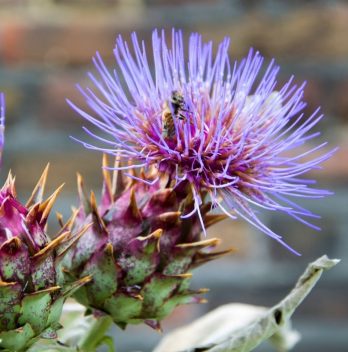
    The cardoon or Cynara cardunculus is a close relative to the artichoke or Cynara scolymus. Both of these plants are members of the Asteraceae family, also called the daisy family. This includes sunflowers, echinaceas, and chrysanthemums.

    The cardoon looks a lot like a cross between an artichoke and a thistle. It produces beautiful thistle-like flowers but does not produce fruit like artichoke. Instead, it has celery-like stalks that are considered a tasty delicacy, either cooked or eaten fresh.

    The cardoon is a beautiful ornamental tropical-looking plant often grown as an architectural plant among the dahlias and verbenas. Its large silver leaves and sculpture-like shape fits nicely as a seasonal accent feature in mixed borders.

    A Flower That Looks Like An Artichoke – The Physical Differences

    Both cardoons and artichokes are widely cultivated in the USDA plant hardiness zones 7 to 9. They are grown both for their ornamental features and edible parts. They both possess violet thistle-like flowers and silver foliage.

    Artichokes produce large flower buds with a more globular shape tighter and less pronounced spines. In contrast, small sharp spines cover the cardoon stalks and could cause severe pain if they prick your skin. It is therefore essential to wear gloves when handling stems or flowers of the cardoons.

    Cardoons have less tidy growth habits than artichokes, although both plants grow to roughly 3 to 5 feet in height.

    A Flower That Looks Like An Artichoke - The Physical Differences

    Cardoon’s History

    Cardoon is native to the Mediterranean region and was treasured in Greek-Roman and Persian cuisines. This plant remained popular and most common in American colonial gardens during the mediaeval and early modern European times.

    Although it lost its popularity in the 19th century, its reputation as original favourite in Spain, France, and Italy continues to grow. These countries produce about 100 metric tons of cardoons annually. The acclaimed iron chef Mario Batali uses the cardoon as one of his favourite vegetables.

    The reputation of this leafy vegetable is beginning to grow in America.

    Cardoon’s Modern Growth And Uses

    The cardoon is a tender perennial plant that looks like a cross between celery and burdock and carries a flavour close to the artichoke.

    Use the leaves and stems steamed or braised in soups or fried. This plant is loaded with vitamins B and C and iron, calcium, phosphorus, magnesium, potassium, and zinc.

    David’s Garden Seeds Cardoon Porto Spineless 8374 (Green) 50 Non-GMO

    The cardoon adapts well to the Redlands dry Mediterranean like climate. It prefers at least 6 hours of sun each day but tolerates partial shade. When growing yet treated the same way you would treat an artichoke.

    Plant your cardoon in rich, well-drained soil and use fertilizer for better yields. Provide adequate water allowing it to dry in between waterings. The plant will grow to about 4 feet tall and 2 feet wide; therefore, it is not suitable to grow it in containers. The cardoon has no serious disease problems except aphids that love to feast on it.

    Edible Parts Of The Flower That Looks Like Artichokes

    Cardoons and artichokes have a similar nutty flavour due to the close relationship even though you eat different parts of their plants.

    For artichokes, consume the large overdeveloped flower buds both the fleshy heart and the petals. Cardoons have soft young leaves, immature flower stalks that you can enjoy raw or cooked.

    Like celery or rhubarb, cardoon stalks taste best when blanched in the garden before harvesting. Wrap the bottom part of the plant to keep the sunlight out. The stems are popularly battered or fried.

    You can boil the main root eat it cold. This plant is also used to flavour liquor and incorporated into cheese production. It is also used for cooking oils as a source of biodiesel fuel and feedstock.

    You can use this plant as a medicinal plant; some say it has mild laxative qualities. It also contains cynarin that has cholesterol-lowering effects, although it cannot exceed the artichokes cynarin component.

    Edible Parts Of The Flower That Looks Like Artichokes

    Cardoon Planting

    Start the seeds indoors in the late winter or early spring. After the danger of frost passes, transplant the seedlings outside. You can also plant from the divided cardoon plants in early spring, leaving plenty of space for growth.

    Cartoons can grow nutritional processes, but they prefer deep rich soils and full sun. Cardoon seeds are available for around 7 years after ripening, starting from September to October.

    Harvesting The Artichoke Looking Flower

    Cardoons are much larger and harder than artichokes. Some people eat the tender flower buds while others at the fleshy, thick leaf stalks that require plentiful irrigation for healthy growth.

    Before harvesting cardoon leaf stalks, you will need to blanch them first. Do this by tying the plant into a bundle, wrapping it with straw, mounding the soil and leaving them for one month.

    Cardoon plants harvested for culinary purposes are treated as annuals and harvested during the winter months in areas where there are mild winters from November to February. They are then sowed afresh in early spring.

    You can eat the tender leaves and stocks fresh in salads and the branched portions used like celery in stews and soups.

    When harvesting, use gardening gloves as the cardoon stem has small, almost invisible spines that can be dangerous. However, there are spineless varieties available for the home gardener.

    Other Flowers That Look Like Artichokes

    Artichoke flowers are flowers that look like artichokes. Specifically, the flowers of an actual artichoke plant (Cynara scolymus). These flowers came up during spring/summer in dry weather conditions and could be considered very pretty flowers. It’s said there were many varieties of these flowers, each with varying flowers and colours.

    List of flowers that look like artichoke flowers:

    • Rabbit Ears (Camelina sativa)
    • Wild Chamomile (Matricaria discoidea)
    • Field Mustard (Brassica rapa)
    • Wild Fennel (Nigella arvensis)
    • Annual Wormwood (Artemisia annua)

    This list isn’t exhaustive and more flowers could look like artichoke flowers.

    Conclusion

    Though the cardoon is a flower that looks like an artichoke, it does not continuously bloom in colder climates.  this is because the growing season is not long enough for blooming to happen.

    Its violet-purple flowers, set in a heavily spined head, are about 2 inches in diameter. Bees and other pollinators love these flowers. Left alone under the right conditions, this plant can succeed and become invasive in mild climates.

    Why not try and grow your cardoons -the flower that looks like artichoke and see how it does.  Please share your cardoon growing journey with us.  It will inspire all of us gardeners in our gardening journey.

    Or have you already started out on some cardoon plants, let us know your experience.

  • Does Adding Sand To Clay Soil Work?

    Does Adding Sand To Clay Soil Work?

    Is it true that adding sand to clay soil makes it better, or is this just a traditional myth passed on from one generation to another?

    There’s no doubt working with heavy soil is a pain. Wrestling with this heavily compacted soil in your garden strains both your body and the plants.

    This soil sticks to your shoes and your working tools and seems to be more challenging to garden with it than any other type of soil. But even with all its disadvantages, clay soil has its benefits.

    If your garden is made up of clay soil, don’t despair; clay has many benefits that it offers. Let’s look at how you can fix your clay soil to make it easier to work with and allow you to reap a good harvest.

    Identifying Clay Soil

    How can you tell that your garden has clay soil? Clay  soil can be easily identified by:

      • It feels rather sticky and dense to the touch

      • Clay is smooth to touch especially when rubbed between the finger and the thumb.

      • It has high moisture and can be rolled into a ball or other shapes without cracking.

      • Heavy clay is shiny when rolled into any shape and then rubbed softly with your hands.

    Identifying Clay Soil

    Adding Sand To Clay Soil

    A notion has been in circulation for many years that says that adding sand to clay soil helps lighten it up. This is an old traditional myth that has no scientific evidence of its efficiency.

    If you add sand to clay soil, it turns your soil into something as hard as wet cement. Any clay soil treated this way becomes tough and eliminates every possibility of both good and harmful living organisms in it.

    What To Do If You Have Clay Soil

    So instead of using sand for clay soil, it is best to reach for an organic matter like leaf mold compost manure or well-aged manure and add it to your clay soil.

    The organic matter never goes wrong in any of the soil types it’s added to.  When added to clay soil:

      • It lightens the soil texture

      • Adds nutrients

      • Discourages compaction

      • Improves drainage and aeration

      • Provides more space

      • Moderates the soil temperature

    All these features are essential for plant growth.

    So to amend your clay soil add as much organic matter as you can; mixing it into your existing clay soil is the aim.  And if you have sand-clay soil because you have started adding some, use the organic matter.   However, before improving the clay, carry out a soil test to incorporate phosphorus, lime, and whatever other nutrients your soil requires.

    Steps To Amend Your Clay Soil

      • Use a spade to loosen the existing soil if it is it’s a small part, or use a tiller to loosen the existing soil over a large area

      • Spread about 2 inches of compost on top of the things soil and mix it with the clay soil

      • Repeat the process two or three times, working in your clay soil until you’re satisfied that it is thoroughly mixed up. Ensure that your clay soil is relatively dry; walking on wet clay soil will damage the structure you’re trying to improve.

      • Spread a few inches of compost over the ground between the plants and the soil and use a narrow spade to turn the compost into the soil

      • Repeat this method at least once, and your soil is ready for planting. Ensure that you work in small patches until your entire garden has freshly turned soil

    When To Do It

    The fall season is a great time to mix your clay with compost because the weather is drier than in the spring. Another reason why it is good to do this in autumn is because of the cooler temperatures that are more pleasant to work under. It becomes an annual part of your soil maintenance to add compost to your clay just before winter.

    In the long run, regular applications of compost manure and other organic matter will continually improve your cell structure and overall health. Therefore, it will become much easier for you to walk in this kind of soil and for your plants to grow in.

    Black Kow Composted Cow Manure 4 lb. Size (1 Bag)

    810sH8R7KlL. AC SY879

    Clay Soil It’s Still A Suitable Type Of Soil

    It is one of the few soils that provides an excellent foundation for healthy plant growth. Its potential lies in its unique properties, making it one of the best soil types for plant growth. The individual particles that make up the clay soil are small compared to other soil types such as sandy loam or silt.

    Clay soil has a more significant water holding capacity due to these tiny particles. They can hold in water and nutrients for your garden and lawn needs very well. If you manage clay soil well it requires less irrigation, less fertilizer yet produces some of the healthiest plants around the world.

    Even if you may feel like you want to differ with the statements above, maybe because you have heavy clay that clods on your boots and tools when working, it is best to test your soil before you make any changes. A soil test takes the guesswork away and provides clear statistics of the composition of your soil. The extension agent can advise what type of crops to grow in the particular soil.

    Your test results could also include ways to improve your clay soil, along with helpful information about its organic matter nutrients and pH. It is advisable to carry out this soil test every 3 to 4 years.

    Ways On How You Can Improve Your Clay Soil

      • To help your soil drain better and reduce trampling’s make raised beds before planting.

      • Consider adopting a new gardening hack of not digging, especially in your raised beds, so that you don’t mix the soil afresh; instead, you use the already well-drained topsoil.

      • Add some extra calcium to your clay soil to help the soil particles separate inside of the clump together.

    Ways On How You Can Improve Your Clay Soil
      • Add lime and gypsum to your clay soil to active ingredients of commercial clay improvers; however, before you add the rest of your garden, test on a small area first to see the changes.

      • Add plenty of bulk organic matter like composted bark old manure to improve the soil and the plant’s nutrients.

      • To reduce summer cracking when the sun is too hot, apply organic mulches around trees and plants to help conserve moisture.


    FAQs

    What is the difference between sandy and clay soil?

    Many soils are a mixture of sand, silt and clay. Sandy soil is a mixture of sand and clay. However, clay soil contains more sand than the other two soils. The most important factor in determining what type of soil you have is to determine if it is an acid or alkaline soil.

    Soil acidity is determined by the amount of lime (calcium) present in the soil. Soils with high amounts of lime are called alkaline. Alkaline soil is good for growing a variety of crops because they like to grow in an alkaline environment. On the other hand, soil that has too much lime is acidic. Acidic soils have low pH levels. Low pH levels make plants grow poorly, and also can cause problems for humans who are sensitive to acidity. Soil pH levels range from 0 to 14. The lower the number, the more acidic the soil is. For example, soil with a pH level of 7 would be considered neutral. A pH level between 5 and 6 would be considered slightly acidic.

    Most soils are classified as acid or alkaline. Clay soils are classified as acid or alkaline, but they are usually classified as alkaline. Clay soil tends to be more alkaline than other soils, because the clay particles are larger and hold onto more alkaline substances. The clay particles also tend to absorb the water in the soil, and prevent the water from reaching the root zone. Therefore, clay soil needs more water than other soils.

    How can I make my clay soil more Sandy?

    Soil compaction is what makes clay soil sandy. If you want to make your soil more sandy, then you need to compact it less. The best way to do this is to use a tiller.

    What are the best soil amendments for clay soil?

    Clay soils are usually high in organic matter and low in nutrients. Clay soils require compost or other organic matter. They should be worked in a way that allows the nutrients to leach into the soil. This can be done by tilling, sub-soiling, or using a rototiller.

    Does lime break up clay soil?

    It depends on how you want to use it. If you are going to add it to your lawn, you can mix it with your soil, but if you are adding it to the soil underneath your lawn, you will want to mix it with your topsoil. It will break up the clay, which is what you need. You will want to let it dry, then mix it into your topsoil.

    Conclusion

    One last word on gardening on your clay soil go for plants that naturally adapt well in clay soil. It is best to work with plants that do well in clay soil than try to force other plants to grow in it. An extension officer should advise you on plants that would do well in your kind of soil especially after soil test results.

    That said, remember adding sand to clay soil is ultimately killing your clay soil and not adding any value to the sandy soil.

  •  A Look At How To Add Potassium To Lawn

     A Look At How To Add Potassium To Lawn

    Let’s learn how to add potassium to the lawn as it’s an essential micronutrient that prevents diseases and promotes healthy growth.

    Your lawn requires a good amount of potassium, depending on the naturally present amount in the soil.  If your soil is naturally low in potassium, you will need to supplement it with are potassium-rich fertilizer.  To determine how much potassium is in your soil, you will need to conduct a soil test.  A soil test showcases what is available, and the nutrient is missing from the soil for more accessible nourishment of your soil.

    What Is Potassium?

    Potassium, sometimes referred to as potash, is an essential nutrient that your soil requires. It helps your grass take other nutrients and use them.  It also helps in building strong cell walls within the grass or plants.

    These cell walls are what keep your plants healthy and resilient in times of stress like disease, drought, or severe temperatures.

    What Is Potassium

    As your grass grows, potassium lawn fertilizer is needed for that growth.  It helps the grass get strong deep roots and causes it to grow faster. A lawn that lacks enough potassium may grow slowly and have shallow roots.  This means the grass won’t be able to withstand environmental stress as best as it should.

    How To Carry Out A Soil Test

    You can carry out the soil test on your own by buying a soil test kit from your gardener’s shop. You can also ask your local extension officer to provide soil containers and information on performing a soil test full stop use a hand trowel to collect soil samples from around your lawn.

    Scoop about 10 to 15 samples from your yard at a depth of 3 inches and combine them. Leave the soil samples to dry and package them in containers you are provided with by the extension officer. After that, male the soil samples to the extension officer for testing and wait for results.  Results take about 3- 5 days.

    How To Tell If Your Lawn Has Enough Potassium

    There are a few signs to look out for when you’re trying to decide if your soil has enough potassium.  Your grass will show signs of stress that include slow growth, yellowing or being highly susceptible to changes in temperature.

    Sometimes just looking at your grass with your physical eyes might not give you the results that you want. So it is advisable to test your soil for potassium deficit before drawing conclusions.

    Luster Leaf 1601 Rapitest Test Kit for Soil pH, Nitrogen, Phosphorous and Potash, 1 Pack

    81lMIyoIrfL. AC SX569

    Choosing A Lawn Potassium Fertilizer

    Lawn fertilizer has a high ratio of potassium. This fertilizer is rated using three numbers representing the percentage of nitrogen, phosphorous, and potassium they contain. The third number in the sequence presents the concentration of potassium in the fertilizer. In most cases, you can use a fertilizer that has all of the three macronutrients. If your lawn has less than 25 parts per million of potassium, use a fertilizer with a high potassium concentration for yards.

    Adding Potassium To Your Lawn

    Once you learn your lawn is lacking enough potassium, it’s time to add some.

    Apply potassium fertilizer biannually each spring and fall. You will have to add this fertilizer based on the results of the soil test. Your extension officer should advise you what type of potassium fertilizer you should purchase and how much you should apply.

    For example, 6 pounds of potassium can go 1,000 sq ft of lawn; this applies to lawns that are between 0 to 25 PPM. Yards that are between 25 to 50 PPM require 4 pounds of fertilizer.  Those with 50 to 75 PPM need to pounds of fertilizer, while those that are between 75 and 100 will need 1 lb per 1,000 square feet.

    Ensure that you spread your potassium fertilizer evenly all over the lawn. Feed your lawn when the weather is excellent and the soil is dry.

    You can also use compost three times a year to increase potassium levels within your soil.

    Choosing The Best Potassium For Your Lawn

    When choosing the best potassium product for your soil you can use either a long-term or short-term solution. We recommend choosing soluble potassium to help stimulate photosynthesis in plants allowing your grass to remain healthy for long. The main advantage of soluble fertilizers is that they dissolve quickly in water, delivering them into the grass relatively quickly.

    Most people opt for fast-acting solutions like potassium sulfate or potassium chloride is there a cheaper option. These two minerals are commonly used for lawn winterizing. Either of these two are a good option but potassium sulphate is a better option as it doesn’t interfere with the good bacteria in the soil.

    Before applying any fertilizer, read the label carefully and gather all the information about it as much as possible.

    Here are some potential solutions that you can use

    • Use Dried Kelp Meal.  It has a lot of nutrients that are valuable to the soil and when used it restores potassium levels in your soil
    • Use Hardwood Ash.   This powder is full of potassium and you can apply straight to the soil or add it to your compost. It is especially significant if you want to increase the pH levels of your soil as well, but before you do so and sure that you monitor your grounds’ acidity.
    • Use Sulphate Of Potash Magnesia.  This is also known as Sul Po Mag. It is pretty affordable and increases the levels of both magnesium and potassium in the soil.
    Choosing The Best Potassium For Your Lawn

    You can also choose the slow-releasing potassium fertilizers as they will feed your grass slowly for a long time.

    FAQs

    How do I raise the potassium in my yard?

    Potassium is an important element that makes up a plant’s cells. A deficiency of potassium can lead to stunted growth, poor flowering and reduced yields. Potassium is also used by plants as an energy source. The most effective way to supply potassium is to use rock phosphate or bonemeal. These fertilizers contain a high concentration of potassium. Use them at recommended rates to avoid excess applications and damage to the soil. Organic Potassium can be added to the compost pile or applied directly to the garden as a foliar feed. If you are using manure, apply it as a top dressing after the first application of fertilizer, or use a high-potassium fertilizer such as blood meal. If you are not using manure, use a low-phosphorus fertilizer such as 10-10-10. When you apply potassium fertilizer, apply only enough to cover the top inch of soil.

    How do you fix potassium deficiency in soil?

    Potassium is the most abundant cation in the earth’s crust. It is present in all living organisms and many minerals and rocks. Potassium is a macronutrient needed for growth and development of plants. Plants also need phosphorus, nitrogen, and sulfur to make up the major part of their biomass. These elements are called micronutrients, which are needed in smaller amounts than macronutrients.

    When potassium is not available in sufficient quantities to meet the plant’s needs, the plant may experience leaf chlorosis and leaf spots. These symptoms usually occur if the potassium is present in the soil at more than 100 times the normal amount. The most common symptoms of potassium deficiency include poor fruit set, leaf spot, and reduced growth. There are several methods to correct potassium deficiency. If you want to increase potassium levels in your soil, you can add potassium-rich compost or manure to your soil. You can also buy potassium-rich compost from a local nursery. If you are using a potassium-rich compost, make sure that you also have a source of nitrogen and phosphorus in your soil. You can also apply a potassium fertilizer to your soil.

    What is a natural potassium fertilizer?

    The most populars is wooden ash.
    Potassium is a naturally occurring mineral that helps maintain the pH balance of the soil. Potassium helps plants absorb water, and it also promotes the growth of roots.

    The use of potassium in the form of a fertilizer is known as potassium (K) fertilization. Potassium can be applied to the soil in two ways: as a foliar spray, or as a root-applied fertilizer.

    A natural potassium fertilizer can be applied at any time of year, but it should not be applied in the fall or spring when the plants are dormant.

    Can you put too much potassium in your lawn?

    The answer to that question is a big “maybe.” But it’s not a good idea to add a lot of potassium to your lawn. It can do harm to your lawn, and the best way to deal with this problem is to keep an eye on your potassium levels in the soil and not apply too much at once. Potassium is one of the macronutrients that lawns need in order to grow properly.

    Final Thoughts

    Lack of potassium is a significant problem for any homeowner who wants to have a nice yard. Besides grass it also affects other plants in your garden; this is why you need to test your soil regularly to ensure it has enough potassium.

    Now that you know how to add potassium to the lawn you shouldn’t have any issue regulating potassium levels in your soil. It is easy to handle the potassium problem, whether in your yard or garden.  Always ensure you test your soil at least twice a year for an updated review.  Happy gardening!

  • A Guide On Planting Carrots In The Fall

    A Guide On Planting Carrots In The Fall

    Is planting carrots in the fall possible? Yes, it is, but it depends on where you grow your carrots or where you live.

    Gardeners in the south have the advantage of sowing carrots in the fall for winter harvest. Northern gardeners always start their carrots planting in midsummer to harvest them in the fall and early winter.

    The beauty of growing carrots is that many planting and harvesting windows keep these nutritious roots on our plates throughout the year.

    Orange carrots are the most common carrots, but you can try planting yellow, white, crimson, or even purple ones. Besides the carrot color, choosing the right size and shape that suits your soil is critical. Carrots’ size and shape vary by type – ball type Danvers and chantey carrots have a blocky shape that handles heavy or shallow soil. In comparison, slender types like imperator and Nantes carrots require deep loose soil.

    Let’s Look At Planting Carrots In The Fall

    With the calendar turning to September most gardeners, begin to think of wrapping up the gardening season. However, there is still time to plant several vegetables that can withstand the cold season for the southern gardeners.

    Northern gardeners are limited to planting radishes, spinach, lettuce, and arugula in September, while southern and Western gardeners have the luxury of growing a wider variety of vegetables.

    Carrots and peas are the two common crops that are planted in warmer areas for fall harvest.   Both crops mature in a few months after planting and tolerate a light frost thriving during the cold. Both crops can be harvested while still immature to yield some tasty vegetables in case the temperatures dip earlier than expected.

    Let's Look At Planting Carrots In The Fall

    If you live in a mild winter climate, you can also try overwintering some carrots or peas planted in the fall for harvest in the following spring.

    Carrot Varieties For Planting In The Fall

    Choose a variety that grows quickly to ensure they are mature before the days grow too short and the temperatures become too cold. Here are some excellent carrot varieties to try:

    • Merida – This type produces a 7-inch long Nantes-type carrot. It can be planted in the fall for spring harvest, as it is slow to get bitter in spring.
    • Primo – This is a Nantes type of carrot that matures within 60 days from seeding. It colors up early, providing a good harvest is baby carrots.
    • Red Cored Chantenay – This type matures in 68 days after seeding, producing 6-inch long blocky carrots. This type is adaptable to many soil types.
    • Little Finger – This type produces 3 to 4-inch long carrots that color up quickly and mature only after 65 days.

    When To Plant Fall Carrots

    The best time to plant carrots in the fall is September in raised beds if you live in the South and West areas. Prepare the bed by removing previous crops and weeds, loosening the soil, and adding at least half an inch thick layer of compost. Work the compost into the ground.

    Once the soil is ready, sprinkle the carrot seed on top of the smooth seedbed and cover it with a quarter-inch layer of soil. Because the weather is still warm in September, shade the planting bed using a shade cloth during the 90-degree days and keep the soil evenly moist. If the soil dries out or the weather becomes too hot, the seeds won’t germinate. Water them well and leave them to grow.

    Once the carrots have germinated and the tops have grown a few inches tall, the carrots are at least 2 inches apart.  3 weeks later, then again to 3 or 4 inches apart. Fertilize after the first thinning with a quick-acting fertilizer like the 5-10-10. Avoid using high-level nitrogen fertilizers or fresh manure.

    You can start harvesting your carrots as soon as they show color. To overwinter them, bulge with a 6 to 8-inch thick layer of hay or straw before the ground freezes. When ready to harvest, pull the straw back to clear the way for harvesting.

    When Should Southern Gardeners Sow Their Carrots?

    After the hot summer has passed and the fall begins, it is time for Southern gardeners to prepare their gardens and plant carrot seeds. Southern gardeners with a warm or mild winter can sow carrot seed in the early fall, that is, September. If they sow in September, they can harvest throughout the winter and into

    Carrots can reliably be sown outside in the fall without protection from the weather patterns. Gardeners across South Carolina, Florida, and Sacramento can grow fall carrots with ease.

    If you’re not sure about the region you are leaving and growing carrots in the fall, you can check your weather forecast for advice for gardening.

    10 Carrot Seeds Variety Pack for Planting Indoor & Outdoors 3600+ Non-GMO

    A10BWqfMBNL. AC SX569

    Carrot Planting Tips For Southern Gardeners

    It is possible to sow your carrot seed throughout the fall and winter if you live in the Deep South. You can aim to harvest carrots in the most excellent parts of the winter as they will have the sweetest flavor at this time.

    Gardeners in the upper South cancel carrots from late August into September. They are planting window is a bit shorter compared to the deep South. However, they have cooler winter temperatures that make their carrots super sweet.

    The best way to store mature carrots is to leave them in the ground and harvest them only when needed. This is great for cold and mild weather.   However, if your climate is seriously warming up and you’re expecting hotter days ahead, it is best to pull your mature carrots and store them in the root cellar or any other cool, dark and dry place in your house. Scorching weather makes your roots beta and causes the plants to bolt.

    Consider putting a shade cloth on the carrot bed until the plants become established; this will help to conserve moisture and cool the soil temperature until the winter weather sets in.

    Find more information about Carrots Planting Spacing – What You Should Know

    When Should Northern Gardeners Grow Their Carrots?

    Northern gardeners should plant carrot seeds in mid-to-late summer to get a fall or winter harvest.

    Over the past many years, the northern governors have perfected extending their current season resulting in a bountiful harvest in early winter.

    When Should Northern Gardeners Grow Their Carrots

    How Many Carrot Seeds Should You Plant?

    There are different methods of sowing carrot seeds that can be used. When planting carrot seeds in the soil in neat rows with carefully made holes, it is okay to put one seed per hole if you trust that your seeds are viable or are fairly new seeds. If your seeds are a bit old and/or you are unsure of their viability, you may put multiple seeds in a single hole to give yourself some guarantee. If multiple seedlings come up, you can always separate them so you have nothing to lose by doing this.

    Another way of sowing carrot seeds is to scatter them lightly across a wide surface area of soil. Just make sure that they have sufficient space to grow well, and if they grow in clumps thin them out and event space them otherwise they will not grow to maturity.

    Both these sowing methods have been used with success over the years. Choose the one that you think will be best for you, or try both methods in two different areas and see which one works better.

    How Deep Should The Soil Be to Grow Carrots?

    Generally, carrots require deep, loose soil to grow well. If the soil is a bit hard, the root will not grow well and may get stunted or twisted which is not ideal.

    The depth in that you should dig the soil for growing carrots depends on the variety of carrots that you are going to plant. Different carrot varieties have different maximum lengths that they will grow to. 

    Dig or till the soil deeply to give your carrots the best growth chance. For varieties that have long roots, you will have to dig the soil to depths of between 12 and 16 inches. Otherwise select varieties with shorter roots that will not need much depth.

    When to Plant Carrots in Zone 11?

    Zone 11 is one of the warmest hardiness zones, and gets no frost throughout the year. Carrot seeds should be planted in the soil at least two to three weeks before the last spring day. The earlier you can plant carrots seedlings in Zone 11 is January, but if you don’t want to take any chances it is best to wait until February.

    When Can I Plant Carrots in Zone 7?

    In the USDA zone 7, plants such as carrots which prefer cooler temperatures are best planted outdoors in early February. This will give them enough time for the last spring frost days to pass before they germinate, otherwise, they would get frost damage and eventually die.

    When Do You Plant Carrots in Pots?

    Because pots are easy to move around and position in any area where you want them, you can plant carrots in pots at any time of the year. This is if you can provide them with the right growing conditions such as the right temperature, sufficient light (whether natural or artificial), have a good irrigation schedule, and provide them enough nutrients for growth.

    Growing plants in pots work best if you have controlled indoor environments such as greenhouses.

    How Much Sun Does a Carrot Plant Need?

    Carrots prefer full sun but can also tolerate partial shade. For the best growth and production of your carrot plants, you need to make sure they get between 8-10 hours of direct sunlight per day.

    Conclusion

    As we have seen, planting carrots in the fall as possible will require some techniques for you to show at the right time and harvest an excellent crop.

    Find more information about A Guide On What Do Carrot Plants Look Like?

  • Does Lettuce Grow Back After Harvesting?

    Does Lettuce Grow Back After Harvesting?

    Does lettuce grow back after you harvest the first leaves or the entire head of this fresh vegetable from your garden, or does it die back?

    Nothing beats a salad made from a large handful of fresh lettuce harvested straight from the garden. The crunchiness and the fresh juices are to die for!

    Most gardeners know that both loose leaf and head style lettuce plants reach full size then are pulled or cut at the roots to harvest the whole lettuce.

    However, did you know growing lettuce lets you prolong the season by harvesting it leaf by leaf or using a technique called cut-and-come-again.

    So, Does Lettuce Grow Back After Harvesting?

    Yes, lettuce leaves will grow back after harvesting. However, this will happen only if proper care and technique are used when harvesting all the lettuce.

    If you use the standard method of pulling or cutting a lettuce plant at the roots, you will not have it grow back. But, if you harvest leaf by leaf, you will leave the root to keep developing and producing more leaves.

    So, Does Lettuce Grow Back After Harvesting

    Harvesting Lettuce For Regrowth

    The cutting method works best while picking lettuce so that it keeps growing. This method may take a little practice depending on the variety of lettuce that you are growing. Trimming also works as long as it’s done correctly.

    Trimming lettuce involves cutting the entire plant back to a height of about 1 to 2 inches using a sharp knife or scissors. However, it is recommended that you cut your lettuce early enough, so you attain a sweet harvest.

    Early morning cutting helps the plant heal its wound before it is exposed to the sun. If the wounds are exposed to the sun, they run into the threat of scorching the open tissues preventing them from growing back.

    The time of day for picking your lettuce can significantly affect the quality of lettuce leaves that you get. That’s why it’s wise to harvest your lettuce early in the morning.

    How To Know When Lettuce Is Ready To Pick

    Knowing when and how to harvest lettuce leaves goes a long way to ensure you make the most of your plants and garden space.

    There are different types of lettuce leaves – red, green, heading, romaine, and stalk and over 100 varieties of lettuce that you can grow in your garden.

    How To Know When Lettuce Is Ready To Pick

    To determine the ripeness or readiness of lettuce, you mainly use your eyes and hands and check your calendar when you planted.

    Lettuce is one of the few crops that thrive in partial shade but still need some sun. Iceberg lettuce does not form a head but instead includes loose leaves. This means that while the entire head of iceberg lettuce is to be harvested, picking loose-leaf lettuce means picking the leaves.

    The leaf lettuce harvest can begin any time after the leaves have formed but before the seeds have formed.

    What Is The Cut-And-Come-Again Method?

    The cut-and-come-again method is the process where you cut the entire lettuce plant parallel to the ground approximately 1 inch from the soil and leave it to grow again. This method is more drastic but allows the latest plants to continue growing.

    Once cut, the center of the lettuce will regenerate fast, and the plant will begin to form new leaves that grow to a big edible size. Ensure that you use clean tools to harvest this lettuce to avoid infecting or interfering with the plant.

    How many times can you regrow lettuce?  For the cut-and-come-again lettuce, you can harvest 2 or 3 times before the quality of the leaves gets poor. Romaine and butterhead lettuce varieties are cut 21 inches.  The remaining stubs generate less vigorous but edible second growth.

    AeroGarden Salad Greens Mix Seed Pod Kit (6-pod)

    8127S60jt6L. AC SX569

    Lettuce Types For Leaf By Leaf Harvesting

    Loose leaf or loosehead varieties are the best types of lettuce for leaf by leaf cutting.  Other varieties like black seeded Simpson and red sails have broad ruffled leaves.

    Lobed leaf varieties, commonly known as oak leaves, also have large loose clusters of leaves that make leaf harvesting easy.

    Planting a loose-head variety in large pots helps you protect the pot, gathering leaves from your lettuce around the plant. You will notice that your lettuce plant may resemble a palm tree, but the leaves will remain sweet as long as the temperatures are below 75 to 80 degrees Fahrenheit.

    Cutting And Timing Of Lettuce Leaves

    Cutting methods work best when carefully timed. It takes a little practice from one variety to another to learn how to cut the leaves properly that won’t kill the plant.

    When lettuce leaves are mature, they are crispy and start to look ready for cutting. Old leaves have a poor look and a bitter flavor, no matter how they are harvested.

    The time of the day when you harvest your lettuce leaf will have a significant effect on them. If you harvest your leaves early in the morning, around 7 a.m., they contain twice the plant sugars of leaves harvested at 2 p.m., so to get a sweet harvest cut your lettuce leaves early in the morning.

    Growing Back Lettuce From Mature Heads

    Growing veggies in water from kitchen scraps have been a subject that has hit the internet with a bang. There are many articles and comments on this subject on the internet, and sure enough, many things can be regrown from kitchen scraps.

    Lettuce is one of the vegetables that you can grow in water. Let’s find out how to do this.

    This method works with any type of mature head or leaf lettuce. Most people say it works best with Roman hearts, but you can also try with red leaf, Boston leaf, and radicchio.

    You can use this method with other members of the Brassicaceae family, including bok choy and cabbage.

    To get started, slice the leaves from the stem leaving about 2 inches of the base intact. Remove all the leafy portions that you can without cutting into a stem of a plant. Leaving many leaves attached to the lettuce head may make it rot quickly.

    Does Lettuce Regrow From Store-Bought Lettuce Head?

    Yes, store-bought lettuce heads can regrow.

    Re-growing lettuce in water is a super simple experiment. We call it an experiment because it is fun to do mainly with the young ones.  Nevertheless, it will not get enough lettuce to make your daily salads.

    Does Lettuce Regrow From Store-Bought Lettuce Head

    This method will not give you enough lettuce because the lettuce plant is growing in water; therefore, it lacks enough nutrients to make a whole head of lettuce again since the water has no nutrients.

    That said, it is still fun to try to regrow mature harvested heads using water and get some new leaves.


    FAQs

    Does lettuce grow back every year?

    With head lettuce it will die back, but when you’re talking about leaf lettuce, you can trim it and it will grow back.

    Lettuce is a biennial plant. The seed germinates in the spring, and then it grows vegetatively for a year before producing flowers and seeds the following year. The plants will not produce flowers until they are about a year old.

    Leaves on perennials die down and then regrow. The seeds of annuals and perennials are dormant until the next year. In some cases, such as lettuce, the plant has a hard-to-see root system that grows out in the soil and re-grows.

    How long does it take for lettuce to regrow?

    ettuce regrows quickly after being harvested. Most lettuce will regrow within a couple of days, but some varieties need more time. 

    I don’t have a problem with regrowing lettuce, but I do have a problem with the time it takes to grow it. 

    How many times can you harvest lettuce?

    The answer is two or three times if you do it right.

    Lettuce is a cool-weather crop and will die back to the ground after being cut. The leaves will remain on the plant for several weeks, until the top of the plant dies back, and then the entire plant will dry out and die. Once it’s dead, you can pull the plant up by its roots and replant it in a new spot or leave it where it is.

    How do you harvest lettuce so it keeps growing?

    Harvesting lettuce is easy, but it takes practice to keep it fresh. When harvesting lettuce, be sure to cut the plant at the right time for the best flavor and texture. I just cut the whole head off, and it keeps coming back. That’s the whole point of growing lettuce.

    Lettuce is a hardy vegetable that is available throughout the year, making it a versatile food. It’s easy to grow in a container or garden, and you can even grow it indoors. 

    If you want your lettuce to grow for weeks at a time, you need to plan ahead and prepare your soil properly.

    How do you cut back lettuce?

    To cut back lettuce, simply use a sharp knife and a firm hand to chop the leaves into smaller pieces. In addition to cutting the leaves, you can also remove the outer leaves of the head and use only the heart of the head, which is often the most tender part of the lettuce.


    Final Thoughts

    Lettuce can be harvested anytime when the leaves mature but ensure you do it before they overgrow and become bitter.  Then you can enjoy watching your lettuce grow back and feed on it several times.

  • Do You Know How Much Sun Does Cilantro Needs?

    Do You Know How Much Sun Does Cilantro Needs?

    It is essential to know how much sun does cilantro needs before planting, so you choose the right spot where it will thrive.

    Cilantro is easy to grow and requires its own space in the garden where you can allow it to increase for as long as it needs.

    It thrives in the cool weather of spring and fall, creating a result of lacy leaves.  When the weather warms up, the plants end up being long skinny flower stalks.  These bear flower clusters of pink or white blossoms later produce coriander seeds.

    You can also plant cilantro in a bed devoted to herbs where it can be reseeded without disturbance.  Cilantro makes a good winter companion to pansies in mild climates because these leaves can withstand a light frost.

    Cilantro Vs. Coriander

    Cilantro has been used for many centuries in India, Mexico, Africa, Russia, Spain, China, and many countries of Asia, especially Thailand and the Middle East.  It is thought to be native to the Middle East and North Africa. In addition, cilantro has many culinary uses; cilantro seeds are used medically, especially as a sleep and digestion aid.

    Almost in the whole of North America, the stalks and leaves of the Coriandrum Sativum plant are known as cilantro, while the dried seeds are known as coriander. However, different parts of the world refer to this plant as coriander and its seeds.

    Cilantro Vs. Coriander

    How Much Sunlight Does Cilantro Need?

    Cilantro prefers well-drained, slightly acidic soil that contains more organic material than synthetic fertilizers. Working several inches deep of aged organic compost into the garden before planting is a good idea.

    Is cilantro sun or shade tolerant?  Cilantro thrives under full sun. It also accepts light shade but not more than 2 hours of shade. When sowing your seeds, choose a spot that receives full sun for about 6 hours or more.

    In scorching climates, light shade works better than direct sun. One way to judge the amount of shade allowed for the growing cilantro in your zone is by measuring the air temperature.  The ideal growing temperature for cilantro crops is 64 degrees Fahrenheit.

    Cilantro seeds should not be sown until the last date of spring frost.

    Cilantro Growing Care Under The Sun

    Cilantro, also known as coriander, can be grown from nursery transplants or seeds sown directly in the garden. Plant your seeds about 2 inches apart in rows based about 12 inches apart. If you are planting in pots, use a good amount of organic potting mix.  Ensure that your soil is rich enough and remains moist throughout germination and growth.  When the seedlings germinate, thin them to about 6 inches apart and provide consistent moisture as they grow.

    Cilantro always saves seeds, and you are likely to find a patch of cilantro producing new plants as long as you want. You can either leave the seeds to continue receding every season or harvest them and save them for planting in another season. That said, here are some essential tips on how to care for cilantro.

    Cilantro Seed, Sprouting Seeds, Microgreen, Sprouting, 16 OZ, Non GMO

    81PSGub0WEL. AC SX569

    Provide Enough Light

    Does cilantro need full sun?  Cilantro loves bright indirect light, but it does not thrive under intense direct sunlight.  That said, ensure that you provide your plants with a good amount of sun and shade if you live in a scorching area. However, if your location receives a minimum amount of sunlight, ensure that your cilantro receives about 6 hours of direct sunlight.

    If you are growing your cilantro in container gardens, allow them to enjoy the morning sun in an east-facing window or a through a bright seal that does not get too much direct sunlight. If you plan to sow directly into the garden, plant them at a spot that receives the morning sun with afternoon shade.

    Provide Rich, Well-drained Soil

    Cilantro prefers a very light and fast-draining soil with plenty of sand or perlite mixed with increasing drainage.  If growing in the garden, add mulch around the plants as soon as they have grown tall enough to be visible. In a container, use premium potting mix rather than the garden soil, which tends to be too heavy. Ensure that your soil is rich by adding organic, compost manure, or old animal manure.

    Keep A Constant Watering Routine

    Keep the soil regular moist but not soaked. Good drainage in your soil is essential as cilantro has deep roots. Ensure that you water at least an inch of water each week without fail. If your area receives too much sunlight, you can change your watering schedule to 2 to 3 inches per week.

    Provide The Right Growing Temperature And Humidity

    Cilantro bolts in warm weather. Once bolting happens, it changes its flavor from being sweet to bitter.  Flowering will occur quickly once the temperatures are above 75 degrees Fahrenheit.  For potted plants, you can extend the harvest season by keeping the plants in a controlled environment. Keep them around 70 degrees F, bringing them indoors to an air-conditioned environment when outdoor temperatures get too warm.

    Fertilize Your Plants

    It would help not to fertilize cilantro, but you can use organic compost manure when planting. Use liquid fertilizer or supplement the soil with controlled-release pellets if you don’t have organic manure.  Feed these herbs with fertilizer at least once a month.

    Pruning

    Most gardeners do not know that cilantro requires pruning. To extend your cilantro harvest, snip of its soft stems regularly rotating the plant to encompass the whole plant. As the young plants grow, pinch back at least an inch to encourage fuller plants.

    Potting And Re-potting

    Cilantro is an annual plant that grows with a deep taproot. This means it does not like re-potting and will likely be damaged at the slightest provocation. Therefore, it is best to re-pot your garden center-bought cilantro only once after bringing it home. After that, keep your plant in that container for the rest of its life. Seed-grown cilantro can transition from your seed starting pot to its permanent home in another container or the garden. Because cilantro is an annual plant, mature plants should never be re-potted. A fully mature cilantro plant can grow up to a height of 24 inches, including its flower stalks.

    Potting And Re-potting Cilantro

    Harvesting Cilantro

    Cilantro leaves will be ready for harvest in about 3 to 4 weeks from the time you sow the seeds. Cilantro or coriander seeds can be harvested in about 45 days or when the plant is about 324 inches tall.

    When harvesting, cut the leaves at the bottom of the plant to avoid harvesting more than 1/3 of the plant at the time.  Cutting off too much can weaken the plant.

    If you want to harvest, the seeds clip the seed heads and put them upside down in a paper bag. Give them a couple of days and the husks will dry, split and drop out the seeds inside the paper bag.

    Cilantro Varieties You Can Grow Under The Sun

    There are a few varieties that you can choose from they include

    Santa – this variety has bushy leaves, and it is slow to become bitter

    Calypso – this cultivar produces full plants that are among the slowest to get bitter or bolt.

    Cruiser – best cultivar has full stems and large leaves and grows upright

    Confetti – it is a highly ornamental variety with fern-like leaves

    Leisure – it is a very standard type of cilantro that attracts beneficial insects like bees and butterflies.

    Cilantro Varieties You Can Grow Under The Sun

    FAQs

    Where does cilantro grow best?

    Cilantro is a hardy annual herb. In areas with mild winters it will come back year after year. In most areas it will not survive the winter unless you mulch or protect it from frost. It does not need much water and can be planted as early as late fall. It prefers to be in full sun, but will tolerate light shade. It does not tolerate wet soils and will not tolerate salty soil.

    It can be planted in spring or fall.

    What is the trick to growing cilantro?

    You can either buy a ready-to-plant cilantro mix or start seeds indoors. Planting seeds is the easiest method. You can grow them in a pot in your kitchen window or under a grow light. Be sure to use a pot that drains well. When the seedlings are big enough to handle, plant them out in a sunny area and let them grow for a few weeks. Remove any weeds and then cut back to about 3 inches above the ground. Water frequently until they start to get bushy. After they have established themselves, you can plant them out in a sunny spot.

    Does cilantro like a lot of light?

    Yes, it does. If you are growing it in full sun, you will need to water it often. Cilantro likes light shade but doesn’t do well in deep shade. It is one of the few herbs that like a lot of heat. Cilantro does best in well-drained soil. A soil with some organic matter and compost is ideal. Do not let it dry out. In fact, water it more than your other herbs.

    How do you care for an outdoor cilantro plant?

    It’s very easy to grow and will thrive in partial shade or full sun. It grows quickly and will produce seedheads in the fall. You can cut the plants back to ground level and they will regrow. Cilantro is used fresh in Mexican cooking and is also used as a garnish for Mexican dishes, especially seafood. It’s an herb that should be planted in a container with good drainage and kept in a well-drained spot that receives full sun. The easiest way to fertilize is to add fish emulsion to your drip irrigation system. A good fertilizer for cilantro is fish emulsion (available at most nurseries). Apply this fertilizer once a month in the summer.
    You need to water it every day in the summer, and keep it shaded if you live in a hot climate. It will produce a lot of leaves all summer, so when it starts to go to seed, cut the stems off and dry them. You can use them fresh in salads or stir-fries or even freeze them to make pesto.

    Conclusion

    How much sun does cilantro need?  Let’s say enough sun. Because regions receive a varying amount of sun, it is best to ensure that your cilantro is not receiving too much or too little Sun.

    Before planting your cilantro, check your area’s weather patterns to know how much sun you will receive. With this information, you will be able to decide how much sun and shade to provide.

  • Low Acid Tomato Varieties You Can Grow

    Low Acid Tomato Varieties You Can Grow

    Low acid tomato varieties are an excellent alternative for people who cannot handle high acidity levels due to certain medical conditions.

    Some of these medical conditions include cold sores, ulcers, acid reflux, and stomach problems.

    Tomatoes generally contain citric acid, and your body uses this acid to produce energy.  Unfortunately, some people cannot use this acid due to some dietary problems, thus requiring low acid ones. Low-acid tomatoes are the best option to grow.

    The Low Acid Tomato Varieties

    Tomato varieties that fall into the low-acid range have smaller seeds and more flesh than other varieties.  Low acid tomatoes make the best option for sauces and pastes; hence, they are paste tomatoes.

    We have compiled a list of the most delicious, least acidic tomatoes for you who prefer low acid tomatoes.

    The Low Acid Tomato Varieties

    Low Acid Tomato Varieties To Choose From

    Amish Paste

    It is a red variety known since 1885 and a good producer. This variety performs well under most growing conditions growing to approximately 1.5m in height with fruits weighing around 225g.

    Artisan Blush

    This organic cherry variety was introduced in 2017. It is a very prolific producer, growing up to 2m tall. It has elongated small-sized fruits the size of 2 small cherry tomatoes.

    Check Out How To Add Calcium To Soil For Tomatoes

    Cream Sausage

    This bush tomato produces about 7 cm long fruit best for making sweet yellow tomato paste.

    Roma

    This is the most famous Italian tomato, best known for the best sources made from the bright red flesh.  This vigorous plant produces about 50g of fruit, so tasty even when used in salads or dried.

    Roma Italian tomato

    San Marzano

    This is another bright red Roma-style tomato with 7cm long tasty fruit suitable for paste, puree, or eating fresh.

    Oxheart

    This pink tomato has the shape of a heart and is a standard Italian home gardener variety. It is very fleshy, therefore, great for making tomato paste.  It also provides nice big slices for salads and sandwiches. The fruit grows up to 600g.

    Black Oxheart

    This is a medium to large oxheart tomato with dark, blushed skin with great rich flavor. You will need to stake these plants as they grow 2 m high.

    Albenga Oxheart

    This tomato variety is from the northern regions of Italy and matures later than other varieties.  It has a sizeable pear-shaped fruit weighing about 230g with excellent taste.  The vines grow up to 1.5 m and have good disease resistance.

    Andiamo F1

    It is a hybrid variety, very prolific and disease resistant. As with all Roma-style tomatoes, this superb variety is best eaten fresh, make tasty sauces and pastes or use it in salsa.

    Tomato Seed Collection for Planting – Variety of Sizes, Shapes, and Colors – Non-GMO

    81 qFZ2hAKL. AC SX569

    Sun Gold, (F1)

    The Sun Gold is a sweet, tangerine-orange cherry tomato. It produces beautiful tomato fruits throughout its growing season.  It is the best tasting cherry tomato and great for home gardeners.

    Supersweet 100, (F1)

    The Supersweet 100 Tomato is a small 1-inch tomato with bright red flesh and skin.  This variety has an extra sweet flavor and an outstanding high yield.  It tastes like candy and has a high disease-fighting ability than most other classics. Supersweet 100 F1 is a delicious treat and one of the most nutritious tomatoes you can find anywhere! This variety has higher vitamin C content than any other tomato.

    Big Rainbow

    The Big Rainbow variety is one of the most beautiful tomatoes to grow. It has a gold and red sunset color when mature.  This variety is a lovely and large tomato with an excellent flavor that you can’t get enough of.

    Jet Star, (F1)

    The Jet Star Tomato is a gardener’s all-time favorite and the industry’s standard hybrid tomato.  It has a high sugar content that masks acidity. The fruits are meaty, globe-shaped, and can grow to weigh 6 to 8 ounces.  It produces fruits in abundance in mid-to-late summer.

    Jet Star, (F1)

    Ponderosa Pink

    This tomato is extra large and tasty with a bright pink hue, perfect for fresh and cooked sauces.  It weighs about 16 ounces and is almost seedless.

    Pink Girl, (F1)

    The Pink Girl variety produces lovely, smooth, juicy, and high-quality pink tomatoes.  They are enjoyed all summer long and have low acidity.  It yields about 3.5 inches round fruits that weigh about 6 to 8 ounces.

    Moneymaker

    The Moneymaker Tomato is a terrific popular variety that has a high yield.  It produces delicious, bright red, and smooth fruits perfect for fresh eating. Its vine can grow up to 5 to 6 inches making an excellent 4 to 6 ounces. This variety does well in hot and humid areas and greenhouse environments. It originates from England and produces vigorous vines staked to achieve the best results.

    Great White

    The Great White Tomato is an award-winning white tomato! It is a unique variety with a creamy inside and grows up to 12 ounces. The Great White tomato is an exceptional big multi-purpose tomato with a unique color and great taste.

    Amana Orange

    The Amana Orange Tomato is a giant 1 pound tomato with a unique bright orange skin.  It is very juicy with intensely flavored flesh! Best for eating fresh as one bite into it and you won’t forget its taste! Due to its attractive color, it looks great with any meal.

    Sweet Million, (F1)

    This variety has a delicious flavor with outstanding yields that keeps producing.  Sweet Million F1 produces large clusters of smooth, bright red fruits that come early, producing all summer long. This variety is most popular among home gardeners because it is disease-resistant.  The tomatoes are 1-1.5″ long, producing high yields until the first frost.

    Conclusion

    Low acid tomato varieties are many in the market.  You only need to know the one that grows favorably in your area.

    Generally, you can read about the acidity of a tomato variety before buying. Most seed packets provide this information, and you can also call your local extension office for additional details.

    If you want to grow specialty or heirloom varieties, you may also get the pH information from the company through which you order.

    Note that there are no acid-free tomatoes, as most people tend to believe.  They are either high or low acid tomato varieties. Have a happy low acid tomato gardening, won’t you?

  • Raising Fishing Worms: Best Way to Build a Worm Box

    Raising Fishing Worms: Best Way to Build a Worm Box

    If you love fishing, you will want to know how to build a worm box for raising fishing worms, to have the best bait for that large catch.

    Worms make the best bait for fishing; you should read them more if you are an avid fisherman. Constantly buying worms can hurt your wallet deeply, and you don’t want always to have to stop at the bait shop either. For this reason, most people are serious about growing worms if they are serious about fishing.

    Worm farms are pretty common and useful not just for creating an endless supply of fishing bait but for having fun as you do it. In this article, you have everything you need to know to make a worm bed for fishing.

    What is a Worm Box or a Worm Farm?

    A worm farm is a collective group of worms growing together. Worms are established as means of composting or recycling food and other organic wastes, with the aim of creating nutrient-rich fertilizer and compost manure fit for gardening.

    However, did you know worm farms can be used for fishing? Yes, they not only make good composting manure, but they also make excellent fishing bait. It is a 2 in 1 cycle, which recycles old food while also creating an endless supply of live fishing bait.

    What Is A Worm Box Or A Worm Farm

    Materials: Worm Box for Raising Fishing Worms

    Did you know you can make your worm farm? Here are all of the materials you will need to make your very own.

    • 2 Plastic bins + lids. You will need a couple of plastic bins to make a home for the worms. Get plastic containers that are between 18 and 24 inches wide and at least 12 inches deep. The larger the bins, the bigger the worm farm will be. Ensure that your plastic bins come with snap-on lids.
    • Worms. You will need the worms for your farm. You might need to dig them up from your garden or buy some at a local bait store. Start with a dozen worms to get the ball rolling.
    • A drill. The drill helps you make the required modifications to the plastic bins in readiness for use.
    • Newspaper. The newspaper will be used as bedding for the worms, as well as a way to hold a lot of moisture in your worm farm.
    • A flowerpot or brick, or something similar. These will help in separating one bin from the other.
    • Food waste. Food waste is what will feed the worms. Try using fruit and vegetable scraps and avoid overly greasy foods, bones, and meat.

    INTRUDER CrawlerCrib Nightcrawler Worm Bait Box, Keeps Bait Fresh

    81GayN5o7NL. AC SX569

    How to Build a Worm Box: Raising Fishing Worms

    Having gathered all the materials needed, you are now ready to build a DIY worm box for raising fishing worms. Here is a step-by-step guide on how to set it up.

    Prepare the first bin

    First, prepare the bin for use. Remember, one container will do inside of the other. Mark at least 24 holes spots using a pencil or a pen – small and evenly spaced holes. You will then use a drill to make each of these holes. These holes allow water to drain out of the first bin so that the worms don’t drown. You will need to drill roughly 40 spots on the sides of this bin. 10 holes on each side of the bin and another 20 on the lid. These holes allow optimum airflow to circulate the bin. Be sure to do this only to the first bin. The second bin remains untouched.

    Stack up the bins

    Put the first bin that you drilled holes in and place it on top of the second one. Take the second bin, the untouched one, and brick or the flowerpot, or anything else similar, and place it inside, in the middle of this bin. The brick or flowerpot separates the unaltered bin and the bin with holes to allow water to drain out with holes into the new bin.

    Prepare the bedding from the newspaper

    Take a bunch of newspapers and prepare the bedding by shredding it into long and thin pieces enough to fill up about 1/3 or ½ of the bin. Don’t compact the shredded newspaper together or squeeze it down; instead, keep it relatively loose. Soak the shredded newspapers in water to make them wet and spongy.  This is now ready bedding for the worms and a good source of moisture. The newspaper does not compose, so they are the best to use.

    Add the worm food

    With the bedding laid, you can now add the food scraps. Add all sorts of bread, fruits, and vegetables. Remember that grease, meat, and bones are not ideal for this kind of worm, so keep them away. Worms will grow and reproduce best when given veggies and fruits. This also helps them make the best compost for your garden because nothing is rotting away in meat form. Try to provide them with nonacidic things like citrus, coffee grounds, etc.

    Add the worms

    The next step is to add the worms into the ready bin after adding all the food scraps. We recommend starting with at least 1 dozen worms, but you can add more. If you have time to grow worms from a small number, you don’t have to add many. They reproduce rather quickly, and soon enough, you will have more worms.

    Read more about Do Tomato Worms Bite?

    Cover it all up

    With the worms and the food scraps in, it’s time to cover up your warm box. Take some flat sheets of newspaper, wrap them around the bedding from the top, and put a lid on it. This keeps your worm farm dark enough and moist, just like the worms like it. It also helps to keep predators out, and it will keep the worms from escaping.

    Cover It All Up

    How to Make a Worm Farm for Fishing

    There are plenty of ways to make your worm farm. Let’s take a closer look at another one of our favorites. The supplies you’ll need for this worm farm are as follows:

    • electric drill
    • 2 8-10 gallon plastic bins
    • two bricks
    • newspaper shredding
    • cardboard
    • 1lb of worms

    Now all you need to do is:

    1. Drill 30 holes evenly apart in the bottom of each bin; around 1/4 inch each in size. Then around the tops of both totes, drill holes to allow air to circulate; around 1/16 inch in size. Do the same for one of the lids, but not the second.
    2. Once you’ve shredded your newspaper, place it in water and squeeze.
    3. With the hole-less lid, place it on the ground with two bricks on, and then place a tote onto the two bricks. Add a few inches of damp shredded newspaper, along with some soil. Once arranged, add your worms.
    4. Spray your piece of cardboard with water and place it over the shredding. Your worm farm is ready to go!
    5. You should ensure their bedding is kept damp at all times and that they’re being fed well. They should also be kept in a cool, shady area, for best results. This amount of worms will usually eat around 3lb of food a week. You can feed them almost anything, but it’s best to avoid fatty and oily foods.

    Breeding Worms for Fishing: Best Species

    There are many types of worms you can use to breed for fishing, but some are better than others. For example, I’ve found that both Red Wrigglers and Red Worms are the best. They’re easy to grow yourself in your worm bin, as well as being the ideal fishing bait.

    How to Store Worms

    You can store worms in a range of environments, as they’re quite hardy creatures. However, the most important thing is that they have good ventilation and air source at all times. Options you may like to consider are buckets or hessian sacks.

    How to Raise Earthworms for Fishing

    You may choose that you’d like to grow earthworms to use as bait instead, and this is another great choice. Earthworms are good because they can grow almost anywhere, as long as they have good drainage and organic matter. It’s important that the bedding (usually shredded newspaper) is kept moist and cool. Other than that, earthworms are easy to raise!

    Raise Earthworms

    How to Raise Nightcrawlers for Fishing

    Another choice you may like to consider using as bait is nightcrawlers. The best way to do this is by using a bin. Start with a small number of worms, around 1-10lb. Add to the bin with bedding and feed once a day. It’s also important to keep the bedding cool and moist, so check regularly. You should also only feed when the previous feed is gone. Overfeeding your nightcrawlers can cause problems. And it’s as easy as that – you’ll have nightcrawlers ready for bait in no time at all!

    Wrap-Up: Raising Fishing Worms

    It is pretty simple to learn how to make a worm farm for fishing, and you can DIY your own. You don’t have to buy bait every time you go fishing, but you can keep your own and even sell it to others who love to go fishing. Now go catch that trout, and don’t forget to share it with us!

    Do you have any tips or tricks when it comes to raising fishing worms? If so, please feel free to let us know in the comments below. And remember, sharing is caring!
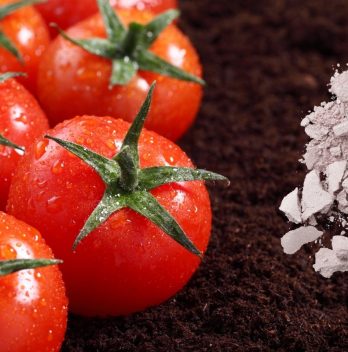
    FAQs

    How do you make a worm box for fishing?

    There are many different ways to make a worm box. The simplest is just to use the bottom of a plastic bucket. Put some dirt or sand in it and put a piece of cardboard on top. Make sure you put something over the hole where the worms come out. If you want, you can make a lid for it that just fits on the bucket and has holes in it so the worms can get out.

    Also, you can use a cardboard box, but it has to be really sturdy. The first thing I would do is cover the bottom with newspaper. Then I would put a layer of sand on top of the newspaper.
    Then I would put a layer of peat moss. That should give you a good start. I know there are other things you can put in there, but I don’t want to overwhelm you too much. Then you just need to fill it with water. Make sure the worms are in there and then put the lid on. And that’s it. A: If you have a worm box, you can keep it in your garage or anywhere else that isn’t too cold. But I wouldn’t leave it outside for long periods of time. Worms will die if they aren’t kept moist.

    How fast do worms reproduce?

    The reproduction of a worm depends on the species. But most often it is very fast and can be in the range of weeks. The lifespan of an earthworm varies from several weeks to several years. They can survive in dry conditions for a long time and some species can even survive outside. There are also species that reproduce very slowly.

    For example, if you look at the biology of the nematode Caenorhabditis elegans, it takes about 7 days for an adult worm to produce eggs. During that time, the adult worm spends most of its life eating. The nematode Caenorhabditis elegans takes about 7 days to produce eggs.

    What to feed fishing worms?

    There are many different kinds of worms and what they eat varies from species to species. One thing to keep in mind is that if you do have a worm bin, you can use any food you like. Just be sure that the food you choose is not too fatty or high in protein, as you will get fewer worms when they are feeding. If you are using an aquarium, you may want to consider using a mixture of dried bloodworms and ground-up earthworms. You can find these at the pet store and they are cheap.

    How often should I water my worm farm?

    Water it once a week.

    You can check the water level in a tank by opening the top. If the water level is low, you can add more. If it is high, you can add less. You can use a small plastic cup to measure the water level.

  • How Many Cucumber Seeds Per Hole Should You Plant?

    How Many Cucumber Seeds Per Hole Should You Plant?

    Growing cucumber is easy and fun, but how many cucumber seeds per hole should be planted to achieve the best crop?

    Cucumber seeds can be started indoors or sow them directly into your garden after the frost is over and the soil is warm enough.

    If you have never tried growing cucumbers from seed, you are in for a real treat!  We will share our knowledge of how to do it.

    Cucumbers are one of the easiest vegetables to grow from seed.  Once you learn how simple the germination process is, you will want to grow them more.

    How Many Cucumber Seeds Per Hole?

    Not all seeds are created equally; some will germinate well while others will not germinate at all.  The problem is, you cannot know their germination rate until you plant them. So to help you solve this mystery, how many seeds to plant per hole is vital to know?

    By planting 2 to 3 seeds per hole, you allow yourself the luxury of choosing the best seedlings that look the strongest. All you have to do is determine the one you like most and snip off the weaker seedlings.

    How Many Cucumber Seeds Per Hole

    Cucumber Seed Starting Methods

    There are two methods you can choose from when planting cucumber seeds.  They include direct sowing or starting them indoors.

    • Direct Sowing. This is sowing cucumber seeds directly in your garden, making it super easy. Planting directly in the garden makes it easy to grow your crop without distracting them with transplanting. Direct sowing should happen after the danger of frost has passed and the soil has warmed up.
    • Starting Seeds Indoors.  You can start your seeds indoors before the end of the cold season to have them ready when the soil is warm enough for planting. Most gardeners prefer this method if they have a short summer or their garden soil is not suitable for sowing seeds.

    How To Plant Cucumber Seeds Outdoors

    Starting cucumber seeds outdoors in a raised bed is a great gardening hack to protect the plants from cold soil.

      • Choose a raised bed but not too deep since their roots stay close to the surface.

      • Start these seeds outside roughly 2 weeks after the last frost, or longer if needful.

      • Choose a spot that receives lots of direct sunlight, at least 6 hours daily.

      • Create a mixture of fresh soil and fertilizer in a raised bed that is approximately 8 inches deep.

      • Ensure your soil is moist and compact.

      • Prepare rows that run north to south, where you will plant the cucumber seeds.

      • Plant 2-3 seeds in each hole, about 1 inch into the soil and 6-10 inches apart. Leave at least 1-2 feet between rows.

      • Cover the seeds with soil and water well.

      • Leave some mulch on top of the soil to help with moisture reservation and provide the soil with extra nutrients.

      • Check the seeds daily to see if the soil needs watering.  Ensure that your soil remains consistently moist but not soggy.

      • Allow your seedlings to grow to about 4 inches before thinning.  Keep your thinning to at least 0.5-1 foot apart.

      • Once mature, harvest your cucumbers on time before they start tasting bitter.  Be sure to find out the best picking length for the variety you are growing from the seed pack.

    How To Start Cucumber Seeds Indoors

    If the weather in your area is unpredictable, it is best to start your cucumber seeds indoors.  These seedlings are not resilient to transplanting, so the best thing is to sow them on the organic sowing trays.

      • Start cucumber seeds at around 4-6 weeks before the final frost date.

      • Fill the sowing trays with the starter mix.

      • Water the soil thoroughly until it is moist and compacted.

      • Make holes of at least 1 inch deep with your finger in each tray

      • Place at least 2-3 cucumber seeds in each hole.

    JOLLY GROW Seed Starter Peat Pots Kit Germination Seedling Trays are Biodegradable and Organic

    811wpolJDBL. AC SX679
      • Cover the seeds with soil, water them again, and gently press the top layer of soil.

      • Keep the containers in a bright spot with direct sunlight.  If there is no sunlight, use a heat mat to maintain about 70 degrees F to maintain the soil temperature.

      • Check the soil daily and water it when necessary; keep it moist but not soggy.

      • The seeds will germinate in about a week. 2 to 4 weeks after germination; the seedlings can be transplanted outdoors or to a larger container.

      • If moved to a larger container, ensure it is big enough and has space to grow horizontally.

    How Long Does It Take To Grow Cucumbers From Seed?

    Cucumbers grow fast, around 50 to 70 days, so you will be able to harvest them soon enough.  If you don’t want to have too many overripe cucumbers, plan out your cucumber planting schedule.  Leave 2 weeks between each planting season to allow enough time to harvest the cucumbers at their ripe stage.

    Alternatively, you can plant cucumber seedlings that you can buy from gardening outlets. Transplant them in the best way you can think of to avoid the shock and death of some seedlings.

    How Long Does It Take To Grow Cucumbers From Seed


    FAQs

    How do you plant cucumber seeds?

    When you sow cucumber seeds in the spring, they germinate quickly and you can expect to see sprouts in about four days. The key to successful cucumber growing is to keep the soil moist and warm. You can plant two or more seeds per hole, but you should wait at least two weeks before you plant any other crops. The cucumbers will grow faster if they are planted in rows with a spacing of about 30 inches between plants. To avoid disease problems, the cucumbers need to be grown in a greenhouse or in a cool, well-ventilated area during the summer. Cucumber plants need plenty of water to grow and produce fruit. If you do not have access to a hose, you can use a watering can or bucket to provide water to your cucumber plants. In the fall, you can harvest cucumbers from the plants when they are ready to pick.

    How many seeds should I plant per hole?

    You would want to plant about 1 cucumber seed per 3-4 inches of space. You will want to use an indention tool to make sure your seeds are not touching each other. If they do, then you will want to thin them out with a knife. I agree with the other comments about using a trowel, not a pencil. It is not advisable to use a pencil to plant seeds. If you do this, it can cause the seed to become lodged in the ground and it may not germinate. It is best to use a trowel to put the seeds in the ground.

    How long does it take to grow cucumbers from a seed?

    It takes around two months.

    Cucumbers do not like hot weather, so they grow best in cooler climates. They prefer full sun, but will tolerate partial shade. Cucumbers can be planted any time after the soil is warmed up by spring frosts.
    It is best to start your cucumber seeds indoors. Most cucumber varieties are seedlings, so you need a small container for each seedling. Planting cucumbers directly into the garden is not recommended, since most cucumber varieties are grafted onto large plants. If you decide to grow cucumbers in the garden, wait until the soil has warmed up. Cucumbers can be planted in either rows or hills. The goal is to have a healthy root system. Do not overcrowd them. Make sure that the soil is moistened well before planting. You can water with a soaker hose, or put a sprinkler on it. In some cases, you may need to cover your cucumbers with a floating row cover.

    What month do you plant cucumber?

    The best months to plant cucumber seeds are April to June.
    When it’s ready to plant, you need to soak the seeds for 12 hours in a solution of 1/4 cup of white vinegar per quart of water. They should then be planted when the soil is warm, usually around 65-70 degrees F (18-21 C).

    Summary

    Many gardeners love to grow cucumbers from seeds because they are fast growers, and their germination rate is almost 97%.  Once you know how many seeds per hole, you can sow your seeds in the right way to get the right crop.

    Before sowing your seeds, ensure that the soil temperature never drops too low.  If you feel that the weather is still too cold or the soil has not warmed up enough, it’s best to start them indoors and transplant them as young seedlings. You can start them indoors sometime in April and transplant them outdoors at the start of May.

    Ready cucumbers should be harvested on time even when you don’t want them because the plant will stop producing if you don’t harvest them on time.

    When harvesting, cut your cucumbers from the vine but don’t pull them off, or you will damage your vines. Each vine can produce 20 to 50 fruits in a season.  It is possible to get some odd shapes, but they will still taste as good as the straight ones.

    That said, enjoy growing your cucumber and, more so, starting them from seed.

  • How To Add Calcium To Soil For Tomatoes

    How To Add Calcium To Soil For Tomatoes

    Every gardener needs to learn how to add calcium to soil for tomatoes to ensure they are healthy fruits free from disease that hinders growth.

    Have you noticed any small, water-filled patches at the bottom of the juicy red tomato that widened and turned into a dark patch?  On touching, did you notice how they give you a sunken and leathery feeling?  This tomato is suffering from blossom end rot – a common disease that prevents the proper growth of the plant.

    This disease occurs due to a lack of calcium; therefore, it is vital to know the importance of adding calcium to plants.

    Importance Of Calcium For Tomatoes

    A healthy plant blossoms in rich soil.  Tomatoes require an adequate supply of calcium, nitrogen, phosphorous, and potassium for them to thrive.  Adding calcium to the garden in its soluble form is easy and enters the roots of your plants, making it easy for their absorption.

    There are several reasons why you will need to add calcium to your garden before growing tomatoes.  They include:

    • Calcium is a macronutrient used quite as much as nitrogen, potassium, and phosphorous.
    • It is the macronutrient of plants.
    • It’s crucial to give proper health to plants and be involved with so many functions in plants, from appropriate cell wall formation to fruit production.
    Importance of Calcium for Tomatoes

    Plants need calcium throughout their growth period since it’s used in so many processes in the plant. Therefore, the ideal time to add calcium to the soil is throughout the plant’s growth period.  Of course, you can’t keep on adding calcium to your garden soil; but the time you add depends on you.

    How To Add Calcium To Soil For Tomatoes

    Test Your Soil

    Before planting your tomatoes, it is advisable to conduct a soil test to know what nutrients are present and which ones are missing.  You can test the soil at home to determine the presence of macronutrients and soil acidity.  Calcium deficiency is revealed when soil is tested in a laboratory.  In extreme cases, you can get professional help to get advice on how to add calcium to your soil for tomatoes.

    Add Ground Limestone And Gypsum

    Lime and gypsum work well together and are good sources of calcium.  To increase calcium in your soil, add limestone by spreading it all over the soil.  Use a machine or hands to mix the soil and get it ready for planting.  Both lime and gypsum are coated with molasses, which is an excellent source of calcium.  The ground gypsum has inbuilt salt making it an excellent source of calcium.  Gypsum can have a lasting effect on the soil with nutrients like magnesium, copper, phosphorous, and zinc.  It should therefore be used in controlled amounts.

    Down to Earth Organic Garden Gypsum Calcium Sulfate, 5 lb

    81209FW0o5L. AC SY741

    Use Fertilizers

    Soluble fertilizers can be a good source of calcium for tomatoes.  Other fertilizers like soft rock phosphate are naturally rich in calcium and intended for tomatoes used.  You can add these fertilizers when tilling it.  For tomatoes, be careful not to disturb their roots when giving the plants fertilizer.  Give them a one-time application of half a cup of 8-8-8 granular chemical fertilizer.   If using organic granular fertilizer, use only 1 cup of 5-5-5 per plant.  Mix this fertilizer with the top 8 inches of soil along with lime before planting your tomatoes.

    Add Eggshells

    Yes, you heard it right!  Eggshells are rich in calcium and can be added to the soil.  Grind them into a fine powder before integrating them into the soil.  Unlike limestone, it must break down into the soil before the plants use it. The breakdown process might take a few months.  This method remains one of the simplest and easiest methods to provide calcium to tomatoes.

    Use Calcium Spray

    You can spray the tomato leaves as a way to add calcium to these plants.  And the most significant thing of all is you can make this spray yourself.  Simply your choice of calcium solution to a gallon of water.  Shower or drizzle the solution once or twice a week when the flowers are set to bloom.  Ensure the spritz reaches the fruits too.

    Water Your Plants Thoroughly

    Water is the number 1 source of calcium.  An inch of water per week is required for the growth of juicy and calcium-rich tomatoes.  You can use rain or irrigation water to water your tomatoes. Note that these plants love to be deeply watered throughout, or else shallow watering will not improve the situation.  Ensuring you have provided your plants with adequate water is essential to provide calcium and feed the plants.

    When you use any of the methods above, your plants will not suffer blossom end rot.  Pot-grown tomatoes are more prone to catching this disease than garden ones.  So ensure you supply enough calcium to the potted plants too.

    What Happens When You Add Calcium To Soil For Tomatoes Early?

    It is the best time to add calcium to your soil as it will begin to work and stabilize the soil before planting your tomatoes.  If your soil has a Ph level of 6.5 to 7.2, it is acidic and needs to be supplemented with lime.  You can also add dolomite lime to improve the level of magnesium in the soil.  If you forget to add lime early in the fall season, don’t worry; you can still add it in the spring season at least 2 months before planting tomatoes.

    What Happens When You Add Them Late?

    If you notice you are late to add calcium to the soil, it’s best to add it late than not at all. However, don’t wait until it’s too late because it will not work.  Adding lime can be a great solution to eliminate the acidity of the soil. 3/4th cup of lime is enough for each plant.

    What Happens When You Add Them Late

    FAQs

    Why is calcium important to tomato plants?

    The calcium in your soil is essential for the growth of tomato plants. Calcium helps the plant to develop a strong and healthy root system and to produce flowers, fruits and seeds.

    Calcium is often called “the muscle food” because it helps to build strong cell walls. The calcium in the soil can be used by the plants to build strong roots and stems.

    You can get calcium from your soil and apply it to your tomato plants when you plant them. However, if you want to give your plants a boost of calcium, you can also feed them as they grow.
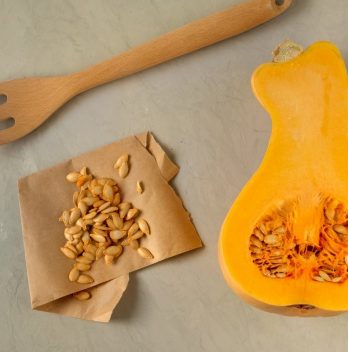
    How do I add calcium to my tomato plants?

    You can add calcium to the soil in the form of dolomite, limestone, oyster shell, or even rock dust. You can also add calcium to your tomatoes by using a foliar spray. Many home gardeners use a diluted solution of calcium chloride to feed their plants. If you do not have access to a spray bottle, you can purchase a fertilizer with calcium already mixed into it. Foliar feeding is done by spraying the leaves of the plant with a solution of calcium. If you want to know how much calcium you need to feed your tomatoes, you will have to experiment with different amounts.
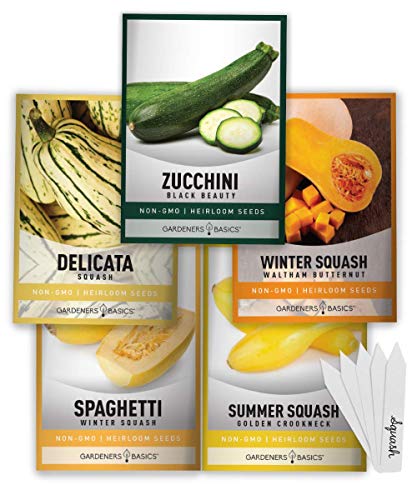
    Can calcium be harmful?

    It takes time for your plants to get used to getting their calcium from the soil rather than from the leaves. So start by adding a small amount of calcium to your soil and see how your plants respond.

    If you add too much at once, it will burn your plants.

    How can I tell if my tomato plants need calcium?

    Tomato plants are actually a very good source of calcium. In fact, the calcium content is so high that if you add too much calcium to your soil, it will inhibit plant growth. This is especially true of older plants. Soil tests are good at determining the calcium content of soil, but they can’t tell you what the calcium content is in a specific plant. Soil tests can only tell you the calcium content of the soil as a whole.

    What is the fastest way to add calcium to soil?

    The most effective way to add calcium to soil is to use bone meal or manure. The best time to do this is in the fall when it is time to start a new crop, as it will improve the soil and provide nutrients for your crops. It is also better to apply bone meal than manure, because of the high amount of nitrogen in bone meal.

    Conclusion

    Now, you are well informed about how to add calcium to tomato plants; it’s high time you do so. To prevent the tomatoes from suffering from the blossom rot disease, ensure you add calcium to your soil at the right time.

    When your soil is well enriched with the right amounts of nutrients, you can now thrive in your tomato farming.

  • Can You Eat Carrots That Have Sprouted?

    Can You Eat Carrots That Have Sprouted?

    Ever wondered if you can eat carrots that have sprouted? Generally, carrots are root vegetables that love to seek moisture by continually growing small roots even after harvesting or buying them.

    So, you may have encountered picking some carrots and you notice after a while it begins to sprout some small roots. Then you’re wondering if they are still safe to cook and consume. Or if cooking these sprouted carrots will have any effects on the taste of your food.

    Well, the answer is simply yes! You can certainly eat carrots that have sprouted. So, we will be looking more into how safe it is to make use of carrots that have some roots growing even after picking and many more. So let’s begin.

    Are Sprouted Carrots Safe To Eat?

    People often wonder what to do with sprouted carrots. Carrot sprouting after harvesting them is not uncommon. But generally, carrots that have sprouted are still viable to eat or consume. All you need do is simply remove or peel off the small roots and consume.

    However, if you notice the sprouted carrots have started growing slimy or are turning white, then they may be past their prime stage and it’s best not to consume such. If you also notice some dark brown spots all over the sprouted carrots, you should discard them right away.

    Are Sprouted Carrots Safe To Eat

    Carrots that have some roots sprout tend to taste bland. But it’s best to make use of them in your various food recipes if the sprouted roots are big enough.

    Read more about What Are White Carrots Called?

    Why Do Carrots Sprout Even After Harvesting And Storing

    Carrots are root vegetables so this means the carrots we consume are typically roots that have developed in their first year.

    If the carrot which is the root vegetable was left in the ground to continue to grow, it will give rise to a group of flowers above the ground. This will later result in seeds at the end of their second year.

    Therefore, when you find the carrots you’ve kept in the kitchen starting to germinate fine roots along the orange root, don’t be surprised. It’s just a way of these carrots seeking continuous moisture because that’s what any root tends to do. So, you may see some small, string-like roots sprouting.

    However, take note that these small string-like roots won’t turn into more carrots. However, the upper parts of the carrot root naturally simply wish to keep on growing into its flowering phase.

    Can You Grow Sprouted Carrots?

    Carrots that have sprouted can be grown. They will give rise to attractive lacy fronds in just a couple of days. They will later grow into lacy white flowers that can attract butterflies if you plant them outdoors.

    How Can Carrots Be Stored Without Sprouting?

    If you wish to prevent your carrots from growing small roots or sprouting while you store them, simply remove the greens on the top before you store them. Removing the greens on top of the carrots will deprive the carrots of moisture as time goes on. Make sure you do not wash the carrots if you don’t plan on consuming them soon.

    Here are ways you can successfully store carrots without having them sprout:

    1.    Refrigeration Storage

    It’s possible to store carrots in the fridge for a period of 2 to 3 months. Simply take the green part out and keep the carrots in an air-tight container or a plastic bag. Make sure you squeeze the air out and keep them away from moisture.

    Alternatively, you can also store carrots in the fridge by putting them in a bowl full of water. The water full of the bowl should be covered using a lid or plastic wrap. Make sure you replace the water when they become milky or cloudy.

    However, note that this method of putting carrots in a bowl full of water is not long-term storage. You can only store them for about a week using this method. Once it’s past a week, they tend to start showing slimy features.

    2.    Freezer Storage

    You can freeze carrots for as long as a year. However, to achieve freeze-storing carrots successfully, you need to blanch them first.

    To blanch carrots, put them in boiling water and allow them to scald for some time. When you do this blanching, you are simply rendering some of their enzymes inactive. These enzymes are responsible for continually degrading the quality of the carrot.

    Prepworks by Progressive Produce ProKeeper, 3-Quart, Stay-Fresh Vent System

    Once you’re done blanching, take them out of the water and allow them to cool down. Then peel these carrots and cut or slice them to your desired shapes and sizes. Put these sliced carrots into a freezer bag and you can store them for up to 9 months.

    Storing these same carrots in a vacuum bag inside the deep freezer can be stored for up to 12 months.

    3.    Pickling

    Pickling is another great way of storing carrots. Simply immerse carrots in vinegar alongside other vegetables such as cucumbers, peppers, and chilies.

    Using vinegar which is an acetic acid solution is just to slow down microbial growth due to its low pH.

    Check Out Everything You Need to Know Regarding Raised Garden Beds

    4.    Drying

    To store carrots by drying, first, wash and peel the carrots. Then cut them into 2 to 4 mm thick. Then these sliced carrots should be spread evenly in a food dehydrator at 55 degrees Celsius for around 10 hours.

    Carrots that have been shredded will take about 6 to 10 hours. You can then store the resulting dried carrot flakes in an air-tight container to be kept in a dry and dark place.

    You can blend these flakes into fine powder. These dried carrots in flakes or powder can as well be added to drinks, casseroles, and soups.

    Drying Carrots

    How Long Does It Take Carrots to Germinate Outside?

    Carrots germinate slowly. If you want to speed up the process, you can prime the seeds indoors. To do this:

    1. Soak the carrot seeds in water for an hour.
    2. Transfer them to a damp paper towel. 
    3. Fold the paper towel to enclose the seeds.
    4. Place them in an airtight container for a few days.

    Once you plant the carrot seeds, lightly water the area. The soil should be kept moist for the germination period. This is usually between 1 and 3 weeks. 

    What Temperature Do Carrots Need to Germinate?

    Carrot seeds need a soil temperature of at least 80 degrees to germinate. This will ensure your seeds germinate healthily and on time. While the germination of carrot seeds is typically uneven, this temperature will help you get the best results. 

    Do Carrots Need Sun to Germinate?

    Carrots are root vegetables. All the veggies and fruit in the root category need full sun to thrive. You should choose a spot in your garden that gets at least six hours of direct sunlight daily if you want your carrots to yield a big harvest. 

    When Do You Plant Carrot Sprouts?

    If your carrots have started to sprout, these pieces don’t have to go to waste. You can replant the sprouted carrot tops to grow new ones. Follow these steps to plant and grow carrot sprouts:

    1. Make a clean cut just below the top where the carrot started sprouting. You should leave at least an inch of the stem intact. 
    2. Place the carrot tops upside down in a shallow container with water. Don’t submerge them. Place the container in a warm but shady spot. 
    3. The carrots will start shooting roots within a few days. The roots will be tiny and hair-like. 
    4. Plant the carrots in soil that has plenty of nutrients. 

    It’s best to plant carrot sprouts when temperatures are cool. At night, temperatures should drop to about 55 degrees. Daytime temperatures should average 75 degrees. 

    How Often Do You Water Carrot Sprouts? 

    You should water your carrot sprouts every third day, depending on how fast the soil dries. Carrots need about 1 inch of water weekly. If they don’t get enough water, your carrots could become misshapen or taste bitter. 

    I suggest setting a timer to ensure you water your carrots on time. You should also do a moisture test to determine how often your carrots need watering. 

    What Do Baby Carrot Sprouts Look Like?

    Once your veggies or fruit are in the ground, it can be difficult to identify them when they start growing. Often times weeds come up with them. If you want to keep these in control, you need to know what not to pluck!

    Baby carrot sprouts are relatively easy to identify. The first leaves to emerge will look like grass seedlings. They have sharp, long blades and short stems. After a few days, true leaves will join them. These have long stems and curly leaves. 

    By the second month, your carrot sprouts will have more true leaves. These will have higher stems and be easier to identify. 

    Conclusion On Can You eat Carrots That Have Sprouted

    So, we have pointed out that you can still eat carrots that have sprouted. Just make sure they have not started growing slimy or turning white. If you however notice some dark brown spots all over the body of the carrots, they aren’t safe to consume so discard them immediately.

    We have also listed out some ways you can successfully store your carrots to prevent them from sprouting or growing any small stringy roots.

    FAQs

    Is it OK to eat sprouted carrot?

    This is a common question among people who are just starting with sprouting. They have been told that sprouting makes the carrot more nutritious and digestible, so they want to know if they can eat the sprouted carrot.

    They’re perfectly fine to eat. Just like you’d eat a sprout from a normal carrot, you can eat a sprout from a sprouting carrot. They seem to have a very mild taste, not really like anything.

    Carrots are a root vegetable and are not considered a fruit. They should be eaten raw or cooked only. You can eat them as long as they are not rotten.

    If you sprout them with the intention of eating them raw, then you are doing so on your own accord and can decide for yourself what you want to do.

    Are sprouted carrots good for juicing?

    I think sprouting carrots are quite fine in taste, especially if you have a juicer (like a masticating juicer) and can add the sprouts to your juice. As for recipes for sprouted carrot juice, I am pretty sure there are plenty out there. If you google “sprouted carrot juice recipes” you’ll find many. If you want to try, I suggest that you sprout your carrots in the morning and then make your juice in the afternoon.

    How are sprouted carrots prepared for sale?

    The carrots are cut, washed, and then allowed to sprout for two weeks before being harvested. They are then dried and packaged. Sprouts are easy to grow at home and can be used in salads, soups, and other recipes.

    They are a healthy and versatile food. They can be used as a topping for pizza.

    Are there benefits to eating sprouted carrots?

    The benefits of sprouting can be seen in many different parts of the world. In China, the Chinese eat more sprouts than any other food. In India, sprouts are considered a blessing. In Japan, they are one of the most popular vegetables.

    However, the science tells a different story when it comes to carrots. Unlike seeds, they are less nutritious after sprouting when it comes to certain nutrients.

    The vitamin and mineral content is much lower than raw ones. Vitamins B12, C, E, K, and folic acid are only present in trace amounts. The phytochemicals (e.g., flavonoids, carotenoids, phenols) are also significantly reduced.

    Sprouted carrots have been a popular staple in the sprout world for over 30 years now, and they are a nutritional powerhouse. Sprouted carrots contain a large amount of B-vitamins, antioxidants, and even minerals like magnesium and zinc.