Author: Brian

  • Growing Sprouts at Home: A Simple Guide for Beginners

    Growing Sprouts at Home: A Simple Guide for Beginners

    Sprouts are a fantastic, nutritious, and easy-to-grow food that can be cultivated indoors all year round. Rich in vitamins, minerals, and enzymes, sprouts are a living food source, adding a crunchy and fresh element to your diet. The process is very similar whether you want to grow alfalfa, mung beans, lentils, or broccoli sprouts. This guide will walk you through everything you need about growing sprouts at home, from choosing the right seeds to harvesting your crop.

    Why Grow Sprouts?

    Before we jump into the “how,” it’s important to understand the “why.” Here are some of the benefits of growing sprouts:

    • Nutrient Density: Sprouts are rich in vitamins A, C, and K, and provide a good source of iron, calcium, and protein.
    • Cost-Effective: Growing sprouts is inexpensive. A small amount of seed can yield a large quantity of fresh sprouts, making it budget-friendly.
    • Quick Growth: You can harvest fresh sprouts in just 4–7 days, making them one of the fastest-growing crops.
    • Space Saving: Since sprouts are grown indoors, they require very little space, making them perfect for apartments or small kitchens.

    Now, let’s get started on the practical side of things!

    Step 1: Choosing Your Sprout Seeds

    The first and most crucial step in growing sprouts at home is selecting the right seeds. Not all seeds are suitable for sprouting, so you’ll need to buy specifically labeled sprouting seeds. Common choices include:

    • Alfalfa: Known for its mild flavor and high nutrient content, alfalfa is one of the most popular sprouting seeds.
    • Mung Beans: These are commonly used in Asian dishes and taste slightly nutty.
    • Broccoli: Rich in antioxidants, broccoli sprouts are known for their health benefits, particularly their high sulforaphane content.
    • Lentils: Lentil sprouts are crunchy and protein-rich, making them a great addition to salads and sandwiches.
    • Radish: These sprouts have a spicy flavor, similar to mature radishes.
    Amazon’s Choice
    Non-GMO Variety Pack Sprouting Seeds
    $16.99

    Broccoli, Alfalfa, Radish, Mung beans & Salad Mix for Sprouts and Microgreens


    Check Amazon Price
    We earn a commission if you make a purchase, at no additional cost to you.
    12/09/2025 03:03 am GMT

    Where to Buy Sprouting Seeds

    You can purchase sprouting seeds online or from health food stores. Ensure they are labeled “organic” and “non-GMO,” as these are safer and healthier options.

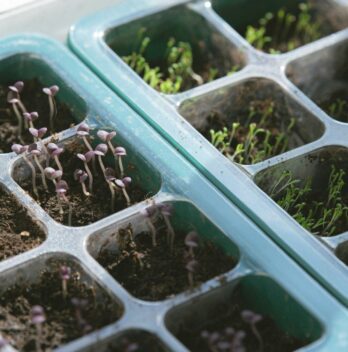
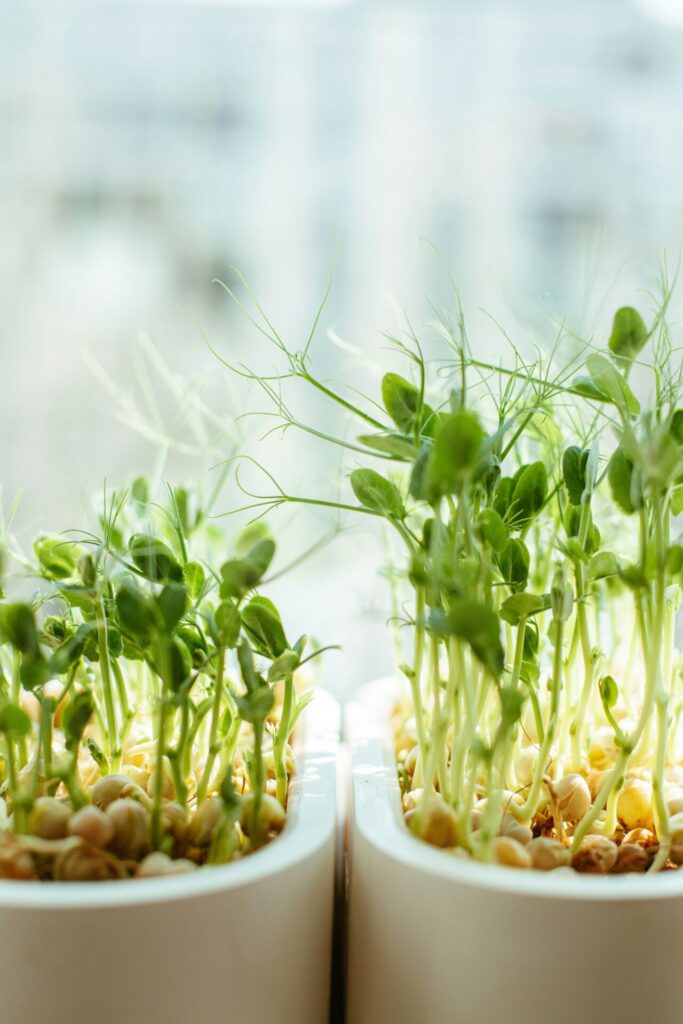
    sprouts growing

    Step 2: Equipment You’ll Need

    Growing sprouts requires very little equipment, but the right tools will make the process easier and more hygienic. Here’s what you’ll need:

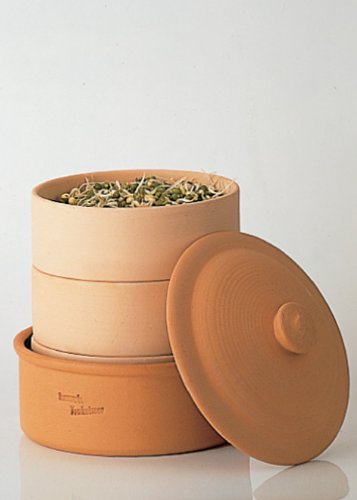
    • A Sprouting Jar or Tray: The most common choice is a mason jar with a mesh lid, but sprouting trays are also available, especially for larger quantities.
    • Cheesecloth or Mesh Screen: If you’re using a jar, you’ll need a breathable cover to allow air in while keeping the seeds contained.
    • Water: Sprouts must be rinsed several times a day, so access to fresh, clean water is essential.
    • A Bowl: This is to catch water as it drains from the jar after rinsing.
    • A Dark Space: Many sprouts need to begin their growth in a dark or shaded area to mimic soil conditions.

    Step 3: Soaking the Seeds

    Soaking is the first step in the sprouting process, and it’s crucial to jump-start the growth cycle. Here’s how:

    1. Measure the Seeds: Start with 1–2 tablespoons of seeds for a typical mason jar. They will expand significantly, so don’t overdo it.
    2. Rinse the Seeds: Place the seeds in your sprouting jar and rinse them thoroughly under cold water to remove dust or contaminants.
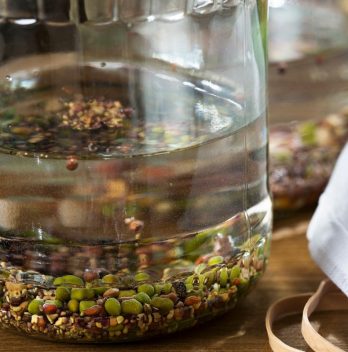
    3. Soak the Seeds: Fill the jar with enough water to cover the seeds by at least 2 inches. Leave them to soak for 8–12 hours (overnight is ideal). Larger seeds like mung beans may need a longer soak, while smaller seeds like alfalfa need less time.

    Why Soak?

    Soaking softens the seed coat and starts the germination process. It’s critical because it “wakes up” the seed, initiating growth and activating the rich enzymes and nutrients inside.

    Step 4: Rinsing and Draining

    Once the seeds have soaked, it’s time to begin the rinsing and draining process. This must be done twice a day to keep the seeds moist but not waterlogged.

    1. Drain the Water: After soaking, drain the water from the jar using your mesh screen or cheesecloth. Be sure to shake out any excess water.
    2. Rinse the Seeds: Rinse the seeds with fresh water and drain again. This helps keep them moist and removes any toxins or waste products they release during growth.
    3. Repeat Twice Daily: Place the jar at an angle in a bowl, with the mouth facing downward to allow any remaining water to drain. Rinse and drain the seeds every 12 hours.

    Why Rinse Regularly?

    Rinsing is crucial to keep the sprouts clean and free from mold or bacteria. It also provides the moisture they need to grow while preventing them from becoming too wet, which could cause rot.

    Step 5: Sprouting Time!

    After a few days of rinsing and draining, you’ll notice tiny sprouts beginning to emerge from the seeds. Depending on the seed variety, here’s what to expect:

    • Day 1-2: Seeds start to split open, and small roots will emerge.
    • Day 3-4: The sprouts will grow larger and take shape. You can expose the jar to indirect light at this stage to help the sprouts turn green.
    • Day 5-7: Most sprouts will be ready for harvest. They should be around 1-2 inches long and will have developed small leaves.

    Step 6: Harvesting Your Sprouts

    It’s time to harvest once your sprouts have grown to your desired length. Remove the sprouts from the jar and give them a final rinse. Dry thoroughly by spreading them out on a paper towel or using a salad spinner to remove excess moisture.

    Storage Tips

    Place your sprouts in an airtight container in the refrigerator to store them. Fresh sprouts should last about a week. Make sure they are completely dry before storing them to prevent mold.

    Amazon’s Choice
    Non-GMO Variety Pack Sprouting Seeds
    $16.99

    Broccoli, Alfalfa, Radish, Mung beans & Salad Mix for Sprouts and Microgreens


    Check Amazon Price
    We earn a commission if you make a purchase, at no additional cost to you.
    12/09/2025 03:03 am GMT

    Common Problems and Solutions

    Growing sprouts is generally easy, but you may encounter a few issues. Here’s how to troubleshoot common problems:

    • Mold: If your sprouts develop mold, it’s often due to inadequate rinsing or poor drainage. Make sure you rinse twice a day and allow the jar to drain properly.
    • Slow Growth: If your sprouts grow slowly, they may need more warmth. Try placing them in a slightly warmer spot in your kitchen, but avoid direct sunlight.
    • Bitter Sprouts: Overexposure to light can cause some sprouts, like alfalfa, to become bitter. If this happens, limit their time in direct light.

    Enjoying Your Homegrown Sprouts

    The possibilities are endless once you’ve harvested your fresh batch of sprouts! Sprouts can be added to:

    • Salads
    • Sandwiches and wraps
    • Stir fries (for firmer sprouts like mung beans or lentils)
    • Smoothies
    • Soups

    Sprouts are incredibly versatile, and because they grow quickly, you’ll never be short of fresh greens for your meals.

    Final Thoughts

    Growing sprouts at home is a fun, inexpensive, and rewarding way to add nutrient-dense foods to your diet. The process is simple, requiring only a small amount of time and equipment. Best of all, you can grow them year-round, regardless of your outdoor gardening space or the weather outside. By following these basic steps, you’ll be able to enjoy fresh sprouts in no time, all from the comfort of your kitchen!

  • When to Plant Tulips: A Complete Guide

    When to Plant Tulips: A Complete Guide

    Tulips are one of the most beloved spring flowers, known for their vibrant colors and elegant shapes. While tulips are relatively easy to grow, the timing for planting is crucial to ensure a healthy and beautiful bloom. This blog will cover when to plant tulips, how to prepare your garden, and the essential tools you’ll need.

    Ideal Planting Time for Tulips

    Tulips should be planted in the fall to allow the bulbs enough time to establish roots before winter sets in. The best time to plant tulip bulbs is when the soil temperature has cooled to around 50°F (10°C), which usually occurs in late September to early November, depending on your location. Check your gardens Hardiness Zone to ensure you know when you can plant your tulips

    • Northern regions (Zones 3-5): Plant tulips in late September to early October.
    • Mid-Atlantic and Southern regions (Zones 6-8): Aim to plant in October through November.
    • Warm climates (Zones 8-10): You can plant as late as December or even January, but consider chilling the bulbs in your refrigerator for 10-12 weeks before planting since tulips require a period of cold dormancy.

    Tulips are cold-hardy plants that thrive when planted before the ground freezes, allowing them to rest through winter and bloom once spring arrives. If you’re planting later than recommended, ensure that the bulbs still have time to root before the harsh frost sets in.

    World Hardiness Zones
    Global Plant Hardiness Zones reference: Wikipedia

    Why Fall is the Best Time to Plant Tuplips

    Tulips are dormant in the summer and actively grow during the cooler months. Planting them in the fall gives the bulbs time to form robust root systems before winter. Tulips need this cold period (vernalization) to trigger the flowering process. Planting them too early in warm weather may sprout prematurely, leading to poor growth and bloom quality. On the other hand, planting too late, when the ground is already frozen, will inhibit root development.

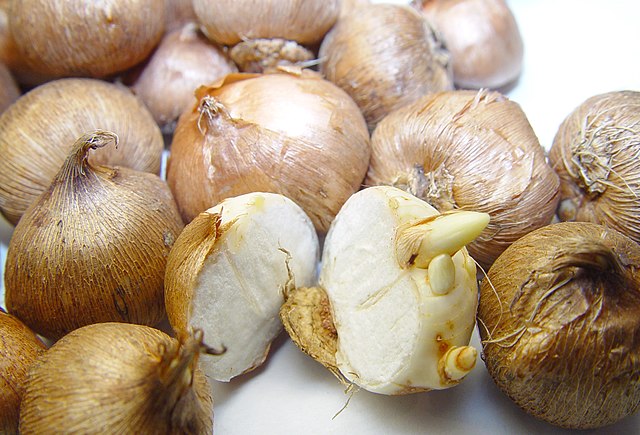
    640px Crocus sieberi tricolor
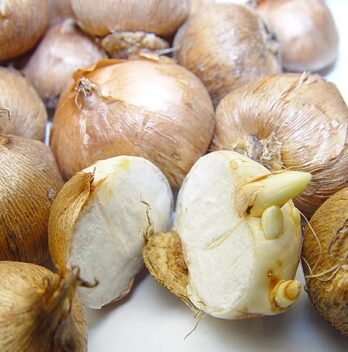
    Crocus Tulip bulbs

    Preparing Your Garden for Tulips

    Before planting tulip bulbs, make sure your garden soil is well-prepared. Tulips thrive in well-drained soil, so avoid areas that tend to get waterlogged. Here are the steps to follow:

    1. Test your soil: Tulips prefer slightly acidic to neutral soil (pH 6.0 to 7.0). If the soil is too alkaline or too acidic, you may need to amend it by adding compost or soil amendments like sulfur or lime.
    2. Loosen the soil: Use a garden fork or tiller to loosen the top 12-15 inches of soil. Tulips need loose, aerated soil to spread their roots effectively.
    3. Add compost or organic matter: Enrich the soil with organic compost or well-rotted manure. This ensures the bulbs get enough nutrients to produce healthy flowers.
    4. Fertilize (optional): If your soil is lacking nutrients, consider adding a slow-release fertilizer high in phosphorus to promote strong root growth.

    Step-by-Step Guide to Planting Tulips

    Once your garden is ready, follow these simple steps to plant your tulip bulbs:

    1. Dig holes: Plant bulbs about 6-8 inches deep and 4-6 inches apart, with the pointed end facing upwards.
    2. Place bulbs: Drop the bulb into the hole with the flat root end facing down and cover it with soil.
    3. Water lightly: After planting, water the area lightly to settle the soil around the bulbs.
    4. Mulch (optional): Apply a 2-3 inch layer of mulch over the soil to protect the bulbs from extreme winter temperatures, especially in colder climates.

    Essential Garden Tools for Planting Tulips

    Having the right tools on hand makes the planting process smoother. Here are some essential gardening tools you’ll need:

    1. Bulb Planter: A bulb planter is a must-have tool for planting tulip bulbs. It allows you to dig perfectly sized holes with ease and precision. Choose one with depth markers for accurate planting.
    2. Garden Fork or Tiller: These are essential for loosening compacted soil and ensuring proper drainage, which is key for healthy tulip growth.
    3. Hand Trowel: A hand trowel is perfect for smaller planting tasks, like digging individual holes for bulbs or working in tight spaces.
    4. Garden Gloves: A sturdy pair of gloves will protect your hands from blisters and soil irritation while planting bulbs.
    5. Watering Can: A watering can with a fine spout helps distribute water evenly over the newly planted bulbs without washing away the soil.
    6. Mulching Fork (optional): If you plan to add mulch to your garden, a mulching fork will make spreading it evenly over the soil easier.
    Our Pick
    FLORA GUARD Bulb Planter with Depth Mark- Ideal Bulb Transplanter for Planting/Digging – Automatic Soil Release Seed Planting Tool for Planting Tulip, Daffodils, Dahlias and More
    $9.99

    The must-have tool for planting Tulips. This Bulb planter tells you exactly how deep you need to dig to plant your bulbs. This is my go-to tool for my Tulips planting.

    Pros:
    • Easier to dig holes the proper depth
    • Saves time digging holes
    Cons:
    • Can be difficult to use with hard ground
    Check Amazon Price
    12/09/2025 05:02 pm GMT

    Caring for Tulips After Planting

    Once your tulips are planted, they require little maintenance through the winter. However, taking a few extra steps will ensure a beautiful display come spring:

    • Protect from pests: If squirrels or other wildlife are a problem, consider covering the planting area with a wire mesh or using repellents to prevent them from digging up your bulbs.
    • Avoid overwatering: Tulips do not require much water once planted. Water only if the fall is particularly dry, but ensure the soil is not waterlogged.
    • Fertilize in spring: Once the shoots emerge in spring, consider giving your tulips a boost with a balanced, water-soluble fertilizer to promote lush blooms.

    Conclusion

    Planting tulips at the right time ensures you’ll enjoy a stunning spring display. By planting in the fall and using the proper tools and techniques, you’ll give your tulips the best chance to flourish. Remember to prepare your garden with well-drained soil, dig the right depth for your bulbs, and protect them through the winter. With a little effort and the right care, your tulips will bloom beautifully year after year.

    FAQ Section: When to Plant Tulips – A Complete Guide

    When is the best time to plant tulip bulbs?
    The best time to plant tulip bulbs is in the fall, about 6 to 8 weeks before the ground freezes. This gives the bulbs time to establish roots before winter. Typically, late September to November is ideal, depending on your climate zone.

    Can I plant tulip bulbs in the spring?
    While it’s possible to plant tulip bulbs in the spring, it’s not recommended. Tulips need cold weather to trigger their growth cycle. If you missed fall planting, consider storing bulbs in the refrigerator for at least 12 weeks to mimic winter conditions before planting them.

    How deep should tulip bulbs be planted?
    Tulip bulbs should be planted at a depth of 6 to 8 inches. Planting at this depth helps protect the bulbs from frost and pests, ensuring they establish strong roots before blooming.

    Do tulips need full sun or partial shade?
    Tulips thrive best in full sun, requiring at least 6 hours of direct sunlight each day. However, they can tolerate partial shade, especially in warmer climates where afternoon sun can be intense.

    Can tulips be planted in pots?
    Yes, tulips can be successfully planted in pots. Use well-draining soil, and make sure the pot is deep enough to plant the bulbs 6 to 8 inches down. Place the pots in a sunny spot and protect them from freezing temperatures during winter.

  • Soak Beans Before Planting: Ultimate Guide for 2023

    Soak Beans Before Planting: Ultimate Guide for 2023

    You can soak beans before planting and make the germination process faster, which can sometimes be derailed by external factors.

    Why pay more for green beans when you can grow your own? It is one of the easiest ways to save money if you have a garden. If you saved some seeds from last year’s harvest, you don’t need to buy new seeds as you can use the same ones to plant a new crop.

    One of the easiest ways to guarantee germination for your green beans is to germinate them in water. When kept moist for several days, the outer shell cracks open and begins to sprout without having to push through any soil or planting matter in the process.

    Soaking seeds in water increases your germination rate and reduces potential diseases that prevent the seeds from proper germination.

    Which Seeds Are Appropriate for Soaking?

    Seeds with hard coats are the best for soaking. They include beans, peas, pumpkins, squash, corn, etc. Smaller seeds like carrots, lettuce, radishes, and the like are hard to soak and don’t need it at all.

    But do you know you can soak your flower seeds before sowing? For example, sunflower, sweetpea, lupine, and nasturtium take to soaking very well.

    Which Seeds Are Appropriate For Soaking

    How to Soak Beans Before Planting

    This is an easy process. However, the three ways you can do it are as follows: 

    1. Option 1. Put the seeds in a shallow bowl and cover them with water. Leave them for several days, observing them daily until you see them sprouting. Once they are fully sprouted they are all ready for planting.
    2. Option 2. Soak in an acidic environment by adding a tablespoon of coffee or a few drops of kitchen vinegar. The idea is to create conditions where the seeds first get warm and dump to germinate. The acidic environment creates the warmth that the seeds need to germinate quickly.
    3. Option 3. Use a wet paper towel or napkin for germinating your green bean seeds. Wet your paper towel with water but don’t make it too wet. Lay the paper towel on a clean surface and spread a single layer of seeds, leaving enough room between them and around the edges. Fold the other half of the towel over or lay another towel on top of the seeds. Secure the borders to ensure no seed falls out and set them aside. Place the wrapped seeds into a Ziploc bag or a jar and tightly shut them to hold in moisture and keep them in a warm area out of direct sunlight. Check for sprouting after five days by opening the paper towels likely and peeking in without unwrapping all of the seeds. If they haven’t germinated yet, reseal the bag and leave them for a few more days.

    How Long to Soak Bean Seeds Before Planting?

    Soak your seeds long enough for them to swell but not too long before they begin to turn sour and rot. Overnight is a reasonable amount of time, although many sources recommend 8 to 12 hours and no more than 24 hours.

    Too much soaking will cause the seeds to start decomposing. If you use boiling water, the soaking time decreases. Most people swear by using warm water and soaking at bedtime and removing them first thing in the morning. Hard seeds like beans benefit from scarification before soaking, but be careful not to puncture the seed completely.

    Other Considerations: Soak Beans Before Planting

    Don’t soak your seeds the night before rain is expected but wait until the forecast promises a good planting season. This helps you be able to get into the garden and not compact the soil too much. You don’t want to hold onto seeds you already germinated; instead, you want to immediately get them in the ground.

    Remember, just because you soaked your seeds doesn’t mean you will not need to water them as soon as you plant them. Your seeds will only hold the right amount of moisture around the seed, not around the soil. They will need more water around the soil to necessitate their growth.

    For those who use damp paper towels for germinating the seeds, be delicate with the seeds when moving them to the garden or the pot to avoid breaking the stem or root. Don’t worry if the shoot is on its side; gravity will help it find its way down or up.

    Saving Green Bean Seeds – Step by Step

    So to be able to plant your seeds, you will need to have saved them from the previous harvest. Saving green bean seeds is easy; all you have to do is follow a few steps.

    2-Pack Seed Sprouter Tray BPA Free PP Soil-Free Big Capacity Sprouting Container Kit with Lid

    61ngm7Jv37L. AC SX569

    Step 1: Choose the best green beans

    Select a few healthy plants you would want to save the seeds from until the final harvest. Select the first plants to produce mature beans, tall and robust with dark green leaves with a high number of pods.

    Step 2: Mark the seed-grown plants and wait

    To ensure you don’t destroy your harvest early, you can try tying something around them. Let the pods grow to maturity before you harvest them.

    Step 3: Pick the dried-out pods

    Please wait until the pods turn completely brown before you harvest them. There should be no green on them at all. You will know the seeds are ripe when you shake the pods and hear the rattle of beans moving around inside. Squeeze the pods, and they should be crunchy to the touch, then you know they are ready to pick.

    Step 4: Remove the seeds from the pods

    Once you harvest the dry beans, remove them from the pods safely without damaging the seeds. Examine every seed, saving only the perfect ones. Throw away any seed eaten by insects, wrinkled, or has a different color from the rest of them.

    Place the seeds on a paper towel to air dry for several days and finally, store them in a clean, dry container that is labeled waiting for the next season to plant them.

    Remove The Seeds From The Pods

    How to Germinate Beans Fast

    You may be wondering what the quickest way to germinate beans is. While many beans can be germinated both indoors and outdoors, I find it best to do it inside, where you have control over all factors. When they’re ready to grow outdoors, they can be transplanted outside with ease.

    Some quick germination methods for beans are:

    • Method #1. Place seeds in a bowl and cover with water. Leave in a warm, dry place and check daily. After a few days, your beans should begin to sprout.
    • Method #2. Grab a seed and try to fill each hole with potting soil. Add seeds to the soil and keep on a heat mat.
    • Method #3. Grab a paper towel and soak it in water. Rinse the towel until it’s moist, but not dripping. On one side of the towel, add the seeds and then fold the other half of the paper towel over the top. Add the towel to a plastic bag and keep it at room temperature, out of direct sunlight.

    It’s important to keep the conditions as ideal as possible during germination, as this is the most important time of a plant’s life. Some key factors you should consider are:

    • Warm environment. Germination is sped up by a warm environment, so using grow lights, a heat mat, or even the use of a greenhouse will aid your germination.
    • Weather. It’s best to plant seeds when the soil is at its warmest, which is often during the day. Some say that it’s best to soak your seeds in warm water, and then place them in warm soil, around late morning.

    What Do Green Beans Look Like When They Sprout?

    You may be curious as to what green beans look like when they sprout. Green beans go through four stages in their life, and they look different in each one. Let’s take a closer look.

    • The first stage is the seed. This is what it starts as, and what needs to be planted for your seed to grow.
    • The second stage is germination. This stage is sometimes also known as sprouting. This means that the roots of the plant are beginning to form. At this point, they’ll be loops start to form in the soil. They’re usually firm and thick.
    • The third stage is growth. This is the stage where your beans will really start to take shape. You’ll often notice that the leaves at the bottom are the largest; this is to ensure the plant can absorb everything it needs to thrive. At this point, you should also see the beginnings of a small plant.
    • The final stage is flowering. With plants such as green beans, you can expect them to flower after around two months. At this time, you may notice that wildlife such as insects and birds are interested in your plants.

    Green Bean Seeds

    Can I Plant Fresh Green Bean Seeds?

    It’s not recommended to use fresh green bean seeds for your planting, but instead, it’s best to leave them on the plant until they start to change in color and rattle when shaken. This is likely to take a few extra weeks, but it’s the best way to do this. Once you’ve harvested them, take them out from the pods and leave them inside for a few weeks. Once ready to plant, shell them.

    Final Thoughts: Soak Beans Before Planting 

    To soak green beans before planting couldn’t be easier! You can also save yourself some good-quality seeds from your green beans. Don’t shy away from keeping your seeds, especially if you notice the variety you’re growing is excellent.

    Do you have any tips or tricks when it comes to soaking beans before planting? If so, please feel free to let us know in the comments below. And remember, sharing is caring! 

    FAQs

    Do green beans need to be soaked before planting?

    Green beans are one of the easiest vegetables to grow, but they do have a few quirks. They require a long growing season, but if you have a greenhouse, or can plant them early in your garden, they will produce well.

    Yes. Green beans must be soaked in a solution of water and potassium nitrate for at least 6 hours, up to 24 hours. Potassium nitrate is available at your local garden center. This step will help the bean seeds to germinate more quickly, as well as make them more resistant to disease. 

    If the instructions say to soak them for 24 hours, then they are probably just referring to an old-fashioned method of planting.

    Newer methods call for rinsing the beans to get rid of any excess dirt and sand, and then planting them right away. I don’t think soaking for 24 hours is necessary. If you soak beans in a solution of water and salt, it helps prevent bean disease. There are two diseases that can affect beans. The most common is Fusarium wilt, which occurs when the soil is too wet and cool and the roots have no air circulation. Soaking the beans in a solution of water and salt is supposed to kill off any spores that might be on the beans when they are planted. The other type of bean disease is Phythophthora root rot. This occurs when the soil is too dry and hot, with no air circulation. Soaking beans in a solution of water and salt also kills off any spores that might be on the beans when they are planted.

    How do you soak green beans?

    Soaking beans is very easy. Just place the seeds in a bowl and cover them with water. Let the seeds soak for at least 8 hours or up to 12 hours depending on your beans. After they are soaked, drain the seeds and place them in a mesh bag (or paper towel) in a warm place where they will germinate. You want the temperature to be around 80 degrees Fahrenheit. The ideal temperature for germination is between 70-80 degrees.

    The seeds need light but not direct sunlight. If you put the seeds in direct sunlight, they may get scorched. Keep the seeds out of the fridge or freezer because this can stop the germination process.

    How do you dry green bean seeds for planting?

    Depends on how much seed and the climate you live in. It is not necessary to dry them completely. They will germinate more easily if they are moist, but not soaking wet. If your seeds are damp or wet, you can place them on a cookie sheet and put it in an oven on the lowest setting, about 200 degrees F for an hour or two. This will dry them out just enough so they will sprout.

  • Bone Meal for Tomatoes: Best Uses & How Much?

    Bone Meal for Tomatoes: Best Uses & How Much?

    How much bone meal per tomato plant? This article will help you determine how much bone meal you should give per tomato plant and how to effectively use bone meal for tomatoes. 

    Tomatoes are heavy feeders and require a lot of nutrients. Bone meal is one of the easiest ways to give an extra boost to your tomato’s health and growth. Let’s take a closer look at using bone meal for tomatoes.

    Bone Meal Nutrition Facts

    Bone meal made from animal bones is rich in phosphorus, calcium, and nitrogen. It can be used as fertilizer for tomato plants. Both fresh and dried bone meals are available on the market; however, make sure that you buy organic bone meals without any chemical fertilizers or fillers added.

    Fresh bone meal contains a high amount of water (moisture) which can cause problems if not removed before storage. The dried form provides more nutrient content than the fresh form because it has fewer moisture contents; thus, making it easy to store for a long time without spoiling.

    One tablespoon of bone meal provides seven grams of phosphorus and nine grams of calcium, which equals 13% of the recommended daily value (RDA) for phosphorus and 18% RDA for calcium.

    Bone meal supplies important nutrients that help encourage health in plants because it contains both phosphorus and calcium. The ratio between these two minerals can affect how each nutrient contributes to your plants’ overall health. Using too much phosphorus can cause growth problems, especially for seedlings. Excessive phosphorus can stunt a plant’s root growth and interfere with how well a plant absorbs other nutrients.

    Bone meal is an organic fertilizer that contains a high amount of calcium, an essential nutrient for promoting strong cell wall development in new blossoms and fruits. Calcium also helps fruit to mature properly after harvest.

    You should use bone meal as soon as possible after opening the package because the moisture from the soil or environment may cause it to become moldy or change color over time.

    Is Bone Meal Good for Tomatoes?

    Bone meal is good for tomato plants. It contains a high amount of calcium that helps in fruit formation. It contains nitrogen and phosphorus which are required by plants to produce chlorophyll while the growing stage and calcium during the fruiting stage.

    Please note: you can add bone meal directly to the soil without any preparation or cooking process. However, if you want it cooked before adding it to the soil, you can add it to the compost because raw bone meal contains a high amount of ammonia that can burn roots once mixed with soil.

    Burpee Bone Meal Fertilizer | Add to Potting Soil

    How Much Bone Meal Per Tomato Plant?

    How Much Bone Meal for Tomatoes? 

    Now that we know the benefits of this organic fertilizer to tomatoes, how much bone meal per tomato plant?

    Use 3 pounds of fresh or 1 pound of dried bone meals for 100 square feet of garden space. For example, how much bone meal per 10 tomato plants? You will need 1/2 pound of bone meal per tomato plant.

    Can You Add Too Much Bone Meal?

    It is possible to add too much bone meal and hurt your crops. Do not add too much bone meal to the soil because it will cause phytotoxicity in tomato plants. Excess amounts of nitrogen contained in it can damage leaves and slow down fruit formation or growth.

    You should avoid adding more than 0.25% nitrogen level to the soil because even if it contains plenty of phosphorus, calcium, magnesium, zinc, copper, sulfur, and other nutrients, an excess amount of nitrogen will burn the roots after absorption by the soil.

    Bone Meal for Tomatoes Benefits 

    Ways to use bone meal for tomato plants:

    • To boost the health of tomato plants, you can give it every week during the first couple of months of growth. You can also use it as transplanting fertilizer or seedling fertilizers at half the rate of how much you would give to mature plants later on. Bone meal works well for this purpose because it is rich in phosphorus which helps with root formation and healthier stem structure.
    Bone Meal Tomatoes Benefits
    • Bone meal gives a calcium source that is beneficial for both humans and soil microbes. Calcium accelerates the decomposition speed of dead materials, thus increasing nutrient availability to growing tomatoes faster than compost alone. Organic matter content also improves due to the presence of calcium in bone meal.

    Can You Add Bone Meal After Planting?

    Bone meal can be added after planting tomatoes if it is dry. However, do not add bone meal to the soil until you are ready to transplant seedlings into them because tomato plants cannot grow properly when nitrogen levels are too high. Especially for seeds that have just emerged, adding too much bone meal will result in yellow leaves or stunted growth.

    If you want to use bone meal for tomatoes as fertilizer, it is better to mix organic fertilizers with soil before planting tomatoes.

    Bone meal can be used with other organic fertilizers. For example, blood meal, cottonseed meal, and kelp extracts. This combination will provide essential nutrients needed by growing tomatoes. If bone meal is added directly into the garden or container without mixing with other ingredients first, soil microbes may not be able to absorb them properly which can lead to loss of nutrients in time.

    Bone meal works best when mixed with compost piles because they allow microbes to break down the materials slowly over time.

    You should always water your tomato plants after adding any kind of fertilizers into the soil because soluble nitrogen releases quickly into roots which affects how well it absorbs water. Watering your plants first will allow them to take up the nutrients gradually without getting too much nitrogen.

    Can You Add Bone Meal After Planting

    Using Sugar, Epsom Salt, and Bone Meal for Tomatoes

    You may be wondering how else you can use bone meal for your tomatoes. I’ve found that the use of bone meal, along with sugar and Epsom salt works very well. These three are a good trio because the sugar adds sweetness to your tomatoes, the Epsom salts add both sulfur and magnesium and the bone meal adds phosphorus.

    To plant your tomatoes, you’ll need to make a hole larger than you usually would for your tomatoes. Then you’ll need to add a cup of bone meal and a cup of sugar, along with a reasonable amount of mulch. Mix them and place them in your hole, evenly distributing them in the soil.

    Carefully place your tomato plant into the soil; be sure to bury it reasonably deep. Once planted, add around a cup of Epsom salts on top and mix them into the top of your soil using your hands. Finally, water your tomato plants with a good amount of water – and your tomatoes are ready to go.

    Disadvantages of Bone Meal

    We’ve already looked at the benefits of using bone meal for your tomato plants, but you may be wondering if there are any disadvantages. While there aren’t too many negatives, there are a few that you may want to be aware of. Let’s take a closer look.

    You can only use bone meal in soils below 7 on the pH scale. This may not be ideal. However, a good alternative is rock phosphate, which we’ll be taking a look at later in this article.

    If you’re looking for a quick fix, then this probably isn’t the best choice for you, as it’s a fertilizing choice that releases slowly.

    If used too much, overfertilization can occur. If this happens, problems may arise for your tomato plants such as yellowing leaves. It can also lead to deficiencies in other nutrients, like zinc and iron.

    If not used correctly, the smell can attract unwanted wildlife. However, as long as it’s adequately mixed in, this should not be a problem.

    Bone meal is only a good source of phosphorus, so you’ll need to use other fertilizers too, to ensure your tomato plants are receiving all of the nutrients they need.

    Rock Phosphate vs Bone Meal

    Earlier, we mentioned rock phosphate, which is a great alternative to bone meal, if you’d prefer. However, there are quite a few differences between the two. Let’s take an in-depth look at the two.

    They’re similar in that they both contain phosphorus. However, that is where the similarities start and end. The differences between the two are that for the short supply of phosphorus, bone meal is best, whereas, for a long-term supply, phosphorus is best, as it’s slower.

    Another main difference between the two is the price. Bone meal starts at around $13 per lb, whereas rock phosphate starts at around $30 per lb. So if you’re looking for a more affordable option, it’s best to use bone meal.

    Rock phosphate works best on flowers and other leafy plants, whereas bone meal works best on rooted plants, such as carrots and onions. However, you can choose to use both together, if you’d prefer – and reap the benefits of both.

    Rock Phosphate vs meal bone

    Final Thoughts: Bone Meal for Tomatoes

    Bone meal for tomatoes is beneficial in most cases. Adding too much nitrogen to the soil will hurt plants, although you can add it if your plants are mature enough. You should only use bone meal after preparing the soil with compost or manure and not mix it directly into planting holes.

    It s evident that bone meal provides your tomatoes with plenty of benefits like boosting up the nutrient content of the soil, by adding calcium source which creates healthier stem structure and roots.

    FAQs

    How should you mix bone meals for best results?

    You should not mix it directly with planting holes because adding too much phosphorus can affect how healthy tomatoes grow even if they are combined with other organic fertilizers. Therefore, it is better to prepare compost piles or manure before mixing into the soil or using as transplant fertilizer after seeds have germinated and grown some roots.  

    When should I start fertilizing my tomato plants?

    Bone meal should be added to the soil when the first set of tomatoes starts growing. Wait until your plant is about 6 – 8 inches tall before adding bone meal fertilizer. If you add it too early, it will affect how healthy or how tall they grow. 

  • Tomatoes High or Low Humidity: How Best to Store

    Tomatoes High or Low Humidity: How Best to Store

    Should you store tomatoes in high or low humidity in the refrigerator to extend their shelf life, or where is the right place to keep them?

    There is no joy like going to the farmers market or the grocery store and shopping for your week or months-long groceries. However, before you spend a ton of money on these expensive fruits and vegetables, be sure you know how to them fresh for the longest.

    Let’s learn the proper humidity of vegetables that will enable us to store our fresh produce in the right place in the refrigerator.

    The Refrigerator

    A refrigerator has many compartments to store different kinds of foods. The two drawers in the bottom of your refrigerator are called crisper drawers, and they preserve your vegetables. If you want your vegetables and fruits to last long, it matters where you put them.

    Most vegetables should go into the high humidity drawer, while most fruits should go into the low humidity.  Of course, there are some exceptions to this, so let’s look into it.

    The Refrigerator

    Some crisper drawers are labeled fruit and vegetable making it easy to know where to keep your supplies. You can adjust the humidity level of the drawer by moving the slider. The high setting allows the slider to close the window and hold more air and moisture inside. At the same time, a low humidity setting allows the slider to open the window, letting in more air out of the drawer.

    So Why Does it Matter: Vegetables Low or High Humidity?

    It matters because of ethylene. Ethylene is a plant hormone available in fruits and vegetables. Lots of fruits and vegetables release this hormone as a sign for fruit vegetables to ripen.

    Not all vegetables respond to Ethylene the same. For susceptible vegetables, this gas makes them get over-ripe and go bad very fast. For example, suppose you trap an ethylene-sensitive vegetable like lettuce inside a high-humidity drawer when it’s closed with an ethylene-producing fruit like an apple; in that case, the lettuce will go bad fast.

    Now you know why your veggies have been going bad too fast. It’s because you mixed them with the wrong vegetables and fruits, and kept the drawer closed.

    However, opening the little window in the drawer to make it a low-humidity drawer is enough to let the Ethylene out. The rest of the refrigerator is big enough to dilute this gas for a limited effect on the rest of the produce in the refrigerator. Ethylene is a plant hormone and does not affect people at all.

    So Do You Store Tomatoes in High or Low Humidity?

    That said, what should you store in a low-humidity-open window drawer? Fruits and vegetables that produce Ethylene should be stored there. These include apples, tomatoes, avocadoes, citrus fruit, kiwi fruit, blueberries, green onions, melons, okra, peaches, mushrooms, nectarines, plums, grapes, and pears.

    What about the high-humidity closed window drawer? In this drawer, you should store fruits and vegetables that are sensitive to the effects of ethylene. They include – zucchini, carrots, cauliflower, broccoli, asparagus, cucumbers, leafy greens, green beans, lettuce, peppers, peas, spinach, and summer squash.

    The humidity settings on both of these drawers work best when the drawers are 2/3 full. Ensure that you do not stock up on these drawers too full.

    Now to answer the question, should you store tomatoes in high or low humidity? If you have to keep them in the refrigerator, store them in low humidity with an open window. However, the best way to store them is out at the counter.

    The Best Way to Store Your Produce 

    It is best to store your produce in the packaging you bought them in. If you need to change it, loosely wrap it in paper or perforated plastic bags. Allow your produce to breathe. This allows the ethylene gas to escape, keeping away any extra moisture from getting trapped inside. Extra moisture is a breeding ground for bacteria and can make your produce go bad fast.

    LUXEAR Fresh Produce Vegetable Fruit Storage Containers 3Piece Set, BPA-free

    71bo9AXKDNL. AC SX679

    There are plastic vented containers that you can buy to help you store your produce in better condition. They help keep your fruits and vegetables in a healthy state, away from any danger of rot. They have a tray that collects the water sitting in a puddle of water, and the lid is invented to let the Ethylene out. These two qualities keep your produce fresh.

    Is Everything Else Stored in the Refrigerator?

    Please note, not everything belongs in the refrigerator! Some fruits and veggies will do best when left on the counter. And the best thing is the more you see them, the much you are bound to eat them.

    Bananas and tomatoes are some of the food that should never go into the refrigerator. The refrigeration temperatures keep bananas from getting any riper and sweeter. Tomatoes will get a mealy texture and lose their natural flavor when refrigerated. Keeping your tomatoes out of the compressed humidity helps them last longer.

    Citrus fruits can also be stored at room temperature on the counter for 7-10 days. If they are refrigerated, they pick up some odors from the refrigerator.

    Melons, summer squash, cucumber, eggplant, and zucchini all do better on the counter at room temperature. Once melons ripen, consume them within 7 days. The vegetables can only last a couple of days on the counter, so use them as soon as you can.

    Is Everything Else Stored In The Refrigerator

    Some fruits and vegetables even ripen better if you leave them on the counter. If you are not ready to eat them when they get ripe, you can now put them in the refrigerator to extend them a few days. Fruits like avocados, apples, kiwis, peaches, nectarines, pears, and plums all fall into this category.

    Once you cut your fruit and vegetables, all the remaining pieces should be refrigerated and used within 2 to 4 days.

    Best Humidity for Vegetable Drawer

    You may be wondering what the humidity should be for your vegetable dray. Well, the truth is, the refrigerator vegetable drawer humidity setting all depends on which fruit and vegetables you’re storing. For example, some prefer high humidity, while others prefer low.

    Generally, it’s best to keep your drawer at low humidity. This is to stop the food from perishing too quickly. If your food is prone to rotting quickly, opt for low humidity. If your food is prone to wilting quickly, opt for high humidity. Let’s take a closer look at some examples.

    Some foods that should be kept in a high-humidity drawer are as follows:

    • strawberries
    • watermelon
    • asparagus
    • eggplant
    • green beans
    • okra
    • peas
    • cucumber
    • lettuce (and other leafy greens)
    • peppers
    • cauliflower
    • broccoli
    • carrots
    • Brussels
    • herbs

    Some foods that should be kept in a low-humidity drawer are as follows:

    • peaches
    • pears
    • plums
    • avocado
    • bananas
    • figs
    • mangoes
    • melons
    • apples
    • papayas
    • kiwis

    What Should the Humidity of Refrigerator Be?

    You may be curious as to what the humidity of your refrigerator should be. It may surprise you that many factors can affect the humidity of your fridge, which is why you should be careful where you store certain foods. For example, foods that are prone to wilting should be kept in a high-humidity drawer. Whereas foods that are prone to rotting quickly should be kept in a low-humidity drawer.

    The humidity can change when:

    • You open your fridge. If you leave your fridge open for more than a few seconds, warm air will enter the fridge and even when closed, the humidity will have risen dramatically.
    • Contents. This is why it’s recommended to allow food to come to room temperature before you place it in the fridge. If you place hot food into the fridge, the humidity will rise dramatically.

    All you need to know is the best places to store certain foods; at either high or low humidity. The temperature of your refrigerator often changes slightly throughout the day, so there is no set humidity in your fridge should be.

    tomatoes stored in the refrigerator

    Humidity Control in Fridge for Vegetables

    You may be curious about how to control the humidity in your fridge for foods like fruits and vegetables. The best way is to use the zones in your fridge correctly. For example, foods prone to perishing quickly such as plums and pears should be kept in low humidity. Whereas foods prone to wilting, such as asparagus, need to keep in high humidity.

    You should also only leave your fridge open for very short bursts of time, and never place hot food directly into the fridge. Both of these will help to control the humidity in the fridge.

    Should Tomatoes Be Stored in the Refrigerator?

    It is not recommended to store tomatoes in the refrigerator, but that’s not to say you can’t if you want to. It’s not recommended because it can alter both the flavor and texture – and not for the better! However, if you opened your tomatoes, or chopped them pre-emptively, you should keep them in the fridge, in an airtight container, for best results.

    Conclusion: Tomatoes High or Low Humidity?

    It is essential to learn the nitty-gritty of every sector of life, and learning about high or low humidity for veggies is part of our daily life. The last thing we want is for you to spend all the money shopping only to lose half of the stuff you bought because you stored them in the wrong place.

    Remember always to keep your refrigerator clean and well-stocked for that quick dinner when you are running late from work. Besides, appreciate your counter and pantry where you also store other types of foods. Keep your potatoes in the pantry in a cool, dry place away from moisture.

    I hope this post has helped to answer the question of whether it’s best to keep tomatoes in high or low humidity. If you have any tips or tricks when it comes to storing tomatoes, please feel free to let us know in the comments below. And remember, sharing is caring!

    FAQs

    What is the best way to store tomatoes?

    The best way to store tomatoes is in a cool, dark place. Tomatoes are sensitive to light and heat. So what you should do is store them in an open window drawer that has low humidity.

    However, the answer to this question depends on your needs and goals. If you just want to store tomatoes for a few days, there are several ways that can work. I have found the easiest way is to simply put them in a plastic bag in the refrigerator. This will keep them safe and preserve their flavor. If you want to store tomatoes for longer periods of time, then you will need to use something different.

    Generally speaking, a refrigerator is not a very good place for storing tomatoes. They will shrivel and lose flavor if left at room temperature.

    The first thing I do with any produce is cut it into slices.

    Then I place them on a baking sheet lined with parchment paper. I then cover the whole thing with a plastic wrap and put it in the fridge. This helps keep the produce from drying out and keeps it fresh for longer.

    How does the ripening process work?

    When the tomato is ripe it releases a chemical into the pod. This chemical causes the pod to ripen. It also allows the fruit to be eaten. This process is called “ripening” or “de-greening.” The skin of the tomato is made up of two layers, the exocarp and the endocarp. The exocarp is the outermost layer of the fruit. The endocarp is the innermost layer. The exocarp is what you see when you pick up the tomato. It is the part that has been cut off from the stem. The endocarp is the part that is left on the stem. It is the part that is used in canning. It is important to note that both layers are edible.

    This is the best way I’ve found to keep my tomatoes from turning green. The idea is to keep them in the refrigerator. As long as they are kept cool and out of direct sunlight, they should remain fresh for a week or two.

    What’s a good alternative to canning them?

    If you don’t want to can them, your best bet is to freeze them.

    You’ll want to let them thaw out first, then place them in the fridge. This should keep them from getting moldy.

  • Does Salt Kill Termites: Best Way to Prevent Pests

    Does Salt Kill Termites: Best Way to Prevent Pests

    So you have a termite problem, and are wondering does salt kill termites? What can one use to treat this problem?

    Termites are such a nuisance for gardeners as they naturally occur in soils. If you find termites in the garden, it means they have found a good source of food. Termites feed on cellulose that exists in either wood or plant remains.

    Termites tend to stay hidden first before spreading especially in an outdoor setting. It’s very hard to spot termites when they are in the larvae stage. However, once they grow, they are attracted to the light and become active in your garden.

    Termites can be detrimental to wood structures, that’s why it’s best to destroy them. So does salt kill termites? Let’s learn all about it.

    Does Epsom Salt Kill Termites?

    Epsom salt is a naturally occurring mineral that can be used in a hundred ways around your home and garden. Many gardeners swear by this inexpensive product, however, personal opinions can be mixed.

    Epsom is used in various ways and one of them is to kill termites. This falls in the category of using Epsom as an insect solution. Here are a few ways you can use Epsom salt to kill termites.

    Epsom Salt Kill Termites

    As a Mixture. Mix about 240ml of Epsom salt and 5 gallons of water and spray this where you have termites and any other destructive insects. Spray a good amount of this mixture several times in case some insects are too stubborn to die. In the case of termites, spray repeatedly so you can destroy the larvae too. This product not only kills insects but it deters them from your home and garden.

    As Dry Epsom Salt. Sprinkling dry Epsom salt in areas where you notice termites or slugs is an effective measure. Epsom salt is known for its effect on insects by drying them up to the point of death. You can use the dry Epsom salt around your young seedlings to keep insects away from them. As a bonus, your seedlings benefit from a boost of magnesium and sulfur.

    Click here to get info about:

    How Else Can You Kill Termites?

    1. By keeping the moisture levels under control

    Termites are attracted to damp places. If you are a homeowner, you need to keep watch on damp areas or wood around your yard. This can become an ideal breeding ground for termites.

    In any place where moisture collects, termites will breed there in large numbers. Be sure to remove all such breeding grounds and if it proves impossible, pour a generous amount of Epsom salts in the moist areas to eliminate termites.

    Remove every item that causes the ground to be too moist, especially if you live in areas that have a high likelihood of breeding termites. Keep an eye on areas that are pooling water across your garden and yard.

    BioLogic Scanmask Steinernema feltiae (Sf) Beneficial Nematodes for Natural Insect Pest Control, 5 Million Size

    Does Epsom Salt Kill Termites

    2. Use nematodes to kill termites

    Nematodes are naturally occurring roundworms and they can kill termites. They are an effective natural insecticide because of their gut bacterium. Once a nematode enters a termite’s body, it releases bacteria that start to slowly kill it.

    Nematodes are easy to find because they live in a variety of habitats. They do not cause any harm to plants, pets, or humans thus a very organic way to deal with termites. When you introduce nematodes to your garden, they will serve you for a lifetime because they will continue to multiply while keeping the termites at bay. They breed very fast and can start as fast as the first 24 to 48 hours after they are first released. Even if you are facing a huge termite threat, nematodes can kill a ton of termites and other household insects within a very short time.

    Check out:

    3. Go for boric acid

    Boric acid is available in powder form and is one of the best ways to eliminate destructive insects. This acid once ingested, complicates termites or any other insect’s digestive system eventually leading to death. This will take about 3 to 7 days for the acid to work in the insects.

    Boric acid is also friendly and less toxic compared to other acids. To use it, prepare a simple concoction of boric acid powder, sugar, and water to attract the termites. Be sure to use a dust mask and goggles when preparing this mixture. The termites will start moving the boric acid back to their colony and start to die off. Add this mixture for 3 to 5 days until you cannot see any termites left.

    How Does Salt Kill Termites?

    You may be wondering how salt kills termites, and it’s pretty simple really. Salt works as dehydration for termites. If you’re familiar with termites, you’ll know that to thrive, they need a moist environment. With salt acting as a dehydrator, this means that they will dry out and eventually die from lack of water and moisture.

    However, depending on the type of termite, it may not be as effective as other methods. For example, if you have dry or damp wood termites, it won’t work as well, and you may need another solution.

    Does Epsom Salt Kill Termites?

    Yes. The reason Epsom salt kills termites is that it has a high level of magnesium and the magnesium will destroy the termites. What’s great about Epsom salt is that it isn’t harmful to plants or humans too; which isn’t the case for other types of pesticides.

    Will Epsom Salt Kill Nematodes?

    You may be curious as to whether Epsom salt kills nematodes. And the truth is, it isn’t known whether it kills them or not. As they can survive in so many environments, and some are good, while others are bad; it is simply not known. If you are concerned about a nematode infestation, try using a product that is made to eliminate nematodes, for best results.

    Does Epsom Salt Keep Bugs Away?

    So we’ve established that Epsom salt can kill bugs, but can they keep bugs away? The answer is…absolutely! It’s thought to both kill bugs and keep them away, which is why it’s such a great solution to use. Use around a cup of Epsom salt for every 5 gallons of water. Mix well, and then add using a sprayer.

    How Do I Permanently Get Rid of Termites?

    Permanently getting rid of termites can be a challenge. However, there are many ways you can do this. Let’s take a closer look.

    • Liquid barrier. This works to keep termites away, as well as exterminate any that are already there. What’s great about this method is that you can use it inside and outside of your home.
    • Bait. If your termite problem is smaller, try using a small amount of poisoned bait. This is just as effective as the liquid method, but simply less radical.
    • Boric acid. This method works on termites, as well as other bugs. It will take around 3-7 days for your termites to be exterminated. This method is good if you’re looking for a less toxic method.
    • Diatomaceous earth. If you’re looking for a method that is 100% non-toxic and completely natural, this is the method for you. It’s a slightly slower way of killing termites, but they will eventually dry out and die.
    • Chemical treatment. We recommend only using this method outside, as it’s not ideal to have in your home. It’s also one of the easiest methods to obtain too.
    • Good nematodes. Another natural option is using good nematodes. This will only work if your termite problem is on the smaller side. These types of nematodes usually eat insects, like termites.

    What Does Salt Do to Termites?

    Salt simply dehydrates termites. They begin to dry out and then will eventually die from lack of moisture and water.

    What Scent Do Termites Hate?

    There are many scents that termites do not like. Some of these include:

    • cloves
    • tea tree oil
    • cinnamon
    • garlic
    • geranium
    • cedarwood

    salt kill termites

    Conclusion: Does Salt Kill Termites?

    I hope this post has helped to answer the question: does salt kill termites? Knowing the best way to eliminate termites will save you time and money. Avoid using over-the-counter insect spray or pine sleepers, or even relocation methods in fighting termites.

    Insect sprays are known to kill plants and not termites; some of the termites on the surface might be affected but the deeper problem is left untouched. If you have a big termite infestation, use Epsom salt or nematodes. These are some of the best methods you can trust.

    So next time someone asks you does Epsom salt kill termites, you know how to answer. Do you have any tips or tricks when it comes to eliminating termites? If so, please feel free to let us know in the comments below. And remember, sharing is caring! 

    FAQs

    Does Epsom salt keep bugs away?

    Epsom salt is able to keep different types of bugs away as it kills them slowly.  Epsom salt is friendly to use in the garden, in human life, and with your pets.

    What does salt do to termites?

    Epsom salt is effective on insects and termites alike.  Once fed, the insects and termites start to dry off to the point of death within a few days of ingestion.

    How do I permanently get rid of termites?

    Using Epsom salt for a good amount of time, it will eliminate even the larvae.  You can also use nematodes which is an organic way to destroy termites and other insects.

    What scent do termites hate?

    Termites love to eat a lot of plants and trees, however, it has been recorded that termites do not like the smell of cinnamon, cedarwood, geranium, tea tree oil, garlic buds, and gloves. Termites have an antenna to smell making it easy to choose their food source.

  • Types of String Beans You Can Grow: Best Varieties

    Types of String Beans You Can Grow: Best Varieties

    There are different types of string beans you can grow and enjoy amazing recipes from them despite their differences.

    Did you know that green beans, string beans, snap beans, and wax beans are all but the same thing? The slight differences they have are mainly in shape or color that separates one type from another.

    All of these green beans are interchangeable in recipes, with each standing out in its delicacy. Some beans have a bit more texture and are chewy, while others are smooth and cook quickly. Bigger beans like Romanos take longer to cook than skinnier beans like haricot verts.

    With this information in mind, feel free to grow different types of string beans in your garden, mixing them around for a better crop.

    Green beans or string beans are easy to grow from seed and do well almost in every area of the US. You can choose from many varieties, but you need to be aware of the care and maintenance of a particular type requires.

    Fun Facts About Types of String Beans

    There are over 500 cultivars of green beans, and some of them are not even green in color. You can grow purple, red, streaked, or white string beans if that’s what strikes your passion. However, the beans inside the pod will always be green.

    Many years ago, green beans originated in the Andes, which is now Peru. Columbus brought them to the new world in 1493.

    The strings were bred out of string beans in 1894, with almost all varieties being stringless today.

    Green beans are nitrogen fixers meaning the plants give nitrogen into the soil. This eliminates the need to add nitrogen fertilizers before planting the next crop.

    The US produces 60% of commercially grown green beans; primarily produced in States like Michigan, Wisconsin, and Illinois.

    Green beans contain carotenoids associated with red veggies and oranges. They are also rich in Vitamin C and full of fiber and protein.

    The first bush bean was drawn in 1542 by a German doctor interested in plants’ medicinal properties.

    For the longest time, native Americans planted beans together with corn and squash, calling them the three sisters. Corn was planted first, followed by beans to help support the bean bushes, which in turn provided nitrogen for the corn. Squash was later planted to provide shade and help retain water.

    Garden Tools Set 11Pcs Stainless Steel

    71+a4QH14vL. AC SL1292

    Different Types of String Beans

    Purple string beans

    Purple string beans are a purple version of the classic green beans. Once cooked, they lose their purple color. If you want to preserve as much color as possible, you can consider them for recipes or lightly steam them and dip them in ice water.

    Green beans

    Green beans are long, rounded, and green in color. Heirloom varieties still have a favorite strain running down the sides. However, most varieties today have been bred out of the strings. Steamed green beans are delicious with a sprinkle of salt and a put of butter. You can also turn them into pickles and enjoy them for prolonged seasons.

    Romano beans or flat beans or Italian green beans

    Romano beans are wide and flat with a good flavor. The smaller ones tend to be more tender, while the larger ones have developed beans inside. Romano beans require a little more cooking than other pole beans, but they also have more flavor. Try braising your Romano beans to bring out the nutty, sweet flavor.

    Fillet beans or haricot verts or French green beans

    These beans are skinny and delicate. They are green in color, but yellow varieties are also available. Most gardeners consider haricot verts the best green beans because they cook fast and are tasty. Most people like to blanch them quickly and use them in salads.

    Long beans

    Also known as yard-long beans, they are entirely different from most green beans. They are extraordinary in length, similar in flavor, and lean on green beans mainly in the way they are cooked. These long beans can grow between 12 and 18 inches long, retaining the best flavor and tender texture.

    Wax beans

    Wax beans look like green beans except for their yellow coloring. You can use them in any dish as you would green beans if you’re not affected by their color. Remember that the color of the final dish will be different.

    Caring For Types of String Beans

    String beans require plenty of sun and tolerate different soil conditions. They do not require fertilizers because of their ability to draw nitrogen into the soil. However, like most vegetables, they benefit from organic compost manure.

    If you plant your string beans from seed, ensure that the danger of frost has already passed to protect your seats from dying. Keep the soil moist until the seedlings appear, then you can allow your soil to dry in between waterings. Once your beans flower and pods begin to grow, soak them in water during the summer season to prevent mildew from forming.

    Pick your pods when they are smaller without any beans inside. If you allow them to grow any more significantly, they will be tough. Carefully use your two hands when picking the pods so that you don’t damage the plant. Harvest every few days to keep new flowers and beans growing.

    white string beans

    Different Cuts of Green Beans

    There are many different cuts of green beans. However, the most popular cut is French-cut green beans. However, to cut them this way, you need to familiarize yourself with the preparation and technique. Let’s take a closer look.

    For loose green beans, the best way to do this is to prepare a bowl with water and 1/4 cup of baking soda. Mix well and add your loose green beans. Leave for around 10-15 minutes and then remove your green beans, and leave them to dry. Once dry, cut off the string on each side of the beans.

    For bagged green beans, shake your bag and cut the bag and beans, and rotate a few times. Then wash them using the method above.

    If you don’t have a bean cutter to French cut your beans you’ll need to do this a different way to ensure they’re even in size. Use the slicer blade of your blender to cut the beans, and pass them through gently. As well as looking great visually, it helps them cook quicker and taste better.

    How Many Types of Green Beans Are There?

    When it comes to green beans, you may be wondering how many different types there are. There are actually over 130 varieties! They all taste and grow slightly differently. Let’s take a closer look at some of the common favorites we’ve not already looked at in detail.

    • Tendergreen. A particularly easy green bean to grow produces many beans. It’s an heirloom bean, that grows tender pods that are versatile. They can be kept fresh or frozen.
    • Contender. Quite a strong-tasting green bean, that tends to grow reasonably quickly too. Can be kept fresh, canned, or frozen.
    • Kentucky Wonder. A sweet bean will take around 65 days to grow. This is a type of pole bean and you need a trellis to grow this effectively.
    • Kentucky Blue. This pole bean also needs a trellis to grow. Another sweet green bean, that has a great flavor.
    • Rattlesnake. This bean has an almost purple hue. They like to grow in humid climates and have an intense sweet flavor.
    • Scarlet Runner. Another bean is almost purple. A type of pole bean that needs to be grown on a trellis. This bean plant doubles up as an ornamental plant.
    • Blue Lake. A common bean that can either be grown on a trellis or as a bush bean. This is a versatile bean, that makes for a great side. The pods are sweet in flavor.
    • Royal Burgundy. As the name suggests, another purple in the color bean. A bush bean that doesn’t need a trellis to grow. These beans love the sun and need at least 8 hours a day.

    Do Beans Need a Trellis?

    If you’re wondering whether your beans need a trellis to grow, some types do. It all depends on whether you’re growing bush green beans, or pole green beans. Let’s take a closer look at the two.

    Bush beans only grow to around two feet tall, because of this, they do not need any vertical support. However, pole beans can grow up to a staggering fifteen feet tall! For this reason, they need a trellis to grow effectively.

    They both take a similar amount of time to grow, with pole beans just taking slightly longer. Bush beans are low maintenance, while pole beans need slightly more care and attention.

    string beans variety

    Final Thoughts

    Sadly, the many types of string beans might be obsolete, with many people preferring the stringless varieties. Whether you enjoy the string beans or the stringless, keeping the bean’s culture thriving is essential. Every person in this whole wide world can attest to the beauty of enjoying some type of string beans in their meal.

    There you are, go ahead and get busy growing any type of string beans that you like. Try growing one type at a time or grow them mixed depending on the ones you want. In addition, don’t forget to share your produce once it matures, as it will be overwhelmingly good.

    Happy gardening to you all hardworking gardeners!

    FAQs

    What’s the history of string beans?

    The answer to this question has to do with the history of the string bean. The history of the string bean can be traced back to China. In the early 1900s, the Chinese had developed a method of growing the string bean in a way that made them grow in long strings that were easy to pick and eat. By the mid-1900s, the United States and other countries were growing these string beans in their own fields and were selling them to customers. This is how the string bean came into existence. It wasn’t until the 1950s and 1960s that the first American farmers grew these string beans. Today, they are grown all over the United States as well as Canada and other countries. The first American farmer who started growing the string bean was named John R. Boudreaux. He grew the string beans in his garden and sold them to local farmers markets and to customers. Eventually, he started a company called the Louisiana Bean Company that was based in New Orleans.

    What are the different types of string beans?

    String beans are also known as asparagus peas. There are many types of these green vegetables.

    There are many different kinds of string beans, some that are used as a vegetable and others that are cooked into sauces and soups. There are green string beans and purple string beans. There are string beans that are white, green, purple or yellow. And then there are string beans that are used for other purposes like the string bean sprouts which are a type of bean that is eaten raw.

    What are they good for?

    They are good for people who want to lose weight. They contain high amount of fiber and protein which helps to keep you full. They help in maintaining your healthy weight. You can eat them raw or boiled.

    What are the best string beans to plant?

    The best string bean to grow is probably the runner bean. This is a hardy, bush-type bean that grows to about 1 foot in height and produces large pods, some of which are more than 5 inches long. You can also use pole beans as a string bean. These are vines that grow up to 20 feet long, produce pods in bunches along the vine, and usually only grow to 1 foot high. Pole beans do well in containers.