Author: Brian

  • What Is Azomite And How To Use It In Gardening

    What Is Azomite And How To Use It In Gardening

    Most farmers do not have a proper understanding of what azomite is and how to use it in gardening, especially if they practice organic farming.

    The continuous propagation and leaching effects of water deplete the essential minerals and micro-nutrients from the soils. Such soils remain weak and cannot support the production of fruits and vegetables.

    Azomite minerals contain micronutrients that supplement the soil. It also balances the minerals needed for growth and overall productivity. Constant use of this mineral rejuvenates your soil, renewing its potency.

    What is Azomite?

    Azomite is a naturally mined mineral product that is ready to use. It’s a unique rock that comes from a mine in central Utah. Azomite requires no mixing or special preparation before use. It is derived from volcano ash that spewed out millions of years ago. The “What is Azomite” question is now answered, but for more clarification, see the video below.

    What is Azomite Video: Azomite Organic Growing Explained.

    Azomite contains the widest range of minerals of all rock dust in the world. It provides plants with 70% essential elements, including magnesium, calcium, potassium, and silicon, which are necessary for plant growth.

    Facts About Azomite Fertilizer

    • It’s a natural mineral – 100% natural with no fillers or additives
    • Does not contain any harmful elements
    • Requires no special preparation before use
    • It’s odorless – very friendly to use
    • Does not restrict water penetration or aeration
    • Is easily broken down and absorbed into the soil
    • Does not burn plants

    How To Use Azomite For Plants

    Azomite should accompany compost, manures, hummus, or other fertilizers. It provides additional nitrogen, potassium, and phosphorous. It can either be lightly turned into the soil surface or applied in the row when planting.

    Azomite Application Rate

    • When Planting: Use ¼ cup per plant. For larger areas, apply 44 lb per acre based on rows that are approximately 18” apart with 12” apart.
    • For House Plants: Use 1 teaspoon per 2-inch pot with potting soil before planting. Use 1 teaspoon in a 1-gallon watering can quarterly.
    • For Gardens: Apply 1 lb per 25 root feet or 10 lbs per 100 square feet by watering or top dressing. If planting in rows, mix into the soil along the rows at a rate of 1 lb per 25 ft of row. If using an established bed, sprinkle around each plant.
    How To Use Azomite For Plants
    What is Azomite
    • For Trees: Apply 1 to 5 lbs each, depending on the tree size. For grapes, roses, and shrubs, use 1 lb per plant, spread it around the root zone, and rake it.
    • New Lawns: use 5 lb per 1000 square feet.
    • Established Lawns: use 3 lbs per 100 square feet. Apply once per year in spring or fall, broadcasting evenly and watering it.
    • When Transplanting Seedlings: Add 1-3 tablespoons per seedling

    Where to Buy Azomite

    Getting the right azomite is essential.  Beat the quacks by buying from the company or finding sellers on Amazon. Be sure to get the right product in its purest form for excellent results.

    Amazon Choice Seleciton
    Down to Earth Organic White Azomite Powder for Improving Plant Growth 0-0-0.2, 1 lb
    $9.99

    AZOMITE can improve plant and root system growth, crop yields, and quality as well as re-mineralize nutrient depleted soils

    Check Amazon Price
    We earn a commission if you make a purchase, at no additional cost to you.
    12/13/2025 01:06 am GMT

    FAQs What is Azomite, and how is it used in the garden?

    How Often Should I Apply Azomite?

    The type of plants you are growing, and the specific soil conditions will determine how often you should apply Azomite to the ground. Generally, Azomite is a slow-release fertilizer. You should apply it once or twice a year. If you use Azomite as a soil amendment, you can apply it at planting time or mix it into the soil before planting. If you are using Azomite as a fertilizer, you can apply it according to the instructions on the product label.

    It is important not to overapply Azomite. This can lead to excess nutrients in the soil and potentially harm your plants. If you are unsure how often to apply Azomite, consult a local gardening expert or the product manufacturer for more specific advice.

    How Long Does it Take for Azomite to Work?

    The amount of time it takes for Azomite to affect your plants will depend on a variety of factors. These include the type of plants you are growing and your specific soil conditions. Because Azomite is a slow-release fertilizer, it can take several weeks to months for plants to show improved growth and health.

    If you use Azomite as a soil amendment, you may see immediate effects like an improved soil structure and increased water retention. Other benefits will only become apparent over time. It is essential to be patient.

    What Color is Azomite?

    Azomite is a mineral product composed of minerals and trace elements. It is typically light brown or tan in color and has a granular or powdery texture. Depending on the specific minerals and trace elements it contains, azomite can also sometimes have a reddish or orange tint.

    Generally, the color of Azomite is not important. Trace elements and minerals benefit plants.

    What is The pH of Azomite?

    The pH of Azomite is not a fixed value. It can vary depending on the specific minerals and trace elements that it contains. Generally, Azomite is considered t be neutral to slightly alkaline. Its pH can range from
    6.5 to 8.0.

    The soil in which you are applying Azomite is a more important factor to consider. This will affect the availability of nutrients to plants.

    Does Azomite Have Iron in It?

    Azomite does not contain iron as a standalone ingredient, but it may have small amounts of it as a trace element. Iron is an essential nutrient for plant growth and is required in tiny quantities to produce chlorophyll and ensure the proper functioning of enzymes.

    While Azomite does not contain large amounts of iron, it can still help plants grow and thrive with the trace amounts it has. Additionally, the other minerals and trace elements present in Azomite can help improve the soil‘s overall health, which can support the uptake of iron by the plants.

    Does Azomite Expire?

    Azomite does not have an expiration date. It is a natural mineral product that does not spoil or go bad over time. The minerals and trace elements in it do not break down or lose their effectiveness over time.

    However, Azomite may lose some potency if it is stored improperly or exposed to extreme conditions such as very high temperatures or prolonged exposure to moisture. It is generally best to keep Azomite in a cool, dry place and to use it within a few years of purchase to ensure that it is at its full potency.

    If you are unsure whether your Azomite is still effective, you can consult the manufacturer or a local gardening expert for more information.

    How Much Azomite is Needed Per Cubic Foot of Soil?

    The amount of Azomite you should use per cubic foot of soil will depend on the specific plants you are growing and the conditions of your soil. Generally, it is recommended that you use 1 – 2 cups f Azomite per cubic foot of soil.

    However, this is just a general guideline. You may need to adjust the amount of Azomite you use based on the specific needs of your plants and soil. It is also essential to follow the product label instructions and avoid overapplying Azomite. Doing this can lead to excess nutrients in the ground and potentially harm your plants.

    What is Azomite and how is it used in gardening?

    Azomite is a natural mineral product used as a soil amendment to provide essential trace elements for plant health.

    What are the benefits of using Azomite in soil?

    Azomite improves soil fertility, enhances plant growth, and supports stronger roots by supplying 70+ trace minerals.

    How do you apply Azomite to plants?

    You can apply Azomite by sprinkling it on the soil or mixing it with water as a foliar spray.

    Is Azomite safe for organic gardening?

    Yes, Azomite is OMRI-listed and approved for organic gardening.

    What nutrients are found in Azomite?

    Azomite provides minerals like calcium, magnesium, potassium, and iron.

    How much Azomite should I add to my soil?

    Typically, you apply 1 to 2 pounds of Azomite per 10 square feet for gardens or ½ to 1 pound per inch of pot diameter for potted plants.

    Can Azomite improve crop yield?

    Azomite can improve crop yield by enhancing nutrient availability and plant health, resulting in more robust growth.

    Is Azomite the same as rock dust?

    Azomite is a type of rock dust, but it’s unique because it originates from volcanic ash deposits, making it rich in trace minerals.

    Conclusion

    Nature has a way of healing itself if we give it that chance. Volcanic eruptions are dangerous, especially to those living around the area, but what a blessing in disguise to get the volcanic ash to feed the soil and plants in return! What is Azomite has been answered and now you know how to apply it to your organic garden.

  • How Long To Compost Chicken Manure And Make It Garden – Ready

    How Long To Compost Chicken Manure And Make It Garden – Ready

    How long to compost chicken manure before use is still one of the commonly asked questions by farmers who rear chicken and use its manure as fertilizer.

    Chickens are generous enough to give us eggs and manure. We concentrate on the eggs and forget the manure. We can’t allow the manure to continue accumulating in the coop without using it in our vegetable gardens.

    Manure in the coop attracts rodents and flies. It also breeds a harmful environment for your chickens. That’s why you need to clean the coop, remove the manure, and compost it before using it in the garden.

    How Long To Compost Chicken Manure?

    Chicken manure takes time to mature well. This time depends on the conditions under which the manure is composted. It takes between 6 to 9 months on average for chicken compost manure to ready for use. Although after 9 months the manure is ready for use, some farmers opt to wait for up to 12 months before using it.

    How Long To Compost Chicken Manure

    To speed the process, you can use a compost catalyst, check a homemade catalyst recipe here.

    Composting Chicken Manure Like a Pro

    There are steps to follow when composting chicken manure. These steps ensure that you get the best results within the right time frame. Follow us as we take you through the step by step process.

    Step 1: Collect chicken manure and used bedding. Chicken farmers use sawdust, shavings, dry leaves, or straw as dry bedding for chicken. The used bedding should be collected together with the manure and put into the compost bin.

    Step 2: Use the right proportions. Combine the right ratio of used bedding and manure each time to form a pile. Since farmers use different bedding, it important to follow the rule of 1 part brown and 2 parts green. Yet, because the chicken manure is so high in nitrogen, you can use 1:1 or 2:1 mixture.

    Step 3: Use a hot compost recipe. When you combine the right ratio of used bedding and manure, you can now add moisture. Water is the best form of moisture that works as a catalyst. Heating is a very important step as it destroys pathogens.

    The compost pile must heat up to 130-150 degrees F and maintain the same temperature for 3 days. Keep the temperature in check using a compost temperature gauge. Temperatures above 160 degrees F can kill the beneficial microorganisms and slow the process.

    Step 4: Repeat the heating process. After three days of heating, allow your manure to start cooling. Turn the pile every few weeks to get air into the pile and repeat the heating process every time you turn the pile.

    Step 5: Let it cure. Once you are satisfied with the heating and cooling of the entire compost, cover it. Let it cure for about 6 to 9 months on average. If you are uncertain how well your chicken manure has composted, you can give it about 3 more months to cure. It’s ready when most material is dark, sweet-smelling, and crumbly.

    When it’s ready for use, spread the composted chicken manure on the garden. It produces excellent results for your vegetables to grow in.

    Read more about the key components in making the best compost for tomatoes

    Conclusion

    Although it takes too much time and work to compost the chicken manure; its benefits outweigh the work. To get this black gold, keep digging!

  • How To Natural Homemade Root Hormone

    How To Natural Homemade Root Hormone

    Have you ever transplanted herbs or seedlings in your garden beds? Do you propagate plants from your garden? If you have, you must have noticed that some of the transplants and/or stem cuttings don’t stay alive after a few days. If you follow the instructions of this how-to post, you will achieve better transplants and a higher rate of survival of your cuttings through preparing and applying your homemade root hormone. 

    In my first gardening years, I started experimenting with plant propagation and transplants, without much success. My cuttings suddenly looked weak, then they languished, and finally wilted. Watering was no solution because the cuttings didn’t have a root system to absorb water or nutrients. Sooner or later I learned some homemade recipes to prepare rooting hormones. 

    Homemade Root Hormone Willow Water

    Willows are very special from which we can prepare a very good root hormone. New branches and leaves from these trees are packed with rooting hormones (from the auxin family). The Willow Water can be prepared in two simple ways, which only vary in the cooking tools, not in the ingredients. For this homemade root hormone, known as willow water, you will need:

    • A few branching tips of a well-identified Weeping Willow (or another tree from the Salix relatives), 
    • A big jar or container with a lid. 
    • Enough water to cover the willow branch-tips.

    Homemade Root Hormone Willow Water

    How To Prepare and Use Willow Water Root Hormone

    1. Collect some young willow branches with new and growing leaves. These branches are yellowish or have a light brownish appearance. 

    2. Remove the leaves off the branches (you may compost them).

    3. Cut the leftover branches in small stems, of about 1” (2.5 cm) long. 

    4. Put the branch pieces in the container and cover them with boiling water, just like you would make a very concentrated tea. Let it stand overnight. 

    5. Strain the willow tea, which now has become the willow water, and keep it in the container until you wish to use it. 

    6. To use, pour some of the Willow Water in a flask, add water, and put your cuttings in for a few hours (or overnight) so they can absorb the root hormones in it. Plant the cuttings and observe them for new growth signs in the next few days. 

    Alternative Procedure to Prepare the Willow Water

    There’s another way of preparing the Willow Water, but it takes a bit longer. Follow steps 1-3, put the willow pieces in a jar with water, close the lid. Let it soak for at least three days and proceed with steps 5 and 6. 

    Useful Tips to Preserve Your Willow Water

    The Willow Water can be saved in a jar for up to two months if kept in the fridge. Remember to label it appropriately (with the substance name and date of preparation).

    You may also find very deep and interesting info about the willow trees (Salix species) and a detailed procedure to prepare the willow water in Deep Green Permaculture

    In case you can’t get the ingredients for your homemade root hormone, or maybe you don’t have the time to prepare it, here is a small list of the best root hormones available for sale. These products are mostly organic extracts that have a strong growth effect on your plants’ roots.

    Useful Tips to Preserve Your Willow Water


    FAQs

    How can I make rooting hormone at home?

    Rooting hormone is made from the sap of a number of plants. The sap of the American Beech tree is often used, but there are others including the sap of the Japanese Beech (Fagus crenata) and the Sapwood Ash (Fraxinus excelsior). If you want to try making your own, then start by collecting some sap from the trees in question.

    Make sure that you clean the sap well before using it, because the plant sap can contain bacteria and fungi. Once you have collected the sap, you will need to boil it for several minutes, or until the bubbles stop rising. You can then strain the sap through a fine mesh strainer and let it cool. If you like, you can add some of this mixture to your garden soil, but this will probably make your plants more susceptible to attack from fungus and disease.

    What can I use instead of root hormone?

    The most common alternative is to use an organic fertilizer (such as compost) and then water thoroughly. The organic fertilizers have a lot of nutrients that will help the plant grow.

    What is a good amount of hormone for a plant?

    There isn’t an exact amount of hormones that is right for every plant. When you start with hormones, it’s best to keep a small amount on hand. As you gain experience, you’ll learn how much to add to the soil. Also, as you get more experienced, you’ll be able to tell if a plant needs more or less hormones.

    How can I increase my root growth naturally?

    If you have a pot with poor drainage, it can be difficult to grow plants that need water. You can use a piece of wood as a base to help the plant stay upright. If you have a large pot, then you will need to dig out the pot and add more drainage. It is important that you get the right soil for your plant. If you are not sure what type of soil to use, then you should get some advice from a gardener or nursery.

    Can sugar water help plants grow?

    Sugar water is a solution of sugar dissolved in water. Sugar water is made with sugar that has been dissolved in water. The sugar solution provides essential nutrients to the plants. It also attracts water to itself. These are the reasons why using sugar water can help plants grow. The sugar acts as a fertilizer. It encourages the plant to absorb more water and nutrients. It also improves the environment in which the plant is growing.  When the sugar water enters the roots of the plant it attracts water to itself.

    This leads to a higher level of hydration. When this happens the cell walls are also strengthened. This makes it easier for the plant to absorb nutrients from the soil. Sugar water also helps to improve the root environment. The root environment includes the air around the roots, the soil and the water. By improving the root environment it helps to improve the growth rate of the plant.  

    Conclusion

    I hope you try the Willow Water to improve the success rate of your cuttings in the garden and that you may also feel more confident in the process of plant propagation. Please tell me all about your experiences and if it works its wonders please share this post with your friends and gardening buddies. 

  • Top Soil Vs Compost- What’s The Difference & What’s Best To Use?

    Top Soil Vs Compost- What’s The Difference & What’s Best To Use?

    Almost all gardening advice gives great tips on both compost and topsoil use but not everybody understands the difference between topsoil vs compost.

    Are you struggling to grow plants in poor soil? Is your garden full of clay or sandy soil that you want to replace? If so, you must be looking for ways to improve your garden by either using compost or buying topsoil.

    We all know that getting the right soil is by ensuring it has the right nutrients to make the plants thrive. So what happens when the soil is poor?

    We have put together information that you need to know what to use when your soil is not in its best state.

    The Differences between Top Soil vs. Compost

    What is topsoil? Topsoil is a layer of soil out of which your plants grow. It is relatively shallow. Depending on where it’s found, it contains organic matter and nutrients for your plants.

    What is compost? Compost is a soil-enriching nutrient that comes from food scraps, dried leaves peelings, eggshells, cardboard, paper, etc. These materials are mixed together in a heap outside or a compost bin and left to decompose. Once well rotten, the mixture is good for the soil and used as manure.

    Differences to Help you Choose between the Two

    Compost Topsoil
    Full of nutrients to enrich your garden Great for creating new gardens
    Doubles up as mulch Great for leveling out a lawn
    Saves landfills Helps eliminate weed
    Needs space to prepare it Have to buy if you can’t access it from other farmers
    Takes time to prepare and get ready Certain soils may come with contaminants

    What is Best to Use Top Soil vs Compost?

    Compost and topsoil are very similar to each other. It is very hard for farmers to distinguish between these two mediums. Adding a layer of topsoil or compost to your garden soil helps add important nutrients to depleted soils. Both equally help improve the overall quality of your current soil. There are many benefits to adding them to your soil because they bring in the nutrients required.

    What is Best to Use Top Soil vs Compost?

    Each of these two has special benefits to the soil and it’s hard to choose one over the other.  The best advice is to keep them both as they serve the soil differently. No one can replace the other!

    • The topsoil retains the soil structure and holds moisture far longer than the compost. It is also relatively affordable to buy.
    • The compost has more organic matter that the soil requires. The best part of the compost is how it releases its nutrients slowly. Therefore it’s used for an extended period of time.

    Where to Buy Compost?

    If you don’t have the time to make your own compost, the easiest way to buy compost is online, I have put together a list of products you may try:

    • Charlie’s Compost– it is made of chicken manure, corn stalks, straw, forest products, hay, clay, and beneficial microbe inoculants.
    • Wiggle Worm Worm Castings– is an all-purpose natural fertilizer and contains rich proportions of water-soluble nutrients.
    • Wakefield Biochar– biochar made of wood and compost blended with Mycorrhizal Fungi.
    • Fishnure– fish manure compost, it is an organic fertilizer and soil conditioning. The carbon source used to create the proper carbon to nitrogen ratio for this compost is oat straw.

    Where to Buy Compost?

    Conclusion

    Ever had 2 pieces of valuable items that you want to choose one over the other. How easy was that decision? Which one did you choose and which one did you not? Do you think you made a wise choice to let one go? Was it wise to keep them both? Now you know, 2 valuables do not compete in the same category! They only go hand in hand!

  • How To Make Homemade Compost Catalyst

    How To Make Homemade Compost Catalyst

    Learning how to make a homemade compost catalyst enables you to make your pile efficiently available saving you valuable time.

    Compost comes from decomposing leaves, papers, eggshells, coffee grounds, and soil. It is rich in nitrogen and carbon which are beneficial to the soil. A new compost usually takes between 1 to 2 months to fully mature.

    New compost can benefit from a homemade compost catalyst to help speed up the process. By combining a few basic ingredients found at home your compost pile will be cooking up the nutrients within no time.

    How To Make Homemade Compost Catalyst

    By learning how to speed up composting and the key factors involved, you can make your own compost within a shorter period of time. A compost pile must be at least 4’x4’x4′ to generate and keep sufficient heat. Too large piles will be too big to compress which limits the oxygen flow.

    Things You Will Need

    • 6 ounces of beer
    • 12 ounces of soda
    • ½ cup of ammonia
    • 2 gallons of warm water
    • 5-gallon bucket
    • Shovel for mixing
    • Garden sprayer

    The Step by Step Method

    • Place the 5-gallon bucket on sturdy ground. Choose a bucket that has not had any chemicals or any harmful contents. Clean it well before use.
    • Pour 6 ounce of beer into the bucket – don’t drink any. Beer contains yeast that helps speed up the decomposition process in the compost. You can replace the beer by adding active dry yeast.
    • Add ½ cup of ammonia to the beer and watch the reaction. Ammonia provides a critical shot of nitrogen. It also helps speed up the breakdown of the compost material.
    • Pour 2 gallons of warm water into the mixture and mix together.
    • Add the 12 ounces of regular soda to the mixture. Soda contains extra sugars that help microbes to feed during the decomposition process.
    • Pour the mixture into a garden sprayer.
    • Spray this mixture into the compost pile. Using your shovel, mix the pile well to make sure the homemade compost catalyst gets to all corners.
    • When the heat reaches the first peak temperature, it will kill the yeast, so apply the mix once again to your compost.

    Homemade Compost Catalyst - Step by Step Method

    Pros and Cons of Using Homemade Compost Catalyst

    Not everyone finds the need to make compost in 14 days. To some, it may seem too much work but to others, it’s interesting to make their compost process work faster by using a compost accelerator. Let’s look at the advantages and disadvantages of accelerated decomposing.

    Advantages

    • You get ready compost in a few weeks – unlike the long process of allowing the pile to compose naturally.
    • You get higher nutrient content due to less leaching in nutrients. The shorter the decomposing period, the more nutrients you preserve.
    • You get fewer potential weeds and weed seeds – the quickened process that does not allow weeds to form.

    Disadvantages

    • You will use more effort. Unlike allowing nature to take its course, you will need to put in the effort to mix the compost.
    • You will need more materials. You will need to invest in a little more than just the compost pile.

    Pros and Cons of Using Homemade Compost Catalyst

    Conclusion

    Life is a journey! And sometimes it takes twists and turns that we never expected. Sometimes it may end up taking us where we did not want to go. If you had the key to drive your own life the way you want, would you take it? Same here, you have the chance to cook up your compost pile within the shortest time possible and still get amazing results. Why not use it?

    FAQ

    What Is A Compost Accelerator?

    A compost accelerator is a booster added to the compost pile to get speedy results for complete composting. It is also known as compost activators or compost starters. 

    Compost accelerators comprise bacteria and fungi which will help kick start nature’s operation for the decomposition process.

    How Long Does It Take For Compost To Break Down?

    How long compost takes to break down is about 4 weeks to 12 months to break down. However, if you make use of a tumbler, your compost can break down quicker in a period of 3 weeks to 3 months. 

    You should also take note that the rate at which compost will break down will depend on some factors. They are:

    • Size: the size of your materials will determine if decomposition will be fast or slow. The smaller size breaks down more speedily than the bigger size. Thus, to enhance your compost to break down rapidly, chop and shred the materials into smaller sizes. Also, if you want to add things like food scraps, grass, dry leaves, etc to your compost, do so by cutting them into smaller bits. 
    • Turning pile compost: when you turn your pile compost often encourages aeration. It will also enhance the movement of bigger bits towards the center where they are able to decompose faster. The use of a compost tumbler enhances this procedure. 
    • Heat: heat will help speed up the decomposition process in the compost pile. 

    Does A Compost Pile Need Sun?

    If you want to speed up the decomposing process of your compost pile, placing them in the sun will do the job. The compost pile will need the sun to increase the temperature making the fungi and bacteria work faster. However, watering your compost pile once in a while under the full sun might be needed so it does not dry out. 

    How Do You Know When Your Compost Is Ready?

    If you are wondering how do you know when your compost is ready, these characteristics should help you out:

    • Color: the color of your ready compost pile should be a dark rich color. 
    • Texture: when your compost is ready, the texture should be smooth and friable. Most of the things you added to your compost should not be seen, they should all be smooth. There should also not be too much moisture in it.
    • Scent: the smell of your readymade compost should be sweet like earth. There shouldn’t be any indication of sourness. If your compost smells sour, it’s a sign of an incomplete decomposition process meaning it needs more time to decompose. 

    What Will Happen If You Left The Compost Too Long?

    You might be wondering what will happen if you left the compost too long? Well, it’s still safe to make use of after years only if the moisture levels are well managed and covered in a dry place. 

    However, little by little, the compost can begin to break down. The nutrients will start to leach away and the compost pile might begin to show signs of rotting. The fungus can also begin to pollute or contaminate the compost pile. 

  • How To Mix Neem Oil For Plants And Its Application Process

    How To Mix Neem Oil For Plants And Its Application Process

    Learning the key steps of how to mix neem oil for plant use is a huge advantage in allowing nature to cure its own problems.

    Neem Tree is one of the plants that show great versatility in combating plant pests. In India, it’s country of origin, has a sacred tree status. This is due to its beneficial ingredients in traditional Ayurvedic medicine.

    Neem oil is a prized ingredient used in traditional and modern remedies. The insecticide properties of Neem oil make it a natural supporter of the garden. Simply summed up, neem oil is nature’s gift from plants to plants!

    How to Mix Neem Oil for Plants

    To make full use of neem Oil, it is vital to learn how to mix it for your plants. When making your own neem insect repellent spray you are free to adjust the concentration. This depends on the purpose and situation. There are no hard rules set in stone for this, only friendly guidelines.

    Neem Oil Mixture for Insect Repellent Spray

    To make 1 liter or 1 quart of 0.5% dilution of neem plant spray you need:

    If you want to make a bigger batch, multiply these quantities by the number of liters you want to increase.

    If you need a more concentrated repellent spray, multiply both Neem oil and the amount of non-toxic soap used.

    To Make 20 liters or 4 gallons of a 1% Solution of neem Garden Spray you Need:

    • 200 ml or 6.5 oz neem oil
    • 20 liters or 4 gallons of water
    • 30 ml or 5 tbsps of insecticidal soap

    If you have trouble trying to dissolve the oil, use more detergent.

    Neem Oil Mixture for Insect Repellent Spray

    Important Points to Note when Mixing Neem Oil Spray:

    • Use pure, high-quality, organic cold-pressed oil
    • Use warm water if possible
    • If making a large batch, first premix the ingredients in a small amount of water. Then pour into a big container with the rest of the water and mix well.
    • Always mix warm water with soap first
    • Slowly add the oil while stirring vigorously
    • Fill the mixture in your sprayer
    • Keep shaking the mixture while spraying
    • This mixture should be used within 8 hours after mixing

    How to Apply Neem Oil Mixture on Plants

    1. Spray this solution only on the leaves. Pests hide on the underside of the leaf, so drench the leaf with the spray. Neem is also good for the soil so don’t worry if you drench the soil too.

    2. Always exercise caution when spraying this solution. Before applying it generously, test it on a small area first and watch for adverse effects for a day. If the plant does not get a negative reaction in 24 hours, go ahead and spray the entire area.

    3. Do not spray neem oil when the weather is either too hot or cold.
    4. Use Neem oil spray as often as your plants need it. Once per week is a good measure and spraying it often will work as a preventative measure.

    How to Apply Neem Oil Mixture on Plants

    How Do You Apply Neem Oil to Cucumber Plants?

    Neem oil is an excellent insect repellent that works amazingly on cucumbers and other plants from the same family as cucumbers. It is used to deter insects such as cucumber beetles, aphids, and zucchini bug infestation.

    The best way to apply neem oil to cucumber plants is to make a mix of water, dish soap, and neem oil and mix evenly. Add neem oil at a ratio of 2-3 tablespoons per gallon of water. This will create a soapy solution that you will then spray onto parts of your cucumber plant. You can spray this mix on both the top and bottom parts of the leaves.

    For the best results, repeat the application every 1-10 days until you see signs that the mixture is working.

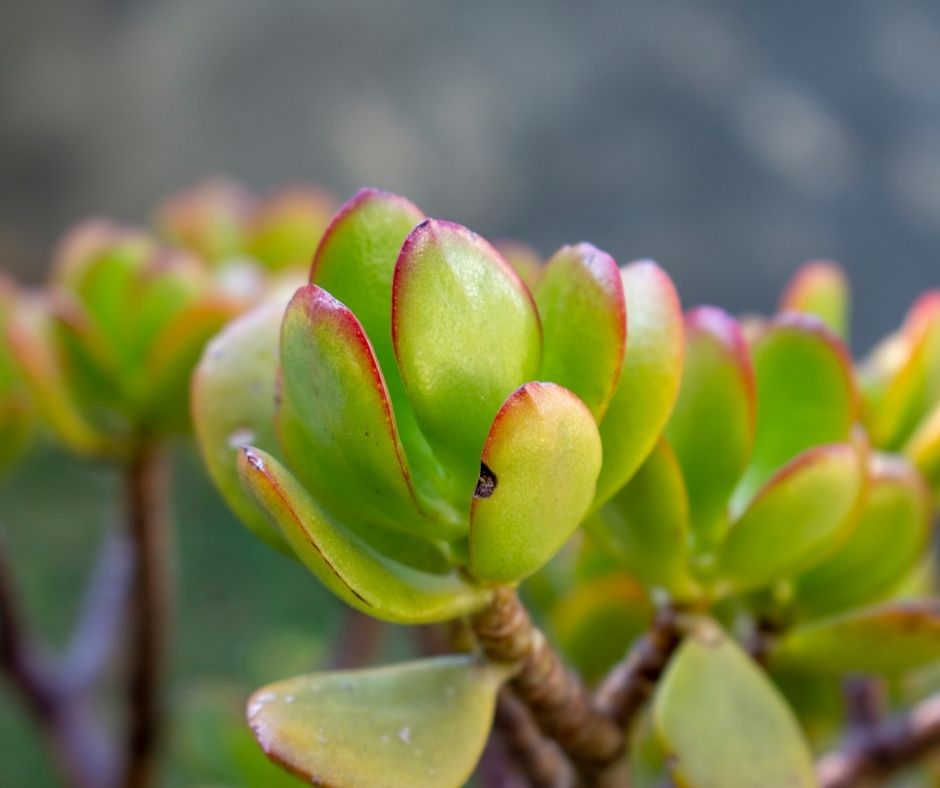
    How Do You Apply Neem Oil to a Jade Plant?

    Neem oil application is one of the best and most popular ways to get rid of spider mites on a jade plant. This common and non-toxic product is recommended by almost every experienced gardener.

    These are the steps that you should follow if you are going to use neem oil on a jade plant:

    • add 1 and a half teaspoons of neem oil and 1 teaspoon of liquid dish soap to 1 liter of slightly warm water. Mix this mixture well well to make sure that the oil is evenly dissolved.
    • Before applying this mixture to the entire plant, first, test it on a small section of a leaf to see if it does not been it. Once you have ascertained that it causes no damage, you can go ahead and spray the entire plant.
    • Spray the jade plant with the neem oil mixture. Make sure that you get to all the crevices on the top and bottom of the leaves, and ensure they are all evenly coated.
    • Repeat this process every week until all the pests are no longer visible and you are satisfied with the results.

    Which Brand Of Neem Oil is Best For Plants?

    There are different brands of neem on the market. It is therefore important to know which brands are legit and which are not. One way to go about this is to look for reviews given by other people on the products before you purchase them, especially if you buy the products online. Another way is trial and error. This is unfortunate, but if you cannot know from the experiences of others, you will have to find out on your own. Here we give you a bit of help by providing you with a list of the best 5 neem oil brands that are reliable and work well for plants;

    1. Neem oil ready-to-use fungicide from Safer
    2. Harris Brand cold-pressed neem oil
    3. Ready to use neem oil from Bonide
    4. Neem Organics neem oil
    5. Cold-pressed neem oil from Plantonix

    Remember that regardless of the brand of neem oil you for your plants, it works best if diluted. Full-strength neem oil may damage your plant leaves especially if the plants are young or stressed. Even though this is a natural oil, be careful when using it.

    How Do You Dilute Neem Oil For Indoor Plants?

    The way to dilute neem oil for indoor plants is as follows:

    • Mix 1 and a half teaspoons of concentrated neem oil of your choice with 1 teaspoon of liquid dish soap and 1 liter of water
    • Put this mixture in a spray bottle and mix it well
    • Test the mixture on a small portion of a plant leaf before spraying it on an entire plant to make sure that it does not damage the plant.

    How Often to Water Plants With Neem Oil?

    So how often should you water plants that have been treated with neem oil? Well, the plants being treated will need to be watered as needed. Water them a bit more regularly if they have a severe infestation.

    Which Indoor Plants Don’t Like Neem Oil?

    Neem oil must not be used on herbs such as basil, caraway, cilantro, dill, marjoram, oregano, parsley, or thyme. These herbs have fine, delicate leaves which may burn and get damaged. Treating plants such as arugula, lettuce, peas, and spinach should do with care as they are also susceptible to burn.

    What Plants Can Be Sprayed With Neem Oil?

    Neem oil is safe to use on most plants. These include potatoes, cucumbers, and most house plants that are used for decoration.

    Conclusion

    Whoever thought that plants can be medicine to their fellow plants? We all thought plants are food and medicine for humans. Shock is, nature can heal nature! All our complicated knowledge is challenged by simple nature!

    FAQs

    Is applying neem oil worthwhile when it comes to plants?

    Yes. Neem oil is a natural plant extract that has been used by Ayurvedic practitioners for thousands of years. It is one of the most powerful insecticides available, and can help control a wide range of pests. Neem oil can be used topically or in soil or foliar sprays.

    What is it made of? Neem oil is a mixture of more than 30 different compounds called azadirachtins. These are all derived from the neem tree (Azadirachta indica), which is native to India, Pakistan and Bangladesh. The most potent of these compounds is azadirachtin A. Other azadirachtins have varying levels of potency. The neem tree produces a milky white sap when cut. This is the source of neem oil. The sap is dried and pressed into oil.

    How do you apply neem oil on plants?

    You can apply it with a sprayer, but for best results, I prefer the liquid form. You just mist the plants regularly, and as needed. I use this method on my roses, citrus, and potted plants. I usually spray in the morning, before I water. This way the neem is diluted with rainwater and doesn’t splash around too much when I water.

    I have used neem oil as a foliar spray. I also had good results when I sprayed it onto the roots of my tomato plants. My experience has been that neem oil is best used on young seedlings or plants that have just germinated.

    How much neem oil do I mix with water for plants?

    Neem oil can be mixed with water, but how much you use depends on the amount of plant disease and insect problems you are trying to solve. For example, you may find that using a one-to-one dilution works well for your problem. However, if you are having an especially bad infestation of ants, you may need to make a stronger mixture.

    The following ratios have been used successfully in our garden:

    •1 gallon of neem oil to 1 gallon of water = 1 part neem oil to 9 parts water

    •1 gallon of neem oil to 1 gallon of water = 10 parts neem oil to 90 parts water

    •1 gallon of neem oil to 1 gallon of water = 100 parts neem oil to 100 parts water

    When mixing neem oil, the more concentrated the mixture, the better it will be at killing bugs and keeping them away. If you are mixing up a small quantity of neem oil, I recommend using a funnel. However, if you are mixing up a large quantity, it is best to use a sprayer.

    Where can I find neem oil?

    You can buy neem oil in the health food section of the grocery store. You can also order it online.

  • Can You Compost Weeds? The Challenge Of Successfully Composting Them

    Can You Compost Weeds? The Challenge Of Successfully Composting Them

    Have you been warned of the risks of composting weeds and you don’t know if you can compost them? Weeding is a dreaded garden activity because it might be hard to get rid of these longlasting and resistant plants. Weeds are plants hard to pull, they give plenty of seeds and multiply everywhere. Sometimes weeds climb on other plants, and in some cases, they can even smother others to death by weight or in a parasitic relation. 

    We find ourselves weeding through the garden every other day, but weeds keep popping up. We then find ourselves facing a new problem: what to do with the weeds we just pulled? Can you compost weeds?  

    Can You Compost Weeds?

    Weeds never die is a common saying, but what are weeds and why do they “never die”? 

    Can You Compost Weeds

    Many say weeds shouldn’t be thrown into the compost bin. Weeds have very resistant seeds, that can remain alive even above 65°C (or 149°F). Most composts get to only 45-50°C (°F), because of many factors, such as:

    • Small size, warm composts need to be at least 1m3 (27 ft³). 
    • Not enough green organic matter was mixed in, in relation to the brown organic matter added. You can fix this lack of Nitrogen in the mix by adding more of the greens or even add some urine (with a concentrated and readily available nitrogen). 
    • Not turning it over often enough. How often do you turn it over? Once a week or once a month?
    • The climate where you keep the compost is too dry, too wet, or too cold. This can set back the decomposing process in your compost 
    Composting of Weeds, how to succeed?

    In order to succeed in composting weeds, the best thing to do is to observe the most common weeds in the location and learn how they look like in different life stages. Weed out as soon as you spot a weed in your garden, the sooner the better. 

    Once it flowers, the plant will start producing seeds very quickly, and decomposing the weeds in the compost may not be enough to inactivate the seeds. When you fertilize your soil with the uncomposted weed’s seeds, they will eventually find the conditions to germinate, making it a never-ending process of weeding. 

    Compost usually warms up, but in order to break the weeds seeds cycle, we must guarantee the heat to persist (above 65°C/ 149°F) during at least fifteen days in a row. 

    The Quick Guide To Composting Weeds Successfully

    • Make sure you build a big compost pile to ensure its proper warming process. The size of the compost container should be double the volume of the final compost you want to obtain. You may find very detailed instructions on how to build six different types of compost bins or containers and their optimum sizes in this article
    • Cut organic matter into small pieces when possible.
    • Add enough brown organic matter to balance recently trimmed weeds (green matter). One bucket of green organic matter and one bucket of brown organic matter -or a bit more- is a good volume relation (1:1).
    • Keep the moisture content between 40 to 60%. The compost mix should feel moist to the touch.
    • Add chopped up weeds that have not yet flowered.
    • Turn the compost over frequently (at least twice a month).
    • Most importantly: compost weeds before they get to flower


    FAQs

    Can weeds go in a compost bin?

    Weeds are an organic material that will break down over time. There are several ways you can use weeds in your composting process.

    One thing you can do is make a mulch from them, which will add nitrogen and organic matter to your soil. This will help keep weeds down while improving your soil.

    You can also add the weeds to your compost bin. This will keep them out of your yard, where they can cause problems. If you are going to add them to your compost bin, be sure to let the weeds sit there for at least two weeks before adding them to the compost pile. This will give them time to decompose. You may not be able to use your compost bin as often if you have a lot of weeds in it. A lot of weeds can be very hard on a compost bin, causing it to become hot and smelly.

    If you have a lot of weeds, you may want to try using a worm bin instead. Worms are much better at breaking down the weed seeds than a compost bin is.

    Why do people not compost weeds?

    The most common reason people avoid composting weeds is that they’re afraid of creating a toxic stew. They worry about mixing plant material and having to filter out the weed seeds. The truth is, you don’t have to worry about this. There are two ways to compost weeds: first, you can let the weeds decompose in place, and second, you can remove them and compost them separately.

    If you choose the first option, simply leave the weeds where they are, because they’ll naturally break down into humus in time. If you choose the second option, you can remove weeds from your compost pile, then separate them from the rest of the compost with a screen or a metal strainer. If you do this, you’ll need to add a little extra water and oxygen to the pile, but it’s not that difficult. In either case, you don’t have to worry about weed seeds.

    They’re sterile when they germinate, so you can just put the compost directly into the soil. In fact, many gardeners use a single-composting system for all their organic matter. If you’re looking for a simple solution, then this is a great way to go. You’ll save time by doing it all at once, and you won’t have to worry about keeping separate piles of food waste, yard trimmings, and manure.

    Why is it a good idea to compost weeds?

    Composting weeds is a great way to help our environment. It will help to keep your garden free from nasty weeds, it will also help the environment by helping to remove excess nitrogen from your garden and helping to reduce the amount of water needed for the garden. Composting weeds can help with the process of recycling, weeding, pest control and fertilizing. Composting weeds will help you to save money by not having to buy weed killers.

    Composting weeds will help you to grow more plants, it will also help you to grow healthier plants and you will notice that your garden will be healthier than ever before. Composting weeds will help to increase the amount of nutrients in the soil and it will help to make sure that your soil is rich and healthy for your plants. You can find the best place to compost weeds at your local gardening store. They have different methods for composting weeds and they also have all the right tools to help you get started.

    Why should you not compost weeds?

    – Do not compost your weeds if you have a dog or cat in your house because the weed seeds could get into their food and they could get sick.

    – Do not compost your weeds if you have a pet because the weed seeds could get into their food and they could get sick.

    – Do not compost your weeds if you have any allergies to weeds or other plant material because the weed seeds could get into their food and they could get sick.

    – Do not compost your weeds if you live in an area that gets a lot of rain because the weed seeds could get into their food and they could get sick.

    Why Are Weeds Good For The Garden? 

    The weeds of your garden have functions in the ecosystems.

    1. Weeds are plants designed by Nature to regenerate soils. They like to grow especially in borders, eroded or poor soils, and besides trails and roads. 

    2. Weeds are very resilient plants that prepare the soils for other more nutrient demanding plants in ecological succession. 

    3. When soil is left bare or is turned around during tilling, seeds of weeds germinate easily and start their life mission: to hold the soil and nurture it. 

    4. Weeds tend to be highly medicinal, nutritious, or can be extremely toxic. 

    5. Many weeds have superpowers to absorb high quantities of certain minerals from the soil. Some of them are even used to regenerate heavily polluted soils (from contaminants such as oil, gasoline, and heavy metals).

    6. Many animals develop a special relation to these kinds of plants and seek them for specific therapeutic results, including us humans.

    7. They have accompanied humans during the ages and have a history of being related to witches, wizards, healers, and shamans all around the world. 

    Why Are Weeds Good For The Garden

    If you have more tips, leave in the comments what has worked for you when you compost weeds from your garden.
    Go often to the house of thy friend,  for weeds soon choke up the unused path.

    – Scandinavian proverb