The best time to plant freesia bulbs is between February and July. You need just three bulbs for your garden, spaced about 8-12 inches apart in a sunny spot with well drained soil. Keep the soil moist but not wet; water when it dries out. The “freesia bulbs not sprouting” is a question that has been asked for a long time. It seems like some people have never seen their freesia bulbs start to grow. There are many different factors that can cause this problem, so it’s important to figure out what the actual issue is.
What is blue freesia?
A: Blue freesia is a type of flower. It is also known as bluebells, blue bells, and bell flowers. The flowers are typically found in the northern hemisphere and have five petals that are a light blue color with white tips.
Why did my bulbs not flower?
A: The bulbs are not flowering because they are not getting enough light. Make sure that you have a good amount of sunlight coming in through the windows and/or a lamp near them. If your plants still do not flower, then it is possible that the plant may be too old or dead to flower. The “freesias in pots” are a type of flower that can be grown indoors or outdoors. The bulbs should be planted in the ground and will take around 4-6 weeks before they sprout. Watch This Video:
Grubs are small, tough to see worms that live in the soil. They usually cause no harm, but they can be a nuisance when you want to plant new grass or flowers on your lawn. This guide will teach you how to know if there’s grubs present and what method is best for eliminating them. Grubs are a type of beetle that feed on plant roots. They can cause serious damage to the plants they live on, and usually show up in large numbers. The best way to tell if you have grubs is to look for small holes in your lawn or garden soil. If you see these signs, it’s likely that your grass has been eaten by grubs., Read more in detail here: how to tell if grubs are killing grass.
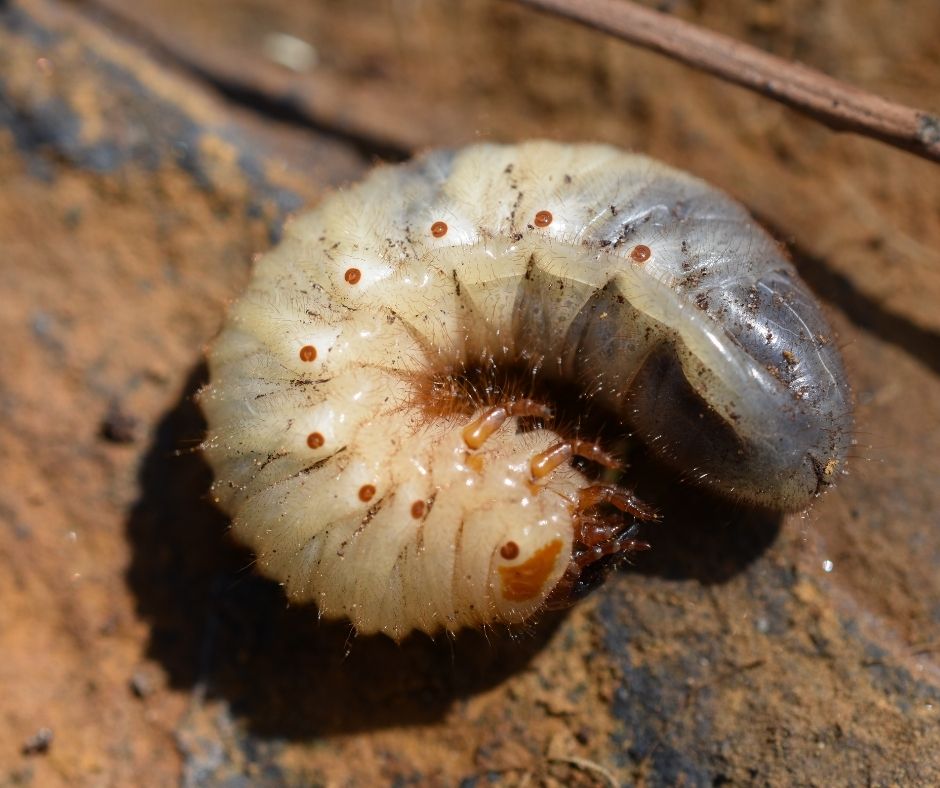
What does a grub worm look like?
A: A grub worm is a type of beetle that has a long, thin body. It grows to about 1 inch in length and its color ranges from brown to black. Its head is small and it has two large compound eyes. The grub worms antennae are also quite large and can be seen protruding from the front of its head.
How do you know if you have grubs in your lawn?
A: Grubs are a type of beetle that feed on the roots of plants. They can be found in lawns, gardens, and other areas with plant life. If you find them in your garden or yard, it is likely that they have already eaten away at the root system of your plants.
How do I prevent grubs in my lawn?
A: You can use a variety of methods to prevent grubs in your lawn. One method is to plant marigolds around the perimeter of your yard, as they are known to repel grubs. Another method is to place coffee grounds on the ground near your plants, as it will kill any larvae that may be present.
Why do I get grubs in my lawn?
A: This is a common problem with lawns that have been over-fertilized. Over-fertilizing can cause grubs to grow in your lawn and eat the roots of your grass, which will result in a patchy or brown lawn.
What does grub worm infestation look like?
A: Grub worms infestation is a type of parasitic nematode worm that can cause serious damage to crops and other plants. The grubs are white, long, and tubular with a segmented body. They have a thin head at one end and a bulbous tail at the other end. The grubs move by wriggling their bodies in an S-shaped motion. Grubs are a type of worm that can infest your lawn. If you have grubs in your lawn, you need to know how to get rid of them naturally. Reference: how to get rid of grubs in lawn naturally. Watch This Video:
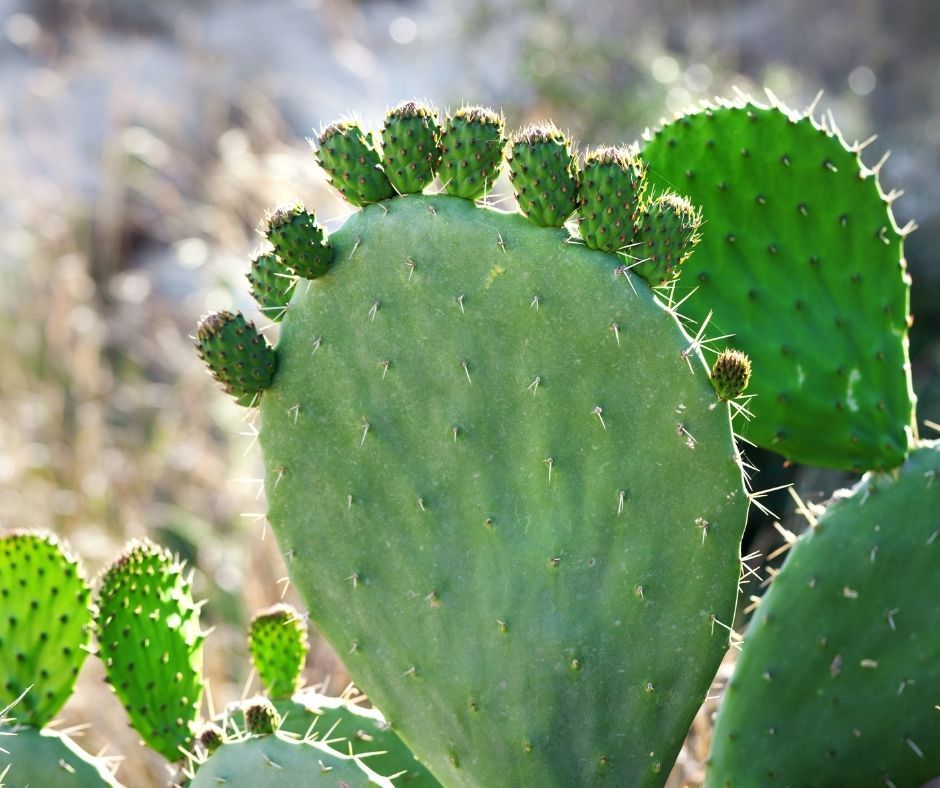
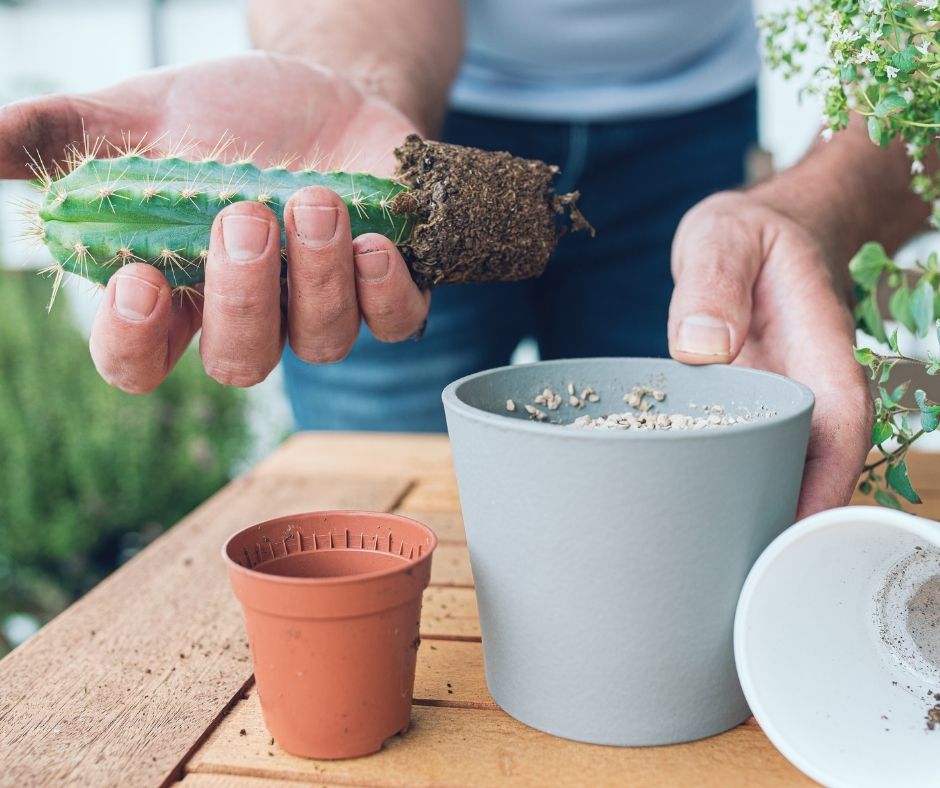
It can be difficult to plant cactus pads in the ground, but they need it to survive. If you want your plants to grow and thrive, then you will have a much easier time if you make sure that their roots are well covered with dirt before planting them. taking care of this task is necessary so that they don’t dry out or get eaten by pests. Cactus is a type of succulent plant that can be propagated from offshoots. The “how to propagate cactus from offshoots” article will teach you how to do this.
What is a grafted cactus?
A: A grafted cactus is a plant that has been taken from one part of the world and grown in another. This process can be done by grafting or budding, which involves taking a cutting from one plant and inserting it into the soil of another plant. The new plant will grow to become a hybrid of the two plants.
How do you propagate plants from cuttings?
A: Propagating plants from cuttings is a difficult process that requires a lot of patience and care. Youll need to be careful not to damage the roots when you plant them, as well as keep the soil moist and warm.
Can you grow prickly pear from a cutting?
A: Yes, you can grow prickly pear from a cutting. You will need to provide the following: – A pot or container with drainage holes in the bottom – Soil – Water – Potting soil – Prickly pear cactus seeds This article will teach you how to propagate prickly pear cacti in water. You will need a pot, and some soil. Fill the pot with soil, then plant your cactus in it. Water it daily and keep the soil moist until new growth appears. Reference: propagate prickly pear cactus in water. Watch This Video:
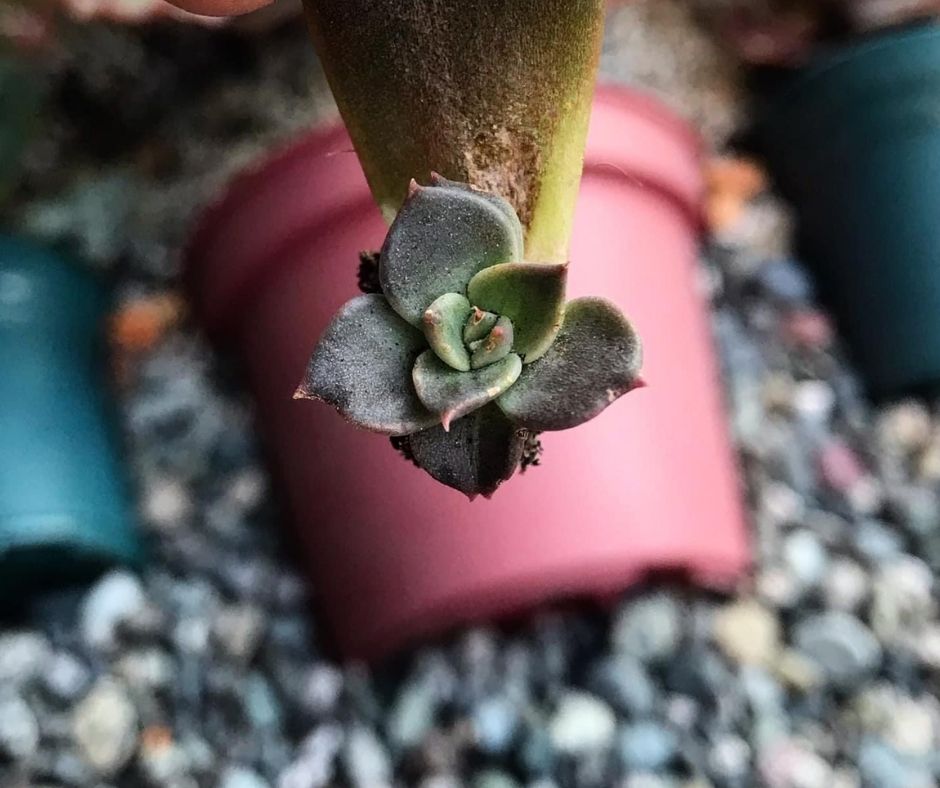
This article will show you how to bring a succulent back to life. A succulent is a plant that has a hard outer layer and a soft, fleshy layer. If you’re not careful with your succulent, it can die from over watering or being too cold. The best way to bring a succulent back to life is by placing it in the sun for about an hour. After this time, place the succulent in some soil and water it well. Read more in detail here: can a succulent come back to life.
Why do succulents usually die?
There are many reasons why succulents may die. My experience has been that when they die it is usually due to overwatering. If you are growing them indoors, the easiest way to know if your plant is getting too much water is by checking its top leaves. The top leaves should be shiny and glossy and not droopy or wilted. If they look like this, then the plant needs more water. The other thing you can do is check the soil. You can see if the soil has gotten wet when you press down on the top leaves. The soil should feel slightly damp. If it feels wet all the time, then the plant needs less water. If the soil feels dry, then you need to add some water. If you are growing your plants outside, then you can look at the soil to see if it is getting too dry or too wet.
How can I check to see how they’re dong?
Succulents are usually quite hardy, and will be able to recover from a lack of water. If you want to see how they’re doing, you can look at the leaf undersides. Look for brown or black spots where they’ve lost water. Also, if your plants are still producing new growth, they might be suffering from a lack of light. This is a problem that they can’t fix by themselves. You’d need to move them to a shaded spot.
How much water do they need?
Succulents are usually quite hardy, and will be able to recover from a lack of water. If you want to see how they’re doing, you can look at the leaf undersides. Look for brown or black spots where they’ve lost water. Also, if your plants are still producing new growth, they might be suffering from a lack of light. This is a problem that they can’t fix by themselves. You’d need to move them to a shaded spot.
What does an overwatered succulent look like?
It looks like a drowned, bloated starfish. The leaves are brown and limp, with no life in them at all.
How can you choose the strongest succulents?
Choose Succulents that have thick leaves. The first thing to consider is the thickness of the leaves. Succulents with thick leaves can withstand colder temperatures better than those with thin ones. This makes them great for cold climates. If you live in a warm climate, choose succulents with thin leaves. They will be more suitable for warmer temperatures.
Choose Succulents that can tolerate some drought. Succulents are known to be very sensitive to water and they will need regular watering if you want them to grow well. However, you can choose succulents that tolerate some drought. They won’t mind when they have dry soil.
Choose Succulents that can handle dry air. Succulents are also very sensitive to dry air. If the air is too dry, they will wither and die. The best way to ensure your succulent plants survive the winter is to keep the soil moist. Watering can be done by using a soaker hose or by using a tray system. A tray system will hold more water than a soaker hose.
Choose Succulents that have been dormant for a while. Succulents that have been dormant for a while will not be as sensitive to cold temperatures as succulents that are still growing. They will be able to withstand the cold better. You can choose succulents that are dormant in your garden or you can buy them from a nursery.
Choose Succulents that are already established. Succulents that are already established will be less likely to wilt when exposed to cold temperatures. Choose succulents that are already established if you want to save some money.
How do you know when a succulent needs water?
A: Succulents need water to survive, but they dont like it when the soil is too wet. If you notice that your succulent is drooping, or if the leaves are curling up, then its time to give them some water. The “succulent died overnight” is a problem that many people experience. There are ways to bring them back to life. Watch This Video:
The Christmas cactus is a common houseplant that may require repotting or rearranging if it has grown too large and crowded. When you need to transplant your plant, make sure the roots stay moist while they transition into the new pot. The “what soil does a christmas cactus need” is a question that many people are wondering. The Christmas Cactus needs soil with good drainage and lots of nutrients. How To Repot A Christmas Cactus Plant. The Christmas cactus is a popular houseplant that likes to be root bound. Reference: do christmas cactus like to be root bound. Watch This Video:
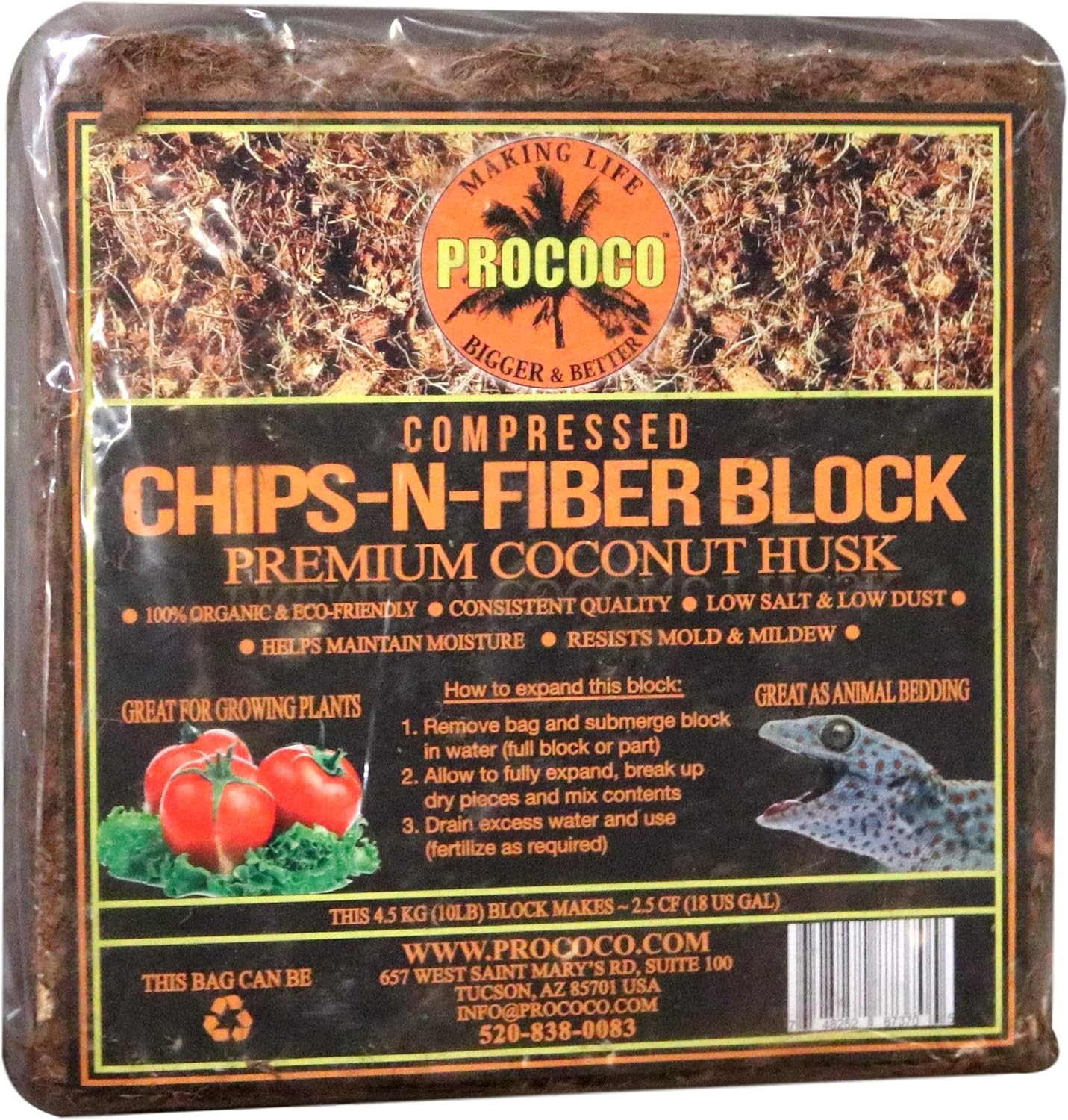
Knowing how to use coconut coir in gardening activities will go a long way to substantially increase yield. Coconut coir is gotten from coconut. Where you purchase coconut coir, you would usually get coco peat, coco chips, coconut fiber, or some combination of these three.
Coconut coir is basically the bibirus husk and the pithy dust that makes up the outer layer of the matured coconut. The coir is in most cases removed before the coconut is taken to the grocery stores for sale.
The coconut coir can however be used in the garden to improve your results. The coconut coir is an organic compound that you can add to a large extent to the ability of the soil.
It will help retain water and there are more benefits to it. It is thus very useful for the drainage of potting soil and a fine substitute for fertilizer to garden soil.
Now you have a brief understanding of what coconut coir really is. So, let’s delve into how to use coconut coir in gardening.
How To Use Coconut Fiber For Planting
Coconut fiber can be used in a variety of ways in the garden and for the enhancement of plant growth. When using coconut fiber, there are a few steps to follow.
So, how to use coconut coir for plants are briefly discussed below for your guidance:
First Step
When using coconut fiber for planting, the first steps primarily involve arranging the coconut fiber in a pot if you are sprouting seeds. The fiber will help to retain the water optimally for the benefit of the plants.
Second Step
Add soil up to an inch of the pot where you intend to put the coconut fiber. The presence of the soil and the fiber will bring about great results with respect to water retention.
Third Step
The next step involves you placing your plant inside the pot. You should do this in such a manner that the root ball is as bare as possible.
Fourth Step:
You should add a layer of coconut fiber around the roots of the plant. The type of plan you are growing will usually influence how much or how little coconut fiber you should include.
Fifth Step
You should continue to add soil and coconut fiber to the contents of the pot until you have the desired percentage of both. You should press down the soil and ensure that the open areas of the coconut fiber are well opened.
When the above steps are followed, then the coconut fiber will be ready to give you the desired result. Make sure that when you are using the fiber out in the open or farm, you ensure that they are well covered by soil. This is to protect it from animals like squirrels that like digging it out.
Knowing how to use coconut coir in gardening for plants will go a great way in influencing your yield and plant performance. The soil also gets a proper boost for further uses.
Types Of Coconut Coir
For a proper understanding of how coconut coir can be used for plants and in gardens, let’s consider the types of coir. If you have plans to use coconut coir in your garden, it is imperative that you know the types and their core advantages.
Also, knowledge of the different types of coconut coir available will expose you to the numerous benefits of combining them. These are the major types of coconut coir:
Coco Fibers: the coco fibers usually have a rough stingy bundle look. They help in no small measure to improve aeration in the soil. They allow for the ease of oxygen penetration to the plant’s root system.
The major benefit of using coco fiber is that it is hardy enough to allow for multiple reuses. It, therefore, allows for green gardening- recycling and reusing of garden items.
Coco Pith: this is another type of coco coir that bears a huge similarity to peat moss. Its rich brown color is the only noticeable difference when compared with peat moss. Coco pith has a density that allows for good water retention ability.
Considering the fact that it has a good water retention ability, you are not encouraged to use it for plants that are sensitive to excess water. This is because it may easily lead to root rot in such plants. It is best used for plants that require a lot of water to blossom.
Coco Chips: a Coco chip is a small chunk of coir that has a combination of the properties of peat and fiber. Chips, therefore, have the ability to retain water well. They also have the ability to allow for sufficient movement of oxygen
Coir biodegrades slowly: although coir is biodegradable, it biodegrades very slowly when compared with other organic matters. It is therefore sustainable and eco-friendly
Coir is a renewable resource: coconut coir usually will not take a very long period to form in a bog. This is unlike other organic matters like peats.
It has a neutral pH level: the pH level of coconut coir is almost neutral. It is usually between 5 to under 7. This level is very excellent for plant growth and development.
Improvement of soil conditions: when you use coconut coir in gardening, you help to improve the soil condition. The drainage, soil water retention, and aeration are all improved.
Free from bacteria and fungi: where you are able to get good quality coconut coir, you have no worries about pests and diseases. This is because it will be free from bacteria and fungi.
It is important to note however that the use of coconut coir may come with some disadvantages. Disadvantages may include variance in coir quality, problems from salt, being costly and hard to get, etc. However, the advantages may be minimal or nothing when compared to its advantages.
Conclusion On How To Use Coconut Coir In Gardening
Coco coir no doubt is an amazing gardening accessory you should consider using for your plants. Its advantages are numerous with lots of properties that will improve your plant yields and harvest. Where especially your plant needs improved aeration and water retention, then it should be used.
The fact that coco coir is eco-friendly and easily beneficial to the soil makes it all the more desirable. If you have not started using coco coir yet, this guide on how to use coconut coir in gardening should be your companion.
FAQ’s
Is Coconut Coir And Fiber Good For Plants?
Yes, coconut coir and fiber are great for the plant. Also, have in mind that coco coir is a byproduct of coconut fiber. So, there are a plethora of benefits that you will likely get from the use of coconut coir for plants.
How To Use Coconut Fiber For Planting
Coconut fiber can be used in a variety of ways in the garden and for the enhancement of plant growth. When using coconut fiber, there are a few steps to follow. So, how to use coconut coir for plants are briefly discussed below for your guidance:
The application of the correct spacing for vegetables in raised beds is one of the ways of maximizing available space and retaining effective results. Raised bed garden can be classified as condensed gardening, as it allows more plants to be planted closely together.
Where condensed gardening is however being adopted for the growing of vegetables, care must be taken to ensure that they are properly spaced. Proper spacing will allow for the best possible results. Where there is no adequate spacing, the vegetables will most likely struggle for scarce resources.
This article gives a guide on the proper spacing that is required for vegetables in raised beds. Also, the ideal spacing for some other plants in raised beds is considered.
Before we delve into spacing for plants generally, let’s consider the appropriate spacing for vegetables in raised beds.
Vegetable Spacing In Raised Beds
Where the block-style layout is being used for raised vegetable beds, the vegetables should be planted in a grid pattern on the beds.
While the space requirements are recommended, the plants may be grown even closer as the soil improves in nutrient content.
So, the following spacing should be adopted for the following vegetables:
Carrots, Peas, Mustard, and radishes: For these vegetables, allow a 2-3 inch space.
Beets, Garlic, Onions, Leeks, Turnips, and Spinach: For these vegetables, about 4 to 6 inches of space should be provided between them on every side.
Potatoes, Okra, Lettuce, Bulb: For these vegetables, ensure to leave about 10 to 12 inches between plants.
Asparagus, Basil, Cucumbers, Eggplant, Peppers, Sage: These vegetables require no less than a 12 to 18 inches space between them for the best possible result.
Tomatoes, Squash: No less than about 18 to 24 inches should be provided between these plants in raised beds.
Winter, Pumpkins: A spacing of about 24 to 36 inches ought to be provided for these plants.
Factors That Affect Raised Garden Bed Spacing
There are a few factors that affect plant spacing in raised beds for vegetables and other plants generally. So, some of the major spacing for vegetables in raised bed factors is:
Ease of passage: one of the major determining factors for bed spacing is to allow for maneuverability between the rows. The plants ought to be spaced far enough to allow for ease of passage without compacting the soil or squashing the tender roots of plants.
To allow plants to sprawl the required distance: another factor that influences the spacing allowed between plants is the space needed for plants to sprawl. Plants like cucumbers, squash, and pumpkins must be planted several feet apart. This is to provide sufficient space for the plants to sprawl the required distance.
To allow for the minimum standard distance: low-growing vegetables and crops like beans usually require a minimum standard distance to prevent excessive crowding. Also, overcrowding usually results in the quick depletion of soil nutrients.
The Use Of broadcast Method In Raised Beds
While it is very important to adopt specific spacing guidelines when planting on raised beds, the broadcast seeding method may also be used. This method works well for vegetables that are meant to be harvested before they grow too large.
Thus, vegetables like onions, radishes, beets, springs, etc may be planted using the broadcast method on raised beds. Although broadcast seeds are scattered across the raised beds, it should be done with caution so as to avoid unnecessary crowding.
When this seeding method is used, the vegetables should be thinned as they begin to reach harvestable sizes. This is to ensure more space is given for the continued growth of the plant. This method is fantastic when growing spinach and green.
Other Mechanisms For Improved Harvest In Raised Beds
1. Succession Planting for Raised Beds
One planting method that may be adopted when using a raised bed is known as succession planting. This technique allows you to increase plant productivity. So, it allows you to maximize space and at the same time get more vegetables planted.
So, the use of succession planting basically involves you planting vegetables with varieties that mature quickly such as radishes or beans. So, when one set is getting matured, new ones are planted and the old ones harvested.
2. Creating trellises
This is another mechanism that may be adopted to increase productivity when using a raised bed. The use of trellises allows for a more growing surface area. This process involves training plants to grow vertically instead of growing along the ground.
This approach comes with a lot of advantages including firstly the provision of space for other vegetables to grow. In addition, this approach helps to prevent soil-borne diseases from getting on the leaves and fruits. In addition, this approach helps to improve the overall air circulation.
Vegetables such as tomatoes, cucumbers, squashes among others are particularly suitable for this growth pattern. This planting approach is very effective in the overall growth of the plants. The fact that it creates a canopy that cast shade over the vegetables makes it very appealing also.
3. Companion Planting
Another planting system that may be adopted to fully utilize the soil potential is companion panting. This involves growing multiple plants side by side in a bid to improve harvest, utilize space and manage pests. This planting system can also be used to add aesthetic value to the land.
When this style is adopted, plants that are companions and can aid the growth of each other should be combined. A good example is planting tomatoes next to marigolds. The advantage of this is that marigolds can help deter root-knot nematodes and a host of other green pests.
Similarly, pungent vegetables such as onions and chives can be planted in companion with other vegetables to mask their smell from garden pests. Also, the use of a companion planting system can help utilize more space in raised bed garden.
Conclusion on Spacing for Vegetables in Raised Beds
If you are interested in planting vegetables in raised beds, then this article must be of great use to you. The reason for this is quite obvious, as you may not be able to get the best yield without proper spacing.
The above is merely a guide on the most appropriate spacing to be adopted when planting vegetables in raised beds. Ensure not to give excessive spacing so as not to give room to weeds in your garden.
The above spacing for different vegetables in raised beds may be altered in instances where you think less space should be given. This may be as a result of the high soil nutrients. This should be carried on with, where you think the plant growth will in no way be negatively affected.
Does zucchini grow on a vine? Summer squash like zucchini is a common garden vegetable, and it belongs to the family known as cucurbits.
It is so because it can be easily grown and doesn’t take long to harvest. The maturity time for the zucchini plant is usually between 45 to 60 days.
The best time to start planting zucchini is during spring. By spring, the temperature of the soil is usually between 70-80 degrees Fahrenheit. The zucchini plant will grow and blossom well in even high temperatures.
Now, this article will give a clear answer to the question of if zucchini does grow on a vine. So let’s go further.
Does Zucchini Grow On Vines?
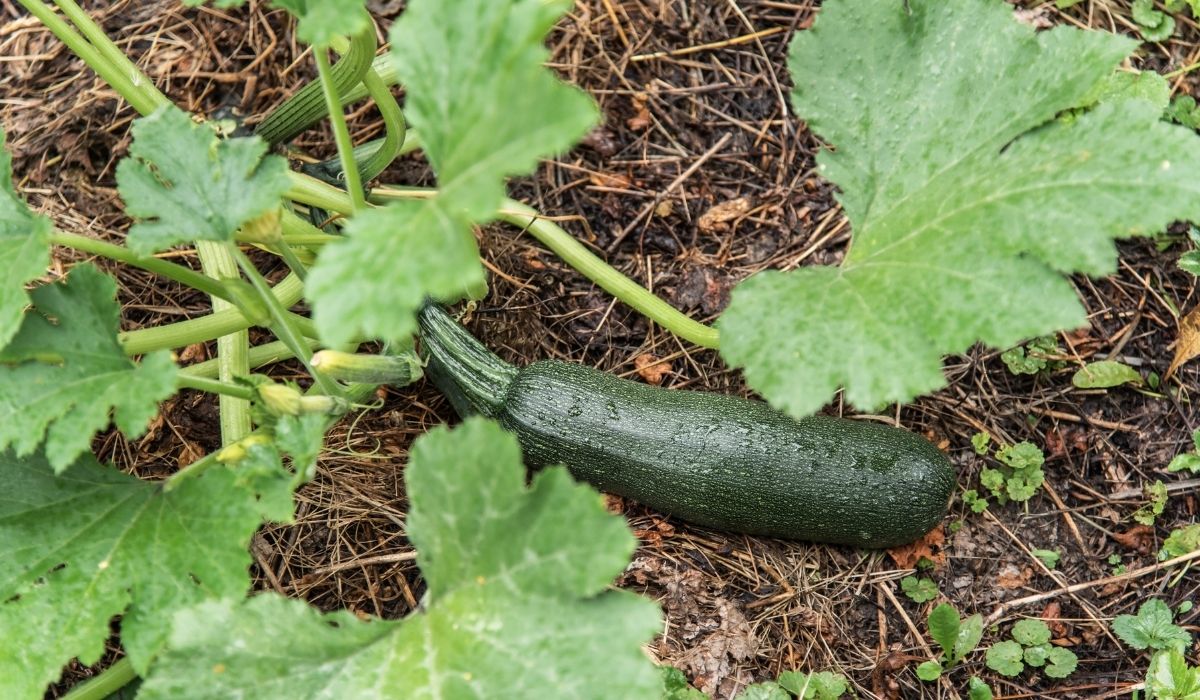
Zucchini is a member of the warm-season vegetable family known as cucurbits. Other fruits that also belong to the cucurbits family are melons and cucumbers. Zucchini does grow on a vine, and they grow on vine-like stems that are usually several feet long.
Some varieties usually stretch far on the ground and take up a whole lot of space. That is why it is important to use supports such as stakes and trellises to support the vine-like stems.
Zucchini comes in different varieties of cultivars that have various sizes and shapes of fruits. They are dark and normal green in color, and they can also come in light green.
Zucchini plants can be referred to as plants that have vines, but there’s a clause regarding this fact. This is because there are some new or modern cultivars that grow in a bushy way.
This is unlike the growth system of other vegetables that grow on vines. This is why it is quite confusing when trying to know if zucchini does grow on a vine.
The vining tendrils that usually grow along the stems of zucchini plants are not strong enough. Hence, stakes and trellises should be used as forms of support. Vine-like stems and tendrils usually develop on time in early zucchini varieties.
These early varieties also mature and produce fruits as early as 50 days after planting.
Zucchini Vines
Usually, under the best planting conditions, the long vines and tendrils will start developing between 30 and 45 days after germination.
It is ideal to start zucchini plants directly in the garden. Planting shouldn’t be started indoors to be transplanted in the garden after germination. This is because zucchini may not be able to withstand transplanting.
Zucchini On Vine: Things That Can Hinder Zucchini From Growing Effectively On The Vine
Just like every other crop, the zucchini plant can also be infected by pests and diseases. They hinder zucchini plants from growing to their full potential.
Pests like squash-borers, whiteflies, aphids, cucumber beetles are known for their notorious rampaging on zucchini plants. Furthermore, damp soil makes it easy for powdery mildew to affect the plant.
Other problems that can affect the plant are viruses. Stick to the best methods for planting and growing your crops.
If you need to control these pests and diseases, then use methods that are not so toxic.
The Process Of Growing Zucchini
The zucchini plant is a type of plant that grows fast and produces abundant crops. It takes about two months for the zucchini plant to grow to maturity and harvest.
There is always enough time to plant and harvest more than once during a growing season. A zucchini plant growth rate per day is from one to two inches. It can produce as much as ten pounds of zucchini.
Prepare A Spot In Your Garden For Your Zucchini
Create a portion in your garden that has direct sunlight and very good loamy soil. For soil enrichment and quick growth of your soil, add and mix compost in it.
Suitable Temperature
Planting zucchini should start once the temperature outside is high. The temperature should be up to 75 degrees Fahrenheit, and the soil temperature is 65 degrees.
Planting Of Zucchini Seeds
Dig holes that are an inch deep. Space the holes by two to three feet apart. Endeavor not to drop many seeds in each hole.
A zucchini plant each produces an abundance of crops. Hence, it’s advisable to plant little by little. Give trellises space of two feet apart if you’re growing a zucchini plant on a trellis.
Then sow zucchini seeds right in front of each trellis.
Consistent watering
Be consistent in watering your zucchini seedlings and plants.
Useful Tips On Growing Zucchini
Getting a bountiful harvest at the end of a growing season depends on how much work and commitment are put into the journey.
Let’s take a look at a few tips on how to grow zucchini successfully:
· Use Good Soil only
For vegetable gardens, the best soil should be a combination of 40% sand, 40% silt, and 20% clay. The soil in this kind of condition will improve drainage and aeration.
It is also known to be rich in loam. Adding compost or mulch will help improve vegetable health.
· Water Zucchini Plants Well
Watering all squash vegetables, including zucchini, is very important. They need to be watered well to grow.
When the weather is cooler during early spring, make sure to water the zucchini plants only once a week. Water an inch deep of water. Increase watering to two or three times a week as air temperature increases.
These components include bacteria, fungi, minerals, and many others. These organic materials help to improve the structure of the soil. Making everything the soil needs for the overall well-being of the vegetables available.
Mixing fertilizer in the soil will hasten the growth of vines and stems. Endeavor to add the needed quantity in order to avoid blossom end rot as well as other diseases.
· Best Pesticide To Use Is The Noninvasive Or Organic Type
Zucchini is also susceptible to pests. And these are pests like cucumber beetles, squash bugs, or squash vine borers. Use noninvasive or organic pesticides for bugs.
Prevent animals or critters from feasting on zucchini on vines in your garden by building a fence around your garden. A net can be put up in place of a fence.
So, we hope this article has been helpful so far to clear your doubts about whether zucchini does grow on a vine.
FAQ’s
Does Zucchini Grow On Vines?
Zucchini is a member of the warm-season vegetable family known as cucurbits. Other fruits that also belong to the cucurbits family are melons and cucumbers. Zucchini does grow on a vine and they grow on vine-like stems that are usually several feet long.
Some varieties usually stretch far on the ground and take up a whole lot of space. That is why it is important to use supports such as stakes and trellises to support the vine-like stems.
Zucchini comes in different varieties of cultivars that have various sizes and shapes of fruits. They are dark and normal green in color and they can also come in light green.
Zucchini plants can be referred to as plants that have vines but there’s a clause regarding this fact. This is because there are some new or modern cultivars that grow in a bushy way.
This is unlike the growth system of other vegetables that grow on vines. This is why it is quite confusing when trying to know if zucchini does grow on a vine.
The vining tendrils that usually grow along the stems of zucchini plants are not strong enough. Hence, stakes and trellises should be used as forms of support. Vine-like stems and tendrils usually develop on time in early zucchini varieties.
These early varieties also mature and produce fruits as early as 50 days after planting.
Do you know what does a plum tomato look like, or the many types of tomatoes are confusing you, and you can barely tell them apart?
Plum tomatoes are adored for their rich flavor that blends in with Italian food. They are an excellent variety to grow, and gardeners across America love to grow these tomatoes. Growing your tomatoes provides you with a bounty harvest of fresh produce that you can enjoy all through the season and store for future use. There is such pride in growing your vegetables, and most gardeners can attest to that.
We earn a commission if you make a purchase, at no additional cost to you.
03/10/2026 05:02 pm GMT
Let’s go over some essential facts and tips and learn what does a plum tomato look like to know them better.
What are plum tomatoes?
Plum tomatoes are long, plum-shaped tomatoes explicitly grown for making tomato sauce. These tomatoes have been bred for a long time – hundreds of years to produce the best tomatoes for making tomato sauce.
The plum or oblong shape allows for only 2 seed compartments, called locules, to grow inside the plum tomato. Fewer seed compartments mean more yummy tomato pulp! It also means less work while removing the seed pockets as part of tomato processing.
Plum tomatoes are dense tomatoes that are meaty, meaning they are mainly full of pulp with few seeds. Most of these plum tomatoes are red with brightly colored skin, and they are more firm when ripe than other varieties. They are also grown for market handling and packing and have a longer shelf life than other tomatoes.
What does a plum tomato look like?
Plum tomatoes look pear or egg-shaped. This oblong tomato can easily fit in the palm of your hand. It has a firm texture and robust flavor that blend well with Italian cuisines and hearty sauces.
What is considered a plum tomato?
Having identified what does a plum tomato look like, let’s look at the following known well-known types of plum tomatoes.
Small Plum Tomatoes
Also known as grape tomatoes because of their small size, these tomatoes are more oval than round in shape. They are of the South East Asian origin and grow in the climate closely related to that region. They have a vibrant red color and are slightly oval, making them distinct from cherry tomatoes. The small plum tomatoes are best used for stir-fry recipes, certain types of salads, sautéed vegetable mix. Their taste is just as sweet as the much-loved cherry tomatoes.
Italian Style Plum Tomatoes
Italian plum tomatoes are best for cooking and can be added to sauces, jams, pickles, purees, gravies, and soups. These are the most commonly grown plum tomatoes, with most gardeners assuming it is the only type of plum tomato. These tomatoes are a larger and more vibrant, bright red color with a firm structure. If you are cooking some meat – Italian plum tomatoes are the ones you should opt for.
San Marzano Plum Tomatoes
The one significant difference between San Marzano plum tomatoes and the other plum tomatoes is this variety’s long and pointed shape. These tomatoes are cylindrical and come with an extended tip. They are named after the San Marzano town in Italy, where they were first grown. They thrive in a warmer climate for better growth.
Roma VF Plum Tomatoes
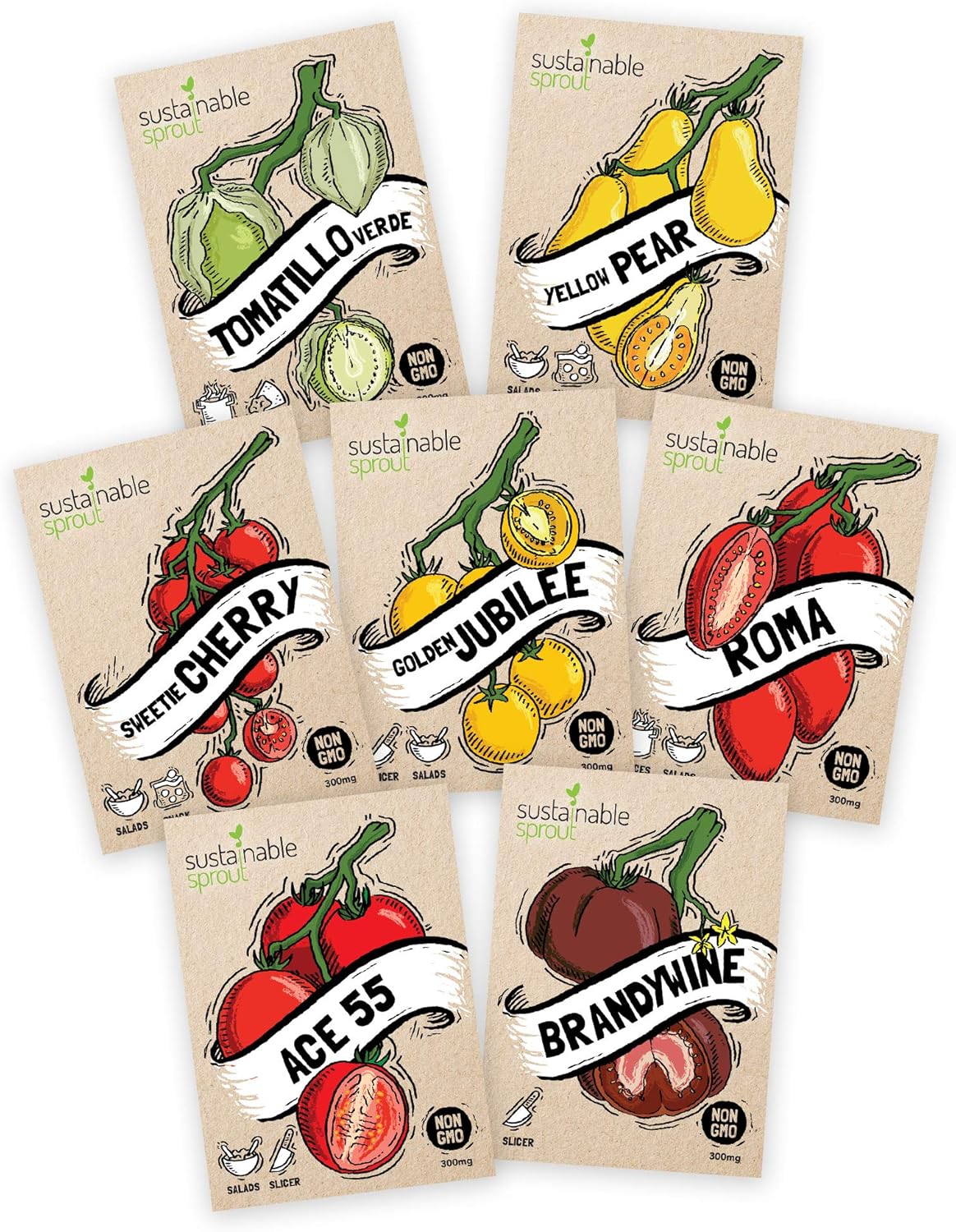
The Roma VF plum tomatoes are a unique variety of plum tomato grown through an openly pollinated variety of plants instead of a hybrid. This variety is the one commonly produced commercially. It is pear-shaped, and its vibrant color is attractive. This variety boils faster and is easily canned.
Here is a list of some harder to find plum tomato cultivar types
Supremo
Speckled Roman
Rio Grande
Black Plum
Gladiator
Lucky Tiger
Banana Legs
SuperSauce
Orange Icicle
Black Icicle
Chocolate Pear
Jersey Devil
Howard’s German
Striped Roman
Martino’s Roma
Opalka
Rocky
San Remo
What tomatoes are similar to plum tomatoes?
If you don’t have plum tomatoes, you can use other tomatoes that are similar to them. They include
Grape tomatoes
Grape tomatoes look like small plum tomatoes. They are bigger than cherry tomatoes and are not too sweet, making them a better option when replacing plum tomatoes in a recipe.
Grape tomatoes add texture to your recipes, and those craving the right consistency are closely related to the plum tomato. They are perfect for snacking, salads and can be locally grown. You will not have to compromise on either flavor or texture.
Here are some varieties of grape tomatoes:
Tiger Stripes
Datterino
Italian Winter Grape
Little Mama
Yellow Pear
Brad’s Atomic Grape
Beefsteak tomatoes
Beefsteak tomatoes
Beefsteak tomatoes are an excellent replacement for plum tomatoes as crushed tomatoes for cooking sauces.
Like plum varieties, the beefsteak tomato has lower water content and fewer seeds. The main difference is the taste; beefsteaks have a milder flavor and are an excellent substitute in sauces where you’ll be adding extra ingredients.
Campari tomatoes
These are medium-sized tomatoes known for their sweetness and juicy. They have more water contents than plum tomatoes, but to eliminate it, you can cook them longer than you would other tomatoes to allow more liquid to be released and reduced. You can also crush them during the cooking process to give them excellent consistency.
Their flavor is not like regular tomatoes; thus, they make an excellent substitute for plum tomatoes. Their consistency and texture are the same.
Which is the best plum tomato?
Roma VF plum tomatoes are some of the finest varieties of plum tomato. This variety was developed by the USDA in the 1950s. They are the most common commercially grown plum tomatoes in America. Roma tomatoes are grown from Roma VF tomato seeds and are a determinate type. It is perfect for making Italian-style tomato sauce and tomato paste.
Final thoughts on what does a plum tomato look like
You not only know what does a plum tomato look like, but you also know what other types can be used in the place of this exquisite tomato.
Who knew tomatoes got class? Yeah, they are also classified according to their flavor, and the plum tomatoes have always flown that flag very high. All the other tomatoes are not suitable replacements for plum tomatoes as they carry too much water that could cause an imbalance in your dish.
Will a pumpkin ripen off the vine if you harvest it before it completely matures, or will it go bad when you store it?
Growing pumpkins is a fun summer adventure and even better as you harvest those bigger fruits. Pumpkins are excellent vegetables that you can easily grow in your garden or containers. As you grow them, it is crucial to know when to harvest them and also know will a pumpkin ripen off the vine.
As long as there is no frost, your pumpkin is fine and better off left in the vine until it matures. It will continue to grow as long as the leaves and vine are healthy. If the vine and leaves are healthy, your pumpkin will grow well until harvesting.
There are enough signs that show your pumpkin is ready for harvest that even a new gardener will know. We will look at all these signs and how to harvest and store your pumpkins.
Will A Pumpkin Ripen Off The Vine?
If you have been wondering will pumpkin ripen after being picked, wonder no more. Yes, your pumpkins will ripen! But there are three critical things you need to do to ensure this process is successful and attain lovely orange pumpkins like those used for Halloween.
How To Ripen Pumpkins – Will A Pumpkin Ripen Off The Vine?
Will a pumpkin ripen off the vine if you harvest it before it’s fully ripe? This is a question that most gardeners ask, and we will look at the details herein. The ripening process is slow for a pumpkin on colder days than when the sun is hot.
If you harvest your pumpkin before it ripens off, place your pumpkins in an open area facing the sun. Let them face the south to expose them to direct sunlight. The amount of sun they receive will help them ripen faster.
You can speed up ripening by ensuring nothing blocks the sun’s rays. Wipe the pumpkin surface using a rag or towel to remove dirt or anything else blocking the sun’s rays. Also, remove any objects like pots, furniture, or garden implements.
Make sure nothing is blocking the sun’s rays. Wipe clean the surface of the pumpkins occasionally with a rag or towel. This removes dirt, grease, and any film on the surface, blocking the sun’s rays. Also, remove any objects, such as pots, yard equipment, furniture, or garden equipment casting a shadow on the pumpkins.
Rotate your pumpkins each day when setting them under the sunlight. This ensures different sides get plenty of sun. If one side takes longer to ripen, turn it upward to face the sun directly. If your front porch gets more sunlight than the back porch, set your pumpkins there to give them plenty of sun.
What Can I Do With Unripe Pumpkin?
Pumpkins are a fruit botanically, but we use them as vegetables. If you harvest immature pumpkins, don’t give up or feel troubled, they will continue to ripen after picking, just like fruits.
Harvest unripe pumpkins in the same way you do for the ripe ones – cut them off from the vine leaving at least an inch of stem on the fruit. Be gentle with the squash as you harvest, knowing the skin is not fully cured yet.
Wash off the dirt and any bugs that could be holding on with a damp cloth to allow the sun to penetrate without anything blocking it.
How Do I Know If A Pumpkin Is Ripe?
If you are a new gardener growing pumpkins, you might be wondering how to tell if your pumpkin is ripe. It will come as a relief to discover that there are many ways to know if your pumpkins are ready for harvesting.
As long as you know what signs to look out for, you will enjoy growing and using these for your soups, pie, or Halloween. Here are several things to look out for
The Color
All immature pumpkins are green, so it’s right to assume that a pumpkin is not ripe until it turns orange, right? Or the color it’s meant to be at maturity? Well maybe. So what color is a ripe pumpkin supposed to be? Most people say orange, but pumpkins come in different shades, even grey, blue, stripy, or white.
However, generally, the common color is orange, and it’s a good indicator of ripe pumpkins. If you are growing some other colored pumpkins, hold on to the seed pack until you know the color to expect at maturity.
Generally, color is a good indicator that your pumpkin is ready for picking. Even if your pumpkin does not turn orange, it will turn to the color it’s supposed to be when mature.
Classic Pumpkin Seed Collection for Planting – Small Sugar, Connecticut Field & Big Max
$8.99
Non-GMO Heirloom Packets with Instructions to Plant Home Vegetable Garden – Fall Harvest
We earn a commission if you make a purchase, at no additional cost to you.
03/10/2026 12:06 pm GMT
The Rind
If your pumpkin’s skin is hard, it means it’s ripe. To test its maturity, try to pierce the skin with your fingernail. It should resist puncture! The pumpkin is ready for picking if the skin dents but does not puncture. The squash shell must be hard and firm if you plan to keep this pumpkin for several months. The shell protects your pumpkin from pests and diseases; that’s why it’s a bit tough to break.
The Sound
A ripe pumpkin produces a hollow sound when you tap or knock at it. Your pumpkin must already show signs of maturity before you begin tapping on it. You don’t want to start tapping too early, or you won’t even know the sound you are looking for.
The Stem
When the stem above the pumpkin begins to turn brown and becomes tough, this is another indicator that your pumpkin is ripe. The pumpkin stem feels tough to the touch and does not detach easily. This means your plant is mature and can be harvested. Remember, this stem will come in handy after harvesting as it will help cure and prolong the shelf life of your pumpkin. The vine will also begin to dry and taper down the amount of nutrients it gives to the fruit.
How Long Does It Take For a Pumpkin To Ripen?
Most pumpkin varieties produce ripe fruit within 120 days. Depending on which type you plant, your earliest harvest can be 90 days after you sow the seeds. If your pumpkins start developing their mature color, they will ripen off the vine. You can cut the fruit off its stem, leaving several inches of stem attached.
It’s best to allow your pumpkins to ripen on the vine. But frost can force you to harvest early.
What Time of the Year Are Pumpkins Ready?
You can start harvesting your pumpkins by mid-fall. When this is will depend on where you live. A good rule of thumb is to get them off the vine before the frost comes. They don’t do well in cold weather, and frost will damage them.
Here are a few signs to help you know if your pumpkins are ready:
Ready-to-harvest pumpkins are fully colored.
A ripe pumpkin’s rind is firm.
If your fingernail can easily pierce through the pumpkin skin, it’s not ripe.
Ripe pumpkins sound hollow.
What Does a Ripe Pumpkin Look Like Inside?
The flesh of a ripe pumpkin can be yellow, orange, or even white. There are many varieties, and the color of their inside differs. One universal thing is that they have seeds in their hallow center. The seeds are entangled with flesh called guts.
You can roast and eat the seeds as a delicious snack! The guts make an excellent base for a broth. Everything inside a pumpkin is edible, so nothing has to go to waste.
Pumpkin flesh is thick and nutrient-dense. However, its seeds are packed with antioxidants, magnesium, zinc, and iron, making it the best part to eat.
Why Are My Pumpkins Ripening Early?
Pumpkins grown in ideal conditions are likely to ripen earlier than expected. If your average temperatures are between 85-90 degrees Fahrenheit, your pumpkins might ripen earlier. The humidity level that should accompany these temperatures is 80-85%. If nighttime temperatures don’t drop below 60 degrees, your pumpkins will also thrive.
Pumpkins left on the vine also ripen early. Once a pumpkin changes color, you can leave it on the vine for quick ripening or take it off to prolong this stage.
The more sunlight pumpkins get, the faster they ripen. Always keep this in mind when choosing a planting spot or somewhere to store your pumpkins after you’ve harvested them.
What to do if pumpkins ripen too early?
If your pumpkins ripen too early, making them last long enough might be your biggest concern. With the right storage techniques, you won’t have to worry. You can leave your ripe pumpkins on the vine until the stem is dry and cracked. Then, leave them in the sun to cure for ten days.
You can also pick your pumpkins earlier if you notice they start ripening. Store them in a dark, cool area to prolong their shelf life.
Are Pumpkins Green Waste?
Pumpkins are green waste. The rind, flesh, and seeds will break down in a compost heap. You can cut big pieces smaller to ensure they decompose quicker. Don’t throw your leftover pumpkin in the landfill. It will break down much slower and release methane.
Conclusion
Now that we have settled the argument, will a pumpkin ripen off the vine, lets’s see what you plan on doing with your great ready pumpkins.
Pumpkins recipes are so many you cannot even make all of them. So what do you plan on making with your newly harvested or cured pumpkin? A pie, soup, roasting it, dessert, or you want to add it on to other foods?
You can make all the ultimate comfort foods you ever wanted. Share with us and let us know want is your favorite thing to do with your homegrown pumpkins.
Yes, they will. Pumpkins are picked at various stages of maturity, depending on the variety, size and storage conditions. Pumpkins can be stored in a refrigerator for several weeks. The best way to tell if a pumpkin is ripe is to pick it up by the stem and shake it. If it’s firm, it’s ripe. If it feels soft and spongy, it’s not. Some pumpkins are picked before they’re fully mature (usually to get them to market faster), but this doesn’t seem to affect their quality much.
Will pumpkins turn orange if picked green?
Generally, they won´t. It depends on what variety you are growing. Some are ready to harvest when they have a very small yellowish orange color and some take a couple weeks longer. If they are still white at the end of the season, you can wait until they start turning orange.
What happens if you pick a pumpkin too early?
You might get a pumpkin that is not fully ripe, which means it will be hard to carve. If you decide to harvest the pumpkin too early, you might lose a good amount of its flesh to rot. Picking a pumpkin at the wrong time also leaves you with an empty seed cavity. And, if you do try to harvest a pumpkin too early, you will not be able to dry it properly.
How can you tell when a pumpkin is ready to be harvested?
The stem of a pumpkin will start to wither after the first frost in your area. If you are in a warmer climate, you might not have to wait until the first frost, but you should still pick your pumpkin before it starts to rot. You can tell whether your pumpkin is ready to be harvested by looking at the stem. It should look dried up and brittle, rather than green and pliable. You may need to take a close look to see if it has started to shrivel.
How do you get pumpkins to ripen?
If you want your pumpkin to ripen faster, then you have to put it in a warm room. If you live in the South, your pumpkin may ripen faster if you put the pumpkin in a greenhouse or porch. Pumpkins are ready when the stem is soft and the color of the flesh is beginning to turn from green to orange. To test, take a small piece of pumpkin and press it between your fingers. It should feel soft but not mushy. When it’s ripe, it’ll be firm enough to stand up on its own.
Can you leave pumpkins on the vine too long?
Yes, you can leave them on the vine for a few more days, but you need to keep an eye on them and make sure they don’t dry out. I usually just cut them down and pick them up when I’m ready to use them, but I’ve also left them on the vines for several weeks with no ill effects.
How do you get rid of flies in mulch? A: Flies are attracted to moisture and sugar. The best way to keep them away from your garden is by building a barrier around it with an insect screen, or putting pieces of standing dead wood on top of the soil. The “spray mulch for flies” is a technique that can be used to get rid of flies.
How do you make homemade gnat spray?
A: You can make homemade gnat spray by mixing together a few ingredients. The most important ingredient is water, which you will need to fill up a spray bottle. Next, youll need dish soap and some type of essential oil like lemon or peppermint.
How do I get rid of white flies in my soil?
A: White flies are a type of fly that is attracted to the color white. They can be found in many places, including your house and garden. To get rid of them, you should first try to remove any sources of food they may be attracted to. You can also use insecticides or pesticides to kill them off.
Why do I have flies in my mulch?
A: You might have a fruit fly infestation. Fruit flies lay their eggs in rotting fruit, which then hatch into maggots and the cycle starts again. To prevent this, you can place a layer of mulch over your fruit to keep them from getting near it. The “do mulch attract flies” is a question that often comes up. The answer to the question is no, mulch does not attract flies. Watch This Video:
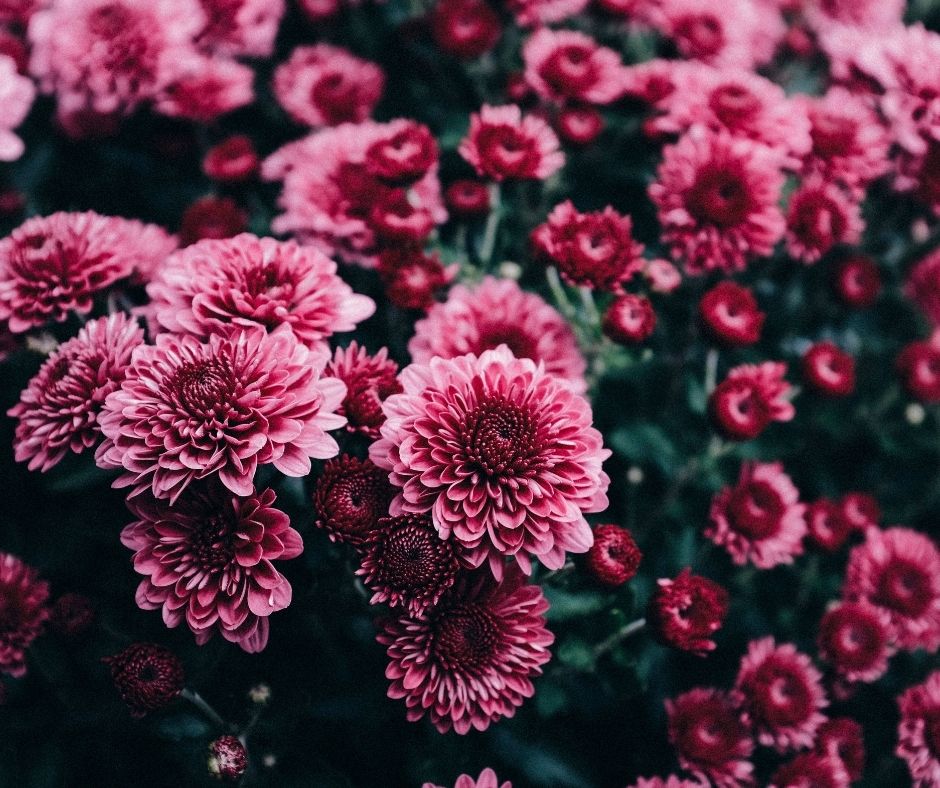
A mum’s flowers last up to 10 days, but generally they’ll need replacing in 5-7. The “how long do potted mums last outdoors” is a question that has been asked many times. There are a lot of different factors that affect how long flowers will last. The most important thing to remember when caring for your flowers is to keep them in water and out of direct sunlight.
Can you keep hardy mums indoors?
A: Hardy mums are a type of plant that is not hardy in the sense that it cannot survive cold weather. It can be kept indoors, but will need to be taken outside for some time during the day to let it get some sunlight. There is no answer to this question, but you can always buy new flowers. Reference: will potted mums bloom again. Watch This Video:
Tomatoes and peppers are among some of the most popular plants to grow in gardens. They are both generally easy to maintain and produce an abundance of fruit. If you are wanting to grow some in your garden, you will want to know the best mulch for tomatoes and peppers.
Mulch can help provide your garden with the beneficial nutrients your plants need to grow. It can be a great addition to your garden to help your plants flourish. However, there are several varieties of mulch to choose from that it can be hard to know which is the right option for your garden.
Benefits Of Mulch In Your Garden
There are many benefits of having mulch in your garden. It is simple any material that covers the top of the soil and it can be organic or synthetic and inorganic materials. In addition to helping out your garden, mulch can also be good as well.
Increase Nutrients
The right mulch can increase the nutrients in your soil. As the mulch decomposes, it can improve the soil structure and provide beneficial nutrients to your plants. While improving the soil‘s structure, it can also improve the drainage of it as well.
Reduces Weeds
Weeds can be problematic for any garden, as they can take away water, light, and nutrients from the plants you are growing. By mulching your garden, you can help prevent weeds from popping up among your plants. In addition, weeds can be a sight sore in your garden as well.
Helps Maintain Optimum Soil Temperature
By adding a layer of mulch to the top of your soil, you can help maintain the optimum soil temperature. It can help create a barrier from the cold in winter and a barrier from the heat in summer. In addition, it can also protect roots from freeze damage and frost-heave as well.
Reduce Soil Erosion
Mulch helps reduce soil erosion as well as soil compaction. It can also improve the moisture level of soil, which can help plants from drying out too quickly.
Can Help Prevent Diseases
Using mulch can help prevent diseases such as Blight. Blight is a soil-born disease that can be detrimental to tomato plants.
Best Mulch For Tomatoes And Peppers: What Is the Best Mulch For Tomato Plants And Peppers
Like many plants, both tomatoes and peppers can benefit from having mulch. Using mulch can help them grow healthy and strong, allowing for your plants to thrive and produce an abundance of fruit. Fortunately, there are several different types of mulches, both organic and synthetic, that your tomatoes and peppers can benefit from.
Wood Mulch
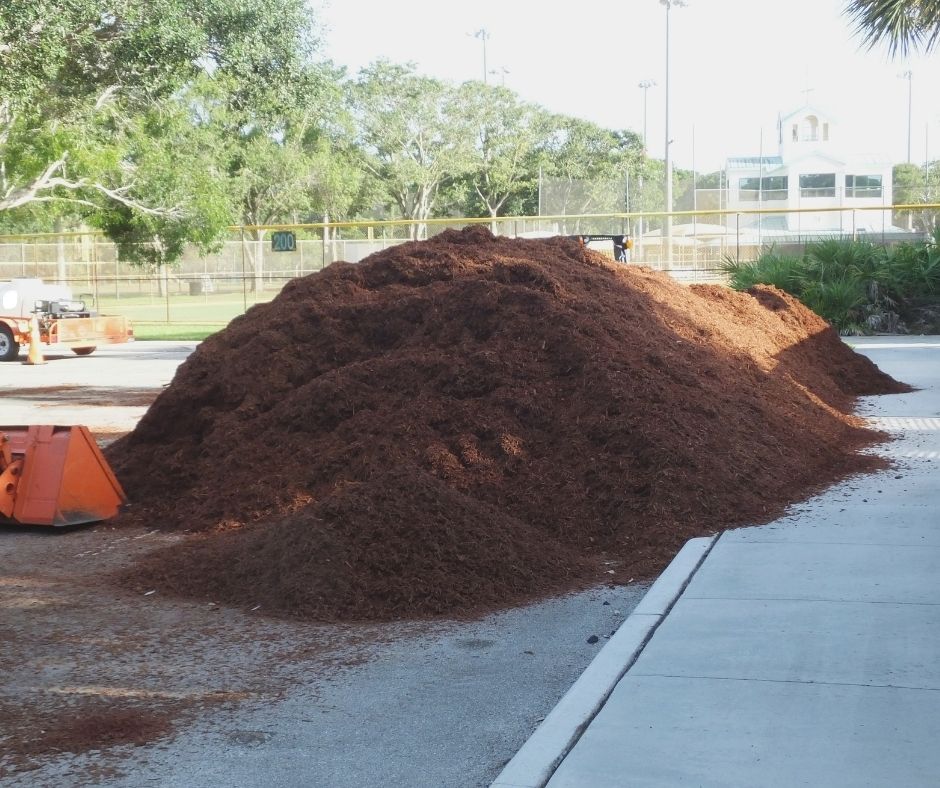
Wood mulch is one of the most popular types of mulch and can be a great option for both tomatoes and peppers. Bark chips or any fine wood mulch is a great option for your garden.
Not only does it look nice, but it can be great for preventing weeds from growing and can help improve the soil structure to improve drainage. However, over time it can change the pH level of soil, so be sure to check it once every growing season.
Compost
Compost can be a great way to recycle organic matter while benefiting your garden. As one of the best mulch for peppers, it can provide a diverse healthy micro-life that can help improve the soil and provide beneficial nutrients.
Black tea compost is one of the best options for peppers as well as tomatoes. It is rich in water-absorbing organic matter, while not being high in salt, which can help seeds germinate. Compost with coffee grounds can be a great option for tomato plants.
If you use organic fertilizer on your lawn, grass clippings can be a great option for your tomatoes and peppers. Let your grass clippings dry out and then sprinkle them atop of your soil. The clippings will mat together to protect plants and help the soil retain heat when it is cold.
Straw
Straw is one of the best mulch options to use for tomato plants. It can easily spread atop the soil and will help prevent weeds while enhancing drainage and keeping the soil at an optimum temperature.
Leaves
Leaves make great mulch, particularly during the winter months. They provide great weed protection while also increasing soil retention. In addition, when they break down they provide beneficial nutrients to help the plants in your garden grow.
Peat Moss
Throughout the growing season, peat moss slowly decomposes, adding beneficial nutrients to your soil. However, be sure to water extra when first adding peat moss as it can retain a lot of soil.
Plastic Mulch
Black plastic mulch is commonly used among commercial tomato farmers. It helps retain heat and increases the production of the tomato plant. It must be put down in the spring and then later removed in the fall.
Red plastic mulch is also another popular choice as it retains heat in the soil and increases the yield. In addition, it prevents soil erosion while retaining soil moisture, improving the growth of tomato and pepper plants.
FAQs
What is the best mulch for tomato plants?
It depends on your situation. You have a number of factors to consider: How long do you expect the plant to live? How much time do you want to spend weeding? What are the temperatures likely to be? Are there other plants nearby that might be affected by weeds?
Tomatoes are a warm-weather crop and should be mulched during the summer months. They don’t require a cold period like some other crops, so you don’t need to mulch them with straw or hay.
Here’s what I’d recommend: Black plastic mulch is an excellent choice for tomatoes because it keeps weeds down while protecting the roots. It’s also biodegradable, which means it won’t harm the environment.
The downside is that it’s not easy to dig through when you’re planting. So if you have a lot of space and want to save time and effort, then black plastic mulch is the way to go. It’s not the best option if you want to save money, though, because it can be expensive. Plastic mulch is made from polyethylene and can cost anywhere from $1 to $4 per square yard.
You can use straw or hay to mulch your tomatoes. These options are inexpensive and work well. But they do take up space and require you to weed more often. You can buy hay or straw by the bale or in bulk at some gardening centers. Straw is usually cheaper than hay.
If you don’t have a lot of space, then you can mulch with wood chips. Wood chips are a good choice because they are inexpensive, they don’t take up a lot of space, and they also make your garden look great. They can also help keep weeds down because they decompose quickly. However, wood chips can get dirty and need to be cleaned regularly. Wood chips also make your soil compact, which can affect plant growth.
Is cedar mulch good for tomato plants?
It might work with your tomato plants. It will help with weed suppression. You can put it down around the base of the plant when you transplant, or you can wait until the plants are larger and more established.
Also, it will protect your plants from drought, especially if you are in a dry area. And it will keep your soil cool.
How should I mulch my tomato plants?
There are a few ways to mulch your tomatoes. The easiest way is to cover the tops of your plants with leaves, grass clippings, or straw. This method will keep the soil moist and will prevent weeds from growing. It’s also easy to harvest the fruits, and if you’re growing them in containers, it makes for a nice display. You can also lay down sheets of plastic or newspaper in a crisscross pattern around the plants.
No More Wondering What Is A Good Mulch For Tomatoes And Peppers
Mulch can be very beneficial for tomato and pepper plants. It can help prevent soil erosion and weeds from growing while also improving the structure of the soil, providing important nutrients, and helping maintain the optimal temperature of the soil. By adding it to the surface of your soil you can improve the health and yield of the plants in your garden.
Some of the best mulches to use for tomatoes and pepper include grass, wood mulch, straw, compost, leaves, peat moss, and plastic mulch. Each of these can help improve the soil, allowing your plants to thrive and increasing the yield of fruit. Both organic and non-organic/synthetic mulches can be a great option for your garden.
Do you have any questions regarding the best mulch for tomatoes and peppers? If so, please ask any questions regarding mulch and growing peppers and tomatoes in the comment section down below.
Tomatoes are one of the most popular plants to grow as they are easy to grow and produce an abundance of fruit. Another great thing about them is you can grow them in pots, which is ideal if you are limited on space. However, it is important to know if you are overwatering tomato plants in pots.
Growing plants in pots is a great option if you live in an apartment or you are limited on space in your garden. It is key to properly water your tomato plants to ensure they will grow healthy. Though overwatering is common, there are ways you can still save your plant from dying from too much water.
How Often Should You Water Tomato Plants In Pots?
In general, tomato plants need one inch of water per week in order to be healthy. When watering a tomato plant in a pot, water the plant slowly until the water just begins to come out of the drainage holes. By doing so, it will help prevent root rot and other problems within the plant.
The best way to tell if your tomato plant needs more water is to check the soil. Stick your finger approximately two inches down into the pot of soil. If the soil is dry, it is time to water your plant, if it is wet, then you don’t need to water yet.
Can You Overwater Tomato Plants?
So, can a tomato plant have too much water? Though tomato plants need a lot of water to thrive, you can overwater them if you aren’t careful. If you continue to water your tomato plant while the soil is still wet, you can overwater your plant.
What Are The Signs Of Overwatered Tomatoes?
Overwatering is one of the most common mistakes beginner gardeners make. They are eager for their plant to grow so they keep watering it, not realizing that too much water can actually be a problem. Fortunately, there are some signs to tell if you have given your plants too much water that will help you save your tomatoes before it is too late.
Dull Appearance
The vine and leaves of the tomato plant should be bright green in color. If you notice that they are dull and even turning brown, this is a sign that you have been giving your plant too much water.
Cracked Fruit
When ripe, the fruit of tomato should be firm, with just a bit of give when you squeeze it gently. It should have a bright color, whether that is red or orange, depending on the variety. If the fruit is cracked when ripe, this is a sign of too much water.
If the soil becomes too saturated, the roots will begin to drown, rot and die. The soil can not handle the excess of water and it will begin to affect the root system of the plant.
Blisters Or Bumps on Leaves
When a tomato plant receives too much water, blisters and bumps may begin to appear on the lower leaves. This condition, known as Edema, is derived from the malabsorption of water. In addition, you may notice that the plant feels wet and will begin to wilt.
Excess moisture on your plant can lead to mold or mildew growth. It commonly happens when your plant is unable to process the amount of water it is receiving. Mold and mildew can spread and have devastating effects on your garden.
How Do You Save an Overwatered Tomato Plant?
Fortunately, it is often not too late to save your plant if you have been overwatering. With the right steps, you can save your plant and get it back to being healthy.
Eliminate Standing Water
Standing water can be a big problem for your tomato plant. This can lead to root rot and mold/mildew growth, along with other problems. Make sure that your pot has good drainage so water doesn’t build up and be sure to remove any standing water from your pot right away.
Relocate Plant
In some cases, it is best to relocate your plant entirely. Move it to a pot with proper drainage and soil that isn’t too wet, that also has the popular nutrients it needs. In addition, make sure your plant is somewhere where it can get plenty of sunlight as well.
If the roots have been oversaturated, they will need some help. Remove any dirt that is on the hair and lateral branches of the plant and then proceed to cut off any spoiled or unhealthy root. Be sure to sanitize your garden tools so you don’t spread any diseases among your plants.
Dry Out the Soil
Allow your soil to fully dry out before watering again and if need be, dig up the plant and let it dry out as well. You don’t want to leave your soil oversaturated and cause more problems for your tomato plant.
Change Your Watering Routine
Be sure to come up with a new watering routine if you have been overwatering. Check the soil before watering to ensure that your plant actually does need to be watered again.
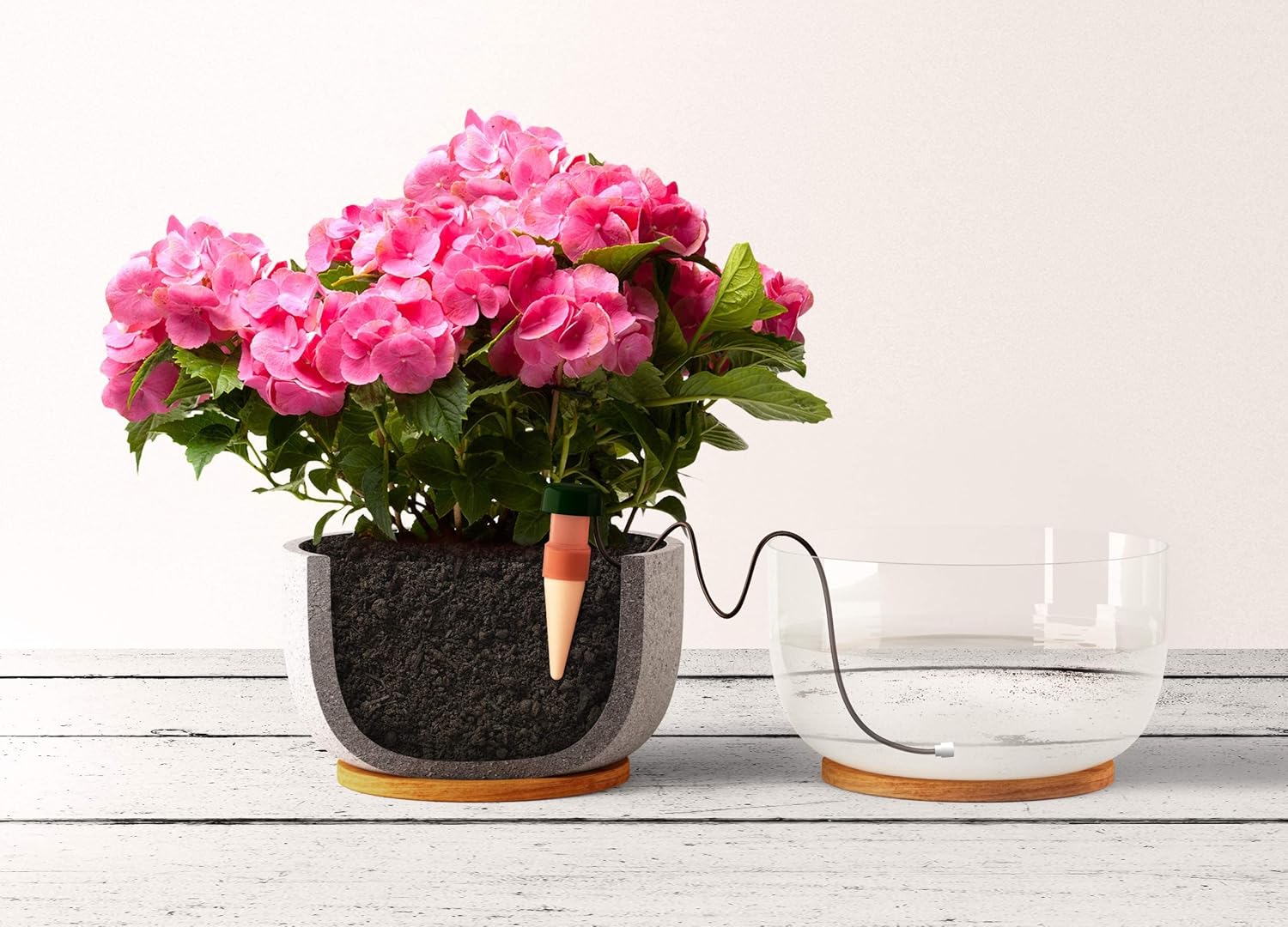
Water slowly and don’t just dump a pot of water on your plants. Invest in a good watering can or irrigation system in order to best water your plants. In addition, make sure the overflow water drains out and doesn’t become stagnant in the pot.
FAQs
How often do you water tomatoes in pots?
Tomatoes like their soil moist, but too much water can lead to root rot. Tomatoes are also sensitive to cold temperatures. If your tomatoes are getting more than 5 inches of rain a week, you should probably move them to a protected area. The best way to water tomatoes is by hand.
Most experts recommend watering your tomato plants every day or two. While there is no harm in watering them more often than this, it is better to err on the side of caution. The amount of water needed depends on the type of plant, but for most varieties of tomatoes, 1/3 cup of water per plant is usually enough. If you notice that your tomato plants are looking particularly thirsty, you may need to increase the amount of water that you give them.
The general rule is that you need to give them one inch of water per week per every square meter.
I use a big, heavy hand watering can with a very fine spray that gives me plenty of control over where I’m watering. You can also use a hose and nozzle, but I think the spray is better because you can water any part of the plant, not just the soil around the roots.
Can you overwater tomato plants in pots?
You can, and so it’s a good idea to keep an eye on the soil. You want to be sure that it stays moist but not soggy, and you’ll need to make sure you get a good root-to-soil contact.
Tomatoes, like most other plants, need to be watered regularly. A plant that is not watered properly will often show signs of stress, such as yellowing leaves or stunted growth. However, this is a topic that has been the subject of much debate in the gardening world.
Overwatering causes the roots to rot and die back. The leaves will wilt. Soak the pot in water for at least 15 minutes before filling it with soil. Water the plant once or twice a week. If you are growing in a garden, remember that the soil may be dry and need watering more often. If you don’t have time to water, use a soaker hose.
Will Overwatered tomato plants recover?
It’s hard for tomatoes to recover in this situation. The stems will often not regrow after being killed by over watering. You can either let them dry out or harvest them. If you want to harvest them, just cut them off at the soil line, remove the seeds and compost them.
What time of day should you water tomato plants?
I’ve found that watering in the morning works best. However, I find that it’s best to water only once a day, even if your plants are small.
What do under watered plants look like?
This is what a typical “under watered” plant looks like. Notice the poor growth, the smaller leaves, and the yellowed/browned leaves on the lower part of the plant. Underwatering is the single most important cause of poor plant health.
No More Overwatering Tomato Plants In Pots
Many beginner gardeners become eager and will accidentally overwater their tomato plants, incidentally causing them harm. This can lead to cracked fruit, root rot, Edema, a dull appearance, and even mild/mildew growth. Fortunately, you can still save the plant by treating the plant, drying the soil, relocating it, eliminating standing water, and changing your watering routine.
Do you have any questions regarding overwatering tomato plants in pots? If so, please ask any questions regarding tomato plants, overwatering, and how to properly water your plant in the comment section down below.
Ever wondered if there is any difference between runner beans vs green beans? The answer to this is pretty easy and this post will inform you what you need to know about this.
Beans are staples in our various homes and they are generally nutritious. There are many types of beans and some of the popular ones are runner beans and string beans which are also known as green beans.
Beans are fairly easy to grow which is why it is loved by most growers. They tend to grow so fast and you can expect your harvest in about a week.
In this article, we will be looking at two types of beans which are runner beans and green beans. So let’s dive in and discuss the differences between runner beans vs green beans.
What Are Runner Beans?
So, what is a runner bean? Runner beans are plants from the legume family and they are scientifically known as Phaseolus coccineus. Runner beans are also regarded or known as scarlet beans, Oregon lima beans, or multiflora beans.
Now runner beans are edible beans and are great-tasting vegetables. These beans were popularly consumed in the early American colonies and in Britain. And they are still here to stay.
Runner beans are even considered an alternative to the long-season lima bean. They are perennial plants but they are mostly grown as annuals. The shape of runner beans seeds is similar to lima beans and they are often black with speckles of purple and red.
Although runner beams are native to South America and Central America, they can still grow adequately in any climate. These beans tend to germinate better in cool spring soil than the traditional green bean.
Surprisingly, runner beans may even overwinter in regions that are mild freezing and the ground does not freeze.
Furthermore, runner beans are great for edible landscaping. They tend to produce lots of charming flowers and you get more lovely flowers from this plant so far you keep picking the beans. The red variety of runner beans is particularly popular with hummingbirds.
So what exactly is the difference between runner beans vs green beans? Runner beans and green beans are totally two different plants. Here are some of their differences:
· Shape
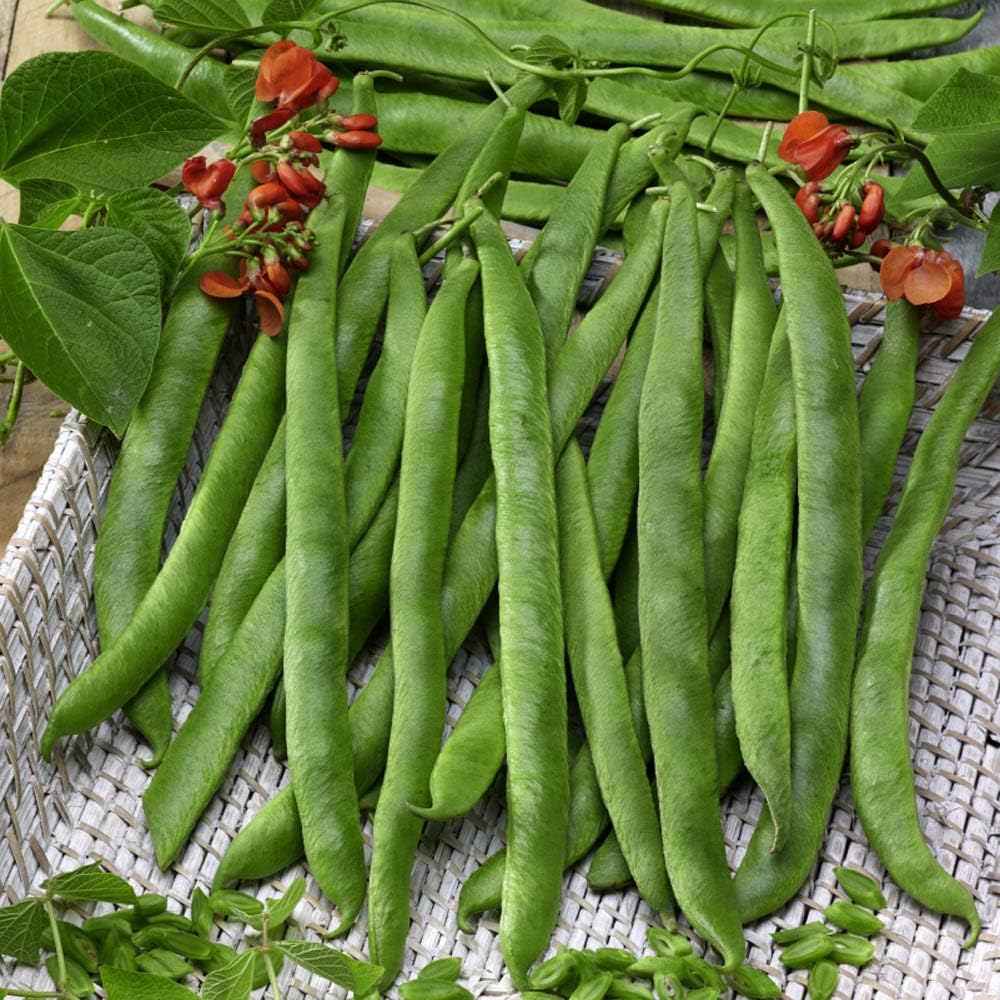
The shape of runner beans tends to be flat and big. Green bean on the other hand feels smooth, plump, and with the shape of a kidney.
· Productivity
When it comes to productivity, runner beans are also more productive than green beans.
· Strings
Runner beans have their green pods to be rough and flat. Their pods have strings that need to be removed. Then they need to be cut diagonally into smaller pieces before they can be eaten.
Therefore, runner beans will require you to properly prepare them so you don’t end up having a stringy and gritty meal after cooking them. Hence, if time isn’t on your side, runner beans may not be ideal if you want a quick meal fix.
But green beans on the other hand used to have strings running down the length of their pods. This is why they are sometimes referred to as string beans. However, they have now been bred to become stringless.
So, there is no need or stress for green beans to be destrung when preparing. Hence, it’s a good choice for a quick meal fix.
Once the green bean seed has been planted and it begins to grow, the first thing to sprout from the ground is the two halves of the seed.
When it comes to planting the seeds of runner beans, on the other hand, the first thing to germinate from the ground is the stem and the first set of leaves.
Runner beans produce this beautiful and showy flower that can serve as an ornamental plant. The flowers of runner beans vine can produce can be up to 2.5 cm. The flowers are usually eye-catching red or orange colors and it can be around 20 flowers to a stalk. The iridescent hummingbirds as well as bees are usually attracted to their flowers.
The flowers green bean tends to produce are small and not so eye-catching compared to runner beans.
· Perennial Or Annual
Green beans are annual plants. Runner beans on the other hand are perennial but they can be sometimes grown as annuals.
The vines of runner beans are inclined to twist clockwise. On the other hand, the vine of green beans is inclined to twist counterclockwise.
· Affordability
Runner beans are quite cheaper compared to green beans.
· Species
Runner beans may be in the same genus as snap beans, but they are in different species.
Similarities Between Runner Beans Vs Green Beans
Here are some similarities between green beans and runner beans:
The same type of care you will offer green bean plants is the same as runner beans.
They both need to be planted in moderately rich soil that has been amended with lots of organic matter. Full sun is also required for both runner and green beans.
They will both require support like a trellis for the vining variety.
Both runner beans and green beans seeds can be commenced indoors or you can sow the seeds directly. Although beans grow rapidly, they, however, do not transplant well. But you can have the upper hand if you have a short season. Just ensure you wait until the ground has warmed before you commence planting outside.
FAQ’s
What is the difference between green beans and runner beans?
From a culinary perspective, there’s no real difference. The difference is in the name. Green beans are those that have been picked before they’ve reached full size, while runner beans are harvested when they’re still small.
Green beans are beans that have not yet been harvested. They grow up to a foot long and are generally available in the summertime, while runner beans are the result of crossbreeding two different types of beans.
Runner beans are a large, upright bean that grows in a pod. They’re a great source of fibre, iron and potassium. They’re also known as broad beans or garden peas. Runner beans grow well in the UK and most other countries, but you can also grow them from seed. Runner beans are commonly eaten in salads, soups and stews. You can also use the fresh pods to make a delicious and healthy snack.
Runner beans are available from early summer until late autumn. They like full sun, fertile soil, and regular watering. However, they do grow quite tall and can get rather unruly. If your runner beans are growing too high for your liking, try pruning them back in late summer. Runner beans are a good source of fibre, iron and potassium.
What are runner beans good for?
Runner beans have been around for a long time. They were cultivated by the Mayans, Aztecs, and Romans. Runner beans are very nutritious and a great addition to your veg box. They are also incredibly versatile as they can be cooked in so many ways. They have a mild, earthy flavour and are a great source of vitamins, minerals, fibre, protein and iron. Runner beans grow quickly and can be harvested when the pods are young and tender.
How do you grow runner beans?
Runner beans can be grown from seed, but you will need to start them indoors at least 4 weeks before your last frost date. You can sow them direct in the garden after your last frost date or if sown early indoors you can transplant them once your soil has warmed up. Runner beans are a fast growing plant and should be planted about 12cm deep and 20cm apart. They are a heavy feeder so it is best to add plenty of compost into the planting hole before adding the seed. Runner beans require a lot of sun, so choose a sunny spot in your veg patch. Sow the seed on a warm windowsill or under a heat mat and keep moist until they germinate.
What are green beans good for?
If you’re a lover of green beans, you may be wondering what exactly they’re good for. Green beans are an easy vegetable to grow, but they have many health benefits, especially when cooked or prepared in other ways. They contain vitamins A and C, as well as folic acid and potassium, all of which are essential for the body.
Conclusion On Runner Beans Vs Green Beans
Bens are staples in most of our homes. Runner beans and green beans are great-tasting beans with good nutrition. It is fairly easy to grow beans and both runner beans and green beans can be grown in similar ways.
When it comes to runner beans vs green beans, these are completely two different plants and we have discussed some of their major differences. So, do well to go through our information so you can be enlightened about the differences between these two amazing beans.
How much dolomite lime per gallon of soil is a crucial question to answer before adding any amount of lime to your garden?
Though lime is important to your garden, it is important to know the right amount to add to the soil to avoid damaging your soil and plants.
Dolomite lime is one of the most commonly used limes in soils across America. It is a good source of calcium and magnesium for your garden and lawn. It is made up of ground limestone.
Lime increases the soil’s pH while decreasing acidity. By neutralizing acidic soils, the plants are able to absorb nutrients from the soil easily. Lime also improves the soil texture and helps convert other soil nutrients into usable forms.
Vegetables like lettuce, peas, beans, spinach, cabbage, and other greens benefit from recently limed soil. This is because they grow in slightly acidic soils of a pH value of 6 and 7.
How Much Dolomite Lime Per Gallon Of Soil
Let’s get this clear, to determine how much dolomite lime per gallon of soil depends on the pH level of your soil. If you have not carried out the soil tests, it is safe to apply the dolomite lime at a ratio of 1 cup (250ml) for every 15 square meters or 50 square feet garden.
To add lime to your garden, sprinkle the lime evenly over dry soil and rake it into the soil, mixing it in as deep as possible. Add the lime before planting time and by spring, the soil will be ready for growing vegetables.
For every gallon of soil, add at least one-half to a half-ounce of dolomite per gallon of soil. Mix the lime with the soil before planting to give it time to stabilize the pH level and fully take effect.
Amazon Choice
SONKIR Soil pH Meter, MS02 3-in-1 Soil Moisture/Light/pH Tester Gardening Tool Kits for Plant Care, Great for Garden, Lawn, Farm, Indoor & Outdoor Use (Green)
$9.99
3 METERS IN ONE: Soil moisture level, Soil pH value and Sunlight level could be tested easily according to your need by switching the function button of this soil meter.
NO BATTERY NEEDED: Simply insert the meter into soil, wait few minutes, accurate test results will be displayed on the readout panel. No battery is needed.
We earn a commission if you make a purchase, at no additional cost to you.
03/10/2026 06:05 pm GMT
How Much Dolomite Lime Per Gallon Of Soil – Can You Add Too Much Dolomite Lime?
It is possible to add too much dolomite lime (calcium carbonate) to your soil. Lime provides calcium to plants when added in the right amounts, and raises the pH of acidic soil. However, if you add too much, you can cause several problems with your soil, including:
High soil pH
Too much lime in your soil makes your soil pH too high. Most plants prefer a pH value of 6.0 to 7.0, which is slightly acidic.
A small change in the pH of the soil can cause big problems for your plants. When the pH gets too high, plants are not able to absorb nutrients through their roots. Unfortunately, high soil pH can cause nutrient deficiency even if there is plenty of that nutrient in the soil! Adding fertilizer in this case won’t necessarily fix the nutrient deficiency caused by high soil pH.
Too much lime causes excessive calcium in the soil
Another problem of adding too much lime to your soil is getting excessive calcium in your soil.
Yes,calcium is an important nutrient for the health of plants – it builds the cell walls, extends primary roots, and transports nutrients. However, too much of it will cause problems. For example, high levels of calcium in the soil prevent plants from absorbing magnesium. Magnesium is the central atom in a molecule of chlorophyll. You can imagine the problems a plant will face if unable to absorb enough magnesium to make chlorophyll!
A rapid spike in pH
Finally, if you add too much lime to the soil at once, it can cause too much fast-acting lime to your soil all at once. The plants growing in your garden or container will get shocked by the rapid change in pH damaging them.
The solution to this problem is to add lime in the fall after the harvest is over to avoid endangering any plants. Another solution is to split the application of lime and use half of what you need in the fall, and the other half in the spring before planting.
How Do You Add Dolomite Lime To The Soil?
Applying dolomite lime requires good timing. Technically, you can apply lime to your garden any time as long as there is no frost, snow, or freezing temperatures. That said, spring and fall are the best times, your plants get to receive the maximum benefit.
Choose a clear day to apply lime so that it’s absorbed relatively fast. A clear day reduces the likelihood of the lime running off before it’s absorbed.
If you are adding dolomite lime to boost your calcium and magnesium level, apply it at least 2 to 3 weeks before planting. This will give it enough time to break down, start working and give your plants the boost they need. To apply dolomite lime, mix it thoroughly with the top 6 inches of soil.
If you are adding dolomite lime to change the soil pH, calculate how much you need after carrying the soil test. For example, if the soil has a pH of 5.5 and you want it to get to 6.5; you will need to add 5 pounds of dolomite lime for every 100 square feet of space. If you need to add more than 5 pounds, it is critical to spread them through different applications throughout the growing season. That way, you won’t have to worry about damaging your plants with an excess of nutrients.
Before applying any lime, it is advisable to test your soil to know exactly what it needs rather than the following guesswork. If your soil has plenty of magnesium and calcium, and already has a neutral to alkaline pH, adding lime will not do you any good. It can actually harm the plants.
How Much Does Dolomite Lime Add To Potting Soil?
You can add dolomite lime to the potting mix before planting since it has calcium and magnesium. Use one tablespoon of lime per gallon of soil mixture. You can also add fertilizer when mixing your own potting soil to get it ready for planting in a few weeks.
How To Use Dolomite Lime In Potted Plants?
You can add dolomite lime in potted plants at planting time since it has magnesium and calcium. Apply one tablespoon of lime per gallon of soil mixture at planting time but be careful to mix it properly. You will provide your plants with the right nutrients and stabilize your soil pH, providing a perfect environment for growth.
How do you add dolomite lime to soil?
Dolomite lime is a naturally occurring limestone with the chemical composition CaMg(CO). It is an effective liming agent and can be used for soil acidification. It is sold as a powder, granules or pellets, depending on the application method. How do you add dolomite lime to soil? Dolomite lime can be added to soils in a number of ways.
1.By mixing it into the soil
2. By spreading it on the soil
3. By adding it to the irrigation water.
How much dolomitic lime do I need?
If you are trying to get the pH up, and you want to make sure that it stays at a certain level, you should add enough dolomite to raise the pH. Dolomite is the form of calcium carbonate that is typically added to soil, and is used as a soil amendment for this reason. It can also be used in water to control algae growth. A rule to follow is to to use 2 tablespoons of the lime per cubic foot of soil.to be able to raise de ph level.
Can you add too much dolomite lime?
I’d say there is no harm in adding a bit extra but you might want to make sure that you don’t over do it or you’ll end up with an overly alkaline soil.
If you use more than the recommended amount, you will have to add more fertilizer to compensate for the extra magnesium. This is not a problem if you are using a complete fertilizer. If you are not using a complete fertilizer, you will need to add more nitrogen as well.
How long does dolomitic lime last?
Dolomite lime is a very good product for softening hard water. It has a long shelf life, lasting up to 18 months, or even longer. In terms of pH, you should have a pH between 7 and 8 after the application. You can adjust the pH with other products, like regular lime. . Dolomitic lime is a type of limestone that contains calcium carbonate, and is used to help reduce the hardness of water. The actual amount of limestone used will determine how much effect it will have on the water quality. Generally speaking, you would use enough to get a pH between 7-8. A quick test can be done with a pocket scale or test kit. The more limestone used, the higher the pH will be.
What is the difference between dolomitic lime and regular lime?
Dolomitic lime is generally used in areas where the water is hard and high in calcium, as it helps to lower the pH. It can also be used to raise the pH when needed. Lime is used for most residential applications. Dolomite is a mineral that contains calcium and magnesium, and is the same thing as dolomitic lime.
Final Thoughts On How Much Dolomite Lime Per Gallon Of Soil
Now that you know how much dolomite lime per gallon of soil, it is important to carry out a soil test before adding any of it.
If you are ready to give dolomite lime for plants in your garden a try today, don’t waste any more time. You can buy this compound in a garden supplements shop. Don’t forget to buy a pH meter and soil test kit to help your gardening become better.
Are you wondering what do carrot plants look like? We have all the details that you need to know about growing carrots.
Growing carrots is a wonderful experience for any gardener. But it could be challenging if you cannot identify their leaves immediately after sprouting.
Most gardeners fail to know what do carrot plants look like immediately after sprouting and may confuse them with grass.
So how do you know how to identify these plants from the time they sprout till they bloom? If you stick here, we have all the details you ought to know.
What Does A Carrot Plant Look Like When It Starts Growing?
Once sown, a carrot seed takes about 2-3 weeks to germinate. Once it germinates, you will see tiny grass-like sprouts. These are also known as carrots seedlings. They have a fine texture, but after a few days, the leaves thicken up, and they become easy to identify.
What Do Carrot Plants Look Like? Differentiate Carrots Sprouts From Grass
If you sow your carrot seeds where grass or weeds grow, it may be slightly tough to spot them. The carrot leaves usually germinate from a single spot and look smoother and silkier with a delicate texture.
When looking for carrot sprouts, a simple trick is to smell the baby leaves. Pinch a tiny part of the leaf and smell – they will smell similar to carrots.
Sowing tip: Mark the area where you sow your carrot seeds. This way, you will be able to identify your sprouts easily. You can also make a raised bed specifically for your carrot seeds or grow them in containers.
What Color Is A Carrot?
In addition to the popular orange color, carrots can also be red, purple, white, or yellow. Before the 16th Century, all carrots were a deep, black purple. The Dutch growers later developed the sweet, plump orange carrot that became so famous you would think it was the first to be cultivated.
Today carrots are available in a rainbow of colors – white, purple, red, yellow, and orange. Multi-colored carrots are still rare in most grocery stores but check out your gardening neighbors or the next farmer’s market this summer, and you will see a variety of these colors.
So that you know, rainbow-colored carrots taste different from ordinary orange carrots. Yellow carrots have an earthy-sweet flavor like parsley or celery. White carrots are quite mild. Purple carrots can have a peppery flavor that can also be very sweet.
What Do Carrot Flowers Look Like?
Carrot flowers are usually white and lacy, although purple carrot varieties have purple flowers. Being an umbel-type flower, it begins as a single stalk and grows into a bowl-shaped bloom with smaller stalks on top. The smaller stalks will then produce little white flowers at their ends.
Should You Allow Your Carrots To Flower?
A flowering carrot signifies that your plant has bolted and is not good to eat. That’s why you will not see gardeners leaving their carrots to flower. They harvest them young and fresh when they are full of flavor.
Flowering carrots will soon produce a batch of seeds meaning its overgrown. Flowering may also occur prematurely if the plant is growing under warm weather. Warm weather tricks the plant into putting energy into the flower rather than the root, causing white flowers to bloom and your carrot to bolt too early.
To keep your carrots from flowering, regularly sow carrots every couple of weeks during the season. Some of them will do well regardless of the weather changes.
How Do You Know When Carrots Are Growing?
Carrot seeds, once sown, are slow to germinate. They require lots of patience as it may take 2 to 3 weeks for them to show any signs of germination.
In a few more weeks, you will have many seedlings already germinated. At about 2 inches tall, thin to one plant every 4-6 inches. Instead of pulling them out and risking damaging the rest of the plants, snip them off at the soil level.
Provide your carrots with consistent water as they grow, about 1 inch per week. Mulch around the plants to keep the soil moist and weeds away. As the carrot roots grow and begin to push up from the soil, cover them with mulch to avoid discoloration from sunlight.
In warmer climates, you may be able to grow carrots through the winter by mulching them. However, in climates where the ground freezes and temperatures consistently remain under 32 degrees Fahrenheit, it’s best to harvest your carrots in late autumn.
What Do Carrots Look Like When They Are Ready To Harvest?
What do carrot plants look like when they are ready for harvesting? The plants begin to turn yellow or brown slightly on the edges as a sign of maturity. When you decide to harvest your carrots, you will need to know if they are ready. It depends on the desired size of maturity of each person; some love them young and flavorful while others love them a bit large.
Carrots are ready for harvest 60-80 days after sowing seeds, depending on the variety. The tops are about 3/4 to 1 inch in diameter and are likely to start popping out of the soil. They also have a vibrant color. If you can see your carrots peeking at you from the ground, it’s time to harvest them. The smallest you want the carrots to be before harvesting is the size of your thumb, but you can grow them larger by letting them grow some more.
Carrots generally mature around the same time if you plant them together. However, you don’t have to harvest them all at once. You can leave some in the soil to preserve them if the weather is still pleasant. During winter, dig them up and store them in the refrigerator for future use.
FAQs
What should I consider when shopping for a Ph meter?
The most accurate way to measure pH is with a pH meter. The only problem with pH meters is that they are not cheap and they require some maintenance, but if you are doing research or have a large area to sample, then a pH meter is the way to go. The pH scale can vary by about 0.2 units from lab to lab and even more than that depending on the pH of the water used.
If you are using a meter that isn’t calibrated, it will have an error. You can buy meters that are calibrated for your soil type and the amount of acidity in your area, but even these meters will not be perfect. A good calibration can help you determine the amount of acidity in your soil and also help you understand how to adjust the readings when you dig new holes.
What is the most accurate soil pH meter?
There are a variety of soil pH meters available on the market. Soil pH is one of the most common chemical analyses performed by a home or professional gardener. The most accurate soil pH meter will give you a more accurate reading, which in turn will provide you with an idea of what type of fertilizer to use.
Many of the soil pH meters available on the market are designed to be used by a professional who has access to a lab and is trained in the use of such equipment. However, there are many soil pH meters that can be used in the home, so it is important to know how to select one that will provide the best reading. There are many factors that go into choosing a soil pH meter for your home garden. First of all, you want to make sure that the meter can be used in the field. Some soil pH meters are designed to be used in the laboratory, while others are designed for the home gardener. Also, you want to make sure that you get a soil pH meter that will provide you with an accurate reading. A soil pH meter should give you a reading that is within one pH unit of the true pH value of the soil.
What makes the most accurate soil pH meters so accurate?
Soil pH is a measurement of how acidic or alkaline a soil is. The best soil pH meters measure the actual soil pH and then convert it into a pH number that you can see on your meter. Most people use a soil pH meter to find out what is causing their plants to be sick, and if they need to add some lime or sulfur to make the soil more acidic or alkaline.
The most accurate soil pH meter should be able to measure soil acidity or alkalinity in a wide range of soil types, and be able to measure the acidity of the soil at the depth where the test sample is taken. Soil pH testing requires knowledge of both soil chemistry and soil physics, as well as knowledge of how the pH meter is calibrated. It is also important to understand the limitations of using a soil pH meter.
Soil pH meters can be found in a wide range of prices and accuracy.
Take-Home
Besides learning what do carrot plants look like, we have also learned how to tell the sprouts apart from grass or weeds and how to grow carrots from seed to harvesting time.
Did you know you can grow your carrots in your small garden or pots on your patio? Yes, these rich vegetables can become a part of your gardening lifestyle due to their easy care and maintenance.
Remember to harvest your carrots when they are still fresh to avoid bolting. Once bolted, they get a bitter taste that is unpleasant to eat.
If you are a fan of winter squash, you may have wondered, can you eat kabocha squash skin? Kabocha squash is flavorful and healthy, making it great for eating. It has become an increasingly popular food, as there are many different ways you can cook it.
Sweet and great for roasting, it is a wonderful squash to grow in your garden. This versatile squash makes a great go-to ingredient for fall cooking. There are several different ways you can prepare, whether you are baking or cooking, that are all delicious.
What Is Kabocha Squash?
Kabocha squash, which is also called Japanese Pumpkin, is a variety of winter squash. It is a variety of Cucurbita Maxima and it grows to be 9-12 inches in diameter, weighing three to four pounds when mature.
Kabocha squash has dark green skin with white speckles or lines on the outside. It has a smooth, round shape with a few ridges, similar to the shape of orange pumpkins.
The flesh of the squash is bright orange and firm, similar to that of a sweet potato. It has a sweet flavor, even sweeter than butternut squash. It has a flavor that is sweet, nutty flavor that is slightly earthy in taste.
Kabocha is used in a variety of different dishes, including soups, stews, casserole, croquettes, curries, nimono, and vegetable tempura. In addition to savory dishes, it is also popular in a variety of sweet dishes including pies, cookies, quick bread, muffins, ice cream, and pudding.
Kabocha can be prepared by itself in many different ways. It is most commonly roasted, but it can also be sauteed, grilled, steamed, boiled, stir-fried, and deep-fried. In addition, the cream-colored seeds can be roasted and eaten as a snack.
Kabocha squash is primarily grown in Japan, where it is widely used in a variety of different dishes. It is also grown in Asia, America, South America, New Zealand, and South America. Though it can be grown throughout the world, oftentimes Kabocha squash is exported from Japan.
Where Can You Buy It?
Most of the time, you can find Kamocha squash at grocery stores or farmer’s markets throughout fall, winter, and the beginning of spring. It can be harder to find than other varieties of winter squash.
Since it is a winter squash, it has a much longer shelf life than summer squash varieties. Store it in a cool space away from sunlight, with an ideal temperature of 50 degrees Fahrenheit. Once you cut it open, it will last up to four days in an airtight container in the fridge.
How To Grow?
Kabocha squash is not commonly grown outside of Japan. However, you can grow it in certain areas as long as you have the space and live in the right environment.
Kabocha squash needs plenty of space in your garden and needs soil that is fertile and well-draining, with a pH of 6.0-6.8. The seeds should be grown inside, at least four weeks prior to your last frost inside. Once soil temperatures reach 70 degrees Fahrenheit, you can plant them outside.
When planting the seedlings, create a mound that is at least three inches tall. Plant them in an area where they will receive partial to full sun and provide them with a form of support since they are a vining plant.
The squash will be ready to harvest after about 50-55 days. When you tap it, it should have a slightly hollow sound, as that is a sign that it is ripe.
How To Cook Kabocha Squash?
There are many different ways to cook kabocha, as it is a versatile squash. It is a great source of beta carotene, while also being high in fiber and is full of iron, vitamin C, and some B vitamins.
Some of the most common ways to cook it include roasting, sauteeing, grilling, boiling, and frying. You can enjoy it in many different ways in both sweet and savory dishes. When cutting kabocha squash, be sure to use a sharp, durable knife as the skin is tough.
To roast your squash, start off by thoroughly washing off the skin. Then, cut the Kabocha in half and scoop out all of the stringy pulp and seeds from the middle. Slice the squash into slices and then drizzle olive oil on top and season with salt and pepper.
On a roasting sheet, bake the squash for 25-30 minutes at 400 degrees Fahrenheit. You will know when it is done when you can easily pierce the shell.
Can You Eat Kabocha Squash Skin?
Yes, you can eat the skin of the Kabocha squash. Though the skin is hard, kabocha squash skin is edible and there are many recipes that keep the skin on. Certain Japanese recipes, particularly kabocha tempura and nimono, leave the skin on as part of the recipe.
Leaving the skin on can give it a nice texture and it becomes tender after cooking. In addition, it also provides a pleasant flavor as well. Kabocha skin is a particularly good source of beta-carotene.
Though many people enjoy eating Kabocha with the skin on, you can also take it off while cooking it. It will taste great whether you prepare it with the skin on or off. Some people prefer to keep the skin on as the tender texture is pleasant and tastes good as well, compared to other winter squash.
Yes, you can eat the skin of the Kabocha squash. Though the skin is hard it is edible and there are many recipes that keep the skin on. Certain Japanese recipes, particularly kabocha tempura and nimono, leave the skin on as part of the recipe.
How do you know if a kabocha squash is ripe?
You can tell they’re ripe by the color of the skin. They should be golden brown and have some wrinkles on the skin. If you can see green inside the skin, it’s probably not ripe. Squash that aren’t ripe will have an astringent taste. Squash that are ripe will be sweeter and less tart. The flesh of a squash should be tender when it’s cut with a knife. When you cut into the squash, you should be able to see the seeds easily. If you put the squash in water, the squash should float. The stem of a squash should be soft and flexible.
How long does it take to grow kabocha squash?
Kabocha squash can be grown for 2-3 months, depending on variety and growing conditions. This plant has a long growth cycle and can be hard to grow in colder climates because of the long dormancy period. You can grow kabocha squash in containers or in the ground.
How do you grow Kabocha Squash from seeds?
Seed your squash seeds in soil and water them regularly. The seedlings will emerge after 2-3 weeks. When the plants reach about 1 foot tall, they should be transplanted into a larger container or into the ground. If you are planting in the ground, make sure that the container is deep enough to allow for root development. After transplanting, keep the soil moist and fertilize the squash plants as needed. Water and feed the plants once a week. To prevent aphids from harming your squash plants, you can apply a pesticide to the leaves. Alternatively, you can purchase an organic insecticide such as pyrethrin.
What month do you plant squash?
Kabocha squash is one of the first summer squashes to mature and is best grown in hot climates as it does not tolerate cold weather. Kabocha squash can be grown as a biennial plant and should be planted in mid-to-late spring in a protected area such as a greenhouse. It is an easy squash to grow and can be planted from seed or started from seedlings. It is a good summer squash with delicious flavour.
What is kabocha squash good for?
Kabocha squash is a Japanese winter squash with a bright orange skin and yellow flesh. The squash has been cultivated in Japan since the late 1800s, but has gained popularity in the United States and Europe in recent years. It is easy to grow and requires minimal maintenance. Kabocha squash is also a very versatile vegetable that can be used as a side dish or main course in soups, stir-fries, stews and curries.
Kabocha squash is an excellent source of vitamin A and iron. It contains more fiber than most other squashes. Kabocha squash also contains potassium, which is important for muscle contraction and fluid balance.
A Delicious And Healthy Winter Squash
Kabocha squash is a delicious, sweet variety of winter squash that is grown mainly in Japan. It is versatile, as you can enjoy it in a variety of different sweet and savory dishes. If you have ever wondered ‘can you eat kabocha squash skin?’, the answer is yes.
Many recipes, including traditional Japanese dishes kabocha tempura and nimono, keep the skins on Kabocha. Though the skin is tough, once cooked, it becomes tender and edible, making it good to eat. However, you can also remove the skin if desired and the squash will still taste delicious.
Do you have any questions regarding can you eat Kabocha squash skin? If so, please ask any questions about Kabocha squash and how to cook it in the comment section below.
Boxwood is a popular shrub with fine, needle-like leaves that can create an attractive hedge or screen. Boxwoods are susceptible to all manner of pests and diseases including powdery mildew which causes the foliage to turn yellow, dry out and die prematurely. There are many ways you can keep boxwood healthy and growing strong in your garden but it’s important not to use too much water because this will cause root rot. Boxwoods are a type of shrub that can be trimmed to keep them looking neat and tidy. They also make good hedges, so they can be used in many different ways.
How do you trim boxwoods to look natural?
A: Trimming boxwoods is a process that requires patience and skill. You can use a pair of hedge clippers to cut off the top of the shrub, then you need to trim back the branches with shears or pruners.
How do you shape a boxwood hedge?
A: You need to take the hedge clippers and cut back the branches so they are shorter than the height of the hedge. Then you need to use a spade or shovel to dig out a trench around the perimeter of the hedge, deep enough that it will hold water and nutrients. Finally, you need to fill in this trench with soil from your garden and plant your boxwood shrubs.
Can you trim boxwoods with electric trimmer?
A: It is possible to use an electric trimmer on boxwoods, but you may need to make a few adjustments. The best way to do this would be to find the right setting for your specific model of trimmer and then adjust it accordingly.
How do you shape a Boxwood spiral?
A: To shape a Boxwood spiral, you should first make sure that your box is in the center of the spiral. Then, you should start by making a loop on one side of the box and then another loop on the other side of the box. You should continue to do this until you have created a spiral.
How do you trim a boxwood hedge?
A: Trimming a boxwood hedge is not easy. You need to be careful when you are trimming the hedge because it can easily get out of control. The best way to trim a boxwood hedge is by using a hedge trimmer, which will make quick work of the job.
Why did my boxwood turn brown after trimming?
A: Boxwood is a type of tree that grows in zones 3-8. It is prone to browning when it is exposed to the sun and heat. This can be prevented by trimming your boxwood regularly, or by using a shade cloth during the hottest part of the day. The “how to trim a boxwood into a cone” is a detailed blog post about how to get rid of the bush. The article includes pictures and diagrams that show how to properly cut down the bush. Watch This Video:
This article explains why olive trees should be watered every other day and gives some advice on how to water your own tree. It also includes information about the different types of olives including green, black, and kalamata olives. Olive trees are very sensitive to the amount of water they get. In the summer, it is best to give them a daily drink.
Why is my olive tree dying?
A: There are a few reasons why your olive tree may be dying. One of the most common is that it has been over-watered and needs to dry out before it can grow again. Another reason could be that there is not enough sunlight in the area, so the tree cannot produce enough leaves for photosynthesis. The “problems with olive trees in pots” is a problem that has been present for a while. It is important to water your plants on a regular basis, so they don’t die from lack of moisture. Watch This Video: