Author: Brian

  • The Right Soil pH For Peppers

    The Right Soil pH For Peppers

    Have you tested your soil and are wondering what is the right soil pH for peppers? You want to ensure that you are providing your plants with the right growing conditions.

    Soil testing is a very important step in starting your vegetable garden. There are many reasons why testing your soil is important. Here we will focus on how it will help you grow peppers and other crops.

    Soil testing will help you determine the best way to grow your crops, as well as help you avoid any problems before they occur. Soil testing will also help you know if you need to amend your soil and what amendments you can use.
    A soil testing kit is a convenient way to do your own soil testing. This is the most affordable type of soil test available. However, it should be noted that some soil testing kits are not designed to be used for all crops. Some kits are only designed to test for certain crops.

    Therefore, it is important to know what crop you are testing your soil for. Soil testing kits come with a small plastic container (usually measuring about 3 x 5 inches) and a soil test kit. The test kit is usually broken down into two main parts, which are the soil testing reagent and the testing stick.

    The Right Soil pH For Peppers

    Peppers do great when provided with the proper growing conditions.  Soil is the primary factor that influences the success of a pepper plant in your garden. Peppers are native to the Americas and thrive in warm, sunny climates with good air circulation.

    Peppers do well in soils that have a ph level of 6.0 to 7.0.  They like slightly acidic soil.  They also like slightly moist soil with good drainage and a neutral pH level.  

    It’s important to keep in mind that peppers do not like wet soil. If the soil becomes too moist, the roots will rot.

    The best soil to grow peppers in is a mixture of organic materials such as compost, well-rotted manure, and peat moss. Organic fertilizers improve the soil and provide it with nutrients, but they also help prevent soil-borne diseases.

    Right Soil pH For Peppers

    Peppers do not need much fertilizer because they take up nitrogen from the air.  A good amount of organic matter also improves the soil by improving its structure and providing it with nutrients.

    Pests: The most common pests are aphids, mites, and whiteflies.  They can be controlled by using insecticidal soap.  To avoid problems with pests, you should plant peppers where there are no large trees or shrubs near the plants.

    Diseases: Peppers are prone to some fungal diseases including black spots and anthracnose.

    Click Here to Get Info About 

    Preparing Your Own Soil pH For Peppers

    You can test the soil’s pH with a soil testing kit and make adjustments to the soil.  If your soil is too acidic, you can always add lime to raise the pH level.

    If your soil is too alkaline, add sulfur to lower the pH level.  You should be able to test your soil at a local garden store.

    If you live in an area that experiences long periods of heat and drought, try using peat moss or perlite in your soil mix to help retain moisture.  The soil should be amended with compost or a high-quality fertilizer to give the plants the nutrients they need to grow and produce lots of peppers.

    Pepper plants are heavy feeders and will benefit from frequent applications of a balanced fertilizer.

    Kensizer 3-in-1 Soil Tester, Soil Moisture/Light/pH Meter, Gardening Farm Lawn Test Kit Tool

    61T9ae GgzL. AC SL1000

    Types Of Peppers

    There are two types of peppers: hot peppers and sweet peppers. Hot peppers are the ones that most people think of when they hear the word “pepper.”

    Hot Peppers come in many different varieties, including jalapeno, cayenne, habanero, and others. These peppers can range from mild to extremely hot, depending on the variety.

    Sweet Peppers include bell pepper, green bell pepper, and orange bell pepper. Sweet peppers are also available in various colors, such as yellow, red, and orange.

    Read more about Best Green Beans For Canning

    Health Benefits Of Peppers – Soil pH For Peppers

    The health benefits of peppers vary by type. The main benefit is that peppers are an excellent source of vitamin C. One cup of cooked bell peppers has about 60% of the recommended daily amount of vitamin C. Other health benefits include:

    • Vitamin C – The main antioxidant found in peppers. It helps keep your immune system strong. It also helps keep your blood healthy. Vitamin C is needed to make collagen, a protein that helps build your skin and connective tissues.
    • Vitamin A – Vitamin A can help protect against the sun’s harmful rays. It is also a good source of antioxidants.

    • Iron – Iron is needed for oxygen transportation in the body. It is also needed for red blood cell production.
    • Omega-3 Fatty Acids – Omega-3 fatty acids are heart-healthy. They help keep cholesterol levels low. They also help reduce the risk of heart disease.
    • Protein – Peppers contain a lot of protein. This makes them a good source of nutrition for vegetarians.

    Final Words On Soil pH For Peppers

    The soil pH for peppers is a little more acidic than most plants.  If you have alkaline soil, then the soil pH will be too high. You can adjust your soil ph by adding lime to the soil, but it will take a long time for the soil to become alkaline again.

    If the soil is already alkaline, then you will not see any effect from adjusting the soil pH. Another way to reduce the soil pH of peppers is to use good compost.

    FAQ’s

    Do peppers like acidic or alkaline soil?

    Peppers do respond well to acidic soils, and their production is most successful in areas with low pH levels. Soils that are too acidic will not support pepper growth, as the soil pH drops below two. If you have an area of soil that is too acidic, you can add lime (calcium carbonate) to raise the pH level.

    How do you make soil acidic for peppers?

    You can use compost, manure, or lime to raise the soil pH level, but it’s best to avoid adding fertilizer to your garden if you’re growing peppers. Fertilizers often contain chemicals that can be toxic to plants.

    What pH do peppers prefer?

    Peppers like soil that is slightly acidic, with a pH level of 6.0 to 7.0.

    What is the best fertilizer for peppers?

    The right type of fertilizer is a balanced fertilizer that includes nitrogen, phosphorus, and potassium. Potassium is needed by plants to help them absorb water and nutrients from the soil. Potassium also helps regulate the growth of the plant. Each pepper plant needs about 1/2 teaspoon of fertilizer per week.

  • When To Harvest Chili Peppers – The Right Time

    When To Harvest Chili Peppers – The Right Time

    Are you a new gardener and are wondering when to harvest chili peppers and what are the signs to look out for to know they are fully mature?

    Chilies are an excellent vegetable to grow in your garden. They are packed with vitamins, minerals, and antioxidants.

    They are also used to make sauces, soups, and curries. If you don’t grow your own chilies, you can buy them at any store. Chilies are one of the most versatile and important food crops we grow in our gardens.

    You can harvest the chilies once they reach maturity, but there are several things you should watch out for so you don’t end up with under-ripe chilies or ones that won’t ripen properly.  This article will help you understand when to harvest chilies and how to tell if they are fully ripe.

    When To Harvest Chili Peppers

    How do you know if they are fully mature? Chilies are harvested when they are red or green in color. They should be firm and crisp in texture. It is not unusual to find small chilies that are ready to be harvested. 

    When To Harvest Chilli Peppers

    However, you need to keep in mind that even if the fruit seems big enough, it may still take a while to ripen. The best time to harvest is when you see the fruits starting to turn red or green. That way you can be sure that they are fully ripe.

    The best color for ripe chili peppers is red, but you can harvest it when it starts to have green color before it turns fully red.  Once harvested, chili peppers continue to ripen, however, you must harvest them maturely.

    Click Here to Get More Info About:

    Harvesting Chili Peppers

    Once you know when to harvest chili peppers, it’s time to harvest your produce.  When harvesting take care of the plant as it can easily be damaged if you pull the peppers too much.

    1. Get a pair of scissors and cut off the pepper stalk from the main plant.  This way there is no pulling or tugging of the plant. 
    2. When you have removed all of the peppers, make sure to clean them and then dry them for storage.
    SILIVO Lettuce Keeper for Fridge(3 Pack)- 4.5L Vegetable Storage Containers for Refrigerator with Drain Tray Keep Fresh for Veggies and Salad
    $19.98

    Keep Produce Fresh Longer: Produce saver containers for refrigerator helps prevent spoilage, keep fruits and vegetables crisp and stay longer.


    Check Amazon Price
    We earn a commission if you make a purchase, at no additional cost to you.
    12/11/2025 11:04 pm GMT

    How To Store Your Chilies

    Did you know you can use fresh chili peppers? To make salsa, cut the peppers in half, remove the seeds and then finely chop them. You can add this mixture to a dish or drink.

    You can also add chopped peppers to your favorite salad. If you want to make a soup, you can add the peppers to the soup right before serving. If you are going to use your chilies in a dish that requires cooking, it is best to remove the seeds from the first.

    Store your dried chilies in a cool and dry place. The best way to dry your chilies is with a food dehydrator.  You can either hang them on a string or wrap them on paper, as the paper will keep the humidity low.

    The chilies can also be stored in an airtight container. As long as they are kept dry, they will last for up to one to two years. You can use your dried chilies in many different dishes.  They can be used in sauces, soups, stews, casseroles, and many other dishes.

    You can also grind them into powder. This powder is great for adding flavor to many dishes. Chili peppers can be added to many dishes.

    Final Comments On When To Harvest Chili Peppers

    The best time when to harvest chili peppers is when they are red or green.  Many varieties of peppers take about 70-100 days from planting to maturity.

    When the fruits are fully matured, they should have a good red or green appearance with a firm texture.  The fruit should also have a strong flavor and aroma.  However, if you want to harvest them early, the fruits will have a softer texture. 

    This is especially true for bell peppers. You can start harvesting bell peppers 10-14 days after the fruit begins to form.  Simply pick up the fruits with scissors or carefully with your hands, put them into a produce bag, and place them in your refrigerator.

    FAQ

    How do I know when my chilli peppers are ready to pick?

    If you have fresh peppers, they will be pliable and feel firm. If they are older or if they are starting to dry out, they will be brittle and will feel hard. They should be red or green in color.

    How long can you leave chillies on the plant?

    Generally, it’s not a good idea to leave chillies on the plant too long as they may start to rot. We suggest that you harvest them soon after maturity.

    Can you harvest chilli peppers when they are green?

    Yes, you can harvest chili peppers when they are green.

    How do you pick chillies off plants?

    There are a few ways to harvest your chillies. If you want to use the whole pepper, you can simply pluck it from the plant.

    If you are going to harvest them by hand, simply pluck the pepper from the plant. You should pluck it off with your fingers.

    Alternatively, if you are going to harvest them by hand, you can just cut the pepper from the plant. You should cut the pepper from the plant with a sharp knife or a pair of scissors.

    If you are going to use a tool, then you can use a pepper harvester. It is designed to hold the pepper at the top of the plant and then shake it down to harvest it. 

    We recommend storing chillies in the fridge but don’t wash them before storing them. Chillies will continue to ripen and change colour in the fridge. They will also stay fresher for longer. You can also store chillies in an air-tight container.

  • A Deeper Look Into What is Potash Good For

    A Deeper Look Into What is Potash Good For

    What is potash good for in gardening and where are you supposed to use plus what plants appreciate having it in their growth journey?

    Potash is also known as fertilizer potassium. The term for it comes from an early production technique in which potassium was leached from wood ashes. Then it would be concentrated by evaporating the leachate in large pots made of iron, leading to the name “pot-ash.” 

    While modern techniques are different, potash is still used today. It is most commonly used in agriculture to help plants grow and be healthy. It is a primary plant nutrient that is vital to the agricultural industry. 

    Potash is also used in many industrial processes such as paper making, glass making, and aluminum processing.  Let’s learn more about what is potash good for.

    What is Potash Good For?

    Potash is used as an agricultural fertilizer. As a fertilizer, potash increases the pH levels of soil. It is essential for synthesizing plant sugars and it is also responsible for the formulation and quality of crops.

    Potash increases water retention in plants. In addition, it influences the taste, texture, and nutritional value of many vegetables and fruits.

    Potash is important for plants because it helps with plant growth. It is important for plants to get potassium. This is because potassium is needed to help regulate the uptake of water.

    Potash is also important for the formation of chlorophyll. Chlorophyll is the pigment that gives leaves and flowers their green color.

    It can be used as a soil amendment to help make the soil more fertile.  You can add it to your soil before planting your seeds or growing your plants.

    The best time to add potash to your garden is from early spring to late summer. This will help your plants to absorb the nutrients from the potash. 

    Potash can also be used to improve the health of your garden by helping to provide potassium. Potash is beneficial to helping plants grow, so it is can be a good choice to add it to your soil before you plant your garden.

    Check Out A Quick Guide On Butternut Squash Spacing

    How Much Potash Can You Add To The Soil?

    It is important to make sure that you are using the right amount of potash. Too much potash can cause problems with root growth. It is also important to remember that different plants like different amounts of potash in their soil, some plants like a lot, others like little.

    In soil that who low potassium levels, add ¼ to 1/3 pound of potash for every 100 square feet. Be sure to till it into the root zone of the plant after adding it in.

    Easy Peasy Plants All-Natural Muriate of Potash Granules – Potassium Fertilizer

    What is potash good for

    How To Increase Soil‘s Potassium

    You might be able to increase the soil‘s potash content by adding some compost. This should raise the potassium levels enough to meet your plants’ needs.

    If you are worried about your plants dying from lack of potash, try adding some fertilizer instead. You can use a general fertilizer such as 10-10-10 or something similar. Fertilizer will also contain nutrients that your plants need.

    If you are growing hydroponic tomatoes, be careful about adding too much potash, as most tomatoes need a balanced fertilizer or one high in phosphorus. Phosphorus helps them produce fruit, while nitrogen helps them grow.

    Before you plant your garden, you want to check the fertilizer requirements for your plants. This will ensure that they will get all the proper nutrients they need. It is also a good idea to do a soil test to see what the nutrient levels are like in your soil.

    How To Increase Soil's Potash

    In Conclusion – What Is Potash Good For?

    What is potash good for?  A whole lot of things!  Potash is used in making fertilizer, as well as making glass, paper,  and other products. 

    It is a very versatile product and is used by the food industry, agriculture, and even in glass or aluminum processing.  The use of potash has been around since ancient times. 

    FAQ

    Which plants benefit from potash?

    Root vegetables such as carrots, parsnips, peas and beans can benefit from potash. In addition, most fruit will appreciate potash as well.

    Is potash good for all plants?

    Not necessarily. Plants require a specific amount of potassium for their growth. If you add more than this amount, they will become too tall or weak, or their roots may grow too long.

    How often should you use potash?

    The amount of potash needed to achieve the desired effect depends on the plant and its growing conditions.  The amount of potash needed by your plant is best measured by using a soil test kit. The kit comes with a nutrient solution that you can use to check if your plant needs more potash or another nutrient.

    A soil test is also useful for knowing when to stop fertilizing. Some plants, such as vegetables, do not need much potash.

    The amount of potash they require is usually supplied by the fertilizer they are fed with. If you are unsure about what amount of potash your plant needs, it’s better to be safe than sorry.

  • How Far Apart Do You Plant Lettuce? 

    How Far Apart Do You Plant Lettuce? 

    Lettuce is an important vegetable to all sandwich lovers, but how far apart do you plant lettuce to produce a bigger head of fresh leaves?

    Lettuce plant spacing should be at least 12 to 18 inches apart. This will give you a big head of fresh lettuce leaves.  Lettuce is easy to grow and is one of the oldest vegetables cultivated.

    It is a great source of vitamins and minerals.  Lettuce is one of the most important vegetables to grow as it is easy to grow, and very nutritious.  It is a very popular salad green and is excellent for adding to sandwiches.

    Lettuce is a member of the Asteraceae family which is also known as the daisy family. The daisy family also includes daisies, cone flowers, marigolds, and sunflowers.

    Lettuce, though easy to grow, needs a lot of space to grow and produce a large head of lettuce. It is a great crop to grow in your home garden.

    How Far Apart Do You Plant Lettuce?

    Lettuce should be planted at least 12 to 18 inches apart.  There’s a good reason why you don’t grow lettuce close together because of pests and it will not give the plants adequate room to grow. Pests love to eat lettuce, and they have their favorite spots to lay eggs.

    When they’re close together, the lettuce leaves will touch each other. When they touch each other, they form a web of lettuce that is perfect for bugs to crawl into while also not giving the individual plants adequate room to grow.

    It is a common mistake for gardeners to plant lettuce too close together. This means that the plants are very crowded and can’t put out as many leaves.

    Lettuce plants need plenty of room to spread out and grow. Do not overcrowd lettuce as it may cause high humidity and lead to mildew.

    Growing Lettuce – How Far Apart Do You Plant Lettuce?

    Lettuce is an easy-to-grow vegetable that thrives in loose well-drained soils. It is a cool-season crop and will be available from early to late spring and fall.

    Lettuce is available in many different varieties, colors, shapes, and flavors.  To grow healthy lettuce heads, it is important to consider the following:

    Location

    Lettuce loves the sun, but should not be planted under a very strong sun. Provide it with at least six hours of sun and partial shade to balance it out when temperatures get warmer.

    Soil Type

    Lettuce is a cool-season crop and prefers loose, well-drained loose accompanied by regular watering and adequate nitrogen. Lettuce can grow in clay or a light sandy soil, as long as you incorporate some compost to improve the growing conditions.

    Growing Lettuce - Soil Type

    Spacing

    How far apart do you plant lettuce: Allow at least 12 to 18 inches between plants and rows to give them maximum space to thrive and grow big heads. Plant your lettuce seeds ¼ to ½ inch deep for best results.

    Watering

    Lettuce requires moist soil for good growth and good quality leaves.  Water regularly throughout the growing season and keep the soil moist but not soggy.

    Fertilizing

    Lettuce is an annual vegetable that will grow best when fed a balanced fertilizer.  A balanced fertilizer provides the nutrients needed by the plant. Fertilize about every two weeks during the growing season.

    Pests

    The main pests that attack lettuce are aphids, cutworms, and earwigs.  Aphids are small often green or brown insects with soft bodies.  They can cause stunted growth and yellowing of the leaves, along with sticky excrement and sooty, black mold.

    Use a strong spray of insecticidal soap or put banana or orange peels around the plant to control aphids.  Cutworms cause wilting and severed stems. Remove cutworms by hand.  Earwigs can be controlled by spraying them with a mixture of water and dish soap.

    You can plant rows of chives and garlic between your rows of lettuce to help control the aphids. These will work as a barrier for your lettuce plants.

    Bonide (BND95349) – Insect Control Systemic Granules, 0.22% Imidacloprid Insecticide (4 lb.)

    How Far Apart Do You Plant Lettuce

    Diseases

    Powdery mildew is a fungal disease that affects lettuce.  It appears as white powder on the leaves and can grow quickly.  It can also be very difficult to get rid of because it can remain on the leaves for many weeks after the plant dies.  

    To prevent powdery mildew, remove the affected leaves.  Plant in full sun when possible and provide good air circulation.  Combine one teaspoon of baking soda with one quart of water and spray the plant to prevent mildew.

    If powdery mildew is a problem, use a fungicide.  Be sure to follow the directions on the label.

    Pollination

    Lettuce does not need bees to pollinate since they don’t produce fruit. Most leafy vegetables don’t need bees to grow.

    Harvesting

    Lettuce is usually harvested when it reaches maturity.  The best time to harvest lettuce is in the morning. The lettuce should be full-size but young and tender. 

    Store your lettuce in the fridge up to 10 days after harvesting. Wash your lettuce before consuming it. If your lettuce begins to wilt, put the leaves in a cold bowl of water with ice cubes and soak for around 15 minutes.

    Harvesting lettuce

    In Summary – How Far Apart Do You Plant Lettuce? 

    How far apart do you plant lettuce? It is important to consider when growing these vegetables.

    For the same reasons that you want to grow these crops in a row, you also want to space them out to give each plant room to spread out and grow. This is especially important for lettuce because it is susceptible to pests and diseases if you don’t leave enough space between plants.

    Start seeds indoors about one month before the last frost to get a head start before planting outside. Plant seeds 1/8 to 1/4 of an inch deep for best germination and set the rows 12 to 18 inches apart. You can sow the seeds in containers before transplanting the plants into your garden.

    FAQs

    Can you plant lettuce close together?

    No, it is not advisable to plant lettuce close together to prevent pest infestation. The lettuce will also not grow well if it is overcrowded.

    How close can you plant romaine lettuce?

    We recommend planting at 12-18 inches apart from plant to plant.  You can buy seed from the supermarket and grow your own in a window box or small pot.

    How much space does lettuce need to grow?

    Lettuce needs a minimum of 12-18 to grow.  A good-sized bed should be around 3m x 2m (10×8 feet).

  • How Long Does it Take Carrots To Germinate?

    How Long Does it Take Carrots To Germinate?

    Once you sow your carrot seeds, you may wonder how long it takes carrots to germinate after waiting many days for them to pop up.

    Carrots are one of the most popular root vegetables that are grown worldwide. The reason behind this is that carrots have a very high nutritional value, especially when it comes to vitamins and minerals.

    Carrot seeds are easy to grow in garden beds, containers, and pots. Carrots grow best when they are planted in rich soil, with ample amounts of water and sunshine.

    When grown in such conditions, they will grow quickly and have a high yield.

    How Long Does it Take Carrots To Germinate?

    So just how long does it take carrots to germinate? Once sowed, the seeds can take 14 to 21 days to germinate, depending on the growing conditions provided. In a good, warm, damp soil, with plenty of organic matter, they will generally germinate quickly.

    It is best to sow the seed three to five weeks before the last frost in spring. Sow them at a depth of about 1/4 inch and three to four inches apart.

    Carrots do best growing in cool temperatures during early spring and late fall. The ideal temperatures are 55 degrees Fahrenheit at night and 75 degrees Fahrenheit during the day. If temperatures are too high it can cause poorly colored, low-quality carrots.

    If you live in a colder area, sow your carrots indoors in pots where you won’t need to transplant them and put them outdoors once the weather has warmed up. If growing them outdoors, wait for the soil to warm up so that you can plant them in the ground from the time they germinate until they are mature enough for harvesting.

    Growing Carrots

    Growing carrots is easy especially when you get them to germinate the right way.  Germination is the hardest when it comes to growing carrots.  To grow perfect carrots:

    Plant them in a sunny spot

    When planting out your carrots, make sure that you do this in a sunny spot.  Provide them with at least six to 10 hours of sun.

    Provide well-drained soils

    When you plant your carrots, make sure that they have enough soil and that it’s moist.  You can plant them in a greenhouse, a garden shed, or even on the balcony. If you’re worried about the soil being too wet, add some sand or compost to it.

    Carrots grow best in soil with plenty of organic matter and an even pH. The soil should be well-drained and moist.

    Espoma Organic Potting Soil Mix – For Indoor & Outdoor Containers For Organic Gardening

    How Long For Carrots To Germinate

    Protect them from cold

    If you live in an area where it gets very cold in the wintertime, make sure that you give them a little protection from the cold winds.  Overall carrots are hardy plants.

    To avoid pests

    Make sure that you protect your carrots with some insect netting when they are young.  When you put down the netting, make sure that it’s not too close to your carrots. You can also sprinkle some Diatomaceous earth around your plants to keep pests away.

    Water them regularly

    Carrots need at least one inch of water a week during the growing season. Soak the soil thoroughly when watering because if the carrots don’t get enough water they may be bitter or misshapen. Don’t let them sit in a dry place and make sure that they have plenty of water so that their leaves don’t start to wilt.  

    Feed them regularly

    Carrots should be fertilized when the tops are four inches tall and again when they are six to eight inches tall if the tops are pale.  Use a complete fertilizer such as 10-10-10.  This will help to keep their roots healthy.

    Feed Carrots Them Regularly

    Harvesting and storing carrots 

    When your carrots are ready, you can harvest them. They are ready to harvest in about 70 to 80 days when the roots are 1 to 1½ inches in diameter.

    Read more about Are Green Chillies Hot? – An Overview

    Final Remarks: How Long Does it Take Carrots To Germinate?

    Many gardeners will ask themselves the question: how long does it take carrots to germinate? It is important to note the period you sow your seeds in order to tell how long for carrots to germinate without losing your patience. Generally, carrot seeds take 14-21 to germinate and if you are impatient you might end up digging them out in frustration.

    The best time to grow carrots is in cool temperatures during early spring and late fall. They can make a great vegetable to grow if you take the time and dedication they need.

    FAQ

    Why are my carrots not germinating?

    If your carrot seeds do not germinate, the seed might not viable and the seed needs to be viable before it can germinate. Therefore, you will need to buy new carrots.

    How do you speed up the germination of carrots?

    Make sure to provide optimal conditions for carrots to germinate. The ideal temperatures are 55 degrees Farenheit at night and 75 degrees Farenheit during the day. The soil should be well-draining and moist.

    Why do carrot seeds take so long to germinate?

    Carrot seeds are slow to germinate. They will take around 14-21 days to germinate.

    Are carrots hard to germinate?

    Carrots can be tricky to germinate. You will need to have some patience as it takes 14-21 days for the seedlings to emerge.

  • What Is The Right Zucchini Plant Size?

    What Is The Right Zucchini Plant Size?

    Zucchini plant size is affected by the growing conditions turning out as tall or as short as the conditions you provided. Zucchini plants can grow to be quite big, so you want to make sure you have plenty of room in your garden. Most gardeners do not pay attention to the plant size but to others, it is a concern.

    So What is The Ideal Zucchini Plant Size?

    Well, it all depends on the type of zucchini that you grow and the space you have. If you want the best zucchini size, you should give this question some thought and try to figure out what works best for your environment.  This will help you make the right decision for your zucchini plants.

    How To Grow Taller Zucchini Plant Size

    Zucchini plants can generally grow to be around two to three and a half feet tall and four feet wide. To get taller zucchini plants, you need to provide more nutrients to the plant and make sure you provide adequate space for your plants.  You should also keep the fertilizer amount constant in order to keep the plant healthy. 

    The other thing is to not apply fertilizers too early or too late.  You should fertilize the plants during their growth stages so that they can grow and be healthy. Fertilize your zucchinis when planting and when they first bloom.

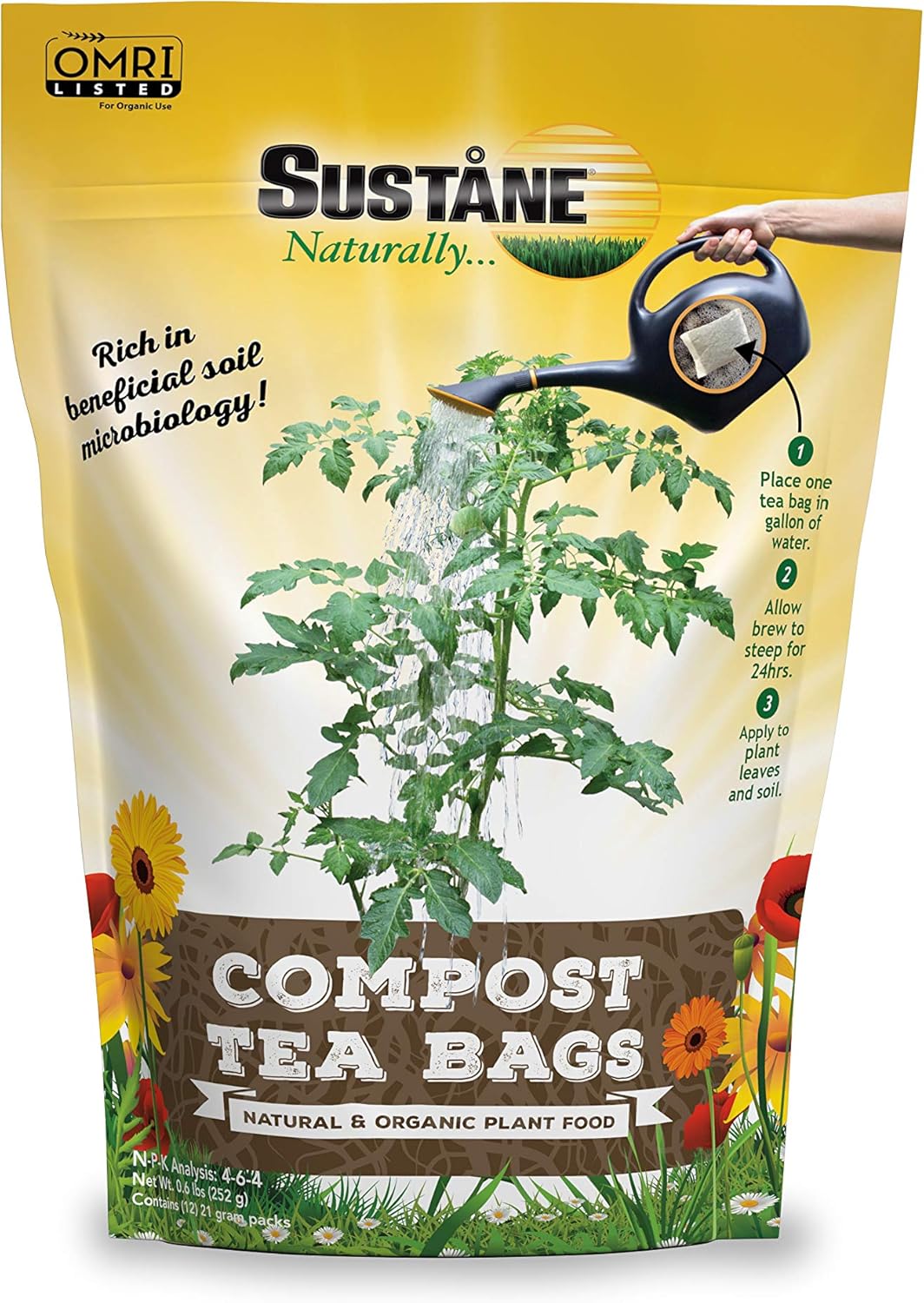
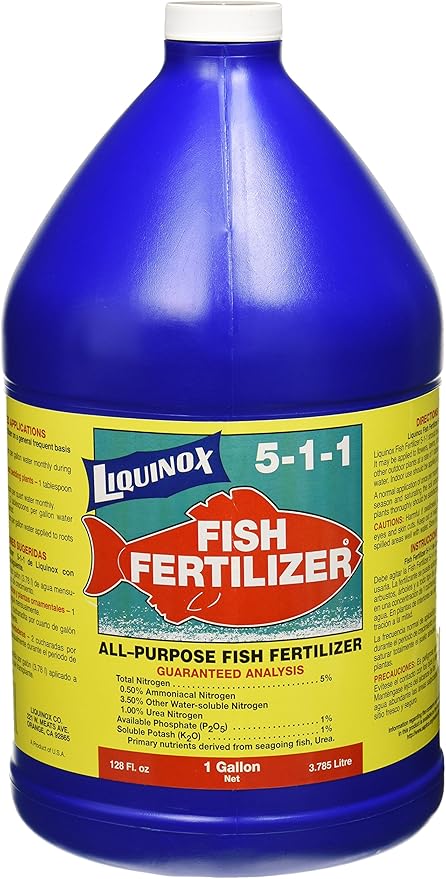
    Fertilizers such as fish emulsion, compost tea, and organic fertilizer are all good choices.  You also need to make sure that you don’t overwater the plants because this will stunt the growth of the plant. 

    You should give your zucchini plants about one inch of water a week, keeping the soil moist but not soggy. This will prevent the plants from becoming over-watered.

    Growing Zucchini – Zucchini Plant Size

    Growing zucchini plants is the easiest way to get a steady supply of fresh zucchini for summer meals. Grow a few of these plants and you’ll have fresh zucchini all summer long.

    Starting seeds

    Start seedlings indoors two to four weeks before the last frost date.  Zucchini seeds germinate quickly, so you don’t need much space or time to grow them.

    Sow Right Seeds – Non-GMO Heirloom Packet

    81zRDfzKlDL. AC SX679

    Transplanting

    Then transplant them outside as soon as the soil can be worked in spring. Plant them in rows between two to three feet apart. 

    Spacing

    Zucchini plants grow quickly, so give them enough room. The right spacing for Zucchini is six to eight inches between plants. You may need to experiment with the spacing to find what works best for your situation.

    You will also need to space out the pots that you have planted with Zucchini. The pot for your zucchini plant should be at least 12 inches deep and 24 inches wide. You should also not plant more than one Zucchini plant per small pot.

    Water

    For best growth, provide one inch of water a week.  Watering your zucchini often will keep them consistently growing at the right pace. Plant your zucchinis in a location where they will get full sun.

    Watering daily is not as important as you might think.  Zucchini need a lot of light and air so daily watering will not cause them any harm.

    Fertilize

    Fertilize when planting your zucchini outside and again when the flowers begin to bloom with a high-nitrogen fertilizer.

    Companion plants

    To keep pests away from zucchini, plant marigolds around the perimeter of the garden. Or use organic insecticide to deal with any kind of pests.

    How To Harvest – Zucchini Plant Size

    Wait until the fruit is six to eight inches long, then pick it. Pick the fruit before it’s too big, as it has the best flavor at six to eight inches long. They will be ready for harvest when the flowers have turned brown and dried up.

    When they are ready for harvest, cut them from the main stem using a sharp knife or scissors.  Avoid pulling them from the plants to prevent damage.

    How To Harvest Zucchini

    Final Thoughts On Zucchini Plant Size

    The zucchini plant size is an indication that the plant is either well fed or not. Be sure to use fertilizer and give your zucchini adequate space to grow. If your zucchini plants are bigger than average, this could be due to a defect or a disease.

    On the other hand, zucchinis should not be left to grow too big as they will not be as flavorful.  Start harvesting them when they are at least six inches long.

    Zucchini plants are usually harvested before they get very large as this will ensure that they continue to produce zucchini fruit for a longer time. There are many ways of growing zucchinis and choosing the right method can be very important.

    As mentioned before, it is best if you choose to grow them in containers as it can help to ensure that you have a good yield of zucchini fruits. You should also choose a variety that is suitable for your area because different areas have different environmental conditions and this will affect how the plants grow.

    FAQs

    How much space does zucchini need in the garden?

    Zucchinis can be grown on a large scale with a lot of space. Plant them in two to three feet apart spaced six to eight inches. They require sunlight for the best growth and can be grown in containers or raised beds.

    How many zucchinis do you get per plant?

    Zucchinis are easy to grow and produce lots of fruit per plant. Some varieties of zucchinis produce more fruit than others. On average, a zucchini plant will produce three to ten pounds of fruit per season.

    Do zucchini plants need support?

    Support is not required for most varieties of zucchini plants. However, some varieties of zucchini plants are so large that they may require support to keep them from toppling over. 

    What size grows bag for the zucchini plant?

    You will need a very large grow bag (at least 5 gallons) for your zucchini plant. You can get one from Amazon or any other gardening store.  Zucchini plants are best planted in late April and May. However, some people prefer to start their seeds indoors in March so they have a head start on the summer heat. In general, most varieties of zucchini plants are started in late April and May.

  • Are Green Chilies Hot? – An Overview

    Are Green Chilies Hot? – An Overview

    So are green chilies hot, or are they mild and gentle on your mouth? Can you enjoy them raw or cooked without tearing up?

    The history of green chilies goes back thousands of years. Green chilies have been used as a vegetable in Southeast Asia for more than 5,000 years. During the first millennium A.D., chili peppers were introduced to Europe.

    In the 15th century, Portuguese explorers introduced chili peppers to the rest of the world. During the second half of the 20th century, there was a huge increase in the cultivation of chili peppers. Chili peppers are now cultivated worldwide.

    Chilies Health Benefits

    Green chilies are grown due to their many health benefits that include:

    • Prevention of heart disease
    • Blood pressure reduction
    • Lowering cholesterol
    • Fighting cancer and preventing infections.

    So, Are Green Chillies Hot?

    The word “hot” is a bit of a misnomer when talking about chillies because it implies a certain level of heat that you can feel. But the real meaning of the term is much more about flavor than anything else. 

    There are many different types of chillies, but most fall into one of two categories – hot or mild.

    • Hot Chillies (aka “Spicy”). Hot chillies come from the Capsicum family, and most are in the bell pepper sub-family and include the jalapeño, poblano, and serrano. All these are available fresh or dried, and they have a very different taste to mild chillies. The amount of heat in a particular chili also varies quite much, so it’s essential to try out different peppers to find your favorite.
    • Mild Chillies (aka “Sweet”). Mild chillies belong to the C. chinense sub-family, including the cayenne, paprika, caribe, and pasilla. All are relatively mild in flavor with a hint of sweetness.

    The two categories don’t have much to do with temperature, so they aren’t suitable for comparing their heat levels. For example, the habanero is hotter than the poblano, but both are mild.

    You can also find hotter chillies than the habanero and those that are hotter than the poblano. But even then, the level of heat is not a reliable guide to how spicy they are.

    Green chillies include all green peppers that are hot, including Anaheim, jalapeno, poblano, and cayenne. While Anaheim chilies rate 500 to 2,500 units on the Scoville heat scale, jalapeno peppers rank between 2,500 and 5,000 Scoville units.

    Pepper Seeds for Planting 8 Varieties Pack, Seeds for Planting in Garden Non-GMO

    Are Green Chillies Hot

    Click Here to Learn:

    What’s The Difference Between Red and Green Chillies?

    Green chilies are unripe (or “green”) versions of the same type of chili as red ones. They are used mainly in salsas and stews.

    Green chillies are usually milder than red ones and have a distinctive taste and texture. Green chili peppers are available fresh, although they can be dried. The amount of heat in a particular chili also varies quite a lot, so it’s essential to try out different peppers to find your favorite.

    If you don’t know how hot a chili is, it’s always best to start with the smallest quantity, so you can easily adjust it to your liking. If you’re a beginner, it’s also important to buy fresh chillies rather than dried ones since dried ones can be extremely spicy.

    What’s The Difference Between Red And Green Chillies

    Red chillies are often used fresh, but they can also be stored for several months in the refrigerator. Once you’ve found a recipe that uses red chilies, make sure you try them out at different times of the year to find out how long they last.

    They don’t keep well for very long when they’re too hot, so it’s best to buy the hottest ones and leave them until you need them. The longer they’re left in storage, the hotter they will become, so it’s essential to use them as soon as possible.

    In Conclusion – Are Green Chilies Hot?

    To answer the question “are green chilies hot?”, it is vital to know the differences between green and red peppers as we have explained above. Green peppers are milder than red ones. Both red and green peppers can add excellent flavors to your favorite savory dishes. 

    Green chilies are used to make relishes, sauces and salsas. They are used in many dishes like Mexican food, Thai food, Italian food and Indian food.

    FAQ’s

    How hot are green chilies?

    Green chilies are not as hot as red peppers.  These are mild peppers with a milder version of a habanero (called a Scotch bonnet), they come in a range of heat from ‘very mild’ to ‘very hot’. A ‘Scotch bonnet’ is a mild green chili and can be used in curries or other dishes. Milder versions are used in sambals, dips, and sauces.

    Are green chilies hot or mild?

    They are generally considered to be mild but this depends on which variety you buy. Some are milder than others. They are usually used for dipping sauces, but some people like them as an ingredient in their food.

    Are green chilies hotter than jalapenos?

    Green chilies are not hotter than jalapenos as they are mild in taste.  Jalapenos are spicy and hot red peppers that you will find in supermarkets.  They can be added to any dish, although they are most commonly found in dishes that contain tomato sauce.

    What are green chilies?

    Green chilies are unripe mild peppers that come in a wide variety of shapes and sizes and have a wide range of flavors. Most commonly they’re used as a spice for dishes like salsa, but they’re also used fresh in salsas, curries, stews, and other dishes.