Growing peppers from seed is one of the most rewarding experiences for home gardeners. Whether you’re after sweet bell peppers or fiery habaneros, starting from seed gives you control over varieties, growing conditions, and harvest timing. This guide walks you through every step from germination to harvest.
🛒 Essential Supplies for Growing Peppers
- Pepper Seed Variety Pack – 8 popular varieties
- Seedling Heat Mat – Speeds germination
- LED Grow Light – Full spectrum for seedlings
- Organic Seed Starting Mix – Perfect for germination
- Pepper & Tomato Fertilizer – Balanced nutrients
Choosing Pepper Varieties
Before you start seeds, decide which types of peppers match your taste and growing conditions. Bell peppers are sweet and perfect for salads and stuffing, while jalapeños add moderate heat to dishes. Habaneros and ghost peppers bring intense heat but require longer growing seasons.
Consider your climate when selecting varieties. Short-season gardeners should choose early-maturing peppers like ‘Early Jalapeño’ or ‘Gypsy’ bell peppers. Warmer climates can support long-season varieties like ‘Carolina Reaper’ or ‘Aji Amarillo’.
Starting Pepper Seeds Indoors
Start your pepper seeds indoors 8-10 weeks before your last frost date. Peppers need warm
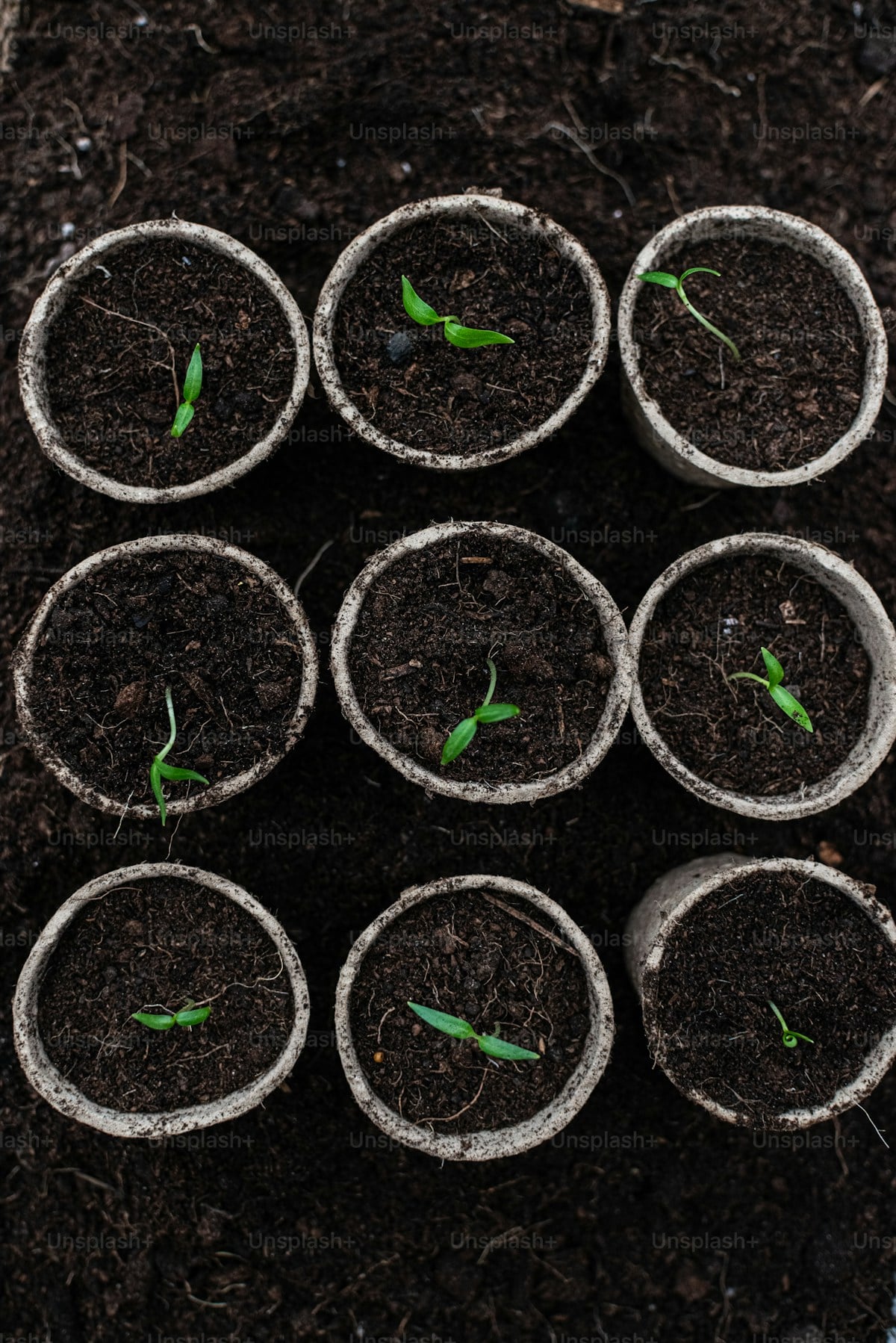
Fill seed trays with quality seed starting mix and plant seeds ¼ inch deep. Label each variety clearly to track performance. Keep the
Once seedlings emerge, provide 12-16 hours of light daily using grow lights positioned 2-3 inches above the tops of plants. Raise lights as seedlings grow to prevent leggy, weak stems. A small fan running a few hours daily strengthens stems and prevents damping off disease.
Transplanting Pepper Seedlings
Harden off seedlings gradually over 7-10 days before transplanting outdoors. Start with 30 minutes of outdoor exposure in shade and gradually increase time and sun exposure. This process prevents transplant shock and sunburn.
Wait until nighttime temperatures stay consistently above 55°F and
Space plants 18-24 inches apart in full sun locations receiving at least 6-8 hours of direct sunlight. Peppers thrive in well-draining soil with pH 6.0-6.8. Mix 2-3 inches of compost into your planting holes and add a balanced fertilizer at transplant time.
Caring for Growing Pepper Plants
Water peppers deeply once or twice weekly, aiming for 1-2 inches per week total. Deep watering encourages strong root systems. Consistent moisture prevents blossom end rot, a calcium deficiency disorder triggered by irregular watering.
Apply 2-3 inches of organic mulch around plants to retain moisture, suppress weeds, and regulate
Feed every 2-3 weeks with a balanced fertilizer once plants start flowering. Avoid high-nitrogen fertilizers which promote leafy growth over fruit production. Switch to a fertilizer with higher phosphorus (middle number) once flowering begins to boost fruit set.
Harvesting Peppers
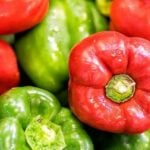
Most pepper varieties mature 60-90 days after transplanting, depending on type and weather. Harvest bell peppers when they reach full size and develop their mature color – green, red, yellow, or orange. All bell peppers start green and change color as they ripen.
Hot peppers develop more heat and flavor if left on the plant longer after reaching full size. The longer they ripen, the hotter they become. Use clean pruning shears to cut peppers from plants with an inch of stem attached rather than pulling, which can damage branches.
Regular harvesting encourages continued production throughout the season. A single pepper plant can produce 20-50 fruits with consistent care and harvest.
Common Pepper Growing Problems
Blossom drop: Caused by temperature extremes – below 60°F or above 90°F at night. Provide shade cloth during heat waves and row covers during cool snaps.
Slow growth: Usually due to cold
Few fruits: Often from too much nitrogen or inadequate pollination. Switch to a bloom-boosting fertilizer with higher phosphorus and gently shake plants daily to encourage pollination.
With proper care, timing, and variety selection, you’ll harvest abundant peppers all season long from a spring planting that continues producing until frost.