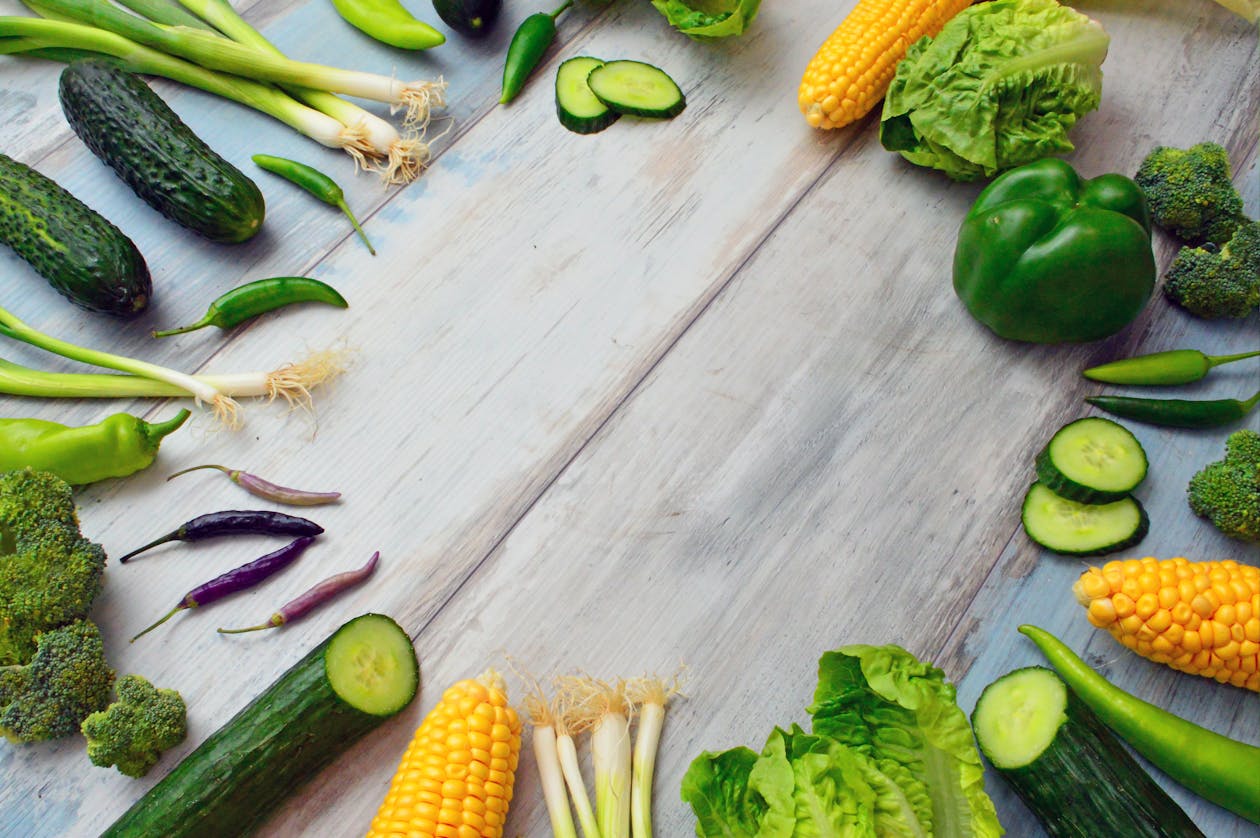
Companion planting is the practice of growing certain plants together for mutual benefit. This time-tested technique can improve yields, reduce pests, and create a more resilient garden ecosystem. Here’s your complete guide to companion planting for 2026.
How Companion Planting Works
Plants interact with each other and their environment in complex ways. Some combinations offer benefits like:
- Pest deterrence – Strong-scented plants can confuse or repel pests
- Pollinator attraction – Flowers draw beneficial insects to your vegetables
- Nutrient sharing – Legumes fix nitrogen that neighboring plants can use
- Physical support – Tall plants can shade or support shorter ones
- Space optimization – Plants with different root depths can share space
Classic Companion Planting Combinations
The Three Sisters
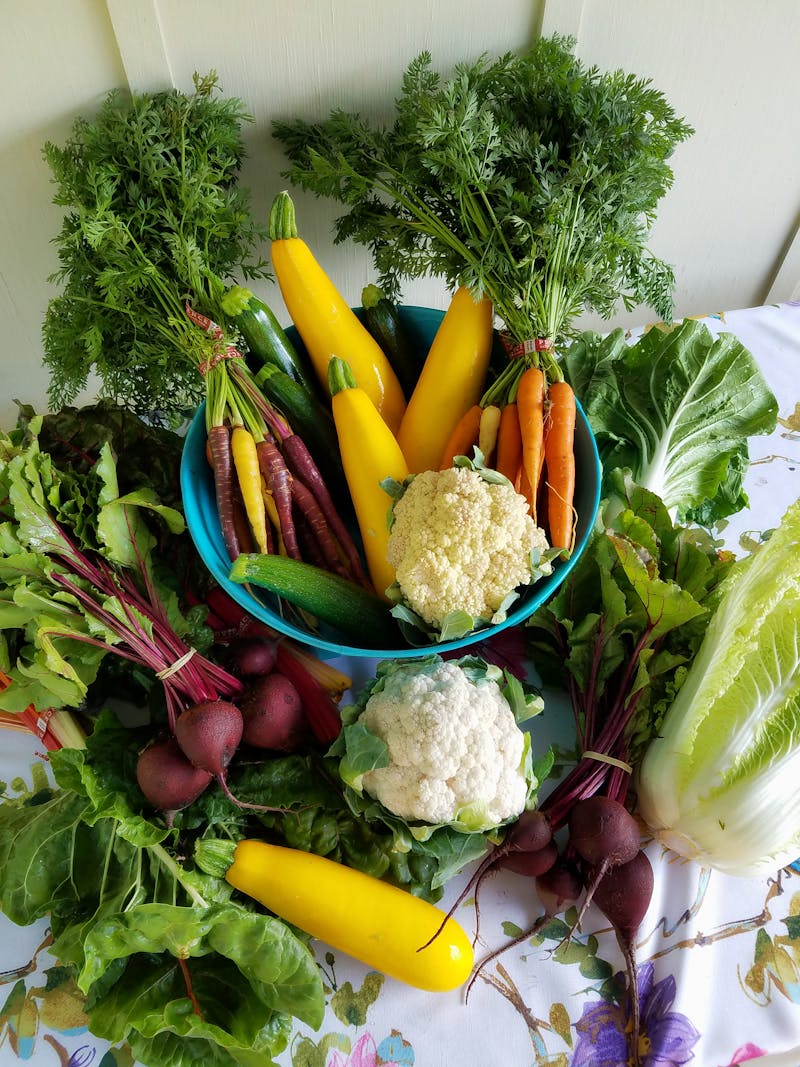
This Native American technique combines corn, beans, and squash. Corn provides support for beans, beans fix nitrogen for all three, and squash leaves shade the
Tomatoes + Basil
Basil may repel tomato hornworms and aphids while potentially improving tomato flavor. At minimum, they share similar growing conditions and make a great culinary pairing.
Carrots + Onions
The strong scent of onions can confuse carrot flies, while carrots may help deter onion flies. They also don’t compete for the same
Roses + Garlic
Garlic planted around roses may help deter aphids and other pests while adding to your edible garden harvest.
Best Companions for Popular Vegetables
Tomatoes
Good companions: Basil, carrots, parsley, marigolds, nasturtiums
Avoid: Brassicas (cabbage family), fennel, corn
Peppers
Good companions: Tomatoes, basil, carrots, onions, spinach
Avoid: Fennel, kohlrabi
Cucumbers
Good companions: Beans, peas, radishes, sunflowers, corn
Avoid: Potatoes, aromatic herbs
Lettuce
Good companions: Carrots, radishes, strawberries, chives
Avoid: Celery, parsley
Beans
Good companions: Corn, squash, carrots, cucumbers, cabbage
Avoid: Onions, garlic, fennel
Flowers That Benefit Vegetable Gardens
Marigolds
The classic companion flower. French marigolds release chemicals that deter nematodes and may repel whiteflies. Plant throughout your vegetable garden.
Nasturtiums
These edible flowers act as “trap crops,” attracting aphids away from your vegetables. They also deter squash bugs and cucumber beetles.
Sunflowers
Attract pollinators and beneficial insects. Their tall stalks can provide shade for heat-sensitive crops and support for climbing beans.
Calendula
Attracts beneficial insects like ladybugs and lacewings that prey on garden pests. Also has medicinal properties.
Companion Planting Tips

- Start with proven combinations before experimenting
- Consider plant heights and sun requirements when planning
- Rotate companion groups yearly to prevent
soil depletion - Keep records of what works in your specific garden
- Remember that results can vary based on local conditions
🌻 Companion Planting Seeds
- Marigold Seeds – View on Amazon
- Nasturtium Seeds – View on Amazon
- Companion Planting Book – View on Amazon
As an Amazon Associate, we earn from qualifying purchases.
Conclusion
Companion planting is both art and science. While not all traditional pairings have been scientifically proven, many gardeners swear by these techniques. Experiment in your own garden and discover what works best for your growing conditions.
🌻 Companion Planting Essentials